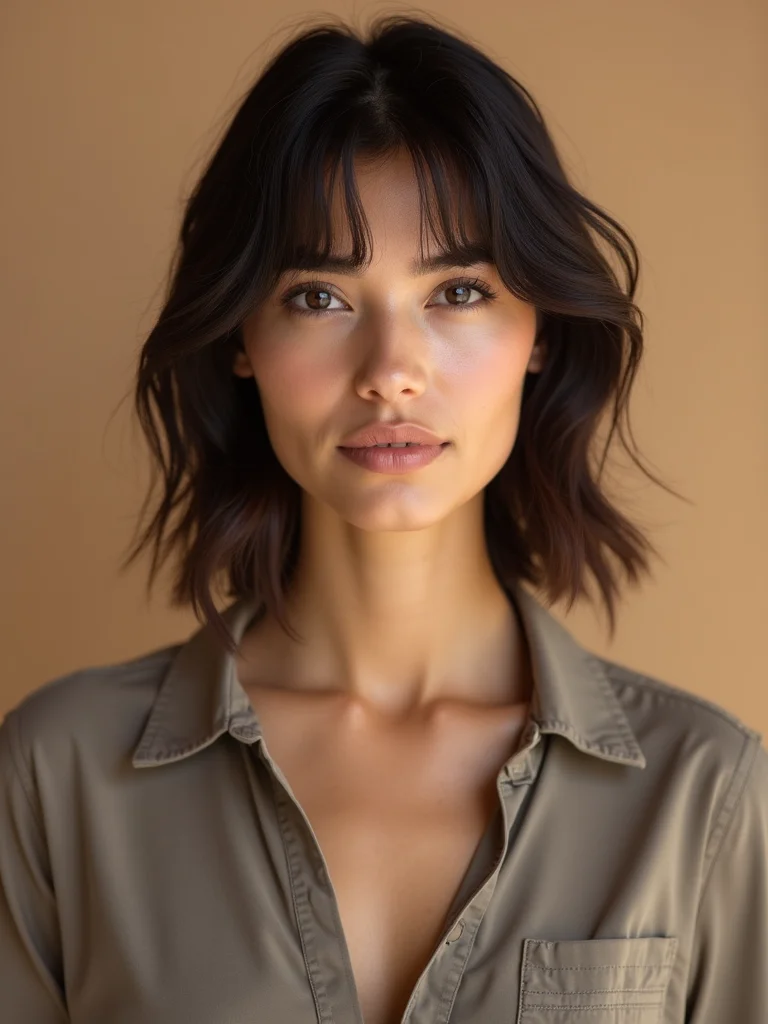
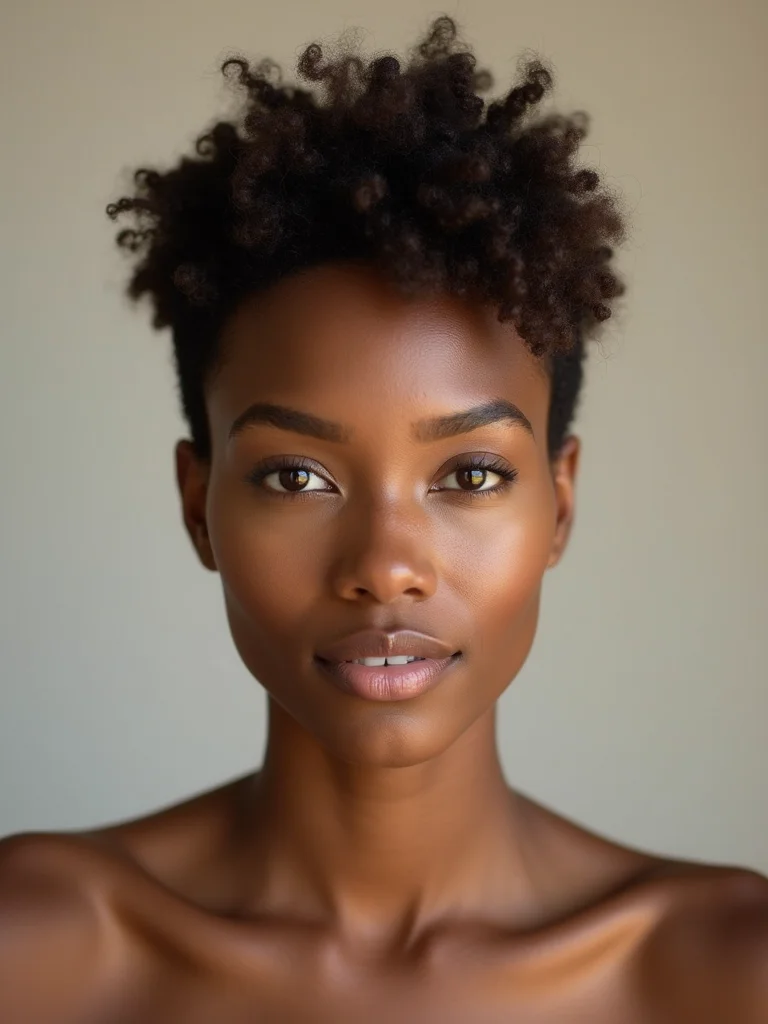
Say shag to most people and they still picture something dated, a rock-and-roll relic that only ever worked on stage. That reputation is fifty years stale. The 70s shag has become a salon staple, for one simple reason: it builds movement and volume into the hair itself, so you get body without an hour of styling. The modern version barely resembles its lacquered ancestor. It’s softer, shinier, and built with today’s face in mind.
This is the full picture in one place: where the shag came from, how it shifts from a cropped pixie to swishy long hair, how it behaves on curly, fine, and thick textures, and exactly how to ask for the version that suits your routine. Treat it as the map before you pick a direction.
Before You Book a Shag
- A true shag needs three specific things together: heavy internal layers, a piecey perimeter, and a fringe.
- It works from a pixie to long hair and flatters most faces, but fine and wavy textures get the biggest payoff.
- The cut is low-effort day to day; getting the consultation right matters more than the styling.
From Stage to Sidewalk
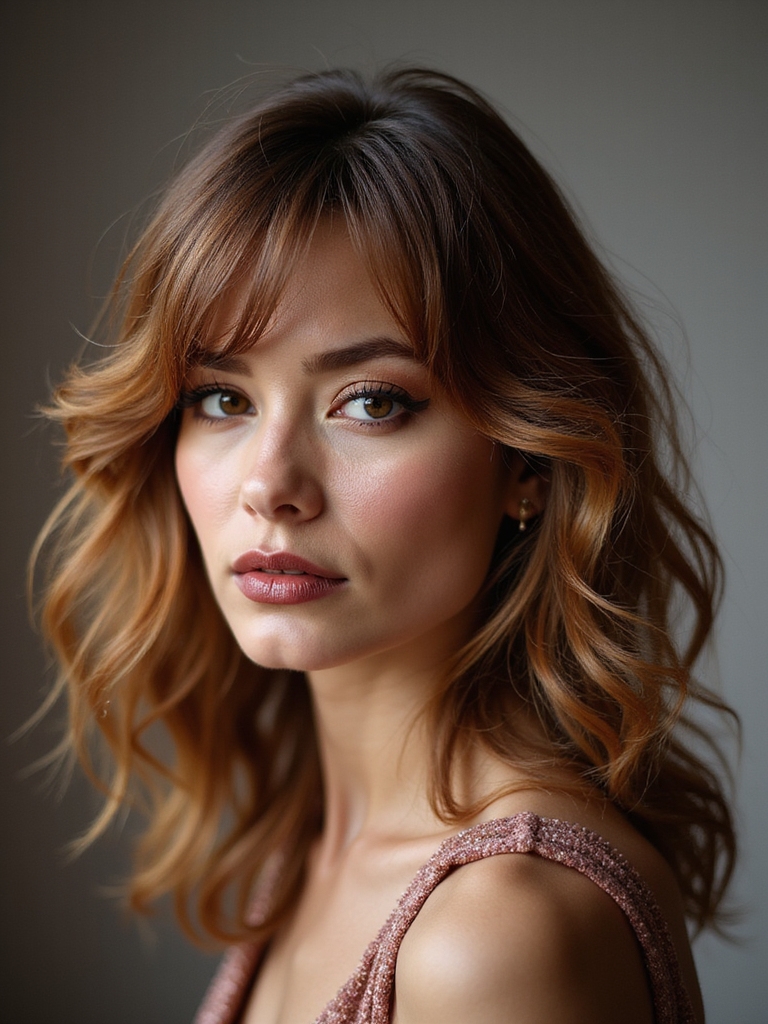
The shag was born on stage in the early seventies, a deliberately rough, layered cut that read well under bright lights and looked even better by the encore. It crossed over fast, because for the first time a fashionable haircut didn’t need setting, pinning, or an hour under the dryer.
You washed it, shook it, and left. That wash-and-wear practicality is exactly why it outlasted the decade, and why nearly every low-effort cut since owes it something.
- Started as a textured, layered cut on the early-seventies music scene.
- Won people over by needing no daily setting or styling.
- Became the template for the wash-and-wear cuts that followed.

What Makes a Cut a True Shag

Strip away the decade and a shag comes down to three things. First, heavy internal layering, with short layers stacked through the crown for height. Second, a feathered, piecey perimeter in place of a blunt line. Third, some kind of fringe, from a wispy curtain to a full feathered bang.
Why the Disconnection Matters
Those three together are what separate a shag from a plain layered cut. A standard layered haircut blends its layers softly. A shag keeps them choppier and more disconnected, with each piece standing apart from the next.
That disconnection is the whole point. It gives the shag its texture and that tousled, barely-styled body, and it’s why the cut carries a sense of movement even when you’re standing still.
The Updates That Keep It Current
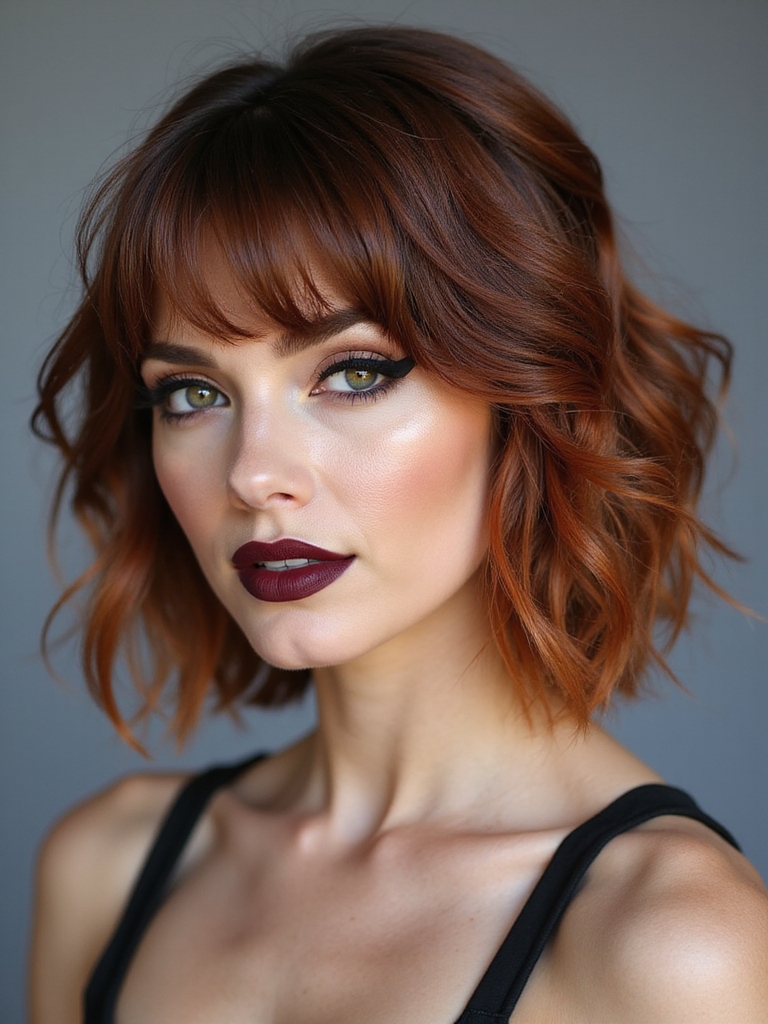
The seventies original was drier, flatter at the root, and often over-layered into thinness. Today’s shag fixes all three, which is exactly what keeps it off the costume rack and on real heads.
Old Shag, New Shag
The changes are small but they add up. Face-framing is softer and longer now, the layers keep weight and shine at the ends where old-school stripping used to thin them out, and the fringe leans toward a low-maintenance curtain over a heavy blunt bang.
The spirit is identical; the execution is gentler. If the seventies shag shouted, the modern one just moves.
🅰️Seventies Original
Dry, flat at the root, heavily feathered, often over-layered until the ends thinned out.
🅱️Modern Shag
Shinier, softer face-framing, layers placed for weight and movement, an easier grown-out fringe.
The Short Shag for a Bold Crop
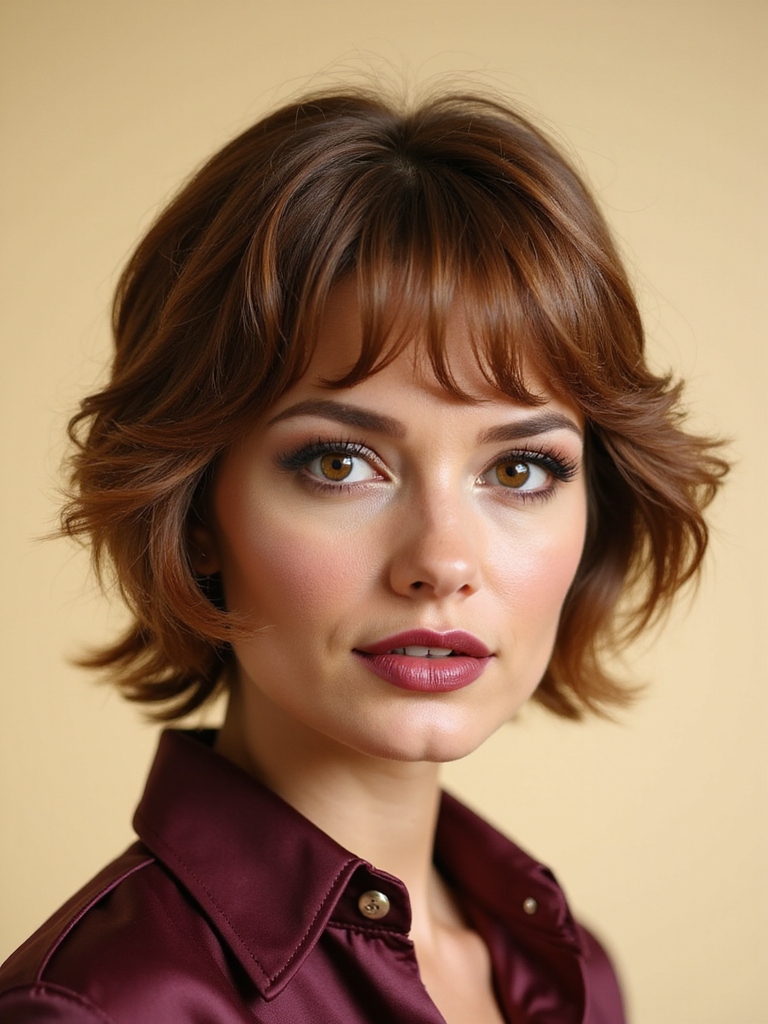
Taken short, the shag becomes a choppy, pixie-adjacent crop with all that layering packed into a smaller shape. It’s punchy and low-fuss, and it suits people who want maximum personality with minimum length to manage.
The Upkeep Catch
Short shags reward strong features and slimmer faces, and fine hair especially benefits: the short layers build the fullness that fine strands can’t grow on their own. If you want it length by length, our short shag guide goes deeper.
The trade-off is maintenance. A short shape loses its outline quickly, so plan on a trim roughly every five weeks. Thick or very curly hair needs careful debulking here, or it balloons out instead of lying close and textured against the head.
The Shaggy Lob at Medium Length
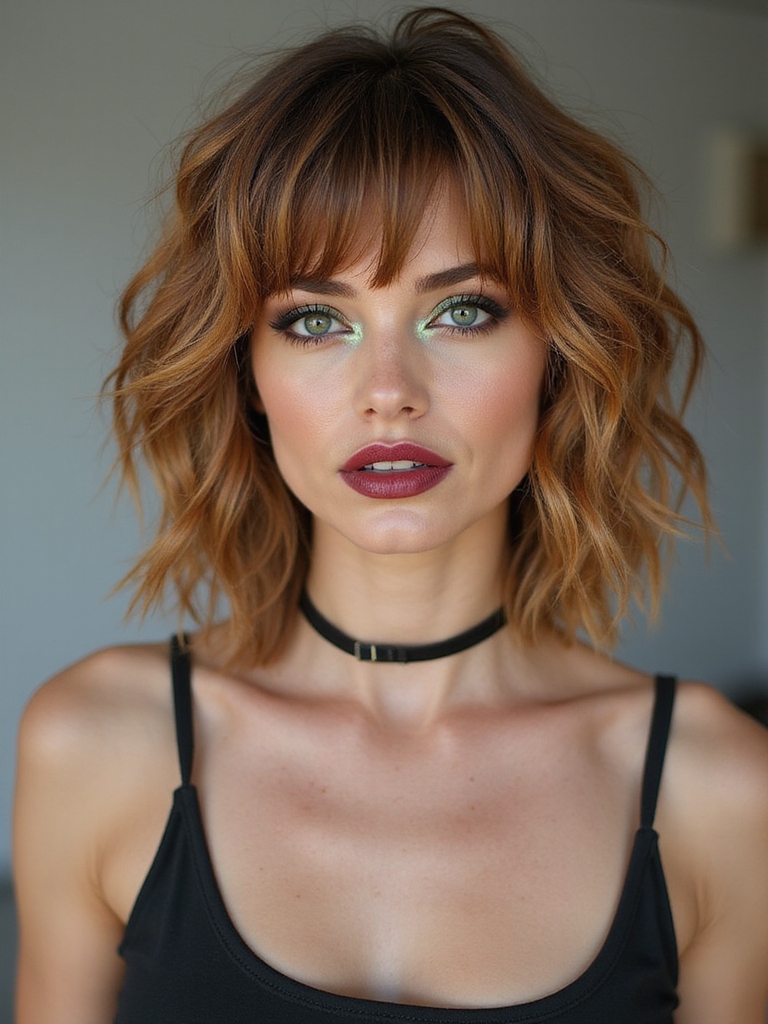
If there’s a shag almost anyone can wear, it’s the shaggy lob, hitting around the collarbone with layers and a soft fringe. It reaches far enough to pull into a low pony yet stays current on its own, and it’s forgiving as it grows, easing into a longer shag rather than losing its shape. That makes it the best first shag if you’re nervous about commitment. Here’s how to wear it:
- Ask for layers starting around the jaw so the shape moves without going short.
- A soft curtain fringe pairs best here, for the gentlest possible frame around the face.
- Style with a bend and a mist of texture spray for that just-back-from-the-coast finish.
The Long Shag With Maximum Movement
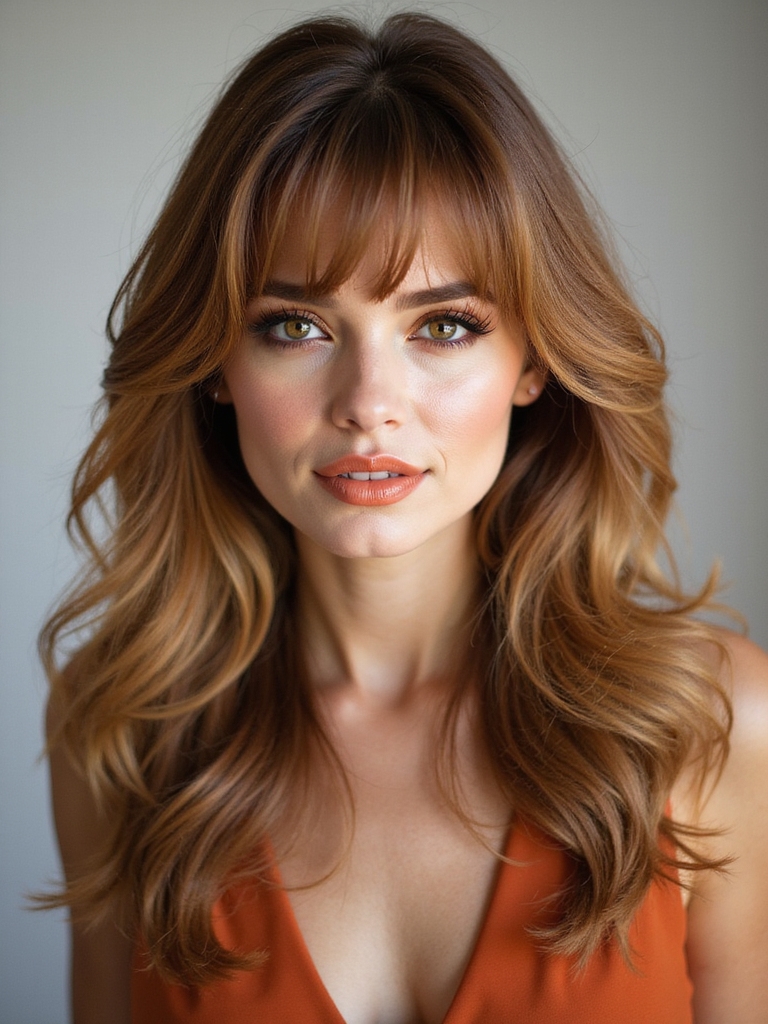
On long hair the shag solves the most common complaint I hear in the chair: length that hangs flat and heavy with no shape. Layers cut through the lengths give it swing and stop it reading like a curtain, while you keep the length you spent two years growing. It’s the most romantic version and the easiest to grow out, covered in full in our long shag breakdown. To keep it from going stringy:
- Keep the internal layers generous but the perimeter fuller so the ends don’t thin.
- Add long, face-framing pieces to carry the movement up toward the face.
- Refresh the layers a couple of times a year so the shape doesn’t blur into a plain long cut.
The Wolf Cut, the Shag’s Edgier Cousin
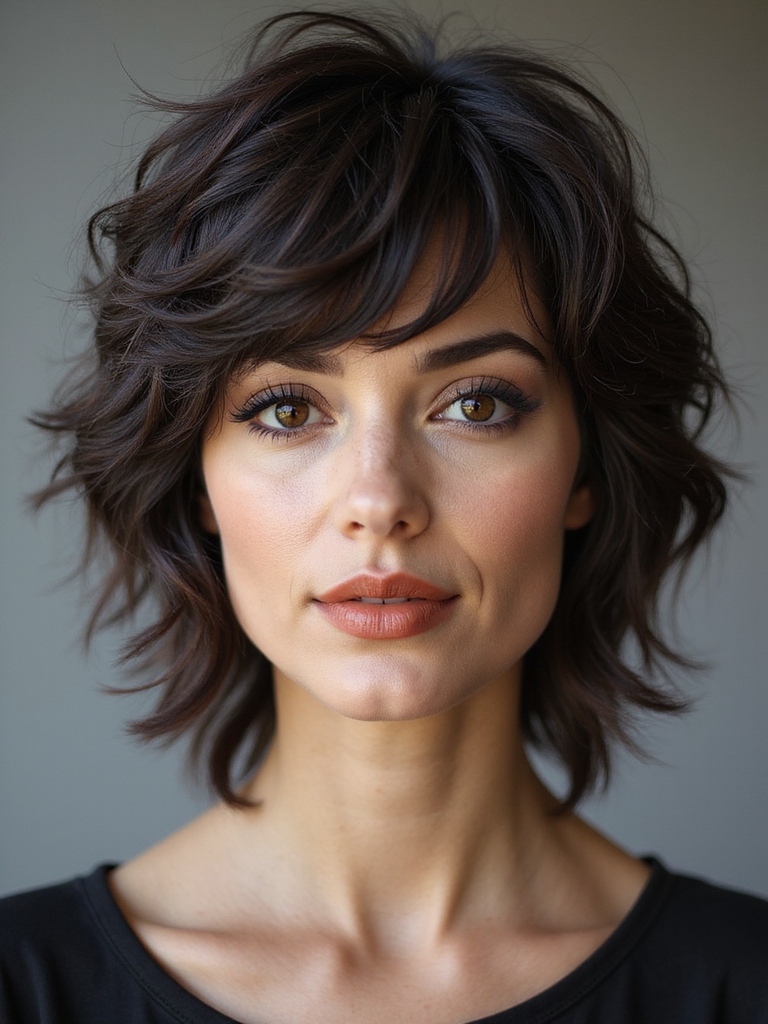
The wolf cut is what happens when a shag and a mullet meet: heavier, shorter layers up top over longer, shaggier lengths underneath, with a sharper disconnection between them. It’s the version that goes viral, it’s a lot of fun to wear, and it’s also the boldest commitment on this list. Our wolf cut guide covers it in full.
- Short, heavy crown layers over longer, shaggier lengths below.
- More disconnected and dramatic than a classic shag.
- Best for the confident, since it’s harder to grow out cleanly.
Choosing the Right Fringe
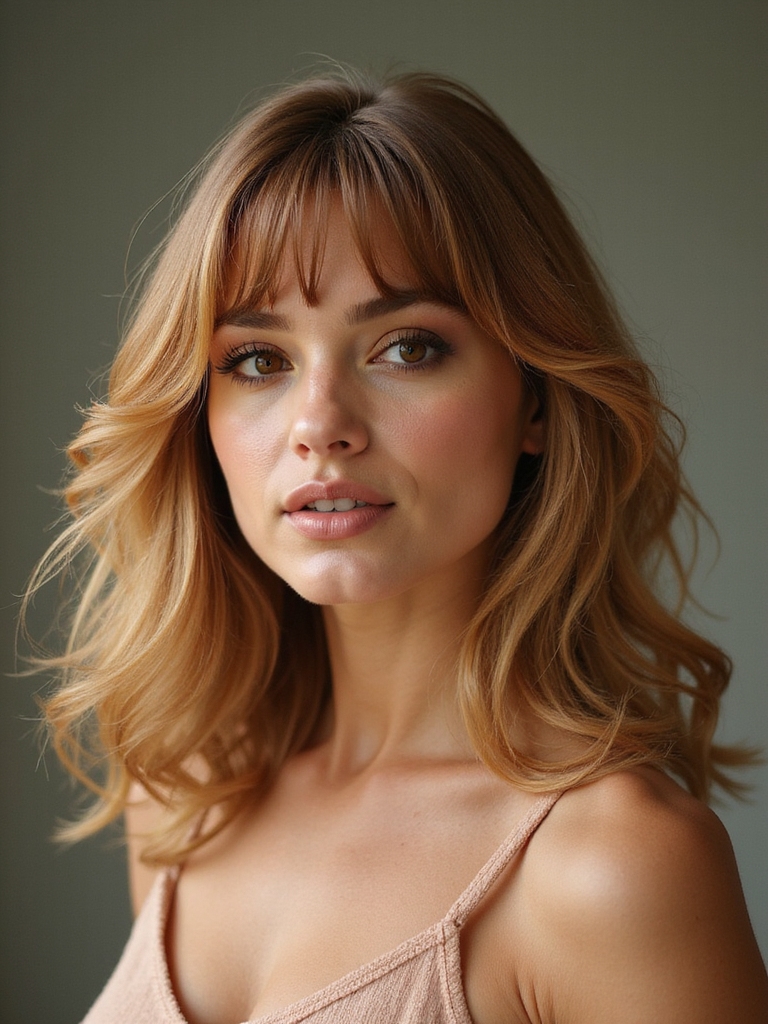
The fringe is where a shag goes soft or bold, and it changes the whole face. Most first-timers do best with a curtain fringe: it grows out by melting into soft pieces around the cheekbones, no blunt bang stage to pin back for months. Our shag fringe options cover each in detail, but here’s the quick version:
- Curtain fringe: parts in the middle, frames the cheekbones, softest and easiest to grow out.
- Full feathered bang: the retro statement, heavier and more of a commitment.
- Choppy micro-fringe: short and edgy, best when you want the cut to be the loudest thing about you.
The Shag on Curly and Coily Hair
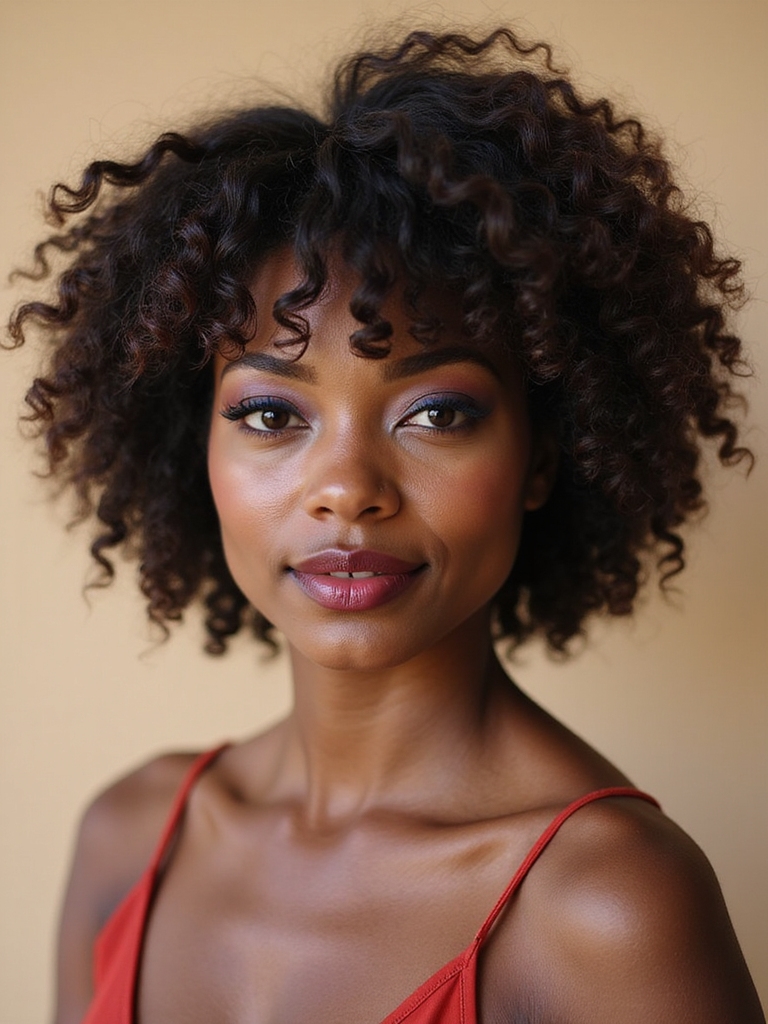
Curly and coily hair was practically made for this cut, since the texture already brings the movement and volume a shag is built to show off. Ask specifically for a dry cut: the stylist works with your curl pattern already formed, so every layer lands exactly where that curl actually sits.
Tighter coily patterns need extra length built in for shrinkage, since a coil can spring up to half its wet length once it dries. A shag cut too short on coils loses its shape entirely, so this is a conversation to have before any scissors come out.
On the days between washes, revive the curls with a mist of water and a little leave-in worked through gently; a comb or brush dragged through dry curls only roughs up the cuticle. Our curly shag guide walks through wash-day styling for each pattern.
A few shag terms worth knowing at the consultation:
📖Internal layering
Short layers cut inside the shape to build height and volume without shortening the outline.
📖Point cutting
A scissor technique that snips into the ends at an angle, breaking up the perimeter into soft, piecey texture.
Building Volume in Fine Hair

Fine hair is where the shag does some of its best work. The internal layering creates the impression of density, and the piecey ends give thin hair a deliberate, textured look. It’s the cut I lean on when a fine-haired client wants body without extensions or daily heat.
The mistake to avoid is over-layering. Take out too much weight and fine hair goes from full to wispy, so the layering has to stay restrained, more shape than scissors. A round-brush dry at the root plus a light texture spray holds the volume all day.
Weight Removal and Shape for Thick Hair
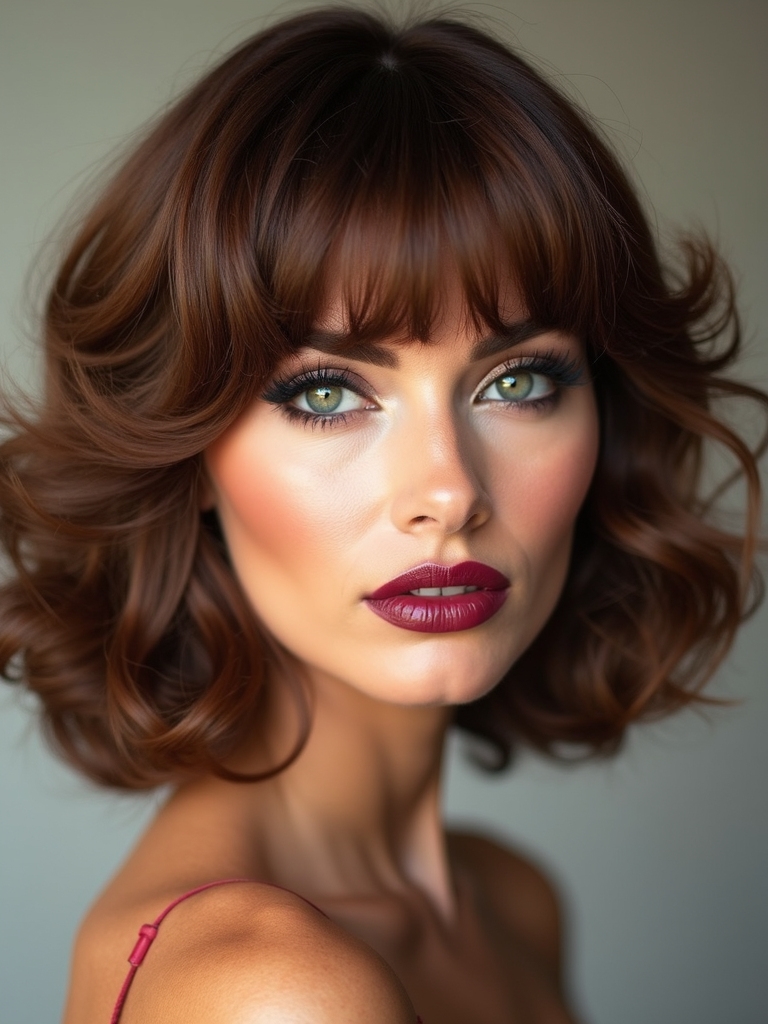
Thick hair brings the reverse challenge, an excess of weight that can puff a shag into a triangle when it isn’t handled well. A stylist thins it out from the underside first, leaving the top layer alone to fall smooth over what’s beneath, called internal debulking.
Done well, a thick-haired shag is spectacular, with the kind of body most people pay for. Ask for point cutting and internal thinning; texturizing shears run all over the surface tend to leave thick ends looking chewed.
Color That Brings Out the Texture
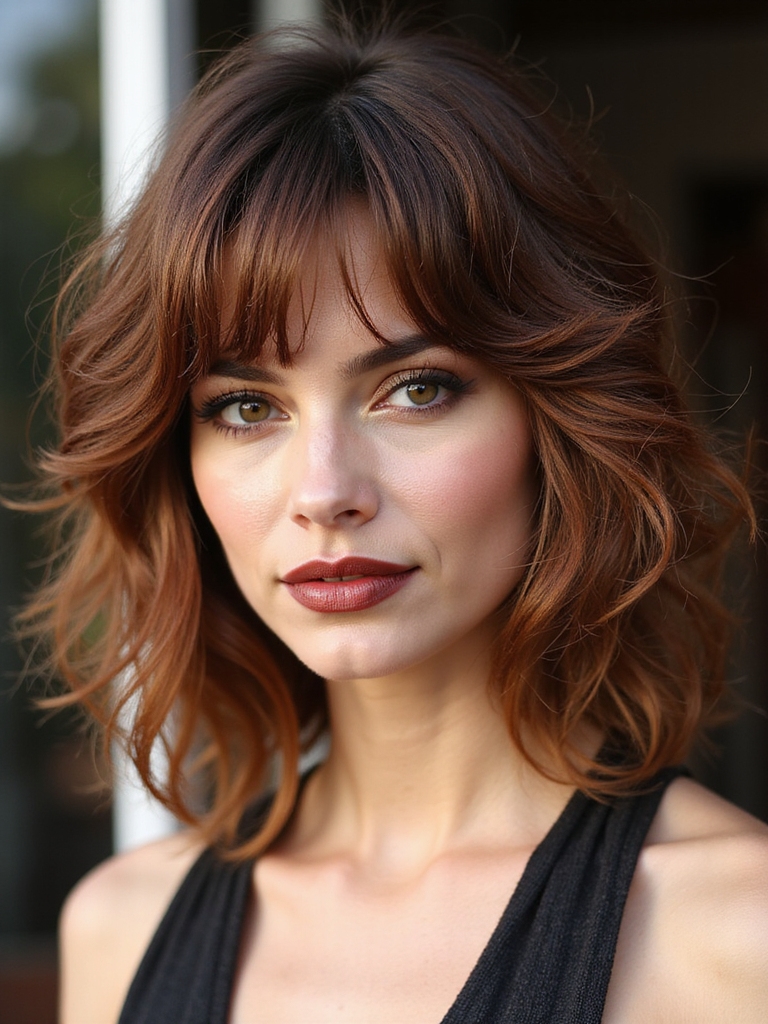
Color and a shag are a natural pair, because dimension makes the layers visible in a way a single flat shade never can. You don’t need a dramatic change, just contrast placed to catch the movement. A few pairings that pull their weight:
- Soft, face-framing highlights to light up the front layers.
- A gently blended root, so the grow-out line stays soft and gradual as it comes in.
- A subtle gloss to keep the ends shiny, since shag texture tends to look thirsty without it.
ℹ️A Color Note
Because a shag’s ends are exposed and piecey, they show dryness faster than blunt ends do. A gloss added at your color appointments keeps the layers looking healthy and smooth clear through the tips.
Styling for an Airy Finish
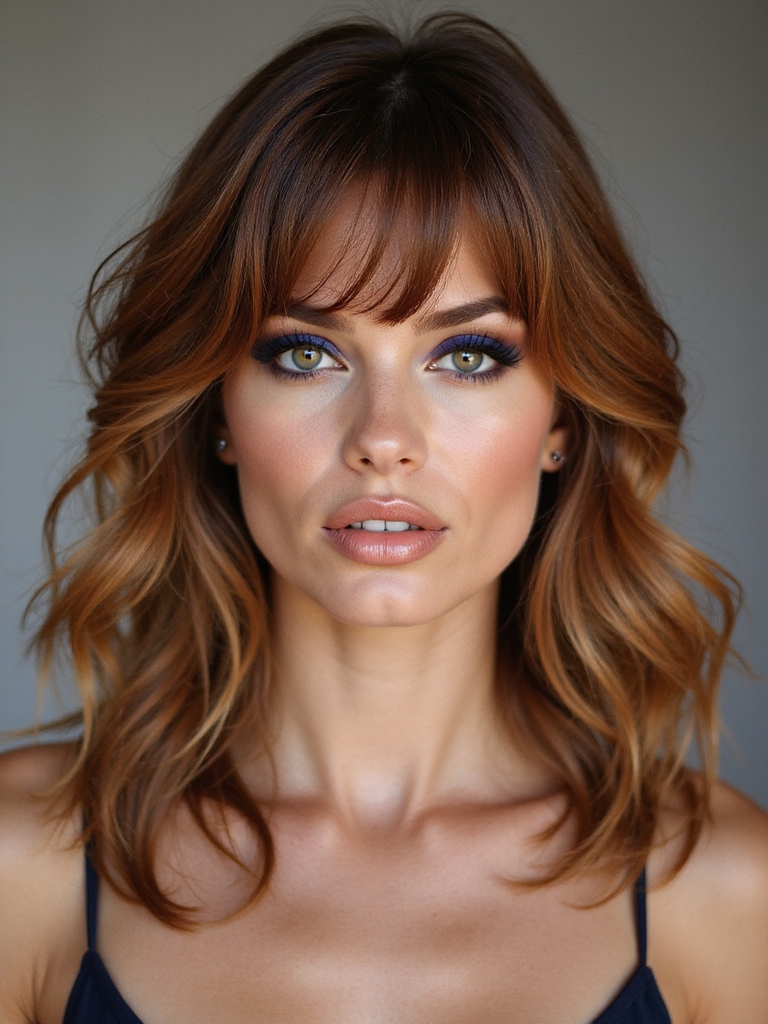
The whole appeal of a shag is that it looks undone, but undone still takes a couple of minutes. The goal is air and separation, so heavy creams and serums work against it.
Rough-dry most of the way with your fingers, then work a texture or salt spray from the ears down and scrunch. A little goes a long way; over-spray and the piecey look turns crunchy.
- Rough-dry to about 90 percent before you add any product.
- Scrunch texture spray from the ears down, keeping it off the roots.
- Twist a couple of front sections around a wand, then break them apart with your fingers for definition.
Keeping a Shag Up and Growing It Out
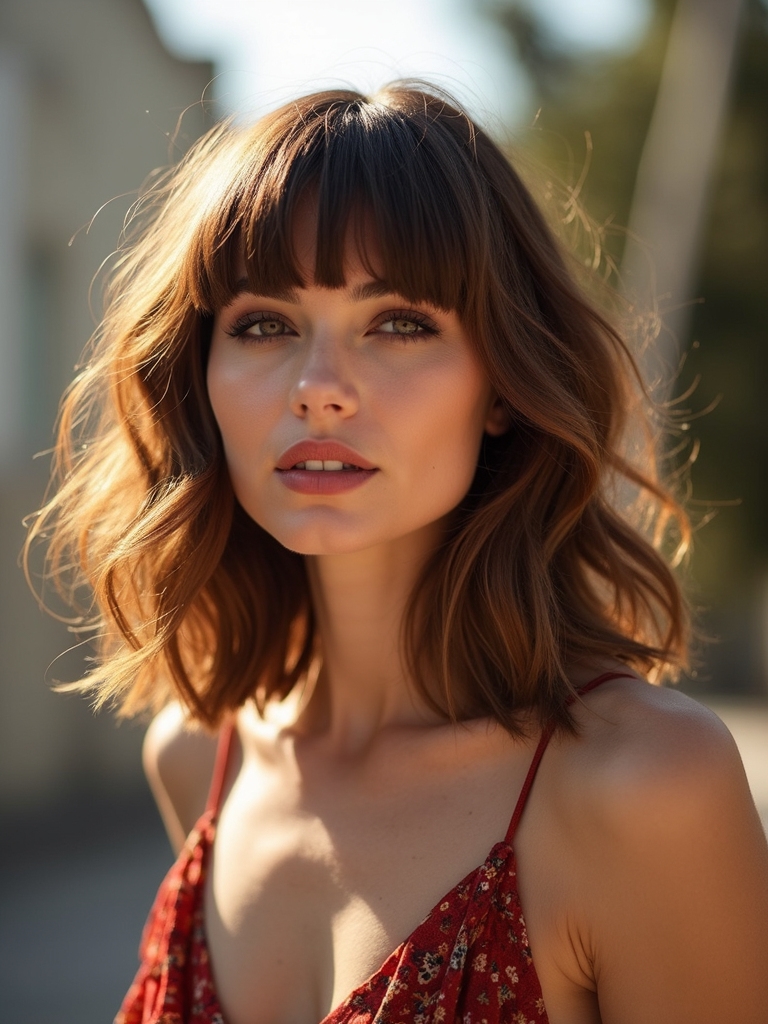
A shag is low effort day to day, but the cut itself needs tending to hold its shape. A full shag runs around $50 to $100 depending on your salon and length, and the trim rhythm comes down entirely to how short you’ve gone.
Growing one out is the easy part, as long as you keep the layers refreshed so the shape softens gradually into length. Skip the trims and a short shag in particular loses its outline fast.
| Length | Trim | Between visits |
|---|---|---|
| Short shag | Every 5 weeks | Keeps the outline sharp |
| Medium / lob | Every 9 to 10 weeks | A fringe trim in between |
| Long shag | A few times a year | Layers get refreshed; overall length stays put |
What to Save Before Your Appointment
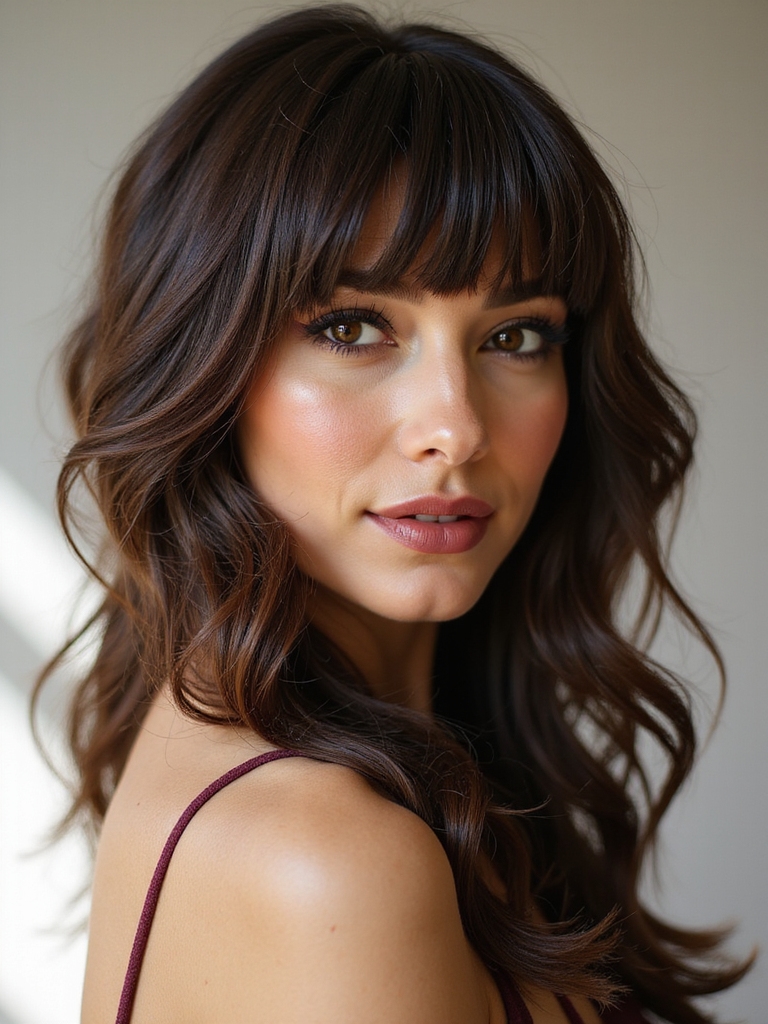
If you’re sold, the smartest prep is to gather two or three photos before your appointment, ideally on hair close to your own texture and length. A shag on straight hair and a shag on curly hair are almost different cuts, so the right reference matters.
One dramatic shot won’t cut it. Save a trio: one photo for the overall length, one for the fringe, and one for how much texture you actually want. Those three tell a stylist more than any single glamorous picture, and they keep your expectations honest about the routine you’ll really keep up.
What to Expect
The single biggest reason a shag disappoints is a vague consultation. The word covers everything from a soft lob to a full wolf cut, so don’t just say shag. Name the length, the fringe, and the amount of texture, for example a collarbone shag with a soft curtain fringe and gently blended layers.
Use the technical words your stylist responds to: internal layering for volume, a piecey or feathered perimeter, point cutting over blunt ends. If your hair is curly, ask specifically whether they cut curly hair dry. Get the consultation right and the shag delivers on its promise, movement and body with almost none of the daily work.
Shag Questions, Answered
?Does a shag take a lot of styling every morning?
Day to day, no. The whole point of the cut is that the layers do the work, so most people get away with a rough-dry and a mist of texture spray. The maintenance that does matter is the trim schedule, which keeps the shape from blurring.
?Will a shag work if my hair is stick-straight?
It can, though it needs the layers cut a little choppier and a texture spray to fake the separation curly and wavy hair gets for free. Straight, fine hair takes it beautifully; straight, thick hair needs debulking so it doesn’t sit heavy.
?How much length do I lose getting a shag?
Less than you’d fear. The length comes off mostly on the inside through layering, with the perimeter left largely alone, so a long shag keeps most of its length while gaining movement. Tell your stylist to protect the perimeter if length is your priority.
A Modern Cut, Not a Throwback
Strip away the nostalgia and the shag endures for one practical reason: it builds movement and volume into the cut itself, so your hair carries the body on its own. That’s as useful now as it was fifty years ago.
If you’ve been curious, start soft — a collarbone version with a soft fringe — before you go bolder. It’s the easiest way to find out whether the shag and its barely-trying texture is the cut you’ve been after.
More to Browse