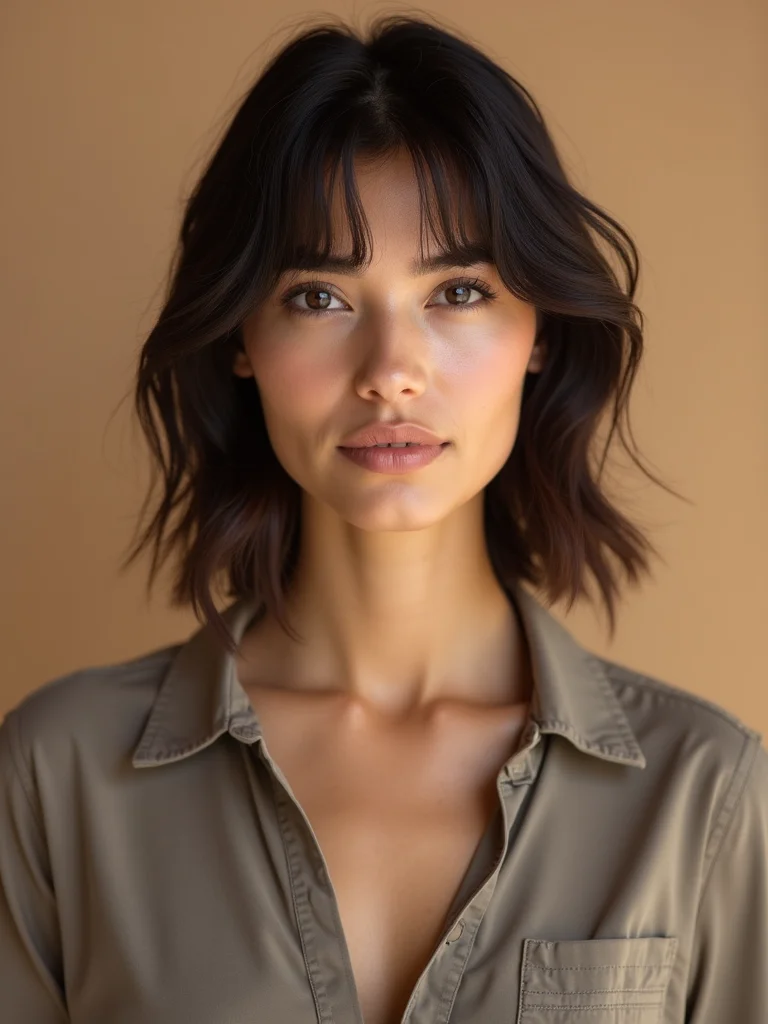
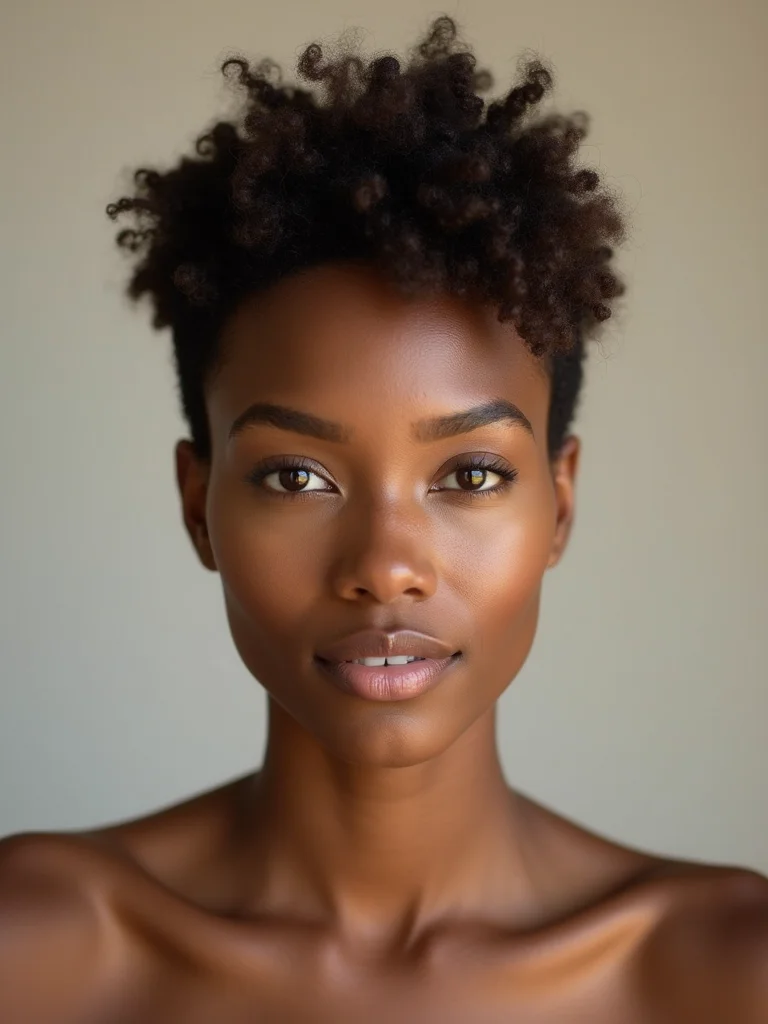
The first thing I tell anyone bringing me a bob photo for their natural hair is that we have to talk about shrinkage. A bob on coily or kinky hair is not the same cut as a bob on straight hair, because your curls spring up when they dry, so a length that looks right wet can land far shorter once it sets. Plan for that, and a natural hair bob turns into a flattering, joyful cut to wear.
Done right, the bob frames the face in your own springy texture and shows off the shape and volume of your curls instead of hiding them. Below are fifteen natural hair bobs, from blunt and sculpted to soft and wash-and-go, each chosen to celebrate your texture, with honest notes on who it suits, how it is cut, and how to keep it thriving.
Natural Hair Bobs, Quick Answers
Should a natural hair bob be cut wet or dry? Dry, in almost every case. Cutting on dry, defined coils lets your stylist see exactly where each curl lands and plan around the shrinkage, so the bob settles at the length you actually asked for.
How much does it shrink? It varies by curl pattern, but tighter coils can spring up several inches shorter than they look wet. Tell your stylist your target dry length, not your wet length.
How much upkeep is it? Day to day it is low, often a wash-and-go, but the shape needs a shaping cut every eight to twelve weeks, around $60 to $120, to keep its form.
The Classic Blunt Coily Bob
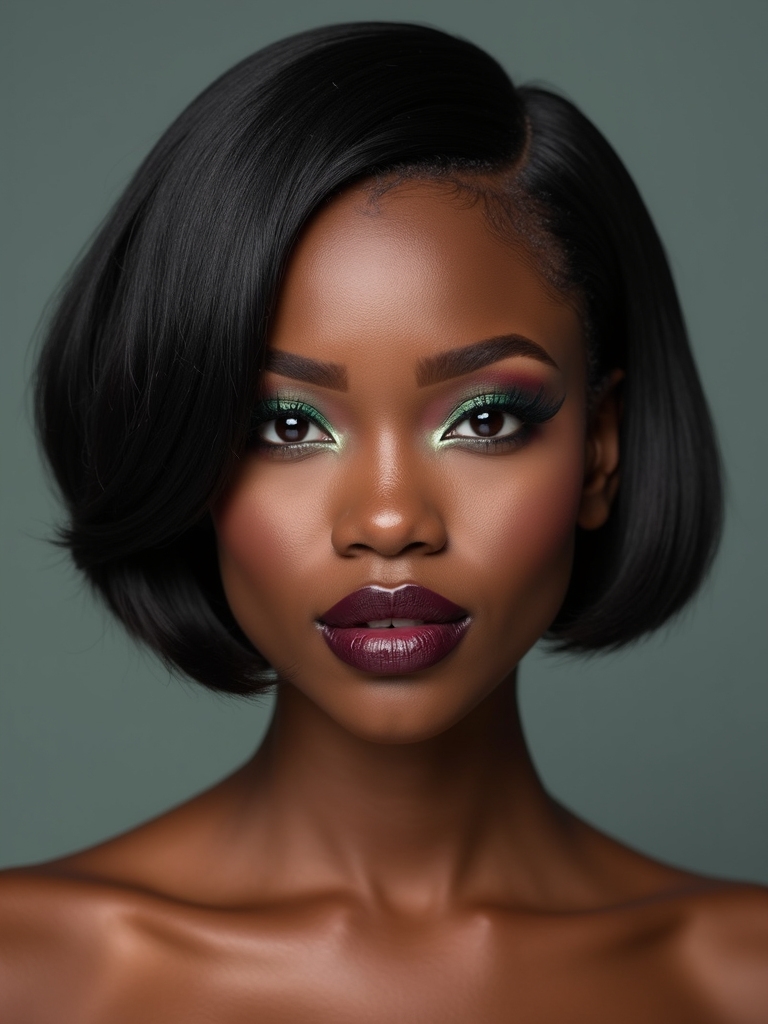
The classic blunt bob on coily hair is a clean, sculptural statement, the one-length perimeter shows off the density and definition of your coils. It frames the face in springy texture and looks polished and intentional. In my chair, it is the cut clients are most nervous to ask for and most thrilled with afterward. Here is how to get it right:
- Have it cut dry so the blunt line sits even once the coils shrink up.
- Style as a wash-and-go with a curl cream to define the perimeter.
- It suits most coil patterns; the curly bob page has more curly takes.

The Layered Curly Bob
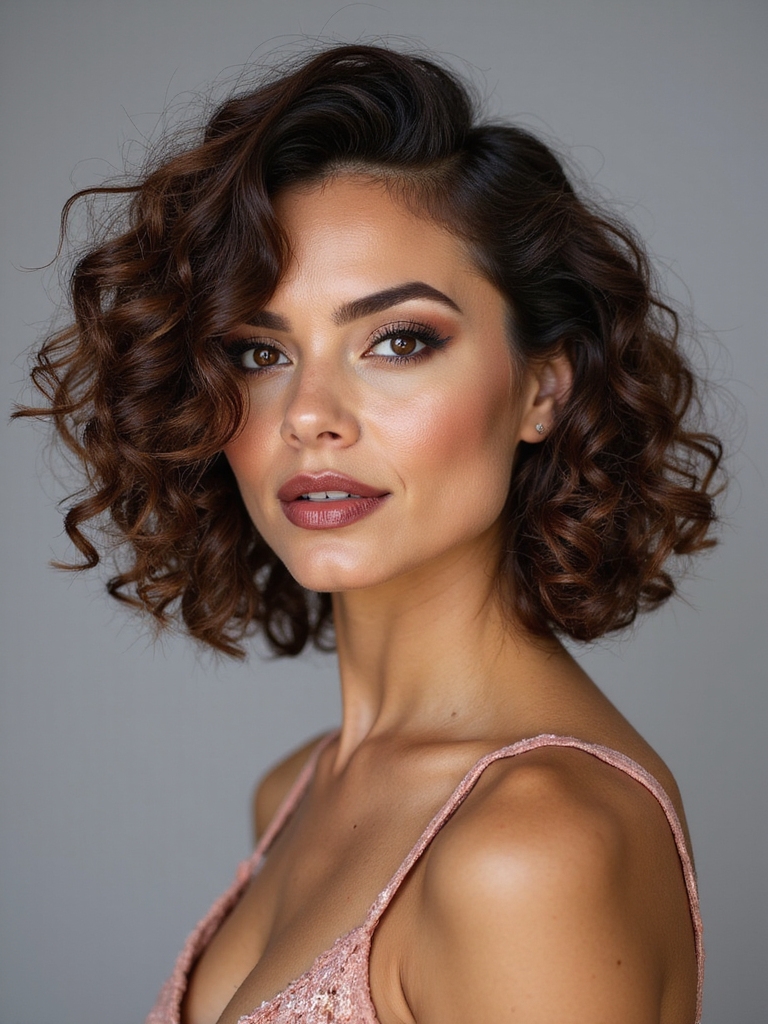
Adding lightweight layers to a curly bob lifts the curls and gives the shape airy movement, so it never sits as a heavy, dense block. The layers let each curl spring and breathe, which builds a rounded, full silhouette. Here is the approach:
- Ask for lightweight internal layers to lift the curls without thinning the ends.
- Keep the layering subtle on tighter coils, which need less to gain movement.
- Define with a curl cream or gel and diffuse on low for volume.
Two myths keep people from cutting their natural hair into a bob:
❌ Myth: Natural hair is too hard to cut into a bob.
✅ Reality: Not with the right stylist. Cut dry by someone who knows textured hair, a natural bob is precise, balanced, and flattering.
❌ Myth: A bob means losing all your length.
✅ Reality: Not necessarily. A collarbone or rounded bob keeps plenty of length and volume; you control how short you go, accounting for shrinkage.
The Asymmetrical Bob
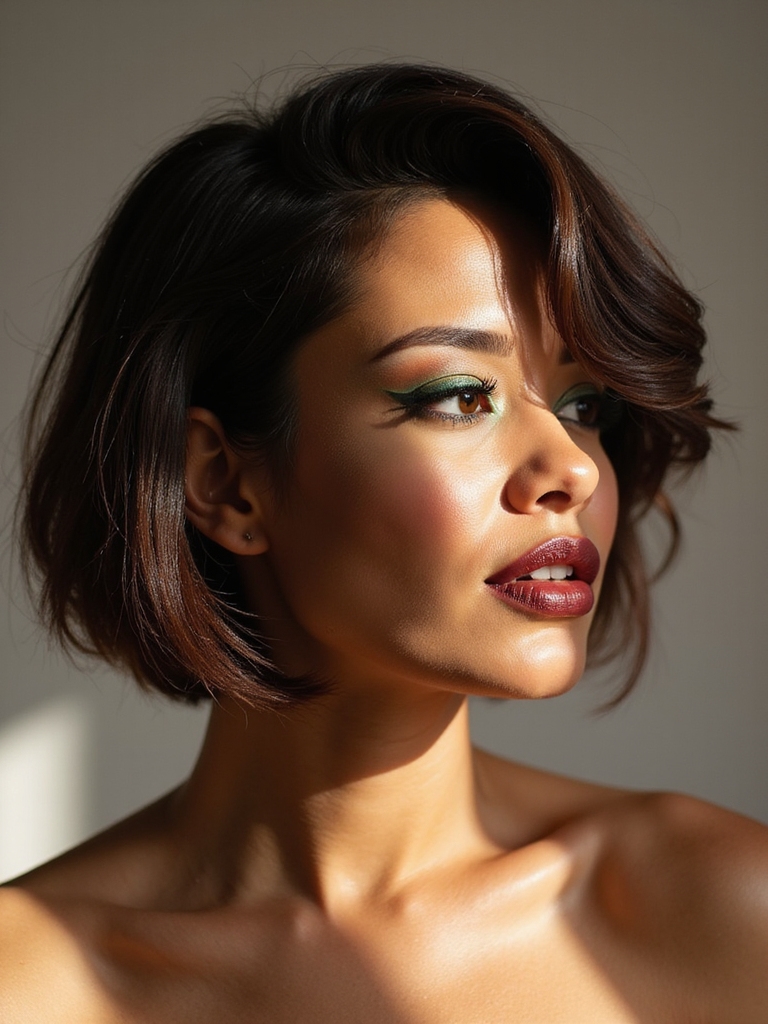
An asymmetrical natural hair bob runs longer on one side, creating a striking line that elongates the neck and adds modern edge. On coily hair, the asymmetry reads bold and sculptural, the curls giving the shape extra dimension.
It is a creative, confident choice. A few notes:
- Cut dry so the asymmetry stays balanced once both sides spring up.
- The longer side gives you something to sweep, the shorter side the edge.
- Keep both sides shaped up regularly so the line stays clear.
The Tapered Bob
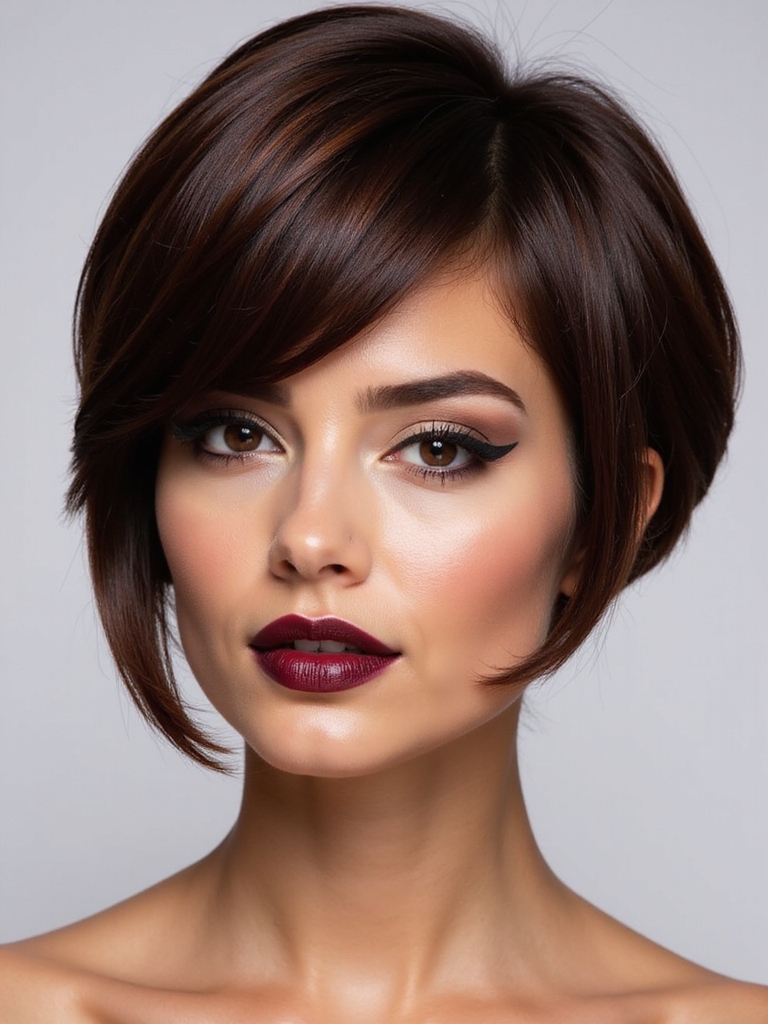
A tapered natural hair bob keeps the sides and nape closer while building volume and length at the crown, for a rounded, voluminous shape. The taper removes bulk where coily hair tends to widen and concentrates fullness up top. The effect flatters and balances. It is a smart, modern shape.
It is a wonderfully low-manipulation cut, since the shape does the work and a wash-and-go brings it to life. The taper also keeps the cut feeling light and easy to manage day to day.
Which natural hair bob is yours? Match it to what you want:
🎯I want low effort
Go for the wash-and-go or tapered bob that thrives on a simple routine.
🎯I want bold and short
Try the micro bob or an undercut bob, both striking celebrations of short texture.
🎯I am nervous about going short
Pick the collarbone or wavy lob, where the length offsets the shrinkage.
The Shaggy Natural Bob
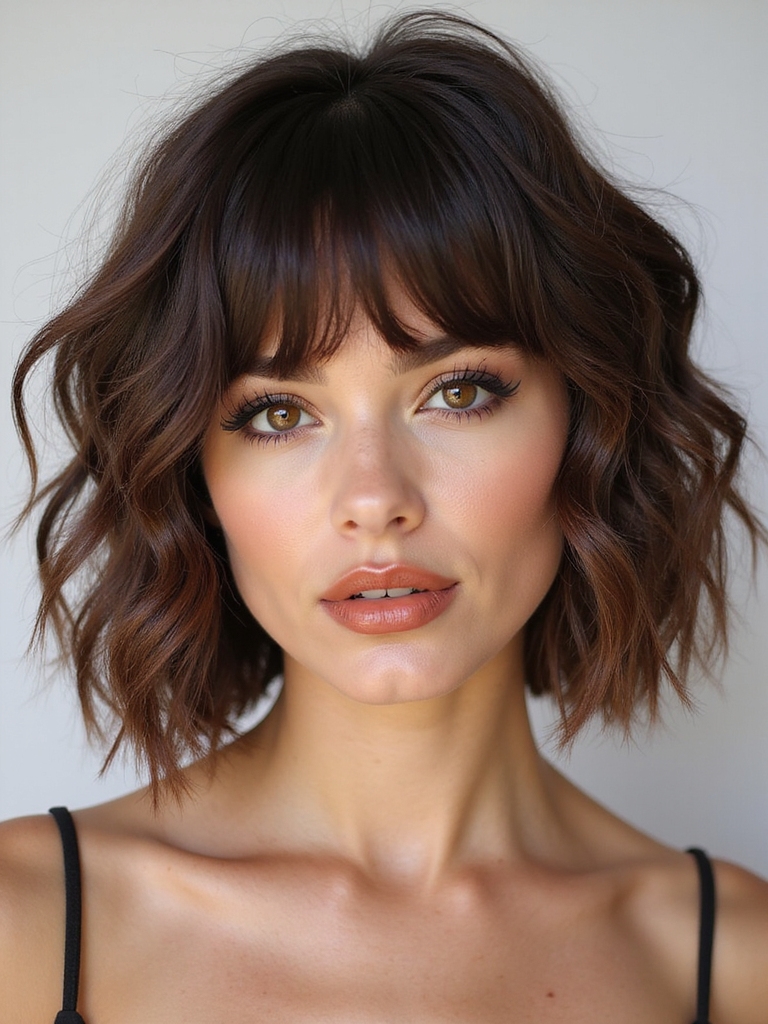
The shaggy natural hair bob brings piecey, separated layers to the cut, for a relaxed, textured shape full of movement. The layering breaks up the density so the curls fall in defined, separated pieces rather than one solid mass.
It is a modern, undone take on the natural bob, and it suits looser curls and coils especially well. The shaggy texture also grows out softly, which keeps it low-pressure.
Style it as a wash-and-go with a light curl cream, scrunching to encourage the piecey separation. A little gel on the perimeter keeps the shape defined while the layers stay airy.
The Wavy Natural Lob
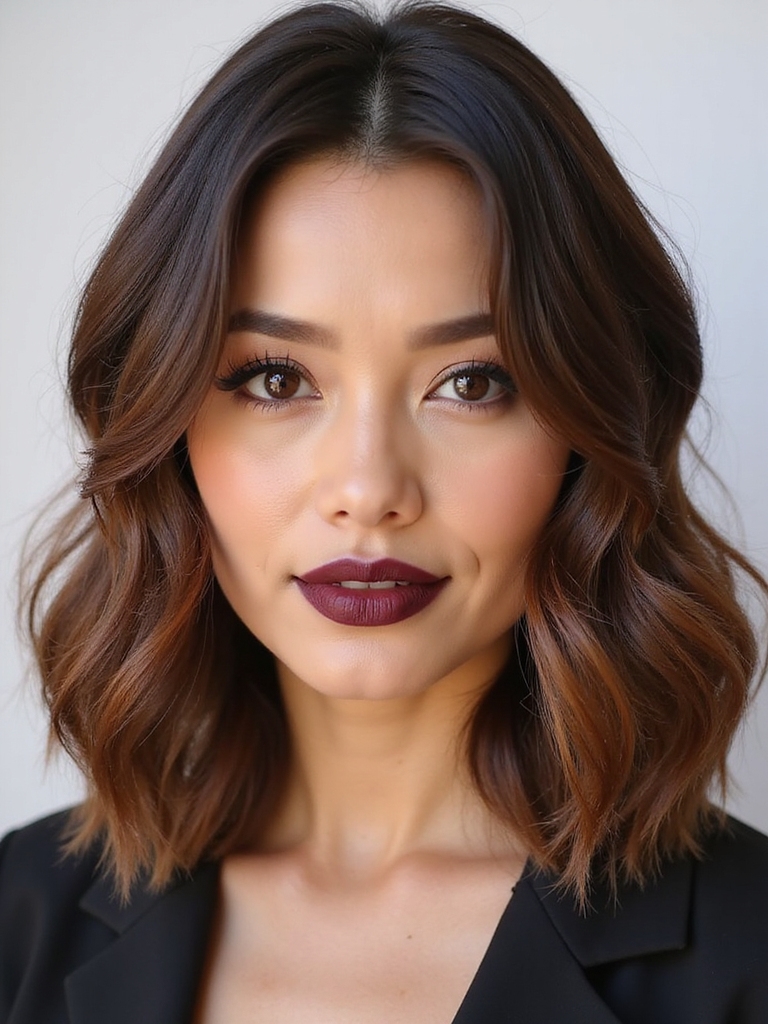
For looser natural textures, a wavy lob takes the bob to a collarbone length with soft, easy waves. The longer length means less shrinkage drama, so it is a gentle entry point for anyone nervous about going short on natural hair.
It celebrates a looser curl or wave pattern with relaxed, beachy movement. Style it with a curl cream raked through wet hair and air-dry or diffuse, then break up the waves with your fingers for that undone, easy texture.
📋Before your natural bob appointment
- ✓Find a stylist who specializes in cutting textured hair dry.
- ✓Know your target DRY length, accounting for how much your coils shrink.
- ✓Come with clean, defined coils so the stylist can see your real shape.
A Curly Bob With Bangs
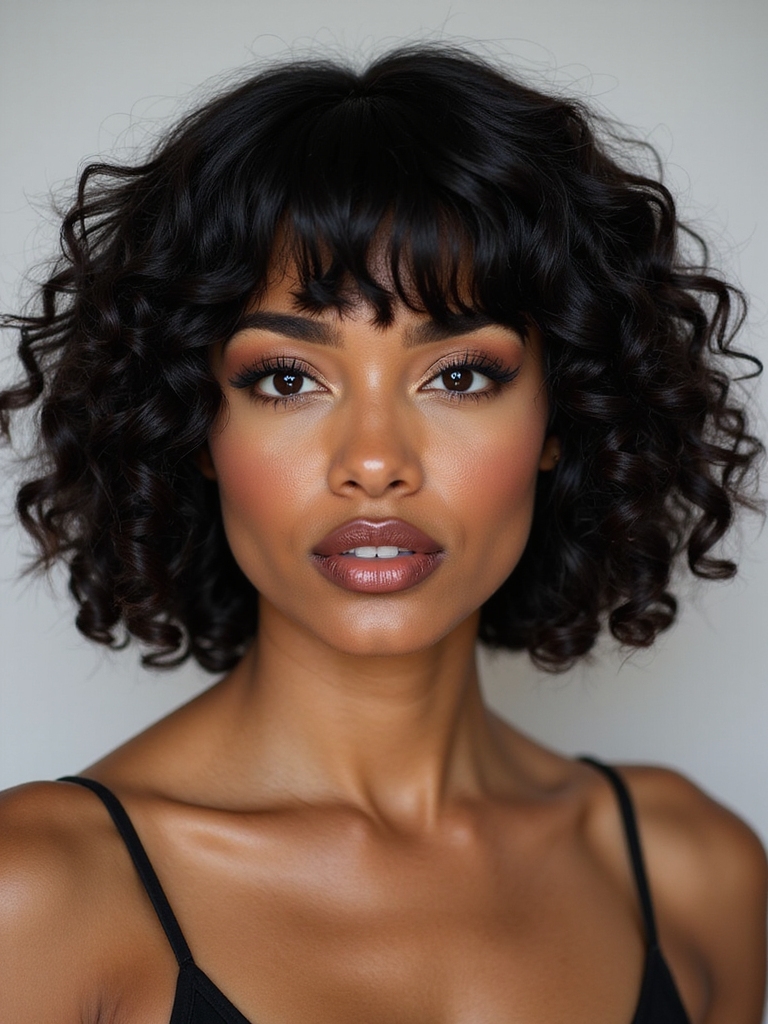
Adding curly bangs to a natural hair bob frames the face with springy, defined coils up front. On natural hair, bangs read as a soft, rounded cloud of curls, which is part of their charm, but they must be cut with shrinkage in mind so they do not spring up too short.
Here is how to wear them well:
- Have the bangs cut dry so they land where you want once the coils spring.
- Define them with a little curl cream and let them set with the rest.
- Refresh the bang curls with a water-and-leave-in mist between wash days.
The Stacked Bob
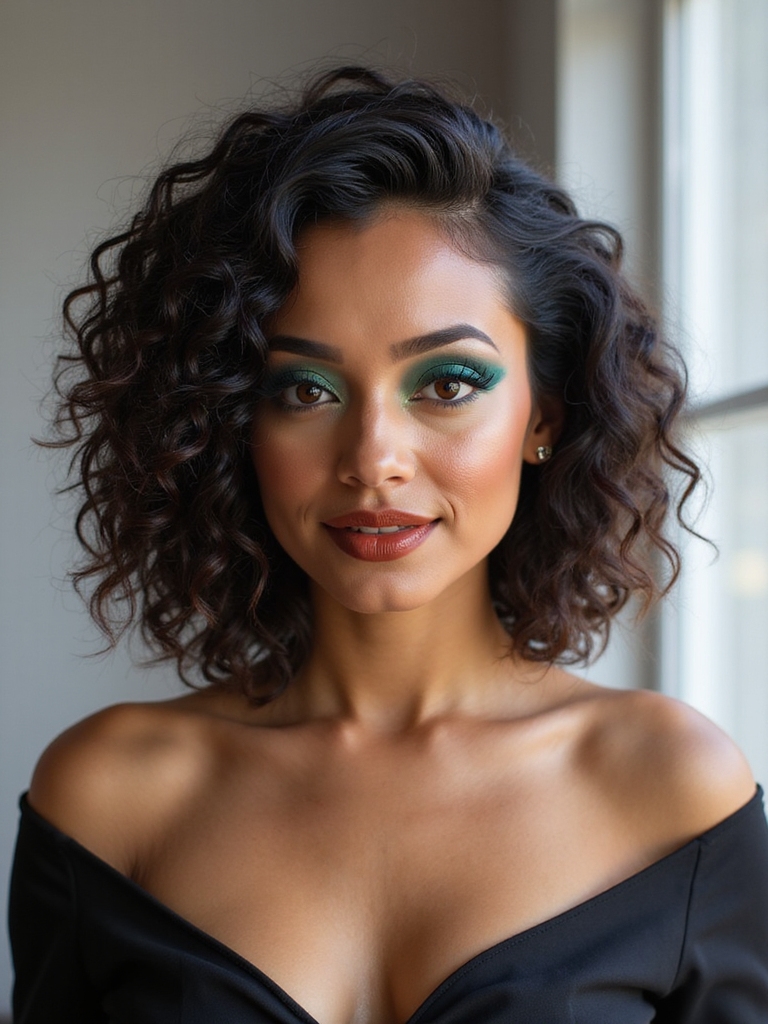
A stacked natural hair bob builds graduated layers at the back to create a sculpted, rounded silhouette with real architecture. The stacking lifts the back and gives the cut a polished, intentional shape that shows off your curls in three dimensions.
Structure That Suits Coils
It is the most structured natural bob here, and it photographs beautifully. The graduated back also keeps coily hair from sitting flat or wide at the nape.
It needs a skilled stylist who understands cutting curls dry, since the stacking has to account for how each coil springs. In my chair, this is the cut I save for clients who trust me with real structure. Keep it shaped up every couple of months to maintain the sculpted form.
| You want | Best natural bob |
|---|---|
| Lowest effort | Wash-and-go or tapered bob |
| Maximum volume | Rounded or layered curly bob |
| Bold and short | Micro bob or undercut bob |
| Length kept | Collarbone bob or wavy lob |
The Side-Part Bob
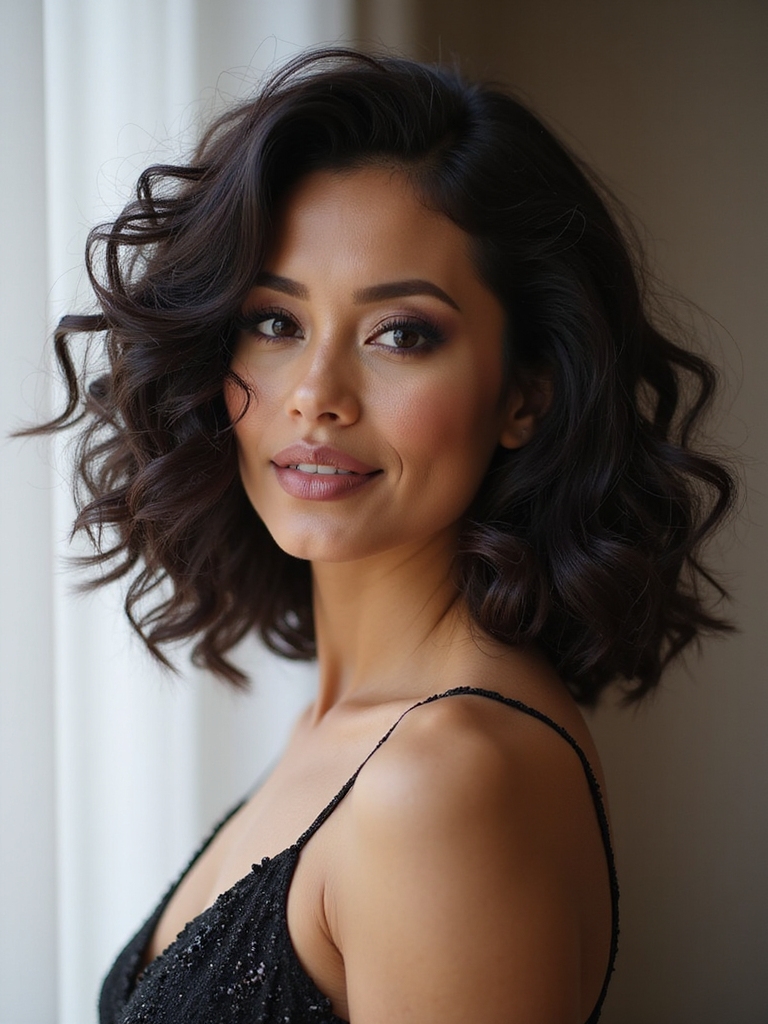
A deep side part lends a natural hair bob instant softness and asymmetry, with a sweep of volume on the heavier side that softens the jawline. It is one of the easiest ways to change the look with no cutting at all. Here is the appeal:
- The deep part builds volume and lift on the fuller side.
- The diagonal sweep softens a strong or square jaw beautifully.
- Switch the part to refresh the whole shape in seconds.
The Inverted Curly Bob
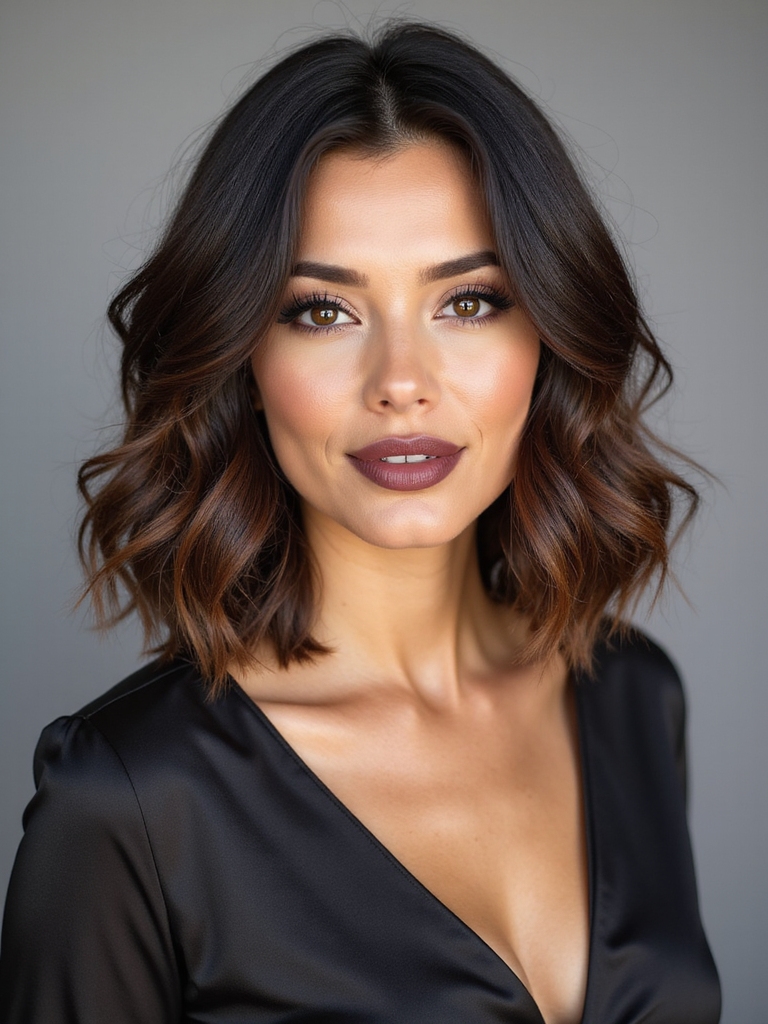
An inverted natural hair bob crops the back close while letting the length graduate outward toward the face, with the curly ends giving the angled shape soft, springy movement. The inversion builds body at the crown and a flattering forward angle around the face.
It is a modern, dynamic shape. A few notes:
- Cut dry so the inverted angle reads clearly once the curls spring up.
- The shorter back builds natural volume, ideal for finer coils.
- Define the curly ends with cream so the angle stays soft, not stiff.
The Collarbone Natural Bob
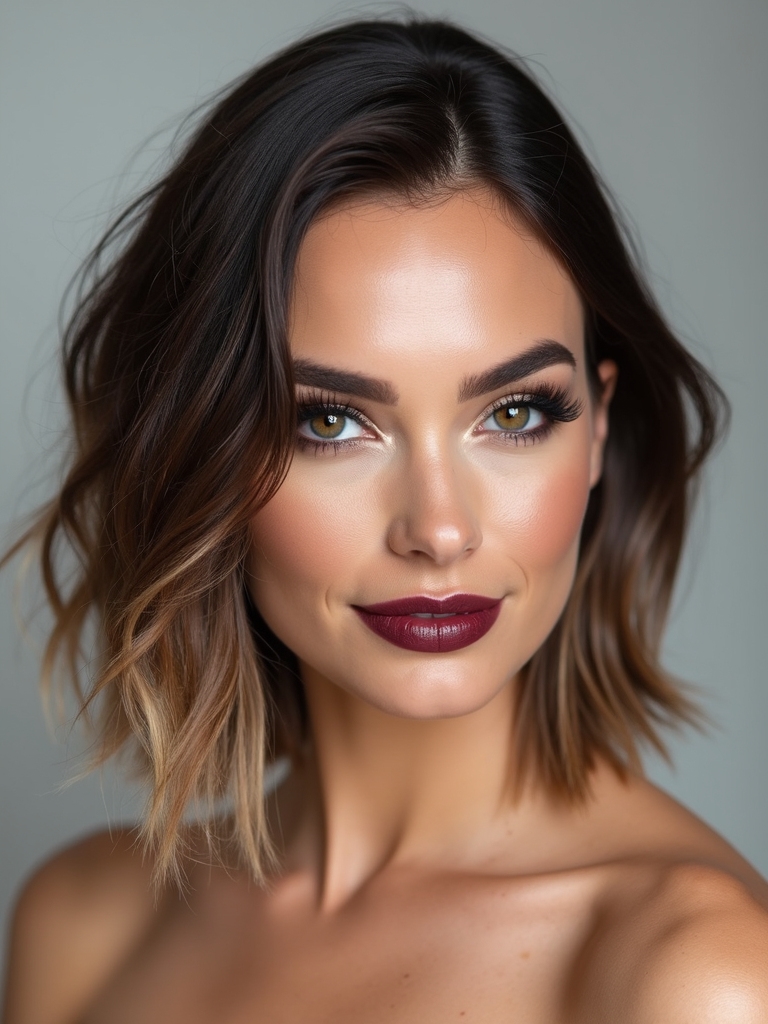
A collarbone-grazing bob is the longest version here, which makes it the most forgiving on tightly coiled hair, since the extra length offsets the shrinkage. It gives you stretch and bounce while still counting as a bob once the coils spring up.
It is the easiest natural bob to ease into. Here is why:
- The extra length means less shrinkage surprise at the cut.
- It ties back and styles up easily on busy days.
- It suits tighter coils that shrink the most; see the bob hairstyles for Black women for more.
The Rounded Bob
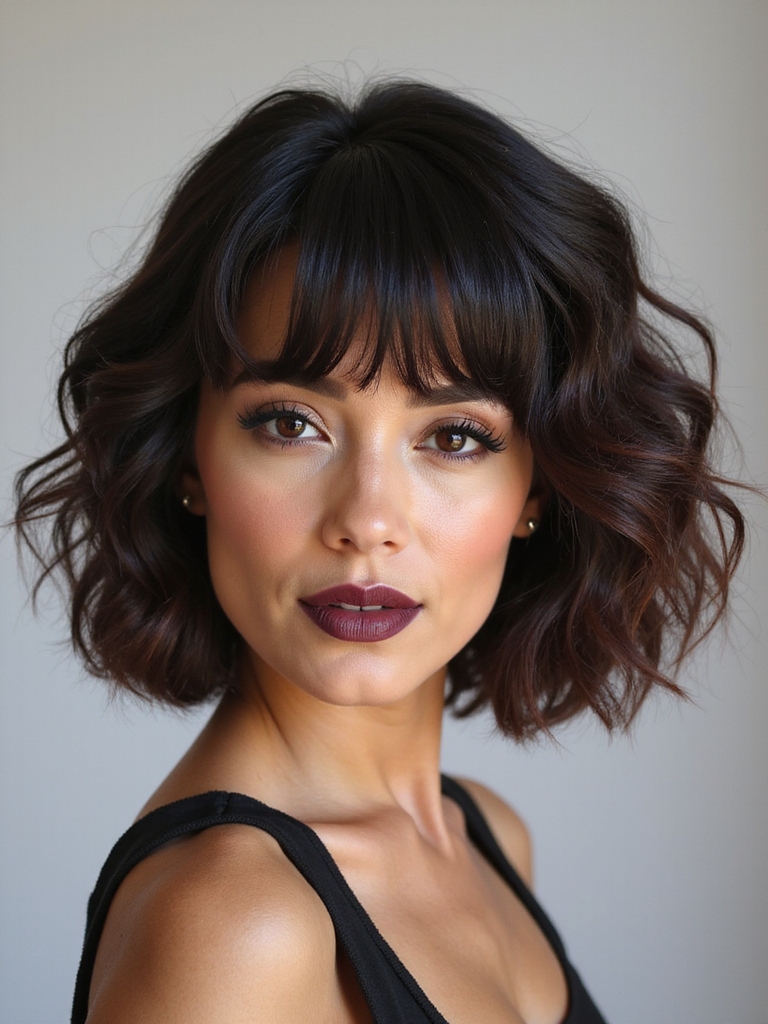
The rounded natural hair bob leans all the way into full, soft volume, shaping the curls into a balanced, halo-like silhouette. It is a celebration of natural density, letting the curls expand into a soft, even shape around the face. Here is how to build it:
- Ask for a shape that builds even volume all around, cut dry for balance.
- Style as a wash-and-go and diffuse on low to maximize the round shape.
- Pick up the volume daily with a water-and-leave-in mist and a gentle fluff.
The Micro Natural Bob
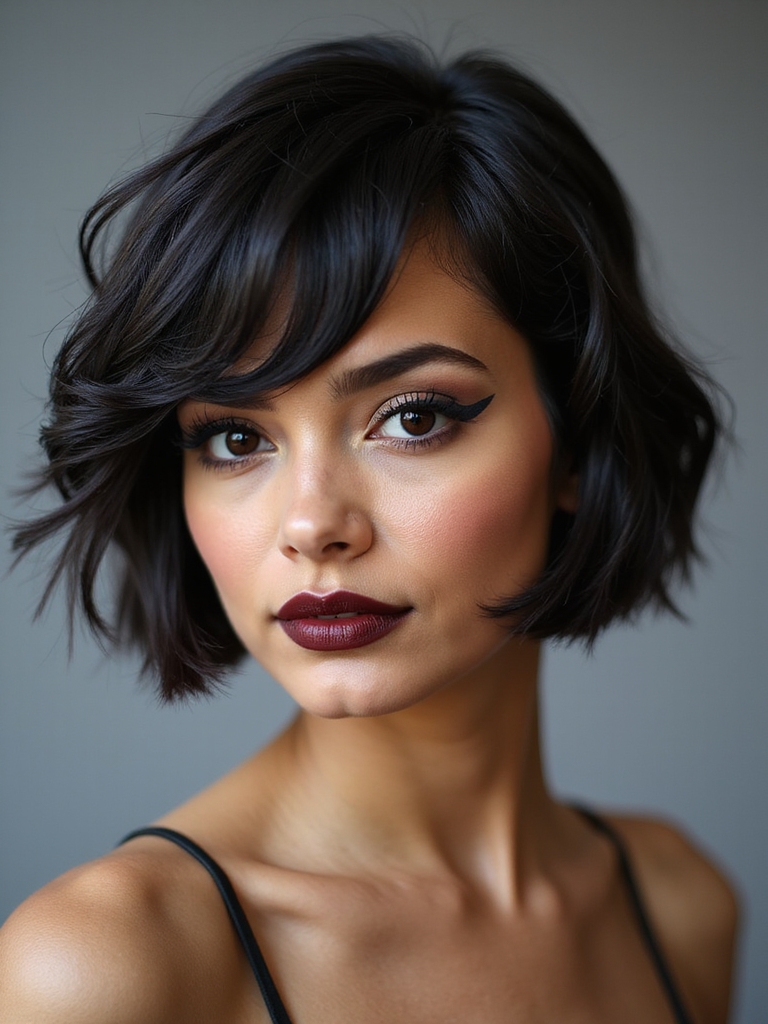
The micro natural bob is the boldest, shortest version, a chin-or-above shape that puts your coils and features front and center. It is minimalist and striking. A true celebration of short natural texture. Here is what to know:
- Account for serious shrinkage; this cut springs up the most, so cut dry.
- It is wonderfully low-effort, often a simple wash-and-go.
- Keep the coils moisturized and shaped up every several weeks.
The Wash-and-Go Bob
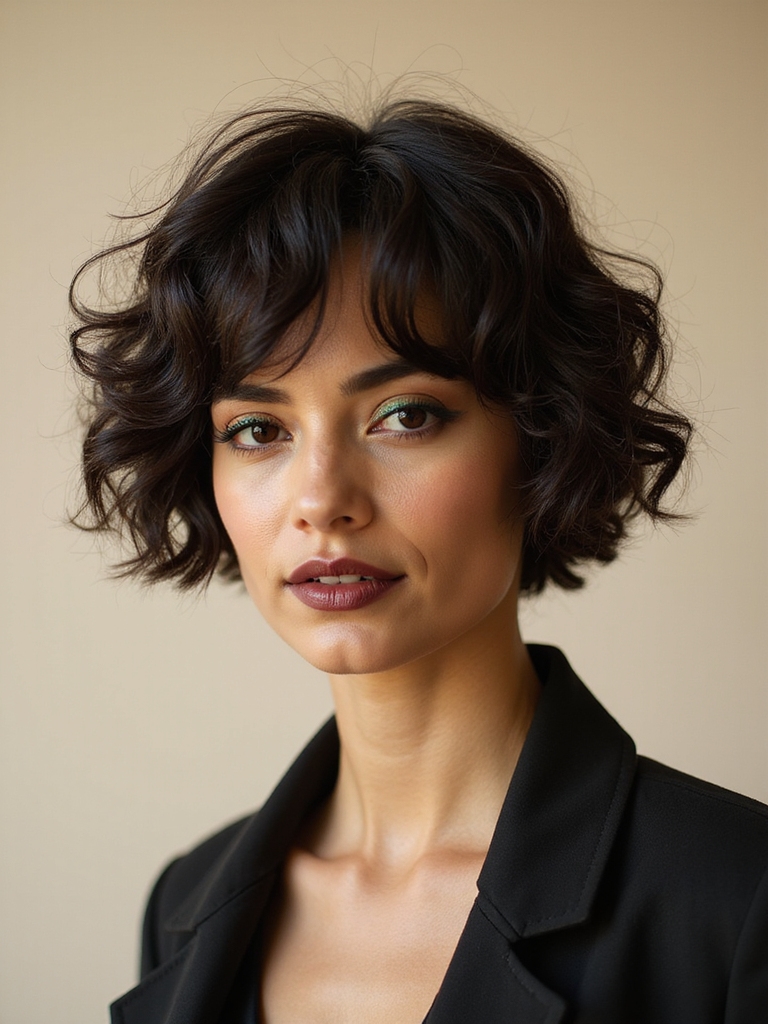
The wash-and-go bob is cut and shaped specifically to thrive with the simplest natural-hair routine there is, no heat and no fuss. Your clean, defined coils are the style. The cut is all about a shape that falls into place on its own.
It is the ultimate low-manipulation natural bob, gentle on your coils and your time. The key is hydration: well-moisturized curls define and hold far better.
Apply a leave-in and a curl cream to soaking-wet hair, scrunch, and air-dry or diffuse on low. The whole hands-on routine takes about ten minutes on wash day. Refresh on day two or three with a water mist, and protect the coils at night with a satin bonnet. One gentle note on care: if you tie this bob up or pull it into a puff, keep the elastic loose at the hairline, since constant tension on the edges can stress them over time.
The Undercut Bob
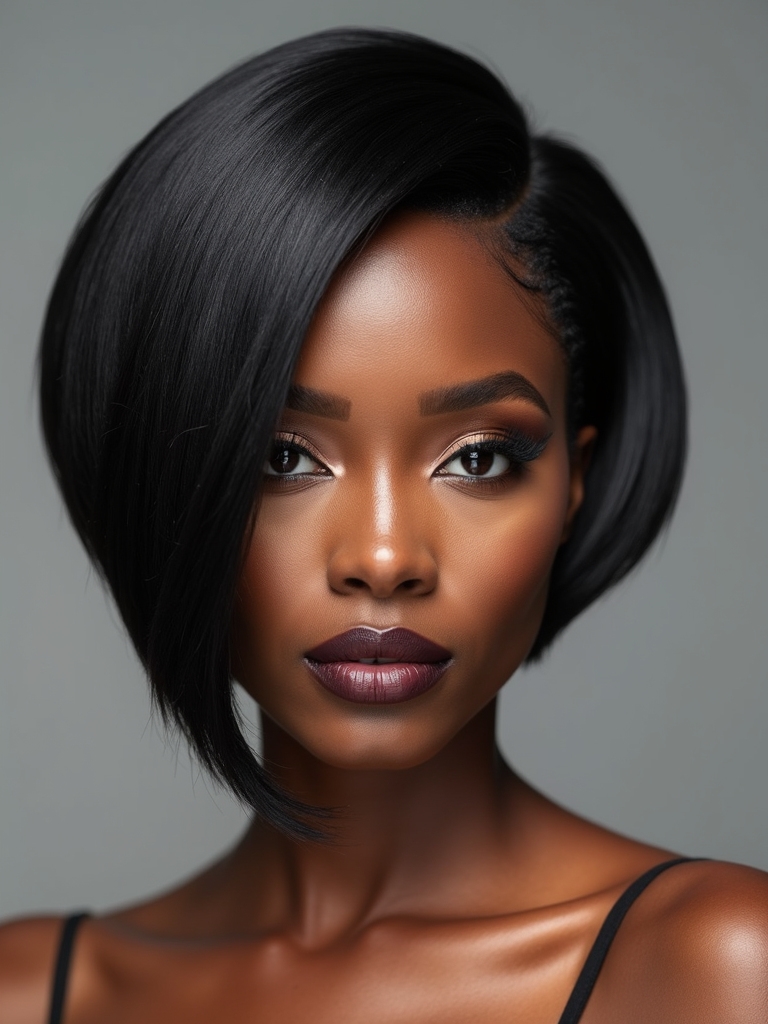
An undercut natural hair bob tucks a closely clipped or shaved section beneath the curls, which lightens bulk and adds a bold edge. For dense, coily hair, it has a real practical payoff, removing weight so the top sits lighter and styles more easily.
It is a confident, modern choice, and the undercut can stay hidden under the curls or be revealed with a design. The trade is upkeep, since the clipped section needs a refresh every few weeks. Keep the curls on top moisturized and defined so the contrast between the smooth undercut and the springy top reads sharp.
How to Ask Your Stylist
The most important thing you can do for a natural hair bob is book a stylist who specializes in cutting textured hair, and ask for a dry cut. Cutting on dry, defined coils is the only way to control for shrinkage and land the length and shape you actually want, so this is not the place to take a chance on someone unfamiliar with curls.
Bring a photo, but talk about your specific curl pattern and density, and always give your target length as the dry, sprung length, not the wet one.
Be clear about your routine, too, since it shapes the cut. Tell your stylist whether you wear a wash-and-go, stretch your hair, or style with heat, because the cut is built differently for each. Ask how the shape will grow out and how often you will need to come back, usually every eight to twelve weeks, and you will leave with a bob that celebrates your texture instead of fighting it.
Natural Hair Bob Cuts, Answered
?Should natural hair be cut dry or wet for a bob?
Dry, almost always. Cutting on dry, defined coils lets the stylist see where each curl lands and plan for shrinkage, so the bob ends up the length and shape you wanted rather than springing up too short.
?How do I account for shrinkage when cutting a bob?
Always give your stylist your target DRY length, not your wet length, since coils can spring up several inches shorter once they set. Tighter curl patterns shrink the most, so a dry cut is essential.
?How often does a natural hair bob need shaping?
Roughly every eight to twelve weeks to keep its form, usually $60 to $120 for a textured cut. Day to day it is low-maintenance, often a wash-and-go, but the shape needs regular attention to stay balanced.
A Bob Built for Your Texture
A natural hair bob, cut with your coils in mind, ranks among the most flattering and freeing styles available. From a blunt, sculpted shape to a soft, voluminous round or an easy wash-and-go, the cut frames your face in your own springy texture and celebrates the volume and definition of your curls rather than hiding them.
The whole secret is in the cutting: a dry cut, by a stylist who understands textured hair, that plans for shrinkage. Find that stylist, come with defined coils and your dry target length in mind, and choose the shape that fits your routine. Done right, a natural hair bob is a joyful, low-manipulation celebration of the hair that grows from your head.
Keep Reading