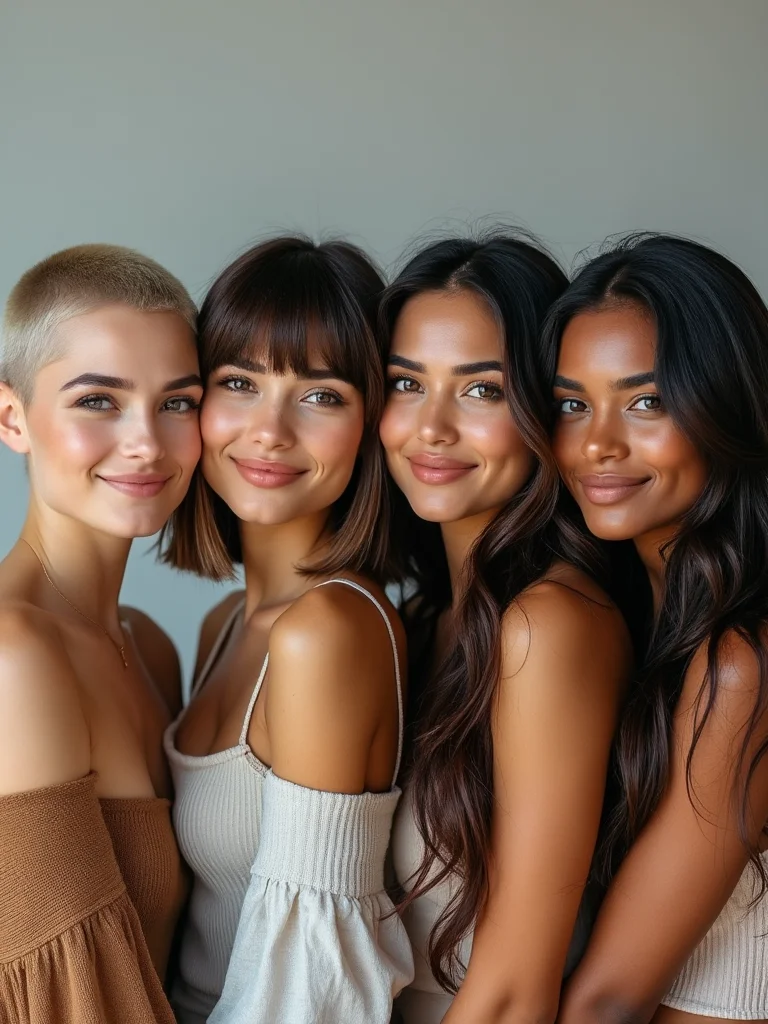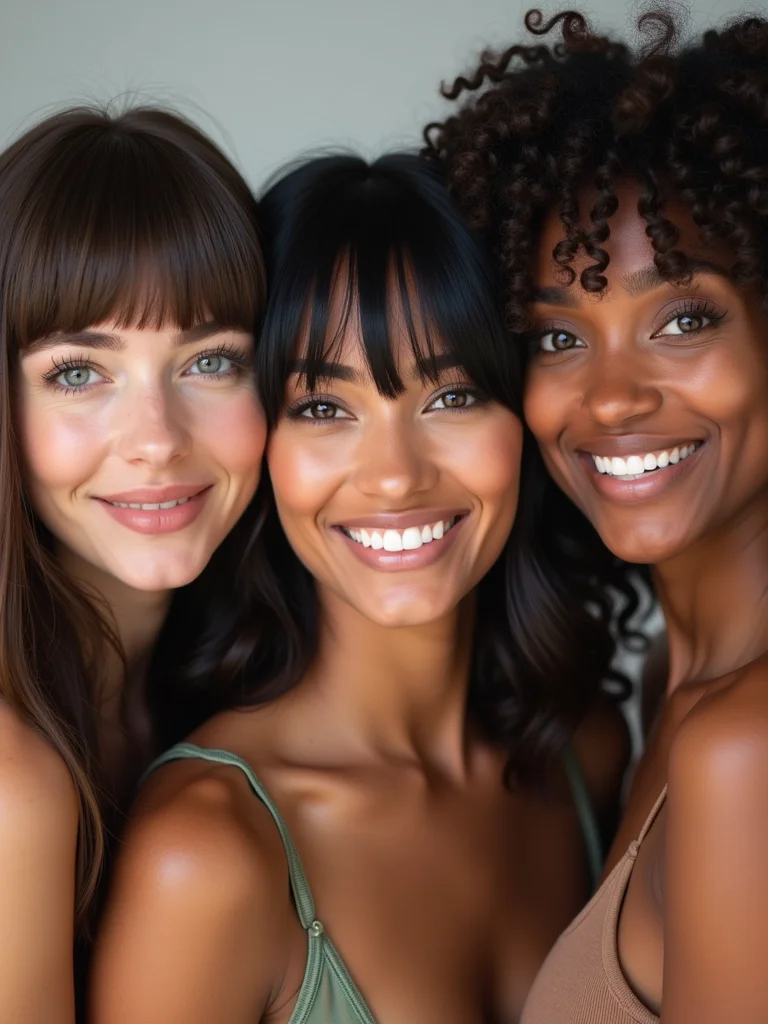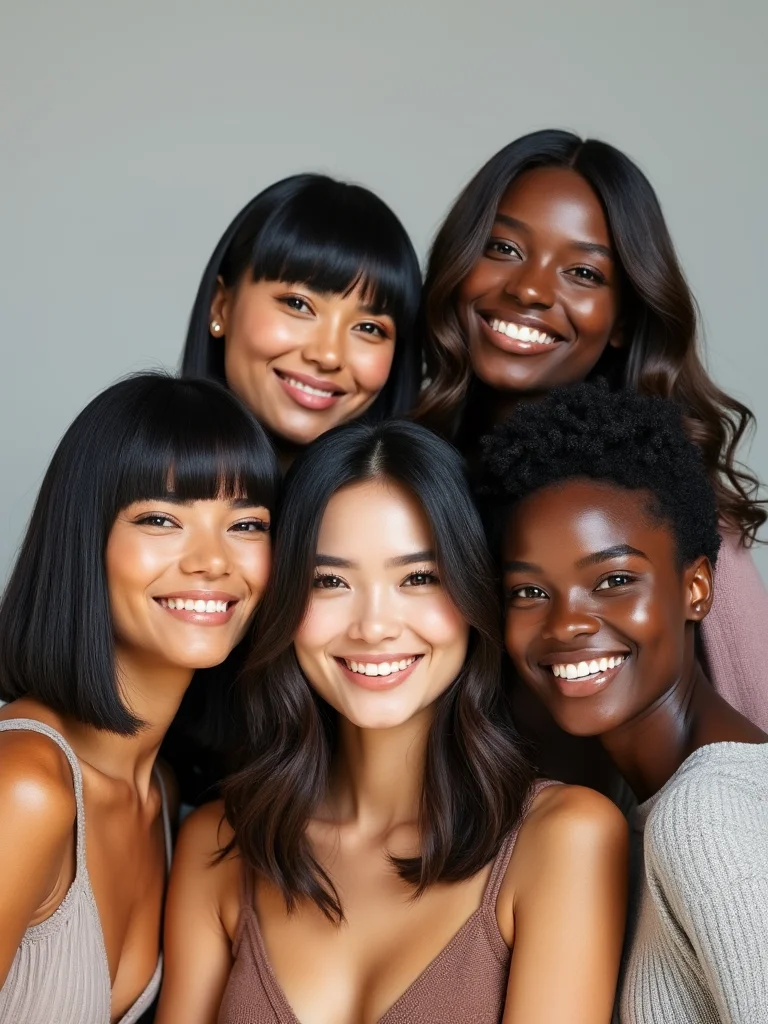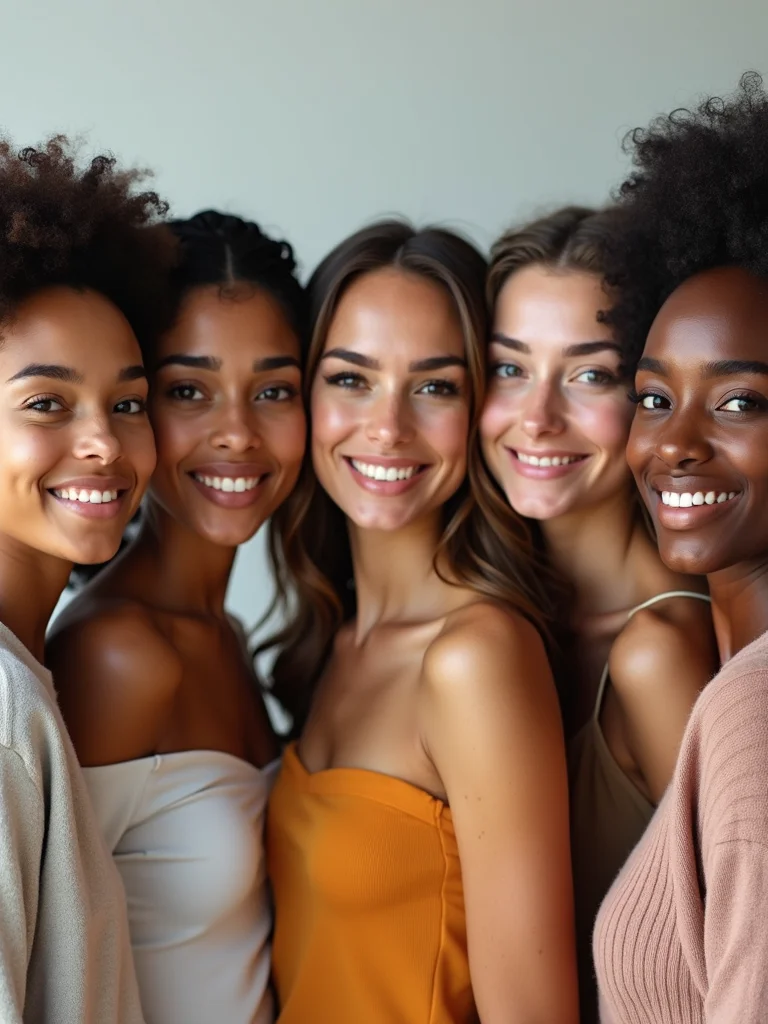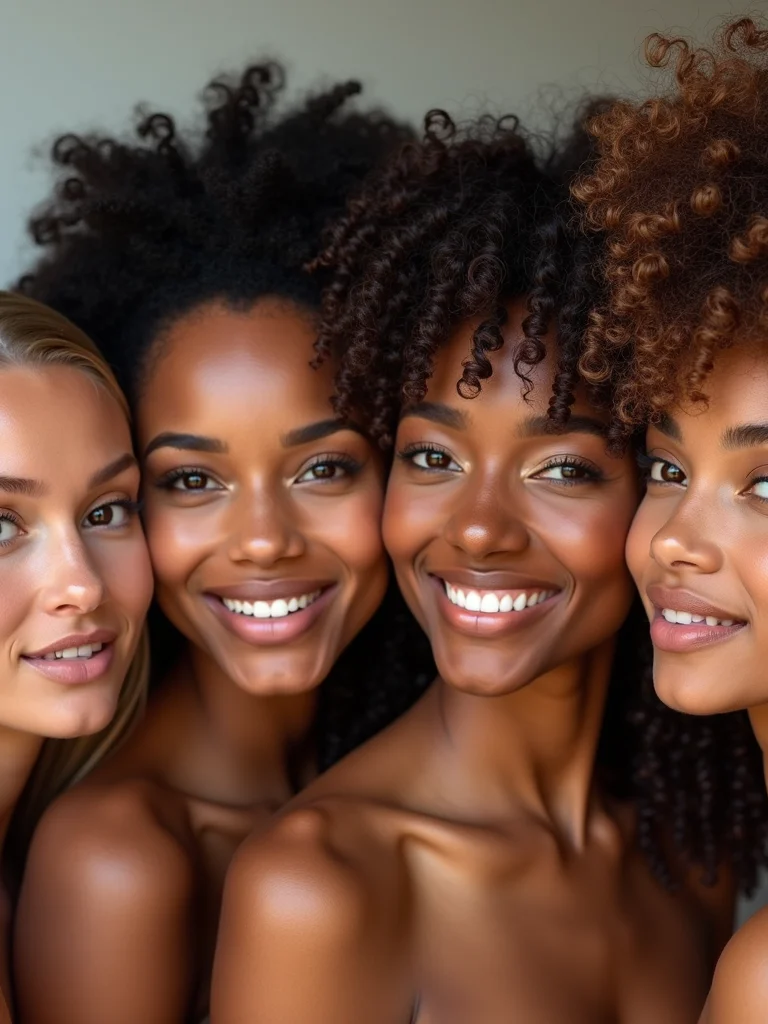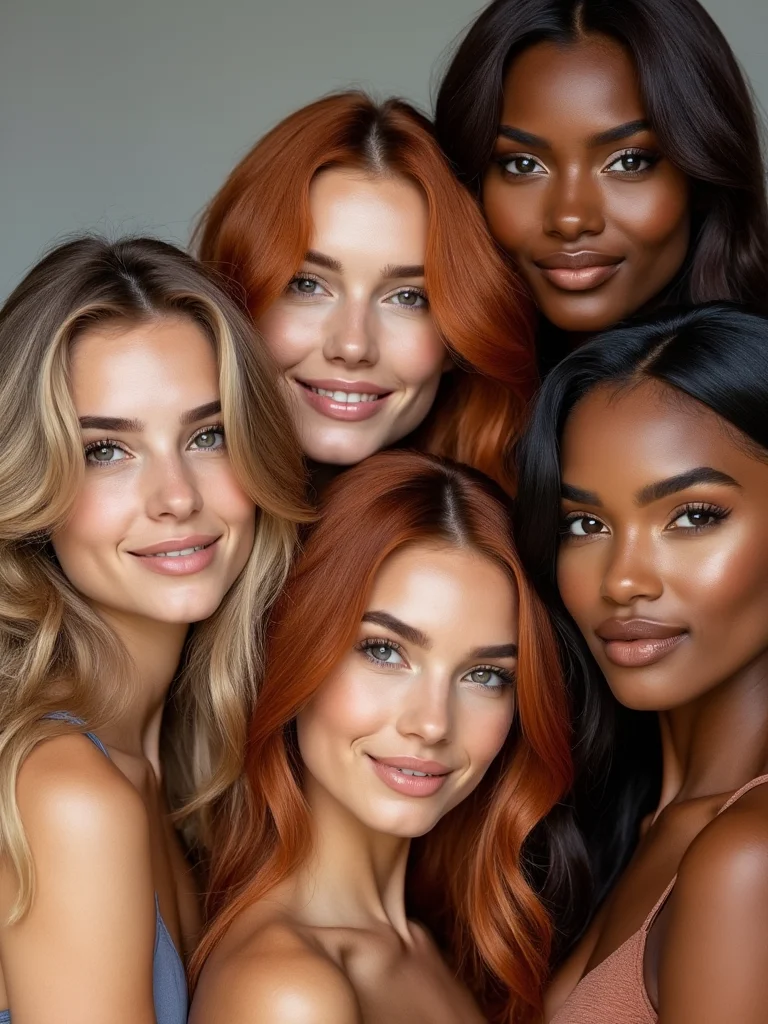
The right hair color comes down to your skin's undertone, not your favorite shade on someone else — which is why so many dye jobs look off. Answer ten quick questions, no photo needed, and I'll point you to the color family that flatters your undertone, with real looks for every skin tone.
How This Hair Color Quiz Works
This quiz points you to the hair color family that flatters your skin’s undertone — the single biggest factor in whether a color looks expensive or off. The ten questions read your undertone (veins, jewelry, white-versus-cream, and how you react to the sun), then layer in your skin depth, eye color, natural hair, upkeep, and the vibe you’re after.
No photo, no AI guessing from a selfie, and no need to know your color season. You answer honestly about yourself and the quiz lands you on a flattering color family, with looks tuned to your skin depth.
Warm, Cool, or Neutral: Undertone Is the Whole Game
Skin undertone — the subtle tone under the surface — decides which colors flatter you, and it’s different from how light or deep your skin is. There are three:
- Warm: golden, peachy, or yellow undertone; veins look green; gold jewelry flatters; you tan more than you burn.
- Cool: pink, red, or blue undertone; veins look blue or purple; silver flatters; you burn more than you tan.
- Neutral: a balance of both; veins are hard to read; gold and silver both work.
Warm undertones glow in golden, honey, caramel, and copper shades. Cool undertones come alive in ash, icy, and berry tones. Neutral undertones get the most flexibility, which is why dimensional color suits them so well. Match the color family to your undertone and almost anything within it will look right.
What Hair Color Suits Me?
Ready? It takes about two minutes — answer honestly about your skin, eyes, and the vibe you're after. No photo or guessing your 'season' required.
Why Hair Color Comes Down to Skin, Not Just Preference
This is the part the dye box on the shelf skips. The color that flatters you isn’t the one you saw on someone else — it’s the one that works with your undertone. The wrong undertone can make skin look tired or sallow; the right one makes you look lit from within, even before makeup.
That’s why your result is a color family rather than one rigid shade: a honey blonde, a rich chocolate, a copper, or a soft balayage can each be dialed to your exact depth. When you finish the quiz, your result links to real looks in your family — so you can walk into the salon with a reference, not a guess.
Hair Color for Every Skin Tone
Here’s what most color quizzes get wrong: they treat undertone as a fair-skin conversation. It isn’t. Warm, cool, and neutral undertones exist across every skin depth — fair, medium, olive, and deep — and the most flattering version of a color simply shifts with your depth.
A warm undertone on deep skin glows in rich honey, caramel, and deep auburn; a cool undertone on deep skin looks luxe in espresso, blue-black, and burgundy. Copper that reads bright on fair skin reads burnished and striking on deep skin. The undertone rule is universal — the shade just deepens or brightens to match you. Every result here is written with that range in mind, not a single complexion.
Will This Quiz Give Me an Exact Shade?
It gives you a direction, not a salon formula — and that’s the honest, useful answer. The quiz nails your flattering family from your undertone and preferences; the exact level and tone get dialed in with a colorist who can see your hair in person.
The biggest thing the quiz can’t see is your starting point. Going lighter from dark hair takes sessions and upkeep, and red fades faster than any other color. Treat your result as the right lane to drive in, then let a colorist set the precise shade and the realistic plan to get there safely.
When to Ask a Colorist Instead
Knowing your flattering family is enough to choose a box dye direction or book the right appointment. Bring it to a professional when you’re going more than a couple of levels lighter, when you’re correcting a previous color, or when you want a custom blend tuned exactly to your depth. A good colorist will confirm your undertone in seconds and, more importantly, build the shade and the maintenance plan around it — which is where knowing your color family turns into hair that actually flatters you.
Frequently Asked Questions
What hair color suits me?
The hair color that suits you is the one that matches your skin’s undertone — warm undertones glow in golden, honey, caramel, and copper shades, cool undertones in ash, icy, and berry tones, and neutral undertones in dimensional, grown-out color. The quiz above reads your undertone from your veins, jewelry, and sun reaction, then points you to your flattering family.
How do I know my skin undertone?
Three quick tests: look at the veins on your inner wrist (blue or purple means cool, green means warm, a mix means neutral); notice whether gold or silver jewelry flatters you more (gold for warm, silver for cool); and check whether pure white or cream looks better against your face (white for cool, cream for warm). If they all point the same way, that’s your undertone.
What hair color is best for a cool undertone?
Cool undertones are flattered by ash and icy blondes, cool and ash browns, espresso, and jewel-toned reds like burgundy, cherry, and plum. The common thread is that the color stays cool rather than turning golden or brassy, which keeps your skin looking fresh. Silver jewelry and pure white usually suit cool undertones too.
What hair color is best for a warm undertone?
Warm undertones glow in golden and honey blondes, caramel and chocolate browns, and fiery copper, auburn, and ginger reds. These echo the gold in your skin instead of fighting it, so the color reads rich rather than washed-out. If gold jewelry and cream tops flatter you, lean warm.
What is the best hair color for deep or dark skin?
Deep skin glows in rich, saturated color tuned to your undertone: warm undertones glow in deep honey, caramel, and burnt copper, while cool undertones look luxe in espresso, blue-black, and deep burgundy. The undertone rule is the same as any skin depth — the shade simply deepens to match you, and high-shine, glossy finishes look especially striking.
What hair color makes you look younger?
Softer, slightly warmer, dimensional color tends to look most youthful because it adds brightness around the face and avoids harsh, flat contrast. A few face-framing highlights or a balayage in your undertone usually flatters more than a single solid block of very dark or very ashy color. Matching the tone to your undertone is what keeps it fresh rather than aging.
Will the quiz give me my exact shade?
It gives you the flattering color family and direction, not a precise salon formula. The exact level and tone depend on your starting hair and need a colorist’s eye in person. Treat the result as the right lane — golden blonde, cool brown, copper, berry — and let a professional dial in the precise shade and a realistic plan to get there.
Do warm or cool colors suit me better?
It depends on your undertone, not your preference. If your veins look green, gold jewelry flatters you, and cream beats pure white, warm colors suit you best. If your veins look blue, silver flatters you, and pure white wins, cool colors are your lane. If it’s a toss-up, you’re neutral and can wear both, which makes dimensional color a great fit.