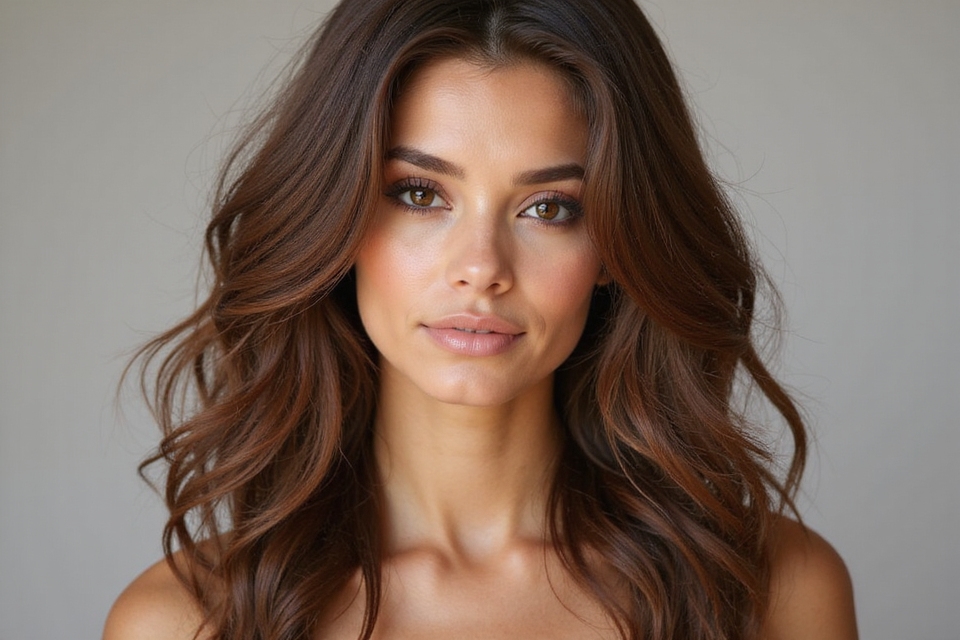
Honey blonde hair lets you go warm on purpose, working with the gold your skin already carries. Most people asking for icy or ash tones are actually just trying to avoid brass, and honey solves that problem from the opposite direction.
The trade-off is that honey only stays honey with the right toning and care behind it, since any warm blonde can slide toward orange without upkeep. What follows covers how to choose your exact shade, get there safely from dark hair, and keep it glowing through the season.
What to Know Before You Book
Honey blonde is a warm, golden shade, usually a level 7 to 8, that flatters more skin tones than an icy blonde because its warmth works with the complexion. It’s also one of the more forgiving blondes to grow out, since a little warmth is treated as the goal here.
Keeping it golden and stopping the slide toward brass comes down to three things: a regular toning rhythm, a sulfate-free care routine built for lightened hair, and consistent moisture. Get those three right and honey holds its glow for months.
What Actually Makes a Blonde ‘Honey’

Honey blonde sits at a specific, warm spot on the blonde spectrum, usually somewhere around a level 7 to 8, with a golden base that’s deeper than butter blonde and warmer than sandy. That warmth is entirely the point of the shade.
You’ll notice it gives blonde a lit-from-within glow that photographs soft and expensive. It can run lighter or deeper depending on your natural base, so bring a specific reference photo to your consultation.
- Deeper and richer than a buttery blonde, with none of platinum’s stark coolness.
- Warmer than a sandy or beige blonde, closer to the color of actual honey in the jar.
- A little dimension keeps it from looking like one flat, solid coat of color.
Matching Honey to Your Skin Tone

Honey works well across many different complexions because its warmth has an ally in almost every skin tone, but the exact depth and gold level should still follow your own skin.
Fair skin tends to glow with a lighter, softer honey that isn’t pushed too orange. Medium and olive skin can carry a richer, more golden honey without it looking overdone, and deeper skin tones often look most radiant in a caramel-leaning honey with real depth behind it.
- Hold a few swatches against your jaw in daylight before deciding. Indoor lighting hides how a shade will actually read.
- The right honey brightens your face within seconds; the wrong one flattens it.
- Our caramel highlights on brown hair guide is worth a look if you want more depth than a lighter honey gives.
Pre-Lightening Dark Hair for Honey Blonde

Starting from dark hair means honey blonde takes real lifting, and how that lift is handled decides whether your hair survives the process intact. The base has to reach a pale enough level before any honey tone can sit on top of it correctly.
Expect two to three sessions if you’re starting from dark or previously colored hair, since rushing the lift is how color turns brassy or hair turns brittle. A bond-building treatment during the lightening process protects the strand while it’s most vulnerable.
- Honey doesn’t demand the extreme lift an icy blonde needs, since it sits in the warm range hair naturally lifts toward first.
- Skipping sessions to save time is the single most common cause of uneven, patchy color.
- A colorist will usually test a strand first to see how your hair is actually responding before going further.
Professional Color or a DIY Box

Honey blonde is one of the friendlier shades to maintain at home once you’re already light, but the initial lift is where DIY jobs tend to go wrong. Plan on around $150 for a professional toning visit if you’re already at the right level; lifting from dark is a different, more expensive job better left to a colorist who can watch how your hair is responding in real time.
- Already light and just want to refresh the honey tone? A gloss or toner at home is low-risk and budget-friendly.
- Starting from dark hair? Uneven bleaching is hard to fix after the fact, so this is worth a colorist’s eyes.
- Always strand-test a DIY toner first. Porous spots grab pigment differently than the rest of the strand.
🅰️Toner
Resets the actual tone, correcting orange or yellow underneath. This is what a colorist mixes fresh for your appointment.
🅱️Gloss
Adds shine and a light wash of color, but doesn’t fully reset a tone that’s already drifted the way a true toner does.
The Small Shelf That Keeps Honey Golden

Honey blonde lives or dies on what sits in your shower between salon visits, and it doesn’t take much: a sulfate-free, color-safe shampoo and a weekly mask cover the basics, since lightened hair runs thirstier than it looks.
The product that actually surprises most people is a gold or honey-toned conditioner. Used every few washes, it tops up the warm pigment that plain washing strips away, which keeps the color from fading toward pale and dull.
Round the shelf out with a heat protectant and a glossing serum. Honey is naturally a shiny color, and protecting that shine is most of what makes it look freshly done weeks after your appointment.
Keeping Honey From Tipping Into Brassiness

Warmth and brass are not the same thing, even though people use the words interchangeably. Warmth is the soft golden glow honey is built on; brass is what happens when that warmth pushes past gold into harsh orange or yellow.
Honey is actually one of the easier warm blondes to keep on the right side of that line, since a touch of gold is the goal instead of something to fight. A cooler blonde shows every hint of unwanted warmth; honey absorbs it far more gracefully.
You’ll still want a gentle toning rhythm alongside your at-home routine to keep that balance in place, especially the moment you notice things drifting warm between salon visits.
The Daily Care Habits That Do Most of the Work
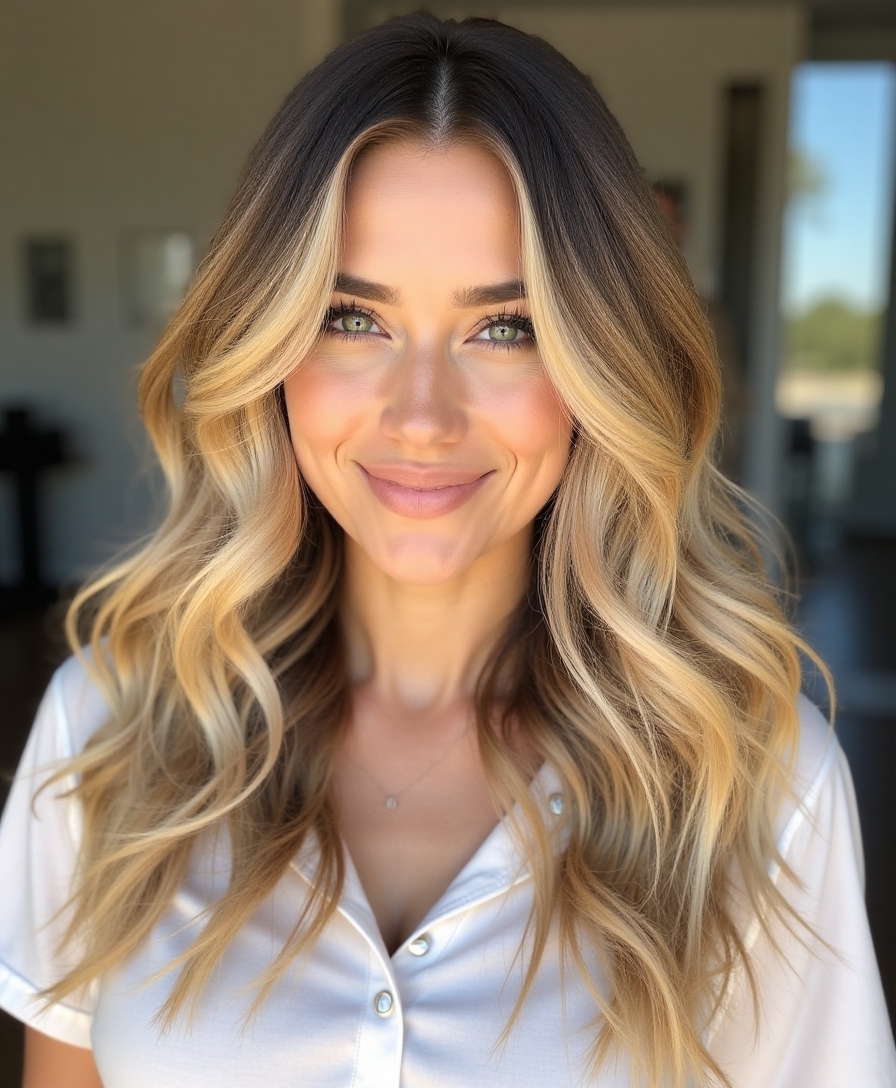
I tell every honey-blonde client the same thing: the habits between appointments matter more than the appointment itself. Once the routine becomes automatic, color holds noticeably longer.
Wash less often than feels natural, since every wash strips a little tone and moisture. Two or three washes a week is plenty for most lightened hair, with dry shampoo filling the gap on other days.
Don’t skip the heat protectant before styling, and keep the whole routine boringly consistent. These are small habits, but they separate color that still looks glossy at week four from color that looks tired.
Washing Habits That Matter More Than Products
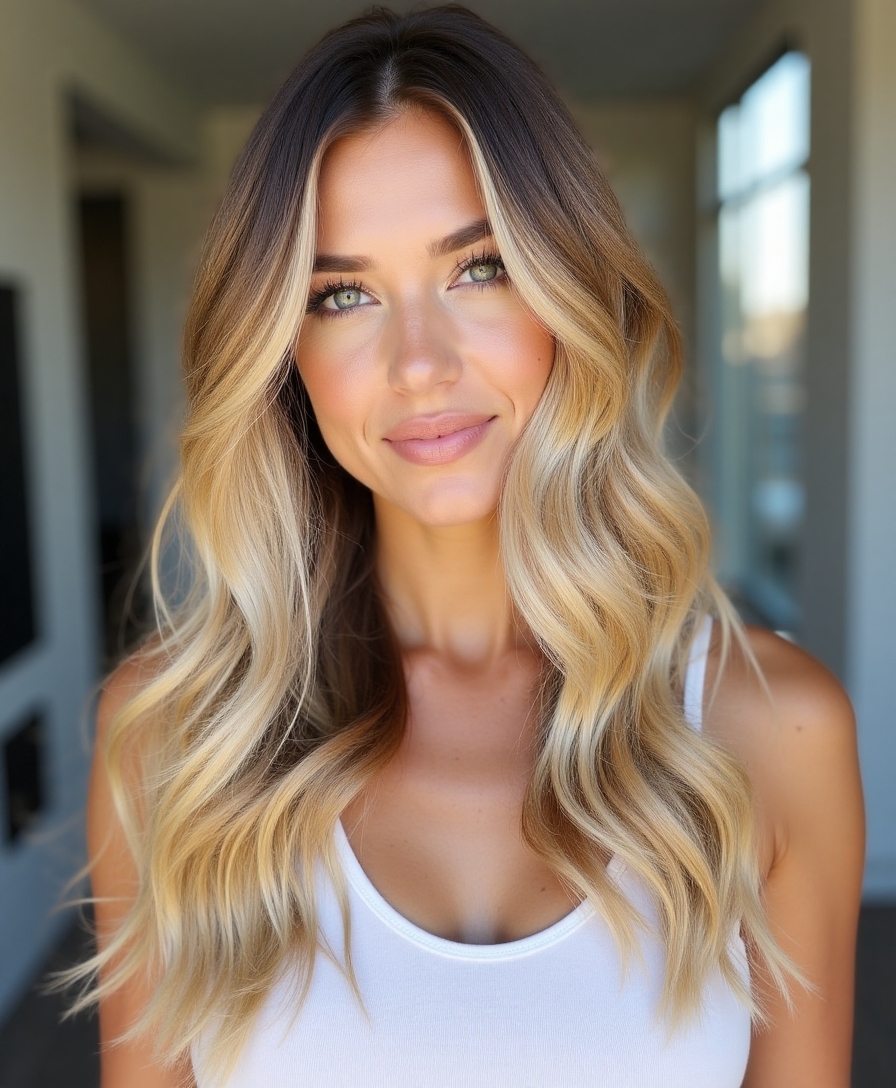
How you wash matters just as much as what you wash with, and one adjustment protects your color more than almost anything else on a bottle.
What’s the Single Biggest Washing Mistake?
Hot water. It swells the hair’s cuticle and lets color rinse straight out, so washing and rinsing in cool water is worth the discomfort. Lather a sulfate-free, color-safe shampoo only at the scalp and let the suds carry through the lengths as you rinse.
Harsh sulfates strip tone and the natural oils lightened hair needs to stay flexible. Cleanse gently, skip the over-washing, and honey fades far more slowly between toning visits.
Deep Conditioning Isn’t Optional Here
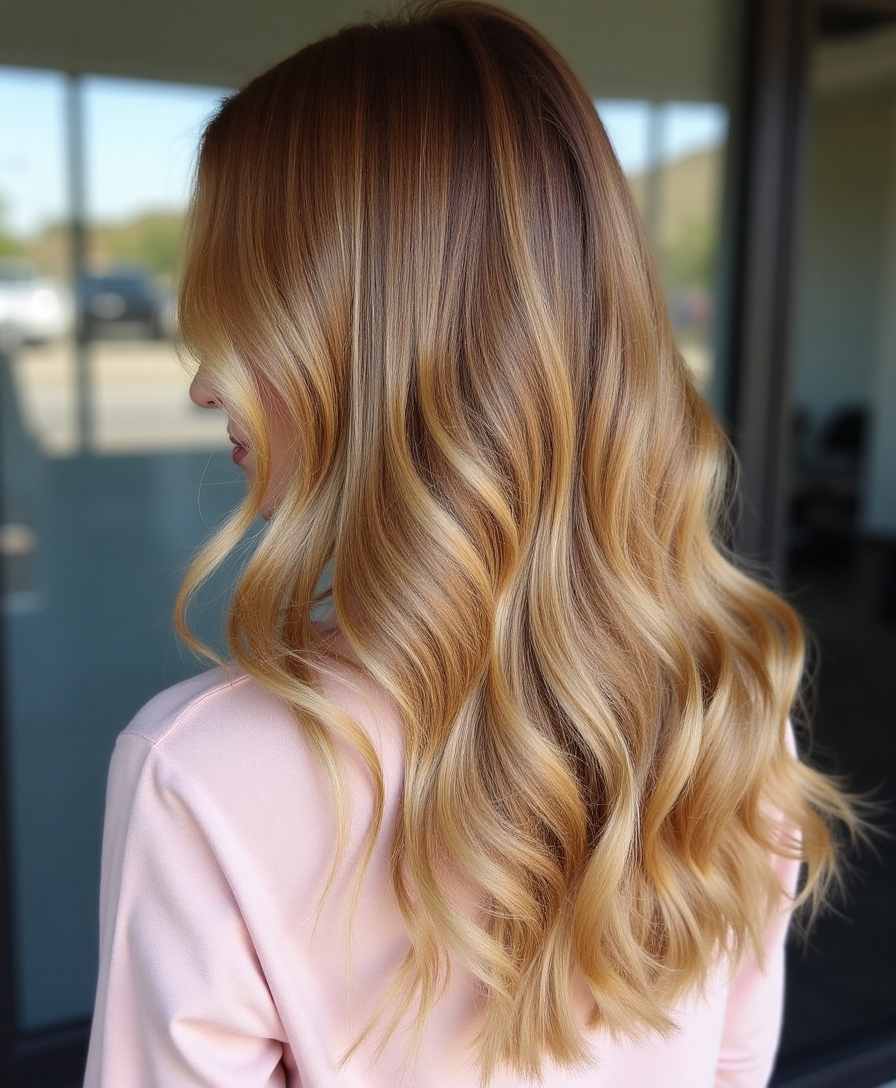
Lightening opens the hair’s cuticle and pulls out natural moisture, so deep conditioning for honey blonde isn’t a treat. It’s basic maintenance.
A weekly mask replaces what the lightening process removed and keeps hair soft and elastic. Once a month, a bond treatment repairs internal structure that bleaching weakens, which is what keeps lightened ends from snapping.
Well-conditioned hair also holds color better, since smooth, sealed cuticles let tone sit evenly and catch light. Dry, porous hair fades fast and looks flat no matter how good the color job was.
Small Tricks That Refresh Honey Between Visits
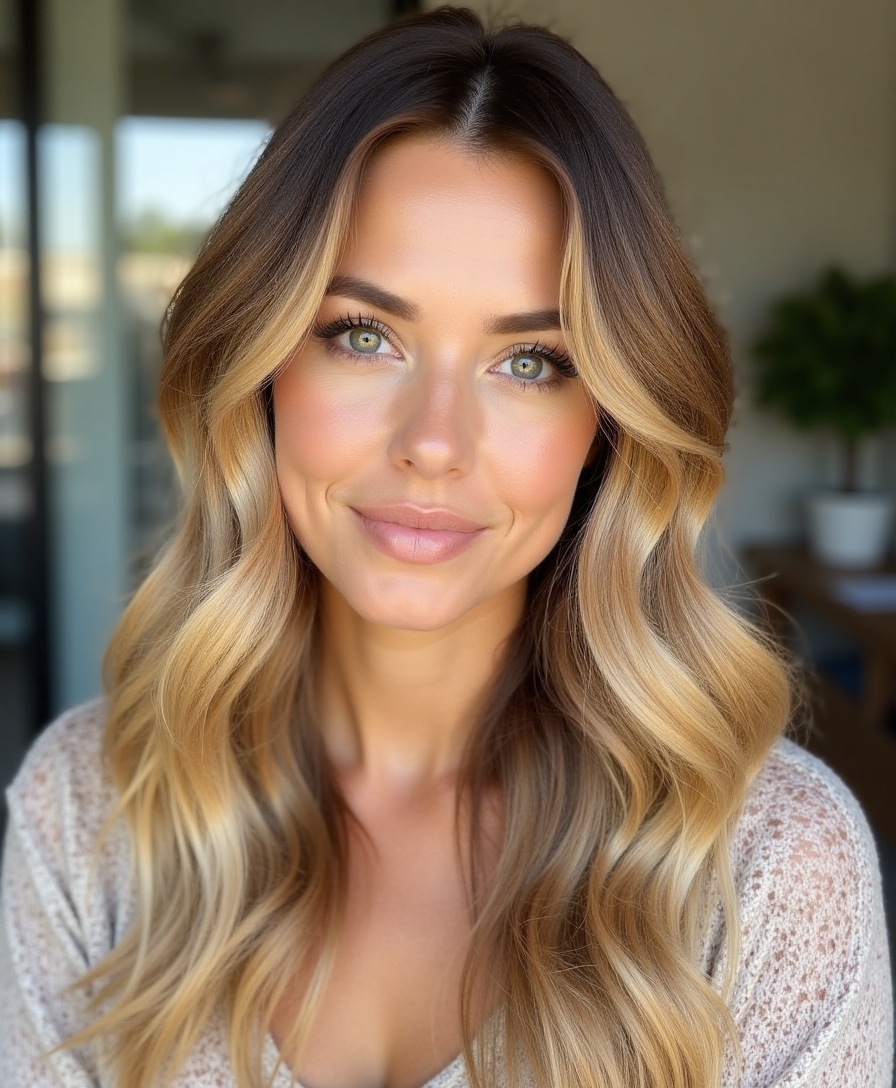
A few gentle habits keep honey blonde looking freshly done long after your appointment, and the simplest is a gold-toned glossing conditioner that deposits a sheer wash of warm pigment in the shower.
Does Styling Actually Change How the Color Looks?
Yes, more than most people expect. Loose waves bounce light off the different tones woven through honey blonde, which makes the color look richer and more dimensional than poker-straight hair ever does.
A small amount of glossing serum or a few minutes with a shine spray adds the reflective finish that makes honey look expensive. Healthy shine does a surprising amount of the visual work people credit to the color itself.
A few terms worth knowing before your next appointment:
📖Level
The lightness or darkness of hair color on a numbered scale, where honey blonde usually sits around 7 to 8.
📖Gloss
A sheer, temporary treatment that refreshes tone and shine between full color services.
📖Bond builder
An additive used during lightening that protects the hair’s internal structure from breaking down.
Adjusting Honey Blonde Through the Year
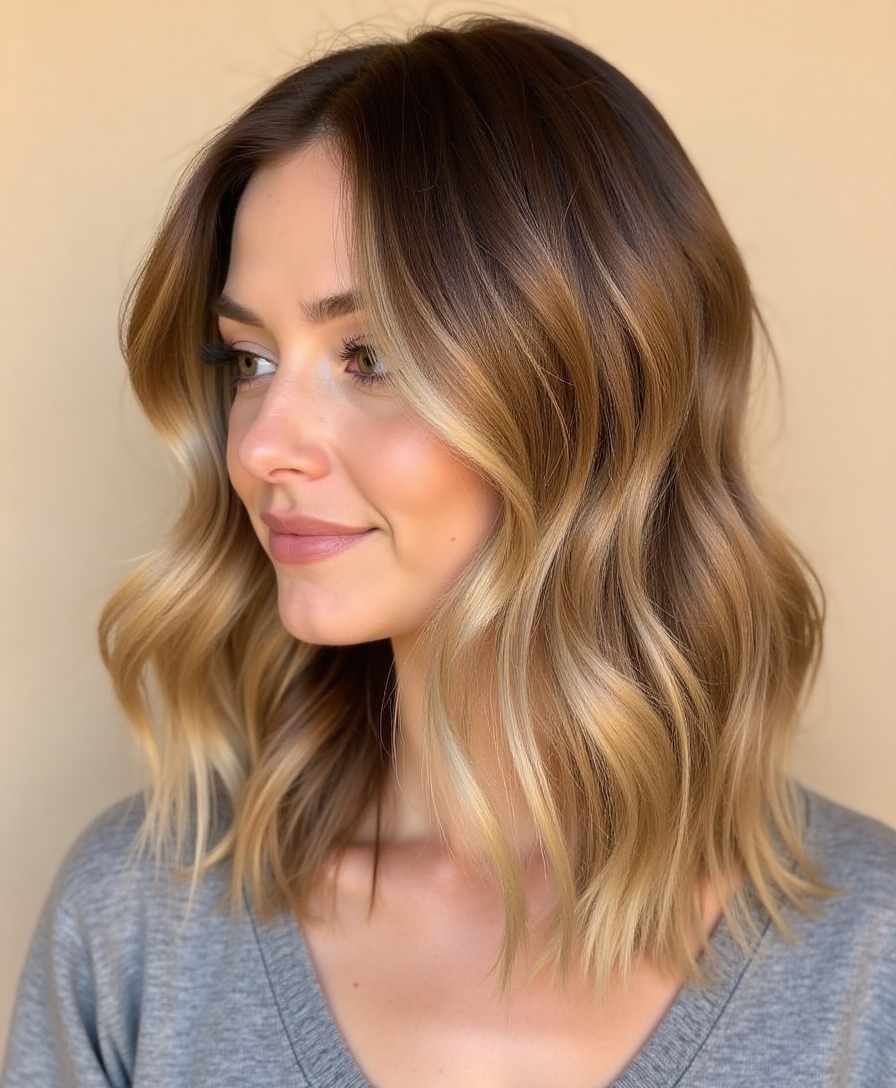
Honey shifts slightly with the seasons, and a few small changes keep it looking sharp through the whole year.
Which Season Is Actually the Hardest on Color?
Summer, by a wide margin. Sun, chlorine, and salt all strip tone and push blonde toward brass faster than any other season, so a protective spray for color and a habit of rinsing with clean water before swimming both belong in a summer routine.
Winter shifts the problem toward moisture, since indoor heat and cold air dry lightened hair out. Heavier masks and, for some people, nudging the honey a shade deeper for the season both help through the colder months.
Living With Roots as They Grow

Every blonde eventually deals with roots, but honey is kinder to grow out than most. Because it’s a medium, warm blonde, the line where your natural color starts is softer than the sharp stripe a platinum blonde fights.
If your natural color is medium to dark brown, a rooted or balayage-style application blurs that regrowth even further, buying you real time between appointments. When the line does start to show, a root smudge or a quick gloss melts it away in under an hour.
That’s a smaller, cheaper fix than a full color service. It’s one of the things I point out to clients weighing honey against a cooler blonde — the forgiveness factor is real.
💡Root Smudge
A soft shadow of color painted just at the root, blended into the honey below it so regrowth fades in gradually, with no hard line at the part.
Habits That Turn Honey Brassy Fast
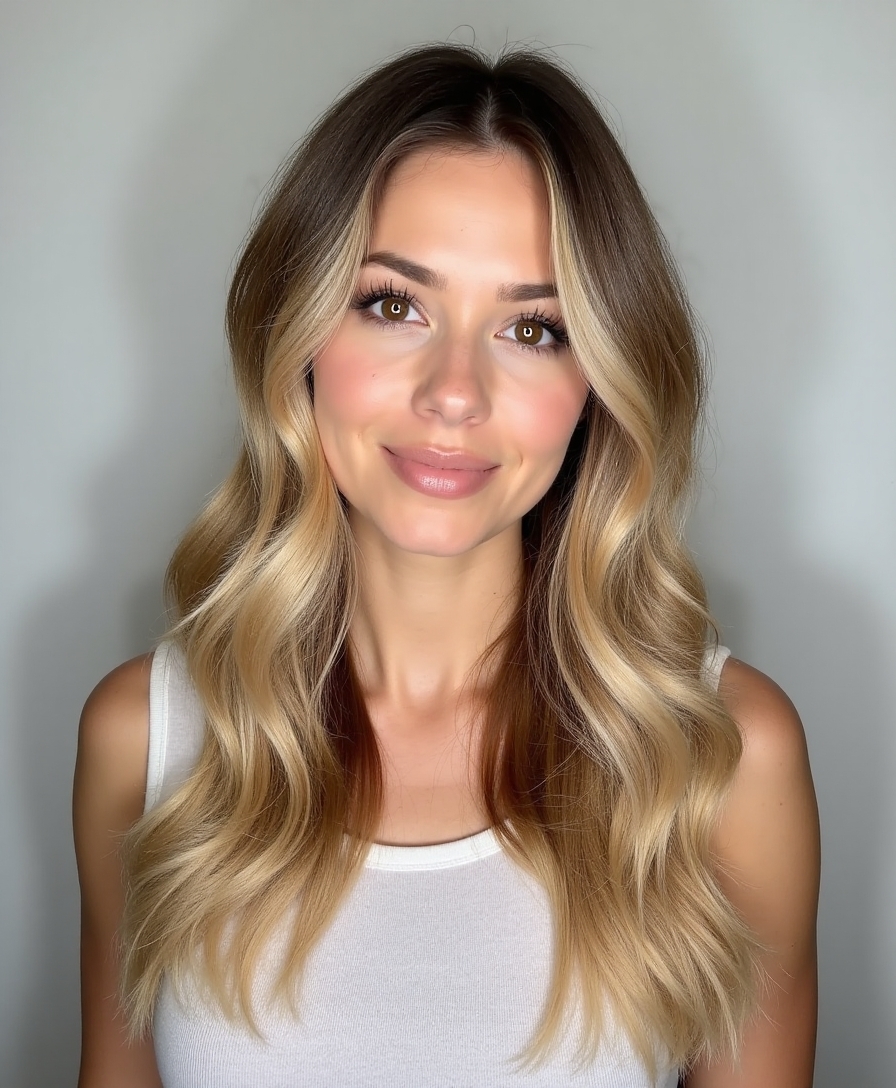
The honey-blonde disappointments I see most often trace back to a handful of avoidable habits, and the theme is almost always neglect. Warm blonde needs regular feeding and protecting to stay rich.
None of these mistakes are dramatic on their own, which is exactly why they add up unnoticed until the color looks noticeably off.
- Washing in hot water constantly, which strips tone and moisture faster than anything else on this list.
- Skipping toning appointments, letting the color drift from gold toward orange between visits.
- Overusing purple shampoo, which can dull honey into a flat, ashy beige.
How a Toning Appointment Actually Works

Toning is the quiet mechanism behind every honey blonde that stays true, and understanding the steps makes the appointment less of a mystery.
- Your colorist assesses how much the previous tone has faded and whether it’s drifting warm or cool.
- A sheer, depositing toner is mixed and applied to adjust the tone, adding gold or canceling unwanted orange as needed.
- Between visits, alternating a gold-depositing conditioner with an occasional purple wash keeps the tone from drifting too far in either direction.
💡Right After Your Appointment
Skip washing for at least 24 hours after a toning visit so the color has time to fully set, and go easy on hot tools for that first day if you can.
Long-Term Health for Lightened Hair

Staying honey blonde long-term means caring for hair that’s been chemically lightened, and the bigger picture is about strength as much as color.
Lightened hair is more porous and more fragile, so the habits that protect it pay off for years rather than weeks. Regular trims keep fragile ends from splitting and traveling up the strand, and skipping them to save length usually backfires.
Healthy ends hold tone noticeably better than frayed ones. Bond treatments, gentler heat styling, and a steady moisture routine keep lightened hair strong enough that the color still looks intentional a full year in.
Adding Real Dimension to a Honey Base

A single flat coat of honey looks pretty, but weaving in lighter highlights and deeper lowlights is what makes it look truly expensive.
That dimension also makes the grow-out kinder, since varied tones disguise new growth far better than one solid color ever could.
- Lighter pieces near the face brighten the complexion and add visible glow.
- Deeper lowlights add visible shadow underneath the lighter pieces.
- A blended, balayage-style application usually gives the softest, most forgiving regrowth.
Who It Suits Best
Honey blonde suits a wider range of people than almost any other blonde on the spectrum. Warm, neutral, and even some cooler complexions can all wear a honey shade well, as long as the depth is matched to the skin rather than chosen off a photo alone.
It’s especially kind to anyone starting from medium to dark hair, since honey sits close to the warm tones hair naturally lifts toward, which makes it both easier to reach and gentler to grow out. If a soft, golden glow sounds better than the upkeep of an icy blonde, honey is usually the shade worth bringing to a consultation.
The Blonde That Works With Your Skin
Honey blonde proves that warm doesn’t have to mean brassy. Match the shade to your skin, keep a toning rhythm in place, and give lightened hair the moisture it needs, and the result is a soft, expensive-looking warmth that flatters more people than almost any other blonde.
If you’ve been pushed toward icy tones that left your skin looking washed out, honey is the warmer alternative worth trying, and the shade most people end up sticking with once they see it against their own skin in daylight.
Related Reads