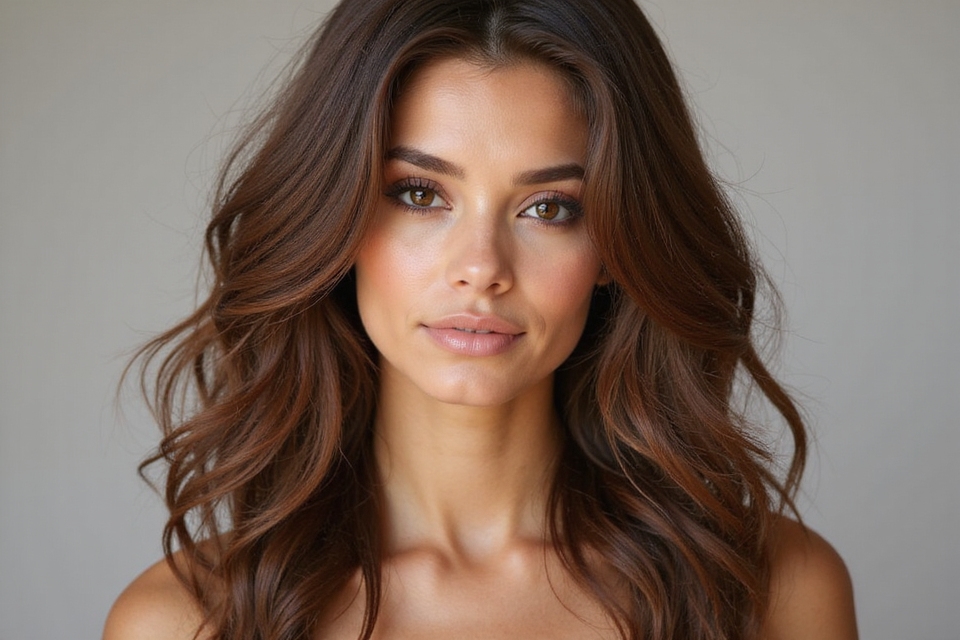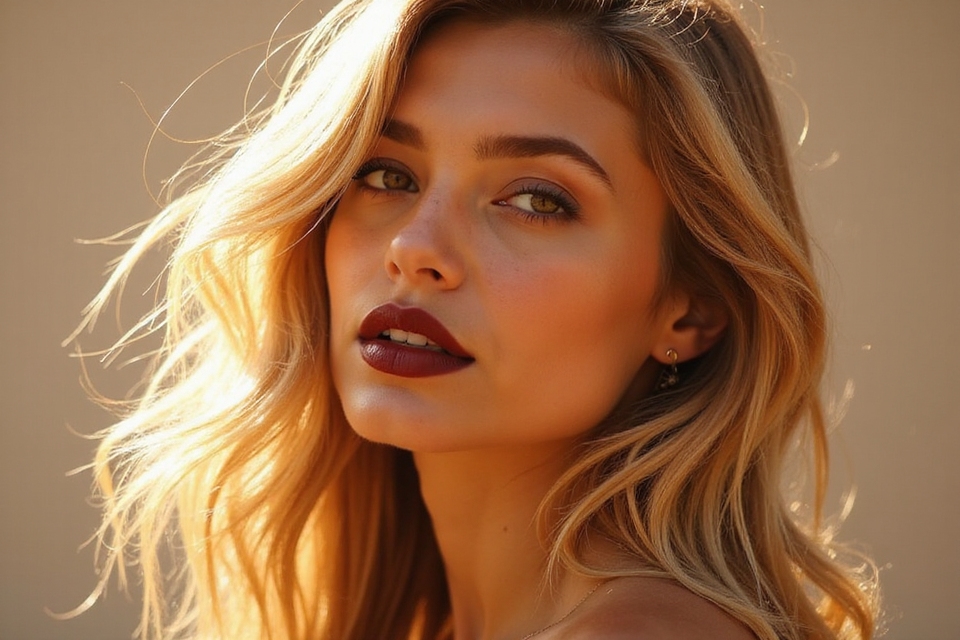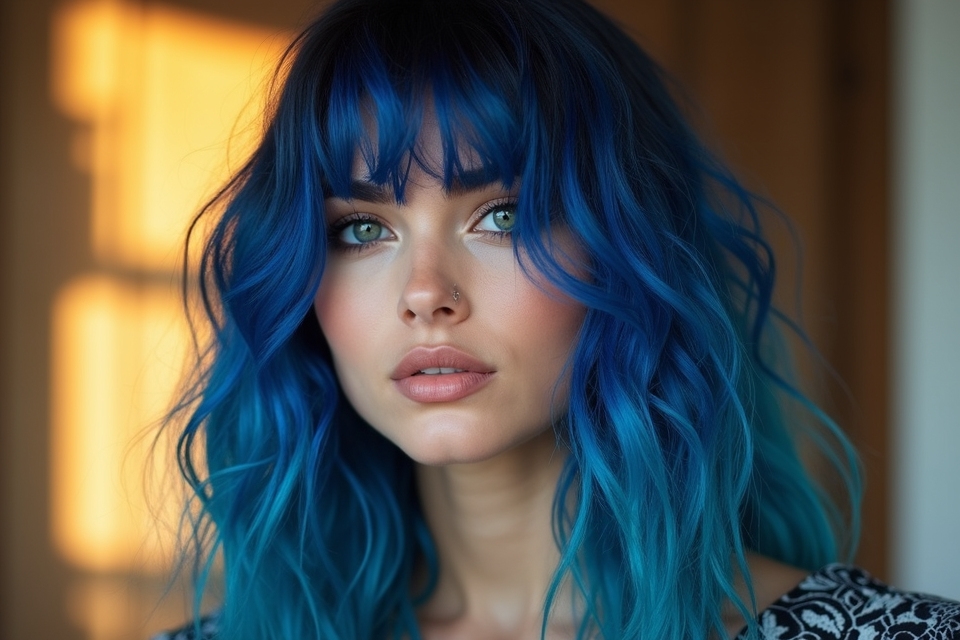
Blue is the fashion color clients ask me for when they want a real change, and it has quietly shed its rebellious reputation to become a surprisingly wearable bold shade. From soft powder blue to deep midnight and electric cobalt, there is a version for almost every personality.
The catch is that blue rewards planning. The shade, the lightening, the upkeep, and even the eventual exit all matter more than the dye itself. Below is the full picture, told the way I tell it to clients in the chair, before the color goes in rather than after.
Blue Hair at a Glance
| What to know | Why it matters |
|---|---|
| The range | Blue runs from soft pastels to electric cobalt and deep, wearable navy, so the shade sets the drama. |
| The base | Most bright and pastel blues need a pale blonde base, so the lightening is the real commitment. |
| The fade | Blue drifts toward teal and green as it fades, so tinted conditioner and cool washing keep it true. |
| The exit | Blue is among the hardest colors to remove, so plan the way out as carefully as the way in. |
Why Blue Hair Is So Popular Now

Blue has gone from a fringe, alternative choice to a fully mainstream fashion color. It is bold and eye-catching, yet its range is wide enough to look soft and dreamy or electric and dramatic, so it suits very different people.
A color with real range
Part of the shift is cultural. Blue used to signal a subculture; now it simply signals individuality, with no single scene attached.
That breadth is the other half of the story. From powder pastel to deep navy, there is a blue for nearly any comfort level, which is a big reason it keeps spreading to people who would never have considered it a decade ago.
The Psychological Pull of Blue Hair

Blue carries strong associations, calm, creativity, and individuality, and clients often tell me they feel more like themselves once they have it. There is a small confidence that comes with a choice this visible, and it tends to show.
It is a color that quietly says you value self-expression over blending in. That sense of choosing something bold carries into how people wear it day to day, and it’s a large part of why so many describe the change as freeing rather than purely cosmetic.
Blue Hair in Pop Culture

Blue hair has deep roots across music, film, fashion, and art, from punk and anime to high-fashion runways. For decades it has been shorthand for creativity and standing a little apart from the crowd.
Today it shows up everywhere from editorial shoots to everyday feeds, which has softened its edge and widened its appeal. The look that once read as rebellion now reads as taste. That cultural staying power is part of why blue never fully goes out of style, and why it keeps cycling back in fresh forms.
Finding the Right Shade of Blue

Blue spans an enormous range, so picking your shade is the first real decision, and it drives everything that follows. The depth you choose also decides how much lightening you will need underneath.
Your starting color matters as much as the shade you want. Bright and pastel blues need a pale blonde base to show true, while a deep navy like dark blue hair can take on darker hair with far less lifting.
- Pastel and powder blues look soft and dreamy, but need the palest base.
- Electric and cobalt blues are vivid and bold, and also want a light base.
- Navy and midnight blues are deep and wearable, and the most forgiving on dark hair.
🅰️Bright or pastel blue
Electric, cobalt, and powder blues are the showstoppers, but they need a pale blonde base, which means more lightening and more upkeep to hold the tone.
🅱️Deep navy blue
Navy and midnight blues are wearable, workplace-friendly, and far more forgiving, since they show up on darker hair with little or no lightening.
Preparing Your Hair for Blue Dye

Blue almost always takes preparation, and rushing that step is where most blue-hair regret comes from. I have seen more disappointment from skipped prep than from any wrong shade. The groundwork protects the result and the health of the hair at the same time.
- Start with hair in good condition, since lightening stresses the strands.
- Lighten to the right level first: pale blonde for bright blues, less for navy.
- Do a strand test to preview the final shade and how your hair takes the dye.
- Deep-condition in the days before to fortify the hair against the process.
Best Products for Coloring Your Hair Blue

Most fashion blues are semi-permanent, direct dyes that deposit color without any extra lightening, and the quality of the one you choose makes a real difference. I always point clients to a richly pigmented brand, since a good one gives a truer, longer-lasting blue, usually for $10-20 a jar.
You will also want a color-safe, sulfate-free shampoo and a blue-tinted conditioner from the start. Those two products are what hold the shade between full applications, so buying them up front protects your result.
Professional Versus DIY Blue Hair

Blue can absolutely be done at home, but the lightening stage is where it gets risky, since uneven or over-processed bleach leads to patchy color and breakage. The dye itself is the easy part. The base is everything.
DIY suits a confident, experienced home colorist working on already-light hair, where it is far more forgiving. The clients who come to me regretting an at-home blue almost always tripped on the bleach, not the dye. For a big change from dark hair, or for a clean, even result, a colorist earns the cost.
- DIY: best on light hair, with a quality semi-permanent dye and careful application.
- Salon: worth it for the lift; expect roughly $150-300 to lighten dark hair evenly.
- Either way, the color application is simple once the base is right.
Maintaining Your Blue Hair Color

Blue is more stubborn than some fashion colors, but it still fades, and it fades through stages, drifting toward teal and green as the pigment breaks down. The right habits keep it true far longer, and they are simple once they are routine.
- Wash as little as you can, and always in cool water.
- Use color-safe, sulfate-free products to slow the wash-out.
- Top up with a blue-tinted conditioner before the color reaches the green stage.
Watch for the Green Stage
Blue almost never fades evenly; it drifts toward teal and then green as the pigment breaks down. The fix is to refresh with a blue-tinted conditioner before it gets there, rather than waiting until the green shows and trying to correct it after the fact.
Overcoming Common Blue Hair Challenges

The three challenges I hear about most are the fade-to-green stage, staining of skin and fabric during application, and the upkeep of regrowth. None of them should put you off, because each has a straightforward answer.
Refresh with a tinted conditioner before the color turns; protect your skin and surfaces with a barrier cream and old towels while you dye; and plan root touch-ups every few weeks. Knowing the hurdles in advance is half of clearing them.
Complementary Styles for Blue Hair

Blue looks striking on almost any cut, but some styles show it off better than others. Waves and curls catch the light and reveal depth and any tonal variation, while sleek, straight styles show as a bold, solid block of color.
Multi-tonal blue, like a navy-to-electric fade, shows best on layered hair with movement. The cut is part of how dramatic the color comes across, so it is worth considering alongside the shade.
- Waves and curls: reveal depth and dimension.
- Sleek and straight: show as a bold, solid color.
- Layers: show off multi-tonal and faded blends.
Blue Hair and Skin Tone Compatibility

Blue is unusually flattering for a fashion color, but matching the shade to your skin helps it sing. The depth you choose carries the biggest share of that effect, so it is worth a quick think before you pick.
If you are unsure, a colorist can steer you toward the blue that complements your skin most. There really is a flattering blue for nearly everyone; it is mostly a matter of warmth and depth.
- Cool skin: icy and electric blues tend to glow against pink-based tones.
- Warm skin: deeper navy and teal-leaning blues usually look best.
- Any skin: deep, rich blues flatter the widest range, since the depth is forgiving.
Seasonal Trends for Blue Hair

Blue suits the whole year, but it shifts nicely with the seasons. Bright electric and pastel blues feel fresh in spring and summer, while deep navy, midnight, and teal feel rich through the colder months.
Plenty of people deepen their blue as winter arrives and brighten it again for summer. Right now I am seeing a lot of teal-leaning blues, and a quick gloss or tinted conditioner is usually enough to make the seasonal change.
Transitioning From Blue Hair to Other Colors

Blue is famously among the hardest fashion colors to remove, because the pigment is stubborn and can stain the hair, so coming out of it takes patience. This is the part I wish more people planned before they started.
Letting it fade, using a color remover, and gentle re-lightening all play a role. Moving to another dark or fashion shade is far easier than going back to blonde, which can need careful correction. Plan the exit with a colorist so you do not damage the hair rushing it.
📋Plan Your Exit From Blue
- ✓Decide your end goal early: another fashion shade is far easier than going back to blonde.
- ✓Let the blue fade as much as possible before any removal, since stubborn pigment fights re-lightening.
- ✓Book a colorist for color correction if you are heading back to a natural light shade.
Combining Blue With Other Colors

Blue plays well with other fashion shades for even more impact. Blended with purple it creates a deep galaxy effect, with green it gives a mermaid-like teal, and with pink hair it makes a bold, cotton-candy contrast.
These multi-tonal combinations add dimension and movement that a single flat blue cannot. Combining colors is the route to a truly custom look, though it adds to both the cost and the upkeep.
- Blue and purple: a deep, galaxy-like blend.
- Blue and green: mermaid teal tones.
- Blue and pink: a high-contrast, cotton-candy effect.
Iconic Blue Hair Looks
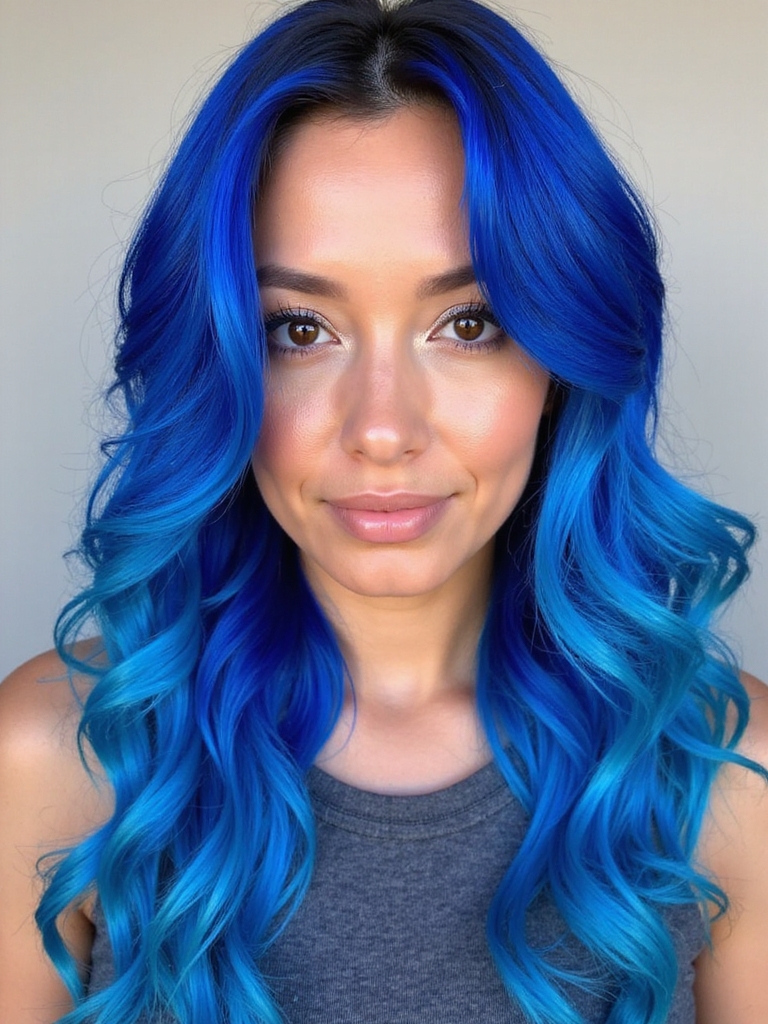
Some blue looks have become instantly recognizable, from sleek midnight-blue bobs to electric-blue waves and dreamy pastel-blue lobs. These are a great starting point for picturing your own version.
The most useful inspiration shows the full range of blues on different cuts and skin tones, so you can imagine the look on yourself rather than on a model. Pull both bright and deep versions of the shade you like, since the same blue can read very differently from one photo to the next. Save the ones that feel most like you.
Social Media’s Role in Blue Hair Trends

Social media is a big reason blue went from an alternative statement to a mainstream, aspirational look. Transformation videos, tutorials, and inspiration galleries made it feel accessible and exciting.
That visibility cuts both ways. It builds the confidence to try blue, but it can also make the process look quicker and easier than it really is. A thirty-second transformation clip skips the hours of lightening and the weeks of upkeep behind it, which is exactly why honest expectations matter so much before you book.
Blue Hair in the Workplace

Attitudes toward fashion color at work have relaxed a lot, though it still varies by industry and employer. Many creative and casual workplaces welcome blue, while more traditional ones keep stricter expectations.
If you are unsure, deep navy and midnight blues read as the most professional, looking almost like a very dark brown, close to black hair in some light. Hidden placements like underlights also let you wear blue discreetly.
Debunking Blue Hair Myths

Plenty of myths surround blue hair, and most dissolve with good information. The big one, that blue always destroys your hair, is overstated, since the dye is gentle and the damage comes from the lightening stage, which careful prep and aftercare manage.
The others fall just as fast once you know better. Blue does not suit only one type of person, and it is not impossible to maintain with consistent, gentle care.
- Myth: blue ruins your hair. Truth: the lift does the work, and good prep limits it.
- Myth: blue suits only one person. Truth: its range flatters nearly everyone.
- Myth: blue is unmanageable. Truth: cool washing and tinted conditioner keep it true.
Caring for Blue Hair and Scalp Health

Good blue depends on healthy hair and scalp underneath the color. Because the lightening stage stresses the strands, ongoing conditioning, masks, and bond-building treatments keep them strong and the color looking its best.
A balanced scalp matters too, so gentle, sulfate-free cleansing protects both the color and the skin beneath. Treating condition as part of the color routine is what keeps blue looking glossy and healthy.
Eco-Friendly Options for Blue Hair Dye

If it matters to you, gentler and more eco-conscious blue options are easy to find these days. They tend to be kinder to the hair as a bonus, since they lean on less aggressive chemistry.
- Vegan, cruelty-free semi-permanent dyes that skip harsher ingredients.
- Conditioning color formulas that nourish the hair while they deposit pigment.
- Choosing semi-permanent over permanent, which uses milder chemistry overall.
Budget-Friendly Blue Hair Solutions
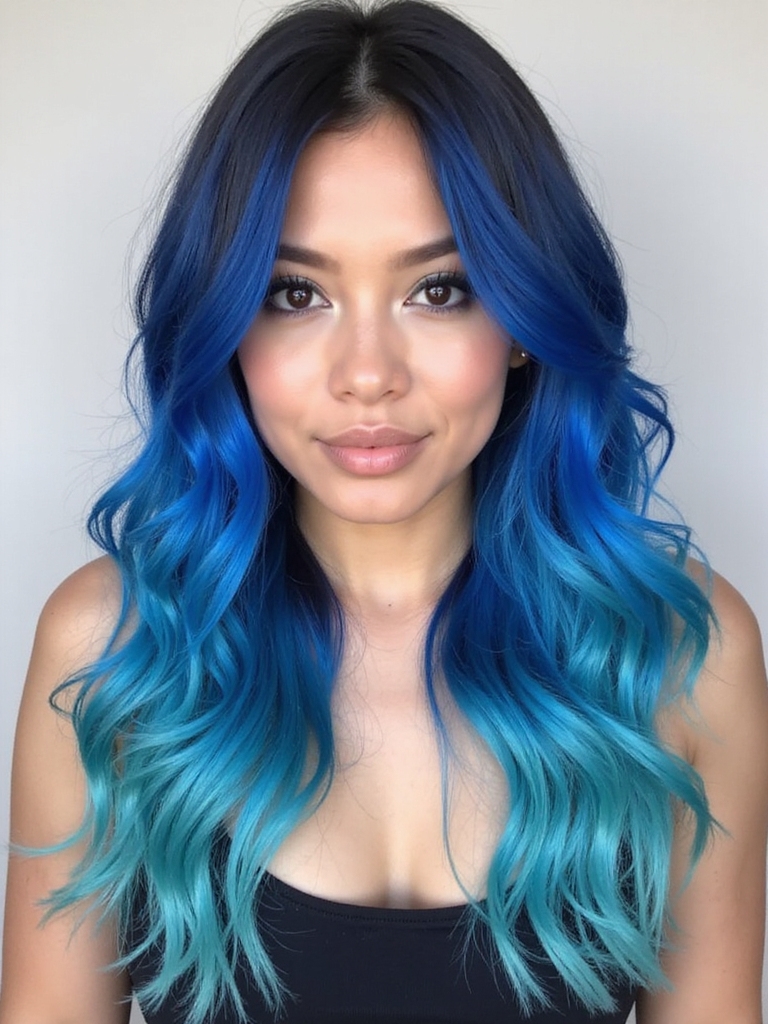
Blue does not have to be costly to maintain, especially if you are comfortable doing the upkeep at home. Quality semi-permanent dyes are affordable, and a blue-tinted conditioner stretches the time between full applications.
Choosing a placement that limits the colored area, or a deeper blue that fades more slowly, also keeps costs down. The lightening is the one place worth spending, since that is where a poor job gets expensive to fix.
Temporary Versus Permanent Blue Hair

Not all blue is a big commitment, and knowing your options helps you choose wisely. Temporary versions let you test the look with zero risk and no lightening at all.
Semi-permanent dyes last a few weeks and fade gradually, while true commitment comes from lightening dark hair to hold a vivid blue. Starting temporary is the smartest way to test the look before diving in.
- Temporary: wash-out color, hair chalk, or clip-in strands, no lightening needed.
- Semi-permanent: lasts weeks, fades softly, the most popular route.
- Permanent commitment: lightening dark hair to hold a bright, lasting blue.
Not sure how far to commit? Match the option to how much risk you want:
🎯Just testing
Wash-out color, hair chalk, or clip-in strands give you blue for a day with no lightening and no risk.
🎯A few weeks
A semi-permanent dye on a light base lasts weeks and fades softly, the easiest real version of blue.
🎯All in
Lightening dark hair to hold a vivid blue is the full commitment, with the most upkeep and the hardest exit.
Blue Hair for All Ages

Blue is not bound by age, and people of every generation wear it well. Softer, deeper blues like navy and slate read sophisticated and grown-up, while brighter shades suit anyone who loves a statement.
On graying hair, blue and silver-blue tones can blend gracefully with the natural gray, turning regrowth into part of the look. The right blue flatters at any age; it is all in the shade you choose.
Inspirational Blue Hair Makeovers

Few color changes are as dramatic or as rewarding as going blue, and before-and-after stories show just how striking the result can be. Seeing both ends also sets realistic expectations about the process and the upkeep.
The makeovers that succeed always start the same way: healthy hair, the right base, and a clear plan made with a colorist. Inspiration plus realistic planning is the recipe for a change you actually love.
Exploring the Future of Blue Hair Trends

Blue shows no sign of leaving fashion, and the trends keep moving toward softer, more dimensional looks. Galaxy blends, soft blue balayage, and hidden blue placements are all growing in popularity.
Gentler dye formulas and better aftercare are making blue more accessible and less damaging than it used to be. The direction is clearly toward wearable, lower-commitment blue, a long way from the all-or-nothing version of the past.
Common Mistakes to Avoid With Blue Hair
The biggest blue-hair mistake is rushing the lightening. Pushing dark hair to a pale base in one aggressive session, or doing it at home without experience, is what walks into my chair as breakage and patchy color. Lighten in stages, lean on a colorist for big changes, and treat the base as the real project.
The quieter misses come after. Washing too often and too hot strips the pigment fast; skipping the tinted conditioner lets blue slide to green before you notice; and starting with no exit plan leaves people stuck when they want a change. None of these are hard to avoid, but blue punishes shortcuts more than most colors, so a little planning protects both the look and the hair.
Blue Hair Questions
?Do you have to bleach your hair to dye it blue?
For bright, electric, and pastel blues, usually yes, since the color only shows true on a pale blonde base. Deep navy and midnight blues are the exception and can show up on already-dark hair with little or no lightening. The lift is the real commitment and the main source of any damage.
?Does blue hair fade fast, and what does it fade to?
Blue is more stubborn than many fashion colors, but it still fades, and it shifts toward teal and then green as the pigment breaks down. Cool washing, sulfate-free products, and a blue-tinted conditioner all slow it and keep the tone true between full applications.
?How much does blue hair cost to get and maintain?
Lightening dark hair at a salon often runs $150-300, while the semi-permanent dye itself is usually $10-20. Upkeep is cheap if you do it at home with tinted conditioner; the real expense is the lightening, especially if a poor job needs correcting later.
Make Your Statement in Blue
Blue has earned its place as a bold yet wearable fashion color, with a shade for every personality from soft powder to deep midnight. The looks that succeed are always the ones built on healthy hair, the right base, and a realistic plan for upkeep.
Decide how bold you want to go, start with a temporary version if you are unsure, and commit to gentle, color-safe care to keep your blue true. Save the shades that caught your eye, bring them to a colorist, and you will be set up to make a striking statement that actually lasts.
Related Reads