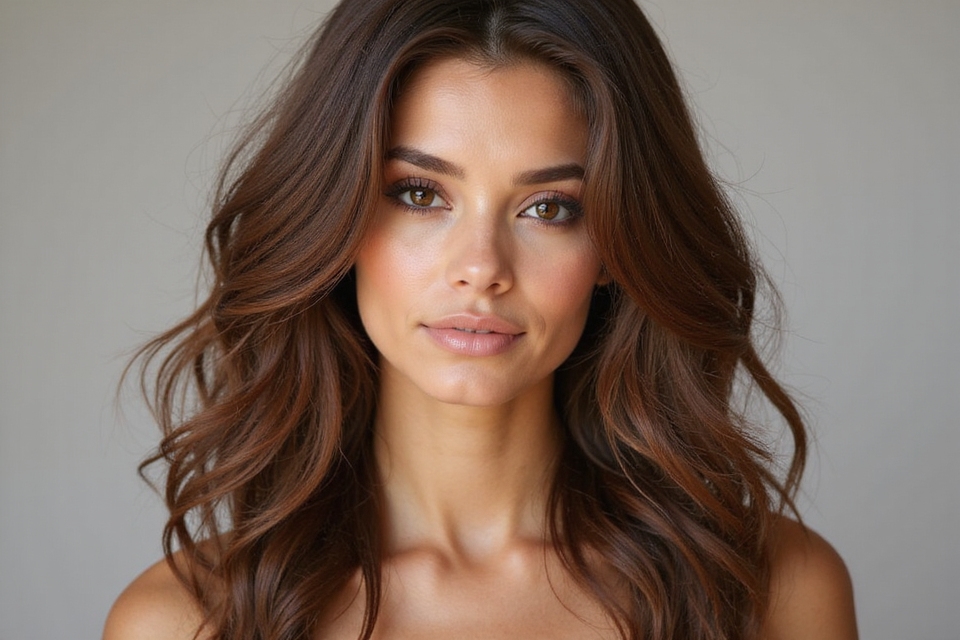
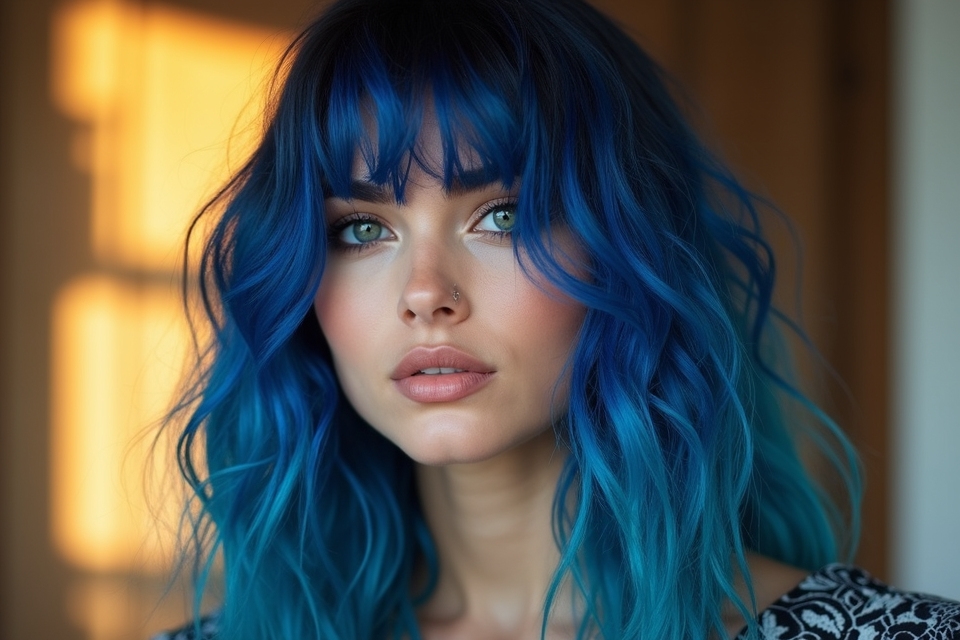
A client once brought in a photo of hair that looked completely black under the salon’s lights, then asked why every strand seemed to shift blue the moment she stepped outside. That’s the entire appeal of dark blue hair in one photo: color that stays almost black until the light finds it, then flashes rich and unmistakable.
Twenty versions follow below, from full coverage to color hidden entirely under the top layer, sorted by how much of it actually shows and how much upkeep each one asks for.
Before You Book the Color
- Dark blue is one of the rare fashion colors that shows on already-dark hair with little or no lifting, which keeps the hair healthier through the process.
- How much shows is a real choice: full coverage, streaks, or color hidden entirely under the top layer all use the same base shade differently.
- The moment pastel or bright sapphire tones enter the mix, real lightening gets involved, and the upkeep changes completely.
Full Dark Blue Coverage
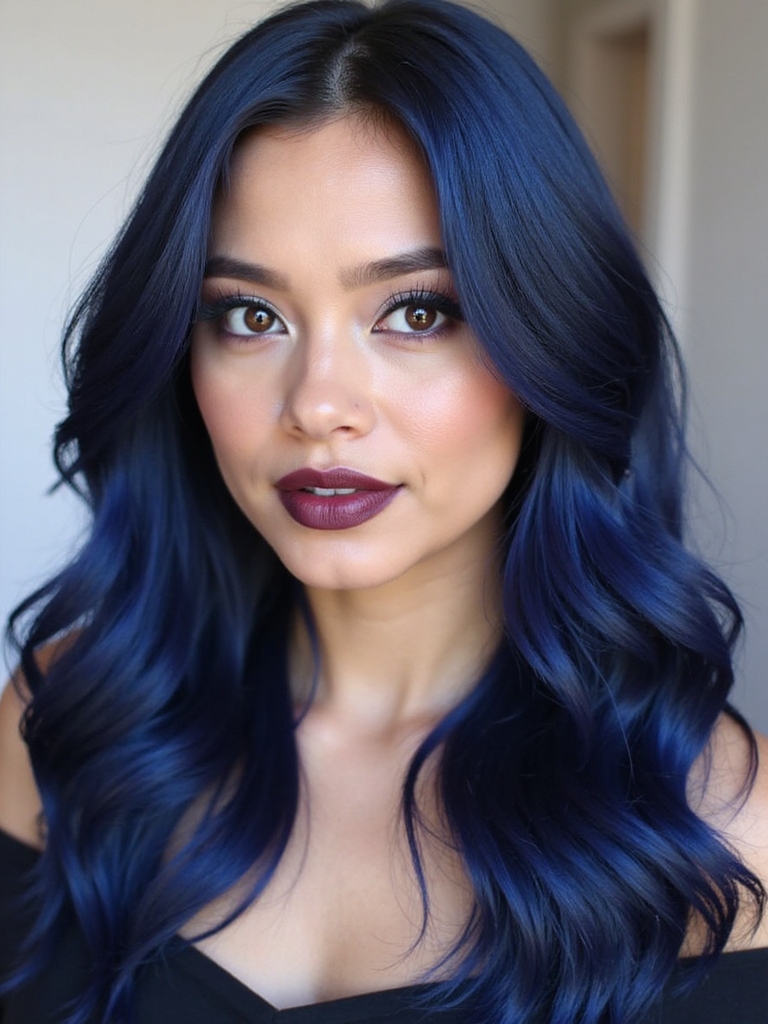
Full coverage is the boldest way to wear the color: a deep, all-over navy or midnight shade that looks dramatic without tipping into costume territory.
Why It Reads as Black Indoors
In dim light it can pass for simple dark hair. Step into direct sun and the same strands flash rich blue, which is exactly what makes the shade wearable in places where loud fashion color usually isn’t welcome.
Because the base sits so dark to start with, most dark hair takes this color with little or no lifting at all, which keeps the strands in noticeably better condition than a brighter fashion shade would.
Navy Blue Highlights
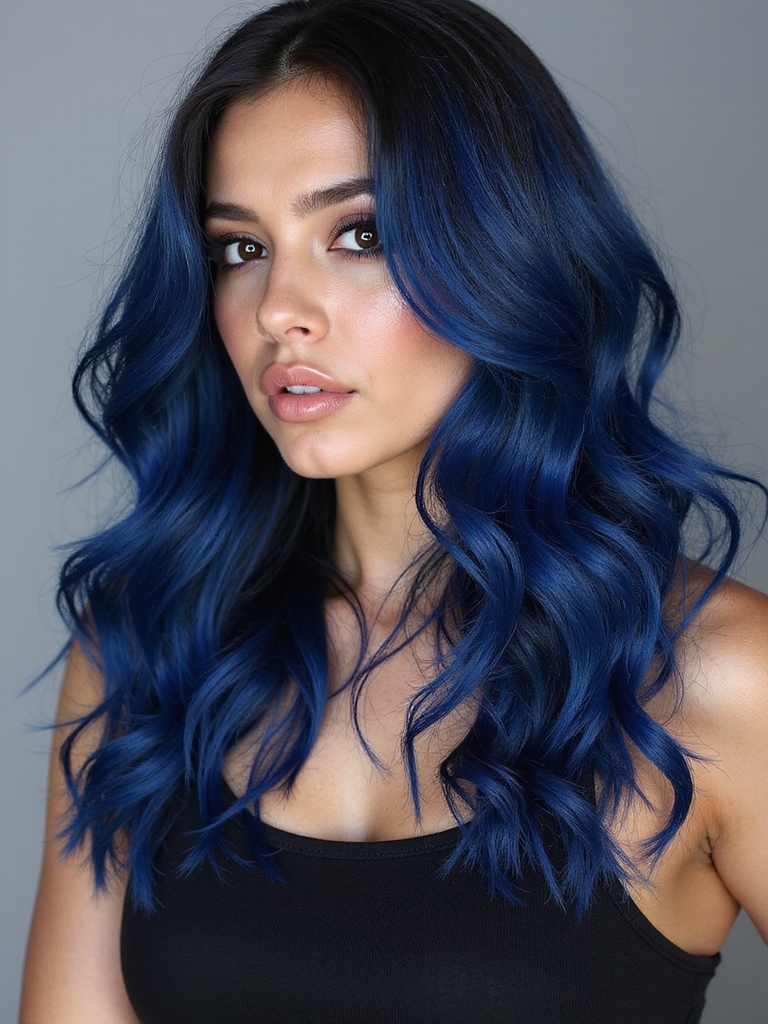
Navy highlights weave deep blue pieces through a dark base, adding dimension rather than obvious streaks. Against dark hair, the effect adds depth first; the color itself stays secondary.
This is usually where a first-time blue client starts, since only the highlighted sections carry the color and the rest of the head stays untouched.
- Only the highlighted strands are colored, not the whole head
- Shows as dimension on dark hair rather than bold stripes
- A lower-commitment entry point into fashion blue
Which starting point fits how bold you want to go?
1Full Commitment
Ready for the whole head to change? Full coverage or a blue-black blend are the honest starting points.
2Testing the Waters
Want to try it without a big change? Tips, underlights, or a few highlights are the lower-risk entry.
Midnight Blue Ombre
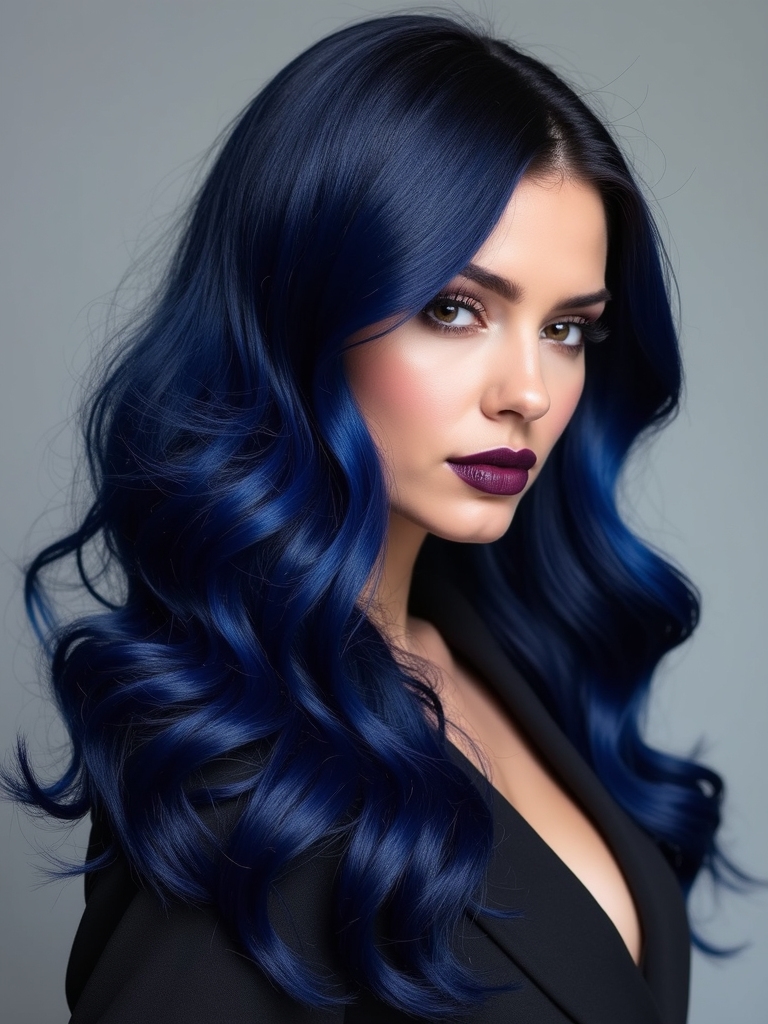
A midnight blue ombre fades a dark root into deeper blue ends, building a gradient that stays wearable even at its most saturated point. It works from the same fading principle behind a classic ombre hair color, just built on a cooler base.
Because the brightest color sits toward the ends rather than the root, regrowth stays soft, and the whole thing can go longer between salon visits than a color that starts right at the scalp.
Dark Blue Balayage
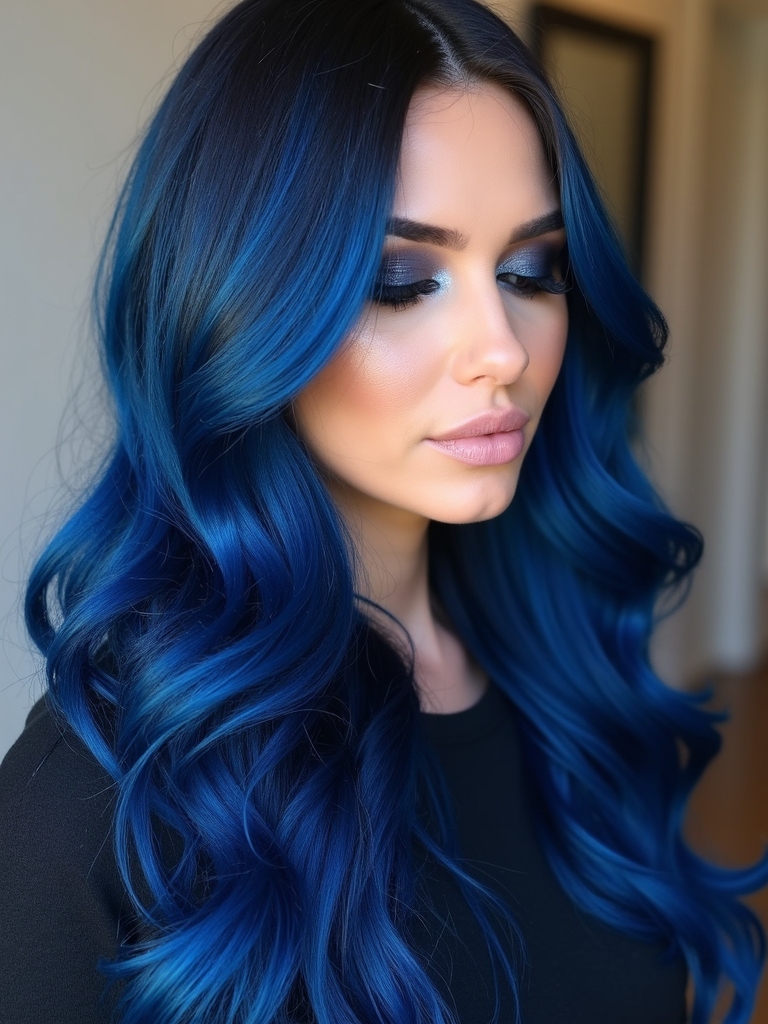
Balayage hand-paints the blue through sections of hair rather than foiling it in blocks, which keeps the root soft and the transition gradual.
The painted placement is what keeps upkeep manageable. There’s no hard demarcation line to touch up, since the color was never meant to look uniform in the first place.
It follows the same hand-painting logic behind a brown balayage, just swapped onto a cooler base tone.
Dark Blue With Silver Accents
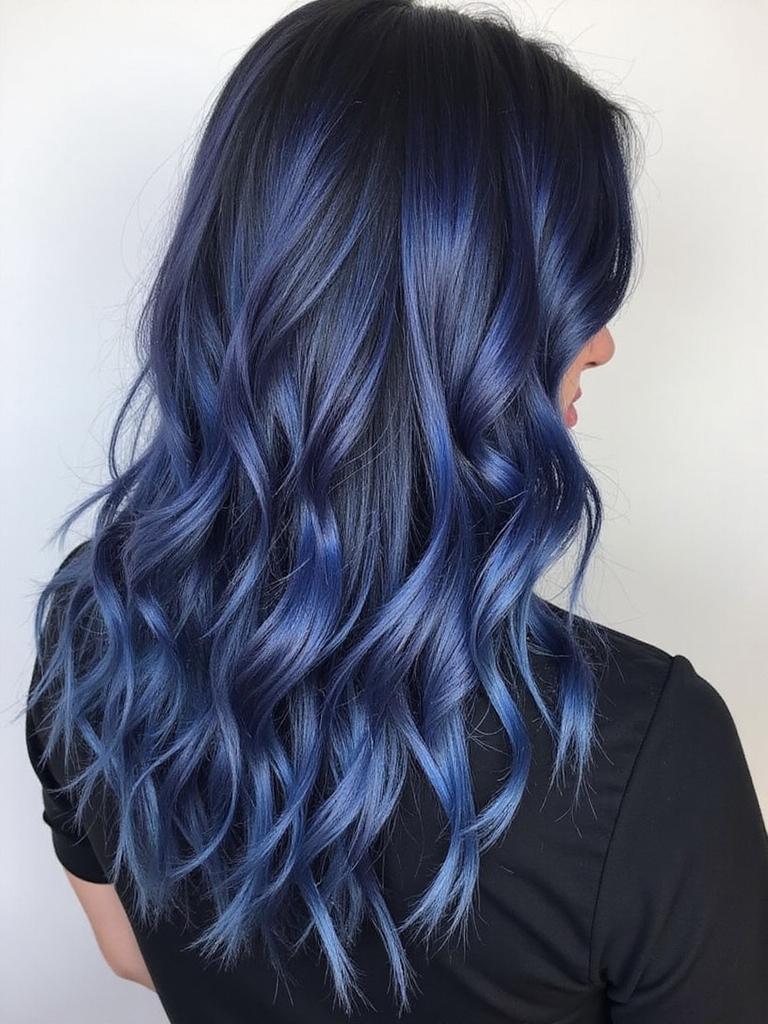
Adding silver accents to a dark blue base creates a cool, metallic contrast: icy silver pieces popping against the deep blue underneath.
Silver blends naturally into any grey already coming through, which makes this pairing a common choice for anyone easing into going grey rather than fighting it.
It does ask for more upkeep than a straight dark blue. Silver pieces need regular toning to stay icy instead of drifting warm, though at roughly $40 to $60 a visit, that runs about half of what a full color redo costs.
Indigo and Dark Blue Mix
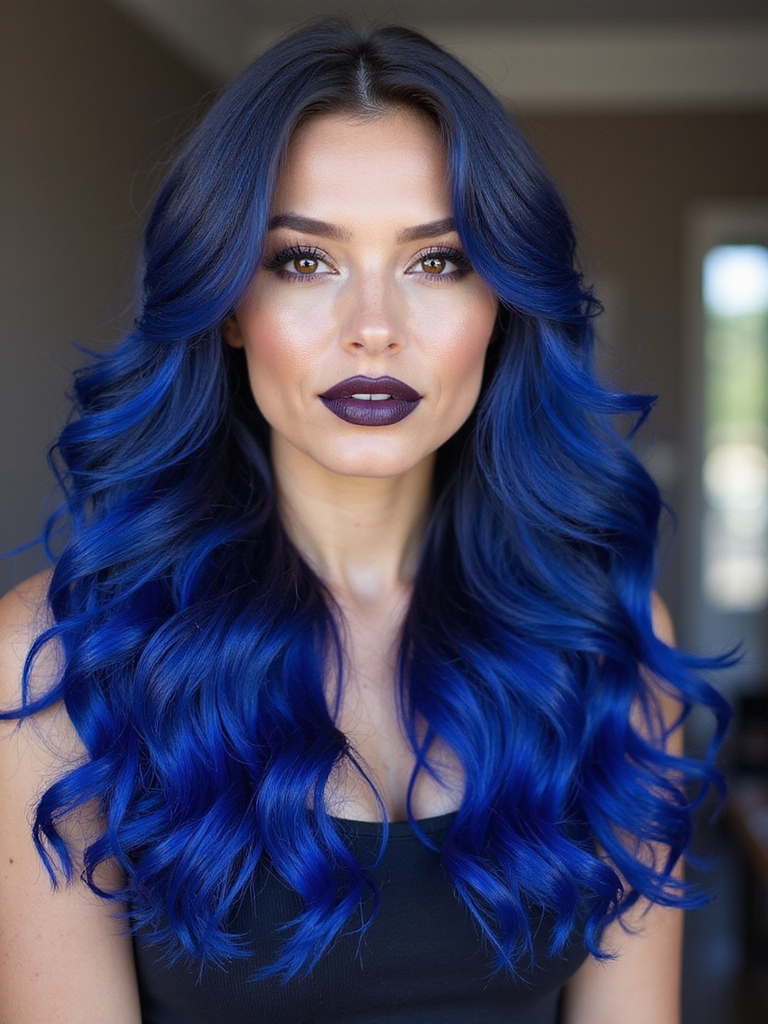
Mixing indigo into a dark blue base pushes the color toward a rich blue-violet, since indigo itself sits between blue and purple on the color wheel. Anyone curious how far fashion color can go might also look at green hair for a completely different direction on the same idea.
- Suits cool and neutral skin tones especially well
- Reads as richer and more jewel-toned than a straight navy
- A natural stepping stone toward burgundy for anyone curious about warmer tones later
Two ways to place the silver:
🎯Face-Framing Pieces
A few silver strands right around the face for a subtle, wearable contrast.
🎯All-Over Weave
Silver threaded evenly through the whole head for a fuller metallic effect.
Dark Blue and Black Blend
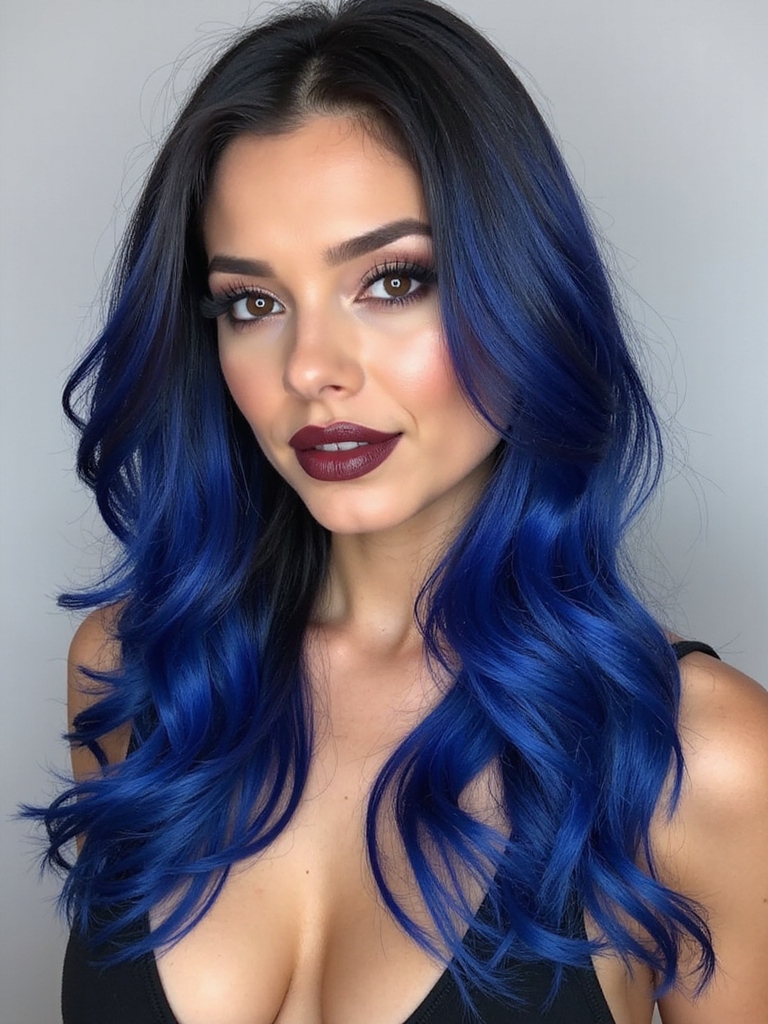
Blending dark blue with black produces the most subtle, office-friendly version of the color on this list: a blue-black that simply looks dark from across a room.
The black grounds the blue and keeps the overall effect sophisticated rather than costume-like. It’s the version worth suggesting to anyone working somewhere with a strict dress code, since it delivers all the depth of fashion blue without anything a policy would actually flag.
Teal and Dark Blue Combo
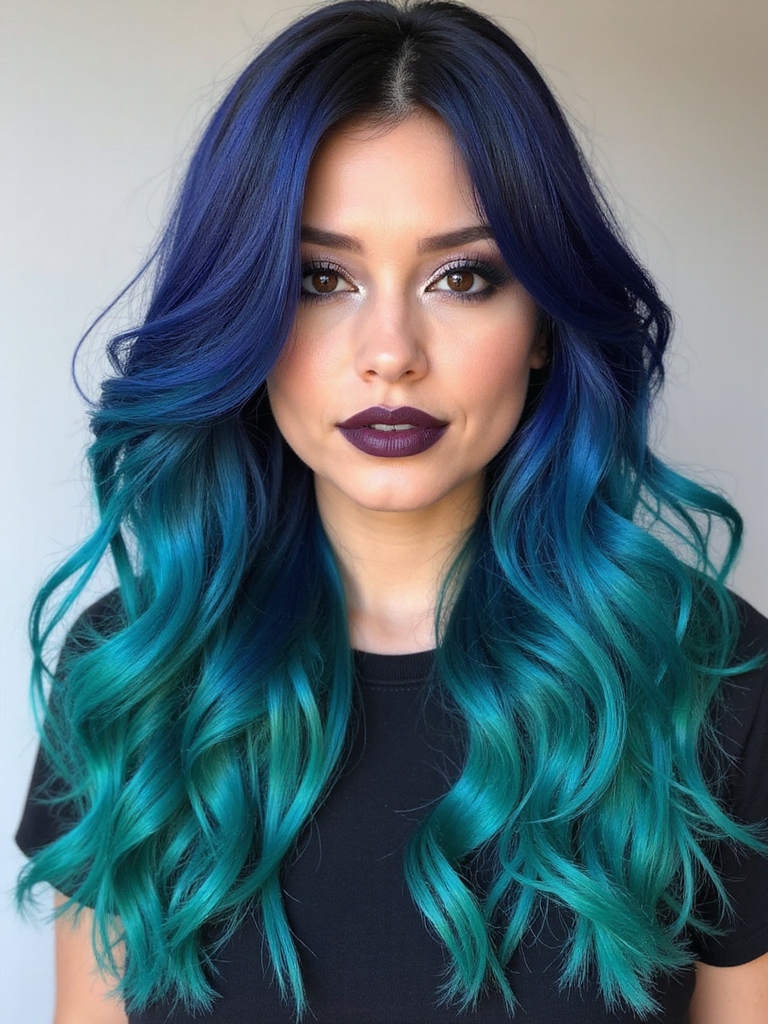
Combining teal with dark blue pulls the color toward green, landing somewhere near deep ocean water rather than pure navy. The teal pieces need a touch of lightening to show clearly, while the surrounding dark blue stays close to its natural depth.
- Teal lifts the base with a green-leaning cast
- Reads as oceanic and multi-tonal rather than flat
- Only the teal sections need meaningful lightening
Partial Dark Blue Slices
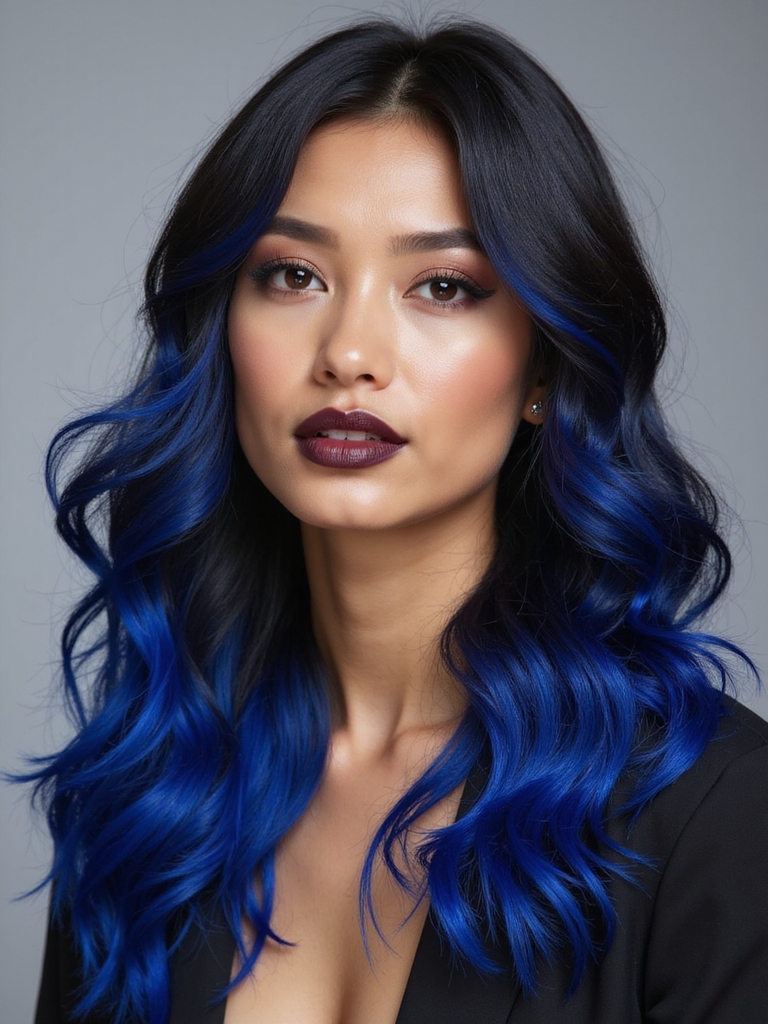
Partial slices place dark blue in defined sections rather than across the whole head, creating contrast without a full color commitment.
Placement decides how visible the color stays day to day. Slices near the face show constantly; slices placed underneath only appear when hair is pulled back, parted differently, or moved.
Electric Dark Blue Streaks
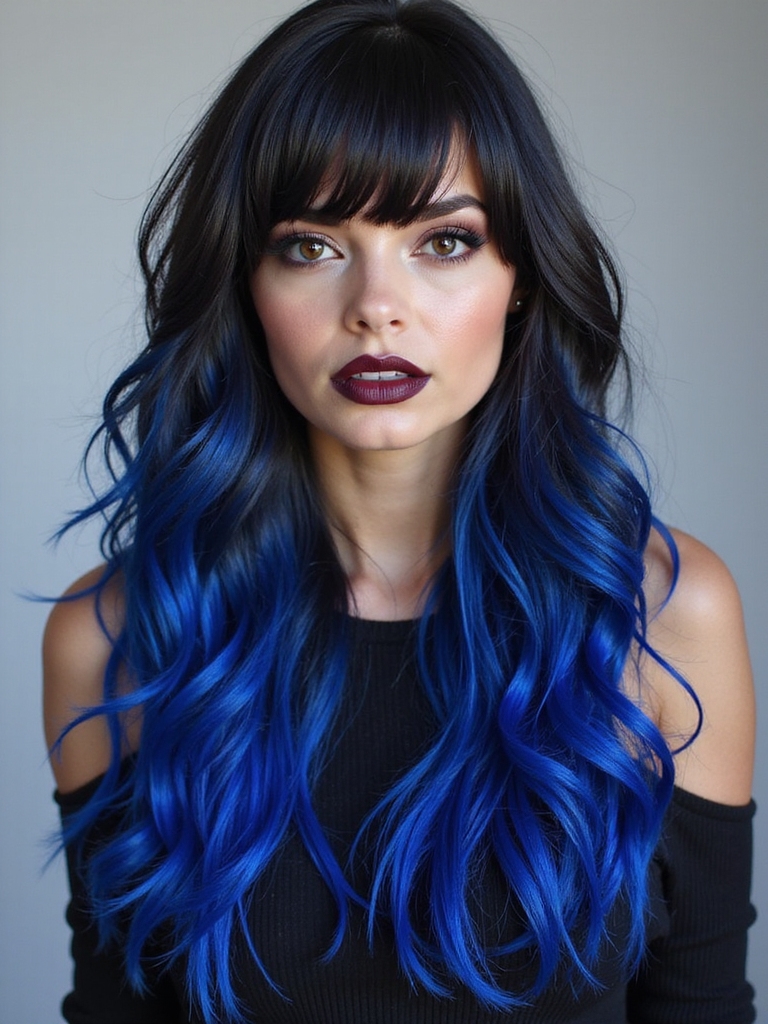
Electric streaks add brighter, more saturated blue pieces through a deep base for a real pop of energy against the surrounding dark tone.
Because these streaks need to sit visibly brighter than the base color, they typically require lightening first, unlike the deep, low-lift shades elsewhere on this list.
- Bright pieces contrast against a deep navy base
- Adds energy without going bright across the whole head
- Plan for lightening on just the streaked sections
Dark Blue Gradient
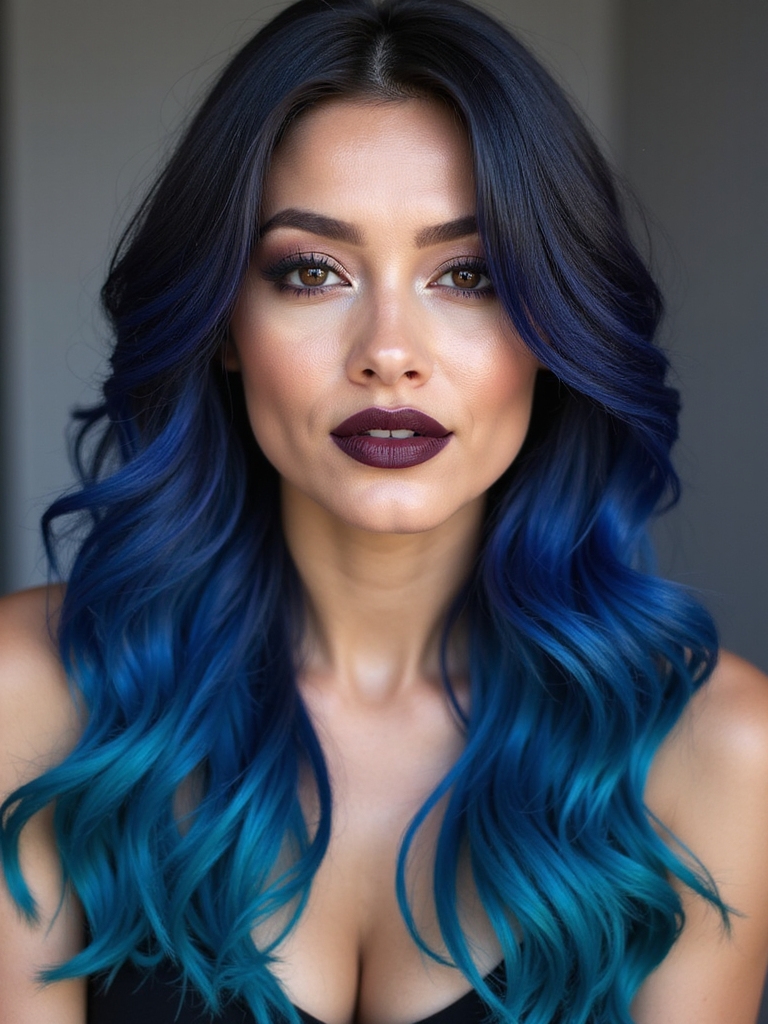
A dark blue gradient blends several depths of the same color, moving from the deepest navy up to a noticeably brighter blue, which builds dimension a single flat shade can’t produce on its own.
- Multiple blue depths create real movement instead of one solid tone
- Shows most clearly through waves or loose curls
- Straight hair benefits from a loose wave to reveal the shift
Placing electric streaks without overdoing it:
1Pick the Section
Choose two or three face-framing or crown pieces rather than scattering streaks evenly.
2Lift First
Lighten just those sections before applying the vivid blue toner.
3Blend the Edges
Soften where the streak meets the base color so it doesn’t sit as a hard line.
Dark Blue With Pastel Ends
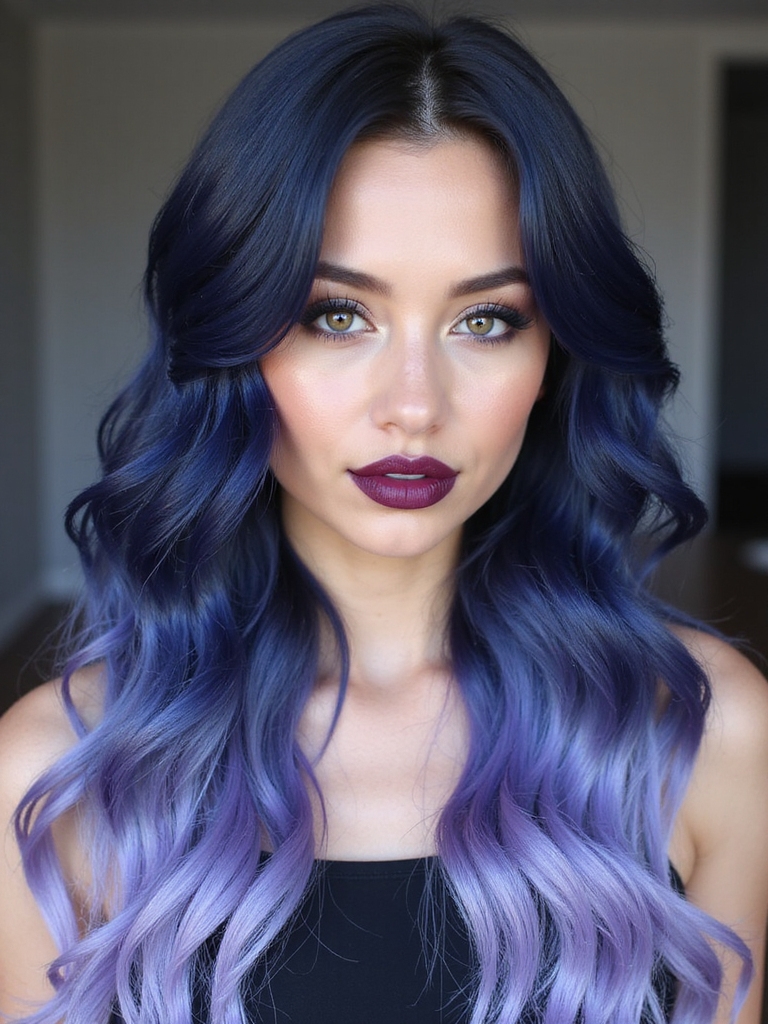
Fading a dark root into soft pastel blue or lavender ends builds real contrast between deep and delicate in a single head of hair.
The catch sits at the ends. Pastel tones need real lifting to show up clearly, which puts this version on the higher-maintenance end of the list despite how soft it looks.
- Deep root, soft pastel ends: maximum visual contrast
- Pastel sections need genuine lifting, not just a toner pass
- The most upkeep here, in exchange for the dreamiest result
Dark Blue Underlights
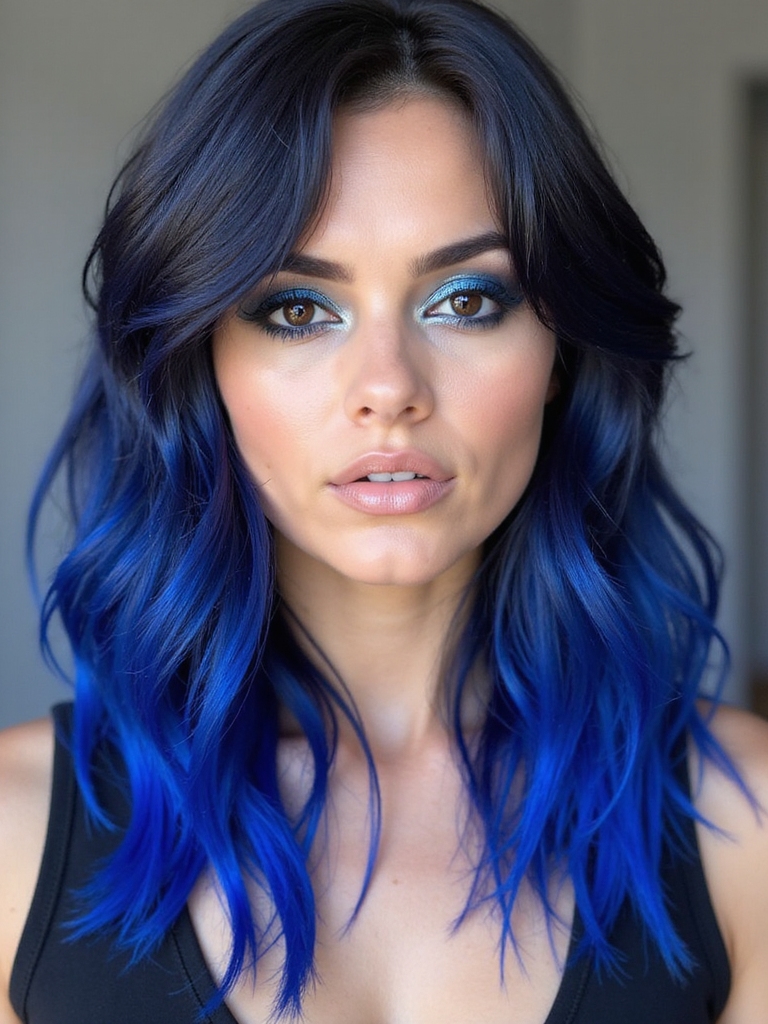
Underlights color only the bottom layer of hair, so the blue stays completely hidden when hair falls naturally and reveals itself only when it moves or gets pinned up.
Color You Control the Visibility Of
This is where a lot of first-time blue clients land, since it offers a real commitment to the color without requiring it to show every single day.
The top layer keeps its natural shade entirely, so from most angles the hair looks untouched until it’s flipped, parted, or tied back.
Deep Sea Blue Tips
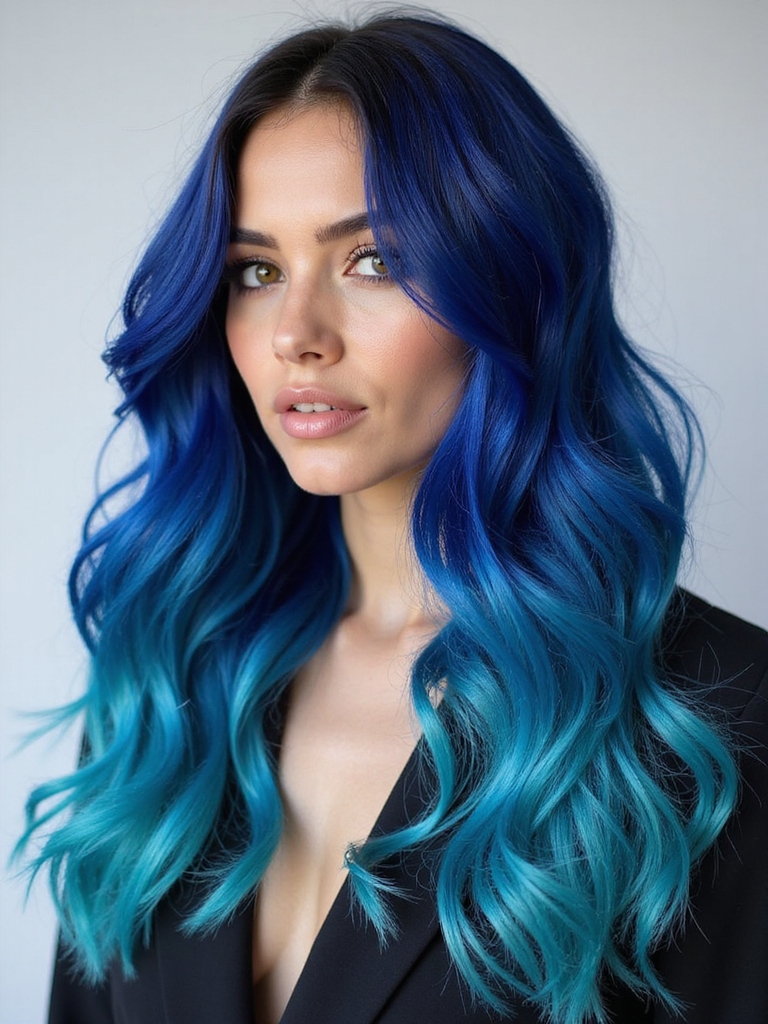
Coloring just the tips deep sea blue adds the fashion shade at the very ends only, leaving the rest of the hair completely untouched.
It’s the lowest-stakes way to test the color before committing further up the length, since a bad reaction to the shade only affects an inch or two.
Because the color sits entirely on the ends, it can be trimmed away whenever the experiment is over, with no grow-out line left to manage afterward.
Dark Blue With a Metallic Sheen
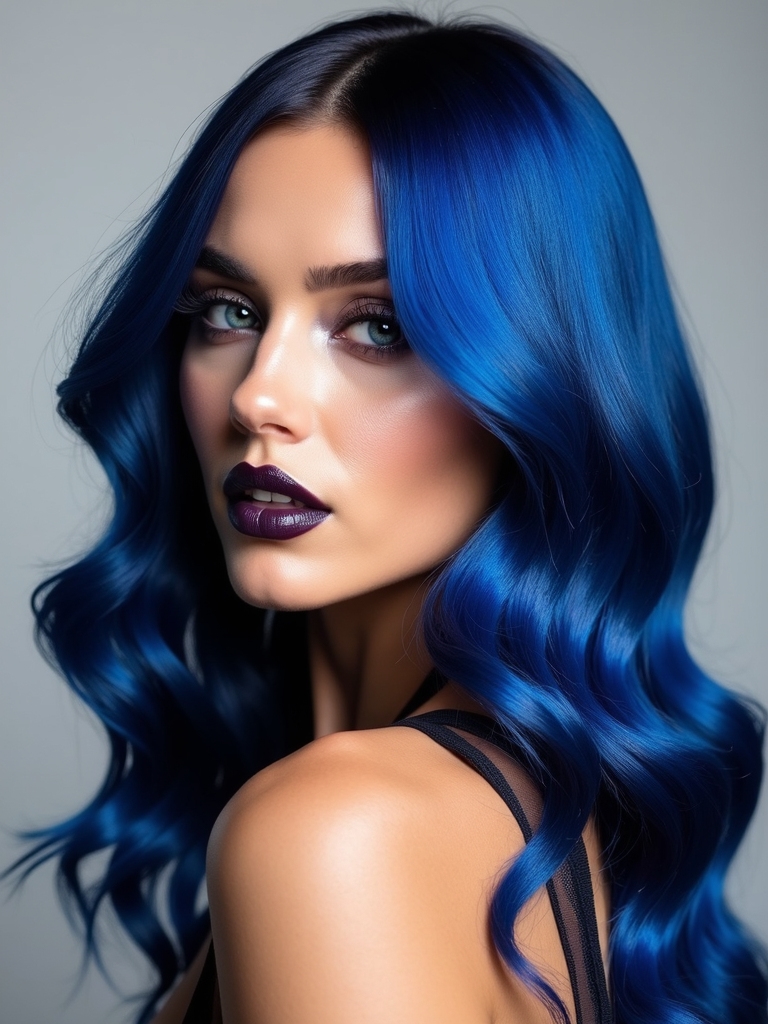
A metallic sheen finish gives dark blue a polished, almost liquid quality in the light, with the shine doing nearly as much visual work as the underlying color itself.
- Hair condition drives the sheen more than the dye itself does
- A glossing treatment on a regular schedule keeps the metallic quality alive
- Dry or rough strands scatter light instead of reflecting it cleanly
Dark Blue Headband Braids
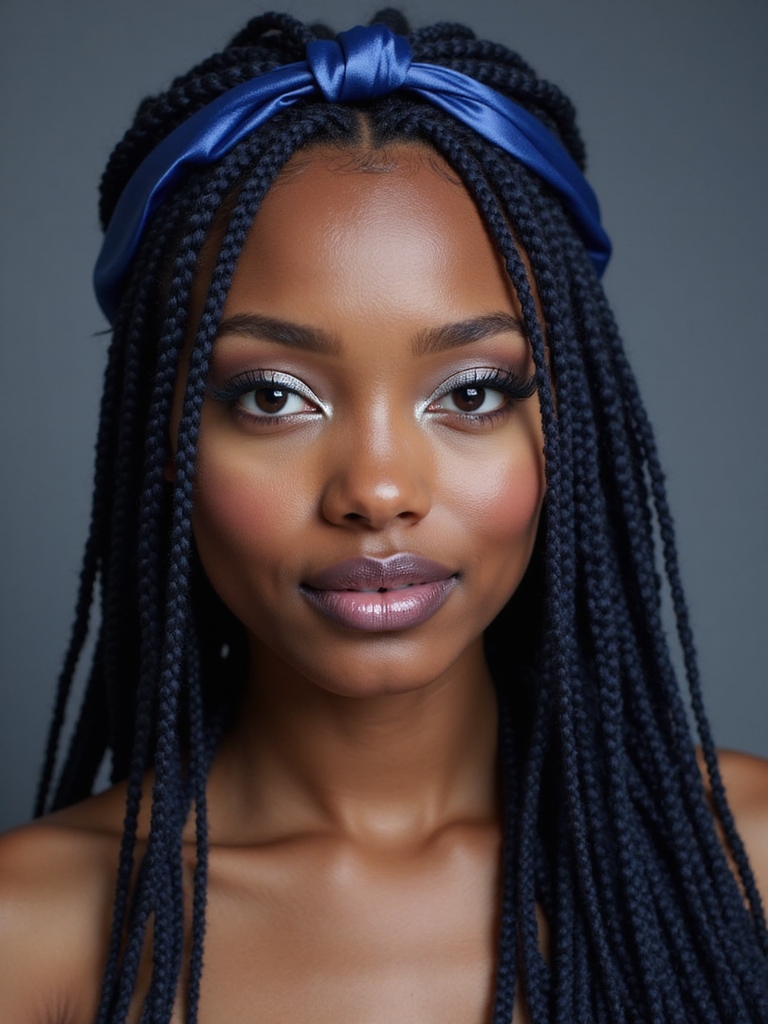
Braiding dark blue hair shows the color off exactly where the strands cross, since each twist catches the light a little differently than the smooth sections around it.
Braids as a Color Reveal, Not Just a Style
A headband braid or a few face-framing plaits pull any hidden underlights or peekaboo color up toward the surface as the hair gets woven, doing double duty as both a hairstyle and a color reveal.
On textured and coily hair specifically, braids and twists frame the color especially well, letting the deep blue show against the natural pattern rather than getting lost in it.
Dark Blue Peekaboo Highlights
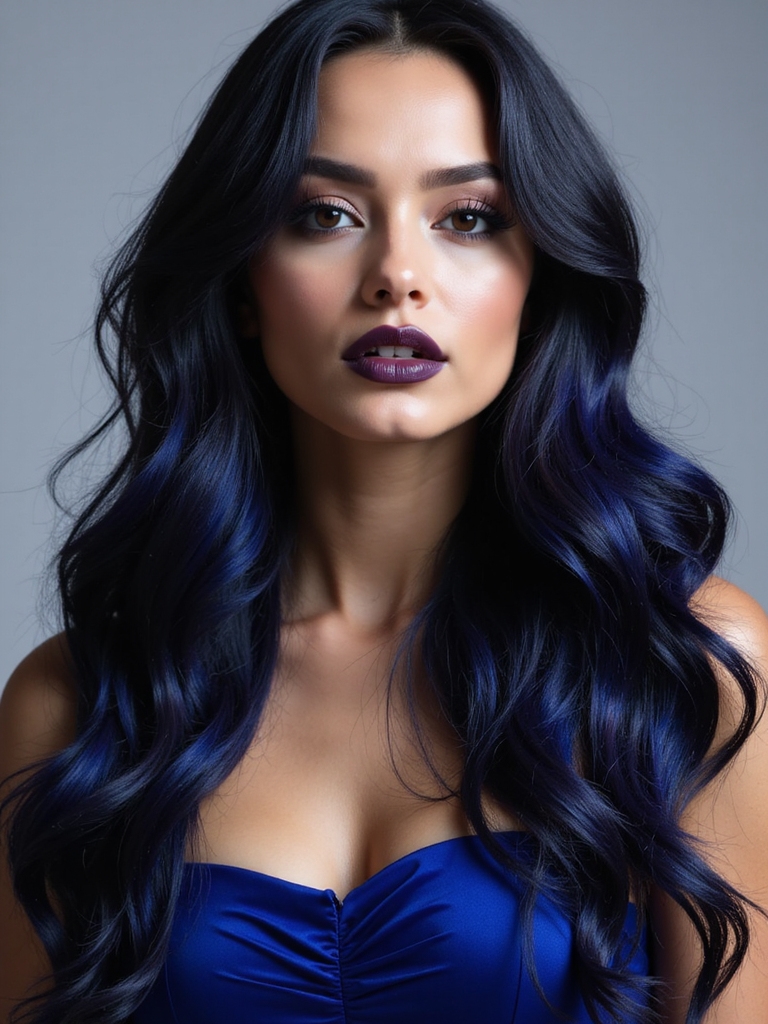
Peekaboo highlights tuck dark blue beneath the surface layer, visible only when hair is parted, moved, or pulled up. From the front, the hair looks uniformly dark until something shifts it. Our peekaboo hair colors guide covers the placement technique across other shades too.
- Fine slices placed underneath the top layer of hair
- A quick flash of color whenever the part changes or hair gets tucked
- A common choice for workplaces that discourage visible fashion color
Two myths about coloring braided or textured hair blue, cleared up:
❌ Myth: Myth: Textured hair needs heavy bleaching to show fashion blue.
✅ Reality: Reality: because the base is already dark, blue deposits and shows with far less lifting than most people expect.
❌ Myth: Myth: Braids hide fashion color instead of showing it off.
✅ Reality: Reality: the crossing pattern in a braid actually reveals color better than hair worn smooth and loose.
Dark Blue With Vivid Roots
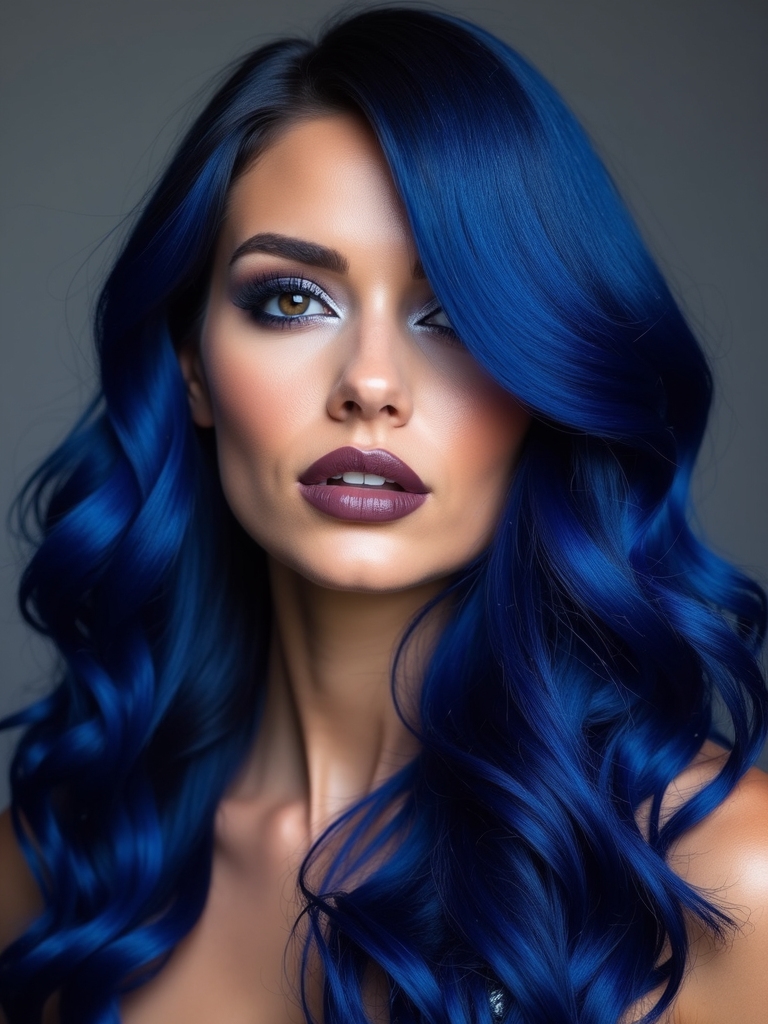
Reversing the usual gradient, this version places the brightest blue right at the root, melting into a deeper, quieter blue through the rest of the length.
It puts the boldest color exactly where the eye lands first, which feels more current and more deliberate than a standard fade. The trade-off is upkeep: the brightest tone sits right at the regrowth zone, so the line between new growth and color shows sooner than it would with an ombre.
Sapphire and Dark Blue Fusion
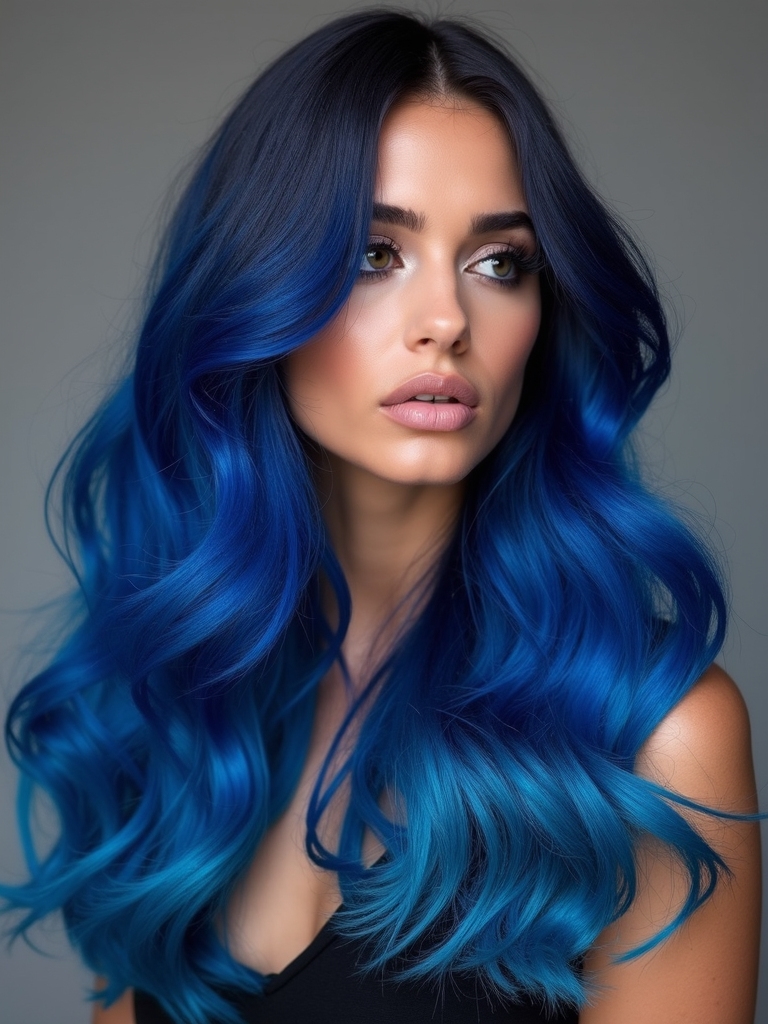
Fusing a brighter sapphire blue with a deep navy base adds jewel-toned brightness without sacrificing the richness of the darker color underneath.
The sapphire lifts the overall effect just enough to land somewhere between bold and refined, rather than tipping fully into either category. Anyone drawn to a brighter blue but unwilling to give up depth tends to land here first.
Dark Blue Hidden Hues
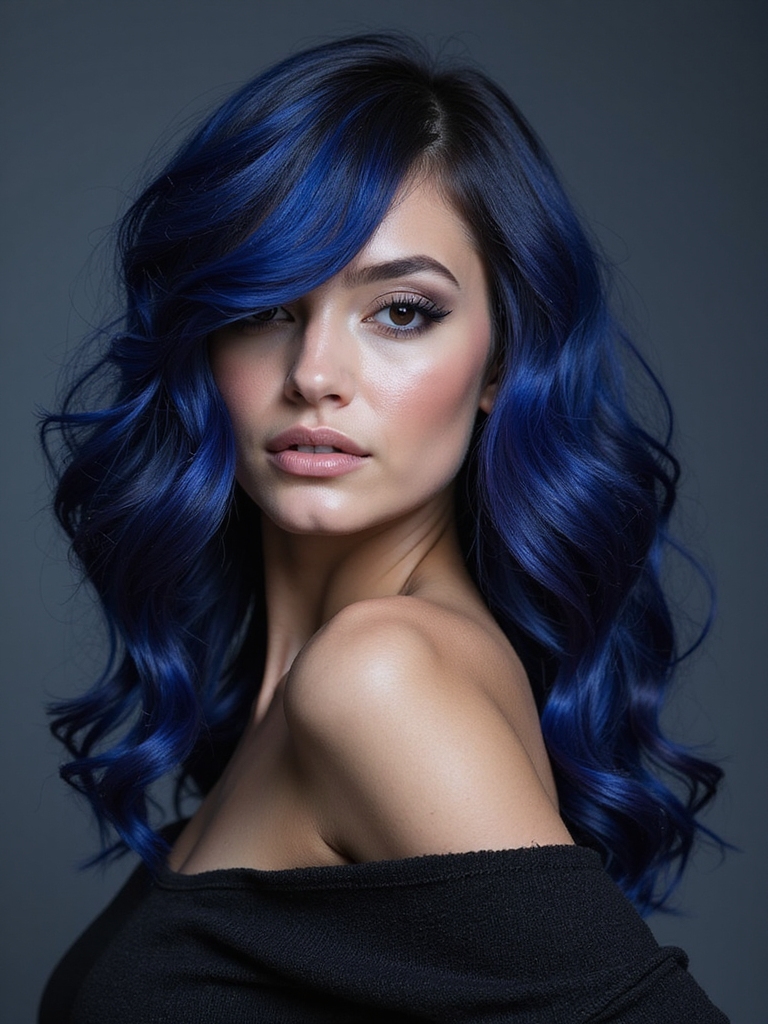
Hidden hues tuck dark blue into the interior layers of the hair, so it appears only in flashes as hair moves, gets parted, or is styled up. For the full range of how bold this can go, see our blue hair guide.
It’s the most flexible version here, since how much shows depends entirely on how the hair gets worn that day. Down, it looks completely natural; pinned up or parted differently, the blue comes forward on its own terms.
One Base Color, Twenty Ways to Show It
Every version above comes back to the same starting point: a dark blue base that shows on already-dark hair without much lifting, then gets pushed toward more visibility, more brightness, or more concealment depending on how it’s placed.
The real question worth answering before booking isn’t which of these looks best in a photo. It’s how much of the color you actually want visible on an average Tuesday, and how much upkeep fits into a life that isn’t built around salon visits.
Worth a Look