Why does your hair look full at 8 a.m. and flat by lunch? If you have fine hair, you know the betrayal well, and you have probably tried piling on product until your roots felt coated and your volume vanished anyway. The problem is almost never too little product. It’s the wrong cut and the wrong technique.
Fine hair can hold beautiful, lasting volume, but it has rules. Heavy creams and oils weigh it down, and the wrong layers thin it out. Below is everything I teach my fine-haired clients, from the cut that does half the work to the blow-dry and styling tricks that build body and keep it, all without the greasy buildup that flattens fine hair by noon.
Fine Hair, Fast Rules
- Fine means each strand is thin, which is different from having few strands. The cut matters more than any product.
- Go lightweight: mousse and root spray build volume, while heavy oils and creams flatten fine hair.
- Clarify weekly to strip buildup, the hidden reason fine hair goes limp and lifeless.
What Fine Hair Actually Is

Here is the thing most people get wrong: fine and thin are not the same. Fine describes the diameter of each strand, how slim the individual hair is, while thin describes how many strands you have. You can have a dense head of fine hair or a sparse head of coarse hair, and they need completely different approaches.
Fine versus thin
Fine strands are delicate and light, so they fall flat under weight and lose their shape quickly. They also tend to get oily faster, since there is less hair to absorb the scalp’s natural oils.
Knowing your hair is fine changes everything you do next. The whole game becomes building volume and protecting it from anything heavy that would drag it down.

Why the Cut Matters Most on Fine Hair

No product can fix a bad cut on fine hair, and a great cut does most of the work for you. The right shape creates the illusion of fullness before you touch a styling tool, which is why I always start here with fine-haired clients. Length and weight are the two levers that matter.
Generally, fine hair looks fullest at shorter to mid-lengths, where there is less weight pulling it flat.
- Blunt ends make fine hair look thicker and fuller at the bottom.
- Aim for collarbone length or shorter, since long fine hair drags down at the roots.
- Avoid heavy thinning or razoring, which leaves fine ends sparse and stringy.
📋Fine hair golden rules
- ✓Apply volume products at the roots only, never the lengths.
- ✓Choose lightweight foams and sprays over heavy creams and oils.
- ✓Clarify weekly to strip the buildup that flattens fine hair.
Layering for Volume, Not Against It

Layers are a double-edged sword on fine hair. Done well, soft layers add movement and the appearance of fullness. Done badly, too many short layers leave you with thin, see-through ends and no body at all. The difference is all in the placement, so here is how to ask for it right.
- Request soft, invisible layers that blend smoothly into your length.
- Keep the bulk of your length one solid weight, with layers only through the top.
- Show your stylist a photo and say the words long layers, so they keep your ends full.
Building Height at the Crown

The crown is where fine hair shows its flatness most, and a little lift there changes your whole silhouette. Height at the crown balances the face and looks instantly fuller, so this is the spot to focus your effort.
A few simple moves build crown volume without a scrap of buildup.
- Dry the crown first, lifting sections straight up with your fingers or a brush.
- A light mousse or root-lift spray at the base sets the height before drying.
- A gentle tease at the crown, smoothed over on top, adds lasting lift.
ℹ️Fine Isn’t the Same as Thin
Fine hair often has more strands per square inch than coarse hair, since the slim strands pack in tightly. So fine does not mean you have little hair. It means each strand is delicate, which is why weight and buildup flatten it so easily and why lightweight products win every time.
Root Lift That Lasts
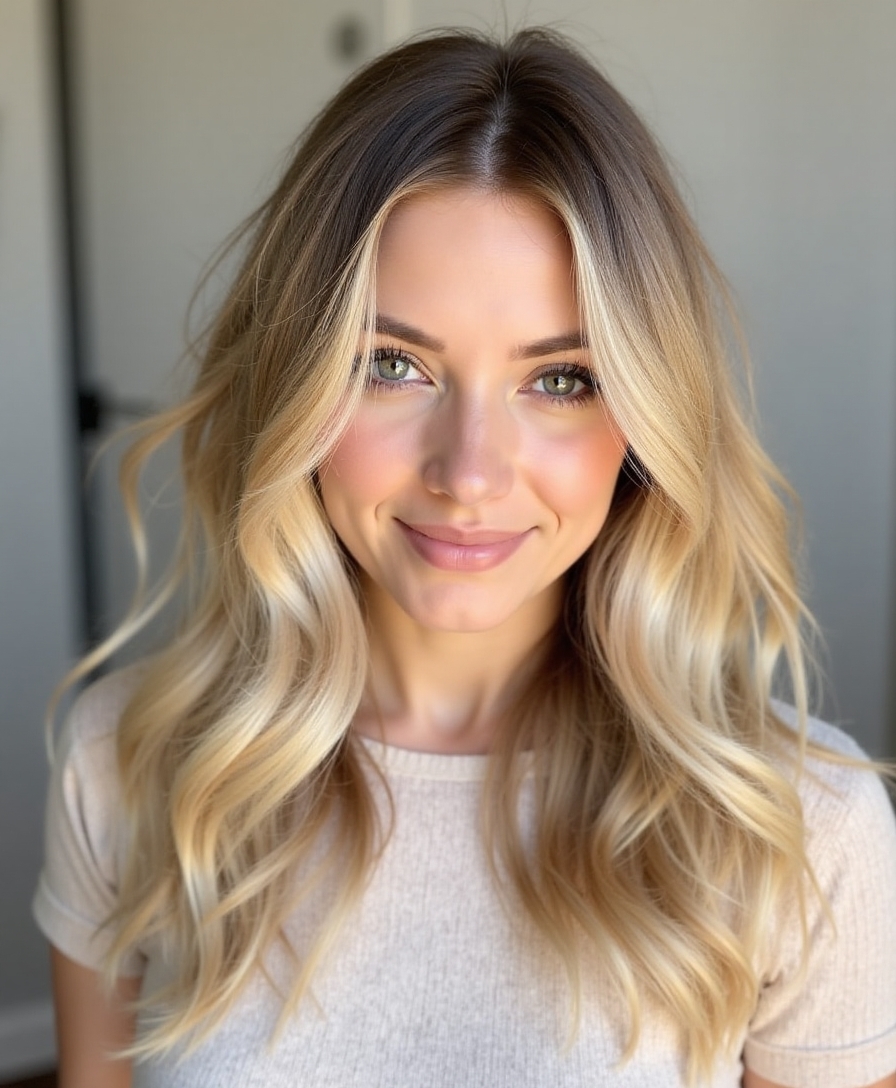
Lasting volume starts at the root, and the answer is heat plus a cool set. Fine hair holds whatever shape it cools in, so if you lift the roots, blast them with heat, then let them cool in that lifted position, the volume sets and stays.
Heat up, cool down
Product placement matters just as much. The most common mistake is applying volumizer to the lengths, where it weighs hair down. It belongs at the roots only, worked in on damp hair before you dry.
Use the lightest formula that works, a foam mousse or a spray. The whole point is lift, and anything heavy defeats it before you start.
Short Cuts That Look Full on Fine Hair

Short hair is a gift for fine strands, because removing length removes the weight that flattens everything. A good short cut stands up on its own and looks twice as full as the same hair worn long. These are the shapes I steer fine-haired clients toward when they are ready to go short.
- A blunt bob at the chin gives the fullest, thickest-looking finish.
- A textured pixie with crown layers looks full with almost no styling.
- A French bob with a fringe adds the look of density around the face.
| Goal | Use | Apply to |
|---|---|---|
| Root lift | Mousse or root-lift spray | Damp roots only |
| Midday revival | Dry shampoo or texture spray | Dry roots |
| Hold a style | Flexible-hold hairspray | All over, lightly |
Medium Cuts With Movement

If short feels like too much, medium length is the sweet spot for fine hair that wants some length without losing all its body. A collarbone lob keeps enough weight to style while staying short enough to hold volume, which is why it comes up in consultations more than almost any other length. A shape-up to maintain the line typically runs $45 to $75, depending on the salon.
- A collarbone lob with soft layers balances length and fullness perfectly.
- Keep a blunt-ish baseline so the ends look thick, not wispy.
- Add a few face-framing pieces for movement without thinning the body.
Keeping Long Fine Hair Full
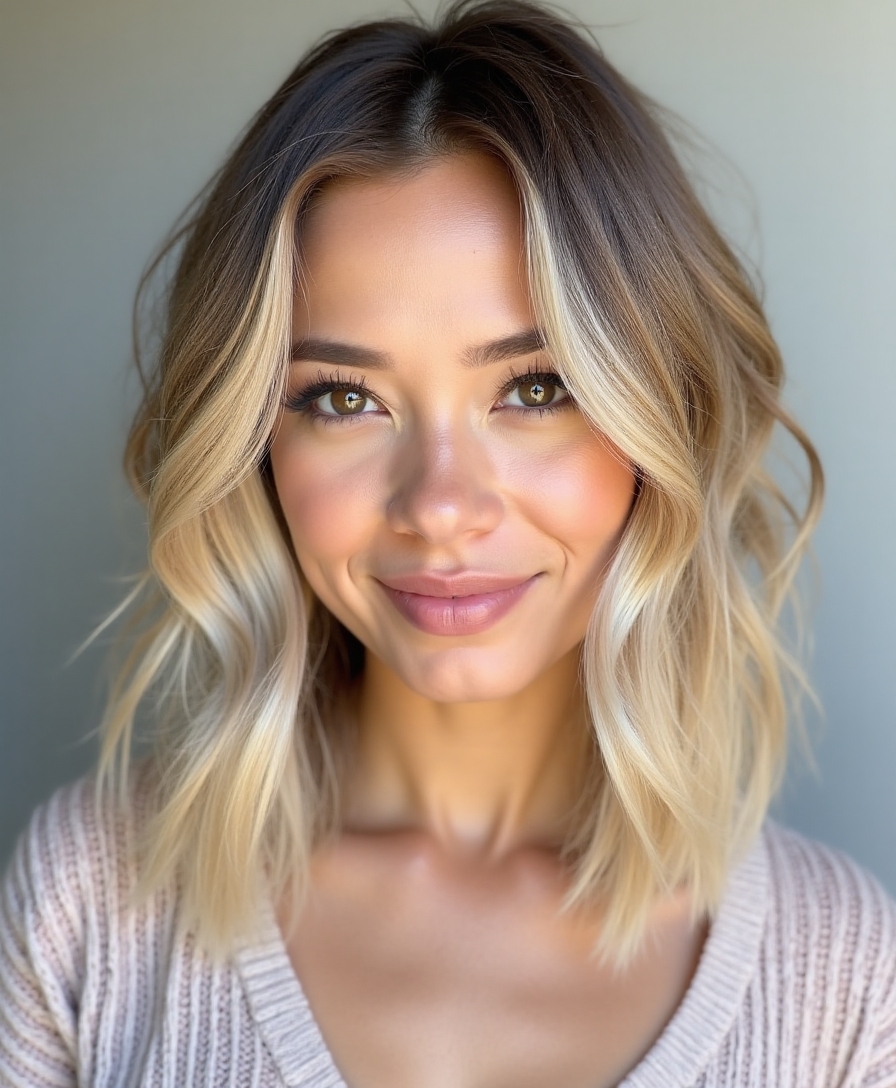
Plenty of women love their length and refuse to cut it, and that is completely fine, it just takes more strategy. Long fine hair fights gravity, so the goal is keeping weight off the roots and fullness in the lengths. A blunt or barely-layered baseline is your friend, since heavy layering on long hair only thins the ends.
Lean on styling to do what the cut cannot. Loose waves add the body that straight long hair lacks, a root spray keeps the top lifted, and a clever part adds fullness up top. Color helps too, since a little dimension makes long fine hair look thicker than a flat, solid shade ever will.
What does your fine hair need most? Pick your struggle:
1It goes flat by lunchtime.
Focus on root lift and a midday dry-shampoo reset, and stop touching it.
2My ends look thin and wispy.
Ask for a blunter cut at collarbone length or shorter, and skip heavy layering.
The Volume Blow-Dry

A good blow-dry is the single biggest volume booster fine hair has, and the upside-down method is the easiest win there is. Flip your head over and dry the roots while they fall away from your scalp, and you build lift at the base that lasts all day.
Tools and timing help. A round brush lifting each section at the root, finished with a blast of cool air, sets the volume the way heat-then-cool always does on fine hair.
Start with the hair damp, never soaking, and use a mousse or root spray first. Drying sopping-wet hair wastes time and the volume never sets as well.
Heat-Free Volume

Fine hair is delicate and shows heat damage fast, so heat-free volume is worth learning. The classic trick is velcro rollers: pop a few large ones at the crown on dry hair, leave them while you do your makeup, and remove them for instant, soft lift with zero heat.
Air-drying with intention works too. Clip the roots up and away while damp, or rough-dry with your fingers tossing the hair around, and you encourage body as it dries.
These gentle methods protect the integrity of fine hair, which keeps it looking healthy and full over the long run. Healthy hair simply holds volume better.
Volume While You Sleep

Some of the best fine-hair volume happens while you sleep, with no heat and no effort. The idea is to set your hair in a lifted or textured shape overnight and wake up to body. It is a favorite of mine for anyone short on morning time.
A silk pillowcase helps the whole effort, since it cuts the friction that flattens and frizzes fine hair by morning.
- Sleep in a loose, high pineapple on top of your head for root lift.
- Braid damp hair in a few loose plaits for soft, full waves by morning.
- Large rollers left in overnight give the most polished volume of all.
Two-Minute Morning Fixes

On the mornings you have no time, a couple of fast tricks rescue flat fine hair. The fastest of all is dry shampoo at the roots, even on clean hair, because it adds grip and texture that instantly lift the base.
Flipping your head over and shaking the roots with your fingers, then misting a little texture spray, takes thirty seconds and wakes up the whole crown. A quick tease at the part finishes it.
Switching your part to the opposite side is the truly free fix, since the hair fights the new direction and stands up at the root for hours.
Pinning for Height

Strategic pinning is the quiet hero of fine-hair styling, building volume that lasts through a long day or evening. A few well-placed pins lock in lift that would otherwise fall, and nobody can see them. This is how I prep fine hair for events that need to hold for hours. Here is the method.
- Tease a section at the crown, then pin it back over itself to lock in the height.
- Use matte bobby pins that grip, crossing two in an X for the firmest hold.
- Pin loose half-up sections to lift the crown while leaving length down.
Braids That Fake Fullness
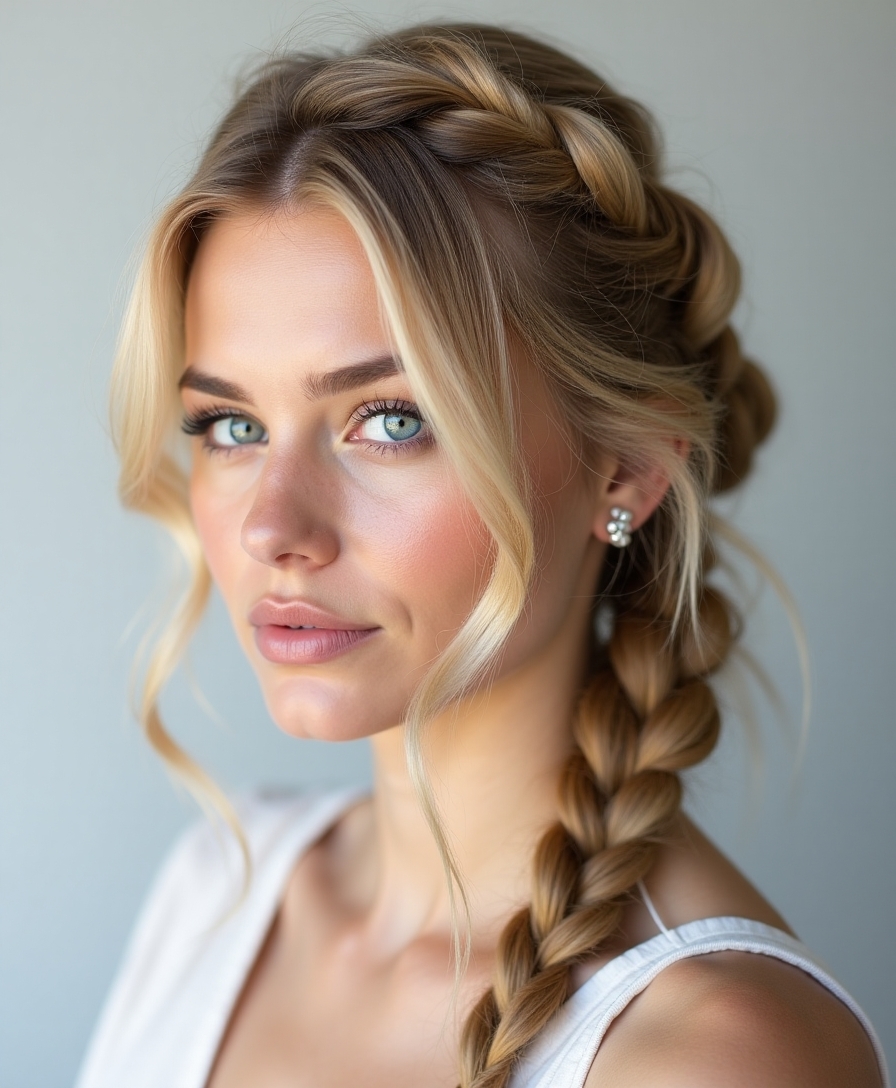
Braids are a clever way to make fine hair look thicker than it is, both while braided and after. A loosely woven braid, gently pulled apart, looks full and intentional on the thinnest hair. Unraveled the next day, those braids leave behind soft waves that carry built-in body.
The move that makes braids work on fine hair is the pancake: gently tug the edges of each section to widen the braid and fake density.
- Pancake the braid by pulling the edges to make it look fuller.
- A loose side braid or crown braid flatters fine hair beautifully.
- Braid damp and unravel dry for waves with easy, natural body.
Teasing Done Right

Teasing has a bad reputation, usually from people doing it wrong, but done gently it is one of fine hair’s best volume tools. The key is to tease only the under-layers at the root, with a fine-tooth comb, using short, soft strokes at the base. Then you smooth the top layer over the teased base to hide it.
Be gentle and brush it out properly at night with a soft brush, working from the ends up, and teasing will not damage your hair. A light hairspray over the teased section helps the lift hold, and the volume looks completely natural from the outside.
Fuller-Looking Updos
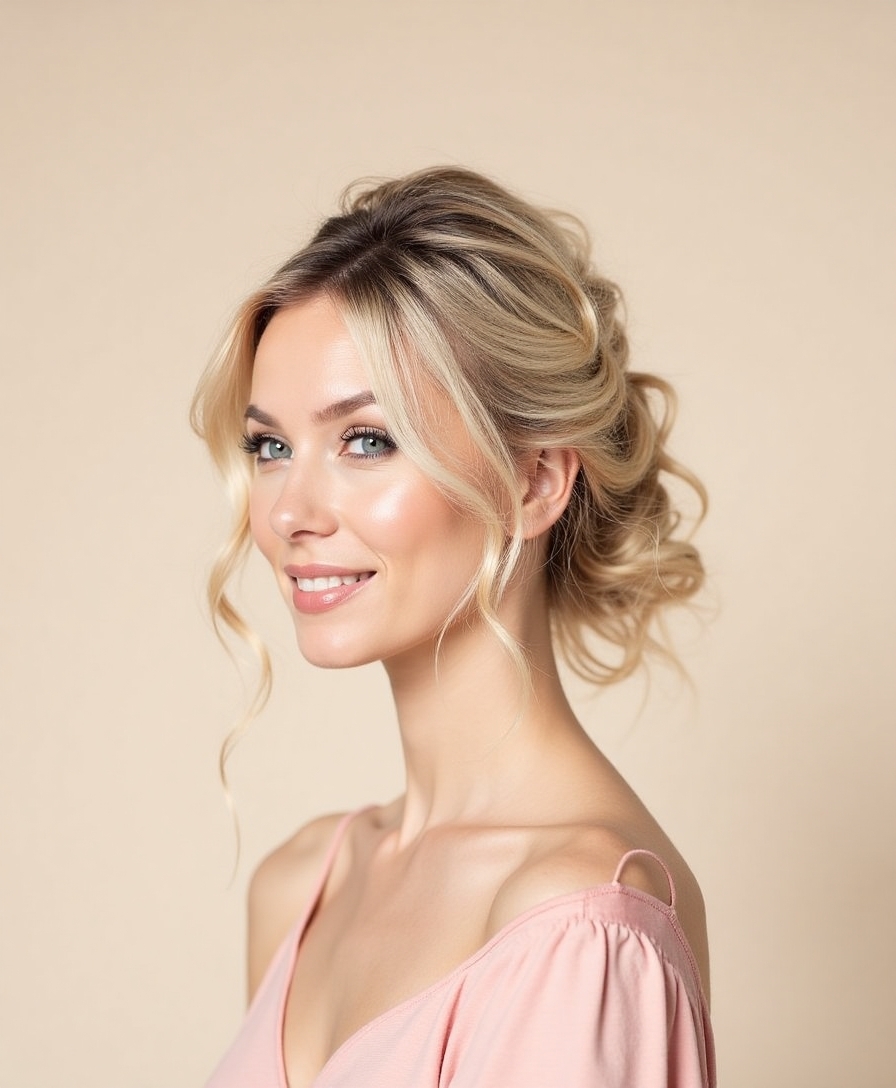
Fine hair can absolutely wear a beautiful updo, it just needs a few cheats to look full. The biggest one is prepping with texture before you start, since clean, slippery fine hair will not hold a style. A mist of texture spray or a touch of dry shampoo gives the grip an updo needs.
For a bun that looks twice as big, tuck a hair donut or a rolled sock inside to pad it out, then spread your hair over it. Leaving a few soft pieces loose around the face keeps an updo from looking tight and sparse, and a gently teased crown adds the height that makes the whole style look abundant.
Where You Part Changes Everything

Your part is a free volume tool you probably overlook. The hair on either side of a part naturally wants to lie flat, so a part that fights your natural fall gives you instant root lift at no cost.
Why a side part wins
A deep side part is the most flattering for fine hair, since sweeping hair across the crown adds height and covers any sparseness on top. The extra hair piled to one side looks fuller all on its own.
Switching your part regularly also helps long-term, since hair trained to fall one way for years lies flattest there. A fresh direction wakes up roots that have gone lazy.
Waves for Built-In Body
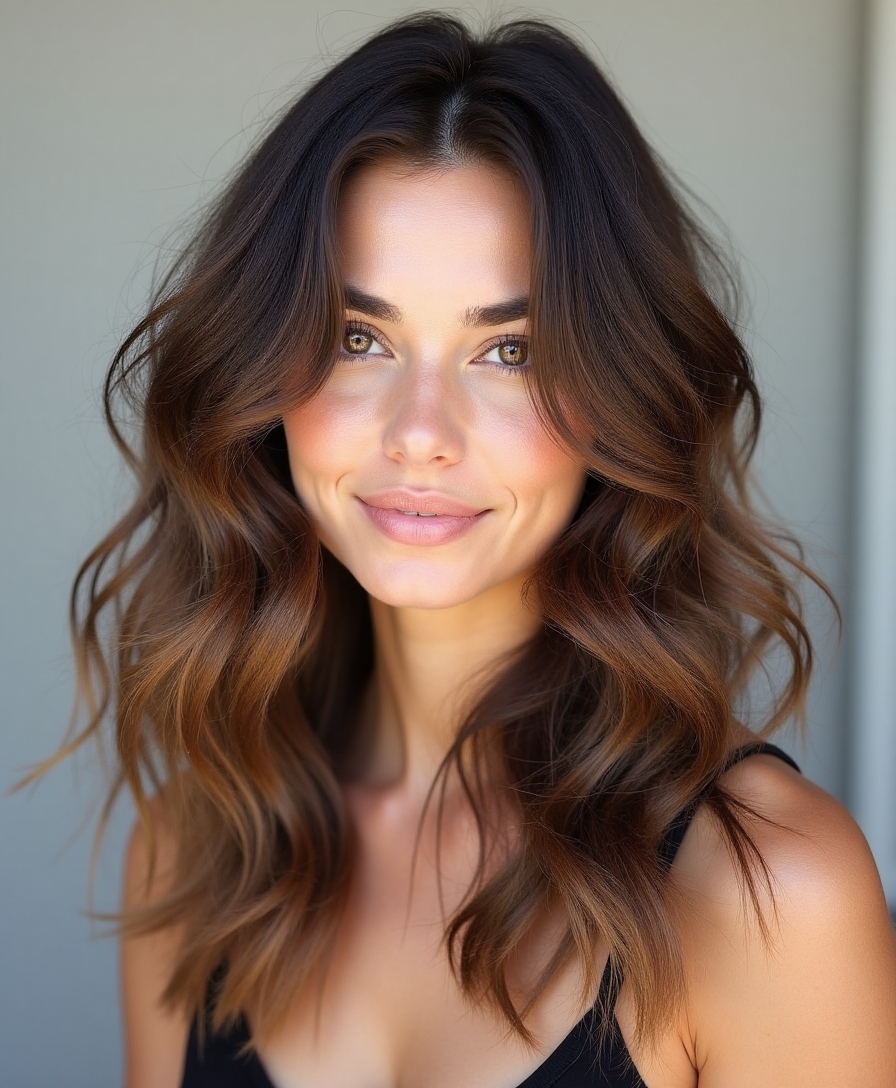
Flat, straight fine hair shows every gap, but add a soft wave and the same hair looks instantly fuller. Bends and waves create the illusion of density by lifting strands away from each other and catching the light, which is why a loose wave is fine hair’s best styling friend.
Use a larger barrel for a soft, modern bend, and curl away from your face. Mist a flexible-hold spray before and after to help fine hair keep the shape, since it tends to drop. Even a relaxed, undone wave from an overnight braid adds the body that makes fine hair look thick and healthy.
Accessories That Add Fullness

The right accessories make fine hair look fuller while solving a styling problem at the same time. They add visual interest, hold volume in place, and disguise any thinness, all in seconds. Here are the ones I keep recommending to fine-haired clients.
- A padded or wrapped headband lifts the crown and hides flat roots instantly.
- Claw clips create a full, voluminous half-up in one motion.
- Velvet scrunchies grip fine hair better than elastics and look fuller.
Making Volume Last All Day

Building volume is half the battle, and keeping it is the other half. The number one enemy is your own hands, so the first rule is simple: stop touching your hair. Every time you run your fingers through, you transfer oil and pull out the lift you worked for.
Keep a travel dry shampoo in your bag and hit the roots at midday, before the flatness sets in, to reset the grip and absorb oil. A quick flip and shake revives the crown in seconds.
At night, protect the next day by sleeping on silk and loosely pineappling your hair on top of your head, so you wake up with body still there. Little habits keep fine hair full from morning to night.
Common Mistakes to Avoid
The biggest mistake fine-haired women make is reaching for heavy products. Rich creams, butters, and oils promise to nourish, but on fine hair they coat the strands and flatten everything within an hour. Stick to lightweight mousses, sprays, and foams, and apply them at the roots, never the lengths.
The second is skipping the clarifying wash. Fine hair builds up residue fast from dry shampoo, conditioner, and styling products, and that buildup is the hidden reason it goes limp. A clarifying shampoo once a week strips it clean and restores the volume. The third is over-conditioning the roots, which belongs only on the ends. For more length-specific ideas, my hairstyles for medium length hair and short hairstyles guides build on everything here.
Fine Hair Questions
?What is the best haircut for fine hair?
A blunt bob or a collarbone lob with soft layers gives fine hair the fullest look, because blunt ends read thicker and shorter lengths hold volume. Avoid heavy thinning and razored ends, which leave fine hair sparse and stringy.
?Why does my fine hair go flat so quickly?
Usually product buildup and your own hands. Heavy products and touching your hair transfer oil and weigh down the roots. Clarify weekly, apply volumizers only at the roots, and keep a dry shampoo handy for a midday reset.
?What products add volume to fine hair without weighing it down?
Lightweight mousses, foams, and root-lift sprays applied to damp roots, plus dry shampoo and texture spray for dry-hair lift. Skip oils, butters, and rich creams, which coat fine strands and flatten them.
?Can fine hair be long?
Yes, with the right strategy. Keep a blunt or barely-layered baseline, focus volume products at the roots, and add waves for body. Just know that long fine hair takes more daily effort to keep full than a shorter cut.
?How do I add volume to fine hair without heat?
Velcro rollers on dry hair, overnight braids or a loose pineapple, and air-drying with the roots clipped up all build heat-free volume. A side part and a little texture spray finish the job with no hot tools at all.
Full Hair That Stays Light
Volume on fine hair is never about doing more, it is about doing the right things and keeping them light. The cut sets the foundation, the roots get the products, and lightweight technique builds body that lasts. Skip the heavy creams and the weekly clarifying wash, and your fine hair will hold fullness it has not had in years.
Start with one change, maybe a blunter cut or the upside-down blow-dry, and build from there. If you are not sure where to begin, take a photo of fullness you love to your stylist and ask for a cut that works with your fine texture.
Next Up