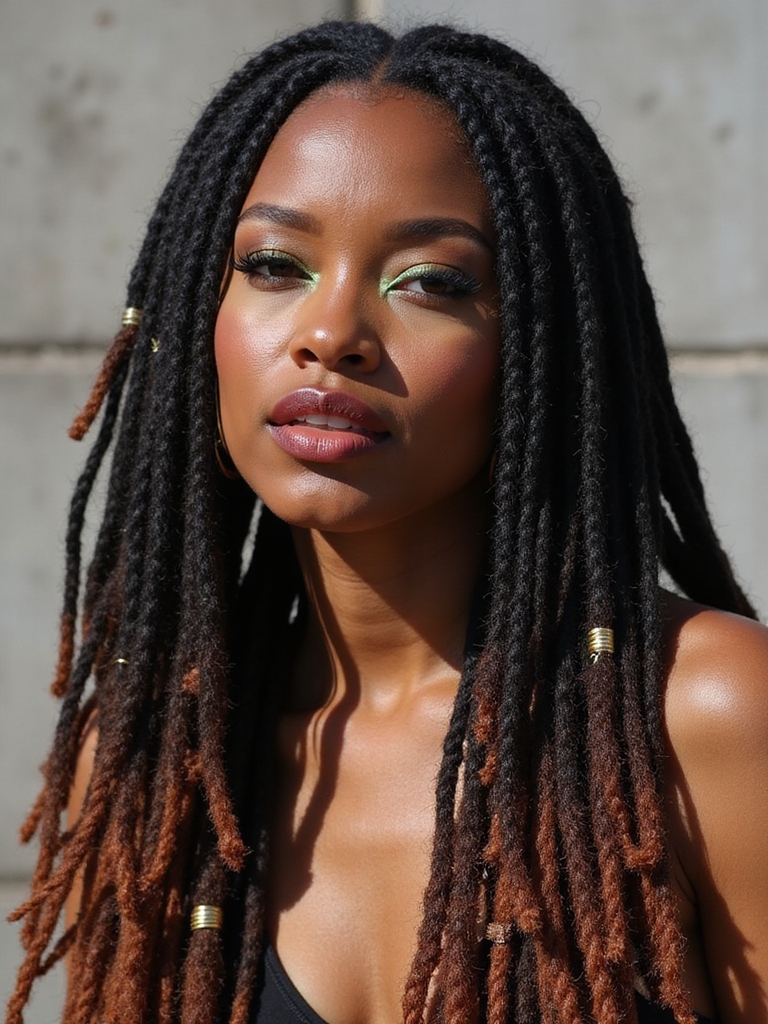
Second-day hair holds a style better than fresh-washed hair ever will, and that single fact changes how to think about cute hairstyles entirely. Slippery, just-washed strands slide out of a bun within minutes; grippy, slightly-worn hair grips a braid or a twist and actually stays put.
Eighteen looks follow, sorted by how much time and skill each one takes, from thirty-second buns to a few that read as properly done. Most take under five minutes once the motion is familiar.
What Actually Makes These Work
The fastest wins here are built around grip: a bun, a knot, or a twist that clean hair would slide right out of holds naturally on day two or three.
Braids do double duty on unwashed hair. They tuck oily roots out of sight while looking more deliberate than the few minutes they actually take.
The Messy Bun
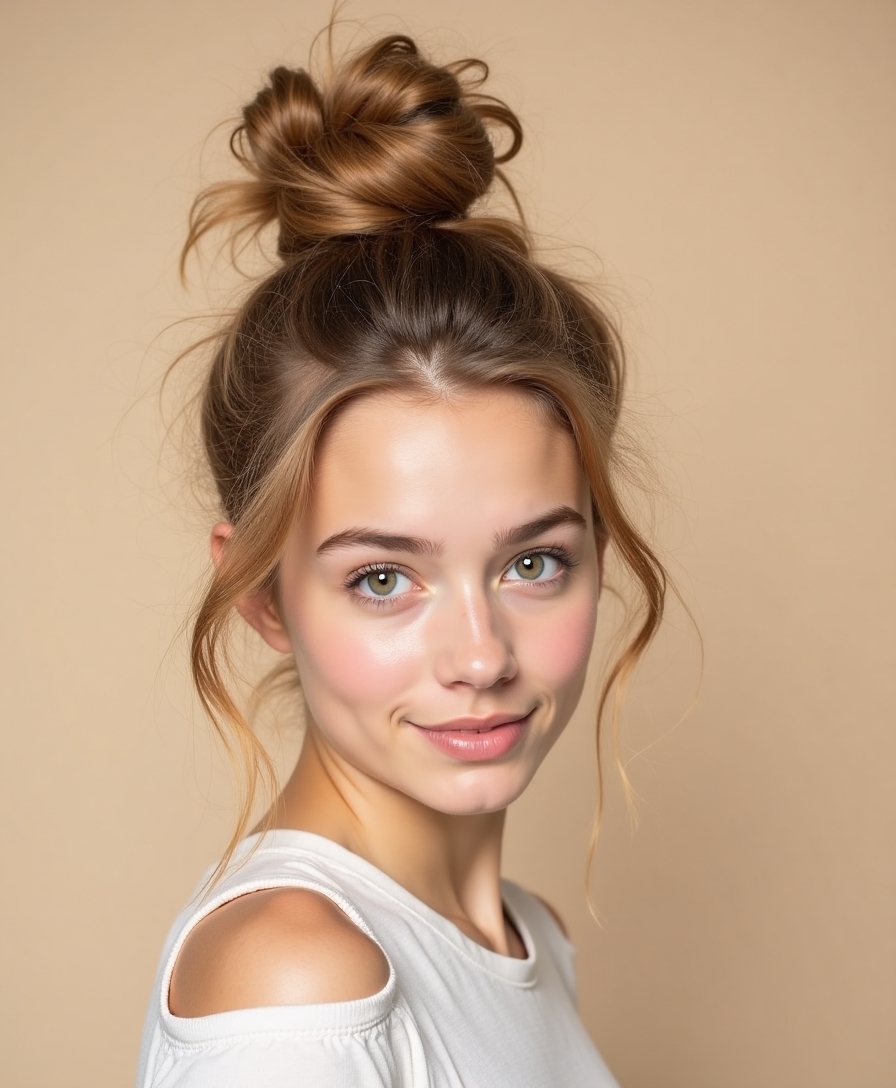
A bun built to look undone is the one style where day-two texture works in its favor: grippy, broken-in hair piles up and stays; smooth, freshly washed strands keep sliding loose. Gather hair loosely, high or low, and skip smoothing every piece flat. Our messy bun hairstyles guide has more variations if this basic version gets boring.
- Twist the ponytail once before wrapping it around the base for extra hold
- Pull a few pieces loose around the crown for an intentionally undone finish
- Takes well under a minute once the motion feels familiar
The Easy Top Knot
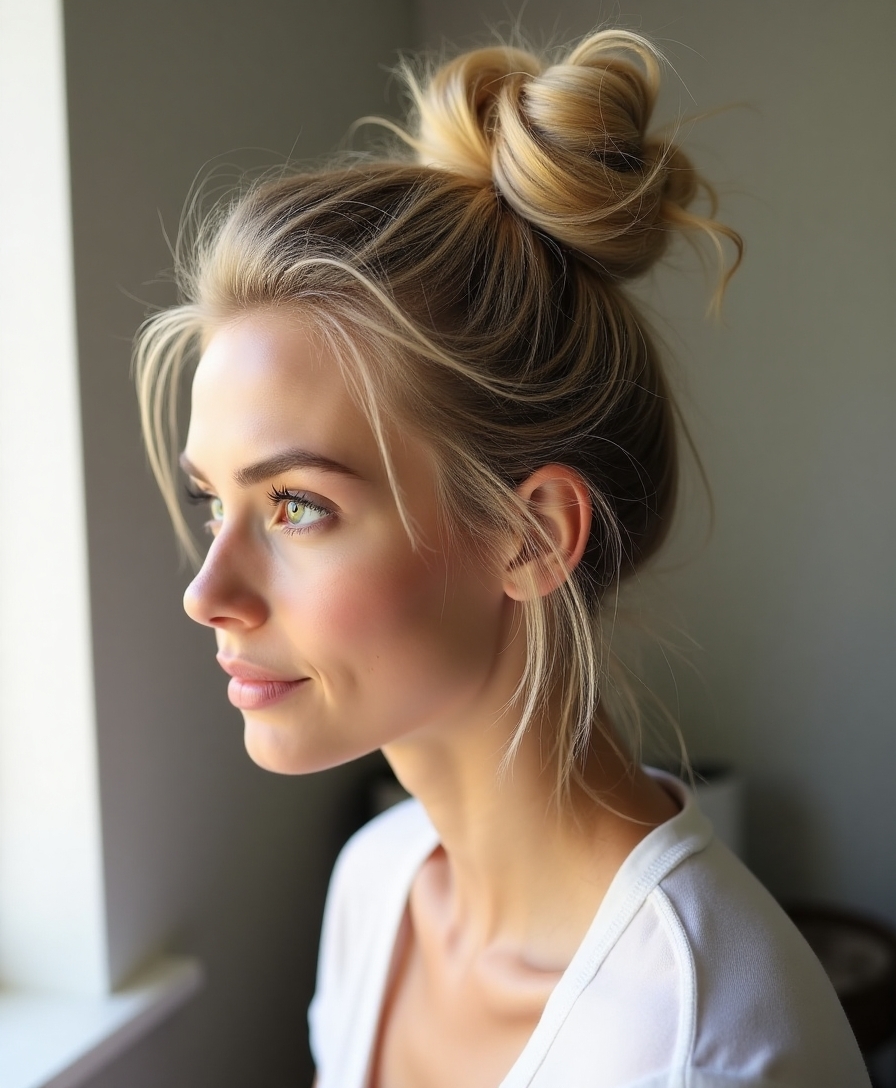
A top knot sits at the crown, one notch bolder and higher than a messy bun. The higher a knot sits, the more it tends to slide on freshly washed hair, so unwashed texture actually holds it in place better.
Bend forward at the waist, pull all the hair up toward the crown, and twist it into a loop before pinning or wrapping it with a soft elastic.
Pull a couple of face-framing pieces loose so it reads as a deliberate choice rather than hair pulled back and forgotten.
The Sleek Low Ponytail
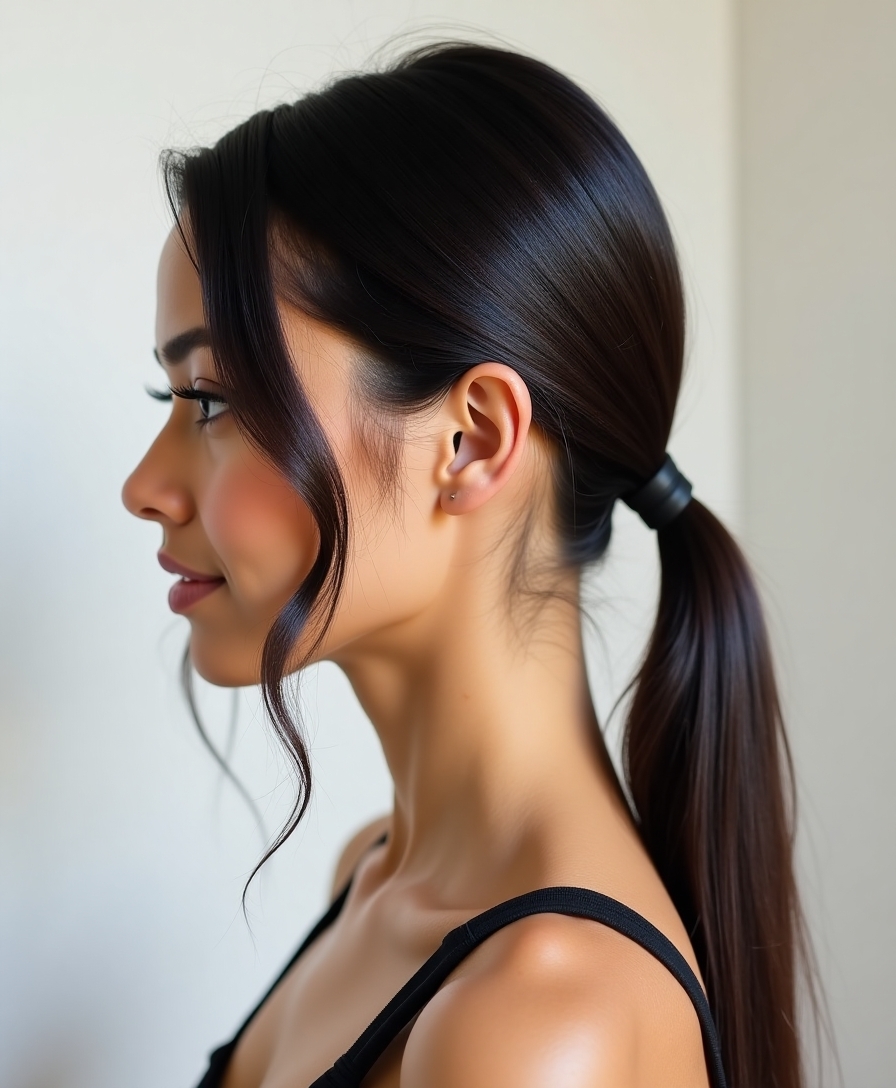
Oily roots at day one or two usually get treated as a problem to hide. A sleek low pony treats them as an asset instead: the natural shine that looks greasy worn down suddenly reads as deliberately polished the moment it’s brushed back tight.
Turning Oil Into an Advantage
Gather hair low at the nape, smooth the top with a brush and the smallest amount of gel, then wrap a thin strand around the elastic to cover it.
Go light on product here. Oily roots plus a heavy hand tips sleek into stringy fast, which defeats the entire point.
The Braided Crown
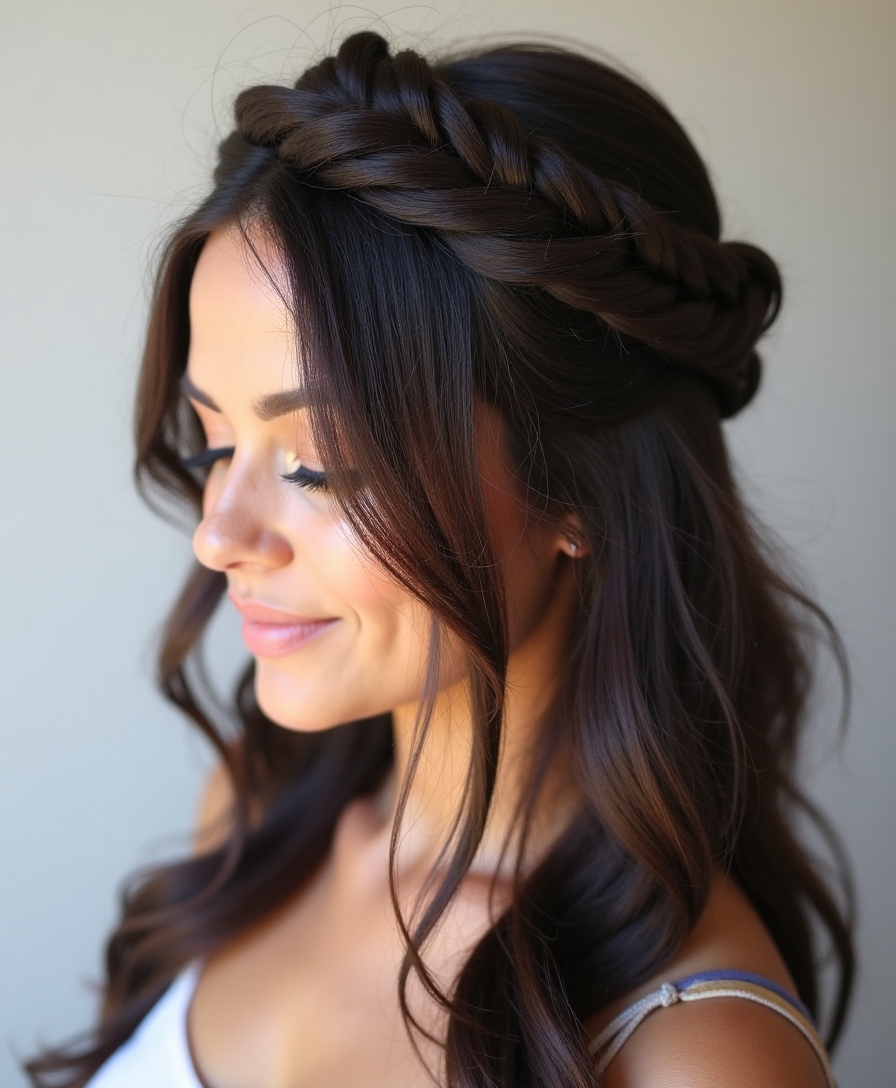
Wrapping a braid up and over the head hides more than most people expect, since it sweeps the roots up and out of sight entirely rather than just covering part of them. On unwashed hair, the braid itself grips better and holds its shape longer.
Braid a section on each side, sweep both over the crown, and pin, leaving a couple of softer pieces loose at the temples for a less severe finish.
- Roots get swept up and hidden completely, not just partially covered
- A little natural oil actually makes the plait easier to handle and less slippery
- Loose face-framing pieces keep it from reading too formal
Getting a sleek low pony smooth, in three steps:
1Smooth the Top First
Brush a small amount of gel or serum through just the top section before gathering anything back.
2Gather and Secure Low
Pull hair to the nape and secure with a thin, no-crease elastic.
3Wrap and Hide the Elastic
Take a thin strand from underneath, wrap it around the elastic, and pin the end out of sight.
The Half-Up Twist
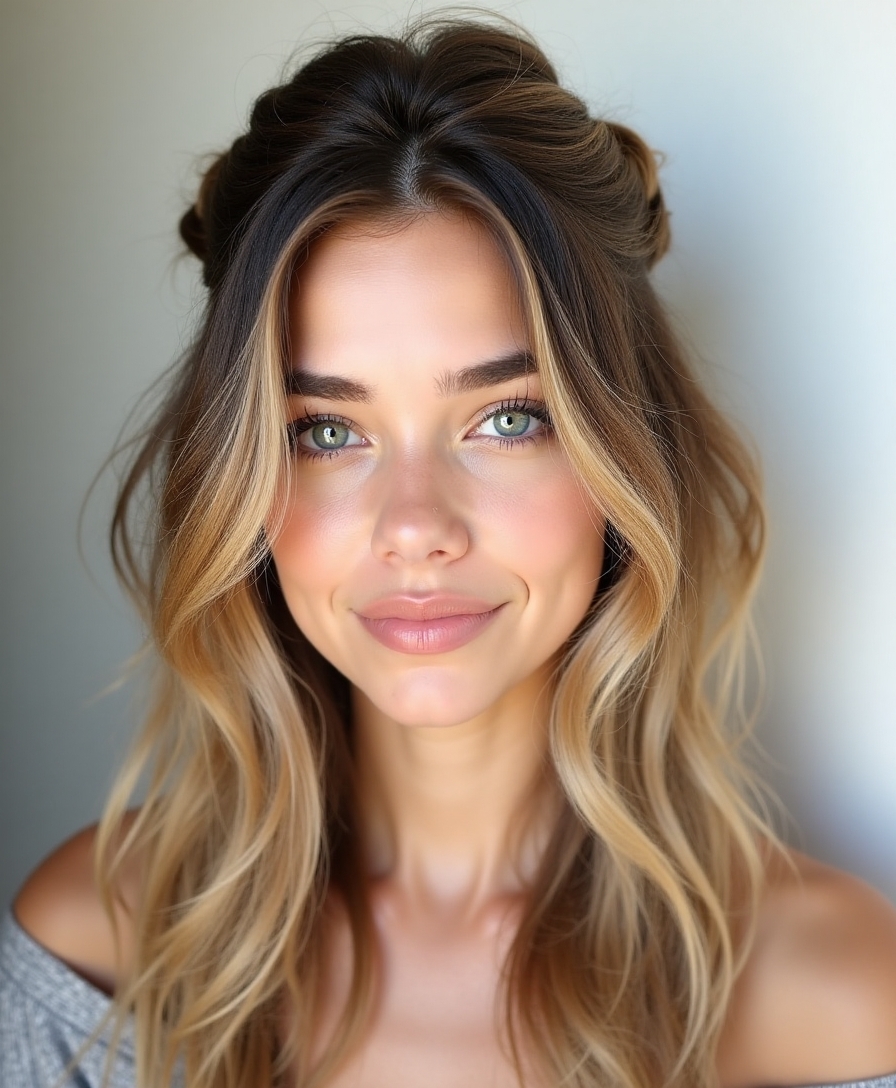
A half-up twist pulls hair away from the face while leaving the length down, and it takes about fifteen seconds once the motion is familiar.
Twist back a section from each side, above the ear, and join them at the crown with a small clip or clear elastic.
It works on almost any length and forgives a second or third day of wear completely, since there’s no smooth surface to maintain.
The Classic French Braid
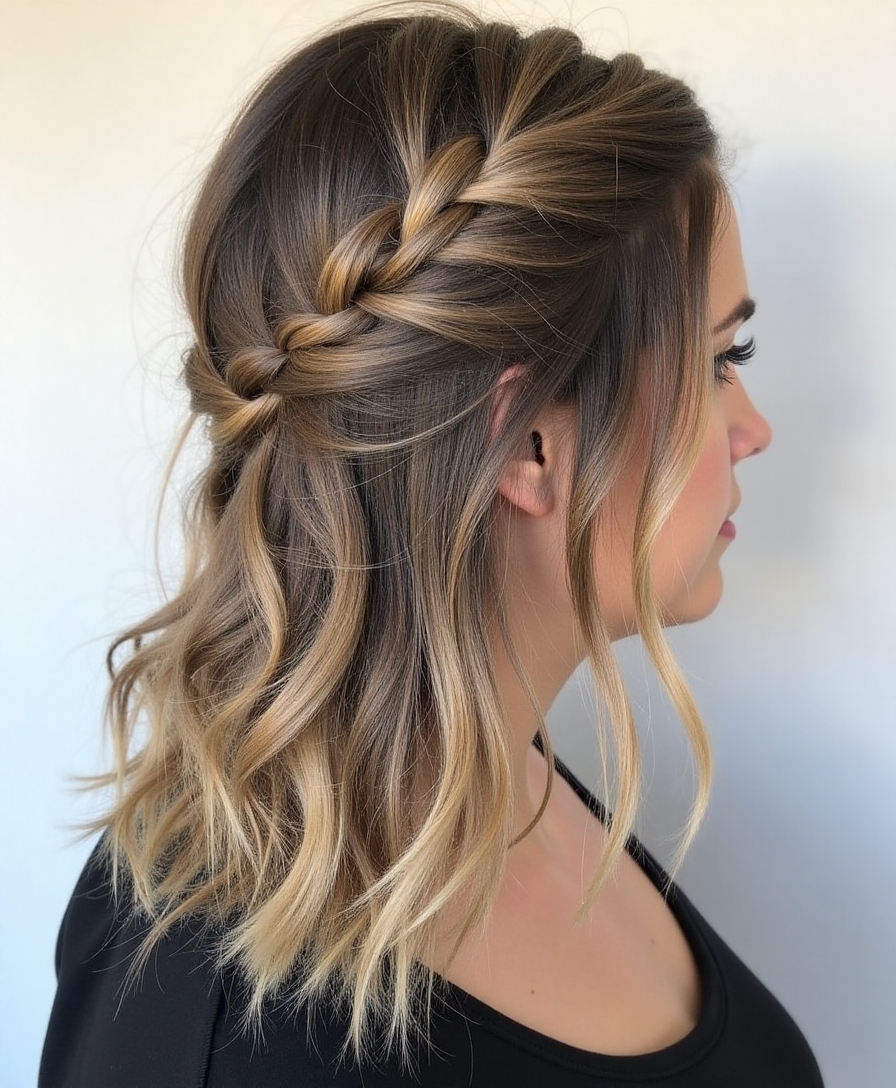
A French braid tucks every oily root neatly into the plait itself, which is why it’s worth reaching for on a third day specifically: the braid hides oil completely and holds far better than it does on freshly washed, slippery hair. Start three sections at the crown, cross them over the middle, and add hair from each side while working down. Our easy hairstyles guide covers a few more no-skill braid variations if this one feels like a stretch.
- Add hair from each side as you go to sweep roots into the plait
- One braid straight down or swept to the side both read polished
- Pancake the finished braid gently for a fuller, softer look
The Textured Ponytail
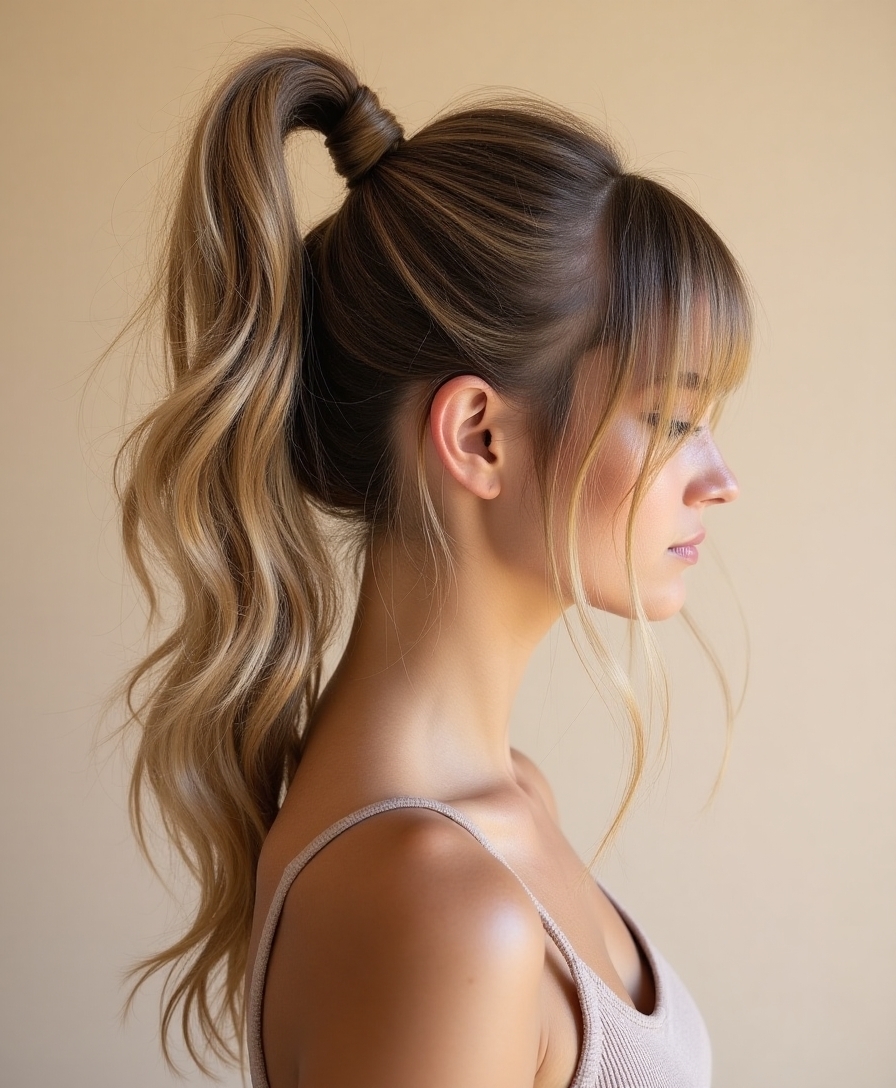
A textured ponytail takes a plain pony and gives it body it wouldn’t otherwise have. The natural grit of unwashed hair holds volume that a fresh blow-dry would let collapse within an hour.
Tease the crown lightly before gathering hair for instant lift, then leave a couple of pieces loose at the face to soften the line.
- Unwashed texture holds teased volume noticeably longer than clean hair does
- Wrap the elastic with a strand of hair to hide it completely
- Works well for adding height without touching a curling iron
“A French braid started too close to the hairline tends to pull tight and give a headache by evening. Start the first cross about an inch back from the forehead instead, and it holds just as well with none of the tension.”
Double Dutch Braids
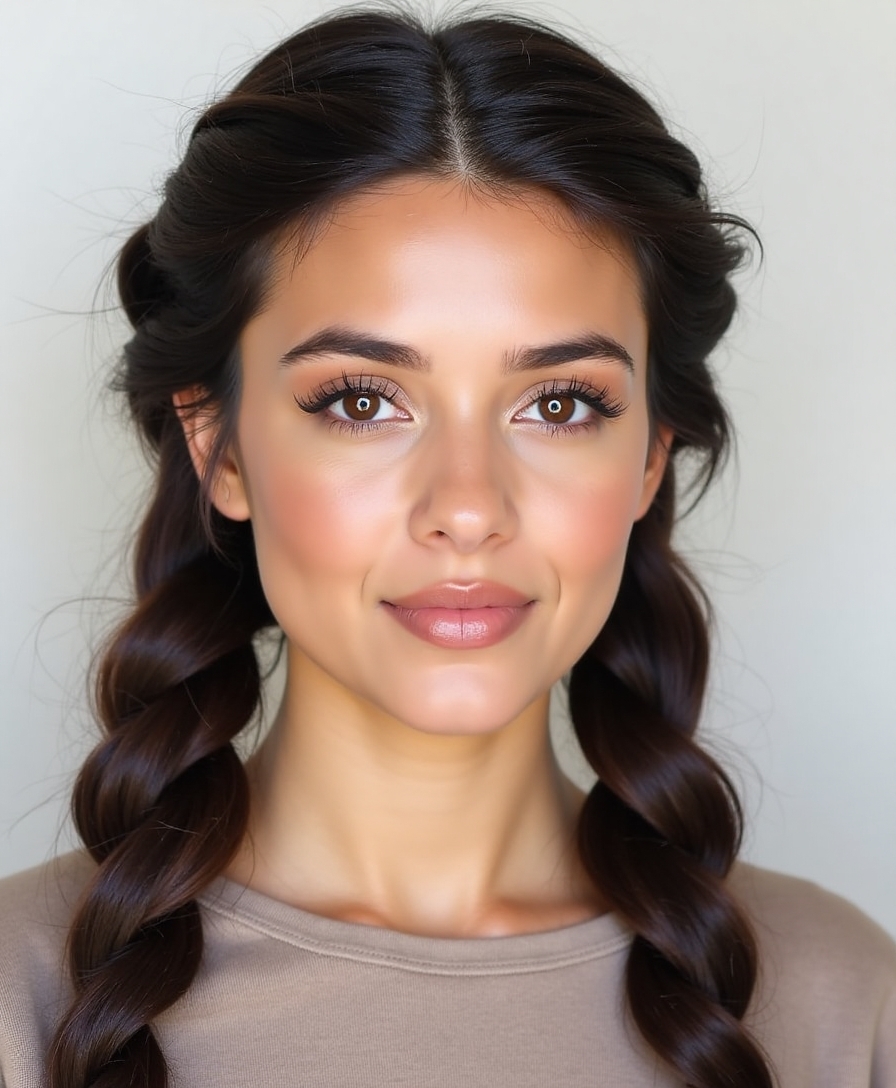
Two Dutch braids running front to back read sporty and practical at once, and they’re one of the more effective ways to wear unwashed hair with confidence. Because Dutch braids cross underneath rather than over, they sit raised and dimensional, hiding oily roots while containing every strand.
Part down the middle and split each side into three even sections before starting the underhand cross. It’s also a favorite for a workout, along with the other options in our gym hairstyles guide.
Plan on five to ten minutes once the motion feels natural, longer the first few attempts while fingers learn the under-cross pattern.
The Chic Headband Tuck
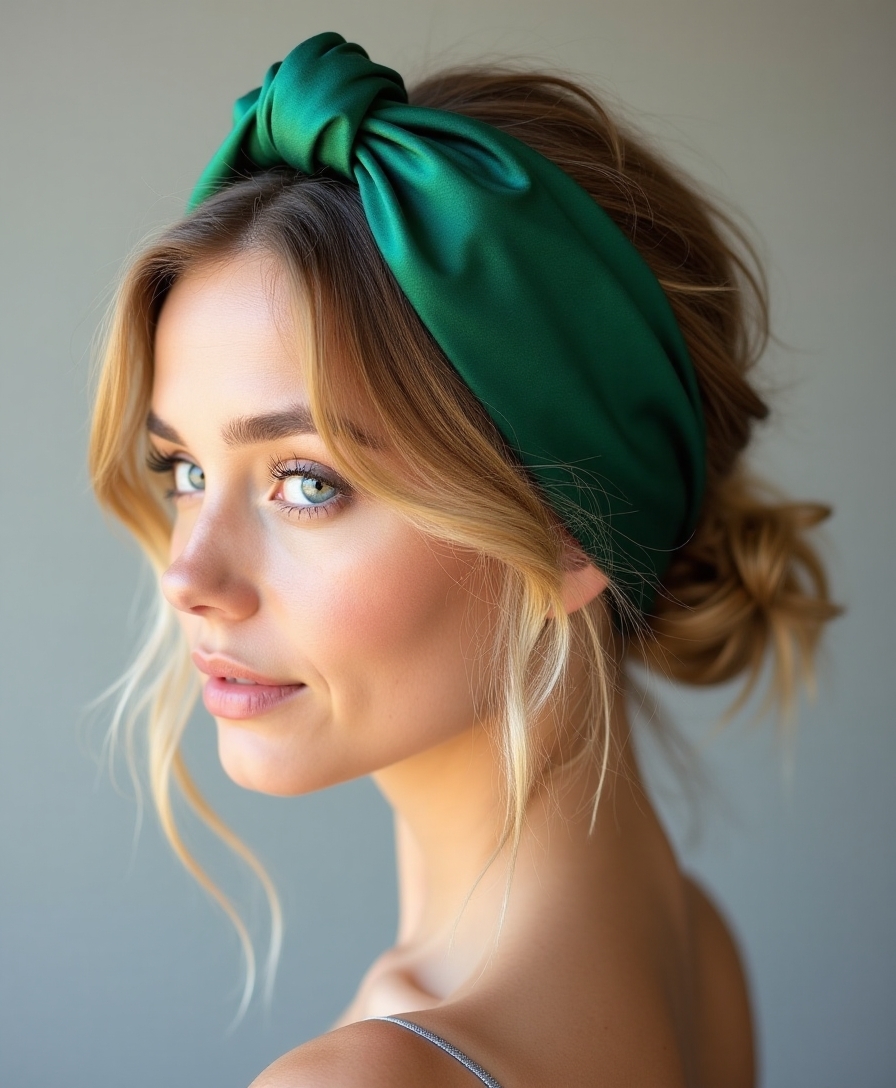
No style asks for less effort than a headband tuck, and it covers the roots in one single move. Slip a wide, soft headband over the head, sitting back from the hairline, then tuck sections of hair up and under it while working around the head.
- Needs no braiding or twisting skill of any kind
- Tug a couple of strands loose at the hairline to soften the edge
- A wide, soft band works better here than a thin, hard one
The Twisted Low Bun
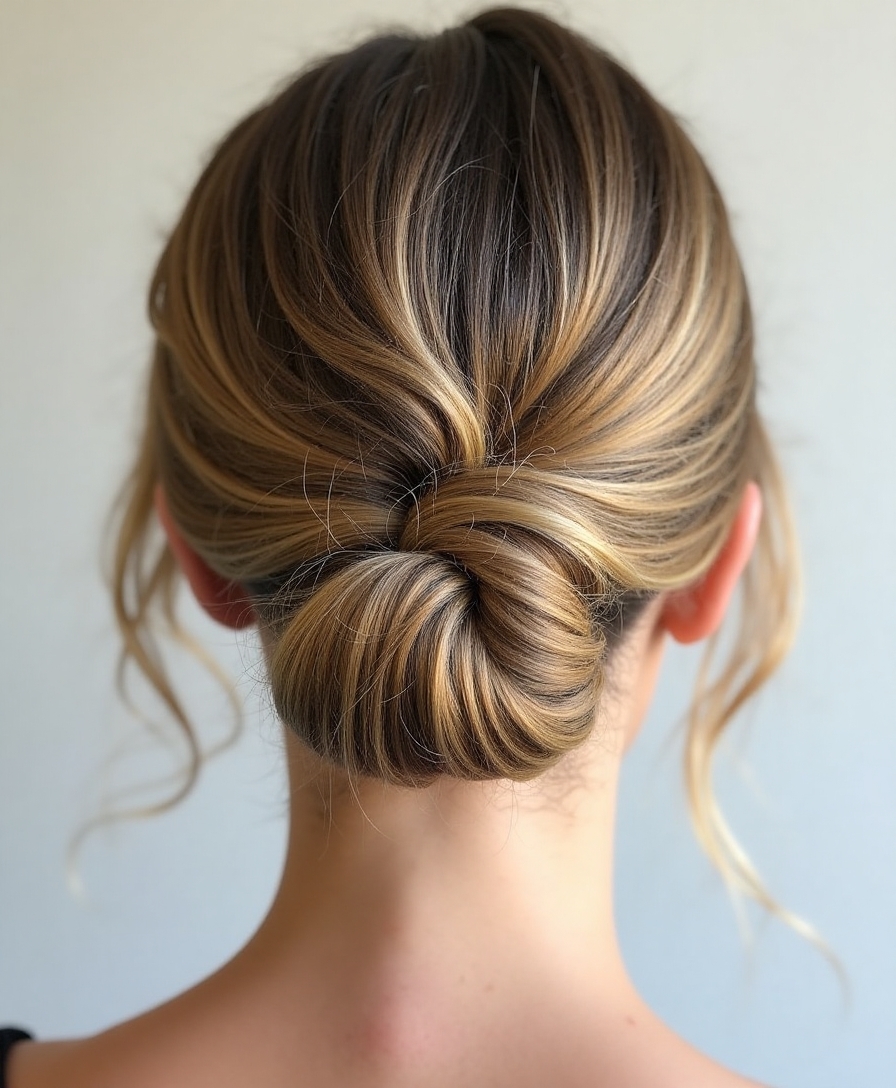
A twisted low bun looks put-together for very little actual work, which makes it a solid pick for looking finished without picking up a hot tool.
Twist the hair into a rope, coil it low at the nape, and pin. A few loose pieces only make the result prettier, so there’s no need to smooth every strand into place.
The grip of unwashed hair keeps the coil secure with just two or three pins, and the whole thing takes under two minutes.
The Scarf-Accented Ponytail
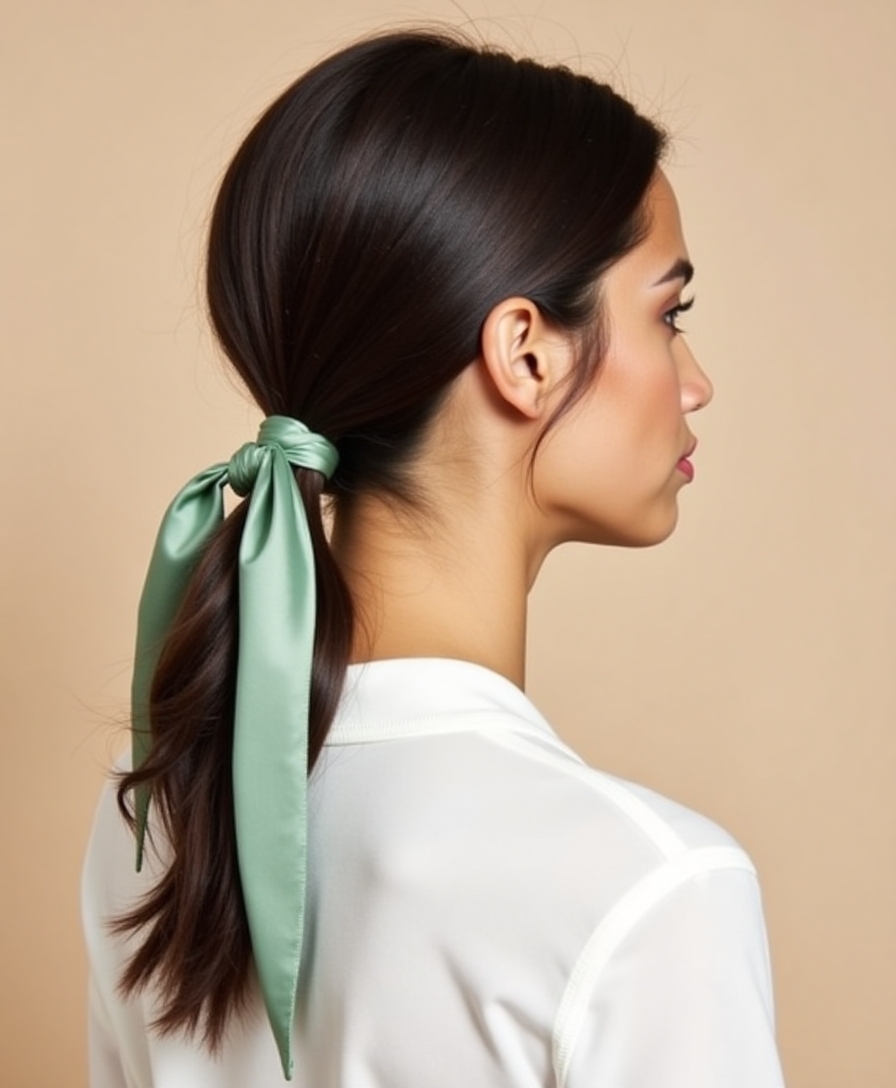
Tying a scarf around the base of a ponytail is one of the quickest ways to make a basic style look finished, and it quietly distracts from a less-than-fresh wash at the same time.
Knot it at the base, wrap it down the length of the tail, or run it as a headband leading into the pony. A silk or satin scarf is gentler on hair than a tight elastic, since the smooth fabric doesn’t snag or crease strands. Our scarf hairstyles guide covers a few more ways to tie one.
A decent silk scarf typically runs around $25, and one or two neutral colors cover most outfits without needing a whole drawer of them.
Fishtail Braid Fun
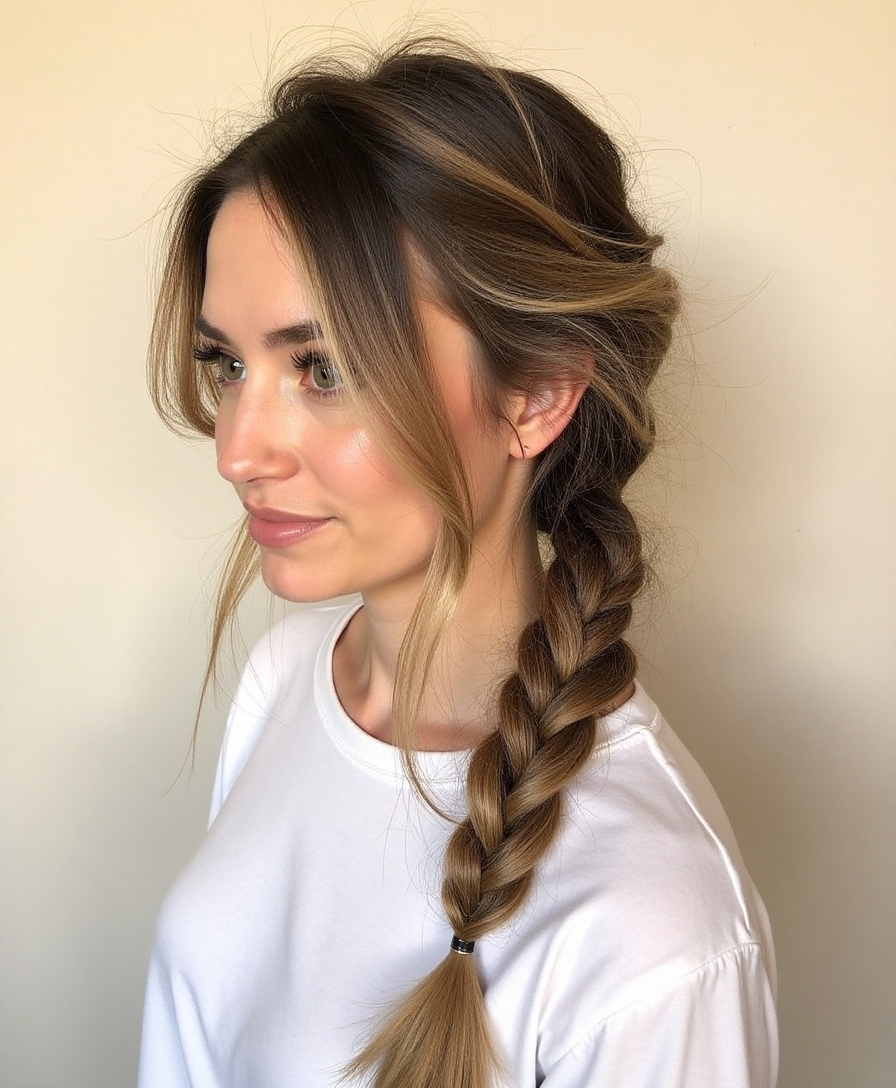
A fishtail braid looks intricate but only uses two sections and one repeated move, which makes it far easier than the finished, woven texture suggests.
Split hair into two sections rather than three, then cross a thin piece from the outer edge of one side to the other, alternating sides. Pull the finished braid apart gently for a fuller, softer texture.
Three scarf-tying terms worth knowing before you start:
📖Bandana Fold
Folding a square scarf corner-to-corner into a long strip before tying it, the base for most ponytail wraps.
📖French Twist Wrap
Winding the scarf around the ponytail base in a spiral rather than a single knot, for a more finished look.
📖Headscarf Knot
Tying the scarf flat across the hairline first, then pulling the tails back into the ponytail itself.
The Side-Swept Braid
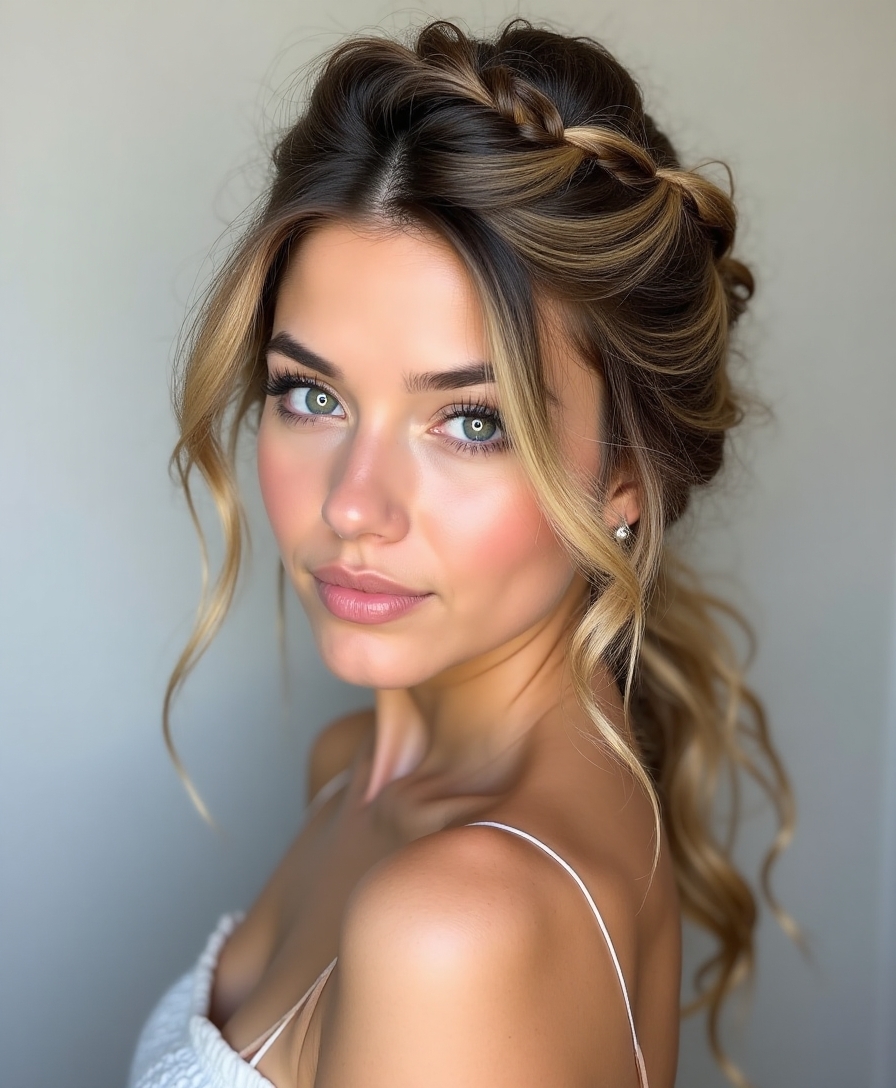
A loose braid swept over one shoulder reads relaxed and a little romantic, since the braid tidies the roots while the soft, undone finish looks deliberately casual rather than rushed. For something a step dressier, our elegant hairstyles guide has options that build on the same idea.
Any braid type works swept to the side, from a basic three-strand to a fishtail. Braid loosely, pull the edges wider for fullness, and leave a few pieces free near the face.
- Works over either shoulder depending on which side parts more naturally
- A looser braid always reads more relaxed than a tight one
- Pairs well with day-two wave texture for extra body
The Rope Braid
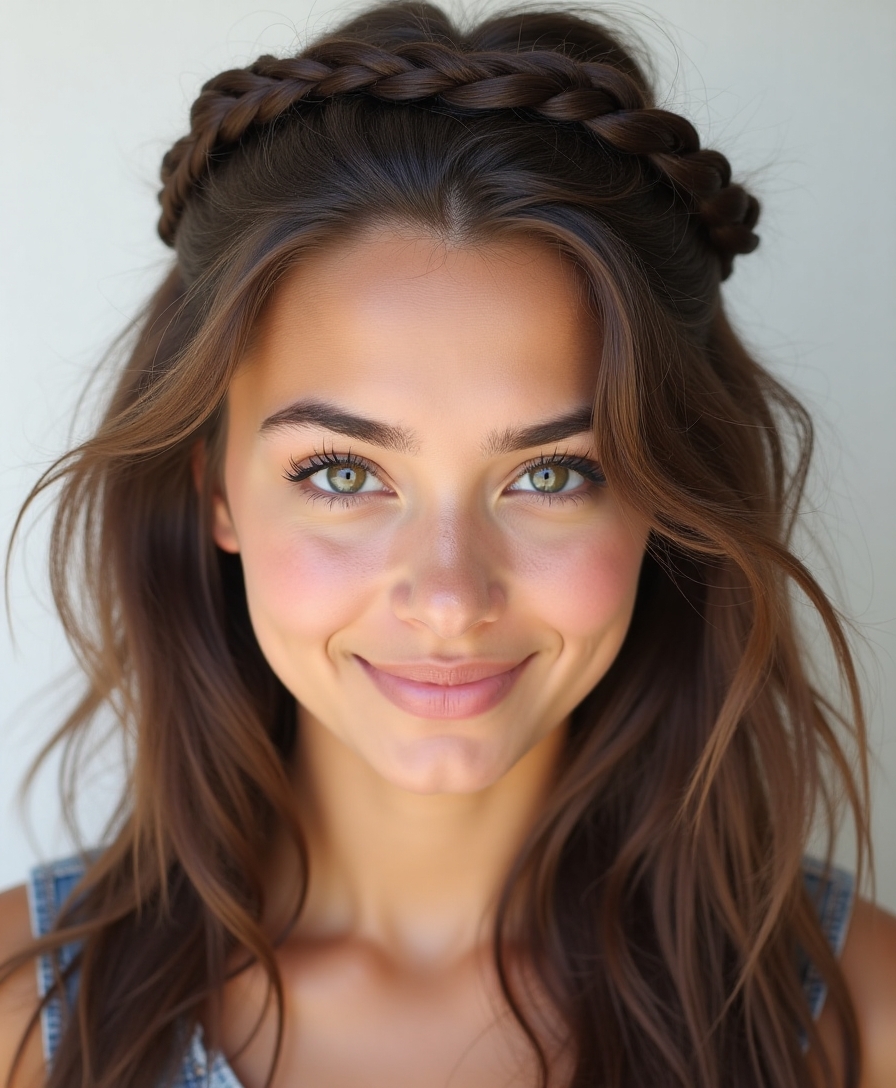
For a braided look with zero actual plaiting skill required, the rope braid is the answer: divide hair into two even sections, twist each one clockwise on its own, then cross the two twisted ropes over one another, letting them lock together as they wind.
That locking happens because the twist and the wrap fight against each other; loosen your grip partway through and the whole thing unravels, so keep tension steady from start to finish.
The best braid is the one that still looks worth doing after a full day of wearing it, not just in the first five minutes.
The High Bun With a Twist
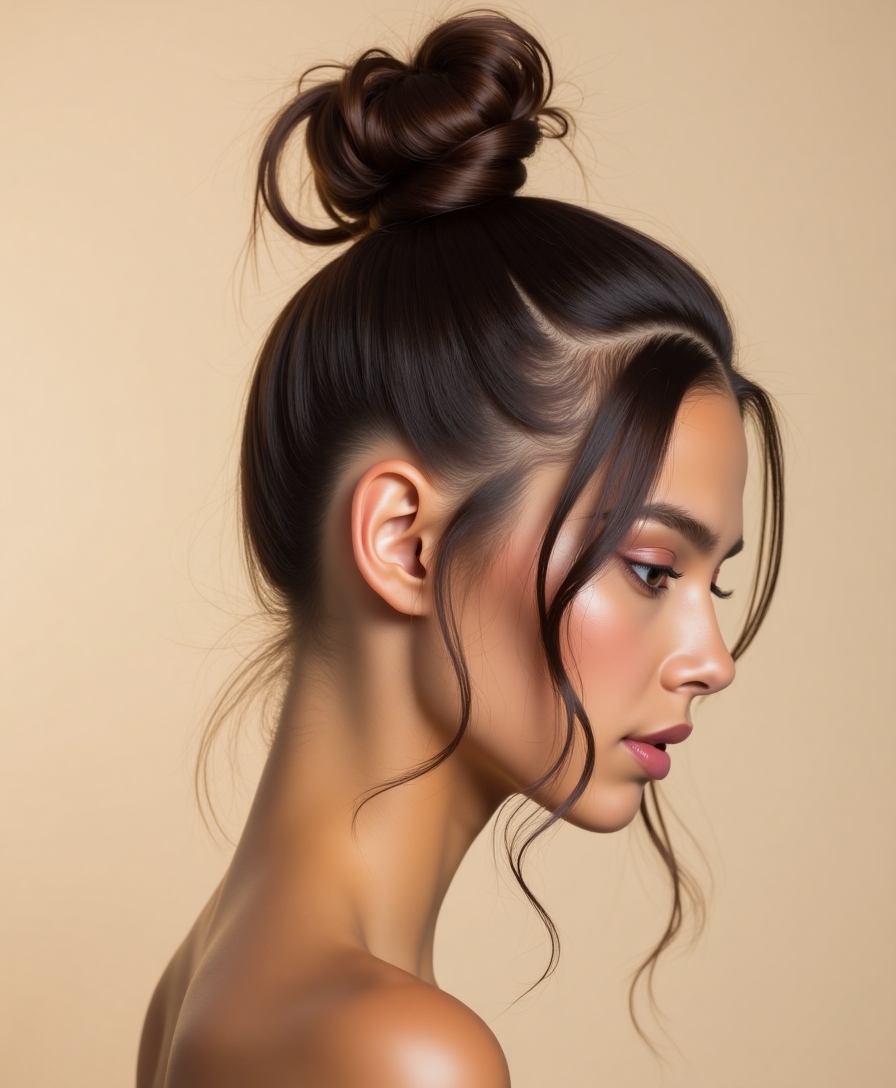
A high bun is already a reliable busy-day option, and adding a small twist or braid before coiling it lifts the whole thing from basic to noticeably more considered.
Twist or braid one section first, gather everything high, then wrap it into a bun, leaving the woven piece visible as a finishing detail.
- The twisted section adds both visual interest and extra hold
- Height keeps hair fully off the neck on a hot or busy day
- The accent piece doesn’t need to be neat to look intentional
Boho-Inspired Waves
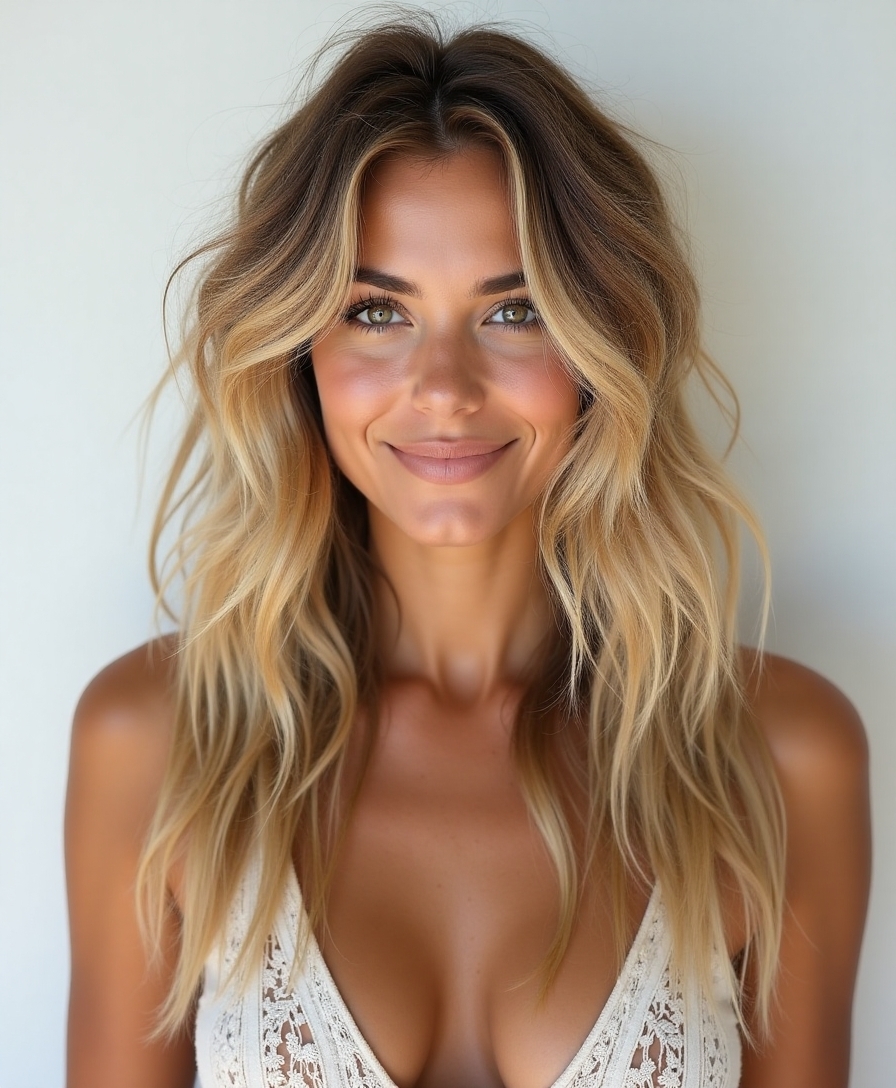
Soft, undone waves are a good way to wear hair down on a day without a wash, since freshly cleaned hair is often too slippery to hold a bend while unwashed hair takes one and keeps it.
- Overnight braids left in and released in the morning build waves for free
- A curling wand on just the lengths, then a finger shake-out, works in minutes
- Aim for uneven and loose; a few flat pieces only add to the relaxed effect
The Pinned Curly Updo
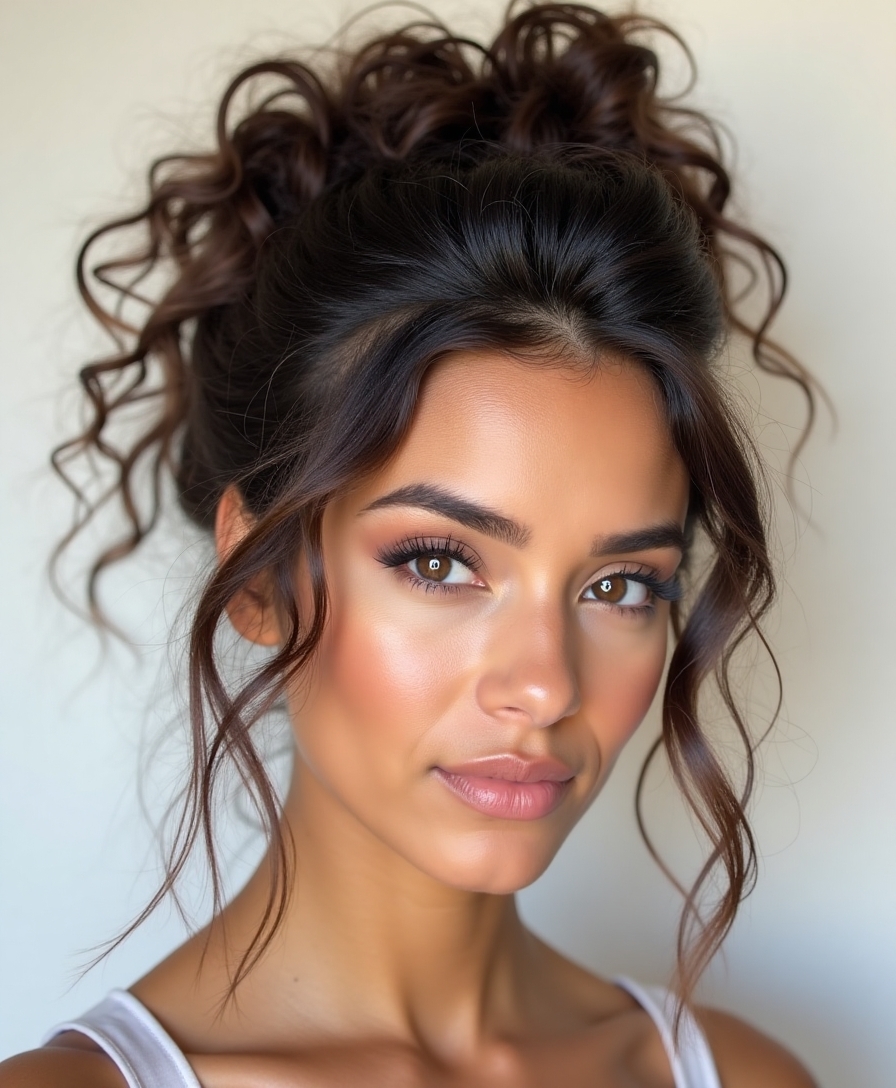
For curly and coily hair, a pinned updo offers a gentle way to wear texture up on a day when reviving every individual curl feels like more effort than it’s worth.
Working With Stretched Curls, Not Against Them
Gather curls loosely, fold or twist sections upward, and secure with bobby pins, letting the natural volume build a soft, full shape on its own.
Second or third-day curls, a little stretched from wear, are often easier to pin than freshly defined ones, and they hold the shape with fewer pins overall.
Front Row Braids
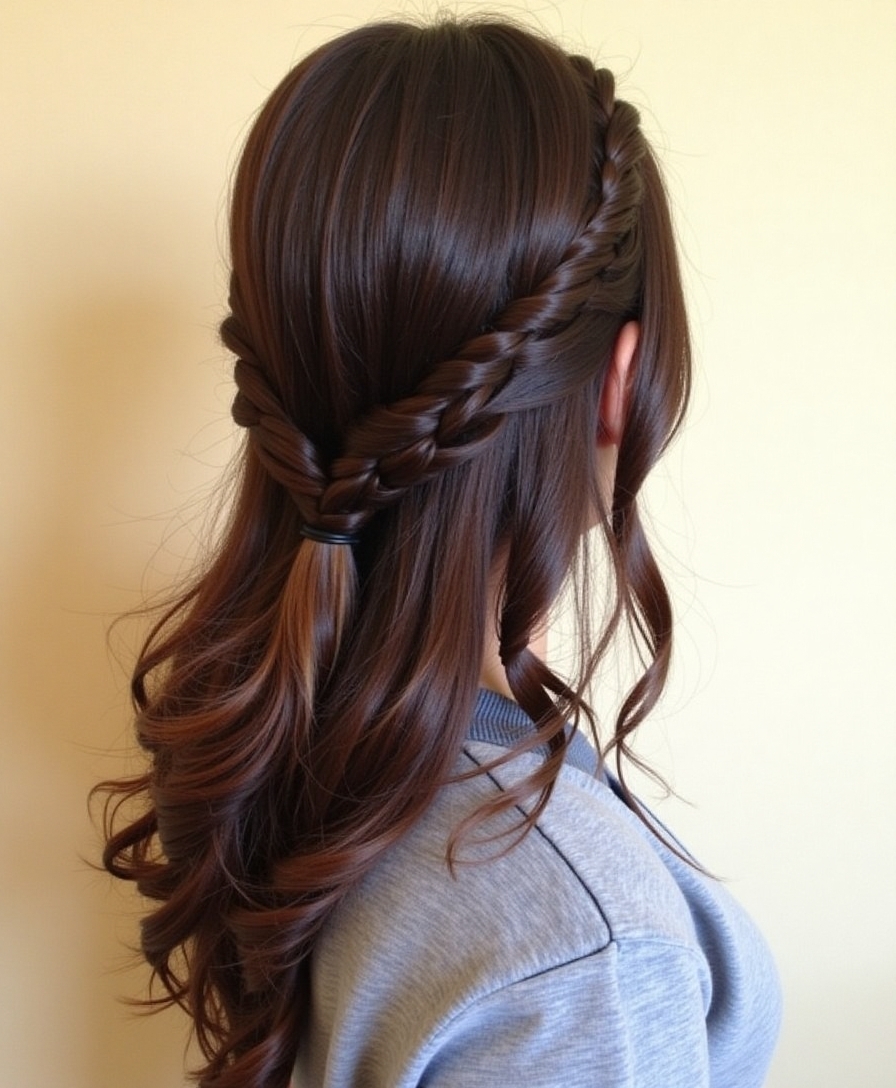
A couple of small braids running along the front hairline pull hair off the face while hiding oily roots right where they show up first. Braid one or two thin sections at the front, sweep them back, and pin or blend them into the rest.
A Small Detail That Redirects the Eye
These small front braids work as an accent on loose hair, a ponytail, or a bun alike, which makes them one of the more flexible tricks in this list.
Second-day grip keeps thin braids tidy without extra product, and they pull attention toward a pretty detail instead of toward the roots underneath.
How to Get the Look
Most of these styles suit any hair length past the chin, though longer hair generally has an easier time with anything braided, simply because there’s more to work with. Fine hair holds twists and buns better than it holds loose waves, which tend to fall flat within an hour without help.
The one common thread: nearly every look here works better on day-two or day-three hair than the same style attempted the morning of a fresh wash. Planning the style around the hair’s actual state, rather than fighting it, is most of the skill involved.
Second-Day Hair Questions Worth Asking
?Does dry shampoo actually clean the hair, or does it just hide the oil?
It absorbs oil and refreshes the look at the roots, but it doesn’t clean the scalp the way an actual wash does. Think of it as a styling tool between washes, not a substitute for one. Massaging it in fully and waiting a minute before styling makes the biggest difference.
?Which of these styles holds up best overnight if I want to re-wear it the next day?
Dutch braids and a French braid keep their shape overnight better than anything else on this list. Loosened gently in the morning, they often leave soft waves behind for free, turning one five-minute style into two different days of wear.
?Is it bad for my hair to keep wearing tight buns and braids without washing?
Occasional tight styles on unwashed hair are fine. The concern is repeated tension at the same hairline day after day, which can eventually stress the edges. Alternating where a style pulls, and where the part sits, spreads that tension out instead of concentrating it in one spot.
?What’s the fastest option here if I truly have under two minutes?
The messy bun and the headband tuck both fit comfortably inside two minutes with zero practice required. Everything braided gets faster with repetition, but starts out slower until the motion becomes automatic.
Cute Was Never About Clean Hair
If one idea carries through all eighteen of these, it’s this: a cute hairstyle and a freshly washed head have far less to do with each other than most people assume. The grip and texture of second-day hair is a real, practical advantage, holding braids, buns, and twists in ways slippery clean hair simply doesn’t.
The next time day three arrives with no time to wash, reaching for a twist or a braid usually works out better than it seems like it will at 7 a.m.
You Might Also Like