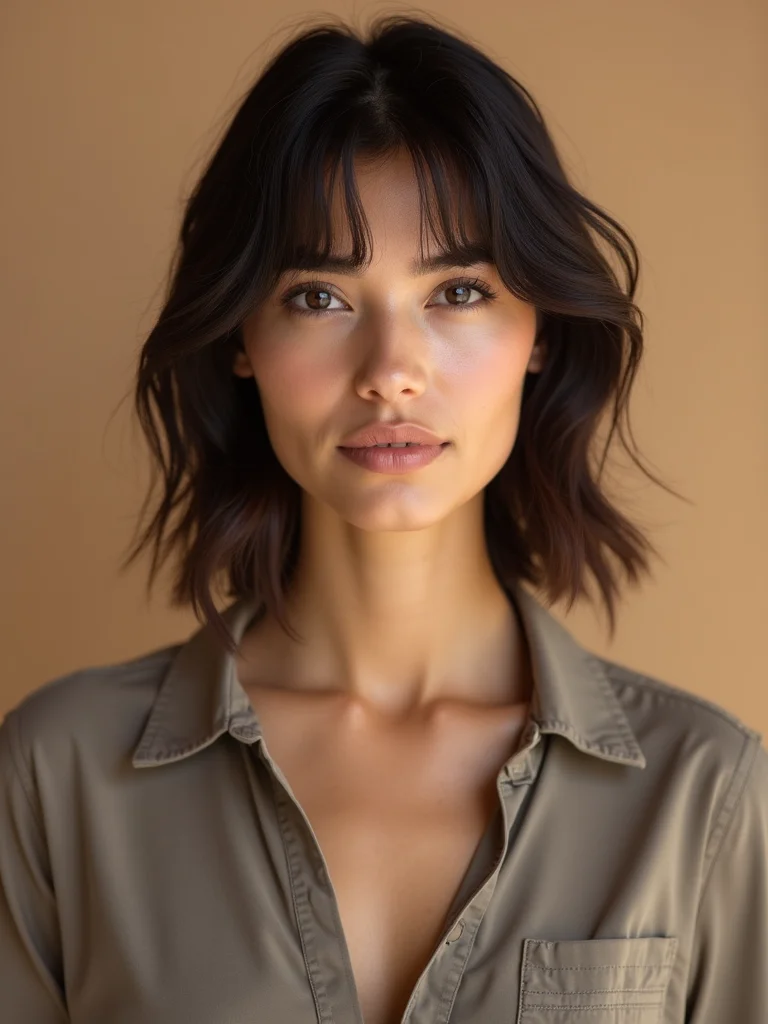
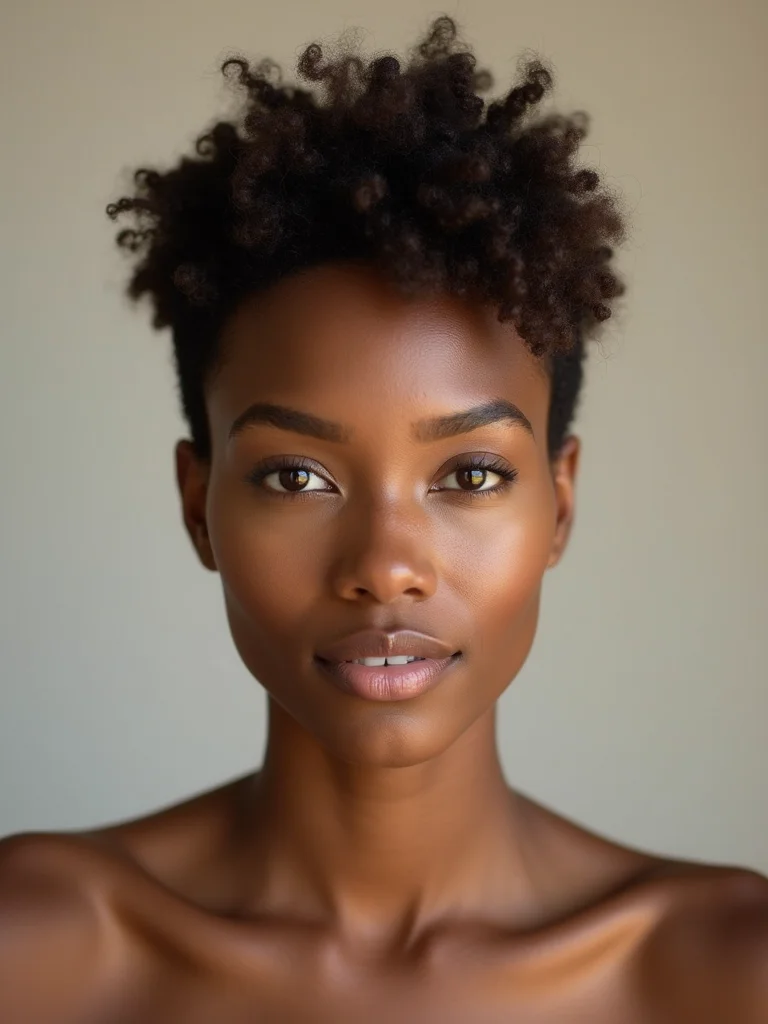
Want the movement and face-framing of a shag without cutting away the length you’ve spent years growing? That’s the specific problem the butterfly haircut solves: it stacks short, soft layers on top while leaving your length untouched underneath, so you get the bounce without the chop.
What follows covers what the cut actually is, who it flatters, how a stylist builds it, and exactly what to say in the chair so you walk out with the version you actually pictured.
Butterfly Cut, at a Glance
| Question | Short Answer |
|---|---|
| Does it cost length? | No, the bottom tier stays untouched. |
| Best for which texture? | Nearly all, with adjusted layering. |
| Grow-out difficulty? | Minimal, since the tiers blend. |
| Typical appointment length? | Around 90 minutes. |
Two Distinct Layers, One Soft Shape

The whole idea lives in two tiers: a short, face-framing layer on top, and your existing length left underneath, blended so the two move as a single shape, never reading as separate haircuts. Curled away from the face, the top pieces flare outward, which is where the name comes from.
- Top tier: shorter layers that frame the face and add lift at the crown.
- Bottom tier: your existing length, kept long for weight and movement.
- The blend is the whole skill; done well, you can’t point to where one tier ends and the other begins.
Where the Butterfly Cut Comes From

Nothing about this cut is truly new, and that’s part of why it works. It borrows the long, feathered layering of the seventies and the shag revival, then softens both into something easier to live with day to day.
What actually changed is the blending technique. Older layered cuts often left a visible edge where the shorter pieces stopped; modern texturizing and point-cutting let a stylist melt one tier into the other so the transition disappears entirely.
“The name predates the trend by decades; stylists have called this two-tier shape a butterfly cut since long before it found a second life online.”
Why the Butterfly Cut Caught On

The butterfly cut spread fast because it answers a request that comes up constantly: real movement and a face frame, without giving up length. Most layered cuts force that trade-off. This one doesn’t.
It also photographs well and styles quickly, which explains a lot of the online traction.
- Keeps the versatility of hairstyles for long hair; you can still wear it fully up.
- The face-framing pieces flatter an unusually wide range of face shapes.
- Looks intentional with minimal daily effort once it’s grown into shape.
Tailoring It to Your Face Shape

Where the shortest face-framing layer lands is the single biggest way this cut gets personalized. That one placement decision changes how the same haircut sits on different bone structure, so it’s worth a real conversation before any cutting starts.
- Rounder or fuller faces: starting the shortest piece below the chin adds length while keeping width in check.
- Narrower or longer faces: bringing the framing up toward the cheekbone adds visual width.
- Square jawlines: soft, curved pieces around the jaw take the edge off sharp corners, similar to the framing strategy in chin-length haircuts.
The Hair Types It Suits

Nearly every texture can wear this cut, as long as the layering gets adjusted to how that specific hair actually behaves. The underlying idea stays the same; the execution shifts.
- Fine hair: fewer, softer layers so the ends don’t thin out visibly (more ideas in hairstyles for fine hair).
- Thick hair: more internal texturizing so the top tier doesn’t puff outward.
- Wavy or curly hair: the stylist accounts for how much the curl pattern springs up once dry, since wet length alone is misleading.
One assumption about this cut worth correcting.
❌ Myth: Myth: The butterfly cut only works on straight hair.
✅ Reality: Fact: Curl and wave patterns actually show the two-tier layering off well, since movement in the hair emphasizes the shape and doesn’t hide it.
❌ Myth: Myth: You need a lot of length to start.
✅ Reality: Fact: A shoulder-length version works fine; the tiers just sit closer together than they would on longer hair.
The Two-Tier Layering, Explained

If there’s one thing worth understanding before an appointment, it’s this: the butterfly cut is two distinct layers, not a gradual cascade. The top is cut shorter and left fairly disconnected; the bottom stays long and is barely touched.
Why the Blend Is Everything
The actual skill is in connecting them. A stylist blends the bottom edge of the short tier into the top of the long tier with soft, vertical cutting, so the eye reads one continuous shape with no visible shelf.
This blending is also why the cut grows out so easily. As the short tier lengthens, it simply melts further into the long layer underneath as it grows, with no edge left to grow past.
Bringing the Right Inspiration

Reference photos help enormously, but only when they actually match your starting point. A butterfly cut on poker-straight, waist-length hair won’t translate onto shoulder-length waves, no matter how much you love the photo.
Bring two or three photos that share both your length and your texture. A stylist reads far more from hair that behaves like yours than from hair that simply looks like the shape you want.
- One photo of what you don’t want does real work too, showing exactly where your line is.
- Skip photos where the volume clearly comes from extensions or heavy styling.
- Mention roughly when you last had layers cut; it tells a stylist how much shape is already there.
How the Butterfly Cut Is Built

Behind the chair, this cut is methodical rather than freehand, which is part of why the appointment tends to run longer than a basic one-length trim.
Most stylists section the hair and work the top tier separately from the length, often pulling hair forward to set the frame while the length stays twisted or pinned safely out of the cutting line.
- The long layer gets isolated first, so it can’t accidentally get shortened.
- The top tier is cut forward, toward the face, to build the frame directly.
- Point-cutting finishes the transition, softening the line between the two tiers.
Which framing style should you ask for?
🎯Curtain framing
Splits down the center and sweeps back on both sides; softer, more face-hugging.
🎯Rounded framing
Curves around the whole face rather than parting centrally; fuller, more voluminous look.
Tools and Products That Help

This cut is honestly forgiving to style, but a couple of specific tools make both tiers actually work together. A small kit does the job; nothing elaborate is required.
A round brush somewhere around two inches bends the short tier away from the face, and a curling wand near an inch and a quarter builds soft waves through both layers without much effort.
- A light volumizing mousse holds the top tier without weighing it flat.
- Skip heavy creams here specifically; they tend to collapse the crown lift.
- A texture spray on dry hair revives the shape on a second-day style.
Styling and Keeping It Up
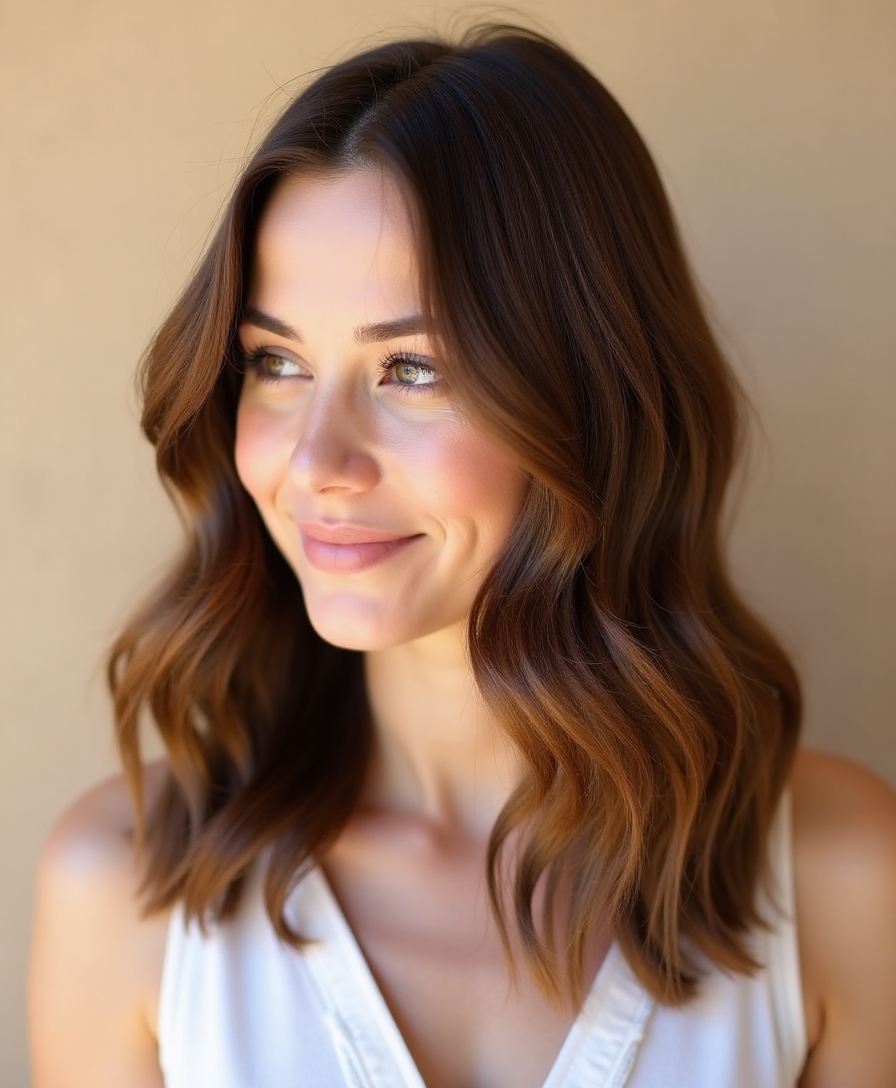
Day to day, this cut asks very little, but nearly all of the actual upkeep lives in the short tier. A quick round-brush pass on the face-framing pieces is usually the entire difference between a styled look and one that just reads grown-out.
- Most mornings, that touch-up takes well under five minutes.
- Focus heat and brushwork on the top tier; the length underneath mostly takes care of itself.
- On a second-day style, refreshing just the framing pieces with a wand is often enough.
Mistakes Worth Avoiding
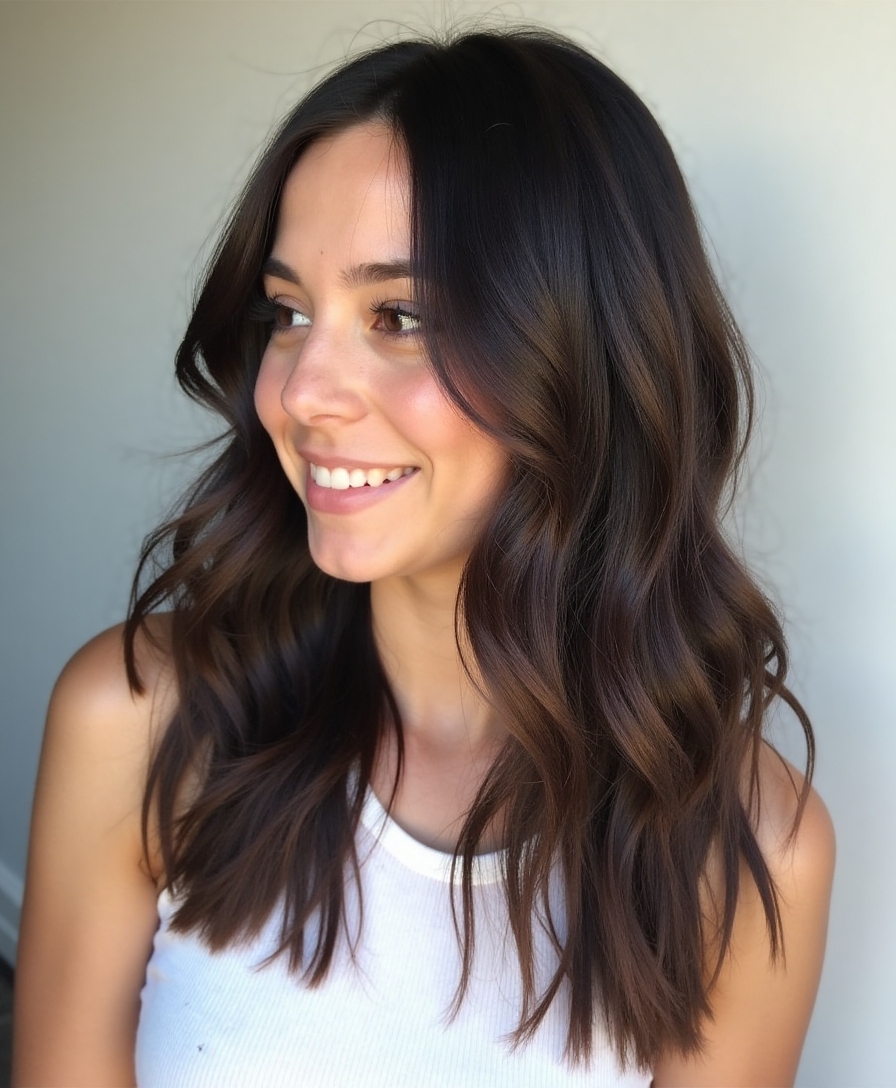
Most disappointing versions of this cut trace back to a small, predictable set of choices. Knowing them ahead of time heads off almost all of them.
The cut itself is reliable; it’s usually the shortcuts around it that cause the letdown.
- Going too short on the top tier, which loses the soft, blended effect entirely.
- Skipping the texturizing step, which leaves a visible shelf where one flowing shape should be.
- Judging a wet cut before it dries, especially on wavy or curly hair where shrinkage changes everything.
Celebrities Who Made It Popular

A handful of high-profile appearances did more to spread this cut than any single salon could, since a familiar face wearing the shape on a red carpet or in a music video reaches more people in a day than word of mouth manages in years.
What actually made those looks stick wasn’t the fame attached to them. It was that the shape actually photographed well from multiple angles, holding up under studio lighting and phone cameras alike, which isn’t true of every trending cut.
The lesson worth taking from any celebrity photo is really about proportion more than the specific person wearing it. Notice where the shortest layer sits relative to their face shape and length, then talk to your stylist about whether that same proportion would translate onto your own hair.
ℹ️Worth Remembering
A cut only stays useful long after a trend fades if it solves a genuine problem, which is why this one outlasted the original wave of pop-culture attention that made it famous.
Variations on the Cut

This is really a family of related cuts, adjustable anywhere from barely-there to full drama depending on how short and how disconnected the top tier goes. That range is a big part of why it suits so many different people.
- Subtle: just a few face-framing layers, a good entry point for a first attempt.
- Full version: shorter crown layers for maximum lift and visible movement.
- Paired with curtain bangs or a shaggier edge for a bolder, less polished read.
- Cut noticeably shorter overall, it starts to overlap with bixie haircuts instead.
Styling It Through the Seasons

One underrated advantage here is that the underlying shape holds steady year-round while the finish shifts easily with the weather. The same cut can look polished in winter and undone in summer with nothing more than a change in product.
- Summer: air-dry with a texture spray and let the top tier go soft and loose.
- Winter: smooth the top tier with a blow-dryer to fight static and flyaways.
- Humid days: a light anti-frizz product on the length keeps the bottom tier from puffing.
Growing It Out Gracefully

For anyone hesitant about commitment, this is usually the detail that settles it: this cut has almost no awkward growing-out phase. Because the tiers blend gradually into each other, there’s simply no sharp edge to grow past, which is unusual for a layered cut.
- The short tier simply lengthens into the long layer over a matter of months.
- Face-framing pieces stay flattering even once they reach collarbone length.
- A single trim on a longer cycle keeps the shape without losing real progress.
Color That Plays Up the Layers
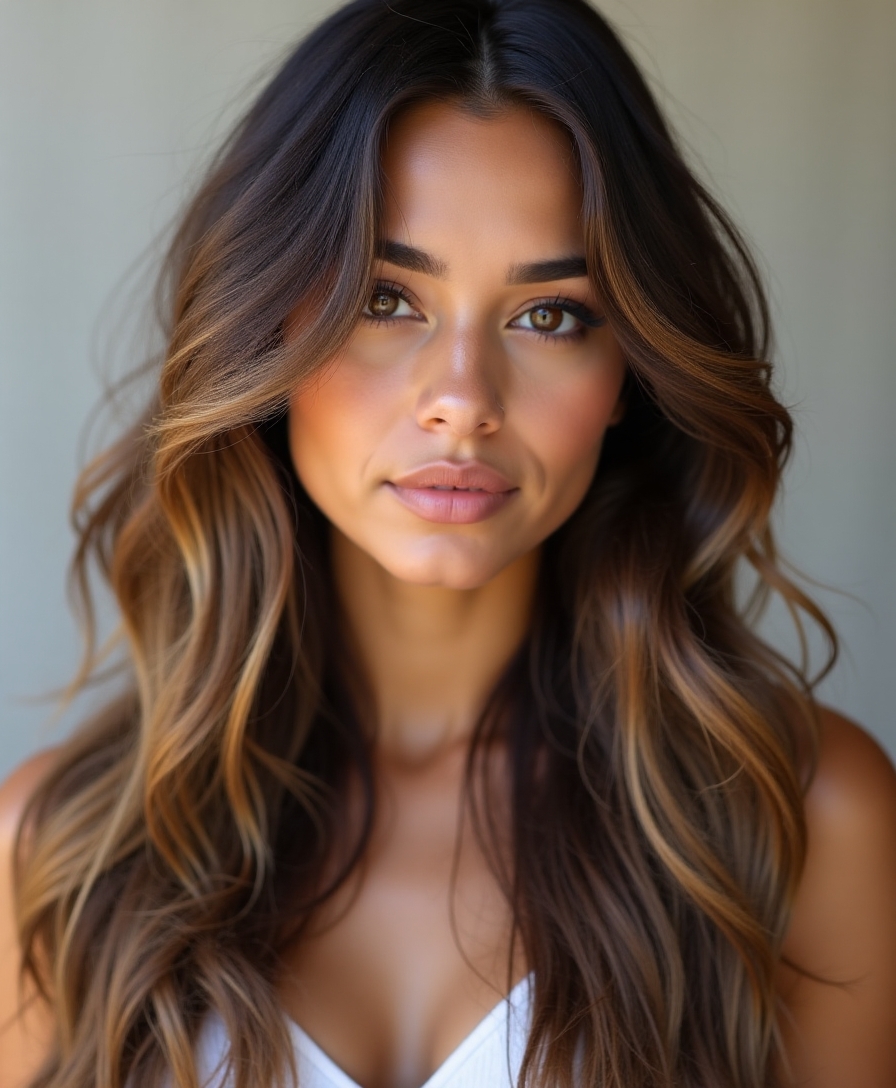
Color and this cut pair naturally, since visible dimension makes layers read as fuller and more deliberate. A single flat, block color can actually hide the careful layering underneath, undoing a lot of the cutting work.
Face-framing highlights, sometimes called a money piece, are the classic match here. Brightening just the front pieces draws the eye straight to the frame and makes the top tier look intentional.
A soft balayage through the length works just as well, placing light exactly where the layers fall so movement catches it. Both stay low-upkeep, since the regrowth line stays soft either way.
Tips for Your Texture

The finish this cut gives you depends heavily on cutting and styling it for your actual texture.
- Straight hair: ask for extra internal texture so the tiers don’t sit like flat shelves.
- Wavy hair: have the cutting account for natural shrinkage, since wet length is deceptive and the true landing point only shows once fully dry.
- Curly and coily hair: the stylist should check the pattern’s natural fall before finalizing length, then style each tier with your normal leave-in routine.
How to Ask Your Stylist for One
Most butterfly cuts succeed or fail right here. The name means slightly different things to different stylists, so relying on it alone leaves too much to chance. Bringing three specifics up front removes almost all of the guesswork.
Say exactly where you want the shortest piece to land (chin, collarbone, wherever), how much length you want protected underneath, stated plainly as ‘keep all of my length,’ and whether you want curtain-style framing or fuller, rounder layers around the face.
What It Costs and How Long It Takes
Because the two-tier structure takes more sectioning and blending than a basic trim, expect the appointment to run longer, plan on around ninety minutes for a full cut and style. Budget an extra $25 or so above a basic cut at the same salon for the added time this technique takes.
Ask your stylist for their specific rate before booking, since pricing for this cut varies more by salon than most haircut names do. A first appointment on layers that haven’t been cut this way before often costs less than a correction on hair that’s already layered unevenly.
Butterfly Cut, Answered
?Will a butterfly cut make me lose length?
No, and that’s the entire point of the cut. The long bottom tier stays isolated and barely touched; all the actual cutting happens in the shorter top layer. Tell your stylist to keep your length underneath and you protect nearly every inch while still getting the frame and movement.
?What’s the actual difference between a butterfly cut and a wolf cut?
They’re closely related. A wolf cut is shaggier, choppier, and generally shorter overall, with less blending between sections. A butterfly cut is the softer, more grown-up version that keeps noticeably more length and reads less deliberately messy.
?Can I get this cut if my hair is already layered unevenly?
Usually yes, though it may take an extra visit. A stylist first needs to even out the existing layers before building the clean two-tier structure on top, so budget more time and cost specifically for that first appointment.
?Does a butterfly cut work on shoulder-length hair, or does it need to be longer?
It works on shoulder-length hair; the two tiers just sit closer together than they would on longer hair. Browse hairstyles for medium length hair for more shoulder-length pairings. The core idea, a shorter face-framing layer over protected length, scales down fine as long as there’s enough length to actually separate the tiers.
?How do I keep the top tier from looking thin over time?
Trim just the top tier on its own schedule rather than waiting for a full cut, and ask your stylist to check the internal texturizing at each visit. Over-texturizing early on is the most common reason the top tier starts looking sparse months later.
The Cut That Lets You Keep Your Length
This style has stuck around longer than the trend cycle that made it famous because it solves an actual problem: real movement and face-framing, without sacrificing length you’ve spent months or years growing.
Bookmark this before your next appointment, and bring exactly three details with you: where you want the shortest piece to land, how much length to protect, and how soft you want the blend between the two tiers.
More Worth Saving