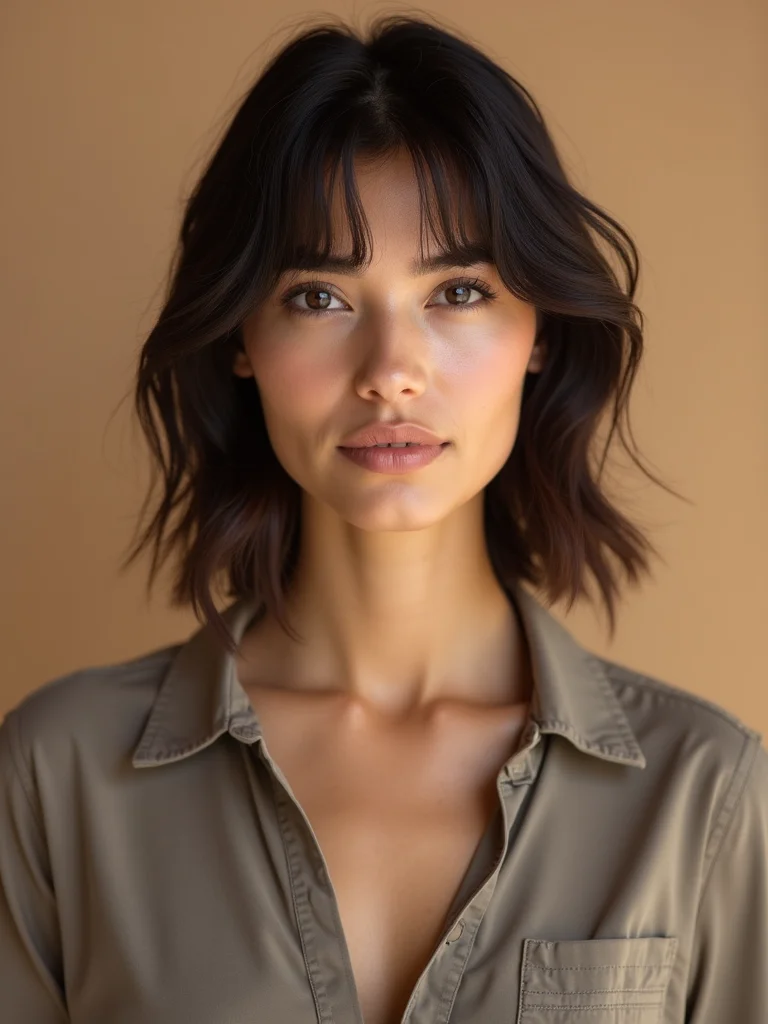
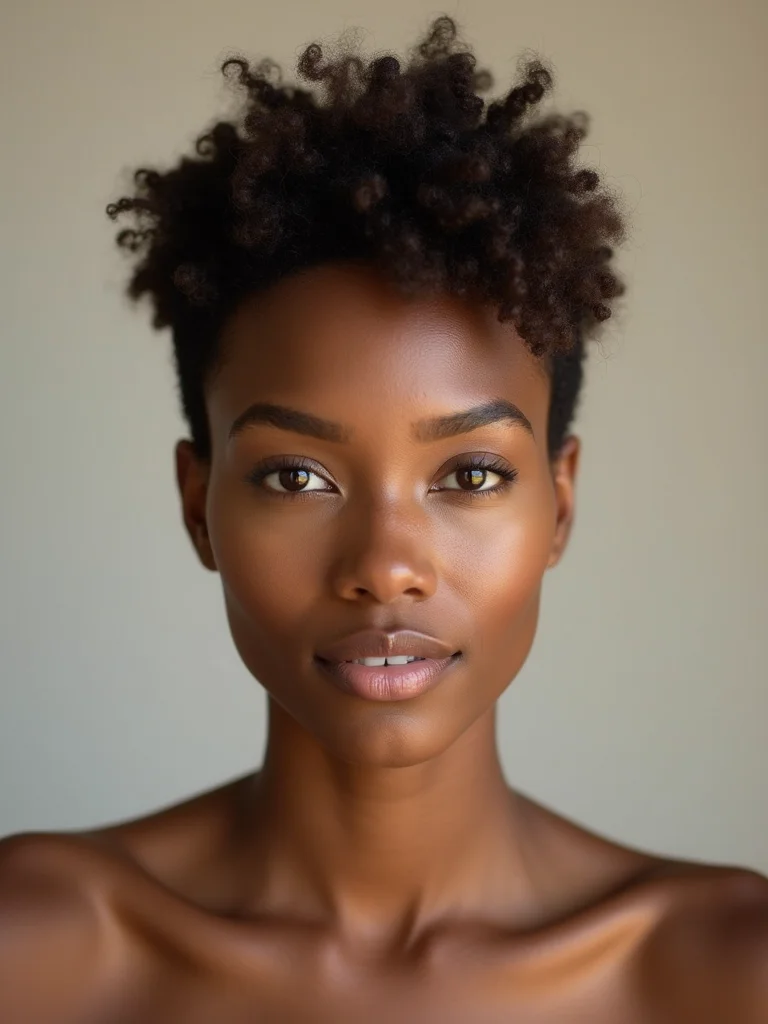
Why does the shag keep coming back, decade after decade? It solves the same problem every time: it takes flat, heavy hair and fills it with movement and volume most cuts cannot match. Born in the seventies and reinvented for every era since, the shag is built on choppy layers, a feathered crown, and usually some kind of fringe.
What makes it adaptable is simple: the shag bends to your length, your texture, and how much edge you want, from a soft, wearable version to a full rocker mane. Below are the versions worth knowing, who each one flatters, and what to actually say to your stylist so you walk out with movement, not a mistake.
Shag Basics
- A shag is defined by heavy, choppy layers, a fuller crown, and feathered ends that create built-in movement.
- It works on every length and texture, but the layers must be cut to your hair type to avoid looking thin or puffy.
- It is a low-effort style by design; most shags are made to air-dry with a little texture product and minimal heat.
The Classic 70s Shag

This is the original, and it still sets the template. The classic seventies shag is heavily layered from the crown down, with feathered pieces that frame the cheekbones and a fringe that ties it all together.
The whole point is rockstar volume up top that tapers into wispy, textured ends, so the hair looks full and undone at the same time. To style it, rough-dry the crown for lift, then scrunch a texture spray through the lengths; the whole routine takes about five minutes and no flat iron.
It flatters almost everyone because the layers can be tailored to your face, but it especially loves medium textures with a bit of natural body. If your hair is poker-straight and fine, your stylist will lean on more aggressive texturizing and you will lean on a little product, since the volume is the entire personality of this cut.
Budget roughly $50 to $90 for the cut itself, and plan on a reshape appointment about once every six weeks or so to keep the layers from growing soft.
The Lob Shag
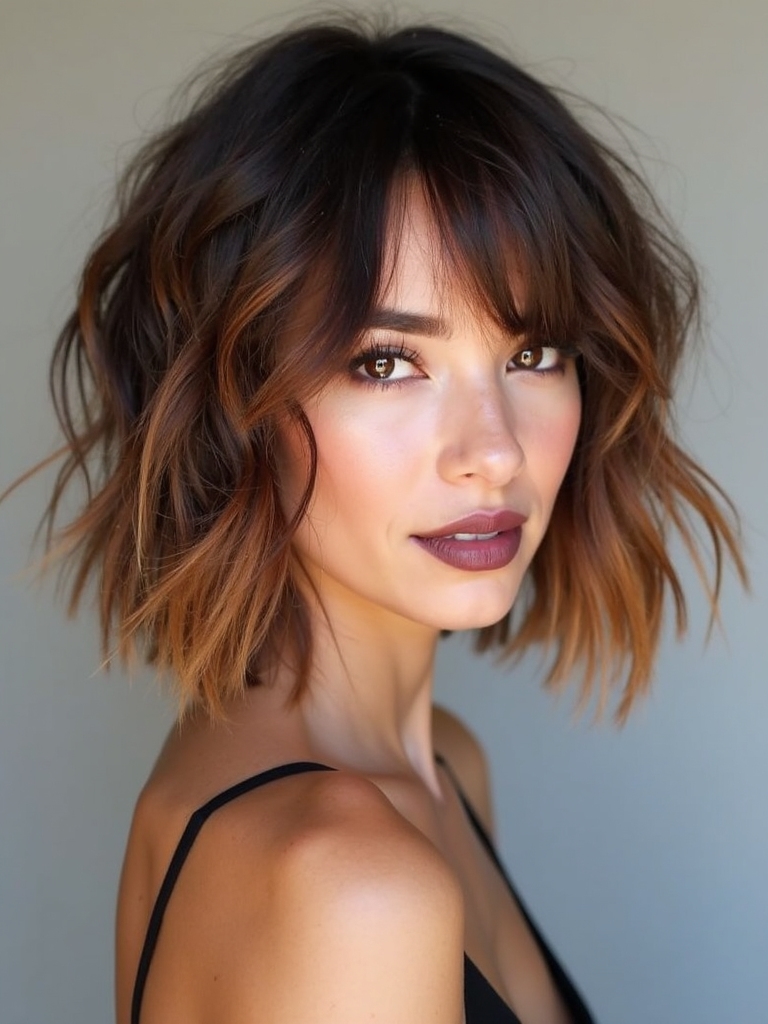
A full shag is not for everyone on the first try, so the lob shag works as the gateway version. It takes the choppy layers and feathered movement of a shag and applies them to a collarbone-length lob, so you get all the texture with the safety of more length and a more polished, wearable shape. Most clients easing into shag territory start here before going shorter.
What makes it so wearable is the balance: enough layering to move, enough length to look grown-up. It fits in at the office just as easily as it does at a concert, which is rare for a cut this textured. The layers sit a little softer than on a short shag, so it flatters people who worry a shag will look too wild on them.
- Keeps enough length to tuck behind the ears or pull into a low pony.
- The layers add movement without the dramatic volume of a true short shag.
- A great middle ground; see the shag bob if you want to go a touch shorter.
📋What to ask for when you book a shag
- ✓Heavy, choppy layers through the crown for volume, tailored to my texture
- ✓Feathered, textured ends rather than a blunt perimeter
- ✓A fringe or face-framing pieces that blend into the layers
- ✓For fine hair, careful texturizing; for thick hair, internal weight removed
The Curly Shag
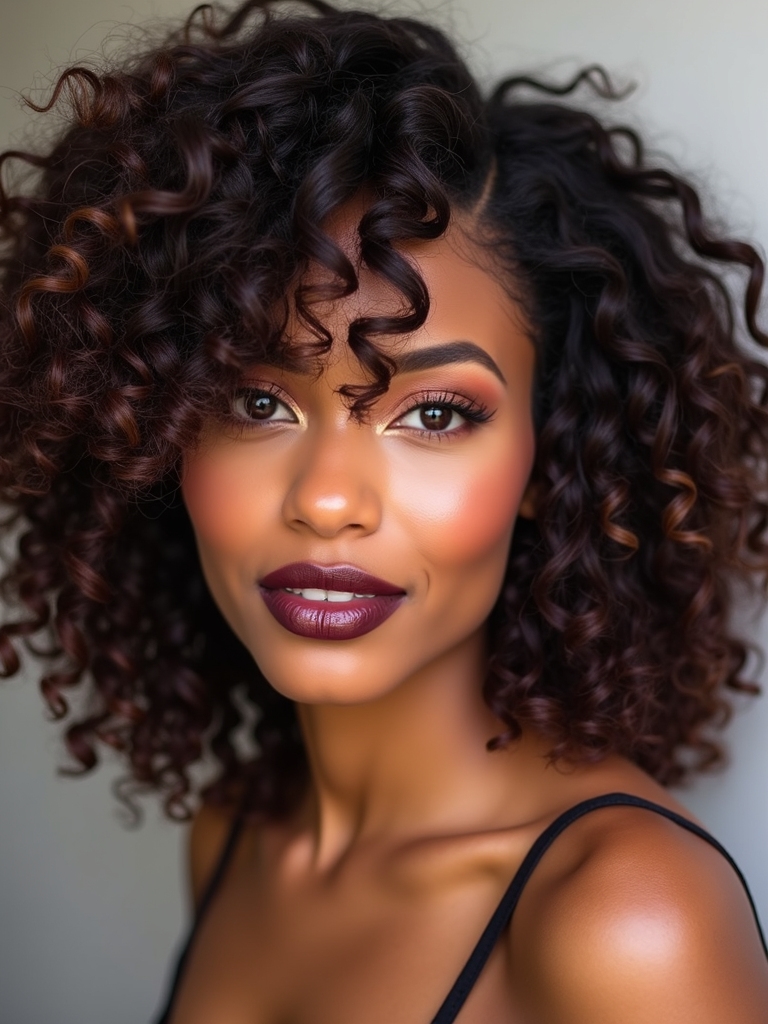
Curls and the shag are a natural match, because the layers give curly hair somewhere to spring and stack rather than piling into a heavy triangle. Cut to your curl pattern, a shag turns volume into shape, letting each coil bounce with movement that looks intentional. The non-negotiable rule: your stylist needs to work section by section on fully dry hair, watching how each curl settles before cutting the next one.
- Always ask for a dry cut to account for shrinkage and place the layers right.
- Refresh with water and a little curl cream; this is a true wash-and-go shape.
- For more, see this dedicated curly shag guide.
Shag With Curtain Bangs
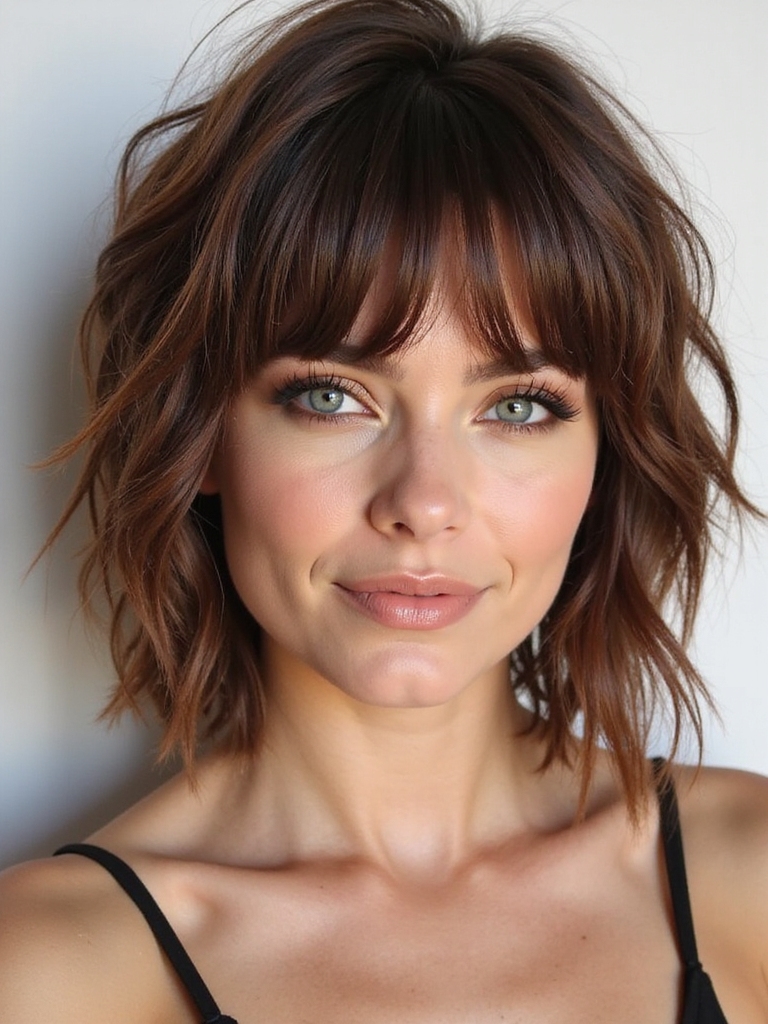
Curtain bangs and the shag were practically invented for each other. The soft, center-parted fringe melts straight into the shag’s face-framing layers, blending bang and length into one continuous sweep around the face. It is the pairing you see on every it-girl right now, and for good reason: it opens up the eyes and refreshes the whole cut while staying low-effort.
- Ask for the bangs to blend into your layers, not sit as a separate piece.
- They grow out gracefully into face-framing pieces, with no awkward stub stage.
- Style them with the tips in this curtain bangs guide to keep them sitting right.
A couple of shag misconceptions worth clearing up:
❌ Myth: A shag only works on thin or straight hair.
✅ Reality: Not true. The shag is about the most texture-friendly cut there is; thick, wavy, and curly hair all wear it well, the layers just get tailored differently for each.
❌ Myth: A shag is high-maintenance.
✅ Reality: The opposite, usually. Shags are designed to air-dry with a little texture product. The maintenance is the trim schedule, not the daily styling.
The Micro Shag

The micro shag takes everything short, a chin-length-or-above cut packed with choppy layers and a heavy fringe for a bold, edgy statement. It is the most fashion-forward member of the family, all texture and attitude in a compact shape, and it photographs beautifully. Here is what to weigh before you go this short:
- It draws attention to the eyes and jaw, so it flatters strong bone structure.
- Short layers grow out faster, so plan a shape-up roughly every five to six weeks.
- It is bold and not very reversible quickly, so come in sure rather than on a whim.
The Long Shag

Want the movement without sacrificing length? The long shag keeps your hair long while carving heavy layers and face-framing pieces throughout, so all that length stops sitting flat and starts to move. It is the perfect cut for people who love their long hair but are bored of it lying lifeless against their back.
Keep your length, lose the flatness
Because the length stays, testing out the shag look carries almost no risk here. The layers do all the work while your overall silhouette barely changes.
It suits most textures, but it truly shines on hair with a bit of wave that shows off the layered movement. Check the long shag for more styling ideas.
| Version | Best for | Vibe |
|---|---|---|
| Long shag | Keeping length, adding movement | Low-risk, soft |
| Lob shag | A wearable first shag | Polished, easy |
| Micro shag | A bold short statement | Edgy, fashion-forward |
| Wolf cut | Maximum texture and contrast | Punk, dramatic |
The Wolf Cut Shag
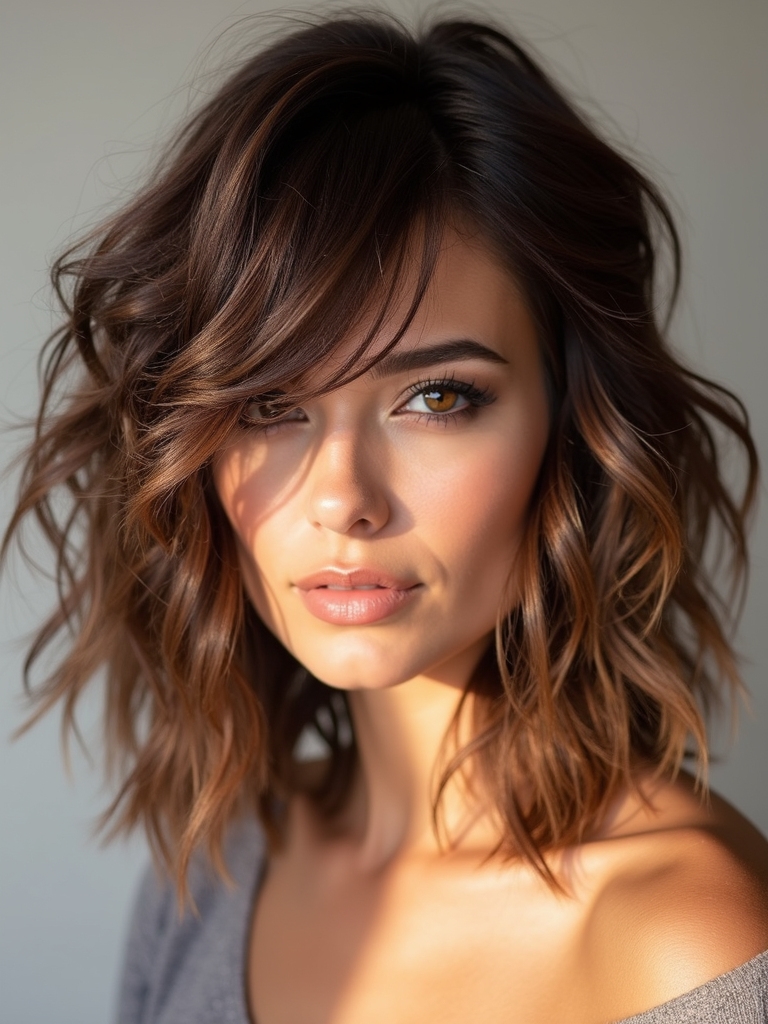
The wolf cut takes the shag’s ideas and pushes them further: a mullet-influenced silhouette where the crown gets stacked short and voluminous while the perimeter stays long and wispy. Picture the classic shag turned up several notches in every direction, with shorter, choppier layers on top building dramatic, spiky height.
The boldest, edgiest take
Social media has kept this one in constant rotation for a reason; it photographs like nothing else and reads immediately editorial.
The heavy layering through the crown grows out slowly and unevenly, so plan on sticking with the shape for a while once you commit. Anyone drawn to that dramatic height-and-length contrast should look closer at the wolf cut before booking.
The Wavy Shag
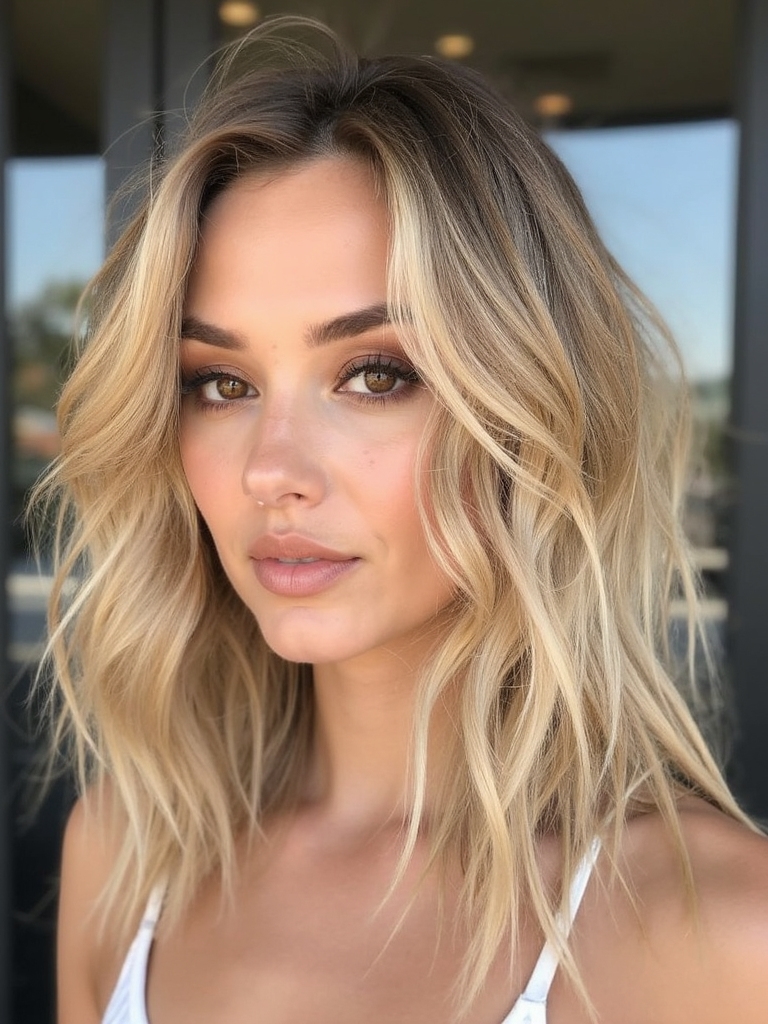
If you have natural waves, a shag might be the cut your hair has been waiting for. The layers let waves bend and break up instead of sitting in one heavy mass, and the feathered ends loosen the wave pattern so the whole thing looks airy and beachy. Where a curly shag is about defining coils, a wavy shag is about coaxing out a soft, undone bend.
Even straight hair can fake this look with a quick bend from a curling iron, but on natural waves it is the closest thing to a low-maintenance match. Scrunch product in, then leave it alone while it dries; touching waves as they set is what flattens them.
- Scrunch a sea-salt spray into damp hair, then leave it undisturbed for instant texture.
- The layers stop waves from puffing out at the bottom.
- See the wavy shag for more on working with your natural bend.
The Piecey Fringe Shag
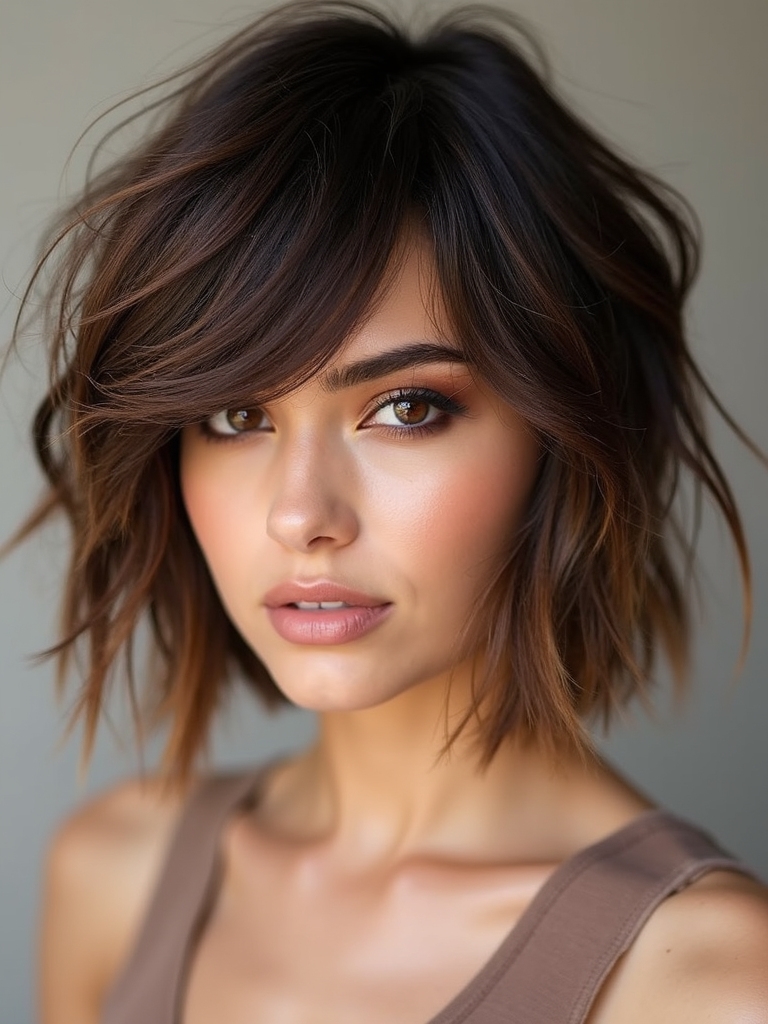
Sometimes the fringe is the whole story. A piecey fringe shag puts the focus on a soft, separated, wispy bang that breaks into delicate pieces across the forehead, giving a French-girl, undone feel.
The rest of the shag stays textured and easy, but the eye goes straight to that worn-in fringe, which softens the face. It gives you the impact of bangs without the heaviness of a blunt, solid fringe, and it grows out far more gracefully than a straight-across bang.
- The fringe is point-cut so it falls in soft, separated pieces, not a blunt line.
- It suits people who want a focal point up front without heavy bangs.
- Tap the ends with a little texture cream to keep the pieces defined and undone.
The Razor-Cut Shag for Fine Hair

Fine hair and the shag can get along beautifully, but the technique matters. A razor, used carefully, creates the wispy, feathered, airy ends that make a shag look full of movement, and on fine hair that feathering builds texture and life instead of thinness. The result is an undone shape that gives fine hair the illusion of more body.
The catch is that a razor must be used by someone who knows fine hair, because over-razoring leaves the ends stringy and fragile. In my chair, this is the one I tell fine-haired clients to vet their stylist for, since the wrong hand turns delicate hair to wisps.
- Ask whether your stylist razor-cuts fine hair specifically, and see examples.
- If your hair is fragile or damaged, request a scissor-point finish instead.
- Style with a lightweight mousse, never a heavy oil that flattens fine hair.
Shag Haircut Questions People Ask
?How much does a shag cost and what products do I need?
A shag typically runs $50 to $90 depending on length and your area. Product-wise you need very little: a texture or sea-salt spray for grit and a light cream or mousse for the crown. Skip heavy oils, which weigh down the feathered layers and kill the volume the cut is built for.
?Can I trim my shag at home between salon visits?
You can dust your own fringe carefully, but leave the layers to a professional. The shag’s volume comes from precise, angled layering that is easy to ruin freehand, and a bad home trim into the body of the cut takes months to fix. Trimming the bang dry, a tiny bit at a time, is the only at-home move I would risk.
?Is a shag hard to style every day?
Not at all, that is its whole appeal. Most shags are built to air-dry with a scrunch of texture spray or a little cream. The crown may want a quick rough-dry for volume, but you can largely skip the hot tools.
Movement That Outlasts Every Trend
The reason the shag never truly disappears is that it does something almost no other cut can: it makes any hair look fuller, freer, and more alive, with very little daily effort. Whether you want a soft long version that just adds movement or a full wolf-cut statement, the same core idea, choppy layers and feathered ends, carries the whole thing.
If you have been curious, the long or lob shag is the low-risk way to try it; the layers grow out fast, so you have little to lose. Bring a photo, describe your texture honestly, and name a comfort level for the crown height before the scissors come out. The shag rewards the brave, but it is forgiving enough for everyone else too.
Next Up