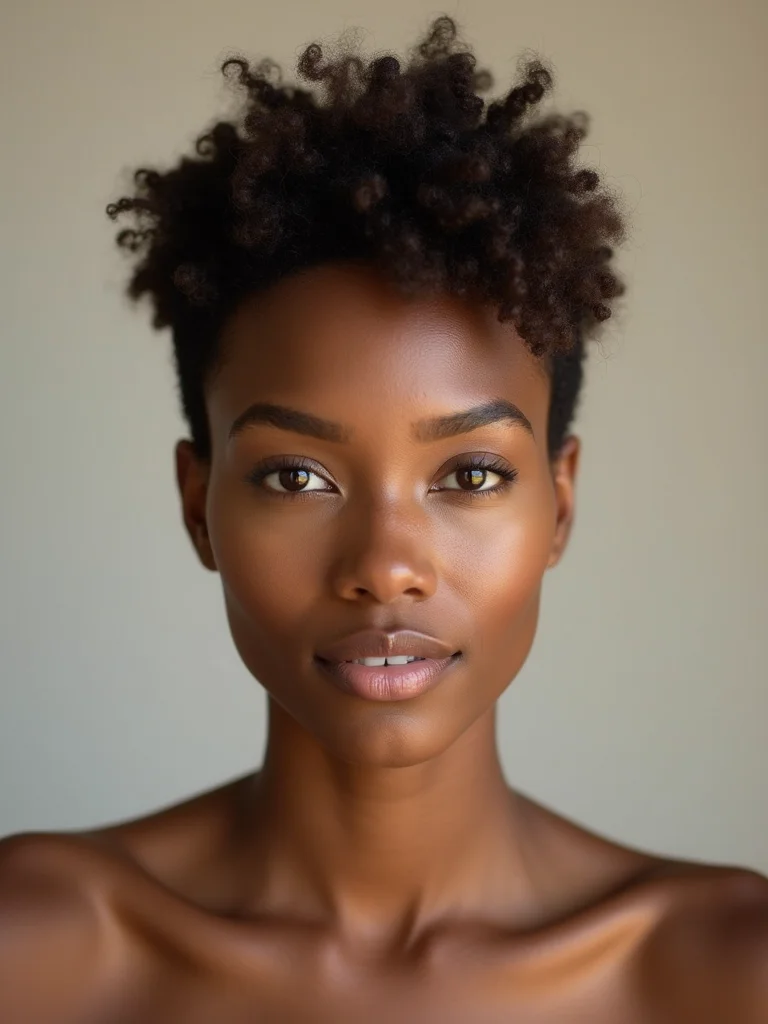
Short shaggy hair is really ten different styles wearing the same name. A soft curtain-bang version and a razored micro wolf cut share one thing underneath: layering heavy and disconnected enough that the ends fall every which way, all on their own, instead of settling into one predictable line.
The differences below aren’t cosmetic. A bixie shag and an ear-length crop suit different face shapes, ask for different upkeep, and need very different words at the salon chair to land correctly. Matching the right version before booking sets the cut up to work with a daily routine from the very first wash.
One Cut Name, Many Different Shapes
Short shaggy hair spans a wide range, from face-framing curtain-bang versions to cropped micro wolf cuts, but the shared trait across all of them is heavy internal layering finished to air-dry rather than blow-dry smooth. Which version suits best comes down to face shape, natural texture, and how much boldness someone actually wants to wear out the door.
Most versions want a trim on a six-to-ten-week rhythm to keep the shape from growing shapeless. A shag cut typically runs around $55 at a mid-range salon, with a quicker fringe-only touch-up possible between full visits for the versions that carry curtain bangs or a micro fringe.
A Curtain-Bang Shag That Softens Every Angle
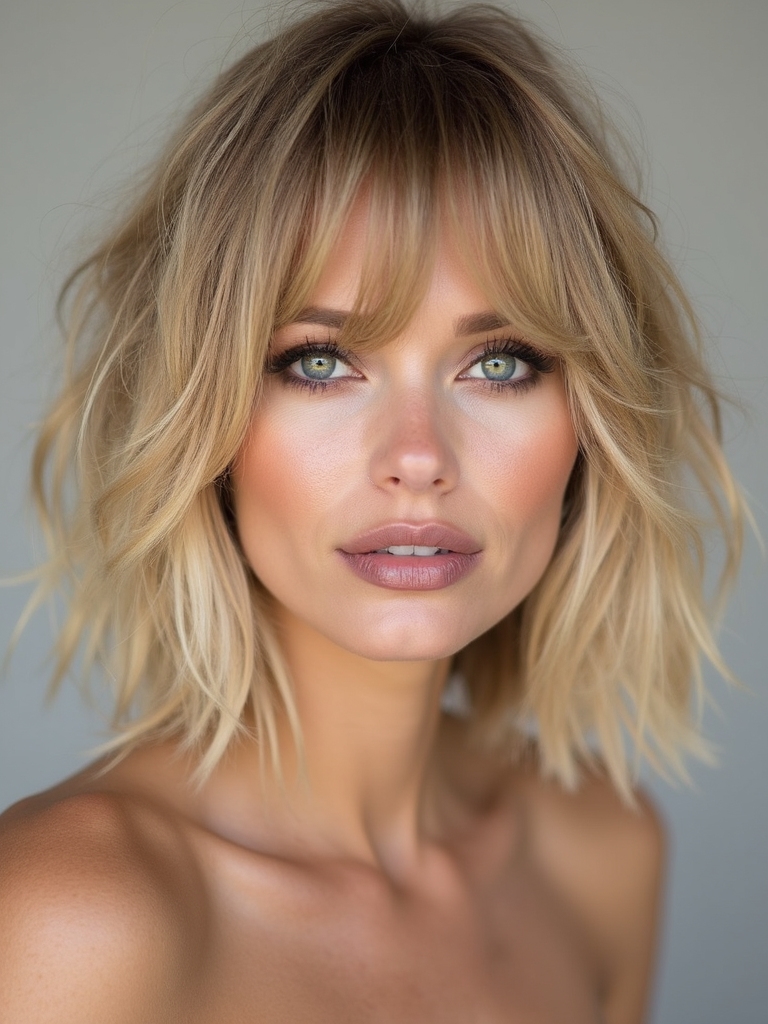
The curtain fringe is doing most of the styling work here, splitting at the center and melting into the choppy layers underneath so the whole shape reads soft and approachable no matter how sharp the cutting underneath actually is. Most face shapes take to a face-framing fringe like this.
It softens whatever angle sits underneath, from a square jaw to a longer oval, and the same center-part fringe shows up at longer lengths in the curtain bangs guide, for anyone who wants more length to go with it.
The trade is upkeep on the fringe itself. Left ungroomed, curtain bangs grow past the cheekbone fast and lose the frame they’re built for, so a light trim between full cuts keeps the part clean and the pieces falling where they should, usually every three to four weeks depending on how fast the hair around the face grows.

A Tousled Pixie-Shag With a Tapered Nape
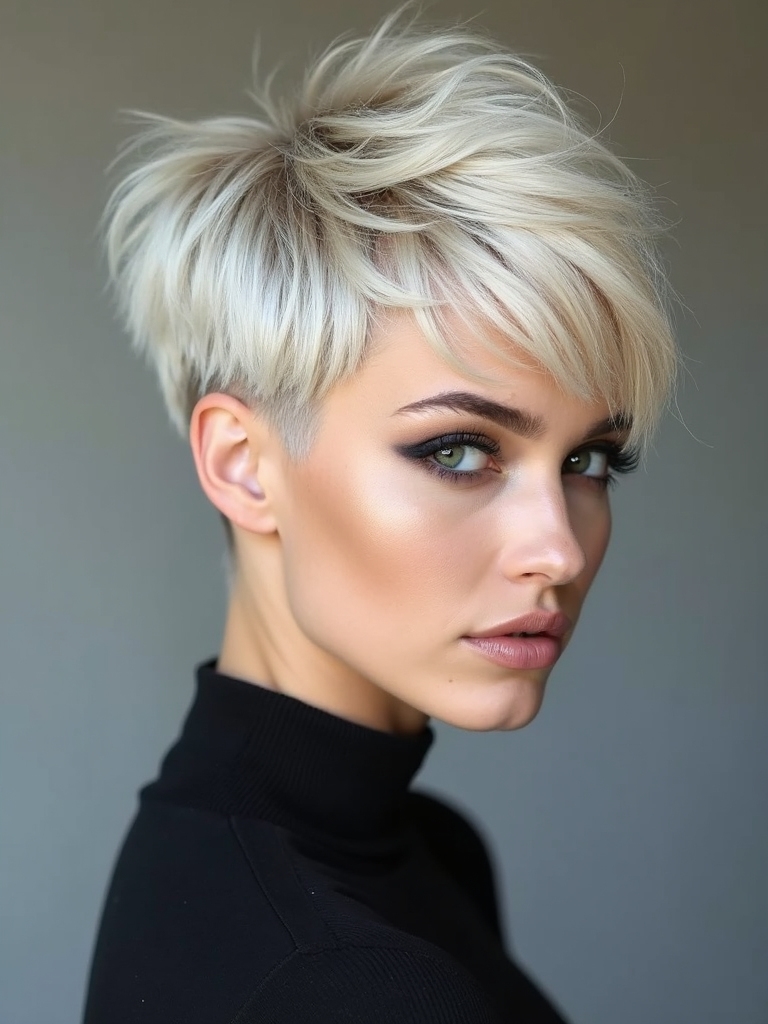
Cropping the shag down to pixie length and tapering the nape clean produces the boldest option in this lineup. The choppy texture stays, but the length drops enough that it dries quickly and shows off the whole neckline.
It asks for confidence more than technique. A short, tapered nape puts the jaw and neck fully on display, so anyone drawn to a genuine crop tends to land here, often after outgrowing a longer shag and deciding the low-maintenance side of it mattered more than the length.
- Suits those ready to commit fully to a real crop
- Needs only a fingertip of clay or paste once it’s dry
- Trims come around more often at this length to keep the taper sharp
A Choppy Bob Shag That Still Reads Polished

For anyone not ready to give up real length, the bob shag keeps a jaw-to-chin line and fills it with broken-up, choppy layers. It reads sharp enough for an office and undone enough to feel current, harder to pull off than it sounds. Round and square faces tend to get the most out of it, since the jaw-length line adds definition right where those shapes want it.
The Middle-Ground Option
The extra length also makes it forgiving on thicker hair: the internal layering strips out bulk while the bob’s outline stays intact. Finer hair can wear it too, usually with a little more root lift to keep the crown from sitting flat. The longer shaggy bob follows the same layering logic, just with more length left in front.
It’s the natural middle ground for anyone curious about a shag but not ready to go dramatically short, and it grows out into a longer shaggy bob without an awkward in-between stage.
👍Where It Wins
- +Clears an awkward grow-out stage faster than the shorter cuts in this family
- +One flat-iron pass on the front pieces is enough for a polished day look
- +Color and highlights read clearly, since the extra length carries more pigment
👎Where It Struggles
- –A crown cowlick can fight the choppy layering for the first couple of cuts
- –Needs a fresh round of texturizing roughly every other visit to stay broken-up
- –Loses its shape fastest of the longer options here if it air-dries with no product
A Micro Wolf Cut With Soft Face-Framing
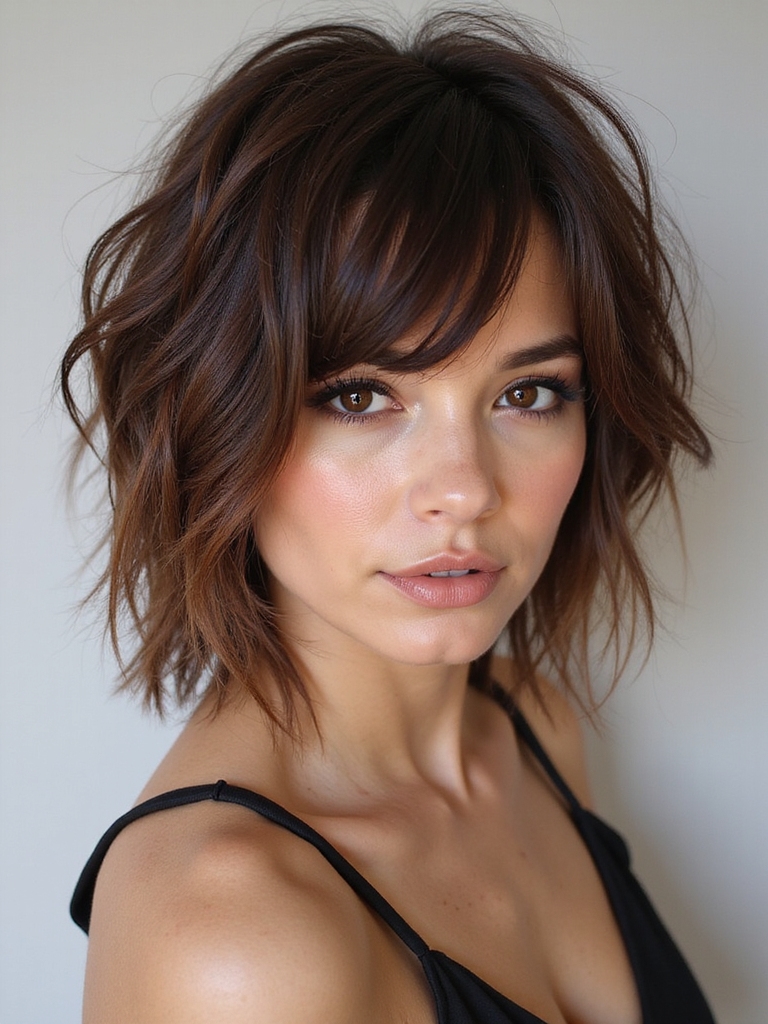
Shrinking a wolf cut’s heavy, voluminous layering down to a shorter length produces a compact, densely textured shape with more volume than its length would suggest. Soft face-framing pieces keep the drama from tipping into harsh.
A texturizing paste worked into damp hair and left to air-dry is close to the whole routine, though fine or very straight hair usually needs a root-lifting spray underneath to hold the crown up through the day. Anyone weighing this against a full-length wolf cut should know the short layers here grow out of shape faster than the longer version’s do.
- Best suited to hair with some natural body already; fine, straight hair may need extra lifting product
- Shape-ups come around faster than on the longer wolf cut versions
A Curly Shag Worn in Its Natural Pattern
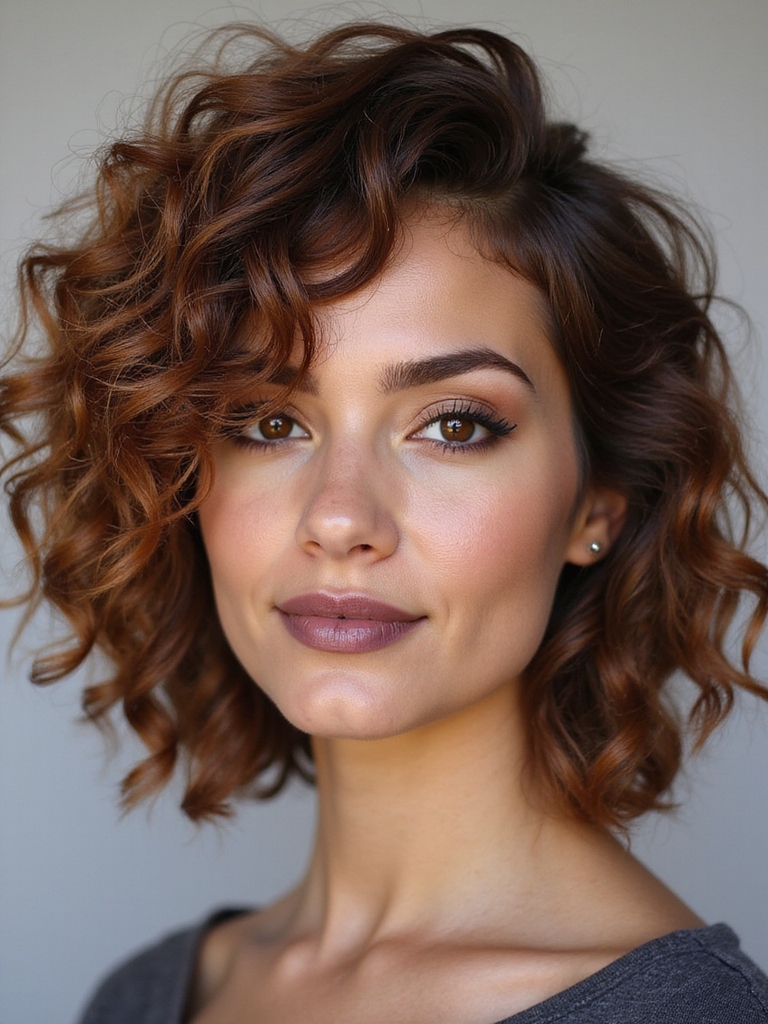
Curls and the shag shape are a natural match: heavy layering channels curl volume into something deliberate and shaped. Worn in its own pattern, the cut is low-effort once it’s shaped correctly for the curl type. The full-length curly shag uses the same dry cut logic, just left longer at the ends.
The cutting itself is what makes or breaks it. A stylist measures spring factor before the scissors come out, cutting each curl at the length it settles into once it bounces back, not the length it hangs at when pulled straight.
- A silicone-free gel holds the curl pattern without weighing the shorter layers down
- Refresh day-two curls with a spray bottle of water and a pea-size drop of cream
Two assumptions about a curly shag that don’t hold up:
❌ Myth: Heavy layering thins curly hair out.
✅ Reality: Layering redistributes bulk without stripping density, and the shape works across tighter 4a-4c coils and looser 3a-3c curls alike, just with a different amount taken out at the ends.
❌ Myth: A curly shag needs daily heat styling to look finished.
✅ Reality: Cut correctly, it’s built to be worn wet-to-dry with a silicone-free gel and nothing else; heat is optional, not required.
A Lifted Crown Built for Fine, Flat-Prone Hair
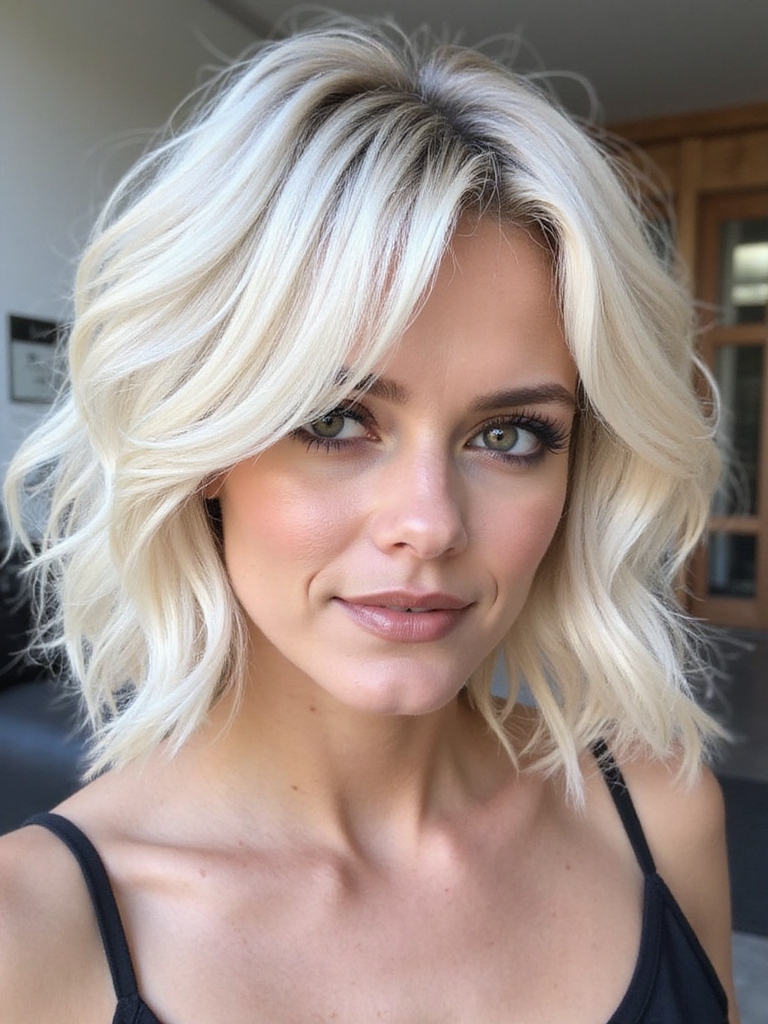
Fine hair loses the most to length, since every extra inch adds weight that pulls the crown flat. Concentrating the layering right at the crown removes that weight exactly where fine hair looks emptiest, building lift without a single root-teasing session.
The standing volume this version holds is something fine hair rarely manages at longer lengths, and it comes straight from where the weight was removed at the crown. Anyone who has tried a longer shaggy bob for fine hair and still felt flat by midday will notice the difference a shorter, crown-focused cut makes.
- Layering stays concentrated at the crown, not thinned through the ends
- A volumizing mousse at the root is close to the only product this needs
- Holds shape longer between washes than a one-length fine-hair cut
A Bixie Shag Splitting the Difference
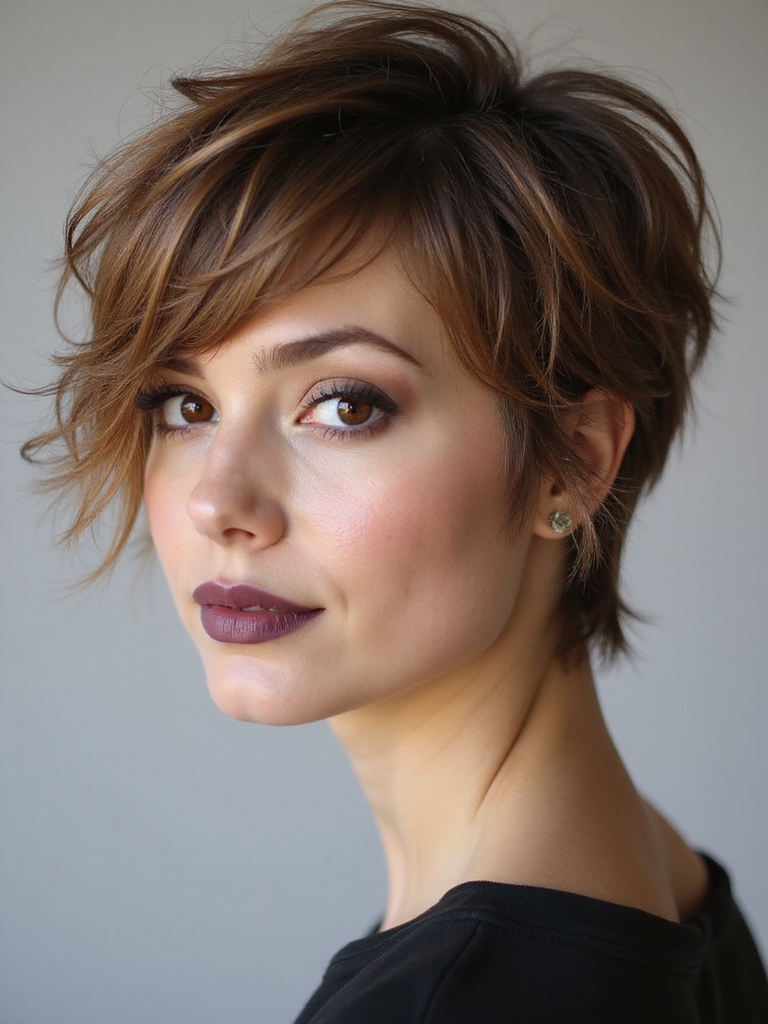
The bixie sits exactly where its name suggests, part bob and part pixie, and the shaggy version softens that hybrid further with a feathered fringe and piecey layering throughout.
It’s a natural next step for anyone circling a true pixie but not ready to commit, and a stylist can adjust exactly how much bob or how much pixie shows through at the next few visits. A very round face without much jaw definition is the one shape it flatters least, because the shorter sides add width right where a round face has the least to spare.
- More styling range than a pixie, more edge than a standard bob
- A texturizing spray on dry hair is usually the only product needed between cuts
A Shaggy Mullet With Blunt Micro Bangs
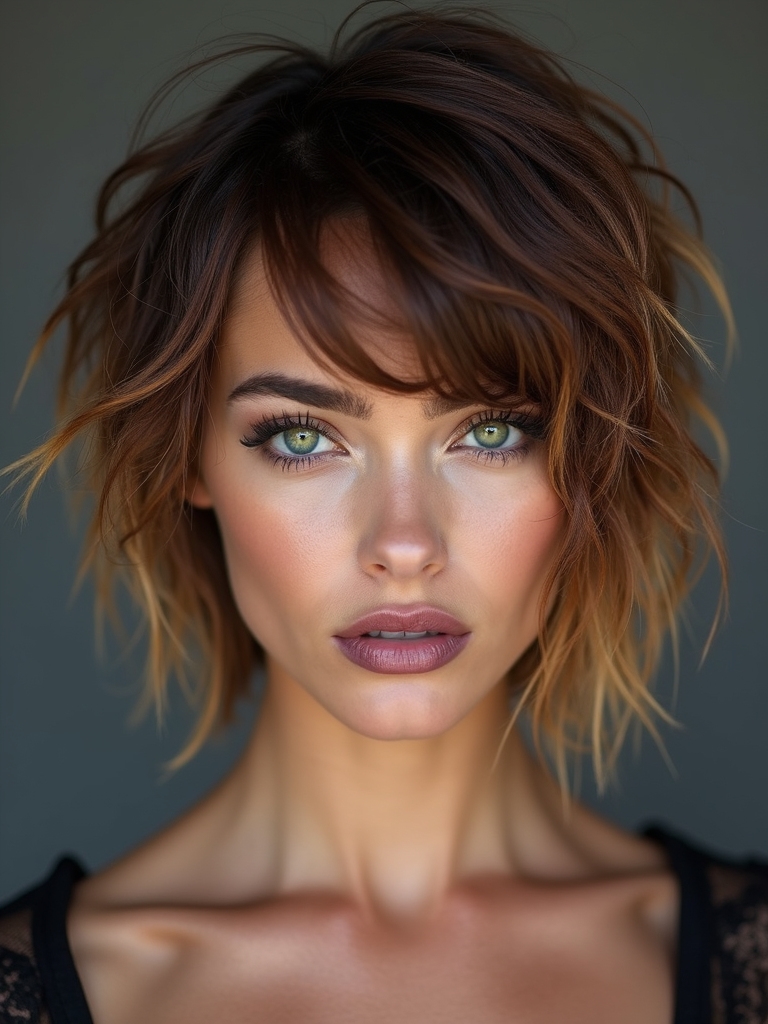
Leaving extra length at the nape while keeping the rest short tips a shag into mullet territory, and a blunt micro bang up top pushes the whole thing into full editorial territory.
The Editorial Option
It’s the most fashion-forward cut in this group, built entirely around movement and attitude, closer in spirit to a wolf cut mullet than to a traditional shag.
The micro bang is the real commitment, since it exposes the whole forehead and needs a trim faster than the rest of the layers. Keeping the crown-to-nape transition blended is what keeps this reading modern instead of dated.
📋Before Booking a Shaggy Mullet
- ✓Ask whether the fringe should sit above or right at the brow; a few millimeters changes the whole read
- ✓Bring a photo of the exact nape length wanted, since ‘a little extra’ means different things to different stylists
- ✓Ask how the transition gets reshaped on the second and third cuts, not just the first
- ✓Check whether the salon charges the bang trim separately from the full cut
A Wavy Shag With Flipped-Out Ends
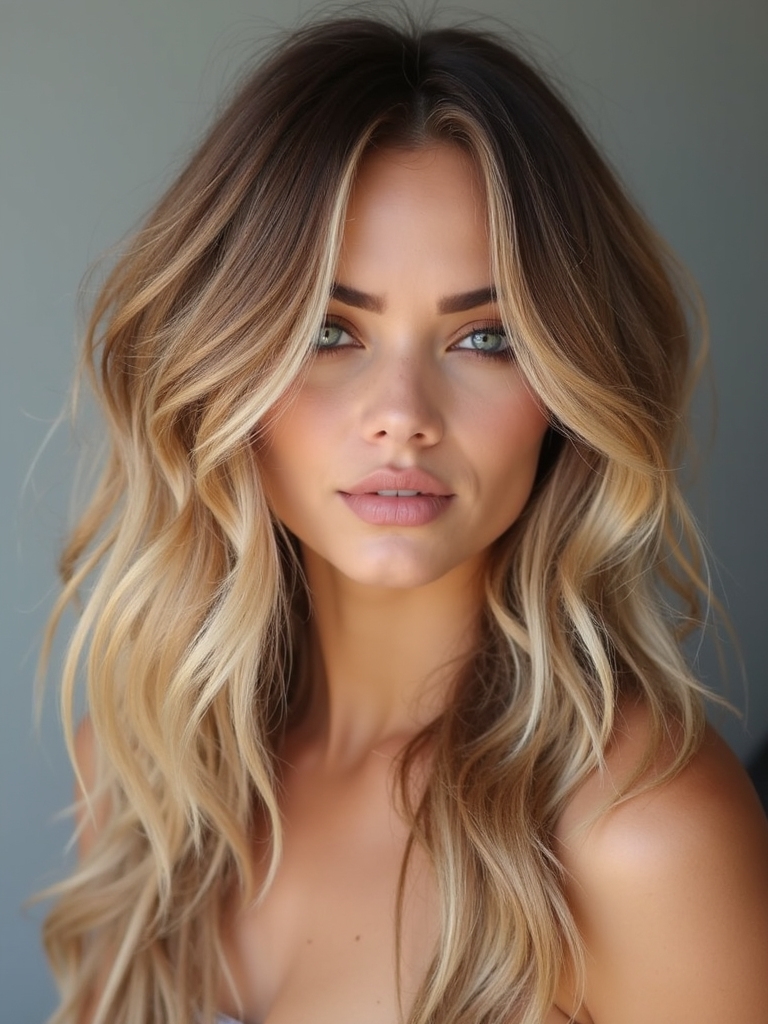
Natural wave falls easily into the piecey, beachy texture a shag is built around, and flipping the ends outward adds a playful, slightly retro bounce that shifts the whole cut from cool to fun. The wavy shag guide covers the longer version of the same flipped-out finish.
Very little effort goes into the result: a sea-salt spray scrunched into damp hair coaxes the wave into shape, and a flat iron flicks out only the ends that need direction. Limp waves get a touch of root mousse before drying, and a mid-day scrunch with dry texture spray brings the movement back if it falls flat by afternoon.
An Ear-Length Shag, Cropped and Piecey
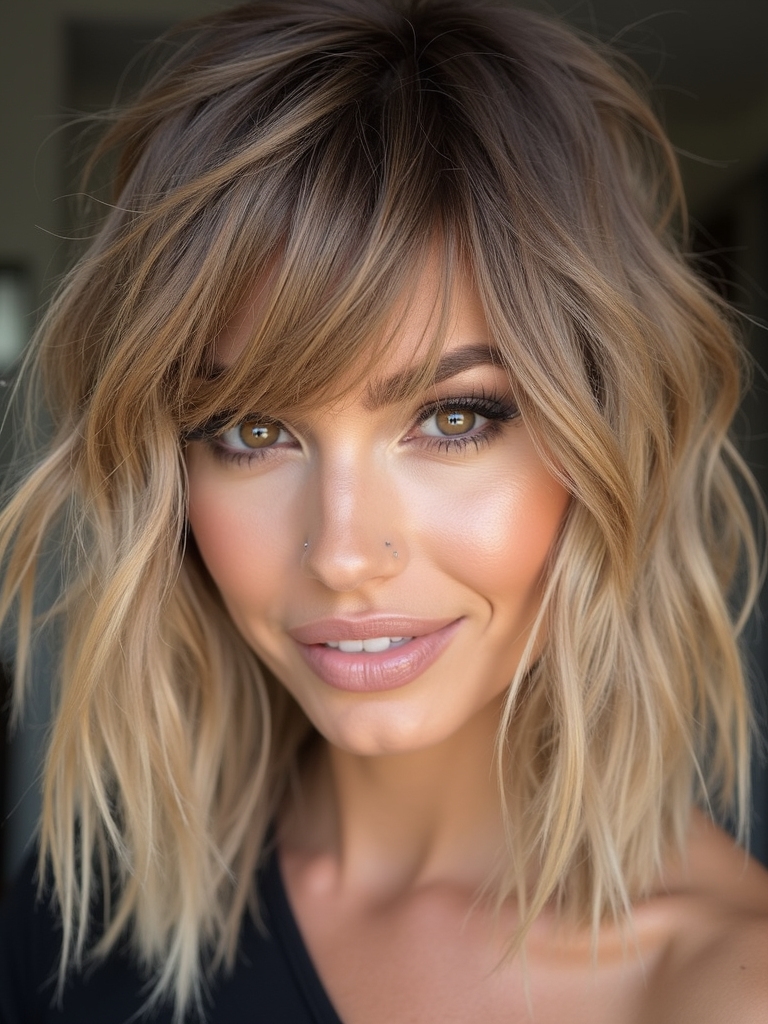
At the shortest end of the family sits the ear-length shag, cropped right up to the ear and packed with choppy, disconnected layers. It’s architectural and graphic, the kind of cut that reads as a deliberate statement, and it lives entirely on its own texture with almost nothing added on top. Longer, narrower faces tend to get the most out of this length, where the fullness sits right at the jaw instead of stretching the face further.
- The shortest, most striking option in this group, with nowhere to hide on an off day
- Air-dries faster than any other version here and needs only a little paste to define
- Grows out of shape quickest, so factor faster trims into the decision
Styling Tips That Work Across Every Version
Whichever shape gets chosen, the daily care is nearly identical, since every version in this family relies on the same core habit: shaping wet hair by hand and letting it air-dry rather than blow-drying it smooth. Rough-drying beats a full blow-out for keeping the pieces separated, and matte, gritty products beat anything glossy that flattens the layers.
Between washes, a little dry shampoo at the roots buys an extra day of lift. On wash day, working a leave-in or light mousse through hair that’s still dripping, letting most of the drying happen on its own, then breaking the pieces apart with a small amount of paste covers most of what any of these ten cuts actually needs.
Ten Ways In, One Right Fit
Ten looks, one shared advantage: they deliver a lot of personality for very little daily effort. Whether the softness comes from a curtain fringe or the edge comes from a micro wolf cut, the same air-dried, low-fuss spirit runs through the whole family, no matter which specific version ends up in the chair.
Narrowing the choice down to the version that matches a specific face shape and morning routine, and saving a clear photo of it, gives a stylist everything needed to take it from there.
More Worth Saving