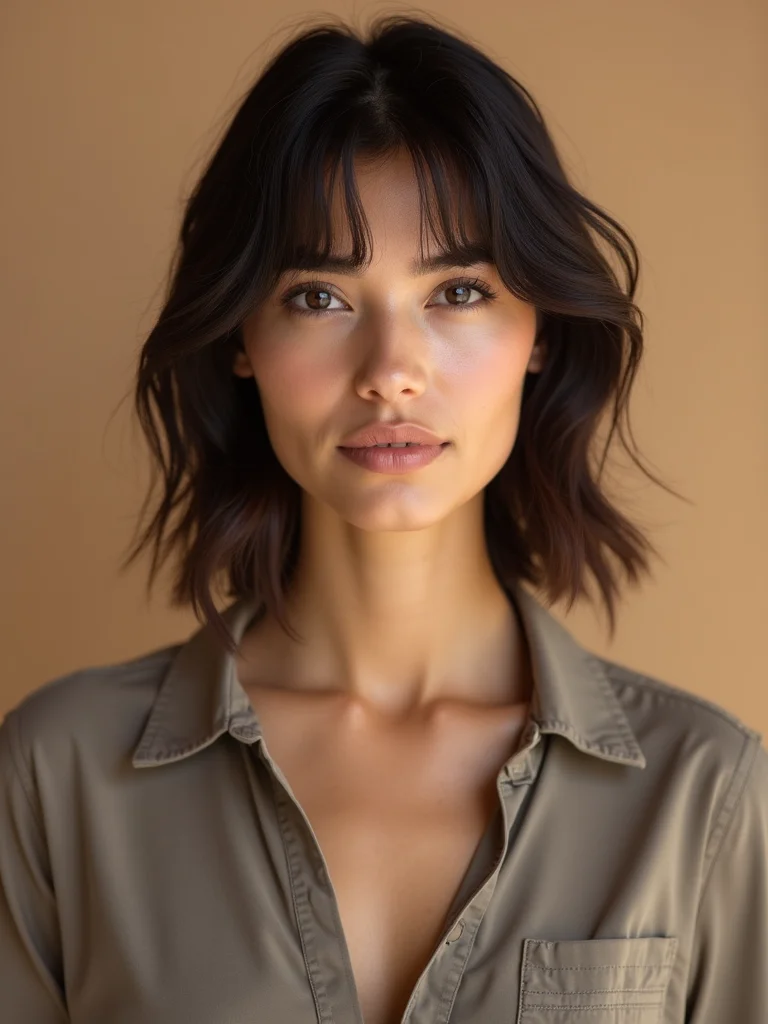
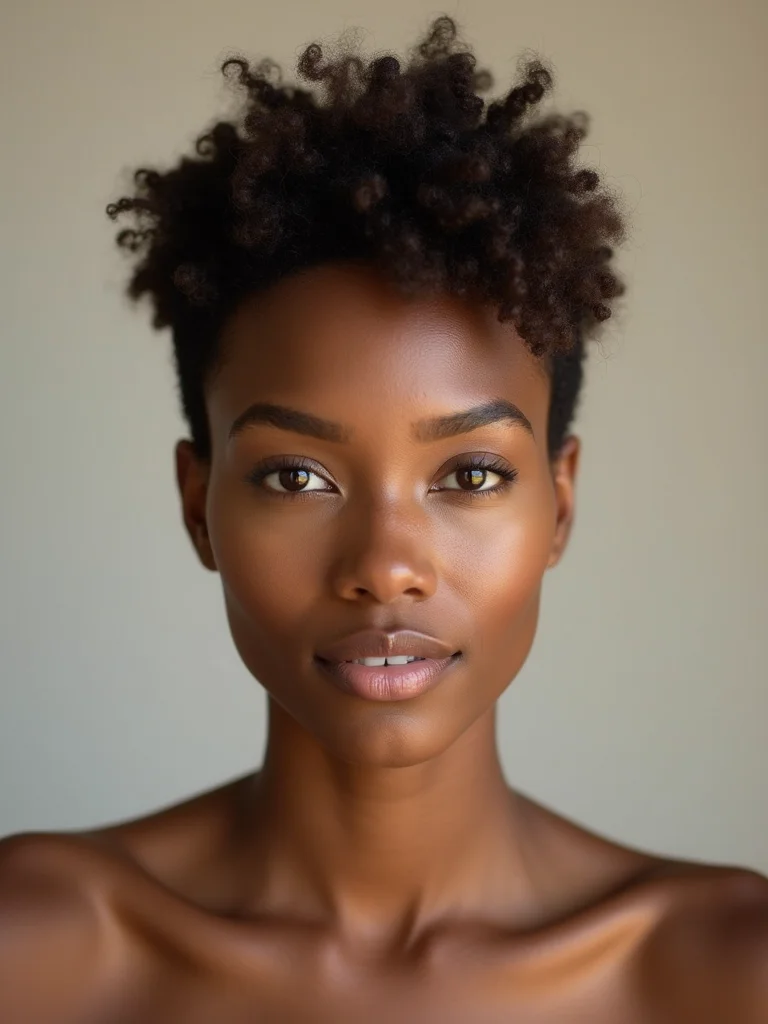
The word mullet still carries a decades-old mental image: business up front, party in back, cut with all the subtlety of a costume-shop wig. The shaggy version circulating now has almost nothing in common with that picture. Feathered layering blurs the short-long line into one deliberate shape, no longer two haircuts stitched together.
Hair type, face shape, and how much drama someone actually wants all change which version works best. What follows covers the wearable range, the exact language that keeps a stylist from cutting the costume version by accident, and the small choices that separate a shaggy mullet people compliment from one people just tolerate.
What to Know Before Booking One
- Face-framing pieces, curl pattern, and how much crown height someone wants all shift which version of the cut actually fits.
- Budget around $75 for the cut, with color running as a separate service on top of that.
- Curly, coily, wavy, and straight hair all wear it, though the cutting approach shifts with the texture.
- A soft balayage or a bold money-piece both work here; flat, single-process color is the one choice that tends to disappear into the layers.
The Taper That Actually Changed the Shag-Mullet
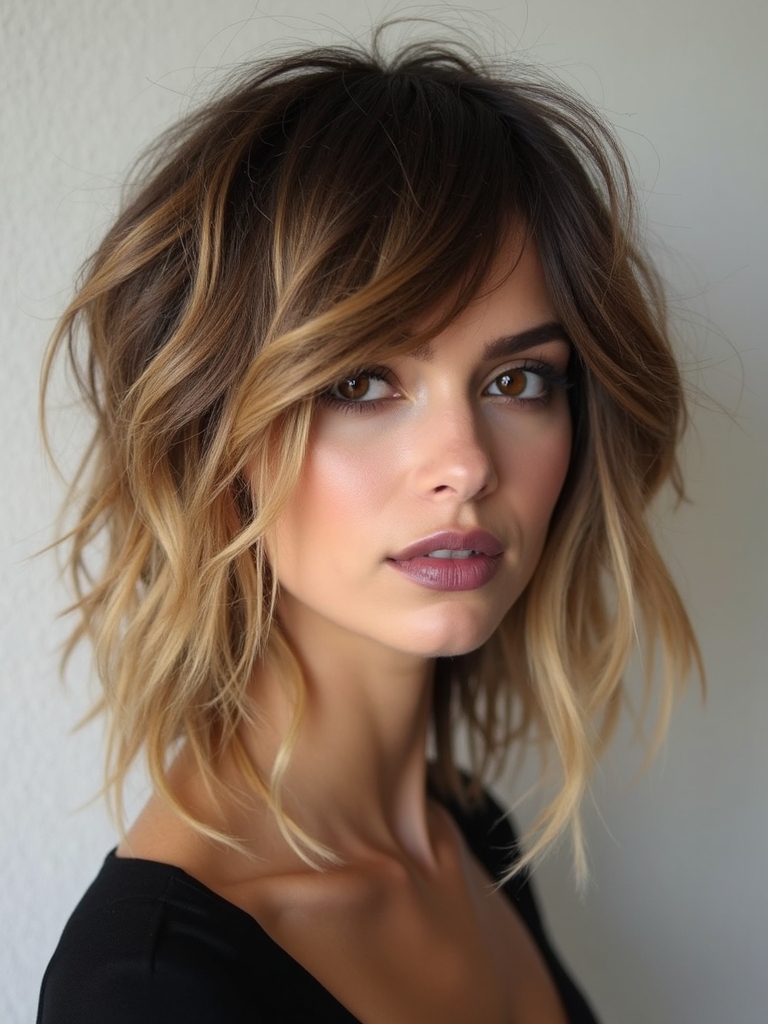
The modern shag-mullet keeps the classic shape, shorter through the crown and front, longer at the back, but softens the transition with feathered layering so there’s no hard jump between the two lengths.
Where the Hard Line Went
That blended transition is the entire difference from the 1980s original. The old version had a sharp line where short met long; the current one tapers and textures that line until it disappears, so the whole thing looks like one continuous shape.
In my chair, that single detail is usually what convinces a nervous client to actually go through with it, since the finished shape looks nothing like the reference photo they were dreading. It’s a far more flexible starting point than the reputation suggests.
The Layering That Keeps It From Looking Heavy
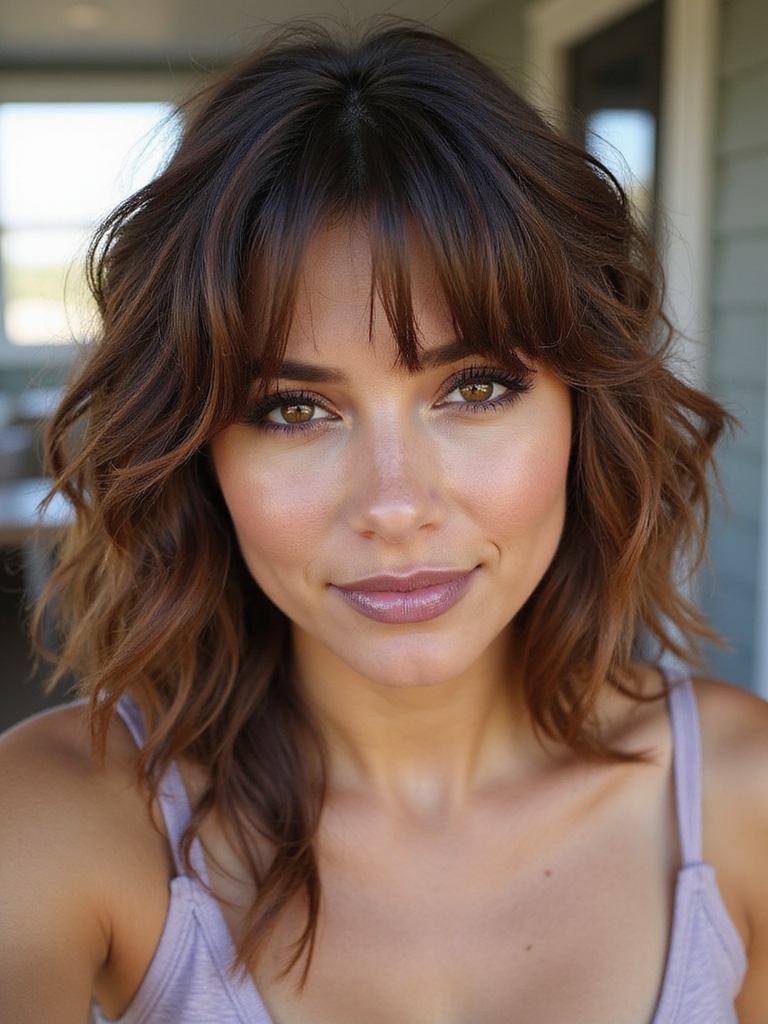
Texture is what keeps a shaggy mullet from feeling heavy or dated, so the layering carries as much weight as the shape itself. Feathered layers running through the length add lightness and movement, trading away the dense, helmet-like weight the original version was known for.
- Feathered layers keep the back from hanging as one flat, heavy curtain.
- Texturizing through the crown adds lift that balances the length below it.
- Piecey, separated ends keep the whole shape looking current and intentional.
A Face-Framing Fringe Softens the Boldness
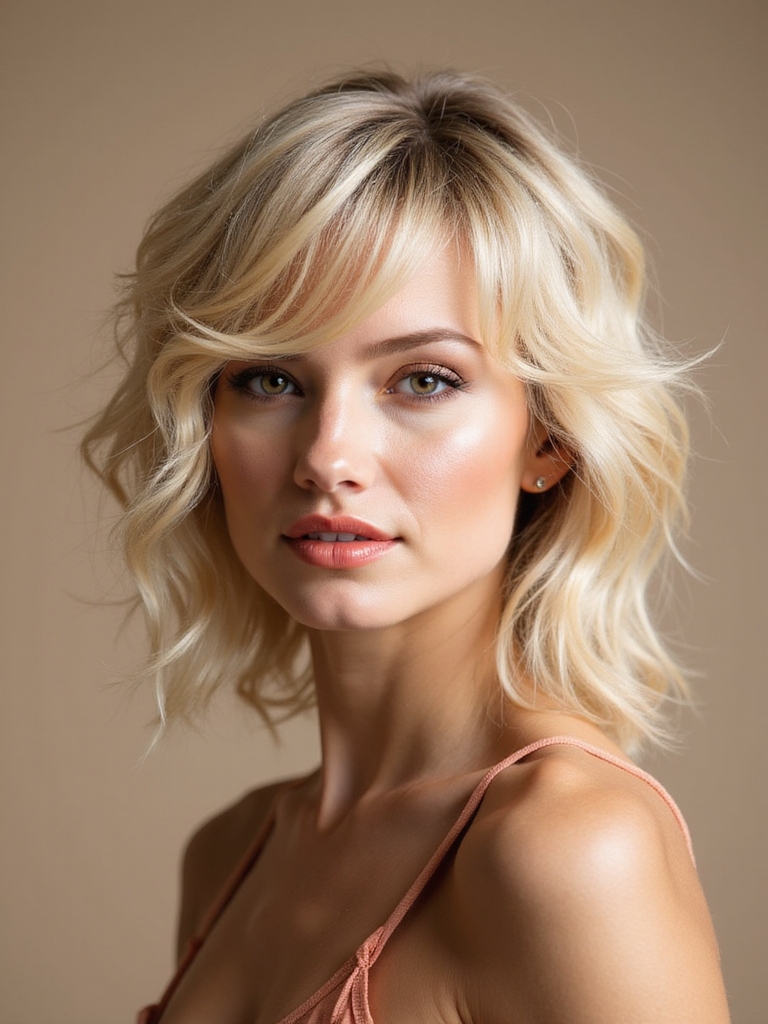
Adding a soft fringe is one of the more reliable ways to make a shaggy mullet feel wearable, since it shifts focus toward the face and takes some of the boldness out of the back.
Why the Fringe Softens Everything
Curtain bangs or a piecey, soft fringe blend into the shorter front layers without any hard edge, so the fringe and the layers behind it speak the same textured language.
Clients who like the idea but hesitate on commitment often use the fringe as a way in. It makes the whole cut feel like a styling choice, a gentler entry point, even though the underlying shape is identical either way.
A quick gut-check before booking.
1You work in a conservative office and can’t show up with a drastic change.
Ease in with just the fringe first; the fuller transformation can wait a few appointments.
2You’ve never had layers before and don’t know how your hair will react.
Ask for a longer starting length so the crown volume gets added gradually over two or three visits.
Why Curls Take to a Shaggy Mullet
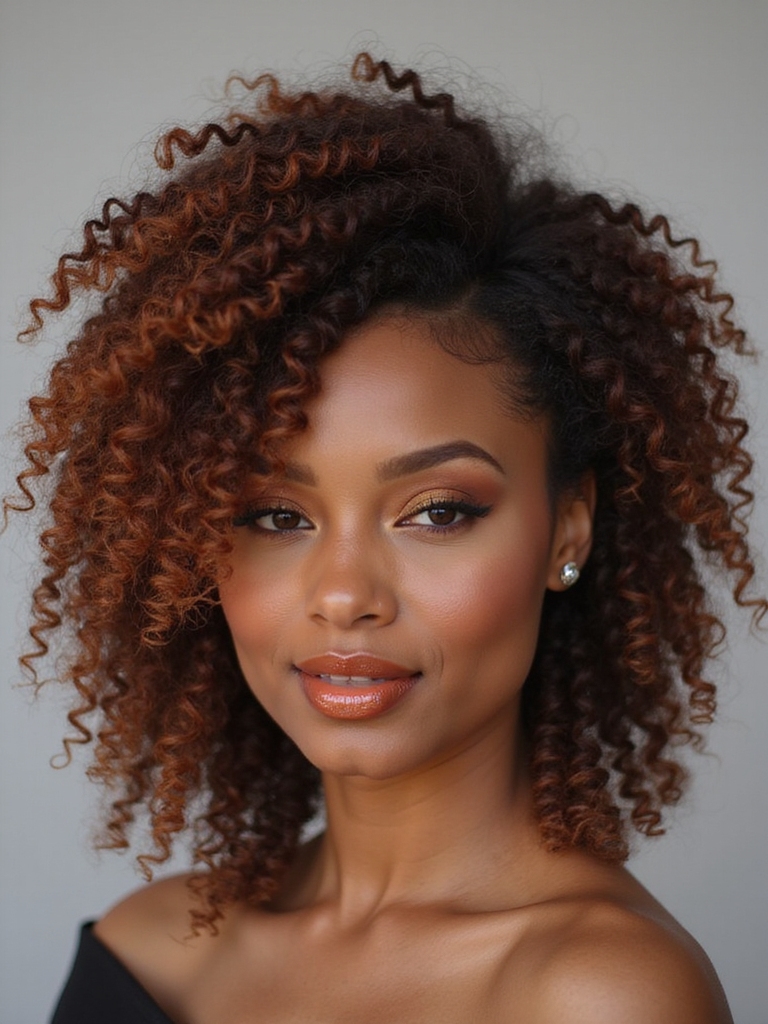
Curly and coily texture pairs naturally with the shaggy mullet, since the hair’s own volume and shape do a lot of the visual work the cut is chasing. The curl pattern already softens the short-long line on its own, adding built-in texture no cutting technique could fake. The shag mullet on curly hair version leans on exactly this advantage.
- Cutting dry, curl by curl, is the default here; it’s the only way to see where the shortest and longest pieces actually land once the pattern springs up.
- For tighter coil patterns, a stretched check partway through, gently pulling a section to its full length before the final pass, helps confirm weight is coming out evenly rather than guessing from the sprung shape alone.
- Extra volume at the crown reads as a feature here, not something that needs fixing. Detangling gently and working in small sections keeps tension off the hairline, which matters more for coil retention than any cutting technique does.
Straight and Wavy Hair: Building In the Contrast
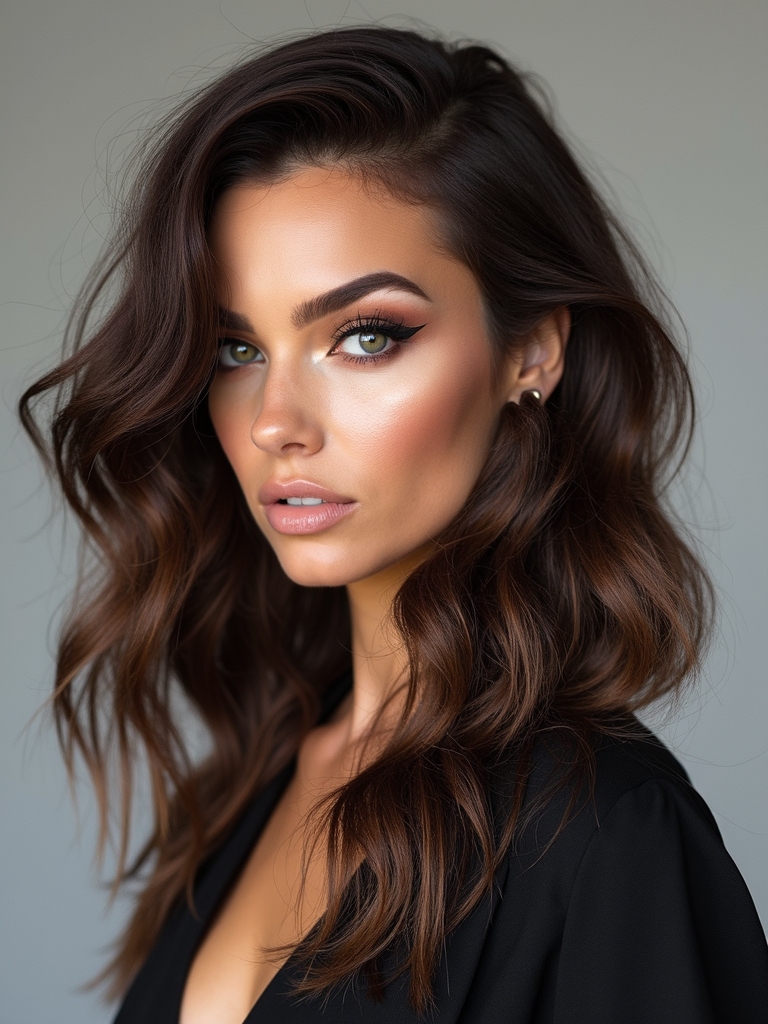
Wavy and straight hair can carry this shape too, but the texture curls provide naturally has to be built in by hand. That means heavier shag layering and piecey, shattered ends to manufacture the movement the shape depends on.
- Straight hair needs the most deliberate texturizing, since there’s no natural bend to lean on.
- A texture spray and finger-tousling after drying keeps the shorter-longer line looking intentional.
- Wavy hair sits in between, needing less manual texture than fully straight strands.
| Texture | What Changes | Cut Wet or Dry |
|---|---|---|
| Straight | Heaviest shag layering, most manual texturizing | Wet, then refined dry |
| Wavy | Moderate layering, natural movement assists | Wet, then refined dry |
| Curly / Coily | Lighter cutting touch, pattern does the work | Dry, curl by curl |
A Fluid Cut Worn Openly Across Genders
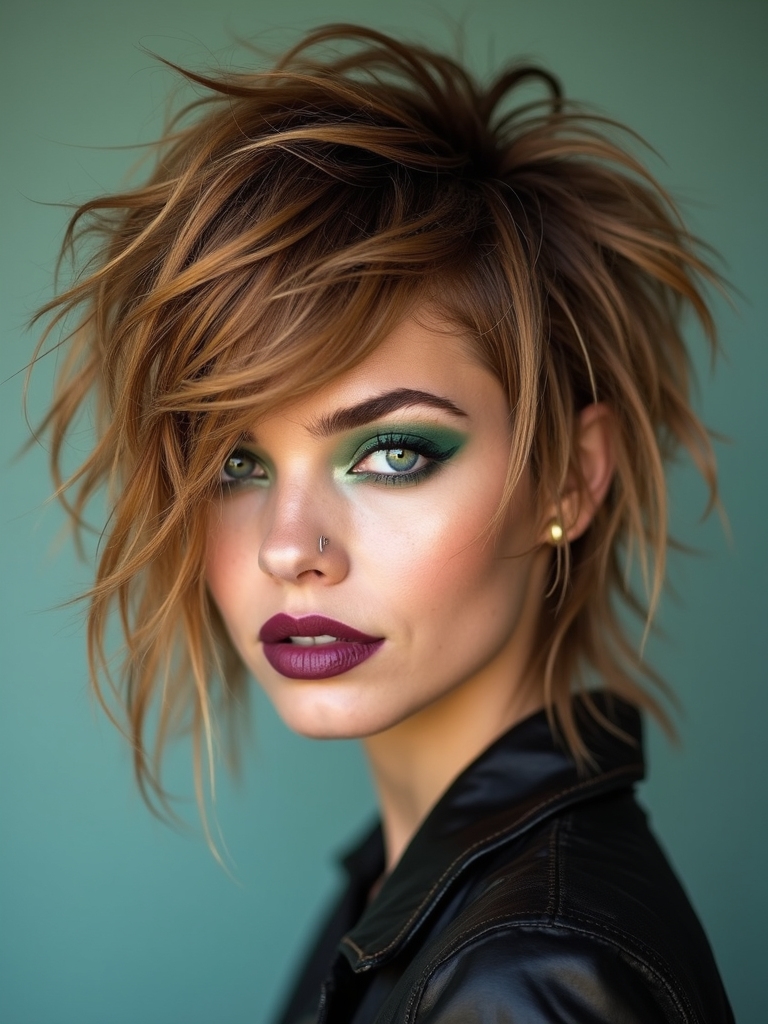
One notable shift in the shaggy mullet’s return is how openly it’s worn across genders, without reading as coded toward any one group. The same textured, short-long shape lands well regardless of who’s wearing it, and the cutting adjustments involved are more about hair type than anything else.
The practical difference usually comes down to weight distribution rather than gender at all: finer, shorter hair overall tends to want a shallower taper and less crown lift so the shape doesn’t look thin at the ends, while thicker or longer starting hair can handle a more dramatic taper without losing body.
A clear reference photo of the exact balance wanted is usually enough for a stylist to translate it correctly, regardless of who’s sitting in the chair.
Upkeep and Grow-Out: Lower-Effort Than It Looks
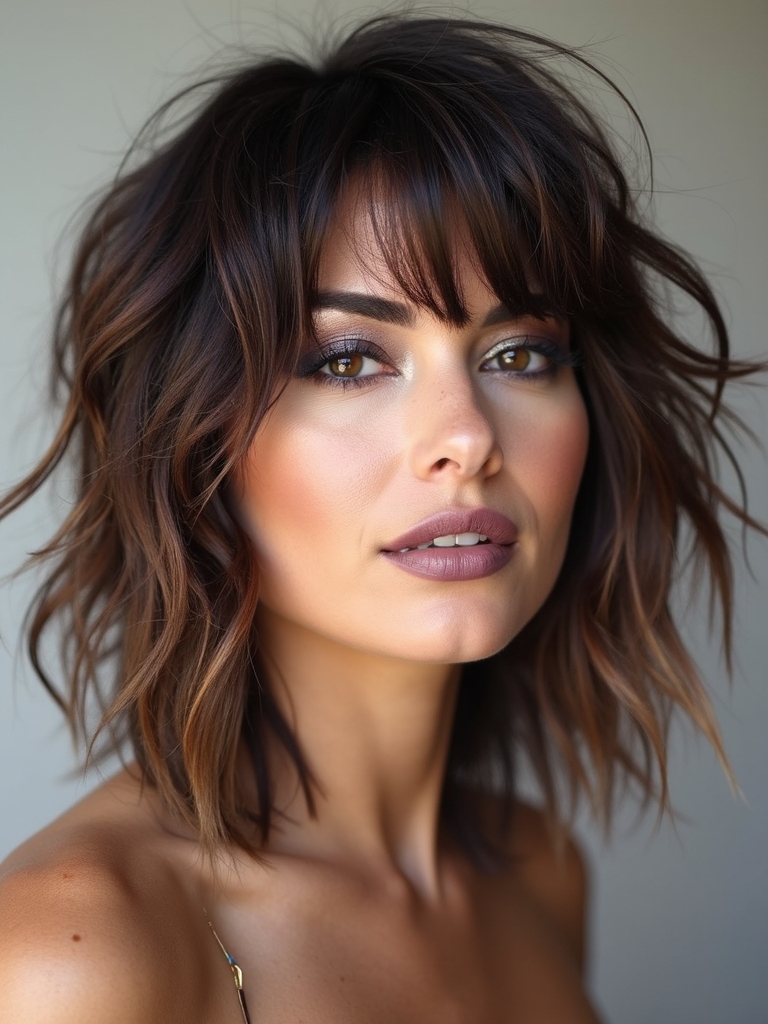
Most mornings need only a scrunch of product and an air-dry. Day to day, a shaggy mullet is lower-maintenance than its bold reputation suggests, since the textured finish is meant to look a little undone anyway.
The shape itself needs a reshape on roughly a ten-week rhythm, since the short-long contrast is the whole point and it’s also the first thing to soften as hair grows. Left too long, the cut settles into an ordinary long shag, and the mullet’s edge quietly disappears.
The Exact Techniques Worth Requesting

The line between a wearable shaggy mullet and a costume version comes down almost entirely to the cutting, which makes the exact request worth getting right. A full cut with the necessary point-cutting and texturizing typically takes 45 to 60 minutes, longer than a simple one-length trim.
Specific vocabulary steers a stylist toward the modern version, and it takes less than a minute to say clearly.
- Ask for the transition soft and tapered, not sharp or disconnected.
- Request a tapered, textured neckline at the back rather than a blunt cut edge.
- Specify plenty of texturizing through the crown so the top carries real movement.
What’s Safe DIY Trimming and What Isn’t
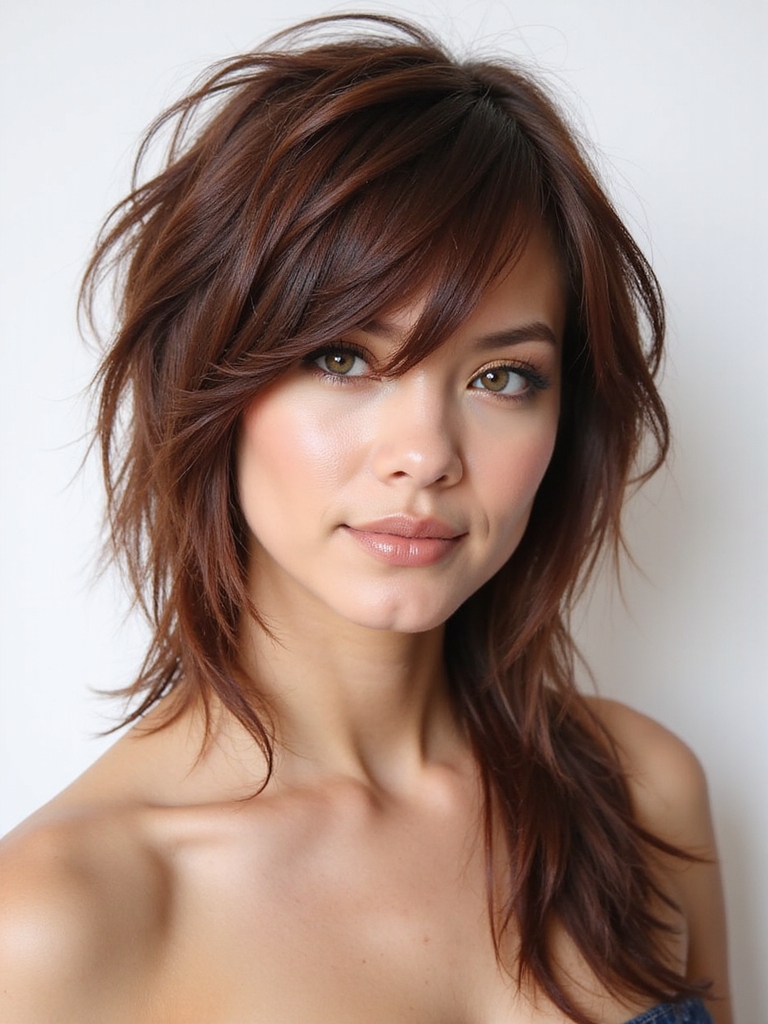
Why not just do it at home between visits? DIY mullet tutorials are everywhere online, and the temptation is understandable, but the shape itself is difficult to cut alone. More than one client has come in asking for a rescue after the short-long balance drifted out of proportion within a few snips at home.
A little home maintenance is reasonable between salon visits. Reshaping the actual cut is not.
- Safe at home: dusting a fringe or snipping a few stray long ends.
- Best left to a stylist: the crown layers, the back length, and the transition itself.
- If trimming anything solo, cut dry and snip upward into the ends rather than straight across.
- Sharp, well-maintained shears matter more than most people assume; dull scissors tear ends instead of cutting them cleanly.
The parts of this cut that look thrown together are usually the parts that took the most planning.
Products That Match the Texture
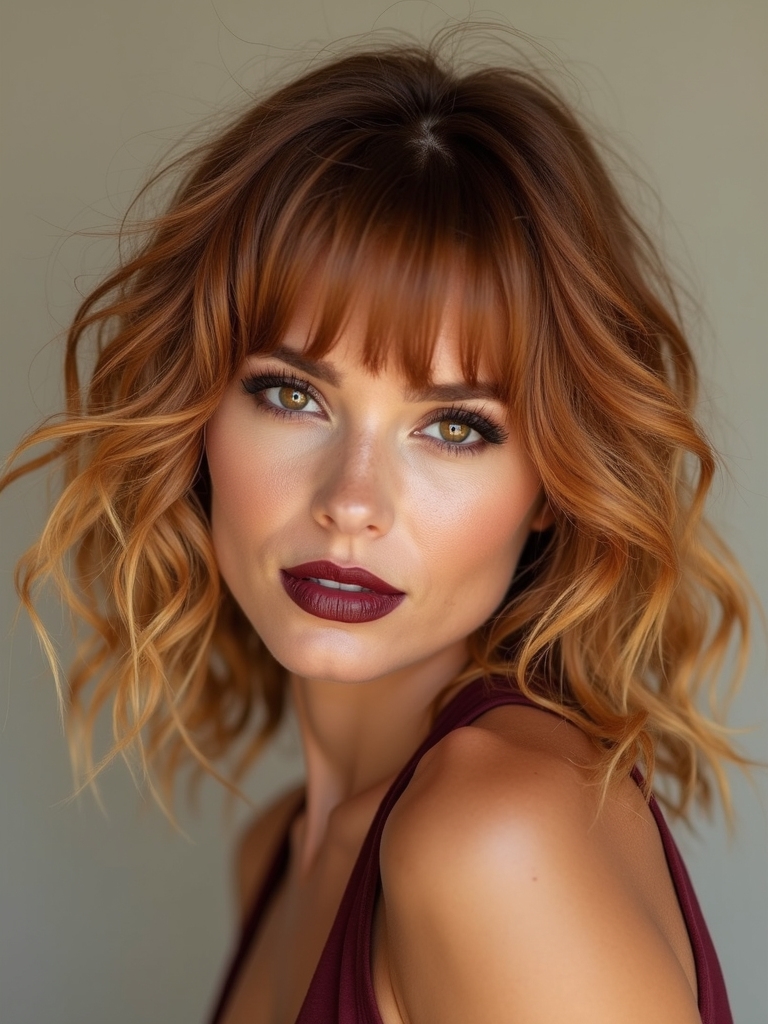
A shaggy mullet responds better to grit than to shine in nearly every case, since a smooth, glossy finish works against the piecey texture the cut depends on.
A sea-salt or texture spray typically serves as the main product, with a matte paste or a little texturizing powder added at the crown for extra height. Heavy serums and glossy oils tend to weigh the texture down.
Tools stay minimal by design, matching the cut’s low-effort spirit: fingers for scrunching and separating, plus a diffuser for anyone working with curls.
How Loud to Take the Color
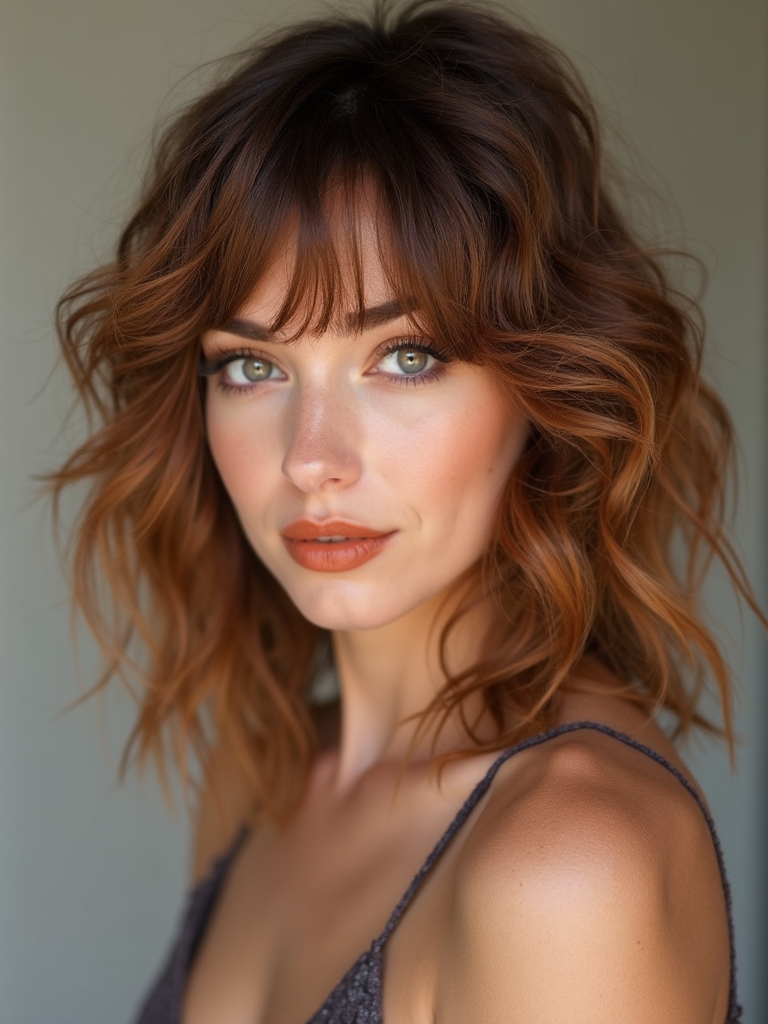
Color and the shaggy mullet suit each other naturally, since the cut’s edge already invites a little boldness and the layering gives painted color somewhere to move.
How Loud to Go
A soft balayage with a smudged root follows the layers and keeps upkeep light, typically running $120 to $220 depending on length and how much lightening is involved. A vivid, saturated color or a bold money-piece at the front runs closer to $80 to $150 as an add-on, and leans harder into the cut’s attitude for anyone chasing more drama.
Dimension tends to beat flat, single-process color here, since the layering itself is what makes painted color visible in the first place.
Two color myths worth clearing up before booking.
❌ Myth: Myth: bold color only works on the boldest version of the cut.
✅ Reality: A softer, fringed shaggy mullet carries a vivid color just as well; the shape doesn’t dictate the shade.
❌ Myth: Myth: color will fade the texture out of the layers.
✅ Reality: The opposite tends to happen; dimensional pieces catch the light differently as each layer moves, which makes the texture more visible, not less.
The Cultural Movement Behind the Shape

The mullet’s reputation runs deeper than any single decade, and a little history explains why today’s version looks the way it does. The short-long shape has cycled through fashion repeatedly, hitting different peaks before settling into its current, softer form.
- It surged through 1970s glam rock as a statement of rebellion and attitude.
- It became a mainstream staple, then a punchline, across the 1980s and into the 1990s.
- Social media gets most of the credit for the current comeback, since short-form before-and-after clips made the shape familiar to people who’d never have recognized it from an old photo alone.
Styling It With Clips, Scarves, and Hats
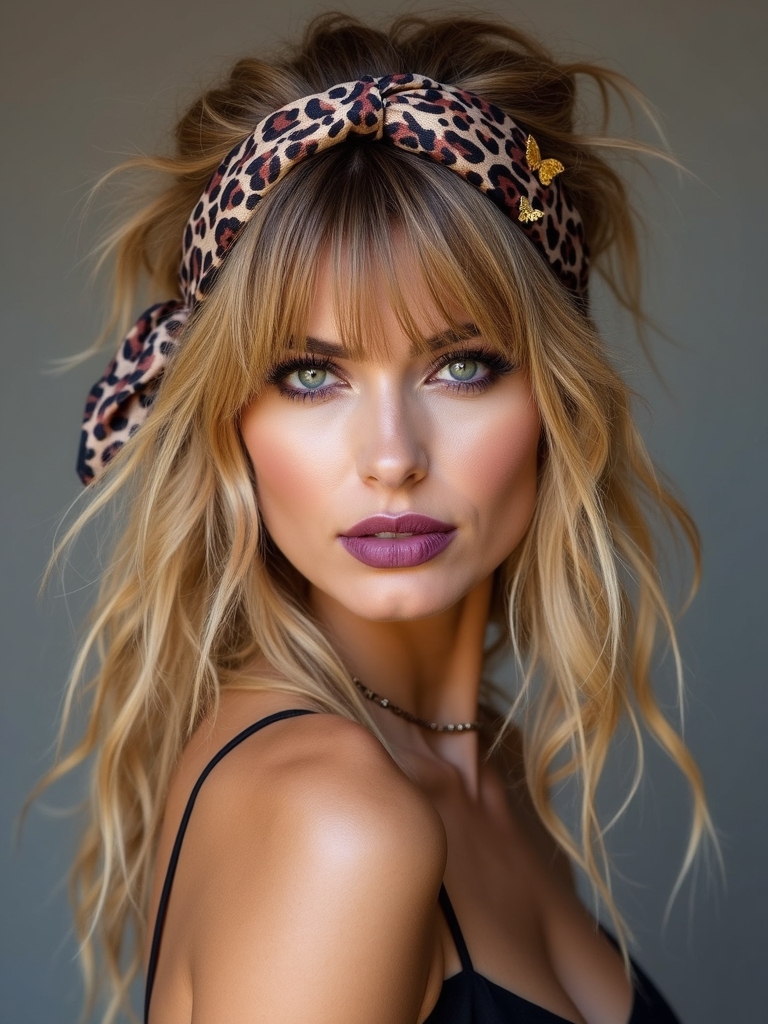
Clips, scarves, and hats all land better on a shaggy mullet than most people expect, and they’re an easy way to shift its mood without a trip to the salon. Hats in particular sit well here, since the shorter top tucks under easily while the longer back still shows underneath. The texture itself gives clips and scarves something to actually grip onto.
- Small claw clips or pins can pull the front pieces back to show off face-framing.
- A scarf tied as a headband pushes the textured crown up for a retro nod to the cut’s roots.
The Small Mistakes That Push It Toward Costume
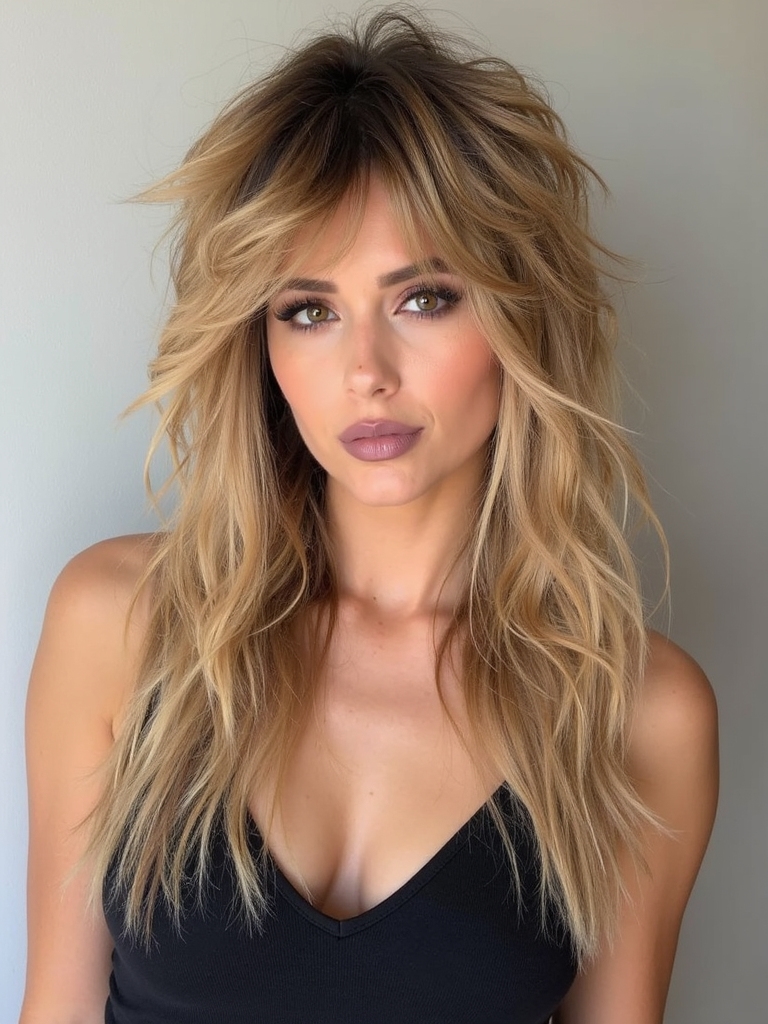
What actually pushes a shaggy mullet toward costume territory? Most causes are fixable without starting over, which makes recognizing them worth more than just avoiding them.
A handful of specific missteps account for nearly every complaint about the cut looking wrong.
- Too harsh or disconnected: a texturizing pass at the next visit softens the transition.
- Flat and dated: more piecey texturizing through the crown restores the missing movement.
- Reads dated instead of retro-cool: a shorter, more disconnected crown usually resets the whole impression.
Extra Texture That Pushes It Toward Wolf-Cut Territory
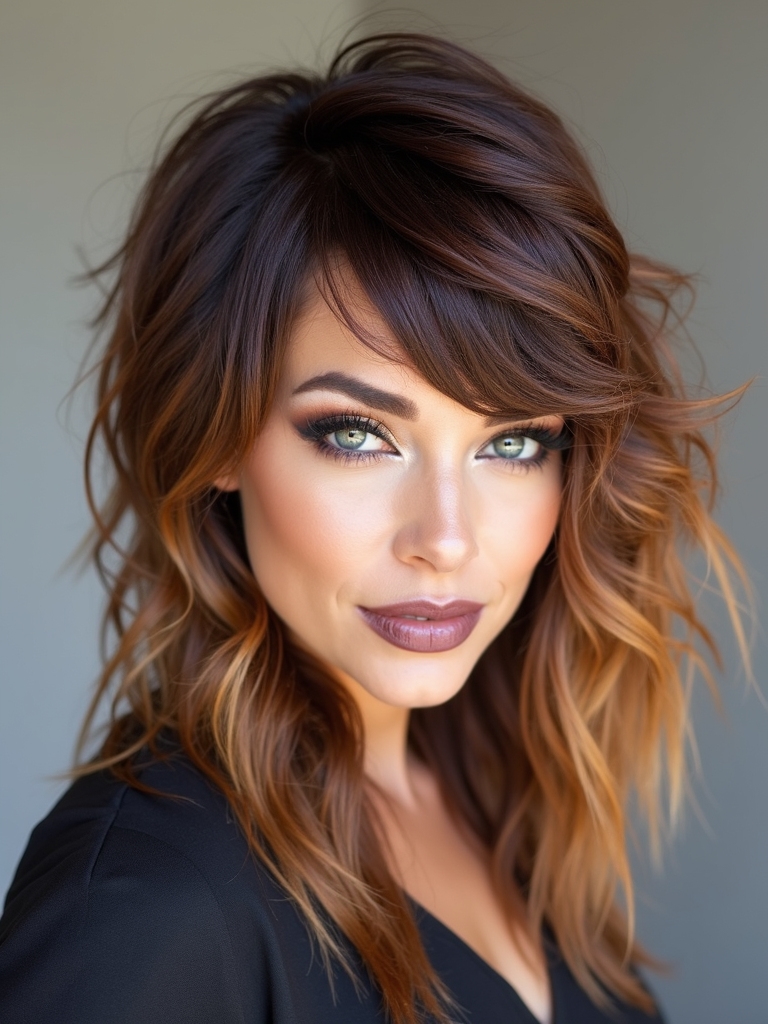
Every so often a client comes back to my chair a few visits later wanting more. For anyone who finds the standard shaggy mullet too quiet, pushing the texture and layering further moves it toward wolf-cut territory, the boldest end of the same family. The underlying short-long structure stays the same; only the volume changes. The mullet wolf cut shows roughly where that ceiling sits.
- Heavier, more disconnected crown layering adds dramatic volume up top.
- A choppier, more piecey finish throughout reads as maximum, rocker-leaning texture.
- Lean fully into the undone finish; the bolder the cut goes, the more intentional the mess needs to look.
How to Get the Look
Three specifics cover most of the request: soft and blended through the transition, a length that clears the collar for versatility, and a stylist who can point to other shaggy mullets in their portfolio.
A fringe dusting between full visits usually runs far less than the cut itself, sometimes even folded into a bang trim at no charge, which keeps the shape looking fresh without a full reshape. Anyone wanting less length overall can compare notes against a pixie mullet instead, since a shorter starting point still uses the same soft transition.
The Transition Is the Whole Story
Everything intimidating about a mullet lives in a single hard line, and softening that line is the whole job. What’s left is a textured, wearable cut that happens to carry a bold name.
Anyone still on the fence might start by browsing a mullet shag for a bolder comparison point, look at how the shape holds up on shaggy long hair, or compare notes against the cropped-crown shaggy pixie mullet before deciding how far to take it.
Keep the Inspiration Going