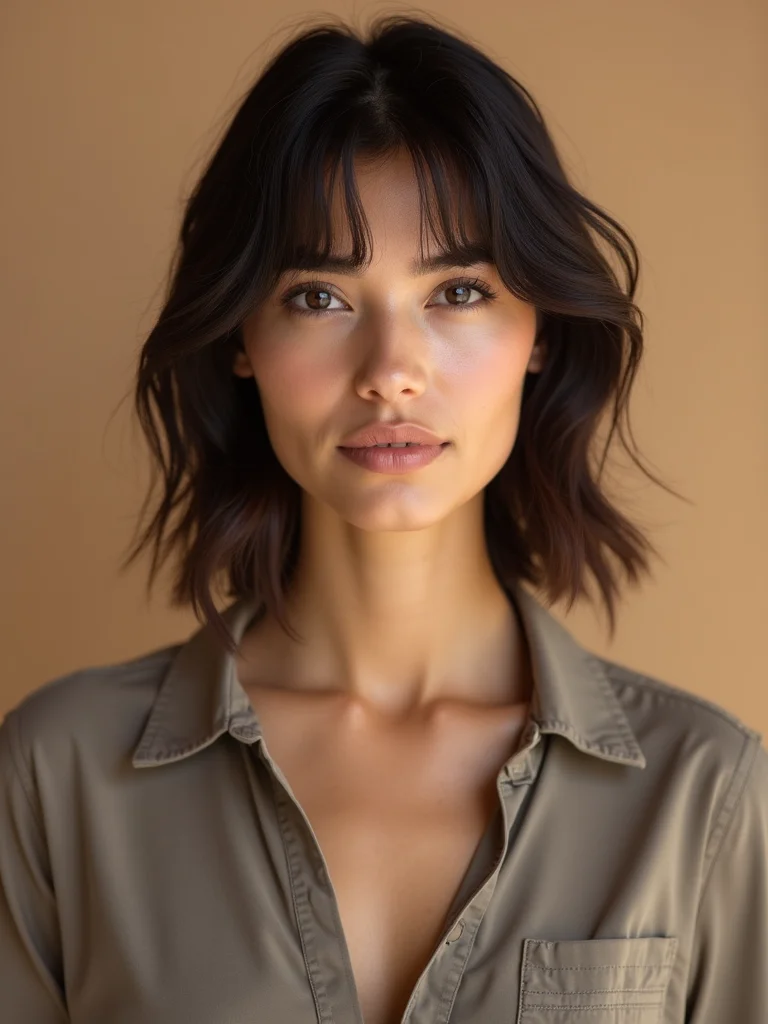
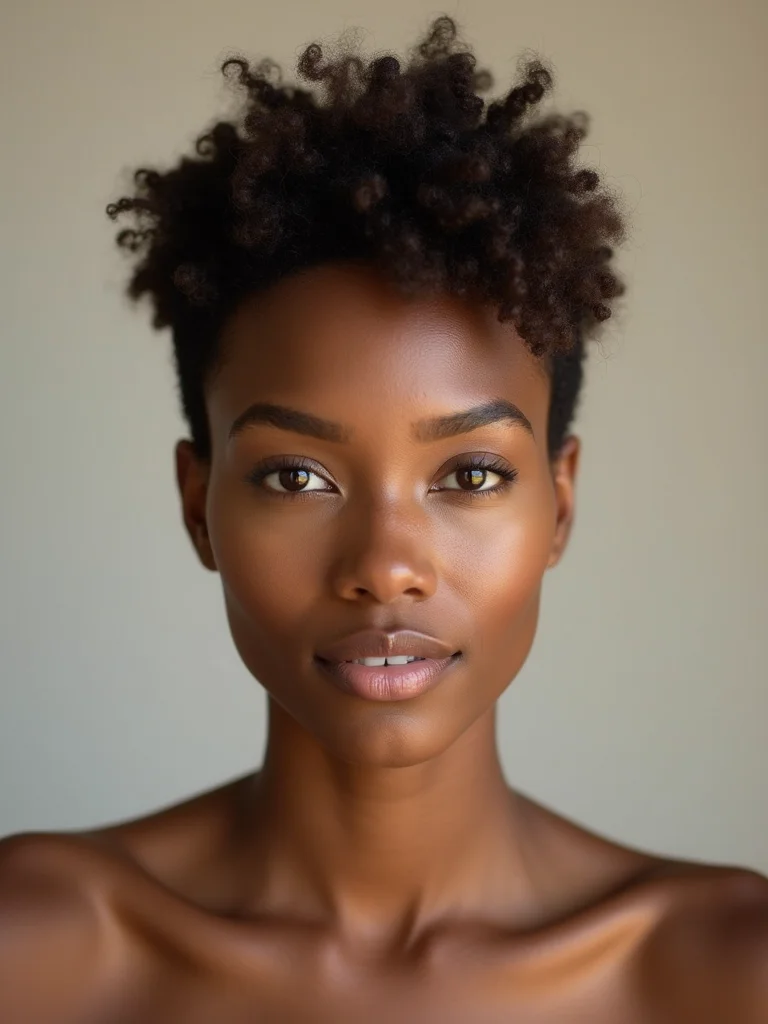
Thinking about bangs? Almost everyone does, usually right before a big change, and almost everyone hesitates, sure their face shape or hair type rules them out. It rarely does. There’s a fringe for every face, texture, and comfort level, from a barely-there wispy version to a bold, blunt statement. The question isn’t whether bangs suit you, it’s finding the bangs that do.
This is the full map of the fringe world, every major type of bangs in one place, with who each flatters, how much upkeep it asks for, and how to style it on your texture. Use it to find the right fringe before you sit in the chair, then follow the link to a deeper guide on whichever one catches your eye.
Find Your Fringe at a Glance
| Fringe | Commitment | Best for |
|---|---|---|
| Wispy | Low | Easing in, fine hair |
| Curtain | Low | Almost every face |
| Blunt | High | Bold looks, straight hair |
| Side-swept | Very low | The commitment-shy |
Soft Wispy Bangs for Gentle Movement
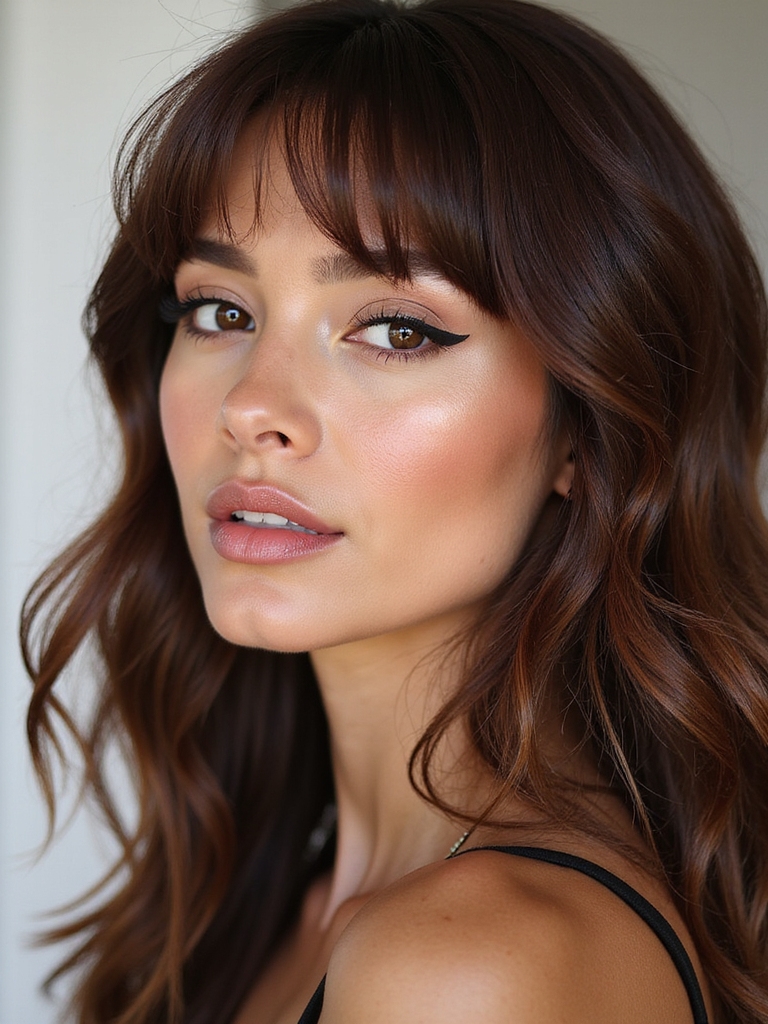
If you’re nervous about bangs, start wispy. A wispy fringe is cut thin and piecey, with little gaps that let your forehead peek through, so it frames the face gently without the weight of a heavy bang. It’s the softest, most forgiving way in.
Because they’re light, wispy bangs suit fine and thin hair especially, adding face-framing softness without dragging anything down. They also grow out kindly, thinning into face-framing pieces with no awkward wall-of-hair stage.
- The lowest-commitment fringe, ideal for first-timers.
- Best on fine to medium hair, where the wispiness reads soft.
- Softens into face-framing layers as it grows.
Curtain Bangs That Flatter Almost Every Face
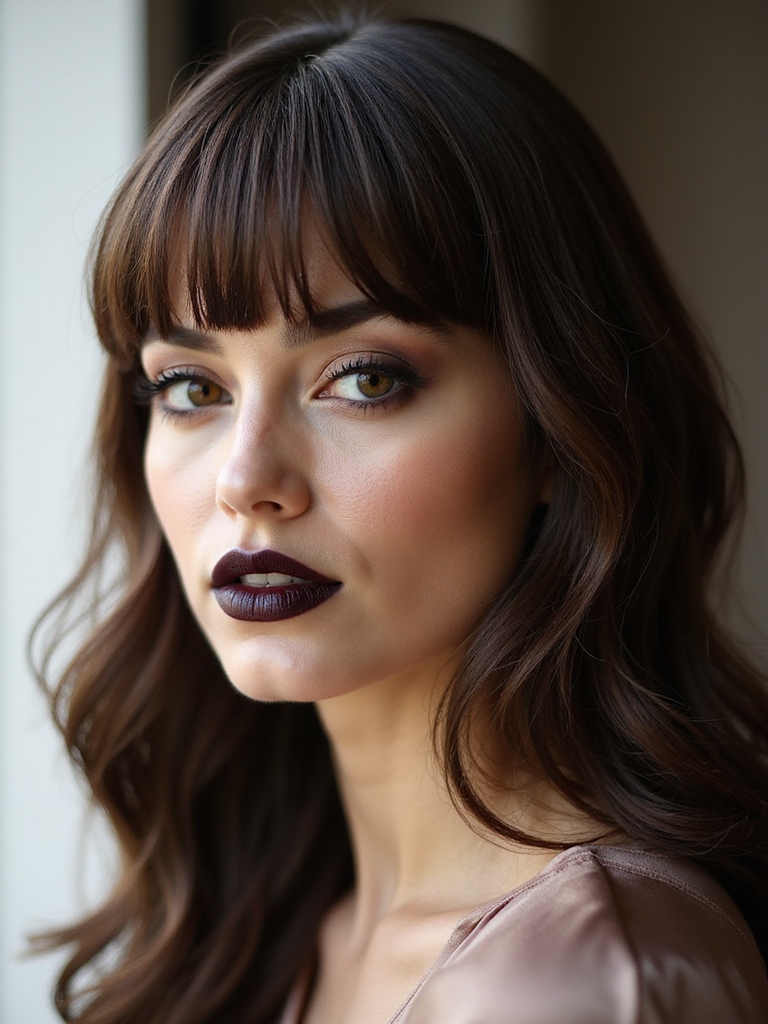
If any fringe is universal, it’s the curtain bang. Split down the center and swept back to graze the cheekbones on each side, it frames the face like open curtains, and that soft framing is what flatters nearly every shape. It’s soft, adjustable, and endlessly wearable.
The length is up to you, from cheekbone-grazing to well past the jaw, and it melts straight into the length around it with no separate stage to manage. That makes it the easiest fringe to live with and to grow out, which is why it’s been the most-requested bang for years running. It also works at nearly any length of hair, from a pixie to waist-length, part of why it never really falls out of style.
Two things people get wrong about bangs:
❌ Myth: Myth: bangs don’t suit glasses.
✅ Reality: Curtain and side-swept bangs sit around glasses easily; just ask for a touch of extra length so they frame the glasses without colliding with them.
❌ Myth: Myth: bangs are impossible with a cowlick.
✅ Reality: A stubborn cowlick just needs the right cut. A skilled stylist works with it, and curtain bangs in particular hide one well.
A Blunt Straight-Across Fringe for Bold Impact
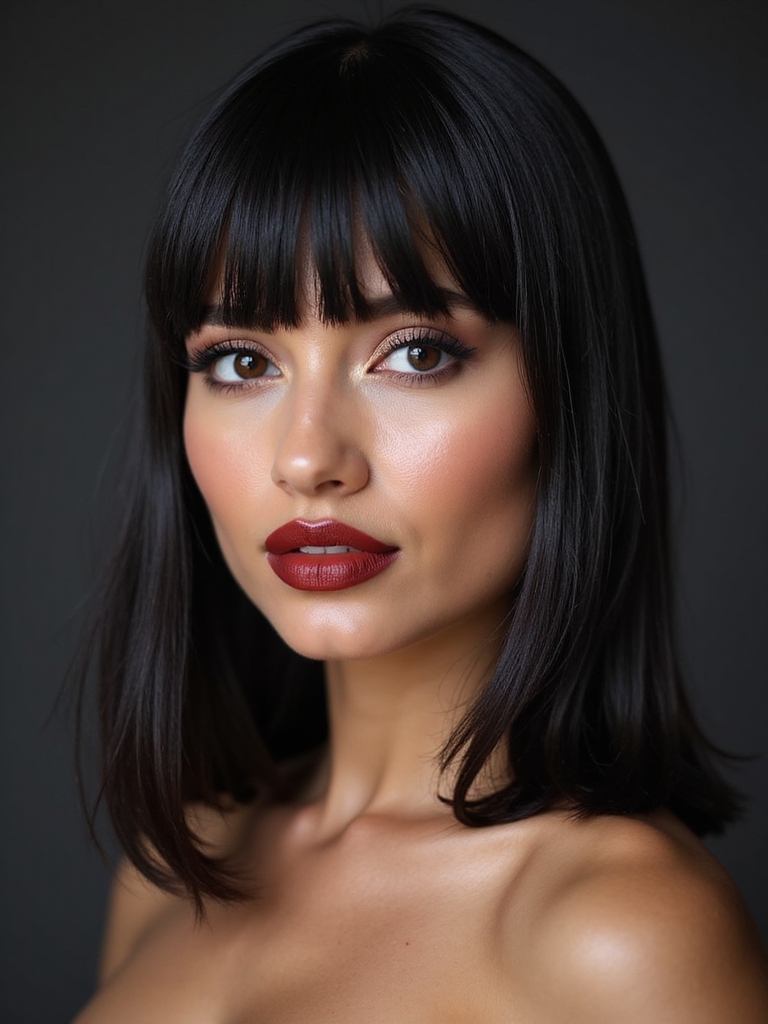
At the opposite end sits the blunt fringe, cut straight across the forehead in one dense, graphic line. It’s the boldest bang of all, and it makes the strongest statement, framing the eyes and drawing every bit of attention up to them.
Is It Right for You?
It’s a commitment in every sense. A blunt fringe needs enough hair to look full, frequent trims to hold its line, and a forehead and hair type that can carry the density. It’s happiest on straight, thick-to-medium hair that lies flat.
Blunt bangs reward strong features and balanced foreheads, and they can overwhelm very fine hair or a very high or low forehead. If you love the look but aren’t sure, a slightly softer, textured blunt fringe is a gentler way to test it.
Textured Shaggy Bangs to Add Volume and Edge
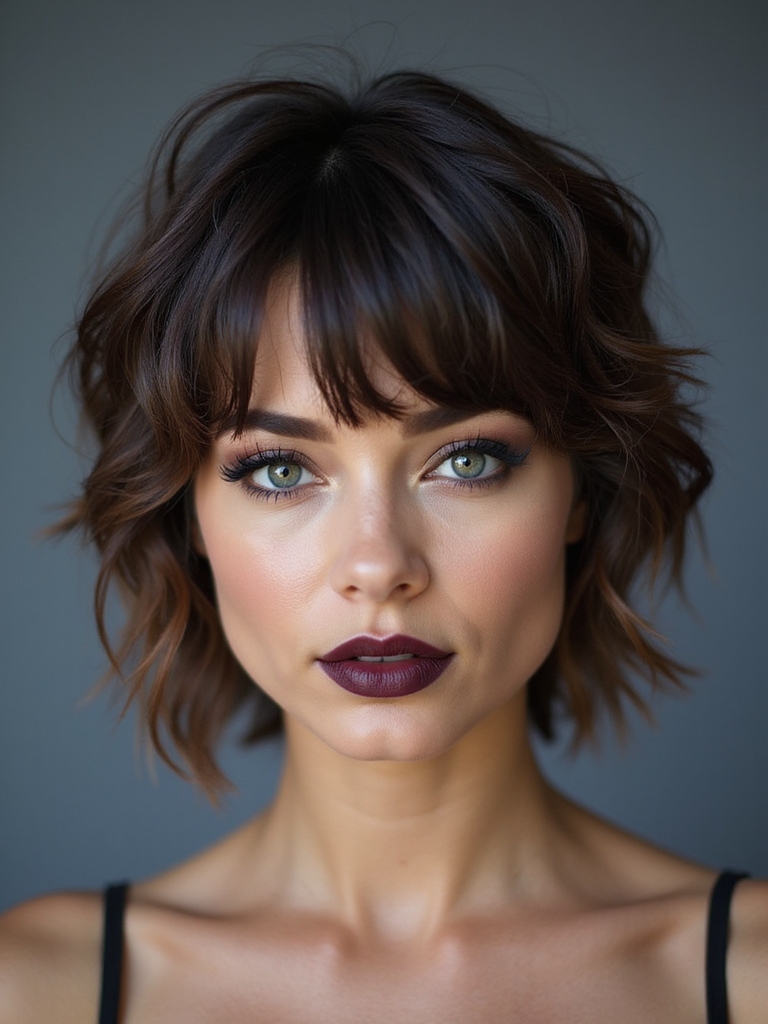
For the cool-girl end of the spectrum, shaggy bangs are choppy, piecey, and full of texture. Cut with lots of separation and often paired with a shag, they trade a clean line for edge and movement, so they read undone and a little rebellious.
Best Paired With
They’re the fringe for people who want texture over polish, and they pair naturally with layered, shaggy cuts. The choppiness also makes them forgiving, since a piecey fringe doesn’t need to sit perfectly to look good.
Textured bangs look best with a cut that matches their energy, a shag, a wolf cut, or a layered lob. On sleek, blunt cuts they can look out of place, so match the fringe to the texture everywhere else on your head.
💡A Styling Note
Textured bangs live on a little product. A pinch of texture paste or a mist of dry texture spray keeps the pieces separated; skip heavy creams, which clump the separation back together.
Side-Swept Bangs for Subtle Face-Framing Lift
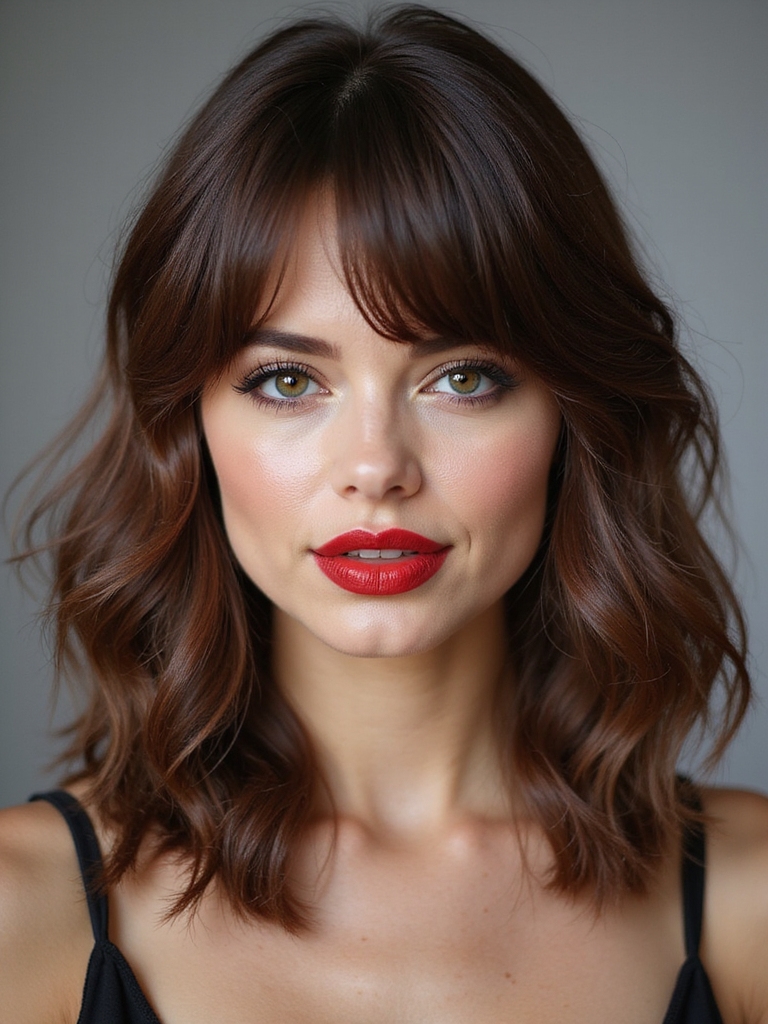
The lowest-commitment fringe of all, a side-swept bang sweeps across the forehead at an angle, blending diagonally into the length beside it. It softens the face and adds a little movement without ever reading as a full, dramatic bang.
It’s the gentlest way to try a fringe, since it fades out with almost no awkward stage and flatters just about every face by breaking up a strong forehead or jaw. Coarse and wavy hair hold the sweep best; finer hair may want a touch of product to keep it in place. It pairs naturally with longer layers, and because it falls to one side, it’s the most forgiving fringe for an uneven hairline or a cowlick you would rather disguise.
Micro Bangs for a High-Fashion Finish
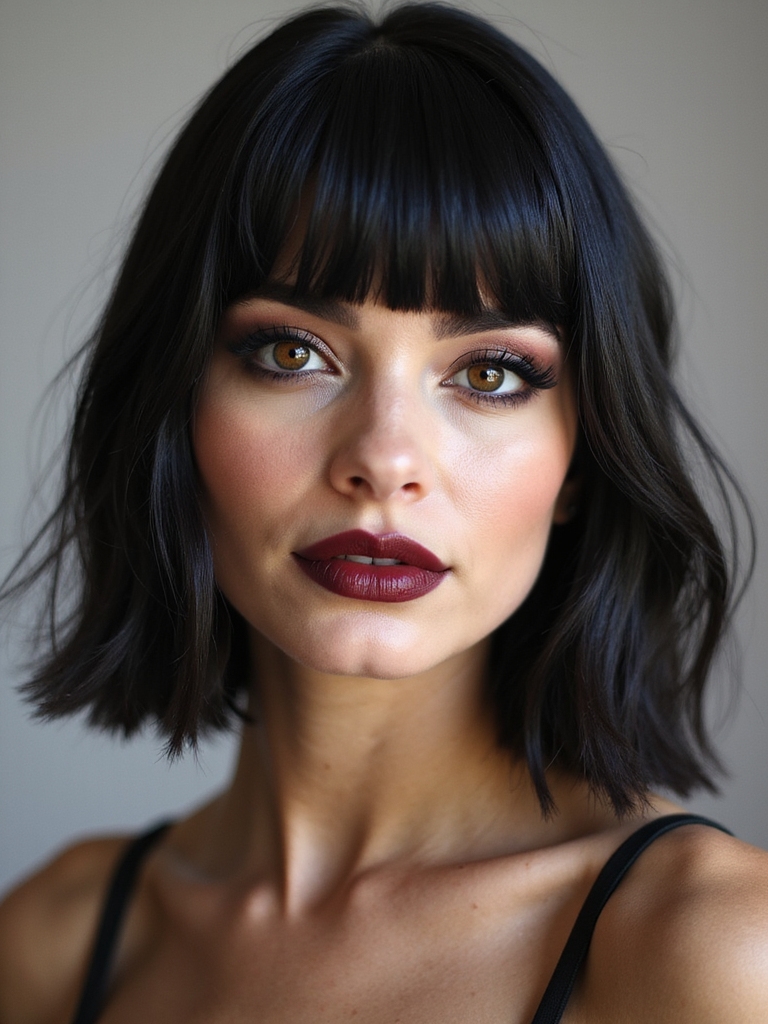
At the daring end, micro bangs sit high on the forehead, short and blunt, well above the brows. They’re bold, artistic, and unmistakably fashion-forward, the fringe for people who want their hair to be a statement. Before you commit:
- Best on balanced foreheads and strong features that can carry the drama.
- The high, short line needs frequent trims to stay crisp.
- A softer, wispy micro version is a gentler way to test the look.
Curly and Coily Bangs That Embrace Natural Texture
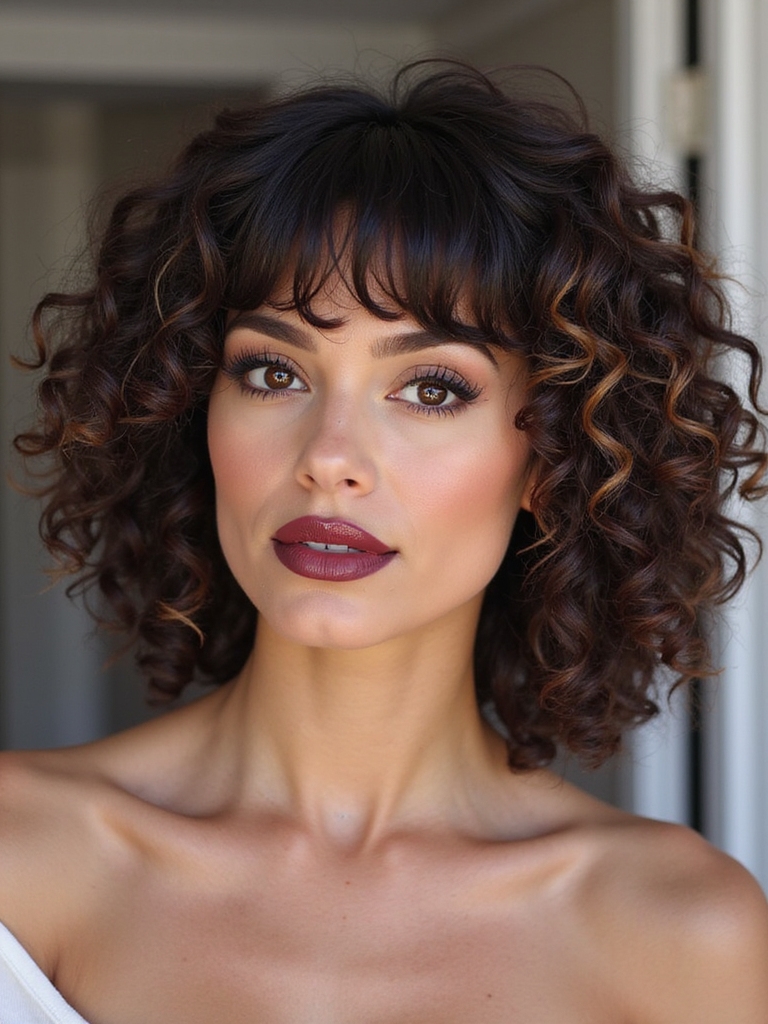
Curly and coily hair makes some of the most beautiful bangs there are, springy, full, and full of personality, as long as they’re cut for the pattern. The single most important rule is a dry cut: the fringe has to be shaped while the curls sit in their natural state, so the length lands right once they spring up.
Styling and Care
Cut wet, curly bangs can shrink up several inches shorter than planned, which is how a soft fringe becomes a surprise. A curly bang wants a stylist who cuts curls regularly and understands your specific pattern.
Revive curly bangs between washes with a spritz of water and a dab of leave-in; skip the heat tools, which rough up the texture. Define them with a small amount of your usual curl product, scrunched gently, and let them air-dry so the coils keep their shape and bounce.
📋Before you cut curly bangs
- ✓Find a stylist who cuts curls dry, as a routine
- ✓Bring a photo on hair close to your own pattern
- ✓Ask them to leave extra length for shrinkage
A Layered Fringe to Modernize Bobs and Lobs
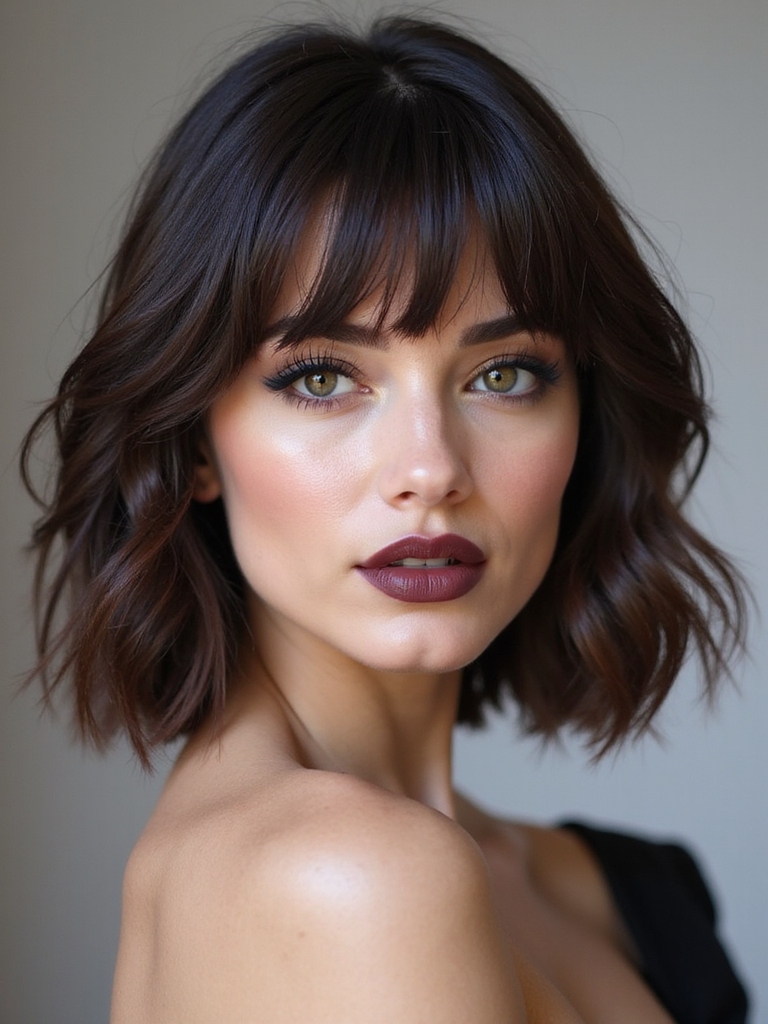
A layered fringe blends soft, graduated pieces right into the front of a cut, with no separate bang sitting on top, which is why it’s the perfect way to update a bob or lob. It adds face-framing movement without the commitment of a full, blunt fringe.
Why It Works on Short Cuts
Because the layering ties the fringe into the length around it, it grows out smoothly and never leaves that hard line between bang and hair. It’s the modern, low-drama way to add a fringe to a shorter cut.
On a bob or lob, a heavy blunt fringe can look boxy, while a layered one keeps the shape soft and current. Ask for pieces cut short up front and angled longer as they travel back, so the fringe melts into the bob as a single shape.
Long Grown-Out Bangs for Low-Maintenance Styling
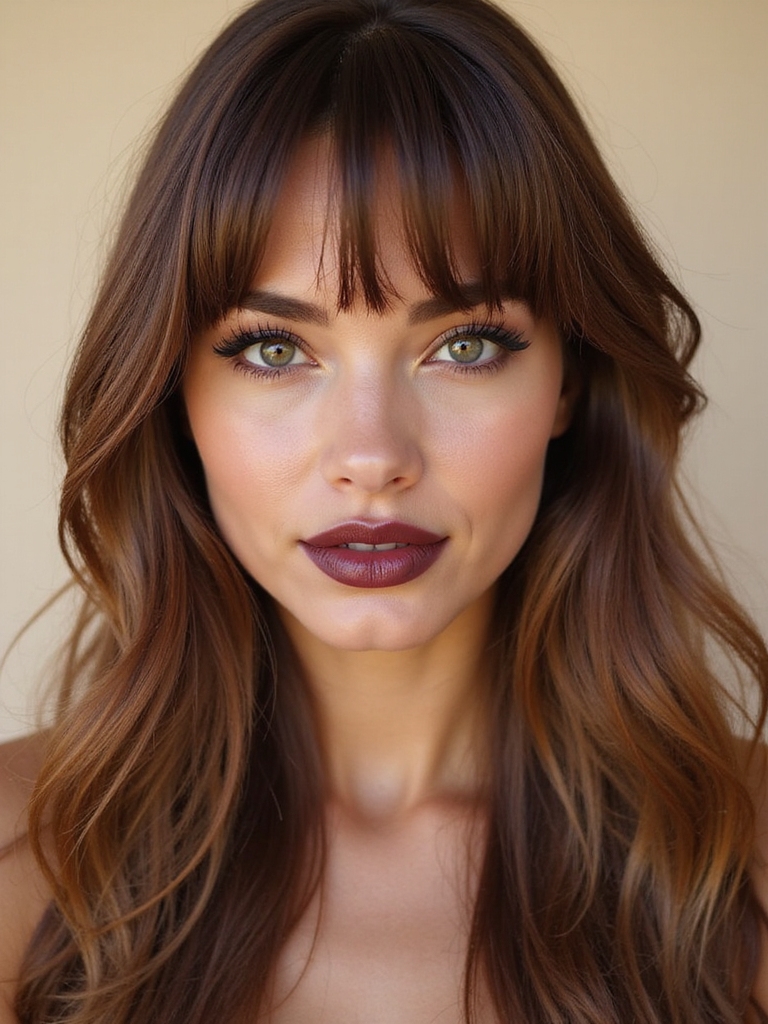
For all the softness of a fringe with none of the upkeep, long grown-out bangs hit at the cheekbone or below, long enough to tuck behind an ear but short enough to frame the face. They’re the grown-out, low-maintenance option, and they need far fewer trims than a shorter bang.
They’re the natural next step for anyone growing out a shorter fringe, and a lovely look in their own right. Because they melt into face-framing layers, they suit almost every face and blend away without any awkward stage.
- The lowest-upkeep fringe, needing only occasional trims.
- Long enough to tuck away when you want them gone.
- The perfect stage to settle at if you’re growing bangs out.
Bangs Care and Styling Tips for Every Hair Type
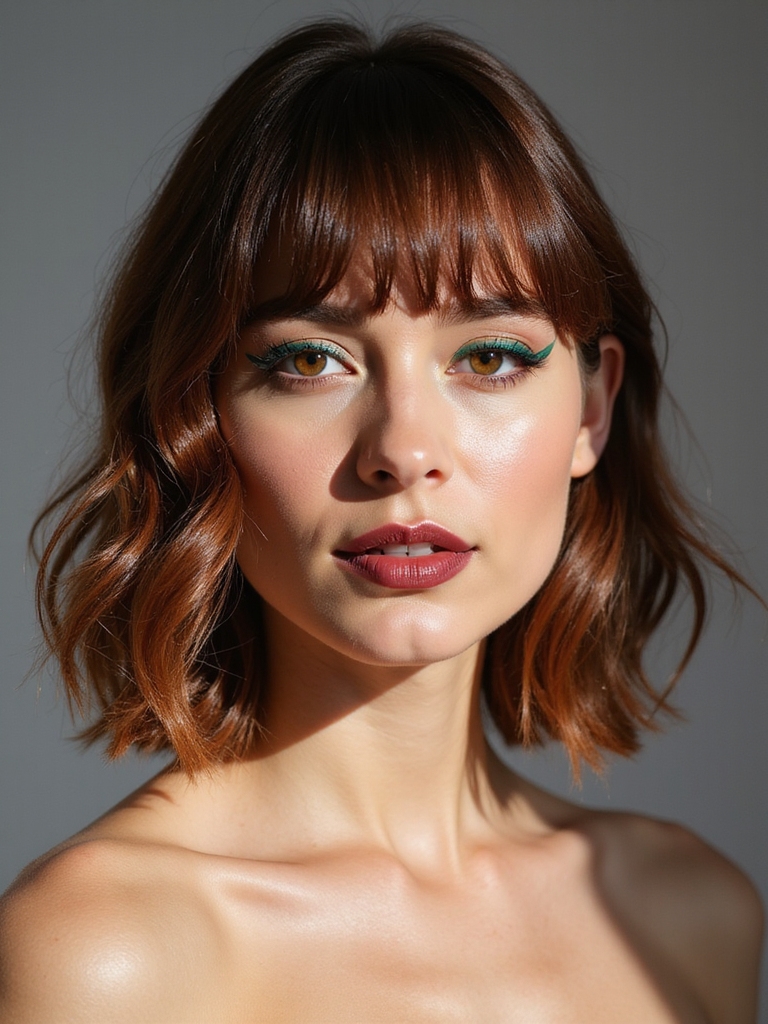
Whatever fringe you choose, a few habits keep it looking good. Bangs sit against your forehead all day, so they get oily and lose their shape faster than your lengths do, but a little care goes a long way. The essentials:
- A fringe wants attention roughly monthly, for around $10 to $25 at the salon, though many do it free between cuts.
- Wash or dry-shampoo bangs more often than the rest, since forehead oil flattens them fast.
- Round-brush the fringe first, while it’s damp, so it sets before it dries the wrong way.
Common Mistakes to Avoid
The biggest mistake is cutting bangs on a whim without matching them to your hair. A blunt fringe on curly hair, or a heavy one on fine hair, fights the texture and undoes any chance of flattering it, so choose the type that works with what you’ve got. The second is going too short too fast, since bangs can always come shorter, but they can’t go back on.
The third is neglecting the upkeep. A fringe grows into your eyes within weeks, and a bang you can’t see past quickly becomes one you resent, so factor the trims in before you commit. Talk through your texture, your routine, and your patience with your stylist, and the right fringe can transform a whole look.
Your Bangs Questions, Answered
?How do I know which bangs suit my face?
Match the fringe to what you want to soften or highlight. Curtain and side-swept bangs suit nearly everyone; a blunt fringe flatters balanced foreheads and strong features; wispy bangs are the safe bet for fine hair or a first attempt. When in doubt, curtain bangs are the most universally flattering.
?Do bangs work on curly hair?
Absolutely, and they can look beautiful, as long as they’re cut dry so the length survives shrinkage. The key is a stylist who cuts curls regularly and leaves extra length for spring-up. Cut wet, curly bangs tend to shrink far shorter than planned.
?How often do bangs need trimming?
Bangs need more attention than your lengths do, since a fringe grows into your eyes fast. Most people book a shape-up around once a month to hold the line; longer or side-swept styles can stretch further. Many salons offer free bang trims between full cuts, so it’s worth asking.
?Will bangs damage or thin my hairline?
No, bangs are just a haircut, so they don’t affect how your hair grows. What can cause trouble is constantly pulling a fringe back tight into a ponytail, which stresses the hairline over time. Worn down and cut, bangs are completely safe.
?How long does it take to grow bangs out?
Roughly six months to reach the cheekbone and closer to a year to blend fully into your length. The grow-out is easiest with curtain or layered fringes, which drift into face-framing pieces; blunt bangs take the longest to blend. Regular shaping trims keep the process from looking awkward.
The Only Wrong Fringe Is the Forced One
For all the rules people repeat about bangs, it comes down to something simpler: almost anyone can wear a fringe, as long as it’s the right type for their hair, their face, and how much time they’ll give it. Most failures trace back to forcing a blunt bang onto curls, or a high-maintenance fringe onto a no-time lifestyle.
So if you’ve been curious, start soft, curtain or side-swept, and see how it feels before you go bolder. A fringe is one of the few big changes you can make without touching your length, and one of the fastest ways to freshen a whole look. Find the one that fits, and it might be the best haircut decision you make all year.
More to Explore