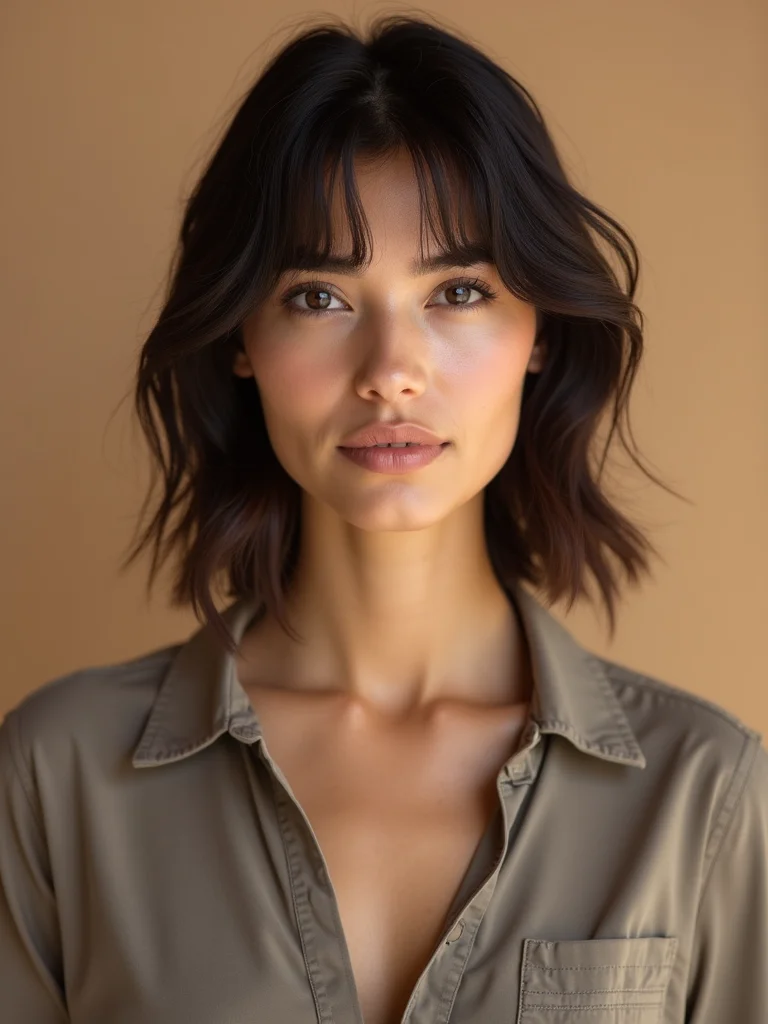
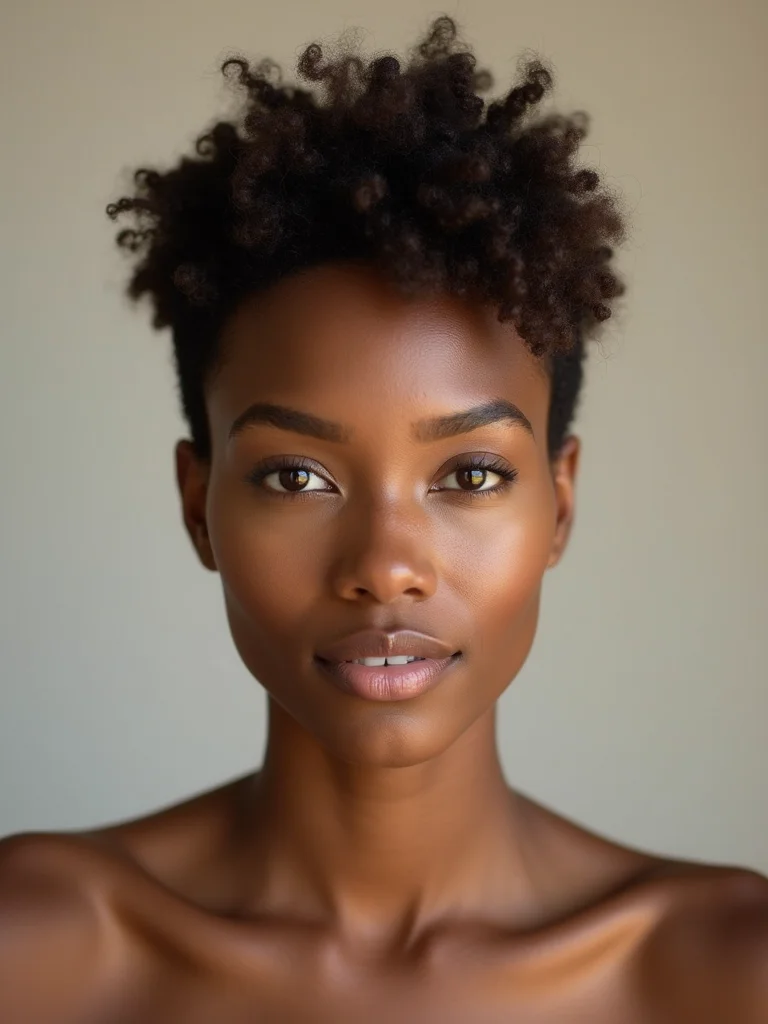
A short fringe and a long one live completely different lives. The short kind sits across the brow and demands attention every few weeks. Long bangs graze the cheekbone or jaw instead, framing the face while the forehead stays clear, and growing out so gradually that most people forget they’re due for a trim.
Fifteen ways to wear that forgiving length follow below, matched to texture, face shape, and how much daily styling each version actually asks for.
What Sets Long Bangs Apart
- Length past the brow means the shape holds for roughly six weeks before it needs attention, longer than any shorter fringe.
- The cut adapts to nearly any texture: point-cut for fine hair, dry-cut for curls, internally thinned for thick hair.
- Growing one out is painless, since the length blends into face-framing layers with no awkward in-between stage.
Soft Curtain Bangs for a Gentle Frame
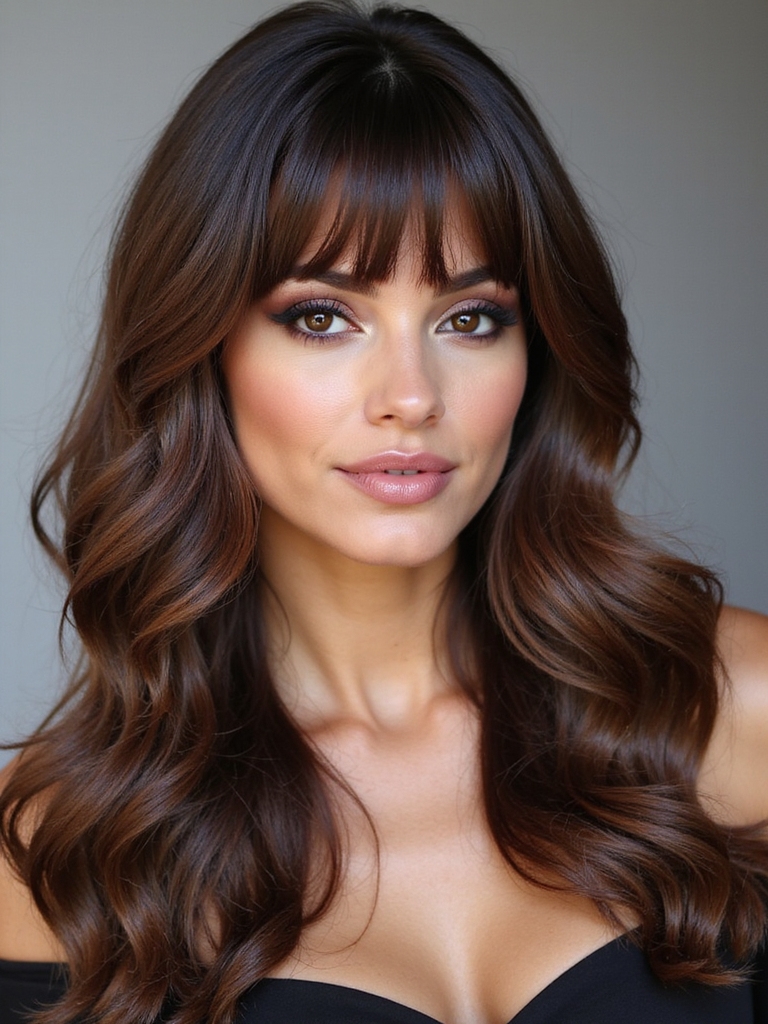
Parted down the middle and swept away on each side, curtain bangs are the softest entry point into long fringe. The pieces graze the cheekbones and draw two gentle diagonal lines down the sides of the face, with a movement most pros consider the easiest to live with for a first-timer. It rarely goes wrong.
Point-cutting the ends breaks them into soft, feathered pieces, keeping the whole shape light and easy to wear.
Cheekbone-Grazing Side-Swept Fringe
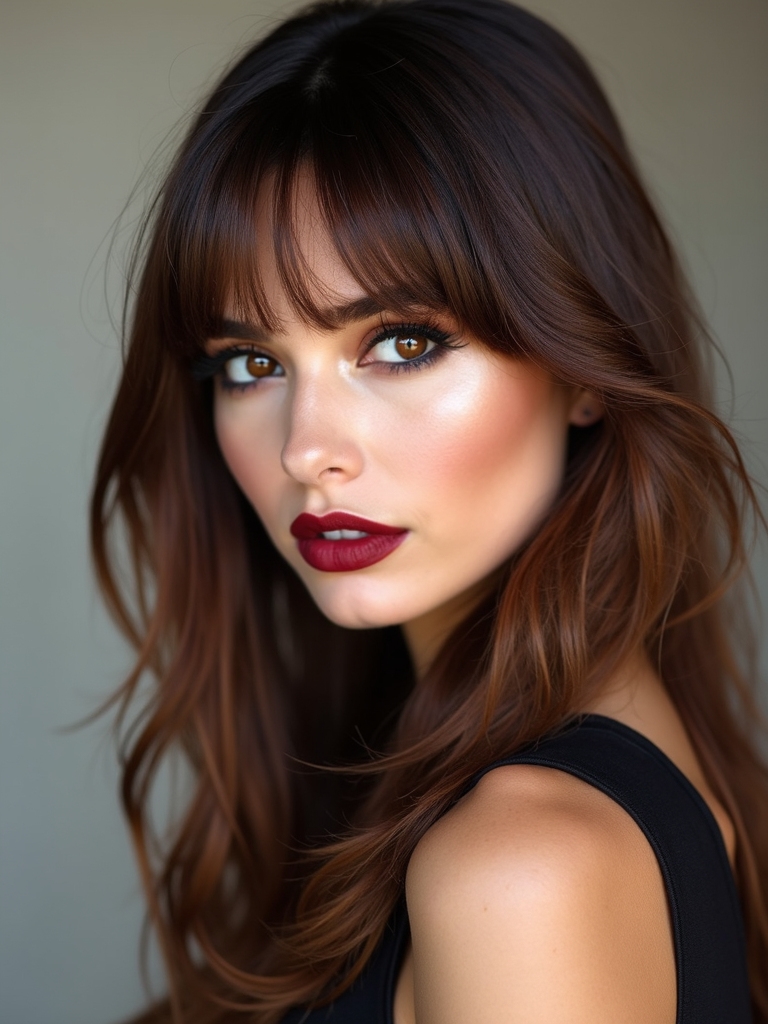
Sweeping the fringe to one side trades soft symmetry for a confident diagonal. From a deep side part, the fringe travels across the forehead and lands at the cheekbone opposite, cutting an angled line that adds structure in one simple change of part.
The heavier side carries most of the framing while the lighter side tucks back, breaking up roundness and softening a strong jawline without any extra styling effort.
Wispy Long Bangs for Fine Hair
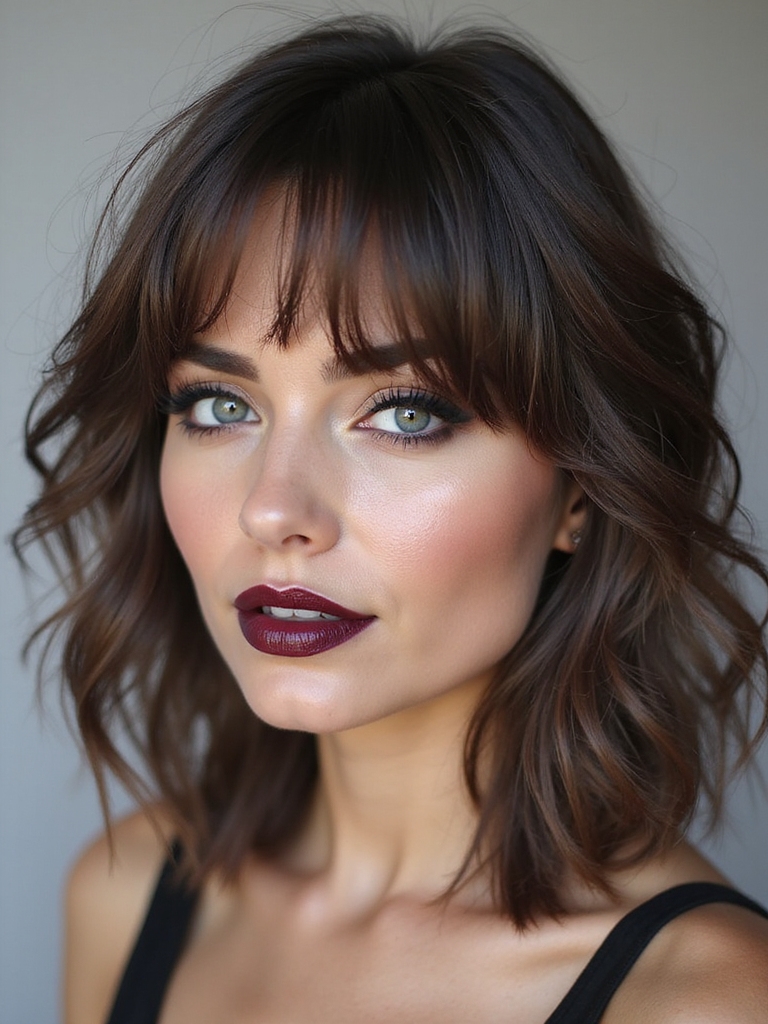
Fine hair and long bangs pair well only when the fringe stays light. A wispy, see-through version does that: cut thin enough that a little forehead shows, it suggests movement without the weight that flattens fine strands against the face.
Slicing the ends so they separate into airy pieces, working from a thin section, is what makes feathered ends look like more hair than is actually there.
Layered Fringe Built for Movement
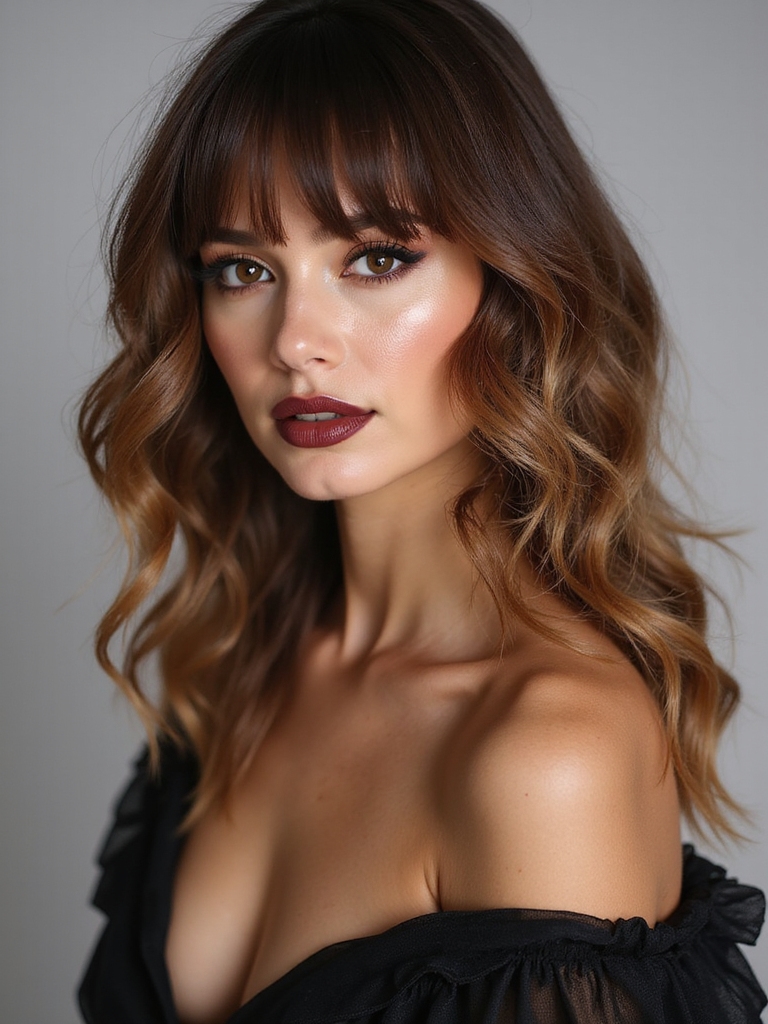
When movement is the goal, internal layering builds it directly into the fringe. Soft layers cut within the bangs give the hair somewhere to bend, so it swings naturally as the head moves.
Removing a little weight from underneath lets the top pieces lift and the bottom pieces swing freely, adding the loose, worn-in texture that keeps long bangs feeling current.
Avoiding a Blunt, Heavy Edge
Layering a long fringe removes weight, and removing too much at once can leave thin patches. Most pros build internal layers gradually, spread across more than one visit.
Curly Long Bangs With Defined Coils
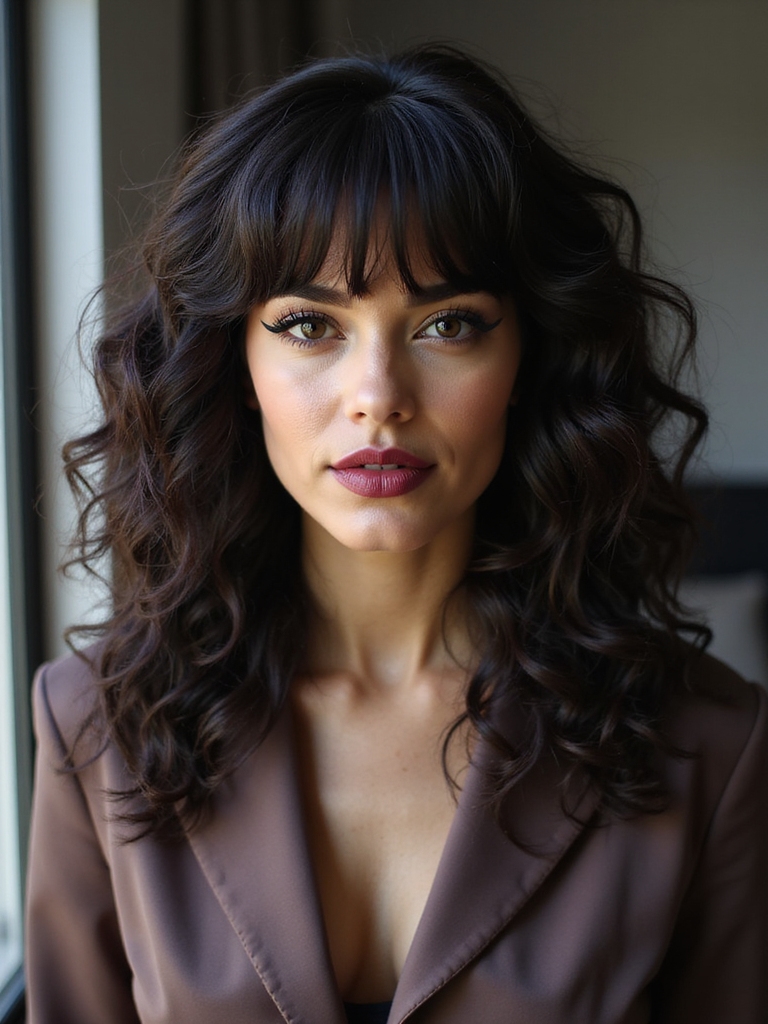
Curly hair wears long bangs with real personality, coils springing into a soft frame around the face. A dry cut, curl by curl, respects how curls actually fall, accounting for the shrinkage that happens once the hair dries.
A stylist experienced with textured hair cuts each curl where it naturally lands, building length so the fringe reaches the cheekbones once everything springs fully into place. That extra length matters, since a fringe measured wet can finish noticeably shorter once it fully dries and coils up. A lightweight cream keeps the definition without weighing the coils down.
Wavy Long Bangs for Beachy Texture
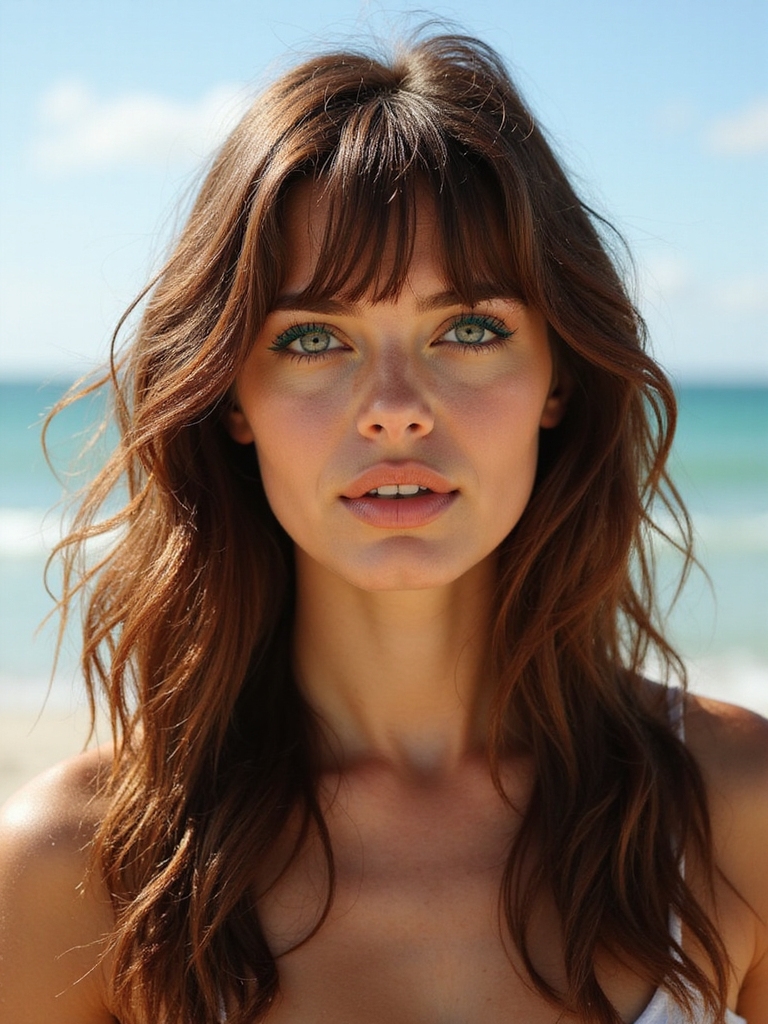
Loose waves give long bangs an easy, sun-faded texture that looks unplanned. Nothing about it looks forced. Each piece folds into a gentle S along its length, blending into the hair around it so the whole front settles like it grew that way.
Why Wave Hides a Rough Grow-Out
Wavy texture forgives a grow-out especially well, since the bend hides unevenness and adds movement on its own.
The fringe needs to reach long enough to fall into that first wave; cut shorter, the bend loses the room it needs to form.
🅰️Curtain and Wavy
Soft, romantic movement that forgives a grow-out and needs the least daily effort.
🅱️Angled and Choppy
Sharper, more graphic lines that make more of a visual statement but need closer upkeep to stay crisp.
Long Bangs Blended Into Face-Framing Layers
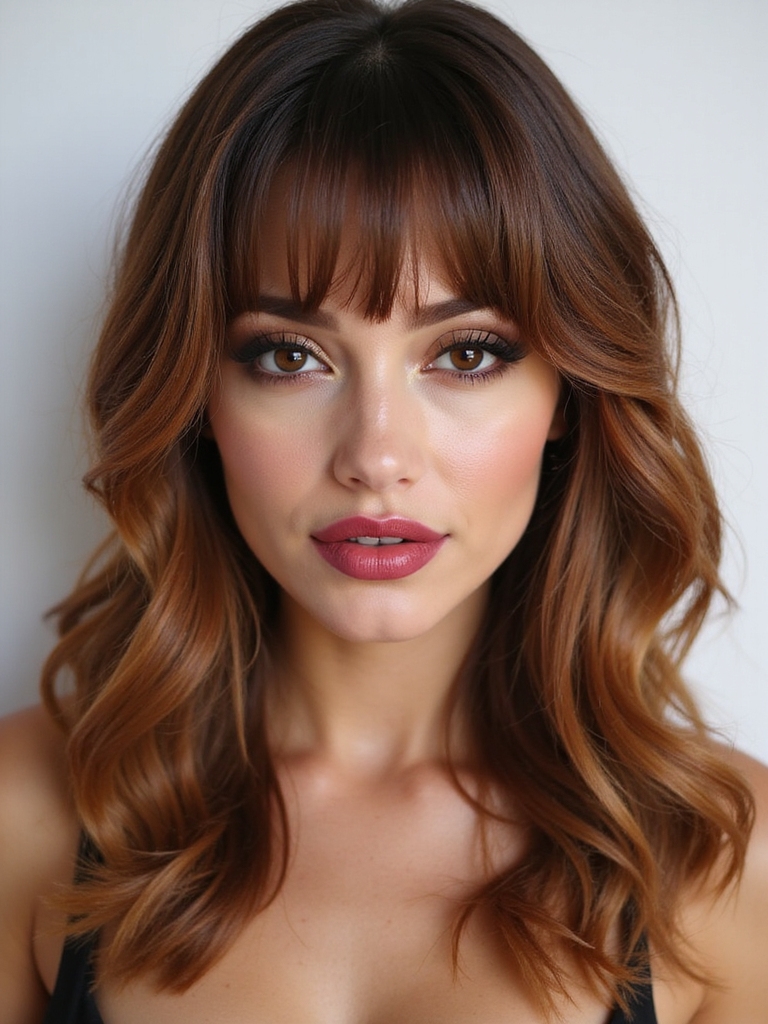
The smoothest way to wear long bangs skips the fringe entirely as a separate element, blending it straight into face-framing layers with no visible start or stop. The shortest point of that frame simply happens to sit where a fringe would.
It’s the version most clients picture without knowing the terminology for it. Getting it right at the chair comes down to how clearly the connection gets described, since a stylist working from a vague photo alone can easily cut the fringe as a separate piece instead.
- Describe the connection clearly at the chair: the bang cut as part of the frame itself.
- Works especially well on layered cuts already built around the face.
- Swept sideways, the whole thing folds into the surrounding layers without a visible seam.
Textured Long Bangs for Thick Hair
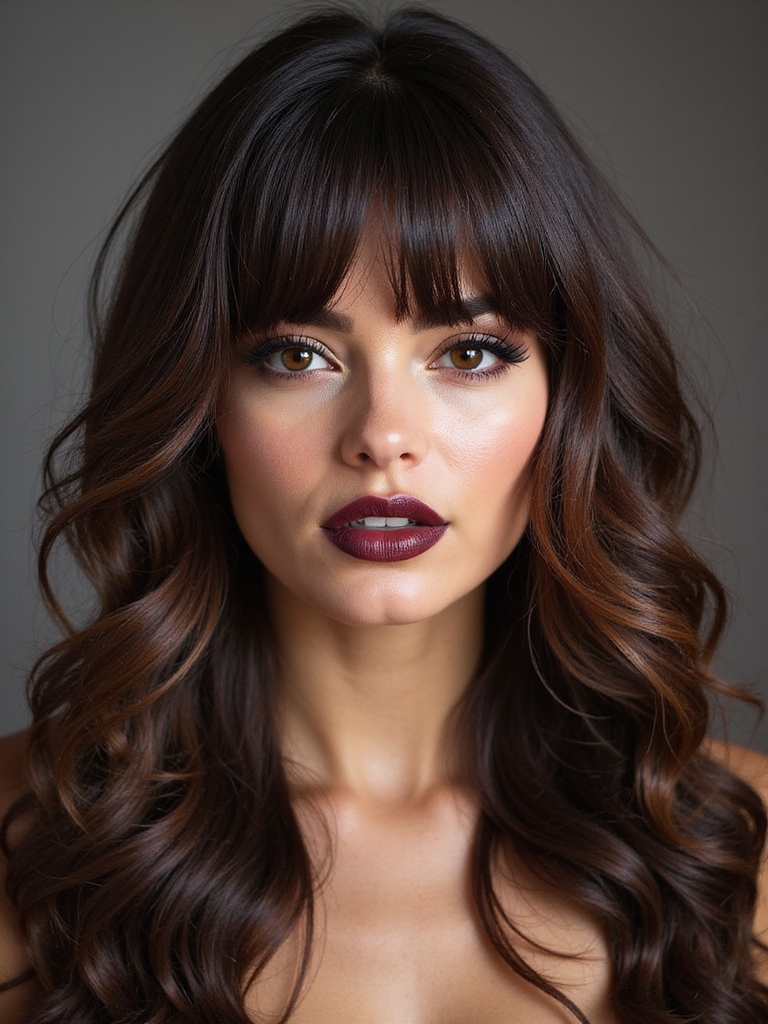
Thick hair carries plenty of presence on its own, and long bangs on it need texturizing so they sweep softly across the brow with real movement. Weight is the enemy here. The goal is keeping the outer shape while removing bulk from underneath.
A dense, untouched fringe on thick hair tends to sit like a solid block instead, resisting movement no matter how it’s styled.
- Internal thinning and point-cutting are the main tools a stylist reaches for.
- The length stays intact; only the density underneath gets reduced.
- Handled well, thick hair becomes one of the easiest textures for holding a clean long-bang shape.
Choppy Long Bangs for a Rock-Chic Edge
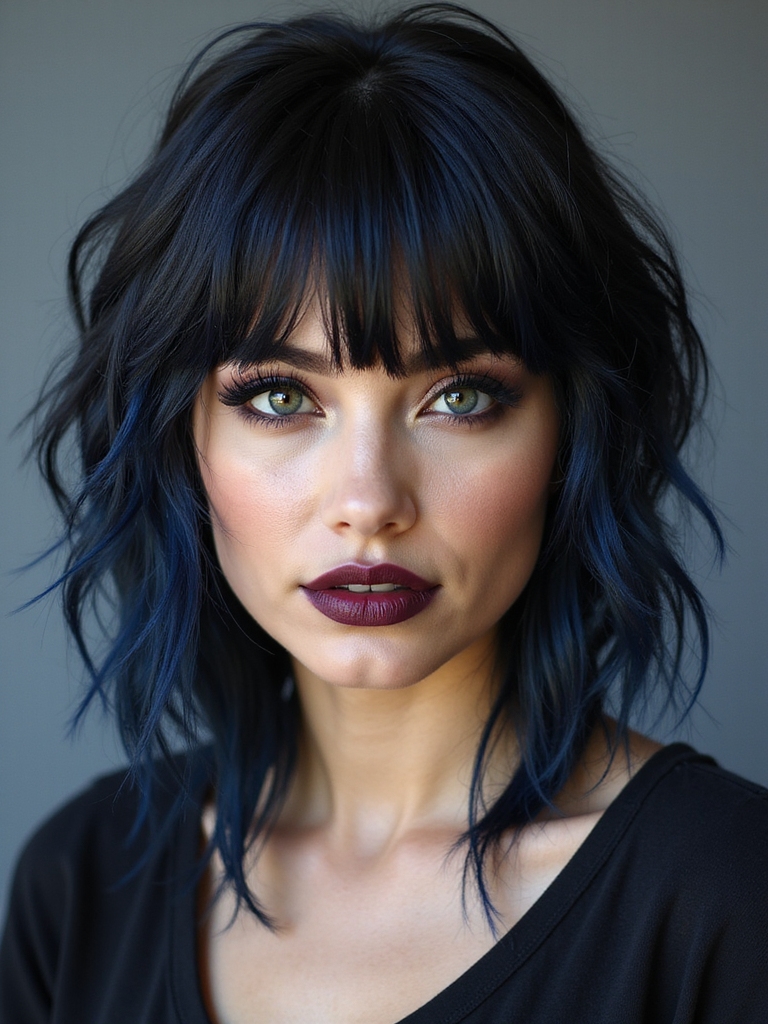
For a fringe with real attitude, choppy long bangs lean into uneven, broken-up ends that pair naturally with shags, mullets, and softer layers built into the surrounding lengths.
- Point-cutting and light razor work shatter the ends into irregular tips.
- The effect stays deliberately unpolished throughout.
- Suits anyone after a fringe with a little rebellion built in.
Long Bangs With a Precise Center Part
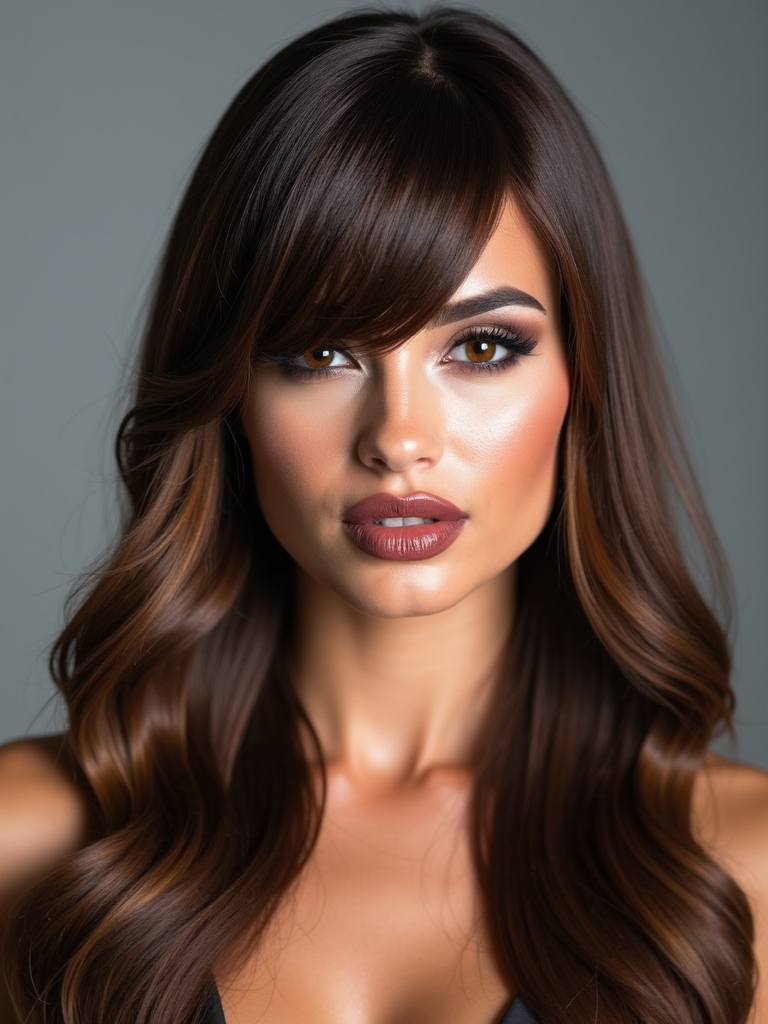
Where the curtain version stays loose and romantic, this take on the center part is sharper and more deliberate: a crisp, precise line splitting the fringe into two equal halves that drape cleanly on each side. Precision in the part itself is what keeps the whole look sharp rather than accidental.
- Comes across polished and modern.
- Suits balanced and oval faces especially well.
- The vertical line down the center adds noticeable length to a rounder face.
“A precise center part comes across as a completely different fringe than a loose curtain, even at the exact same length. The part line is doing most of the personality work.”
Angled Fringe to Sharpen the Silhouette
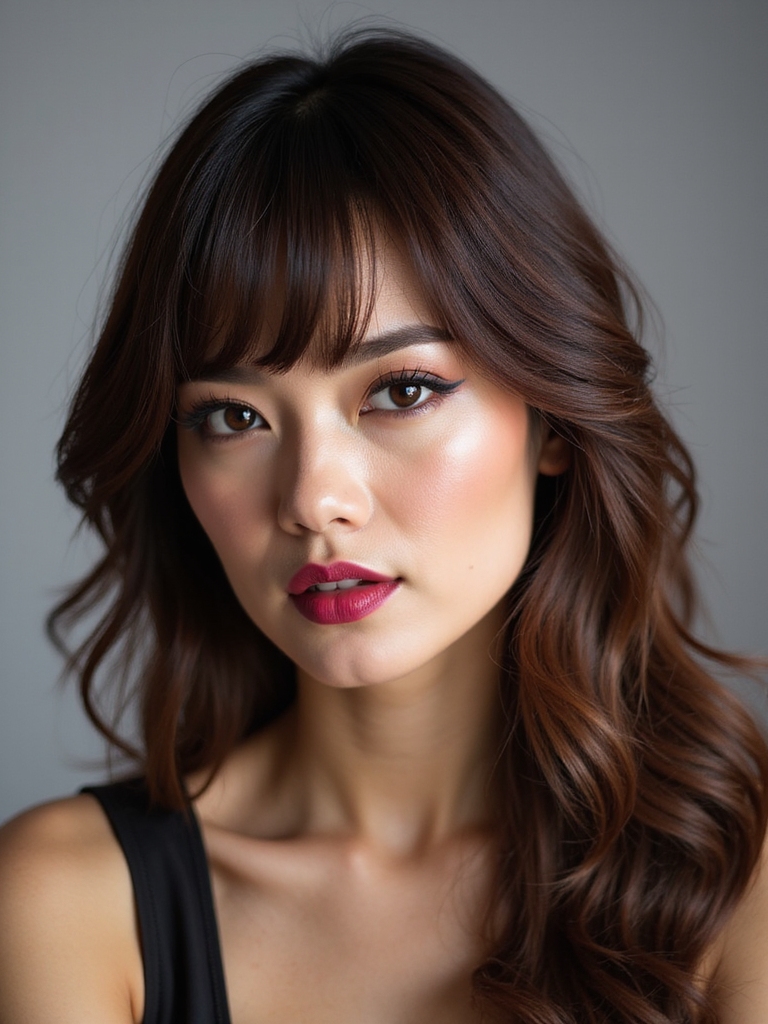
An angled fringe takes the side sweep further, cutting a more graphic diagonal that sharpens the entire silhouette. The line starts noticeably shorter on one side and lengthens steeply across, framing the face with real intent.
- A stronger, more architectural take than a standard side sweep.
- Pairs especially well with asymmetric bobs and lobs.
- Most pros map the exact angle out with a client before any cutting starts.
Airy Grown-Out Bangs With a Flip
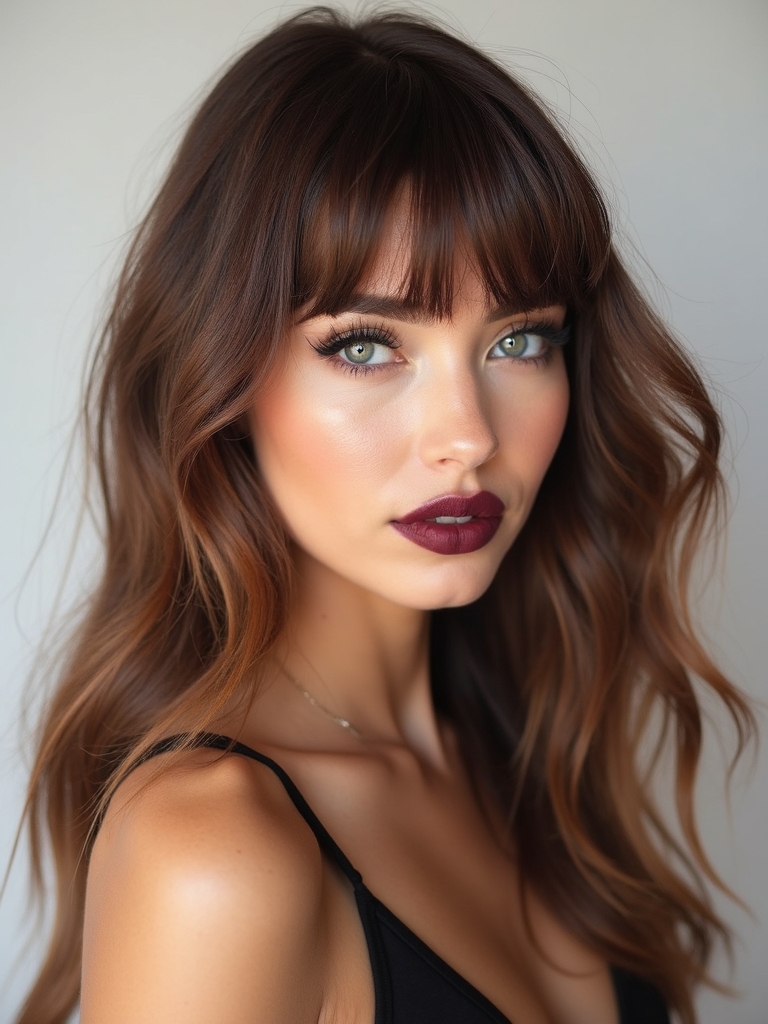
Bangs caught in an awkward grown-out stage don’t have to look accidental. Flicking the ends outward gives them a playful, retro-leaning flip that turns the in-between length into an actual feature to show off.
The flip gives slightly-too-long bangs somewhere to go, framing the cheekbones with real movement.
- A quick pass with a round brush is all it takes to set the flip.
- Works as its own intentional style during the wait.
- A useful fix for anyone growing a shorter fringe out on purpose.
| Stage | What Helps | Styling Note |
|---|---|---|
| Just past the brow | A flicked-out flip | Round brush, ends turned outward |
| Cheekbone length | Curtain part | Point-cut ends for softness |
| Jaw length or longer | Blend into face-framing layers | No separate fringe styling needed |
Sleek Long Bangs for Straight Hair
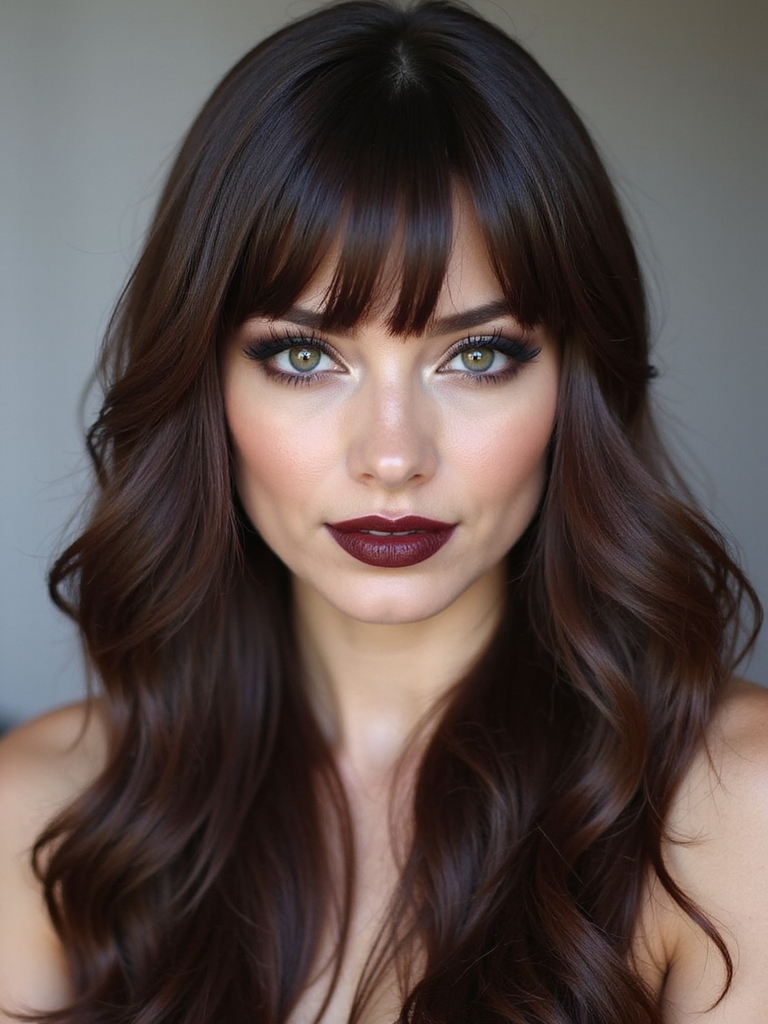
On poker-straight hair, long bangs look most polished sleek and tapered directly into the lengths. The fringe sweeps back and disappears into the surrounding hair, giving a smooth, glossy finish that comes across put-together anywhere.
Tapering keeps straight hair from reading blocky at the transition point, and it’s the detail that separates a professional cut from a home trim.
- The inner edge of each piece gets cut a touch shorter than the outer edge.
- That small difference lets the fringe feather cleanly into the lengths, with no visible break.
- A center or slightly off-center part keeps the sweep balanced.
The Lowest-Maintenance Long Bangs
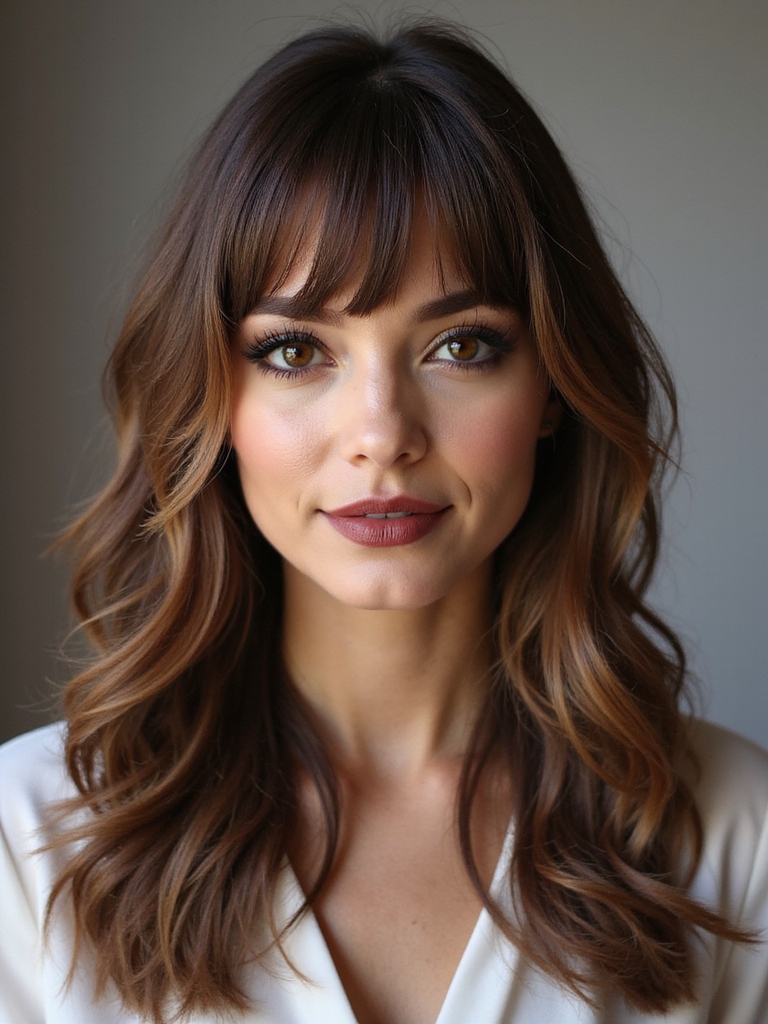
Length is what makes long bangs forgiving. Extra growth simply folds into the surrounding face-framing pieces, so the stretch between trims runs longer than any shorter fringe allows, and the awkward growing-out stage barely registers.
- Holds a wearable shape for roughly six weeks between trims.
- Tucks behind the ears in seconds and passes for face-framing layers.
- Grows out with no shapeless in-between phase to push through.
Keeping Long Bangs Fresh Day to Day
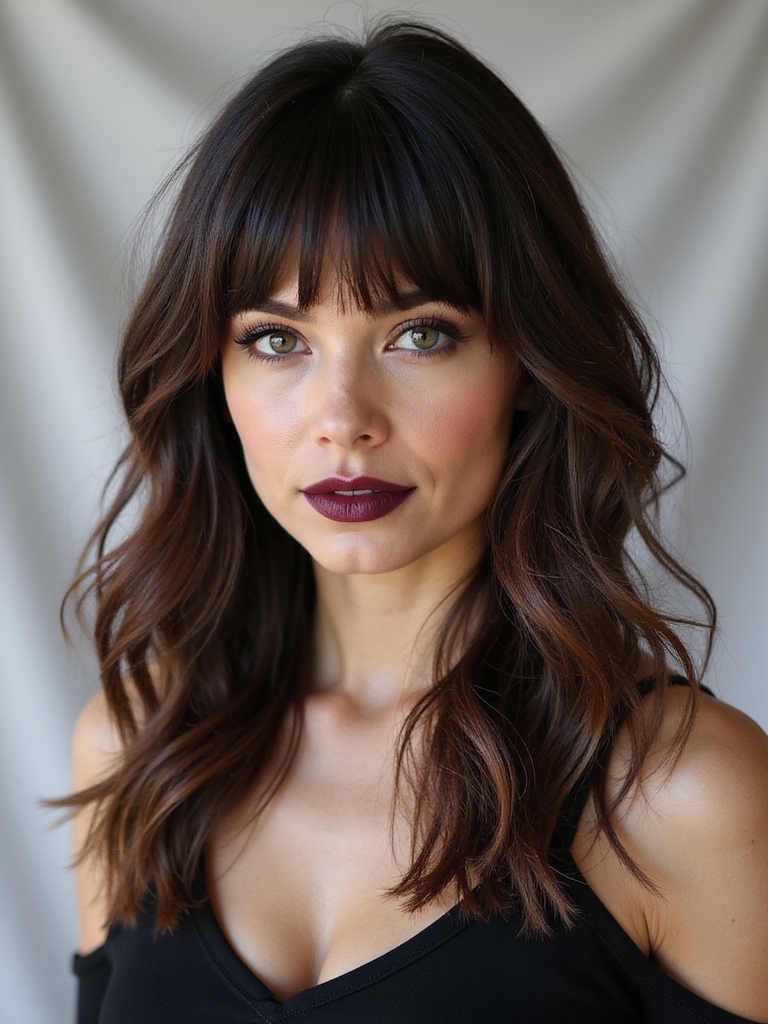
A few small habits keep long bangs looking fresh from morning through evening. Sitting at the front of the face, the fringe shows oil and flatness before anywhere else, so a little daily attention protects the shape.
The Two-Minute Refresh
A round brush is the main tool: drying the fringe while lifting at the root and directing the sweep builds the body that makes the style look intentional. A finish with cool air locks that shape in while the hair is still warm.
For a midday reset, a small amount of dry shampoo worked into the roots restores lift within seconds, and a light texture spray adds grip without extra weight. A comparison of styling routines across other fringe lengths shows up in this layered bangs guide, useful if the plan is testing more than one length before committing.
The Fringe That Grows With You
Long bangs earn their popularity by asking so little in return: real movement and a touch of edge, without a demanding trim schedule or an awkward growing-out phase. That balance of impact and ease is hard to match with any shorter fringe.
Picture where the longest pieces should land, cheekbone, jaw, or somewhere blended into the lengths, match the shape to your texture, and bring that reference to the next appointment. A standalone trim runs around $25 at most salons, often less with a full haircut booked the same visit.
You Might Also Like