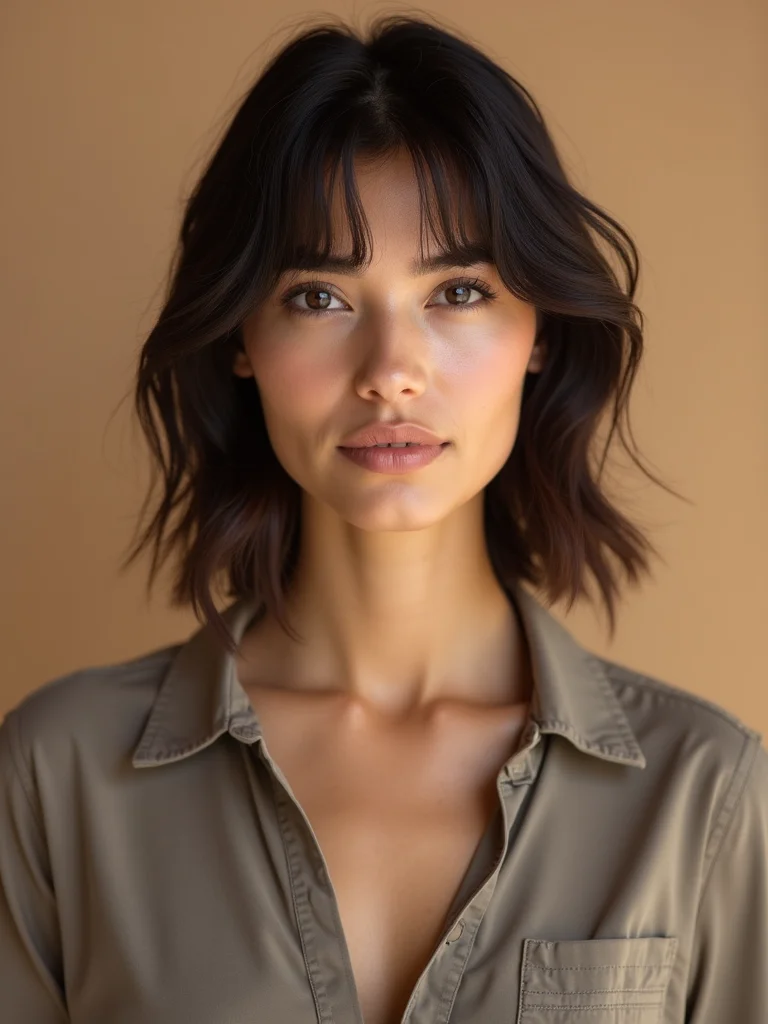
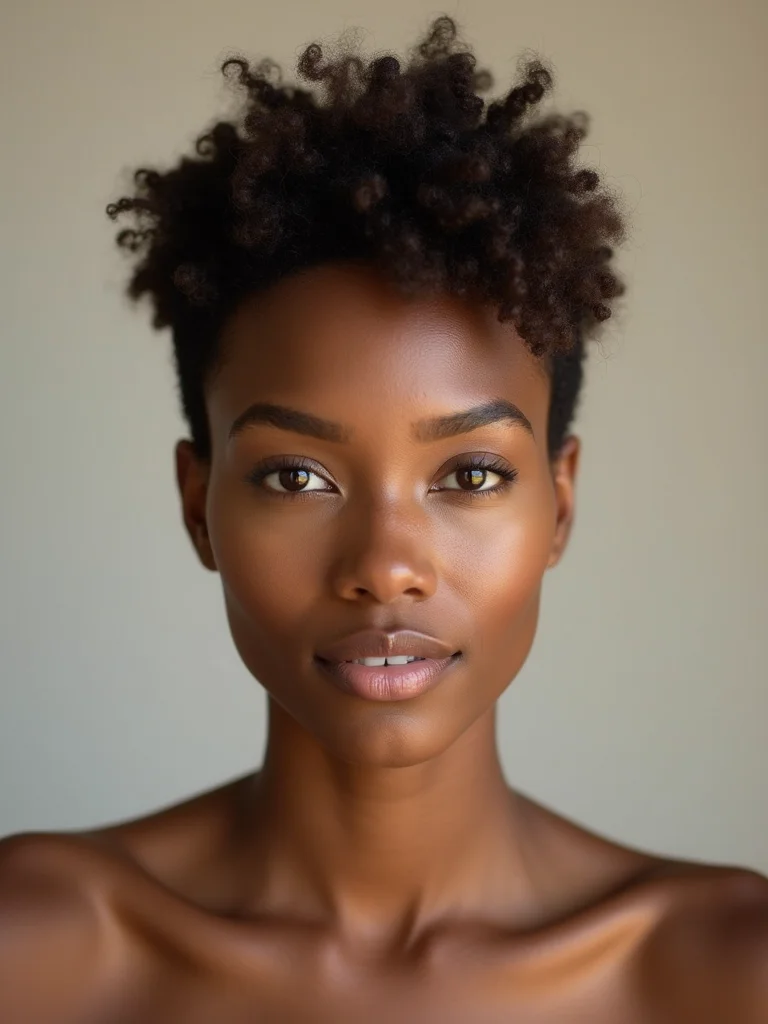
A shaggy bob can look like a $300 salon appointment or a hair day gone sideways, and the cut itself only accounts for half of that outcome. The other half comes down to specific, repeatable finishing choices that most people never think to ask a stylist about.
Fifteen versions follow below, each with the exact detail that pushes it toward the polished side of undone rather than the accidental side.
The Four Things That Signal Polish
- Shine matters more than the cut itself; dull, dry texture looks unfinished no matter how good the layering is.
- Ends need to look deliberately separated, not simply frizzy or split.
- A clean, intentional part, even a casual one, does more visual work than most people expect.
A Choppy, Textured Bob With Real Movement
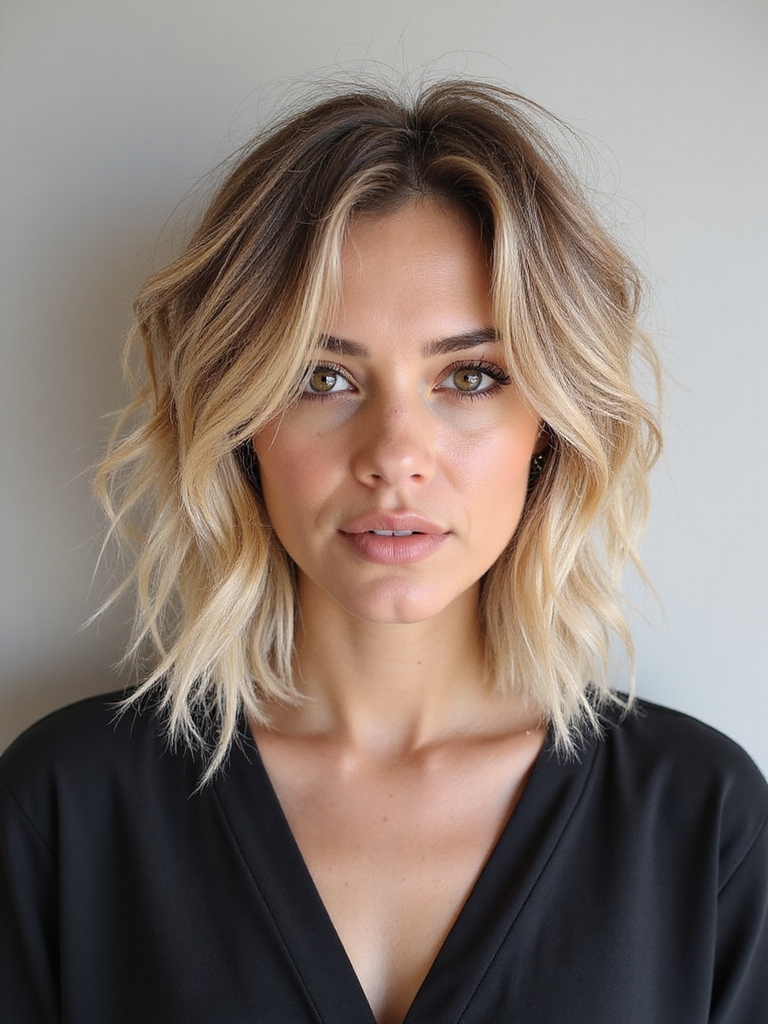
Before looking at specific versions, it helps to separate two things people usually lump together: the cut and the finish. The cut supplies texture and separation, the raw material a stylist builds into the shape.
Two Separate Jobs, Not One
The finish decides whether that raw material comes across as polished or simply unbrushed. A well-cut shag left dry and frizzy can look far less put-together than a simpler cut that’s glossy and deliberately styled.
Every version below repeats a version of the same short list: shine, lift, separation, and a clean part. Those four habits do more work than any single expensive product.
A Soft, Tousled Bob With Curtain Bangs
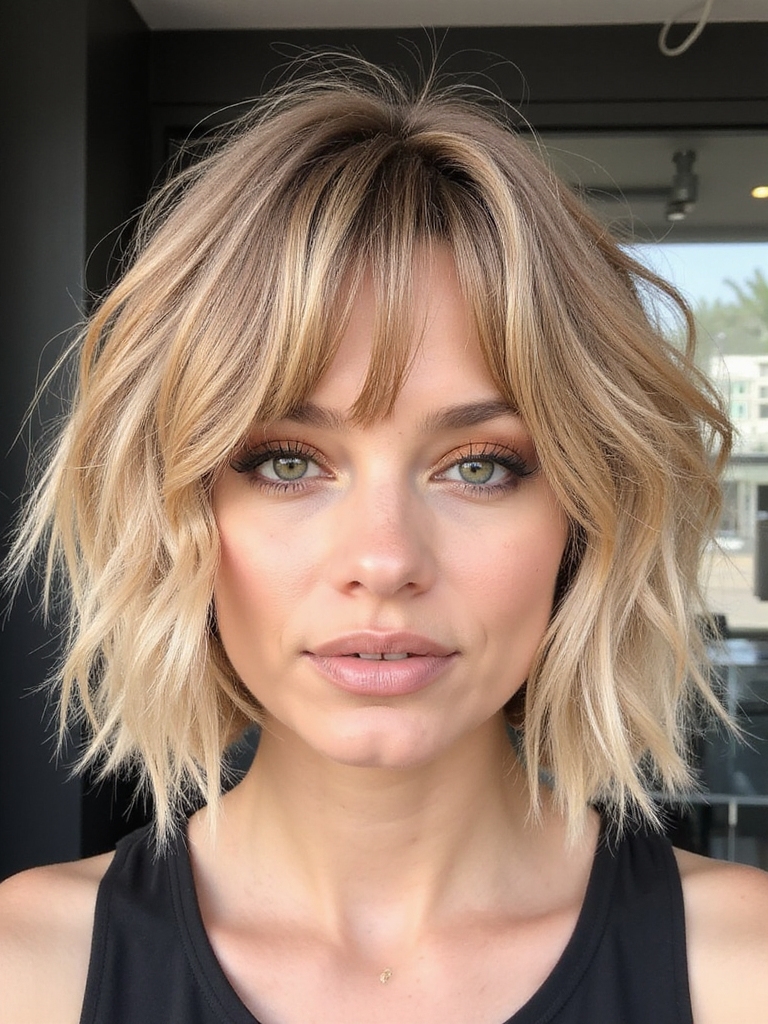
This pairing delivers the most polish for the least daily effort. Soft curtain bangs frame the face and add a finished, considered quality to the whole shape.
The detail that actually sells it: the bangs need to blend into the layers framing the face with no visible gap, and they need to stay glossy rather than fluffy. Thirty seconds with a round brush through just the fringe accomplishes most of that.
- Keep the bangs smooth while letting everything behind them stay tousled for contrast.
- A gap between the bangs and the layers behind them looks unfinished, not intentional.
- Gloss on the bangs specifically matters more than gloss anywhere else on this cut.
“A quick test for whether hair is ready to style: rub a small section between your palms. If it feels dry, rough, or catches on itself, no amount of product will make the finished look land. Address moisture first, then style.”
A Tousled, Air-Dried Wavy Bob
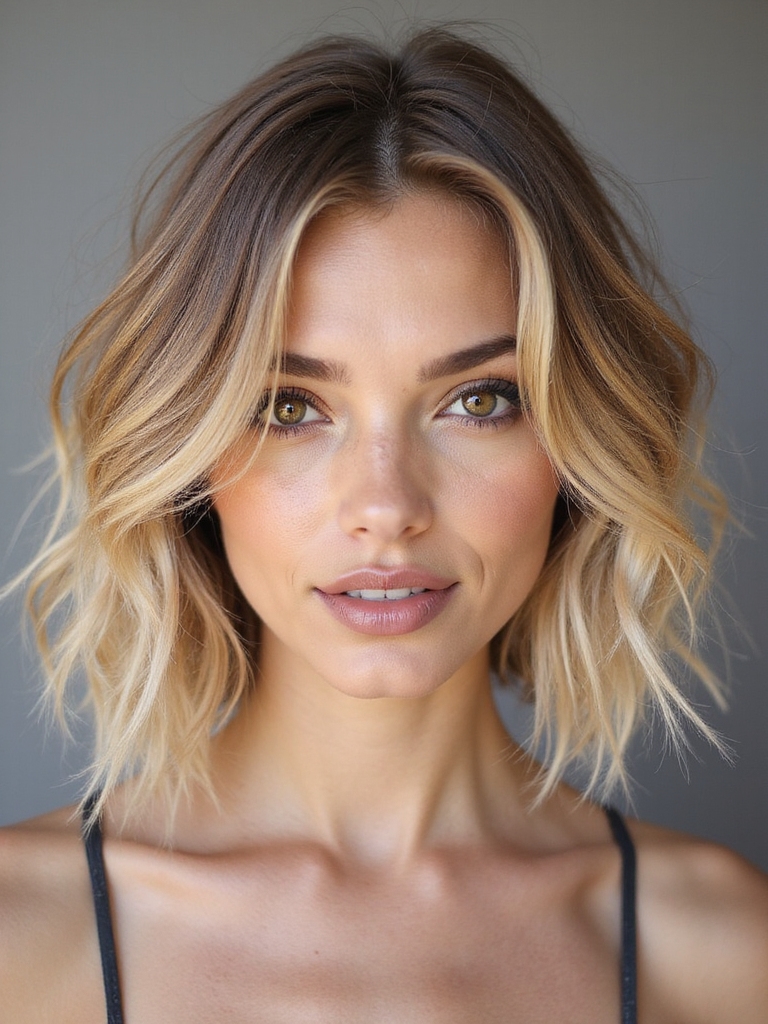
Natural waves paired with a shag bob deliver a convincingly expensive-looking result for the cost of a little product, since the wave does work a blow-out usually fakes. The trick is keeping the waves defined and glossy instead of dry and frizzy, which is where this version most often goes wrong.
- Scrunch a curl cream or light mousse into damp hair so the waves clump together instead of frizzing apart.
- Diffuse on low heat, then separate the waves gently with fingers once dry, never a brush.
- Smooth a drop of oil over just the ends to kill frizz and add shine without weighing down the roots.
A Crisp, Blunt-Ended Bob With Texture
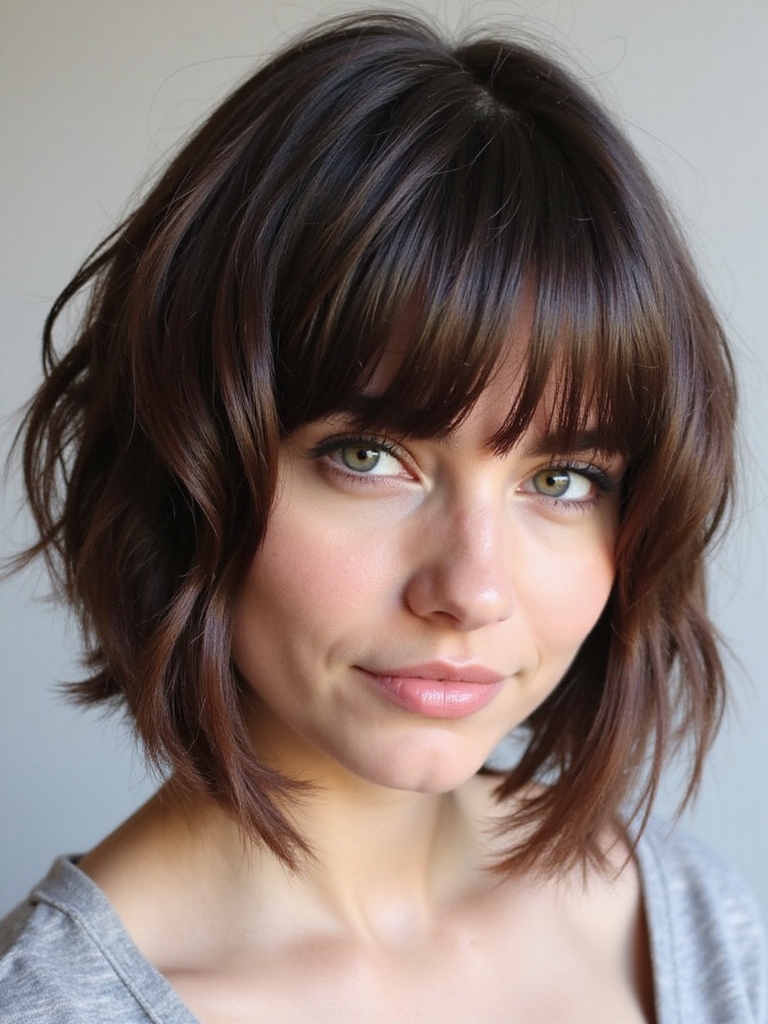
Pairing a sharp, blunt perimeter with soft internal shag layers ranks among the more polished combinations available, since a clean bottom edge signals a deliberate, precise cut.
The contrast is the whole point: crisp and glossy at the very ends, textured and full through the body. That tension between sharp and soft is what makes the shape come across as designed rather than accidental.
Neglected ends undo this version faster than any other, since the clean line only holds up when the perimeter stays healthy and glossy. A regular dusting trim protects that line.
A couple of terms worth knowing before a consultation.
📖Dusting trim
A very light trim that removes only split or frayed tips, protecting length while keeping a blunt line clean.
📖Root lift
Volume added specifically at the base of the hair, usually through rough-drying or a lightweight styling product.
A Medium Bob With Piecey Bangs
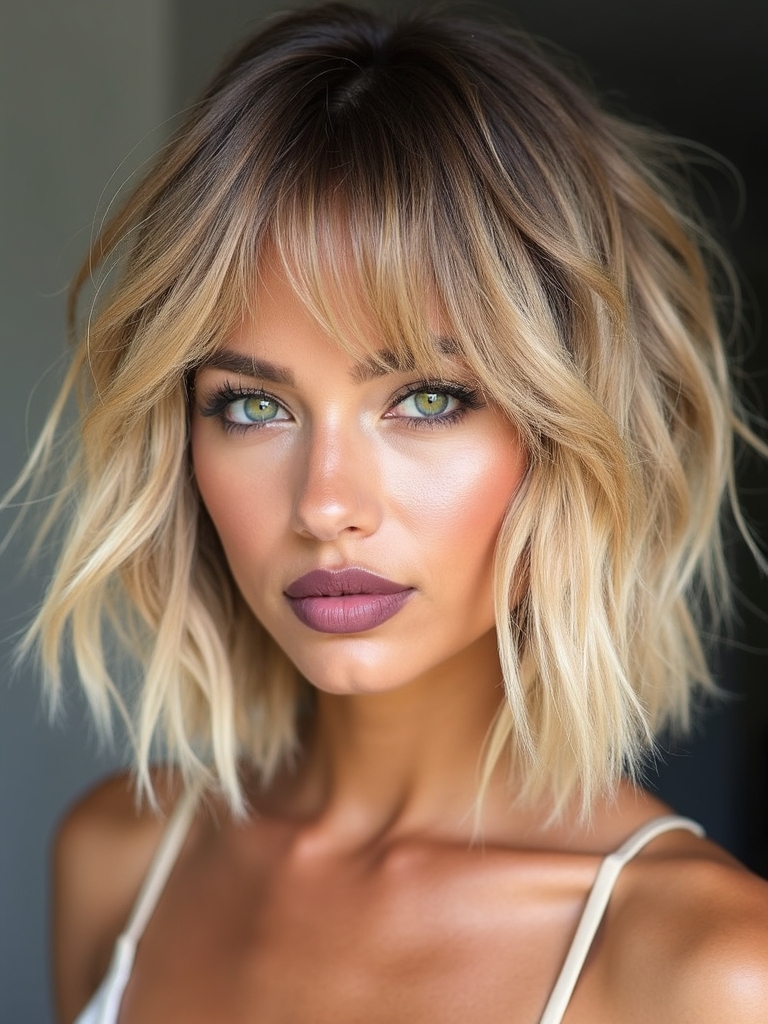
Swapping soft curtain bangs for separated, piecey ones shifts the same base cut toward something cooler and more fashion-forward.
Piecey bangs read as a deliberate style choice, which is exactly the impression this version aims for. Keeping them looking polished comes down to product discipline: a small amount of texture paste worked through to define individual pieces, never enough to look greasy or clumped.
Separation signals intention; grease signals the opposite. This particular pairing suits anyone who wants the whole shape to feel a little more editorial without changing the underlying cut.
A Cheekbone-Skimming Curly Bob
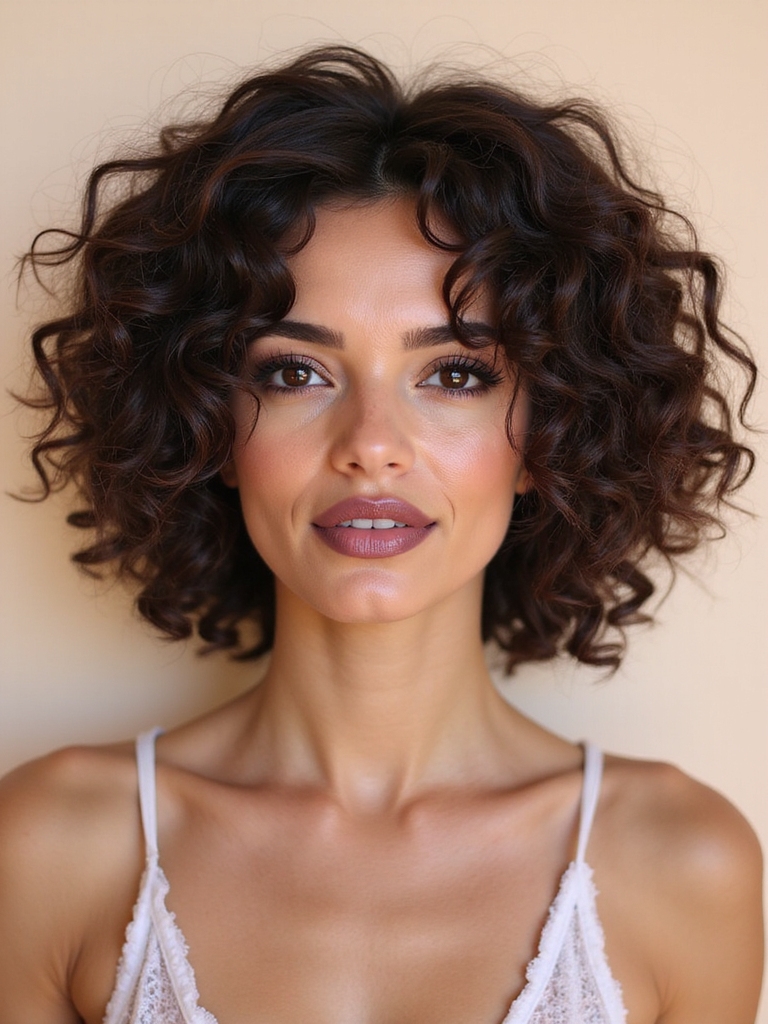
On curly hair, this shape looks most polished when the curls stay defined, bouncy, and free of frizz, which comes down to product choice and drying method as much as the cut itself.
Frizz Undoes Everything Else
Scrunch a curl cream or gel into soaking-wet hair, encourage the clumps to form, then let it set undisturbed, either in open air or under a diffuser on the lowest heat setting. Touching drying curls is what breaks up definition.
Tightly coiled patterns respond especially well to a wash-and-go approach here: clump the coils section by section with fingers and let them set fully before touching them again.
The most common fix people reach for is more product. Usually the actual problem is too much of a heavy one, which flattens exactly the lift and separation they’re trying to build.
A Fine-Hair Bob Built for Lift
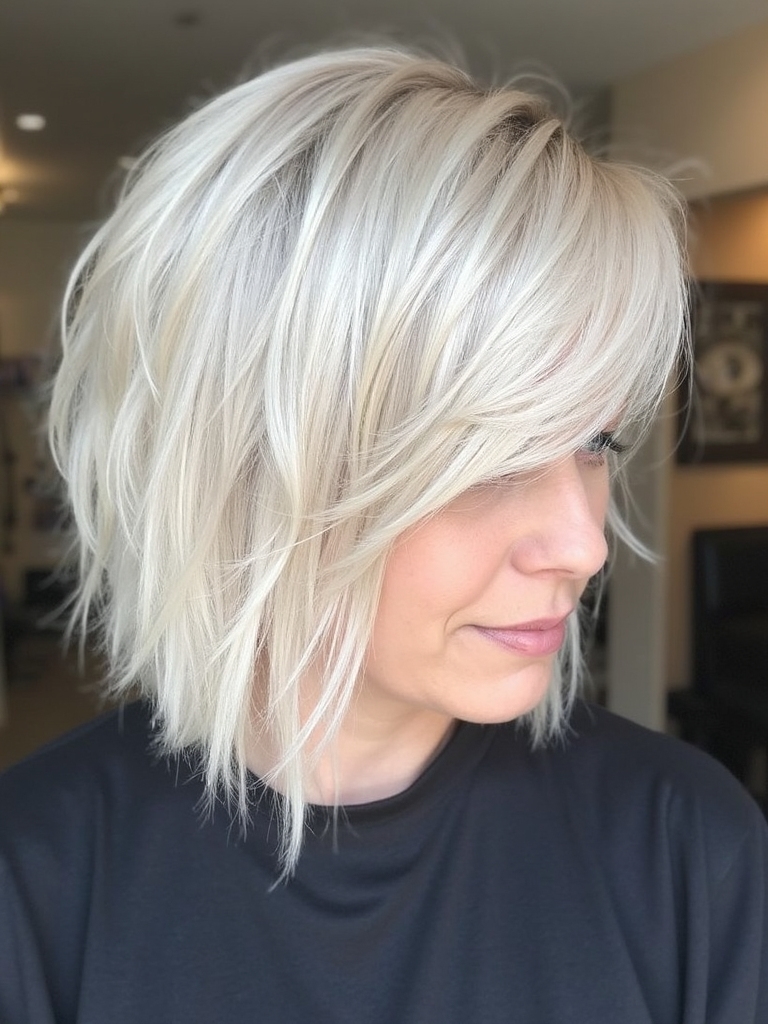
Fine hair carries this shape well once two specific things are handled: volume at the root and shine along the lengths. Together, those two details make thin hair look full rather than sparse.
Volume First, Then Shine
Rough-drying the roots for height, then keeping the lengths smooth with a lightweight serum so they catch light, does most of the work. Heavy product is the enemy here; it flattens fine hair almost immediately and leaves it looking limp.
Lift comes first in the routine for a reason: adding shine to hair that’s already sitting flat only draws more attention to how little volume is there.
A Thick-Hair Bob Built for Movement
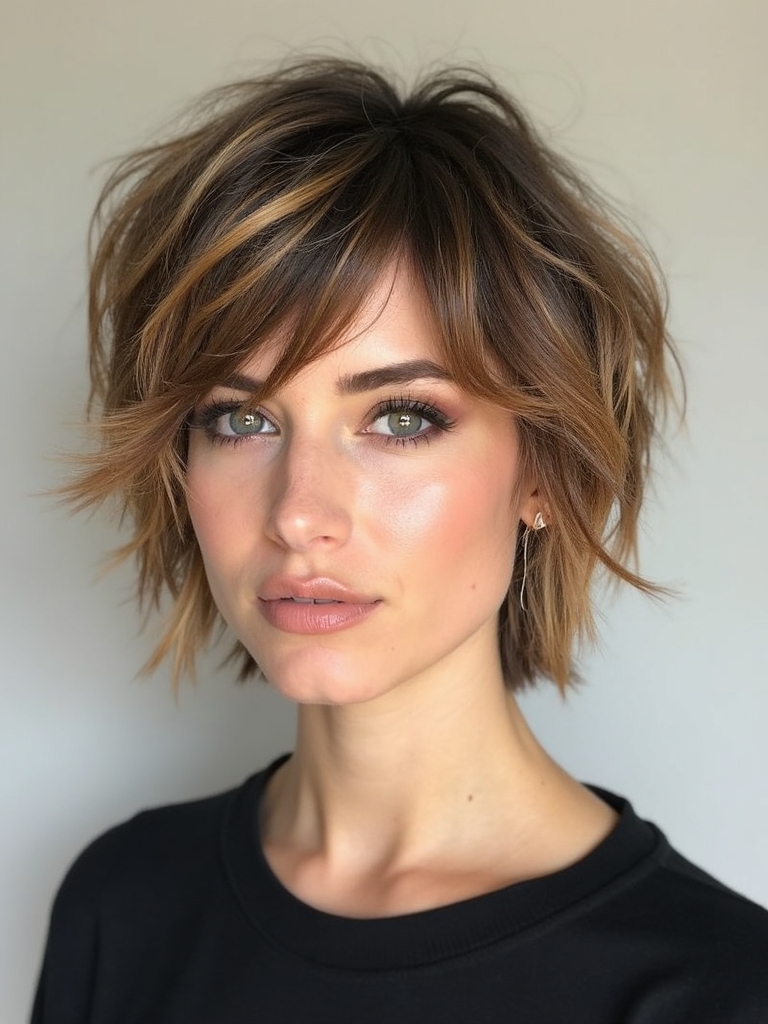
Dense, heavy hair rarely comes across as polished when it sits like a solid block, no matter how good the underlying cut is. Removing internal weight so the hair actually swings is what changes that, and movement is exactly what signals quality on thick hair.
- Confirm enough internal weight has come out that the hair moves rather than sits like a helmet.
- A smoothing cream on the surface keeps thick hair from frizzing wide and looking unkempt.
- Piecey, separated ends make all that density look intentional instead of accidental.
An Asymmetrical Bob With Real Edge
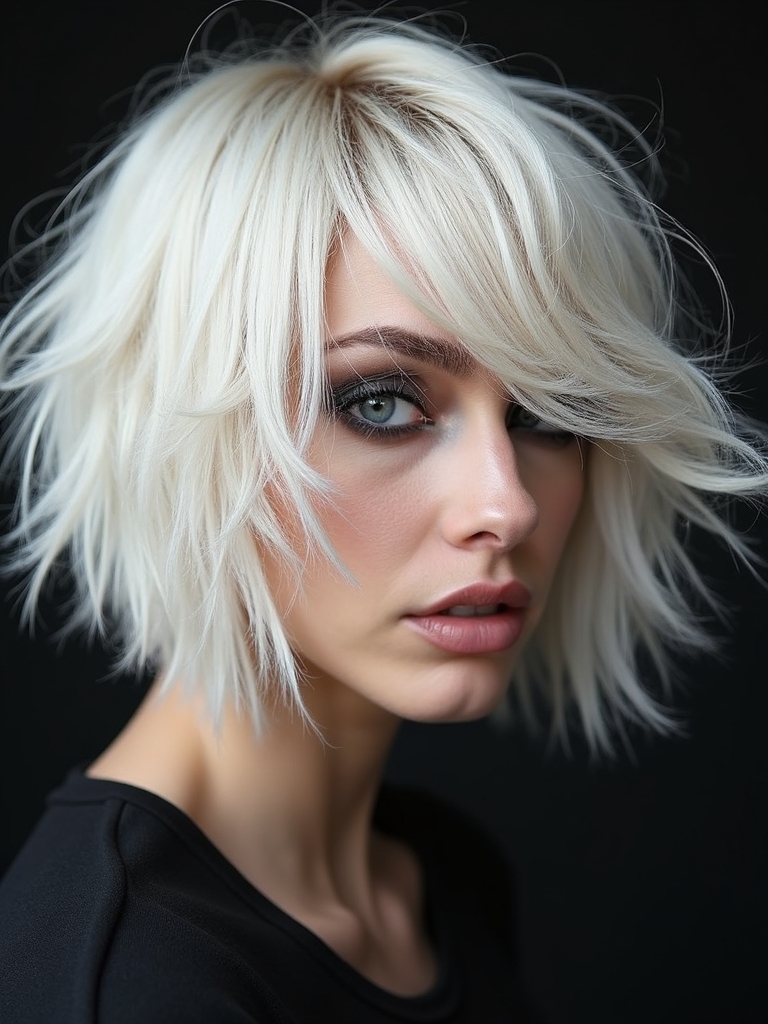
An asymmetrical shape signals a deliberate, design-led choice, provided the length difference actually commits to being visible rather than barely there.
Commitment Makes the Line Work
A clear, obvious gap between the two sides, with glossy, intentional ends, comes across as a considered decision. A faint, ambiguous difference just looks lopsided.
Styling with a defined part and a smoothed longer side keeps the asymmetry visible and clean, which is what turns it into a recognizable choice.
Don’t Over-Thin
Removing too much weight at once can leave thick hair looking stringy rather than textured. A stylist should take weight out gradually over a couple of visits on very dense hair, not all in a single appointment.
A Feathered, Razor-Cut Bob
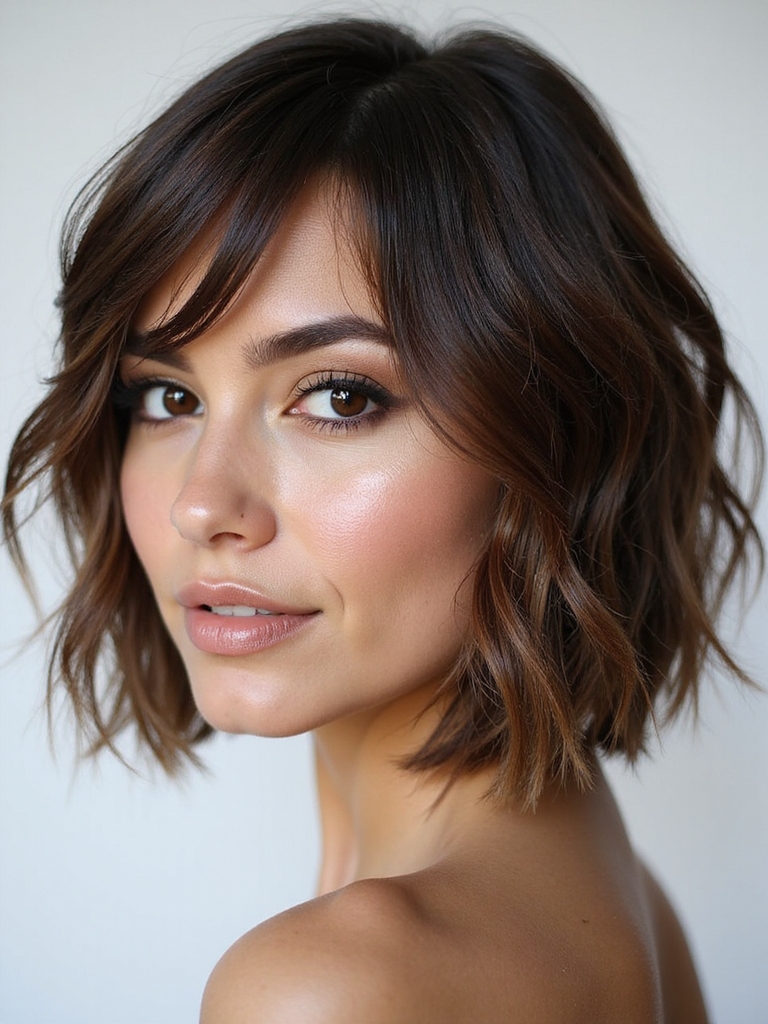
A razor produces the softest, most feathered ends available on this cut, and styled correctly that airy texture reads as unmistakably luxurious. The catch: razored ends only look polished when they’re healthy, since frayed or dry ends undercut the whole effect immediately.
- A leave-in or light oil applied daily protects ends that dry out faster than a scissor-cut finish would.
- Air-dry or diffuse to keep the feathering soft, then separate pieces gently with fingers.
- Regular trims keep delicate ends from tipping into split and scraggly territory.
A Laid-Back, Collarbone-Length Lob
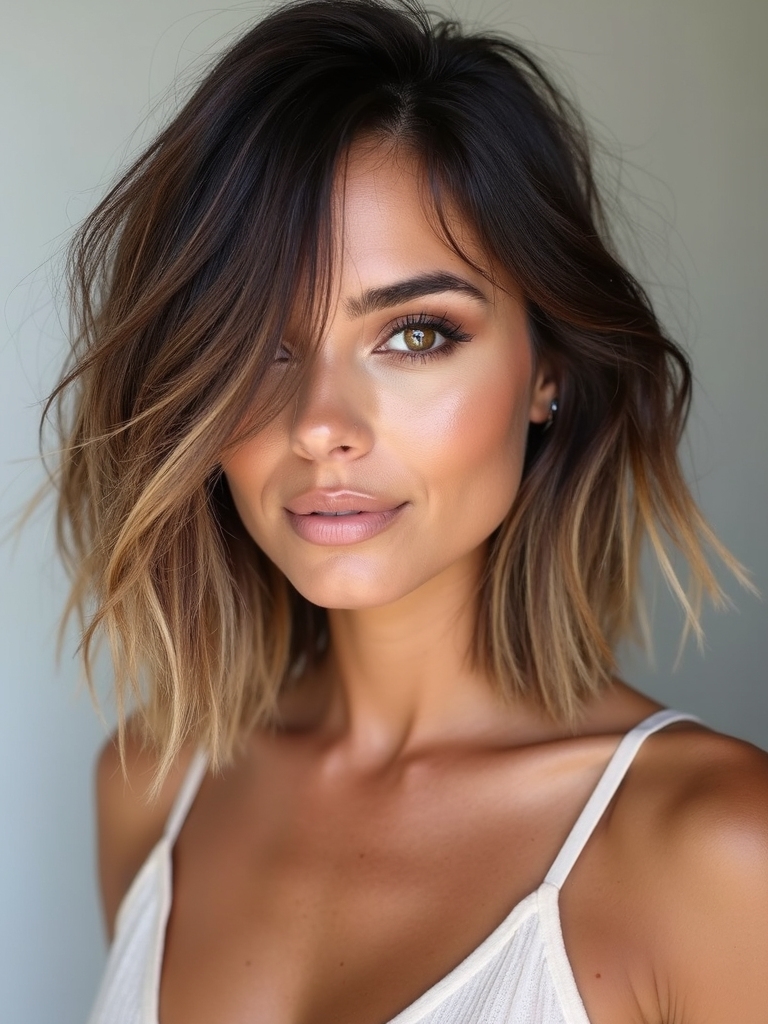
At collarbone length, this version offers the most everyday versatility of the group, long enough to feel grown-up while working equally well sleek or tousled depending on the day. That flexibility is part of why it consistently looks intentional.
- For polished days, smooth the lengths using a shine serum and a round-barrel brush while blow-drying.
- For undone days, scrunch in texture spray, air-dry, then add a drop of oil to the ends.
- A clean part and frizz-free lengths keep either version on the polished side of casual.
An Edgy Bob With a Micro Bang
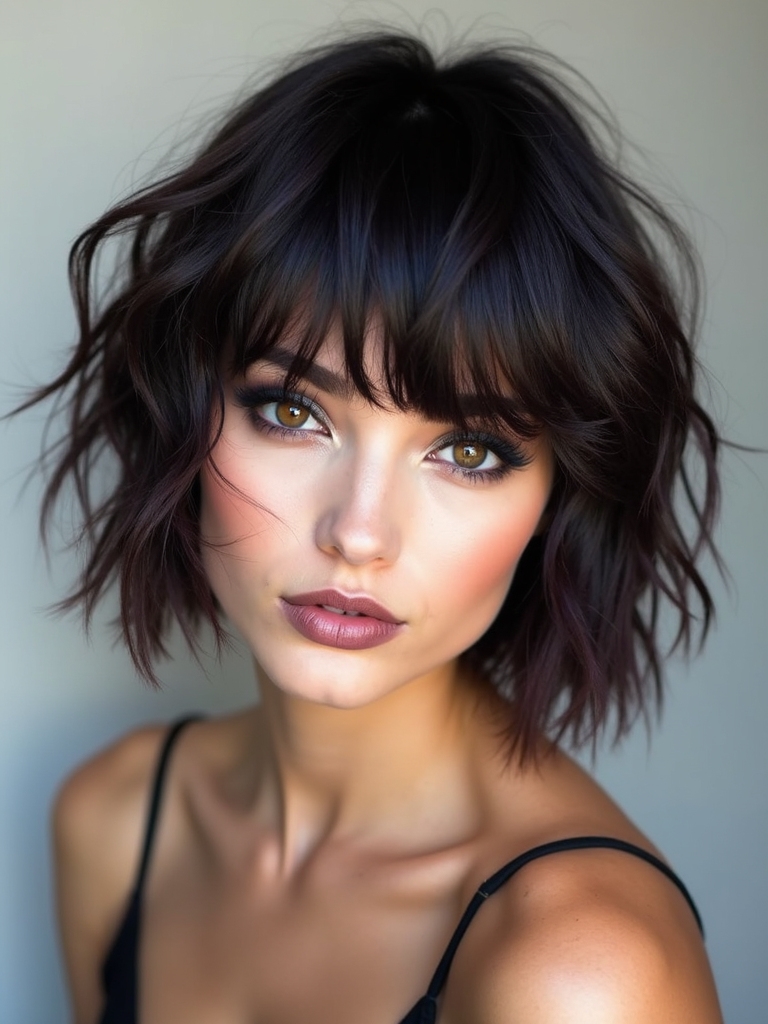
A micro bang pushes this shape into bold, editorial territory, coming across as high fashion rather than a dare when it’s styled with real precision. The contrast between a short, sharp fringe and textured length underneath carries the whole look.
- Style the micro bang smooth and precise; a frizzy short fringe undercuts the effect faster than anything else in the cut.
- Keep the rest of the bob textured so the bang registers as deliberate contrast, not a mismatch.
- Frequent trims matter more here than almost anywhere else, since grow-out softens the sharp line fast.
A Beachy, Tousled Bob
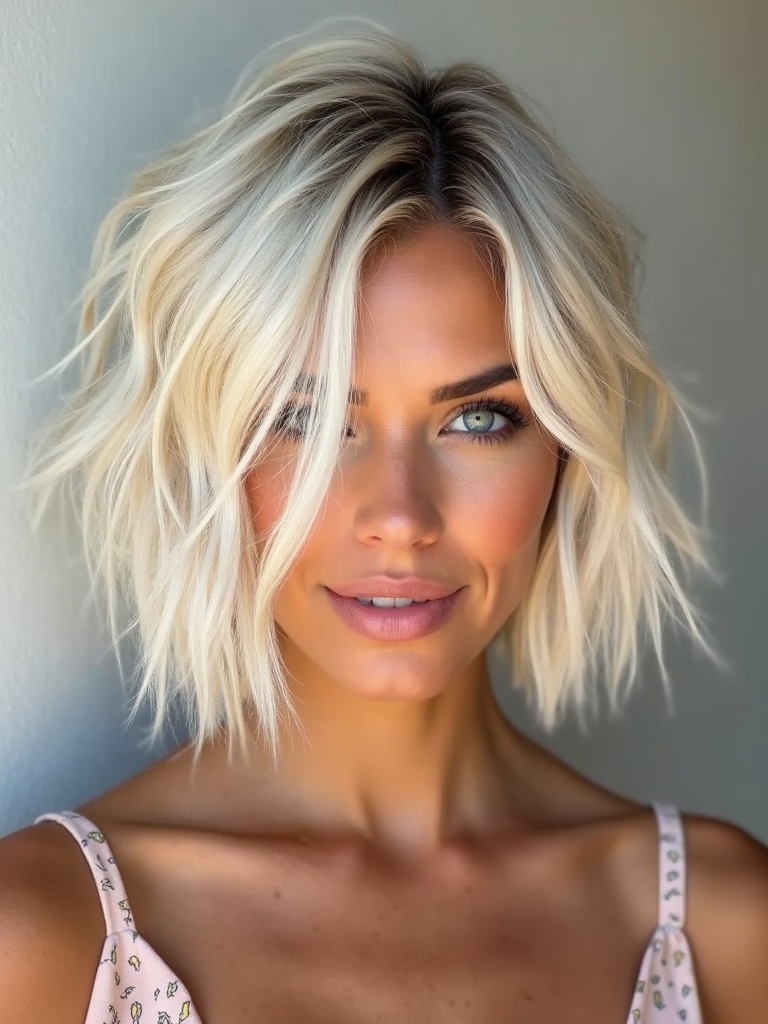
This is the most relaxed version on the whole list, built entirely around soft, undone texture, but there’s a real gap between beachy-and-polished and simply windblown. Shine and definition are what separate the two.
- A sea-salt spray builds grit; follow it with a drop of oil so the texture looks intentional rather than parched.
- Bend a few random pieces with a flat iron for definition, so the finish reads styled instead of slept-in.
- A smoothing product keeps frizz down, since frizzy beach texture is the version that looks unfinished.
A Center-Part Bob for Balance
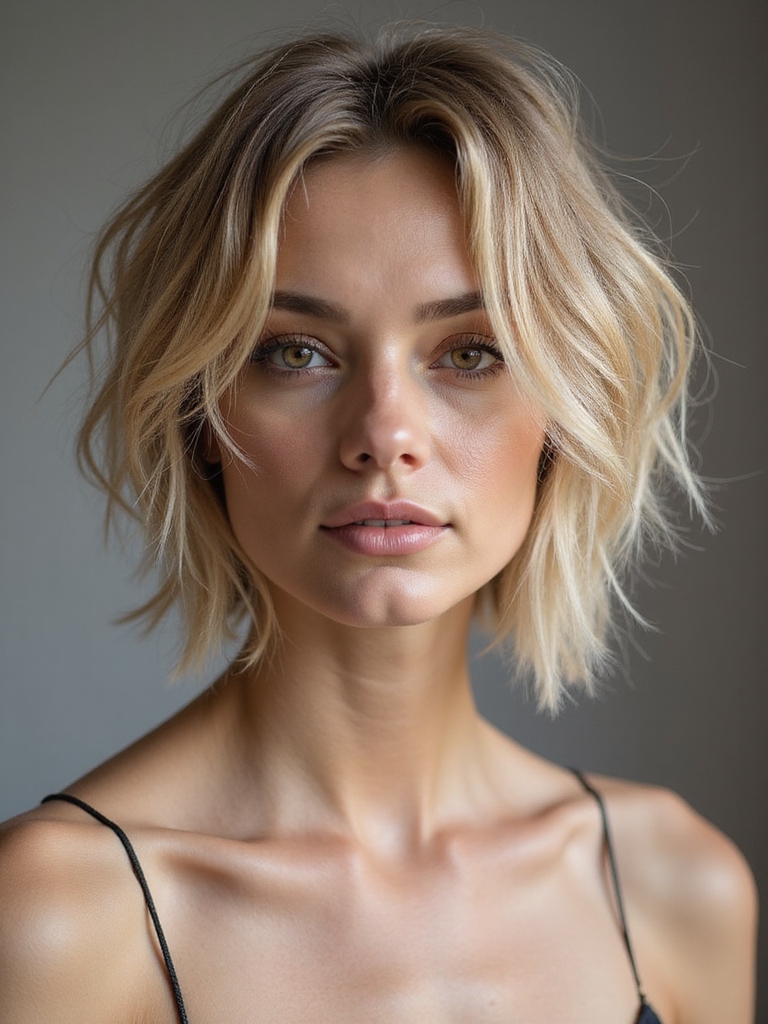
A clean center part modernizes this shape instantly, and the symmetry it creates comes across as calm and intentional rather than an afterthought.
The part itself has to stay crisp for the effect to work, which is worth the extra few seconds it takes to draw it carefully rather than finger-part it.
- Draw the part with a comb tail, not fingers, for a clean, straight line.
- Smooth the hair flat at the root on either side of the part for a crisp finish.
- Let the ends stay tousled below the part for contrast against the sharp line up top.
Styling Notes for a Polished Finish
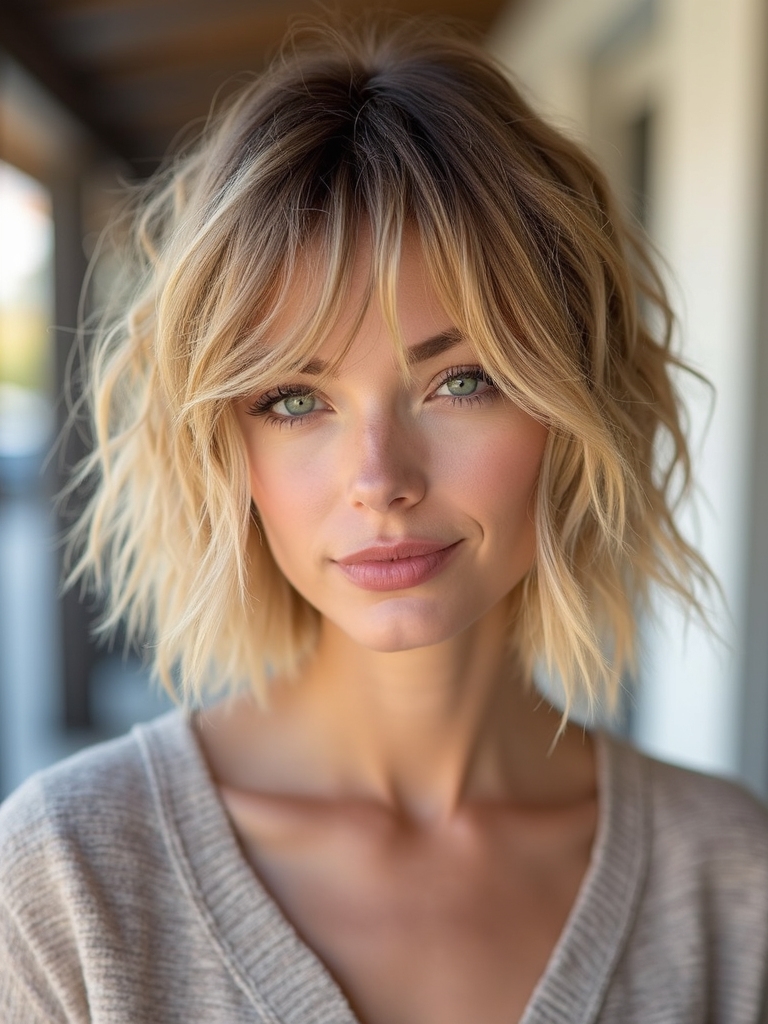
Across every version above, the same small set of finishing habits separates a shaggy bob that looks put-together from one that just looks unbrushed: shine along the lengths, lift at the roots, visible separation in the ends, and a clean part.
None of those habits take more than a minute or two, and none of them require an expensive product. A quality lightweight serum runs around $18 and lasts for months, which covers most of what this whole approach depends on.
Shaggy Bob Styling Questions
?What’s the single biggest mistake that makes a shaggy bob look unfinished?
Skipping a deliberate part. Letting hair fall randomly instead of combing a clear part, even a casual one, tips a shape from styled into slept-on faster than anything else. Pairing a clean part with a little shine on the ends usually fixes the issue in under a minute.
?Which products actually matter for this look?
Surprisingly few: a texture spray for separation, a lightweight oil or serum for shine on the ends, and a root-lift spray for anyone whose hair falls flat. Heavy waxes and thick creams tend to work against the effect rather than for it.
?Does this shape work for hair that’s naturally very shiny already?
It does, though the emphasis shifts slightly toward texture and separation, since the hair already has plenty of natural gloss. A texture paste or matte-finish product usually does more for already-shiny hair than an additional oil would.
?How is a salon gloss treatment different from a shine serum used at home?
A gloss treatment coats the hair with a semi-permanent layer that reflects light for several weeks, while a daily serum sits on top temporarily and washes out. Gloss treatments cost more upfront but reduce how much daily product gets used between visits.
Finish Decides More Than the Cut Does
The specific version chosen matters less than most people assume; nearly any shaggy bob on this list can look considered or careless depending entirely on the finishing habits behind it.
Pick whichever shape matches the hair texture already in play, commit to that one minute of finishing each morning, and expect people to start asking where the cut came from.
Hand-Picked for You