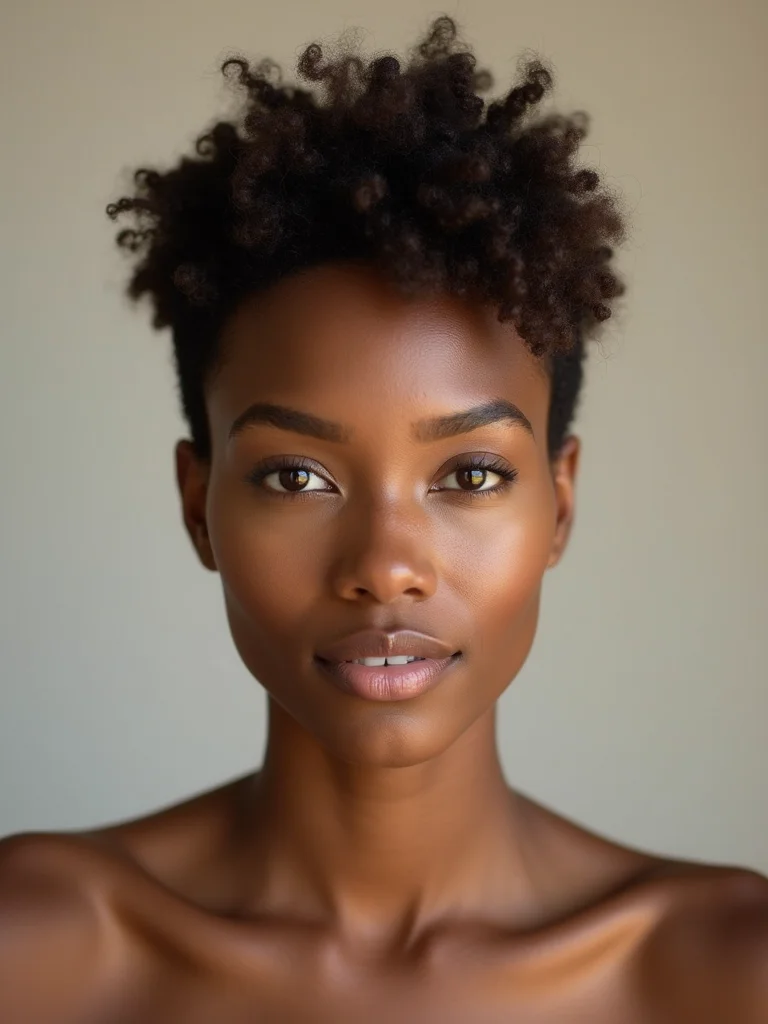
Modern mullet hair spent years being the cut people apologized for wanting, sheepishly pulling out a saved photo before they’d even said the word out loud. That reputation doesn’t match what’s actually leaving salons now, where a softened, layered version has quietly become one of the more requested cuts on the books.
The mullet people picture from old band photos is gone. What’s cut today is softer, layered, and built to flatter a real face: short on the sides, long in the back, with shape everywhere in between. Fifteen versions follow here, sorted by texture, length, and how much upkeep each one asks of you.
Mullet Styles at a Glance
| Style | Best for | Upkeep |
|---|---|---|
| Shag mullet | Most textures wanting volume | Trim every 7 to 8 weeks |
| Cropped mullet | Bold looks, strong features | Shape every 4 to 5 weeks |
The Modern Mullet, Reintroduced

Strip away the costume and a mullet is simple. The top and sides sit shorter, the back stays longer, and graduated layers connect the two so nothing looks like a hard step. That gradient is the whole game. Get it right and the cut looks deliberate, the kind of considered shape someone clearly walked in and asked for.
What changed is the softness. Today’s version leans on point-cutting and internal layers instead of blunt, shelf-like tiers, so the silhouette moves. It works on straight, wavy, and curly hair, and it pairs with a fringe or skips one entirely. Most of my clients land somewhere between a shag and a true mullet, which tends to be the most wearable spot.
Expect to pay $60 to $120 for a proper mullet depending on where you live, and plan a shape-up on a five-to-seven week rhythm if you want the short layers to stay crisp. Skip the trims and it grows into a shag, which some people prefer anyway. For the layered cousin of this cut, the modern shag carries the same energy with less contrast at the back.

The Shag Mullet, Layered All Over

The shag mullet is the one I suggest most when someone wants the attitude without the severity. It blends the heavy, all-over layering of a classic shag with the short-to-long balance of a mullet. The result is rounder and fuller, with less of a stark line at the back.
Texture is what sells it. Without choppy layers through the crown and ends, a shag mullet falls flat and looks like it is simply growing out. Ask for visible, choppy movement through the layers.
- Bring a photo that shows the layering you want; the gap between a soft shag mullet and a spiky one lives entirely in how aggressive those layers are.
- Air-dry with a curl cream or a texturizing spray scrunched into the mid-lengths for that undone finish.
- Book a trim every seven to eight weeks so the layers keep their shape as the cut grows out.
ℹ️Good to Know
The cut is older than its name. “Mullet” only stuck as the common term in the 1990s, after the Beastie Boys used it in a song. Hairdressers had been shaping short-top, long-back styles for decades before it had a label.
The Wolf Cut Mullet
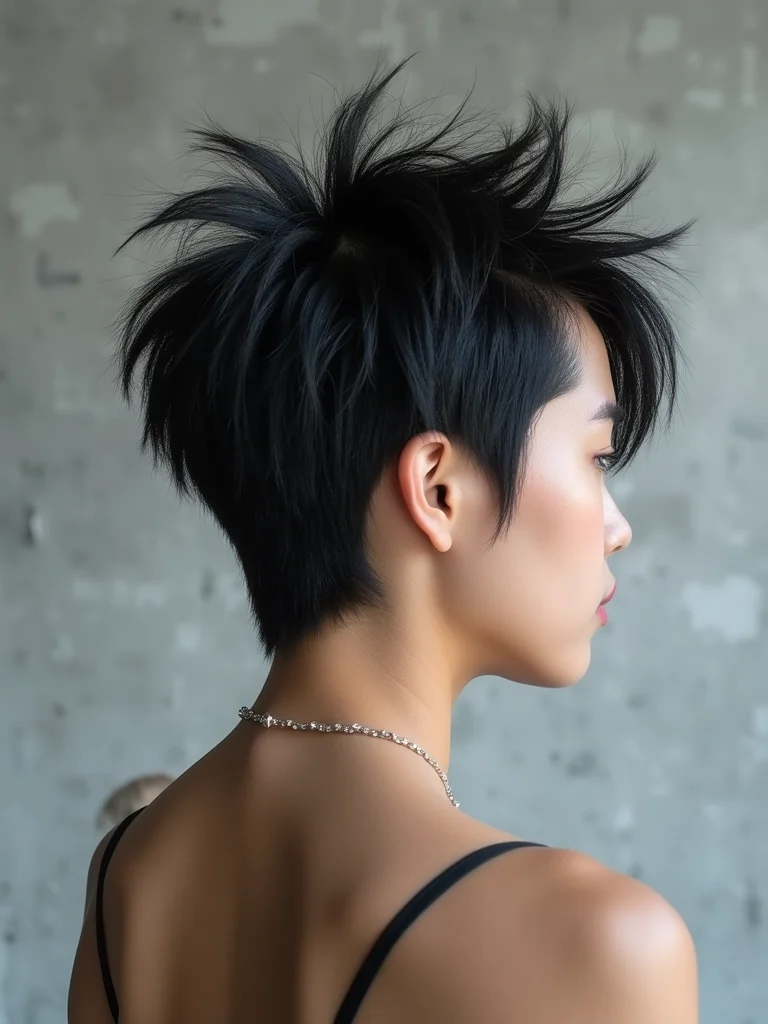
Part mullet, part shag, the wolf cut mullet is the version that took over social feeds. It keeps a heavy, layered crown and a wispy, tapered nape, and it photographs as pure texture from every angle. Younger clients ask for it by name, usually pointing at a wolf cut reference. On a true mullet base, the back simply stays longer.
- Best on hair that holds a bit of grit; baby-fine strands may need a root-lifting product to keep the crown from going flat.
- Style with a diffuser or just your fingers and a salt spray, encouraging the pieces to separate.
- If you want more length kept at the back, look at the shoulder-length wolf cut before you commit to a shorter nape.
The Curly Mullet
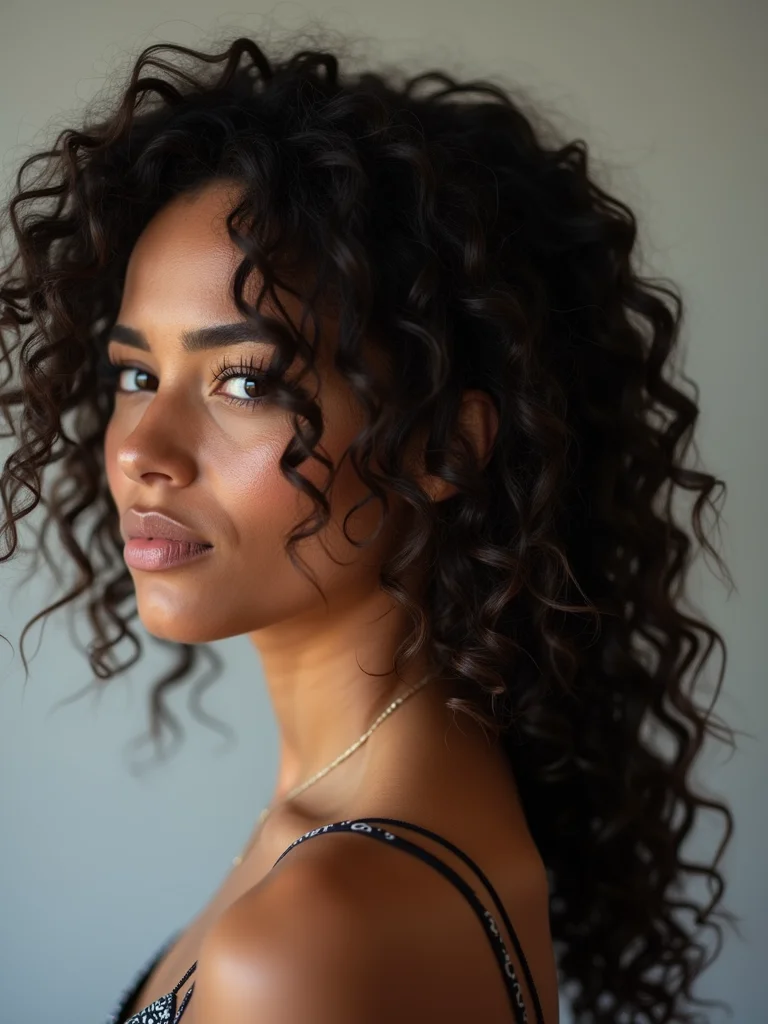
Curls and mullets were made for each other. A curl pattern hides the layering work and adds its own volume, so the shape looks full and finished even on the mornings when you do almost nothing to it beyond scrunching in a little product.
Keeping curly layers defined
The key is cutting curly hair to its true shrinkage. I cut most curly mullets dry, curl by curl, because the same length looks completely different once a coil springs up. A wet cut on curly hair is how you end up shorter than you wanted.
Day-two and day-three hair tends to look best here, since a little separation gives the layers definition. Refresh with water and a dab of leave-in to bring the coils back to life.
🅰️Shag Mullet
Softer, rounder, and more forgiving as it grows out. The safer first step into the trend.
🅱️Wolf Cut Mullet
Spikier and more textured, with a wispy nape that needs regular shaping to stay sharp.
The Mullet With Curtain Bangs
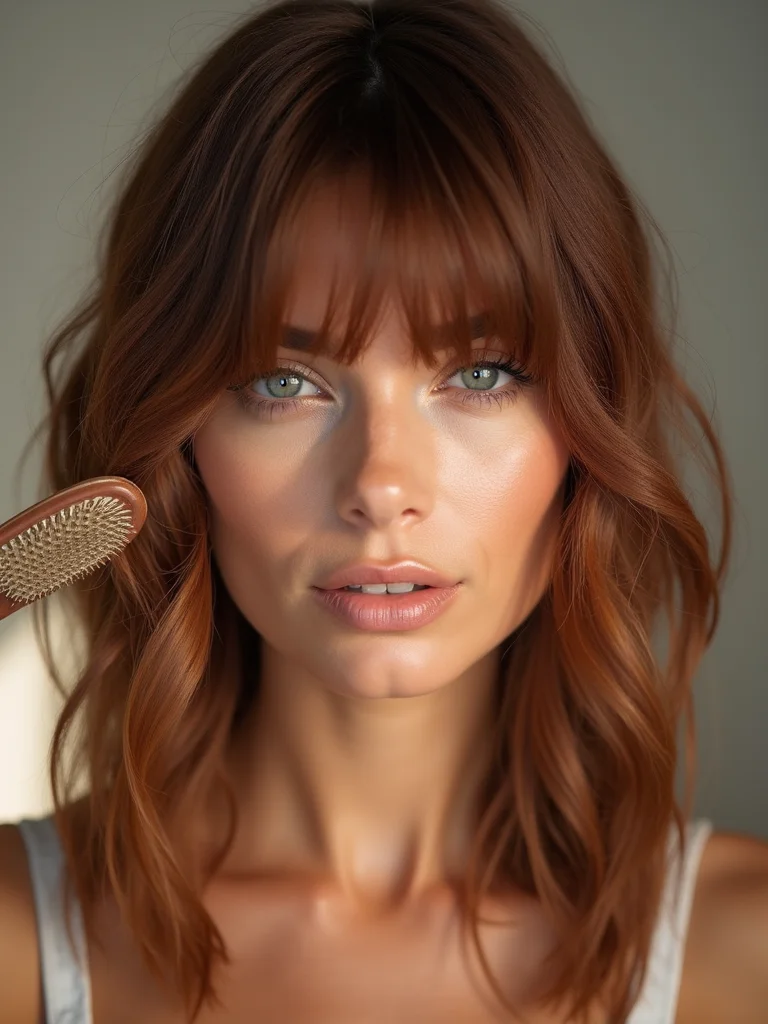
Adding curtain bangs to a mullet softens the whole face. The fringe parts in the middle and sweeps toward the cheeks, which balances the longer back and gives your eyes somewhere gentle to land. It’s the version that works best for first-timers nervous about looking too harsh. Here’s the sequence that keeps it looking intentional rather than accidental.
- Rough-dry the back and sides first, so the longer length is almost set before you touch the fringe.
- Split the curtain bangs down the center and dry them with a round brush, aiming the air down and out to build the sweep.
- Finish with a pea-sized drop of serum through the fringe and a light mist of flexible spray; reset the part with your fingers whenever it falls.
The Cropped, Short Mullet

When a client wants something bold, the cropped mullet is where we go. The sides come up short, sometimes close to the ear, while the nape keeps just enough length to still count as a mullet. It is striking on strong features and surprisingly low-fuss once you accept the upkeep.
- Plan on a four to five week cycle; short sides grow out fast and lose their shape quickly.
- A little pomade or paste worked through the top gives you piecey separation and hold.
- Pair it with a bold color or keep it natural; the cut carries plenty on its own.
👍Why people love it
- +Adds instant volume and movement, even to fine or flat hair.
- +Adapts to nearly every texture, length, and face shape.
- +Looks styled with very little morning work.
👎What to keep in mind
- –The short layers want a trim roughly every month and a half.
- –The grow-out has an awkward middle stage.
- –A weak version can look dated, so go to someone who cuts them often.
The Long Mullet

Not ready to lose your length? The long mullet keeps most of your hair while carving subtle shape into the front and sides. From the back it can pass as long layers, and only the shorter face-framing pieces hint at the mullet underneath. It is the quiet entry point to this whole trend.
- Ask for face-framing layers that start around the jaw and a back that stays past the shoulders.
- This grows out with almost no awkward phase, which makes it low-risk if you are testing the waters.
- Loose waves suit it; a long layered cut sits right next door if you want even softer shaping.
A Mullet for Fine Hair

Fine hair and mullets get along better than you would think. The layering creates the illusion of more hair by breaking up the weight across the whole head, so the back never hangs down in the thin, stringy curtain that flat one-length cuts tend to leave behind. The shorter top, cut with a little lift, is where the illusion of fullness comes from.
Avoid over-thinning. On fine hair, too much texturizing leaves wispy, see-through ends that work against you. Ask for soft, conservative layers and go easy on the texturizing, then use a volumizing mousse at the roots before you blow-dry. Finish with a cool-shot setting to lock in the lift you just built.
“If you only buy one tool for a mullet, make it a small round brush. The short top and the longer back need different tension, and a one-inch barrel lets you control both. I use mine far more than any flat iron.”
A Mullet for Thick Hair
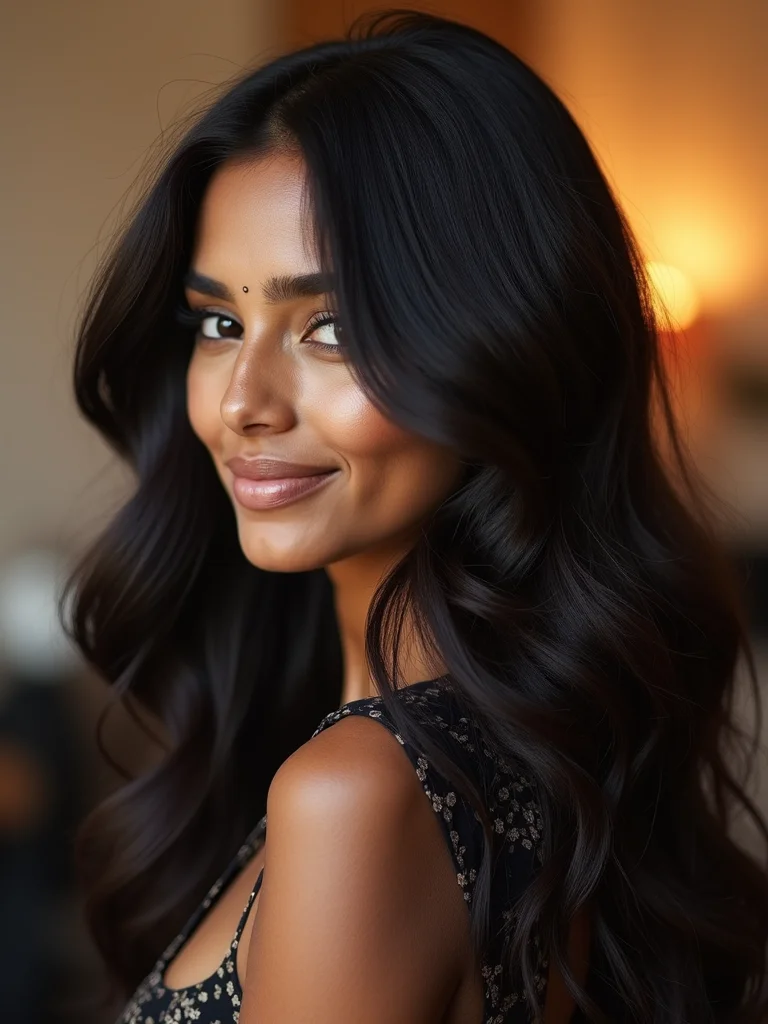
Thick hair is a gift for this cut, but it needs managing. Left dense, a mullet on thick hair can balloon into a heavy, triangular shape that swallows the layering. The goal is to remove bulk in the right places so the silhouette stays sharp. Here’s the process that keeps a thick-haired mullet from ballooning.
- Start by thinning the interior and the nape, never the surface, so you lose weight without creating frizzy flyaways up top.
- Keep the layers longer than you would on fine hair; thick strands need the length to fall correctly.
- Use a smoothing cream and rough-dry on medium heat, then refine the ends so the back falls smooth and stays close to the head.
The Coily, Textured Mullet
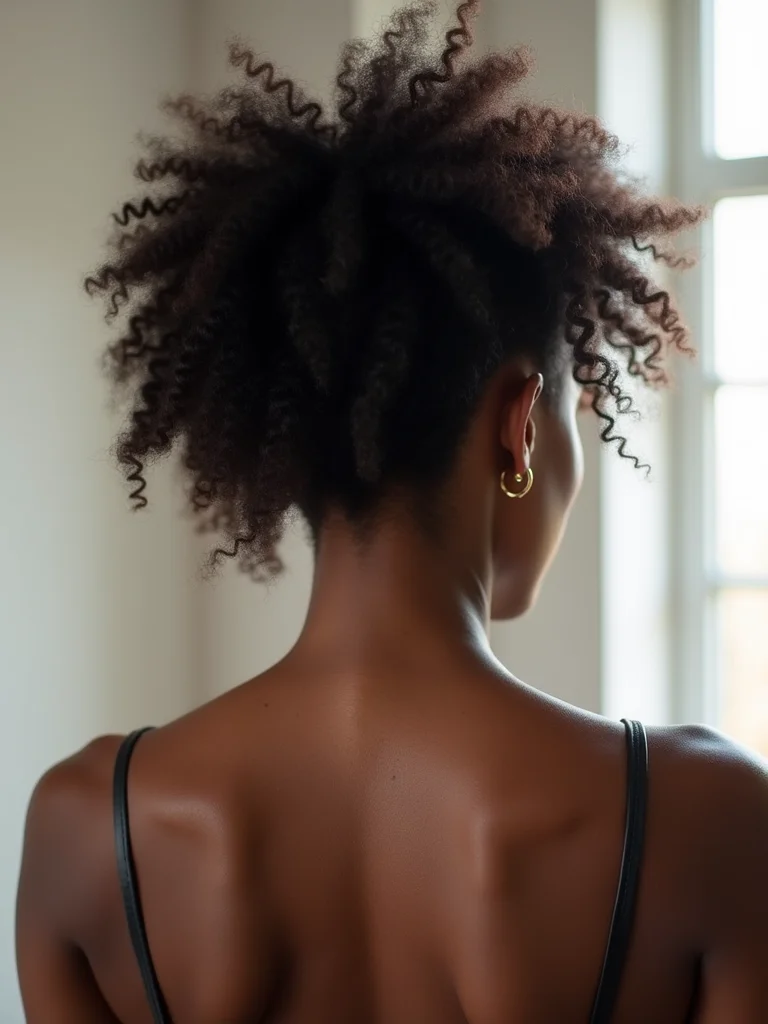
On coily and 4c hair, the mullet is a natural fit, because the shape works with the texture and lets the coil pattern lead the cut. A rounded, tapered crown and a longer back let the curl do the shaping. Done well, it honors the density and definition that tight textures already have.
Cut it dry and in its natural state, so the taper follows your real curl pattern exactly as it sits and shrinks against your head. This is one cut where I never work on soaking-wet hair. Shaping happens as the coils sit, with a wide-tooth comb and a light hand.
One safety note worth keeping in mind: if you style the longer back into a slicked ponytail or a tight puff, keep the tension gentle at the hairline. Constant pulling there can stress the edges over time. A satin scarf at night and a moisturizing routine protect both the shape and your scalp. For low-manipulation length, a shape-up on a two-month rhythm is plenty.
The Bold-Color Mullet

Color and a mullet amplify each other. The layered shape gives dimension somewhere to live, so a money piece, a bright all-over, or a two-tone back lands louder than it would on a blunt cut. This is where clients get adventurous.
Think about maintenance before you commit. Bright, fashion shades fade fast and ask for a gloss on a monthly cycle, sometimes tighter, to stay rich. A face-framing money piece is the lower-commitment way in, since it lifts only a few sections.
- Copper and warm reds flatter the choppy texture and grow out softly.
- A bleached or platinum nape turns the back of the cut into the statement.
- Book a bond-building treatment alongside heavy lightening to keep the layered ends from snapping.
The Soft Baby Mullet

The baby mullet is the gentlest member of the family. The contrast between top and back is small, the layers are subtle, and from across a room it barely registers as a mullet at all. That restraint is the appeal.
I send a lot of cautious clients here first. It gives you the shape and the movement to decide whether you like living with a mullet, without a dramatic before-and-after that you cannot undo for months.
Keep it simple at home. A quick rough-dry and a little texture spray is all the look needs, and trims can stretch to roughly every two months since there is no sharp line to maintain.
Choosing a Mullet by Face Shape

A mullet is not one-size-fits-all, and the right proportions depend on your face. The beauty of the cut is how adjustable it is. A stylist can shift where the layers start, how short the sides go, and whether you add a fringe, all to balance your features. A few starting points help.
- Round faces do well with height at the crown and a longer, leaner back to draw the eye downward.
- Long or oval faces can carry a fuller fringe, which shortens the face and softens the forehead.
- Square jaws soften with face-framing pieces and a wispier nape that blurs a strong, angular line.
Styling Your Mullet at Home

The cut does most of the work, but a few habits keep it looking deliberate. The biggest mistake I see is treating the whole head the same. The short top wants lift and separation; the long back wants smoothness and weight. Style them differently.
For an everyday finish, rough-dry on medium heat, then go back into the crown with a round brush to build volume. A texture spray or a light paste through the top gives you that piecey definition without making the back look greasy.
By the second day, a quick dusting of dry shampoo near the crown plus one slow pass of the flat iron over the fringe wakes the whole shape up again. The back rarely needs much, and that’s exactly why this cut earns its keep on busy mornings.
Growing Out a Mullet, Honestly

Let me be straight with you about the grow-out, because no one else seems to be. A mullet does not grow out cleanly. There is a stretch, usually around the three-month mark, where the back catches up to the sides and the whole thing looks shapeless. You have options to ride it out.
- Get a shaping trim every couple of months even while growing it; blending the layers keeps the awkward stage tolerable.
- Lean into it and let the cut become a shag or longer layers, which is the easiest natural landing spot.
- Use clips and half-up styles on the rough weeks; pinning the shorter pieces back buys you time.
Mullet Questions, Answered
?Is a mullet hard to maintain?
It depends on the version. A cropped mullet needs a trim every four to five weeks, while a soft or long one can stretch to eight or ten. Day-to-day styling is quick once you learn to treat the top and the back differently.
?Will a mullet suit my face shape?
Almost any face can wear some version of it. The placement of the layers and fringe is what gets tailored to you, which is why two people with very different features can both pull off a mullet that looks made for them.
?How is a mullet different from a shag?
A mullet has a clear short-to-long contrast, shorter on top and sides with length kept at the back. A shag spreads its layers more evenly all over. The two meet in the popular shag mullet, which borrows from both.
So, Is the Mullet for You?
The mullet earned its bad reputation honestly, and then it grew up. What used to be a punchline is now the most adaptable cut I offer, precisely because there is a soft version and a sharp version and a dozen steps in between. The shape bends to you, not the other way around.
If you have been circling this cut for a while, half-wanting it and half-scared, that hesitation is usually a good sign. It means the look pulls at you. So here is the question worth sitting with before your next appointment: which version of the mullet feels like the one you would actually wear out the door tomorrow?
Related Reads