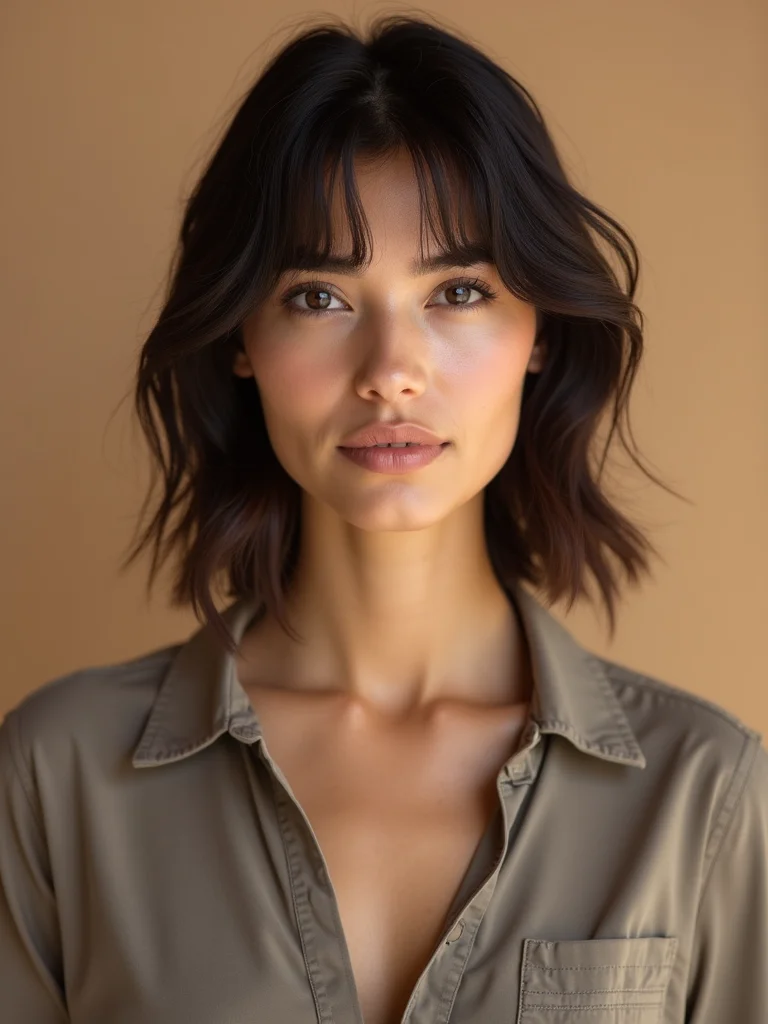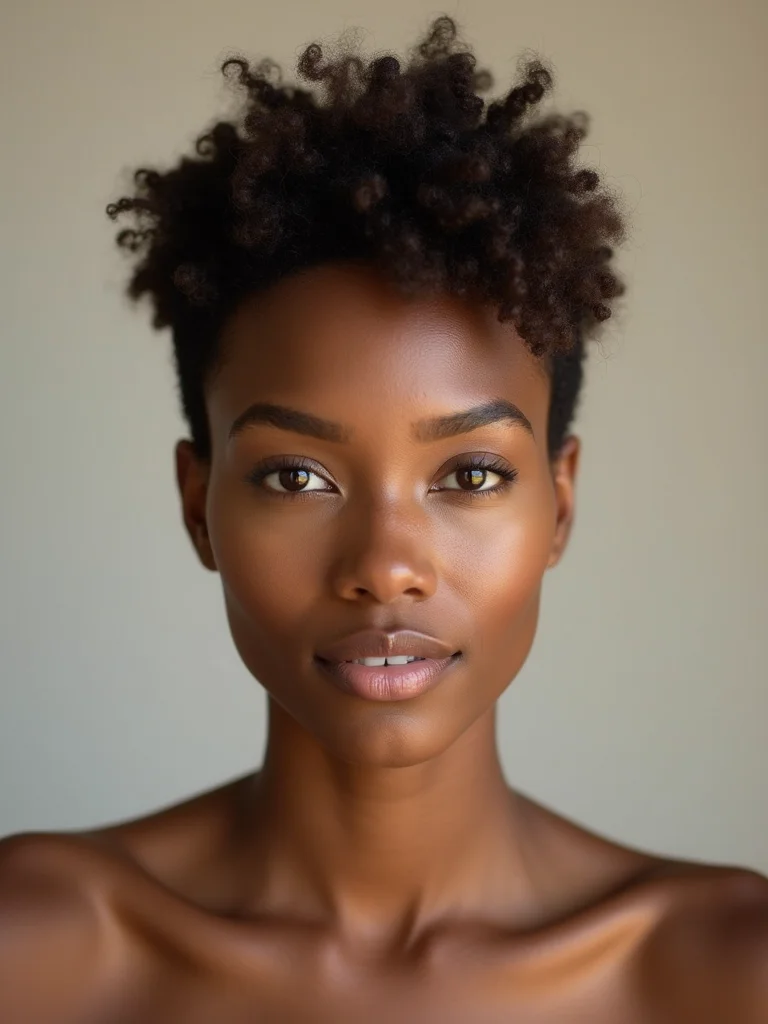
Half my consultations for short hair end the same way: the client wants the freshness of a pixie but can’t bear to lose the security of a bob, and they freeze right there in the chair. The bixie is what I hand them, and it settles the argument every time.
A bixie is exactly what the name mashes together, a bob and a pixie in one cut: shorter and more textured than a bob, softer and less exposing than a pixie. It gives you the lightness and edge of cropped hair while keeping enough length to feel like yourself. Here are ten bixie variations across every texture and age, with who each one flatters and how to wear it, so the undecided can finally decide.
Bob or Pixie? Try Both
| The bixie is | What that gives you | Best for |
|---|---|---|
| Shorter than a bob | The lightness and freshness of cropped hair | Anyone bored of a heavy, one-length bob |
| Longer than a pixie | Something to hold onto, less exposing up front | Pixie-curious people who feel nervous |
| Heavily textured | Built-in volume and low-effort styling | Fine, thick, wavy, and curly hair alike |
The Classic Textured Bixie
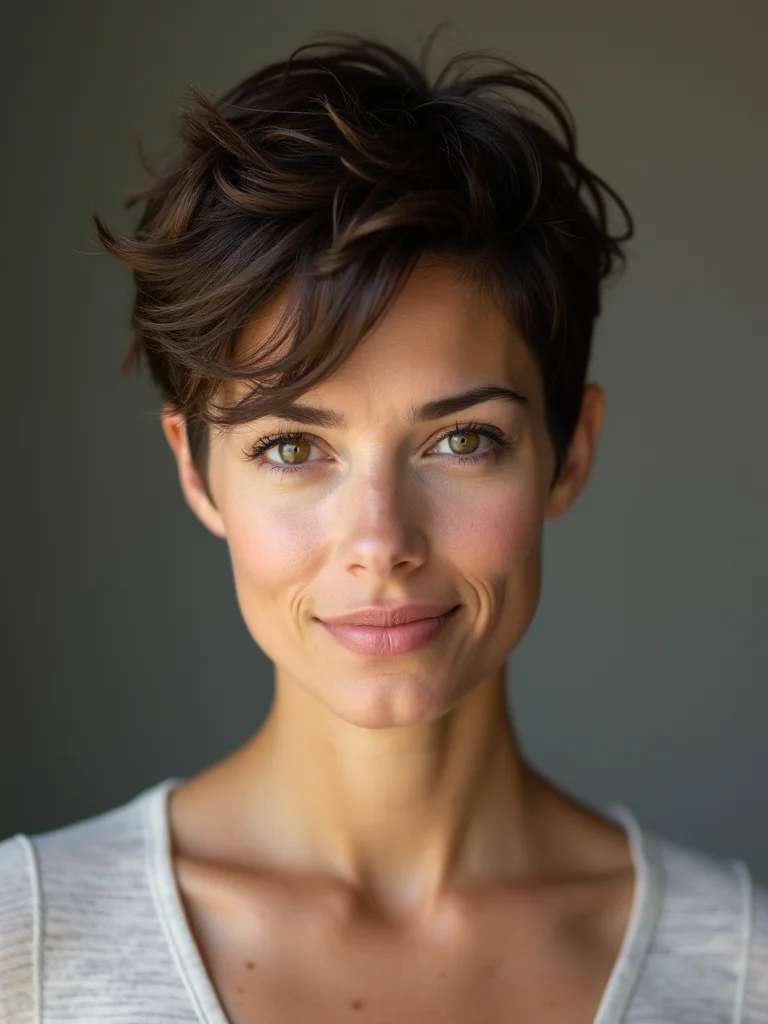
The version that defines the cut keeps a tousled, piecey top over closely tapered sides, so you get pixie-short at the neck with a fuller, bob-like crown. It’s the blueprint bixie. Everything else here is a riff on it, and it reads current without tipping into either extreme.
The magic is in the texture. Heavy internal layering makes the top separate and stand, which builds volume and hides the awkward in-between feeling that makes people scared of short hair. A little paste raked through dry is the whole styling routine.
It flatters most faces because the longer top softens the forehead while the tapered sides sharpen the jaw. If you only look at one bixie, make it this one, then adjust the length and texture to your hair from there.

The Coily 4C Bixie
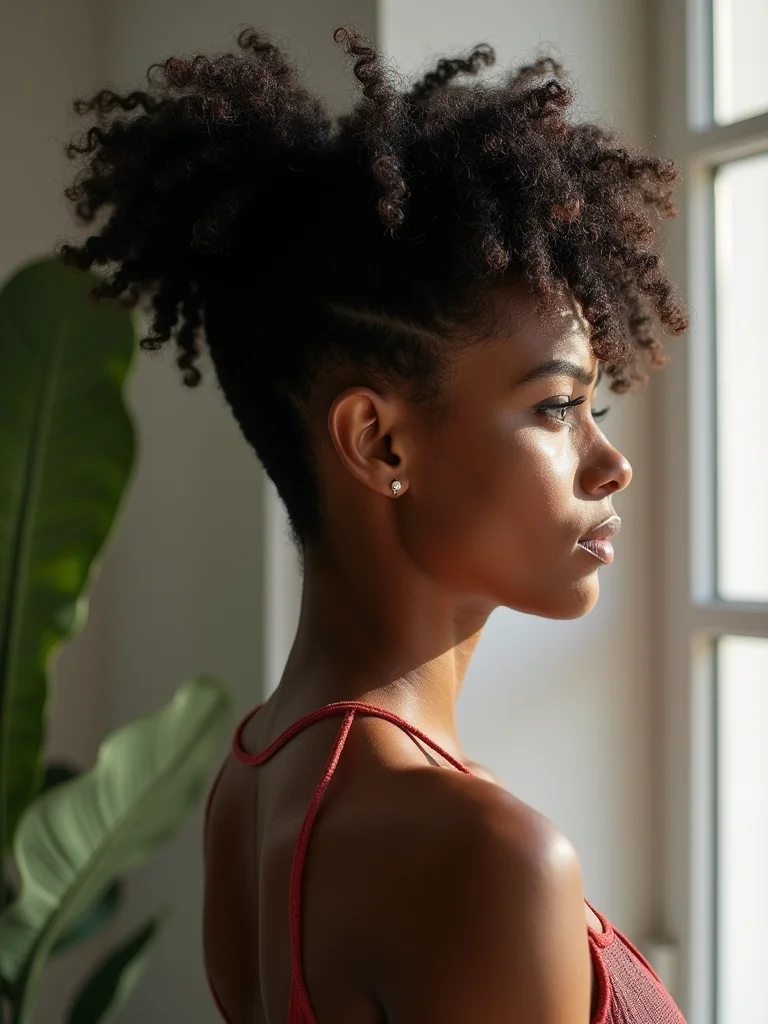
Coily and 4C hair wears a bixie beautifully, with the coils left full and standing through the top over a neatly tapered nape. Cut to celebrate your natural pattern, it needs no straightening and no apology. It sits comfortably alongside the wider world of short natural cuts and protective styles.
The key is a stylist who cuts your coils dry so the shape suits how they spring and shrink once they dry. How to keep it thriving:
- Have it shaped dry, coil by coil, so the length lands where it falls.
- Keep it hydrated with a leave-in, since short coils still want moisture.
- Keep any taper low-tension at the edges to protect your hairline over time.
The Choppy, Stacked Version
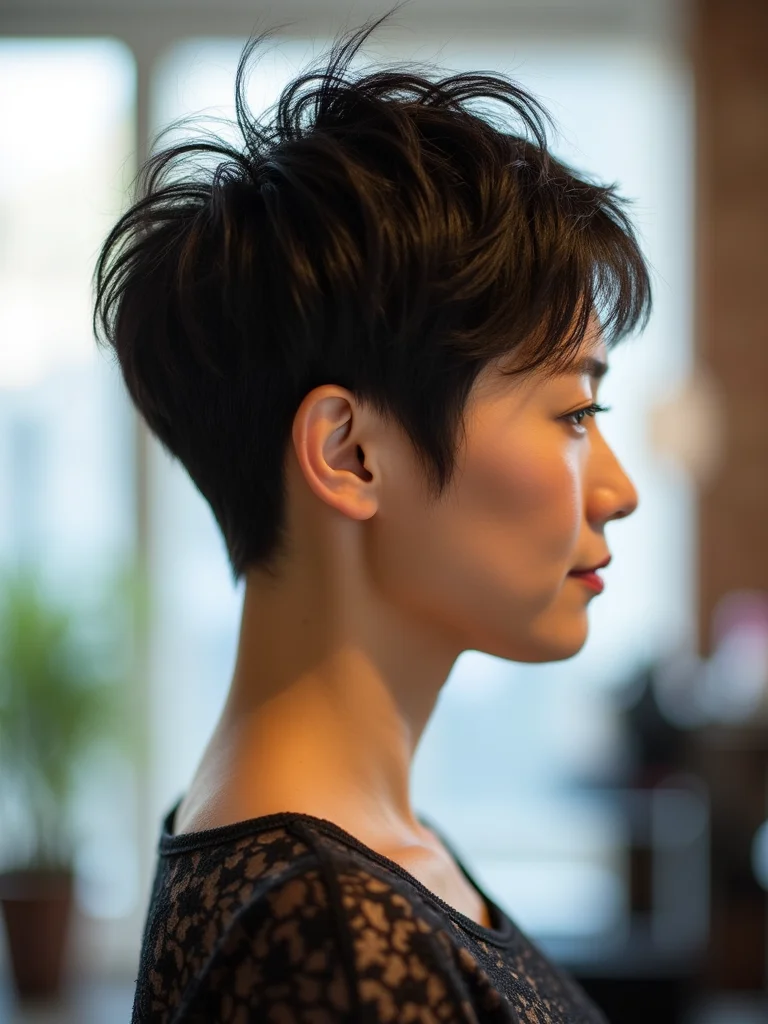
Push the texture further and you get the choppy, stacked bixie, with a graduated nape building volume at the back and an uneven, piecey top for maximum movement. It’s the boldest, most fashion-leaning take. All angles and grit.
The stacking gives the back real lift, which makes it a smart pick for fine, straight hair that needs body. A few notes:
- The stacked nape builds volume, ideal for fine or flat hair.
- Ask for choppy, uneven layers up top for that piecey, undone finish.
- A matte clay separates the pieces and keeps the shape sharp.
Two things people get wrong about the bixie:
❌ Myth: Myth: a bixie is just a long pixie.
✅ Reality: It’s shorter and more textured than a bob but longer and softer than a pixie; the whole point is that it lives between the two, not at either end.
❌ Myth: Myth: short hair only suits certain faces.
✅ Reality: The bixie is adjustable, longer top and fringe for rounder faces, more taper for stronger jaws, so the shape is tailored to you, not the other way around.
The Curtain-Bang Bixie

Add a curtain fringe to a bixie and the whole cut softens, turning more current and more flattering, with middle-parted pieces that graze the cheekbones and blend into the longer top. It’s the detail that takes the edge off a short cut.
The Softest Version
The fringe gives you something to frame your face and sweep aside on the days you want it off your forehead, which makes the whole cut feel adaptable. It’s the version I steer nervous first-timers toward most.
The fringe wants a light trim every few weeks to keep it grazing right, but it’s a small price for how much softness it adds. Pair it with the pixie roundup for more fringe ideas.
The Rounded Silver Bixie

Worn a touch longer and rounder, the bixie leans toward its bob side, which makes it a beautiful choice for gray and silver hair that deserves a modern, soft shape. At this length it edges into chin-length cut territory while keeping the volume high without any harsh angles. Why it works so well:
- The rounded, jaw-leaning shape flatters and softens mature features.
- Gentle volume keeps silver hair looking full, not flat or thin.
- A little smoothing serum keeps natural gray shiny rather than dull.
The bixie is the haircut for people who want to go short but aren’t ready to say goodbye to all their hair. It meets you exactly in the middle.
The Edgy Undercut Bixie
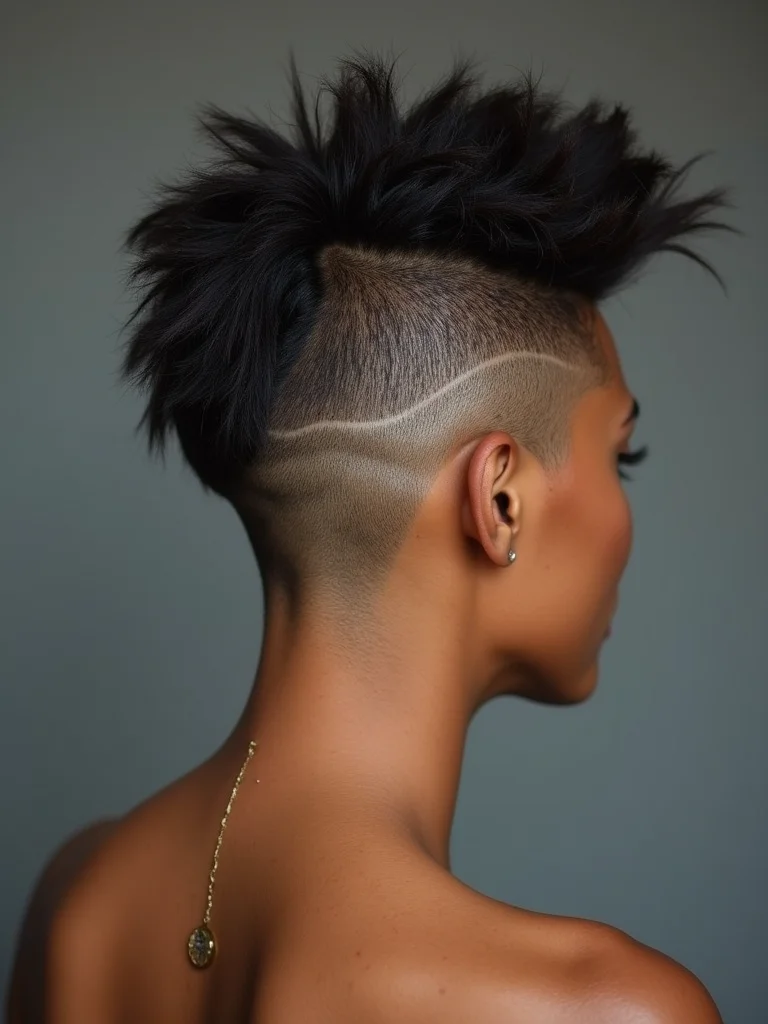
For the boldest bixie, hide an undercut beneath the longer top, shaving the nape tight for high-contrast drama and a serious debulk. This one carries real edge whether or not anyone can see the undercut underneath.
The shaved section also removes weight, which is a real bonus for thick, heavy hair that tends to sit wide and puff instead of lying close to the head. You can show it off with a tuck or keep it secret under the length, so it flexes between bold and low-key in seconds depending on your mood that day.
The trade-off is upkeep, since the undercut wants a clipper touch-up roughly twice a month to stay sharp. But for sheer impact in a short cut, few things compete.
The Wavy Tousled Bixie

Wavy hair and the bixie are a natural match, since the bend springs the layers into airy, piecey movement with almost no effort. A wavy bixie has body and texture built right in, so it looks done the moment it air-dries.
Work a sea-salt spray through damp hair, let it dry untouched, and the waves handle the job of breaking up the layers. For looser waves, a low-heat diffuser draws out more bend without roughing up the frizz, and a touch of light cream on the ends keeps them from reading dry. This is the lowest-effort, highest-payoff bixie, the one that looks like you tried when you spent five minutes on it.
A few terms to bring to your appointment:
📖Taper
A gradual shortening of the hair down the sides and nape, the key to a bixie’s clean, cropped edges.
📖Stacking
Short graduated layers at the back that build rounded volume, borrowed from the bob.
📖Point-cutting
Cutting into the ends at an angle for that soft, piecey, textured finish rather than a blunt line.
The Grown-Out Bixie
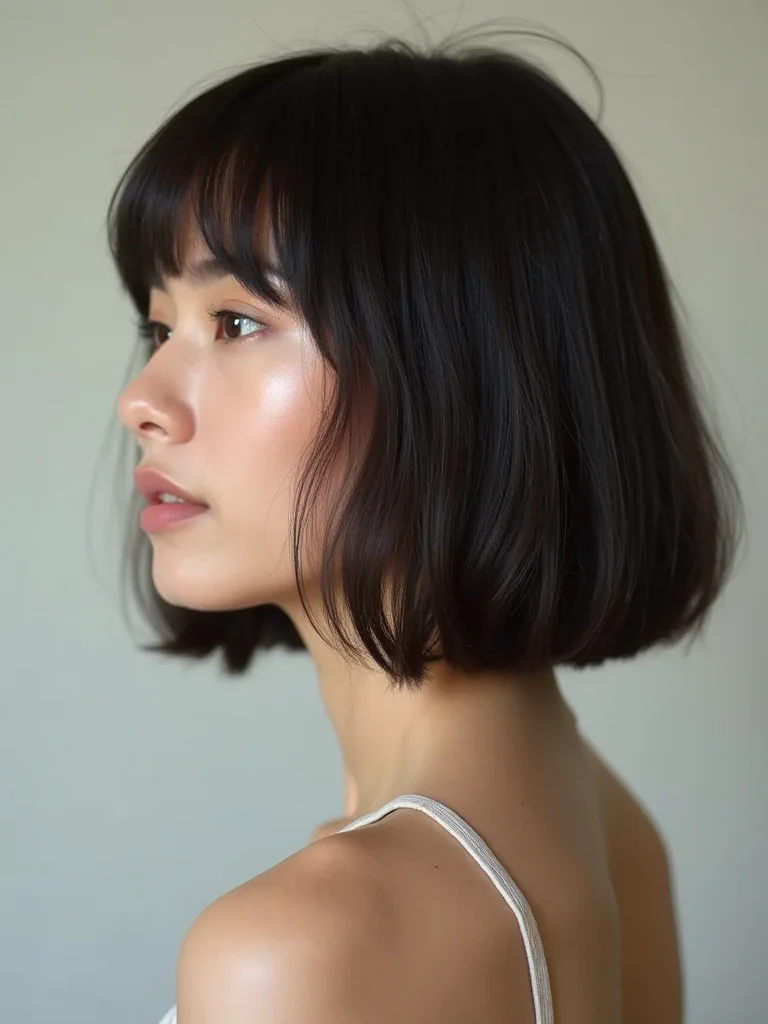
One of the bixie’s best tricks is how gracefully it grows out, and worn long as it stretches toward the chin, it becomes its own soft, bob-leaning shape. This is the version for anyone who loves short hair but wants an easy path back to length whenever they choose.
For an Easy Grow-Out
The layers that gave the cut its texture just get softer and more blended as they grow, so there’s none of the awkward phase a blunt cut suffers. It stays wearable at every length in between.
That built-in grace is a big reason I recommend the bixie to first-timers: even if you decide short isn’t for you, growing it out is painless. See the short bob options for where it lands next.
The Wolf-Influenced Shaggy Bixie
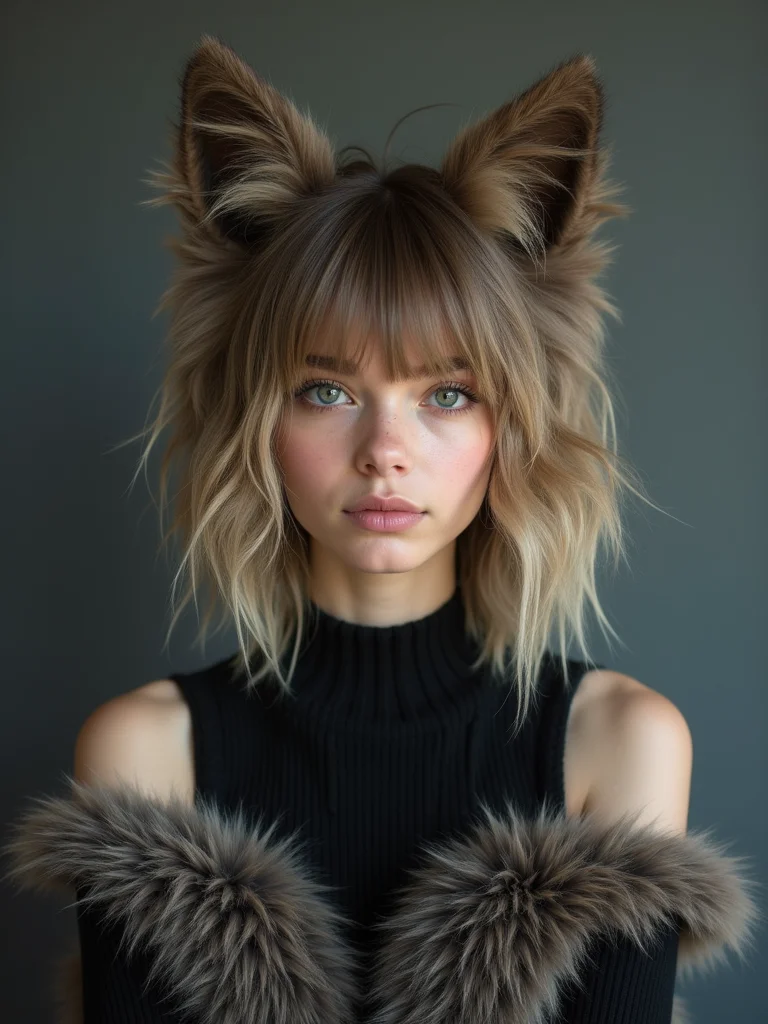
Borrow some attitude from the wolf cut and you get the shaggy bixie, with a heavy piecey fringe and feathered, shaggy sides that crank the texture and edge all the way up. It’s the rock-leaning, most modern take on the hybrid. Texture is the whole point. Why it’s trending:
- The shaggy, feathered layers give it grown-in, undone attitude.
- A heavy fringe up front makes it bolder and more statement-making.
- It loves the shaggy wolf cut energy in a shorter shape.
The Side-Swept Bixie
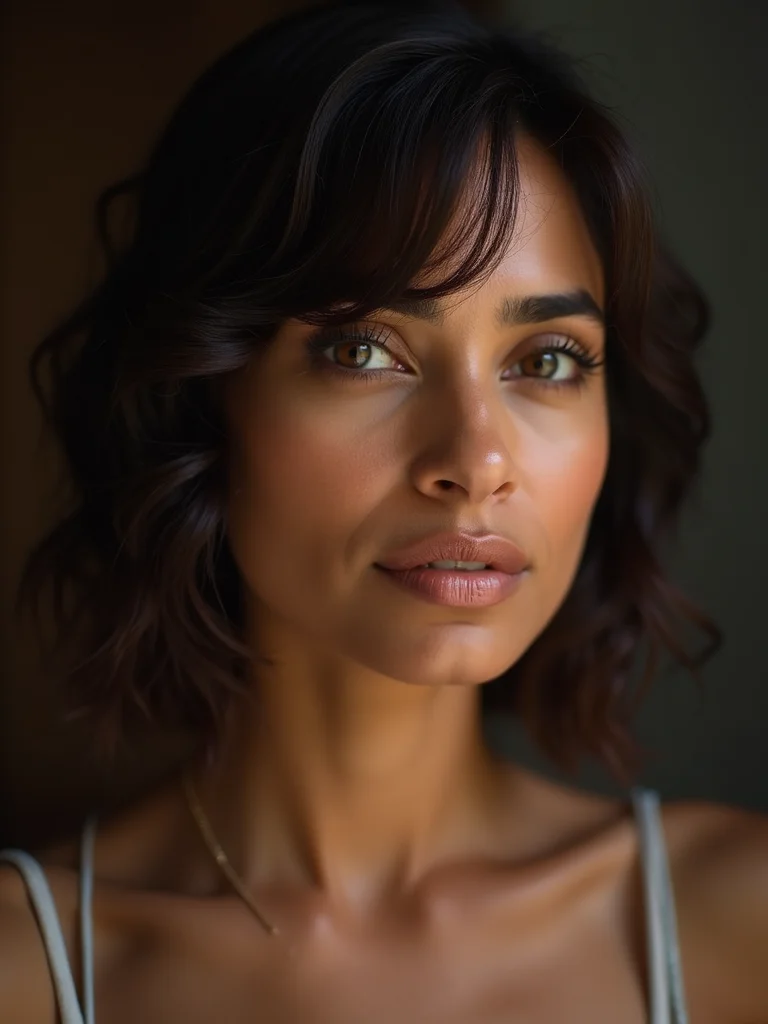
A longer fringe swept across the forehead gives the bixie its most polished, grown-up finish, drawing a soft diagonal that flatters nearly every face. It’s the most versatile way to wear the front of a bixie, elegant enough for work and easy enough for every day.
The swept fringe can be tucked or pushed back as it grows, which keeps the cut feeling adaptable rather than fixed. How to style it:
- Guide the longer fringe across your forehead using a light styling cream.
- It flatters deep and rich skin tones with its soft, warm framing.
- Push it back on off days for a cleaner, more cropped look.
Styling a Bixie for Every Texture
The beauty of the bixie is that the cut carries the shape, so styling is quick no matter your texture, as long as you use the right product for your hair.
Fine and straight hair wants a matte paste or clay worked through dry to build grit and separation, thick hair wants a smoothing cream to keep the volume in check, wavy hair wants a sea-salt spray and a scrunch, and coily hair wants a moisturizing leave-in and a light gel for definition. Whatever your texture, keep the product light and focused on the top and ends rather than the roots, so the shape stays lifted.
The one thing every bixie shares is a trim schedule. Because the cut lives on its texture and tapered shape, plan a shape-up roughly every month and a half, usually $45 to $65, and undercut or heavily stacked versions sooner.
That’s the real trade-off of the hybrid, the same as any short cut, but in exchange you get a shape that styles in minutes and flatters at every length as it grows. For the undecided, that’s the whole appeal: all the freshness of short hair, none of the fear.
The Cut That Ends the Debate
The reason the bixie has caught on is that it refuses to make you choose. It hands you the lightness and edge of a crop while keeping the softness and security of a bob, and it bends to every texture, age, and face along the way, from coily 4C hair to fine silver strands. Whichever version you land on, it’s the rare short cut that feels bold and safe at the same time.
So if you’ve been circling the same decision, stuck between the bob you’re bored of and the pixie you’re scared of, the bixie is your answer. Choose the version that suits your texture and the amount of edge you’re after, take a clear reference photo to your appointment, and book the one that finally made the choice feel easy.
More to Browse