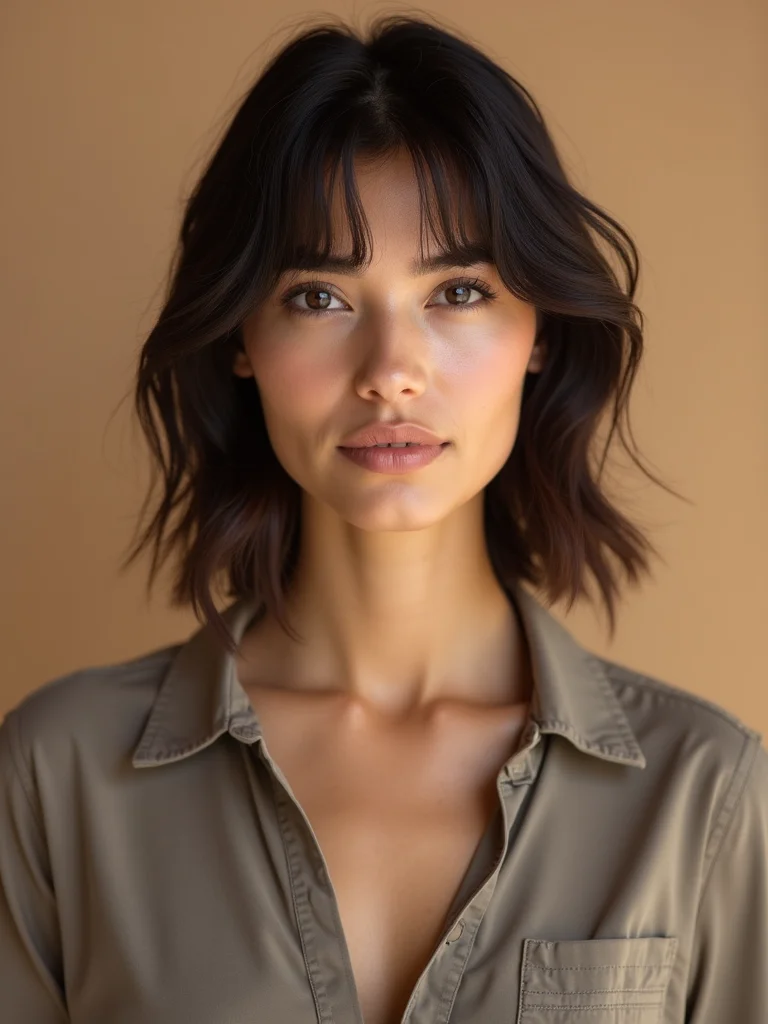
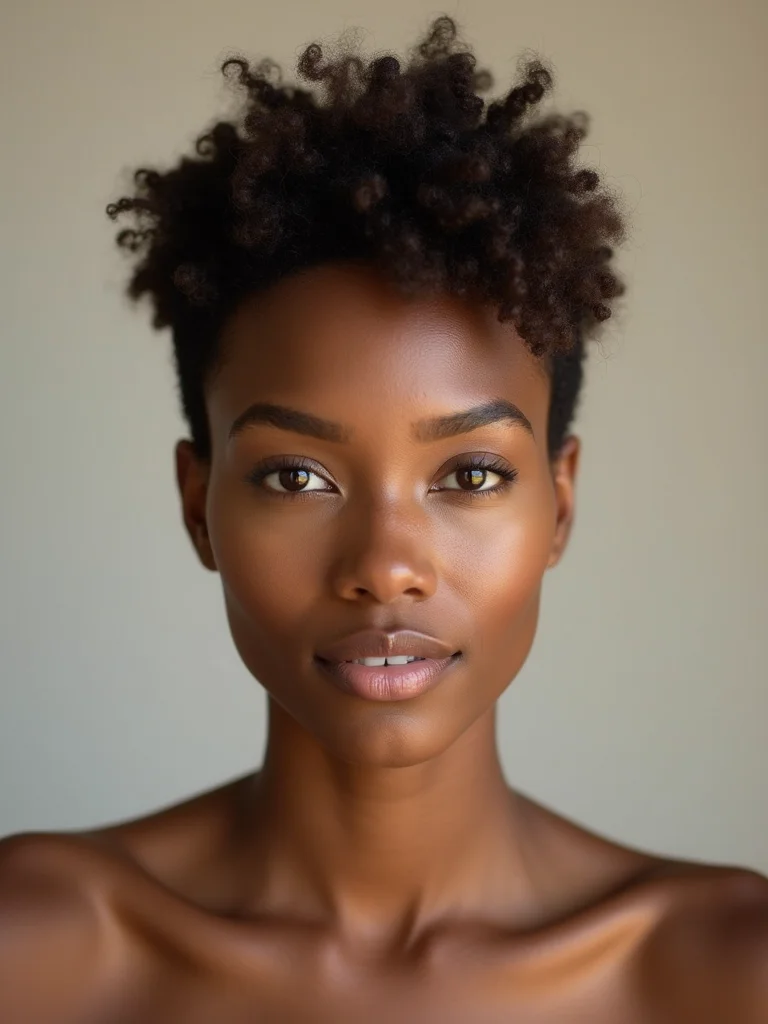
People think a short bob is one specific haircut. It isn’t. A blunt jaw-length cut and a soft, layered chin-grazer are both short bobs, and they read completely differently, one sharp and graphic, the other airy and forgiving. The label covers a whole range, and that range is exactly why the short bob flatters so many people.
The trick is fitting the version to three things: your face, your natural texture, and the amount of styling you’ll realistically do. A stronger jaw wants softer layers around it; fine hair wants a blunt line to look thicker; curls want length balanced to their shrinkage. So here are the best short bobs worth knowing, with who each one suits and what to ask for, so you can find your version instead of the generic one.
The Short Bob, In Short
A short bob sits anywhere from the jaw to just below the chin, and the reason it flatters almost everyone is that it draws the eye up toward the face and jawline. It’s the most adaptable short cut there is: blunt for a graphic edge, layered for softness, angled for a modern lift, curly to celebrate texture. The shape you choose can slim a rounder face, soften a strong jaw, or add fullness to fine hair, all depending on the details.
The trade-off is upkeep. A short bob holds its shape best with a trim roughly every two months, usually $50 to $70, and blunt or angled versions show a grow-out faster than soft, layered ones. Choose your version around how much maintenance you want, and the short bob rewards you with the freshest, most current cut for the length.
The Blunt Jaw-Length Bob
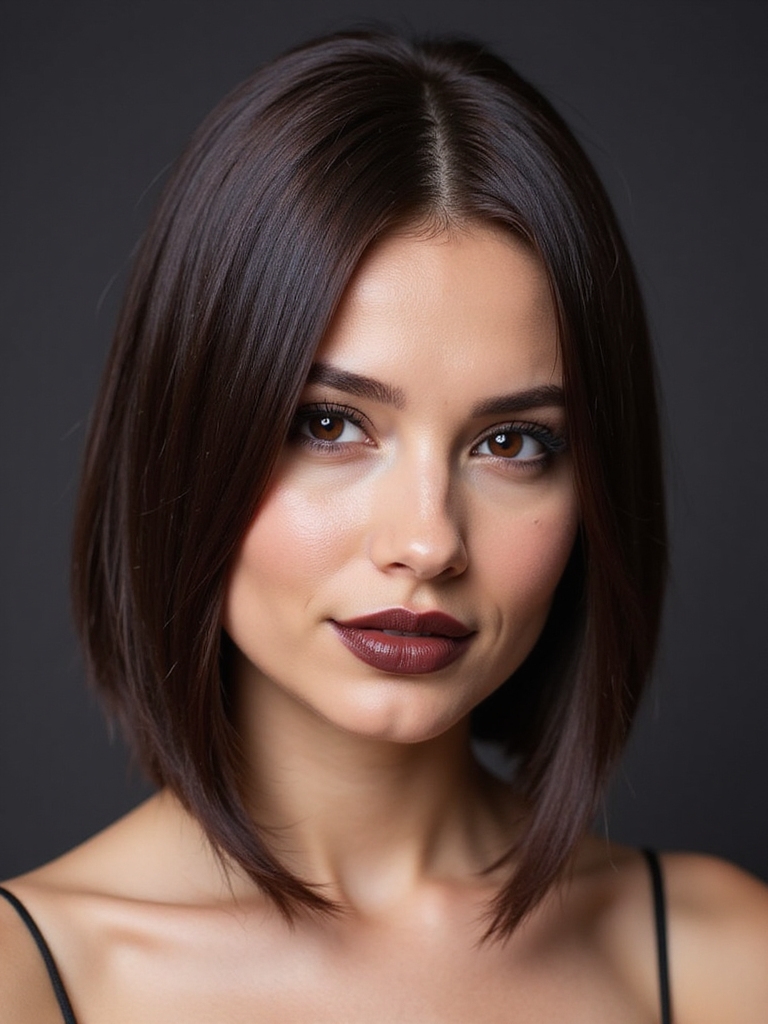
The blunt jaw-length bob is the sharpest, most graphic short bob there is, cut in one clean line right at the jaw with no layers to soften it. It’s bold, modern, and reads polished and deliberate, the cut fashion editors keep coming back to season after season. No layers, no fuss, just one confident line.
The blunt line is what gives it that dense, healthy-looking weight, which is why it’s a top choice for fine hair. Here’s what to know:
- The one-length blunt cut makes hair look thicker and fuller.
- It draws attention to the jaw, so it’s striking on a strong bone structure.
- Keep the ends immaculate, since a blunt line shows any dryness or split.
The Soft Layered Bob
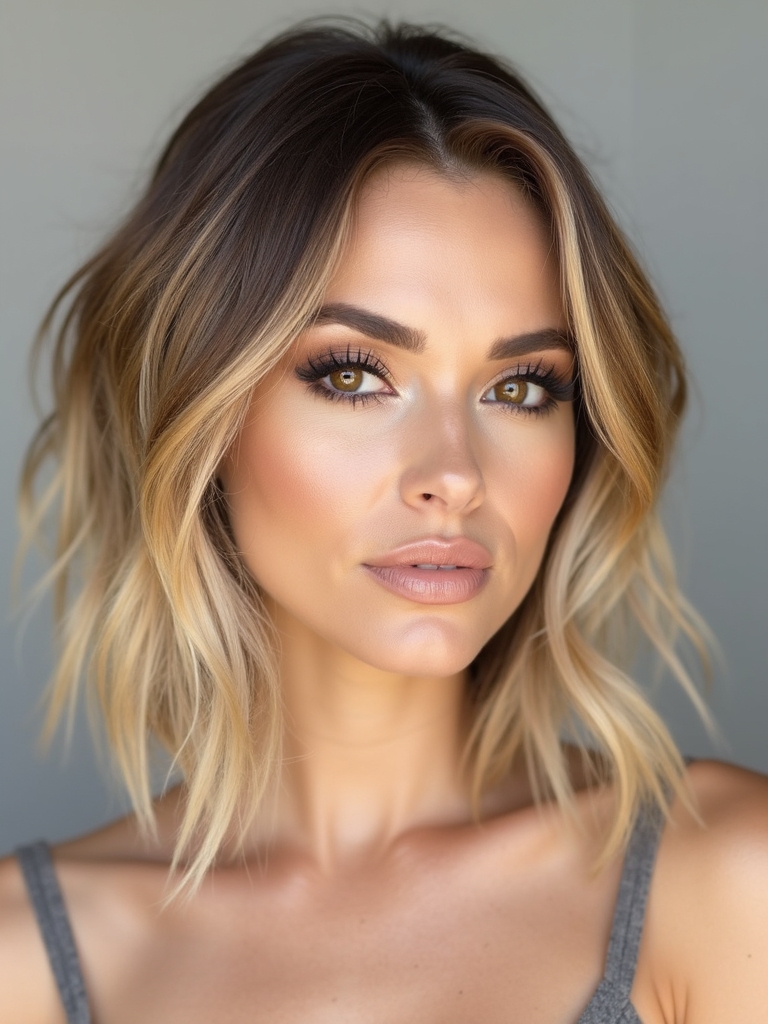
If a blunt bob feels too severe, the soft layered version adds gentle, feathered layers that bring movement and take the hard edge off. It’s the more forgiving, flattering-on-everyone take, and it’s easier to style day to day. Why it works so widely:
- The soft layers frame the face and soften a strong jaw.
- Movement makes it easier to air-dry and less prone to looking heavy.
- It suits the widest range of faces and hair types on this list.
The French-Girl Bob
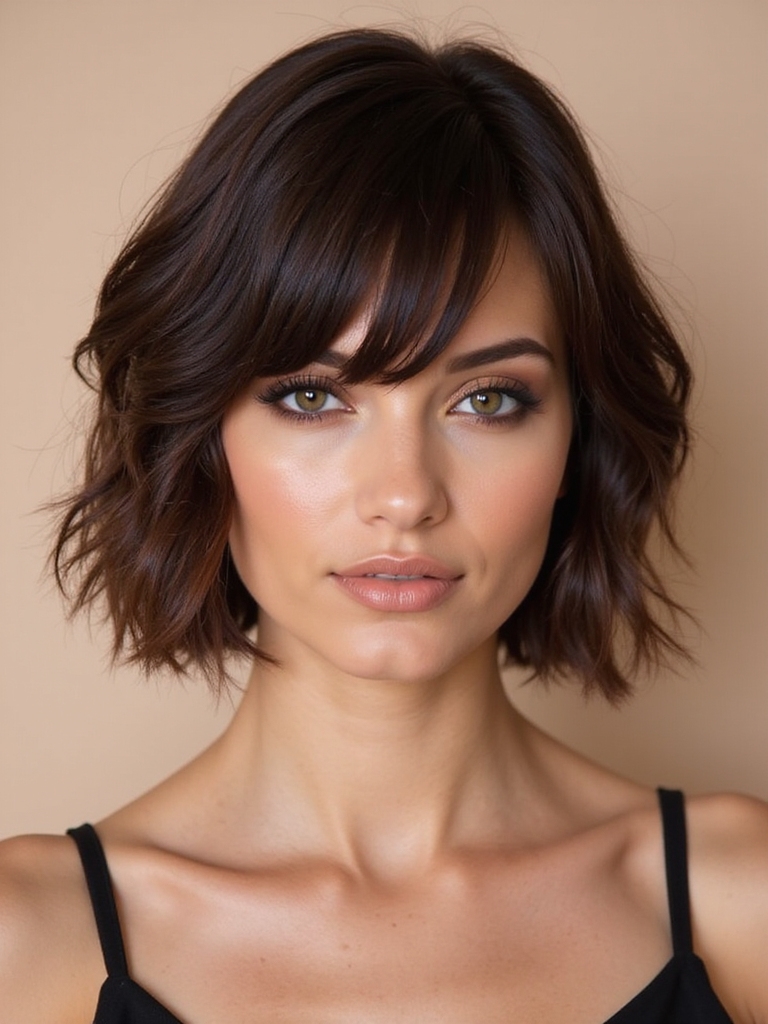
The French-girl bob is the undone one, a jaw-skimming cut worn a little tousled, usually with a soft fringe, that looks like you woke up chic and didn’t try. It’s the anti-fussy short bob, all Parisian nonchalance. How to get the vibe:
- Keep it air-dried and tousled, never sleek or over-styled.
- A soft, grazing fringe completes the look and frames the eyes.
- A little texture spray is the whole styling routine, by design.
The Textured Wavy Bob
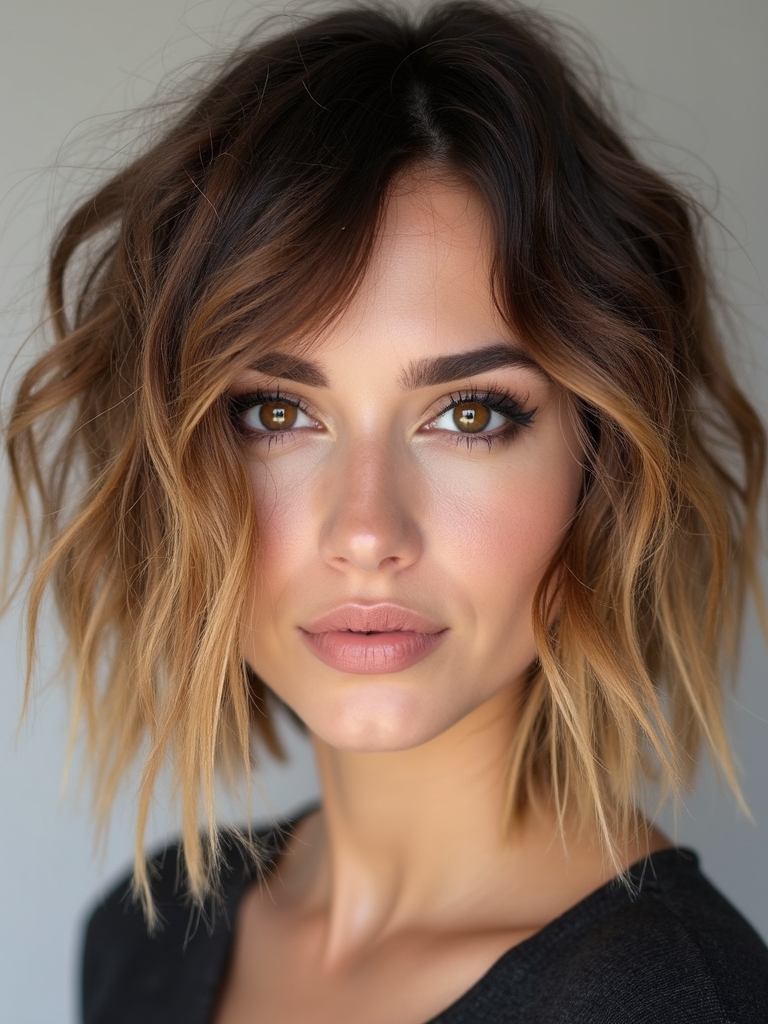
Wavy hair wears a short bob beautifully, with the natural bend giving the cut built-in movement and body. A textured wavy bob leans into that, cut with a little internal layering so the waves spring up with body and lift. Flat is the enemy here.
The texture is the whole appeal, keeping the shape soft and casual and hiding any unevenness in the wave pattern. It’s the short bob that looks styled straight out of an air-dry.
Scrunch a sea-salt spray into damp waves, let it dry, and the shape does the rest. Skip heavy products, since they drag the waves down and flatten the body that makes this cut sing.
The Sleek Chin-Grazing Bob
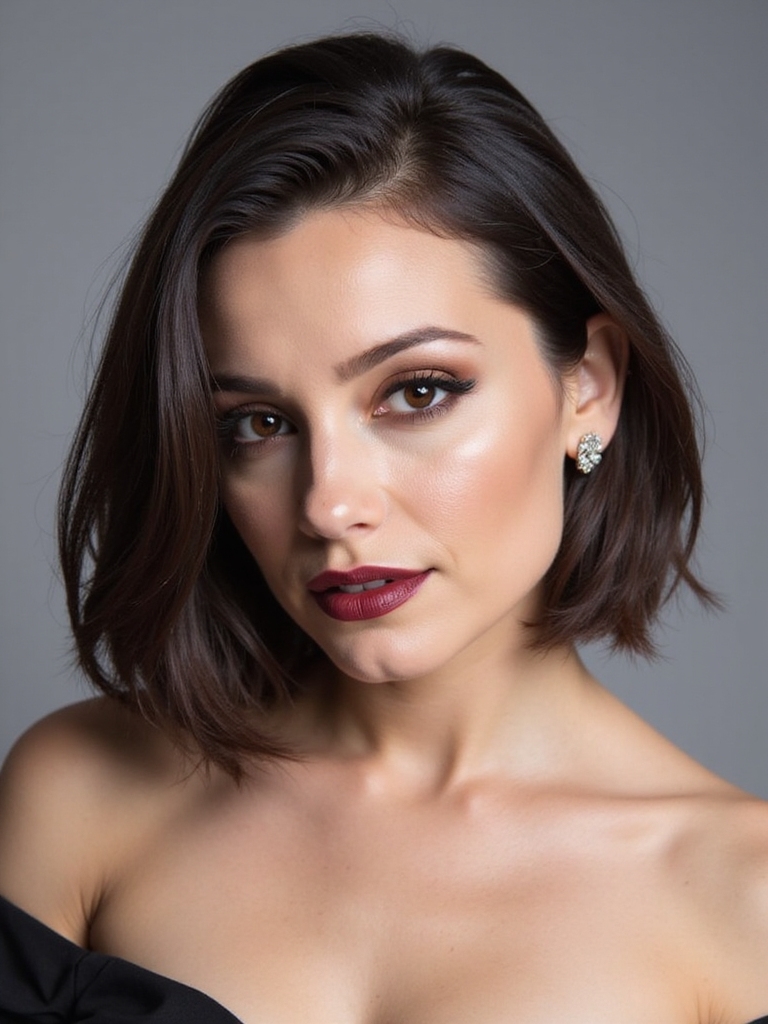
For pure polish, the sleek chin-grazing bob is smoothed to a glassy finish and cut to hit right at the chin, the most refined, grown-up short bob going. Every strand catches the light the same way, which is exactly what reads as expensive from across a room.
The chin-length is universally flattering, and the sleek finish is what makes it feel high-end. What it asks of you:
- You’ll want a round brush and smoothing serum for the glassy finish.
- The chin length flatters nearly every face shape.
- It’s higher-effort than a tousled bob, so factor in styling time.
📋Booking a Sleek Bob
- ✓Ask for a precise, one-length or minimally layered cut for a clean line.
- ✓Bring a photo showing the exact length; chin versus jaw changes everything.
- ✓Be honest about whether you’ll blow-dry, since sleek needs a round brush.
The Asymmetrical Short Bob
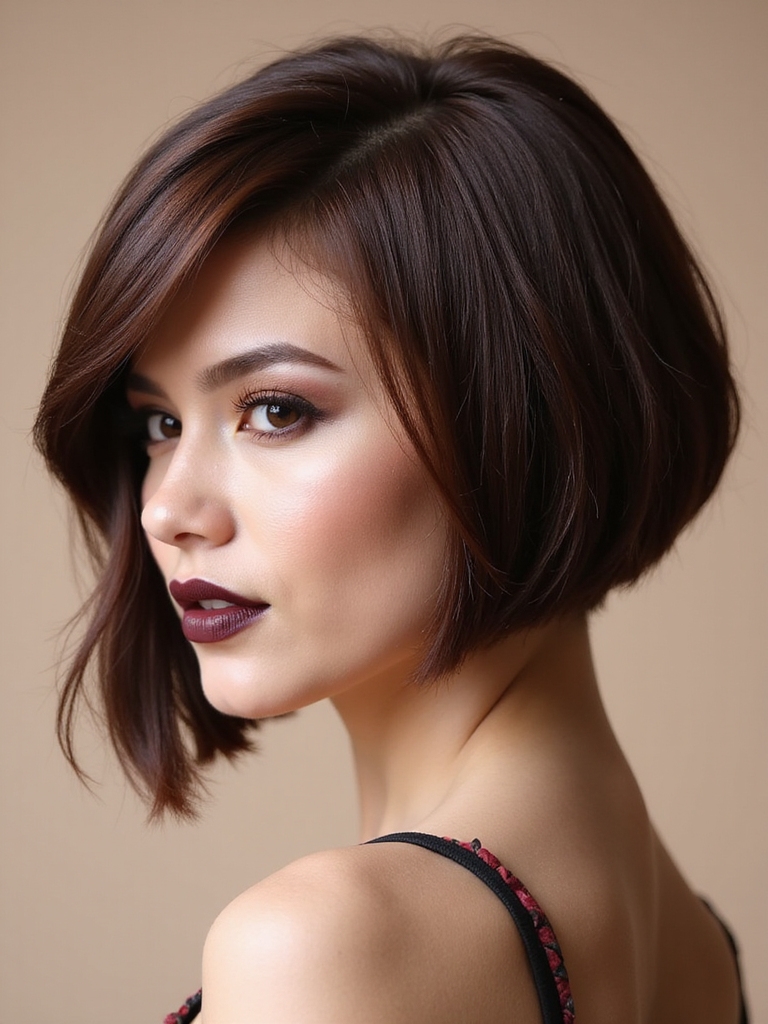
The asymmetrical short bob plays with balance, cutting one side noticeably longer than the other for a modern, off-kilter edge that draws the eye. Reach for it when a perfectly even bob feels a touch too tidy for your taste. What to know:
- The uneven line adds movement and a modern, off-kilter edge.
- A deep side part sets up the asymmetry and adds swept volume.
- See the asymmetrical bob guide for more on the shape.
The Curly Short Bob
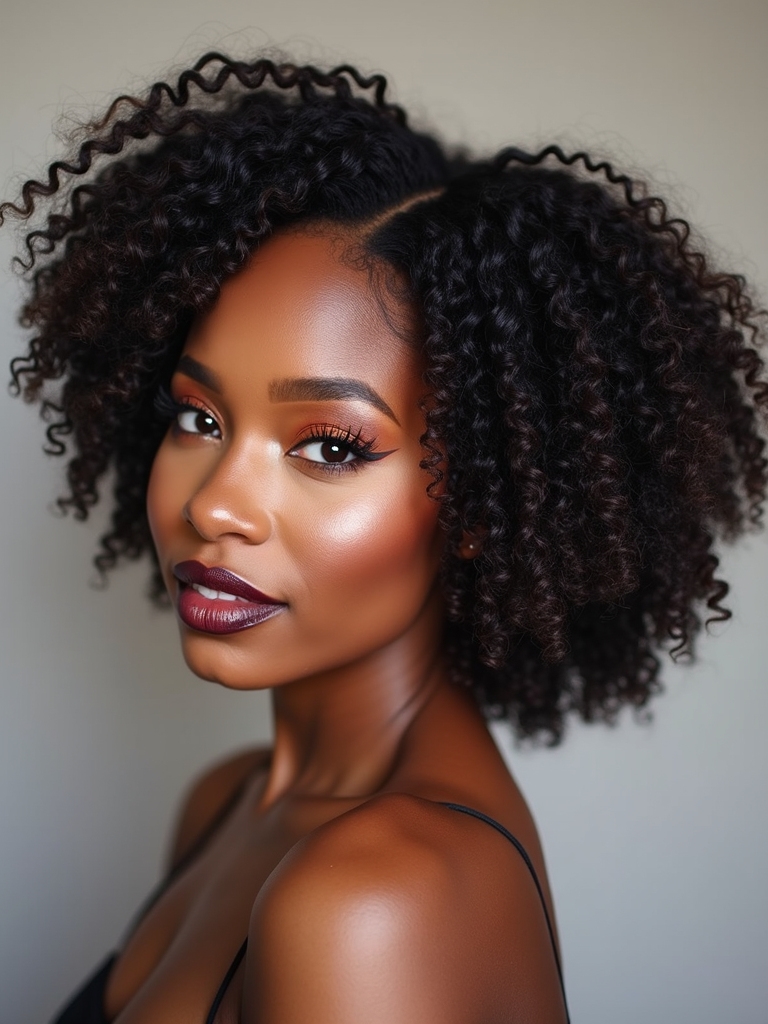
Curly and coily hair looks striking in a short bob, with the curls springing up into a rounded, full shape that frames the face. Before you book, ask to see photos of curly cuts the stylist has actually finished, not just straightened before-and-afters — that tells you whether they cut for texture or just for length.
For Natural Texture
For coils and tighter textures, the shape is balanced to the shrinkage so it rounds out into a full, even silhouette, and the length is left where it flatters. A wash-and-go with a curl cream is often the whole routine.
The payoff is a bold, low-effort cut that shows off your natural pattern in full. Keep it hydrated with regular deep conditioning, since shorter curls still depend on moisture to stay defined and springy.
The Inverted Short Bob
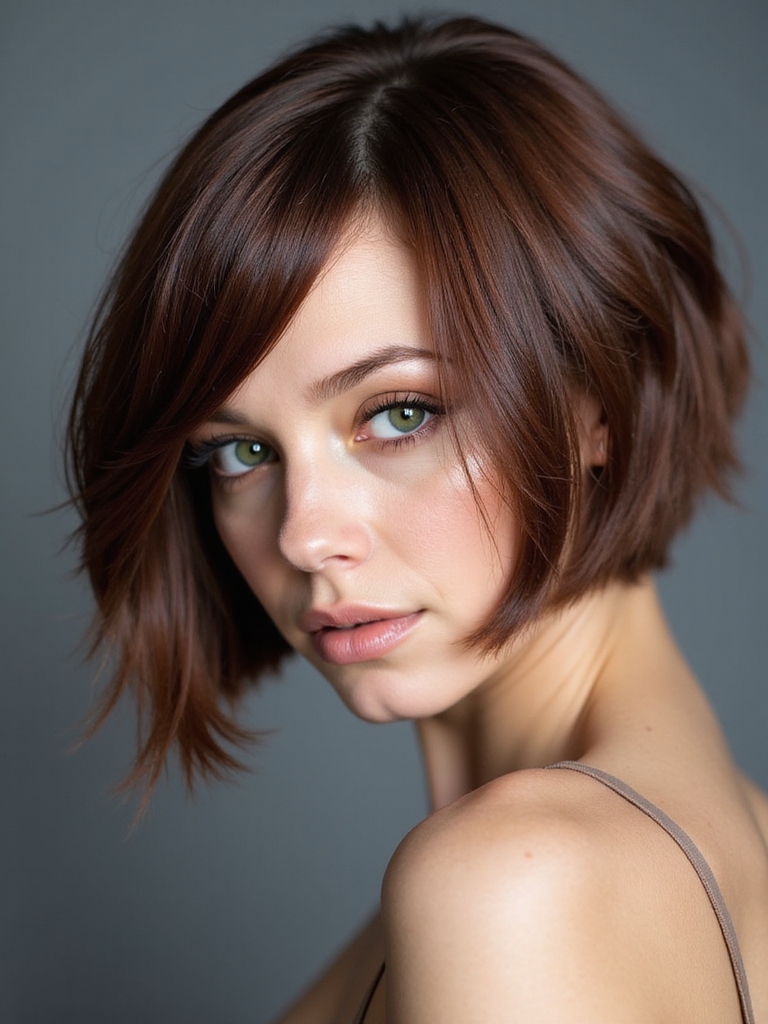
The inverted bob is cut shorter and stacked at the back, angling longer toward the front, which builds volume at the crown and a sharp, dramatic line along the jaw. Lift and edge, delivered in the same cut instead of a trade-off between them. Why people love it:
- The stacked back builds crown volume that fine hair especially needs.
- The forward angle frames the face and reads modern and sharp.
- See the angled bob guide for the fuller version.
Sharp edge or soft frame? Pick what suits your face.
🎯Sharp and graphic
The blunt or inverted bob suits strong bone structure and fine hair.
🎯Soft and forgiving
The layered or French-girl bob softens a strong jaw and fuller face.
The Micro Bob
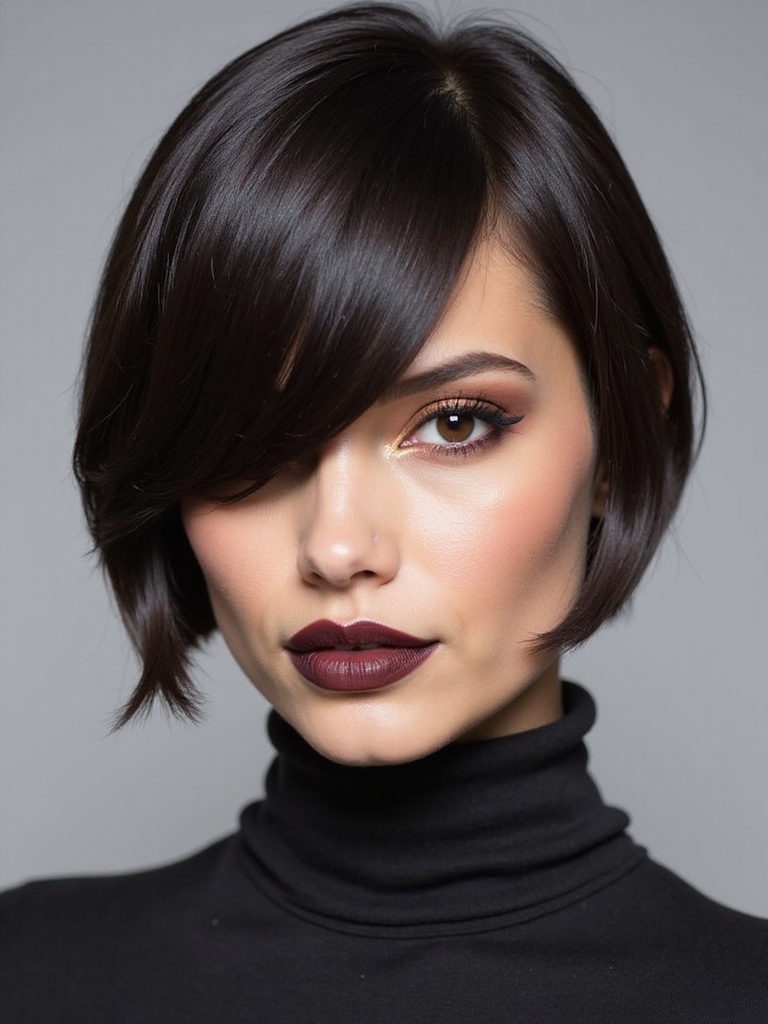
The micro bob is the shortest bob on this list, cut high and close near the top of the jaw or even shorter, blurring the line between bob and long pixie. It’s the boldest, most fashion-forward option, and it’s had a real resurgence lately.
The tiny length is the whole statement, and it works beautifully tucked behind the ears or worn sleek and precise. It flatters long necks and strong features especially, putting all the focus on the face. This one is a real statement.
It’s a committed look that needs a trim every month or so to hold its precise shape, so the upkeep is real. But few cuts feel as sharp or as current.
The Shaggy Short Bob
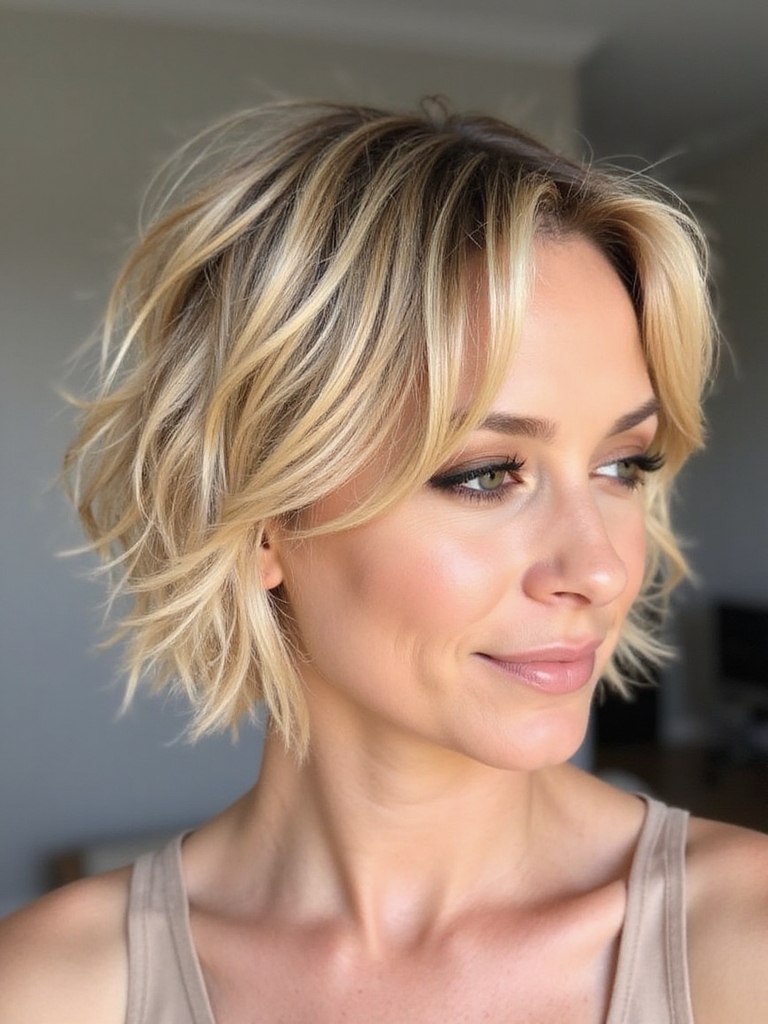
The shaggy short bob borrows the choppy, piecey layers of a shag and works them into a short bob, for a cut full of texture, movement, and undone attitude. It’s the coolest, most casual take here, all grown-in edges and worn-in texture.
The heavy internal texturizing keeps it from looking heavy or precise, and the finished shape comes across relaxed and rock-leaning rather than polished. Neatness was never the goal with this one.
Work in a little texture spray with your fingers and that’s the whole job of bringing out the pieces. It grows out gracefully too, since the shaggy layers only get shaggier, which makes it one of the lower-upkeep bobs to live with.
Shaggy Bobs and Very Fine Hair
A shaggy short bob is heaven on medium-to-thick hair, but on very fine hair the choppy, piecey layers can remove the little density you have and leave the ends looking sparse and stringy. If your hair is fine and you love the shaggy look, ask your stylist for soft, subtle texturizing and keep the length on the shorter side to protect what fullness you have.
The Side-Part Bob for Lift
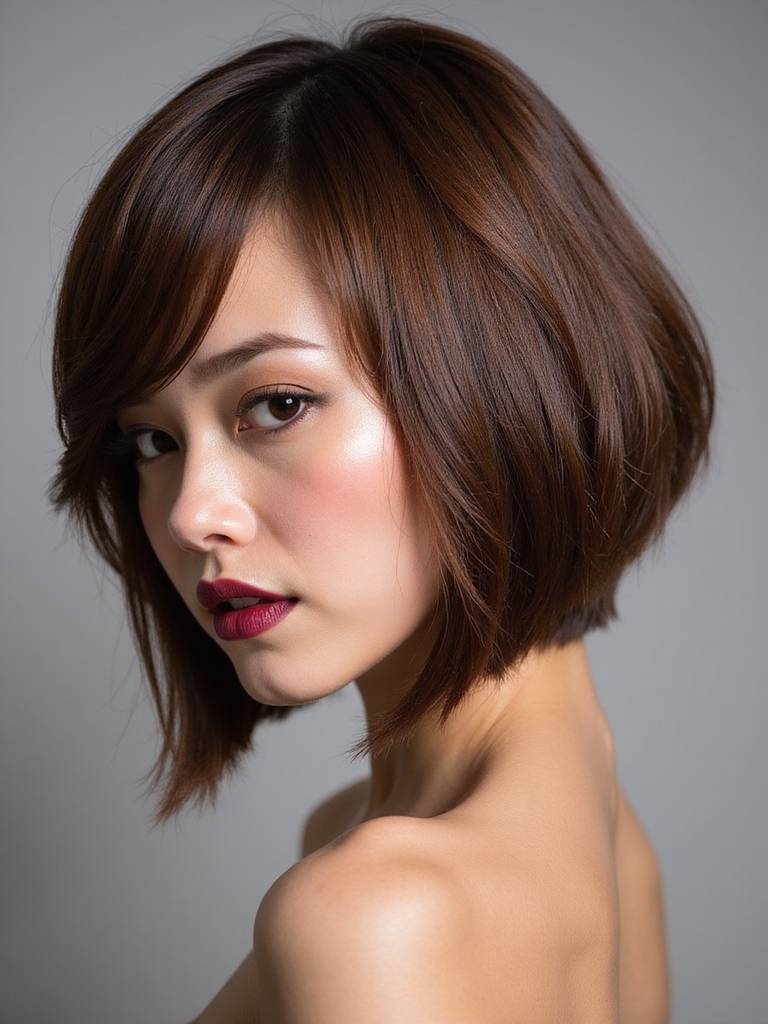
Sometimes the biggest change to a bob isn’t the cut at all, it’s the part. Shifting to a deep side part instantly lifts the roots and lends a swept, glamorous asymmetry that a center part can’t match, and it works on almost any short bob.
Shifting the part off-center lifts the hair at the crown and drapes it diagonally across the forehead, which flatters and softens most faces while adding the kind of root volume that fine, flat hair almost never manages on its own. It’s the easiest way to revive a bob that’s fallen flat.
To retrain it, dry the roots in the opposite direction from your usual part for about a week straight, using a light-hold spray to help it set. Hair has a memory of its own and resists at first, but it gives in faster than you’d expect.
The Curtain-Bangs Bob
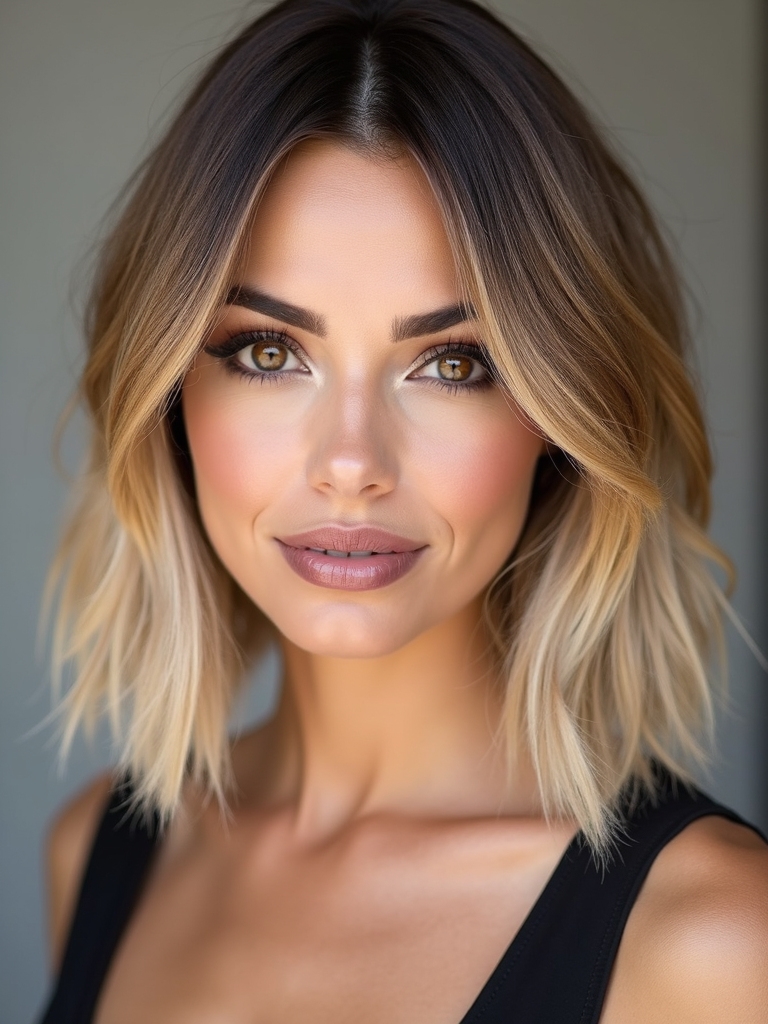
Add curtain bangs to a short bob and it turns soft, current, and a whole lot more flattering, with the middle-parted fringe sweeping toward the cheekbones and blending into the shape. It’s the most-requested short bob detail right now for good reason. Why it works:
- The curtain fringe frames the face and softens the whole cut.
- It can be swept back on days you don’t want fringe in your eyes.
- Expect a monthly fringe tidy to keep it grazing right.
The Stacked Short Bob
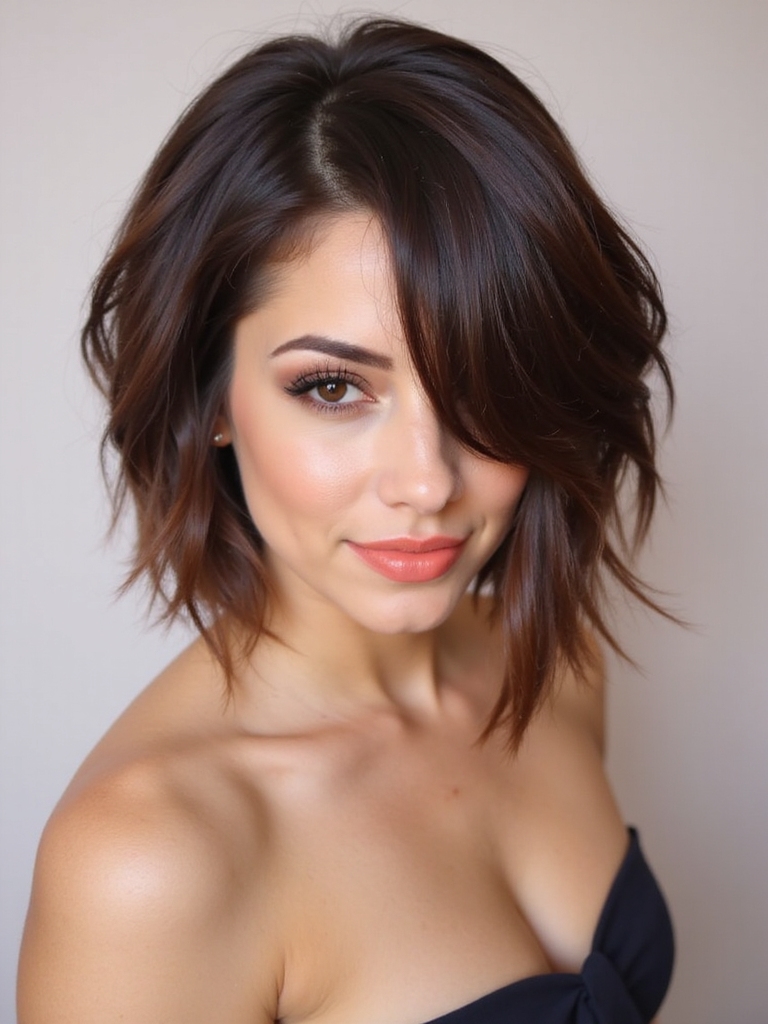
The stacked bob builds short, graduated layers at the back of the head that pile up to create real volume and a rounded, lifted shape. It’s the version that gives limp hair a full, bouncy silhouette, and it’s a longtime favorite for a reason.
The stacking is what does the work, so the back sits full and rounded while the front can angle longer to frame the face. If your hair is fine or falls flat by noon, this is the cut where the volume comes built into the shape rather than something you have to manufacture every morning with product. A round-brush blow-dry keeps the stacked shape lifted and polished, and even air-dried it holds far more body than a one-length cut ever could.
The Airy Layered Bob
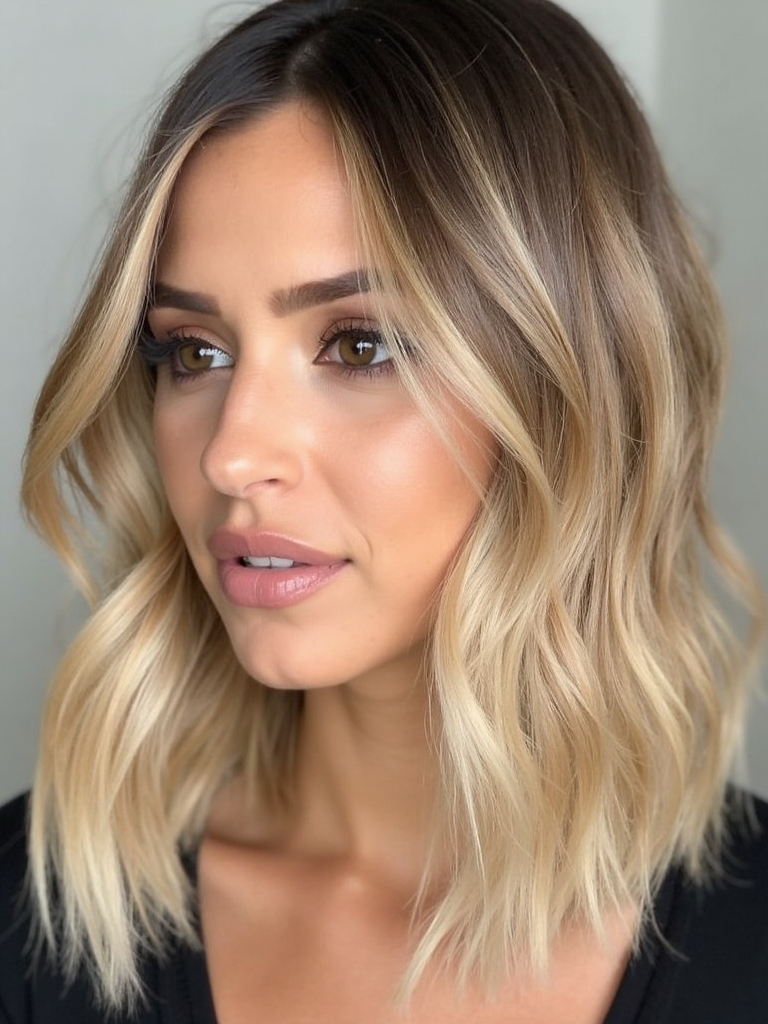
The airy bob is all lightness, cut with soft, wispy layers that keep the shape from feeling dense or heavy. It trades the weight of a blunt bob for movement and float, which makes it especially pretty on medium hair that can feel bulky.
The layers let air and light through the shape, so it moves and breathes with every turn of your head. Nothing sits like a helmet. A few styling notes:
- The light layers remove weight and add soft, floating movement.
- Air-dry with a little mousse and let the layers do their thing.
- Best for anyone whose bob feels too heavy or helmet-like.
The Wash-and-Wear Bob
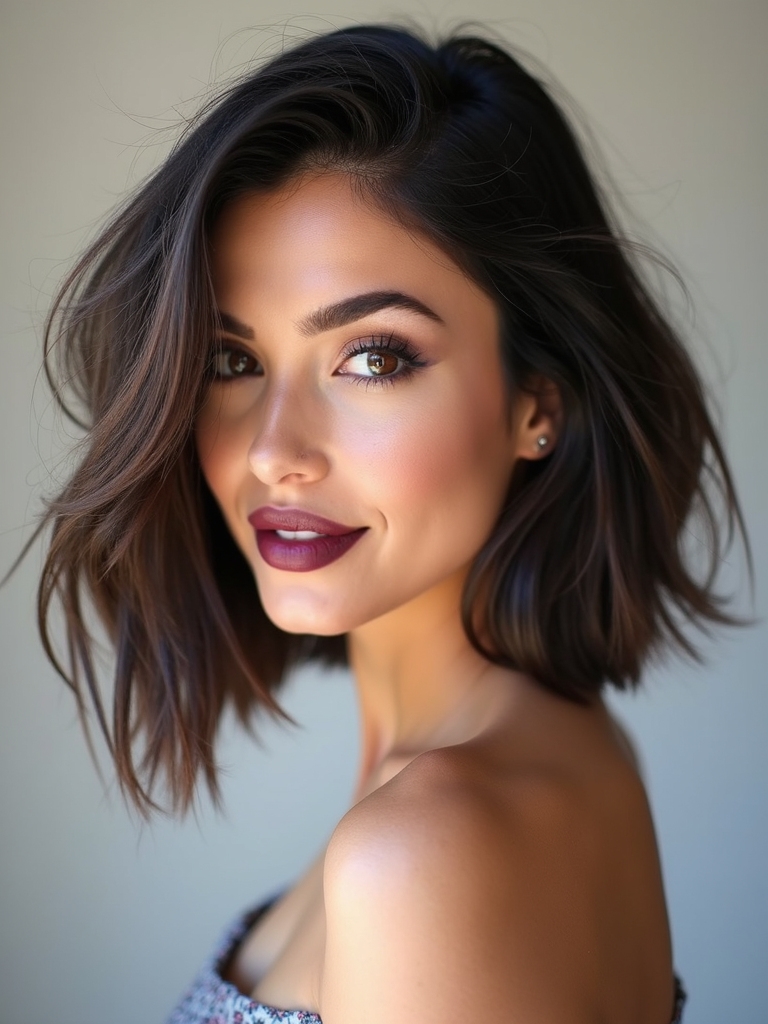
For anyone whose ideal styling routine is no styling routine, the wash-and-wear bob is cut specifically to air-dry into shape with little to no effort. The layers and length are chosen so your hair dries into shape by itself, with no round brush needed.
The Lowest-Effort Option
Busy clients end up here more than any other version, since it delivers a sharp, current cut that practically takes care of itself. Everything worth knowing about it lives in the cut, not the styling.
Ask for a cut built to air-dry for your specific texture, use a touch of leave-in on damp hair, and let it dry. A little texture spray at the end is optional, and that’s the entire routine.
👍A wash-and-wear bob works if
- +You want a sharp cut with almost no daily styling.
- +Your texture cooperates with air-drying, wavy or straight.
- +You’d rather invest in the cut than in styling time.
👎Look elsewhere if
- –You love a glassy, blow-dried, polished finish.
- –Your hair air-dries frizzy or unpredictable without help.
- –You want a precise blunt line, which needs some smoothing.
The Fine-Hair Short Bob
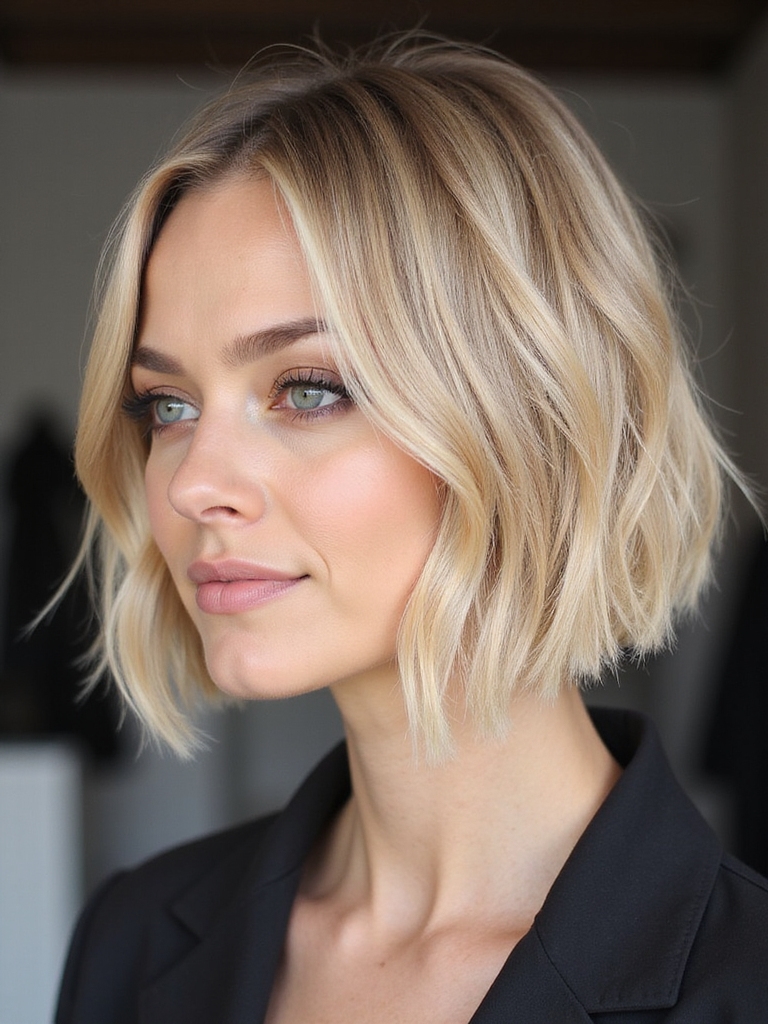
Fine hair and the short bob are a genuine match, because cutting away length concentrates the hair you have into a fuller, denser-looking shape. A short bob cut for fine hair leans into that, usually blunt or with minimal layering, to keep every strand working for fullness.
For Maximum Fullness
The blunt line is the key, since layers can thin fine hair out and make it look sparse, while one clean length reads dense and healthy. Kept jaw-length or shorter, it’s the biggest illusion of thickness a fine-haired person can get.
Fine-haired clients who feel their long hair has gone limp and stringy are exactly who this cut is for. Pair it with a root-lift spray and a side part, and it looks twice as thick. See more bob options for black women for texture-specific takes.
Keeping a Short Bob Sharp
A short bob lives on its shape, which means the single most important habit is a regular trim. Blunt, angled, and micro versions blur fastest as they grow, so plan a shape-up on a two-month rhythm around $50 to $70, while soft layered and shaggy bobs forgive a longer stretch. If you’re the type who hates frequent salon trips, choose your version accordingly, because a grown-out blunt bob loses everything that made it sharp.
Styling depends entirely on which bob you chose. Sleek and stacked versions lean on smoothing product worked in with a blow-dry; wavy, shaggy, and French-girl versions air-dry with a texture spray; curly bobs just need a wash-and-go and steady moisture.
The honest rule is to pair the cut with the effort you’re truly willing to spend, since the most flattering short bob in the world does nothing for you if you won’t style it the way it needs. Pick right, and it’s the freshest cut you can own.
Your Face, Your Bob
The reason the short bob keeps topping every most-requested list is the range: sixteen versions here, and each one flatters a different face, texture, and lifestyle. A blunt line for fine hair, soft layers for a strong jaw, an inverted stack for volume, a curly shape for natural texture, a wash-and-wear cut for zero effort. There’s no single short bob, which is precisely why there’s one for you.
So take your face shape, your texture, and your patience honestly, and pick the version that lines up with all three. Bring a clear photo, ask for the length and layering by name, and settle into the trim rhythm your version wants. Get those right, and the short bob will keep looking like the freshest decision you’ve made in years.
More to Explore