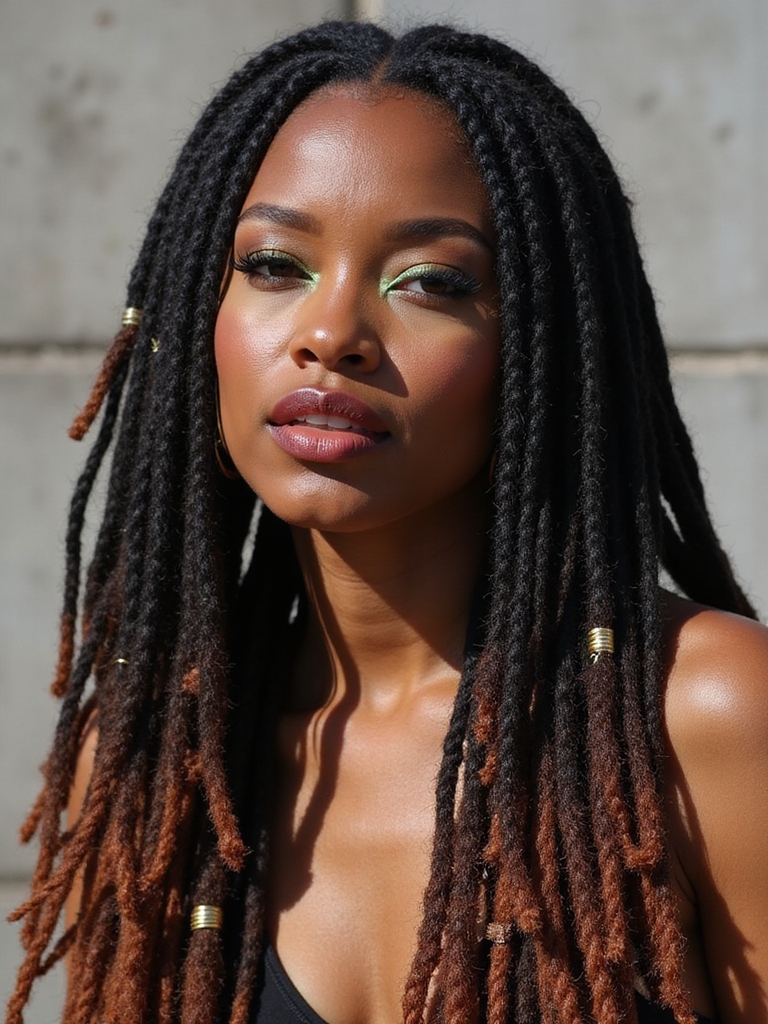
A protective style gives strands a real break from daily combing, heat, and friction, tucking fragile ends away where brushes and collars cannot reach them. It works more like ongoing maintenance than a magic trick, and what happens while the style is in place counts for just as much as the install itself.
Cornrows, box braids, twists, locs, and headwraps each protect a little differently, and the care underneath each one is what actually keeps the hair healthy. Many of these styles carry deep roots in Black and African heritage, and they are worth wearing with that respect in mind.
Protective Styling at a Glance
What makes a style protective? It tucks your ends away and cuts down daily manipulation, so the hair underneath faces less friction and breakage.
How long can I keep one in? Most styles do well for two to eight weeks; past that, new growth and tension at the roots start working against you.
Do protective styles grow hair? They do not speed growth, but by reducing breakage they help you keep the length you already have.
What ruins the benefit fastest? Installs that are too tight, ends left dry, and leaving a style in far too long.
Protective Styling, Honestly
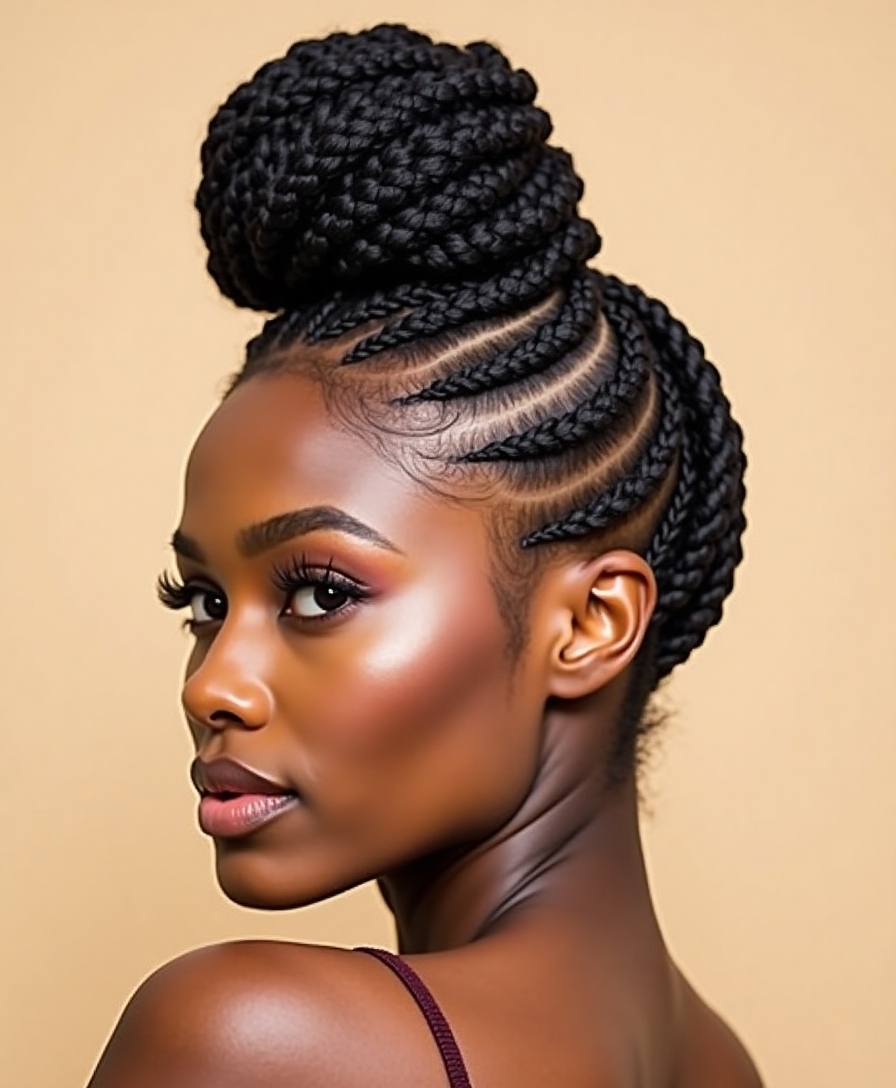
Before the gallery, a reality check. A protective style shields two things: your fragile ends and your time. By folding the ends away and holding them in one place, the style stops the constant tugging of brushing, restyling, and rubbing against collars and pillows that wears textured hair down.
What it does not do is work on its own. A braid set installed too tight, or left in for three months, can cause more harm than going without. Think of the style as a container for healthy hair, not a substitute for caring for it.
- Keeps ends tucked and shielded from daily friction
- Cuts your styling time to almost nothing for weeks
- Only works when installed gently and taken down on time

What Protective Styling Actually Does

The real benefit is length retention. Textured hair grows at a similar rate to other textures; it simply breaks more easily because each coil is a weak point and dry ends snap. Tuck those ends away and each month’s growth has a real chance to stay put and accumulate.
There is a quieter benefit too. A few weeks without heat, combs, and heavy product gives your scalp and strands room to recover. Many people find their hair feels stronger after a season of rotating easy styles than after a season of daily handling.
🅰️Low manipulation
Twists, buns, and headwraps you can redo yourself at home with no special skill.
🅱️Long-wear install
Box braids, cornrows, or locs that hold for weeks but need a skilled hand to fit right.
Selecting a Style for Your Hair Type
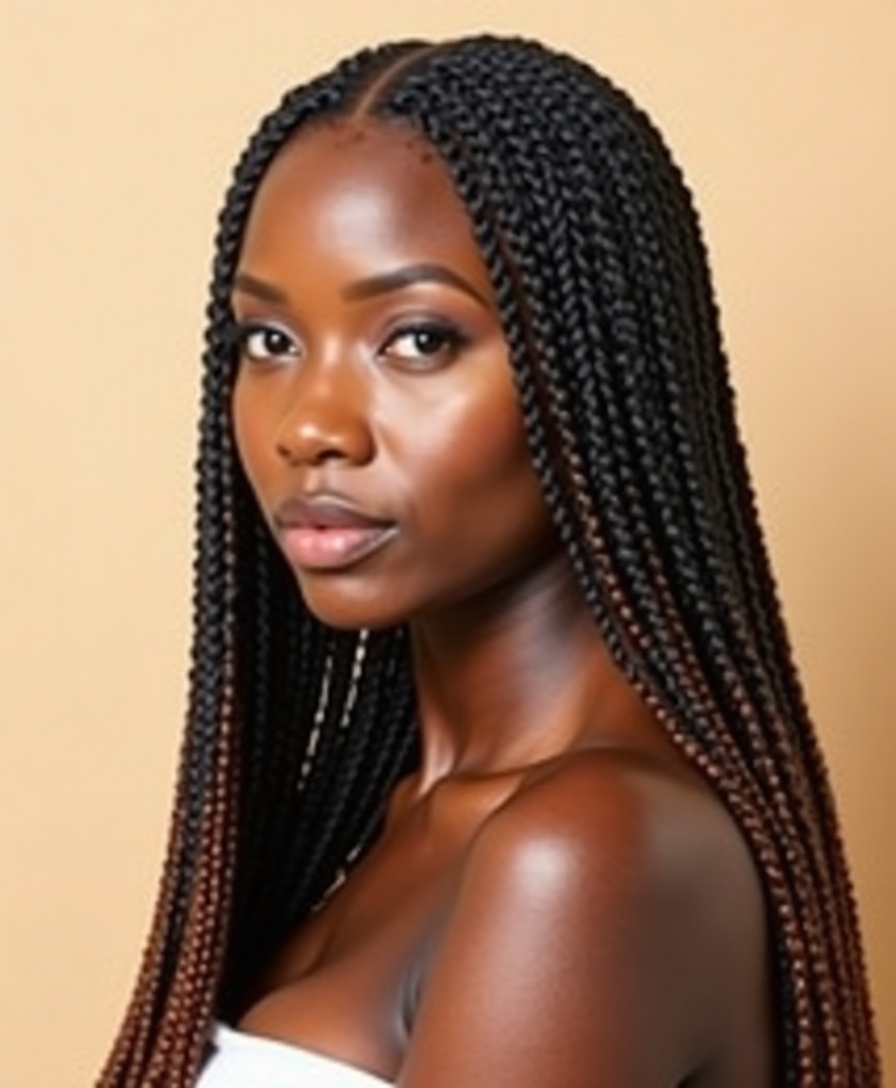
Not every style suits every head. Fine or fragile hair does best with lighter installs that do not pull, while thick, dense hair can carry heavier braids and longer extensions without strain. Your edges and nape are the most delicate areas, so they set the limit.
Be honest about upkeep, too. Some styles look set-and-forget but need nightly wrapping; others need a salon visit to take down. Match the style to the time and budget you actually have: cornrows might take an hour or two for around $60, while a full set of box braids can run four to eight hours in the chair, often closer to $200 with extensions included.
- Fine hair: small twists, buns, light crochet
- Thick hair: box braids, cornrows, longer extensions
- Always keep the hairline and nape free of tension
Classic Protective Braids

Braids are the backbone of protective styling, and the family is wide. Done with care, braids keep the ends woven in and out of harm’s way for weeks while looking polished from day one.
- Plaits and three-strand braids for a simple, low-tension option you can do yourself
- Feed-in styles that add length gradually so the roots are not overloaded at once
- Knotless starts that skip the tight knot at the scalp and stay kinder to your edges
The style protects your ends. You protect everything else, and that is where length is won or lost.
Cornrows

Cornrows are an ancient art with deep roots in African culture, where the patterns once carried meaning and identity. Worn today, cornrows lie flat to the scalp and last well, but the braiding tension is everything.
- Ask for a light hand at the hairline; a slightly looser braid still holds fine
- Straight-backs are the simplest; intricate parts take longer but read as artistry
- If your scalp aches after install, it is too tight, not settling in
Box Braids
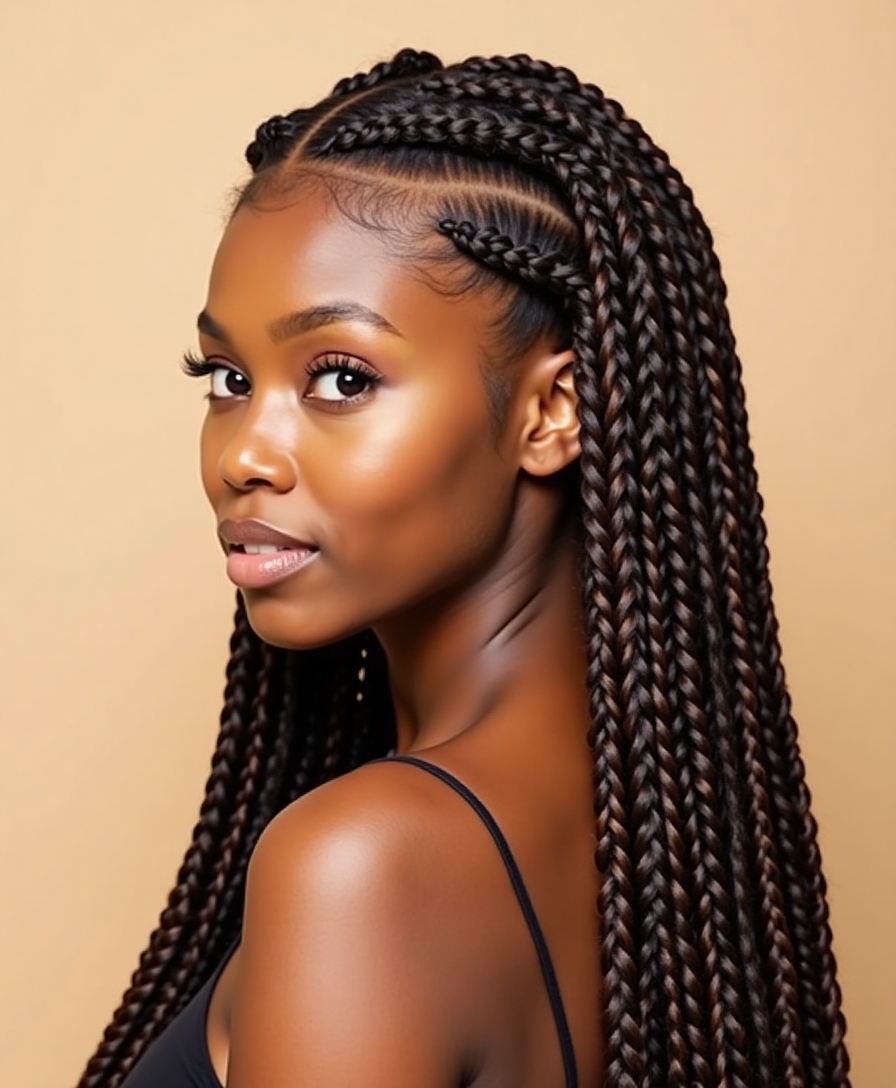
Box braids divide the hair into clean square sections and braid extensions in from root to tip. They are loved for good reason: box braids are versatile, last six to eight weeks, and let you swim, work out, and wake up ready.
Weight is the thing to watch. In my chair, a first box-braid set is where I see edges suffer most, so I steer clients a size lighter than they ask for. Very long, very thick braids pull on the roots all day; knotless box braids ease the pull at the scalp.
- Last six to eight weeks with steady care
- Style them up, back, or half-up without restyling
- Go lighter and knotless to spare your roots
📋A Healthy Braiding Checklist
- ✓Scalp feels comfortably snug, without soreness or stinging
- ✓Edges and baby hairs left loose, not braided in tight
- ✓Ends sealed and the style ready for a satin scarf at night
Twists

Twists trade the three strands of a braid for two, which makes them faster to install and gentler to take down. Two-strand twists and Senegalese twists both shield the ends while putting the natural texture on display.
They suit hair that does not want the long commitment of braids. A twist set can last two to four weeks, and when you take it out, the loosened twists leave a soft, defined pattern you can wear for a few more days.
Because twists undo more easily than braids, they are a kinder choice for finer hair and for anyone new to protective styling.
The Protective Updo

An updo is protective styling at its simplest: gather the hair, fold the ends in, and pin them out of the day’s way. No extensions, no salon, just your own hair kept off your shoulders and away from friction.
Tucking the ends up and away
Buns, French rolls, and tucked chignons all work. The key is to keep the pins and bands loose enough that they do not snap the hair where they sit, and to shift the bun’s position now and then so one spot is not always stressed.
It is the style to reach for between bigger installs, giving your scalp a rest while still looking put together.
Pick by where your hair is right now:
🎯New to protective styles
Start with two-strand twists or a tucked bun: low commitment and easy to take down yourself
🎯Recovering from heat or color
A wig or crochet set adds length with almost no pull while your own hair rests
🎯Want it to last and forget it
A sew-in or knotless install you can leave for weeks with little fuss
Wigs

A wig lets your own hair rest completely underneath while you change looks at will. Braid the hair down flat, add a protective cap, and the wig does the styling so your strands face no heat or tension at all.
The catch is the hair underneath. A wig is only protective if you wash, moisturize, and care for your own hair beneath it rather than ignoring it for weeks. The cap and grip should sit gently, never digging into your edges.
- Cornrow or flat-twist the hair down first
- Care for your real hair on a regular schedule
- Keep wig grips and bands off the hairline
Weaves and Sew-Ins

A sew-in weaves wefts of hair onto cornrowed tracks, blending extensions with your own for length and fullness while your hair stays braided and protected underneath.
- Braid foundation must be neat and not too tight, or the tracks pull all day
- Leave-out or closure decides how much of your own hair meets heat
- Take it down on time, around six to eight weeks, before the roots tangle and lock
Crochet Braids
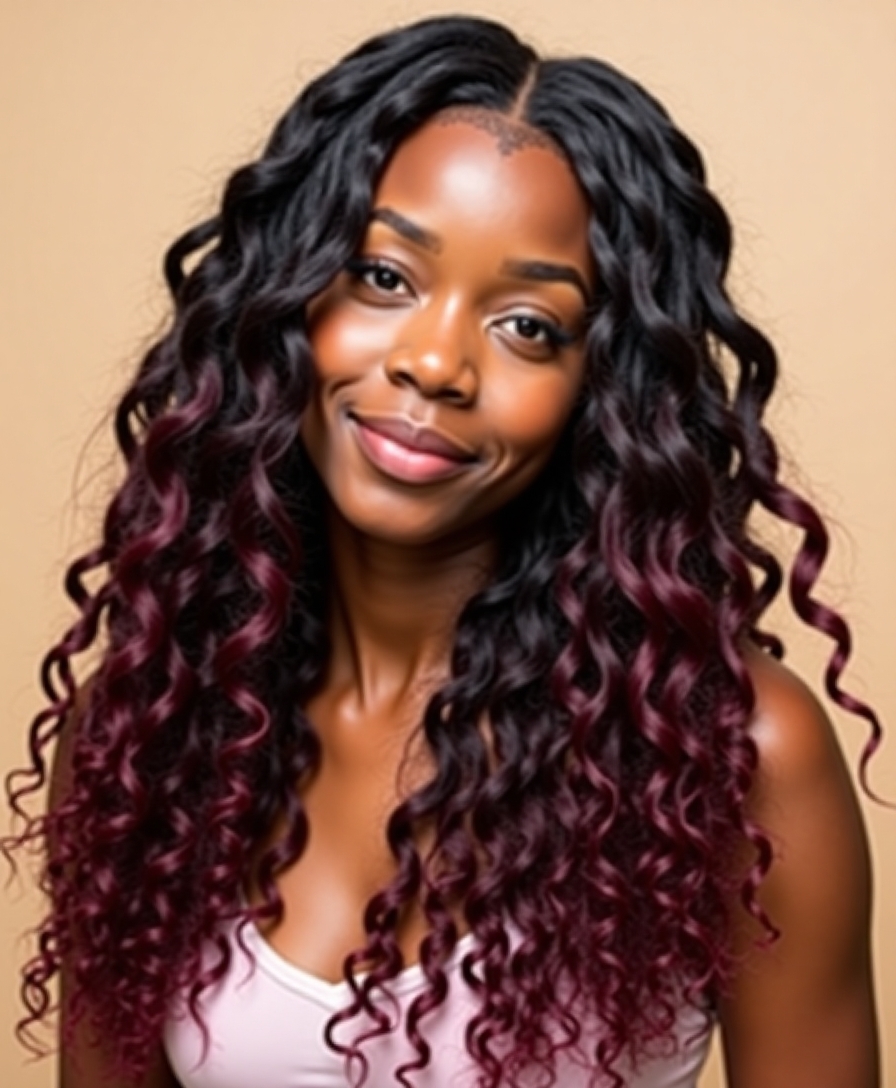
Crochet styles loop pre-made hair through cornrowed tracks with a small hook, which makes them one of the quicker installs out there. You get the look of braids, twists, or curls in a fraction of the time.
They are forgiving for beginners and easy to take down, which is why so many people start their protective journey here. The cornrow base still needs to be gentle, and the loops should sit flat so nothing snags.
- Fast to install and simple to remove
- Choose pre-looped hair to save even more time
- Keep the cornrow base loose at the edges
Faux Locs

Faux locs give you the look of locs without the lifelong commitment, wrapping hair around your own braided base to mimic the real thing. They sit alongside true locs, which form over years and carry deep cultural and spiritual meaning for many who wear them.
A faux set lasts a month or two and can be soft and bohemian or smooth and uniform depending on the wrap. The wrapping adds weight, so go lighter than feels dramatic and keep the roots comfortable.
When you take them down, work slowly and condition as you go, since wrapped styles can hold onto weeks of shed hair.
Bantu Knots
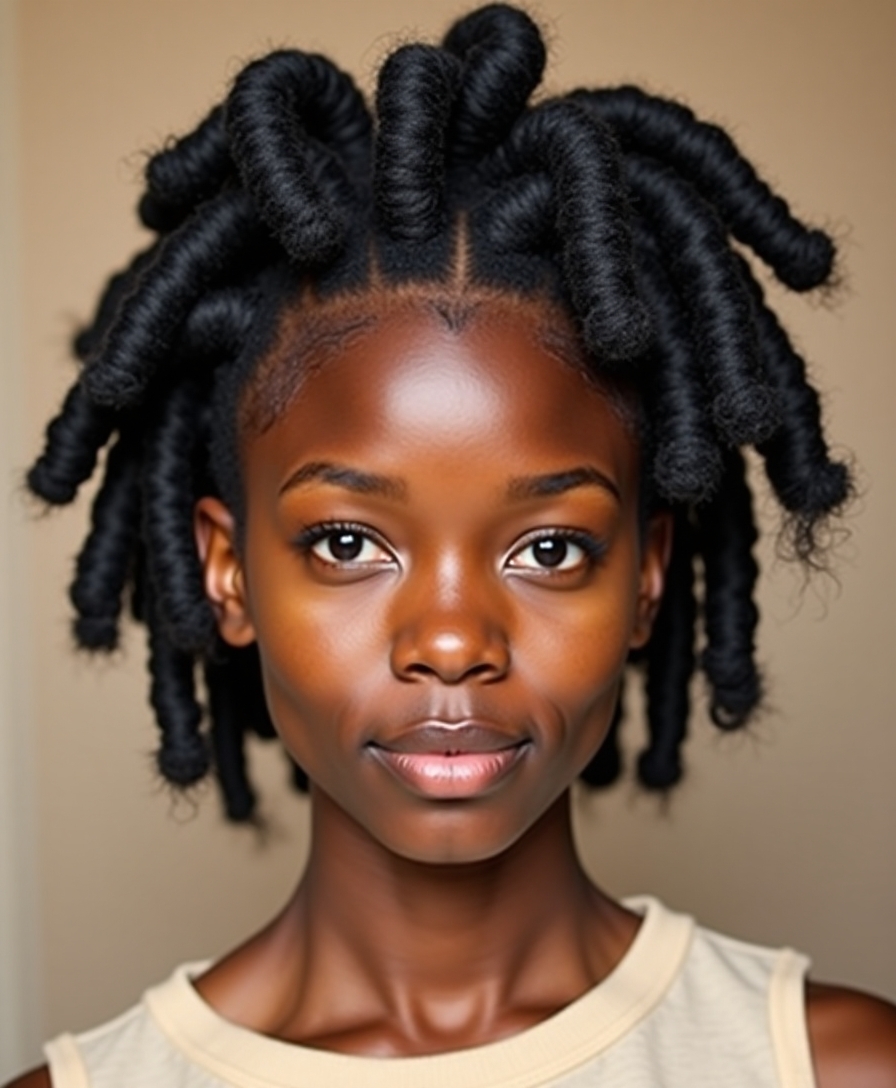
Bantu knots are small coiled buns named for the Bantu peoples of Africa, where they have been worn for generations. They protect the hair while it is up and leave a springy curl pattern when taken down.
- Section into squares or triangles, twist each piece, and coil it into a knot
- Wear them as the style for a striking, sculptural look
- Unravel for a bantu-knot-out of defined curls that last for days
Headwraps and Scarves

A headwrap is the most flexible protective option of all: no install, no commitment, just fabric folded over hair that is tucked or braided beneath. Across many African and diaspora cultures, the headwrap is also a statement of identity and pride that goes well beyond practical cover.
Wrapped over a satin-lined edge or a simple braid set, it shields the hair from sun and friction while you decide what to do next. Reach for breathable fabric and a satin layer underneath so the wrap does not pull moisture from your strands.
Maintaining the Style While It Is In

The install is only half the job. The weeks a style stays in are where length is kept or lost, and the routine is short: moisturize the scalp, tend the edges, and protect everything at night.
A light oil or water-based spray keeps the scalp from drying out, and a satin scarf or bonnet every night stops the friction that frizzes and breaks the style down. A little upkeep stretches the wear and keeps the hair beneath in good shape.
- Moisturize the scalp a couple of times a week
- Sleep in a satin scarf or bonnet every night
- Wash gently with diluted shampoo to avoid buildup
Transitioning Between Protective Styles

Taking a style down carelessly undoes weeks of good care in a single afternoon. Rushing it, ripping through tangles, or going straight from one tight install into another is where a lot of breakage hides.
Give your hair a breather
Take down slowly, working from the ends up, and expect a fair amount of shed hair. It alarms my clients every time, but that is weeks of normal shedding the style was holding onto, not damage. Cleanse, deep condition, and let the hair rest.
Give your scalp and edges a few days, even a week, between installs. Wear a simple bun or wrap in the gap so the hair is still protected while it recovers.
How Protective Styling Supports Length Retention

It is worth repeating, because the myth is everywhere: protective styles will not speed up how fast hair grows at the root. Growth happens at the scalp at its own pace. What these styles do is help you keep the growth you are already making.
By cutting down breakage at the fragile ends, a steady rotation of styles lets length build up over months. The clients who actually keep their length are the ones who rotate and rest between installs, giving the scalp real recovery time between each one. The hair was always growing; you are simply losing less of it.
- Less daily handling means fewer snapped ends
- Tucked ends are shielded from friction and dryness
- Length builds when you stop losing it at the tips
The Mistakes That Undo the Whole Point
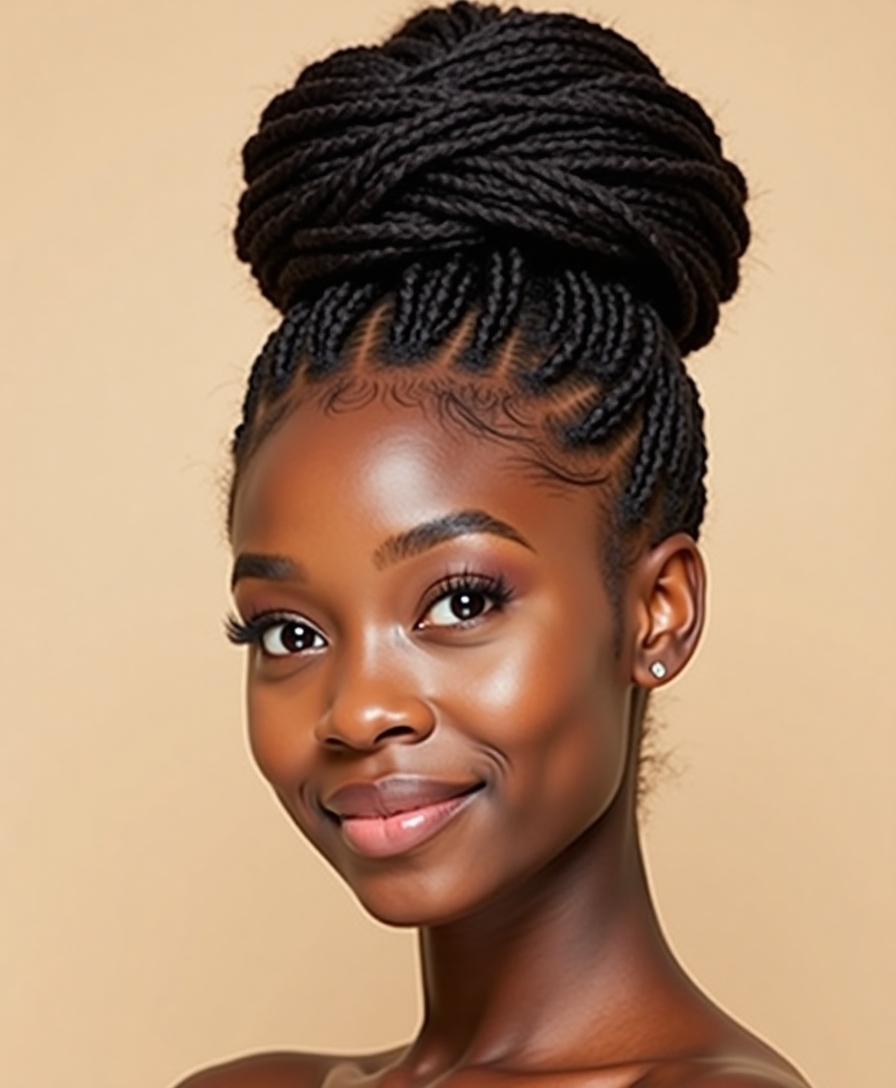
Most protective-style damage comes from a short list of avoidable mistakes, and tension tops it. A style braided or installed too tight pulls at the roots and edges, and over time that strain thins the hairline in a way that is slow to recover.
Leaving a style in too long is next. Past about eight weeks, new growth tangles with the install, matting at the roots and making take-down rough. Dry, neglected hair under a style quietly weakens for the same reason.
If a fresh style stings, do not wait it out. Have the tightest spots loosened, because soreness is a warning, not part of the process.
Customizing the Look to Make It Yours

Once the basics are handled, protective styles open up to real personal expression. Length, thickness, color, and parting all shift the mood, so the same box braids can read sleek and grown-up or soft and playful depending on the choices.
Accessories carry a lot of this. Cuffs, beads, thread wraps, and a chosen parting turn a standard set into something that looks like yours and no one else’s. It is the part where heritage technique meets your own taste.
Pick details that suit your face and your week. A style you feel like yourself in is one you will care for properly, which is the whole point.
What It Means for Long-Term Hair Health
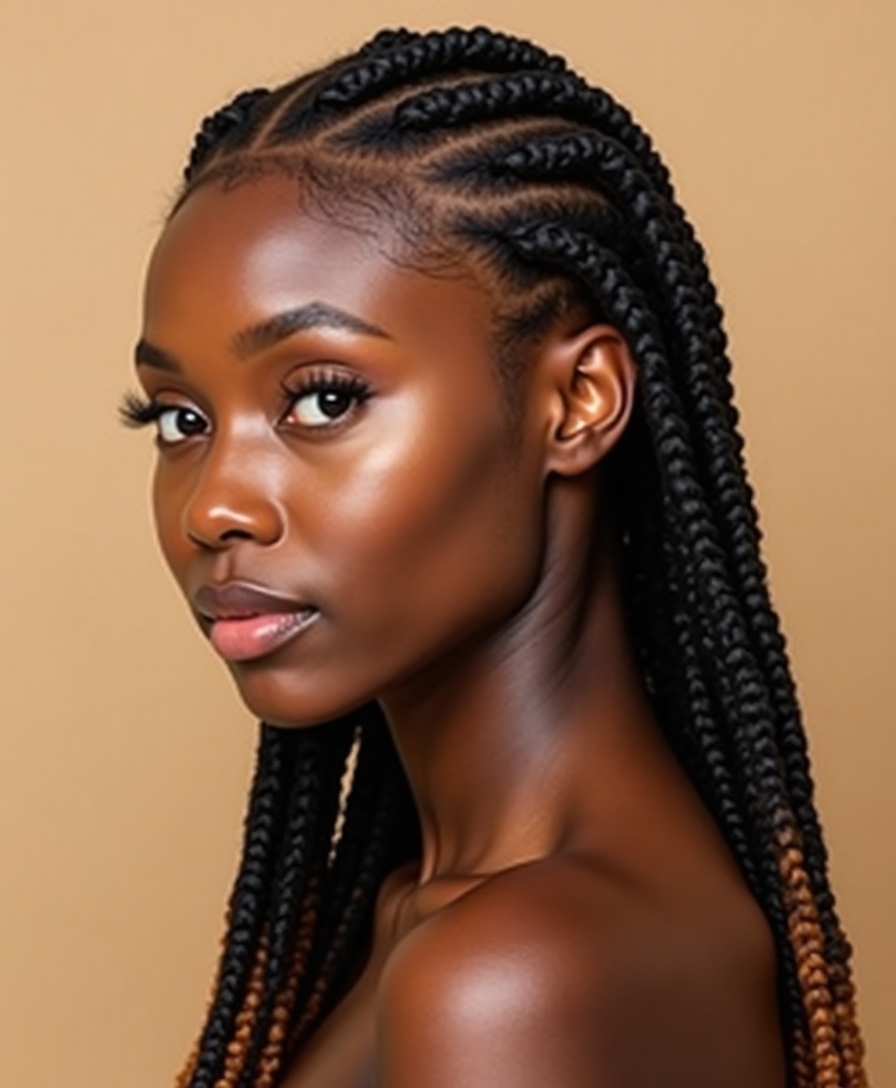
No single style is a cure, but a thoughtful rotation of protective styles, rest periods, and gentle care adds up over a year. Hair that is handled less, kept moisturized, and shielded at night tends to feel stronger and hold its length better.
Rotation beats any single style
The opposite is also true: back-to-back tight installs with no breaks in between can do more harm than skipping protective styling altogether. Balance is what makes the difference.
Listen to your hair and scalp. They will tell you when a style has done its job and when it is time to rest.
Accessories That Change the Look

Accessories are the easiest way to refresh a protective style without redoing it. A silk scarf, a set of gold cuffs, or a wide headband can take the same braids from everyday to dressed up in seconds.
Small additions, big shift
They serve the hair, too. A satin-lined headband smooths the edges, a scarf shields the install from sun and dust, and a well-placed pin keeps stray ends tucked where they belong.
Keep a small kit on hand and you can restyle on a whim while the hard work of the install keeps your hair protected underneath.
Who Protective Styling Suits Best
Protective styling is built for textured, coily, and curly hair, where dryness and breakage at the ends are the everyday battle. It also serves anyone growing out a length goal, recovering from heat damage, or simply wanting a few weeks off from daily styling.
It is less suited to anyone unwilling to care for the hair underneath, since a style left dry and ignored loses its whole purpose. The best candidate is someone ready to install gently, moisturize through the weeks, and take the style down on time.
Protective Style Questions, Answered
?How long can I leave a protective style in?
Most last two to eight weeks. Beyond that, new growth tangles with the install at the roots and tension builds along the hairline, so take it down before matting starts and the take-down turns rough on your hair.
?Do protective styles actually help hair grow?
Not directly. They do not speed growth, which happens at the scalp at its own pace. By reducing breakage at the fragile ends, though, they help you keep more of the length you grow, so hair looks longer over the months.
?Are protective styles only for natural hair?
They are designed for textured and coily hair, where dryness and breakage are most common, but anyone can use gentle styles like buns, twists, and headwraps to give their hair a few weeks off from daily handling.
?How do I stop my edges from thinning?
Avoid tight installs, keep the hairline loose rather than braided in hard, and leave a few days of rest between styles. Soreness after an install always means it is too tight, so have those spots loosened straight away.
?Can I wash my hair in a protective style?
Yes, gently. Use diluted shampoo focused on the scalp, rinse thoroughly, and dry the hair fully afterward so the install does not stay damp for days, which is what makes a style loosen, smell, or mildew.
Shield Your Strands, Show Your Style
Protective hairstyles work when you treat them as a partnership: the style shields your ends, and you keep the hair and scalp underneath healthy through the weeks it stays in. Gentle installs, satin nights, and on-time take-down are what turn a pretty style into real length retention.
Wear these styles with care for both your hair and the heritage many of them carry, and rotate them with rest built in. Done that way, they protect your strands and let you show your style at the same time. Pick the one that fits your week and start there.
Worth a Look