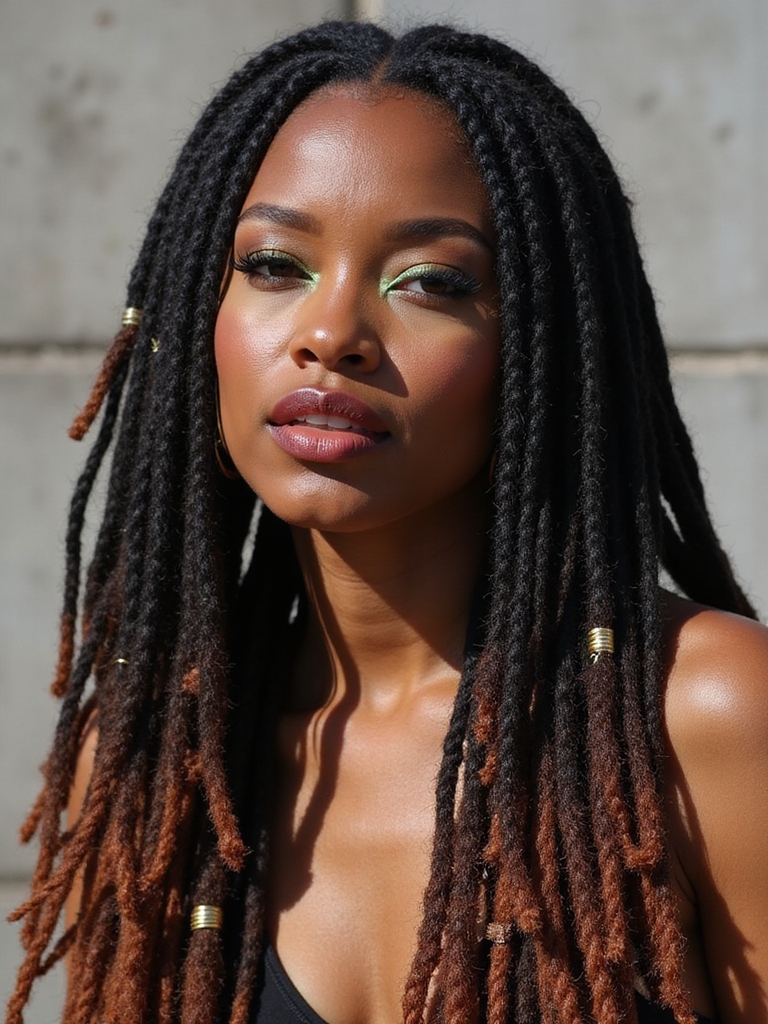
Most of the braids that make people ask who did this for you were never actually hard. A bubble braid is elastics. A pull-through is a row of tiny ponytails. The gap between how impressive a braid looks and how much skill it actually takes is wider than almost anyone assumes.
Nineteen styles follow, each one flagged for what’s really behind the salon-look effect, whether that’s a genuine technique worth practicing or a shortcut carrying the whole effect on its own. Anyone wanting the plain mechanics first can start with the braided hairstyles guide; this one is for the shortcuts.
The Trick Behind Most “Impressive” Braids
- Second-day or lightly textured hair grips far better than freshly washed hair, which is why the exact same braid looks tighter and holds better on unwashed strands.
- Pancaking, gently pulling a finished braid’s edges apart, is what turns a thin, tight plait into something that reads soft and full.
- The styles that look the most complicated, bubble braids and pull-through braids especially, are often the ones using no real braiding technique at all.
The Classic Fishtail Braid
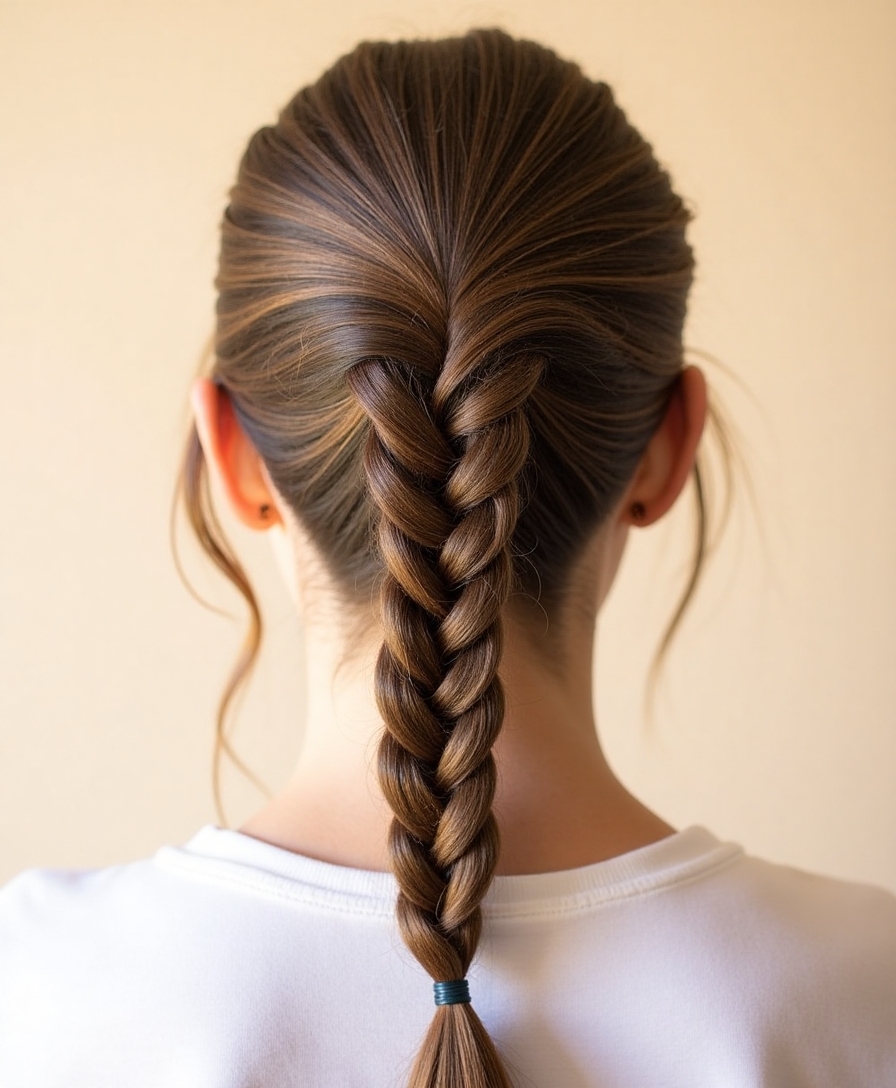
A fishtail crosses thin pieces between just two sections, which is half the tracking a standard three-strand braid asks for, even though it comes across as the more advanced style of the two.
- Widening the finished braid with a gentle pull at the edges is what gives it that soft, expensive-looking finish
- Worn over one shoulder, the same technique passes for boho on an ordinary day or bridal for an event
- Hard to mess up once the two-section rhythm clicks

The Rope Twist Braid
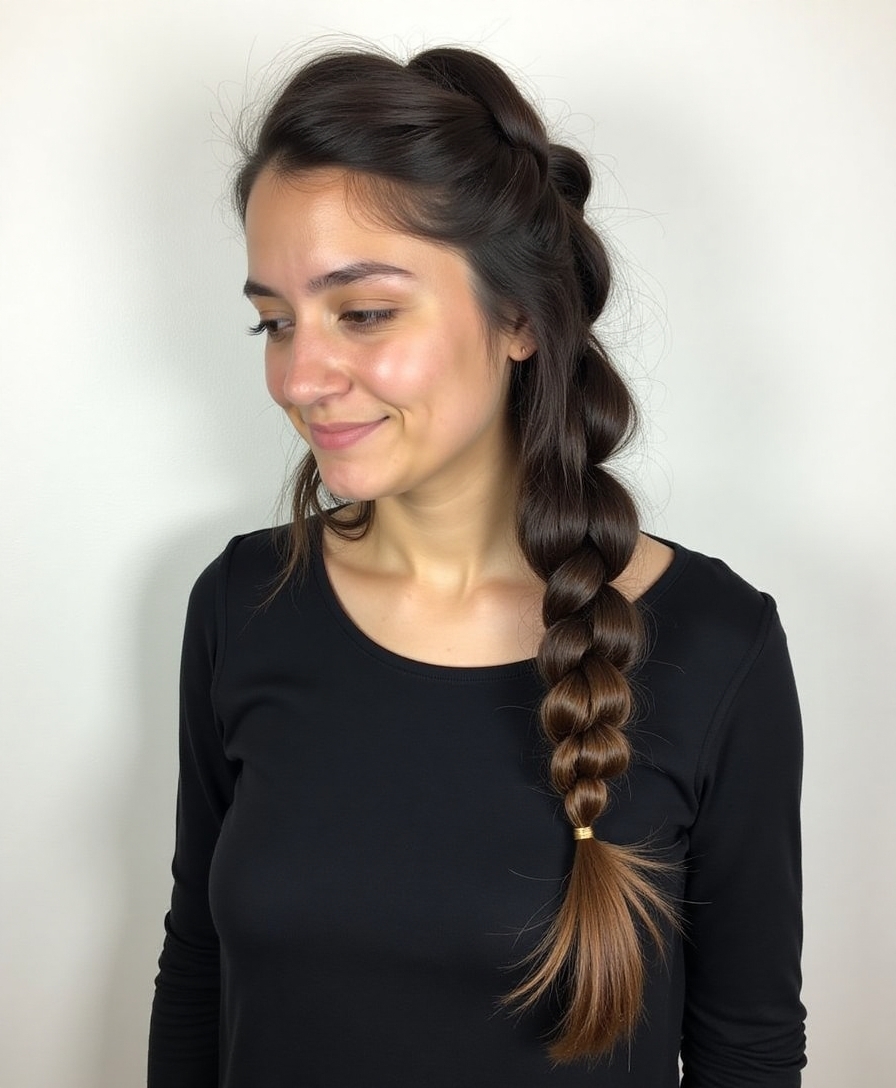
A rope twist isn’t a braid at all: two sections, each twisted the same direction, then wound around each other in the opposite direction, lock into a sleek spiral that holds its own shape without any pins or product needed to keep it in place.
- No three-strand tracking required, just two twisting motions
- Reads polished and deliberate on a ponytail or swept to one side
- The opposing twist directions are what keep it from unwinding on its own
💡The One Step Most People Skip
Pancaking, pulling the outer edges of a finished braid apart with a fingertip, is the actual difference between a homemade-looking braid and a salon-looking one. It works on nearly every style on this list, not just this one.
The Waterfall Braid
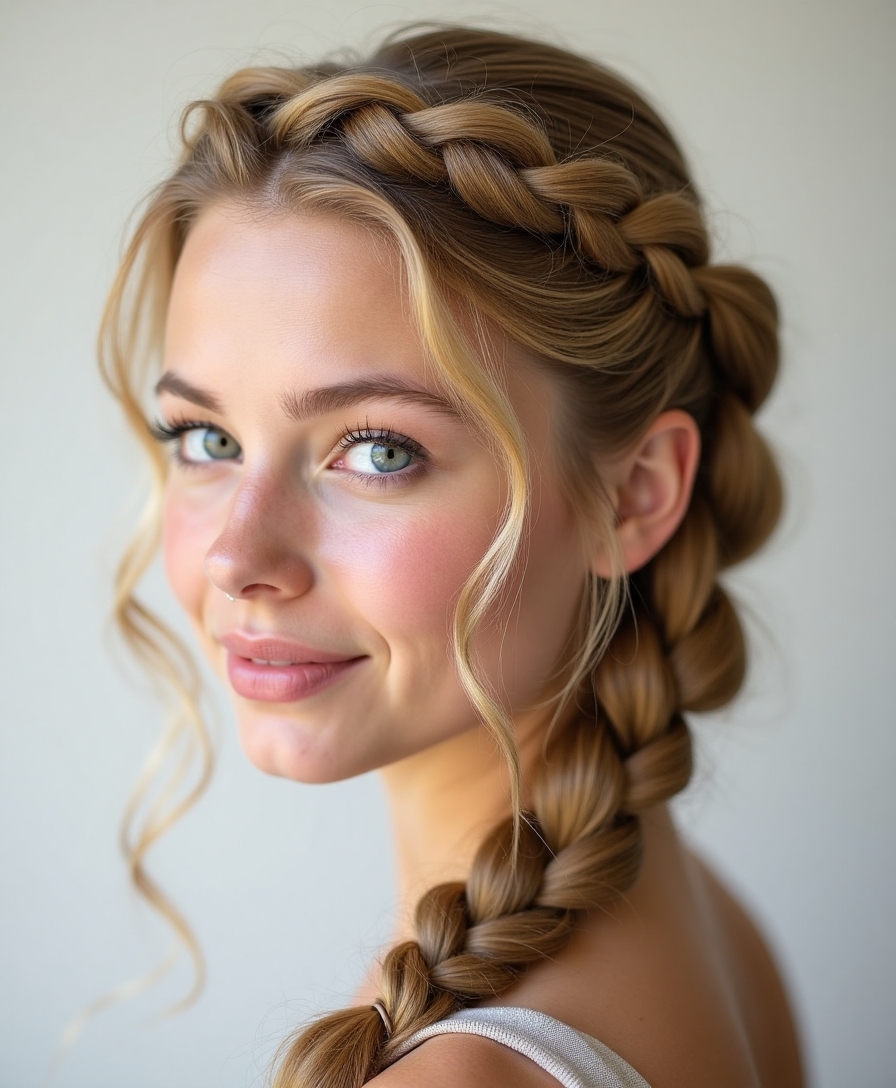
A waterfall braid looks like it demands real technique, since loose strands appear to spill through it the way water spills over a ledge.
The Illusion Is in the Drop
The actual mechanic is dropping one strand every time the braid crosses and picking up a fresh one from above, so the braid travels while everything dropped cascades beneath it.
Once that drop-and-replace rhythm clicks, it stops feeling technical; it works best on hair with some existing wave, where the falling pieces catch light as they fall.
The Dutch Braid Ponytail
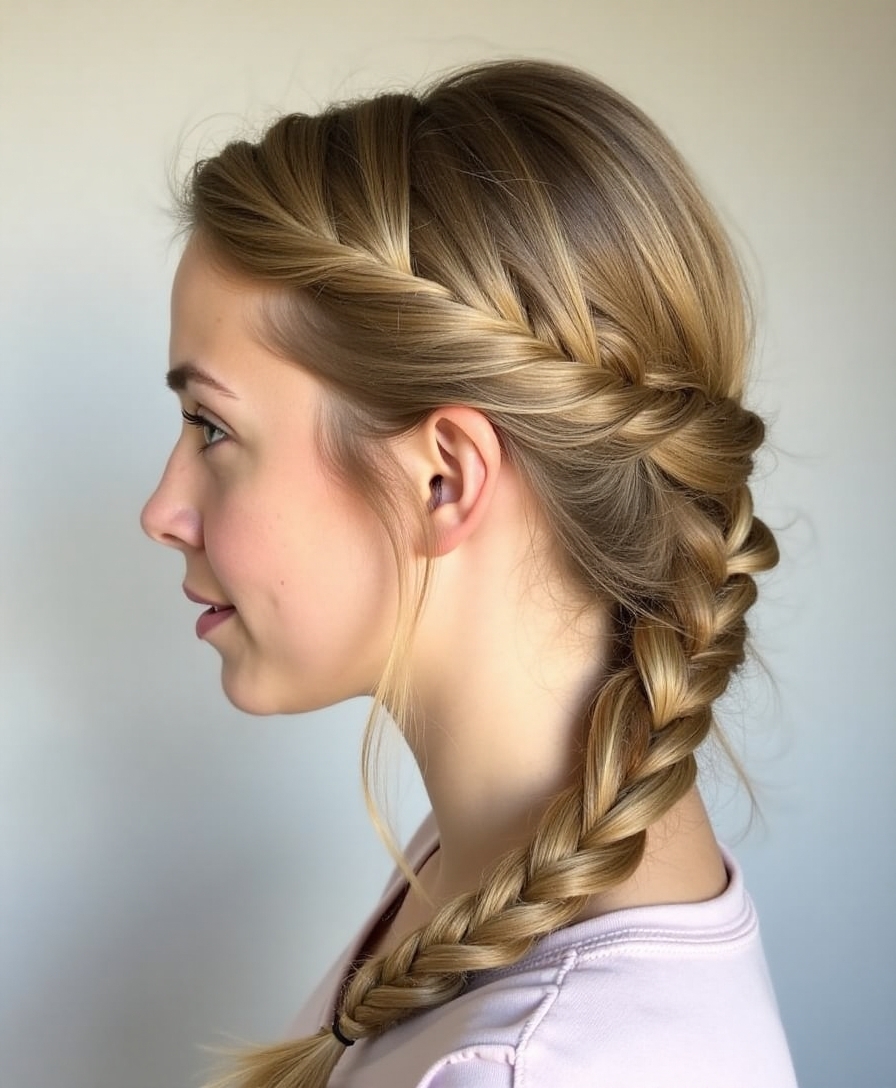
A Dutch braid running straight into a high ponytail feels like a considered, styled choice, even though it’s really just one braid crossed under instead of over, tied off at the crown.
- Braids up the back into a gathered ponytail, holding through movement better than a plain tie would
- Works equally well leaving the gym or heading somewhere dressier
- Wrapping a thin piece of hair over the elastic hides it in seconds
The Crown Braid
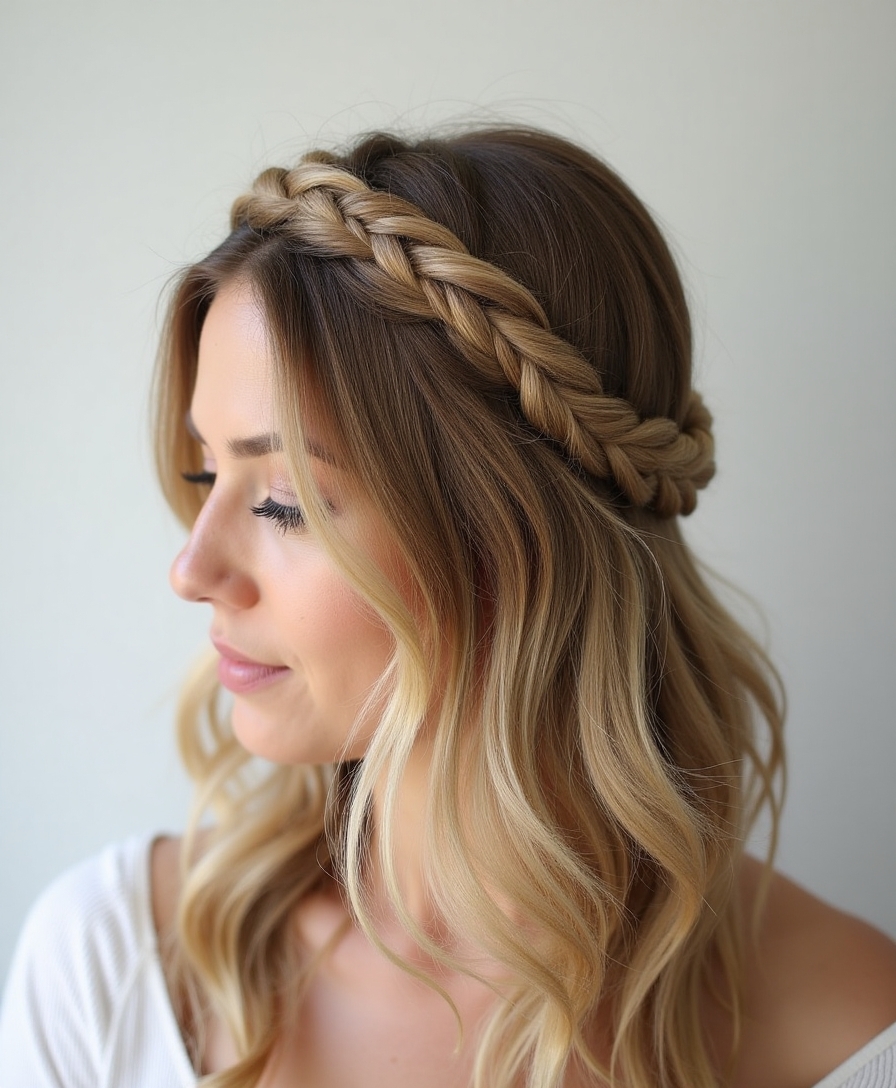
A crown braid circling the head like a woven halo is the style wedding guests ask about most, and it looks like an hour of work; the braided bob guide covers a similar wrap-based structure at a much shorter length.
It’s closer to ten minutes once the wrap technique clicks: one length braided and wound around the head, pinned as it goes, with the join tucked out of sight.
Hiding that single join is the entire trick; a few well-placed pins are doing more of the visible work than the braiding itself. A salon add-on for this usually runs about $45, a quick booking on top of a regular blowout for anyone who’d rather skip the DIY attempt.
The Five-Strand Braid
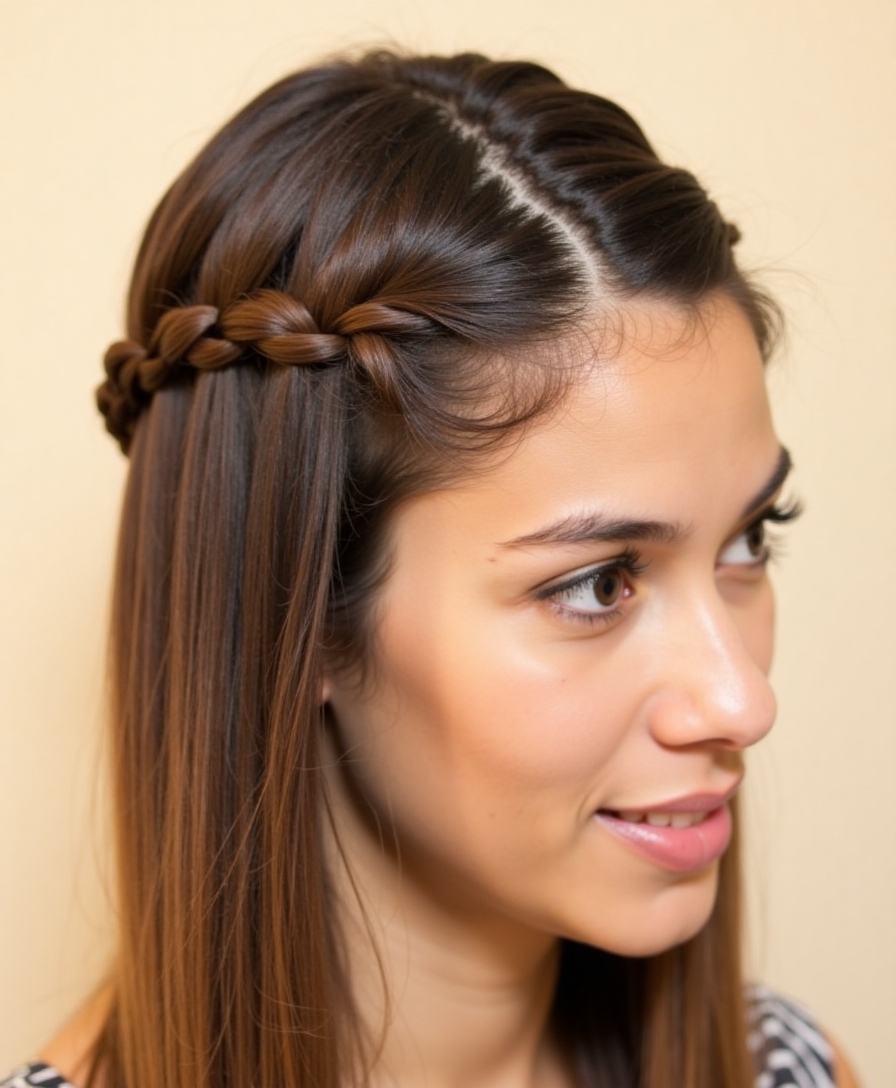
A five-strand braid is the rare style on this list that’s truly more advanced than it looks, wide and woven enough to reward a few practice runs before it clicks.
- Split into five sections and weave the outer strands inward toward the center
- Noticeably wider and more detailed than a standard three-strand braid
- Worth practicing on a simple side braid first, where mistakes are easy to see and fix before attempting it for a real occasion
🅰️Easy but looks hard
Fishtail, rope twist, waterfall, bubble braid: minimal real skill, maximum visual payoff.
🅱️Hard and looks it
Five-strand braid: the one style here where the difficulty is real, not an illusion.
The Pull-Through Braid
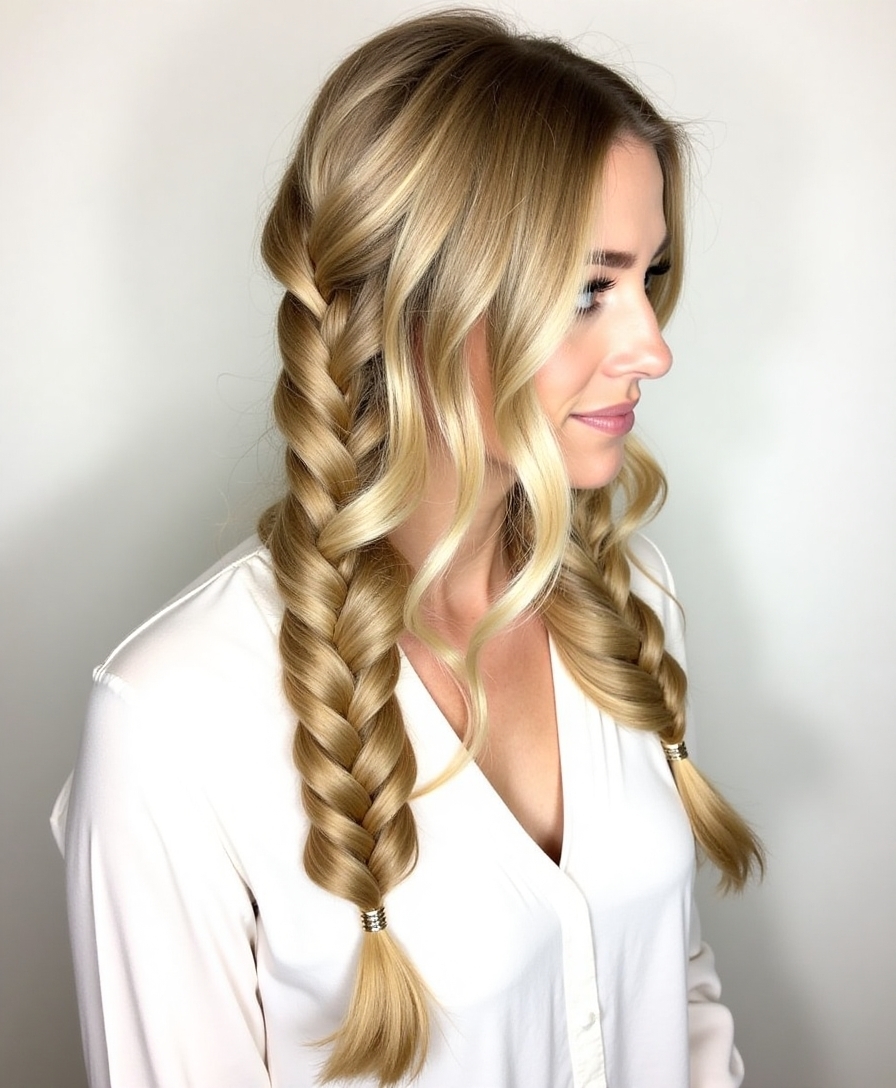
A pull-through braid involves no braiding at all: a row of small ponytails runs down the head, and each one gets pulled through the gap in the ponytail above it.
Widened once it’s in place, the finished result passes convincingly for a complex woven braid, with not a single over-under cross anywhere in it.
- A row of small elastics, each pulled through the loop above
- Pancaking each loop afterward is what makes it look intricate rather than lumpy
- One of the most convincing fakes on this entire list
The Ladder Braid
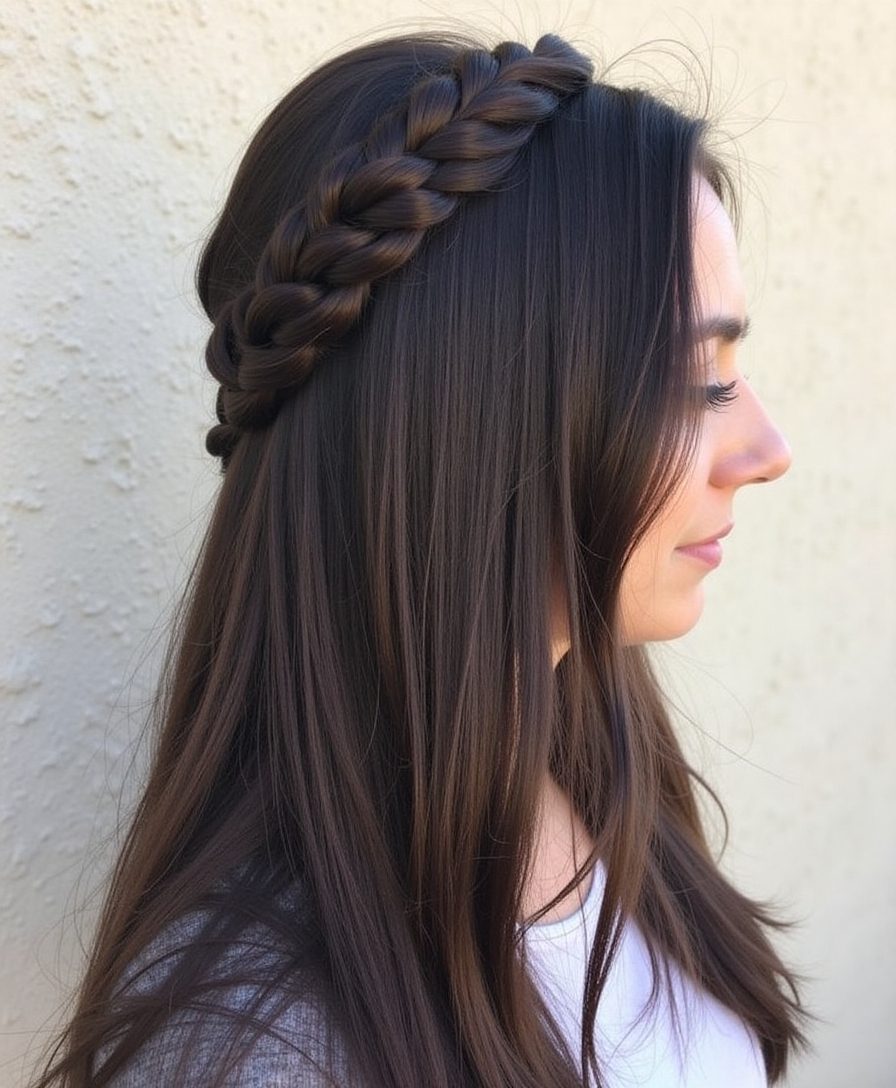
A ladder braid builds the look of woven rungs running down one side of the head, which lands as far more advanced than the technique actually is.
- A cornrow or French braid forms the two side rails of the ladder
- Loose strands get passed across between the rails to form each individual rung
- The real trick isn’t the braiding, it’s the pancaking afterward and the angle the photo gets taken from
The Infinity Braid
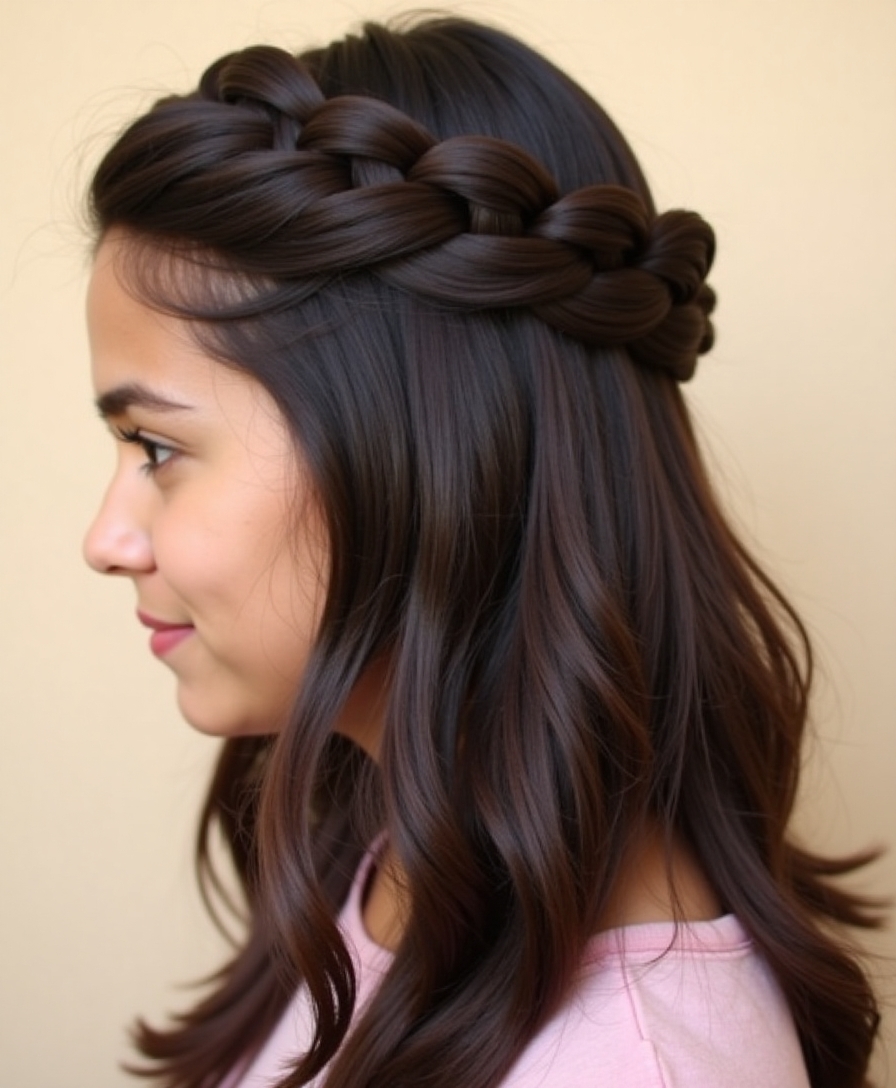
An infinity braid gets its name from the loop each cross traces, and the finished pattern is detailed enough that people actually stop to study how it was done.
Underneath that appearance, a steady hand and one repeating motion carry the whole thing; the fingers pick it up faster than the eyes expect once the rhythm sets in.
It shows up best on a single side section or split into two pigtails, and it draws attention at nearly any dressed-up occasion.
The Braided Updo
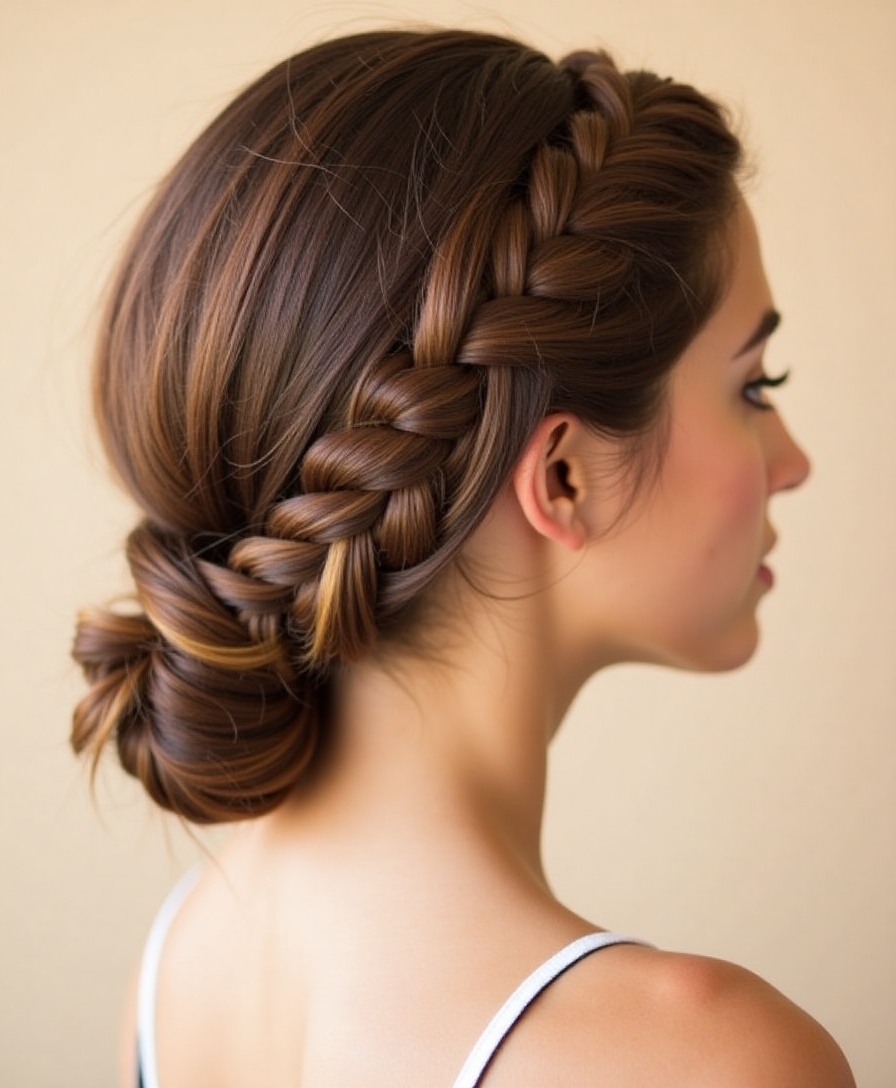
A braided updo covers any look where finished braids get gathered and pinned up, and it’s the style most likely to pass for professional work, since the pinning covers every uneven section.
- Braid loosely first, then coil and pin the braids up into place, section by section
- Tuck the ends under and leave a few soft pieces loose for movement
- Hidden pins and a light hairspray carry most of the visible structure once everything is in place
The Bohemian Side Braid
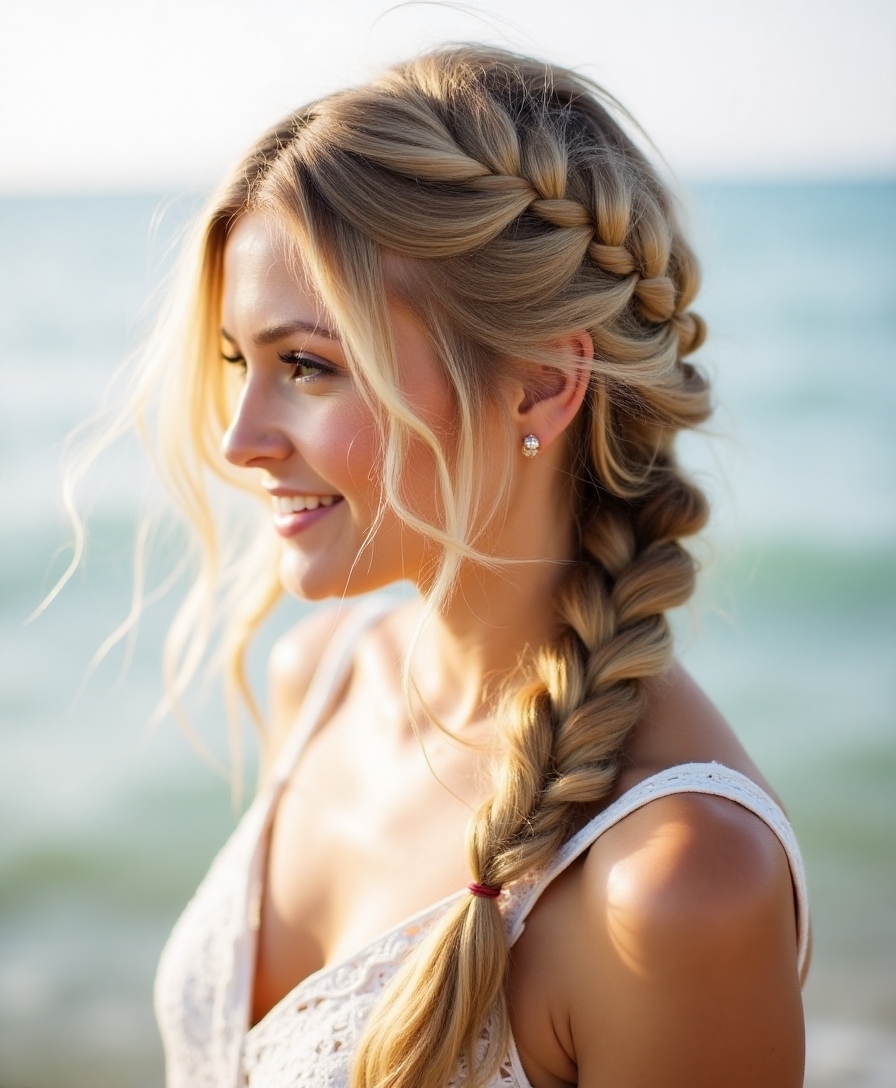
A bohemian side braid is the deliberately undone cousin of every polished style on this list, swept over one shoulder and pulled apart on purpose.
Loose Is the Whole Point
The actual technique is braiding loosely from the very start, then widening it further once it’s finished, so it looks gathered and full instead of tight and neat.
A few pieces left loose around the face finish the relaxed effect, and this is easily the simplest style here to wear on a daily basis, since more undone only ever helps it.
The Mermaid Braid
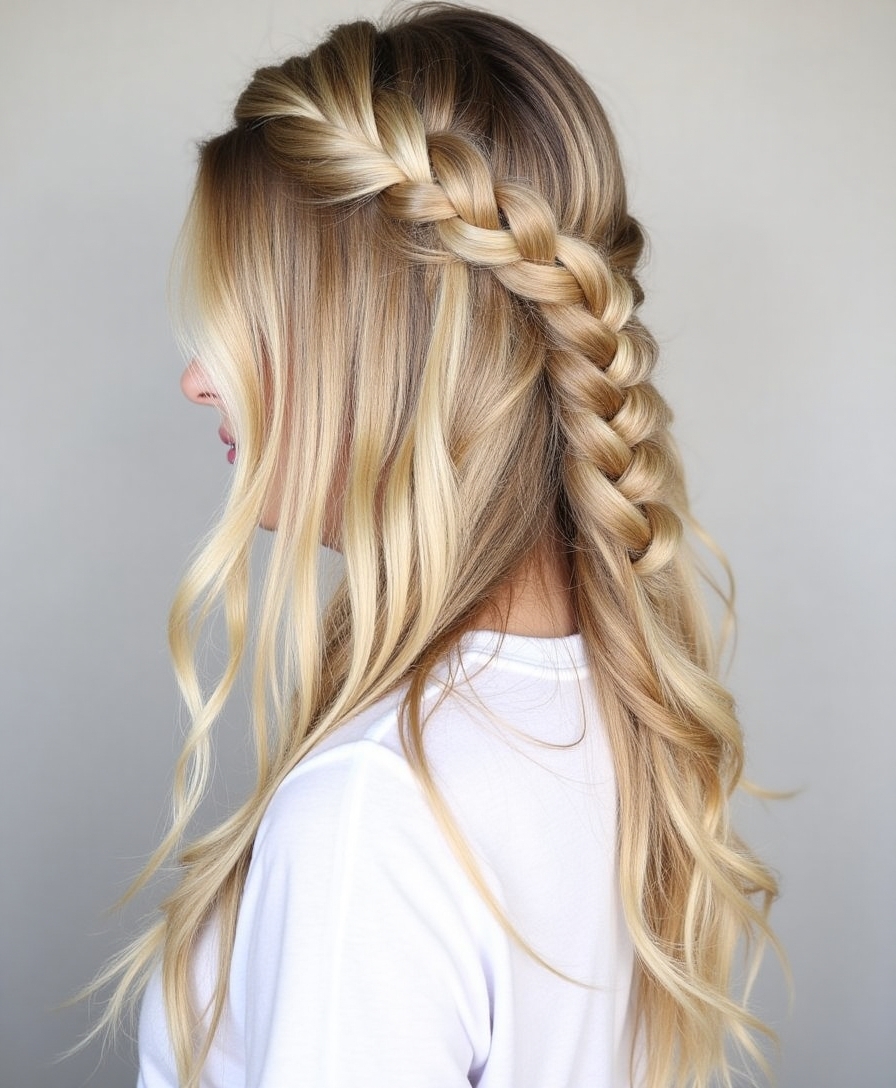
A mermaid braid combines a flowing braid with loose, wavy lengths left out, so the braid appears to swim through cascading waves underneath it, blurring the line between braided and unbraided hair.
It typically starts as a French or fishtail along the crown, releasing into waved, loose hair beneath; the more wave already in that loose length, the more convincing the whole effect becomes on longer hair especially, where there’s more cascading movement to work with.
The Milkmaid Braid
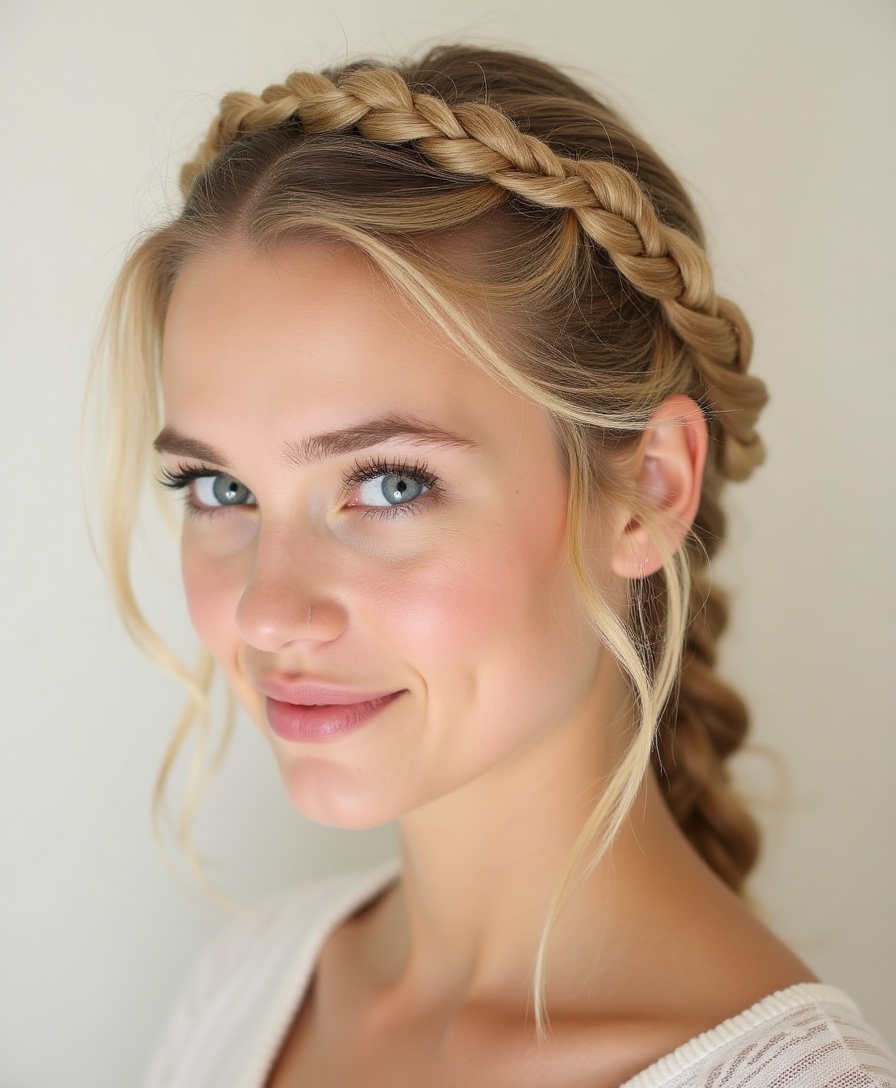
A milkmaid braid wraps two plain braids up and over the crown, meeting like a halo, for a vintage look that hides how basic the plaits underneath actually are.
The braids themselves are ordinary three-strands; the vintage, storybook effect comes entirely from the wrapping and pinning at the end.
- Braid each side simply, then wrap it up and over the crown
- Pin on the opposite side and tuck the ends out of sight
- Widening the wrapped braids afterward makes the finished halo read softer and fuller
The Loop Braid
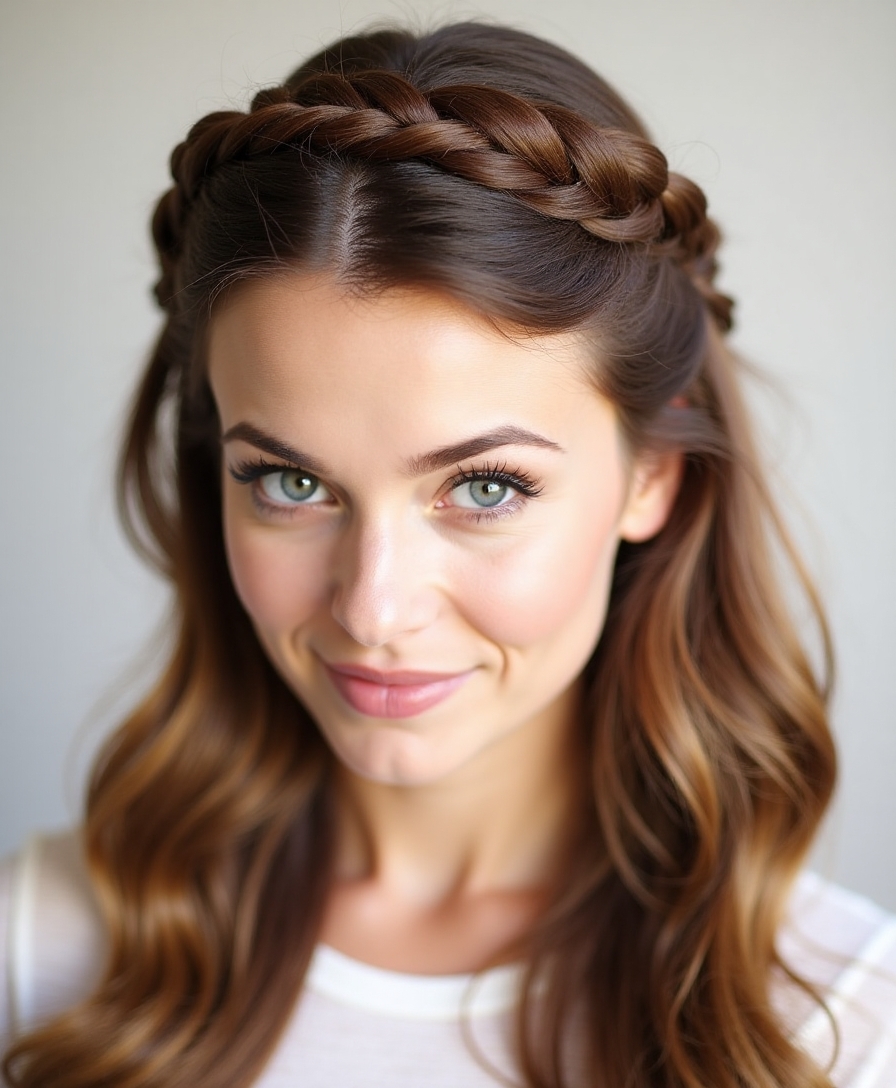
A loop braid builds its shape from folded loops of hair instead of crossed strands, creating a chunky, textured plait that looks unusual and complicated.
Because it’s built from stacked loops rather than a flat cross-pattern, it carries more dimension than a standard braid, without asking for any actual crossing technique.
- Fold small sections into loops and stack them down the length
- Reads chunky and modern rather than delicate or traditional
- A genuine standout for anyone tired of the usual three-strand look
The Twisted Halo Braid
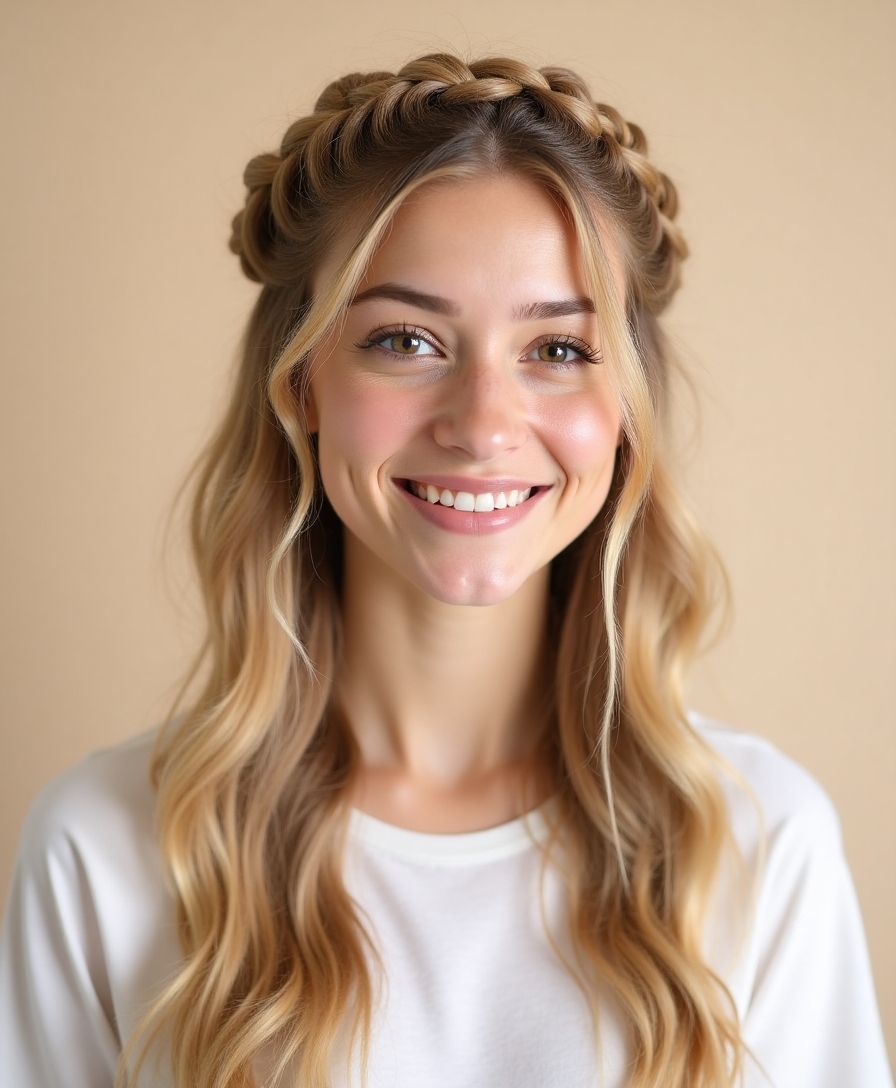
A twisted halo rings the head with rope twists instead of braids, landing as a softer, quicker version of the crown braid above.
Twisting beats braiding for speed every time, which makes this the version worth reaching for when the elegant halo look is needed in a hurry.
- Twist sections around the head into a soft, continuous halo
- Pin discreetly and tuck the ends out of sight as it goes
- Just as elegant as a braided crown, at a fraction of the time
Building the halo in two moves:
1Section and twist
Take a section at the front, twist it once, then add hair as it travels around the head.
2Pin as you go
Secure every few inches so the twist doesn’t loosen before it’s fully wrapped.
The Bubble Braid
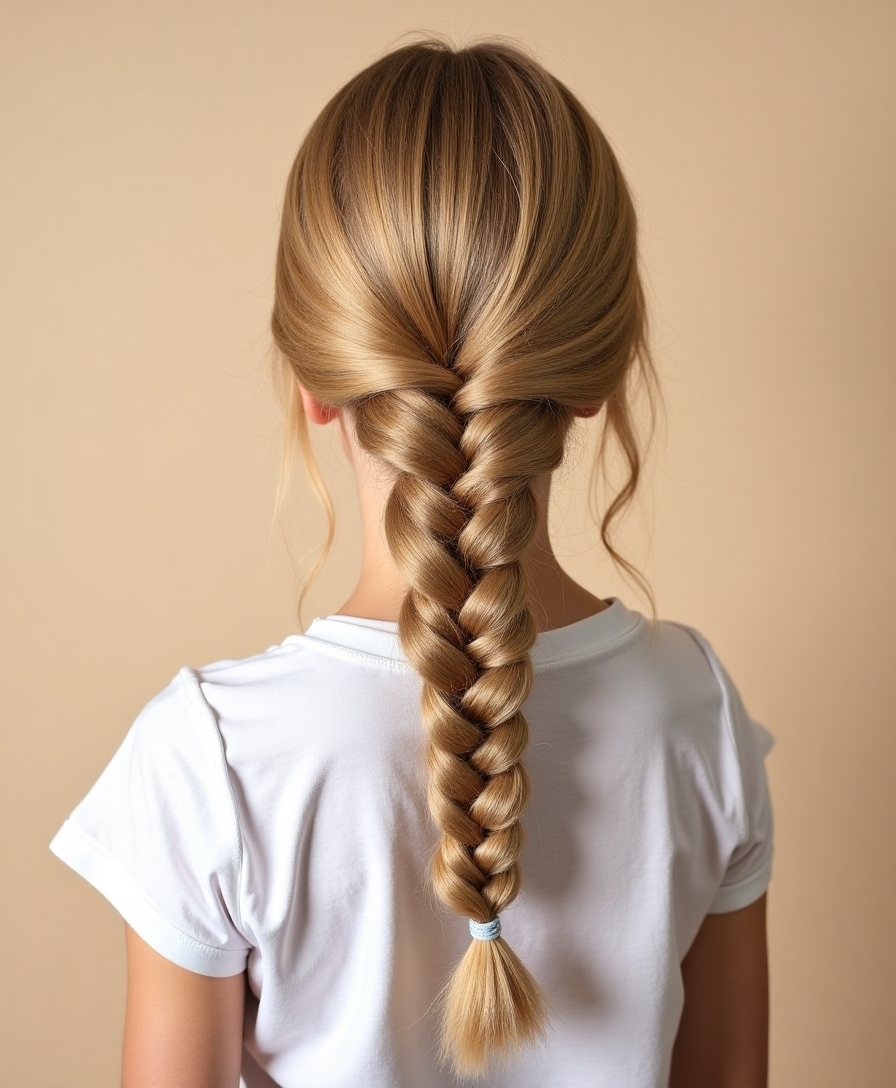
A bubble braid needs zero real braiding: a ponytail gets segmented with elastics down its length, then puffed out between each one into a row of round sections.
- Tie a ponytail, then add elastics evenly spaced down its full length
- Gently puff each segment between the elastics outward into a rounded bubble
- All visual impact, no braiding skill required at any single point in the process from start to finish
The French Braid Bun
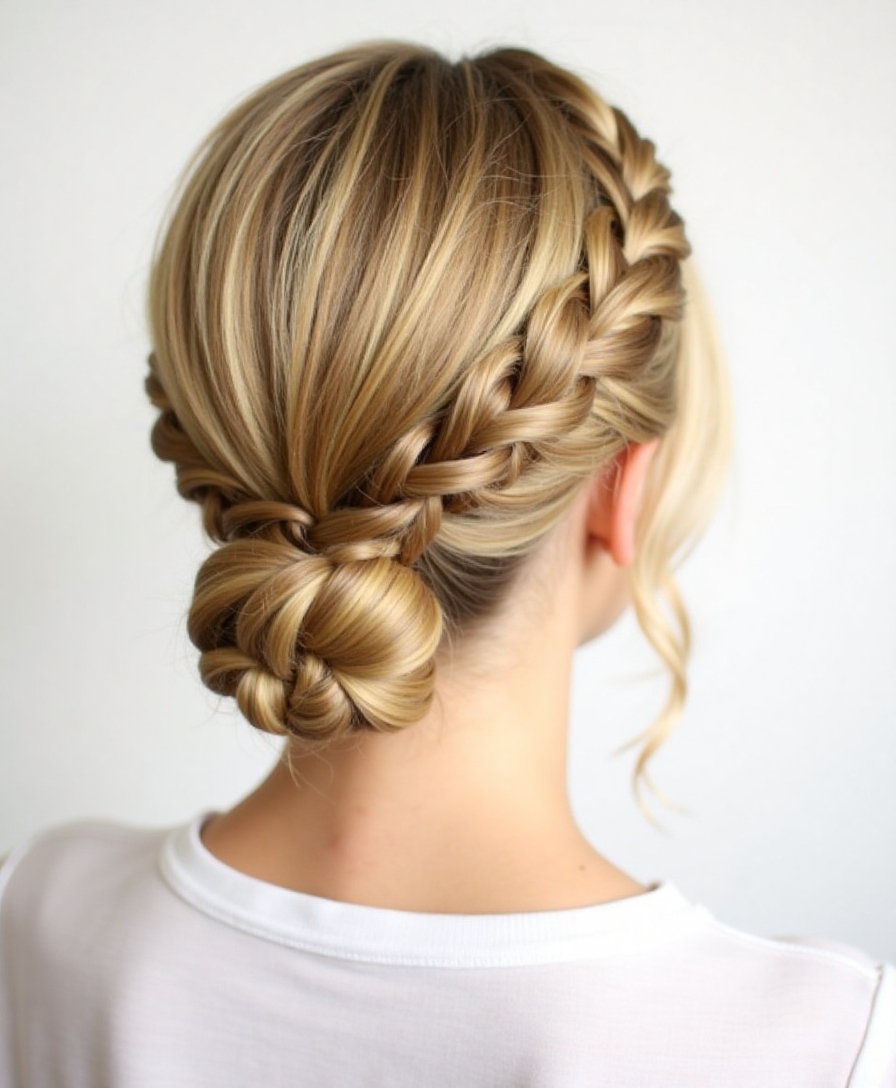
A French braid bun runs a French braid up the head and finishes the remaining length in a tidy bun, combining a braid’s polish with the plain practicality of an ordinary updo.
Braiding the hair before bunning it means the finished bun sits more securely than a plain twisted knot, and the whole look reads as more deliberate for roughly the same amount of actual effort involved, start to finish.
Double Dutch Braids
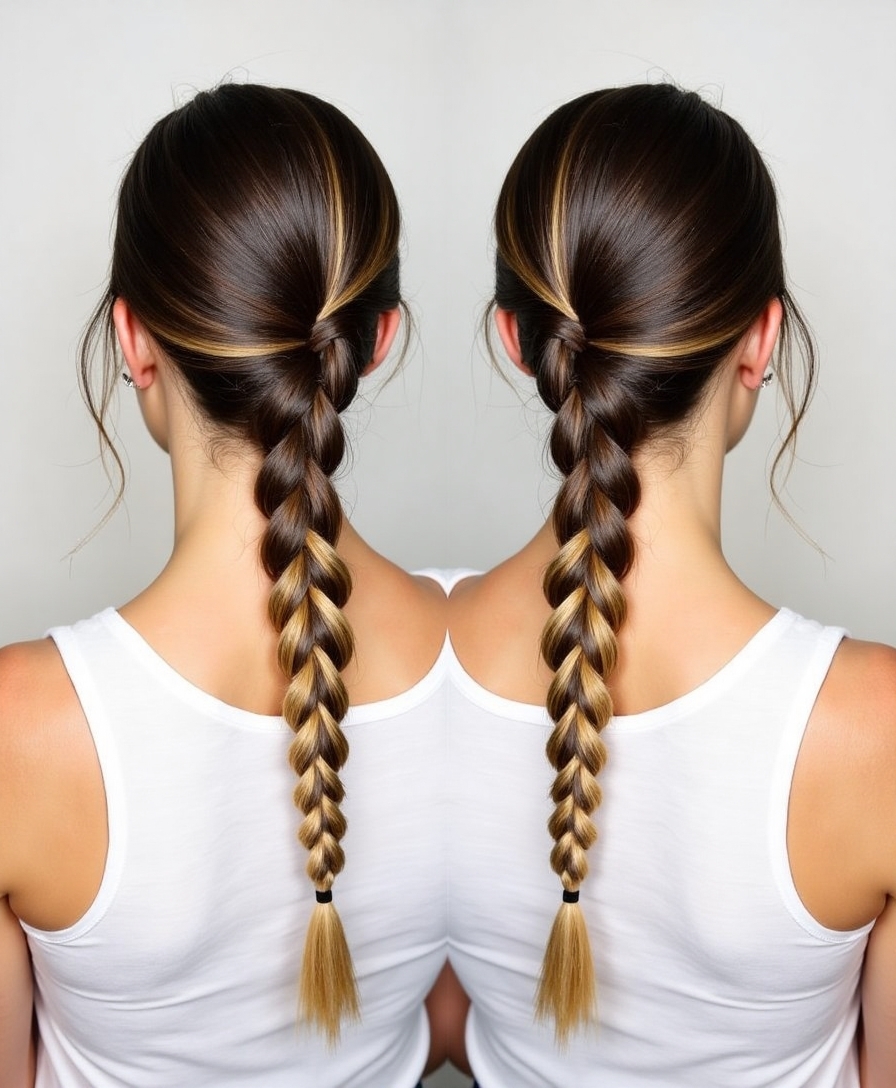
Two raised Dutch braids running straight back are sportier and more flattering than their simplicity suggests, and they’re the most practical, workhorse style on this whole list. The box braids hairstyles guide covers a more protective, longer-wearing alternative to this same idea.
Because the strands cross under instead of over, the braids sit proud of the head and hold everything controlled through a workout, a swim, or just a busy day; taken down afterward, they leave behind soft, crimped waves.
| Style | Looks like | Actually is |
|---|---|---|
| Bubble braid | An intricate woven style | A ponytail split with elastics |
| Pull-through braid | A complex braid | A row of ponytails pulled through each other |
| Five-strand braid | Slightly more detailed than usual | Truly more advanced, no shortcut here |
The Tucked Braided Bun
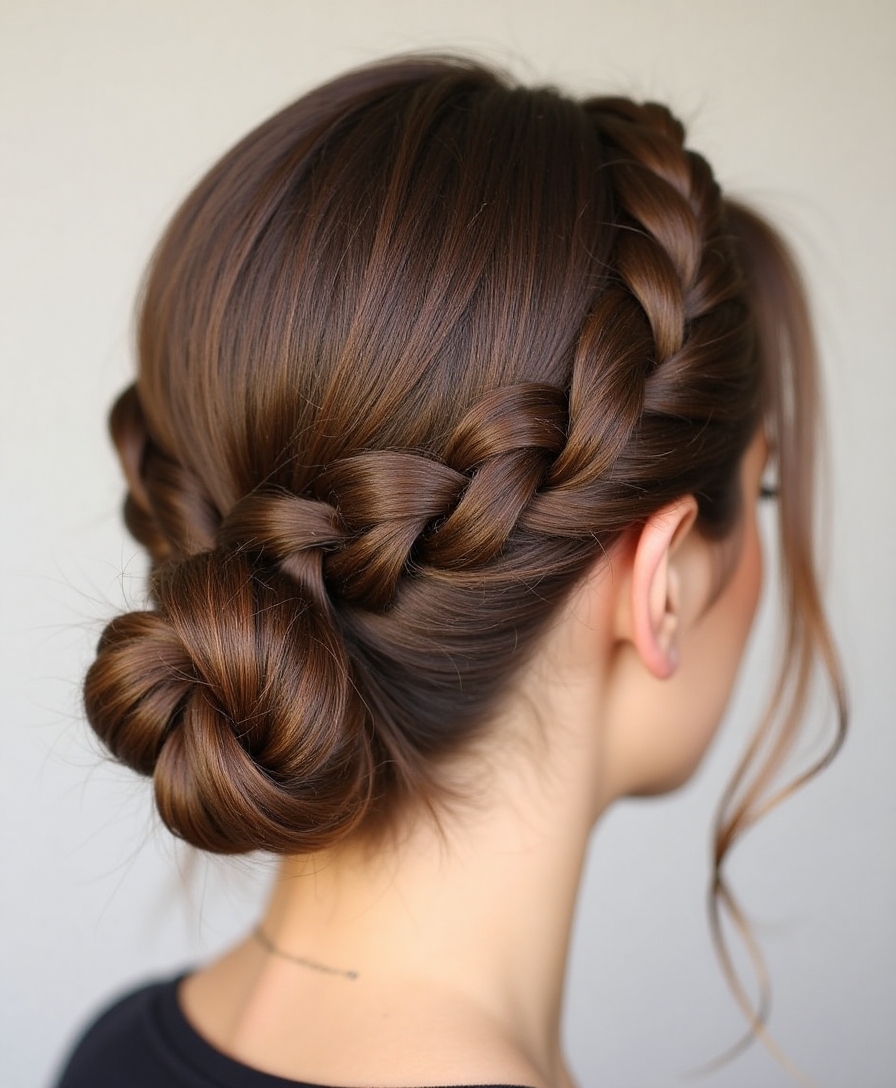
A tucked braided bun rolls a finished braid under and pins it into a low, sleek bun at the nape, hiding every end for a result that reads far more advanced than the two actual steps involved.
- Braid the full length, then roll it under and pin it flat at the nape
- Every end disappears for a clean, professional-looking finish
- A reliable choice for a refined, grown-up look at an event
What to Expect
Across this whole list, the real split isn’t between easy and hard braids, it’s between styles that use elastics or pinning to fake the effect and the rare style, like the five-strand, where the difficulty is real. Most of what passes as “salon skill” is actually just second-day hair, a generous pancaking pass, and confident pinning. The boho bob braids and cornrow hairstyles guides cover more of the truly technical end of that spectrum.
Worth testing a few of these on hair that’s already a day or two past washing, since the extra grip changes how well nearly every style on this list actually holds through a full day.
?Which braid gives the most impressive result for the least actual skill?
The bubble braid and the pull-through braid, by a wide margin, out of everything covered on this whole list. Both look like fully woven, complicated styles, but neither involves any real crossing or braiding technique, just elastics, ponytails, and a bit of puffing.
?What actually makes a braid look full and salon-finished instead of thin and homemade?
Pancaking, almost always. Gently pulling the outer edges of a finished braid apart widens it and softens the texture, which is the single biggest visual difference between a tight DIY braid and one that reads professionally done.
?Does hair need to be freshly washed for these braids to hold?
The opposite, usually. Second-day or lightly textured hair grips itself far better than freshly washed strands, which is why the exact same braid often looks tighter and lasts longer on hair that’s gone unwashed for a day or two.
?Is the five-strand braid actually harder than the others on this list?
Yes, truly. It’s the one style here where the visual complexity matches the real skill required, so it’s worth a few practice runs on a simpler side braid before attempting it for an event or anything else important.
Fake It, Convincingly
The biggest surprise in this list is how rarely impressiveness and difficulty line up: the bubble braid and the pull-through, two of the most eye-catching styles here, use no real braiding at all, while the five-strand is the one genuine exception.
Worth bookmarking this list for the next time an hour-long salon look needs to happen in ten minutes at a bathroom mirror instead.
More Ideas Here