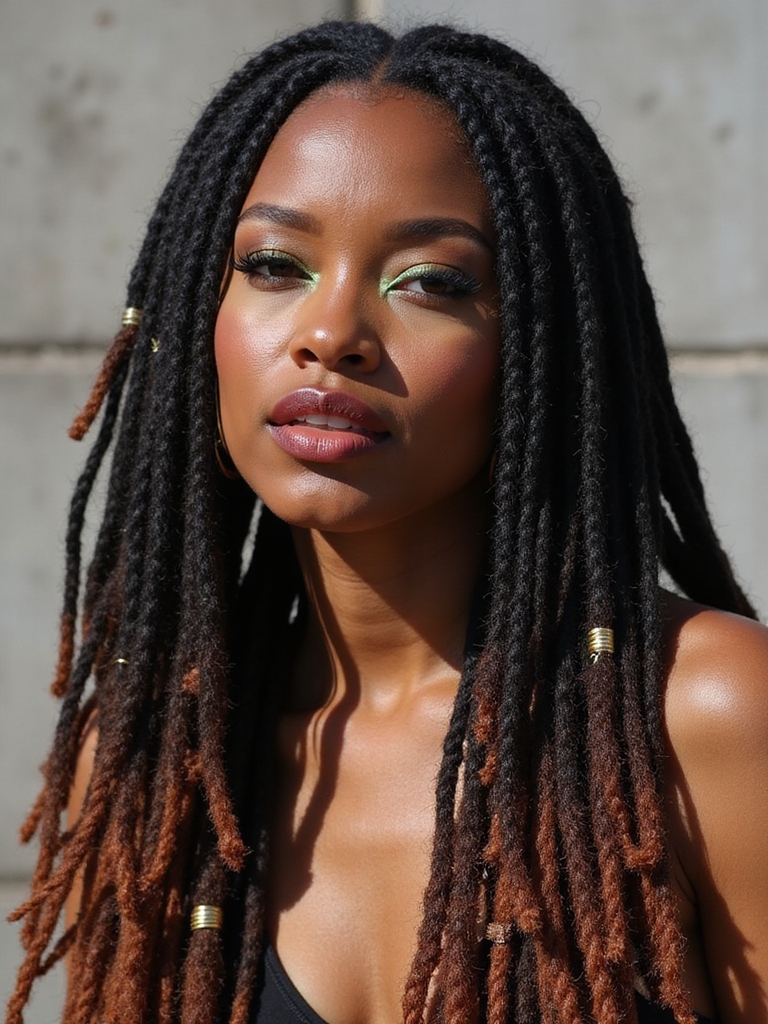
The biggest myth about a bob is that it locks a person into one look. It doesn’t. The cut stays fixed; the finish is what actually changes day to day, which is why nineteen entirely different moods can come out of the same haircut with nothing more than a different product and a few extra minutes.
What follows is that range: sleek to shaggy, glossy to matte, blunt to bouncy, each with the specific technique that gets it there.
Same Cut, Different Finish
- Nearly every finish here starts from one basic skill: a round-brush blow-dry.
- Color, balayage, platinum, a money-piece, restyles a bob without a single cut.
- Whatever the finish, the cut underneath still needs its own shaping schedule to hold up.
The Modern Classic Bob
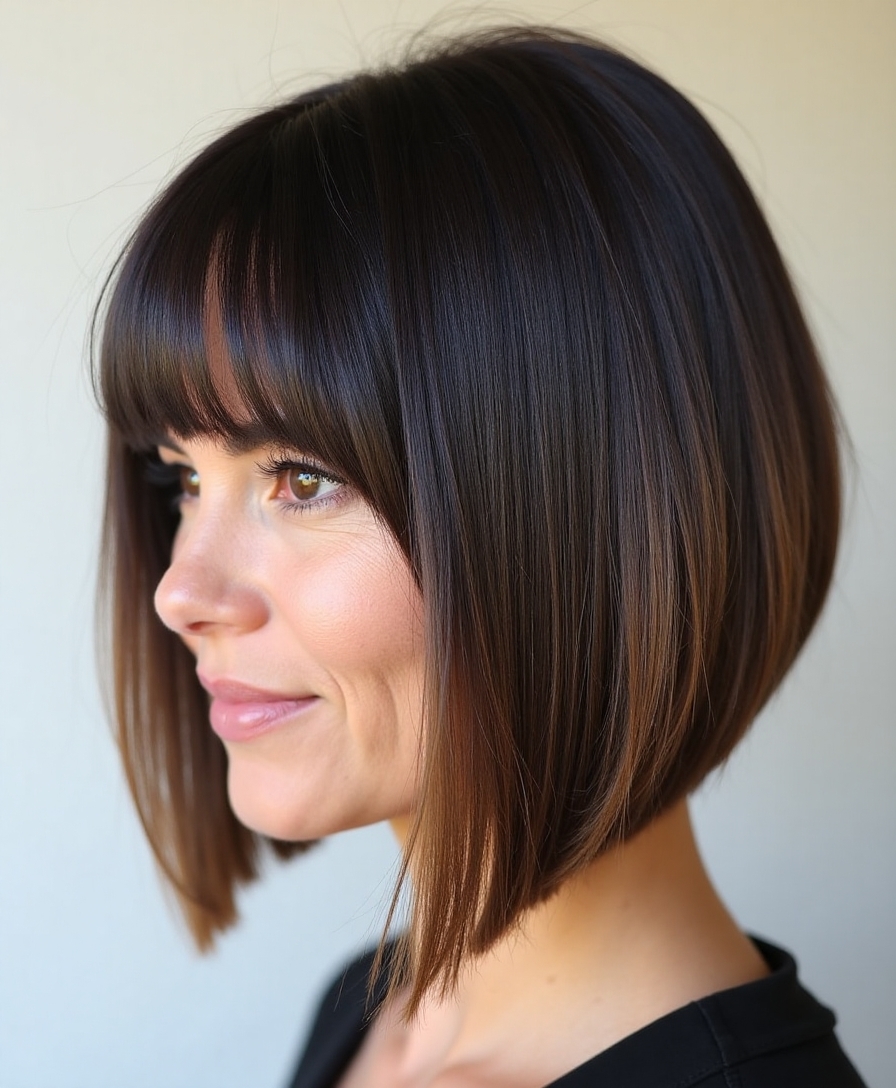
The modern classic bob is the blank canvas the other eighteen looks are built on: a clean cut from chin to jaw that takes whatever finish it’s given.
One Cut, Three Moods
Smoothed and tucked under, it reads office-ready. Add a soft bend and it relaxes for the afternoon. Rough it up with a texturizing product and the same cut turns into an evening look.
A round-brush blow-dry, rolling the ends under as they dry, is the baseline most other finishes on this list start from or deliberately depart from.
The Textured Bob
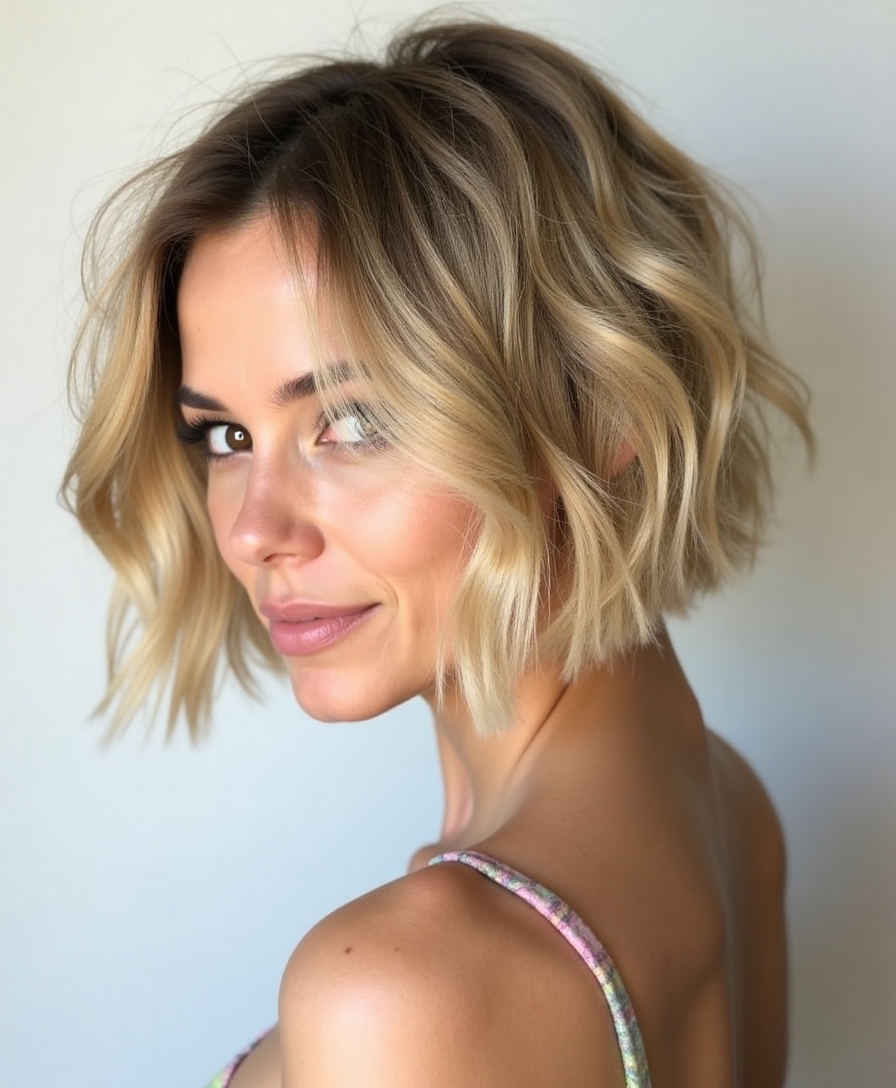
The textured bob is the modern classic left undone: same cut, finished piecey rather than smooth, which happens to be how most people actually wear a bob day to day. Nothing about it needs precision, which is exactly the appeal for a busy morning.
- Work a texturizing spray into damp strands and leave them to dry naturally
- Break the ends apart with fingers, not a brush
- Skip the flat iron entirely; a little roughness is the whole point
The Asymmetrical Bob
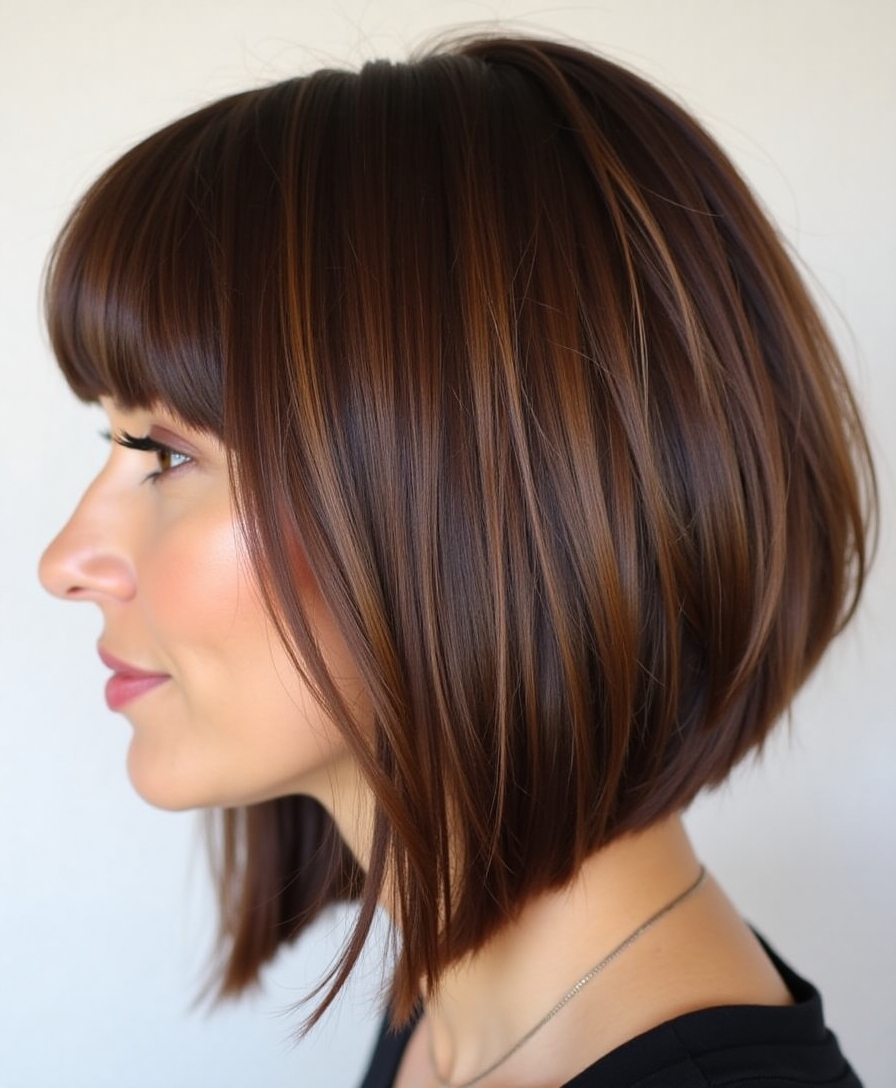
An asymmetrical bob gets styled sleek and deliberate, since the point is showing off the uneven line clearly. Any added texture tends to disguise the very thing the cut is built to show.
- Flat-iron both sides smooth so the length difference reads clearly
- Tuck the shorter side behind an ear to play up the contrast
- A glossy serum keeps the sharp line looking intentional
An asymmetrical line only works when both sides are actually smooth. Texture on one side and sleekness on the other just looks unfinished.
The Sleek Glass Bob
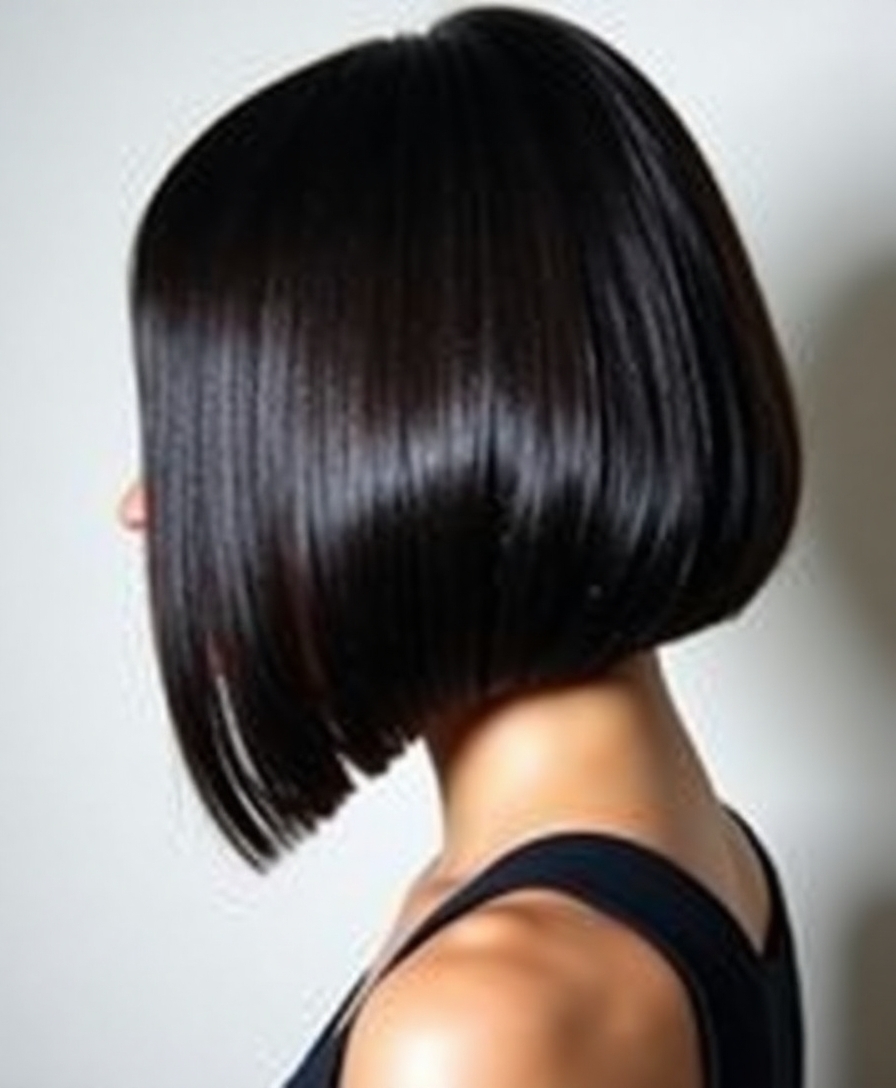
The glass bob is the mirror-glossy, poker-straight finish that shows up in every screenshot of a shiny bob. It’s pure technique: blow-dry smooth with a round brush, flat-iron in small sections with the heat kept controlled, then seal with a few drops of serum through the lengths.
None of that works on damaged hair, though. Healthy, well-conditioned strands are what actually catch the light; no amount of ironing fakes shine on brittle ends.
The French Bob
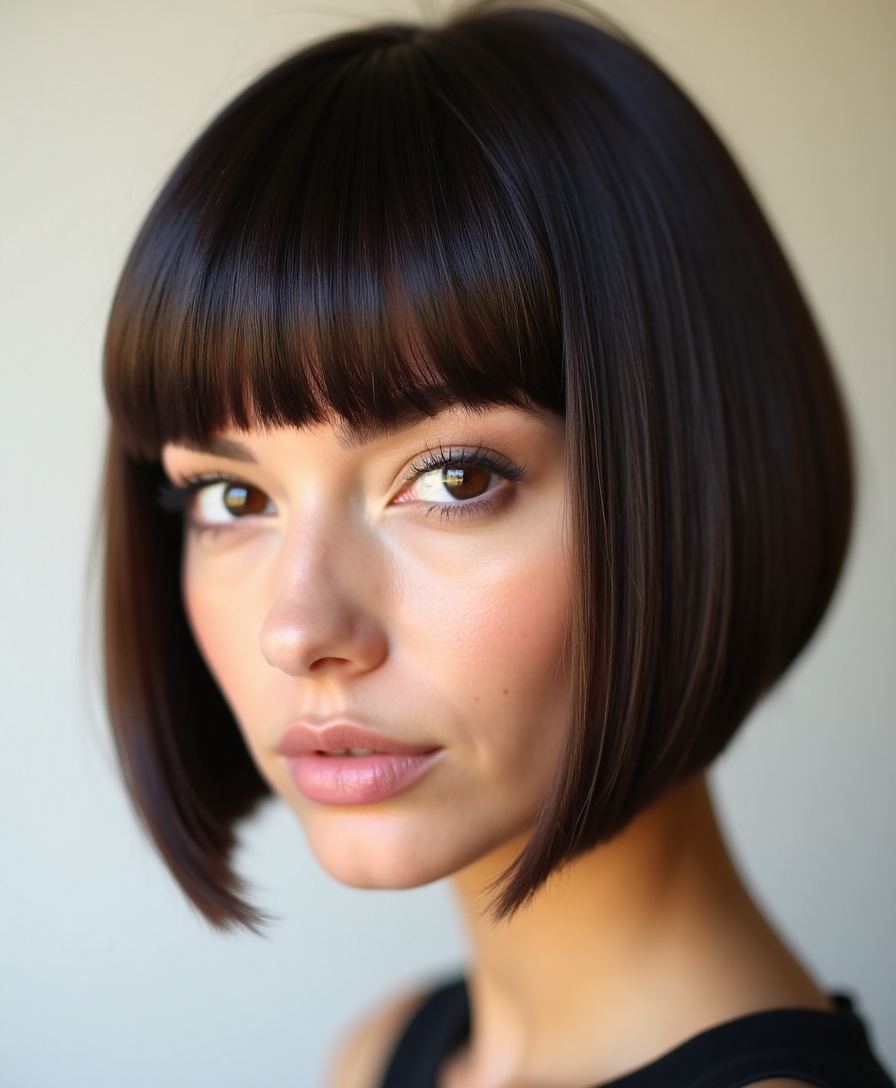
A French bob is styled to look thrown-together, which takes more technique than it appears to. The finish stays soft, slightly bent, and undone, usually with a wispy fringe pushed casually to one side.
Bend the ends with a small-barrel iron, or twist damp hair into a loose braid overnight, then break the shape up with fingers once it’s dry.
- Aim for a soft bend, not a defined curl
- Leave the fringe piecey; never blow-dry it flat
- A matte product keeps it undone rather than glossy
The Layered Bob
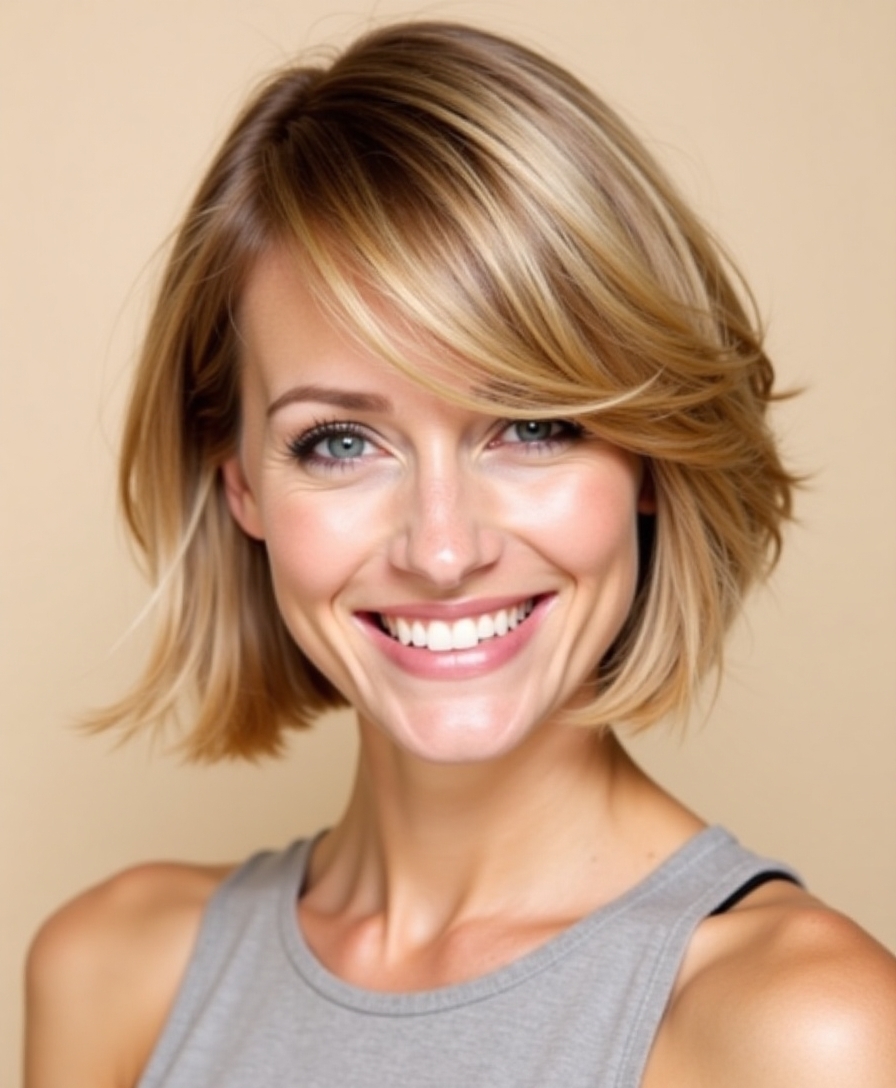
A layered bob is built around movement, so the styling goal is letting those layers swing freely.
Lift the layers with a round brush at the root for bounce, or scrunch in a texturizing cream for something looser and more casual.
- Volumizing mousse at the roots shows the layers off
- Heavy creams weigh layers down; skip them here
- Round-brush for bounce, scrunch for undone movement
The Shaggy Bob
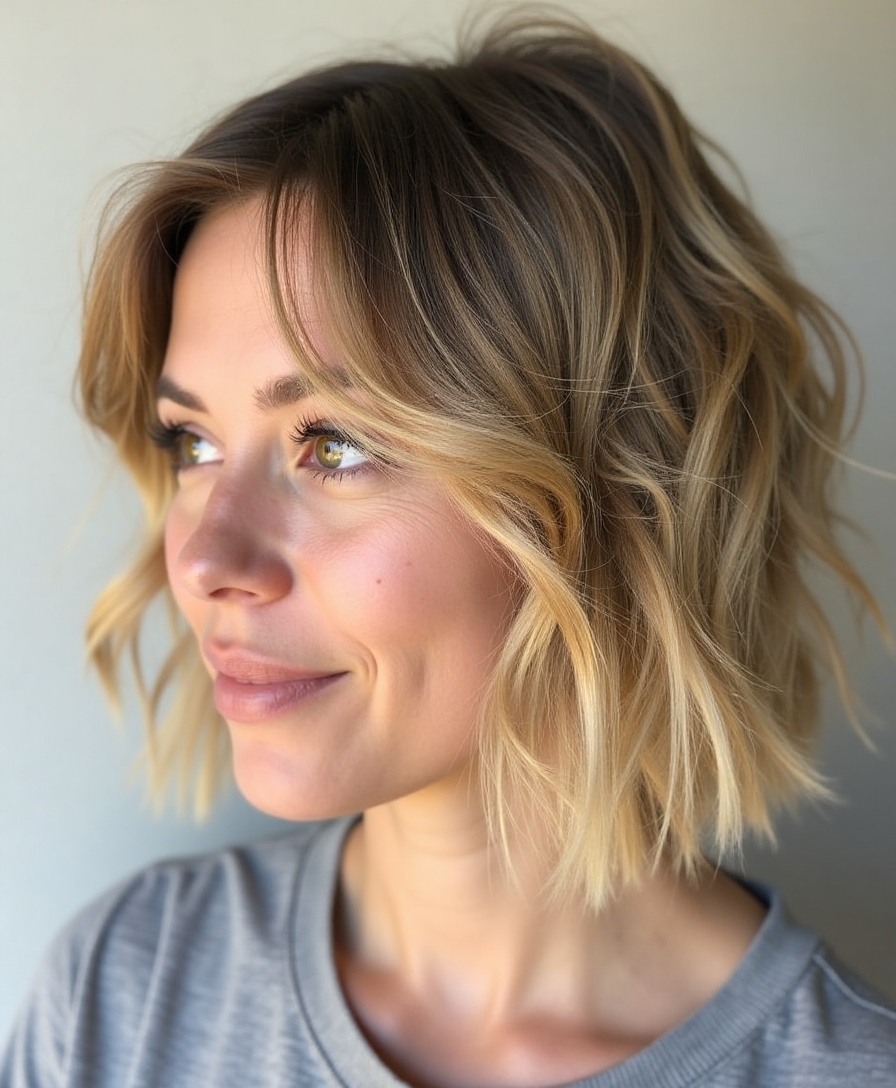
A shaggy bob separates itself from a plain textured one with shorter, choppier top layers, and it runs almost entirely on texture. The messier the finish, the closer it sits to the look it’s actually going for.
- Spray a texturizing mist onto damp hair and scrunch
- Rough-dry with fingers; no brush involved at any point
- Twist a few pieces around a finger for extra separation
| Bob type | Layers | Effort |
|---|---|---|
| Textured bob | Same length, piecey ends | Low |
| Shaggy bob | Shorter, choppy top layers | Lowest |
The Retro Seventies Bob
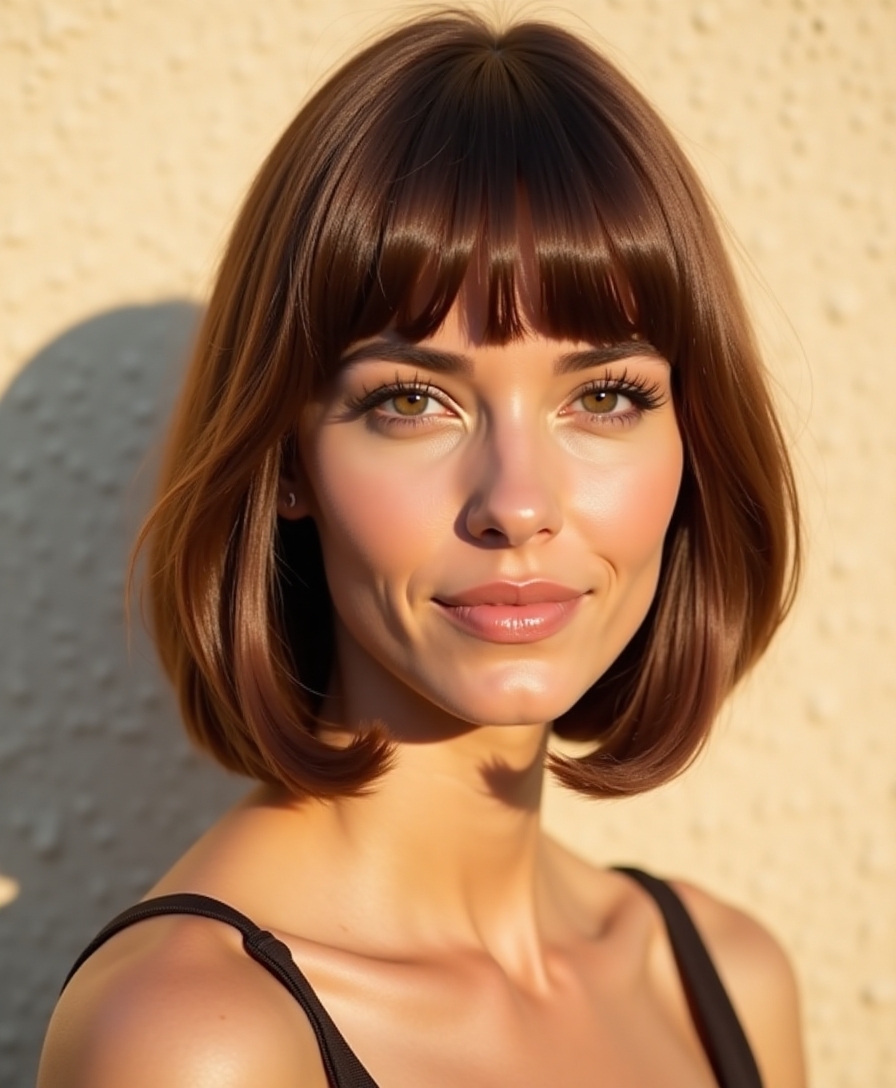
The seventies bob flips its ends out instead of tucking them under, for a flippy, bouncy look with real personality. It’s a small styling switch that changes the whole mood of a bob.
Round-brush the ends up and away from the face while drying, or curl them outward with a flat iron, building a little extra volume at the crown. A light mist of hairspray holds the flip through the day.
The Scandi Minimalist Bob
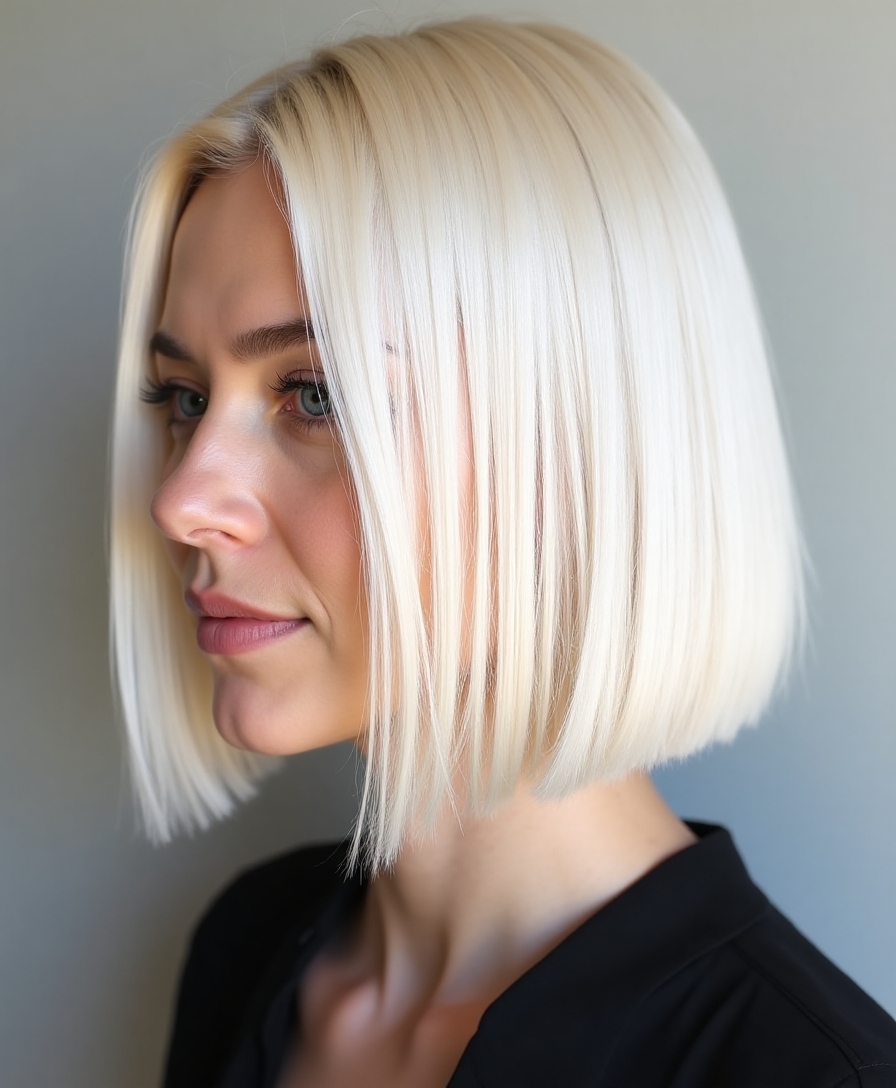
The Scandi bob is the antidote to fuss: blunt, clean, and styled with almost nothing at all, for a cool, restrained finish. Any extra product or added wave works against the whole idea.
- Blow-dry smooth with zero added volume or wave
- One shine product, nothing layered on top of it
- The blunt line and the gloss do all the visible work
The Pixie Bob
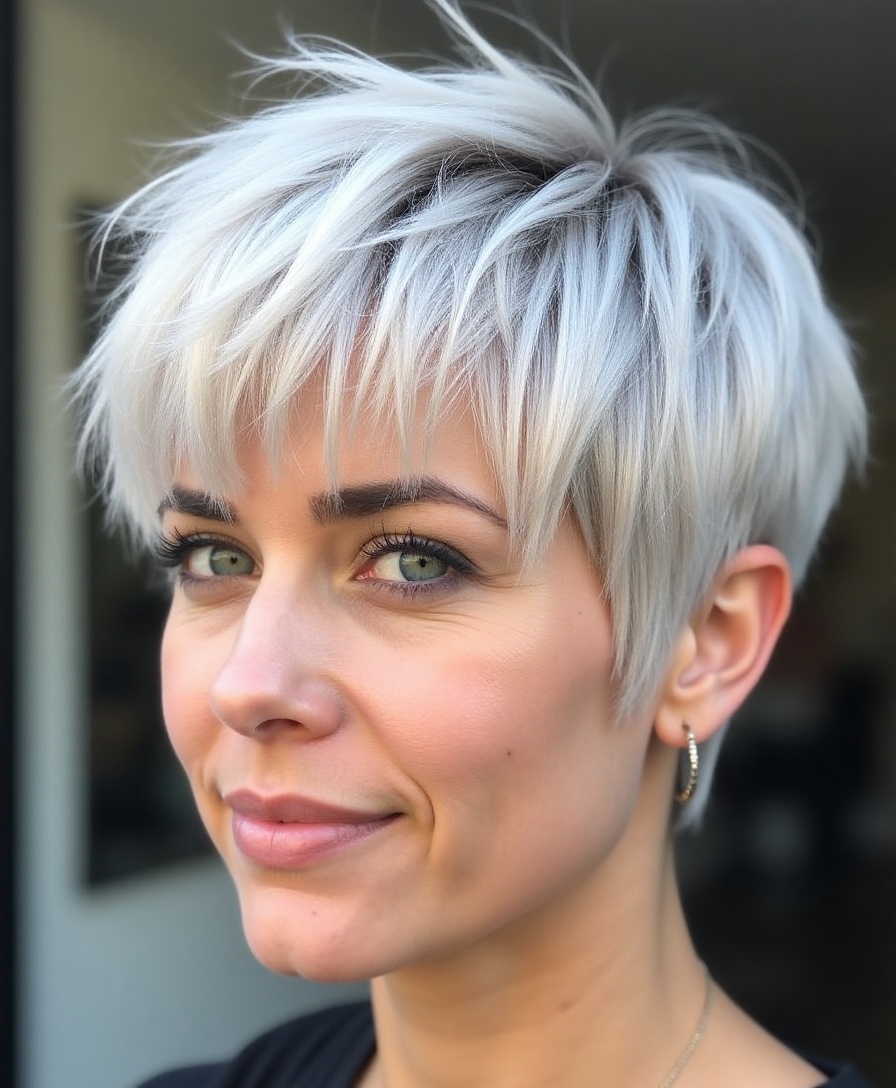
The bixie blends a pixie’s cropped back with a bob’s longer front pieces, landing as the shortest style on this whole list.
Styling it is fast almost by design. A little texture paste worked through with fingers, the front pieces pushed wherever flatters, and the back left piecey covers the entire routine.
It fits best on anyone chasing short-hair ease without fully giving up the face-framing length a bob provides.
The two-minute bixie routine:
1Paste through damp hair
A dime-sized amount worked from the back forward keeps texture without weight.
2Push the front, don’t comb it
Fingers direct the longer pieces; a comb flattens the texture that makes this cut work.
The Blunt Bob With a Punk Edge
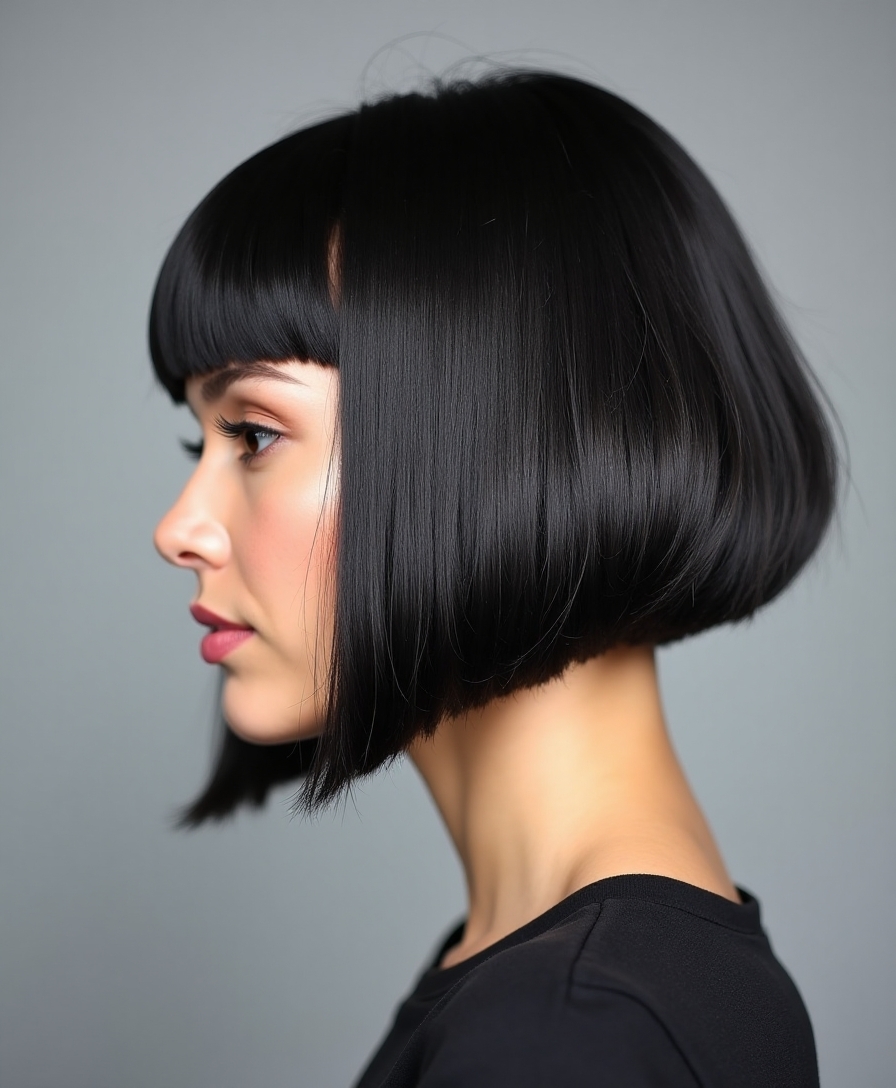
Take a blunt bob and style it with attitude, and the result is a punk-edge bob: slicked-back sides, a sharp line, and a deliberately hard finish that turns a classic cut subversive.
A Classic Cut, Styled Subversive
Gel the sides back flat and leave the top sharp, or slick the whole thing wet for a more editorial effect.
This is a styling statement more than a new cut, which means it can be tried on the bob already in the mirror. Softened the next morning, nobody would guess.
The Razor Cut Bob
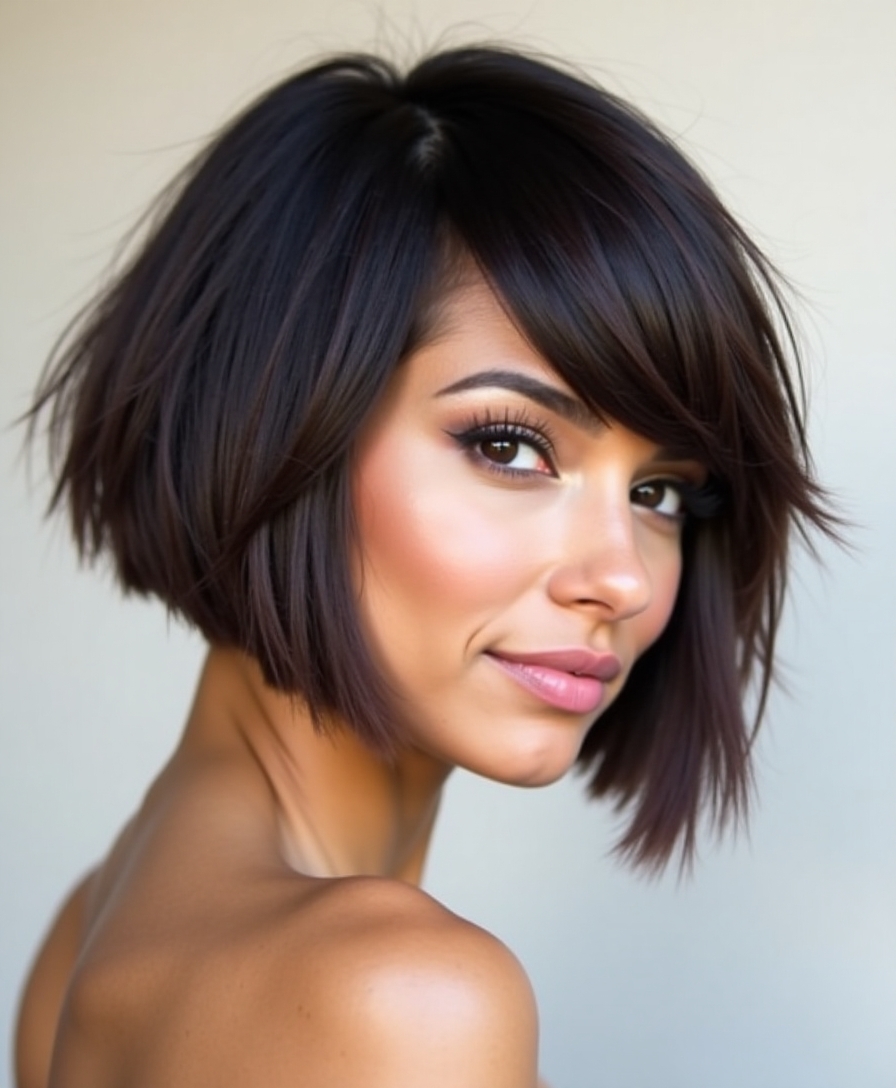
A razor-cut bob has feathered, tapered ends, and styling it means working with that softness.
Letting the Razor Do the Work
Air-dry or rough-dry for piecey, undone movement, and skip the flat iron, which flattens the exact texture the razor was there to create.
A light texturizing spray enhances the wispy ends further. It’s about the easiest bob on this list to wear undone, since the cut itself does the textural work.
Romantic Waves in a Bob
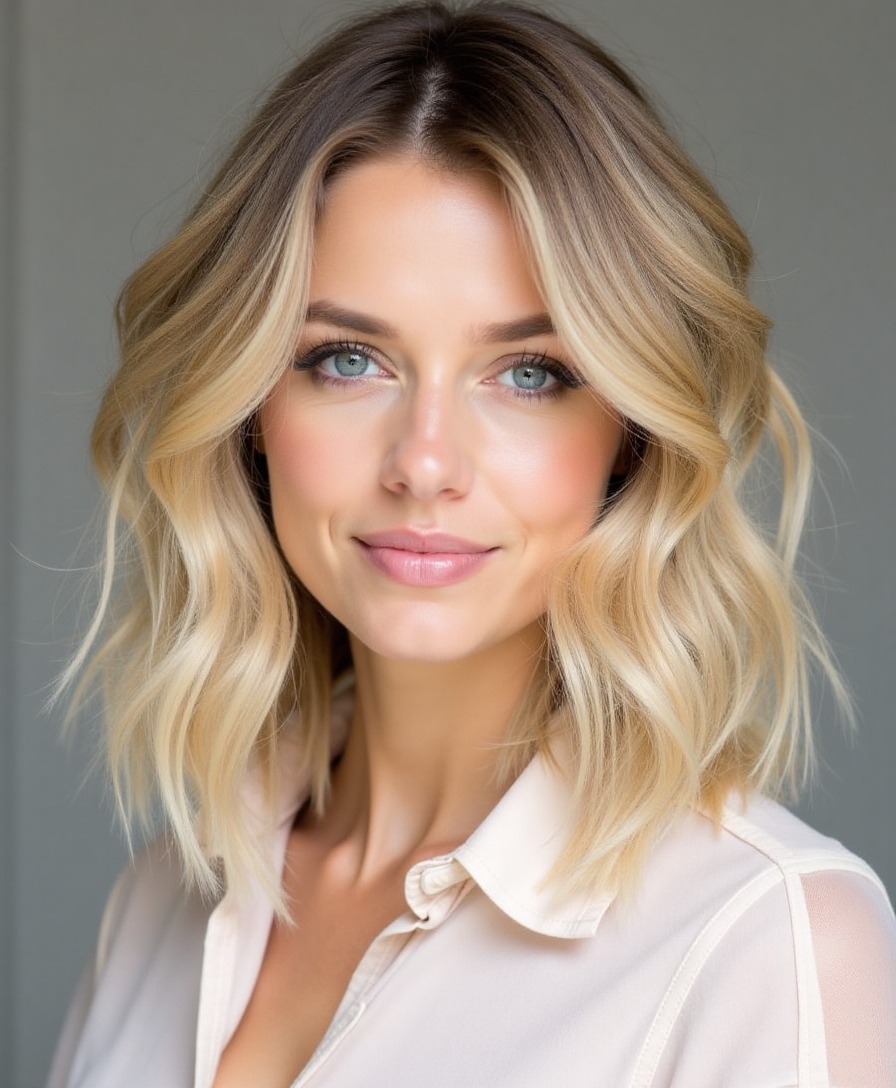
Soft, romantic waves are the quickest way to dress a bob up, and they come together faster on short hair than long, simply because there’s less length to curl. Fifteen minutes is usually enough for the whole head.
- Wave with a small-barrel iron, alternating the curl direction section by section
- Curl away from the face at the front for the most flattering angle
- Loosen with fingers and set with a flexible-hold spray
The Balayage Bob
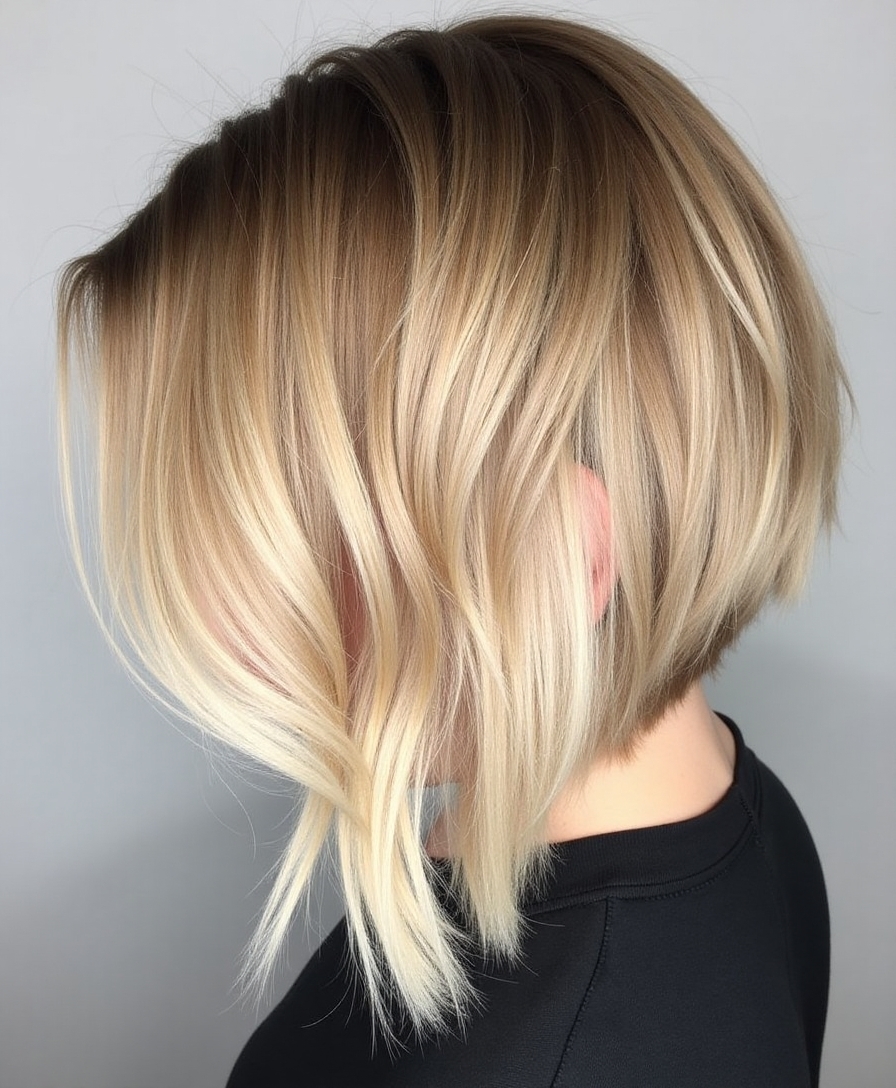
Color counts as styling too, and balayage paints soft, hand-painted light through a bob’s lengths, adding dimension without any extra morning effort.
- Sweep the lightest pieces toward the ends and the front
- Grows out softly, keeping the touch-up schedule relatively relaxed
- A color-safe shampoo and an occasional gloss keep the tone fresh
The Platinum Blonde Bob
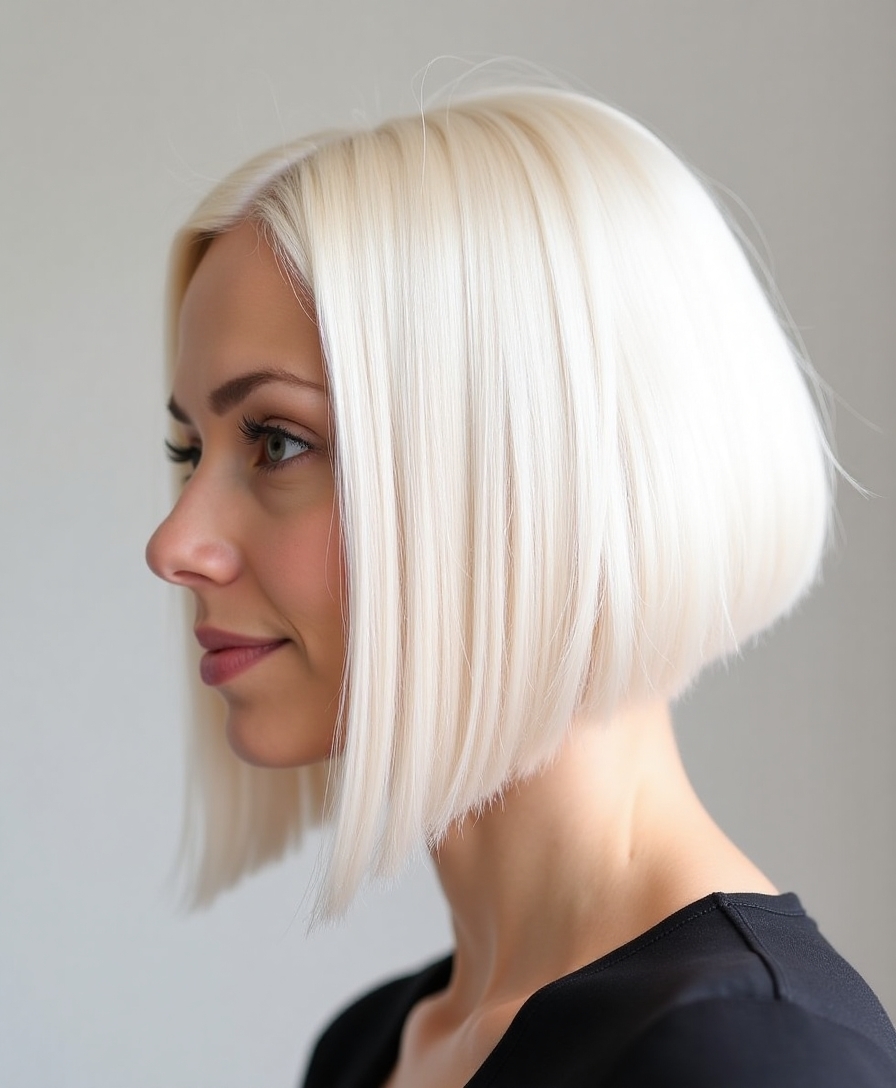
Few finishes are bolder than a platinum bob: an icy, all-over blonde that turns a plain cut into a statement without touching a single inch of length.
The real commitment here is upkeep, not styling. Purple shampoo keeps the tone from warming, root touch-ups land on a tighter schedule than most other colors, and bleached strands need real conditioning to stay healthy.
Anyone drawn to the drama but not the maintenance can get a smaller hit of the same effect from a money-piece, a couple of bright front sections, at a fraction of the upkeep.
The Graduated Bob
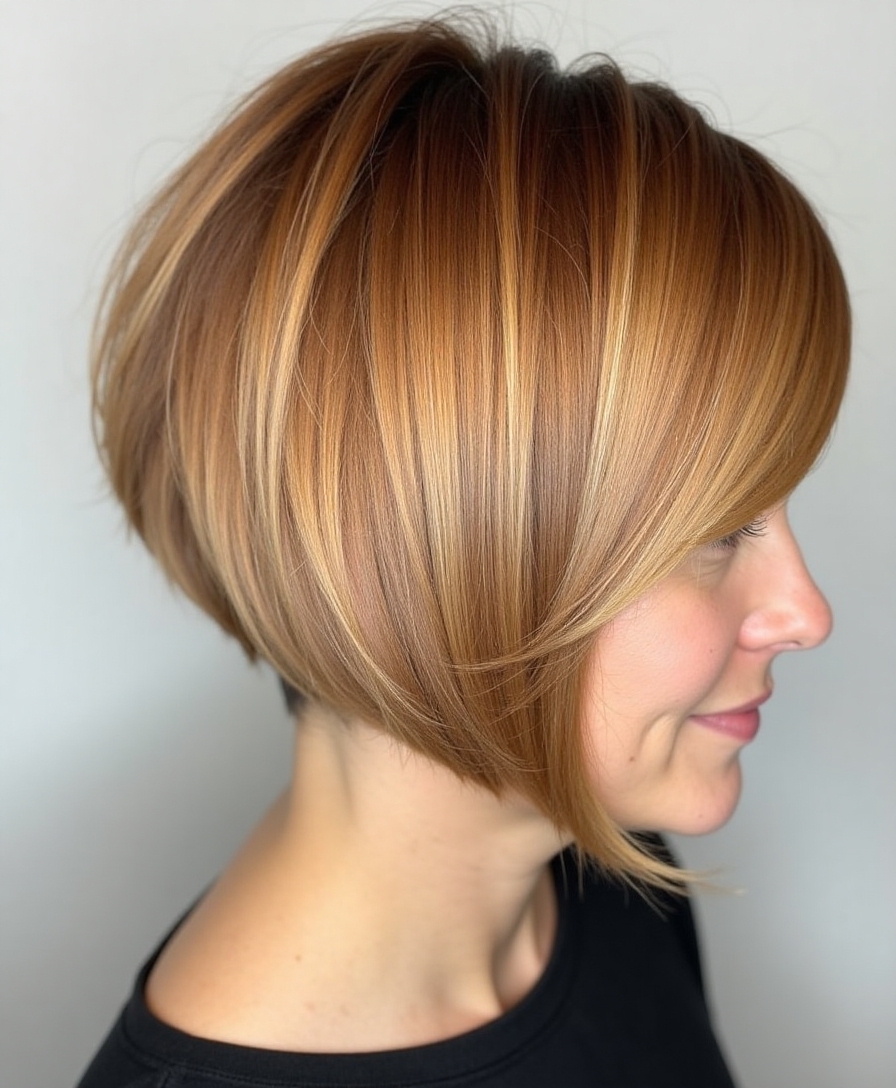
A graduated bob is cut shorter at the back and rounded off with layers, and styling it means showing off that built-in shape.
Dry the back section up and under with a round brush to lift the graduation, letting the front pieces fall longer toward the face. Finer hair that struggles to hold height benefits most, since the shape does much of the volumizing on its own.
Curtain Bangs and a Bob
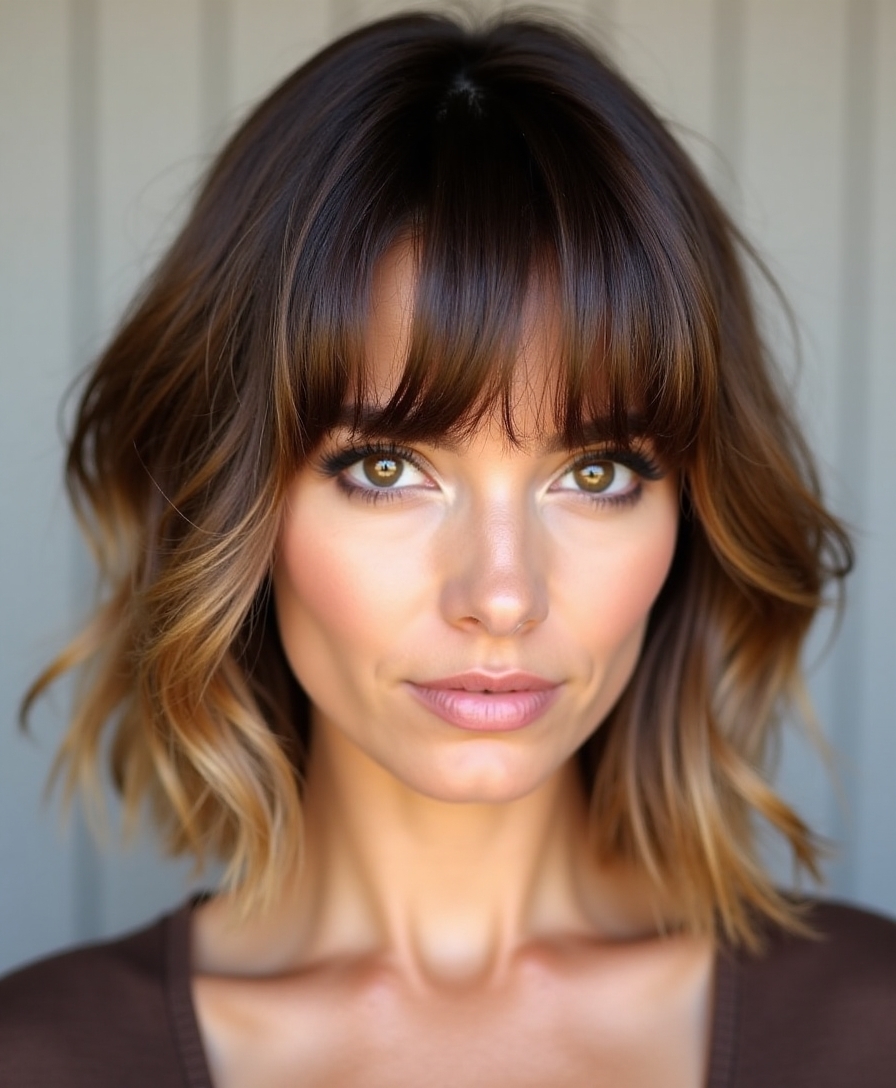
Add curtain bangs to a bob and the daily styling attention shifts almost entirely to the fringe, still among the most-requested bob pairings around.
- Sweep the bangs outward from a center part using a round brush
- Style the fringe first, before everything else finishes drying
- A quick bend through the lengths ties the whole look together
The Stacked Bob for Volume
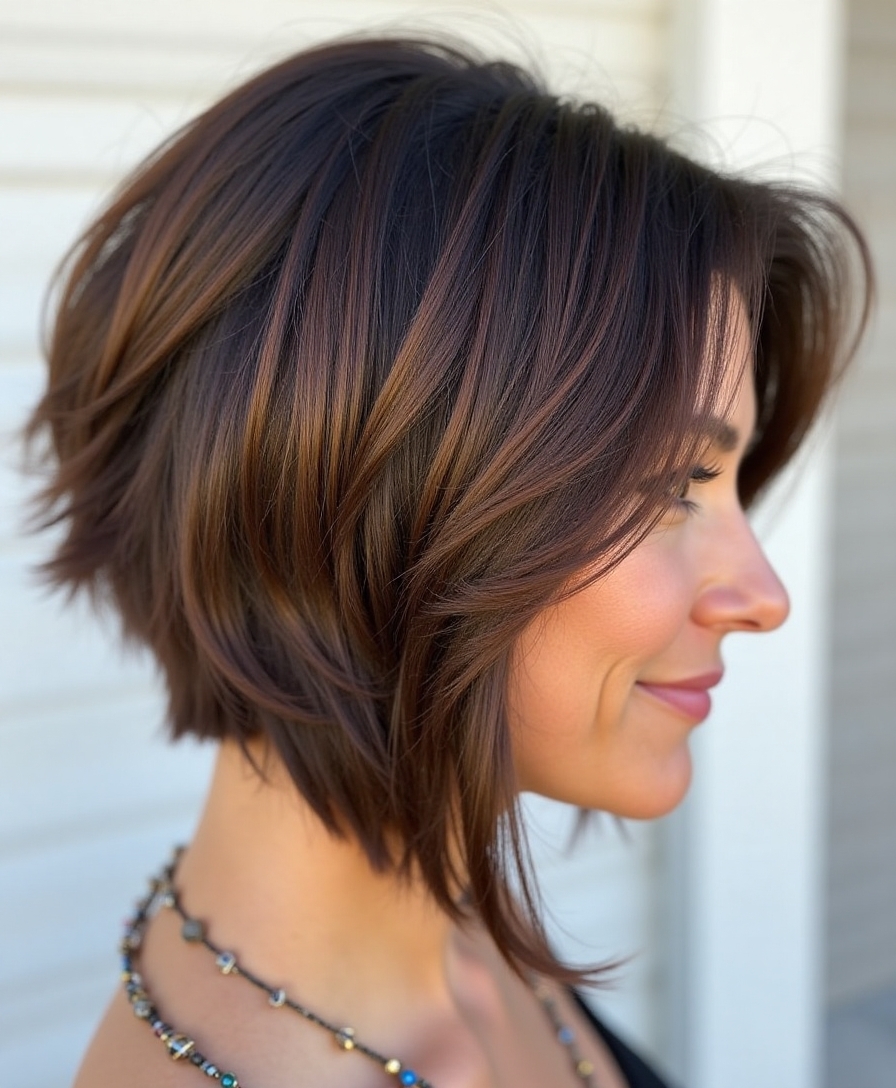
A stacked bob packs graduated layers into the back to build height, and styling it means emphasizing that crown volume.
Blow-dry the back section up and away from the head, then let it settle into the stack as it cools. A root-lift spray at the crown pushes it further on fine hair.
The volume is already built into the shape here, so daily styling only enhances it.
“The stack carries its own volume once it’s cut right. Overworking it with a brush after it’s dry usually flattens the exact lift the shape was built to hold.”
The Bouncy Curly Bob
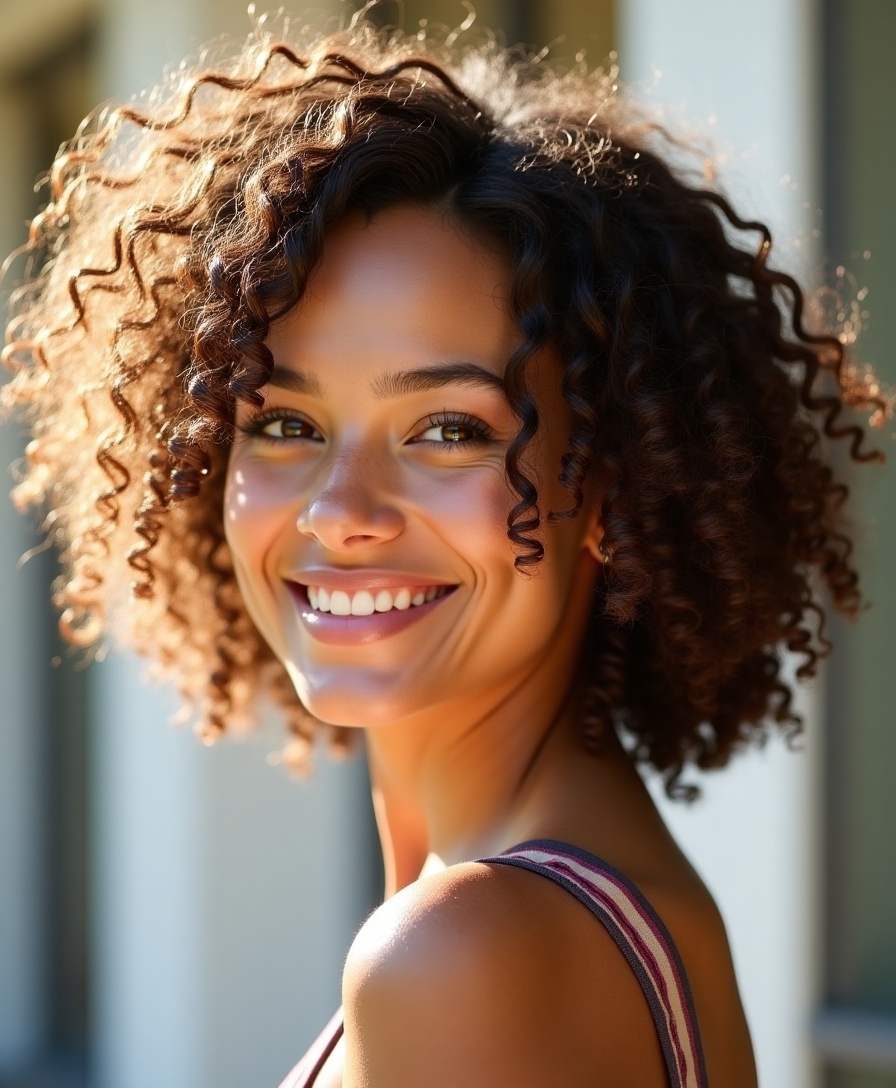
A curly bob gets styled to show off the curl pattern, not smooth it away, which means low heat and the right products take priority over a brush.
Why the Curl Leads Here
Work curl cream through soaking-wet hair, scrunch upward, then finish with a diffuser set to low, or skip heat entirely when there’s time to spare. Brushing dry curls breaks the pattern into frizz almost immediately.
A little water plus fresh product refreshes second-day curls, keeping the shape looking new for several days between washes.
A Simple Bob Styling Kit
Most of the finishes above draw from the same short list of tools. A round brush and a flat iron cover the sleek end of the spectrum; a texturizing spray or cream covers the undone end. A heat protectant belongs in the routine any time hot tools are involved.
The cut itself still needs its own upkeep separate from any of this styling. However the finish changes day to day, the shape underneath holds up best on roughly a five-to-six-week trim rhythm, typically $40 to $70 depending on the salon; product alone can’t substitute for that.
- Sleek finishes: round brush, flat iron, shine serum
- Undone finishes: texturizing spray or cream, fingers instead of a brush
- Color finishes (balayage, platinum): color-safe shampoo, occasional gloss
The Range Is the Whole Point
The real value in a bob haircut isn’t the cut itself so much as everything that can be done with it afterward: sleek for one occasion, waved for another, textured for an ordinary Tuesday, all from the same few inches of hair and a short list of products.
Anyone who’s been wearing the same finish for months might just pick one style from this list that’s never been tried and test it this week; the cut has probably already earned it.
Worth a Look