Braids are among the oldest and most meaningful hairstyles on earth, and for Black hair they are far more than a look. They are art, protection, identity, and a living link to a heritage that reaches back thousands of years across the African continent. To braid is to take part in something ancient and ongoing at once.
Twenty angles on that picture follow: the history braids carry, the patterns and artistry behind them, and the practical side of protecting natural hair while it is braided. Braiding on Black hair is a craft and a culture, not a passing trend.
What to Carry Into This
- Braids carry deep cultural heritage rooted in African traditions that span thousands of years, and they remain a source of real pride and continuity.
- They function as art and identity as much as protection, and they deserve recognition of where they come from.
- Cornrows, box braids, knotless braids, and scalp designs offer creative possibilities for every texture and occasion.
- Healthy braiding starts with gentle tension and ends with taking the style down on schedule; a braid should never hurt your edges.
The Historical Significance of Braids
Braiding is one of the oldest hair traditions there is, with roots reaching back thousands of years across the African continent; some of the earliest depictions appear in ancient rock art. Far more than a hairstyle, braids long carried meaning, signaling identity, community, status, and belonging.
A living tradition
Different patterns historically conveyed everything from a person’s age and family to their region and rank, which made braiding a rich visual language read at a glance. The hair told a story. That depth of history is part of what gives braids their enduring power and pride.
These techniques have been passed down through generations, preserved and refined within families and communities. To wear braids today is to take part in a tradition that has survived and adapted across centuries. That history runs deep.
Exploring the Variety of Braid Patterns
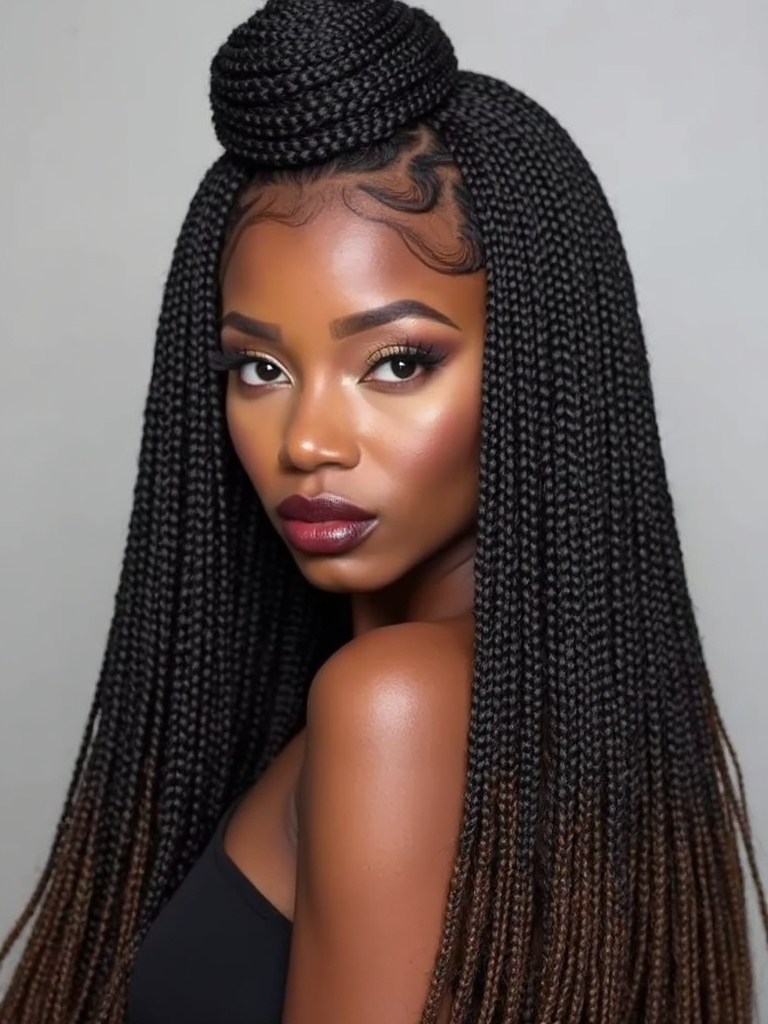
The range of braid patterns is remarkably vast, from classic cornrows and box braids to knotless braids, Fulani braids, Senegalese twists, and intricate freestyle designs. Each carries its own look, technique, and history, and many trace to specific cultures and regions across Africa and the diaspora.
That breadth means there is a braid for every texture, taste, and occasion, and it is part of what makes braiding such a deep, endless creative art form. You could spend a lifetime learning the patterns and still find more.
ℹ️Good to Know
Braiding on the African continent is strikingly ancient; some of the earliest evidence appears in rock art dating back thousands of years. Far from being decorative alone, the patterns historically worked as a social language, communicating a person’s tribe, age, marital status, wealth, and more, all read at a glance from the way the hair was braided.
The Cultural Impact of Braiding Traditions
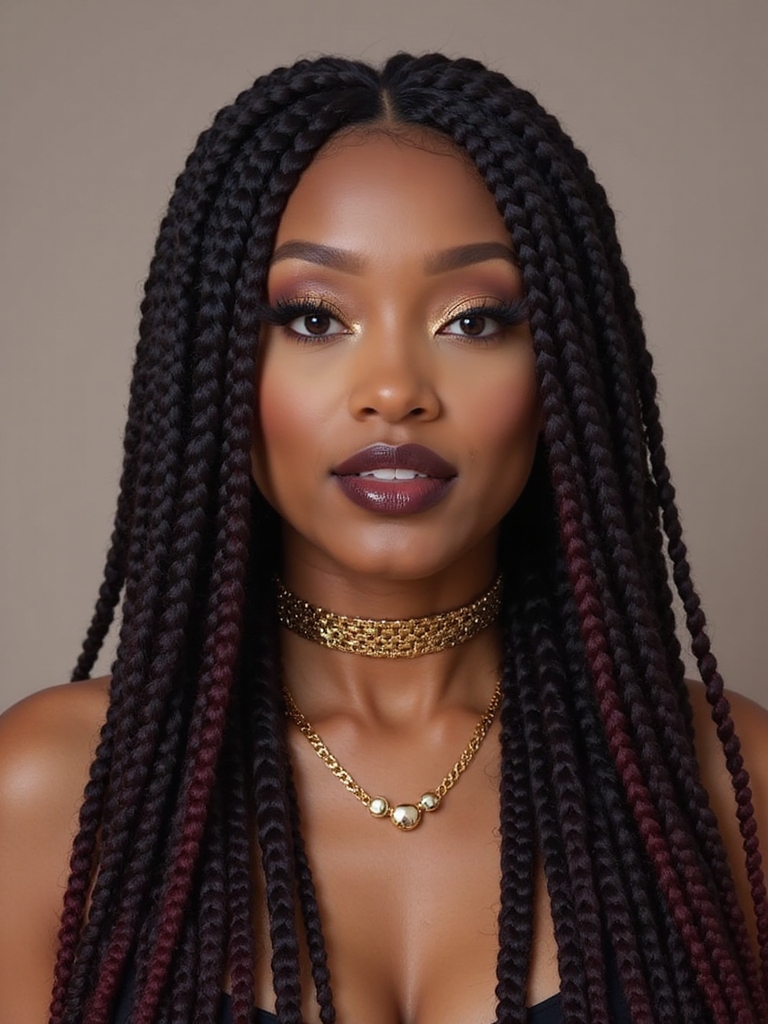
Braiding traditions carry profound cultural meaning, rooted in African heritage and carried through the diaspora across centuries. They have been a way of preserving identity and passing down knowledge, even through periods of immense hardship. The braids held on when little else could.
Recognition matters
Through the era of enslavement, braiding persisted as one of the few practices people could still choose for themselves, a small act of self-determination that outside forces couldn’t fully erase. The through-line is clear across that history: braids carried far more than style.
For many Black communities, braids remain a source of deep pride, a connection to ancestors and to one another. The act of braiding itself, often shared between family and friends, strengthens those bonds. Where braids come from matters.
Techniques Behind Creative Braiding
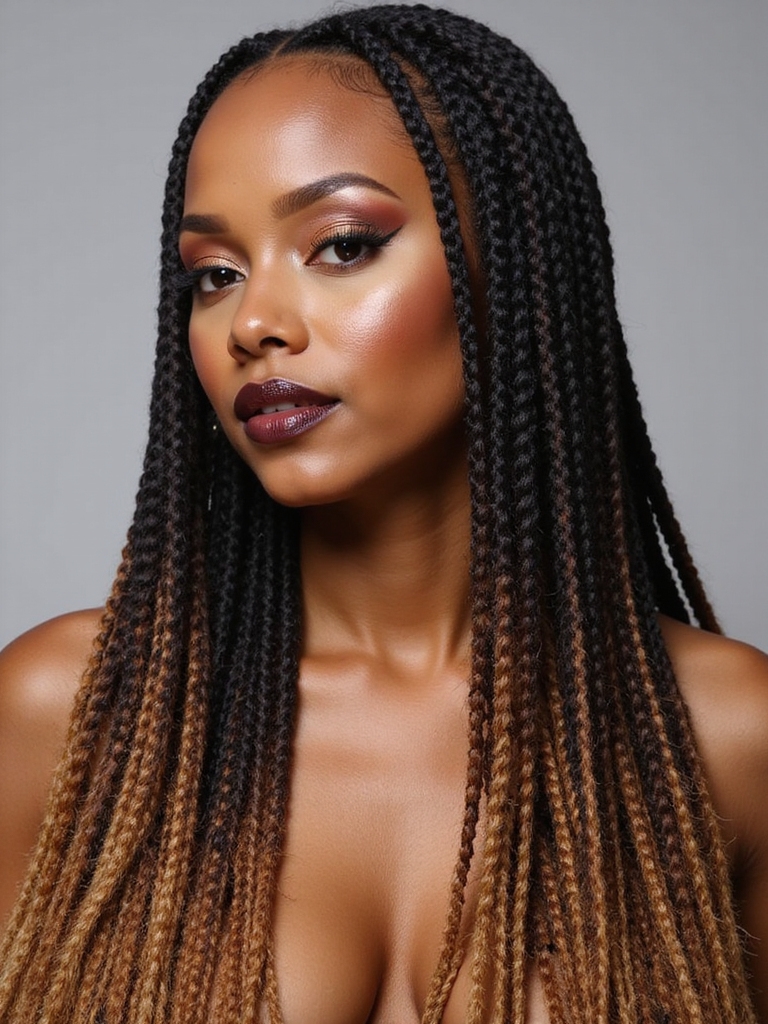
Skilled braiding blends technical precision with real artistry, from the tension and parting that shape clean cornrows to the intricate geometry of scalp designs. These techniques take years to master. The best braiders make the difficult look easy.
Creative braiders combine patterns, add curves and shapes, and work in color or accessories for custom results. Having watched master braiders work, I can tell you the speed and accuracy of an expert pair of hands is its own kind of artistry, and worth seeking out and paying for.
Braids were never just a hairstyle. They are a language, a record, and an inheritance, worn out loud.
Celebrating Identity Through Braided Styles
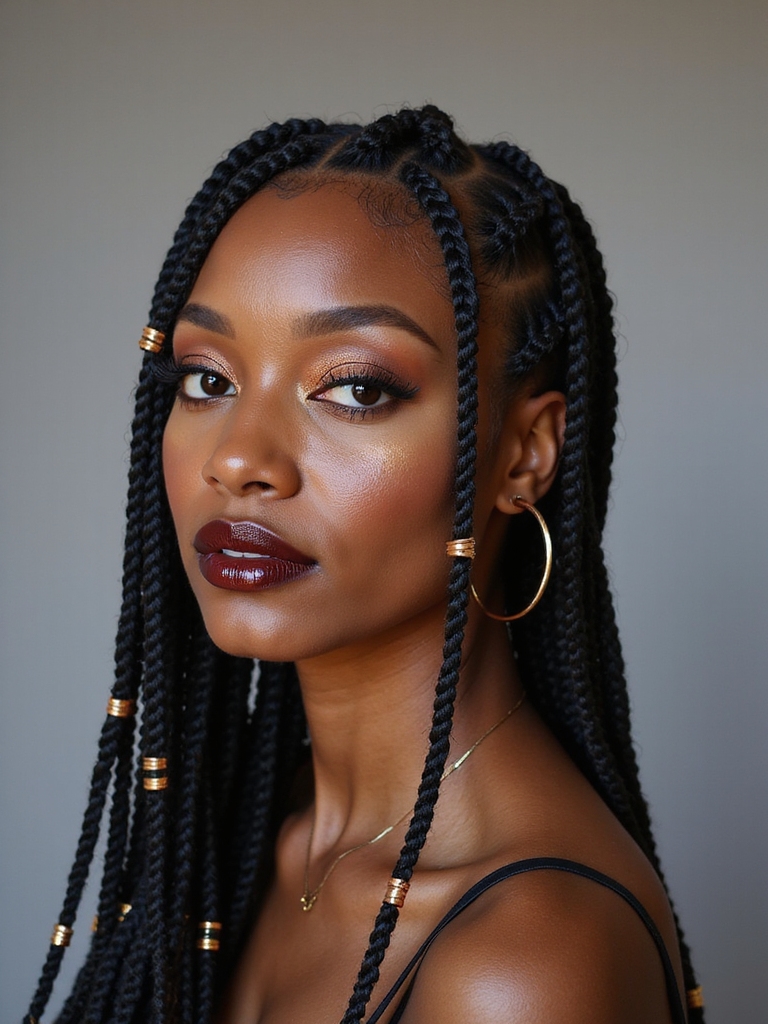
Braids are a powerful form of self-expression, letting someone celebrate their natural texture, their heritage, and their personal style all at once. The chosen pattern, length, and detail make every style deeply personal, a signature as much as a look. Watching a woman sit up a little taller the moment her braids are finished is a reaction I see over and over, in salon after salon.
For many, wearing braids is an affirmation of identity and pride in their natural hair, a public statement of who they are. That meaning is part of why braids carry such weight. It runs deeper than fashion.
The Versatility of Cornrows
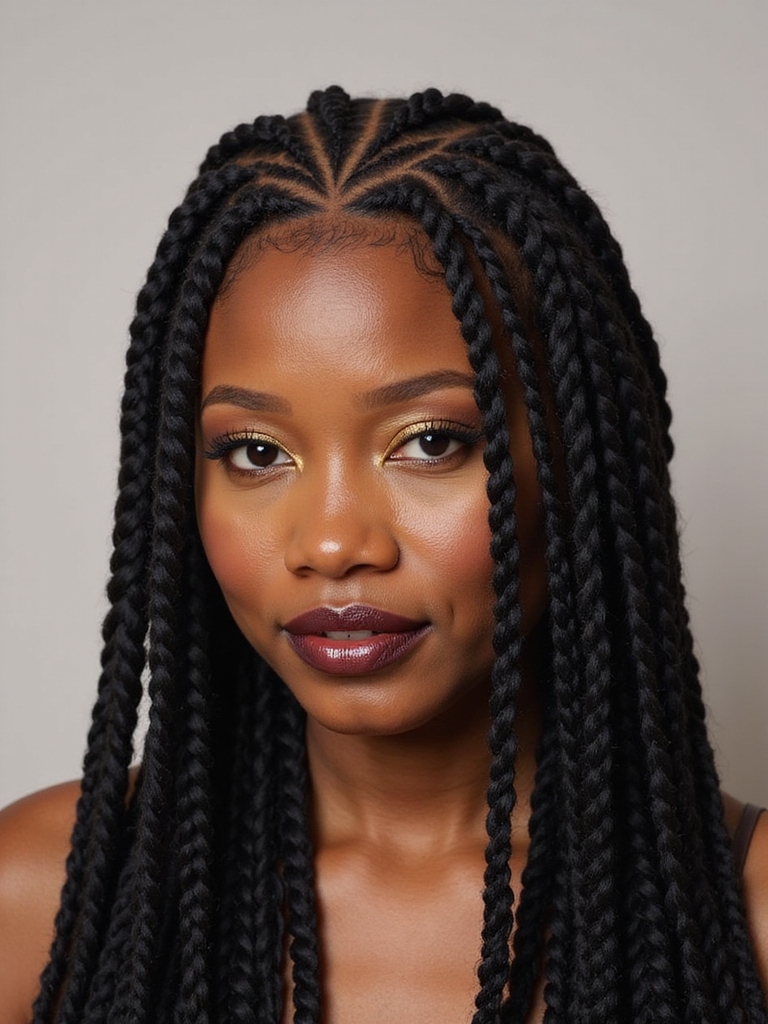
Cornrows are among the most versatile and enduring braid styles, worn straight back, in curved patterns, or as the foundation for elaborate designs. Braided flat to the scalp, they keep the hair neat, protected, and contained for days or weeks at a time.
They suit everyday wear, athletic activity, and intricate artistic statements alike. That is why they have stayed timeless. They also serve as the base for sew-ins and other styles, doing quiet structural work beneath the surface. For more, see our cornrow hairstyles guide.
- Worn straight back for a clean, low-fuss everyday style.
- Curved or geometric for artistic, statement designs.
- As a flat, sturdy base for sew-ins and other protective styles.
Not sure where to start with braids? Two quick questions:
1How much time and upkeep can you give?
Larger box braids or cornrows go in faster and feel lighter; fine micro braids and intricate scalp designs take longer and cost more, but last and read more detailed.
2Do you want protection, art, or both?
For a low-fuss protective rest, simple cornrows or medium box braids deliver. For a statement, a freehand scalp design or a Fulani pattern turns the style into wearable art.
How Box Braids Offer Endless Possibilities
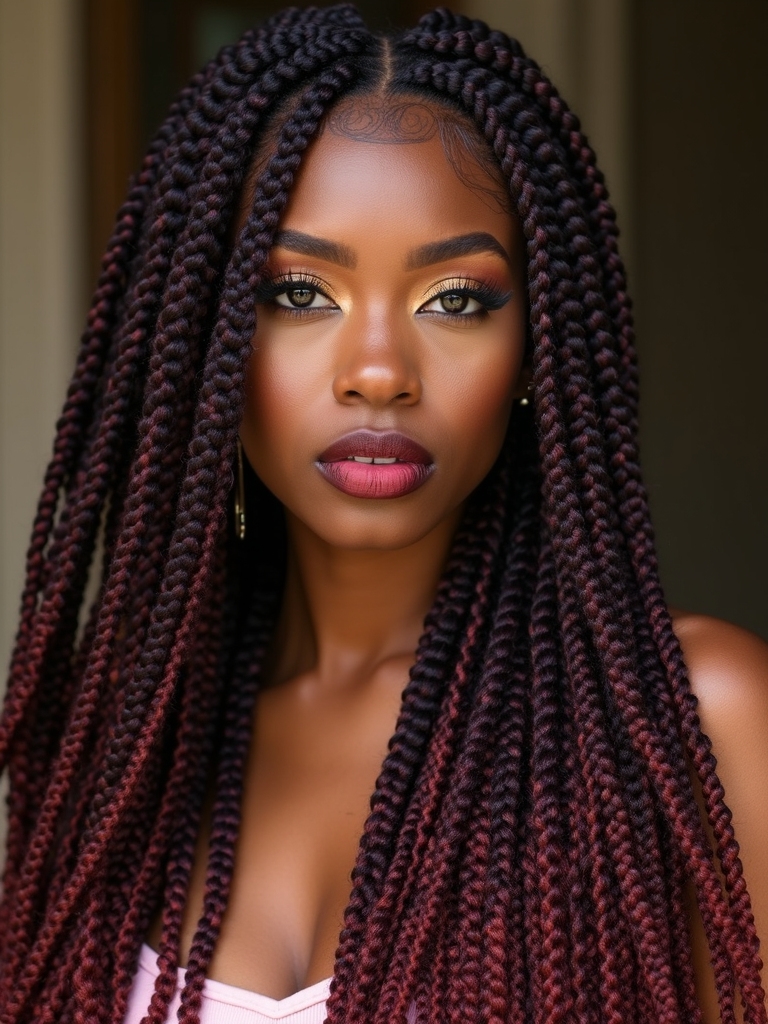
Box braids are endlessly adaptable, varying in size, length, and styling, from thick and long to fine and shoulder-length. Parted into clean squares, they are among the most recognizable protective styles there is. A full set is an investment, too: quality box braids commonly run from $150 to $300 or more, depending on length, braid size, and your braider’s time and skill.
One install, many looks
Once installed, they can be worn down, in updos, in buns, or wrapped, for countless looks from a single set. That versatility, plus their protective quality, is why box braids stay a perennial favorite. One install carries you for weeks.
A good braider will always tell you that the health of your hair comes before the tightness of the style. When a client lands in my chair with sore, tender edges from a too-tight set, the conversation is always the same: looser next time, always. So see our box braids guide and speak up the moment anything pulls.
The Artistry Behind Intricate Scalp Designs
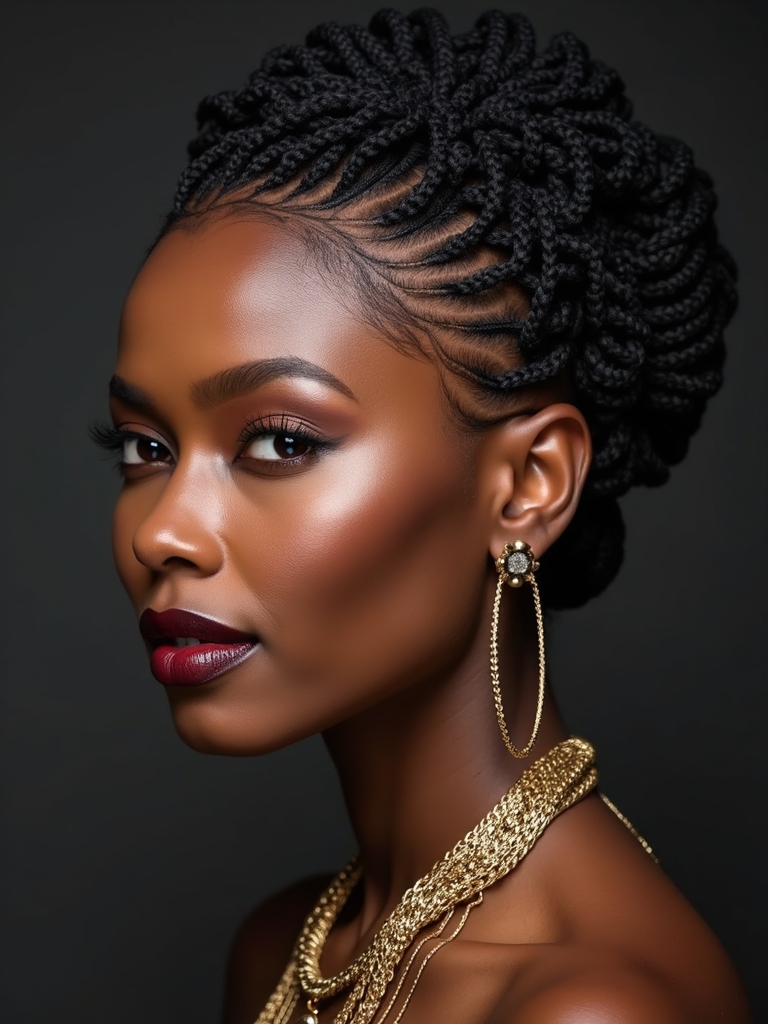
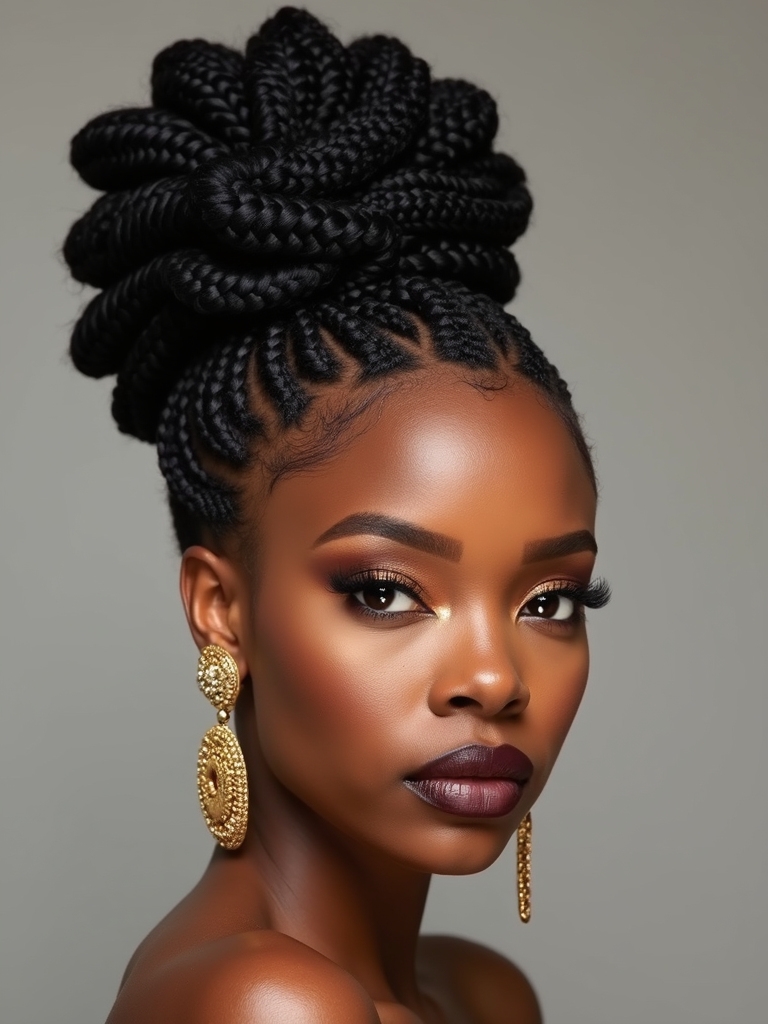
Intricate scalp designs, where cornrows are braided into curves, geometric patterns, and freestyle shapes, are braiding at its most artistic. The braider in effect draws on the scalp with parted, braided hair, and the result can be as detailed as any drawing.
These designs take exceptional skill, vision, and patience, and no two are ever quite alike. A braider working freehand across the scalp is making genuine visual art, one that you wear out into the world.
💡Protect Your Edges
The single most important rule of healthy braiding is gentle tension. A braid should feel secure but never sharp, and pulling, stinging, or small bumps along the hairline mean it is too tight. Speak up in the chair, since a good braider will loosen it without question. No style, however beautiful, is worth your edges or your scalp.
Working With Natural Texture
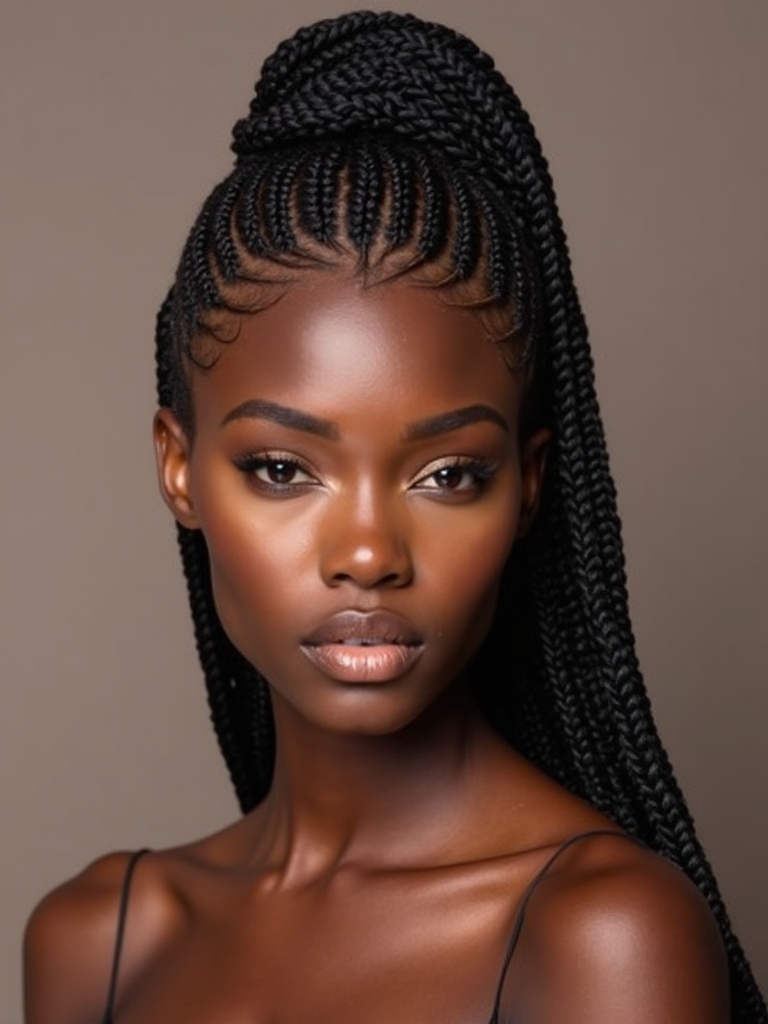
Braids work with natural texture, and there are several ways they put that texture front and center. The coils that make Black hair so versatile are exactly what give braids their grip, their definition, and their staying power. The texture is the asset that makes the whole thing hold.
- A braid-out leaves soft, defined waves and curls once you take the braids down.
- Styles that mix braids with loose natural hair display the texture directly.
- The texture itself is what holds the braid, giving it grip and longevity.
Braiding Salons as Community Hubs
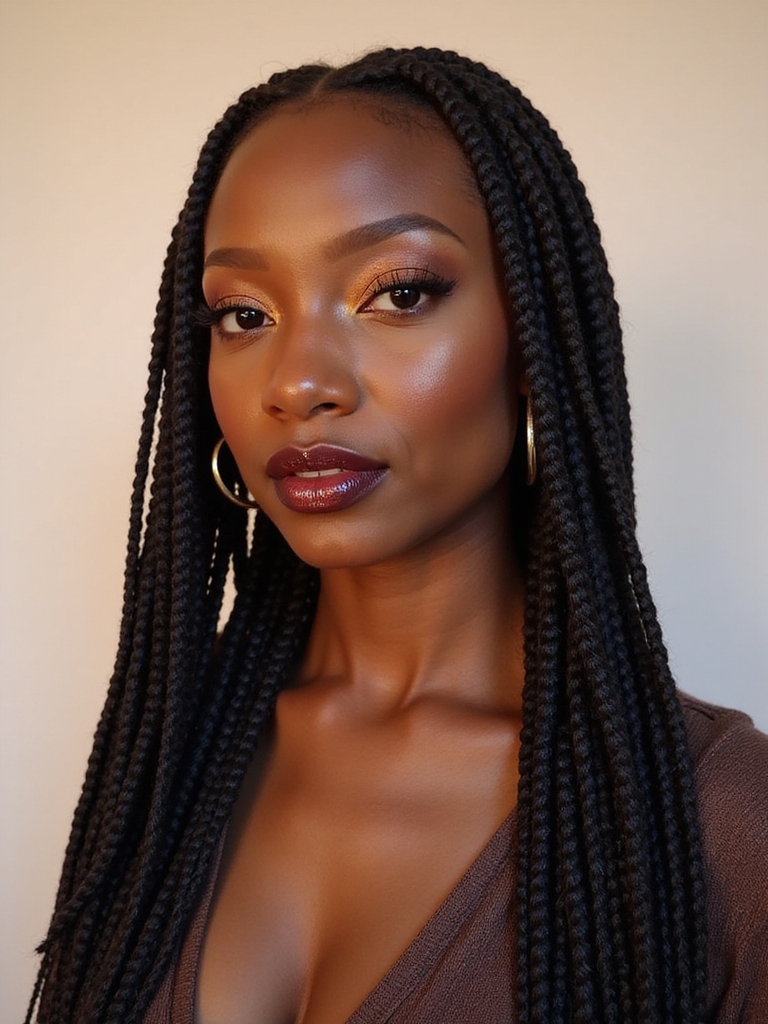
Braiding salons are far more than places to get your hair done. They are community hubs and often centers of entrepreneurship, where braiders build livelihoods and reputations on a craft that takes years to master. When a client wants a full head of intricate braids, I send her to a specialist braider I trust, and I have learned a great deal watching that work up close.
These spaces pass techniques from one generation to the next, support local economies, and create real connection. Hours in a braider’s chair are social as much as practical, which makes the braiding salon a quiet source of empowerment and belonging. The talk matters as much as the hair.
Innovations in Braiding Techniques
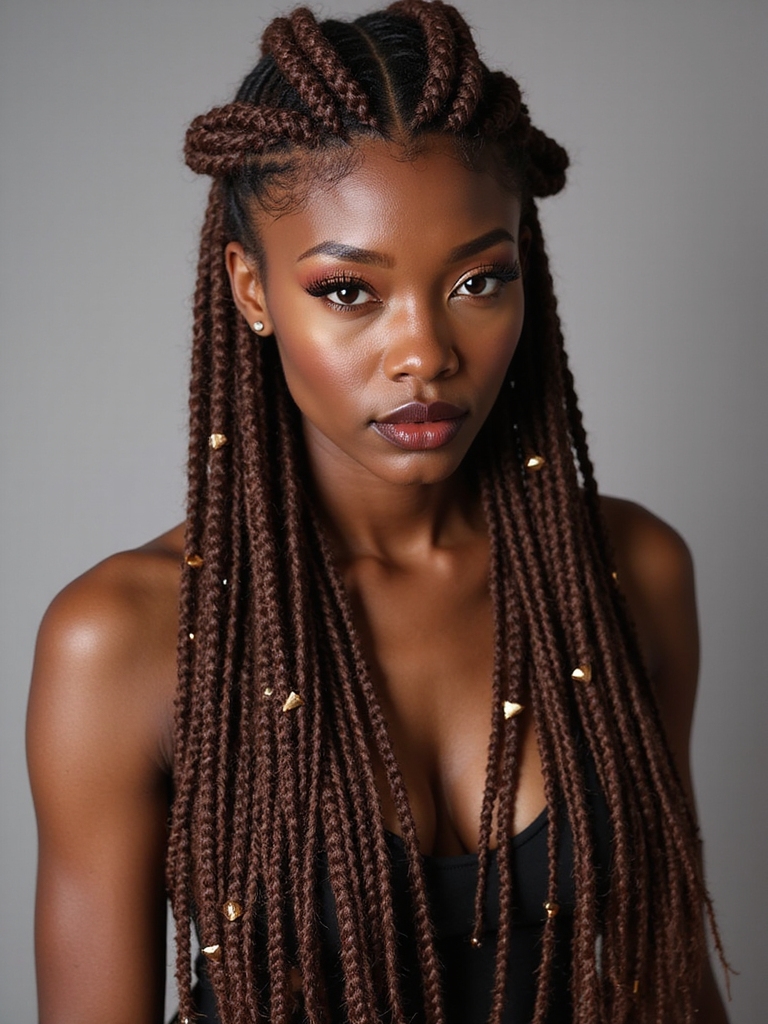
Braiding keeps evolving, and the biggest recent shift is the knotless method, which feeds the hair in gradually so there is no knot tugging at the root. It lowers tension and protects the edges far better than the older knotted technique.
New approaches keep putting scalp health and comfort first, and braiders constantly experiment with patterns, products, and methods. These innovations make braiding both healthier and more creative. See our natural hair braids guide for gentle options, or the braided hairstyles guide for the mechanics behind individual techniques.
- Knotless braids feed in gradually for less root tension.
- Lighter installs reduce strain on the hairline.
- Better products and methods keep the scalp healthier under the style.
The Role of Braids in Modern Fashion
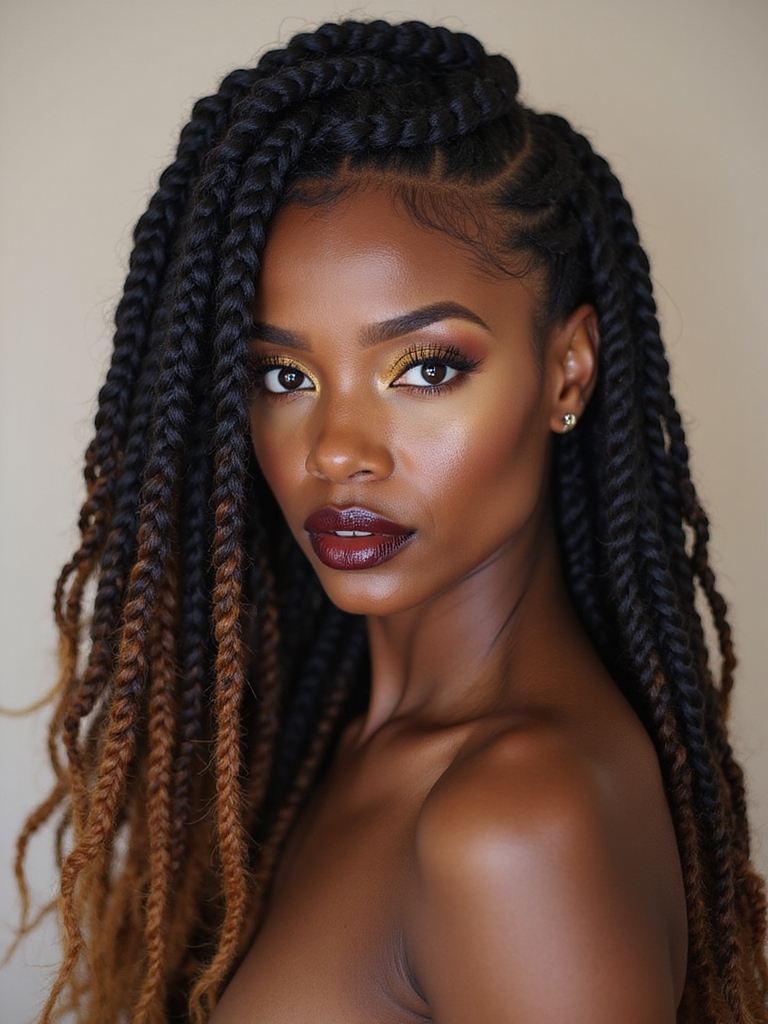
Braids hold a strong, visible place in modern fashion, from runways to everyday street style, celebrated for their artistry and versatility. They are recognized as both a practical protective style and a bold fashion statement at once.
That visibility has rightly brought more appreciation for the skill and heritage behind braiding, though it also makes recognizing their origins all the more important. Braids belong in contemporary fashion on their own cultural terms, with credit to where they come from, and they have earned that place.
Protecting Natural Hair With Braids
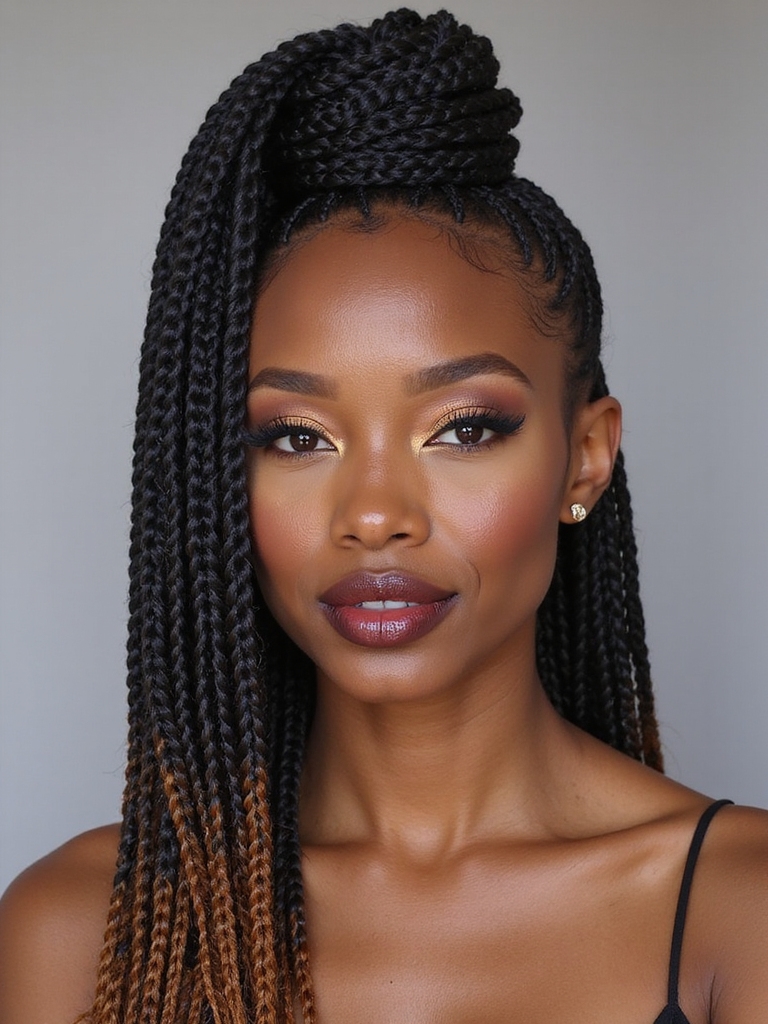
One of the greatest practical benefits of braids is protection. By tucking the fragile ends away and cutting out daily combing, heat, and manipulation, braids give natural hair a real rest, which helps it retain length and stay healthy.
Care under the style
Worn correctly, not too tight, and kept moisturized, a braided style lets the hair thrive while looking finished. I have seen clients’ hair come out of a careful season of braids stronger and longer than it went in. That is the whole point.
The care underneath matters as much as the braids themselves, so cleanse and moisturize the scalp gently and take the style down on schedule. The braided bob guide has more on that kind of ongoing upkeep at a shorter length.
Personalized Braid Styles
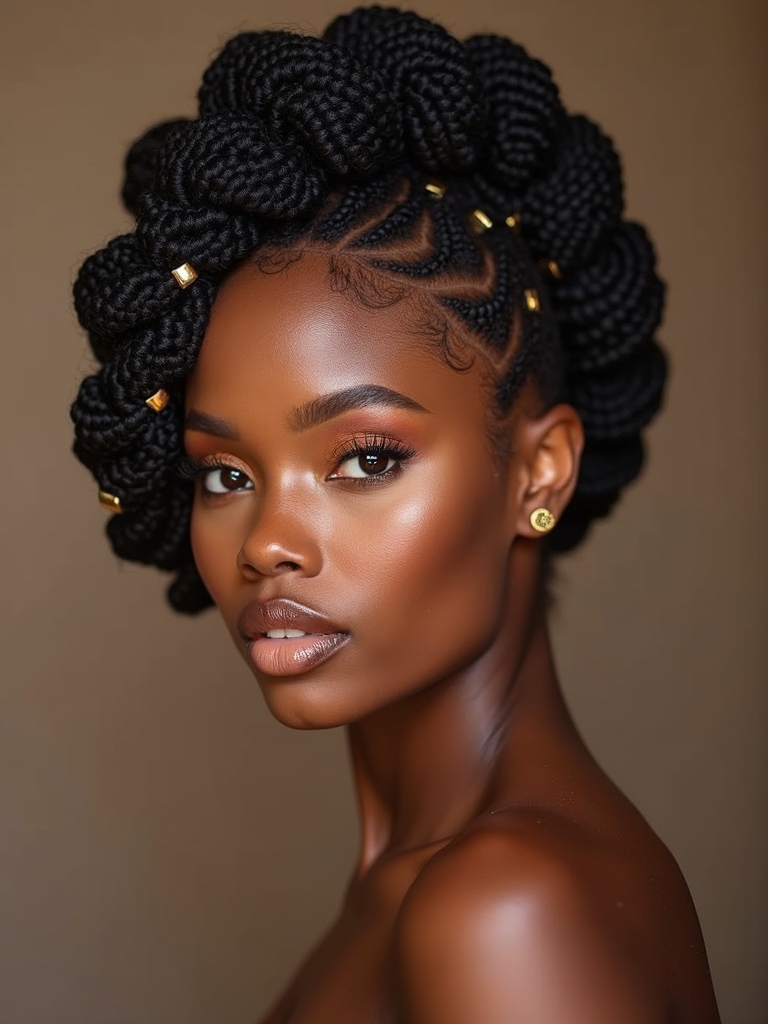
No two braided styles need to be the same, which is part of the joy. Size, length, parting, pattern, color, and adornment combine into something that is unmistakably yours, a true signature that belongs to you alone.
Many people work with the same braider over years precisely to develop that personal language together, refining the look install after install. That ongoing collaboration is how a braided style becomes as personal as a fingerprint.
Braids as a Form of Art
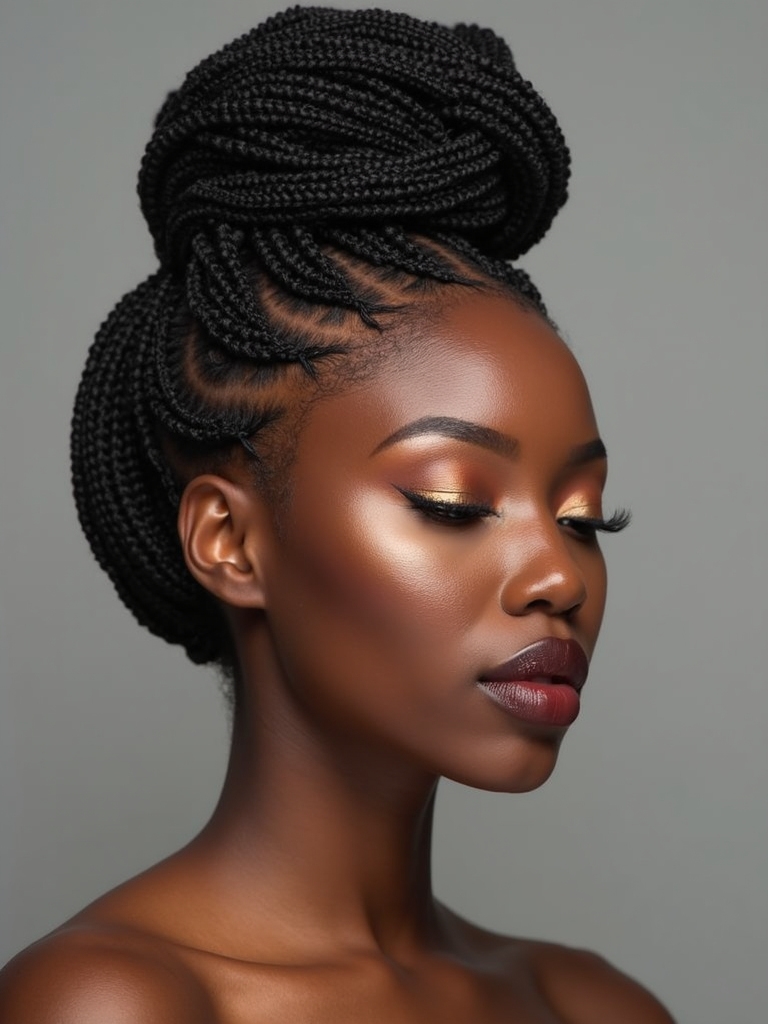
At their most intricate, braids cross fully into art. The geometry of a scalp design, the precision of a clean part, the balance of an elaborate updo, all of it is composition and craft as much as hairstyling.
What sets it apart from most art is that it is living and worn, moving through the world on the person it was made for. It moves. It lives. A braider is an artist whose canvas is the head and whose medium is the hair itself.
The Community Within Braiding
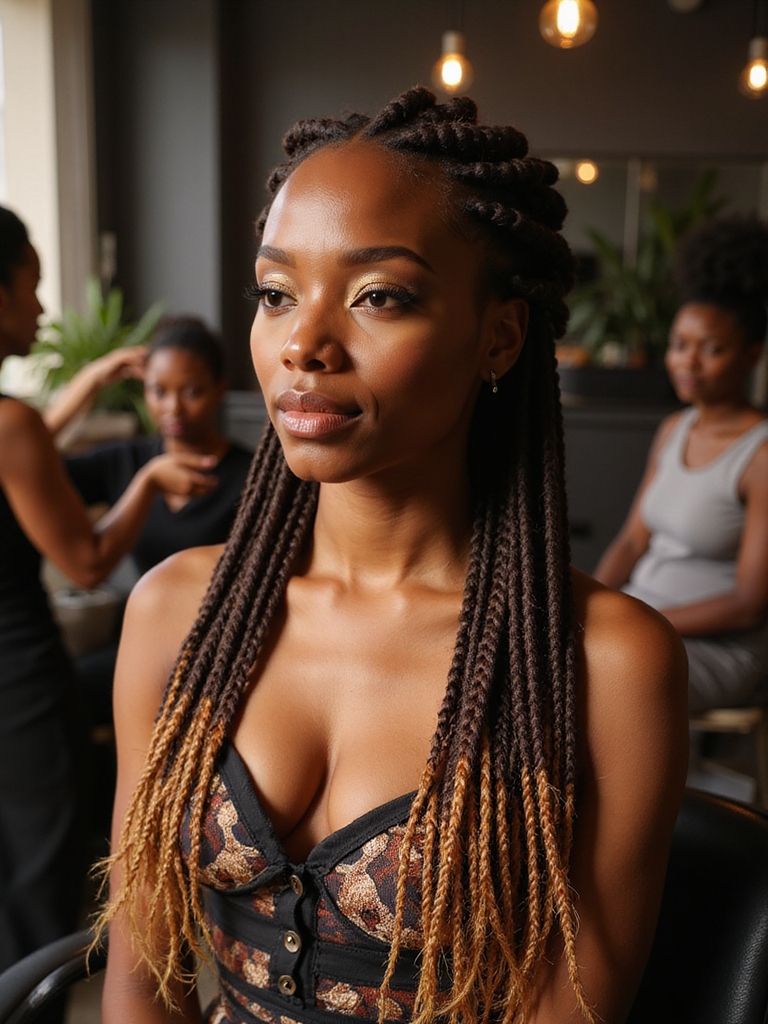
Braiding is rarely a solitary act. It happens between people, a parent braiding a child, friends braiding each other, a braider and client over long, talk-filled hours, which makes it a thread of connection as much as a hairstyle.
Those hours pass down technique, and along with it stories, advice, and belonging. The community within braiding is one of its quietest and most important gifts, woven into the style along with the hair.
The Evolution of Braid Styles
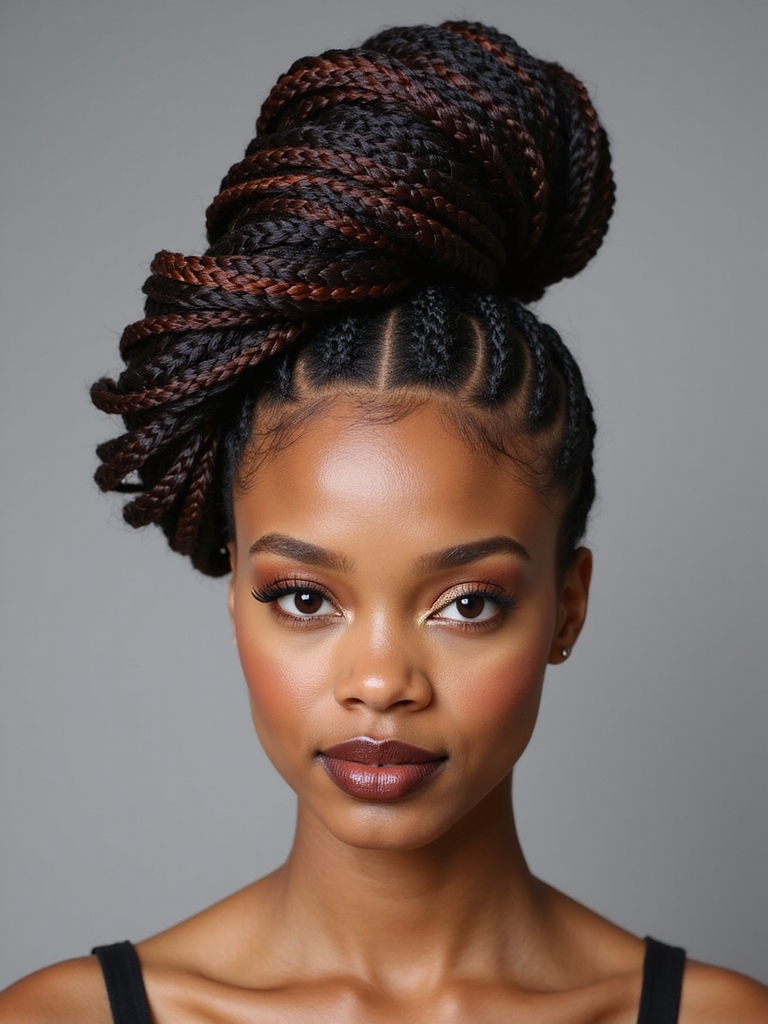
Braid styles never stand still. Ancient patterns are reinterpreted, new techniques like knotless braids emerge, and trends in length, color, and adornment shift from one season to the next, yet the roots stay firmly in place.
That balance of evolution and tradition is rare, and it is part of why braiding stays so alive. Each generation adds to the tradition without losing it, carrying the old skills forward in new forms so the old and the new sit side by side.
The Significance of Braid Accessories
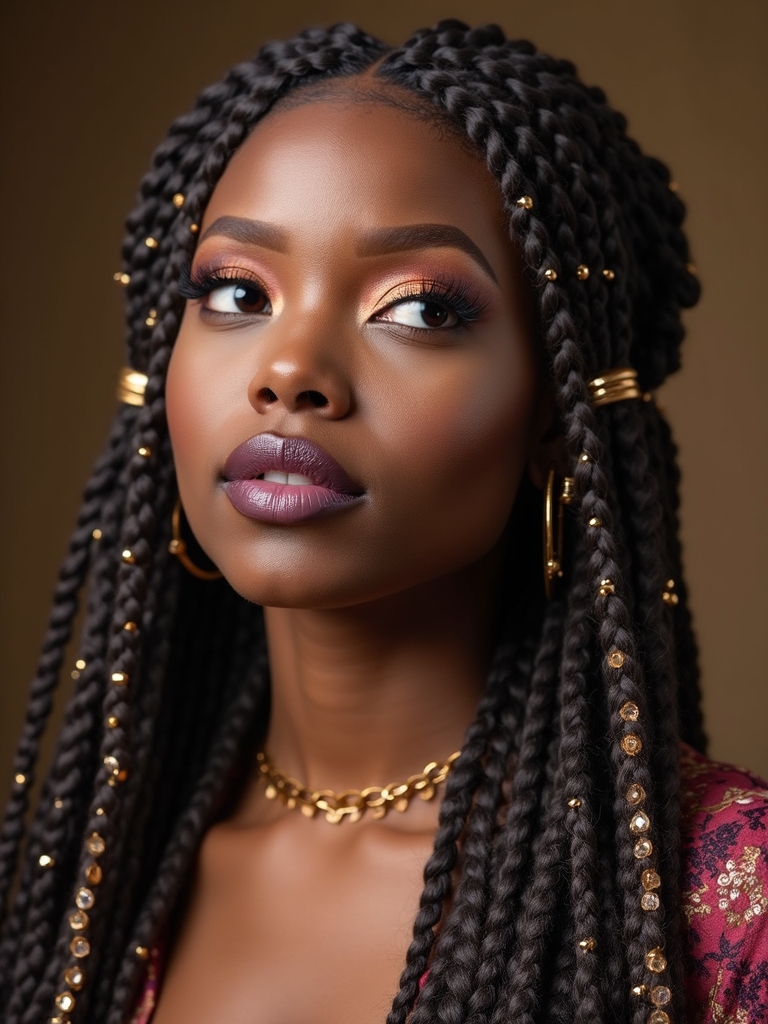
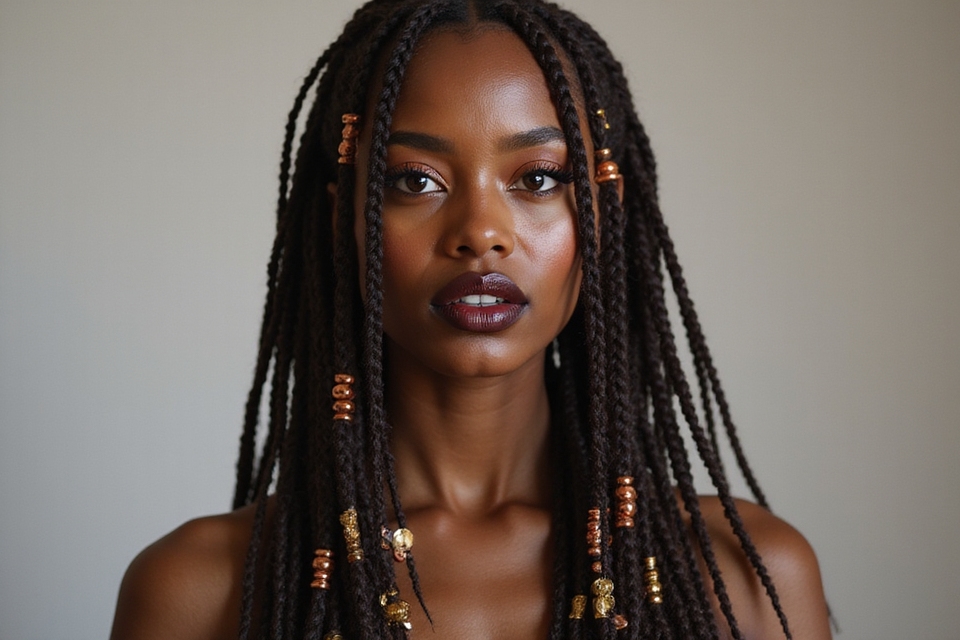
Accessories are part of the language of braiding, far more than decoration. Beads, cuffs, cowrie shells, and thread have marked identity, age, status, and occasion in braided hair for generations, so they carry meaning along with their color and shine.
Cowrie shells in particular hold deep cultural and historical significance across the African diaspora, once used as currency and long worn as adornment. Chosen with that awareness, accessories are a way of honoring tradition as well as expressing personal style.
- Beads and cuffs add color, shine, and a soft sound as the braids move.
- Cowrie shells carry deep cultural and historical meaning, worn with respect.
- Thread and wraps add color and pattern without any dye.
Pioneers of Braided Hairstyles
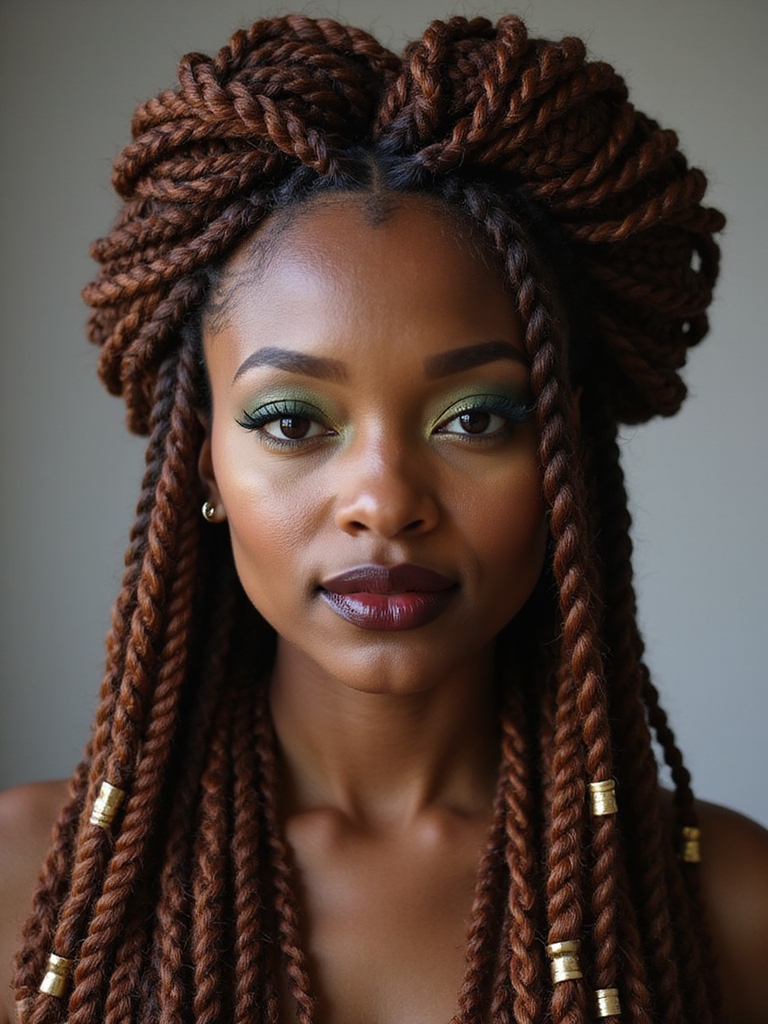
The pioneers of braiding are largely the countless braiders who kept the craft alive across generations, often without recognition, passing it down within families and communities. The artistry we celebrate today rests on their unbroken work, and we owe them the credit.
More recently, braiders have had to fight for the right to practice, challenging licensing laws built around very different kinds of hair. Honoring the pioneers means valuing that long line of skill and the struggle to have it recognized as the legitimate, expert craft it is.
The Future of Braids for Black Hair
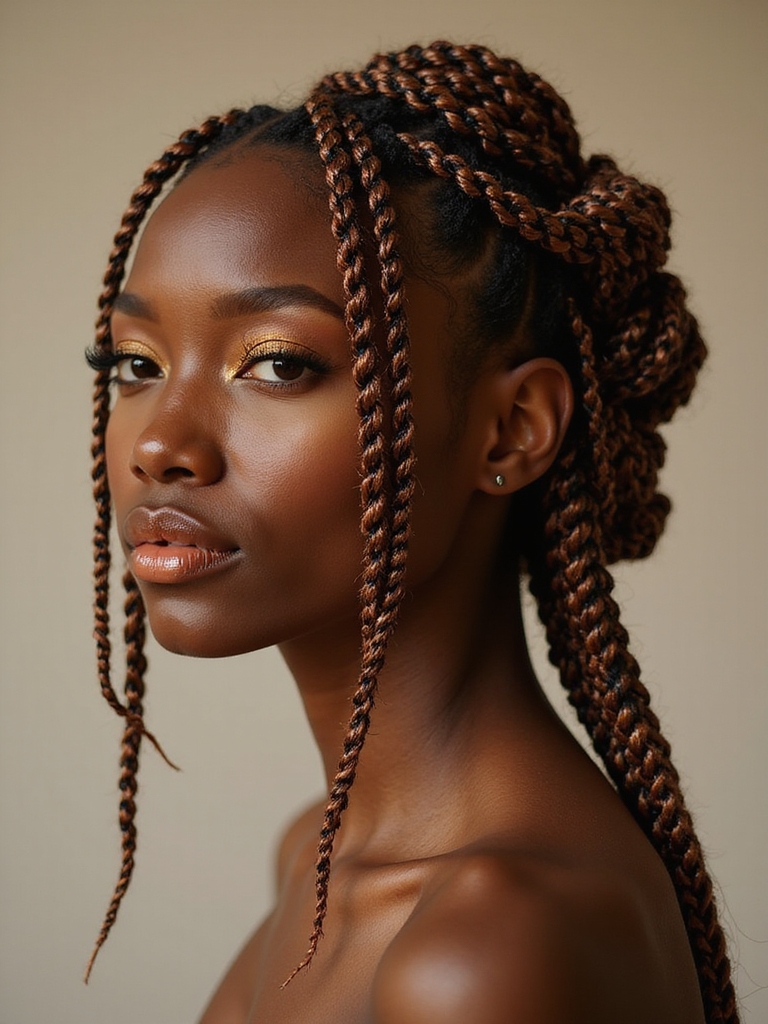
The future of braiding looks both rooted and forward-moving. Gentler methods, healthier products, and growing respect for the heritage behind braids are all pushing the craft in a good direction, toward styles that are kinder to the hair and the scalp.
Rooted and forward-looking
Creativity shows no sign of slowing either, with new patterns, color techniques, and adornments arriving all the time. The constant is the foundation: thousands of years of tradition that each new generation carries and adds to. The roots hold.
Whatever comes next, braids for Black hair will keep doing what they always have, protecting, expressing, connecting, and carrying a heritage forward in a way few other styles can.
Braids for Black Hair Questions
?How do braids protect natural hair?
By tucking the fragile ends away and cutting out daily combing, heat, and styling, braids give natural hair a real rest. That reduced manipulation helps the hair retain length and stay healthy, as long as the braids are not too tight and the scalp is kept clean and moisturized.
?How long can I keep braids in?
Most braided styles wear well for six to eight weeks. Past that, regrowth and the start of matting make take-down harder on your hair, so it is best to take the style out by around the eight-week mark and give the hair a short rest before the next install.
?How do I keep braids from damaging my edges?
Insist on gentle tension; a braid should feel secure but never sharp, and any pulling or bumps at the hairline mean it is too tight. Choose a knotless base where you can, keep the braids on the larger side if your edges are fine, and never leave a style in too long.
?How do I care for the scalp under braids?
Cleanse it every week or two with a diluted shampoo in an applicator bottle to avoid frizz, follow with a light oil if your scalp runs dry, and protect the braids at night with a satin scarf or bonnet. Gentle, consistent care keeps both the scalp and the style healthy.
Woven With Meaning
Braids for Black hair are a rare thing in hairstyling: at once practical and profound, protecting the hair while carrying art, identity, and thousands of years of heritage. Every cornrow, box braid, and scalp design is technique and culture woven together, which is exactly why braids inspire such pride.
If you are choosing a style, start from how much time and upkeep you have and whether you want quiet protection or a bold statement, then find a skilled braider you trust. Ask for comfortable tension, care for the scalp underneath, and wear the look knowing it sits on a long, rich tradition worth honoring.
Favorites to Revisit