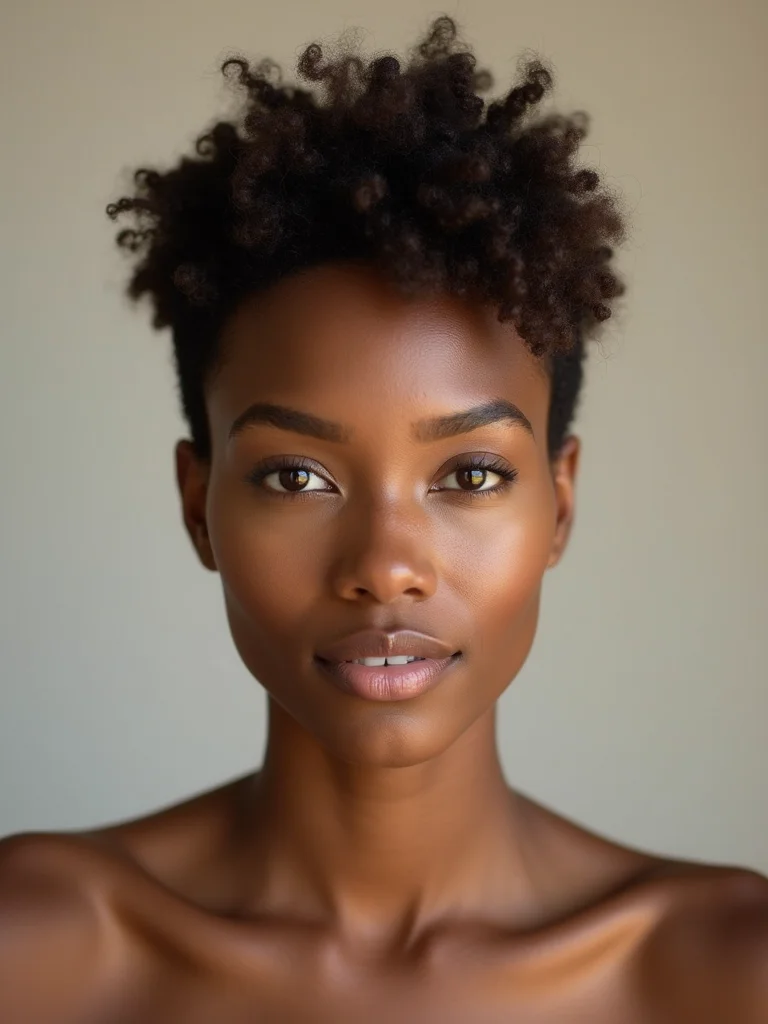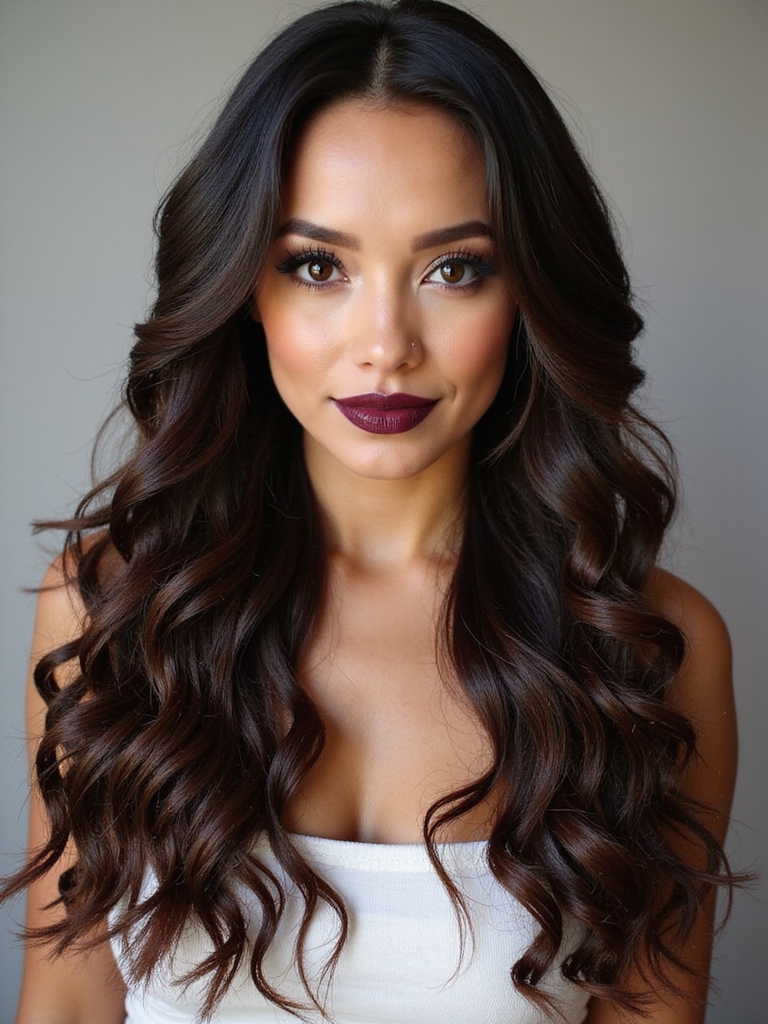
Run your eye down a fresh set of French curl braids and the curls do not all stop at once. Some catch the light high up, others trail into soft spirals lower down, so the whole style cascades with dimension. That layered effect is the magic. It turns a protective braided style into something that looks like an elegant blowout you never have to redo.
French curl braids start with a braided base that tucks your natural hair away, then finish in pre-curled extension hair that does the decorative work. Layering those curled lengths is the trick, and what follows is how it comes together, from picking a curl pattern to keeping it fresh on day ten.
The Short Version
French curl braids are a protective style finished with soft, pre-curled extension hair, so the lengths spring into bouncy, defined curls at the tips. They belong to the long tradition of protective braiding in Black hair culture, updated with a curled, layered finish. Staggering the curled sections at different lengths is what gives the look its flow and the elegance the name promises.
Done well, it is a multi-hour install that lasts four to six weeks and protects your natural hair while you wear it. The real work is in the prep, the sectioning, and a gentle, low-tension braid-up, which is exactly where the comfort of the style and the health of your edges are won or lost.
What Makes Layered French Curl Braids Stand Out

French curl braids take a classic braiding technique and finish it with soft, pre-curled hair, so the lengths spring into bouncy, defined curls. Layering those curled sections at different lengths is what sets this version apart, building depth and movement so the style flows. It reads elegant and romantic, a protective style with the polish of a salon blowout, and it carries the heritage of braiding into a softer, curled silhouette.
- A braided base protects the natural hair underneath.
- Pre-curled French curl hair gives the bouncy, defined ends.
- Staggered curl lengths create the layered, dimensional look.
Choosing the Right Curl Pattern for Braided Layers

The curl pattern you choose matters more than almost anything else, and it is the decision I tell every client in my chair to make first. French curl hair comes in patterns from loose, glossy waves to tight, springy spirals, and the one you pick sets the whole mood of the style.
Loose Versus Tight Patterns
Looser patterns read soft and romantic, and they brush out for extra volume. Tighter patterns hold their definition longer and ask for almost no styling, though they are harder to brush loose later if you change your mind.
Match the pattern to how you actually want to wear it day to day. The number one regret I hear is picking a pattern too tight to ever brush into something softer.
💡Pattern First, Length Second
Pick your curl pattern before you pick your length. A pattern that is too tight to brush out is the most common regret, and no length will fix a curl you cannot live with day to day.
Tools and Products for Glossy, Defined Sections
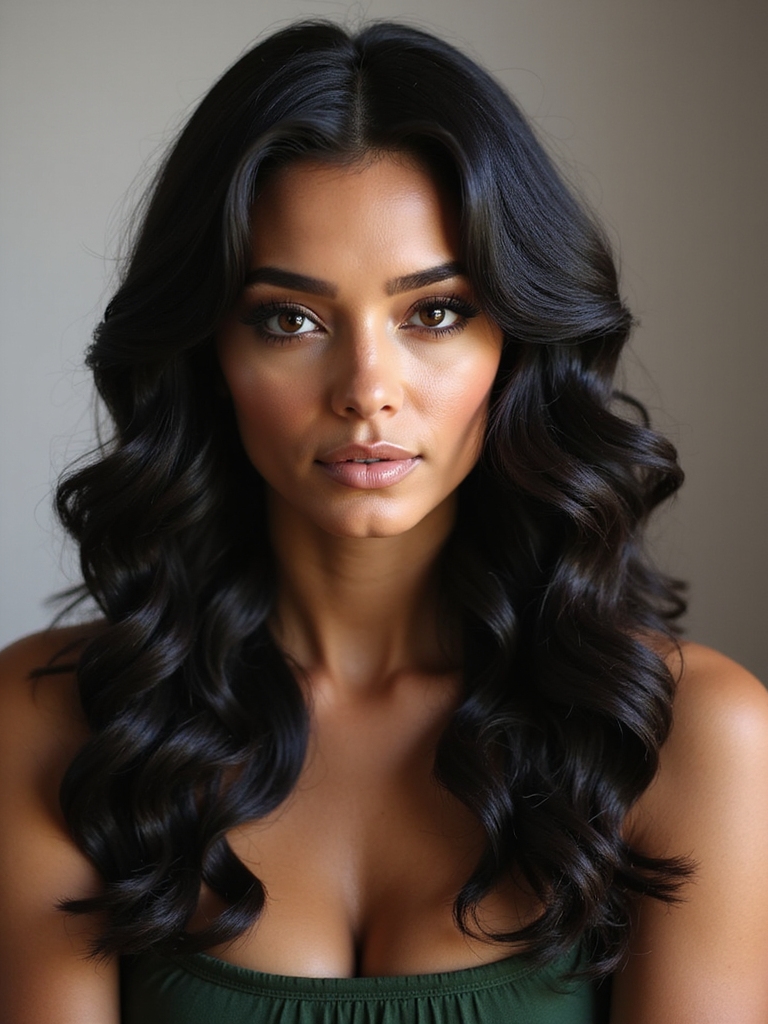
A few tools separate glossy, defined sections from a frizzy install. You need French curl braiding hair in your chosen pattern and color, a rat-tail comb for clean parting, and small elastics or clips to hold sections as you work.
On products, a smoothing edge gel keeps the parts and hairline crisp, a light oil or sheen spray brings the gloss, and a mousse or setting foam helps the curls hold their bounce. Skip heavy butters at the root, since they build up and dull the shine.
Quality hair earns its price here. Cheap, overly synthetic French curl hair tangles and drops its curl fast, so buy the best you can and you will wear the set far longer. For more braided options, braids for Black hair cover the range.
Prepping the Hair Before You Braid

Good braids start with healthy, prepped hair, and skipping this step is where most sets go wrong. Cleanse and deep-condition a day or two ahead, so the scalp is clean but not freshly stripped, then detangle fully from ends to roots.
Stretch the hair before you braid, with a blow-dry on low or a few large twists left to dry. Stretched hair braids smoother, tangles less at takedown, and grips the extension hair better all around.
Moisturize and seal the lengths, and treat your edges gently. Healthy, hydrated hair under the braids is what lets you wear the style for weeks with no damage. For more, natural hair braids go deeper on prep.
👍Why French Curl Braids
- +A protective style with a soft, elegant, blowout-like finish
- +Layered curls add real dimension and movement
- +Keeps your natural hair tucked away for weeks
👎Worth Knowing First
- –A long, multi-hour install that is not cheap
- –Needs quality curl hair to avoid fast tangling
- –Calls for gentle, low-tension braiding to protect your edges
Sectioning Strategy for Balanced Layers

Sectioning is the blueprint for the whole style, and balanced layers depend on it. Part the hair into even rows and boxes sized to the braid thickness you want, keeping the parts clean and consistent so the finished set looks deliberate.
Plan your layering at this stage, before a single braid goes in. Decide which sections will carry longer curls and which will stay shorter, and stagger them evenly across the whole head so the finished dimension looks balanced from every side.
- Use a rat-tail comb for sharp, clean parts.
- Size your boxes to the braid thickness you want.
- Map your long and short curl sections before you start braiding.
Crafting the Base French Braid

The base French braid is the foundation, and a steady, even hand is everything. Start braiding your natural hair, feeding in the French curl extension hair gradually so the braid builds smoothly from the root.
Keep the Tension Light
Keep the tension light and consistent. This is the single most important habit in the whole process, because a braid pulled too tight at the root strains the hairline, and uneven tension shows up as a lumpy, crooked braid.
Feed in the curled hair at staggered points to begin layering the lengths as you go. The curls should start exactly where you planned them back in the sectioning stage.
📋Before Your Braid Appointment
- ✓Cleanse, deep-condition, and stretch your hair a day or two ahead
- ✓Buy quality French curl hair in your chosen pattern and length
- ✓Plan to speak up immediately if any braid feels painful
Integrating Curled Sections for Dimension

Integrating the curled sections is where the layering comes alive. As you braid, drop in pre-curled lengths at the points you mapped, leaving some curls to spring out higher and others to trail longer down the braid.
Vary the curl placement across your whole head so the dimension reads from every angle. The goal is curls that cascade at different heights, which is what gives the style its blowout-like flow and keeps it from looking flat.
Securing and Blending the Ends

Securing the ends keeps all that work in place. Depending on your French curl hair, you either braid the ends down and seal them in hot water, or wrap and tuck them so the curl continues cleanly to the very tip.
Blend the join where your natural braid meets the curled lengths, so no obvious line shows where one becomes the other. A little oil smoothed over the transition hides the seam and keeps the curls reading as one continuous, flowing section.
A few terms you will hear at the appointment:
📖French curl hair
Pre-curled synthetic extension hair that ends in soft, defined spirals instead of straight tips.
📖Feed-in
Adding extension hair gradually along the braid so it builds from a fine root to a fuller length.
📖Layering
Staggering the curled lengths and sizes across the head so the style cascades with dimension.
Heatless Curl Techniques to Protect Hair

If your French curl hair did not arrive pre-curled, or the curls dropped in shipping, heatless methods revive them with no risk of heat damage. Hot water is the gentlest of them all: dip the braided ends in near-boiling water for a few seconds, lift them out, and let them hang and cool undisturbed until the curl sets itself back into a firm, defined spiral.
Flexi-rods and perm rods work too, wrapped onto damp sections and left overnight to set a defined curl. Both protect the hair and the fiber, since most synthetic curl hair cannot take a flat iron at all.
Always check what your extension hair can handle before any heat. The braided base is your own hair, and it deserves the same heat caution you would give it loose.
Heat Styling Tips for Long-Lasting Shape

If your French curl hair is heat-friendly fiber and you want a custom curl, a few careful steps lock in a long-lasting shape without scorching the strands. Always patch-test a hidden curl first to confirm the fiber can take heat at all.
- Set the tool low; synthetic fiber melts at temperatures real hair shrugs off.
- Work in small sections, and let each curl cool fully before you touch it.
- Finish with a light sheen spray, not a heavy oil, to hold the gloss.
Tailoring the Look for Fine, Medium, and Thick Hair

The same style flatters fine, medium, and thick hair once you tailor the braid size to the density. The fine-haired clients in my chair are the ones I watch most carefully here. Fine hair does best with smaller, lighter braids and less added hair, so the weight does not strain the roots.
Medium hair is the most flexible and carries almost any braid size you like. Thick, dense hair can handle larger braids and more extension hair, which gives a fuller, more dramatic curtain of curls.
Whatever your density, keep the added hair proportional. Overloading fine or even medium hair with heavy curl bundles is the fastest route to tension and breakage at the root.
Adapting the Style for Short, Medium, and Long Lengths

Your natural length changes how the style is built, though French curl hair lets almost anyone wear it. Short natural hair needs enough length to grip the braid, usually a couple of inches, so the extension hair has something to hold onto.
Medium and long natural hair braids easily and blends smoothly into the curled lengths. The braider has more of your own hair to anchor the extension to, which makes for an even more secure install.
You also choose your finished length independent of your own. French curl hair comes in short, mid, and long, so you can wear a chic chin-grazing set or dramatic waist-length curls regardless of where your natural hair falls.
Comfort and Tension Tips While Braided

Comfort is not a luxury with braids. It is the warning system that protects your hair. A French curl set should feel snug, never painful, and the install should never leave you with a pounding headache or stinging edges.
Speak up in the chair the moment a braid feels too tight. I have taken down too many sets installed so tight the client could not sleep the first night, and that kind of tension is exactly what leads to traction alopecia and a receding hairline over time.
Once installed, soothe the scalp with a light oil or a cool rinse, and give tender spots a day to settle. If the tightness has not eased after a day or two, that braid is too tight and worth taking down and redoing.
Finishing Touches for Shine and Hold

Finishing touches separate a good set from a salon-worthy one. Seal any braided ends in hot water if they need it, then run a tiny amount of oil or sheen spray over the curls for gloss.
Lay your edges last, with a soft brush and a light edge gel, keeping the baby hairs soft and natural. A flexible-hold spray sets the whole style without crisping the curls.
Step back and check the layering from every angle. A quick trim of any stray fibers gives the curls a clean, intentional finish that photographs beautifully.
Day-After Refresh and Maintenance

French curl braids hold their best look for weeks with a little nightly care. At night, loosely gather the curls and wrap them in a satin scarf, or sleep on a satin pillowcase, to stop frizz and keep the pattern intact.
By day, refresh rather than restyle. A light mist of water mixed with leave-in revives the curls, and a quick finger-coil here and there brings back any that have loosened, which is usually all it takes to carry a set from looking week-old to looking freshly done again.
- Wrap the curls in satin at night to fight frizz.
- Refresh with a light water-and-leave-in mist, going easy on product.
- Take the style down by week six to protect your hair. See braided hairstyles.
What to Expect
Set your expectations before you book. A full set of layered French curl braids takes four to seven hours to install and runs roughly $150 to $280 depending on your braider and length, plus the cost of the curl hair itself. Worn with care, it lasts four to six weeks.
Expect to spend on quality hair, to sit a while for the install, and to do a little nightly upkeep. In return you get a protective style that looks like a blowout and keeps your natural hair tucked safely away. Take it down by week six, give your hair a wash and a deep condition, and let your scalp breathe before the next set. For the foundations behind it, box braids and layered braids make good background reading.
Texture Meets Structure
Layered French curl braids reward the steps most people rush: a curl pattern chosen with care, hair prepped and stretched, sections mapped, and a braid-up kept gentle from root to tip. Get those right, and you wear a protective style that truly looks like a blowout, with your own hair safe underneath. The sets I have admired most in my chair are always the ones where the braider refused to rush the prep, no matter how long the client had been sitting.
If the install feels like a lot, that is because the good ones are. Start by booking a braider who works with a light hand and takes the prep seriously, and bring your own deep conditioner and quality curl hair to the chair. The set you walk out with, and the healthy hair you take down weeks later, are both worth the patience.
You Might Also Like