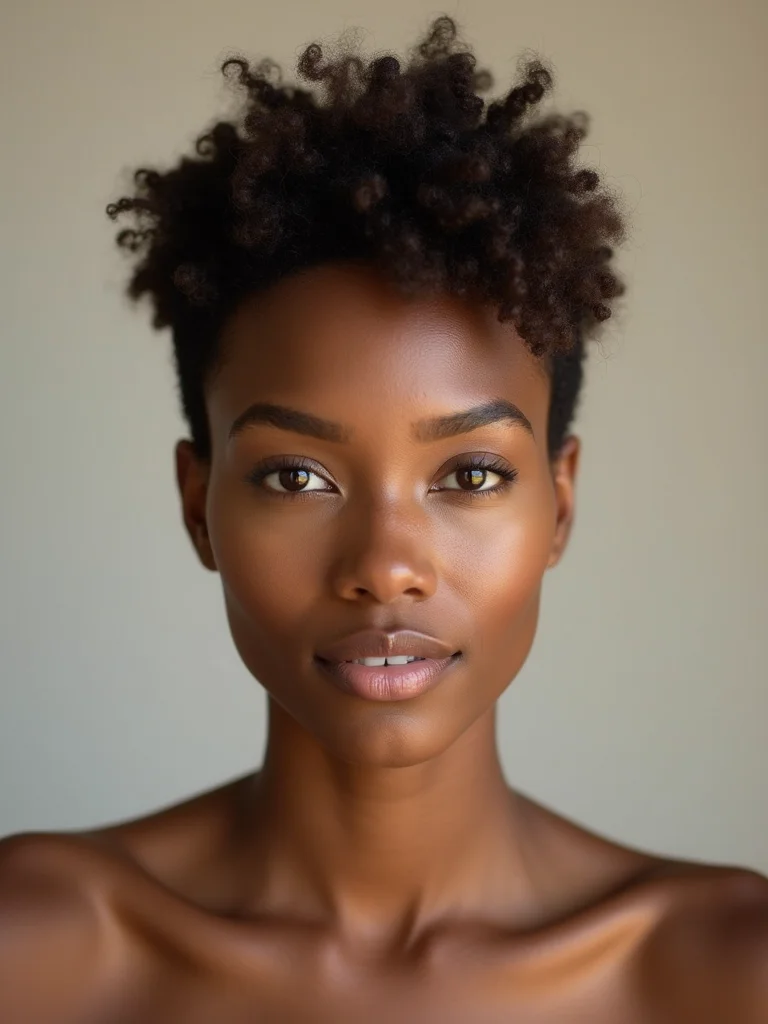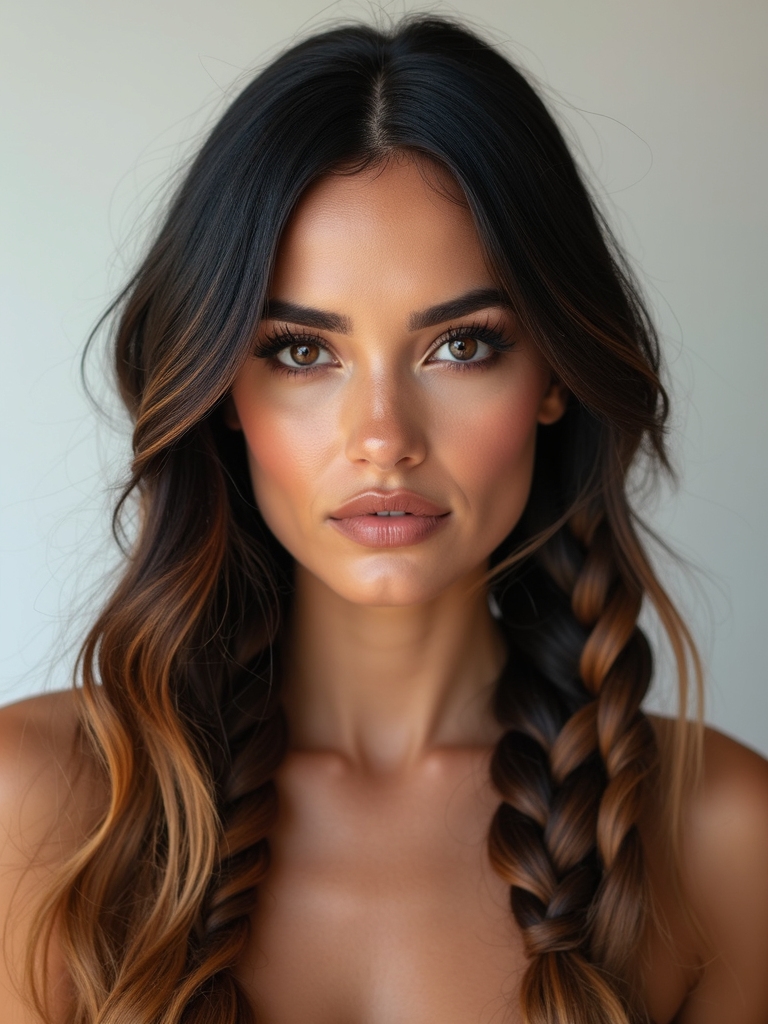
Run a hand down a fresh set of layered braids and the difference is immediate: some plaits stop at the collarbone, others keep going past the shoulder, and a few loose pieces move free at the temple. Nothing about the shape sits flat. That staggered, uneven drop is the entire point, and it turns a style built on structure into one that also carries real movement.
Braiding carries deep roots in Black hair culture, long before layering entered the conversation, and the fifteen versions below build directly on that foundation. Some stagger the plait lengths. Others mix braid sizes, or weave loose layers between the sections. Each one solves the same problem: protection and structure, without losing real movement.
What Layering Actually Changes in a Braid
- Layering a braid means staggering plait lengths, mixing braid sizes, or weaving loose sections between the plaits.
- Protective styles like box braids and knotless braids start looking layered the moment their lengths are staggered.
- A skilled braider working at a comfortable tension protects the hairline more than any single styling choice.
- Loose leave-outs and feed-in techniques bring the softest, most natural-looking movement into a braided set.
Face-Framing Layers With Loose Dutch Braids
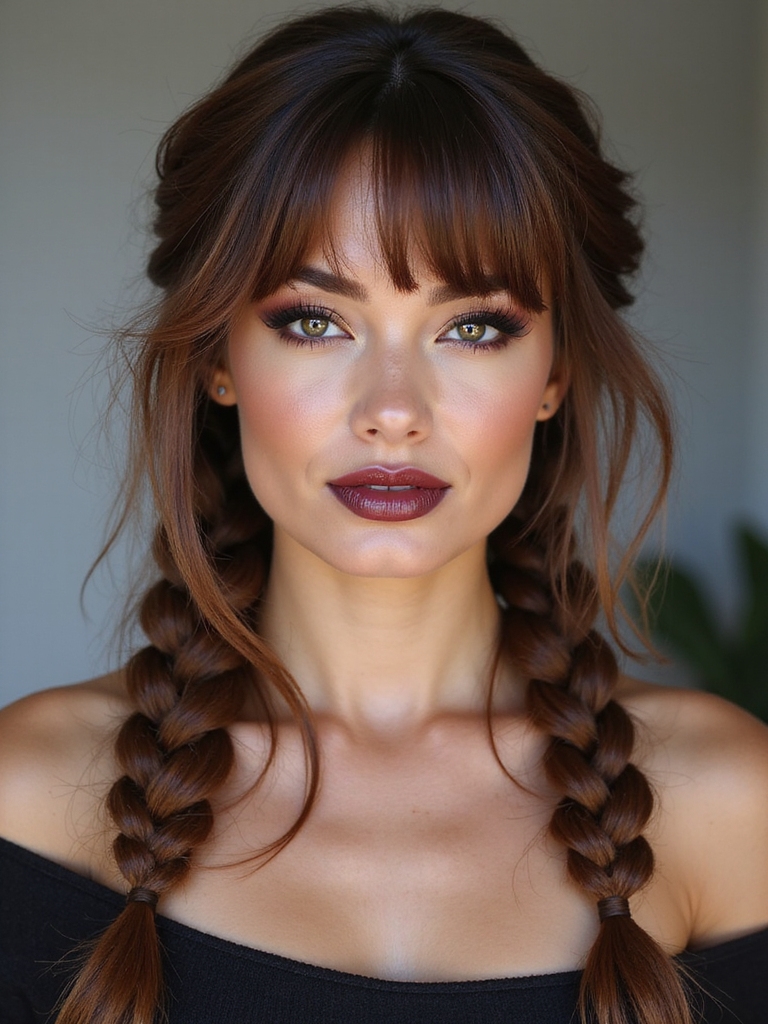
Two raised Dutch braids trace the front of the head while soft layers stay loose around the cheeks and jaw. The braids sit crisp and defined on top, and the loose layers relax everything below, so the face gets framed without the rest of the head going into a full set.
Only the front sections get braided, so the whole style comes together in under an hour. The remaining layers move freely, uncommitted to the braid, which makes this the lightest possible way to bring braided texture into an otherwise regular haircut.
Second-day hair actually helps here, since the layers already carry a bit of grip and hold the shape of the braid longer. A small amount of edge control along the part keeps the two Dutch braids looking sharp. The loose pieces stay untouched.

Multi-Length Box Braids for Built-In Volume
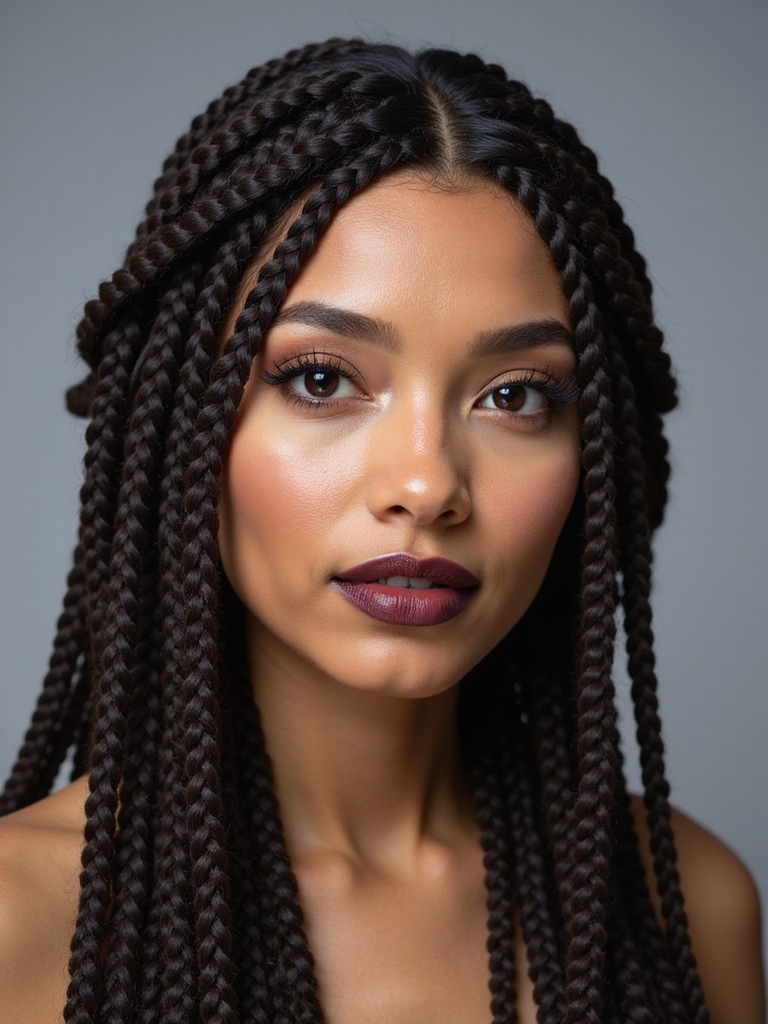
Box braids installed at varying lengths stop the style from reading as one flat curtain of hair. Some plaits land at the collarbone, others drop well past the shoulder, and that staggering does the same visual job as layers cut into loose hair.
Getting the Length Plan Right
Box braiding is a protective style with deep roots in Black hair culture, and worn at mixed lengths it keeps its full range of movement while still shielding the natural hair underneath from daily manipulation. A comfortable install counts for just as much as the length plan itself. Braids should feel snug at the root, with no sharp pull at the hairline at any point.
A full set at varying lengths typically takes four to eight hours in the chair, longer than a single-length install because the braider is working from more than one length guide at once. That extra time upfront is what buys weeks of low daily upkeep afterward.
Not sure how to stagger the lengths? Match your goal:
1Maximum protection, low upkeep
Keep most of the set at one or two close lengths, with just a few pieces staggered shorter near the face.
2Real, visible movement
Plan three or four distinct length tiers so the staggering reads as clearly separated tiers.
Waterfall Layers With Fishtail Accents
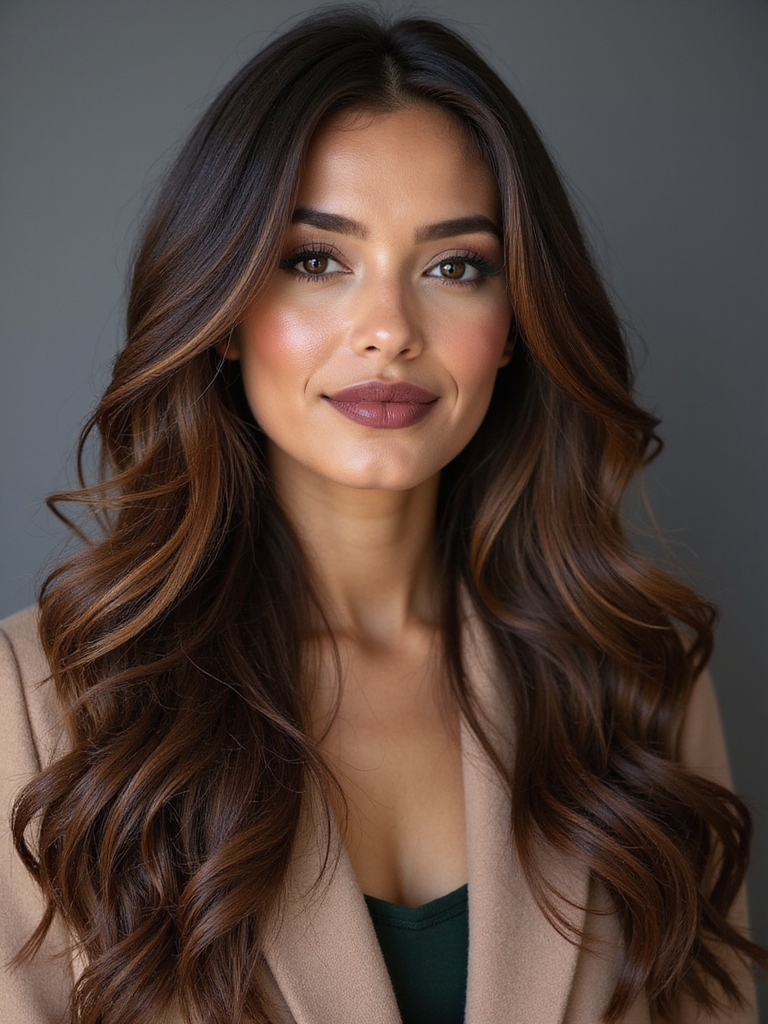
A waterfall braid lets strands drop through a horizontal plait like water spilling over a ledge, and a fishtail woven alongside it adds a finer, tighter texture next to that looser drop. The combination reads as romantic rather than sporty, since one half of the style stays loose while the other holds a defined weave.
This one works better as an accent than a full head of braids, which makes it suited to layered hair that is already long enough to fall through the waterfall on its own. A dropped-strand style like this asks for a few extra minutes of daily attention, which suits an occasion better than a rushed morning.
- Best suited to longer layers with enough length to fall through cleanly.
- Leave the dropped strands loose; tucking them away kills the waterfall effect.
- A light-hold spray keeps the fishtail neat without stiffening the loose drop.
Layered Cornrows That Sculpt the Hairline
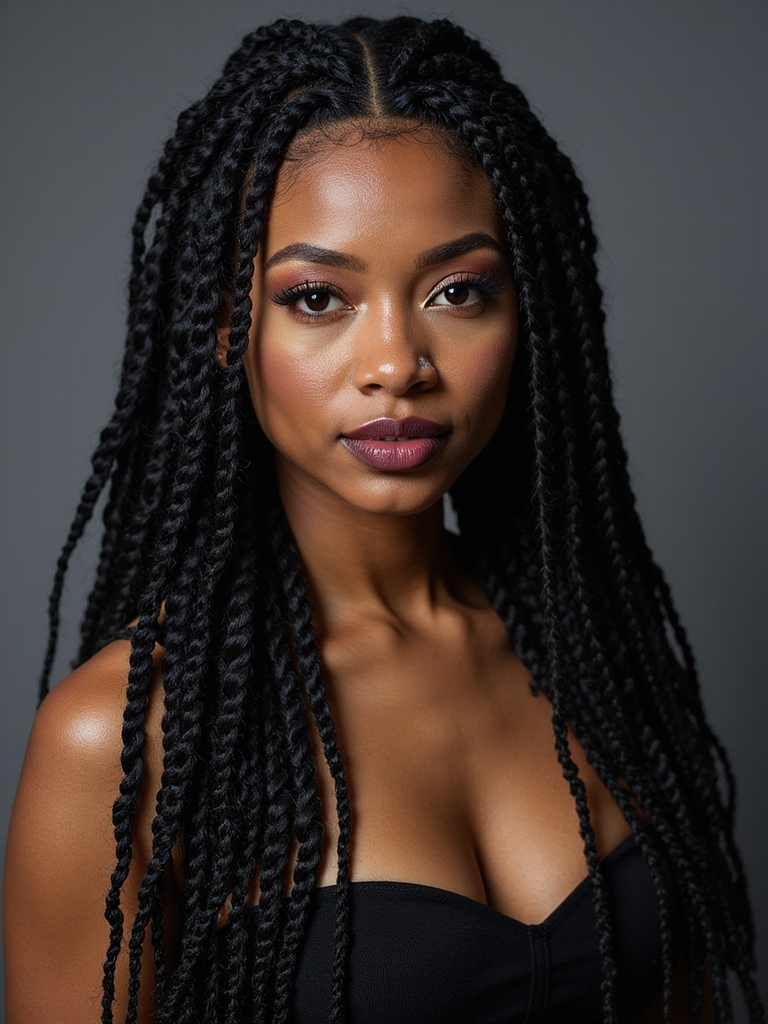
Cornrows braided close to the scalp in varying widths and directions can sculpt the hairline the way layers sculpt loose hair, building dimension into a style that would otherwise sit as one flat pattern. Cornrowing is a foundational braiding technique with a long, well-documented heritage, and it holds up equally well alone or as the base beneath another style.
Direction does most of the design work: rows that curve toward the face soften a square jaw, while rows that sweep straight back open up the forehead. A clean set usually takes one to two hours and holds cleanly for roughly five to six weeks before the new growth along the part needs attention.
“Ask for the rows to be parted before you sit down, ahead of the braiding itself. A pre-mapped part keeps tension consistent across the whole head from the very first row.”
Goddess Braids With Feathered Ends
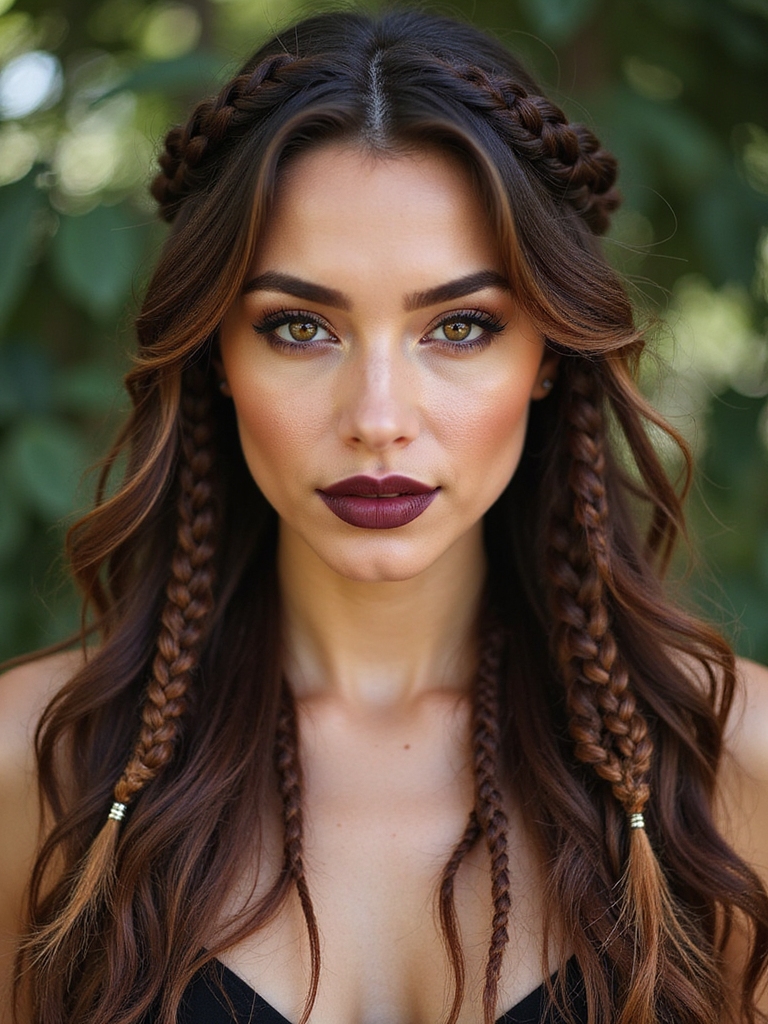
Goddess braids use thicker, raised plaits with sections deliberately left loose and feathered at the ends for a softer, more bohemian finish. The thickness of the braids supplies the structure, while the feathered pieces around them keep the whole look relaxed and soft.
That contrast between bold braids and soft edges is exactly why the style shows up so often at weddings, where it needs to photograph well and still move naturally through a long day. A few face-framing sections curled lightly before they’re left loose blend the feathering directly into the rest of the braids for one cohesive look. For more protective options built the same way, braids for Black hair covers the broader range.
Staggered Feed-In Braids for Smooth Dimension
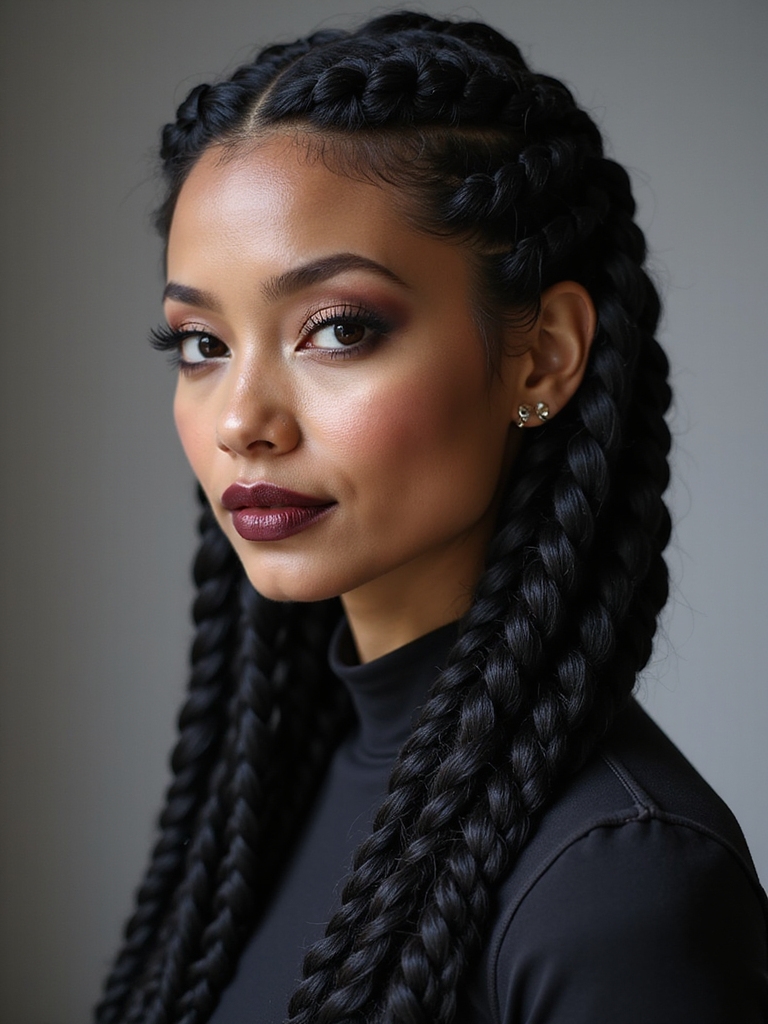
Feed-in braids add extra hair gradually along each plait, so the style builds from a fine, natural-looking root out to a fuller length, avoiding the thick, blunt base a full install starts with. Staggering where the extra hair gets fed in creates a soft taper that keeps the whole set looking dimensional throughout.
Because each braid starts with so little added hair at the root, feed-ins put noticeably less pull on the hairline than a knot-heavy install, which matters most for anyone working with finer edges. The root simply carries less weight. That gradual taper also blends naturally into any loose layers left around the face.
Layered Rope Braids for Sleek Definition
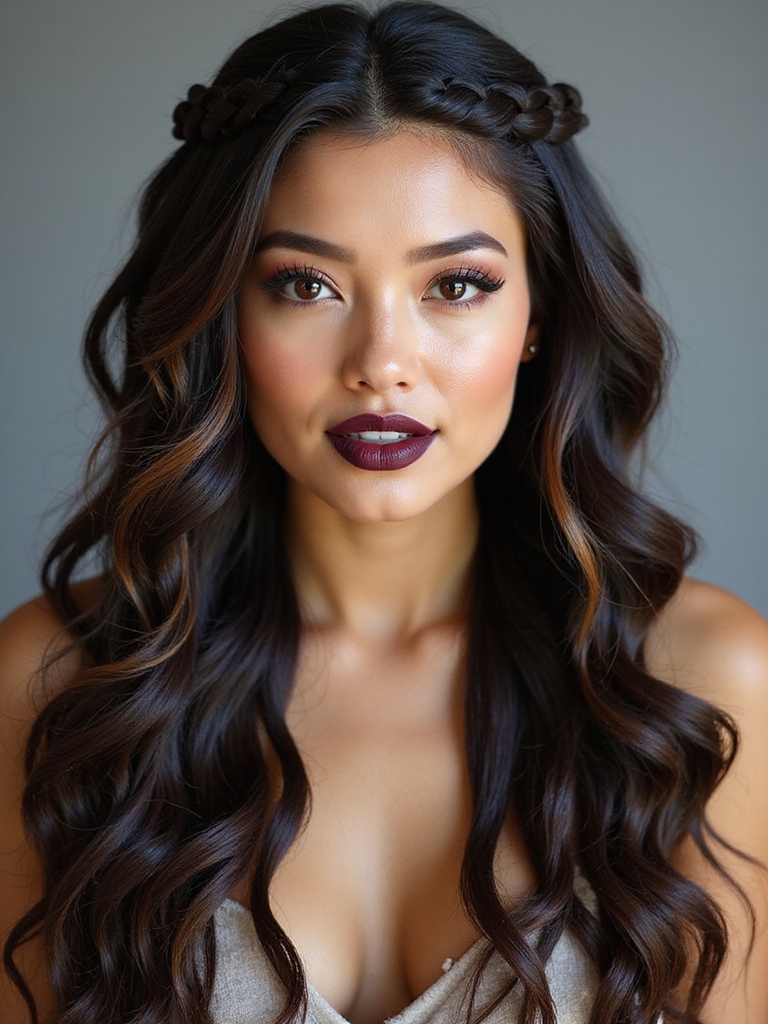
A rope braid twists two sections around each other, differently from the usual three-strand weave, producing a smooth, twisted cord that catches the light differently than a flat plait. Working one or two rope braids into the rest of a layered style adds a defined, polished accent. Just one or two sections suffice. The same twisting technique shows up across twist hairstyles, for anyone who wants to compare the two.
- Twist each section tightly in one direction, then wrap the pair the opposite way.
- Most textures hold a rope twist well; a small amount of gel keeps flyaways down.
- Use it as an accent over loose layers; skip it as a full-head style.
| Rope Braid | Three-Strand | |
|---|---|---|
| Texture | Smooth, twisted cord | Flat, woven plait |
| Best use | Accent over loose layers | Full protective set |
| Time to install | 10-15 minutes per braid | Varies by size and length |
Crown Braid With Graduated Layers
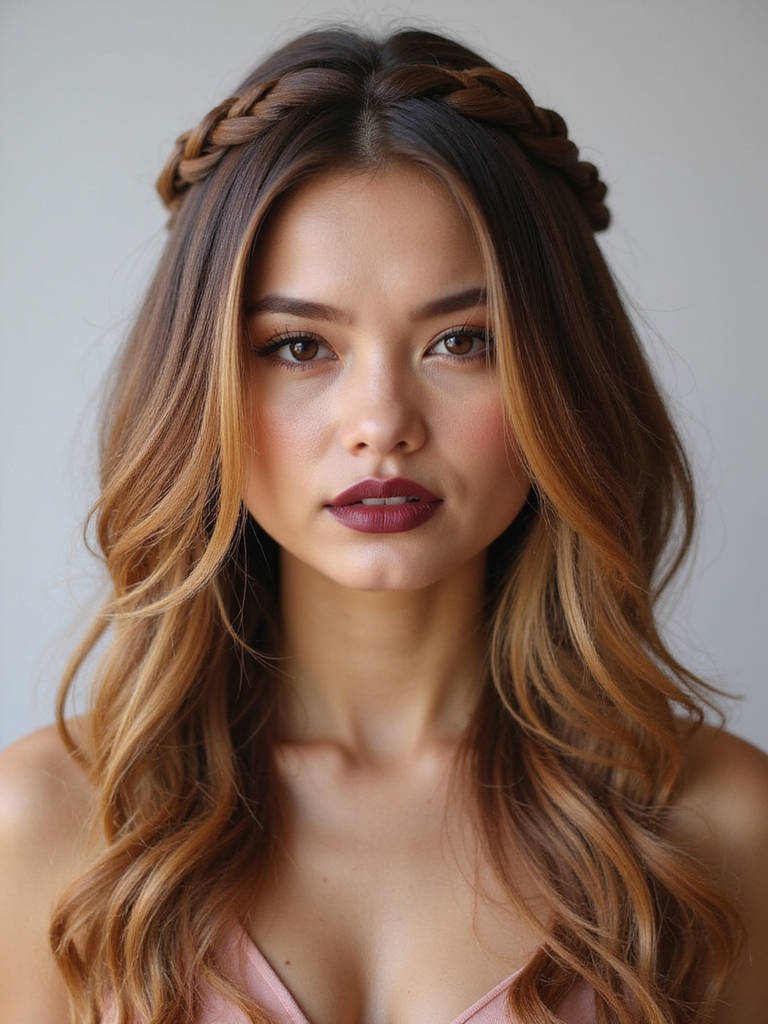
A crown braid circles the head like a halo, and graduated layers underneath keep the shape from sitting flat against the scalp. The braid itself frames the face and holds hair away from it, while the layers add the lift that gives the crown its rounded, dimensional shape.
It photographs well from every angle, including the back, which is exactly where a plain updo usually falls apart. A few loose pieces pulled forward at the temples soften the line and keep the whole thing from reading too severe or bridal.
- Works best on longer hair with enough length to wrap fully around the crown.
- Pin as you braid, section by section, so it holds secure through a full day.
- Loosen a few strands at the front last, once the braid itself is pinned.
Mixed-Size Knotless Braids for Movement
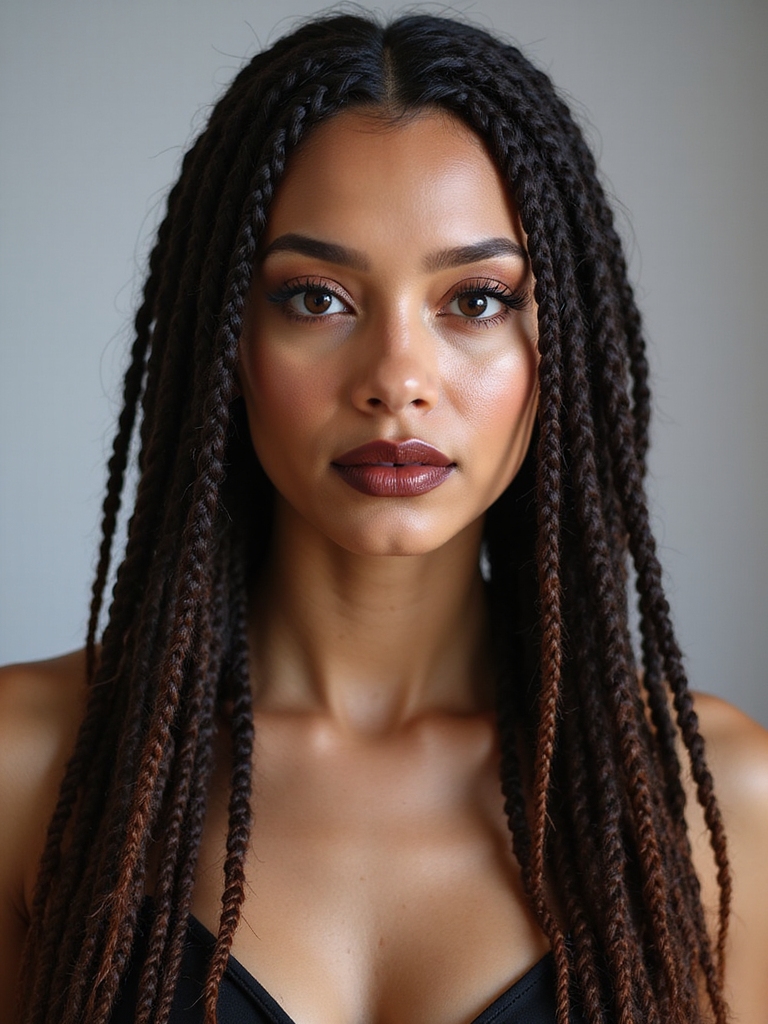
Knotless braids start directly from your own hair, with no small knot anchoring the base, so the root sits flatter against the scalp from the very first section. Mixing braid widths across the head gives the finished set the same staggered, built-in movement as layers, all without varying the lengths.
That flatter root is also why knotless has become a go-to protective choice for people managing a sensitive hairline: less bulk at the base means less pull throughout the day the braids are worn. The wider sections especially benefit from the natural movement mixed sizing brings.
- Mix two or three widths for the most visible movement.
- A flatter root means a more comfortable first few days of wear.
- Works on nearly any length as long as the natural hair has enough grip.
Half-Up Layered Braids for Everyday Polish
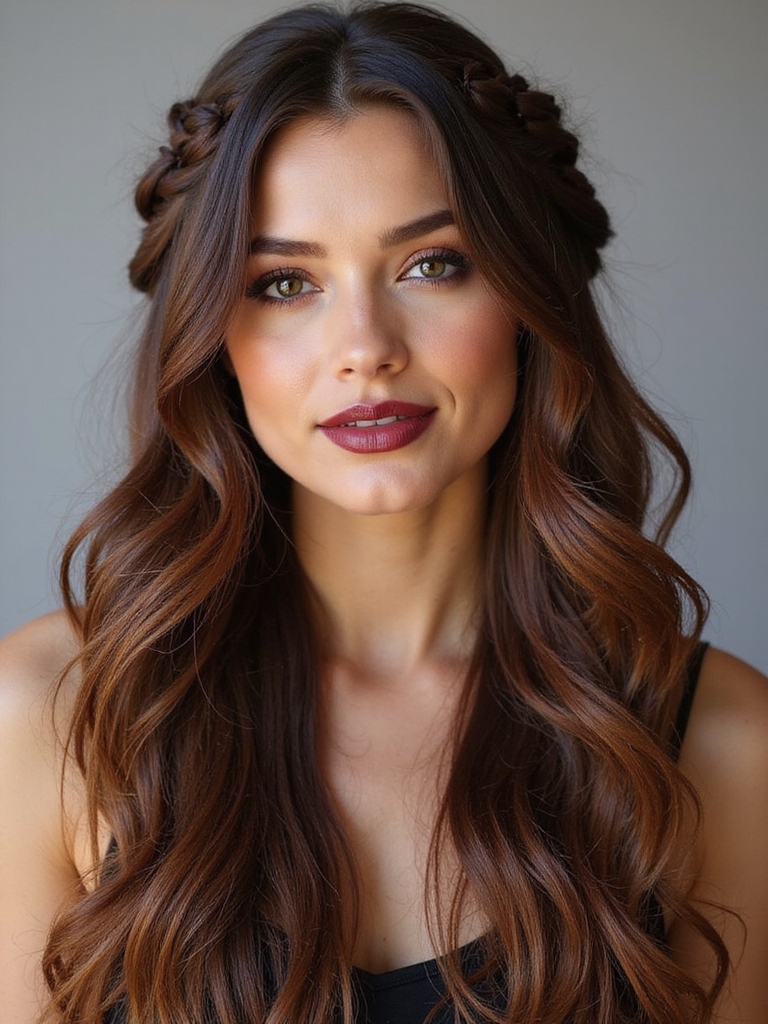
Braiding just the crown section and leaving the layered lengths loose below turns a five-minute effort into a surprisingly polished look. It keeps hair off the face for the day without asking for a full braided set, which makes it the version most people reach for on an ordinary morning.
- Braid the top section back into one or two plaits, then leave the rest down.
- Works on nearly any length or texture that already carries some layering.
- Holds through a full workday on hair with a little texture to grip.
Side-Swept Layers With an Infinity Braid
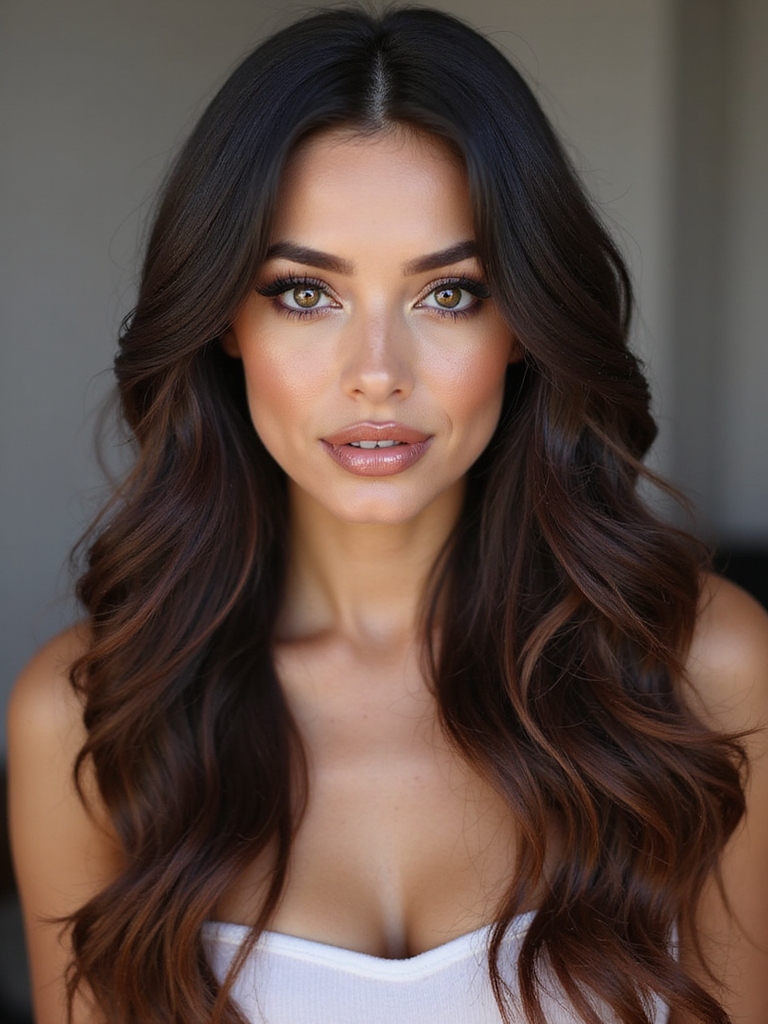
Pulling all the layers over one shoulder and weaving a looping infinity braid through them turns a simple side sweep into a genuine statement. The figure-eight shape of the braid draws the eye toward that one shoulder. The swept layers underneath stay soft and relaxed.
- Sweep every section over one shoulder before starting the braid.
- The infinity shape doubles back on itself in a figure eight.
- Best kept to a single statement braid across the head.
A couple of assumptions worth checking on this one:
❌ Myth: An infinity braid needs waist-length hair to work.
✅ Reality: Shoulder-length layers hold the loop just fine, since the weave itself creates the shape no matter where the layers end.
❌ Myth: Side-swept styles always look undone.
✅ Reality: A neatly woven infinity braid reads polished, with the loose layers smoothed for a deliberate finish.
Layered Micro Braids With a Curly Leave-Out
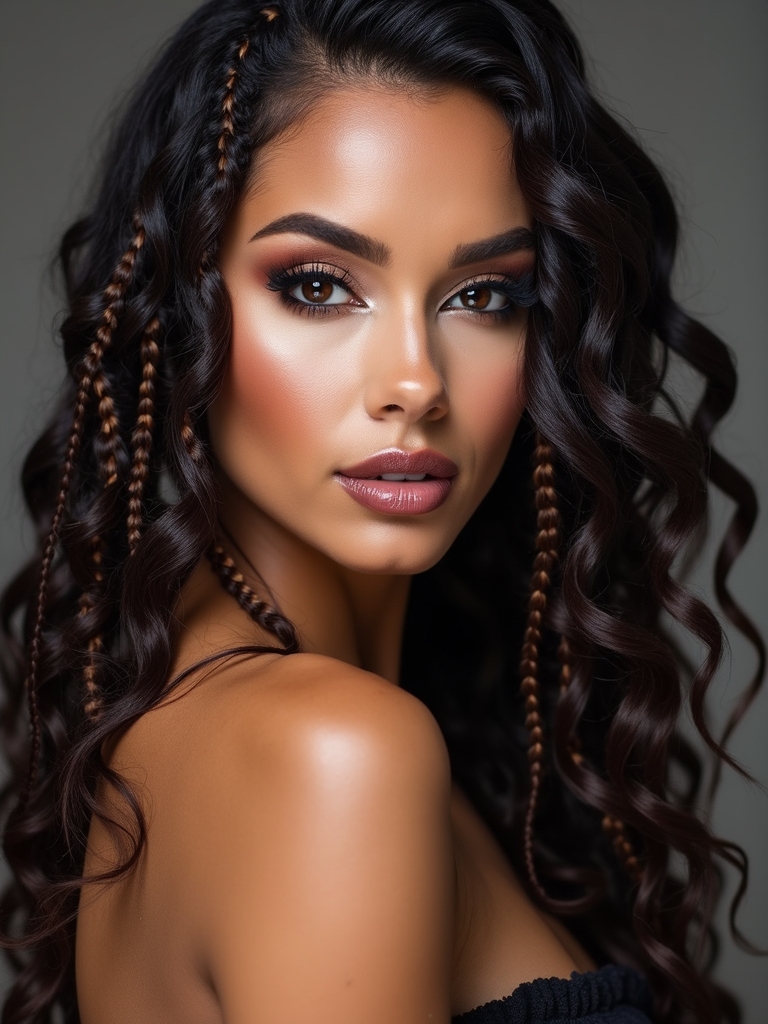
Fine micro braids paired with a section of natural curls left completely out create real contrast between structure and texture. The curly leave-out shows off the natural pattern underneath while the surrounding micro braids stay small, neat, and close to the scalp.
- Shape and define the leave-out on dry hair, so curls fall where they naturally settle.
- A light cream or gel on the curly section keeps the contrast crisp against the braids.
- Best suited to natural curl patterns with enough definition to read against a braided backdrop.
Bubble Braids Stacked Over Long Layers
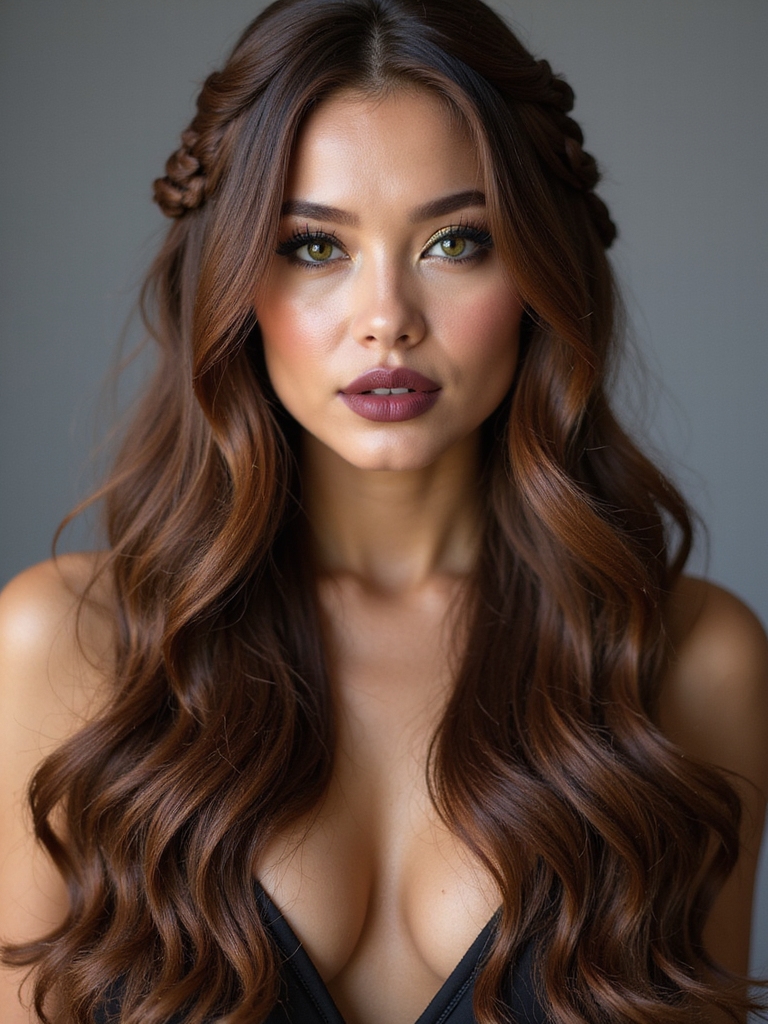
Sectioning a ponytail into rounded bubbles with small elastics turns long, layered hair into a playful, structured shape with almost no braiding skill required. No braid pattern to learn at all. The layered lengths flow beneath each bubble, so the movement built into the haircut still shows through the style.
- Tie a ponytail, then space small elastics down its length at even intervals.
- Gently tug each section outward at the sides to puff the bubbles.
- A fun, fast option for a festival, workout, or any low-effort weekend.
Layered French Braids for Active Days
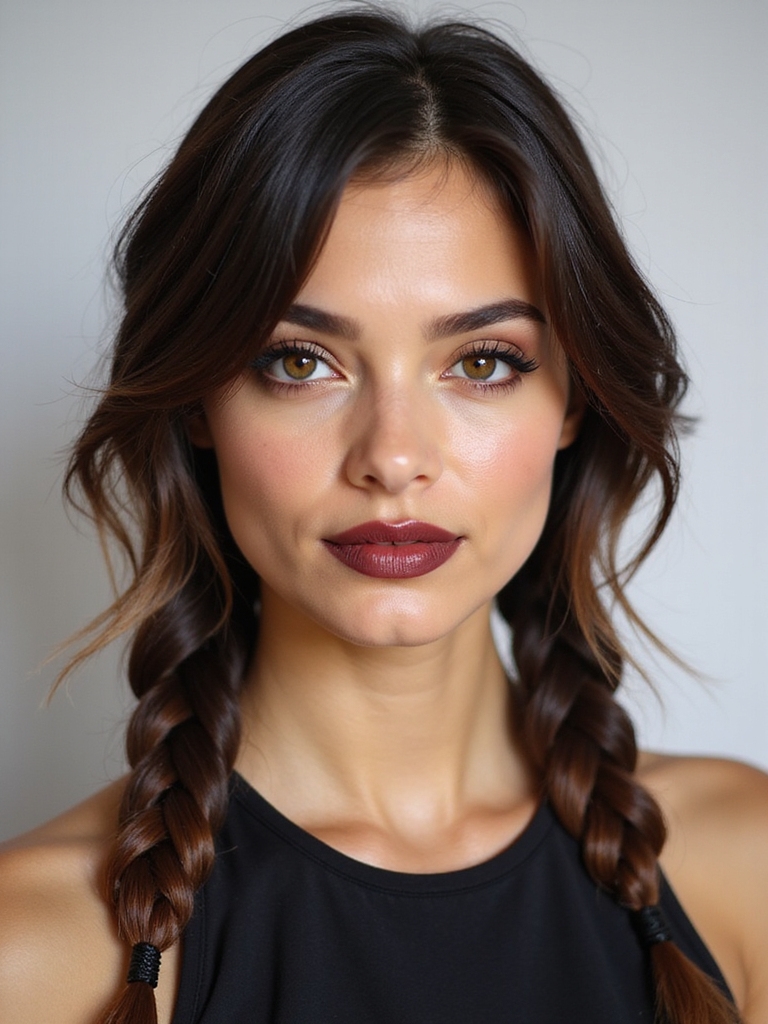
Two French braids running close to the scalp keep hair secured through a workout while short, layered pieces left loose around the face soften the practicality of it. The braids do the holding; the layers keep it from looking purely functional.
Braiding from the hairline back gives the most hold over a long, active day, and starting on slightly damp hair tightens the braid further and helps it last past a single session. Left down, those same face-framing layers would be the first thing to fall loose during real movement.
- Braid from the hairline back for maximum hold.
- Damp hair braids tighter and holds through more than one activity.
- Leave a few short layers out at the temples to soften the finished look.
Protective Braids With Beads and Cuffs
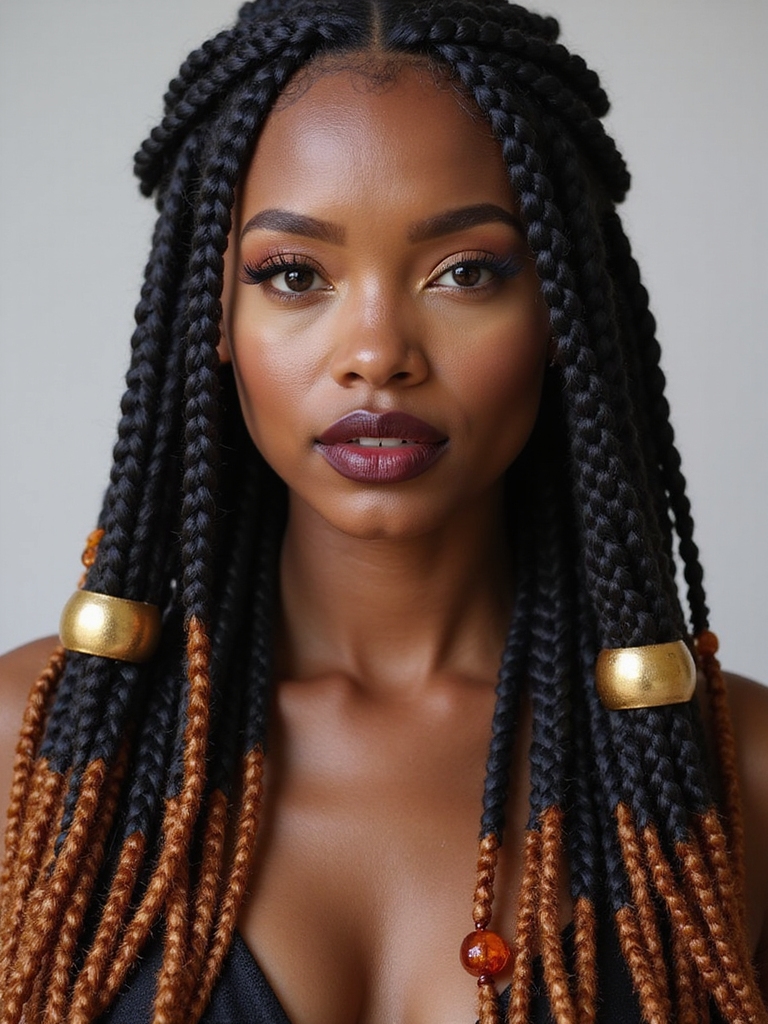
Finishing a set of staggered braids with beads and metal cuffs adds color, sound, and a personal signature to an already protective style. Threading beads onto braids carries real cultural weight and history, and the varying lengths in a layered set give the beads room to move along their full length.
- Balance the weight: too many heavy beads pull on the ends and the roots.
- Cuffs slide on and crimp closed; beads thread on and lock with a small elastic.
- Space beads at different heights across the layered lengths for the fullest effect.
How to Get the Look
Naming the specific technique, staggered lengths, mixed sizes, feed-ins, a curly leave-out, gives a braider a far clearer starting point than a single inspiration photo. Mentioning natural hair texture and density up front also matters, since the same layering idea gets executed differently on coily hair than on looser waves.
Cost swings widely with technique and length: a set of cornrows can run under $150, while a full head of long knotless braids with varied lengths often lands between $180 and $350. Whatever the style, plan to take it down by around week six to seven, before regrowth at the root starts pulling on the scalp.
Layered Braids, Questions Answered
?Can loose hair actually be layered into a braided style?
Yes, in a few different ways: staggering where each braid ends, mixing braid widths across the head, or leaving natural sections completely loose between braided ones. Box braids and knotless braids in particular start looking layered as soon as the lengths are staggered.
?Do layered box braids protect natural hair as well as a single-length set?
Just as well, since the protection comes from the braiding itself, not from keeping every plait the same length. The main thing to watch is tension at the root: a comfortably installed set protects the hairline regardless of how the lengths are staggered.
?How long can a layered braided style stay in?
Most layered braided sets hold up well for five to six weeks before new growth at the root starts to show and the layered effect softens. Cornrows and smaller braids tend to need attention sooner than a looser, mixed-size knotless install.
?Does a curly leave-out need different care than the rest of the braids?
Yes, the loose curls need their own light styling, usually a cream or gel worked through on dry hair, while the braided sections need almost none. Treat the leave-out the way any wash-day curls get treated, since it’s the one part of the style still exposed to daily wear.
Structure and Movement, Working Together
Every style above works from the same basic idea: braiding supplies the protection and structure, and staggered lengths, mixed sizes, or a loose leave-out supply the movement layers usually provide. Multi-length box braids and mixed knotless sizing lean toward low daily upkeep; waterfall layers and goddess braids lean soft and romantic; an infinity braid or bubble-braid ponytail cover the occasions that call for something quicker.
Whichever version fits a specific week or event, two things protect the hair underneath it: a braider who installs at a comfortable tension, and taking the set down before regrowth starts putting real strain on the roots. Get both right, and the rest of the style takes care of itself.
More Inspiration