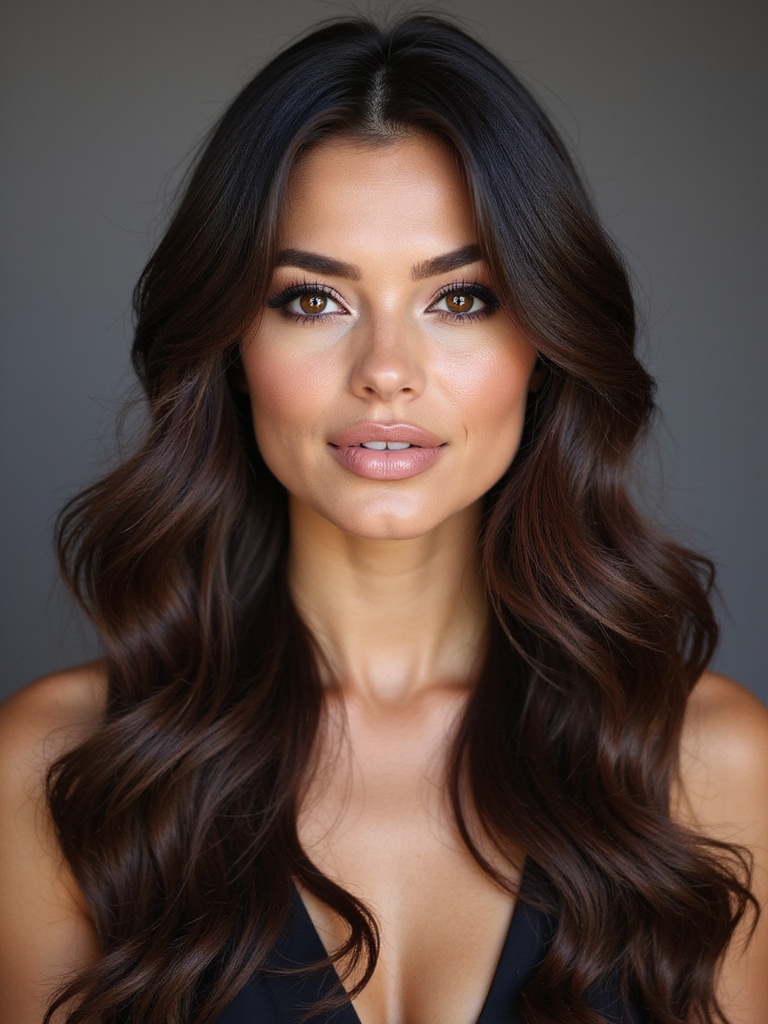
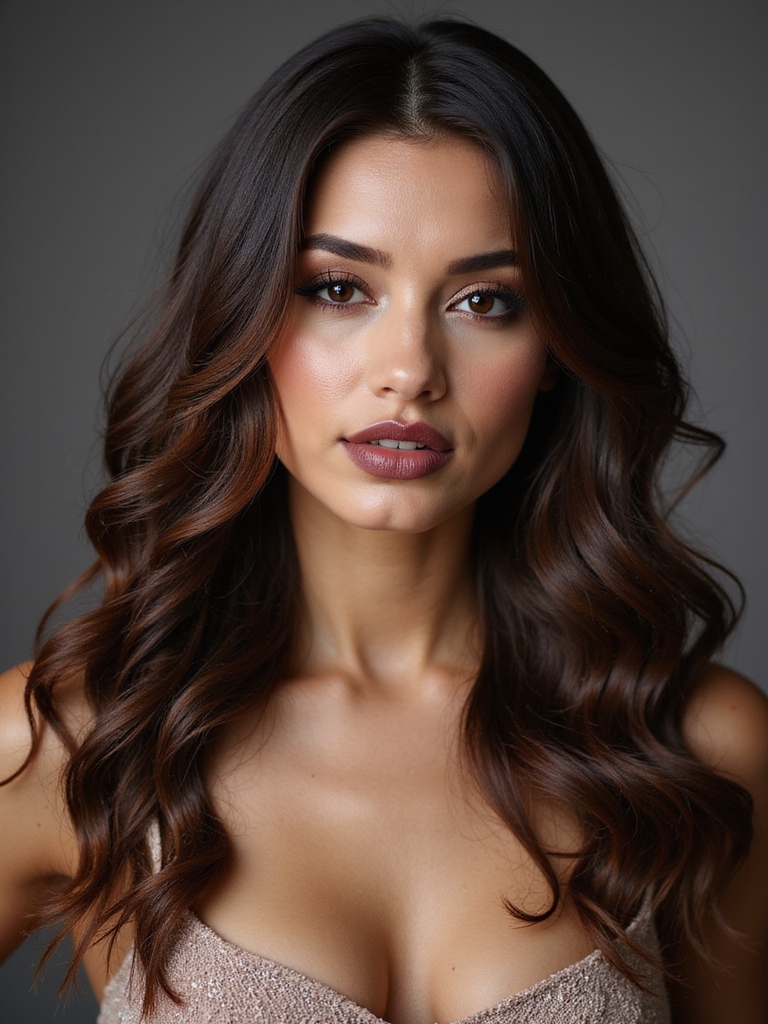
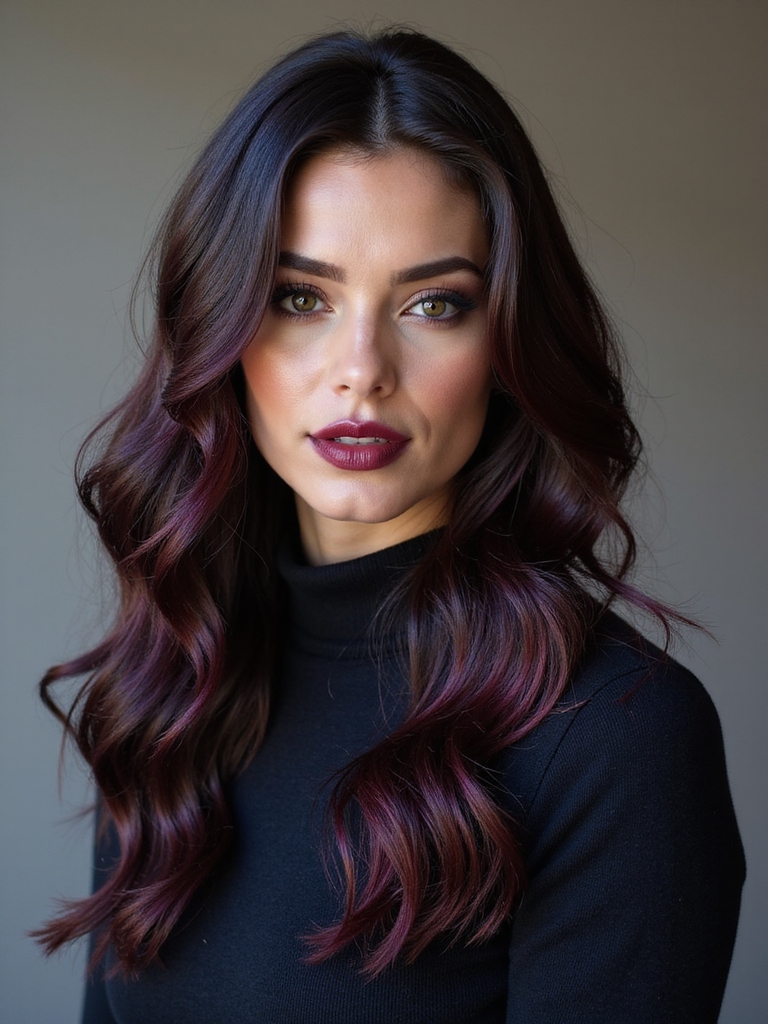
A True Winter shade can look flat, muddy, or plain wrong within weeks of leaving the salon, and that’s almost never the dye’s fault. True winter hair color tones live or die on depth, placement, and upkeep, not on the swatch you pointed to on the wall.
This breaks the palette down by technique and by skin tone, since a blue-black that reads striking on deep skin can swallow porcelain skin whole, and the icy platinum that looked editorial under December string lights can photograph pale and tired by February. Pick the version built for your own coloring, not just whatever’s trending this season.
The Cool-Color Checklist
- True Winter needs three things at once: a cool undertone, real depth, and high contrast. Miss one and the shade falls flat.
- Technique carries as much weight as the shade itself. A shadow root or a set of babylights is what keeps cool color realistic to maintain.
- Skin tone decides how far to push it: soften contrast on fair skin, keep it crisp on olive, go fully saturated on deep skin.
- Toner upkeep is non-negotiable on anything lifted this cool. Skip it and warmth creeps back within a month.
- A DIY box dye runs about $12. A professional lift-and-tone session for true platinum or blue-black starts closer to $150.
The True Winter Palette: Cool, Jewel-Toned Contrast

True Winter is the coolest, most saturated of the four winter color families. It runs on three things at once: a cool undertone with zero warmth, real depth, and sharp, clean contrast between the base and any lighter pieces.
Picture icy platinum, blue-black, sapphire, a cool berry red. Clarity ties them together: a clean, cool brightness with nothing muddy or dusty pulling it down. Our true winter color ideas guide lays out fifteen specific shades in the family; this piece is about wearing and adapting them once you’ve picked one.
Icy Platinum Blonde
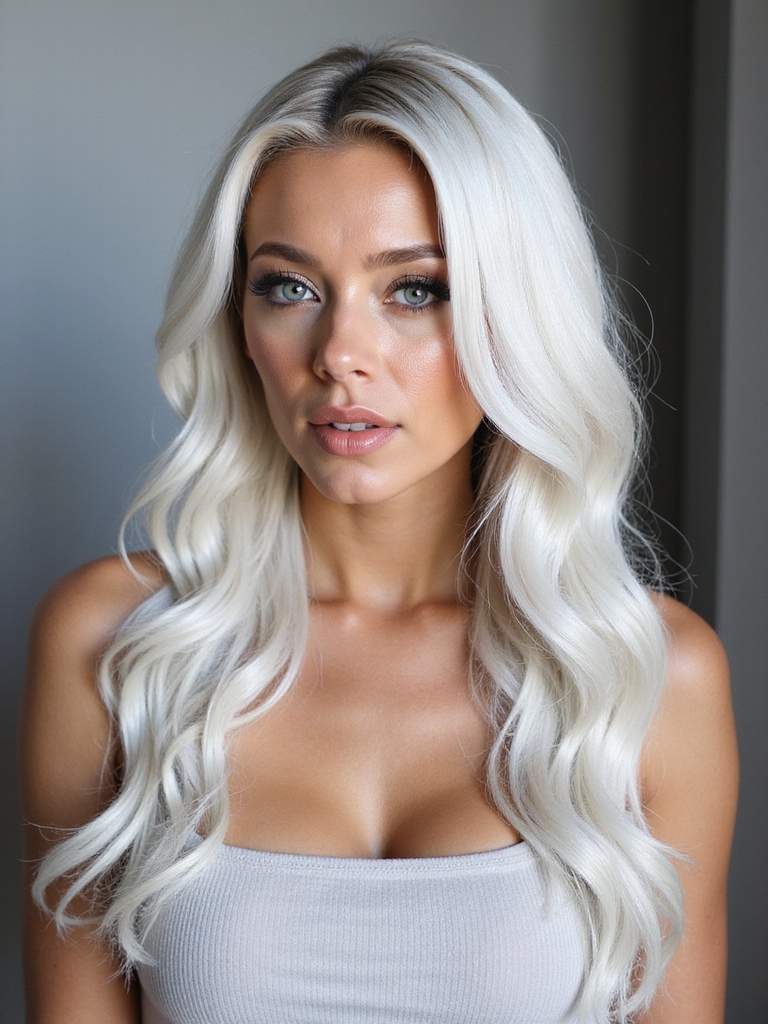
Icy platinum is the highest-contrast blonde in the True Winter family, and it’s unforgiving about tone. Pull it to a clean near-white with a violet or blue toner, and it stays icy. Drift even slightly warm and it tips yellow fast, taking the whole effect down with it.
Tone Is Everything
Getting there usually means lifting the hair close to its limit. Bond treatments before and after the color session keep the hair intact enough to hold the tone at all. A standing toner appointment, roughly every three weeks, keeps the platinum from sliding toward brass between visits.
It suits skin that can carry stark brightness without washing out, and it asks for the most upkeep of any shade here. For a broader mix of cool winter shades, see our cool winter hair color ideas roundup.
Cool Black and Blue-Black

On the darkest end of the color family, cool black and blue-black carry True Winter’s signature depth. A true cool black holds zero warmth. A blue-black layers in a reflective, almost-blue shimmer that catches light in a way plain black simply doesn’t.
Both deliver serious cool contrast, especially against light or bright eyes. Keeping a gloss in rotation is what makes that blue reflect actually show up in daylight, reading as intentional depth.
- Cool black: zero warmth, the cleanest depth in the family
- Blue-black: adds a reflective, faintly blue shimmer
- A gloss at every appointment keeps the reflect visible
Cool Ash Brown

For anyone who wants cool without going all the way to black or blonde, cool ash brown is the middle ground. The ash base keeps it firmly cool while the brown depth stays easy to live with day to day.
It’s the lowest-maintenance shade in the whole family. It needs no bleach. A colorist lifts any warm pigment first, then neutralizes with a blue or violet toner before the brown depth goes back in, and only a light toning pass holds that balance afterward.
- No bleach required for most natural bases
- Only light toning needed to hold the ash cast
- The easiest True Winter shade to grow out gracefully
Two ways to keep an ash brown from drifting warm again:
🎯Toning gloss
A translucent glaze every few weeks knocks back warmth without adding any lift.
🎯Purple shampoo
A once-a-week wash at home slows the drift toward brass between salon visits.
Jewel-Toned Accents

Jewel tones are where True Winter gets playful. Sapphire blue and emerald green work best as accent panels through dark hair, adding a saturated, cool pop that still honors the family’s clean contrast.
Why Accents, Not All-Over
They need a dark, saturated base to hold their color as true jewel tones, which makes them a natural fit on cool brunettes and blacks. Placement matters more than coverage here. A few well-placed panels catch more light than a whole head saturated in blue.
They fade fastest of anything in this lineup, so a tinted conditioner formulated to redeposit pigment, worked in every wash or two, keeps the sapphire or emerald looking intentional.
Smoky Silver and Steel Gray

Smoky silver and steel gray sit at the most committed end of the family. Reaching a clean, steely gray usually means pre-lightening to platinum first, then toning down to a cool smoke, a multi-step process spanning more than one appointment for most natural colors.
What Gray Actually Takes
Upkeep is real and constant: a purple or silver shampoo at home, and frequent toning touch-ups. Gray shows warmth fast the moment it starts to fade.
What you get for that effort is a modern, high-fashion cool that little else on this list matches, plus a softer grow-out if the colorist builds in a shadow root from the start.
📋Before You Commit to Gray
- ✓A consultation that’s honest about how many sessions full lift will realistically take
- ✓A silver or purple shampoo already sitting in your shower
- ✓A colorist willing to build in a shadow root so grow-out isn’t jarring
Deep Wine and Berry Shades

For drama with actual color in it, deep wine and berry shades bring True Winter’s nighttime side. A cool burgundy or raspberry, mixed on a blue-violet base, flatters cool undertones in a way a warm auburn simply can’t.
Reds fade quickest of any color family, wine and berry included, so cooler, shorter washes and a tinted conditioner are what actually hold the shade between salon visits. For more shades in this direction, see our winter red hair ideas guide.
- Cool burgundy or raspberry, built on a blue-violet base
- Fades fastest of any True Winter shade; plan maintenance around that
- A cooler, shorter shower routine protects the color between washes
Frosted Balayage for Cool Winter Brightness

Frosted balayage is the technique that keeps cool brightness low-maintenance. Hand-painted, ashy-cool pieces blend into a deeper base, so regrowth grows in soft and gradual, with no hard line across the head. It’s a strong pick if you want that cool brightness without booking a standing salon schedule; the soft grow-out buys real time between visits on its own.
- Hand-painted placement, not a foil pattern, for a softer transition
- Frosty grays and beiges only, nothing with gold undertone mixed in
- Soft dimension at the grow-out, with no visible demarcation line
Shadow Roots and Cool-Focused Lowlights

Two techniques carry most of the weight in keeping cool color wearable long-term: a shadow root, and cool-focused lowlights. A shadow root blends a darker, cooler shade at the roots into lighter ends, stretching the time between full color sessions without an obvious grow-out line.
- Shadow root: softer grow-out, more time between full color sessions
- Cool lowlights: bleach-free dimension woven through, no lift required
- Together they add depth while keeping upkeep realistic
Face-Framing Babylights

Face-framing babylights concentrate very fine platinum or ash pieces right at the hairline, where they lift the complexion most. The sections are kept delicate on purpose, so the brightness looks like natural light catching the hair.
On a True Winter base, that framing brightness lifts the whole face, which matters even more once winter light turns flat and gray for months at a time. For more blonde-forward options in this palette, our winter blonde hair ideas guide has further variations.
🅰️Babylights
Fine, face-framing sections only. Lower commitment, subtler brightness, easy to refresh every few months.
🅱️Full Foil
All-over lightened sections. Higher contrast and brighter overall, but a bigger single appointment and a more visible grow-out.
Neutralizing Brass and Repairing Damage

Maintaining any cool color comes down to two ongoing jobs: keeping brass from creeping in, and keeping the hair itself intact. Cool tones fade first and fastest, which is exactly what exposes the warm pigment sitting underneath.
- A blue or purple toning shampoo, worked in once a week, holds off brass
- Cool or lukewarm washes do more to slow fading than any product can
- A weekly bond or protein treatment protects hair carrying lightened color
Styling to Emphasize Contrast and Clarity

How cool color gets styled changes how cool it actually looks. Glassy, shiny hair shows off the clarity this family is built on. Dull or frizzy hair mutes the whole effect.
- A shine serum before blow-drying brings out the cool reflect
- A smooth flat-iron pass makes blue-blacks shimmer and platinums look icy
- A weekly hydrating mask keeps color-treated hair reflective
Softening Contrast for Fair Skin

Porcelain and fair skin already sit in high contrast next to dark hair, so the goal with True Winter here is usually to soften that contrast a touch.
- Choose a softer cool shade, like ash brown, over jet black or blue-black
- Add face-framing brightness near the hairline to lift the complexion
- Going dark? Keep it glossy and mix in a few cool highlights
Adjusting Cool Tones for Olive and Medium Skin

Olive and medium skin tones carry the True Winter family especially well, since the skin’s own depth balances out bold, cool color.
Where This Skin Tone Can Push Further
This is the skin tone that can wear the highest contrast in the lineup without looking washed out. A true cool brunette, a blue-black, or a jewel-tone accent all sit naturally against olive undertones.
The one thing worth watching is staying properly cool and ashy, since a warm-leaning color can turn sallow against olive undertones fast. Beyond that, there’s rarely a reason to hold the saturation back.
A couple of terms worth knowing before your appointment:
📖Toner
A semi-permanent rinse that neutralizes unwanted warmth after lightening, without adding more lift.
📖Shadow root
A deliberately darker, cooler root shade blended into lighter lengths to soften the grow-out line.
Jewel Tones for Deep and Rich Skin

Deep and rich skin tones look strikingly good against cool, saturated True Winter color, since the depth of the skin lets bold shades come across clean and intentional.
Cool blue-blacks, jewel-toned burgundies, and rich plum all flatter deeper complexions with cool undertones. Clarity beats darkness here. Keep the tone bright and choose a depth that complements the skin. Our winter hair color for black women guide covers more shade and care specifics.
- Blue-black, burgundy, and plum all come across clean and saturated
- Brightness carries the look more than sheer depth does
- A gloss keeps saturated color reflective all day
True Winter Color Questions Worth Asking
?Is True Winter color safe on hair that’s already been color-treated?
It depends on how much lift is left in the hair. Heavily processed hair may need a strand test and a round of bond-building treatments before it can safely reach platinum or a true cool black, and a colorist should always check this before committing to the full lift.
?Why does my cool color look warm again within a few weeks?
Cool tones fade fastest, and once the added pigment washes out, the hair’s natural warmth shows through underneath. A toning shampoo at home and a standing toner appointment close to the three-week mark are what keep that from happening.
?Can I go from warm-toned hair straight to True Winter in one visit?
Sometimes, but it depends on your starting color and how much lift is needed. A dramatic jump, like warm brunette to icy platinum, usually takes more than one session to protect the hair, even if the color itself could technically get there faster.
Which Version of Cool Fits You?
Every shade in this family works the same way: the cooler and clearer the tone, the more precisely it has to be placed and maintained for your specific skin. Get the technique and the upkeep right, and True Winter becomes a strikingly clean direction in color.
Before your next appointment, think honestly about your upkeep limit, not just the shade in the photo. A colorist who asks about your skin tone and your real routine, before ever touching a bottle, is the one who gets you closest to it.
More to Try