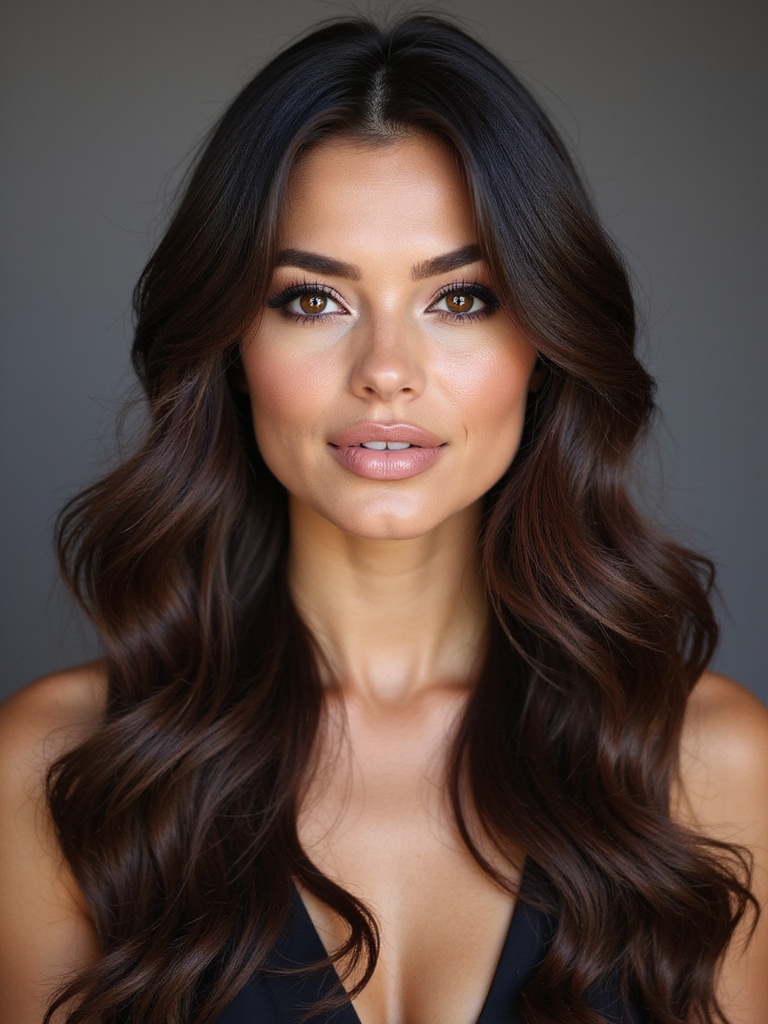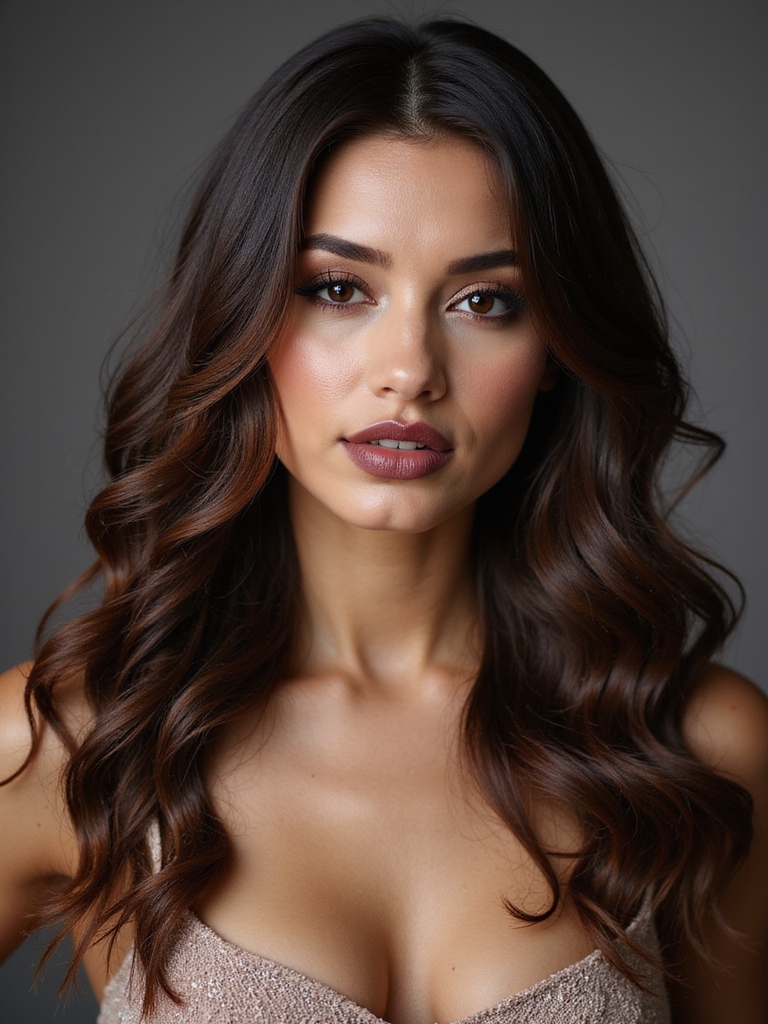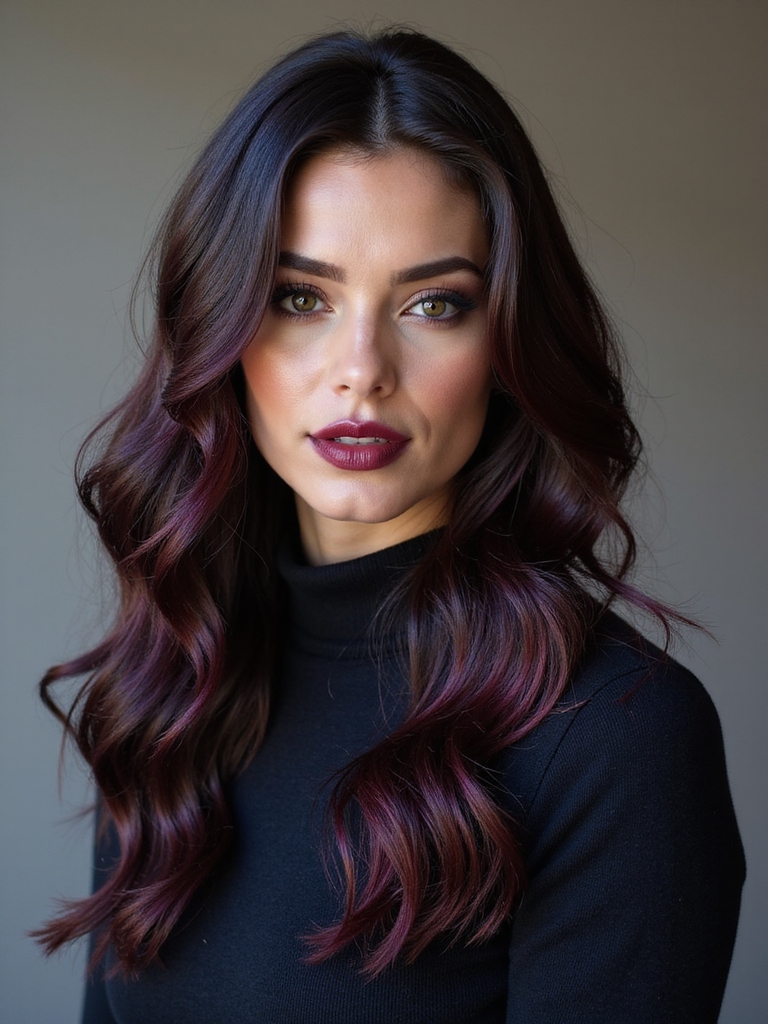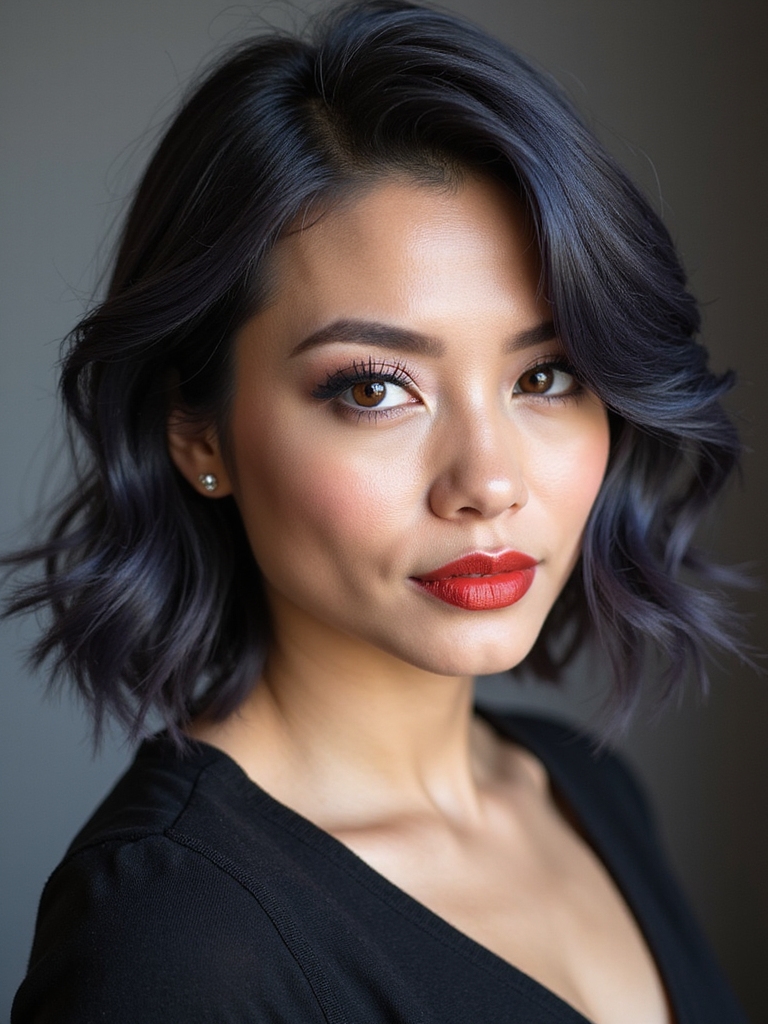
A radiator kicks on, the office light goes flat and gray, and the same brunette that looked rich in September sun suddenly reads dull under a desk lamp by November. Winter light does that to hair color: weaker and more indirect than summer sun, so a shade built for warm-weather glow can fall flat the moment the season turns.
The sixteen colors below share one trait that has nothing to do with trend. Each one either catches limited winter light well, holds its tone through dry indoor air, or grows out without an obvious line, and most manage at least two of the three. They’re sorted roughly from the easiest upkeep to the boldest commitment.
Winter Color, at a Glance
- Deposit-only and rooted techniques hold up best through a full winter; heavily lightened, all-over color asks for the most upkeep.
- Cool complexions tend to do best in ash, silver, or blue-black; warm complexions do best in chocolate, chestnut, or honey tones.
- A regular gloss is the single habit that keeps almost any winter shade from dulling under dry indoor air.
- Match the color to next season’s routine, not this year’s photo of a color someone else had done in June.
Rich Chocolate With Caramel Highlights
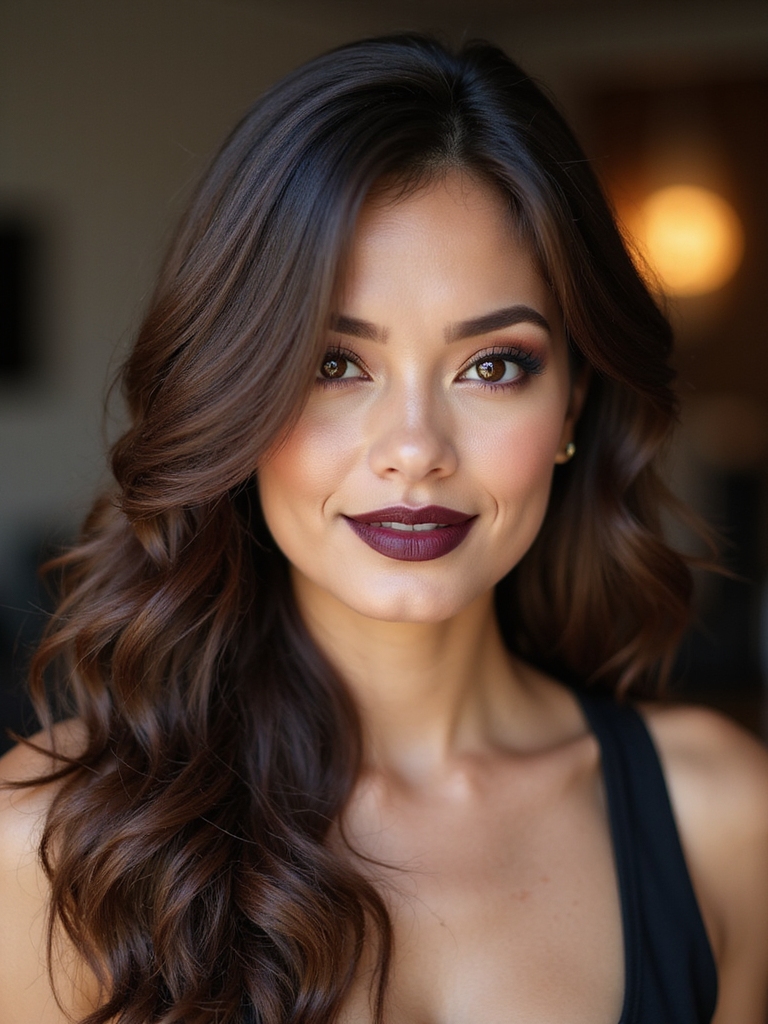
Rich chocolate brown hair with a few caramel highlights comes close to a guaranteed winter color, since the deep base flatters nearly every skin tone on its own and the caramel adds just enough light to keep it from looking flat under weak sun.
The chocolate itself barely fades, since so little lightener goes into it, and the caramel pieces are placed to grow out gradually instead of leaving a visible line partway through the season.
- A safe first color for anyone nervous about winter maintenance.
- One gloss appointment typically carries this through most of the season.
- The caramel can be scaled up or down depending on how much warmth is wanted.
Warm Low-Maintenance Burgundy
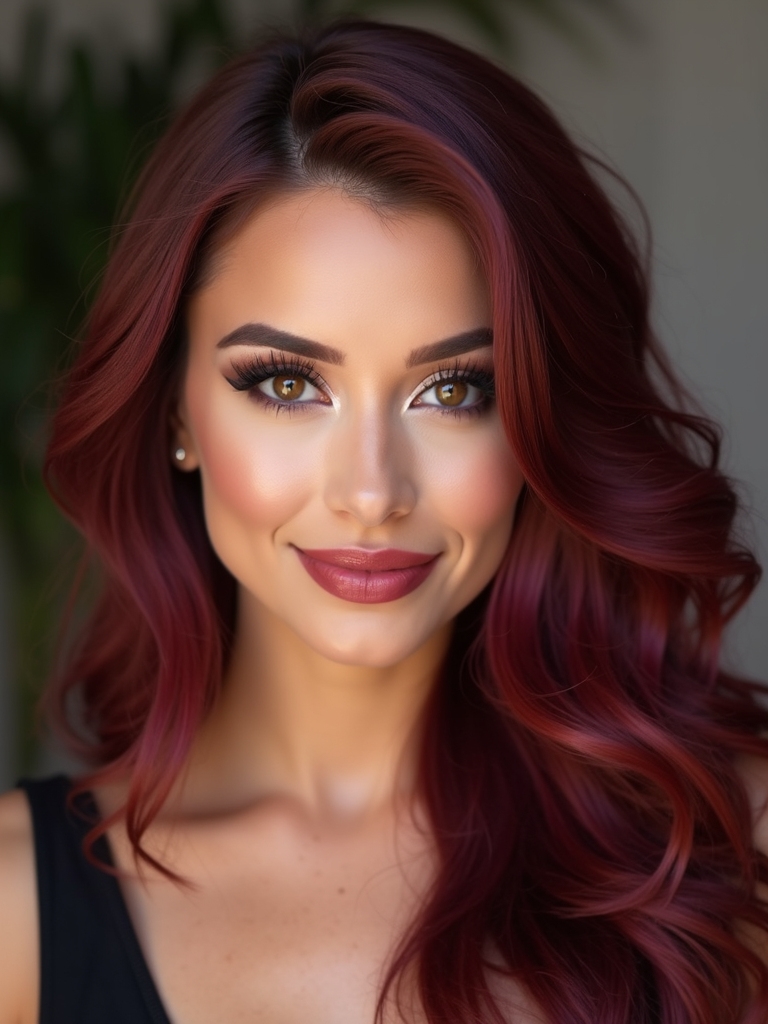
Burgundy reads as a bold color choice, but on dark hair it needs almost no lightening, which makes it one of the more forgiving reds to maintain through a full season. The job is closer to depositing a rich wine tone over existing depth than bleaching and rebuilding it.
- Grows out gently since the hair underneath is barely altered.
- The main upkeep is a wine-toned conditioner to slow the fade toward brown.
- Suits cooler winter light especially well, where the wine tone reads rich rather than muddy.
ℹ️Deposit Versus Lift
Colors that deposit pigment onto the hair rather than lifting it lighter tend to fade more evenly and grow out with far less visible line, which is why several colors on this list, burgundy included, lean on deposit-only or low-lift formulas for winter.
Espresso With a Honey Balayage
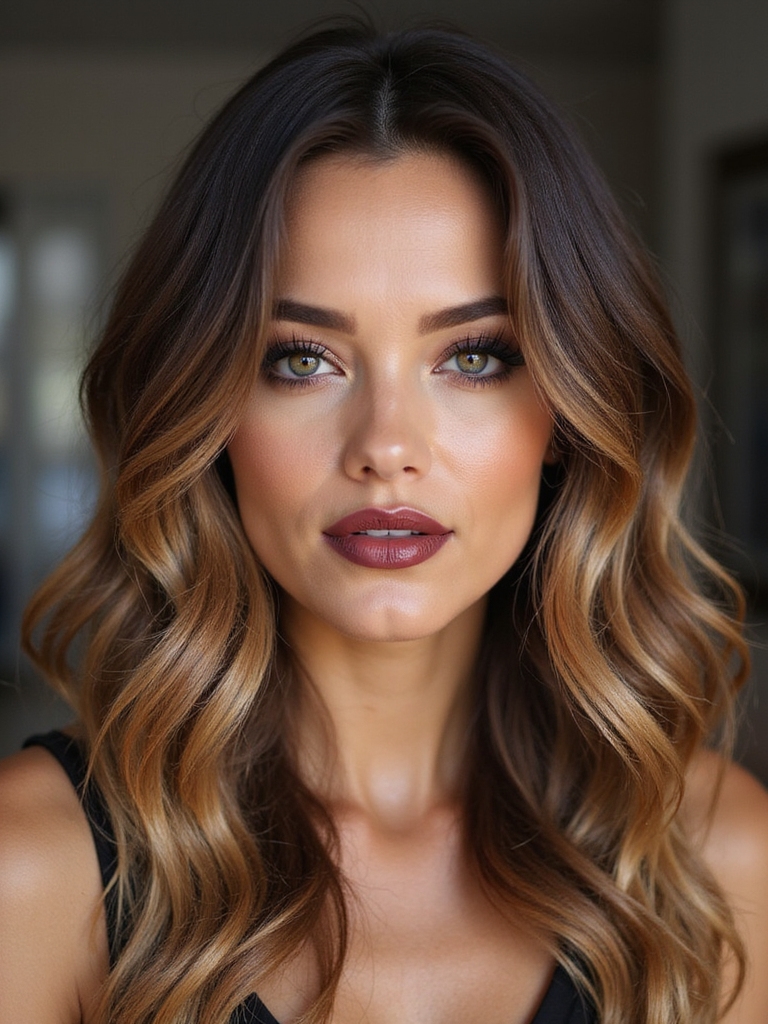
Pairing a deep espresso base with hand-painted honey balayage gives brunette hair both richness and light at once, the espresso doing the grounding work while the honey keeps it from reading as one flat block of color.
Because the balayage is painted rather than foiled, a colorist can keep it away from the root entirely, which means the grow-out stays soft for months instead of creating a hard line.
- Works on most brunette starting points without a dramatic pre-lightening process.
- A single gloss keeps both the espresso and the honey looking intentional rather than faded, and it takes roughly half the chair time a full foil service would.
- One of the more forgiving techniques for a first-time balayage client.
Smoky Ash Brown for Cool Depth
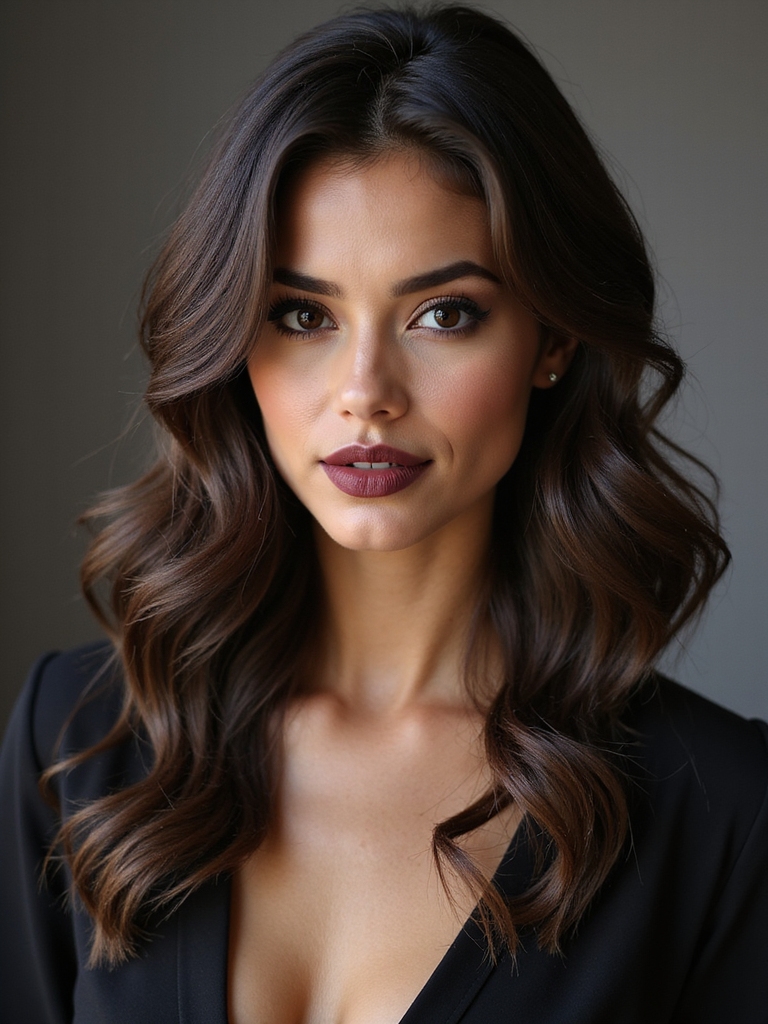
Smoky ash brown solves a specific problem: brown hair that keeps pulling brassy or orange under warm indoor light. Roughly what a colorist does to fix it:
- Neutralize any existing warmth in the brown with an ash-based formula.
- Deposit rather than lift, so the change stays low-damage.
- Set a toning schedule with a purple or blue shampoo between visits.
- Check the result under both daylight and indoor bulbs before finalizing.
Trying to decide between a cool or warm winter brown?
🎯Hair keeps looking orange or brassy under indoor light
Smoky ash brown corrects it directly with a cool-based formula.
🎯Hair already looks flat and could use warmth
Rich chocolate with caramel or warm chestnut adds the missing glow instead.
Frosted Platinum With Soft Roots
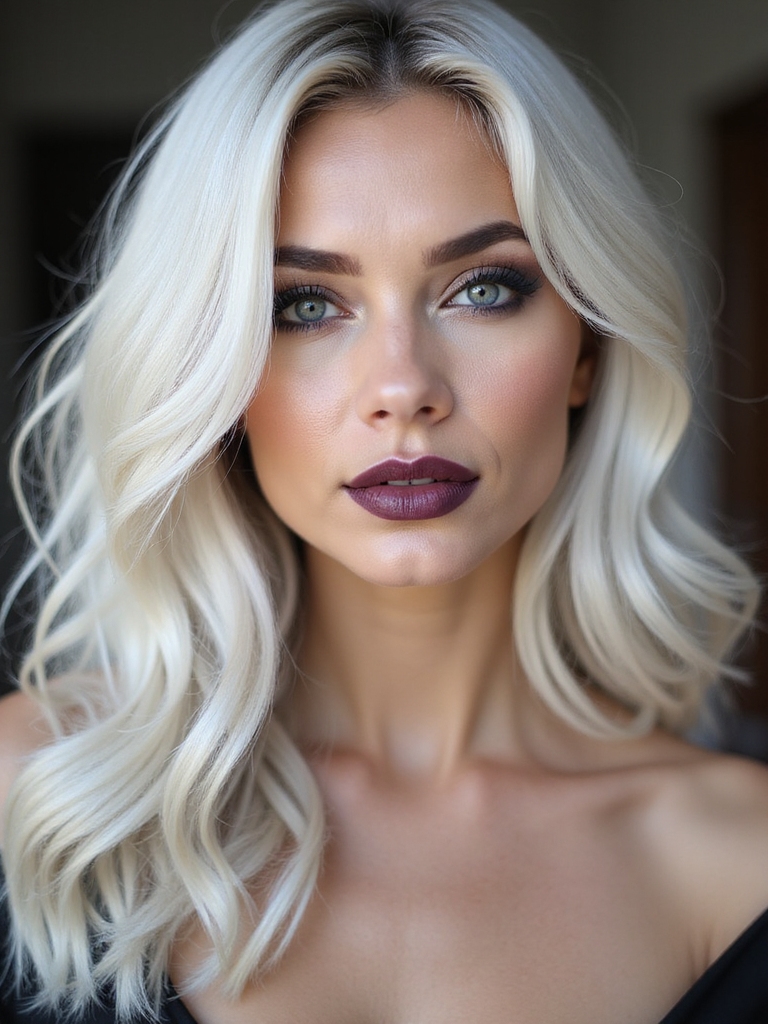
Platinum is the most dramatic winter blonde and the most demanding to maintain, but a soft, shadowed root changes the math considerably. Instead of a stark line where regrowth starts, the root fades gradually into the platinum, which buys real time between salon visits.
- Still needs steady toning to stay white instead of drifting yellow.
- The shadow root is what makes platinum realistic for a full season, not just six weeks.
- Best attempted by someone who already has some lightening history, not a first color change.
Iced Latte Blonde for Easy Glow
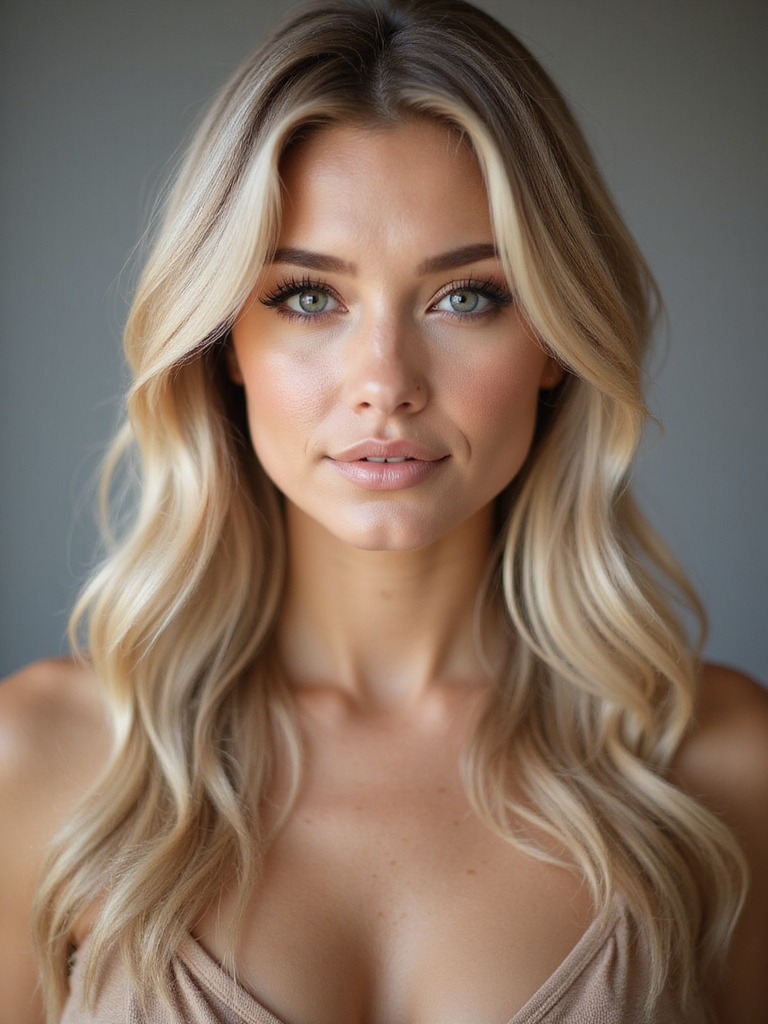
Iced latte blonde takes the coolness of platinum and softens it into something closer to milky beige, a blonde with an edge but none of platinum’s harshness.
It flatters a wider range of skin than a stark icy blonde and grows out with far less contrast at the root, making it the more practical of the two cool blondes on this list for anyone who doesn’t want to live at the salon.
- A creamy, muted blonde rather than a bright, attention-grabbing one.
- Softer regrowth than platinum, so appointments can stretch further apart.
- A toning gloss keeps the beige from warming up between visits.
📋Is Iced Latte the Right Blonde for You?
- ✓A previous blonde has felt too harsh or too high-maintenance.
- ✓The goal is a cooler blonde without platinum’s strict toning schedule.
- ✓A softer, lived-with grow-out matters more than maximum brightness.
Warm Chestnut With Copper Accents
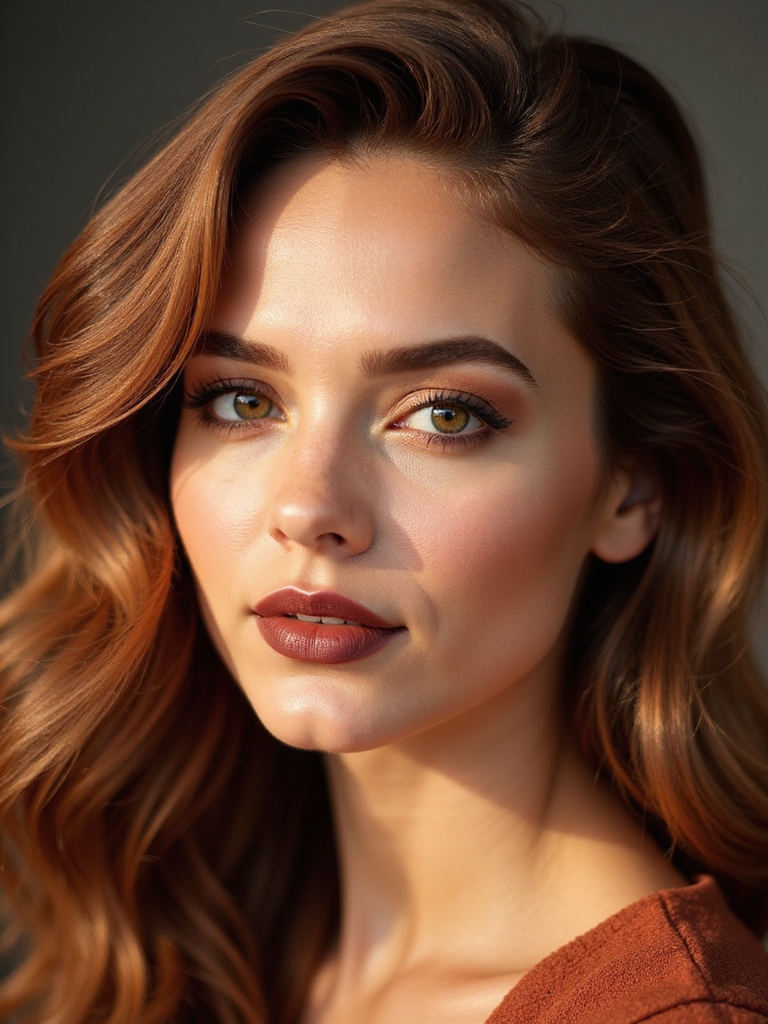
Warm chestnut brown hair with copper accents answers a common winter complaint: a warm complexion looking drained under flat gray light.
Where the Copper Goes
The chestnut base carries the depth while the copper accents catch what little light there is, concentrated where they do the most for the face rather than spread evenly through the whole head.
Upkeep stays manageable since the base sits close to a natural brunette range. The copper is what needs occasional attention, usually a toning treatment to keep it from dulling.
Mahogany Red for Winter Shine
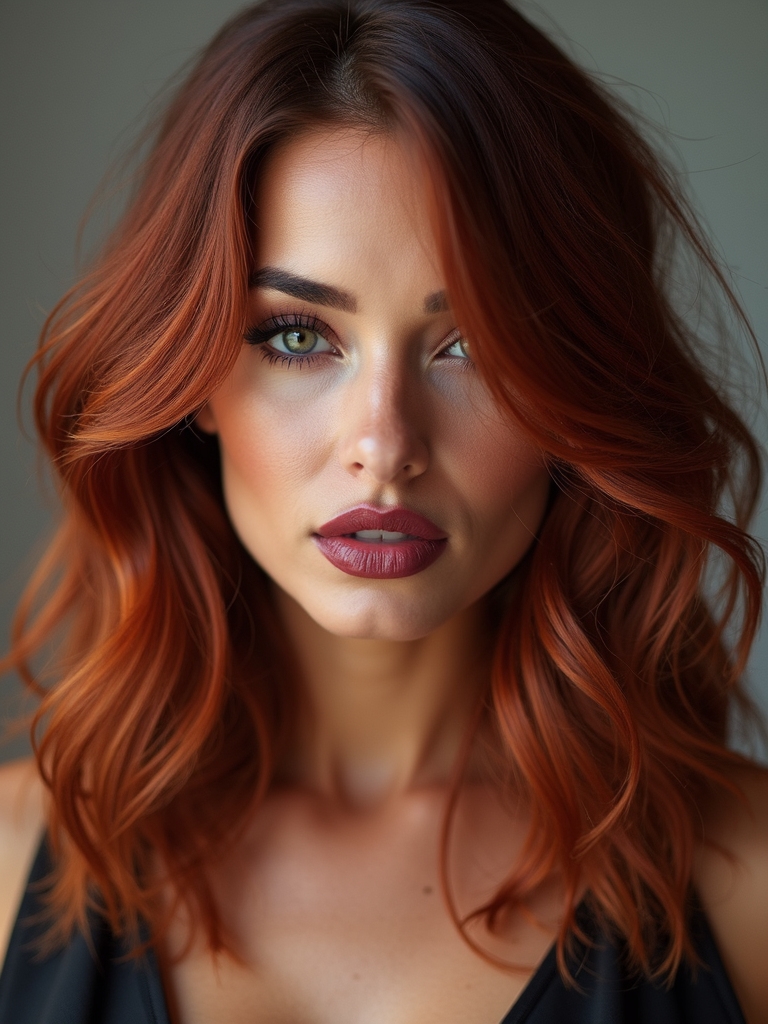
Mahogany sits between a true red and a deep brown, which is exactly what keeps it from fading the way a bright, bleached-out red does through a full winter.
The color-depositing conditioner most reds need weekly can usually stretch further here, since mahogany’s depth hides the early stages of fading that would show immediately on a lighter red, buying an extra week or two before it needs attention.
Dark Bronze With Golden Babylights
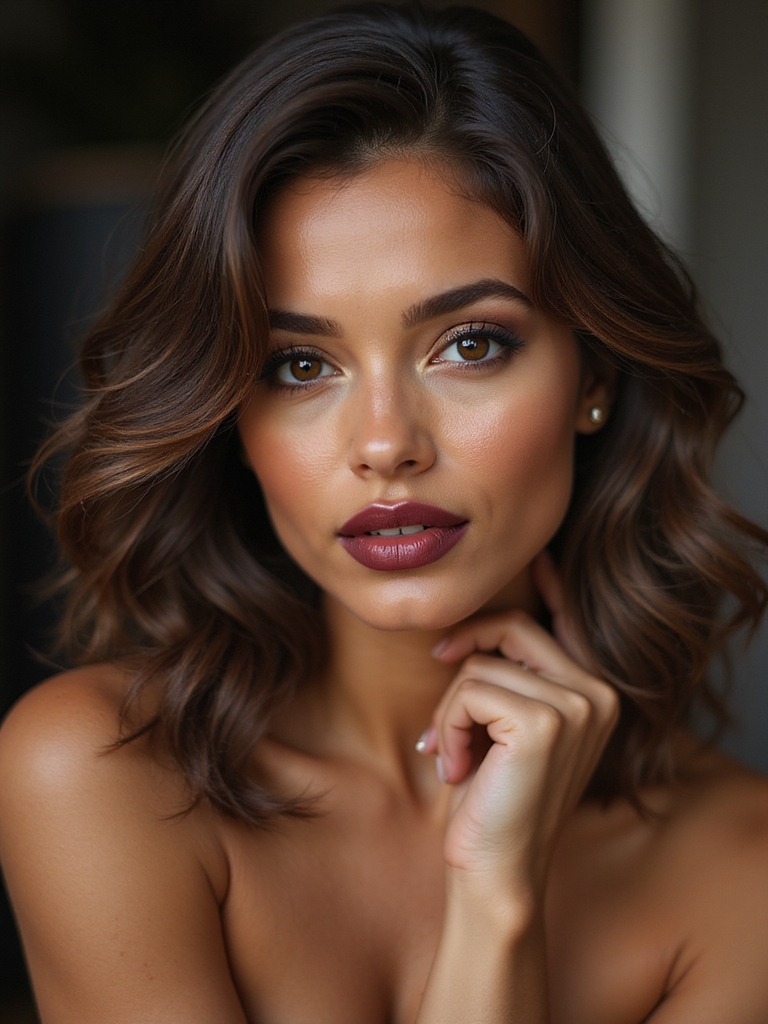
Dark bronze is a warm, metallic-leaning brunette on its own, and fine golden babylights woven through it add just enough lift to catch winter light without changing the overall depth.
Because the babylights are so fine, the grow-out stays close to invisible, which means this combination can go an entire season on maintenance alone rather than a full re-color, saving both the appointment time and the cost of starting over.
Cool Mocha With Face-Framing Lowlights
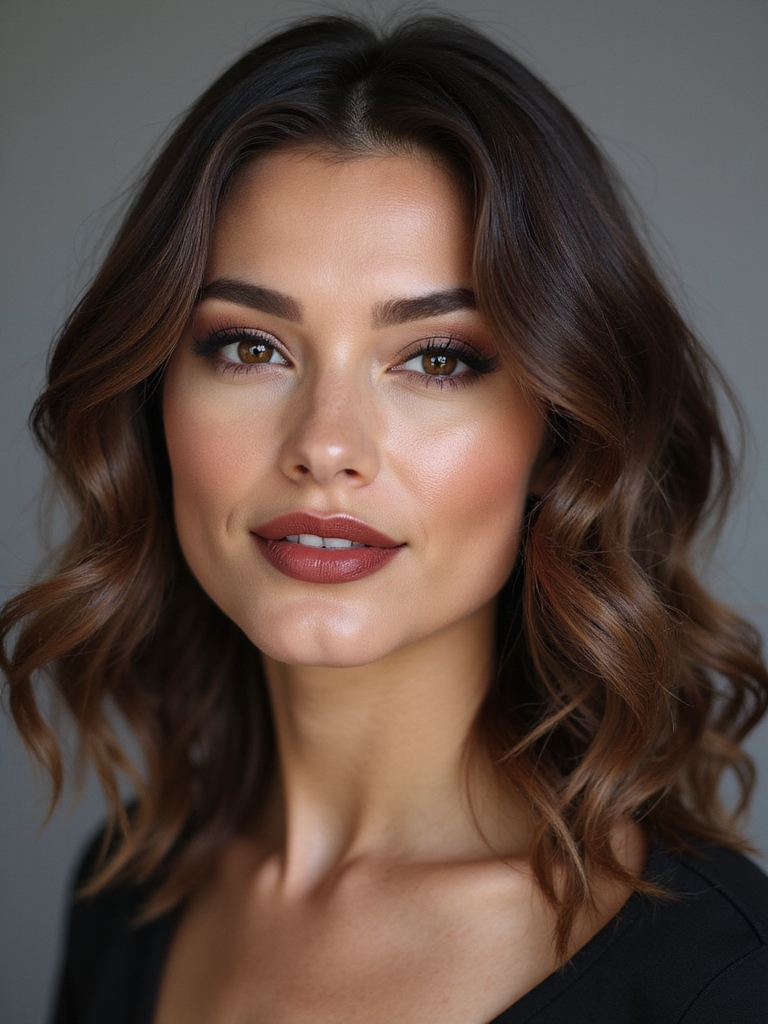
Cool mocha takes a standard brunette and pulls the warmth out, landing on a smoky, modern shade that a few darker lowlights around the face then give real dimension to.
Because the lowlights go darker rather than lighter, the technique is gentle on hair that’s already seen some color, and the face-framing placement puts the dimension exactly where it shows most, without touching the length behind it.
Caramel Bronde for Natural Dimension
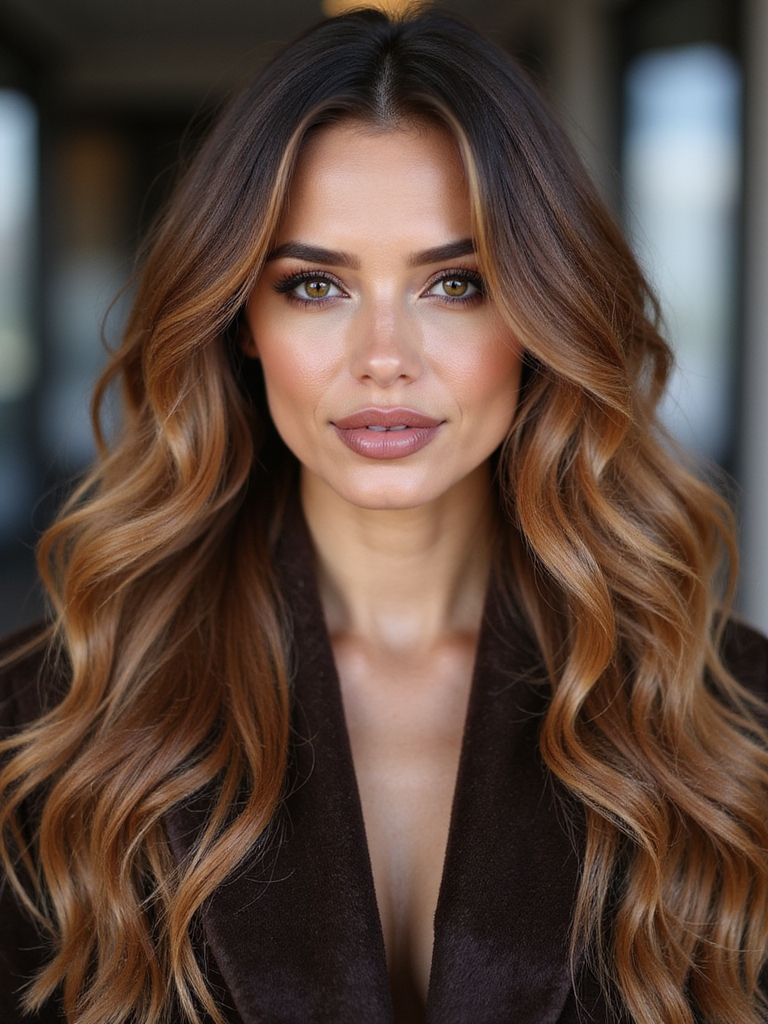
Bronde sits in the narrow space between brown and blonde, and a caramel-toned version of it is among the more universally flattering winter colors on this list.
Who Bronde Actually Suits
Because the finished color stays close to a natural range for most starting shades, the regrowth is gentle almost by default, without needing a rooted or shadowed technique to manage it.
This makes it a reasonable pick for someone who wants a noticeable change but doesn’t want the upkeep schedule that platinum or a bold fashion color would require.
A few terms worth knowing before a winter color consultation:
📖Deposit-only color
A formula that adds pigment without lightening, generally the lowest-damage, longest-lasting option.
📖Rooted or shadow root
A deliberately darker root that blends into the color below it, softening the regrowth line.
📖Balayage
Hand-painted color, usually kept off the root for a naturally soft grow-out.
📖Toning gloss
A short, non-lightening treatment that refreshes tone and shine between full color appointments.
Rooted Silver for Trendy Elegance
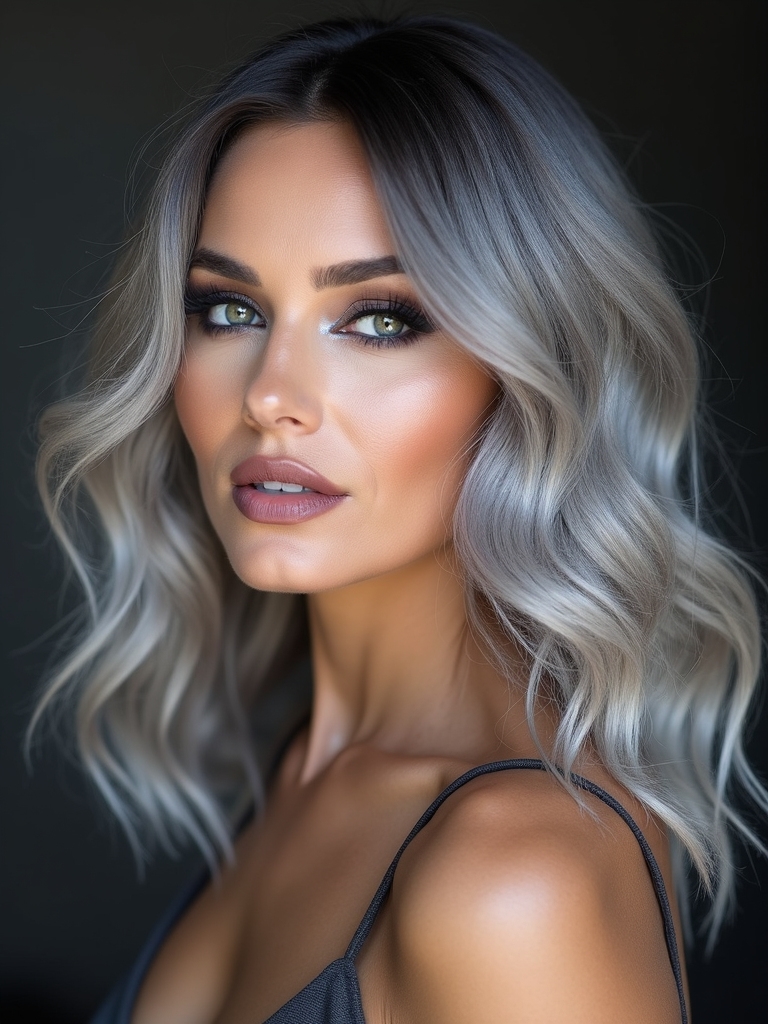
Silver is a genuine commitment, requiring lightening first and steady toning after, but a rooted approach is what makes it realistic to wear for an entire season. Roughly what that involves:
- Lighten the mid-lengths and ends while leaving a soft, natural root.
- Tone to a cool, smoky silver rather than a stark white.
- Refresh the toner regularly, since silver fades toward yellow faster than most cool shades.
- Expect the rooted section to grow out gracefully even as the toner needs upkeep.
Rich Auburn With Chocolate Undertones
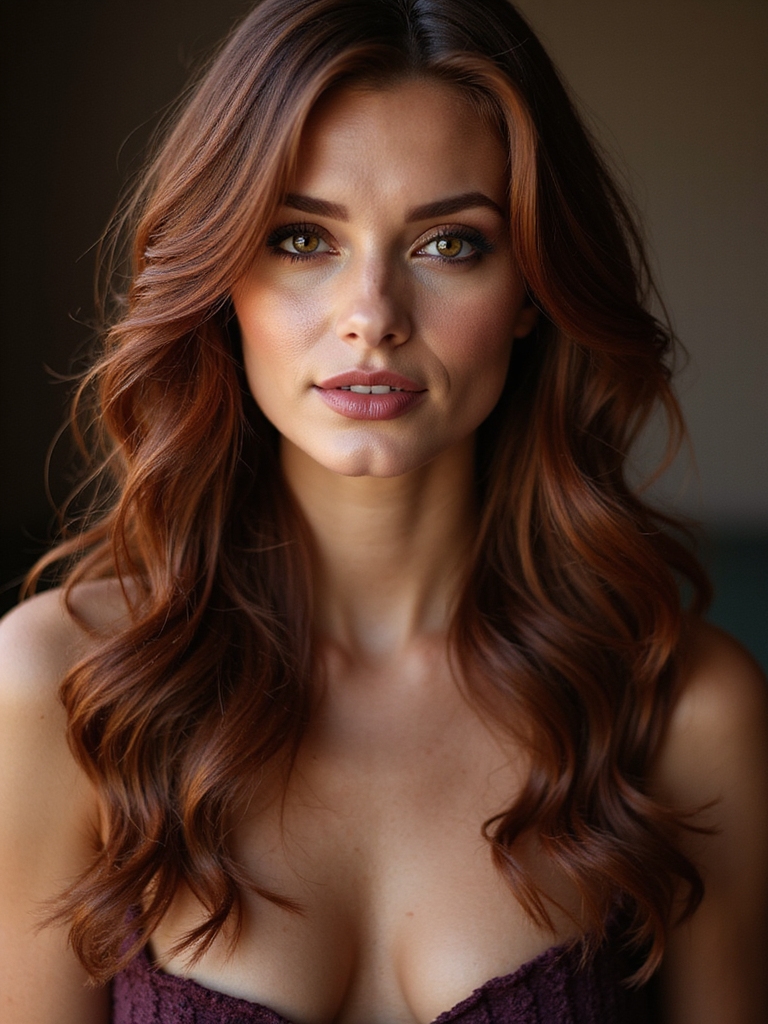
Auburn hair grounded in chocolate undertones carries the warmth of a red into winter without the high-maintenance schedule a bright copper or scarlet would demand.
The chocolate is doing quiet structural work here. A pure red fades toward pink or orange as it lifts, while a chocolate-grounded auburn fades toward a softer, still-flattering brown instead, so the color still looks deliberate weeks after the appointment.
Deep Blue-Black With a Subtle Sheen
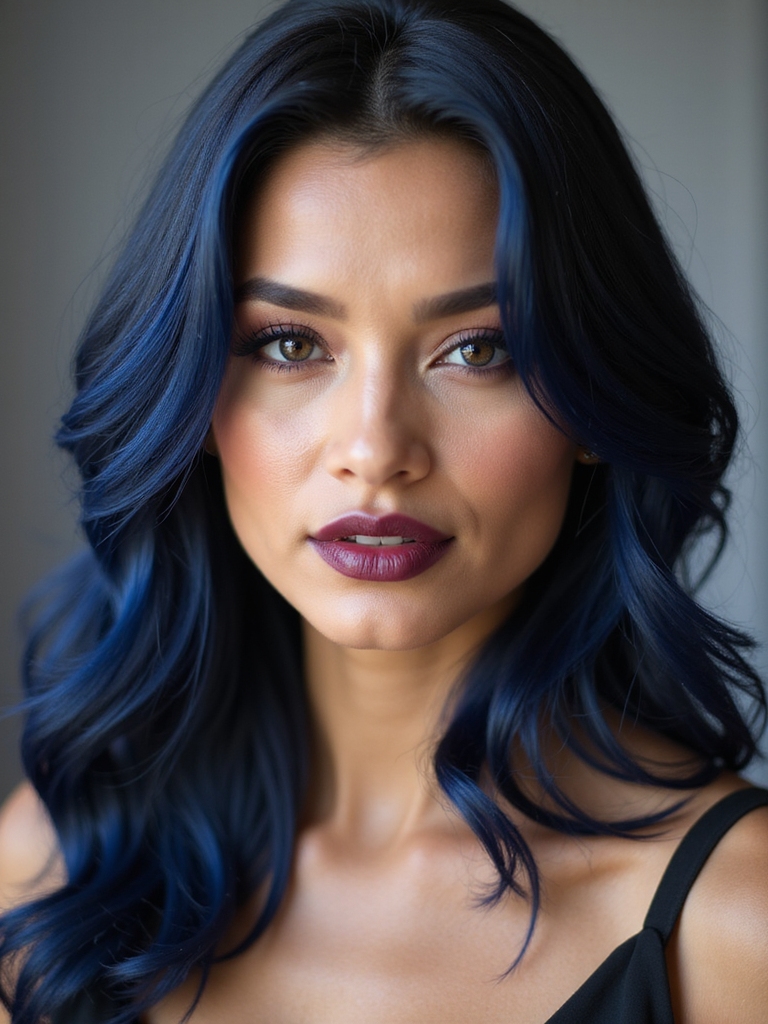
Blue-black is the most dramatic option on this list and, somewhat counterintuitively, one of the lowest-maintenance, since true black holds its depth better than almost any other winter shade.
The blue undertone is what keeps it from reading as flat, ordinary black. Against pale winter skin especially, the cool sheen shows up as strikingly cool rather than just dark.
- Hides regrowth well, since there’s little contrast between new growth and color.
- Worth knowing this one is difficult to lighten back out of later.
- Best suited to someone already comfortable with a bold, decisive color.
Sunset Ombré With Cinnamon Tips
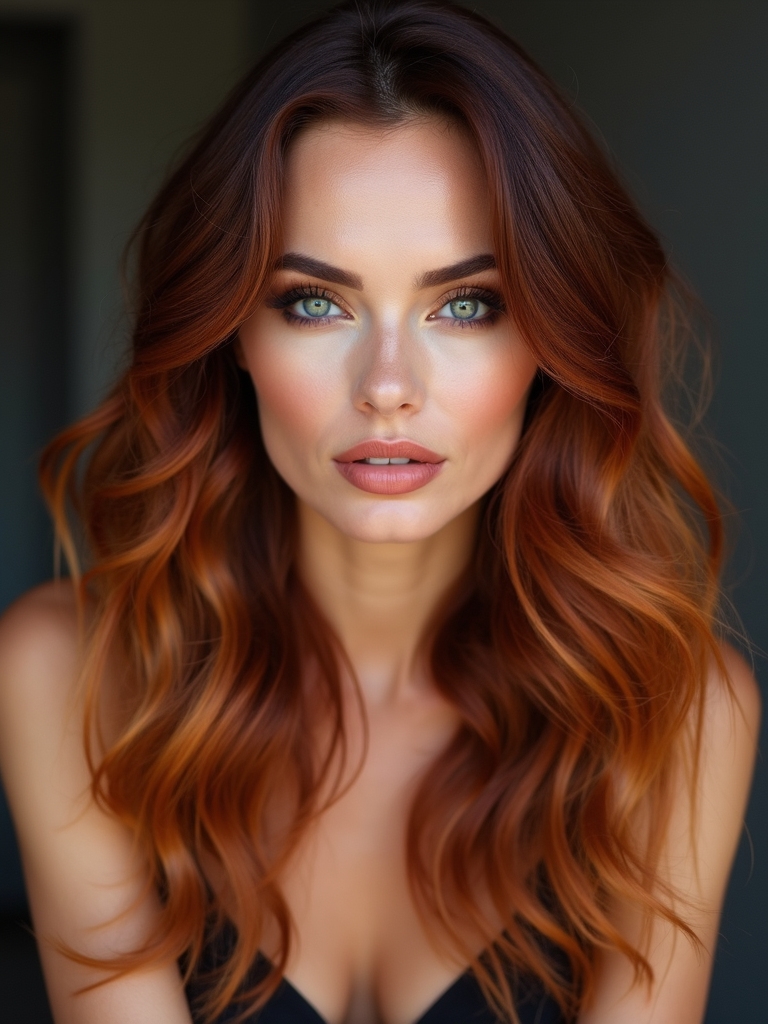
A sunset ombré melts a deep root into warm, cinnamon-spiced ends, concentrating the season’s only real warmth exactly where it shows most. Roughly how it’s built:
- Keep the root deep and largely untouched for a low-maintenance base.
- Melt gradually into cinnamon tones from about ear-level down to the ends.
- Blend the transition so there’s no hard line between root and tip.
- A warm-toned conditioner keeps the cinnamon from fading toward brass.
Golden Honey Blonde for Warm, All-Over Glow
Every cool blonde on this list solves for restraint. Golden honey blonde does the opposite, leaning fully into warmth for a complexion that gold flatters more than silver does.
It suits a warmer starting brunette especially well, since less correction is needed to land on a rich, honeyed tone, and it grows out with a soft, sun-touched quality instead of an obvious line.
Common Winter Color Mistakes to Avoid
The most common mistake is carrying a summer color straight into winter. A bright, cool tone that flattered a tan often drains a paler winter complexion, which is usually solved by warming or deepening the shade rather than starting over completely.
The second is skipping the gloss. Dry indoor air and winter weather dull color faster than most people expect, and a glossing treatment on a regular schedule, roughly $40 to $70 per visit, is the single most effective habit for keeping any winter shade rich rather than flat.
Winter Hair Color Questions, Answered
?Why does the same hair color look different in winter than in summer?
Winter light is weaker and more indirect than summer sun, so a color that relied on bright light to look dimensional can read flat indoors. Deeper, richer, or more textured colors tend to hold their visual interest better under that weaker light.
?Is it true that darker colors are always lower maintenance in winter?
Usually, but not automatically. A dark color that’s still heavily lifted or lightened underneath can fade just as fast as a blonde. The real factor is how much lightening happened, not how dark the final shade looks.
?Can I switch from a cool winter shade to a warm one without starting over?
Often, yes, especially if the starting depth is similar. Moving from cool to warm (or the reverse) usually means a toning adjustment rather than a full strip-and-restart, though a colorist should confirm that in person before promising it.
The Color That Still Looks Good in March
The best winter hair color isn’t necessarily the prettiest one in a photo; it’s the one that still looks intentional two months later, once the flat light and dry air have had time to work on it.
Bookmark the handful that fit both a skin tone and a realistic maintenance budget, then bring them to a consultation and let a colorist weigh in on which version of each would hold up best on the hair actually being worked with.
More Worth Saving