I notice it every year around the third week of January: the same client, in the same chair, saying her color looks flat all of a sudden. Nothing about the hair changed. The light did. Gray skies and yellow indoor bulbs pull warmth out of skin the same way they pull it out of color, and most people blame the dye before they think to blame the season.
Fifteen bright winter hair color ideas follow, but they aren’t ranked by trend. They’re grouped by what a shade actually does once it’s reflecting off a tired winter complexion in flat January light. Read them against your own skin in the mirror this week.
Cool Light or Warm Light First
Every shade below, pulled from across the color palette, sits in one of two camps: cool brights that clear a sallow, gray-toned complexion, or warm brights that put color back into skin that’s gone pale. A handful of jewel tones sit outside both camps, worn as small, low-commitment accents on top of whatever color is already there.
Pick a camp before picking a shade. Matching cool skin to a warm bright, or the reverse, is a common regret a colorist hears about once the season actually sets in.
Icy Platinum, the Coldest Bright on This List

Icy platinum is the coldest, most demanding bright here, so its risk is worth naming before its reward. On truly cool or neutral skin it looks lit from within against a gray sky; on warm skin it can flatten a complexion the light was supposed to lift, pulling out whatever glow was left.
Reading Whether Platinum Is Actually Working for You
I watched one client book platinum three winters straight before we admitted the shade was working against her skin. A half-shade of warmth folded into the toner solved what three separate rounds of a ‘purer’ platinum could not.
Keeping it bright comes down to one habit above all others: toning it before it slides yellow.
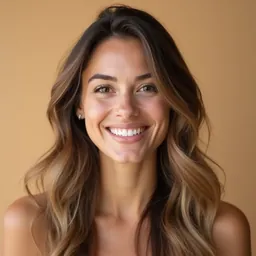
Pearl Blonde With a Lilac Whisper

Pearl blonde is the softer landing for anyone drawn to platinum’s cool brightness but not to its upkeep or its risk. A whisper of lilac in the toner keeps it from turning brassy and gives it an almost iridescent cast under indoor light, without demanding the same cool-skin-only accuracy platinum does.
Because the lilac works as a toning step on top of the color, refreshing it is a quick, inexpensive visit. That’s what makes it the easier of the two icy blondes to actually live with all season.
Two honest starting points for the icy end of this list:
🎯Committed to cool
Icy platinum, worn with full confidence on skin that can actually carry it.
🎯Curious but cautious
Pearl blonde, the same iridescent quality with a much gentler upkeep curve.
Smoky Silver Balayage for Gray Days

Silver has a reputation for being needy, but a smoky, low-contrast version earns its spot here precisely because the grow-out is built to be forgiving from the start.
- Root kept a soft shadow so regrowth blurs quietly over time
- Toned smoky rather than stark white, which is far kinder on already-stressed hair
- Finished with a glossing treatment that gives silver the shine it needs to look deliberate
Ashy Chestnut With Honey Highlights

Skin that’s turned sallow under winter light usually needs warmth folded into a cool base, not a full color change. Worn alone, an ashy chestnut can look a little flat and severe once the sun sits low. The balayage for dark brown hair approach works on a similar logic of placement over commitment.
A few honey pieces placed around the face solve that without warming the whole head, so the base stays easy to maintain while the face-framing does the actual work of brightening.
- Best for brunettes who want lift without committing to all-over color
- Placement-only means the grow-out stays graceful for months at a time
- A touch-up on just the face-framing pieces, a couple of times a season, keeps it fresh
Deep Sapphire for Jewel-Toned Shine

Sapphire skips bleach entirely. Deep sapphire is the jewel tone worth recommending to brunettes who want real drama without ever touching it. Sitting as a gloss over natural dark depth, it shows up as an ink-blue shine that only fully declares itself in good light.
- Needs no lift at all over naturally dark brown to black hair
- A color-safe, sulfate-free wash keeps the blue from washing out early
- A gloss refresh on a steady schedule is what keeps the depth looking honest
Emerald Accents on Dark Hair

Commitment stays low here. Emerald is the entry point into green for anyone curious but not ready to commit a whole head to a fashion color. A handful of accent pieces, placed where the light actually catches them, deliver the jewel-tone payoff without asking for the upkeep a full green would.
- Cheapest experiment on this entire list, and the easiest to walk back
- Try it first as peekaboo pieces tucked under the top layer
- Green tends to hold its color longer than most other fashion shades
📋Before Booking Emerald Accents
- ✓Confirm the stylist places pieces where they’ll actually show, not just anywhere convenient
- ✓Ask whether a bond-builder is used if any lift is involved
- ✓Decide in advance how visible the color should be day to day, since placement is everything here
Frosted Rose Gold Face-Framing

Rose gold flatters more people than almost anything else here because the soft copper-pink puts color straight back into a complexion the winter light has drained. Framed around the face and kept frosted, it glows exactly where eyes land first.
It needs a lightened base underneath to look like true rose rather than muddy peach, so it suits hair that’s already blonde or highlighted best. The fade drifts toward a soft, deliberate blonde, which keeps it looking finished long after a fresher application would have turned patchy.
Warm Copper Brunette for Gray Skies

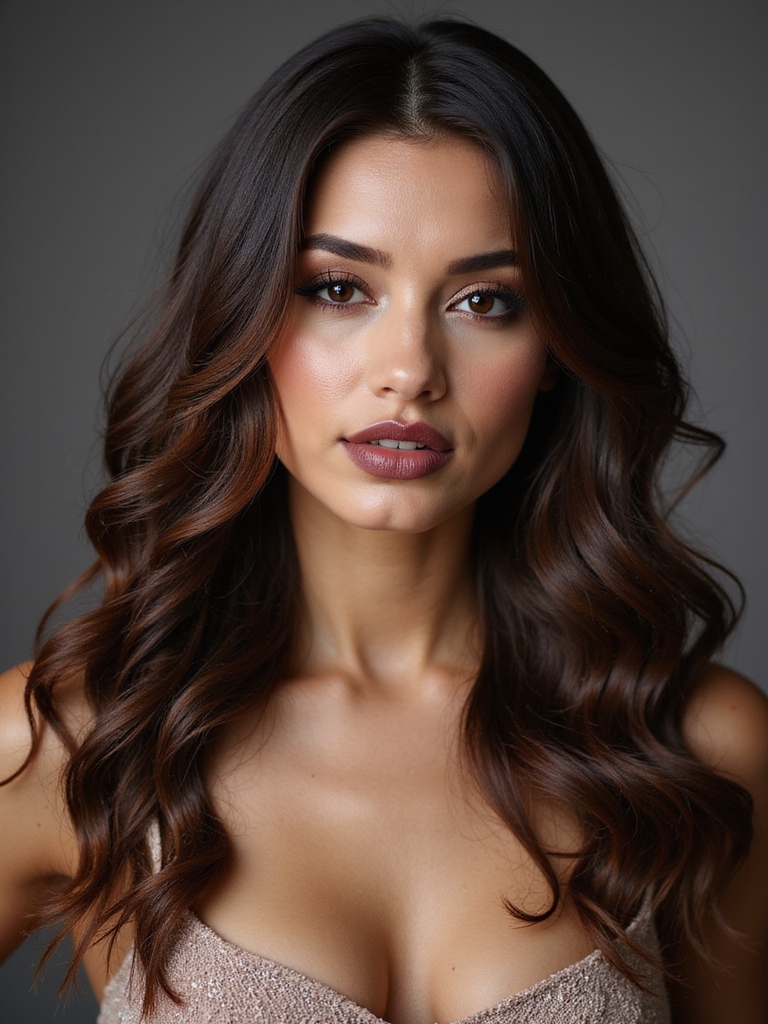
Copper fades fastest of the warms. Even so, woven through a brunette base it does more for a drained winter complexion than almost any other option, and the brunette underneath keeps it grounded enough to still look sophisticated at a desk.
- Start from natural or slightly deepened brunette as the base
- Weave copper through the lower half of the hair and the face-framing pieces for the glow
- Seal with a shine gloss on a steady cycle, since copper is one of the faster-fading warm tones
Deep Velvet Burgundy With a Glossy Finish

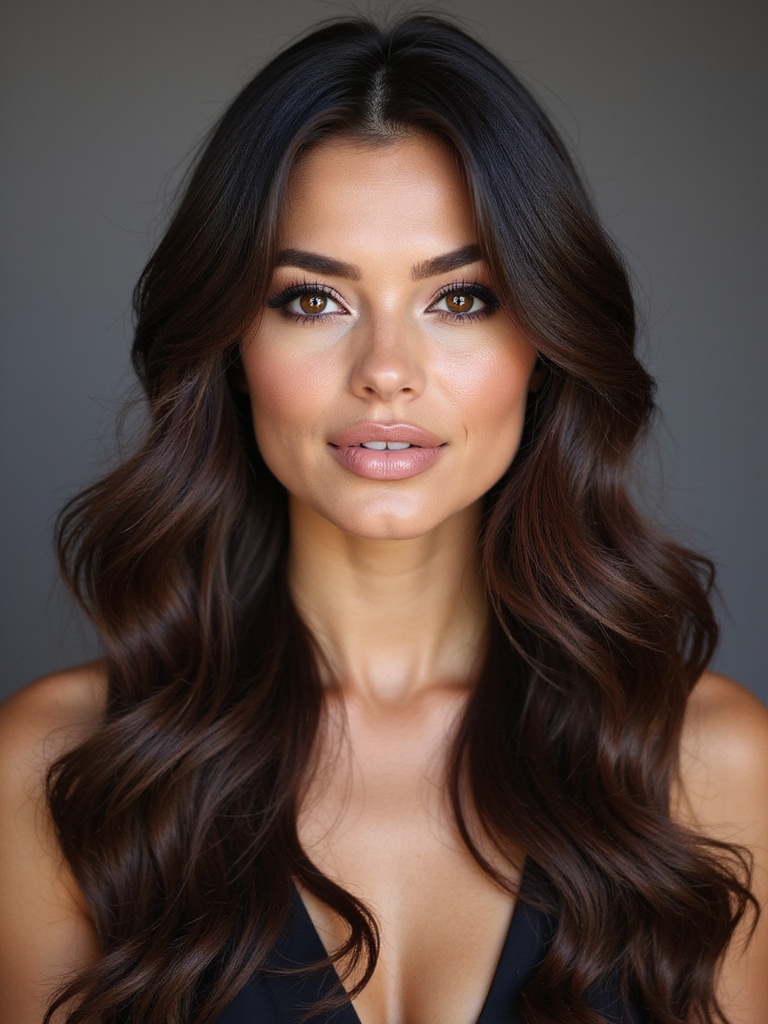
Burgundy might be the most universally flattering red on this list, because its cool, deep undertone behaves more like a rich brunette than a true fashion red.
Why the Gloss Matters as Much as the Shade Itself
That undertone is also why it holds its saturation longer than a brighter scarlet would; there’s simply less warm pigment for winter’s dry heat to strip out.
A high-shine top coat is doing real work here. Skip it, and even a well-colored burgundy can look flat on a dull day.
Cool Beige Blonde to Brighten Pale Skin

Subtlety is the whole point here. Cool beige blonde is the quiet brightener for pale skin that louder, warmer blondes tend to overwhelm. The neutral, faintly ashy cast lifts a complexion without tipping into the orange warmth that can make fair skin look ruddy under artificial light.
- Best suited to fair, cool-toned skin that looks washed out under gold-based blondes
- Roots left slightly softer than the rest keep the grow-out low-effort
- A toning gloss on a regular schedule keeps beige from drifting warm
Midnight Blue Ombre for Depth

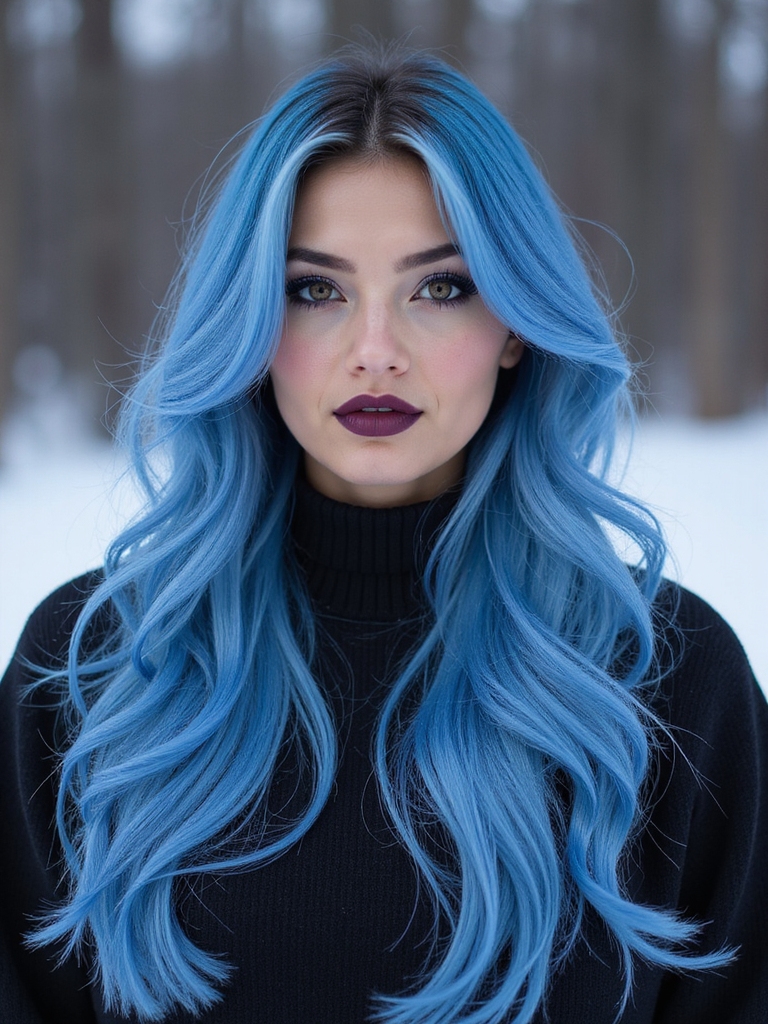
Depth does the talking here. Midnight blue is the dramatic option for anyone who already loves dark hair and wants it to do something new under the light. Kept as an ombre, it stays close to natural depth up top and only deepens into true blue through the ends, in the same high-contrast spirit as black and blonde hair.
- Roots stay dark and natural, so there’s no regrowth line to manage
- Blue is built through the ends for a deliberate fade, not a hard split
- A gloss keeps the blue from sheering toward gray between visits
🅰️Wants drama that’s still low-key
Midnight blue ombre: dark and natural up top, a real color story only through the ends.
🅱️Wants a smaller cool-dark accent instead
Deep sapphire or emerald accents: a smaller dose of the same cool, dramatic effect.
Sunlit Caramel Face-Framing Pieces

Caramel worked only into the pieces that frame the face is a gentle way to warm up a brunette who’s started to look washed out but isn’t ready for a dramatic change. It puts movement and glow exactly where a camera, and other people, actually look.
- Best on medium to dark brown, where caramel has real depth to lift against
- Lowest-risk warm option here for someone new to adding color at all
- Pairs naturally with the honey-highlight approach later if more warmth is wanted
Champagne Honey Blonde for Radiance

Champagne honey manages something rare: looking bright and soft in the same breath. The creamy, faintly golden tone gives back a lit-from-within quality that flat winter light usually steals from warmer skin. For a cooler take on the same warm-blonde territory, the ash blonde hair page walks through the opposite end of that spectrum.
Because the warmth is blended through the whole color, there’s no harsh line between highlight and base, and the grow-out stays soft for a long stretch.
- Suits warm and neutral undertones that find platinum or silver too cold for their face
- A tonal blend, not a highlight, so there’s less upkeep than the look suggests
- Works especially well for anyone easing out of a much darker winter color
Plum Shadow Lowlights for Dimension

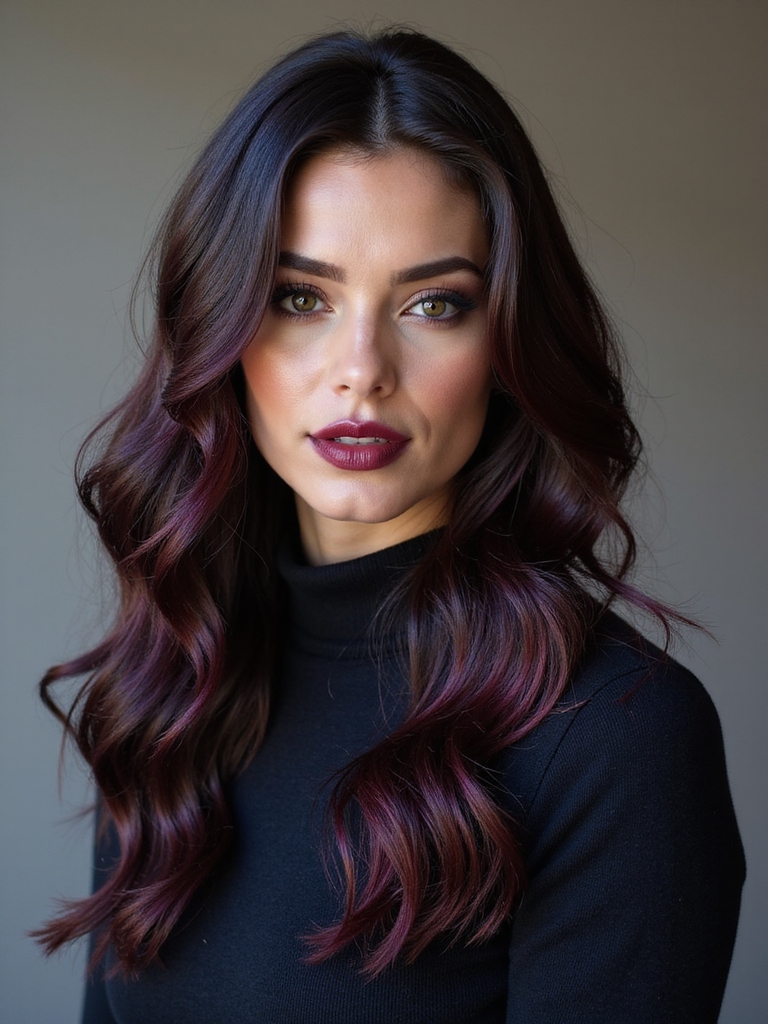
Plum shadow lowlights work in reverse from highlights: instead of adding light pieces, deep cool-plum tones get woven in near the root and through the lower lengths for richness.
The plum mostly reveals itself in daylight, which keeps it office-appropriate, and it flatters a wide range of base colors, from fair to deep, because the tone is muted rather than a true purple. The ashy blonde hair guide is worth a look for the lighter opposite of this same contrast logic.
- Brightens through contrast, a different mechanism than every blonde on this list
- Suits anyone whose base color has gone flat and one-note over the season
- Shows up richest against skin the winter light has already dulled a shade or two
Two terms worth knowing before this conversation with a colorist:
📖Shadow root
A deepened section left at the root that blurs regrowth and buys extra weeks between appointments.
📖Tonal blend
Color built evenly through the whole head, not streaked in as separate pieces, which grows out with a softer line.
Bubblegum Pink Tips for Playful Contrast

If everything else here feels a little serious, bubblegum pink kept strictly to the tips is the one playful option, and it’s more practical than it looks. Concentrating it at the ends means an easy exit: trim the brightest section away whenever the mood passes.
- Flatters cool-toned skin especially well against a dark base
- A toning shampoo made for fashion color slows how fast the pink fades
- Let it fade naturally; faded bubblegum has its own quiet charm
Maintenance & Care
Across all fifteen shades, the real maintenance variable isn’t the color family, it’s how much contrast sits between the shade and a person’s natural depth. High-contrast brights like platinum, blue, and pink tips ask for more frequent glossing than low-contrast jewel accents or tonal blends like champagne honey. For more seasonal comparisons at every contrast level, winter hair color trends rounds up the fuller picture.
Whatever the shade, a color-safe sulfate-free shampoo and cooler water at the sink do more for keeping a bright winter color honest than almost any single salon visit. A glossing appointment itself is a short, professionally priced visit, often around $40 and well under an hour, and it’s the cheapest insurance any of these fifteen shades can buy. Booking the next one before the current gloss fades keeps any of them looking intentional.
?How do I know if I need a cool or warm bright winter color?
Look at your skin in daylight, not indoor light. If it’s looking sallow, gray, or tired, a cool bright like pearl blonde or smoky silver will do more for you. If it’s looking pale or washed out, a warm bright like copper or champagne honey will look more flattering.
?Do jewel tones like sapphire or emerald require bleaching first?
Not on dark hair. Both are built as a tinted gloss laid directly on brunette to black hair, which is why they’re some of the lowest-commitment brights here, with no lift or bleach required at any point.
?What’s the single best habit for keeping bright winter color from fading fast?
Booking the next glossing appointment before the current one fades. It’s a small, inexpensive visit that does more for keeping any bright shade honest than switching shampoos or conditioners ever will on its own.
?Can I still go bright if my hair is naturally very dark?
Yes. Several of these are actually built for dark hair specifically: deep sapphire, emerald accents, plum shadow lowlights, and midnight blue ombre all use natural depth as the base, with no bleach involved at all.
Which Light Is Your Face Actually Fighting?
Every shade above earns its place the same way: by throwing light back at a face winter has been quietly dimming for months. Cool brights answer sallow, gray-toned skin; warm brights answer skin that’s simply gone pale; the jewel tones give a smaller, lower-stakes version of either effect.
Before booking anything, stand at a window in daylight and look honestly at your own skin right now, not at a photo from last July. Is it asking for something cooler, or something warmer?
Worth a Look