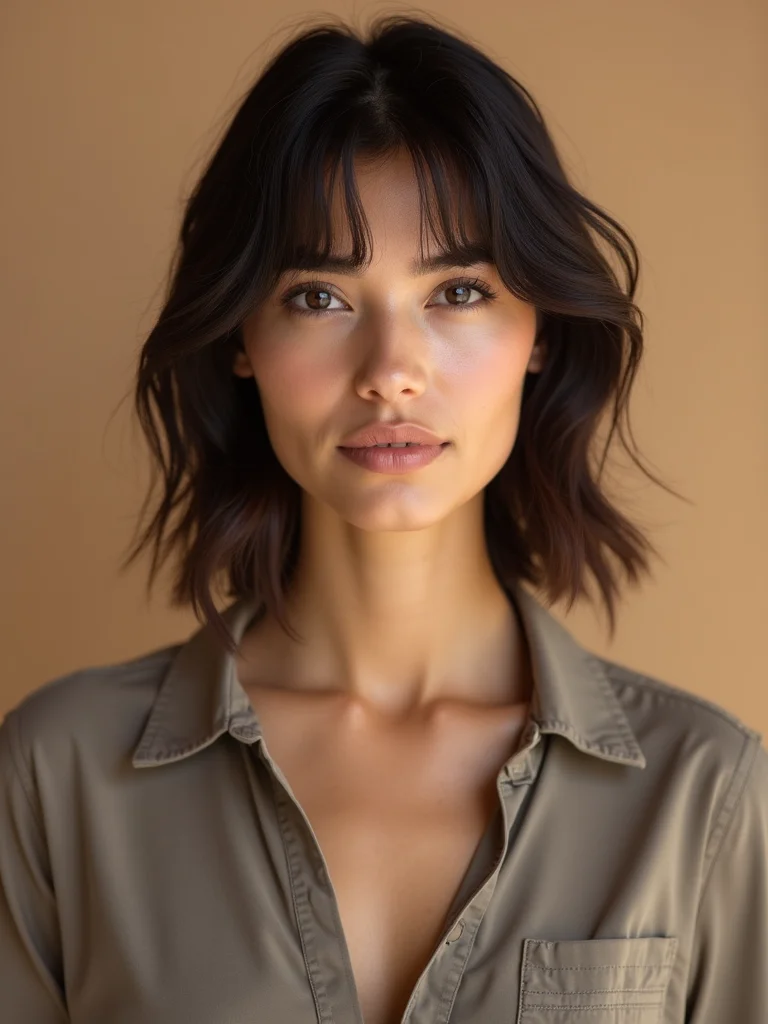
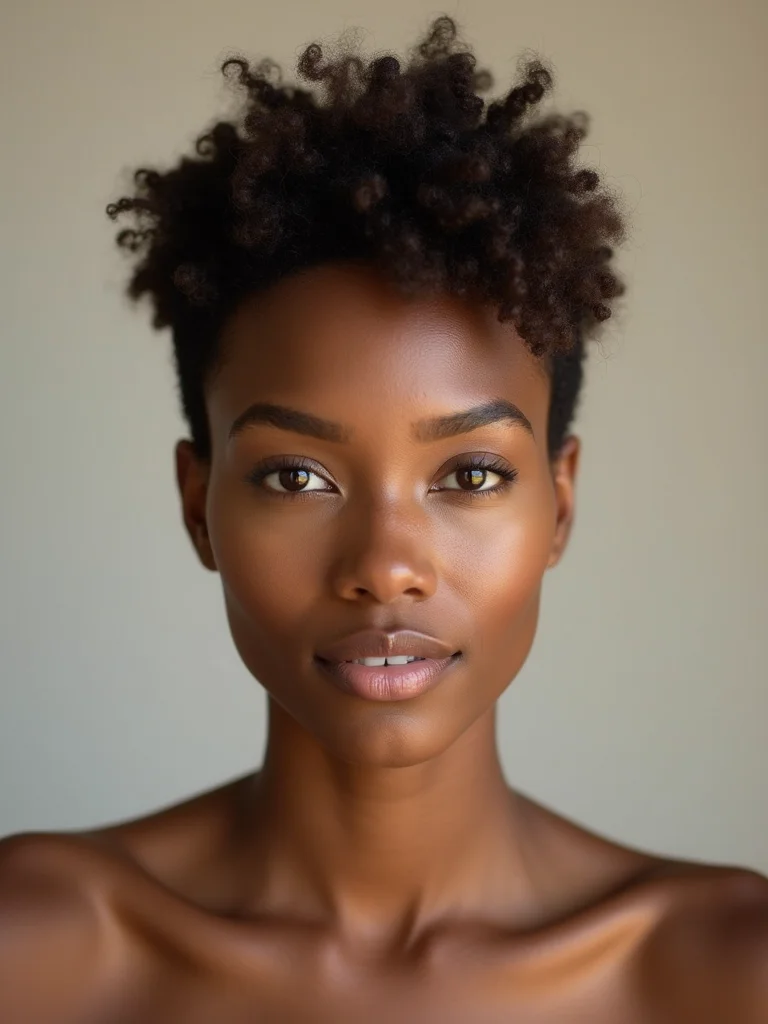
An oval face is close to the one shape every layered cut is designed around — proportions balanced enough that almost nothing needs correcting, which shifts the whole decision away from face shape and onto hair type and lifestyle instead.
Seven layered directions follow here, from face-framing pieces at the cheekbone to a long, volume-building cut, each built around how much styling time actually gets spent on a normal morning.
Where You Actually Have to Choose
- Oval proportions rarely dictate length or layering placement, so hair texture and daily styling time become the deciding factors instead.
- Face-framing pieces can start at the cheekbone or drop lower toward the jaw — both work equally well on this shape.
- The real trade-off sits between low-maintenance length and higher-effort texture, not between flattering and unflattering options.
Face-Framing Layers That Accentuate Cheekbones
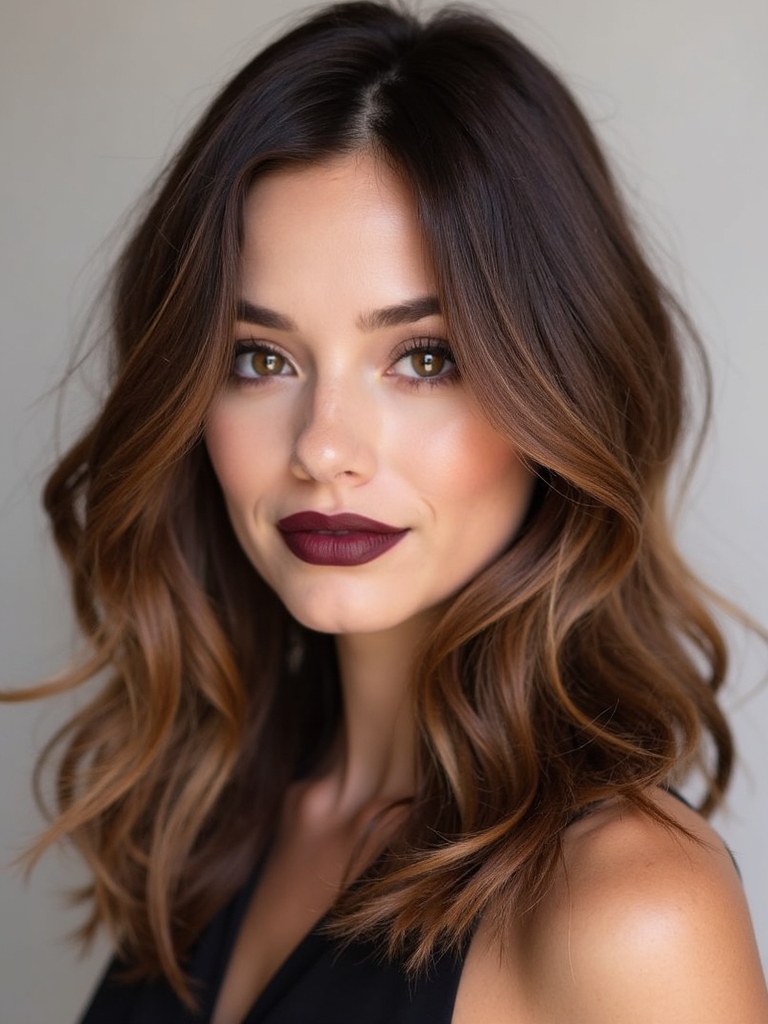
Face-framing layers are usually the starting point on an oval shape, since balanced proportions leave the placement almost entirely open — the shortest pieces can land at the cheekbone, the jaw, or lower still, without fighting the face underneath them.
That freedom is unusual; most face shapes push a stylist toward one specific placement to correct a proportion, and here there’s no real correction to make in the first place — the choice stays entirely aesthetic, driven by preference rather than by the shape of a jaw or forehead.
Where the Shortest Piece Actually Goes
Starting the shortest layer right at the cheekbone tends to lift attention toward the upper face, while keeping the surrounding lengths softer lets that framing blend into everything behind it rather than standing apart on its own. A stylist working from a photo still needs to know the actual hair texture underneath, since the same placement looks noticeably different on fine hair than on thick, coarse strands.
Dropping the shortest piece to the jaw or lips instead reads bolder and more dramatic, and either placement works here — the choice comes down to preference rather than what the shape allows. Some clients split the difference, asking for one shorter piece near the cheekbone and a second, slightly longer piece closer to the jaw for a more gradual frame.
The Modern Shag for Easy Movement
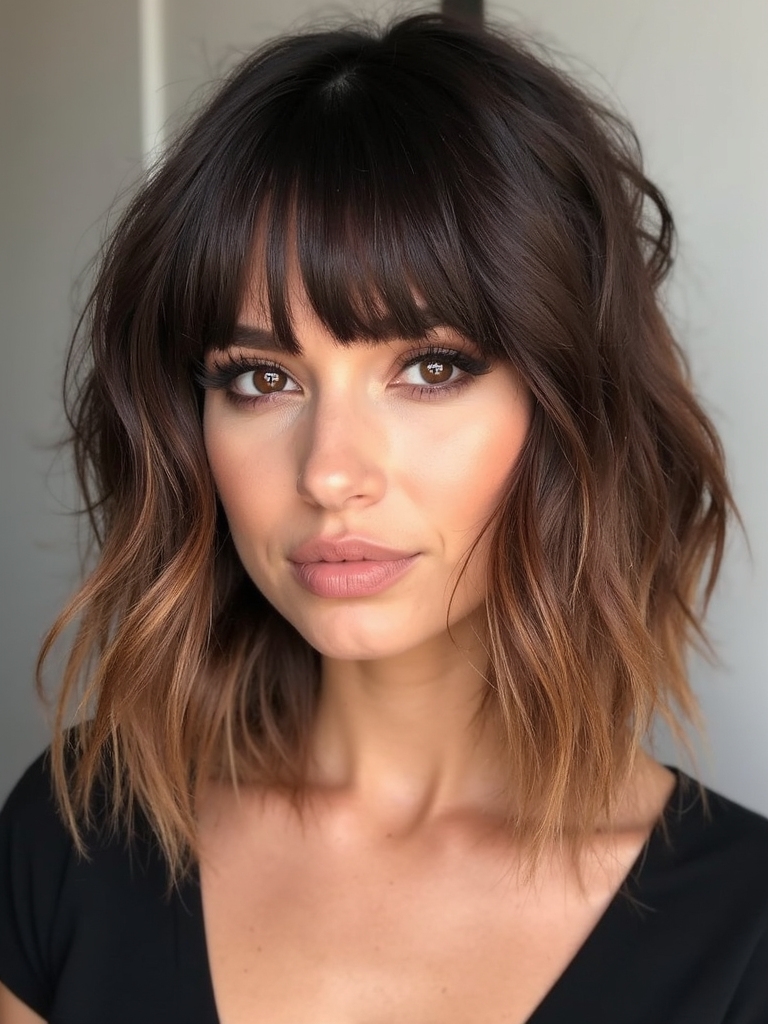
A modern shag suits an oval shape especially well, since the balanced proportions carry all that choppy volume without ever reading wider or rounder than the face actually is. The layers themselves do the heavy lifting, breaking up the outline into something looser and less predictable than a single, uniform length.
The catch is upkeep: a shag needs regular styling to keep its texture from falling flat, so it rewards someone happy to spend a few minutes scrunching in a texturizing product most mornings rather than air-drying and walking out the door. Skipping that step for a few days in a row tends to leave the shape looking more limp than intentionally undone.
- Curtain bangs and soft waves finish the shape without extra effort.
- Works at short, mid, or long length with equally strong results.
- Best suited to someone who doesn’t mind a bit of daily texturizing.
Not sure which direction fits your routine best?
🎯I air-dry most mornings
Longer, softer layers hold their shape without tools and suit a lower-effort routine.
🎯I already style daily
A choppier shag rewards the extra time with real texture and movement.
Long Layers for Volume and Dimension
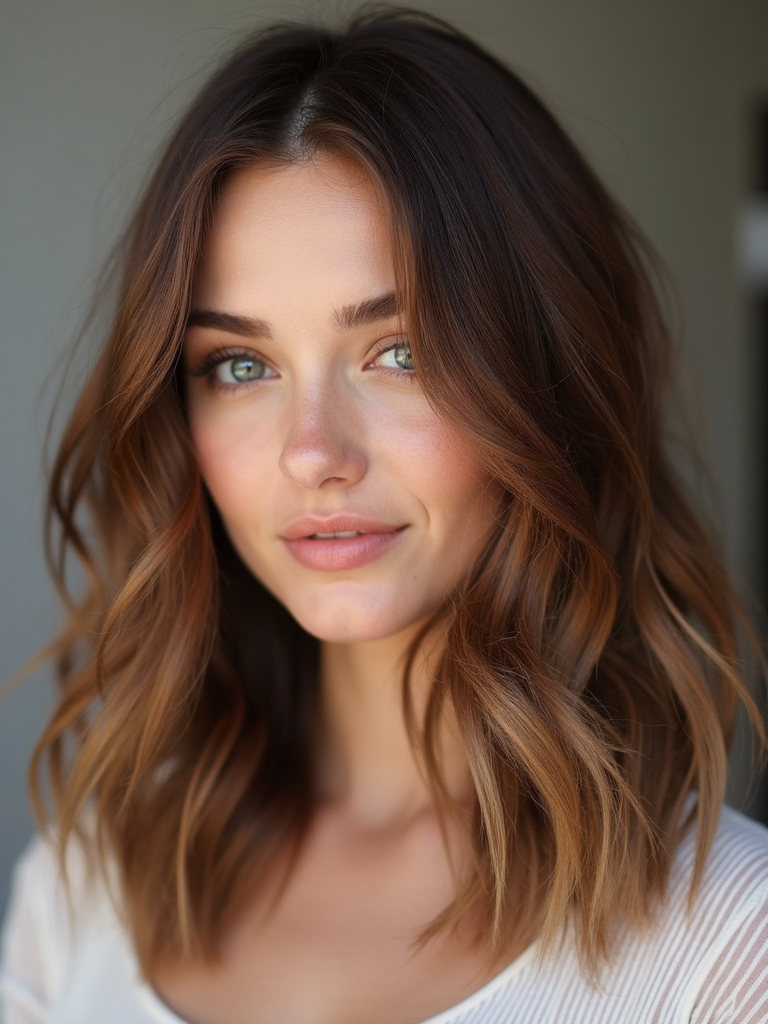
Long layers add volume and movement to an oval face while keeping nearly all of the length, since the balanced shape can carry any length without needing to compensate for width or roundness. This tends to be the direction for anyone who’s grown their hair out for years and doesn’t want a haircut so much as a way to make that length feel alive again.
Soft face-framing near the front keeps the length flattering without pulling focus away from it, and the layers themselves are what stop long hair from hanging flat under its own weight. On very thick hair, a stylist may cut several interior layers rather than just a few visible ones, removing bulk that would otherwise never show through the surface strands.
- Ask for the shortest layer to land at or below the collarbone to preserve length while still gaining movement.
- Suits anyone who loves long hair but feels it’s gone limp or lifeless over time.
- Holds up well between salon visits since there’s no single blunt line to grow out unevenly.
Collarbone and Mid-Length Layers
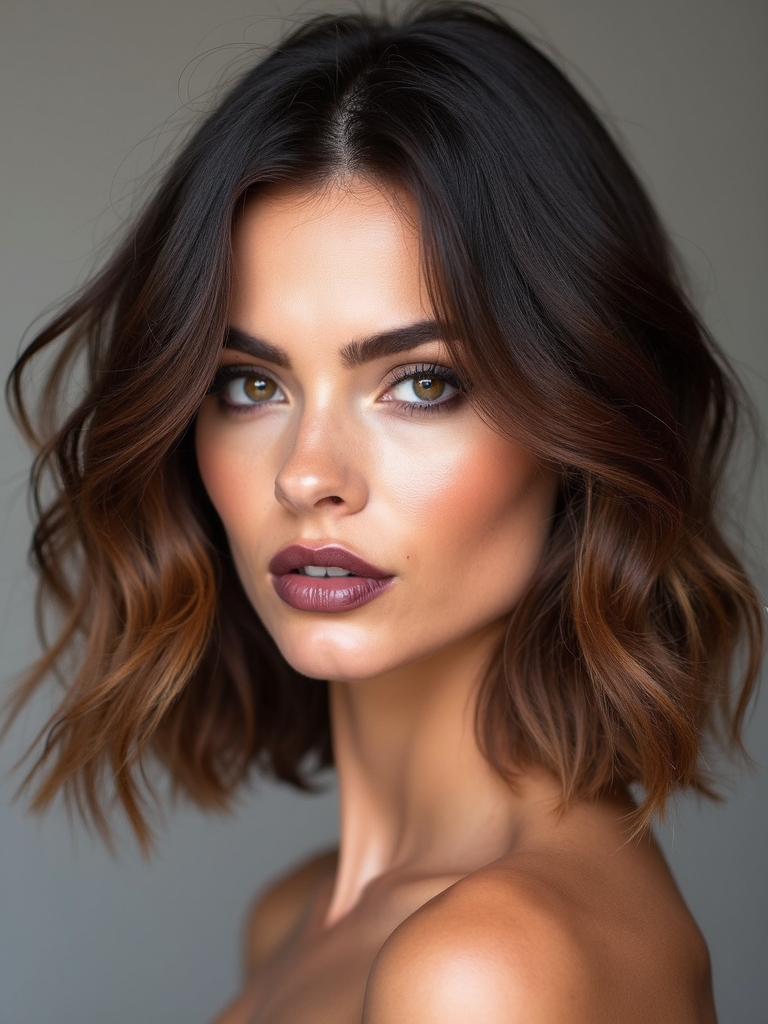
Collarbone and mid-length layered cuts land in a genuine middle ground for an oval face — long enough to feel versatile day to day, short enough to stay light rather than heavy. It’s a length a lot of people land on specifically because it doesn’t force a decision between short and long; it postpones that decision indefinitely.
Layers through this length add bounce without weighing the ends down, and the cut styles equally well sleek, waved, or air-dried depending on the day — that flexibility is a big part of the appeal. A blunt version underneath, with layers only through the top sections, tends to hold slightly more shape on fine hair than layering that runs the full length.
ℹ️One Practical Note
A few weeks of regrowth at this length still reads intentional rather than overgrown, which makes the trim schedule noticeably more forgiving than on a blunt, single-length cut.
Soft Wispy Bangs and Curtain Fringe Pairings
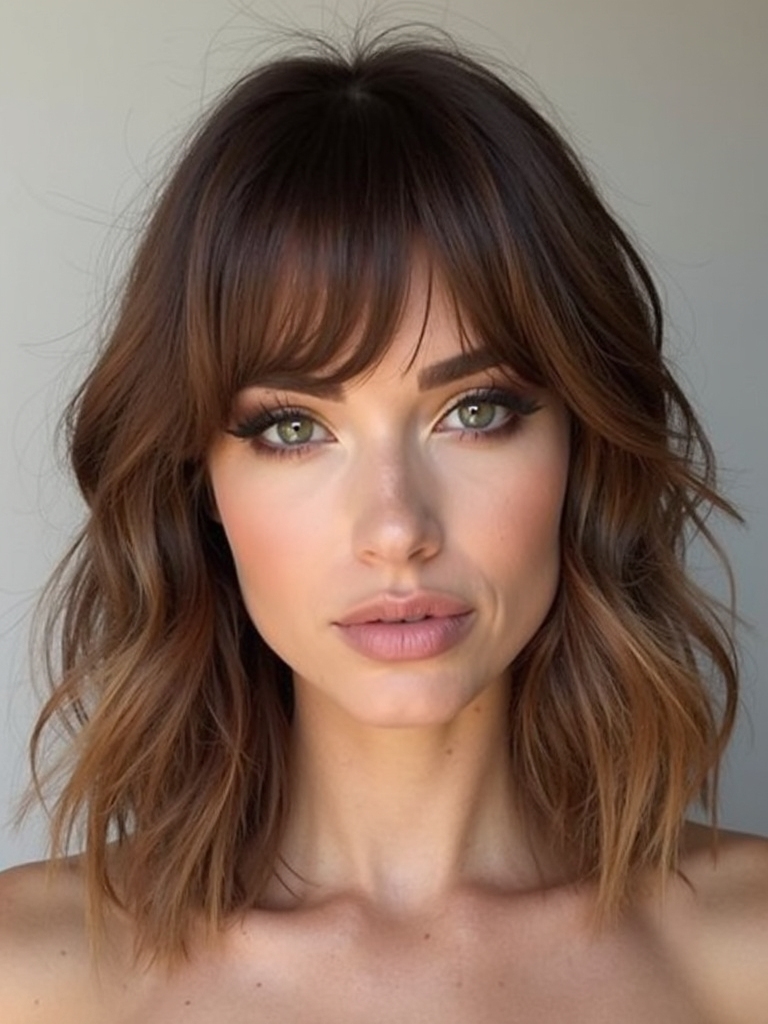
Wispy bangs and curtain fringe both pair naturally with layers on an oval face, since the balanced shape can carry a fringe without it visually shortening or widening anything. Both styles soften the forehead in a way that reads gentle rather than heavy, and that softness is a large share of why they’ve stayed popular across so many otherwise-different cuts.
Curtain bangs stay the lower-commitment option, growing directly into the surrounding face-framing layers, while a shorter, wispier fringe needs more frequent attention to stay out of the eyes — the choice mostly comes down to how much upkeep feels reasonable. A wispy fringe also tends to need more precise cutting to avoid looking uneven, since thinner, piecey sections show a bad line more readily than a fuller, blunter one.
Layering by Hair Type
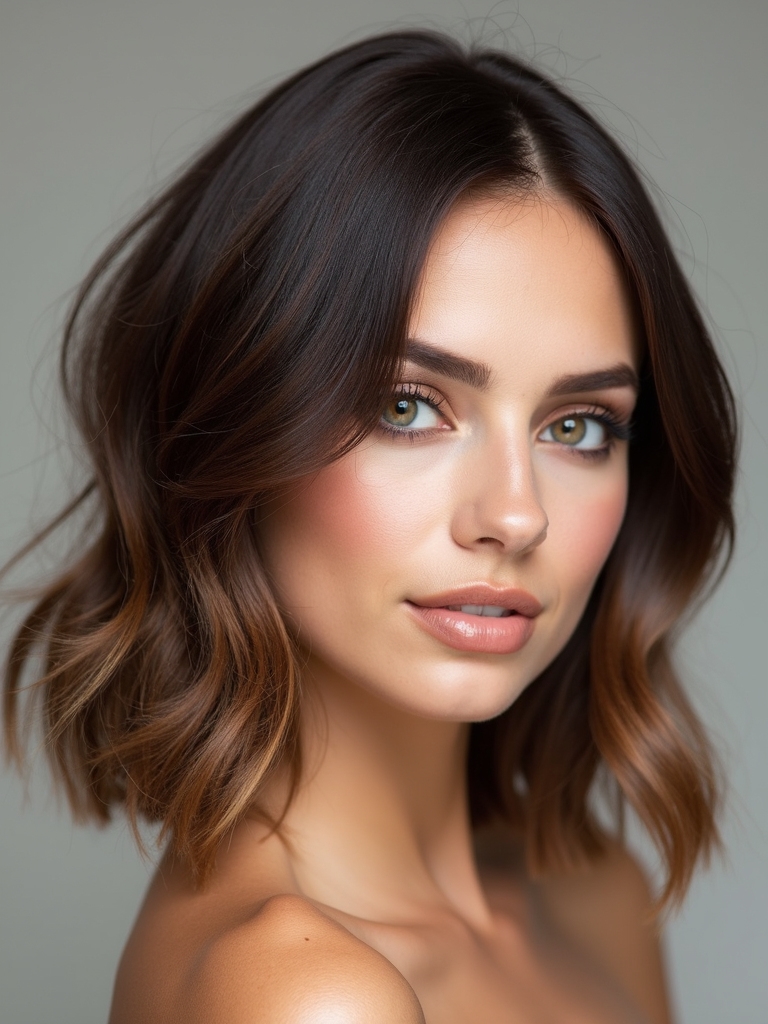
With face shape no longer steering the decision, hair type becomes the actual guide here — the same layered cut can behave in noticeably different ways depending on the texture underneath it. Two people asking for an identical layer placement can walk out with visibly different cuts once density and natural bend get factored in.
Telling Your Stylist the Truth About Your Texture
Fine hair tends to gain the most volume from soft, blended layers, while thicker hair benefits more from heavier debulking that removes weight instead of adding movement. Wavy hair comes alive with layers cut to enhance its natural bend, often needing far fewer layers than a client expects to get real texture out of the cut.
Curly hair does best cut dry, since a stylist working with the live curl pattern can follow how it actually falls rather than guessing from a stretched, wet state. Cutting curly hair wet risks layers that look uneven once the curl pattern springs back up to its resting length.
Styling and Maintenance to Keep Layers Fresh
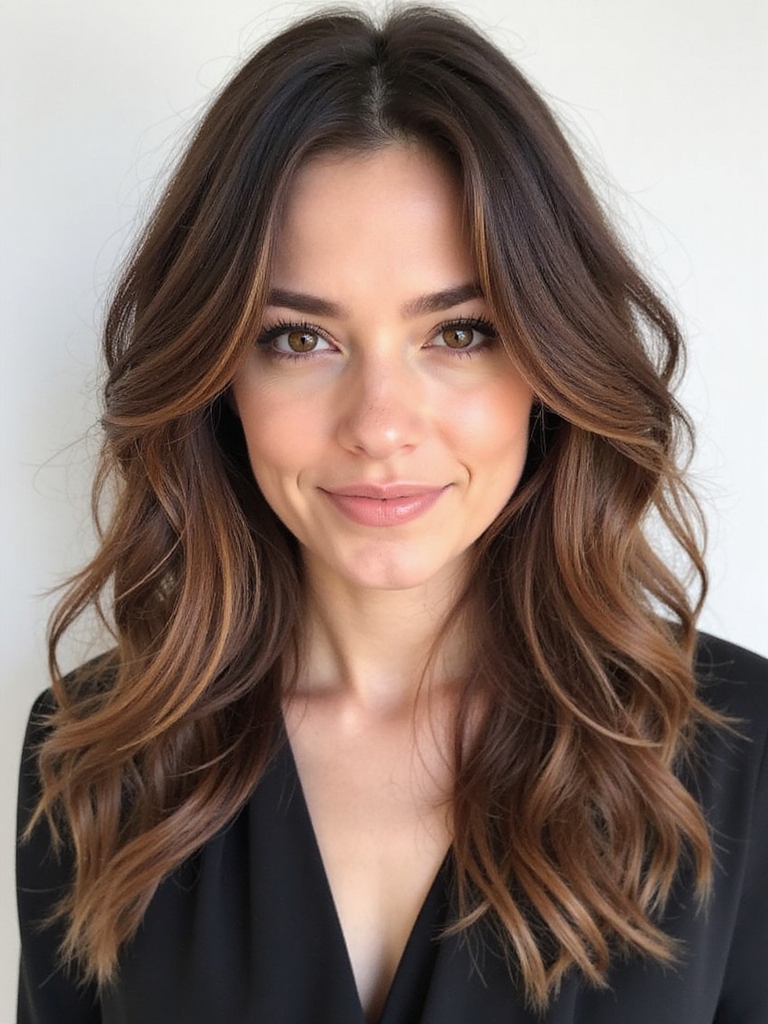
Layered cuts on an oval face stay relatively easy to maintain, since the shape itself doesn’t demand much correcting. Most of the visible wear shows up first at the ends and around any face-framing pieces, well before the rest of the layering starts to look tired.
- A full trim on a roughly ten-week rhythm keeps layers from looking stringy, typically $45 to $75 depending on length and salon, with a quicker front trim in between for face-framing or bangs.
- A lightweight product worked through damp hair keeps the layers moving rather than weighed down.
- Dusting just the very ends more often than a full cut extends the time between full visits and costs noticeably less per appointment.
Common Mistakes to Avoid
The most common misstep on an oval face isn’t a bad layer placement — it’s over-explaining face shape to a stylist rather than talking about hair type and lifestyle, which are what actually decide how the cut behaves day to day. Bringing reference photos helps far more than describing a face shape that, on this particular proportion, barely narrows anything down.
A second frequent mistake is choosing heavier internal layering while planning to air-dry daily; that combination tends to look its best only after a blow-dry, so anyone unwilling to style most mornings does better with softer, longer layers instead.
A third, quieter mistake is skipping the honest conversation about wash-day habits — hair that looks incredible fresh out of the salon can look considerably flatter by day three if the layering doesn’t match how often it actually gets washed.
Choosing Between These Seven
With so many directions technically available, it helps to rank two things before anything else: how much time realistically goes into styling each morning, and how the hair actually behaves between washes. Those two answers eliminate more options than any conversation about face shape ever will.
Someone who air-dries and runs almost always does better with longer, softer layers or a simple collarbone length, while someone who already reaches for a styling tool daily gets more out of a shag or heavier face-framing that rewards that extra effort. Neither path is more flattering than the other on this shape — they’re just built for a different morning routine entirely.
It’s worth sitting with a photo for a day or two before booking anything, especially for a bigger change like moving from one length to a shorter one. A stylist can usually tell within the first few minutes of consultation whether a client is describing a hair type accurately or describing what they wish their hair did, and that gap is where most disappointing results actually come from.
The Cut Comes Down to You, Not Your Face
An oval shape removes almost every constraint a face shape usually adds to a haircut decision, which means the real choice sits entirely with hair type, texture, and how much time gets spent styling on an average day.
Pick the cut that actually appeals first, then let a stylist tailor the layering to the hair underneath it — the face shape was never going to be the obstacle.
You Might Also Like