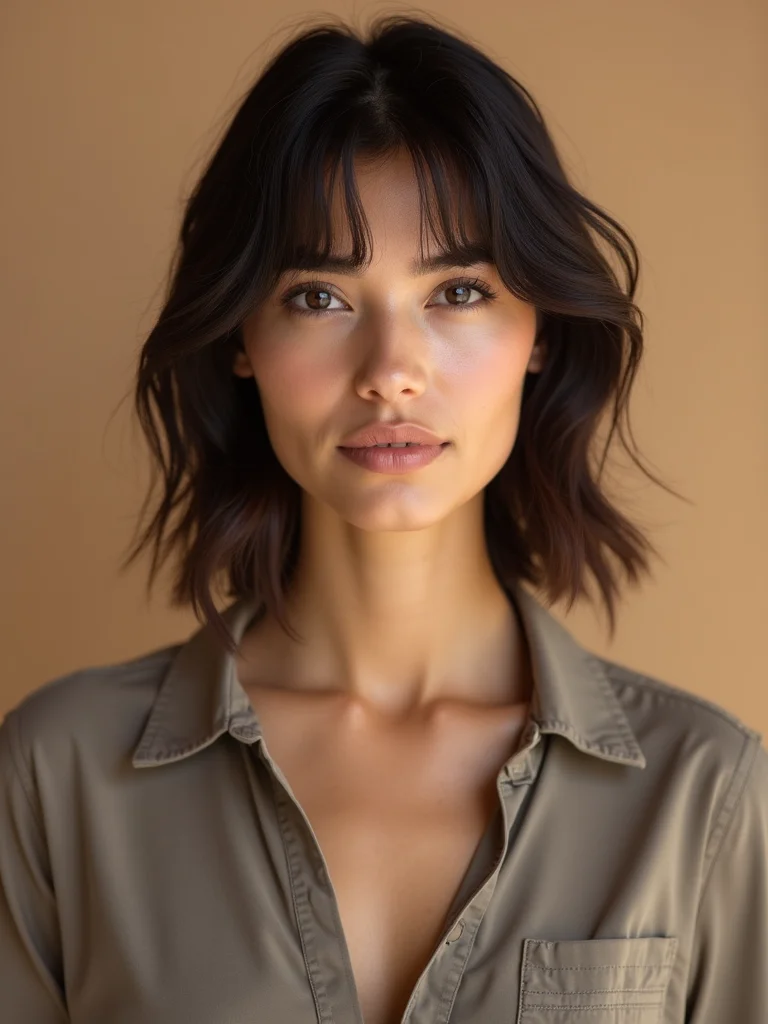
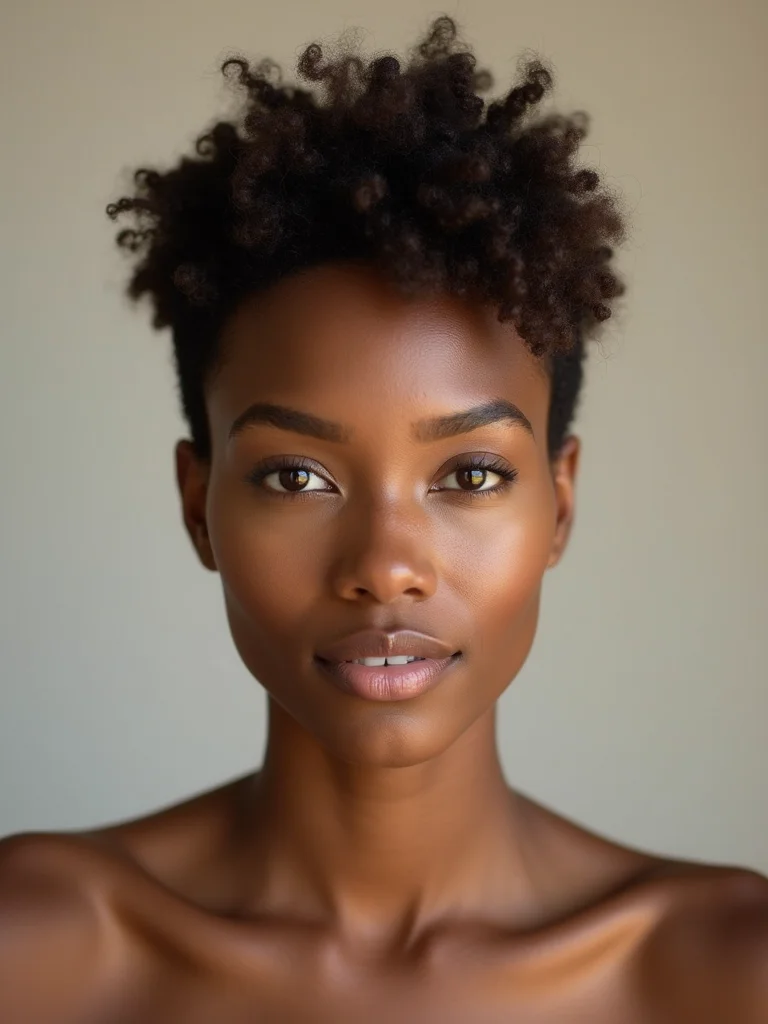
A blunt bob is one solid shape, weight sitting exactly where it was cut. A layered bob is the same length with that weight broken up inside, and the difference shows up everywhere: how it moves, how full it reads, how much effort it takes on a rushed morning. A blunt cut sits heavy at the ends; layers pull lift toward the crown and let the ends swing loose.
Sixteen versions of that idea follow below, sorted by length, texture, and how much daily styling each one actually asks for.
Layered Bob, Compared
| Hair Type | Watch Out For | Best Fit |
|---|---|---|
| Fine | Too much layering thins the ends | Lifted crown layers, wispy finish |
| Thick | Too little layering puffs the shape | Internal debulking, blunt perimeter |
| Curly | Wet-cutting misjudges final length | Dry-cut, curl-by-curl shaping |
The Classic Chin-Length Layered Bob
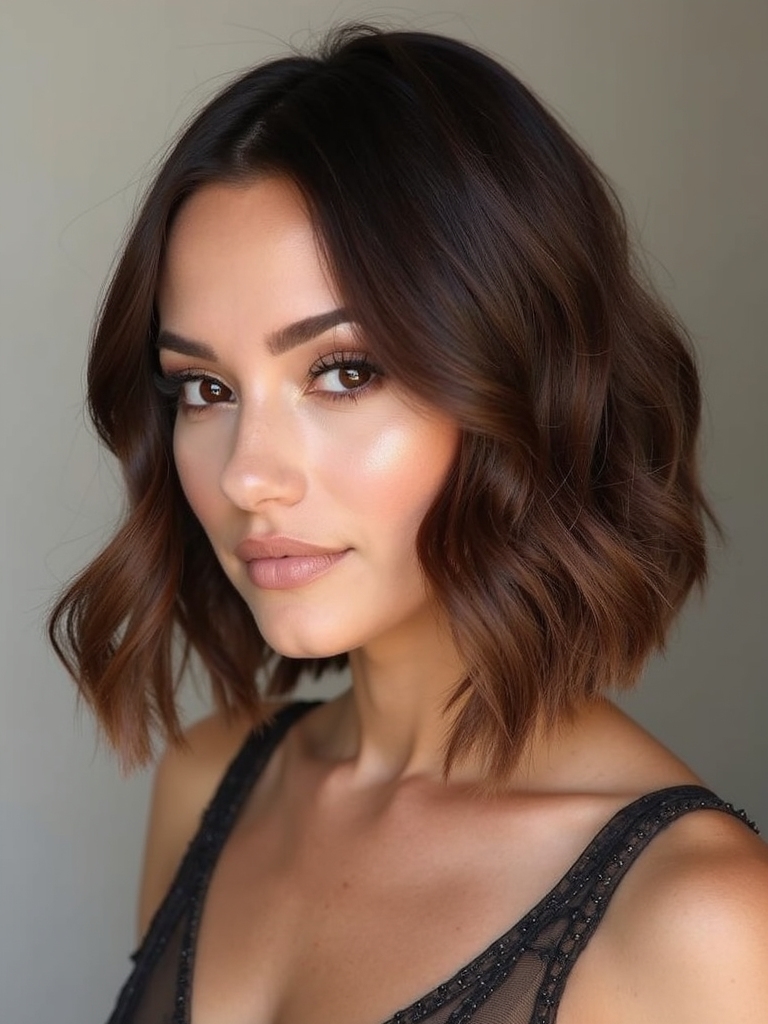
Landing right at the jaw, this is the version most people picture first when they hear the word bob. Soft internal layers add bounce that a blunt cut at the same length never gets. Bounce is the whole difference. The length itself stays short enough to feel like a real change but long enough to tuck behind the ears.
- Flatters most face shapes, especially with front pieces grazing the jaw.
- Layers stop it from sitting like a heavy block on thick hair.
- A shaping visit every five or six weeks keeps the line crisp.
Piecey Textured Bob With Movement
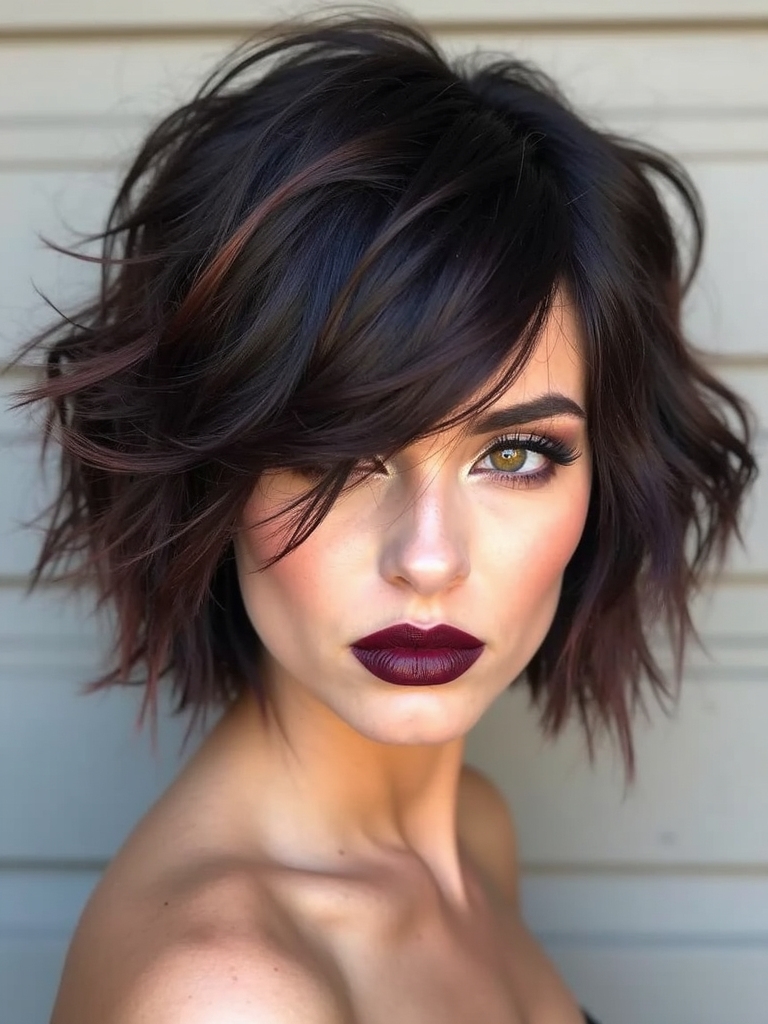
For a bob that reads undone and modern, a piecey textured version is the answer. Point-cutting the ends breaks them into separated, choppy pieces, and the layering underneath is built to encourage tousled movement over one smooth curtain.
By the third or fourth day, this cut still holds its shape, since a little grown-in texture only helps the look. Point-cutting shapes the effect here, more than any specific product.
A matte paste worked through with fingers only, skipping the brush entirely, keeps the ends looking purposefully rough.
Wispy Jaw-Skimming French Bob
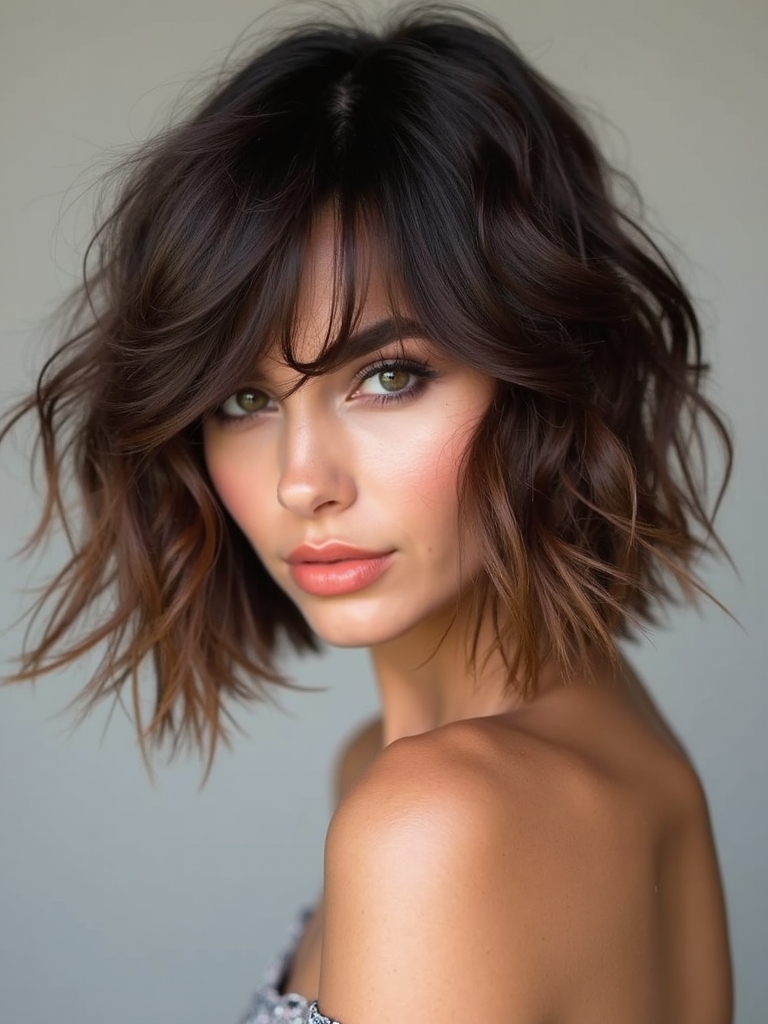
This shorter, chicer cousin of the classic bob usually lands right at or above the jaw, with delicate wispy ends and often a soft fringe alongside it, light layering keeping the whole shape from reading severe while chasing that easy, undone feel associated with Parisian style.
A Bold, Framing Statement
It suits anyone after a bold, fashion-forward statement, and the clean, framing silhouette photographs well from nearly any angle. It reads confident.
Because the length runs so short, layering matters even more here. A touch of internal texture keeps it from sitting like a rigid box around the face.
Collarbone Layered Lob
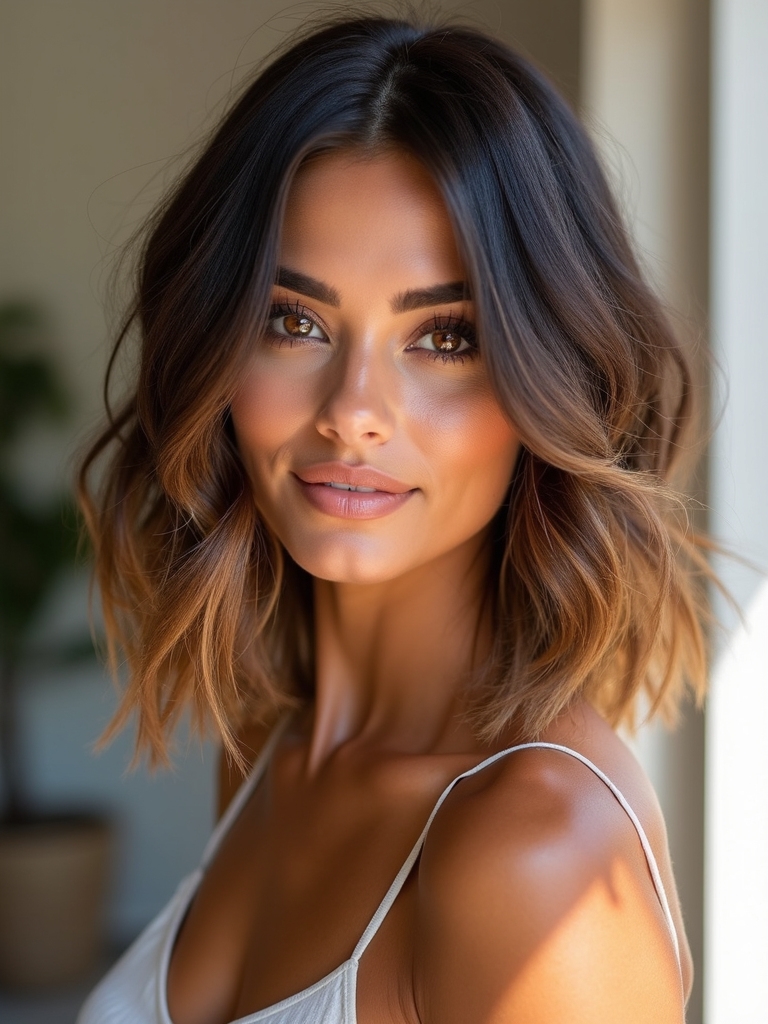
For anyone not ready to go truly short, this length grazes the collarbone while still carrying the structure and movement of a bob. It’s a real middle ground. Longer layers build soft, face-framing pieces up front and add bounce through the rest of the length, all without the commitment of a chin-length chop.
- Keeps enough length to pull into a low ponytail or half-up style.
- Grows out gracefully, so a missed appointment doesn’t ruin the shape.
- A dependable stepping stone before committing to anything shorter.
Carved Curly Layered Bob
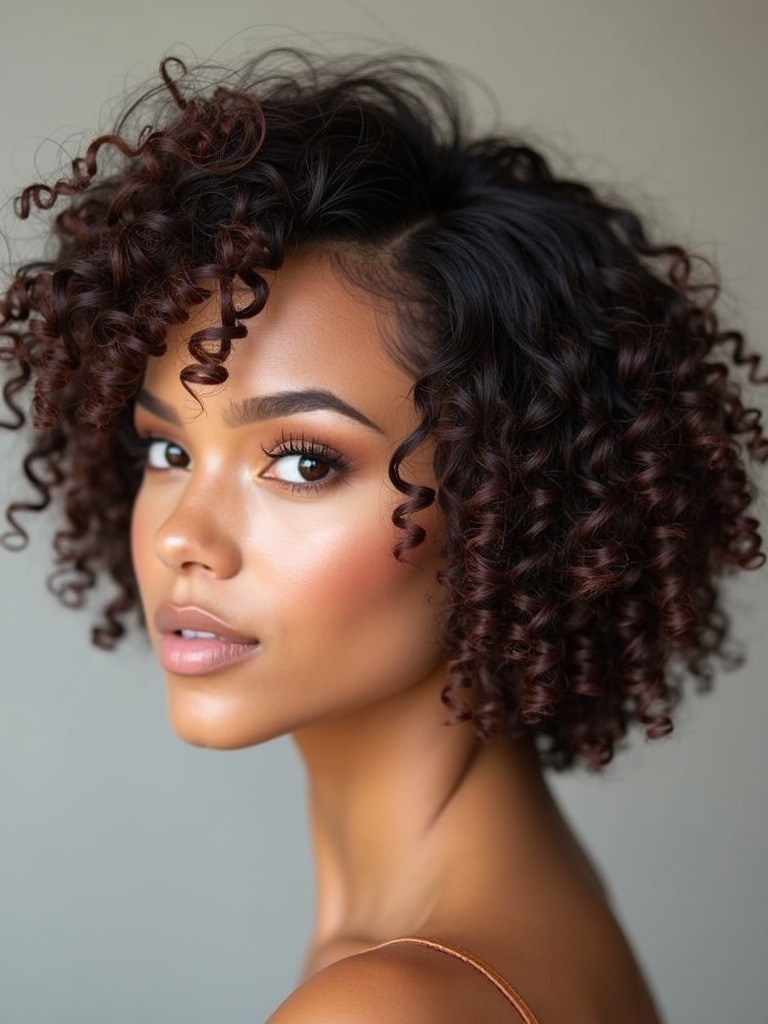
Curls and a layered bob pair well, since layers carve out the bulk that otherwise pushes curly hair into a triangle shape. Cut to the individual curl pattern, the layers let each spiral spring and stack into a rounded, full shape with real lightness to it.
- A dry cut is the single most important rule, letting the stylist watch each curl settle into its real position before trimming a single strand.
- Wet-cutting curls is the top cause of a length coming out shorter than planned.
- Fewer, more careful layers preserve density on tight coils; looser curls can handle more.
Wavy Shaggy Bob With Built-In Texture
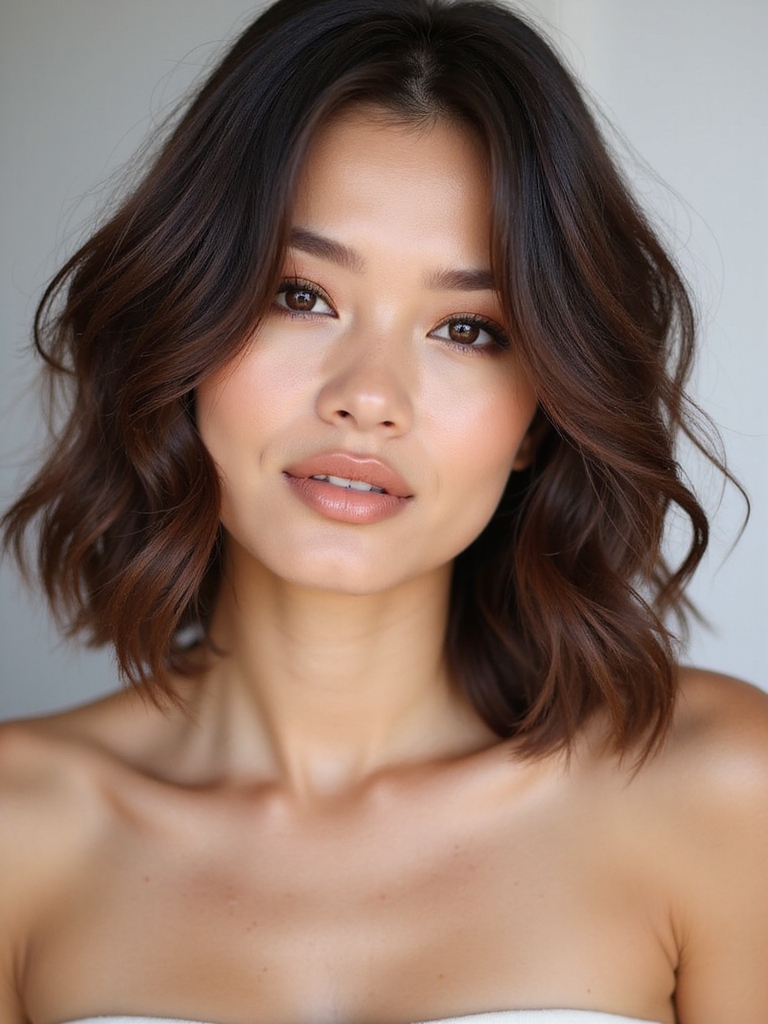
Layer a bob heavily and lean into natural wave, and the result is a shaggy bob: rocker texture with a rolled-out-of-bed feel built right into the cut. The layers get stacked and disconnected for maximum body, and the natural wave keeps the whole shape from looking too polished.
Leaning Into Natural Wave
It suits anyone with a bit of natural bend or coarse hair that already holds texture well, since the shape leans on built-in body to work. Fine, very straight hair can still wear it, just with more product doing the work of faking that grit.
A sea-salt spray scrunched into damp hair, followed by a rough dry, brings the texture out. Smoothing it down defeats the entire purpose.
Trying to picture which texture profile matches your hair? Start here:
1My hair is fine and falls flat by midday.
Look at the wispy lifted bob. Crown-concentrated layers are built for exactly this problem.
2My hair is thick and tends to puff into a triangle.
The debulked bob or blunt-with-internal-layers version both remove weight without shortening anything.
Tight Graduated Stacked Bob
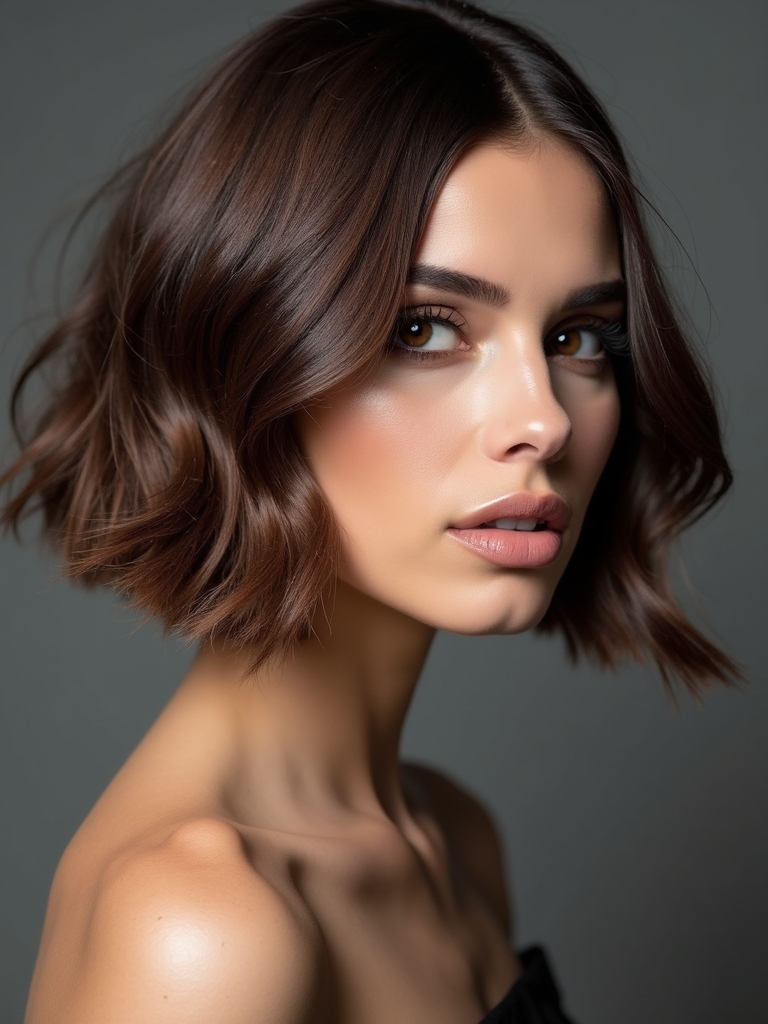
A graduated, stacked bob builds short layers at the back of the head that pile up into a rounded, voluminous shape with a tucked-under nape. It’s a structured, retro-leaning cut that delivers real lift exactly where most shapes go flat: the back of the crown.
This precision cut needs shaping on a shorter rhythm than most other versions here, closer to once a month, to hold its form. Anyone happy with that visit schedule gets maximum back volume with an exceptionally clean line in return.
Blunt Bob With Internal Layers
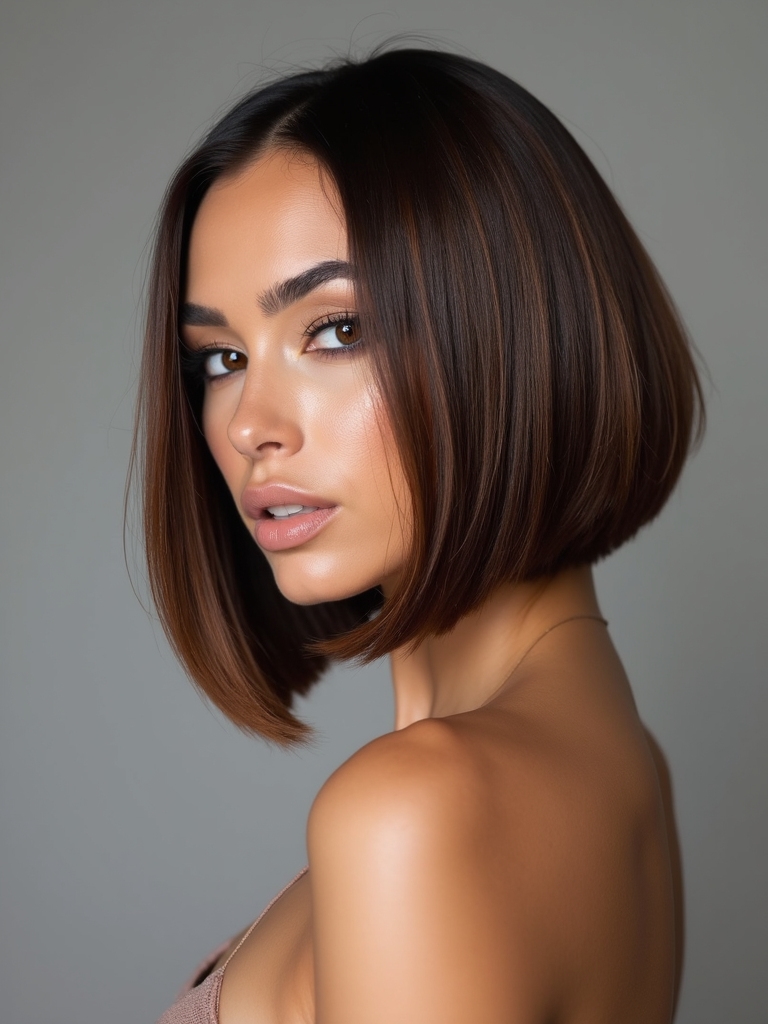
For anyone who loves the sharp line of a blunt cut but not the weight it can carry, internal layers are the workaround. The perimeter stays blunt and graphic while layers cut underneath remove hidden bulk, so the crisp bottom edge stays intact without the density.
- Ask specifically for internal weight removed, distinct from surface layers cut into the ends.
- Keeps the clean, polished line while adding real movement underneath.
- A strong option for thick hair that wants a blunt look minus the heavy, blocky feel.
A couple of assumptions worth correcting about layered bobs:
❌ Myth: Layers make fine hair look thinner.
✅ Reality: Only if they’re cut wrong. Layers concentrated at the crown add lift and the appearance of fullness; layers cut too heavily through the ends are what thin things out.
❌ Myth: A layered bob can’t work on curly hair.
✅ Reality: It works especially well, provided the cut happens dry so the stylist can see the real curl pattern and account for shrinkage before a single section gets trimmed.
Asymmetrical Layered Bob
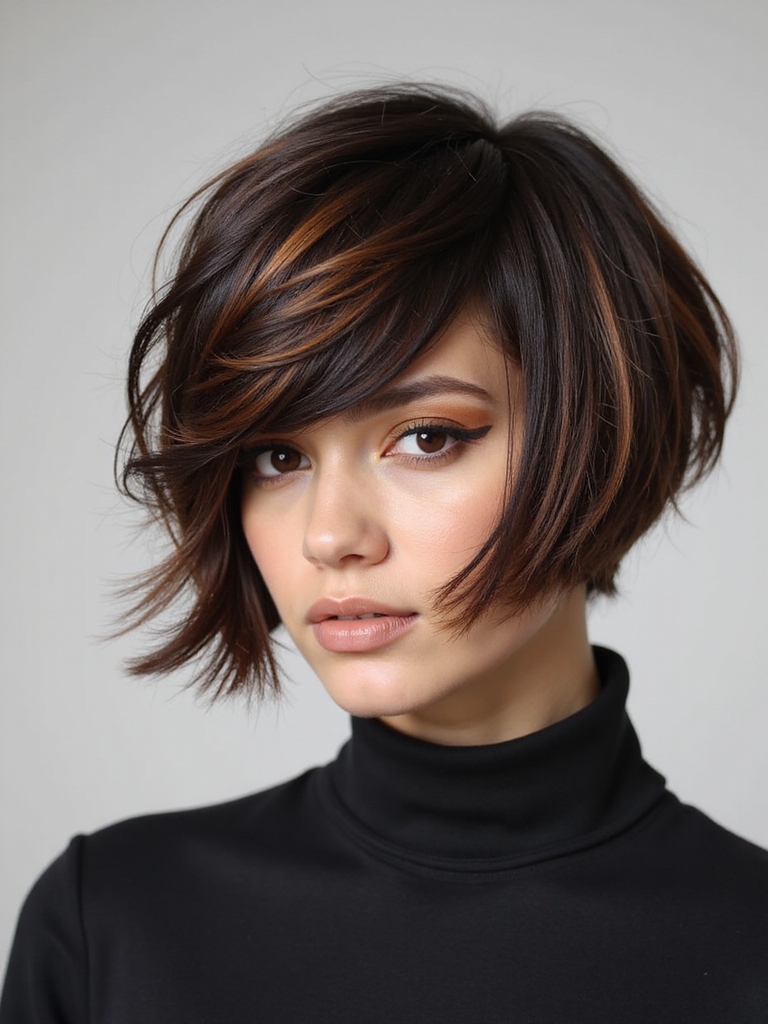
This version brings a little edge by keeping one side noticeably longer than the other, with layers exaggerating that off-balance line into something that reads deliberate. The imbalance is the point. The longer side sweeps and frames the face while the shorter side stays light, adding real interest without much change to the overall length.
The layering is exactly what keeps the asymmetry from reading like a mistake in the first place.
- Adds visible drama to fine hair without sacrificing length.
- A deep side part exaggerates the asymmetry even further.
- Naming the exact degree of difference wanted at the consultation matters more than the cut itself.
Layered Bob With Curtain Bangs
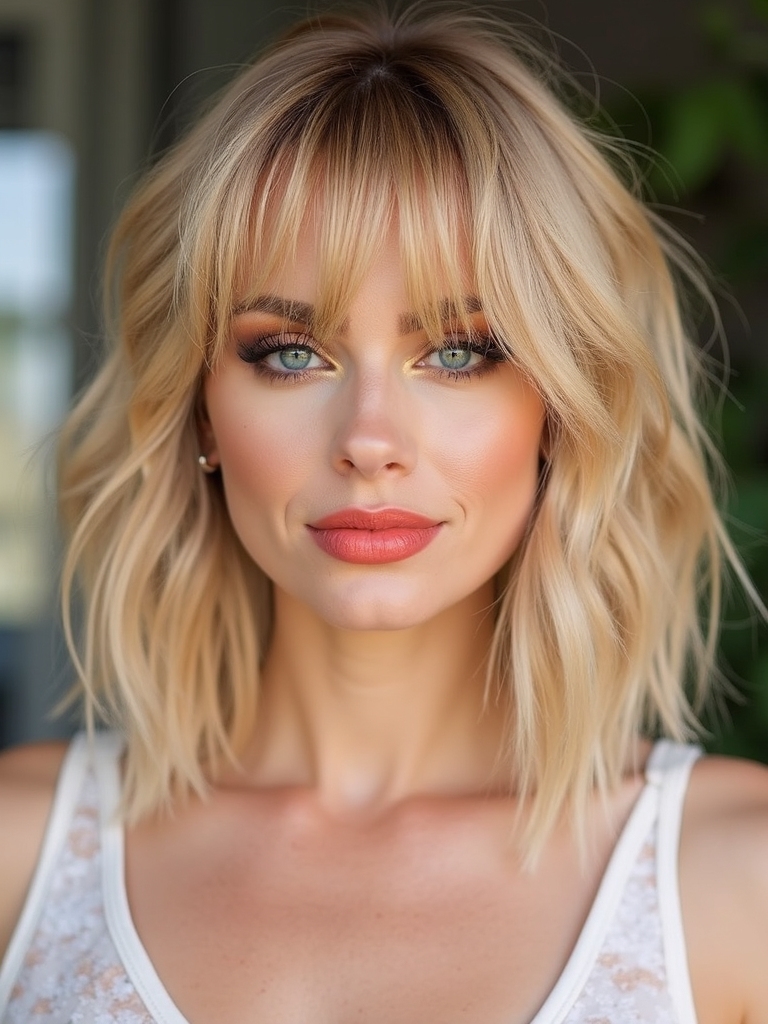
Pairing curtain bangs with a layered bob completes the shape in one clean move, since the soft, center-parted fringe blends straight into the layering built around the face. No hard line separates bang from length, just one continuous, flattering sweep around the face.
A Frame That Grows Out Together
The fringe draws attention toward the eyes and cheekbones and refreshes the whole cut, which explains why the pairing gets requested so often.
Both grow out together at roughly the same pace, so there’s no awkward stub stage to push through partway.
Wispy Lifted Layered Bob
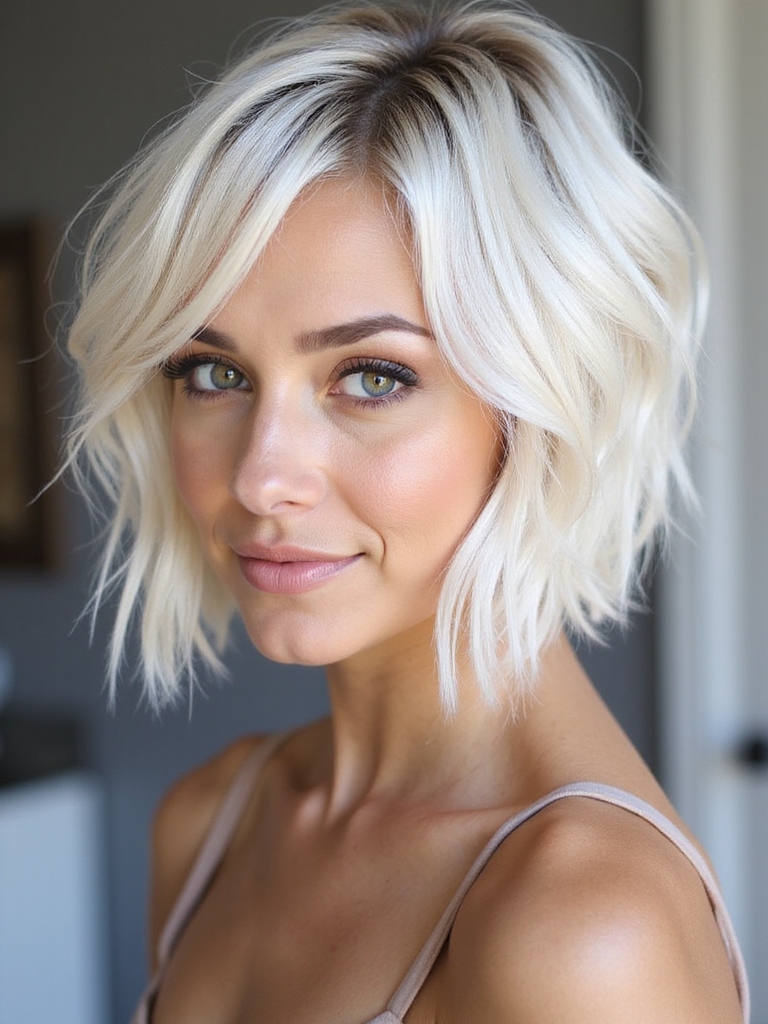
Fine hair that falls flat gets real help from this version, built for volume from the root. Root lift changes everything. Soft layers concentrated at the crown create height exactly where it’s needed, while wispy, feathered ends keep the bob from reading thin at the bottom.
Restraint is the real skill here: just enough layering adds lift without thinning the ends into nothing. A light root mousse and a round-brushed crown section finish the effect.
“The word layers means something different on fine, thick, and curly hair. Naming where the weight should go, crown, mid-lengths, or ends, gets a far more accurate cut than the word layers on its own.”
Debulked Layered Bob for Thick Hair
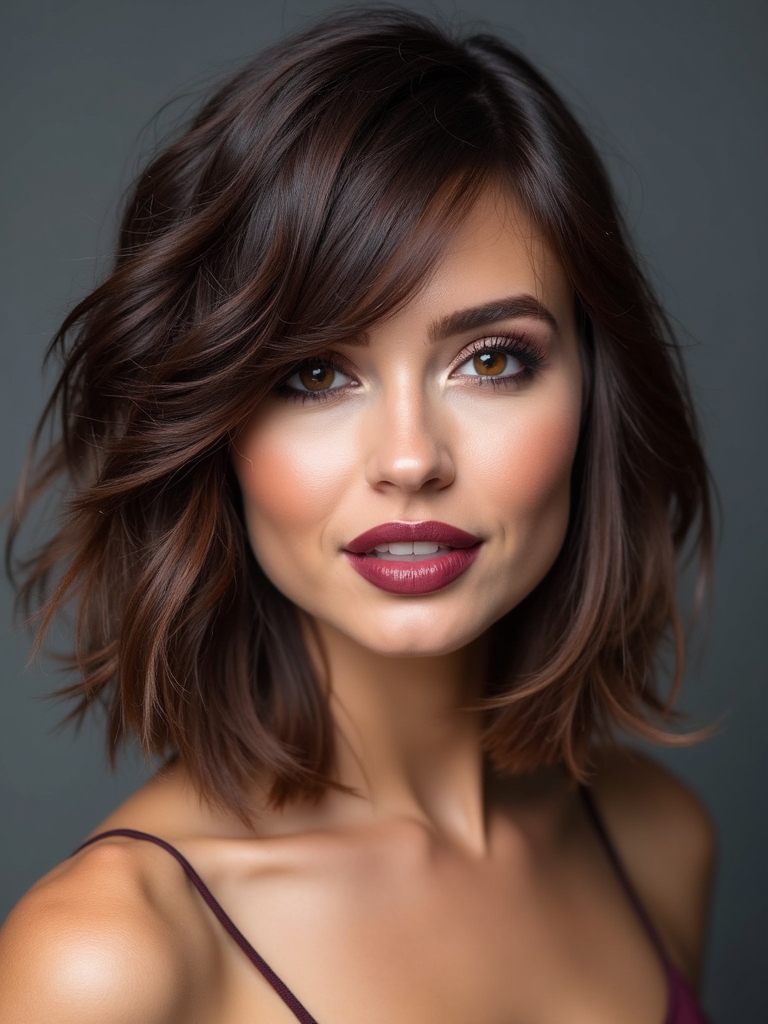
Thick hair carries the opposite problem from fine hair, and this cut is the fix. Density is the enemy here. Left unchecked, all that weight piles up and the bob balloons into a mushroom shape, so the layering focuses on removing internal weight to keep the silhouette sleek.
- Internal debulking removes weight from underneath while the outer line stays solid.
- Heavy surface layers only add fluff on top and should be avoided.
- Done well, it holds its shape for weeks with very little daily effort.
Soft Wispy Feathered Bob
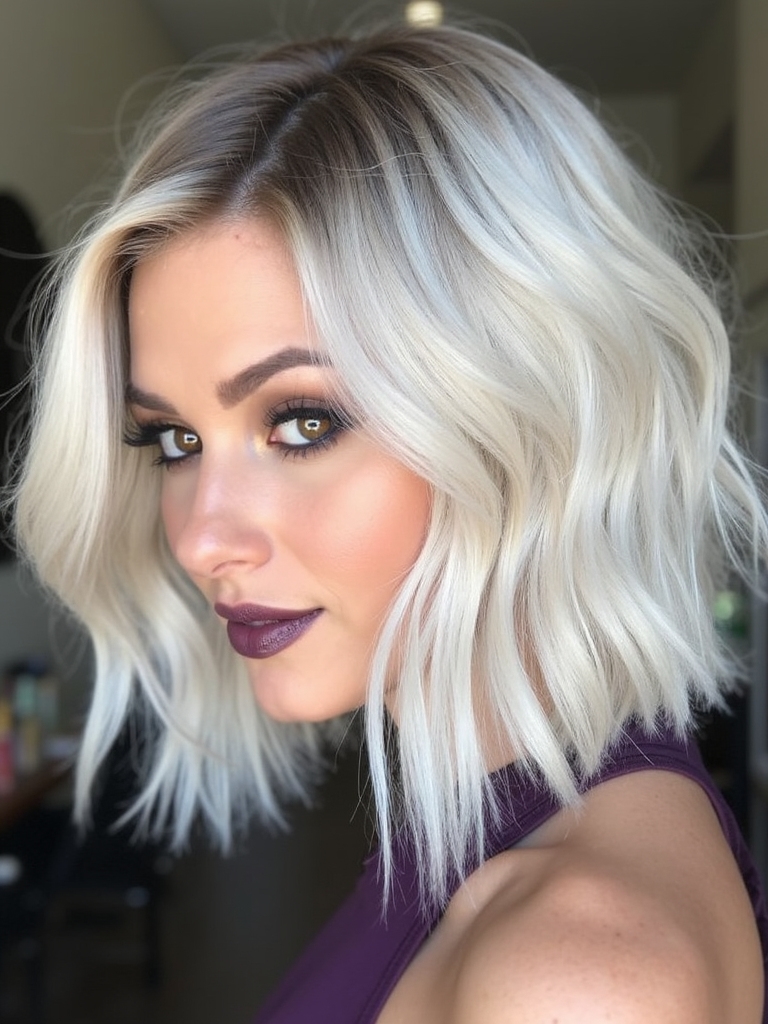
Where the lifted version chases crown volume, this one is purely about softness around the face. The layers fall in light, airy pieces that frame features gently, reading romantic and delicate throughout.
This is less about faking fullness and more about mood, and it works across nearly every texture. A texture spray keeps the feathered pieces separated so the softness stays lofted all day.
Layered Bob With Micro Bangs
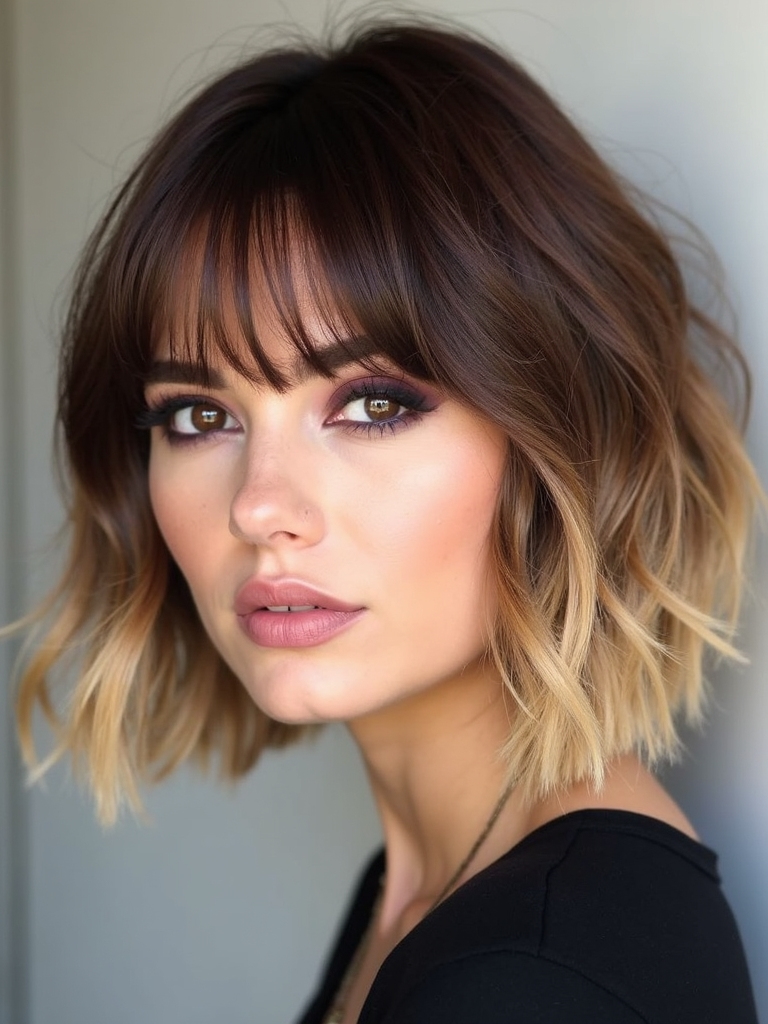
For the boldest version on this list, pairing a layered bob with high, blunt micro bangs makes a graphic, fashion-forward statement. The contrast between the tiny fringe up top and the soft layers below turns a classic bob into a genuine conversation piece.
Upkeep deserves an honest look before booking this one, since micro bangs grow into the eyeline fast and need a shaping visit close to every three weeks. They flatter strong, even features and foreheads on the shorter side especially well.
Angled Layered Bob
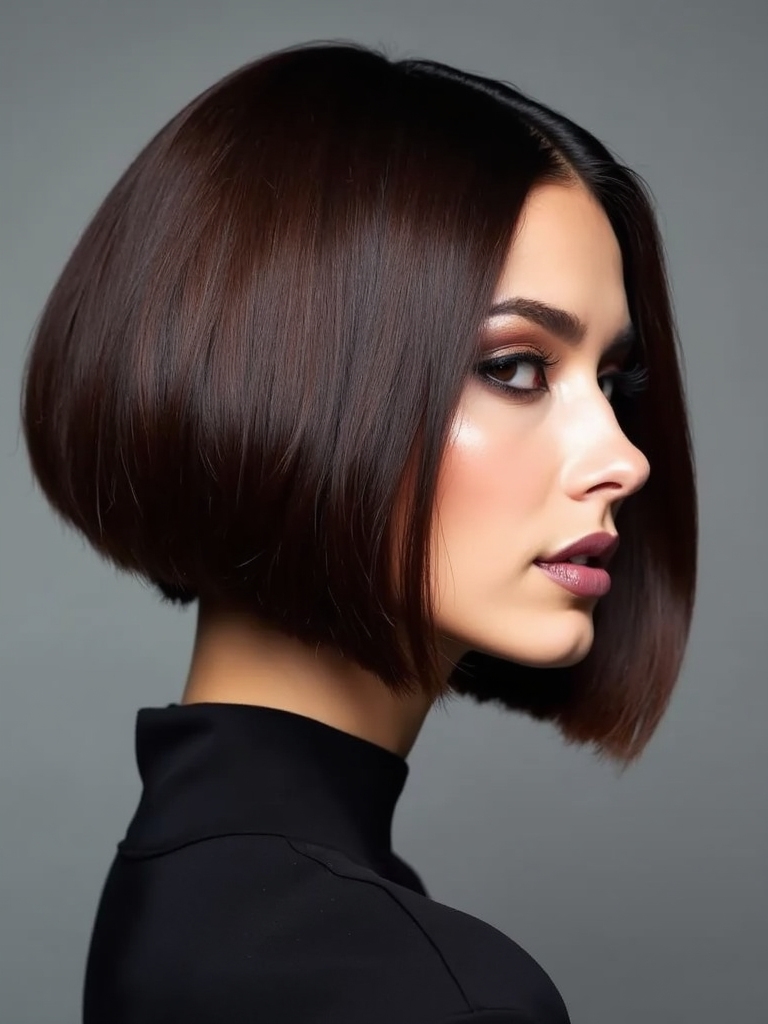
An angled bob sits shorter at the back and lengthens toward the front, and adding layers gives that forward sweep extra movement and volume. The angle creates a flattering diagonal that elongates the face, guiding attention down toward the jawline and cheekbones instead.
Elongating a Round or Square Face
It’s a sharp, deliberate shape that works well on round and square faces by adding length while softening width at the same time.
For a similar forward tilt with a cleaner finish, the a-line bob drives the same idea with far less layering.
Getting the consultation right before the scissors come out:
1Bring a reference photo
A photo shows texture and layer placement far more precisely than a verbal description alone.
2Name the goal itself
Say whether the goal is volume, less bulk, or lower daily effort, ahead of the generic word layers.
3State the texture honestly
Fine, thick, and curly hair all need a different layering approach for the same requested look.
Low-Maintenance Layered Bob
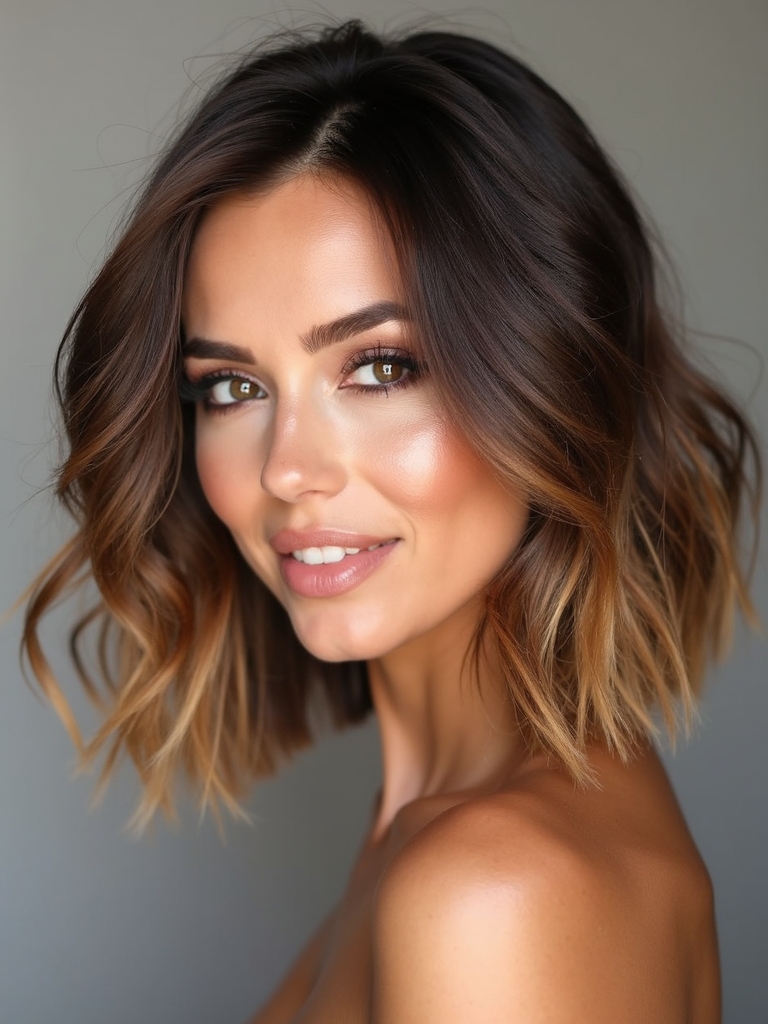
For anyone whose real priority is wash-and-go ease, layers can be cut specifically to air-dry well with almost no styling required. Ease is the entire goal. Soft, longer layers fall into place on their own, so hot tools stay optional most days and the cut still looks intentional.
The honest trade-off shows up in the trim schedule: the cut does the daily work, but only stays fresh with regular upkeep.
- A quick shape-up runs around $45, about half what a full color-and-cut appointment costs.
- Takes roughly ten minutes in the chair once the shape is established.
- Far less hassle overall than fighting a grown-out shape every single morning.
Layered Bob Questions
?How much length is actually lost when layers get added to a bob?
Visually the ends can look shorter once they spring into their layered shape, especially on wavy or curly hair, but the true perimeter length barely changes. The illusion comes from movement, not an actual missing inch.
?Which layered bob needs the least frequent trims?
Soft, longer-layered lobs and collarbone-length versions stretch the longest between visits, since the grow-out blends smoothly, with no hard line to chase. Tight stacked or graduated versions need a shaping visit noticeably sooner to hold their structure.
?Can a layered bob still work if the hair is naturally curly?
Yes, provided the cut happens on dry hair, one curl at a time, letting the stylist watch each spiral settle before trimming it. A wet cut on curly hair is the most common cause of a length turning out shorter than expected.
One Length, Endless Movement
The real appeal of a layered bob is how much a single decision, where the weight gets placed, changes the entire cut. The same chin-length shape can turn out soft and feathered, sharp and stacked, curly and carved, or barely-there easy, depending entirely on how those layers get placed for the hair underneath.
That range is exactly why the bob keeps returning to the chair year after year. Figure out whether the goal is volume, less bulk, or simply less morning effort, then bring that specific answer, along with a photo, to the next consultation.
Favorites to Revisit