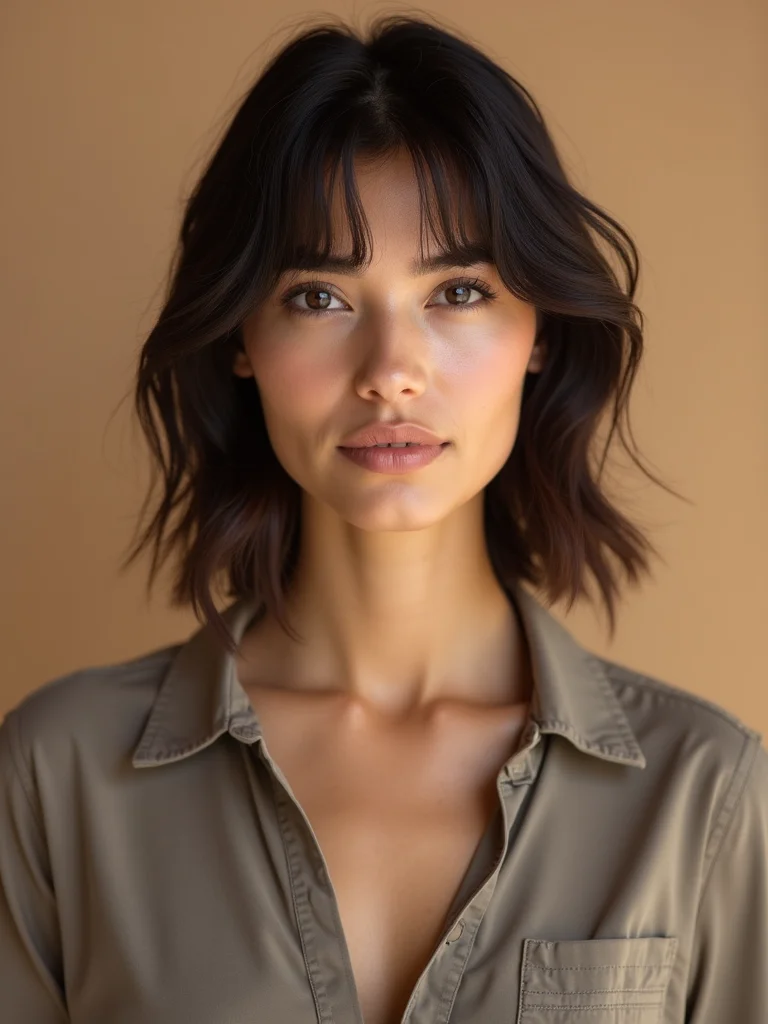
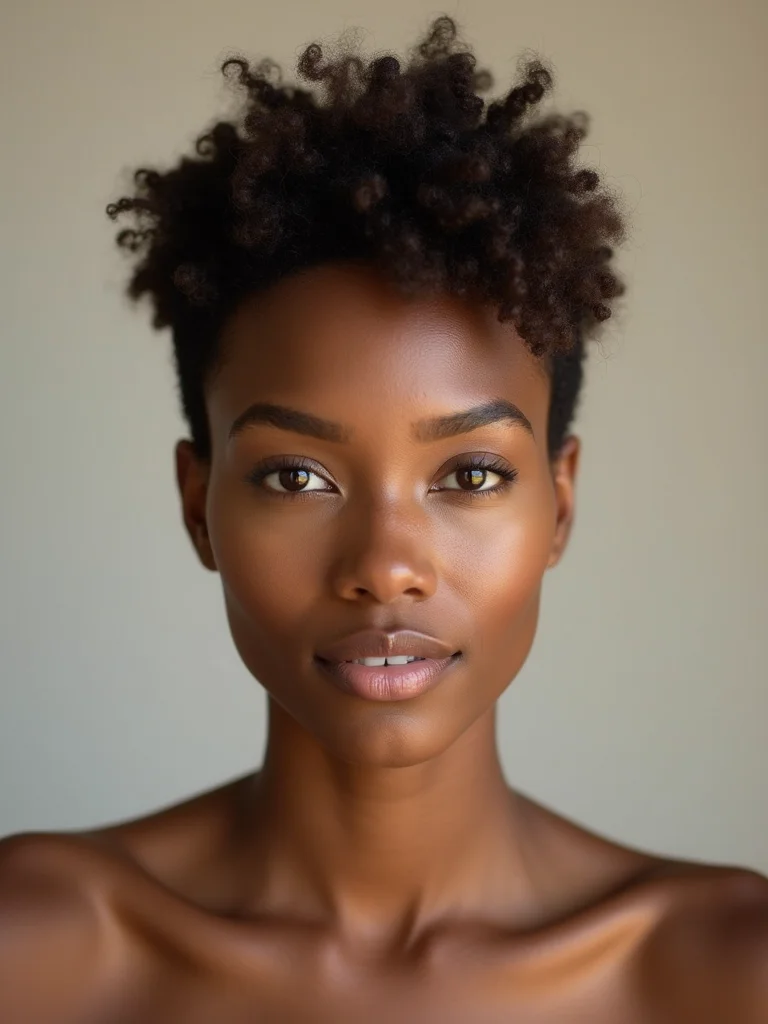
Two women can walk out of the same salon with the same length long bob with layers and leave looking nothing alike, and the layering is almost always the reason. One cut keeps every inch of density along the perimeter; the other strips weight from the crown down. Neither approach is wrong. They are simply answering different questions about the same length.
The fifteen layering ideas below are sorted by the problem each one actually solves, thickness, texture, face shape, or plain upkeep, rather than by how a single photo happens to look. Match the problem first, and the right version of a layered lob tends to reveal itself.
Reading a Layered Lob Before You Book
- Layering direction matters as much as amount: face-framing pieces flatter, internal layers debulk, and choppy ends build texture.
- Fine hair wants soft, minimal layering; thick hair needs real weight removed or the shape turns triangular.
- Curly and coily hair should be shaped dry, strand by strand, since finished shrinkage decides where the layers actually land.
Airy Face-Framing Layers
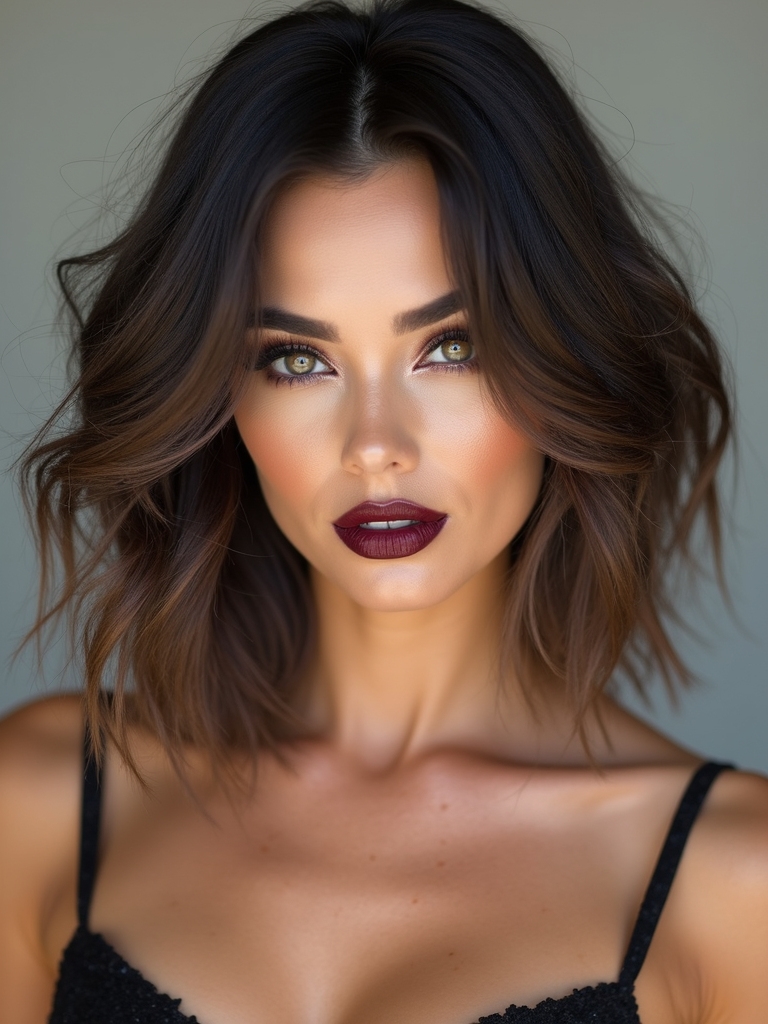
Face-framing layers stay light and feathered along the cheekbones and jaw, the piece most people picture the moment they say they want a lob with movement. Cut well, they sweep forward and catch the light, adding shape to what would otherwise be one plain, even line.
The catch is upkeep. A face-framing piece sits exactly where the eye lands first. There’s no hiding a bad day. It shows the moment it goes unstyled, and it can hang flat without a little help each morning.
- Shortest pieces land at the cheekbone; longest blend into the rest of the lob.
- Suits nearly any texture, though wavy hair tends to hold the bend longest.
- A light mousse at the root keeps the framing lifted through the day.
Textured Shaggy Lob
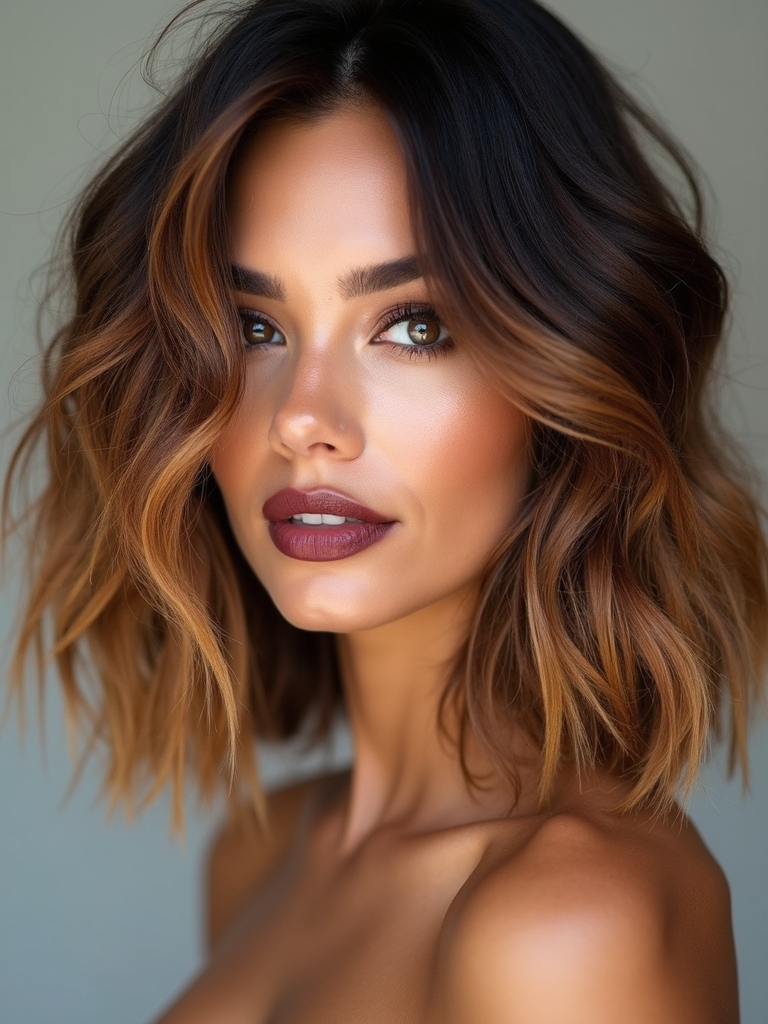
A shaggy lob layers texture from root to tip, borrowing the broken-up movement of a seventies shag but keeping it at collarbone length. Choppy, point-cut layers run through the whole head, well beyond the surface alone.
Where this one struggles is on very fine hair. Heavy internal texturizing can thin it out more than intended, so a lighter hand is worth requesting before the scissors come out. On thicker hair, that same technique lands as easy, low-fuss texture, with none of the bulk.
- The heaviest layering in this whole lineup, concentrated through the interior.
- A texturizing spray scrunched into damp hair is usually the entire styling routine.
- Skip smoothing creams here; they flatten exactly the texture the cut is built for.
A shag gets misjudged before it’s even cut:
❌ Myth: A shaggy lob only works on thick hair.
✅ Reality: Fine hair can wear it too, as long as the point-cutting stays light and controlled.
❌ Myth: Shag layers mean constant styling.
✅ Reality: Air-drying with a texturizing spray is usually the entire routine; the cut does most of the work.
Blunt Ends With Invisible Layers
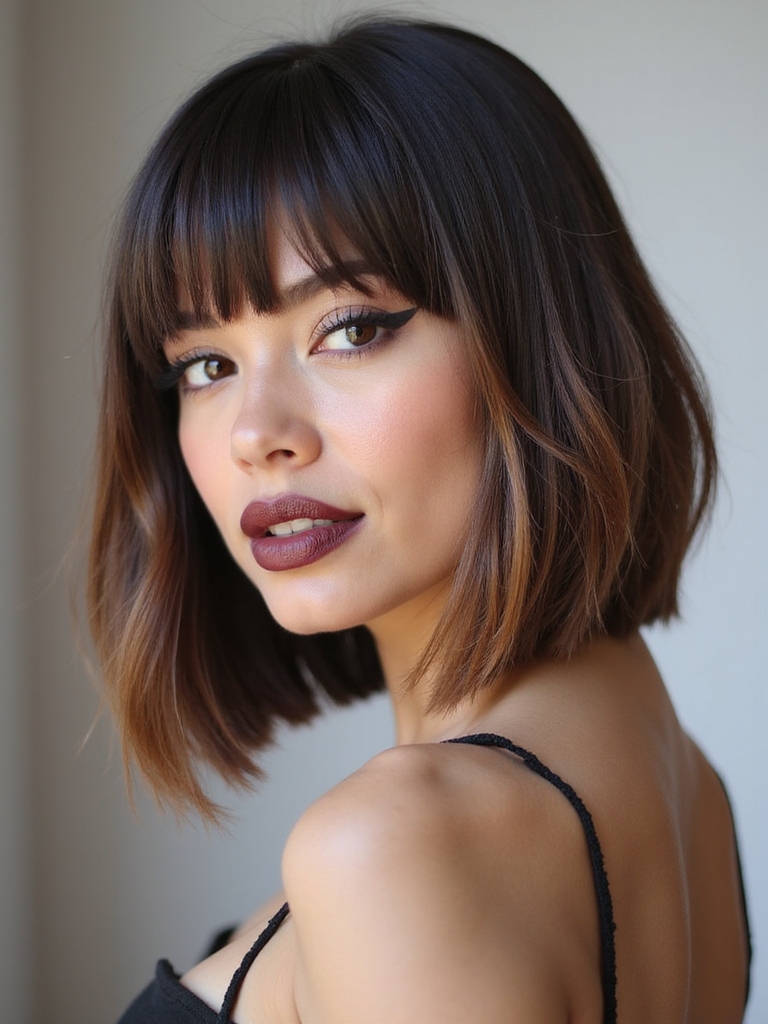
Invisible layers hide movement inside a lob while the perimeter stays sharp and blunt on the surface. Cut well beneath the visible ends, they remove weight without ever showing at the hemline, so the cut looks like one clean line even though it moves underneath.
- Suits thick hair that wants a blunt look without the triangular bulk.
- Keeps fine hair from thinning out visibly at the very ends.
- Ask specifically for the layers to stay hidden so the blunt line isn’t disturbed.
Long Bob With Curtain Bangs
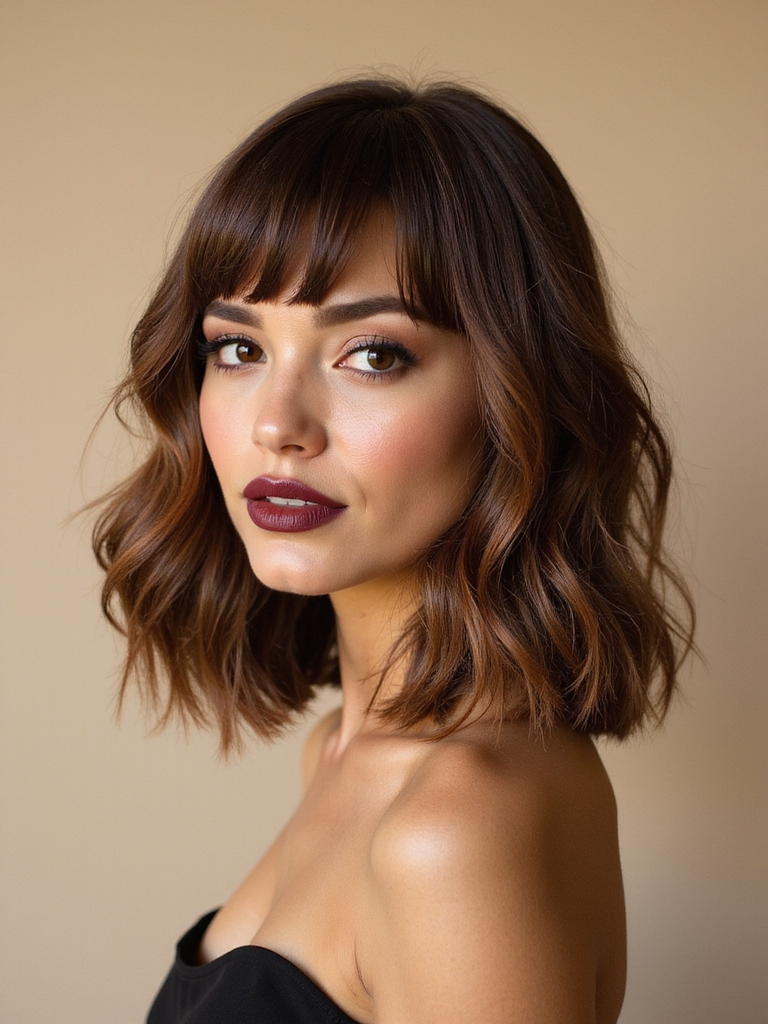
Curtain bangs pair naturally with a layered lob because both rely on the same idea: a soft, graduated line in place of one hard edge. The fringe parts at the center and sweeps back into the surrounding layers, so the two pieces come together as a single connected shape.
- The shortest curtain pieces should land at the cheekbone, no higher.
- A center part is what lets the fringe blend into the surrounding layers.
- Works on straight, wavy, and loosely curled textures alike.
Wavy Lob With Piecey Layers
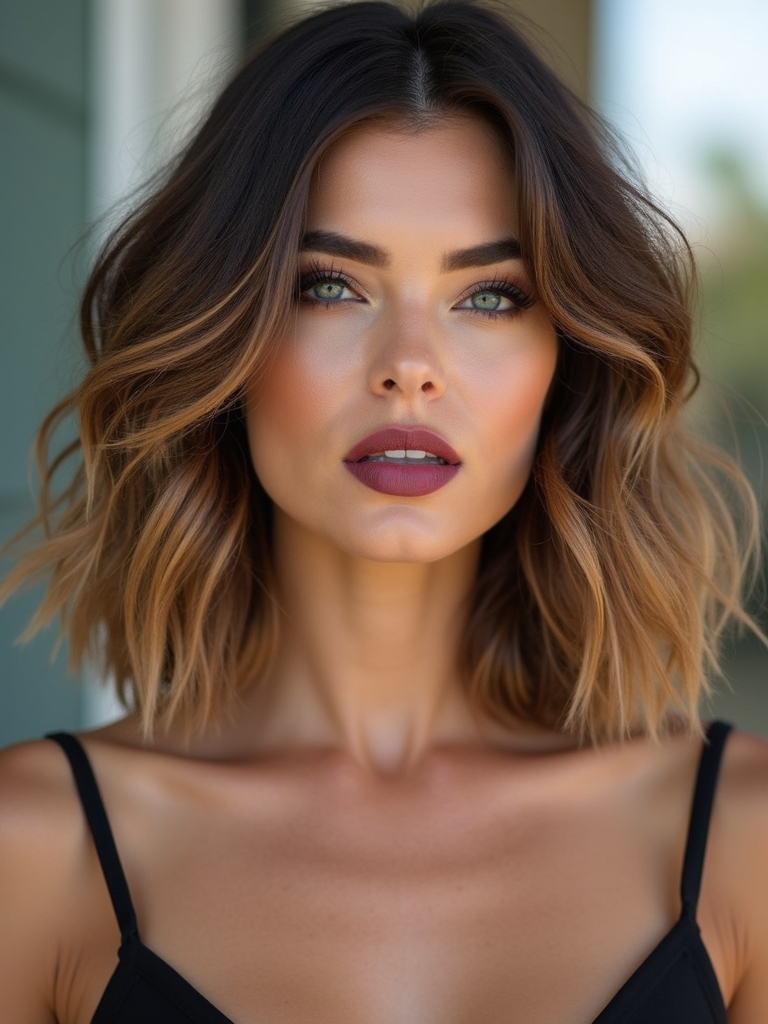
On wavy hair, piecey layers get sliced into distinct, separated sections, and the natural wave amplifies that separation on its own. The result looks deliberately undone, in the specific way that actually takes real cutting to pull off.
Where the wave does the work
This style asks less of daily styling than a smoothly layered cut does, since the wave supplies most of the movement itself. A little salt spray worked through damp lengths is usually enough to finish it.
The trade-off shows up on very straight hair, where the same technique can look choppy without a wave to soften the separation. Worth a conversation before booking if your texture leans stick-straight.
Sleek Lob With Internal Layering
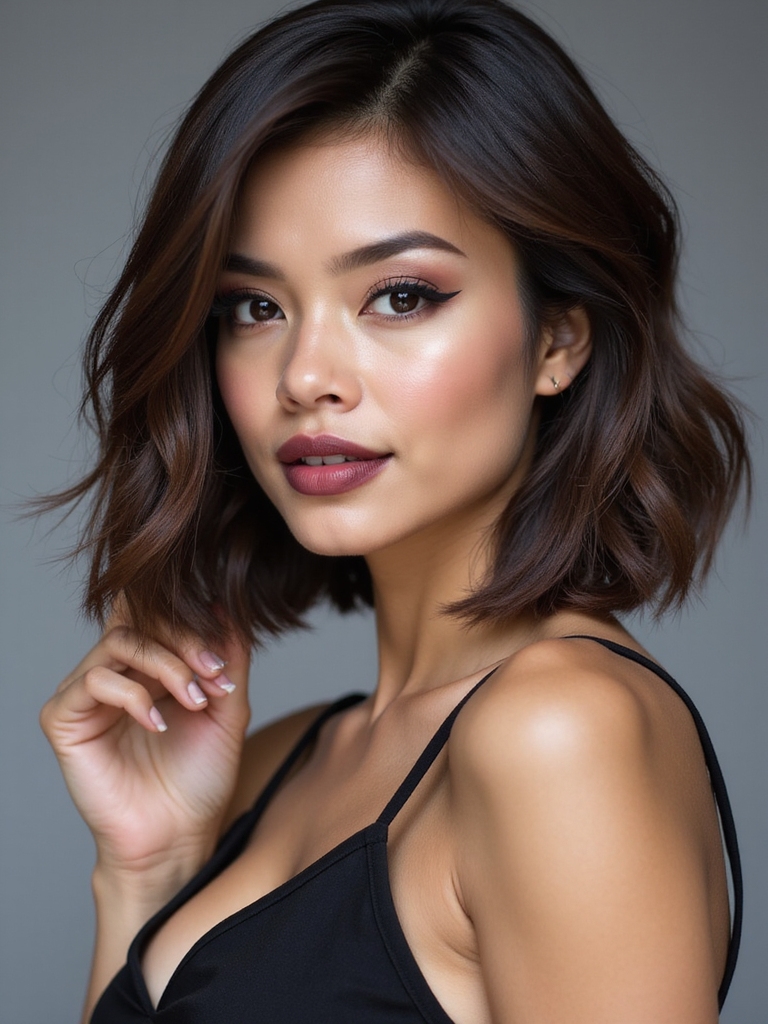
Internal layering keeps the surface of a lob smooth and glassy while the layers do their work entirely out of sight, cut well below the surface line. The outside stays polished; the inside carries the actual movement.
- A smoothing blow-dry or flat iron keeps the top looking sleek.
- Best suited to hair with enough density to hide the internal cutting.
- On very fine hair, a lighter touch keeps the internal work from showing through.
Choppy Layers for Thick Hair
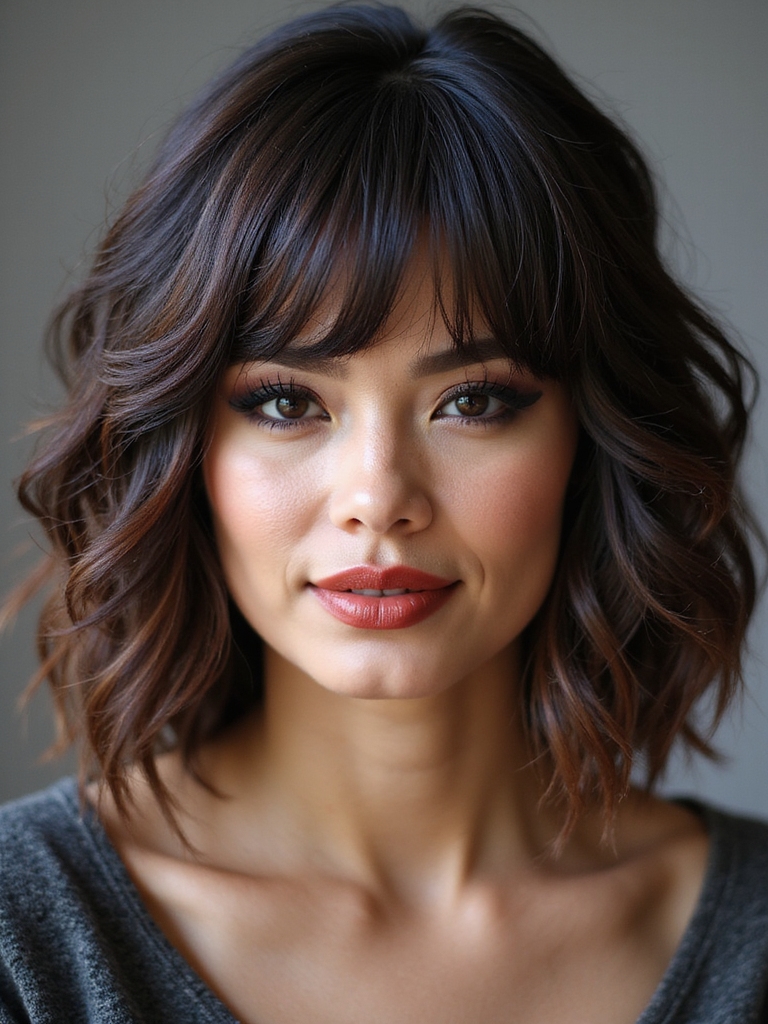
Thick hair pushed into a lob without layering tends to sit heavy and triangular, wide at the bottom and stiff through the middle. It fights the cut rather than falling with it. Choppy layers cut through the interior remove that bulk and let the shape fall.
Point-cut ends finish the perimeter so it doesn’t look like one thick block, while internal debulking does the heavier lifting. Together the two turn density into something that moves.
Where this struggles is hair that’s thick in volume but fine in individual strand texture. A stylist needs to gauge that carefully, since over-thinning there can leave uneven patches where an even, lightened shape was the goal.
🅰️Choppy interior layers
Removes real bulk from dense hair; needs a stylist who checks strand texture, not just overall thickness.
🅱️Invisible layers only
A gentler first step for hair that’s dense but not overwhelming; keeps more length security along the way.
Soft Layered Lob for Fine Hair
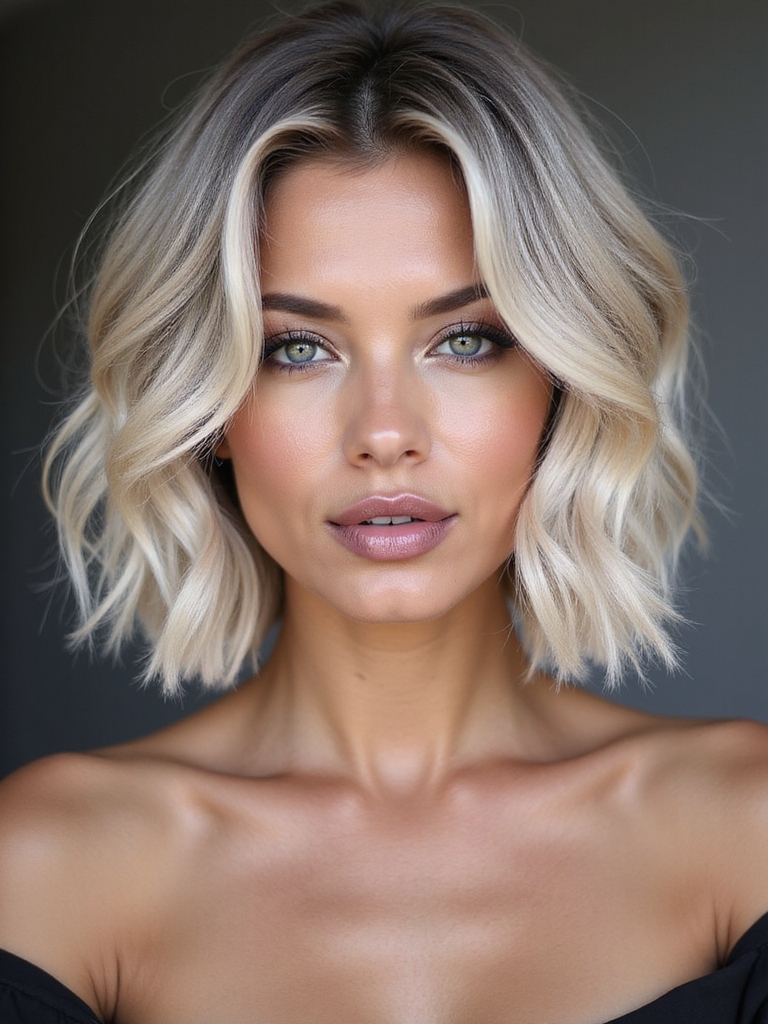
Fine hair wears a layered lob well only when the layering stays soft and minimal, since thin hair has little density to spare. Gentle layering lifts and separates just enough to read as fuller without thinning the perimeter.
Restraint is the entire skill here. Too many layers, or layers cut too short, can leave fine hair looking sparse, especially toward the ends where there’s the least hair to work with in the first place.
Face-framing pieces and a touch of lift at the crown usually deliver more visible volume than layering the full length ever will.
Asymmetrical Layered Lob
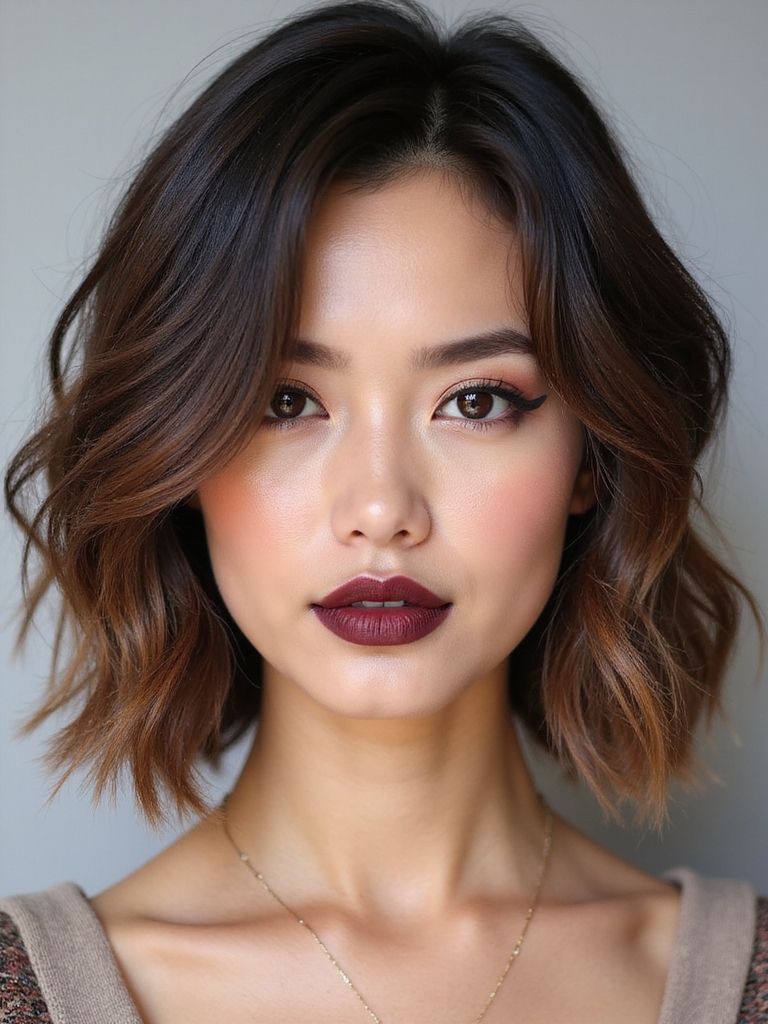
An asymmetrical layered lob runs longer on one side, and the layering keeps that imbalance looking deliberate. The longer side frames the face while the shorter side opens up the neck and jaw, and an angled fringe or deep side part usually echoes the same slanted line.
- Rewards a stylist who plans the exact angle before the first cut.
- Layers throughout keep the strong diagonal from looking severe.
- Regrowth shows fastest on the shorter side, so it needs slightly more frequent trims.
ℹ️Why One Side Grows Out Faster
The shorter side of an asymmetrical cut has less length to absorb new growth, so it visibly shortens the gap between the two sides well before the longer side needs any attention.
Layered Lob With Side-Swept Bangs
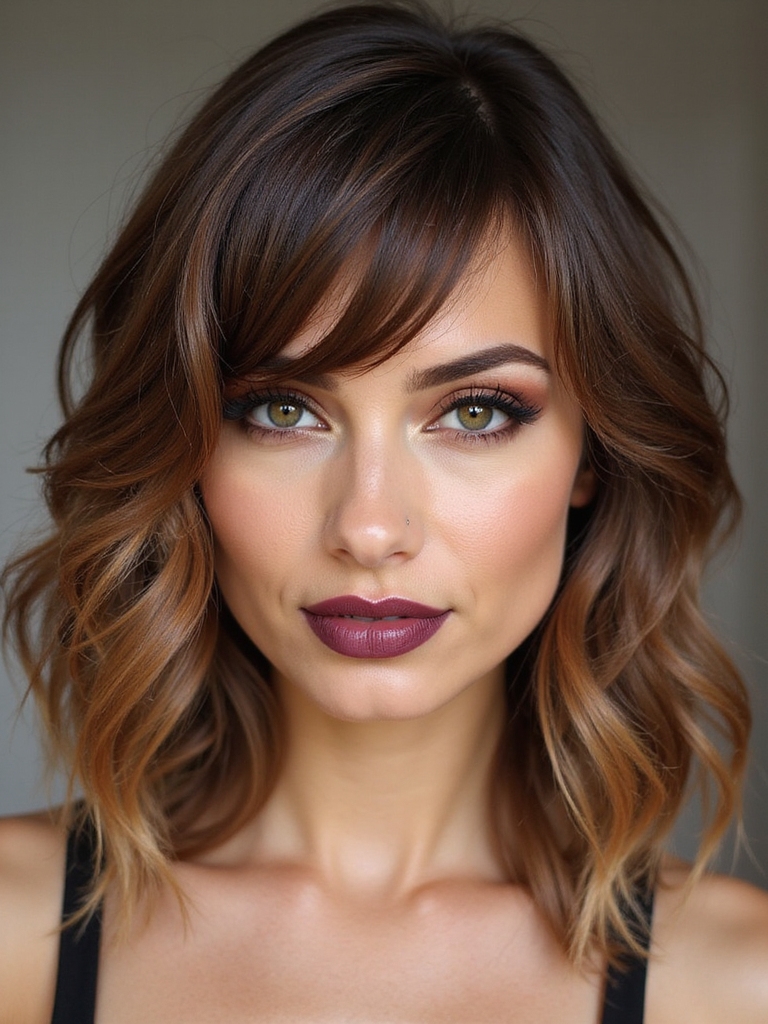
Side-swept bangs sweep across the forehead from a deep part while the layers underneath add movement through the rest of the lob, framing the eyes without the full commitment of a straight-across fringe. The diagonal line softens a round face or a strong jaw.
- A deep side part is what lets the bangs melt into the surrounding lengths.
- Grows out more easily than a center-parted fringe, since there’s no straight edge to maintain.
- A comfortable first bang for anyone unsure about committing to a full fringe.
Collarbone-Grazing Layers
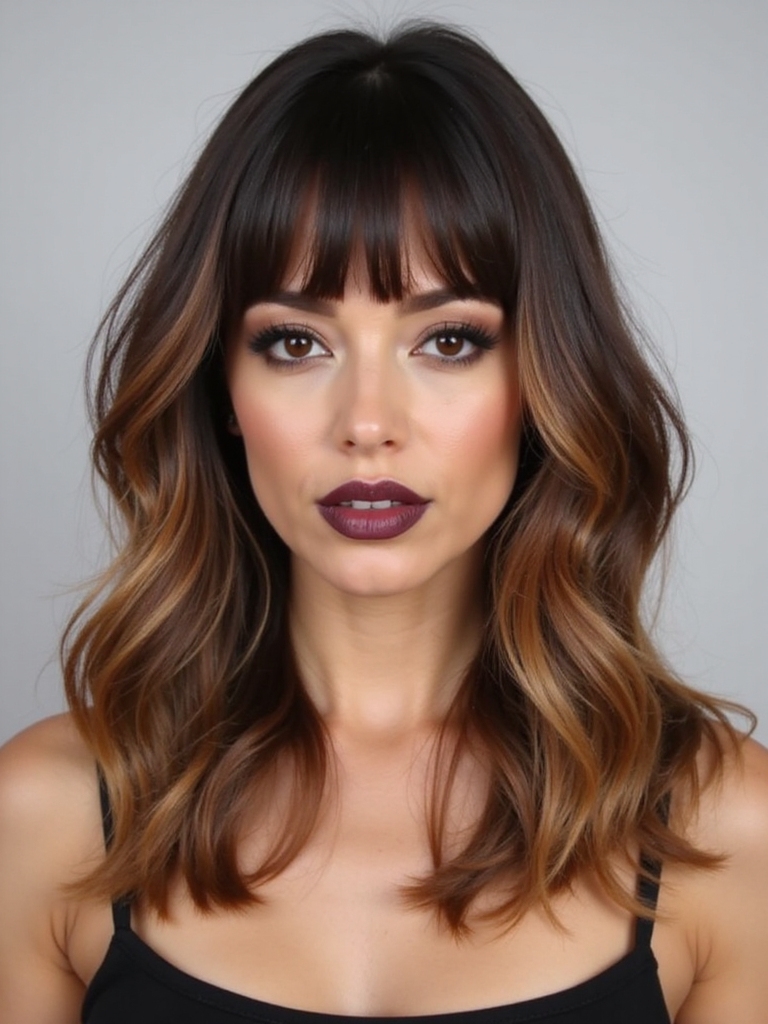
Layers cut to graze the collarbone keep a lob at its longest workable length while still adding real movement. The layering stays long and graduated, so the cut holds length while gaining bounce.
- Long enough to still gather into a low ponytail or half-up style.
- Suits anyone who wants movement without giving up meaningful length.
- The graduation should stay gradual; short bursts of layering here undercut the length.
Razor-Cut Layered Lob
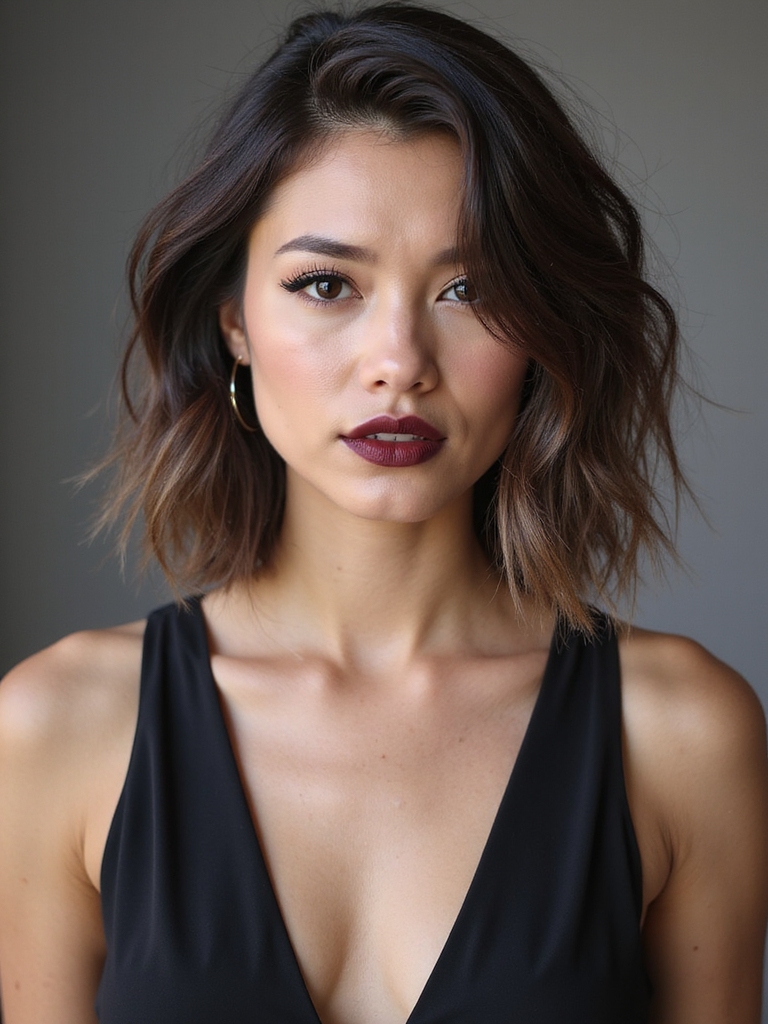
A razor finishes layer ends in fine, feathered points, in place of the blunter line scissors leave, adding air and softness to the tips. The result reads lighter and more textured than a scissor-cut version of the same layering plan.
Where razoring earns its keep
It suits straight and wavy hair particularly well, where the feathered ends catch movement that flat ends would miss. Very fine or fragile hair is the exception, since a razor can fray strands that don’t have much strength to spare.
Worth discussing with a stylist beforehand, especially if the hair has been color-processed recently and needs its integrity protected.
Layered Lob With Subtle Highlights
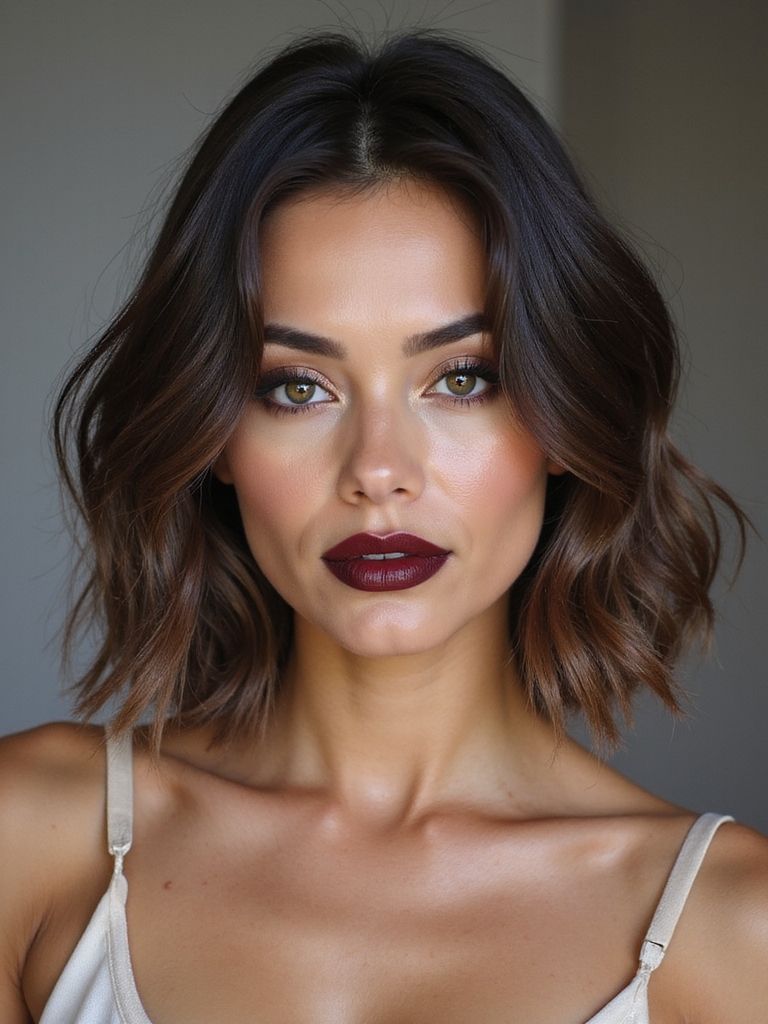
Color adds a second layer of dimension on top of the cut itself, since lighter pieces woven through the layers catch the light differently as the hair moves. The cut alone can only do so much. On a plain, uncolored lob the layering carries the visual interest by itself; highlights let the color share that load.
- Face-framing highlights brighten the complexion the same way face-framing layers flatter it.
- Subtle, low-contrast placement ages better than high-contrast color as the layers grow out.
- A soft wave or blow-dry shows the dimension off better than pin-straight styling.
👍Why Pair Color With Layers
- +Highlights amplify movement the layers already create.
- +Dimension disguises regrowth better than a flat, single-process color.
- +Face-framing color and face-framing layers reinforce each other.
👎What to Weigh First
- –Adds a color appointment on top of the cut itself.
- –Lightened pieces need more careful heat styling to stay healthy.
- –Toner refreshes become part of the ongoing routine.
Curly Layered Lob Shape-Up
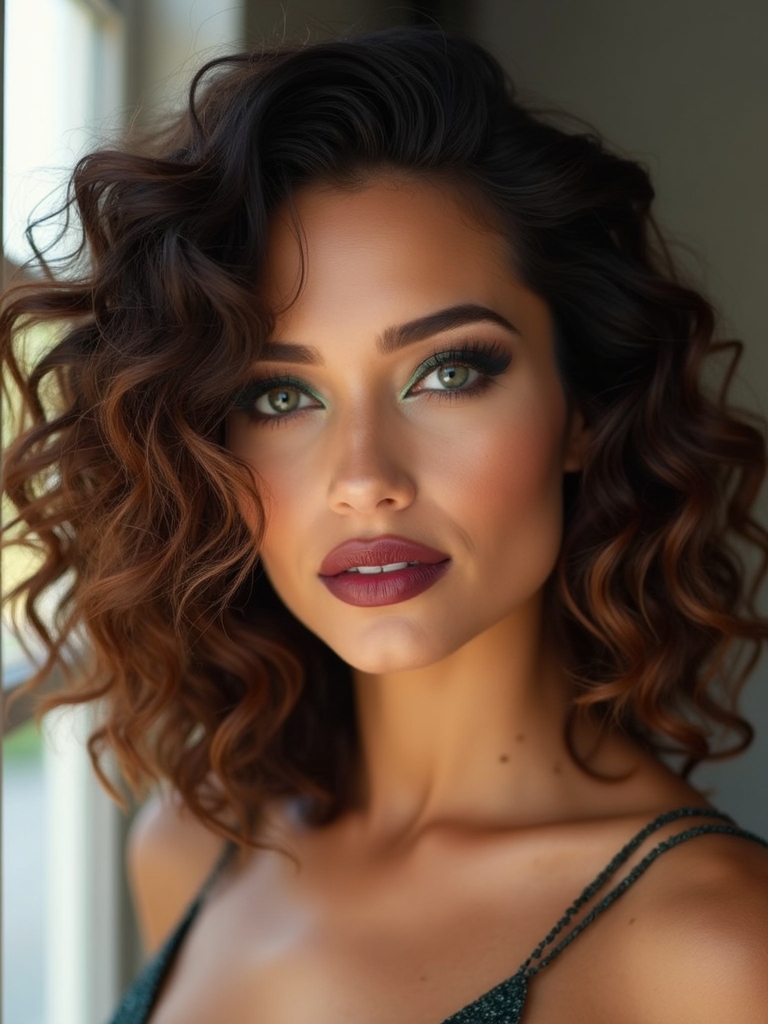
Curly and coily hair wears a layered lob with real bounce once the coils are allowed to stack and spring freely. Layers stop the cut from building into one heavy, triangular mass as it dries.
The shaping has to happen on completely dry hair, strand by strand, since curls draw up noticeably as they dry and a cut made wet lands shorter and bulkier than planned once it springs back.
A stylist experienced with textured hair works with that shrinkage, building the shape around where each curl actually settles once fully dry.
Low-Maintenance Grown-Out Layers
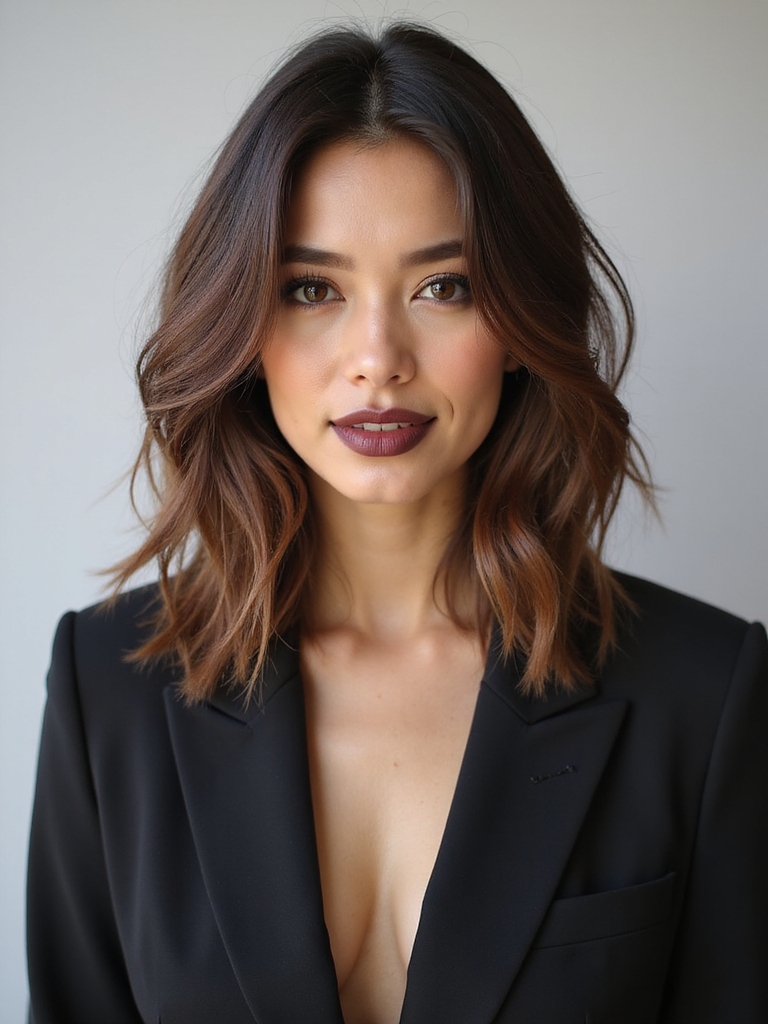
Not every layered lob demands frequent salon visits. Some truly don’t. Soft, long layers cut with a gradual taper grow out gracefully, so the shape and movement hold for a long stretch with no obvious awkward stage in between.
Built to grow out well
The layers here stay long and well-blended, keeping the taper gradual throughout the length. Avoiding sharp, short bursts of layering up front is what buys the extra time later.
This is the version worth requesting for anyone whose schedule truly can’t accommodate regular trims. A shaping visit stretches out toward the twelve-week mark, well past a standard cut’s usual pace, and a lob trim itself typically runs $45 to $75.
Common Mistakes to Avoid
The most common misstep is asking for layers without naming the problem they should solve. Saying only “add some layers” gives a stylist very little to work with, while naming the thickness, the texture, and the specific goal, framing, texture, or volume, gives them an actual plan to cut toward.
The second mistake is picking a style from a photo without weighing hair type first. A choppy, heavily layered look built for thick hair can leave fine hair looking sparse, and a soft, minimal layering plan meant for fine hair can look barely-there on dense hair. Match the technique to the texture, then worry about the specific look. For more on the base shape itself, see our long bob ideas and long bob haircuts guides.
Long Bob With Layers, Answered
?Do layers make a long bob look thicker or thinner?
Either, depending on the technique. Soft layering lifts fine hair for the appearance of more fullness, while choppy or internal layers strip weight from thick hair so it stops looking bulky. The direction of the effect depends entirely on how and where the layers are cut.
?What’s the real difference between a shaggy lob and a regular layered lob?
A layered lob is the broad category, any long bob with movement added through the layers. A shaggy lob is one specific, heavily textured version of that, with choppy layers running from root to tip for a rougher, more undone finish.
?How much length is actually lost when a lob gets heavily layered?
Visually, more than in reality. Heavy layering can make the ends look shorter because they thin out and move more, but the true perimeter length barely changes; it’s the same illusion short layers create anywhere else on the head.
One Length, Many Different Cuts
A long bob is really a canvas, and layering is the technique that decides what ends up on it: more body, less bulk, sharper texture, or the least possible upkeep. The fifteen approaches above solve fifteen different problems with the same base length, so the strongest starting point is naming what the hair actually needs, well ahead of picking which photo looks prettiest.
See our layered bob hairstyles for more ways to work with the same idea at a slightly shorter length.
You Might Also Like