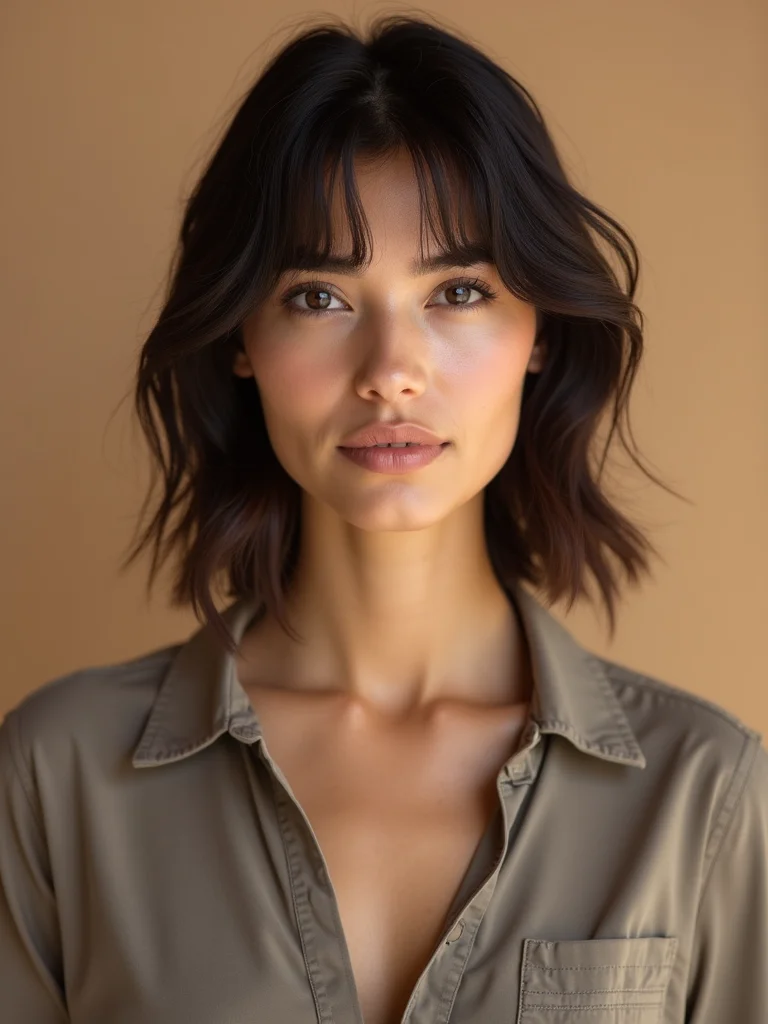
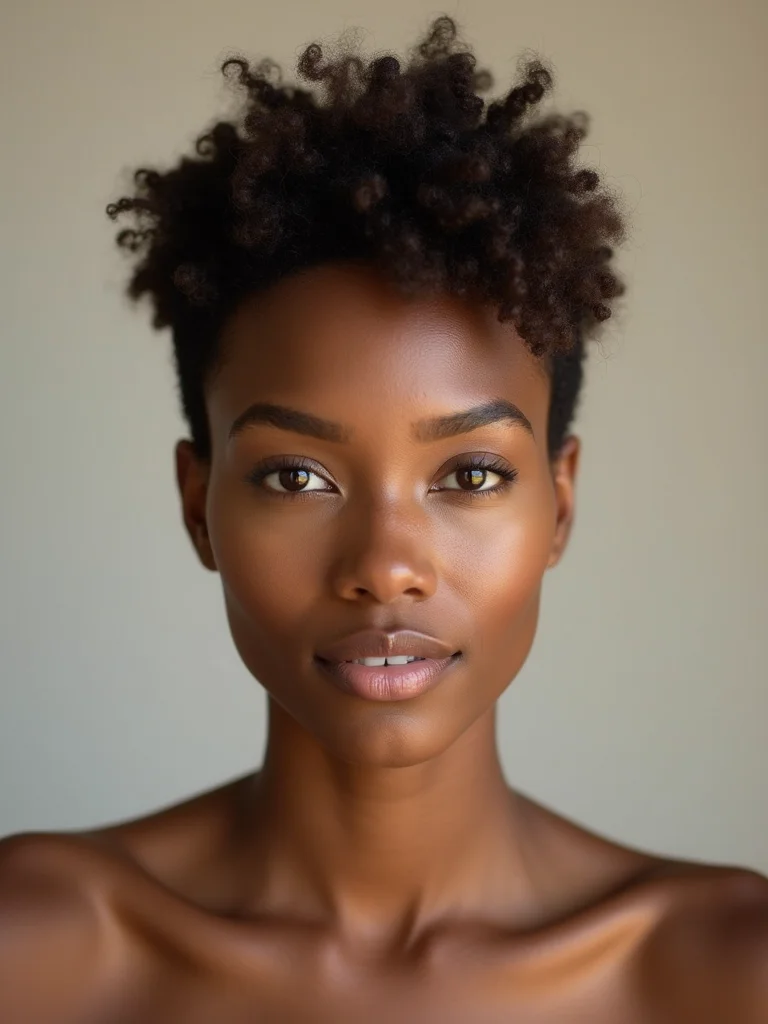
Pull up any photo of hair that just moves right, the kind saved to a hundred boards, and two things are almost always doing the work: real layers, and a soft fringe cut to actually blend into them. That combination, the fringe growing out of the layers themselves, is the whole idea behind wispy bangs with layers.
Fifteen ways to pair wispy bangs with layers follow here, sorted by cut, from a tousled shag to a sharp V-cut, plus the detail worth remembering at your next appointment so the fringe becomes part of the cut from the very first snip.
The Short Answer on This Pairing
- A wispy fringe is really just the shortest layer in the haircut, cut to connect with everything around it.
- Have one stylist cut the bangs and the layers in the same sitting; that single choice matters more than which style you pick.
- This pairing grows out softer than blunt bangs, since there’s no hard line to maintain.
Curtain Wisps That Flow Into Face-Framing Layers

Airy curtain bangs open this list because the connection here is the clearest example of the whole idea: the fringe parts softly down the center and sweeps straight into the layers already framing your face, with no visible seam between the two. It also grows out kindly, since there’s no hard edge that has to be chased down over time.
- Works on foreheads of nearly any height, since the part hides the line
- Ask for the center section cut about two fingers wide, not narrower
- A round brush and thirty seconds of heat sets the sweep each morning
A Feathered Fringe Built Into a Soft Shag

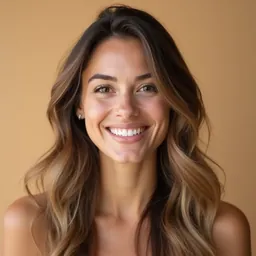
A shag and a feathered fringe were built for each other. The shag runs on choppy, textured layers from root to end, and a feathered fringe simply continues that same texture across the forehead. Both grow out at roughly the same rate too, which keeps the whole shape balanced for longer.
The catch is matching the texture on purpose. Cut the bangs piecey and feathered like the rest of the shag, in the same appointment, so the whole cut moves as one shape. Ask for the same shears or texturizing technique used on the rest of the shag to carry through the fringe.
A quick gut-check before you commit to this pairing:
1Is your current cut already choppy and textured?
A feathered fringe will blend in almost instantly.
2Is your hair mostly one length with soft ends?
Ask your stylist to add a few face-framing layers first, so the fringe has something to connect to.
3Do you color-treat your hair often?
Piecey, textured fringes hide regrowth lines better than a blunt one does.
Long Layers, Barely-There Bangs

For anyone attached to their length, long layers with a whisper-thin fringe is the gentlest way to add bangs without losing much of anything. The length and movement stay intact while a barely-there fringe softens the front.
The one thing clients underestimate here is density. A whisper-thin fringe actually needs less hair than it looks like in photos, so a stylist has to take a smaller section than feels natural at first, or the result comes out heavier than intended.
- Keeps nearly all your length while adding softness up front
- Needs a noticeably smaller section than a standard fringe
- Ask for it point-cut, not blunt, to keep it truly whisper-thin
A Wispy Micro Fringe on a Clean Bob

A bob picks up real edge with a wispy micro fringe, short and high but kept deliberately light and airy. The contrast between the bob’s clean line and the soft, cropped bangs is what gives it presence.
Where this style asks more of you: a micro length needs shaping on a tight rotation, closer to every three weeks than six, or the line loses its point fast. Kept feathered against a blunt bob, the payoff is a real editorial finish.
Delicate Wisps That Soften a Wolf Cut

A wolf cut runs on bold, shaggy layering and serious volume, and a delicate wispy fringe keeps it from tipping into full mullet territory. The soft fringe balances the intensity of the shape without dulling any of its edge. Our wolf cut guide covers the shape on its own.
- Ask for the fringe cut a shade longer than the crown layers
- A texturizing spray on the ends keeps the wisps from clumping together
- Works on straight, wavy, and curly wolf cuts alike
A Textured Lob With Piecey Wisps Up Front

A textured lob with light, piecey bangs is the everyday cut a lot of people want without knowing its name. It sits at the collarbone with soft internal layers for movement.
Why the Lob Wears So Easily
The piecey fringe adds separation at the front, tying back into the layers behind it, so the whole thing looks put-together without looking overworked.
Point-cut, broken ends on the bangs echo the texture through the lengths, which is what keeps a lob from going flat on finer hair.
| Hair Type | Best Fringe Texture | Why It Works |
|---|---|---|
| Fine, straight | Piecey, point-cut ends | Broken ends fake density that flat, blunt ends can’t |
| Wavy | Tapered, soft edge | A texturizing salt spray on damp bangs holds the bend without stiffness |
| Thick, coarse | Feathered, slightly heavier | Enough weight to avoid puffing out |
Side-Swept Wisps on Layered Medium Hair

Side-swept wispy bangs on layered medium-length hair are soft and low-commitment. The fringe sweeps across the forehead at a gentle angle and melts into the layers on the longer side.
This is the fringe I point first-timers toward when they’re nervous about commitment. Because the swept fringe connects into the layers on one side, it grows out as face-framing pieces with no awkward in-between stage.
- Sweeps in on a gentle diagonal across the forehead
- Suits round and square faces especially well, breaking up width
- Styles with just a round brush and a few minutes
A See-Through Fringe on a Layered Pixie

On a layered pixie, a soft, gauzy fringe keeps the short cut from tipping into severe. The pixie’s layers build texture and lift, and the see-through bangs add softness right at the front.
The proportion is trickier than it looks. Too much fringe on a pixie this short reads like a full curtain dropped over a tiny canvas; the fringe should show a little forehead through it, which is the detail that keeps the whole cut feeling open. Our layered pixie cut guide has more on the shape itself.
Tapered Wisps That Move With Wavy Layers

On wavy hair, tapered wispy bangs bend right along with your natural texture, which is exactly why the pairing works. The layers give the waves room to move, and the tapered fringe waves right along with them.
Cutting for the Wave
The key on wavy hair is tapering the fringe so it has a soft, broken edge that mimics the wave pattern. Cut straight across, a wispy fringe on wavy hair looks stiff within a day.
A little wave spray on damp hair brings the fringe and the layers together into one texture.
A Shorter, Choppier Take on Curtain Wisps

This one mixes two ideas at once: heavily textured, choppy layers with a shorter, higher version of curtain bangs. The choppy layers bring bold, piecey texture up top.
The micro curtain fringe parts and sweeps the same way a classic curtain does, just shorter and higher on the forehead, for a younger, more current effect.
- Sits higher on the forehead than a classic curtain fringe
- Layers and fringe both cut choppy so the texture matches
- A current, slightly bolder take on a familiar shape
ℹ️Placement Note
A low, narrow hairline can make this placement look accidental. Ask your stylist to check where your hairline actually sits before committing to the higher part; a couple of extra face-framing pieces at the temples usually fixes it.
Ultra-Fine Wisps on Sleek, Straight Layers

Not every layered look is undone and textured. On straight, sleek hair, ultra-fine wispy bangs add the faintest softness to an otherwise polished cut.
Clients ask me most often here whether it will end up looking thin. The fringe has to stay very fine, since anything heavier breaks up the sleekness the whole style is going for. A flat iron, about 10 minutes total, keeps both the layers and the fringe smooth and glossy.
A Diffused Fringe for Curly Layers

Curly hair wears layered bangs well. The fringe just has to be cut for the curl pattern and styled with a diffuser, with real intention behind every step.
Layers free curly hair to spring and move, and a soft curly fringe frames the face with real bounce. Ask for the fringe to be shaped in its dry, curled state, since a curly fringe cut wet shrinks up shorter than planned once it dries. Our curly bangs guide has more on cutting bangs for curl patterns specifically.
- Cut dry, in pattern, to avoid over-shrinking
- Diffuse the fringe along with the rest of the head
- A little curl cream, scrunched gently, keeps the shape defined
Soft Wisps Framing a Layered U-Cut

A U-cut keeps length while shaping the ends into a soft U, and paired with airy bangs it carries a romantic, flowing quality. The shape works especially well on hair that’s grown past shoulder length without much else changed in years.
The wispy fringe draws a little attention up toward the face. That’s the point. It keeps a long U-cut from feeling like one uninterrupted length. Keep the fringe soft and tied into the longest layers around your face for the easiest grow-out.
A Floating Fringe From a Razor-Cut Finish

Razor-cutting gives layers and bangs the lightest, most feathered finish of any technique here, and the result is a fringe that seems to drift rather than sit. The razor tapers every end to a fine point, so the layers fall airy and weightless.
- A skilled hand matters more here than on any other cut in this list
- A light mousse supports the floating, feathered finish without weighing it down
- Redo every 4-5 weeks; razored ends soften and lose shape faster than scissor-cut ones
Not sure if a razor finish suits your hair? Match it to your texture:
🎯Straight to loosely wavy hair
A razor finish will fall airy and weightless, exactly as intended.
🎯Very coarse or chemically treated hair
Ask for scissor-over-comb instead; razoring can fray already-compromised strands.
Blended Wisps on a Dramatic V-Cut

A V-cut shapes the back into a long, dramatic point, and blended wispy bangs at the front balance it with softness. The back carries the drama; the front stays gentle, so the whole cut comes across bold from behind and soft head-on. Where clients get this wrong is asking for the V without the fringe, then feeling like the back overwhelms the face on its own.
- Best on hair past the shoulder blades, where the V has room to show
- Ask for the point at the back cut a few inches past your natural length goal
- A strong pick for anyone growing out a shorter cut with a plan
Maintenance and Care, Realistically
Where this pairing struggles is oil. A fringe sits closer to your forehead than the rest of your hair, so it picks up shine and flattens sooner, especially on finer textures. A dry shampoo worked into the roots of the bangs alone resets it between washes; there’s no need to touch the rest of your hair at all.
Trims matter more here than the tool you style with. A wispy fringe holds its shape best on a loose schedule, roughly once a month, since letting it grow slightly is often what keeps it soft.
A bang-only trim between full cuts usually runs $15-25, about half what a standalone fringe appointment would cost, when a stylist folds it into your regular visit. The full cut itself, layers and fringe together, generally runs $55-95 depending on length and where you live.
A Few More Questions on This Pairing
?How do I make sure my bangs actually blend with my layers?
Bring a photo of the full haircut, not a close-up of the bangs, and say the words “cut together” when you book. Stylists who hear that plan the sectioning differently from the start, instead of treating the fringe as an add-on at the end.
?What if I have a strong cowlick right at my hairline?
Tell your stylist before the first cut, not after. A cowlick usually means the fringe needs a slightly asymmetrical part or a touch more length on one side to lie flat, instead of fighting the growth pattern head-on.
?Will a wispy fringe survive a gym routine or humid weather?
Better than a blunt one. Sweat and humidity make bangs stick to the forehead, but a piecey, wispy fringe separates back into place with just fingers, no mirror required, once it’s dry.
?What if my hair is already layered but I want to add bangs later?
It still works. Have your stylist section out the existing face-framing layers first and cut the new fringe to match their length and texture exactly. Skipping that step is the single biggest reason bangs added later end up looking like a separate piece.
One Cut, Not Two Decisions
Every cut here proves the same point: wispy bangs and layers aren’t separate choices, they’re one continuous idea. The fringe is simply the front edge of the layered cut.
Before your next appointment, bring a photo of the whole cut, bangs included. Try that first; it tells your stylist far more about proportion and density than a cropped photo of just the fringe ever could.
Worth a Look