Locs are not one hairstyle. The woman with a fresh starter set she began three months ago and the woman whose locs reach her waist after eight years are wearing the same word and two completely different heads of hair. That gap is the whole point of this guide to dreadlocks hairstyles for women at every stage.
The fifteen styles below run across that range on purpose: starter and mature, permanent and protective, bare and beaded, board-meeting sleek and weekend playful. For each one I have noted what it actually takes to wear it, who it tends to flatter, and where the upkeep or tension can catch you out. The goal is simple: match a style to the locs you have right now, this stage, this length.
Loc Styles at a Glance
Your loc stage decides your options more than your length does. Starter and budding locs hold parts and edge work beautifully but resist styles that need wrapping; mature locs gather, coil, and sculpt into almost anything.
Protective faux styles like goddess and butterfly locs give you the look for one season without the years of commitment, while permanent locs reward patience with a set that styles itself. Whichever you wear, the styles that pull from the root are the ones to ration so your edges and crown stay strong.
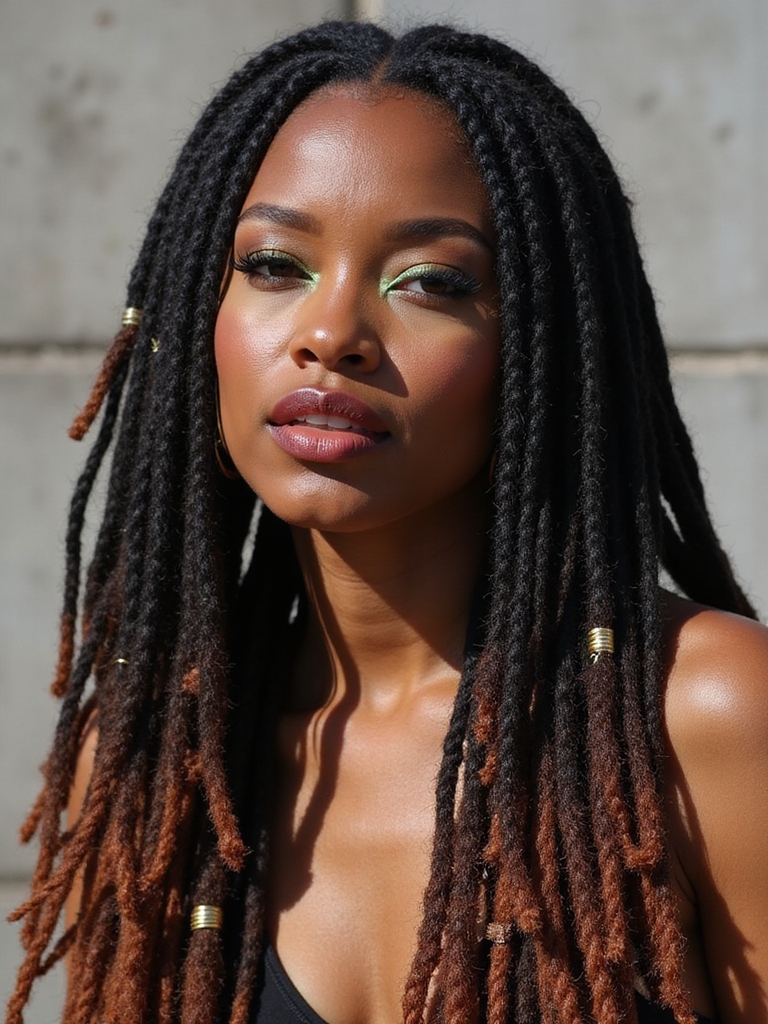
Classic Waist-Length Locs Worn Loose

Waist-length locs are the long game made visible. By this point the interior has fully locked, the roots hold between sessions without much loosening, and the whole set moves as one weighted unit. Worn loose, they need almost nothing on a given morning. That is why so many women who reach this length stop fussing entirely.
The honest trade-off is weight. A mature waist-length set is heavy, and that pull lands on your roots and your neck all day. Sleep in a satin bonnet or on a satin pillowcase so the lengths do not snag, and keep your retwist on a 4 to 6 week cadence so the roots stay strong enough to carry the load.
The women who keep this length are usually the ones who never wear it pulled tight every day. After years behind the chair, that is the single clearest pattern I see: loose-worn locs grow long, and constantly-yanked-back locs thin at the temple. If you want the length in the photo, you protect the part that holds it.
Boho Goddess Locs With Loose Curls

Goddess locs are installed over your own hair as a temporary protective style, with the added hair left loose and wavy at the ends rather than sealed into a point. You get the structural presence of locks through the upper two-thirds and a soft, curly finish at the bottom that permanent locs only reach with rods.
Who Goddess Locs Suit
A client sat in my chair last spring wanting waist-length goddess locs for a destination wedding, and the first real conversation was not about the look at all, it was about her own four inches of new growth underneath and how we would keep it from matting during the six weeks she planned to wear them.
Plan for a full-day install, often 5 to 8 hours, in the $200 to $450 range depending on length and your area. Wear them 6 to 8 weeks, no longer, and resist the urge to retighten the base too aggressively at the scalp.
📋Before You Pick a Loc Style
- ✓Know your stage: starter and budding locs style differently from mature ones.
- ✓Decide permanent vs protective faux, the upkeep and cost differ sharply.
- ✓Factor in tension: ration the styles that pull from the root.
Short Starter Locs With a Side Part

At the starter stage, locs sit close to the scalp and have not yet gained the length to do much. A side part placed an inch or two off-center is the strongest styling move available, because it adds a deliberate line that looks styled even at the budding stage. That single divide does a lot of work.
Caring for the Budding Stage
What I tell every first-timer is that this stage is about patience, not styling. Clean edge work along the hairline, a light edge product applied with a soft boar brush, and a side part do more for a starter set than any product promising faster locking.
The trade-off is restraint: starter locs are not ready for tight ponytails or heavy manipulation, and pulling them early is the fastest route to thin, weak roots. Retwists run roughly $50 to $90 every 4 to 6 weeks while the set matures.
Chunky Jumbo Locs for Bold Volume
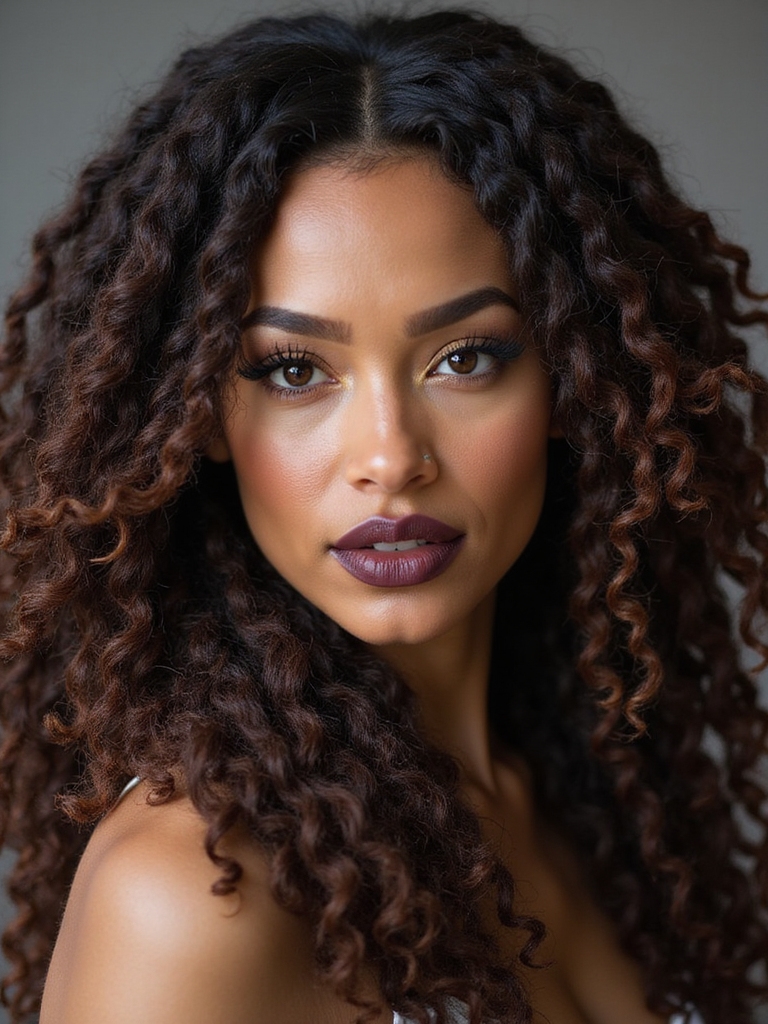
Jumbo locs are built from wide scalp sections, so a full head has fewer, thicker locs than a standard set. Each one is bold enough to register across a room. The lower section count helps, too: they dry faster after washing and sit through shorter retwist appointments than fine locs.
The flip side is concentrated weight at fewer root points. So the tension caution still applies. They flatter women who want presence with low daily fuss, and they are forgiving for anyone still learning their own maintenance rhythm.
ℹ️Good to Know
Jumbo locs dry faster and retwist quicker than fine sets because there are fewer, wider sections. For busy women, that speed alone makes them one of the easier sets to live with day to day.
Micro Locs for a Sleek, Refined Look

Micro locs sit at the opposite end from jumbos: each is around the diameter of a toothpick or finer, and a full set can run 200 or more individual locs. That fine, dense texture is exactly what makes micro locs hold up so well in formal and professional settings.
That refinement has a real price tag. Expect the install to stretch across more than one appointment, with a total somewhere around $400 to $800 or more once it’s finished. Maintenance means interlocking each fine section by hand, so appointments run long. They suit someone who values versatility and doesn’t mind the time and money the detail actually costs.
Curly Wavy Locs With Soft Texture

These are simply your own locs with the ends curled, usually set on flexi rods or braided overnight and released the next morning. The curl fans the ends outward and catches the light. The whole set looks fuller and more active than the same locs worn straight and flat.
Nothing about the locs themselves changes, which is the appeal. The curl is a temporary set that holds three to five days and then relaxes back to the loc’s natural fall, so you can move between sleek and curly without any permanent decision.
Sleep in a satin bonnet to stretch the set a day or two longer. If you want a deeper spring, look at curly dreadlocks styles for techniques that build more lasting bounce into the ends.
Protect Your Edges
Repeated tight, high styling is the most common cause of edge loss and traction damage in loc wearers. If you notice tenderness or weakening along the hairline, switch to loose-worn or low styles and give the roots time to recover.
High Loc Ponytail With a Wrapped Base

Gathered at the crown and finished by winding one or two locs around the band to hide it, the high ponytail is the most polished everyday style available once your locs reach mid-back or longer. It looks pulled-together in minutes and works for an office just as easily as a night out.
Here is where I get protective, because the high pony is also where I watch edges suffer most. The fix I make most often is swapping a thin elastic for a wide satin-covered band, at least two centimeters across, so the tension spreads across a wider surface at the root.
Keep it as an occasional style, not a daily default, and alternate the height so the same root section is not loaded every single day. For more pulled-back options that share the weight differently, see loc ponytail styles.
Half-Up Half-Down Locs With a Top Knot

The top section gathers at the crown and coils into a small knot, while the rest of the locs fall free behind the shoulders. It lifts the front and frames the face without committing to a full updo. The coiled knot is the difference; a plain band cannot give you that sculptural quality.
Why It Flatters Most Face Shapes
From the side, that knot adds height and changes the whole profile, which is why it photographs well and feels dressier than its effort suggests. It works across loc stages too: shorter sets make a tidy little knot, longer sets a fuller one.
Because only the crown is gathered, it spreads tension better than a full high pony, but the principle holds, do not wind the knot drum-tight at the root.
Not sure which direction fits you? Two quick reads:
🎯I want the loc look for one season
Go protective: goddess or butterfly locs give you the aesthetic for 6 to 8 weeks with no long-term commitment.
🎯I am in this for the long haul
Start permanent locs and lean on loose-worn and low styles early, so your roots stay strong as the set matures.
Loc Bob With Blunt Ends

The loc bob is one of the sharpest short silhouettes a loc wearer can carry. On permanent locs the blunt line happens through growth and a clean cut at the shoulder, where the sealed tips sit evenly and create a defined hemline that swings when you turn your head.
A center part keeps both sides falling at the same level for that crisp, graphic effect. It is low-fuss and modern in a way longer locs rarely manage. The catch: shorter locs mean more frequent retwists to keep the line sharp. For the full range of short shapes, see the loc bob gallery.
Color-Popped Locs With Highlights or Ombre

Color on locs runs from subtle to bold. Partial highlights, where only a handful of locs throughout the set are lightened, scatter dimension that catches light without committing the whole head to processing, and the effect looks natural, almost sun-touched.
An ombre gradient is the bolder choice, running darker at the root into a lighter or warmer tone through the lower half or two-thirds. At longer lengths that gradient plays out over a real visual span and shifts how the whole set reads in different light.
Now the honest caution. Lightening locs is hard to undo, because the color is locked inside the structure itself. Go to a colorist who works on locs specifically, and treat any lightened set to extra moisture, since processing leaves locs drier than they were before.
Loc Petals and Sculpted Updos

Sculpted loc styling turns the locs into the material itself. A loc petal is a section folded back toward the scalp and pinned flat so the fold forms a rounded, leaf-like shape; arrange several in rows and you get a floral pattern visible from above. This is event and wedding territory, the kind of look you book a stylist for.
Sculpted updos build on the same idea, combining petals, pinned coils, and flat-braided sections into something unique to your head. A few realities to weigh before you book:
- Plan 1.5 to 3 hours in the chair depending on how intricate the design is.
- Mature locs hold these shapes far better than budding ones, which can slip free.
- Ask for it set the day before only if your locs are well-locked, otherwise same-day is safer.
Barrel Twists and Rope Loc Styles

Two or three locs wound tightly in the same direction form a cable thicker than any single loc, and across a full set that shifts the texture from individual strands to a heavier, more defined pattern of bold sections. The cables move as single units, which changes how the whole head behaves through the day.
Worn loose and down, barrel twists look casual and textured; gathered into a low bun, the same twists turn formal. That range from one styling session is the practical appeal, and the twists themselves take stress off your hands compared with daily restyling.
They suit women who like a defined, structured look and are happy to sit for the twisting. It adds time at the salon. Once set, it holds for days.
Accessorized Locs With Beads and Cuffs

Beads, metal cuffs, shells, and thread wraps are an adornment layer over any loc look. They also carry real cultural weight, with deep roots in the traditions locs come from. Because they live on the locs themselves, they move with your hair and catch light as you do.
Most women build a personal collection over years, adding and removing pieces at different points in the loc journey. One practical caution: heavy metal beads concentrated low on long locs add pull. So spread them out. Loading the same few locs stresses the roots over time.
Butterfly Locs for a Textured, Organic Look

Butterfly locs get their soft, feathery surface from the install: the added hair wraps around a braided base but is left slightly loose along the length rather than wound tight, so wisps of hair stay visible and the whole look comes across as soft and organic at a distance.
This is a protective style worn 6 to 8 weeks before removal, which makes it a favorite for women who want the loc aesthetic for one season without the years of growth permanent locs require. For more temporary-loc options that install fast, see artificial dreadlocks styles.
Space Buns and Playful Pigtail Locs

Space buns bring the same light, playful energy to locs that they do to any hair, with one bonus: the buns hold their shape reliably because the locs grip each other at the anchor. A clean center part splits the set into two even halves, gathered at matching heights and coiled into a bun on each side. Here is how they come together:
- Part straight down the center for two even sections, securing each with a wide satin band.
- Coil each gathered section into a bun and pin, letting the locs grip without over-tightening.
- Add matching cuffs or a coordinating ribbon on both sides to tie the look together.
Making Any Loc Style Last Longer
Whatever style you land on, the same few habits decide how long it holds and how healthy your locs stay underneath. Sleep in a satin bonnet or on a satin pillowcase every night, full stop, since cotton wicks moisture and snags the lengths. Keep a regular retwist cadence and do not stretch it until the roots are hard to handle. Resist over-tightening too, which does more long-term damage than waiting a week too long.
Rotate your pulled-back styles so the same root section is not loaded daily, and if you ever feel tenderness or notice thinning at the temples, ease off the tension styles entirely until it recovers. For a head start on choosing, the best loc styles by length guide sorts options by exactly where your locs are right now.
Match the Style to the Locs You Have Now
The loc journey is not a straight line from short to long. It pauses, experiments with protective styles, adds color and takes it away, and looks like a different head of hair at different points in the same woman’s life. None of these fifteen styles is a finish line, they are choices that fit different stages.
Bookmark this one and come back to it as your locs change, the style that fits you this season is rarely the one that will fit you in two years, and that is exactly how it should be.
Where to Next