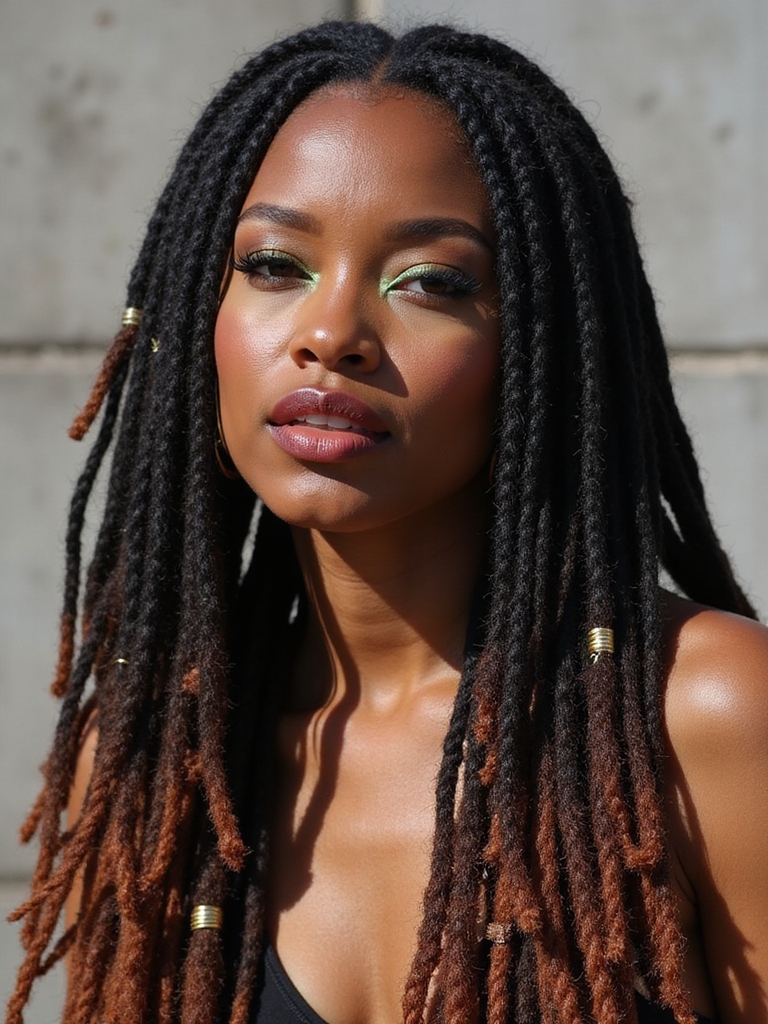
A retwist appointment ends, and the mirror shows something different every time: sharp new parts on a starter set, a loosely gathered updo on a mature one, a temporary install that borrows length for a season. Cute dreadlocks hairstyles for Black women cover more range than most non-wearers assume, and that range is the actual subject here.
Fifteen looks follow, spanning starter locs through waist-length mature sets, natural and faux installs alike, with the real trade-offs each one asks for.
What Shapes a Loc Style
Two factors decide more than anything else: loc type (natural, micro, or a faux install like goddess or butterfly locs) and stage (starter, established, or mature). Each combination wears differently and asks for different care.
Edges and satin do more work than any single styling technique. A minute of edge control and consistent satin protection at night carry nearly every look on this list, regardless of which one gets chosen.
Short and Chic Starter Locs

Starter locs carry a clarity that older, settled locs eventually lose. Each section stays distinct, the parting shows clearly, and the whole set sits close to the scalp with real structural precision.
Where the Sections Start
On tightly coiled natural hair, starter locs typically begin as comb coils or two-strand twists, then gradually lock into their permanent shape over the first several months.
The catch at this stage is patience. A crisp parting and a freshly done retwist are what make it read as deliberate rather than unfinished, so upkeep matters more here than at almost any later stage.
Shoulder-Length Loc Bob

The bob shape arrives on locs through growth rather than a single cutting appointment. Once the set reaches the shoulder, it naturally forms a bob line and moves with the head in a way shorter locs don’t yet.
Where this length struggles is right at the start of the transition, before there’s quite enough weight to swing freely; a few more months of growth resolves that on its own.
- Forms naturally as the set reaches shoulder length.
- Long enough to style, short enough to dry quickly after washing.
- A center or side part changes the whole shape in seconds.
Soft Bohemian Goddess Locs

Goddess locs are a temporary, faux protective install, built over natural hair with added hair wrapped to resemble locs, left loose and wavy at the tips for a softer finish than a fully sealed set.
- A protective option for anyone growing natural locs who wants length or variety in the meantime.
- Typically comes down after six to ten weeks, giving the natural hair underneath a proper wash and rest.
- Where this struggles is cost: a full salon install runs several hours and a real price tag.
Natural or faux: what each one actually asks of you.
🎯Natural locs
A long-term commitment that locks over months; lower ongoing cost, more time invested upfront.
🎯Faux locs (goddess, butterfly)
Immediate length and texture; a real install cost and a defined removal date.
Curly and Wavy Loc Ends

Curled or waved ends add softness to the overall silhouette that sealed, straight ends don’t carry. On established natural locs, the ends get set on flexi rods, perm rods, or small rollers on damp hair and left to dry fully overnight. A deeper look at texture-forward loc styling lives in the curly locs guide.
- The resulting curl reads softer and rounder than on loose natural hair.
- Typically lasts three to seven days depending on humidity before the locs settle back to their natural state.
- Washes out clean with no lasting change to the locs themselves.
Butterfly Locs With Texture

Butterfly locs are a faux install defined by surface texture: deliberately wispy and layered instead of smooth and uniform, with the wrapping hair left slightly loose along each loc. The full single-day version of this crochet approach lives in the crochet dreadlocks guide.
- Installed using a crochet method over a braided base near the scalp.
- From a distance the set reads relaxed; up close the texture is noticeably rich.
- Typically holds as a protective style for six to eight weeks.
ℹ️Where the Texture Comes From
The wispy look comes specifically from leaving the outer wrap loose during installation, not from the hair type used to build the loc itself.
Half-Up Half-Down Loc Styles

A horizontal section across the crown, roughly the top third of the set, gets secured at the back with a satin-covered band or a wide claw clip, positioned just above the occipital bone. A wider set of everyday styles like this one lives in the cute dreadlocks hairstyles guide.
- High enough to feel intentional, low enough to let the rest fall naturally behind the shoulders.
- Smoothing the edges last is what carries the whole style visually.
- Works on both natural and faux sets with no real adjustment needed.
High Ponytail and Top Knot Locs

For locs long enough to gather at the crown, generally mid-back or longer, a high ponytail is the style reached for most on rushed mornings and gym days.
The set gathers into a wide, satin-covered elastic, pulled up so the anchor sits at the very top of the head rather than lower on the crown.
A top knot builds on the same base: the gathered locs coil or fold up and around the anchor, pin flat, and finish into a rounded bun, sometimes with a metallic cuff or two on the visible surface locs.
Space Buns and Playful Updos

Space buns divide a full set into two equal sections, one gathered above each ear, each coiled into a round bun sitting high on the sides of the head.
On locs specifically, the buns carry natural heft that keeps them anchored without much pinning, unlike the same style on looser hair.
Parting cleanly down the center first, forehead to nape, before gathering each side is what keeps the two buns sitting at matching heights. A single top-knot version of the same idea sits among the everyday looks in the cute dreadlocks hairstyles guide.
🅰️Space Buns
Playful and symmetrical, best for a casual day or an event with movement.
🅱️Single Top Knot
Cleaner and more streamlined, better suited to a workplace setting.
Colored Locs From Honey to Burgundy

Color adds real dimension to hair that already carries deep texture. On natural locs, color application generally waits until the interior has fully locked, since lightening an immature loc risks its structure.
- An ombre gradient, dark roots melting into honey, caramel, or burgundy ends, is the boldest option.
- Partial color scattered through a handful of locs gives a softer, lower-commitment result.
- Lightening locs takes real skill; booking a colorist experienced specifically with locs matters here.
Peekaboo Highlights and Ombre

Peekaboo highlights place lighter or brighter color beneath the surface layer of the set, visible only when the locs are parted, moved, or worn up.
From the front, the set looks uniformly dark; then the hair shifts and a flash of color appears underneath. It’s become a common choice for anyone in a workplace that discourages visible color but still wants some in reserve.
- Color sits at the bottom layer, hidden from a straight-on view.
- Flashes into view specifically when the hair moves or gets worn up.
- A quieter way to wear a bolder color choice in a strict setting.
Beaded Locs With Shells and Cuffs

Threading beads, cuffs, and shells into hair is far older than the current trend cycle; the practice runs deep through West African and Afro-Caribbean history, where the specific materials and placement once signaled things like age, status, and community.
An Adornment Tradition With Real Depth
Choosing to wear it now can be as simple as liking the look, or it can be a deliberate nod to that longer story; either reading holds up.
On an everyday set, a few metal cuffs slid onto surface locs, or wooden beads scattered along thinner ones, add real detail without touching the hair itself. Cuff diameter has to match loc thickness closely, or it either won’t slide on or will slip straight off.
Thick and Chunky Rope Locs

Thick locs, sometimes called rope locs once each one approaches or exceeds the width of a pencil, get installed from wide sections at the scalp and develop real character as they mature.
Where this style struggles is versatility: the added weight means updos and ponytails carry more mass, and not every gathered style holds the same way it would on thinner locs.
- Worn down, a mature set needs very little styling to look finished.
- Retwisting takes less time per loc simply because there are fewer locs total in the set.
- Upkeep runs surprisingly low for how bold the finished look reads.
👍What Thick Locs Do Well
- +Minimal styling needed when worn down
- +Lower total retwist time than a fine set
- +Strong visual presence with little effort
👎Where They Ask More
- –Heavier for updos and gathered styles
- –Fewer configuration options than fine locs
- –A longer initial installation from wider sections
Micro Locs and Sisterlocks
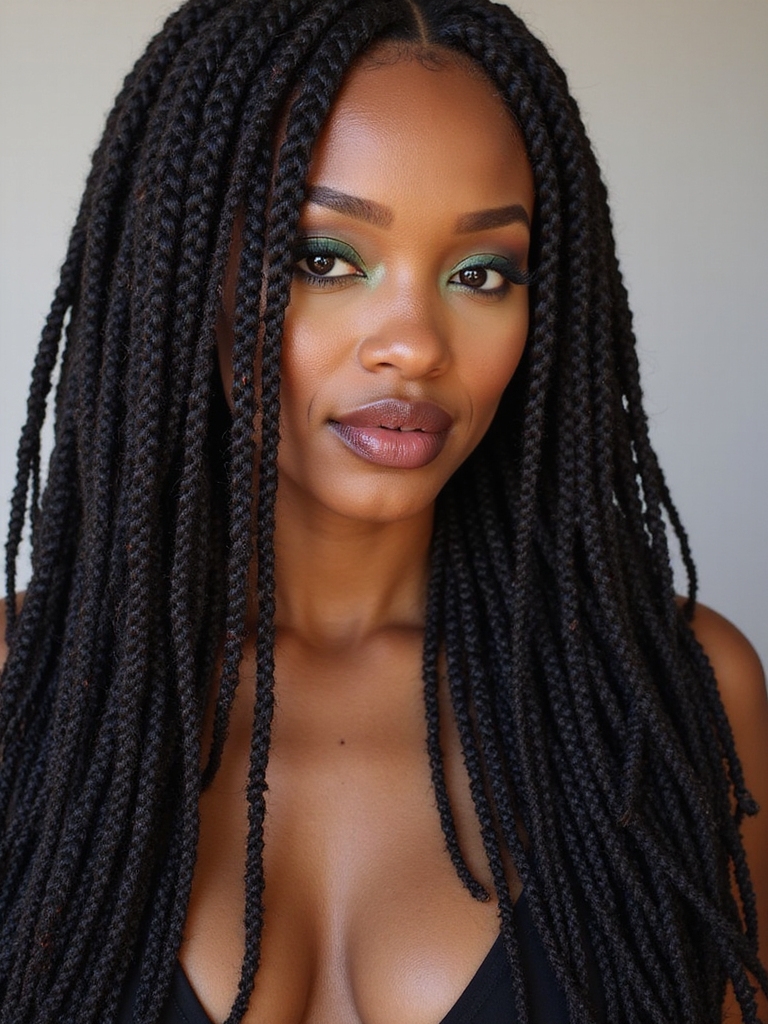
Micro locs are installed from very small, uniform sections, each roughly the diameter of a toothpick, meaning a full set can hold several hundred individual locs.
Sisterlocks is a specific, trademarked system developed by Dr. JoAnne Cornwell in the 1990s, using a proprietary interlocking tool and parting grid to build micro-sized locs without added product.
- The sheer number of locs gives this set exceptional styling range compared to chunkier alternatives.
- Gathers, braids, and pins in configurations a thicker set simply can’t hold.
- The trade-off is a longer, pricier installation process upfront.
Loc Petals and Braided Combinations
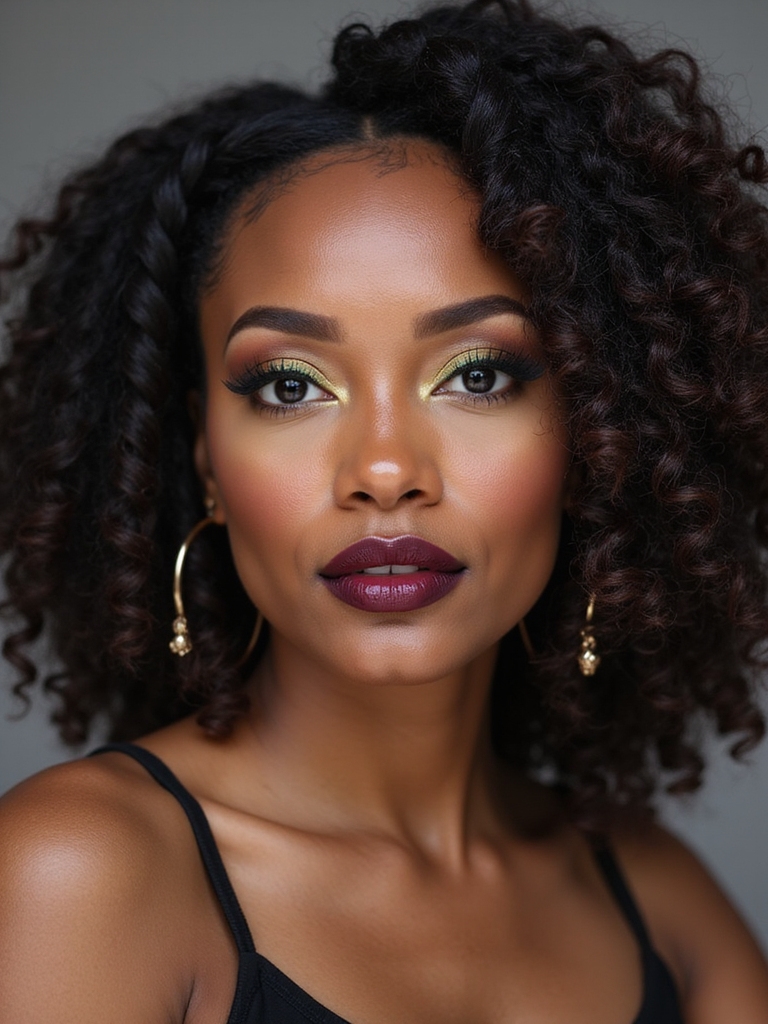
Combining folded petal shapes with braided sections turns a gathered set into something visibly sculptural, mixing two distinct techniques into one design.
Petal folds bend individual locs back on themselves and pin them flat into rounded, leaf-like shapes, while the braided sections between them add structural lines.
- The most involved style on this list, rewarding patience over speed.
- Holds for multiple days once set, reading as intentional from every angle.
- A common choice for weddings and other events with a long day ahead.
Sculpted Loc Updos for Formal Occasions

For weddings, galas, and other milestone events, a sculpted updo gathers a full set into a smooth, architectural shape, pinned close and finished with cuffs or a single statement accessory. A broader survey of heritage and everyday loc styling lives in the dreadlocks hairstyles for Black women guide.
Mature locs tend to hold a sculpted form better than most other hair types, since each loc keeps its shape once placed rather than fighting the pins. Plan on a salon appointment and a couple of hours in the chair for a result built to last a full event without a single touch-up.
Loc Style Questions, Answered
?Do faux locs like goddess or butterfly locs damage natural hair?
Done correctly, with reasonable tension and a defined removal date, they function as a protective style rather than a damaging one. Trouble usually comes from installing them too tight or leaving them in well past the recommended window.
?Can starter locs be styled, or do they need to grow out first?
Starter locs are entirely styleable from day one. Flat-braided sections, half-up styles, and simple accessories all work at this stage, using the short length as a feature rather than something to wait out.
?How much does professional loc maintenance typically cost?
A retwist generally runs about $60 to $150 depending on loc count and salon location, in the same range as a standard color service; a faux install like goddess or butterfly locs usually runs higher, often $150 to $300, since it adds hair and several hours of installation time.
?Is it safe to color natural locs?
Yes, once the interior has fully locked, which typically means waiting until the locs are mature rather than in the starter stage. A colorist experienced specifically with locs is worth seeking out, since lightening technique differs from loose-hair color work.
Your Locs, Your Range
Locs were never one style to begin with, and that range is the entire point. Starter or waist-length, natural or faux, fine micro locs or thick ropes, every type and stage has real options built for it.
The structure can stay as simple as a high pony or grow as involved as a sculpted updo; the small details, a cuff, a peekaboo of color, a scattering of beads, are what turn any of them into something personal.
Keep the Inspiration Going