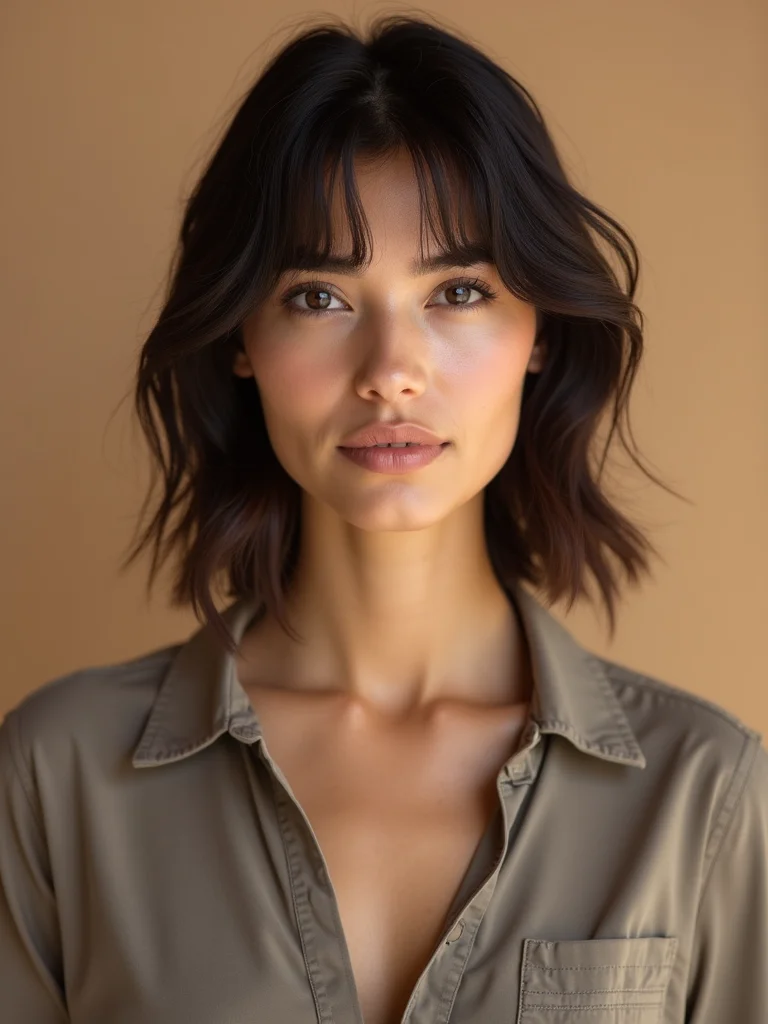
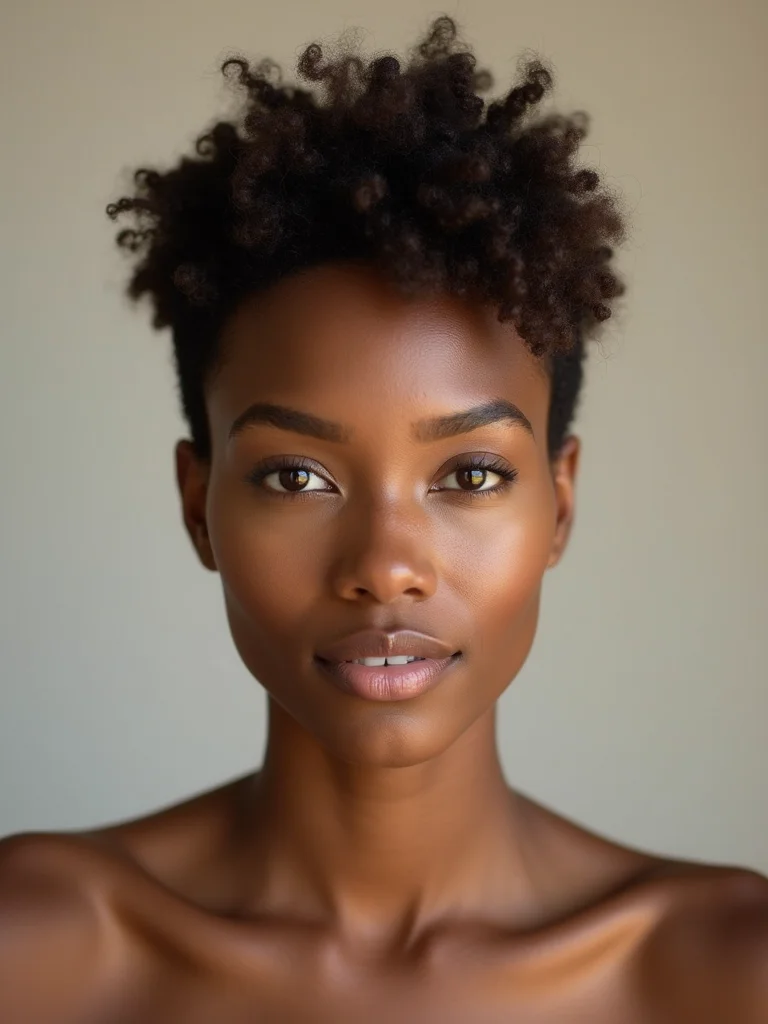
A bob doesn’t have to be perfectly blunt. That idea is mostly wrong. A short layered bob keeps the same jaw-to-chin silhouette everyone recognizes, but removes weight from underneath so it moves instead of sitting like a solid block. That single change is why the shape works across nearly every texture and face, because of the layers, not despite them.
Fifteen versions follow below, from barely-there internal layers to full shag texture, each with its own honest trade-offs. Our short bob haircuts guide covers the wider category if none of these quite fit.
A Layered Bob, Quickly
- Keeps the classic jaw-to-chin length; only the internal weight actually changes.
- Curly, straight, fine, and thick hair all wear a version of this cut; the layering ratio is what changes between them.
- The catch: heavier layering means more frequent trims to hold the shape.
- A layered reshape runs a notch above a basic one-length trim, since the layering itself adds chair time.
The Classic Chin-Length Shape

This is the version everyone pictures first. The length grazes the jaw. Soft graduation through the layers keeps the shape from reading heavy or blocky at the bottom.
For a first attempt at layers, this is the safest starting point, since the graduation is subtle enough that the change from a one-length bob barely registers at first glance.
Style it with a round brush for a soft inward bend, or skip the tools entirely and let it air-dry with a little texture cream worked through.
Tousled and Undone on Purpose

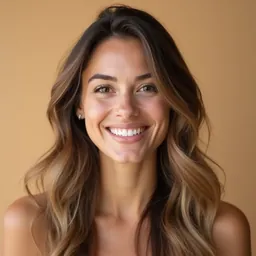
Cut the layers lighter and piece-ier than the classic version and the whole bob falls into a relaxed, textured shape with almost no styling required.
The Cool-Girl Version
Where this struggles is on very fine hair, since piece-y layers can start looking thin once there isn’t much density to begin with.
Work a texture spray through while hair’s still damp, then let it dry mostly on its own before touching it with your fingers. Resist the urge to smooth it out once it’s dry.
Not for Every Texture
Piece-y, airy layers like these thin out visually more on fine hair than they do on medium or coarse strands. If your hair is already fine, ask for the layers to stay slightly heavier than pictured.
Blunt at the Edges, Layered Underneath

The perimeter stays blunt and heavy on purpose here. The actual layering happens a few inches up. It thins the interior so the ends don’t drag into a flat slab.
It suits thick hair especially well, taming the bulk while keeping the sharp, glassy line that makes a blunt bob look expensive in the first place. Anyone drawn to that same polish without any fringe at all should also look at our short French bob guide.
Blow it out smooth with a round brush and finish with a drop of serum. The interior layering barely shows in a photo; it’s only obvious in how the hair actually moves.
Feathered for Volume on Fine Hair

Fine hair gains the most from feathered layering. Breaking up the perimeter creates the illusion of density the hair doesn’t actually have.
The restraint matters here: a near-blunt perimeter with feathered layers built in above it, keeping every end dense enough that the fullness holds up in person.
- A near-blunt perimeter keeps the ends looking dense
- Feathering concentrates above the perimeter, leaving the actual ends untouched
- A volumizing mousse worked into the roots finishes the lift
Wavy and Beachy

Pair the layered shape with natural waves and the two amplify each other. The layers give the waves somewhere to sit and spring, breaking up what would otherwise fall as one heavy curtain.
It’s the lowest-effort version on this whole list for anyone whose hair already waves on its own.
Scrunch a sea-salt spray through damp hair and let it air-dry, or bend the ends with a 1-inch iron for a more polished wave on days that call for it. The choppier the layers, the more movement the waves pick up.
Stacked and Full at the Nape

Graduated layers stacked short underneath build rounded volume right at the nape, giving flat or fine hair the height it can’t generate on its own.
- The graduated angle needs a sharp, precise cut to hold its polish
- Regular trims matter more here than on softer versions, or the stacked shape blurs
- Diffusing or blow-drying the crown upward locks in maximum lift
A Deep Side Part With Face-Framing

A deep side part paired with face-framing layers might be the single most flattering combination on this whole list. It’s deceptively simple.
Why the Part Matters More Than the Cut
The part itself adds asymmetry and a little extra volume at the root, while the framing pieces sweep along the cheekbones.
Round faces gain the most from this pairing, since the diagonal part and angled framing both add length where a straight-across fringe or center part wouldn’t.
Layered for Curl Definition

Curl pattern decides where the layers land more than any measurement does. This version only works once the curls have already sprung into their resting shape.
Getting the Layer Ratio Right
Cut the interior too heavy and a curly bob stacks into a triangle. Cut it too light and the shape loses its density entirely. Getting the ratio right takes a stylist who’s done it before.
Style with a curl cream on soaking-wet hair and diffuse on low. A leave-in underneath holds the definition longer than reapplying product later in the day. Our curly bob guide covers a fuller-length take on the same idea.
💡Switching Sides
Try parting the opposite direction on days the usual side falls flat at the root. Hair that’s been trained one way for years often has more volume waiting on the side you never use.
Shaggy, With Piecey Ends

Push the layering further and the bob turns shaggy. Choppy edges, separated pieces, built for maximum texture rather than a clean line. It’s the version I reach for when someone says they’re bored of their hair but can’t articulate why.
The catch is upkeep: shaggy layers grow out looking intentional for a while, but the shape needs more frequent shaping than a subtler layered bob to keep that purposeful, deliberate edge. A texturizing spray and a finger-comb through is the entire daily routine most mornings.
Paired With Wispy Bangs

Soft, see-through bangs blend straight into the bob’s existing layers, framing the eyes with barely any added weight and no hard line across the forehead.
- Lengthens into face-framing pieces on its own timeline, with barely any awkward stage
- Needs its own quick trim between full appointments to keep its wispy weight
- Works on nearly every forehead width, unlike a blunt, full fringe
A woman told me last month she’d been growing her bob out for two years because she was scared to cut it short again. Fifteen minutes into a shag reshape, she asked why she’d waited so long.
A Very Short Micro Version

Cropped high, near the jaw, with just enough internal layering to keep it from sitting stiff. This is the boldest length on the whole list.
On balanced or oval faces, the cropped length lands sharp and deliberate, and the subtle layering is what keeps it from looking like a helmet.
- Needs a disciplined trim schedule; growth shows fast at this length
- Style sleek with a flat iron, or tousled with a texture spray
- The layering here plays a supporting role; length is still the main event
An Asymmetrical Line

Leaving noticeably more length on one side than the other breaks the bob’s usual symmetry. Layers on top keep the uneven line moving instead of reading stiff. I check both sides against each other three or four times during the cut, since even a millimeter of unintended difference gets noticed once the client leaves the chair.
It flatters round and square faces especially, since the diagonal draws the eye in a way a level, symmetrical cut doesn’t attempt to. The longer side can be styled sleek for extra contrast against the layered shorter side, and the gap between the two lengths can be as subtle or as dramatic as you’re comfortable with.
Built for Thick, Dense Hair

Thick hair needs a different layering strategy. Removing weight from underneath lets the bob move and breathe, keeping it from expanding into a heavy, rounded dome.
Ask specifically for interior debulking, not a general thin-out across the whole head. That specific request is what keeps the outer silhouette sleek while the density underneath actually lightens.
- Naming interior weight removal specifically gets a stylist the exact result
- Done well, the bob feels lighter without losing any visible fullness
- Skips the styling time a dense, unlayered bob usually demands
| Version | Best For | Upkeep |
|---|---|---|
| Subtle graduation | First-time layers, low commitment | Standard trim schedule |
| Feathered | Fine, flat hair needing volume | Moderate; ends can wear thin |
| Shaggy or piecey | Thick or coarse hair, bold texture | Frequent reshaping |
Inverted, With Lift at the Crown

Stacking volume high at the back and angling the length longer toward the front gives this version a dramatic, architectural silhouette. Layers concentrate at the crown for real height.
- The crown lift particularly benefits flat or fine hair
- Blow-drying the crown up and out maximizes the volume this cut is built for
- The precise front-to-back angle needs a regular trim to keep its crisp edge
Softened With Curtain Bangs

Center-parted curtain bangs are the most romantic finish available here. They frame both sides of the face and blend straight into the existing layers.
The Softest Finish on This List
Curtain bangs work on rounder faces and angular ones alike, since the split at the center adjusts to whatever proportions are already there. For a version built around this pairing specifically, the long layered bob guide has more length to work with.
Dry the bangs back and outward with a round brush for the signature sweep; they lengthen into face-framing pieces on their own terms, with no real awkward stage.
Maintenance & Care
A layered reshape runs a notch above a basic one-length trim, generally somewhere in the $45 to $85 range depending on how much layering is involved. The extra chair time is what layering actually costs.
The mistake most people make is stretching that appointment too far. Skip a trim by even a few weeks past when the layers start losing definition, and the whole shape quietly blurs back into a plain bob.
Layered Bob Questions, Answered
?Does a layered bob work on hair that’s never held layers well before?
Usually yes, with the right ratio. Hair that’s fought layers in the past often just had too much removed at once. Starting with subtle graduation, and saving heavy feathering for a second visit, is the safer entry point.
?How is a layered bob actually different from a blunt bob?
The outline is identical; only the interior weight changes. A blunt bob keeps every strand the same length for one solid line, while a layered version removes weight underneath so the same shape actually moves.
?Will growing out a layered bob look obviously bad at some point?
There’s an in-between stretch, usually once the shortest layers pass the chin, where the shape needs more product to hold together. A few strategic trims can soften that stage without a full reshape.
One Shape, Many Layering Strategies
Every version here starts from the same jaw-to-chin outline; what changes is how much weight comes out and where. That’s the whole decision a consultation needs to settle.
Bring a photo of the layering intensity you want, not just the length, and let your stylist adjust the ratio to your actual texture. For curls specifically, our short curly bob guide goes deeper on that pairing.
Hand-Picked for You