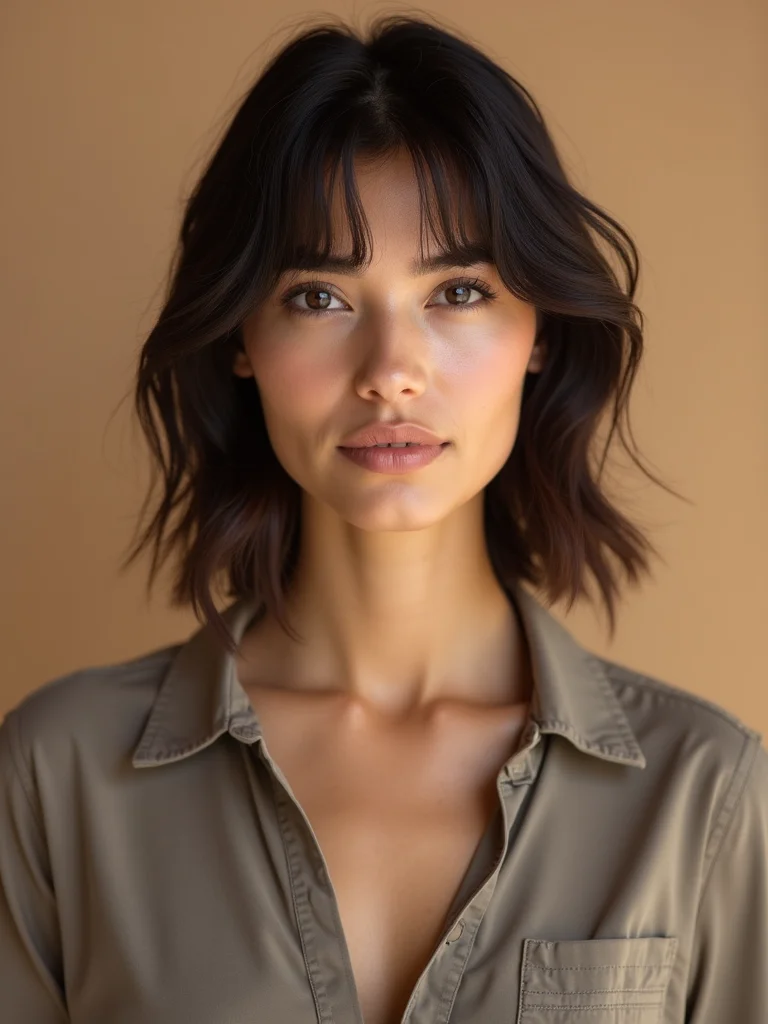
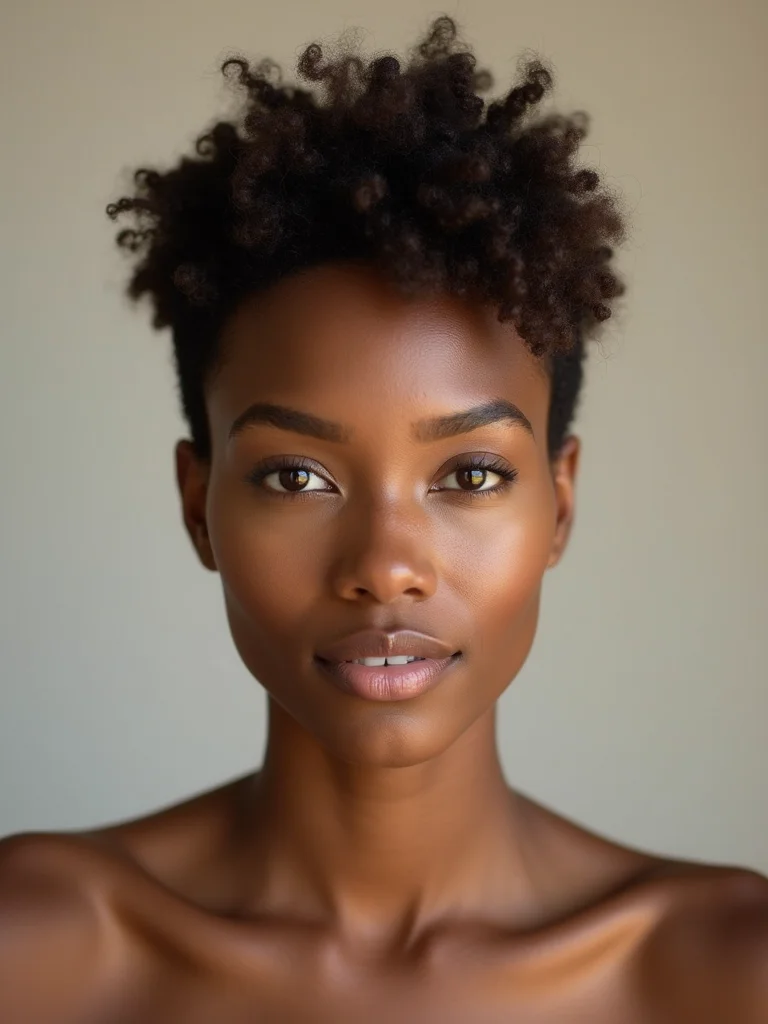
A stylist in Chicago once turned away a client who wanted a bob. The round shape of her face, the stylist guessed, would clash with anything cut that sharp. Then came two small changes: an A-line angle in place of a blunt line, and layers left soft instead of stacked. It worked. The client left booking a follow-up color appointment.
That is the real story behind a short bob: no single version works for every face. Below are the short bob haircuts worth knowing, from the classic A-line to the curly and the razored, with plain notes on who each one flatters and what it takes to keep it looking sharp.
Short Bob Facts, Fast
Does a short bob actually suit every face shape? Most do, once the angle and length are tuned. A longer front section slims round and square faces, while a chin-grazing line flatters nearly everyone else.
How much upkeep does a short bob take? It runs from low, for shaggy and textured versions that grow out loosely, to high, for blunt lines that show every inch of new growth almost right away.
Can curly or wavy hair get a good short bob? Yes. Cut dry and shaped to its own pattern, a curly bob shows off natural texture instead of fighting it.
The Classic A-Line Bob
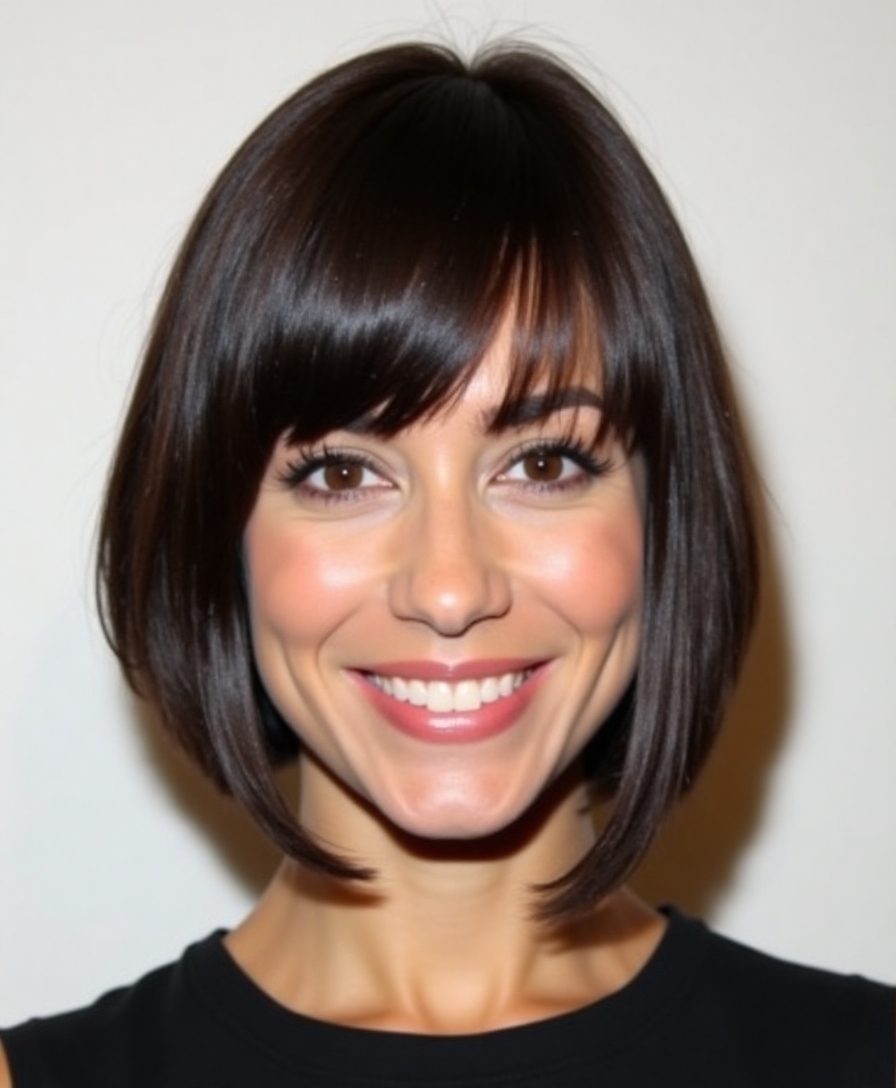
The A-line bob is the shape most stylists reach for when a client wants staying power. Cut a touch shorter at the back and longer toward the chin, it creates a built-in lift and draws a clean line under the jaw. The angle does the work: it slims a round face and adds definition to a square one, without looking severe.
- The forward angle slims and elongates rounder face shapes
- Holds its line well between cuts, so a stretched appointment still looks sharp
- Suits straight hair and gentle waves best; tight curls soften the crisp angle
The Blunt Bob
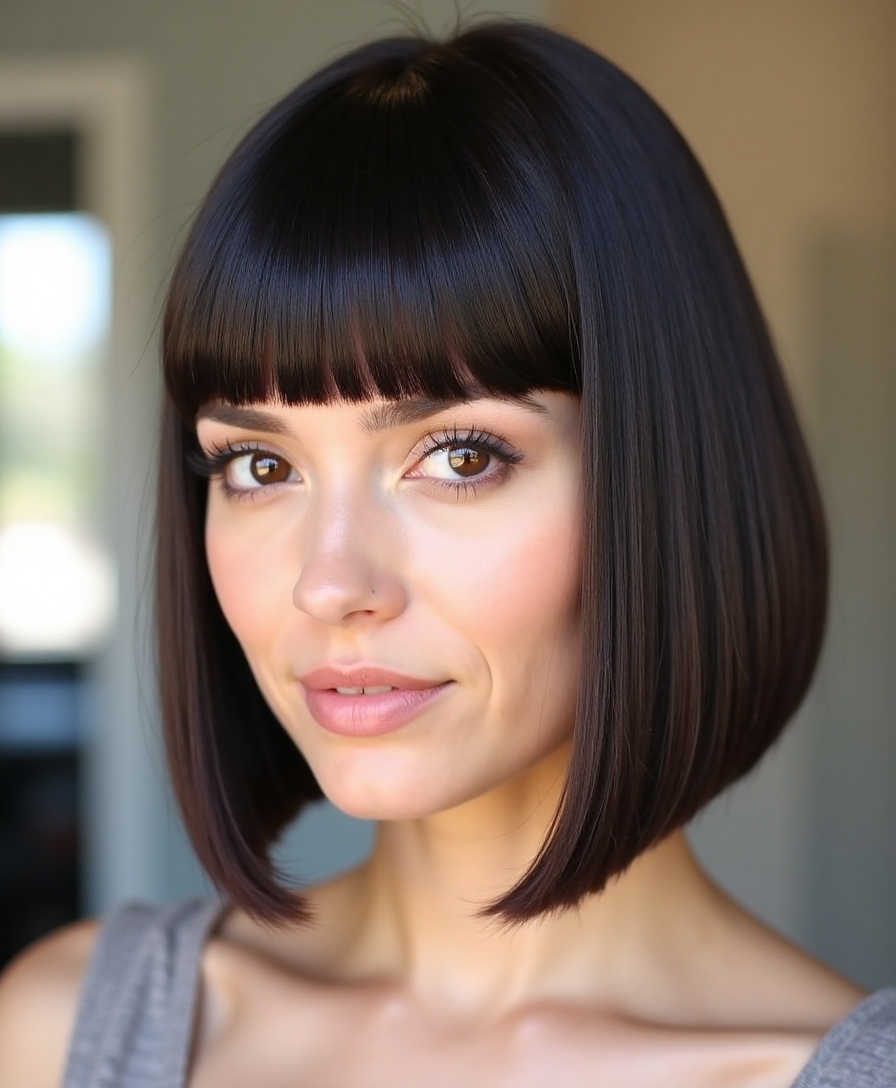
A blunt bob is cut to one length, no layers. That unbroken line is the whole point. It reads dense and polished, which makes it a favorite for fine hair; the uncut weight sits like natural fullness, even close to the ends.
An off-center part adds instant volume and a touch of asymmetry without changing the shape. The trade-off is upkeep. A single unbroken line shows new growth faster than any other bob here, so plan on a trim roughly every month, often somewhere around $55 for the shape-up.
The Textured, Layered Bob
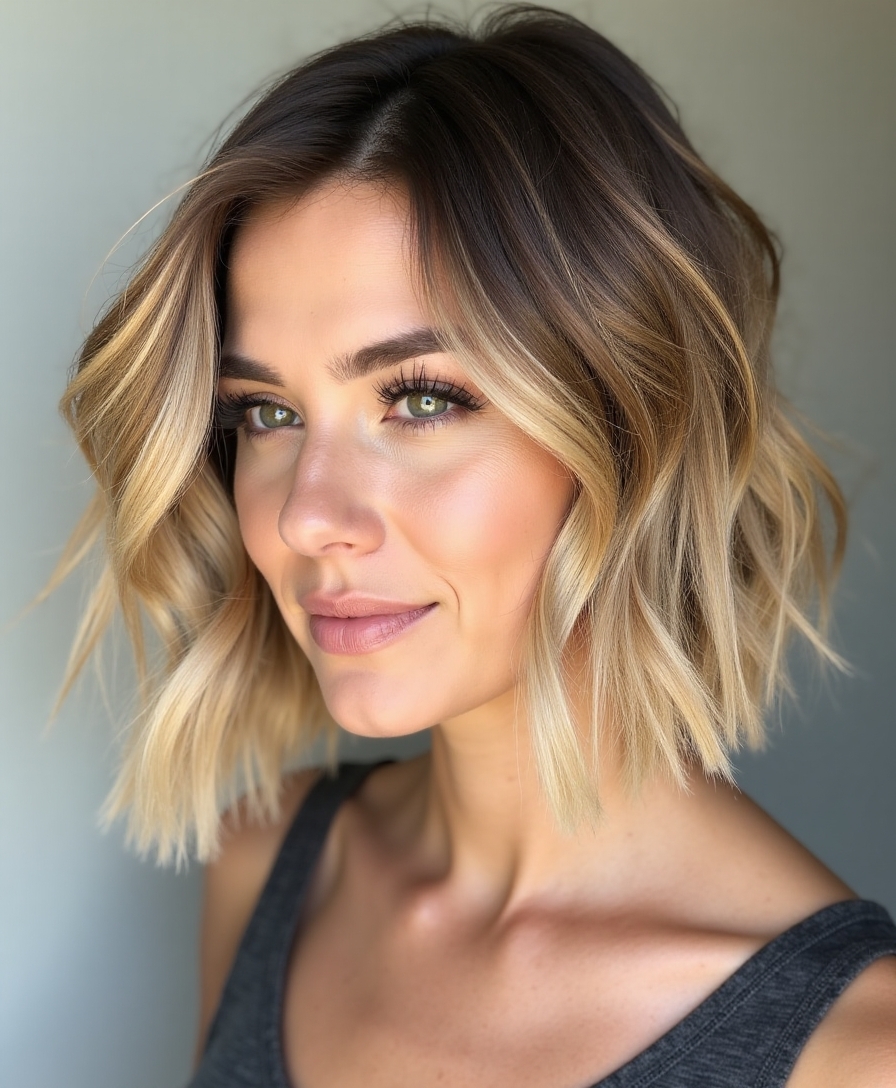
Soft internal layers solve the one complaint blunt bobs get most: too much weight, not enough movement. Internal layers remove bulk without shortening the outline, so the hair swings and catches light as it moves.
- Best suited to thick hair that needs weight taken out from underneath
- Speeds up styling, since the layers already fall into place
- Ask specifically for internal layers, not surface layers, which can thin the ends
The Asymmetrical Bob
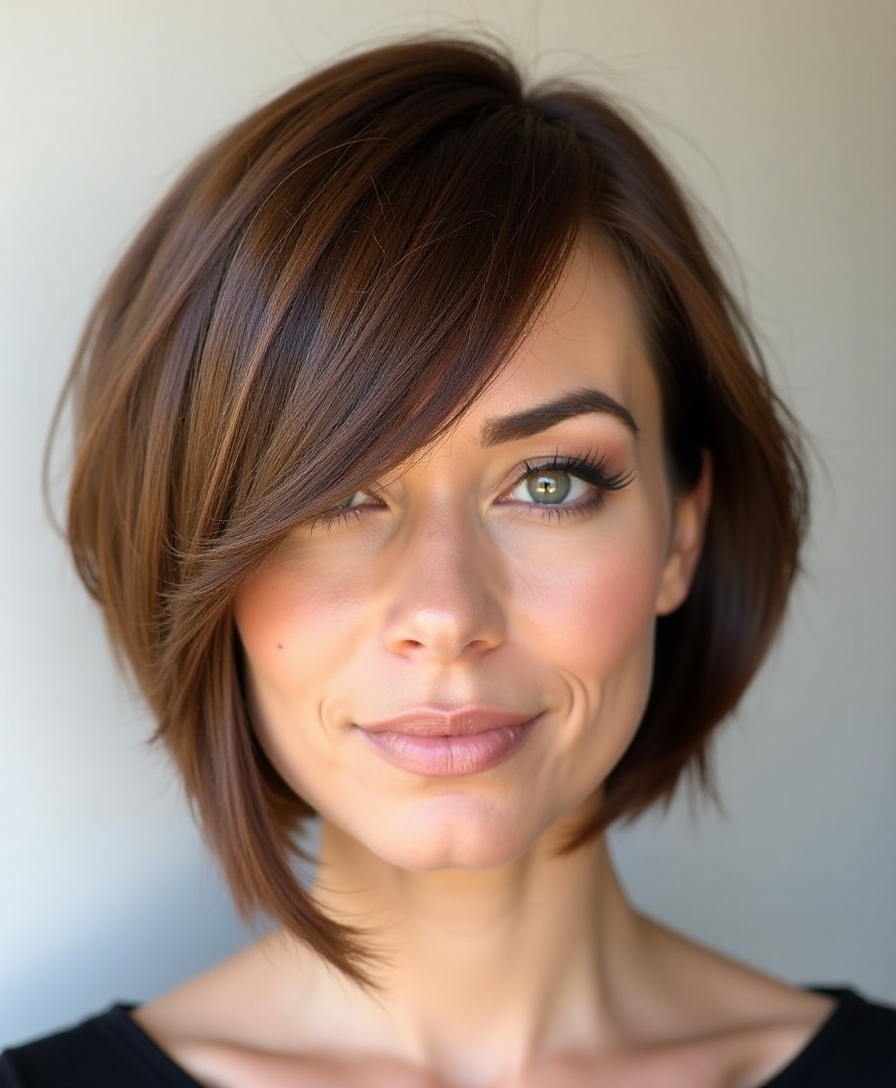
An asymmetrical bob cuts unevenly on purpose: one side runs past the jaw, the other stops short of it. That imbalance is what makes an otherwise simple cut feel deliberate. Most face shapes wear it well. The diagonal line pulls the eye along its length, softening a square jaw as it goes.
- The diagonal draws attention away from a wider jaw or rounder cheeks
- Wear the longer side toward the feature meant to be seen
- Both sides need trims on the same schedule, or the contrast fades
🅰️Internal Layers
Cut underneath so the top layer stays full; adds movement without shortening the visible length.
🅱️Surface Layers
Cut throughout the top layer; lightens quickly but can thin fine or fragile ends.
The French Bob
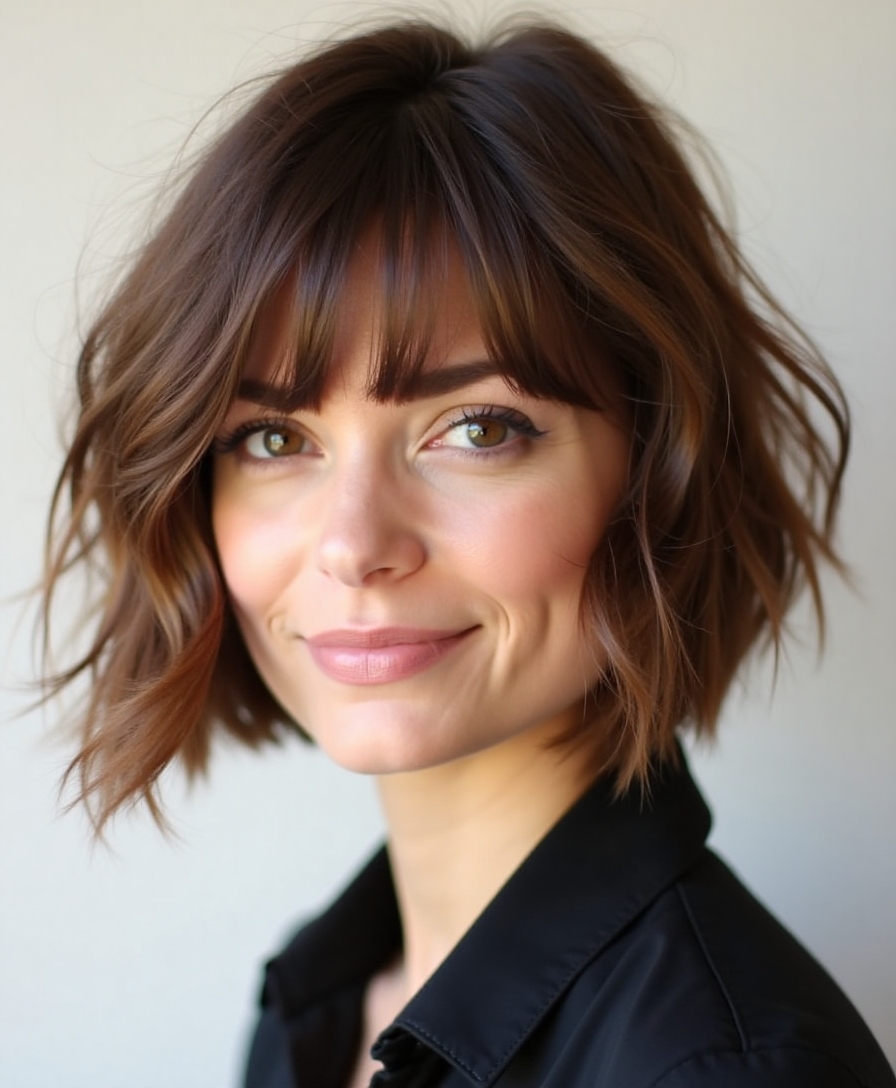
The French bob pairs a short, chin-length line with a fringe. The combination reads quietly polished and a little understated. It has one demanding part: the bangs need their own short cutting cycle to stay above the brows, or the whole shape loses its point. Skip that trim and the fringe is what falls apart first, long before the rest of the shape does.
- Holds cleanest on straight or gently wavy hair
- The fringe is the highest-upkeep element of any style covered here
- Flatters longer face shapes, since the chin length and bangs add width
The Wavy Bob
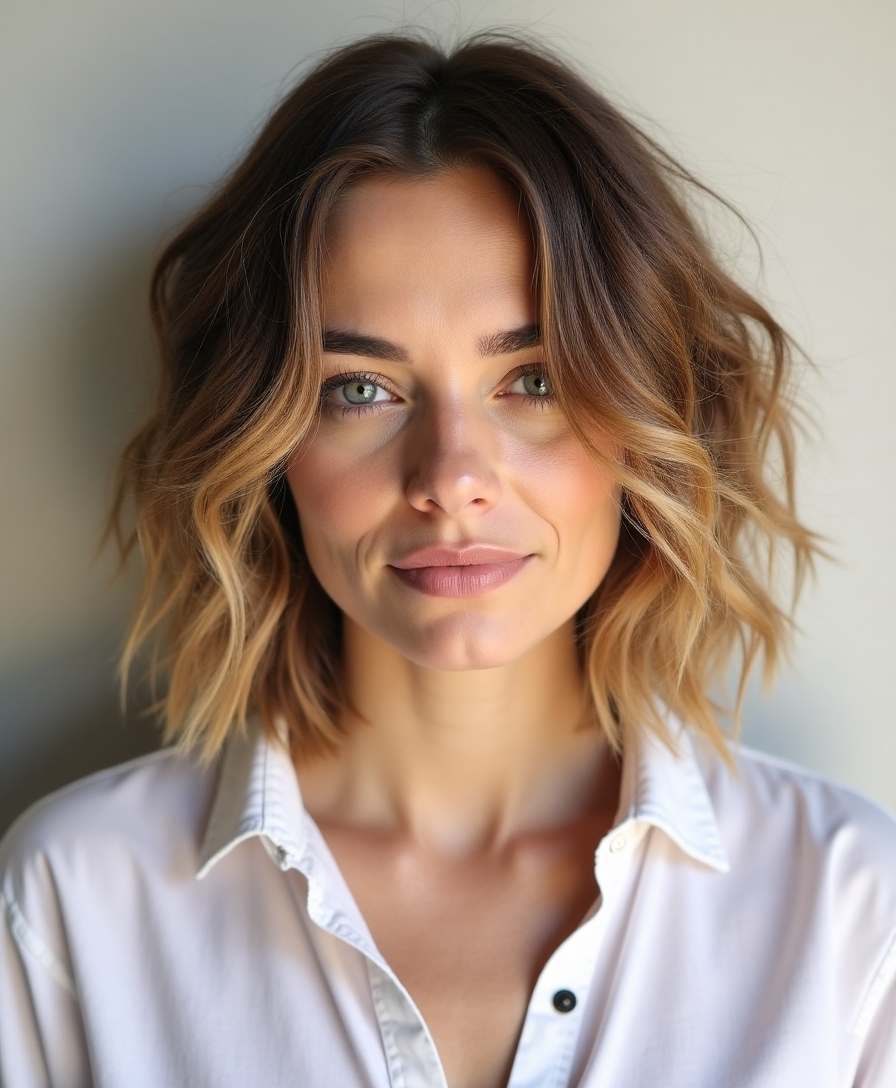
Natural wave is the easiest starting point for a bob. The bend keeps the cut from reading too structured. Movement does most of the styling on its own.
A texture spray on damp hair, scrunched and air-dried, brings the wave forward without extra tools. A light mousse at the roots first helps looser waves hold their shape through the day, well past afternoon.
“A French bob only works if the fringe gets cut on its own schedule. Let it grow out with everything else and the cut stops looking finished.”
The Stacked Bob
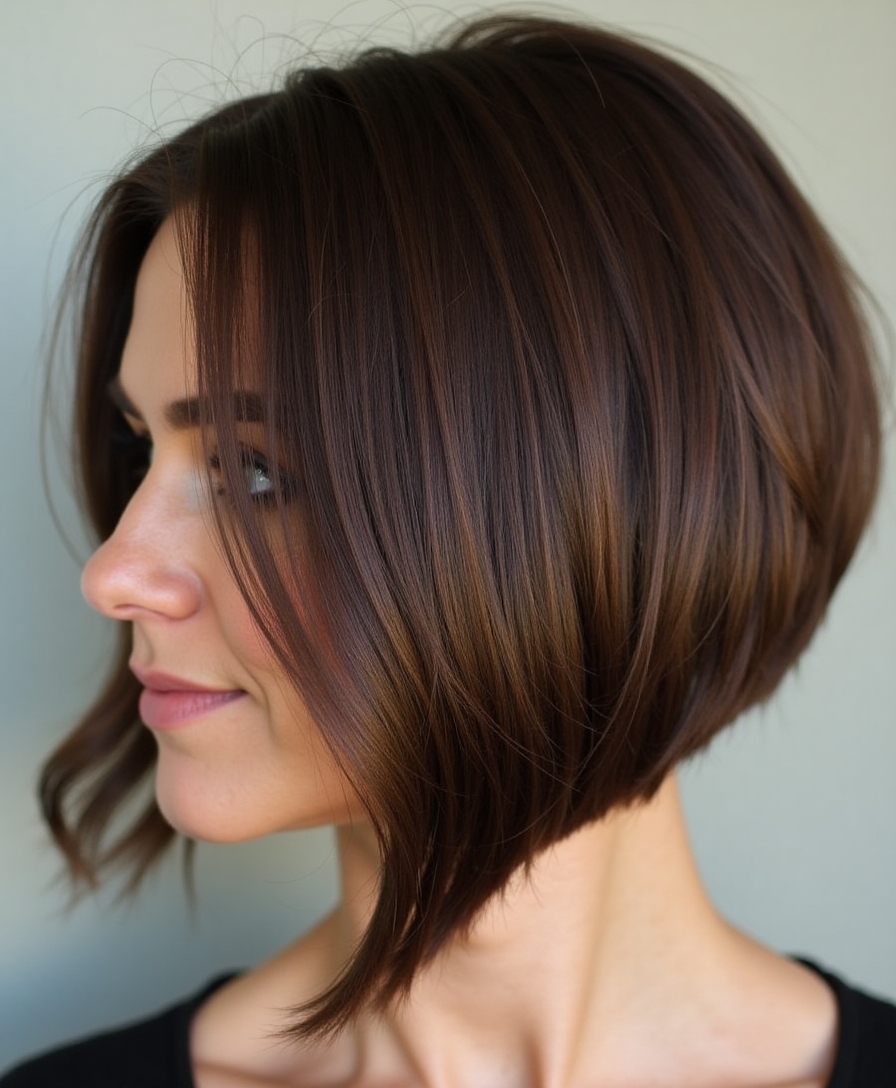
A stacked bob builds the back into a rounded, layered shape that gives the crown real height. Fine or flat hair needs that lift most, right where volume tends to disappear.
- The stacked back adds volume where fine hair falls flattest
- Pairs well with an A-line front for a shape that lifts and lengthens at once
- Best fitted at the consultation, since where the volume sits changes the whole line
The Sleek Jaw-Length Bob
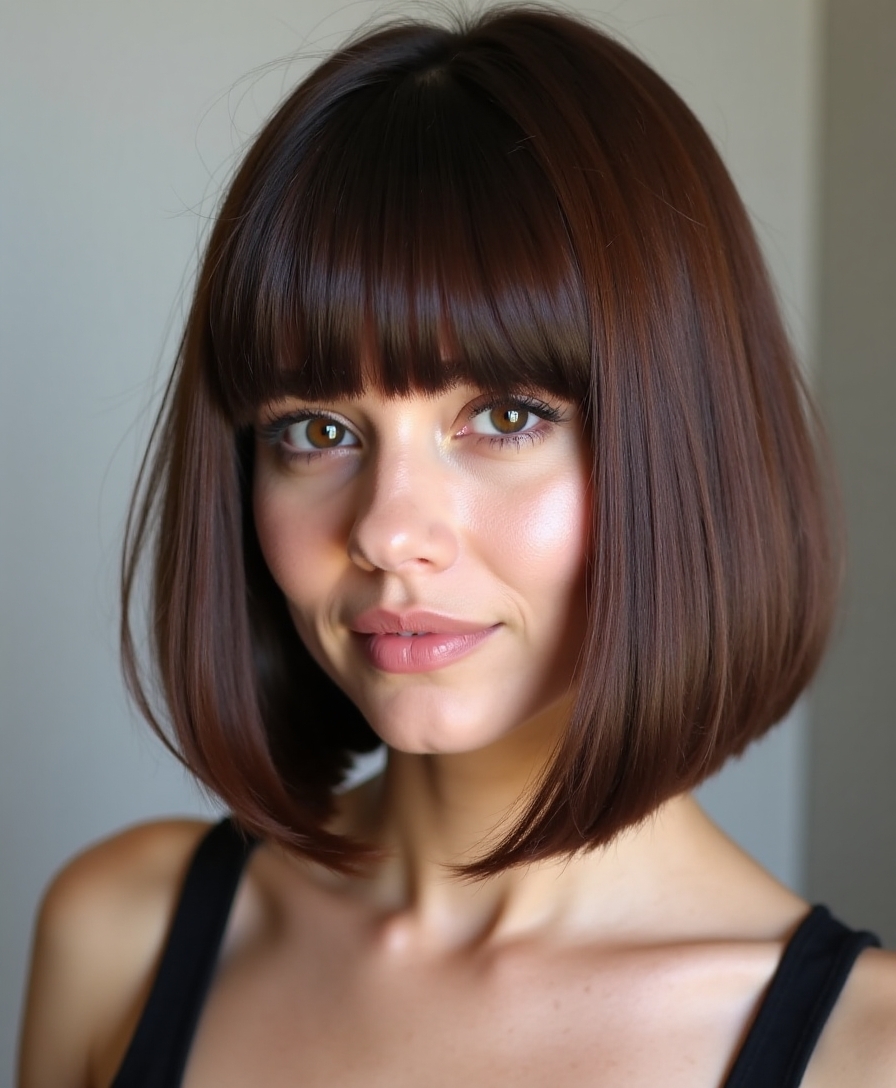
Cut to graze the jaw and worn smooth, this bob is built around polish. The length sits right at the bone structure. A glass-smooth finish makes the whole shape look deliberate.
It asks more of a morning routine than most short styles. A blow-dry and a flat iron keep the line sharp. An occasional gloss treatment, often close to $60, is what keeps the shine convincing.
- Flatters strong jawlines and longer face shapes especially well
- Needs heat styling and a smoothing product to hold the sleek line
- A glossing service adds real shine when the budget allows for it
The Graduated Chin Bob
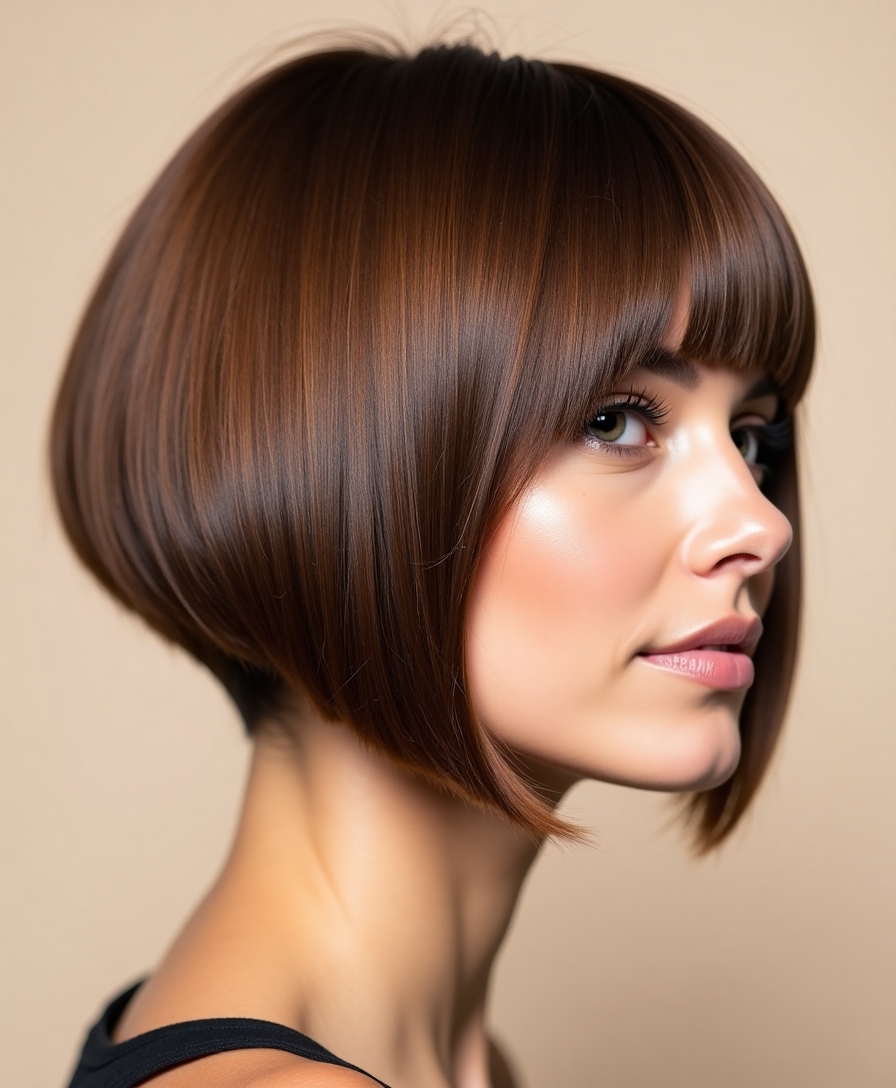
A graduated bob stacks short layers at the back that build into longer pieces toward the front, shaping a soft, rounded line that follows the head closely. It is the cut most stylists suggest when a client cannot describe exactly what they want, only that they want it to look right.
The Safe Starting Point
The chin-grazing length draws the eye straight to the face. That is why it works well as a first short cut for someone stepping down from longer hair.
Ask for graduation at the back rather than a single stacked layer. The difference looks subtle in a photo but shows clearly once the cut starts to grow out.
A sleek bob is a styling commitment as much as a haircut. Skip the blow-dry and the shape reads more rumpled than polished.
The Side-Swept Angled Bob
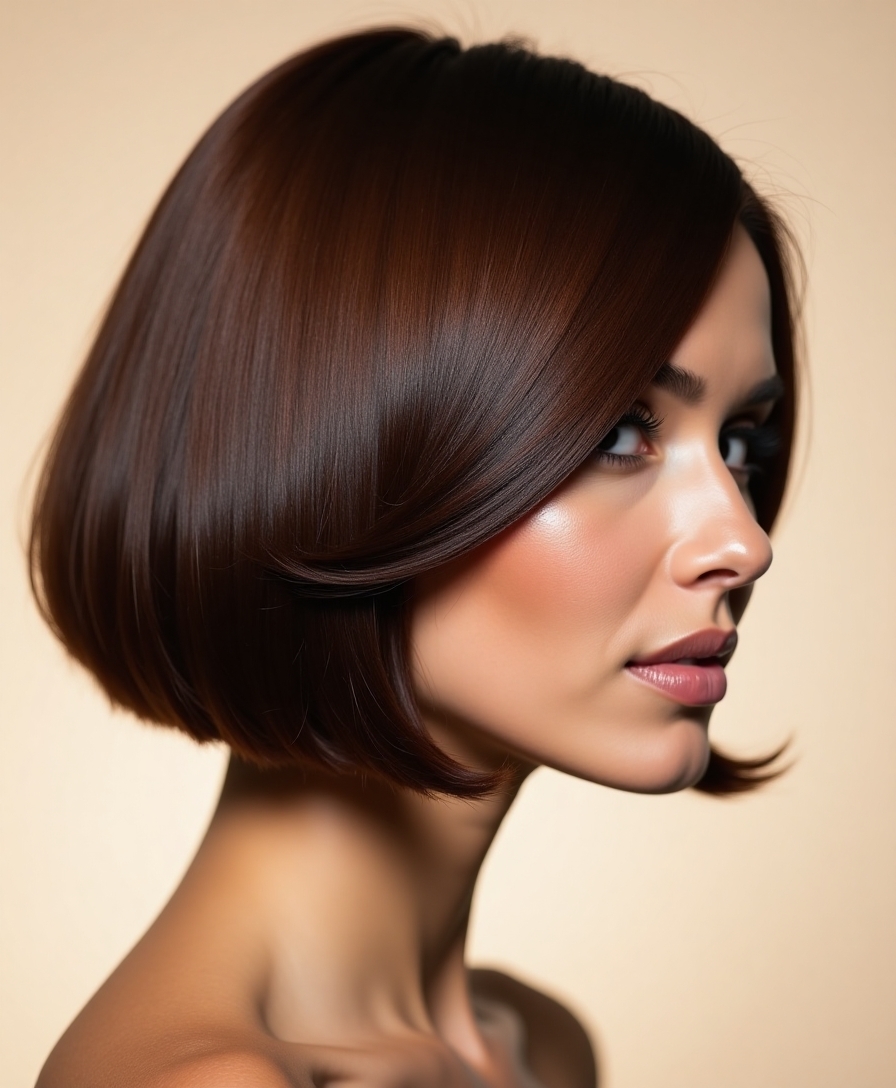
Add a deep side part and a sweep of hair across the forehead, and an angled bob turns soft and romantic. The diagonal line across the face suits nearly every face shape and hides a high forehead without committing to a full fringe.
It sits as a middle option between a plain bob and a French-style fringe: less upkeep than a bang line, more framing than a straight-across cut. A little product worked in while it dries trains the sweep to hold its direction.
- The side sweep flatters nearly every face shape without adjustment
- No blunt fringe to maintain, so it takes less time week to week than a French bob
- Applied while the hair is still damp, styling product is what locks the angle in place
The Messy, Tousled Bob
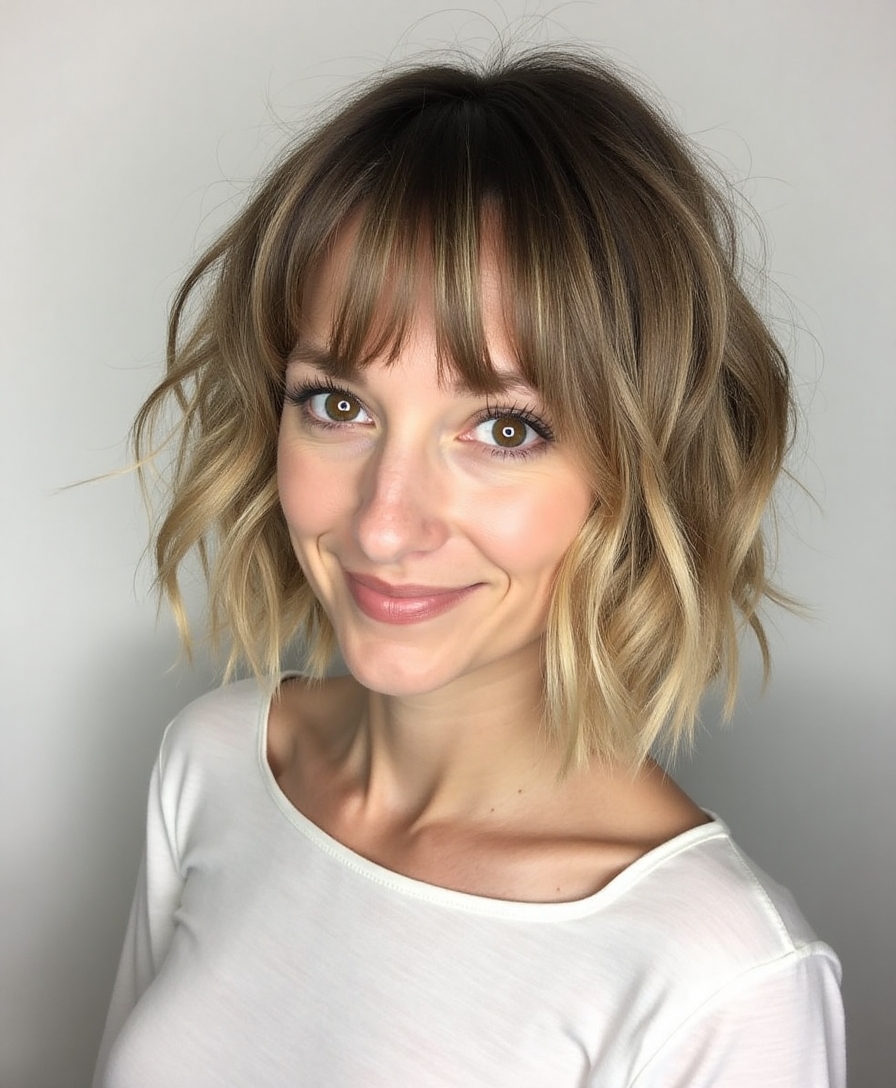
For anyone who wants short hair without a styling routine, the messy bob is cut to look undone on purpose. Layered through and finished by scrunching in a texture paste, it lands closer to cool than careless.
- The least styling-dependent bob here; a quick texture spray finishes it
- Forgiving on second- and third-day hair, so wash days stretch further
- Works best with some natural wave or texture already doing the heavy lifting
The Layered Bob for Fine Hair
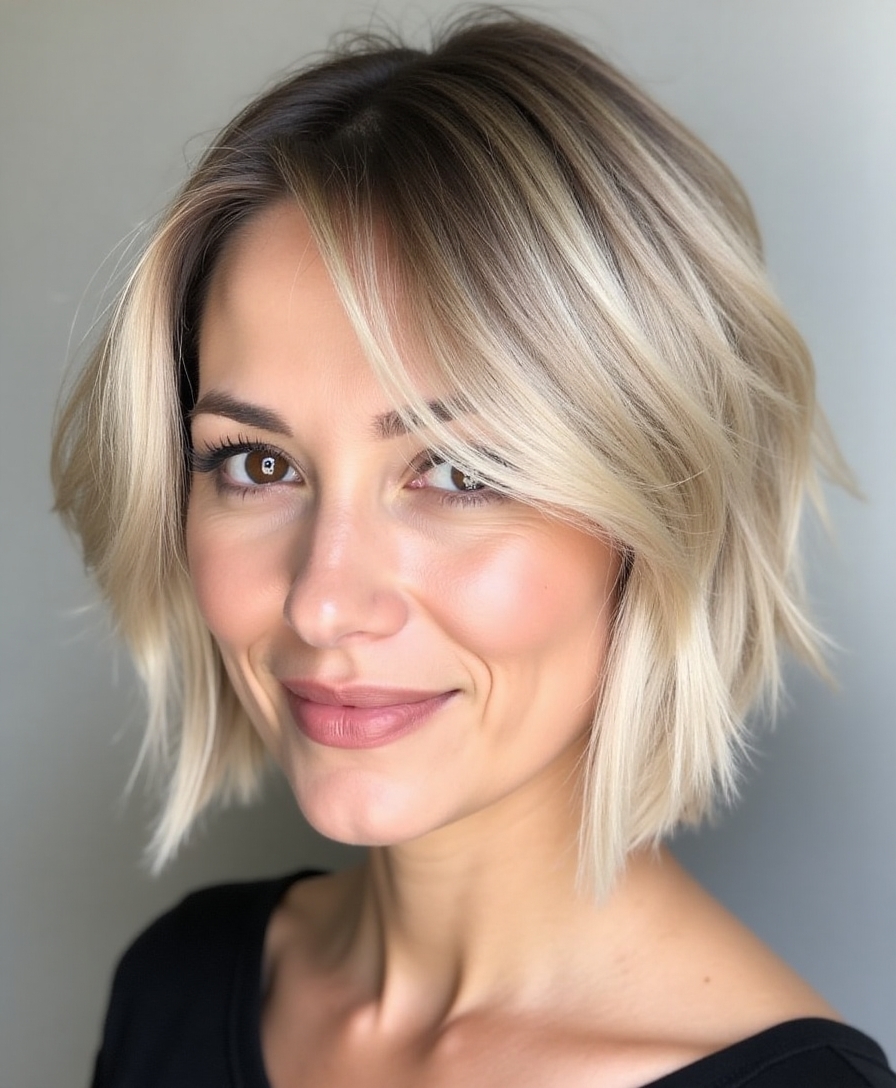
Fine hair and a short bob work well together, since cutting away length removes the weight that drags thin strands flat. The right layering builds an illusion of fullness that fine hair rarely keeps at longer lengths.
- Keep layers soft and concentrated near the crown, away from the ends
- A blunt or near-blunt perimeter keeps the ends looking dense and full
- A volumizing mousse applied before drying locks the lift in place
The Curly Bob
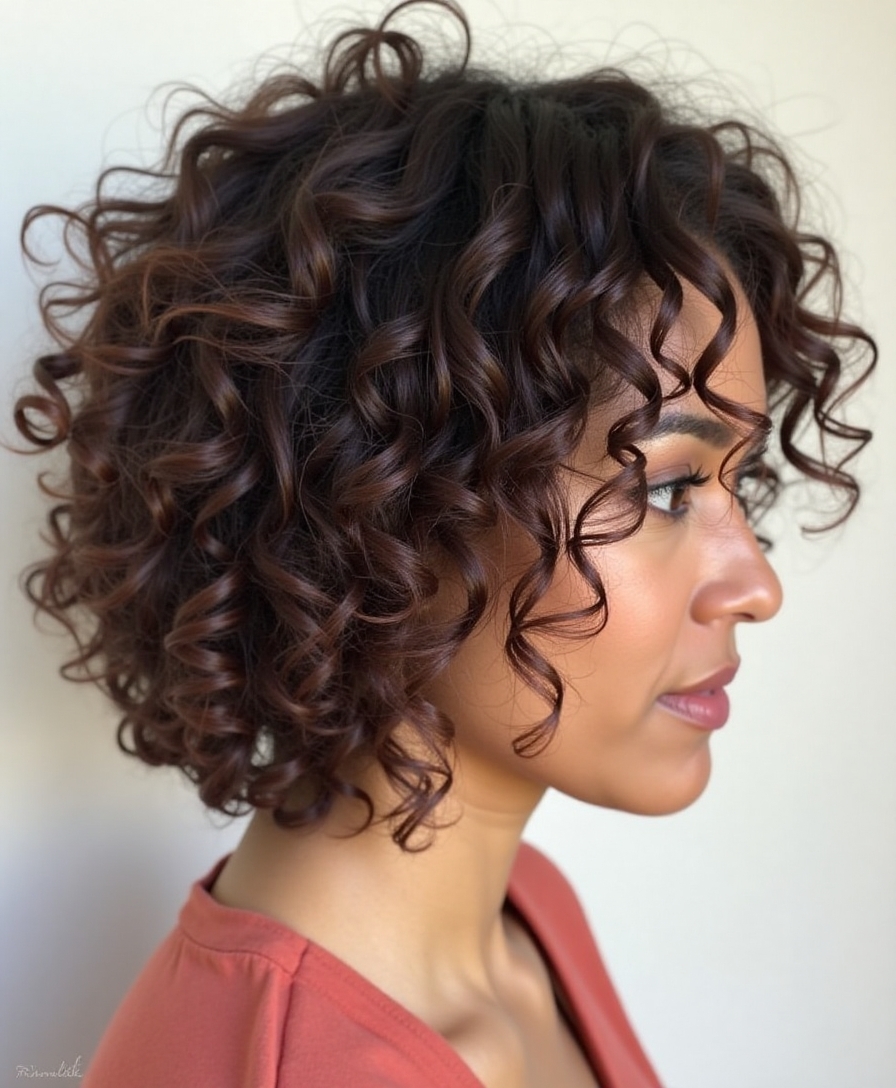
A curly bob flatters curly and coily hair as well as any cut can, because the shorter length lifts the curl pattern instead of weighing it down under its own length.
The cutting method decides whether it works. A stylist needs to see the hair completely dry and unstretched, section by section, to judge how much each curl will spring up before shaping around it. Cut it wet or pulled straight and the guess usually lands shorter than planned.
A leave-in and curl cream, worked through and scrunched before air-drying, keeps the shape defined without extra tools. On 3- and 4-type hair, it becomes a low-manipulation option that works with the texture, the way a wash-and-go should.
The Razor-Cut Bob
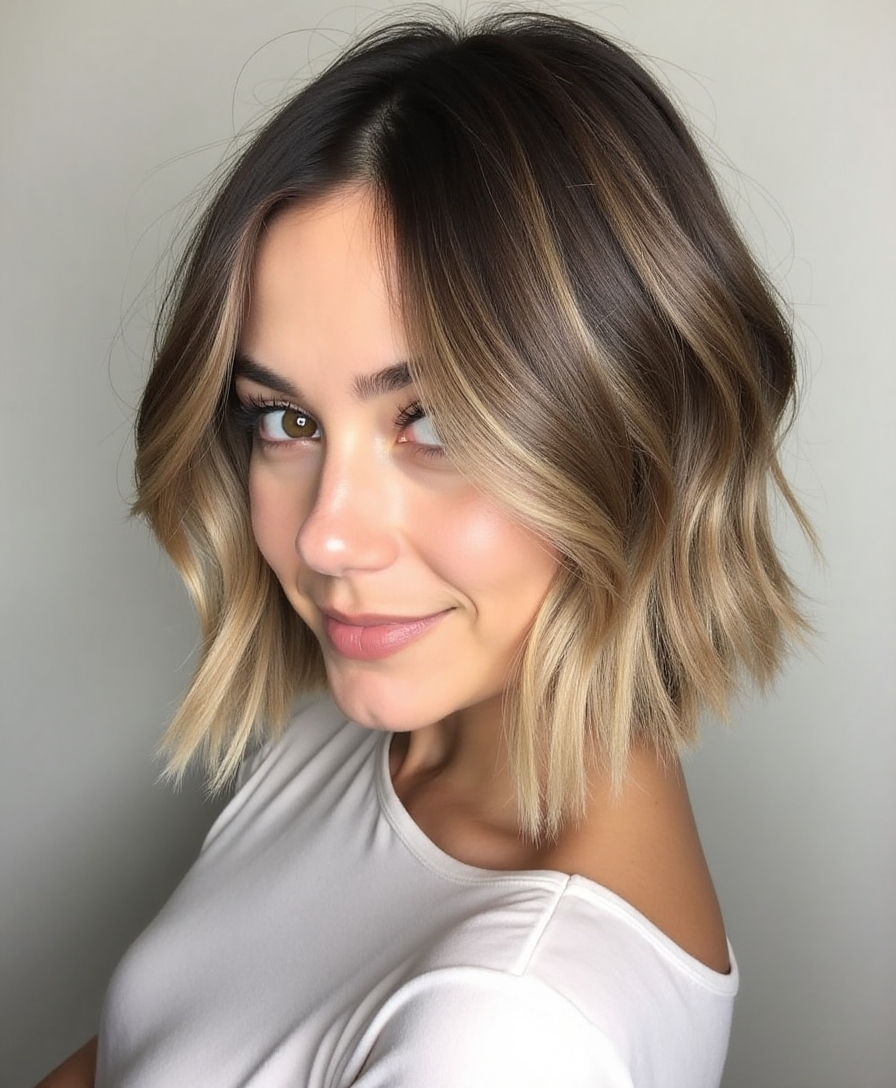
A razor carves the ends into soft, feathered points instead of a single clean line, giving the bob a piecey movement that scissors alone cannot fake.
Razor or Scissors
One caution is worth repeating to every client: a razor belongs on healthy, medium-to-coarse hair. On fine or already-fragile strands, the blade can fray the ends and invite breakage.
Anyone with delicate hair who still wants the soft effect can ask for the same look built with point-cutting instead — slower to execute, but far gentler on the ends.
| Texture | What the Stylist Adjusts | Result |
|---|---|---|
| Loose waves (2A-2B) | Slightly longer length to let the wave relax | Soft, moving shape |
| Springy curls (3A-3C) | Cut dry, one curl at a time | Even bounce, no bulk |
| Coily/kinky (4A-4C) | Cut dry with shrinkage factored in | Rounded, defined shape |
The Pixie-Bob
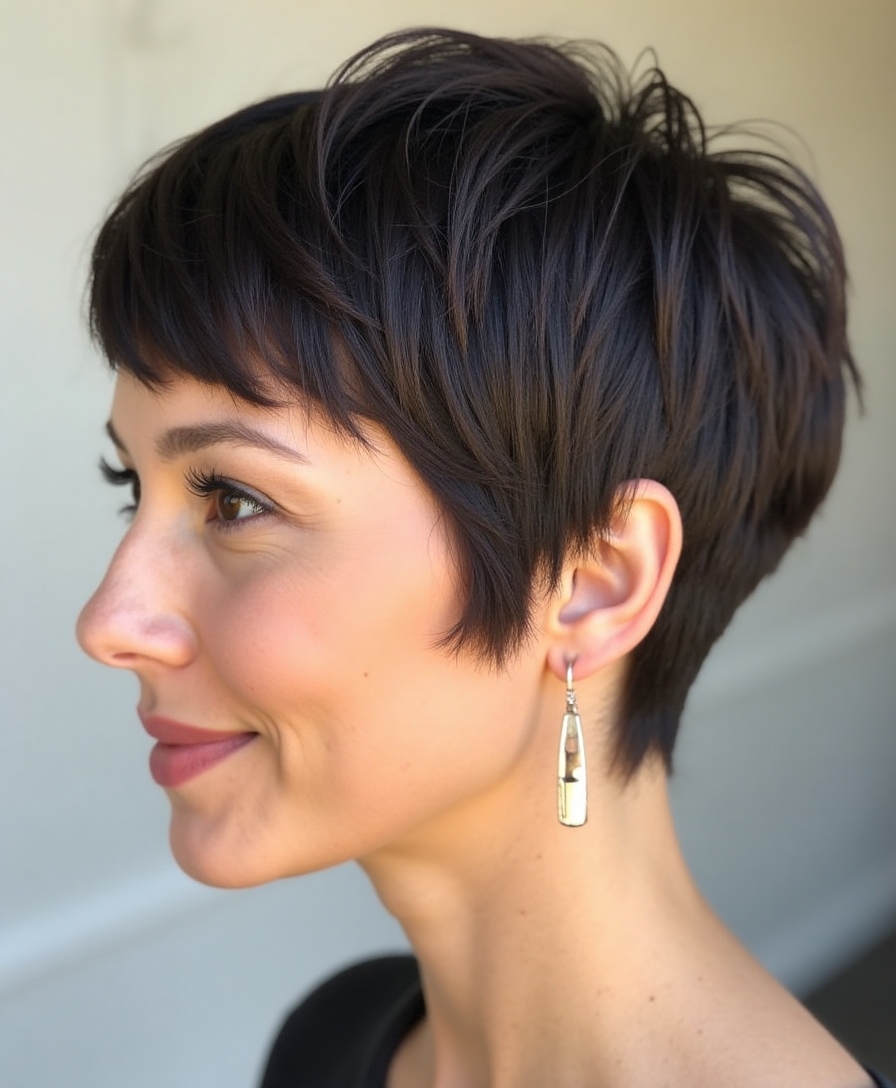
The pixie-bob sits right between a crop and a full bob — shorter and edgier than a classic bob, but with more length to work with than a true pixie.
It works as a bridge for someone curious about cutting shorter without committing all the way to a pixie. The hybrid keeps more styling range than a crop while holding onto the low-effort attitude that makes a pixie appealing in the first place.
- A safer step between long-bob and pixie territory than either extreme
- More edge than a standard bob, more length than a standard pixie
- Trims land closer together than on a longer bob, since there is less length to lose before the shape looks off
The Choppy, Face-Framing Bob
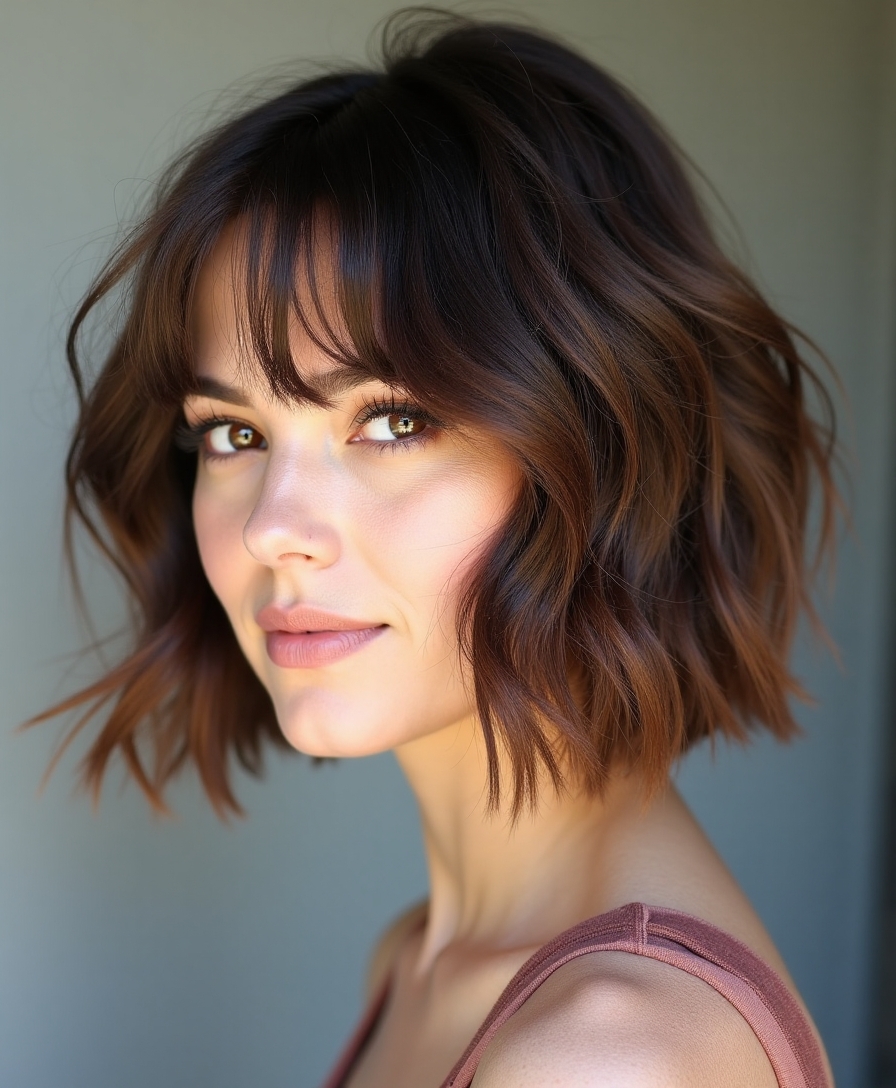
Choppy ends and pieces cut to skim the cheekbones turn a plain bob into something with more personality. The framing sections are placed to draw attention to specific features, the same way contouring works in makeup.
- Face-framing pieces pull focus toward whichever feature is meant to stand out
- Choppy ends read modern and a little undone, on purpose
- Naming the feature to highlight lets a stylist place the layers with intent
The Shaggy Bob
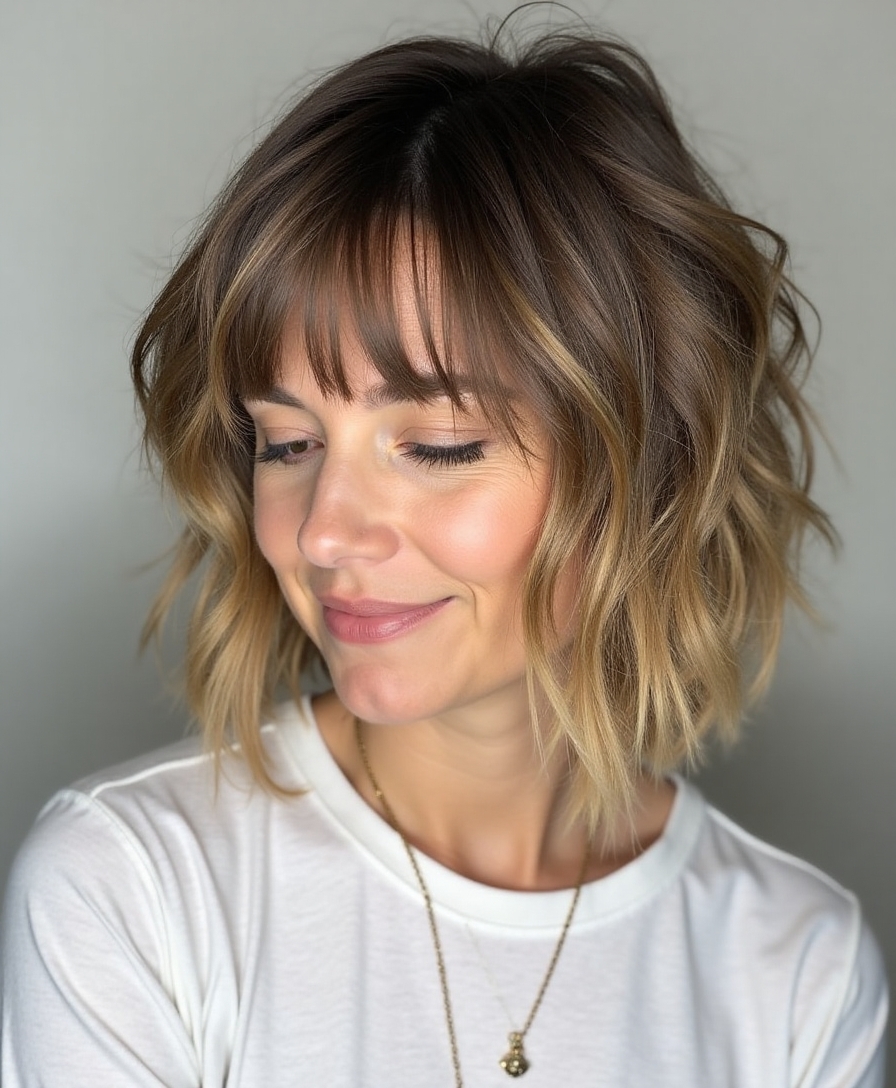
The shaggy bob is the most relaxed cut in this lineup: heavy layers, worn-in texture, none of the precision a blunt line demands.
Built for Low Effort
It suits anyone who would rather skip a styling routine. The choppy layers look better undone, and unlike a blunt bob, this one grows out without ever looking like it needs an emergency trim.
A matte texture spray worked through air-dried hair finishes it in under a minute. That is most of the appeal: the shape does the work a curling iron would otherwise have to do.
Who It Suits Best
Fine hair tends to do best with a blunt or stacked line, where the uncut weight or the built-up back reads as fullness. Thick hair leans the other way: layered and textured bobs remove bulk that a one-length cut would leave heavy.
Curl pattern narrows the field further. A curly or coily bob needs to be cut dry by someone comfortable working with texture. Straight and wavy hair can wear almost any version covered here, from blunt to razored, without much translation needed.
Short Bob Questions, Answered
?What’s the real difference between a bob and a lob?
Length and commitment. A bob sits at the jaw or above and makes a bolder, more visible statement, while a lob grazes the collarbone and still ties back in a low pony. A bob shows new growth sooner; a lob forgives a missed trim far longer.
?What changes about the haircut process for curly or coily hair?
The main difference is timing. Curly and coily hair gets cut without pulling or stretching it first, so the stylist can watch exactly how much each section shrinks before shaping around it. Cut wet or pulled straight, and the result often lands shorter than planned.
?Will a short bob make a fuller neck or a double chin more noticeable?
Only if the length lands wrong. A blunt line that stops right at the widest point of the jaw draws a hard horizontal edge. Length that falls slightly below or above that point, with some softness at the ends, avoids the problem entirely.
?How should someone describe the bob they want so the cut actually matches the photo?
Bring the photo, but also name the angle (blunt, A-line, stacked), the length relative to the jaw, and whether layers are wanted. A stylist can adjust for face shape and hair density, but only if they know which specific version is the target.
The Right Bob Is a Fit, Not a Guess
A short bob is really a whole family of cuts, not one fixed style. The right angle, length, texture, and fringe can be matched to almost any face shape and hair type.
Save the versions that stood out while reading, and bring more than one photo to the consultation; a stylist can usually tell within a few questions which angle and length will actually hold up between appointments. Which one matches your face shape and how much styling time you’re willing to give it each morning?
More Worth Saving