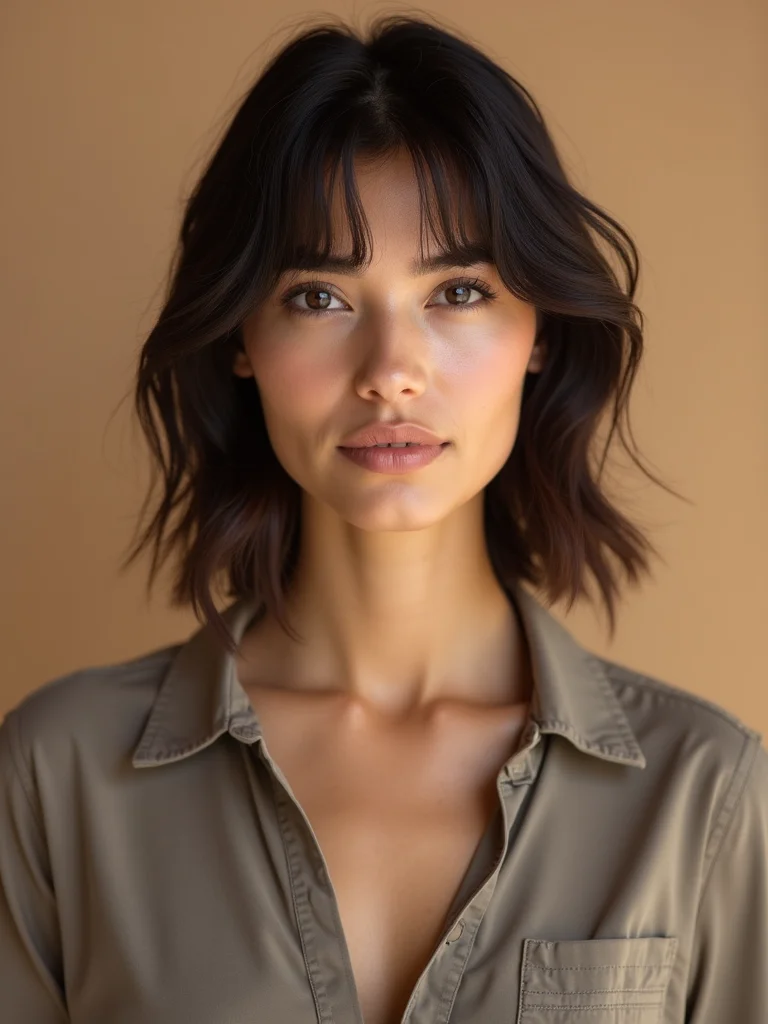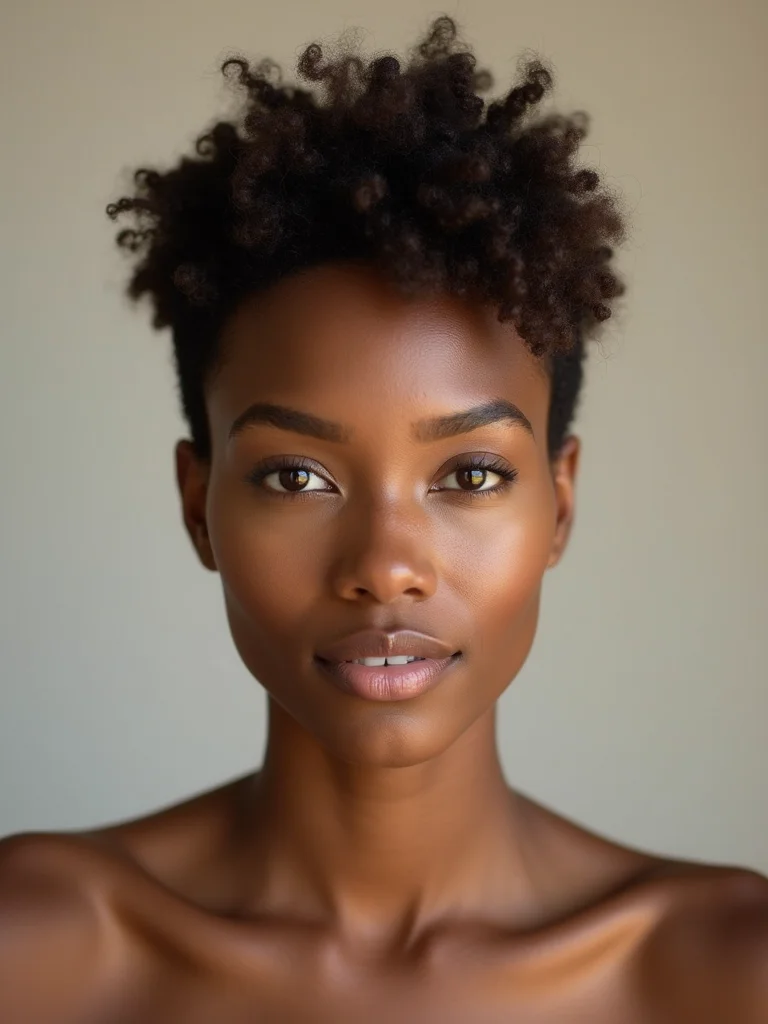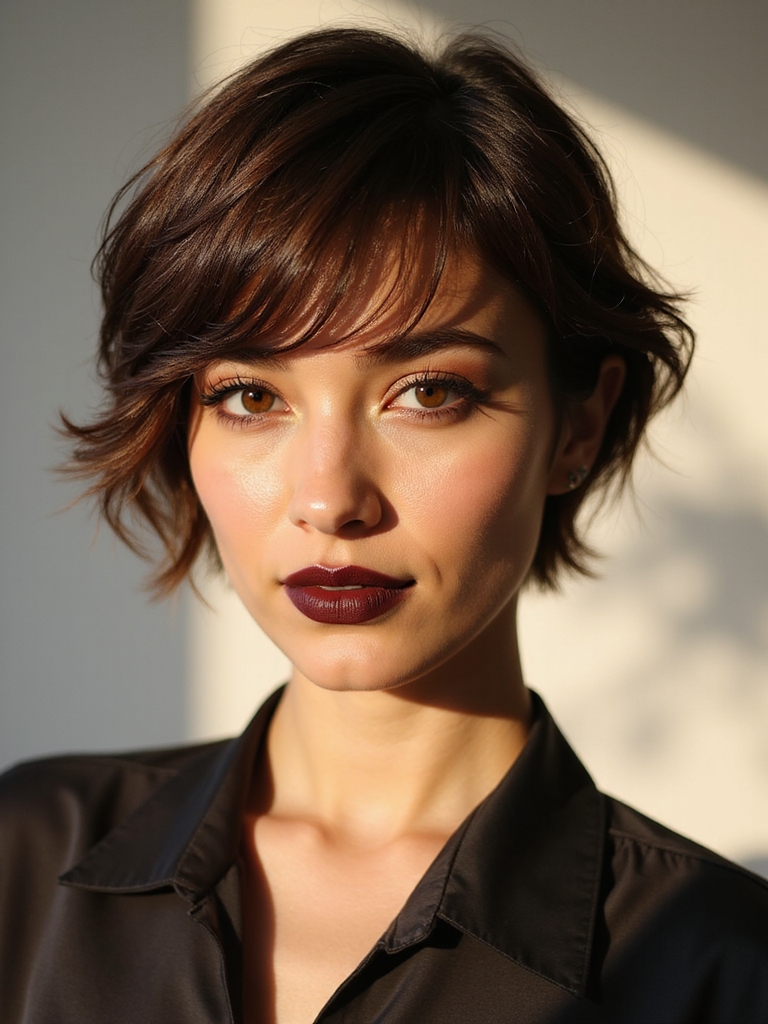
Why pick between a pixie and a bob when a single cut borrows from both? A pixie bob crops close through the back the way a pixie does, then leaves enough length up top and at the front to style the way a bob does — a combination that’s landed it near the top of nearly every short-cut request list right now.
Fifteen versions of that hybrid follow here, from a blunt jaw-length line to icy platinum color, each built around a different texture, level of edge, or amount of daily effort.
The Hybrid at a Glance
| Category | This Cut | Why It Matters |
|---|---|---|
| Length | Cropped through the back like a pixie, longer up top and at the front like a bob | Gives short-hair boldness with a bob’s styling flexibility |
| Texture range | Works on fine, straight, wavy, curly, and coily hair | The cutting method adjusts per texture — curly and coily get cut dry |
| Upkeep | A shape-up roughly every six weeks, plan on around $50 per visit | The cropped back grows out faster than the longer top sections |
Blunt Jaw-Length Pixie Bob
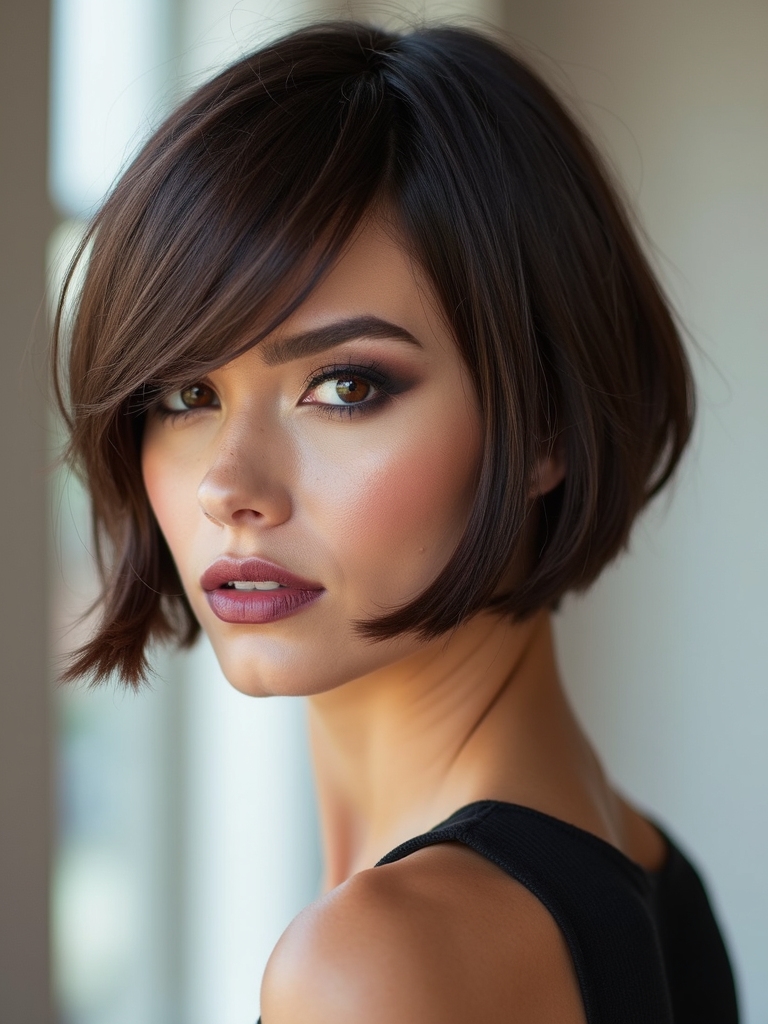
A blunt jaw-length pixie bob is the cleanest version of the hybrid, cut to a sharp line at the jaw while keeping the pixie-short feel through the back and crown. The blunt edge holds weight right at the ends, which reads dense and deliberate rather than wispy or thin.
- A sharp, unbroken line at the jaw keeps the shape looking intentional.
- Suits a wide range of faces without needing much customization.
- The boldest, most striking entry point if the hybrid appeals to you.
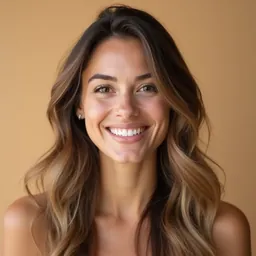
Tousled Shaggy Pixie Bob
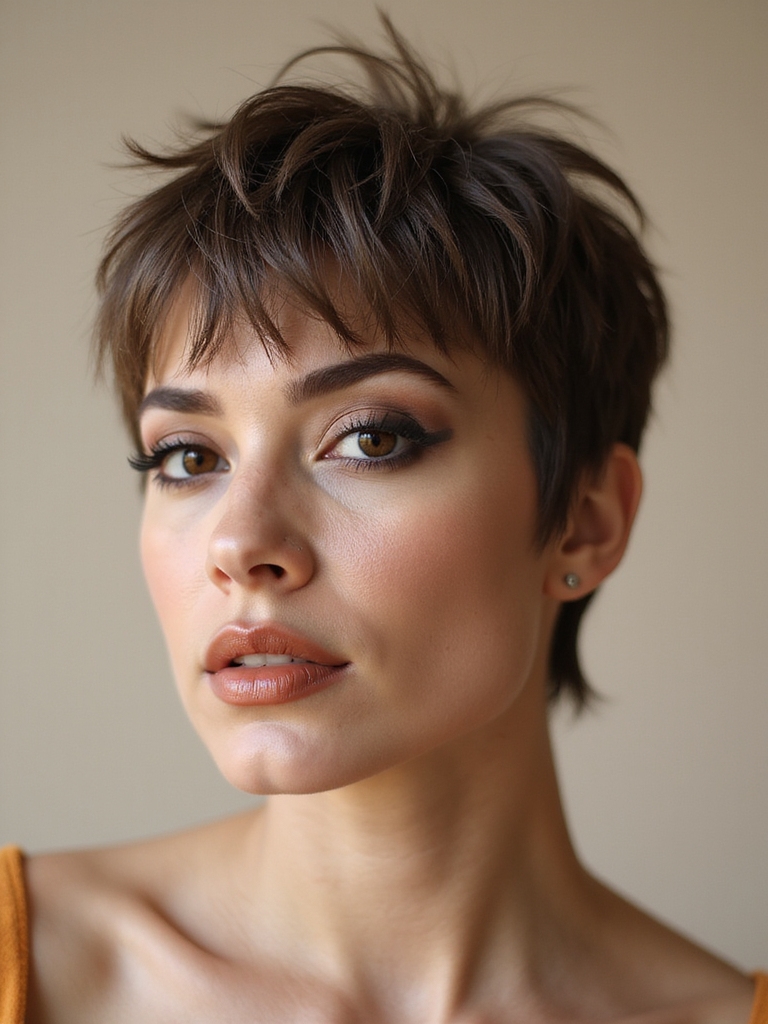
A tousled shaggy pixie bob brings choppy, worn-in layers into the hybrid, trading the blunt version’s precision for texture and easy movement.
You’ll notice this one looks better the less it gets fussed over — the shag layers are built to fall into an undone shape rather than a styled one, which makes it one of the lower-effort versions on this list.
- Choppy layers built for relaxed, undone texture.
- One of the least demanding versions to style day to day.
- A texturizing product scrunched in while damp is usually all it needs.
Sleek Side-Part Pixie Bob
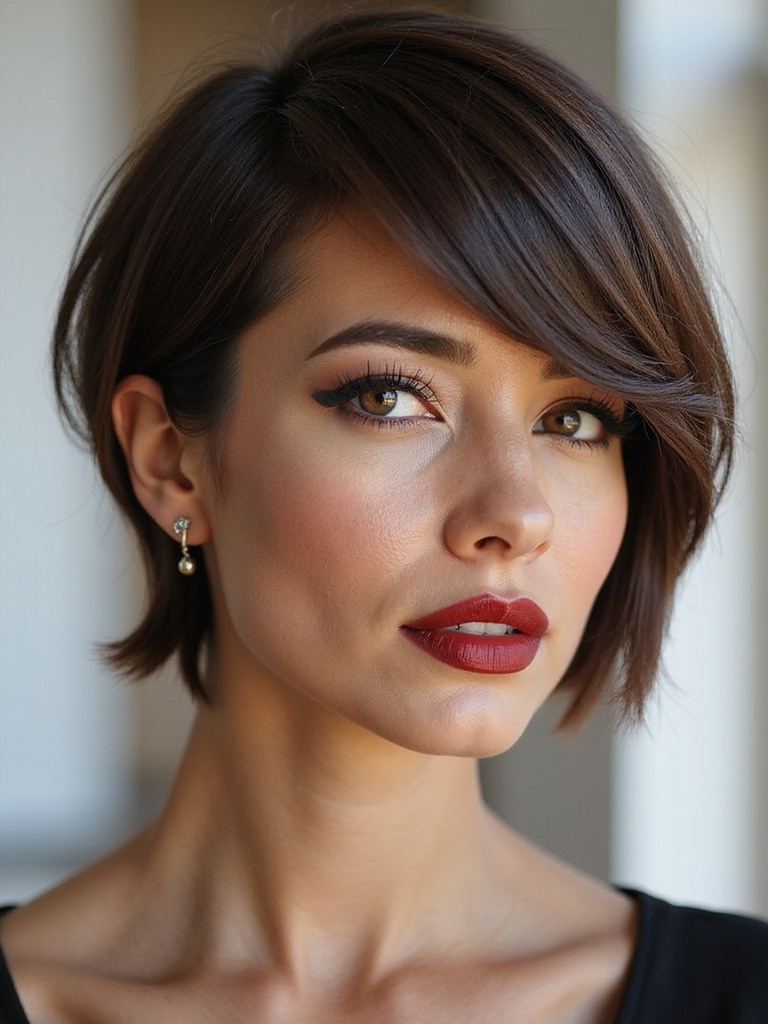
A sleek side-part pixie bob smooths the hybrid into a polished, grown-up shape, with a deep part lifting the roots and adding a flattering asymmetry to the whole line. The finish reads more professional than most other versions here, especially on finer hair that needs a little extra body right at the part.
- A deep side part does most of the visual work.
- Blow-dried smooth rather than left to air-dry.
- Reads polished enough for an office setting.
Curly Texture Pixie Bob
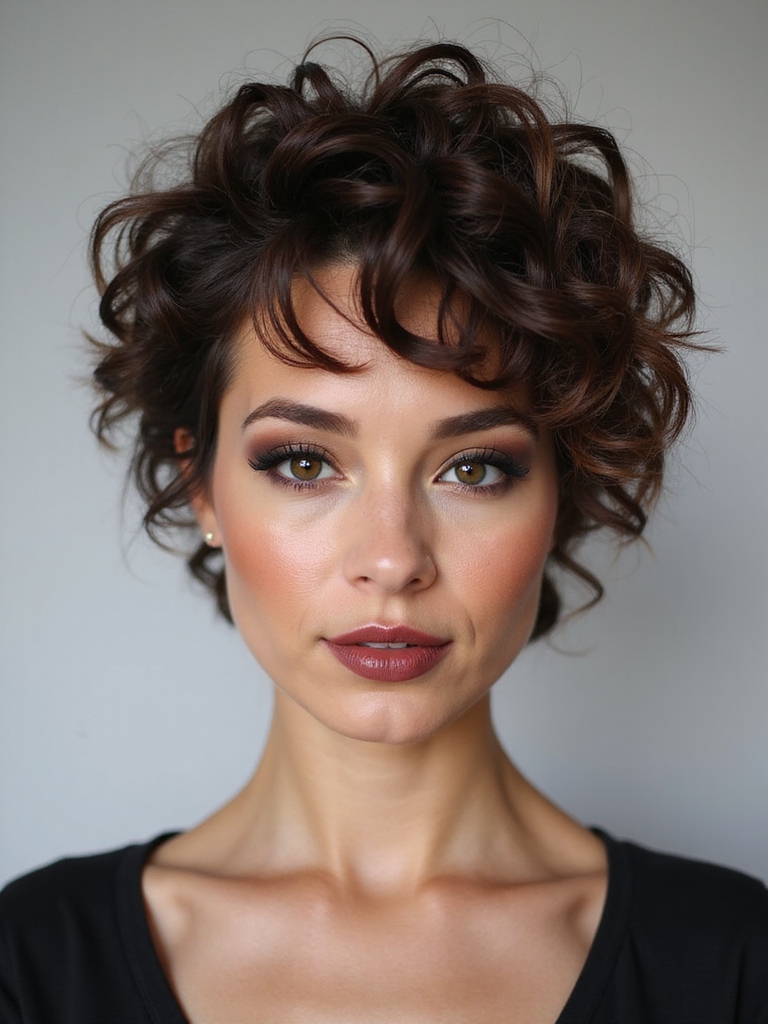
On curly hair, this hybrid length lets curls spring into a full, bouncy shape — short enough to keep real bounce, long enough to actually show the curl pattern.
Why This One Never Gets Cut Wet
That length sits in a genuine sweet spot for curls specifically, giving them volume without the extra weight of longer hair pulling the pattern down and out.
Cutting it dry in its natural, undisturbed state lets a stylist account for exactly how much the curls draw up once finished, rather than guessing from a stretched, wet length.
Soft Undercut Pixie Bob
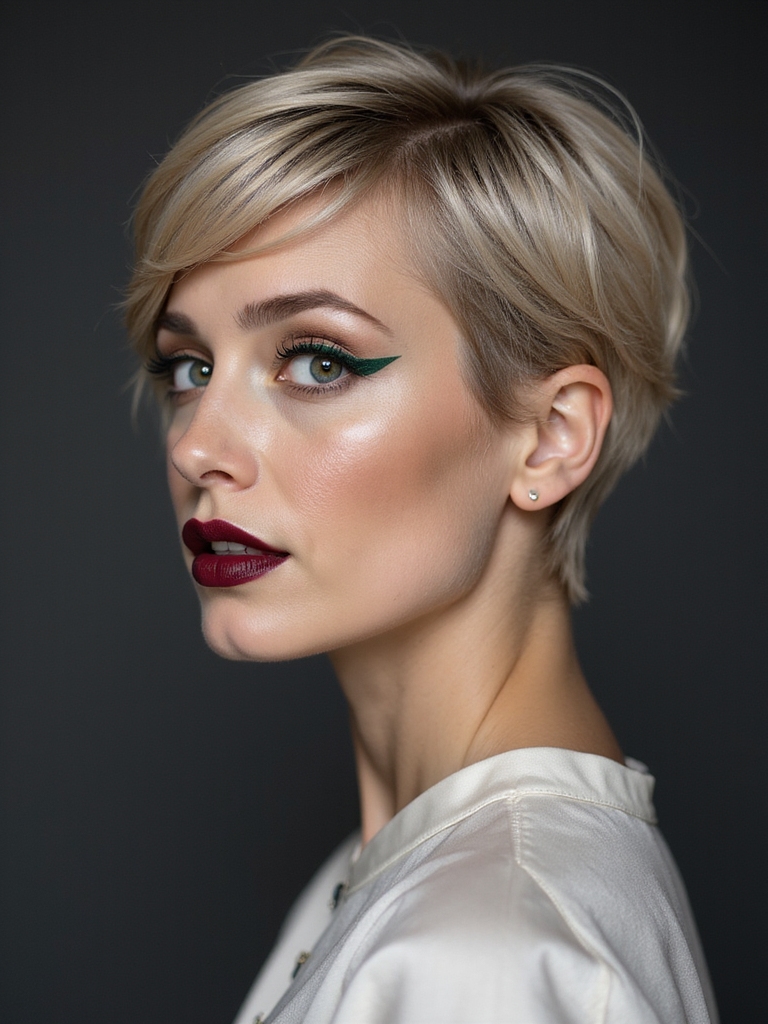
A soft undercut tucks a closely cropped section beneath the longer top of a pixie bob, building in a hidden edge that shows only when you want it to.
Worn down, it reads soft and unassuming; swept back or pinned up, it reveals the undercut and a noticeably bolder attitude underneath.
- A hidden short section sits beneath the longer top layers.
- Removes bulk while giving you something to reveal or conceal at will.
- A dense, heavy head of hair tends to benefit the most from this particular debulking.
Asymmetrical Pixie Bob
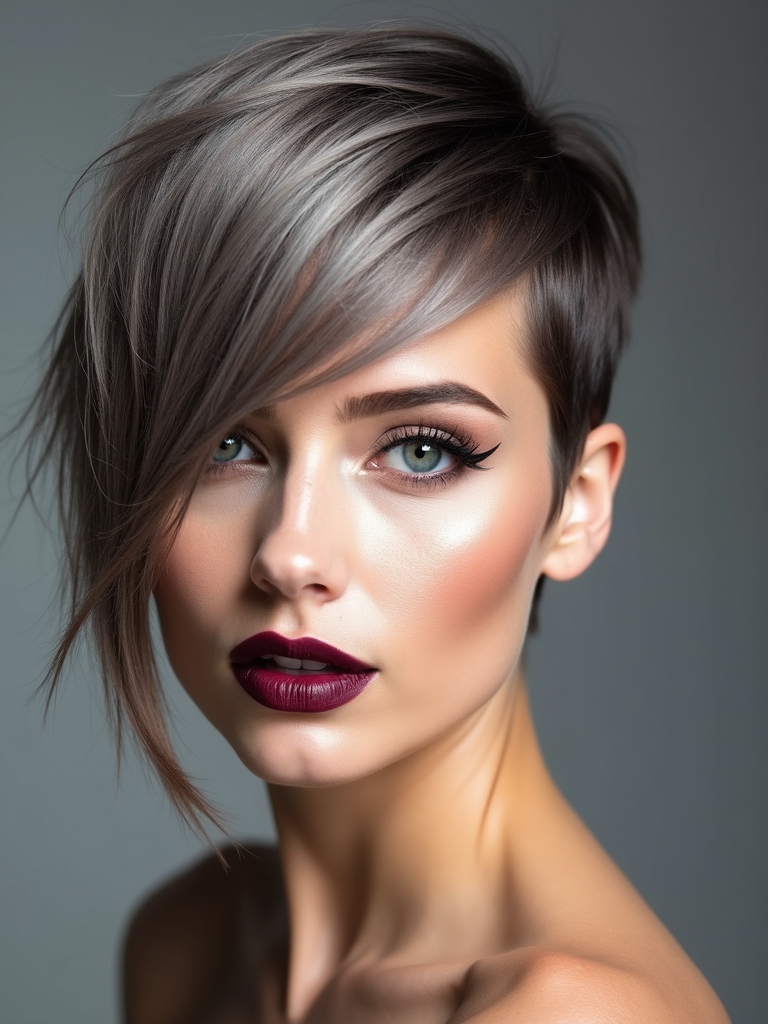
An asymmetrical pixie bob keeps one side noticeably longer than the other, building a deliberate, modern imbalance into an otherwise simple hybrid shape.
That uneven line reads fashion-forward while still working with the face, since the longer side draws a diagonal that tends to lengthen whatever it crosses.
Whichever side you part on typically gets left longer, so a stylist worth trusting will ask about your natural part and which side faces a camera most before cutting a single strand.
Micro Bangs Pixie Bob
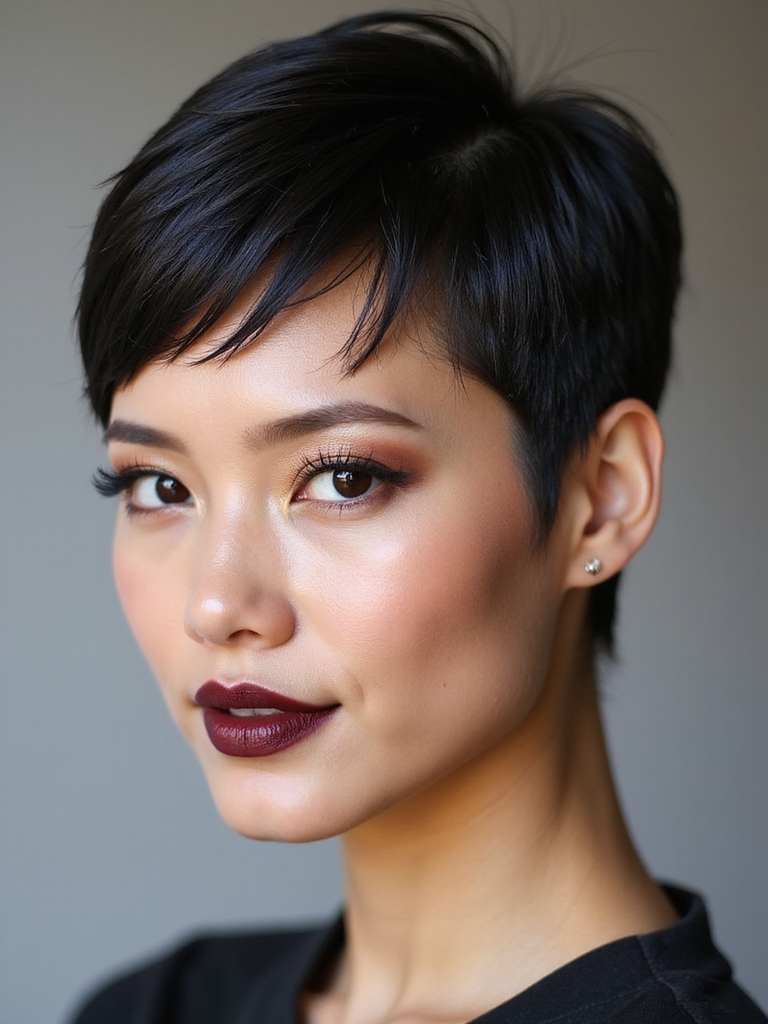
Pairing a pixie bob with micro bangs makes a bold, editorial statement — a blunt, closely cropped little fringe sitting high against the rest of the hybrid shape. It’s daring by design, drawing attention straight toward the brows and bone structure rather than softening anything.
- The boldest fringe option paired with this hybrid.
- Draws immediate focus to the eyes and brow line.
- Expect more frequent trims than any other version on this list.
“Micro bangs on a pixie bob need trimming far more often than everything else in the cut — plan on fitting that into the routine before committing to the look.”
Layered Volume Pixie Bob
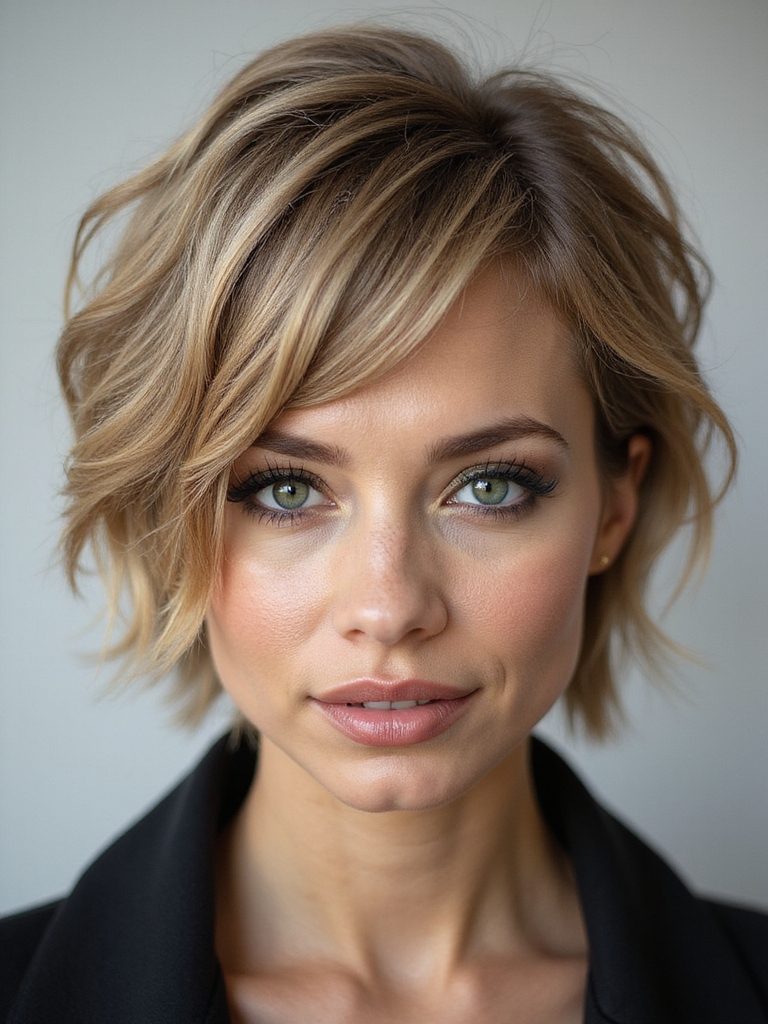
A layered pixie bob builds real volume and movement into the hybrid, using layering to keep it from ever sitting flat or heavy against the head.
- Layering adds noticeable body through the crown and down the lengths.
- Especially flattering on fine hair that needs the extra fullness.
- Styles equally well sleek and smoothed or left tousled and loose.
Wavy Beachy Pixie Bob
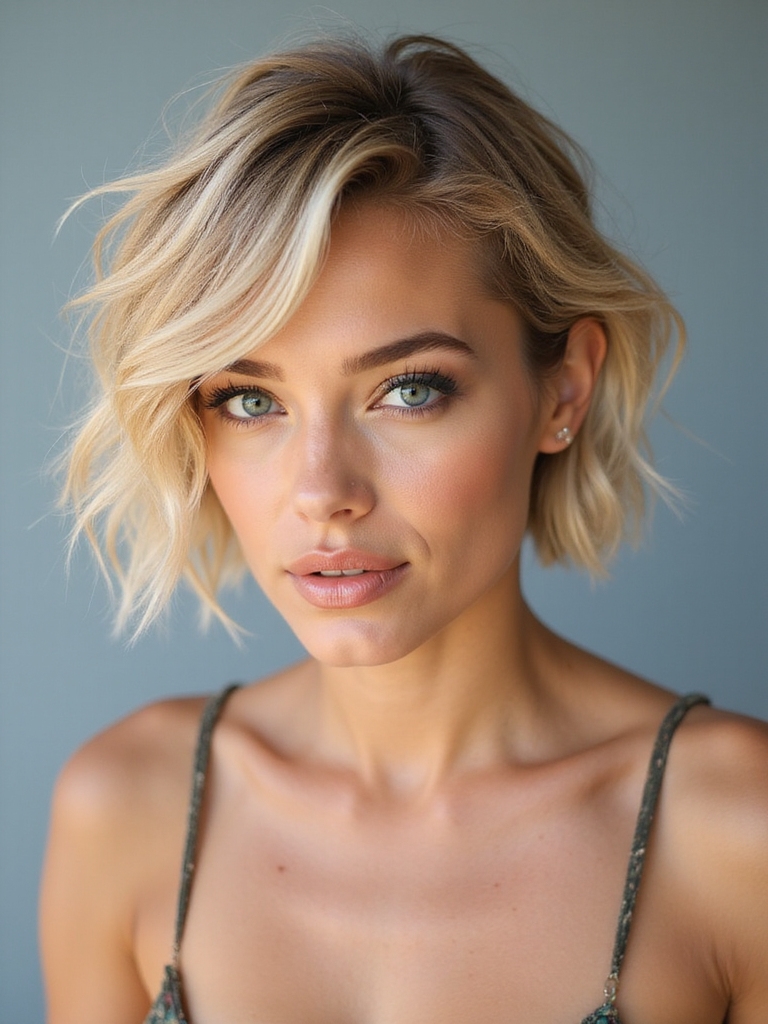
A wavy, beachy pixie bob leans on soft, undone waves to give the hybrid a relaxed, worn-in kind of movement rather than a sharp, structured one.
Those waves soften every line in the cut, pulling it away from looking too severe or precisely finished.
A salt or texture spray worked into damp hair, followed by air-drying, gets most of the look with very little active effort.
💡Product Note
A light texture spray on damp hair does more for this version than a full styling routine ever would — resist the urge to over-style it.
Graduated Nape Pixie Bob
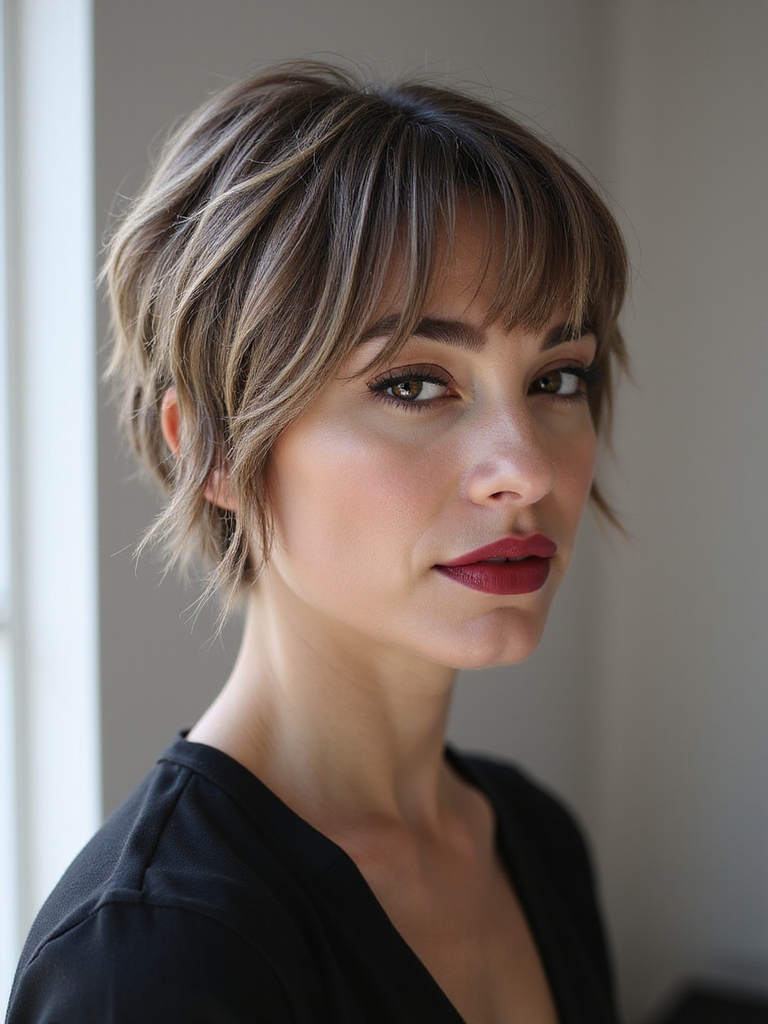
A graduated nape stacks short layers at the back, lifting the pixie bob into rounded volume through the crown while the front stays comparatively longer.
That built-in structure adds lift exactly where short cuts tend to collapse first, which keeps the whole shape from reading flat at the back.
Finer hair tends to benefit most from this version, since the stacking effectively builds in fullness the hair wouldn’t hold on its own.
Feathered Fringe Pixie Bob
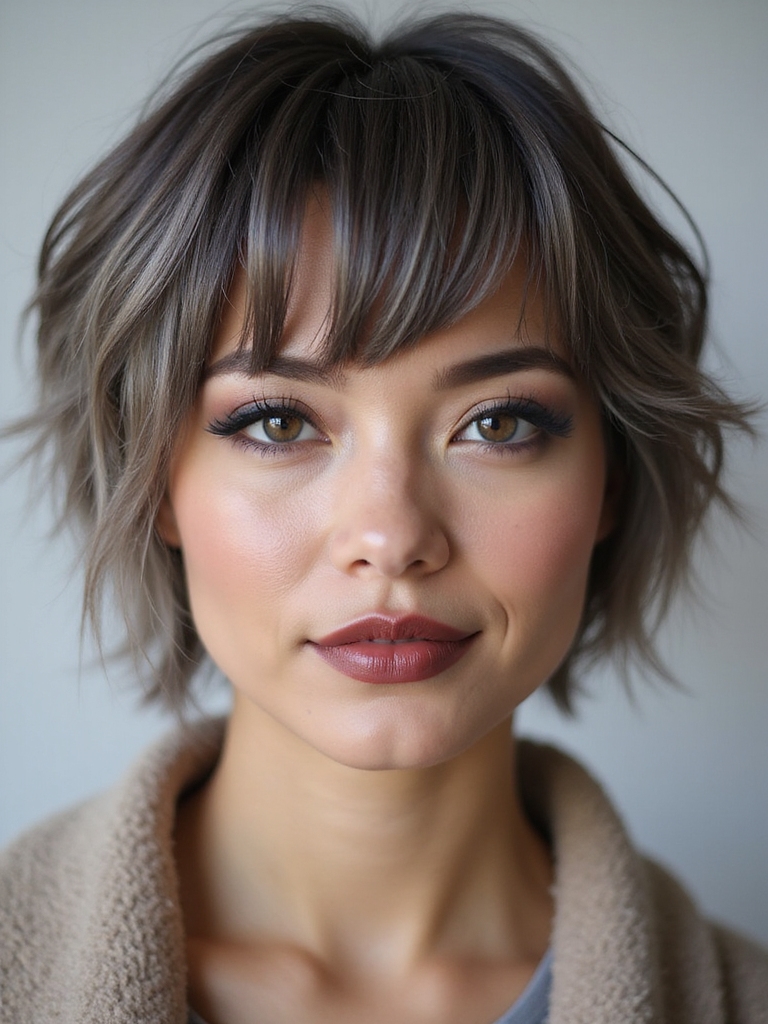
A feathered fringe softens the hybrid with wispy, tapered bangs that frame the face gently rather than cutting straight across it.
That feathering keeps the whole shape from reading too sharp, softening the transition between the fringe and everything behind it.
Growing it out tends to be more forgiving than most fringe styles, since the tapered ends blend into face-framing pieces instead of leaving an awkward, blunt stage behind.
Choppy, Worn-In Pixie Bob
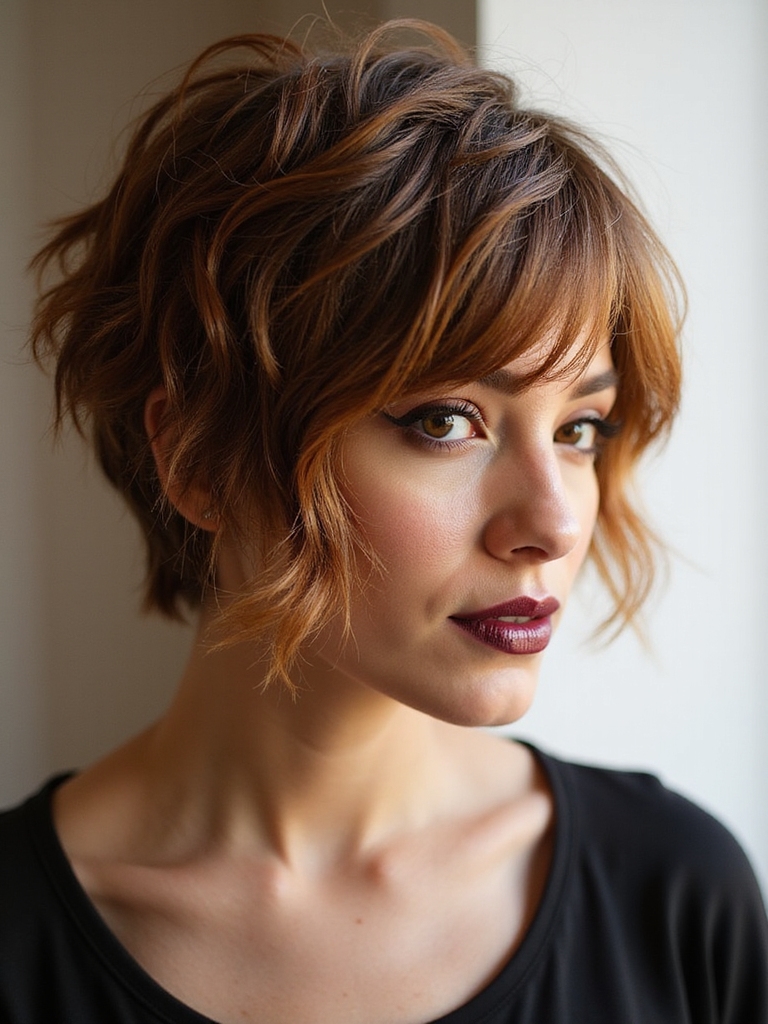
A choppy pixie bob leans fully into texture, built from piecey, irregular layers that look deliberately worn-in from the very first day. It’s the most casual, unfussed version of the hybrid, and the styling routine matches that attitude.
- Piecey, irregular layers replace any single clean line.
- Never needs to look perfectly styled to look finished.
- A small amount of texture paste usually finishes the look.
The whole routine, most mornings:
1Towel-Dry First
Blot out excess water rather than rubbing, which helps keep the choppy texture from frizzing.
2Work In Paste
Rub a small amount between the palms, then scrunch it through damp pieces.
3Air-Dry or Diffuse
Let it finish drying without a brush, which preserves the piecey separation.
Razor-Cut Pixie Bob
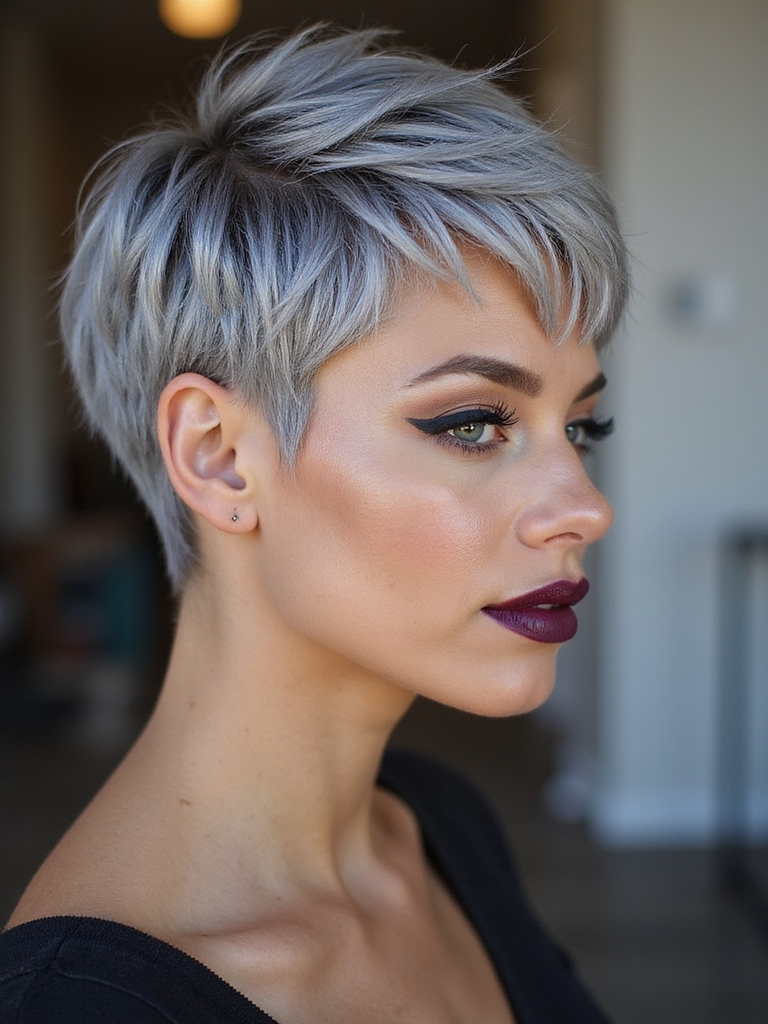
A razor-cut pixie bob uses a razor instead of shears to create soft, airy, tapered ends rather than the cleaner line scissors typically leave behind.
When to Skip the Razor Entirely
The result reads feather-light and full of movement, noticeably softer than an equivalent scissor cut on the same length.
Thicker hair tends to suit this technique best, since it removes real weight; very fine hair can start to look sparse with too much razoring, which is worth discussing before committing.
Platinum Pixie Bob
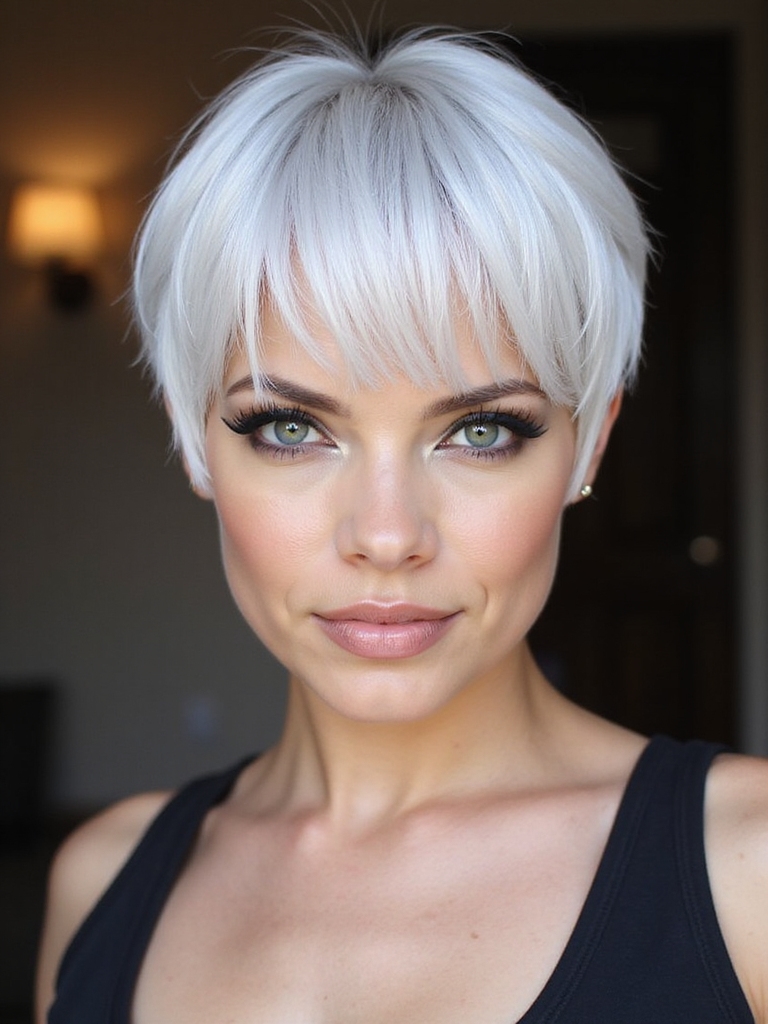
A platinum pixie bob pairs the hybrid shape with icy, bright-blonde color for a high-impact, editorial finish that reads as intentional as the cut itself.
Why Short Hair Lifts More Gently
Short length works in its favor here — there’s simply less hair to lift, so getting to platinum tends to be gentler on this cut than the same process on longer hair.
Regular toning keeps the color icy rather than brassy, so a purple shampoo tends to become a permanent fixture in the routine once this shade is chosen.
📋Before Booking Platinum
- ✓Confirm your stylist has recent experience lifting hair to this level safely.
- ✓Budget for a toning appointment every few weeks to keep brass at bay.
- ✓Ask about a bond-building treatment if the hair is already color-treated.
Natural Coils Pixie Bob
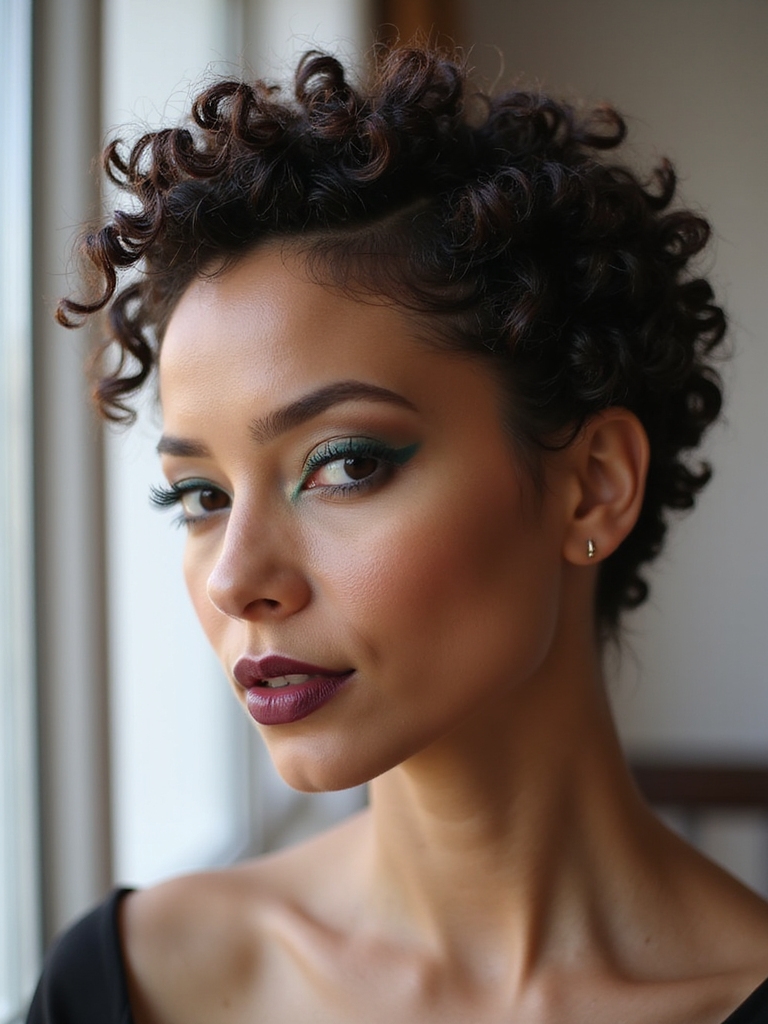
On coily, natural hair, this hybrid celebrates the texture at an unusually flattering in-between length, letting coils sit full and shaped the way they naturally fall rather than being forced into a different pattern.
Accounting for Shrinkage Before the First Cut
Much like the curly version, cutting it dry and in its undisturbed state lets a stylist account for real shrinkage rather than guessing at a stretched length.
A leave-in followed by a curl cream keeps the shape both defined and soft, and the result works as well here as it does across every other texture on this list.
What to Expect
A pixie bob asks for a shape-up on a rhythm noticeably shorter than a longer cut, since the cropped sections at the back grow out fastest. Plan on around $50 per visit, adjusting up or down depending on region and salon tier.
Day to day, most versions style in just a few minutes — the choppy and wavy directions especially. The blunt, micro-bang, and platinum versions ask for the most ongoing attention, so factor that realistically into which direction actually fits a normal week rather than an idealized one.
Pixie Bob Questions, Answered
?What exactly makes a cut a pixie bob rather than just a short bob?
The back and sides crop close the way a true pixie does, while the top and front stay long enough to style like a bob. That combination is what separates it from either cut worn on its own.
?Does this hybrid work on naturally curly or coily hair?
Yes, and it tends to work especially well — the length gives curls and coils room to show their pattern and bounce without the extra weight of longer hair pulling them flat.
?How much more upkeep does this cut need compared to a standard bob?
Somewhat more, since the cropped back grows out faster than a bob’s more uniform length. Expect a shape-up on a noticeably shorter rhythm than a typical bob cut.
One Cut, Every Texture
A pixie bob works less like a single haircut and more like a framework — cropped enough through the back to feel bold, long enough up top to still style like a bob, adaptable across fine, thick, wavy, curly, and coily hair alike.
The real decision sits in how much edge, texture, or color gets layered onto that base shape, not in whether the hybrid itself will work.
More to Try