A French bob doesn’t announce itself. It’s the fringe settling back into place after a gust of wind, the jaw-length ends swinging once and stopping, nothing about it fighting for attention. That restraint is the entire point: the cut looks unstudied because every layer, every trim, every fringe choice was decided in advance.
What follows covers sixteen ways to wear it, from the wispy-fringe original to a glossy blunt micro version, plus the honest technique and upkeep behind each one.
The French Bob, Quickly
- Grazes the jaw; go shorter and it becomes a micro bob, longer and it loses the shape’s whole identity.
- A weak cut hides behind a blow-dryer; a good one needs almost nothing at all.
- Works across straight, wavy, and curly textures, with the technique changing more than the length does.
- The fringe is the part that actually dictates how the whole cut ages between visits, more than the length does.
The Jaw-Grazing Original With a Wispy Fringe

Every other cut on this list is a variation on this one. Jaw-length, a piece-y fringe that skims the brow, and lengths left just slightly undone. The shape hasn’t changed much in decades because there’s not much left to improve. See our short bob haircuts guide for the wider family this belongs to.
Why This Is the Reference Point
By the third wash, the fringe usually softens into its most flattering shape, which is why I tell clients to wait a few days before deciding how they feel about it.
It suits nearly every face because the jaw length and soft fringe do the same job: drawing the eye toward the center of the face instead of the outer edges.
🅰️Wispy Fringe
Softer, grows out easily, less of a graphic statement.
🅱️Blunt Micro Bob
Sharper, glossier, needs more frequent flat-ironing and trims.

Glossy Blunt Micro Bob

Cut shorter and blunter than the original, this version sits high and dense near the jaw, with a glassy finish that looks expensive from across a room. Of every variation here, this one cuts away the most length.
On balanced or oval faces, the clean line does real work, framing the face in tight, deliberate proportion. Flat-iron it smooth and finish with a single drop of serum for the shine that makes the whole cut. Skip the serum and the same cut just looks unfinished.
Soft, Airy Texture for Everyday Wear

Add subtle layers to the jaw-grazing shape and the whole cut lightens up, losing the heaviness a solid blunt line can carry.
It’s the version that survives a rushed morning best, since a rough air-dry and a light texture product cover most of what it needs.
- Layers stay subtle; too many and the shape loses its jaw-grazing weight
- A dime-size amount of texture cream, worked through damp ends, is usually enough
- The most forgiving version if your morning routine only has five minutes to spare
ℹ️The Restraint Rule
Every French bob variation shares one rule: layers thin the shape, they don’t add bulk or drama. The moment a stylist starts stacking heavy layers on top, it stops reading French and starts reading like a regular layered bob.
A Wavy Take on the Shape
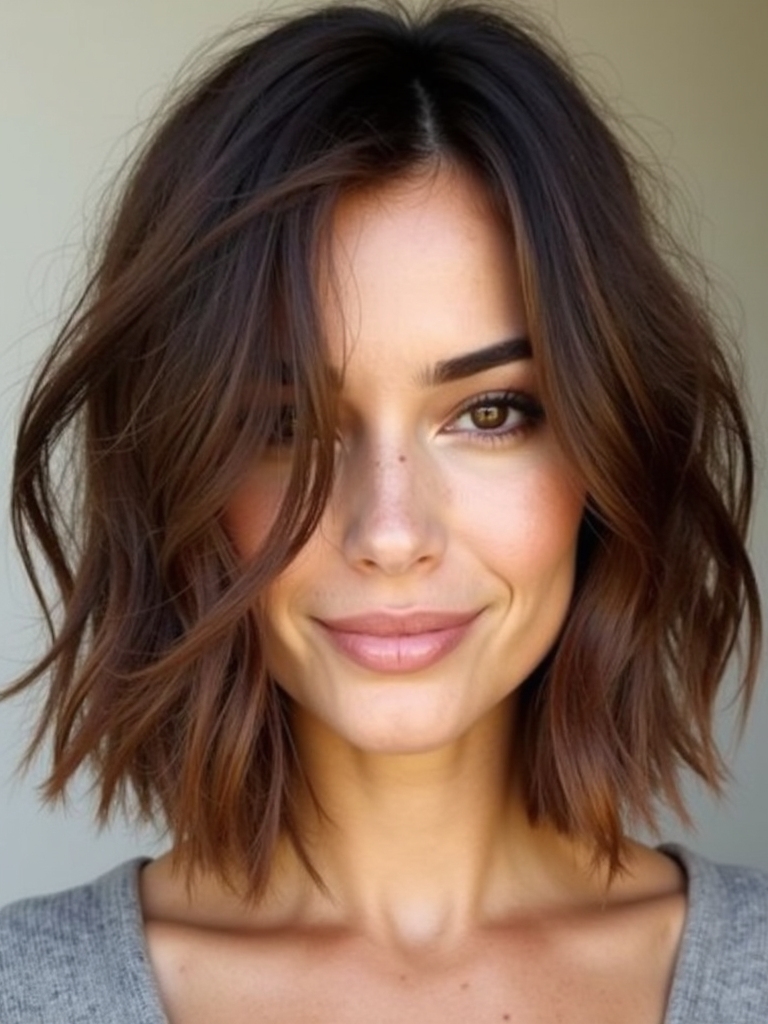
Waves add a relaxed, beachy note to the jaw-grazing shape, softening the line while the cut’s underlying identity stays intact. Most of that ease is real, not styled-in.
A sea-salt spray scrunched through damp hair and left to air-dry covers most days; a large iron, section by section, gets a more polished wave when the occasion calls for it. Either way takes under ten minutes.
Defined Coils With Sculpted Volume

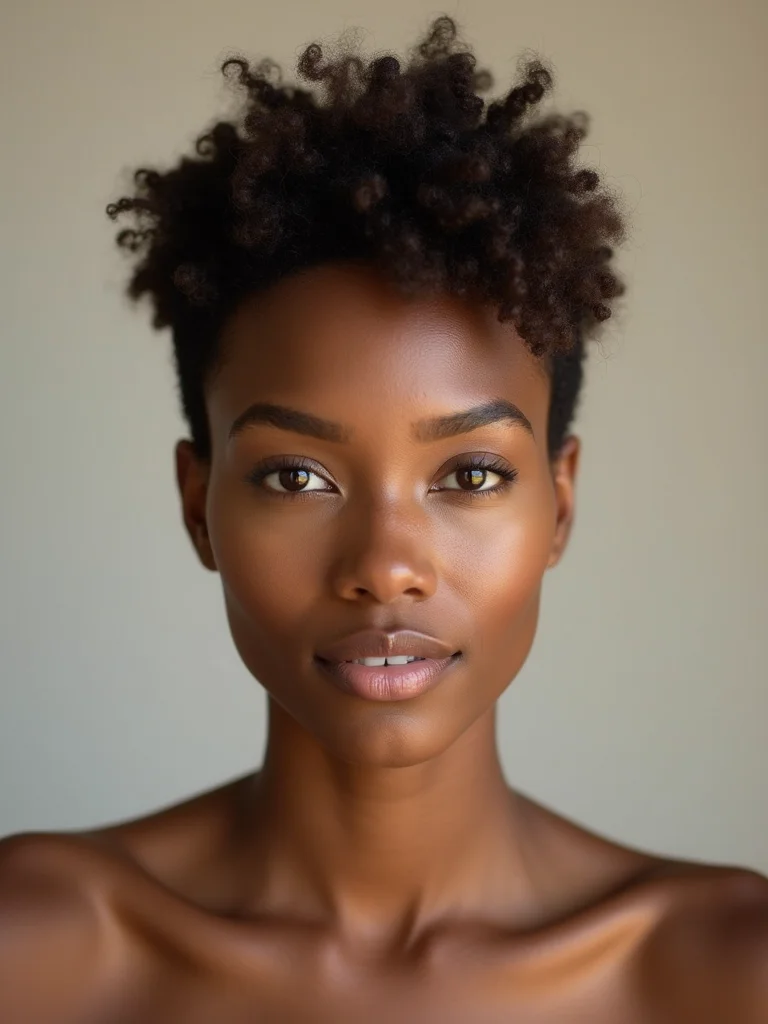
A French bob isn’t limited to straight hair. On curly and coily textures, the same jaw-grazing shape gains real sculptural volume, with the coils springing up to frame the face once they’re cut in their natural, dry state. Our curly bob guide covers the fuller-length version of this same idea.
- Cutting dry is non-negotiable here, since shrinkage changes the whole shape once hair is wet
- A curl cream applied to soaking-wet hair holds definition better than a dry touch-up later
- Diffusing on low keeps the curl pattern intact while speeding up the dry time
Getting a clean coily French bob in three visits.
1Consultation
Bring a photo and tell your stylist you want it cut dry, in your natural pattern.
2The cut
Sections are cut curl by curl so the coils spring up exactly where they’ll actually sit.
3The first wash
Expect the shape to look slightly different once you wash and re-style it yourself; that’s a completely normal adjustment period, nothing to worry about.
A Side-Swept Fringe Instead of Center

Swap the center-parted fringe for a side-swept, feathered one and the whole cut comes across gentler, less graphic.
The fringe sweeps at an angle across the brow, which flatters rounder or squarer faces by drawing a soft diagonal line across them.
For a first-time fringe, this is the easier entry point when a blunt center version feels like too much commitment. Dry it across and to the side with a round brush, and a light texture spray keeps the feathered ends from going flat.
Razor-Sharp and Center-Parted

Skip the fringe entirely and this version leans into precision instead. Parted dead center, cut to a clean line, nothing left undone.
On balanced or oval faces, the symmetry does the flattering; the center part and sharp line carry an editorial, grown-up feel.
This version grows out the least gracefully of the bunch, since a crooked part shows immediately, so budget for a tighter trim schedule than the softer, fringed takes need.
A Chiseled Silhouette at the Chin

Cut to a precise line right at the chin, with sharp, deliberate edges throughout, this is the most structured version of the shape, polished enough to carry an architectural feel.
- The most structured, least undone version in the whole lineup
- Needs a sharp initial cut and a disciplined trim schedule to hold the line
- Best matched to someone chasing polish over tousled softness
A Tousled, Deliberately Undone Version

This take leans all the way into the undone half of the equation: lengths roughed up, fringe left casual, nothing sitting too neatly.
It hides more than it reveals. Nothing here needs to be perfect. A grow-out that would look messy on the sharper versions just blends in as more texture.
Scrunch a texture spray through damp hair and finger-tousle it into place once dry. The messier the finish, the more the style is actually working as intended.
Polished, With Curtain Bangs

Pair the shape with soft curtain bangs and the whole cut reads more romantic, less severe. Center-split bangs frame both sides of the face and blend straight into the jaw-grazing lengths. For a longer version of this same pairing, see our french bob with bangs guide.
It flatters an unusually wide range of face shapes, since the curtain fringe does the softening work a center fringe or blunt line can’t.
- A round brush pulled through while drying gives the bangs their signature outward sweep
- Blends into the surrounding layers as it grows, unlike a blunt fringe
- A reliable choice for anyone nervous about committing to a fringe at all
An Asymmetrical Line at the Jaw

Cutting one side noticeably longer than the other adds a bold, modern edge to the otherwise restrained French shape. On rounder or squarer faces, the uneven line breaks up symmetry in a way a level cut simply can’t. It’s a small change with an outsized effect.
- The most fashion-forward variation of the whole family
- The shorter side needs trims on a tighter schedule to keep the asymmetry crisp
- A precise initial cut counts for more here than on any symmetrical version
Razor-Soft and Shattered at the Ends

A razor, instead of scissors, gives this version its softest possible finish, with the ends tapered into fine points that move and catch light as they fall.
Not Every Hair Type Qualifies
It only works on hair that can handle it. Fragile, over-processed strands split further under a razor’s edge, so this one’s reserved for healthy, straight-to-wavy hair and a stylist who’s done it before.
Keep heavy products away from it; the ends need to stay light for the shattered texture to actually show.
An Airy Volume Boost for Fine Hair

For fine hair, this jaw-length version with a little strategic layering near the crown solves the one problem the classic shape doesn’t: it lifts the roots and adds real body while keeping every inch of the already-scarce length. Our French bob for fine hair guide goes deeper on this exact pairing.
- Layering concentrates near the crown, where it does the most to lift already-fine hair
- A volumizing mousse at the root does more here than any heavy oil or serum
- The cut most often recommended for truly fine, limp textures
“On fine hair, I check root lift before I check length every time; a bob that lies flat at the root looks shorter and thinner than the same length with a little lift built in.”
Internal Layers, Invisible From Outside

The trick lives entirely underneath the surface. A stylist thins out the interior weight while leaving the perimeter untouched, so the line you actually see stays perfectly blunt.
Thick, dense textures that need real movement, more than a blunt cut alone can deliver, are exactly who this version was built for.
- Ask for interior weight removal specifically; it’s a different request than a general thin-out
- The blunt line on top stays intact while the underneath does the work
- Keeps thick hair light enough to actually move with each step
A Blunt Cut Built to Air-Dry

The most honest test of a well-cut French bob is what it looks like with zero heat styling involved. This version is cut precisely enough that it falls into its slightly undone shape on its own, straight out of the shower.
- No heat required; the precision of the cut itself is doing the actual work
- A cut this precise costs more upfront but saves real time every single morning
- Add a small amount of texture spray and leave it alone; over-touching it undoes the point
Dressed Up With a Soft Bend

When the shape needs to go from ordinary Tuesday to an actual event, a soft bend at the ends is really all it takes.
The Occasion Version
A round brush or a large-barrel iron curves the ends inward, then a quick break-up with fingers keeps the bend from looking too set. For more length to work with before adding a bend like this, our long french bob guide has more.
This is the evening version of a cut that otherwise prides itself on looking untouched, which is exactly why a light hand matters more here than anywhere else on this list.
Maintenance & Care
A cut like this runs about what a standard bob service costs at most salons, generally in the $50 to $90 range; the real cost difference shows up over the following months, in how often the fringe needs trimming versus the rest of the shape. A quick fringe-only trim between full visits usually runs a fraction of that, often under $15.
By week three, most fringe styles have grown past their sharpest point, even though the base shape still looks fine. Booking that one small touch-up keeps the whole cut looking sharp and intentional.
A Shape Worth Committing To
Sixteen versions, one shared identity: restraint that reads as elegance rather than effort, whichever length or fringe you land on.
Bring a photo, name the specific fringe and finish you want, and trust the shape to do more work than any product afterward. The next appointment is the only step left.
More Inspiration