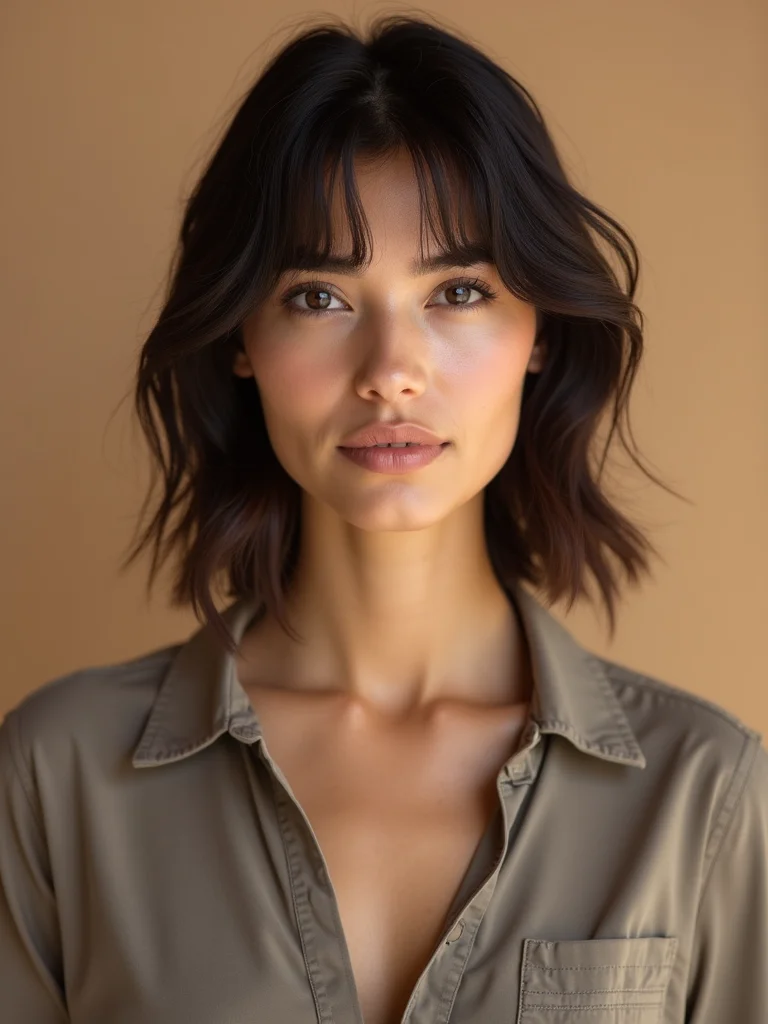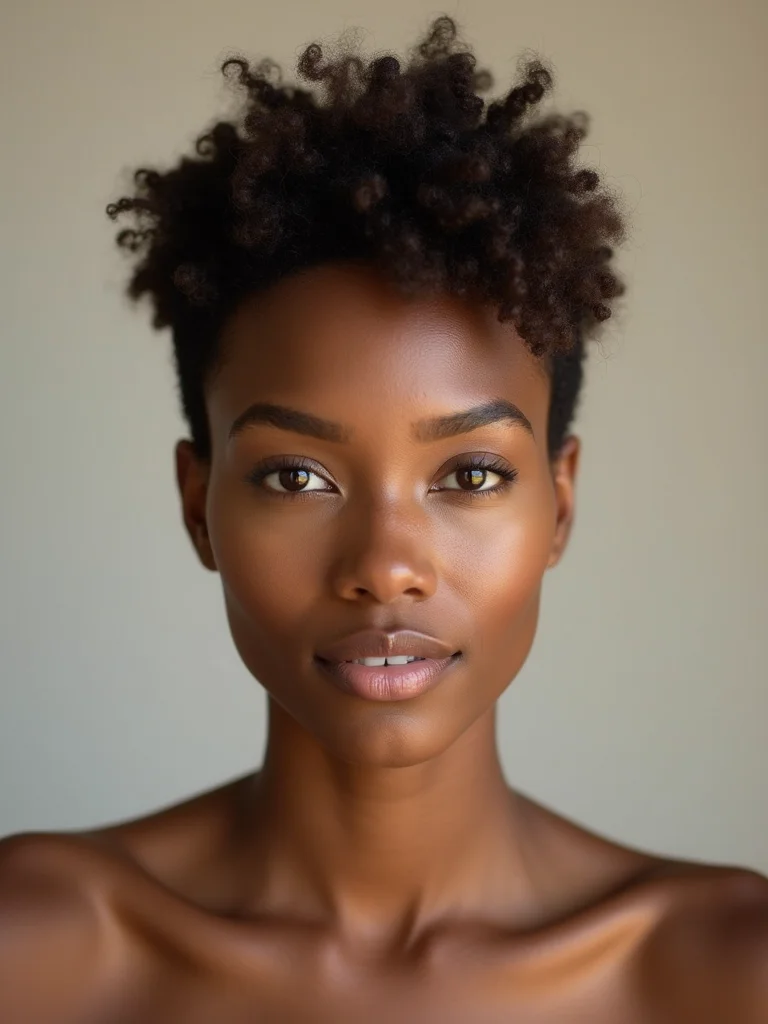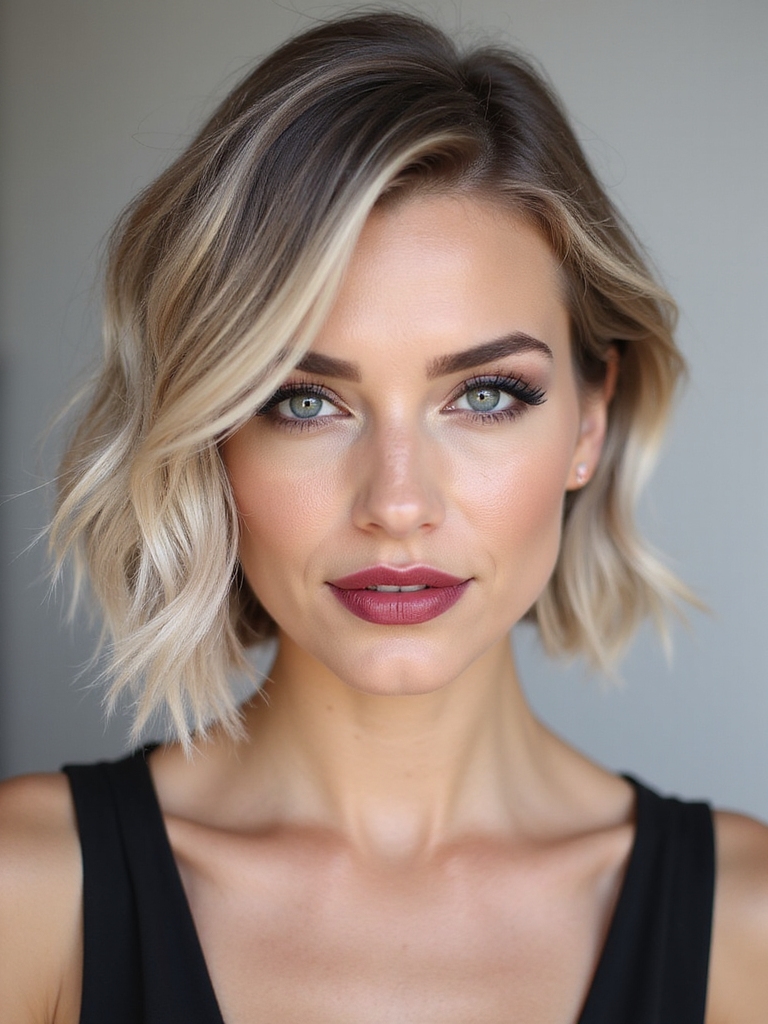
You know the feeling: hair that looks full in the salon chair at ten in the morning and lies flat against your head by lunch, every style sliding out by the time you get home. Fine hair does that. I see it every week in the chair.
The instinct is to grow it long for more to work with, but length only piles on weight that drags it down further. The smarter move is usually shorter and choppier. A choppy bob sheds the weight and uses texture to fake the density fine hair lacks.
Below are fifteen choppy bobs built for fine hair, each chosen for how it adds volume or movement, plus the rules and care that keep the body in.
The Short Version
Fine hair has a weight problem: length drags it flat, and a blunt one-length cut can look thin at the ends. A choppy bob fixes both. Shorter length sheds the weight, and choppy, point-cut texture fakes more pieces and more density than fine hair really has.
The rules are simple. Go shorter than feels safe, keep the layers soft, build lift at the roots, and keep products light. Get the cut right and most of the volume happens before you pick up a brush.
Tousled French Bob for Airy Texture
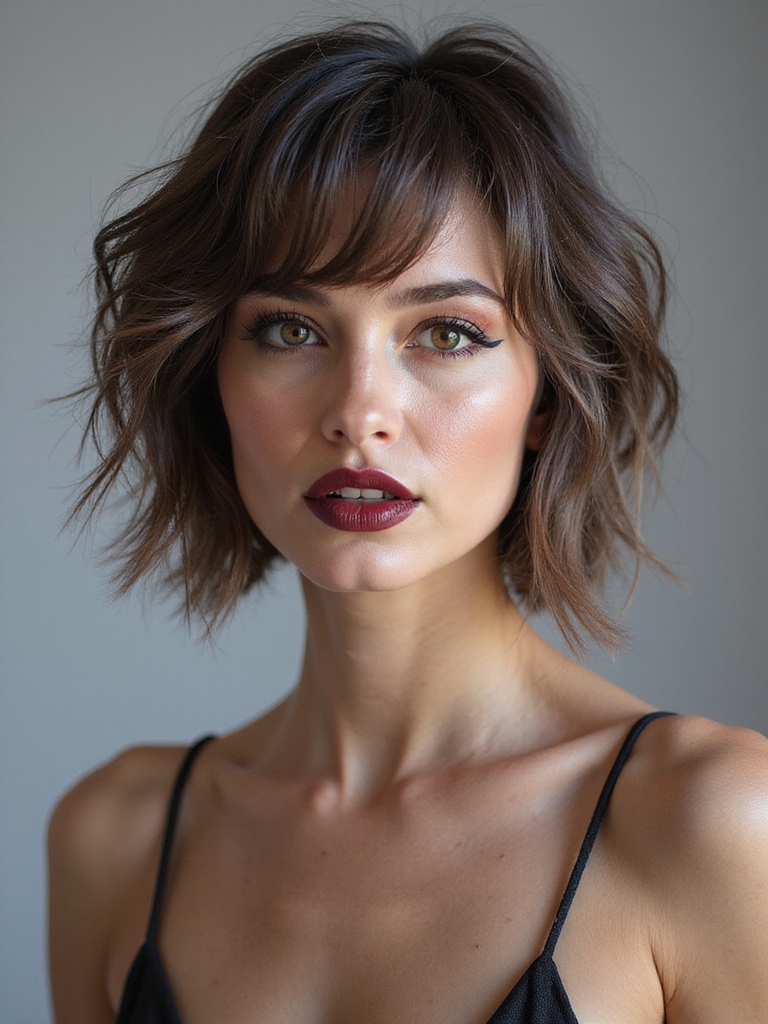
The tousled French bob is one of the kindest cuts for fine hair, because its whole charm is looking a little undone. Cut to around the chin with soft, broken texture, it falls in airy, piecey sections that look like fullness instead of flatness.
The volume here comes from texture, not length. Point-cutting through the ends creates separation, so the bob looks like it has more pieces and more body, and a soft, imperfect finish hides the way fine hair tends to fall flat. See the classic shape in our French bob guide.
- Cut to the chin with soft, point-cut ends
- Air-dries into texture, so it forgives a flat day
- A light texture spray keeps it airy and soft to the touch

Jaw-Skimming Blunt Bob With Feathered Ends
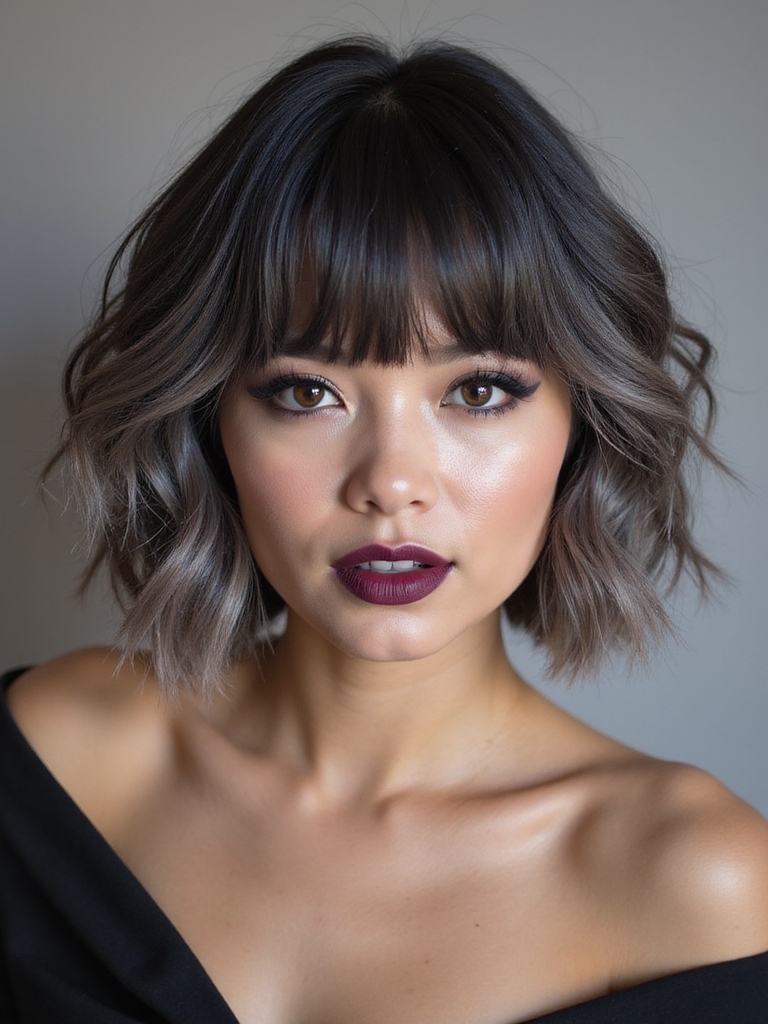
A jaw-skimming blunt bob is a clever pick for fine hair, because the blunt line keeps all the weight at the ends and makes the hair look denser.
Why the blunt line helps
Keeping the ends one strong length is what fakes thickness, since the weight sits right where the eye lands, at the jaw.
Lightly feathered ends then add just enough movement so the bob stays light and soft at the jaw. A round brush turns the blunt ends under for a clean, full finish.
| Move | Why it helps fine hair | Watch out for |
|---|---|---|
| Go shorter | Less length means less weight pulling hair flat | Too short can expose a thin perimeter |
| Add choppy texture | Fakes more ends and more density | Heavy thinning does the opposite |
| Lift the roots | Height is what fine hair cannot hold on its own | Heavy product kills the lift |
Collarbone Lob With Soft Choppy Layers
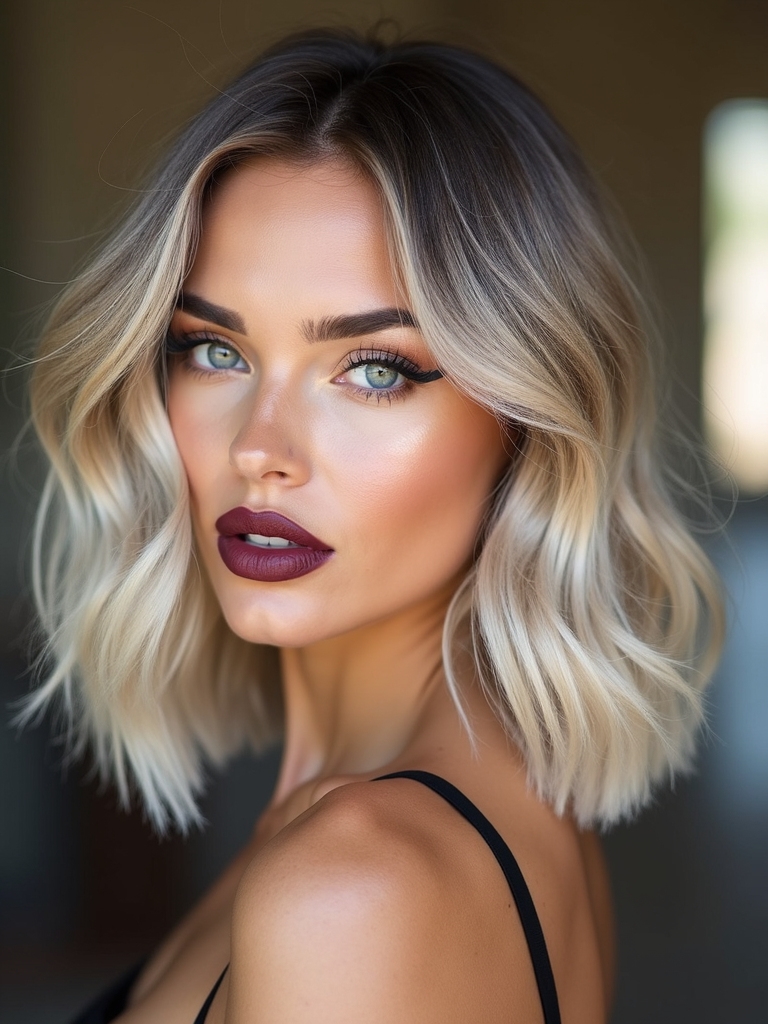
A collarbone lob with soft choppy layers keeps length while adding the movement fine hair often lacks. The key word is soft.
Soft layers, placed with care
Heavy layering thins fine hair out, so the layers here stay light, placed mostly through the mid-lengths and ends. I keep the perimeter full on purpose, because that is what stops a fine lob from looking sparse.
The collarbone length holds enough weight to avoid going wispy, while the soft texture adds bounce. It is length with a little life, and it suits anyone not ready to go short.
Piecey Shag Bob for Built-In Volume
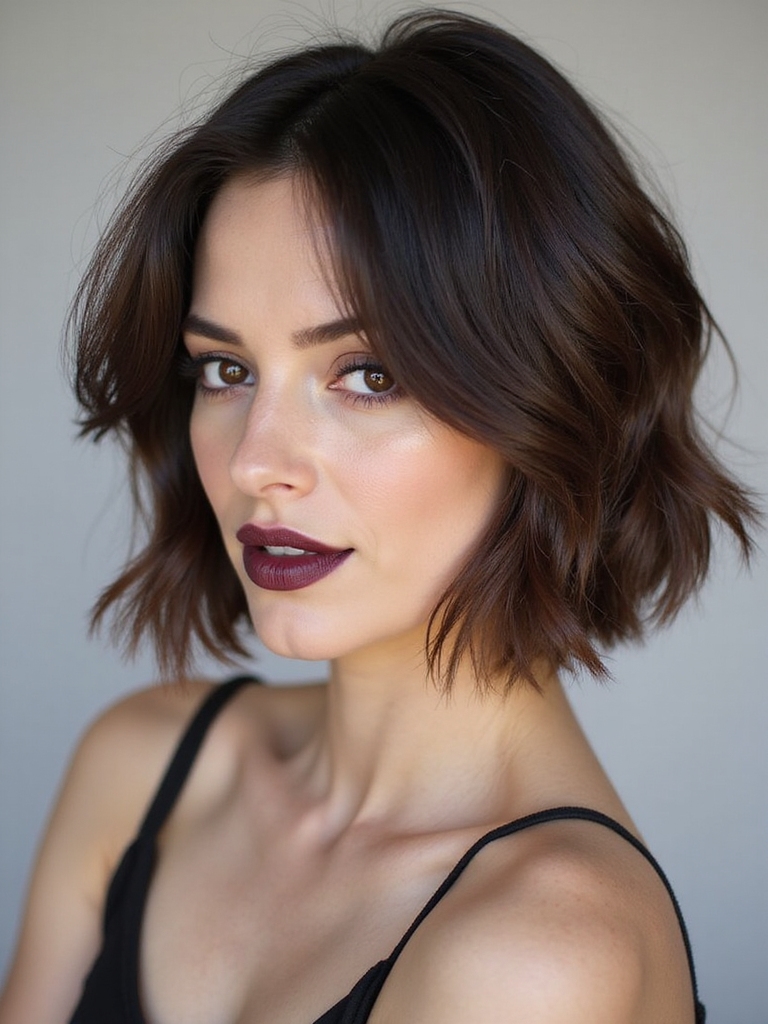
The shag bob is a fine-hair favorite, built from choppy layers and separated, piecey ends that create the look of volume. Breaking the hair into distinct pieces makes fine hair look like it has more ends and more body, and the layers at the crown build height where it tends to collapse. Texture, not weight, is how fine hair gets volume. The shag runs on texture alone.
- Crown layers build height where fine hair flattens
- Piecey ends fake more density than you have
- A texture spray scrunched in defines the pieces
Which fine-hair bob fits you?
🎯I want maximum volume
Go short. A stacked or micro bob sheds weight and stands up with the most body.
🎯I want to keep some length
A collarbone lob with soft choppy layers adds movement without the big cut.
🎯I hate styling
A tousled French bob or wavy razored bob air-dries into texture on its own.
Asymmetrical Choppy Bob to Lift One Side
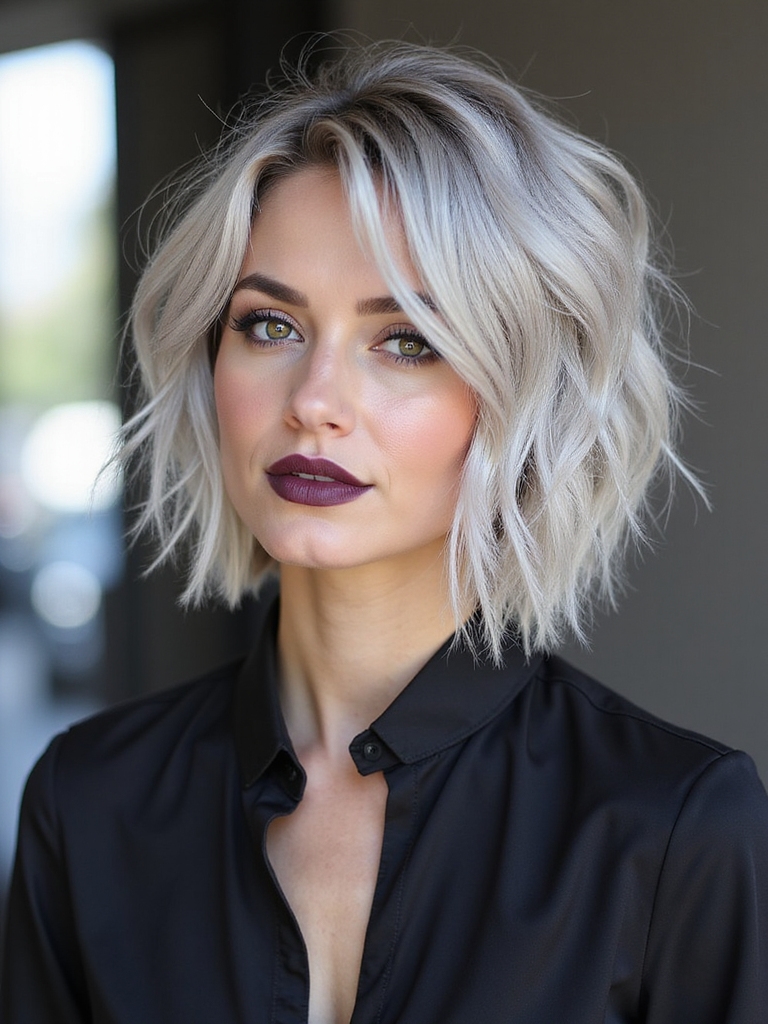
An asymmetrical choppy bob runs longer on one side, and that imbalance quietly helps fine hair.
Why the angle adds body
The shift in length creates a strong diagonal and lets you build volume on the fuller side, while choppy texture throughout keeps the bob from going flat.
The uneven lengths look intentional and modern, and the cut pairs naturally with a deep side part for extra lift. Sweep the volume toward the longer, fuller side as you dry.
Stacked Choppy Bob for Back-Crown Height
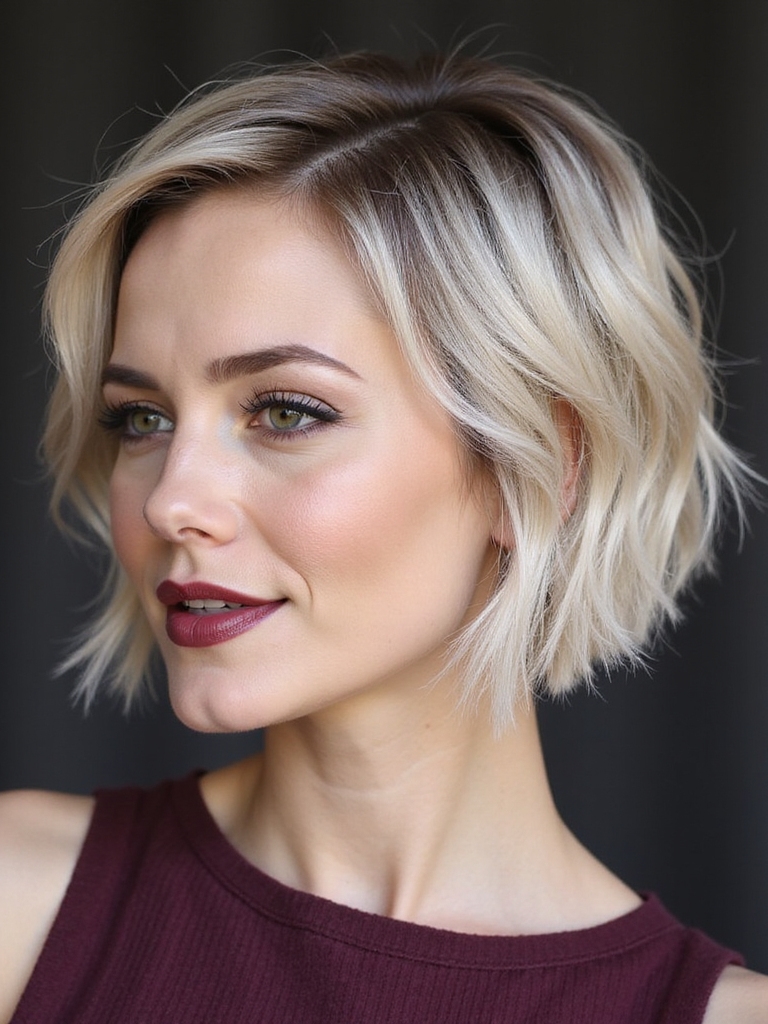
The stacked choppy bob builds height at the back of the head, exactly where fine hair tends to collapse.
Short, choppy layers graduate up the back crown to create a rounded, lifted shape that fine hair cannot hold on its own. The longer front pieces frame the face and balance the volume at the back. This is the cut I reach for when a client’s hair dies flat at the crown by midday.
A round brush lifts and rounds the stacked layers as you dry, and a little volume powder at the crown holds the height. It is structure working in your favor.
Three steps to lift a fine-hair bob at home:
1Prep damp
Work a volume mousse or light root spray into the roots while the hair is still damp.
2Dry upside down
Flip your head over and rough-dry to push the roots up and away from the scalp.
3Set with cool air
A cool shot locks the lift, and a dusting of volume powder at the crown holds it.
Wavy Razored Bob for Easy Movement
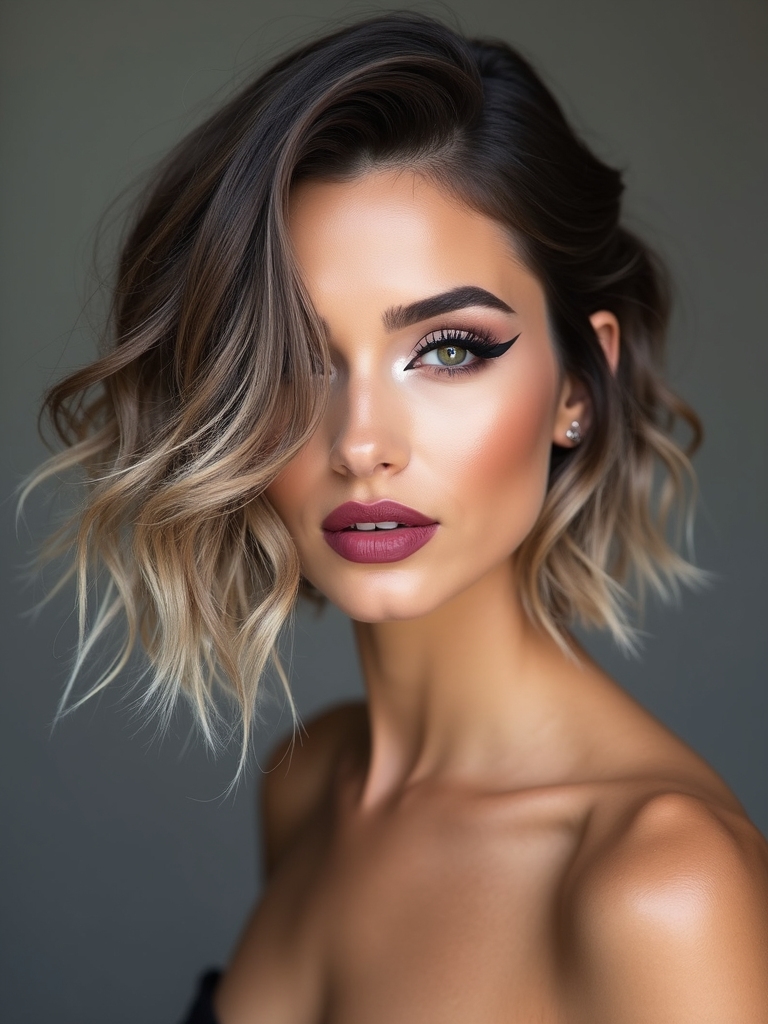
A wavy razored bob gives fine hair light, easy movement, as long as the razoring is gentle. I use a light hand with the razor on fine hair, just to feather the ends and add a little air, because over-razoring can fray fine strands and thin them out. Paired with soft waves, that gentle razoring reads as soft, airy texture.
- Ask for a light touch with the razor, not aggressive thinning
- Soft waves add the look of fullness
- A sea-salt spray scrunched through damp hair brings out the bend
Micro Bob With Textured Ends for Fuller Edges
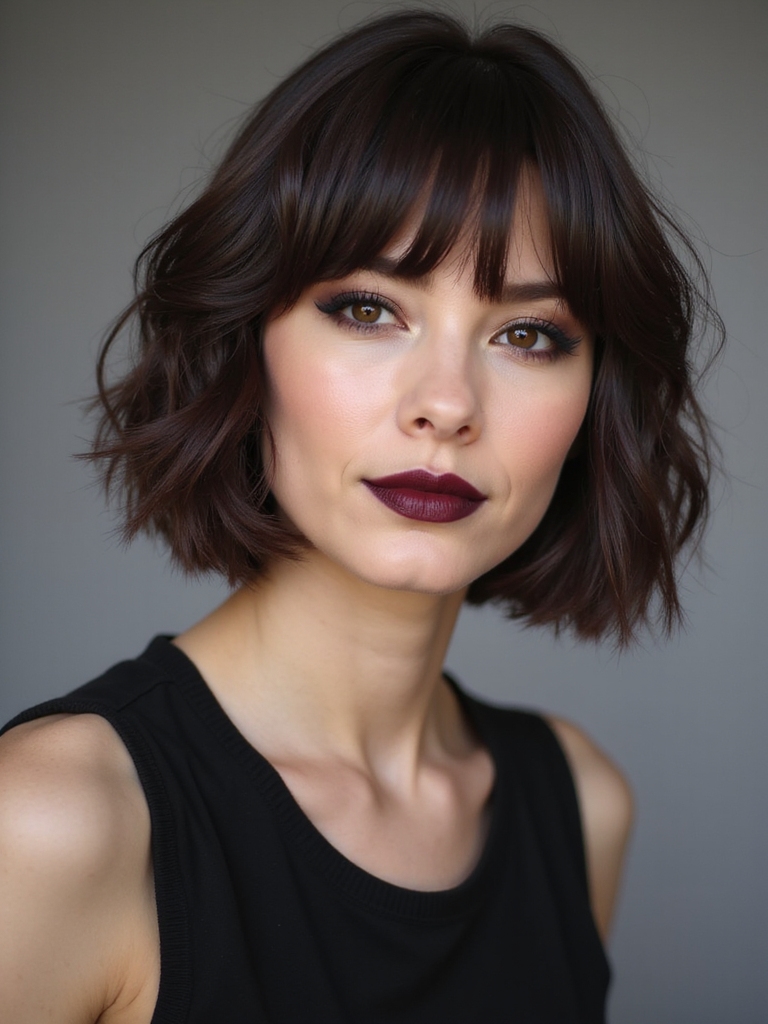
A micro bob is one of the shortest, boldest options, and on fine hair it works because shorter hair carries less weight and stands up with more body. Texturizing the ends keeps the perimeter from looking thin, so the short bob looks full and sharp at the edges. A micro bob is a confident, volume-friendly choice once you are sure about the length.
- Less length means less weight pulling the hair flat
- Textured ends keep the edges from looking wispy
- A little texture paste defines the pieces
Two fine-hair beliefs worth dropping:
❌ Myth: Long hair looks like more hair.
✅ Reality: Length adds weight that drags fine hair flatter. Shorter usually looks fuller.
❌ Myth: Layers always thin fine hair.
✅ Reality: Only heavy over-layering does. Soft, placed choppy layers add the look of density.
Side-Part Choppy Bob to Boost Root Lift
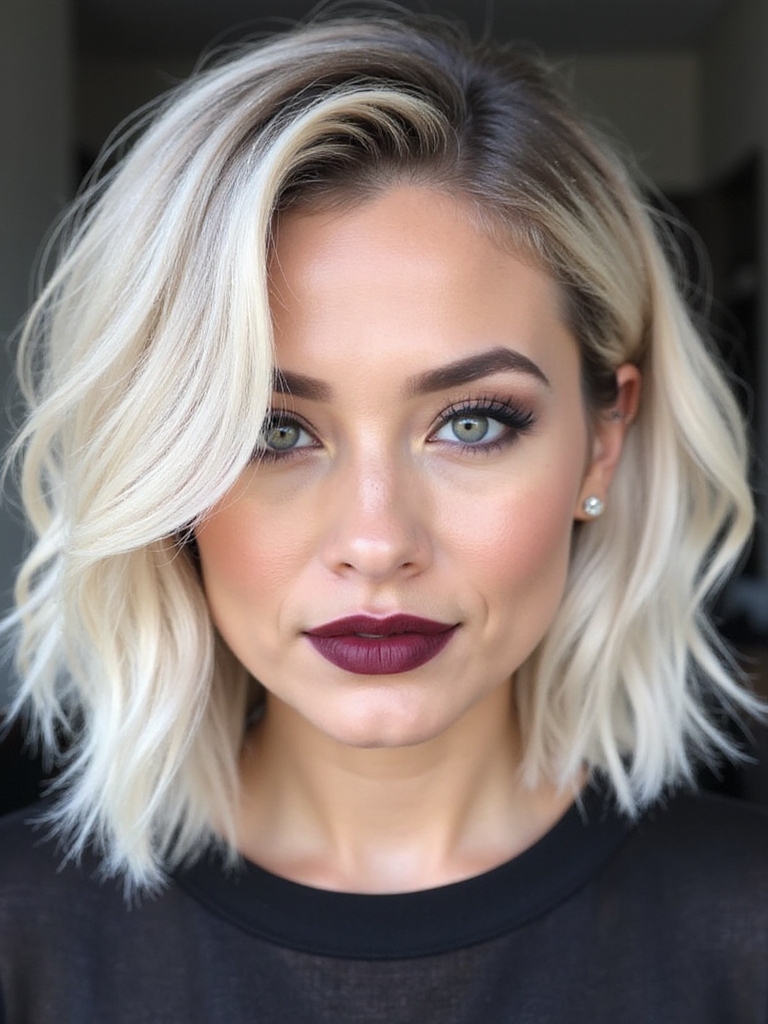
A deep side part is the most effective volume trick I know for fine hair, and on a choppy bob it adds root lift instantly. Parting the hair against its natural fall makes the roots stand up and pushes volume upward.
That one change takes a flat bob and gives it body, while the choppy texture keeps the shape relaxed. The sweep across the forehead also softens the face. For the everyday version, see our side-part bob.
- Set the deep part while the hair is damp
- Lift at the roots as you dry for the most height
- A dusting of volume powder holds the lift all day
Curtain Bangs With a Choppy Bob for Face Framing
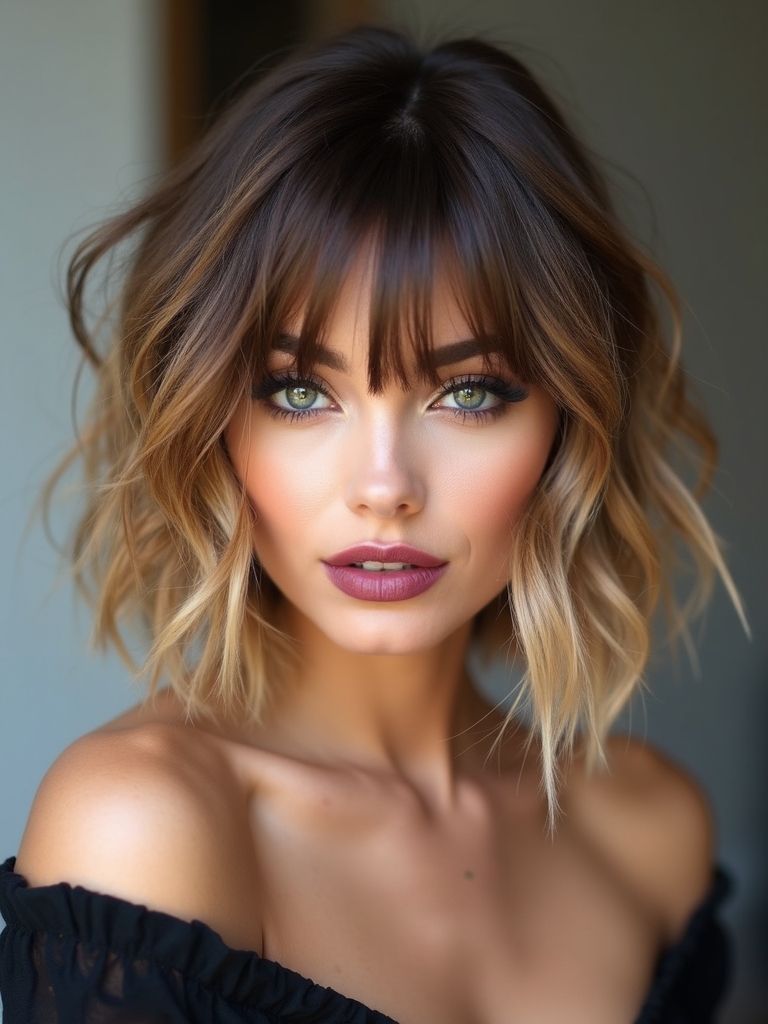
Pairing curtain bangs with a choppy bob frames the face and adds volume right at the front, where fine hair benefits most.
Body where the eye lands
Soft, slightly textured bangs lift away from the forehead. They add height and movement right where fine hair usually sits flat.
Cut to blend into the choppy layers, the bangs let the front flow as one frame. A round brush sweeps them back and up to keep the lift.
Butterfly Layered Bob for Lightness and Swing
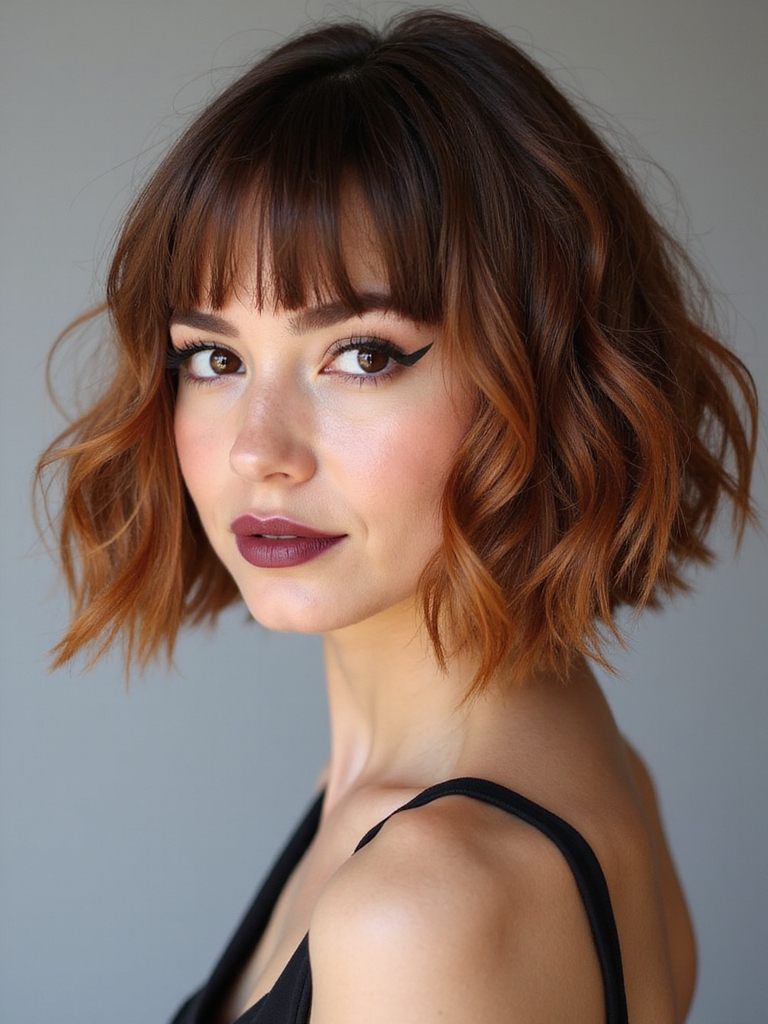
The butterfly bob uses soft, face-framing layers that flick back like wings, adding lightness and swing while keeping fine hair full. The shorter top layers build lift around the crown and face, while the longer ones keep length, so fine hair gains movement and the perimeter stays dense. The face-framing flick is the signature of the cut, and it reads as real bounce.
- Shorter top layers build crown and face volume
- The full perimeter keeps it from looking thin
- A round brush curls the face-framing pieces back
Invisible Layer Bob for Subtle Fullness
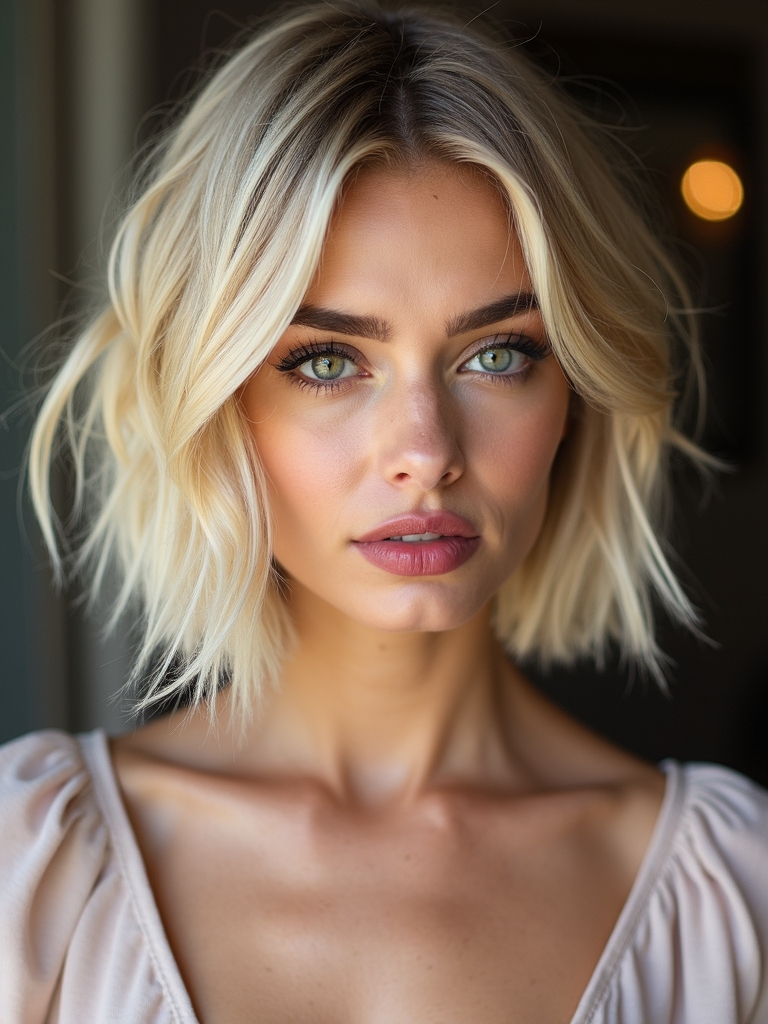
The invisible layer bob is for anyone who wants fullness without obvious layering.
Layers are cut hidden inside the bob, adding body and swing while the perimeter stays full and blunt. From the outside the hair looks dense; underneath, the hidden layers do the lifting.
It is the most discreet way to add shape to fine hair, since there are no visible layers to thin the ends. A round brush lifts the roots and the hidden layers fall into a fuller shape. See more in our layered bob ideas.
Curly Choppy Bob to Enhance Natural Texture
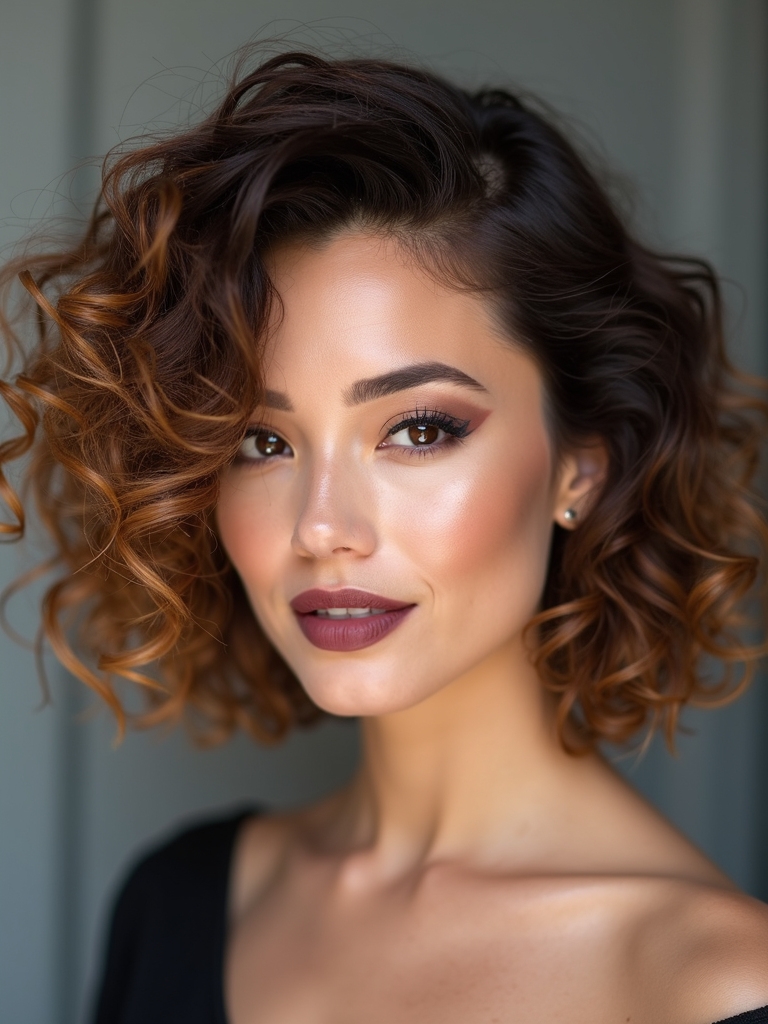
Fine hair can be curly too, and a curly choppy bob turns that natural texture into built-in volume. The curls add the fullness fine hair lacks when straight, and choppy shaping lets them spring and stack into a bouncy bob. Here is the catch. It has to be cut dry, curl by curl, because curls draw up as they dry, and a wet cut leaves a fine curly bob shorter and flatter than planned.
- Cut dry, in the curls’ sprung state
- Choppy layers let coils stack without going flat
- A light curl cream defines without weighing it down; see our curly bob guide
A-Line Choppy Bob for Forward Volume
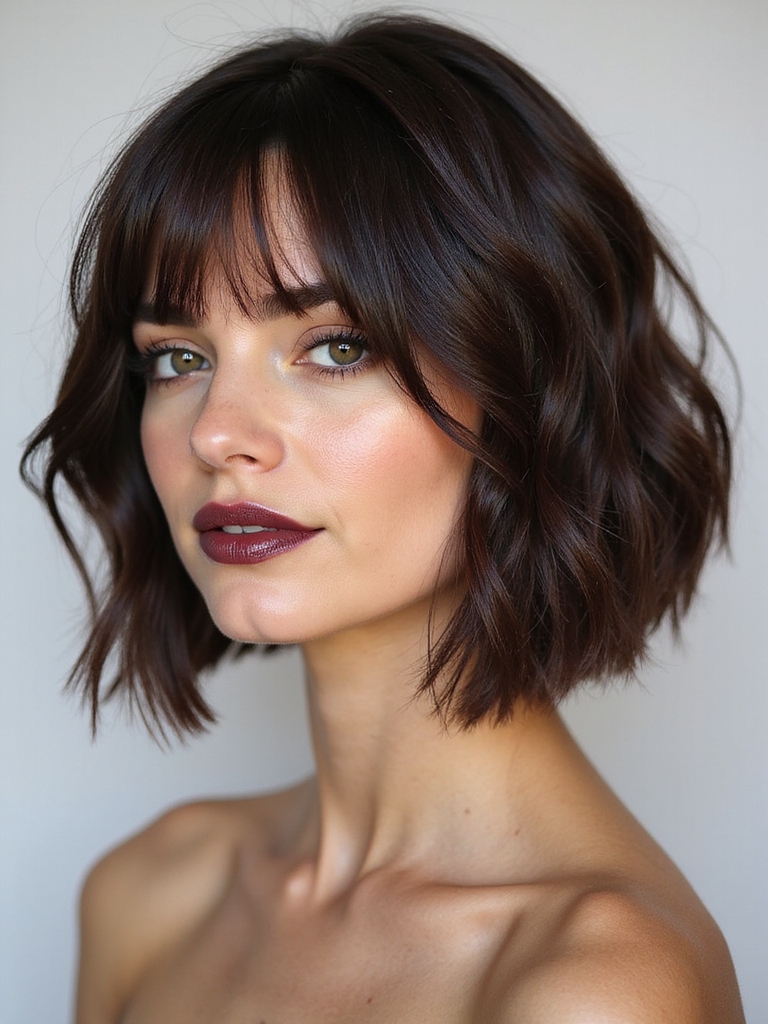
The A-line choppy bob angles shorter at the back and longer toward the front, pushing volume forward to frame the face. The shorter back builds height while the longer front pieces add a flattering frame. Choppy texture keeps fine hair from looking flat. It is a structured shape that holds its body better than a straight one-length bob.
- The graduated back builds lift where fine hair drops
- Longer front pieces frame and soften the face
- See the angled shape in our A-line bob guide
Wet-Look Textured Bob for Modern Edge
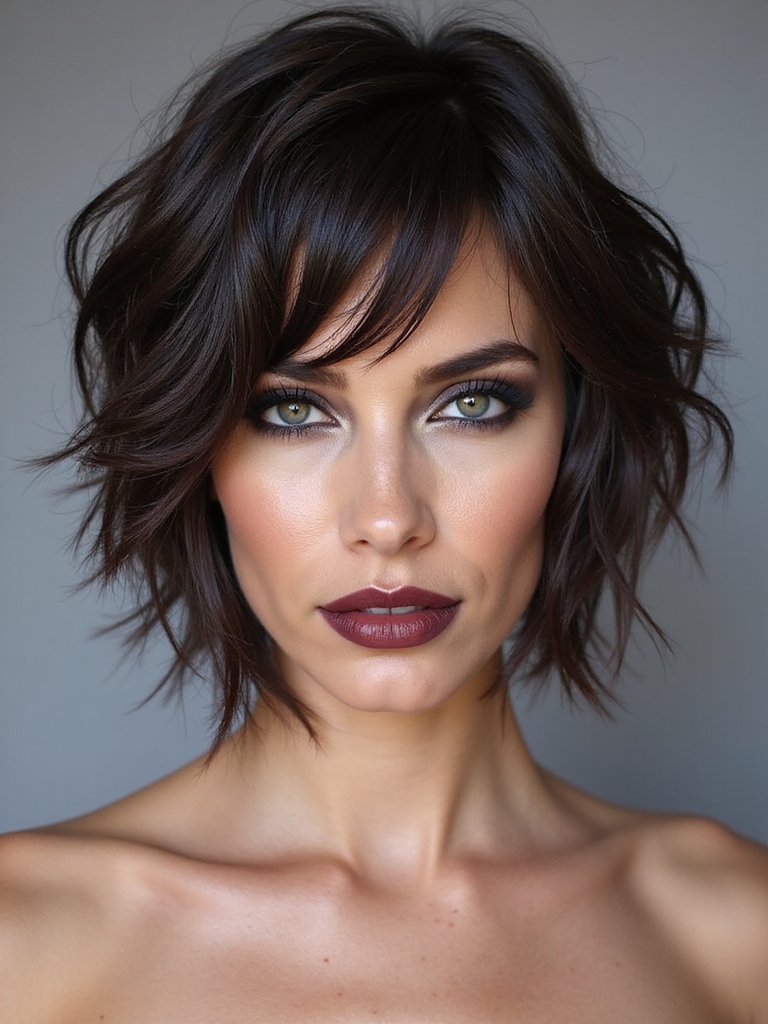
The wet-look textured bob is a bold, modern way to wear fine hair for a night out.
Working with sleekness, not against it
Finished to look slicked and glossy, it turns fine hair into a sharp, editorial statement, and because it stops chasing volume altogether, it sidesteps fine hair’s flatness with deliberate, sleek styling.
A styling gel or wet-look product slicks the choppy bob into a glossy finish, while the choppy ends keep it from looking severe. It is a statement style, best saved for an event.
Maintenance & Care
Fine hair rewards a light hand. Wash with a volumizing, sulfate-free shampoo, condition mostly the ends so the roots stay lifted, and skip heavy oils and creams that drag the hair flat. A choppy bob holds its shape best with a trim every five to seven weeks, since fine hair shows a grown-out shape faster than thick hair does.
What I tell every fine-haired client is simple: less product, placed well, beats more. A volume mousse at the roots, a quick rough-dry, and a dusting of powder at the crown will outlast any heavy spray. A cut runs about $45 to $90 depending on your salon, and the lift you are paying for lives in the cut, so ask your stylist to texturize the ends and keep the weight where fine hair needs it.
Volume Lives in the Cut
The thing fine hair most often misses is that volume comes from the cut far more than the styling. A choppy bob, short enough to lose the weight and textured enough to fake fullness, does most of the work before you touch a brush.
So picture the length you would actually live with, take a photo to your stylist, and ask for soft choppy texture with the ends left full. Before your next appointment, ask yourself the honest question: how short are you really willing to go for the body you want?
Related Reads