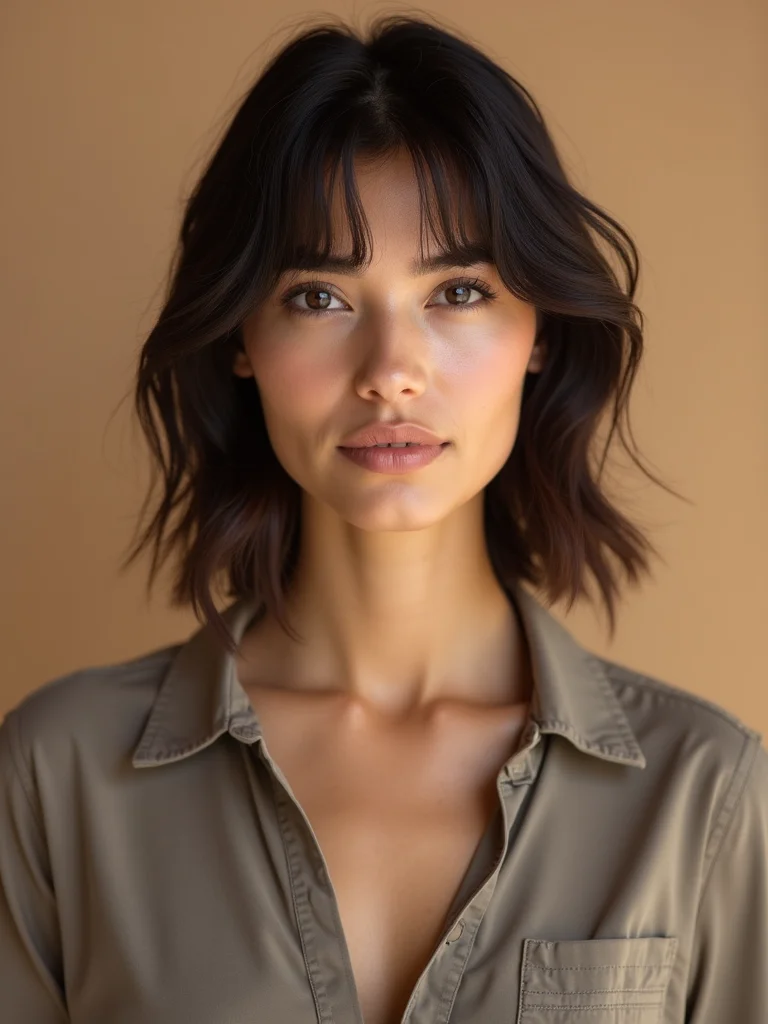
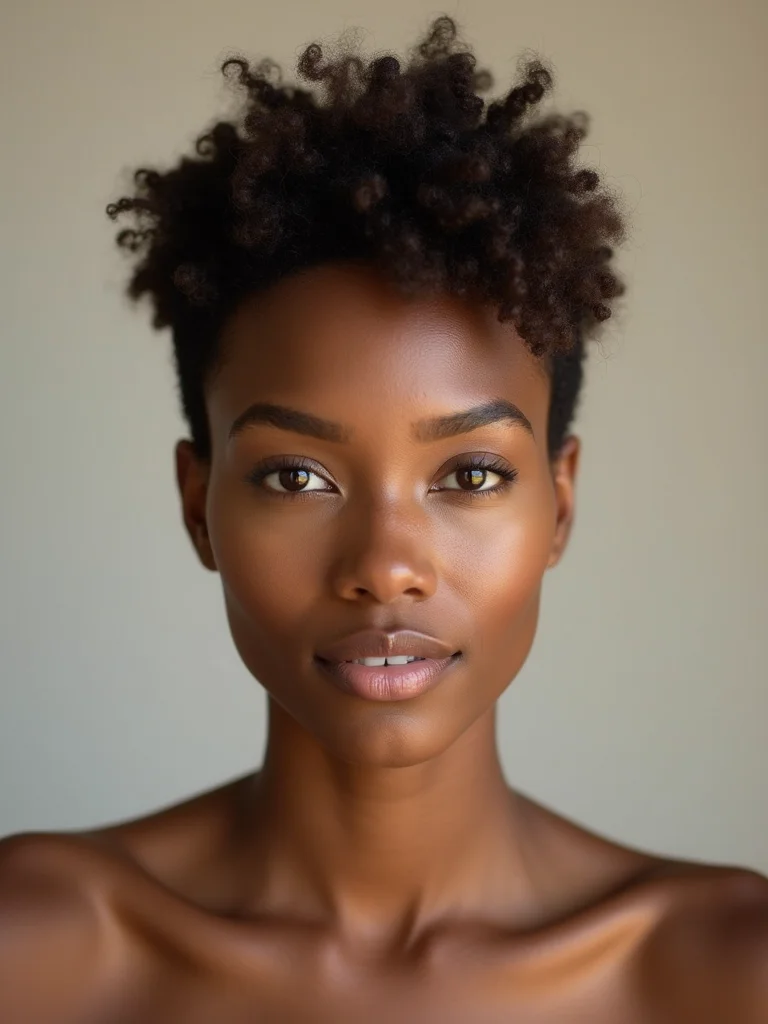
A blunt bob and a choppy bob start from the same length and land in completely different places. One shows a single, unbroken line; the other breaks that same line into separated, piecey sections that move on their own. The difference lives entirely in the cutting technique, not in any product applied afterward.
Fifteen versions of that idea follow, from a blunt-meets-piecey hybrid to a fully textured curly cut, along with what actually makes the choppy effect hold up between visits.
Choppy Bob, Quick Answers
What actually makes a bob “choppy”? Point-cutting and razor work through the ends, not any styling product; the technique is what separates and roughens the line.
Does it work on every hair type? Yes, though the exact cutting approach shifts by texture, especially for curly hair, which needs to be cut dry rather than wet.
How much upkeep does it really need? Less than a blunt bob day to day, since the texture forgives an air-dry, though the shape still needs a trim on a regular cycle to hold its edges.
Blunt Line, Piecey Ends
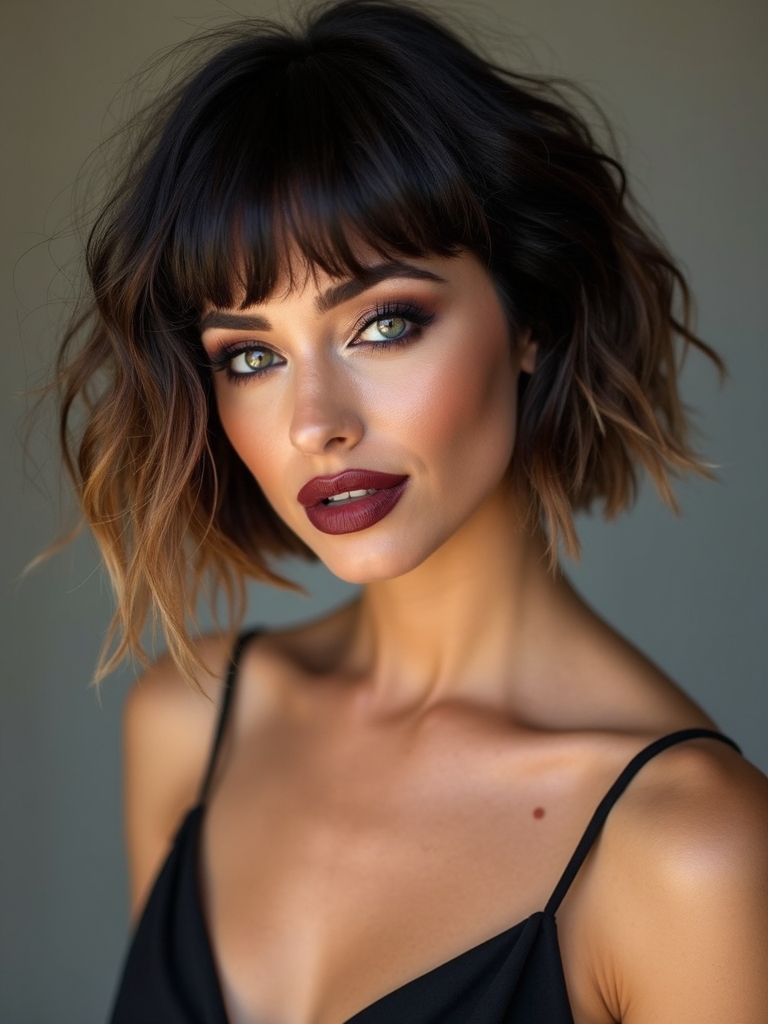
This hybrid gives two things at once: the structure of a clean blunt perimeter and the softness of broken, separated ends. The line holds its shape while the very tips get point-cut into pieces, so the bottom breaks up without losing the overall silhouette.
- Suits most hair types, since the blunt base holds fullness while the tips add movement.
- A middle-ground choice for anyone unsure between fully blunt and fully choppy.
- The contrast between structure and texture is the entire appeal.

Soft Grown-Out Fringe
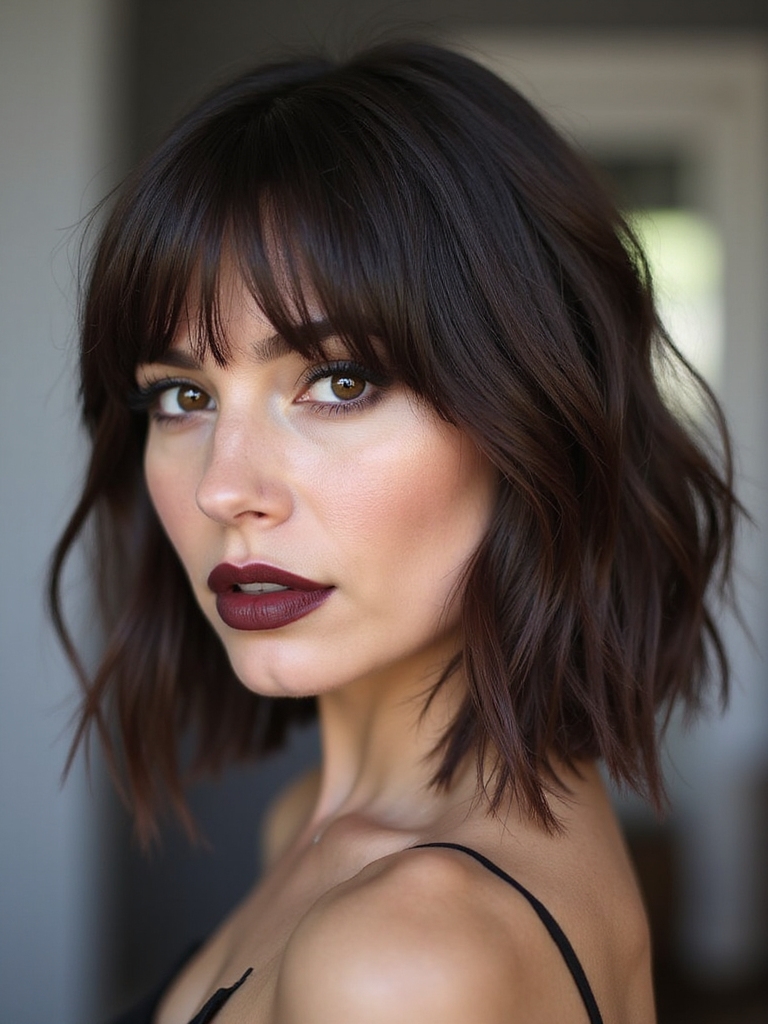
A soft, piecey fringe finishes a choppy bob with an unforced kind of ease, cut a little long and blended into the surrounding layers so it reads as part of the cut rather than a separate feature.
A Fringe That Grows Out Kindly
Because it’s cut long and feathered, without a precise line to defend, the fringe asks for far fewer trims than a blunt, eyebrow-skimming version would.
Anyone drawn to bangs but wary of a strict trim schedule tends to land here first.
Air-Dry Textured Crop

This version is choppy styling at its simplest: cut short with heavy internal texture, it’s built to be washed, scrunched, and left completely alone. A related, longer take on the same idea lives in the textured bob guide.
The cutting does the actual work here. A well-textured crop falls into shape as it dries on its own, so the finished look reads intentional even with zero tools involved.
- Built for anyone who wants real texture without a daily heat routine.
- The short length dries fast into a full, broken-up shape.
- Protects hair health simply by removing heat styling from the equation.
Wavy Shaggy Bob
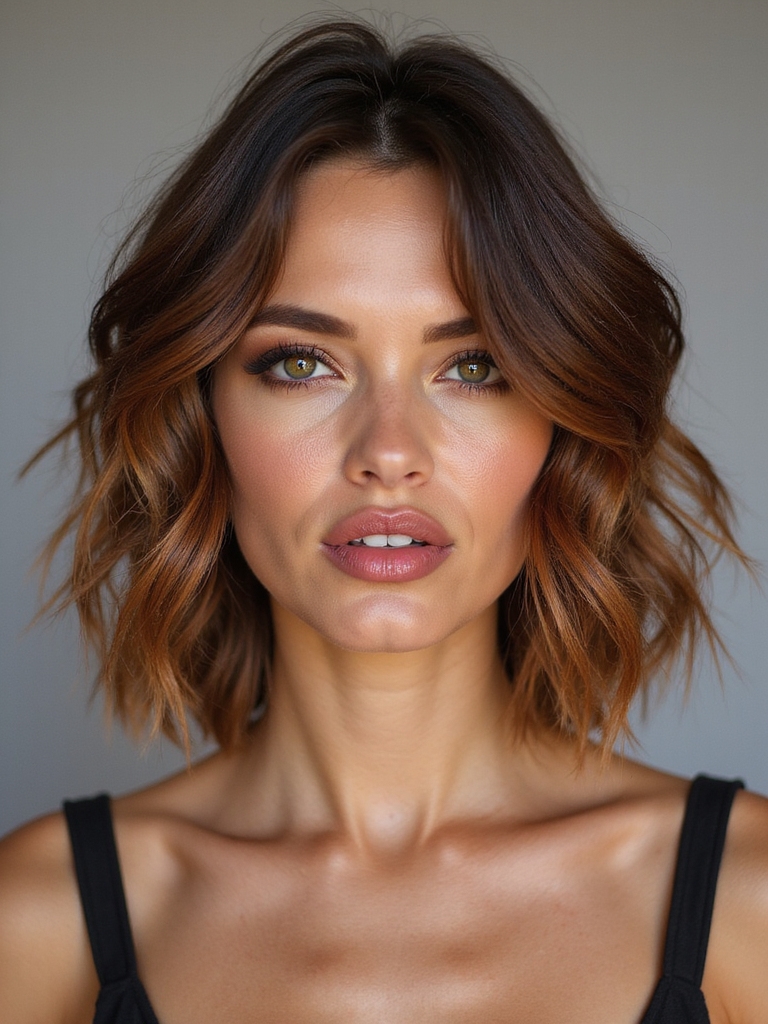
Shag-style choppy layers over natural waves build a relaxed, full finish where the waves supply movement and the layers supply separation. Most pros point to this combination as a reliable way to give straight hair an excuse to hold a wave it wouldn’t hold on its own. A softer, all-wave version of the idea lives in the wavy bob guide.
- Naturally wavy hair takes to this version with almost no extra effort.
- Straight hair benefits most from a setting wave paired with the layering.
- The layers give any wave somewhere to bend rather than falling flat.
Micro Bob With Choppy Layers
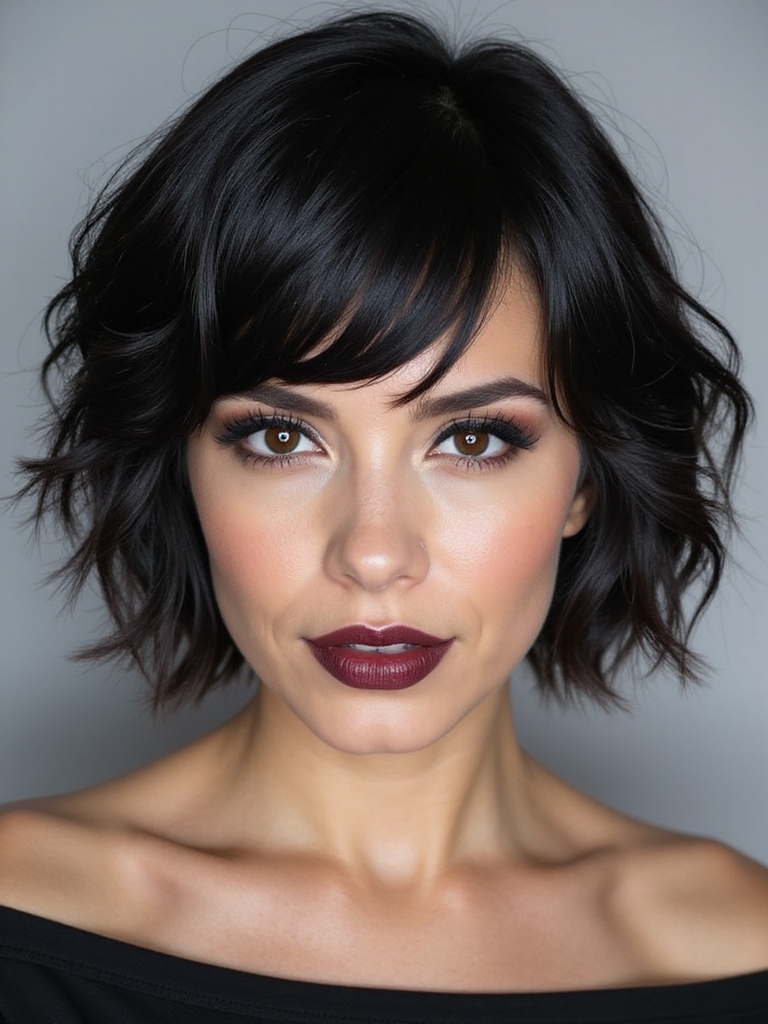
Sitting up around the ears or jaw, the micro bob is the shortest and boldest version here, and choppy layering is exactly what keeps it from reading harsh.
At this length, texture stops the cut from looking like a single blunt block, adding separation that keeps the whole shape soft despite how short it runs.
- The most dramatic option on this list, best approached with real commitment.
- Texture paste, not heavy cream, defines the choppy pieces without weighing them down.
- Puts the most visual focus on the face and neck of any version here.
A quick way to test the length before committing.
1Pin hair up to the jaw in a mirror
Living with the pinned-up length for a day reveals more than a photo ever will.
2Ask for a trial texture consultation
Some stylists will point-cut a few test pieces at the current length first.
Asymmetrical Tousled Cut
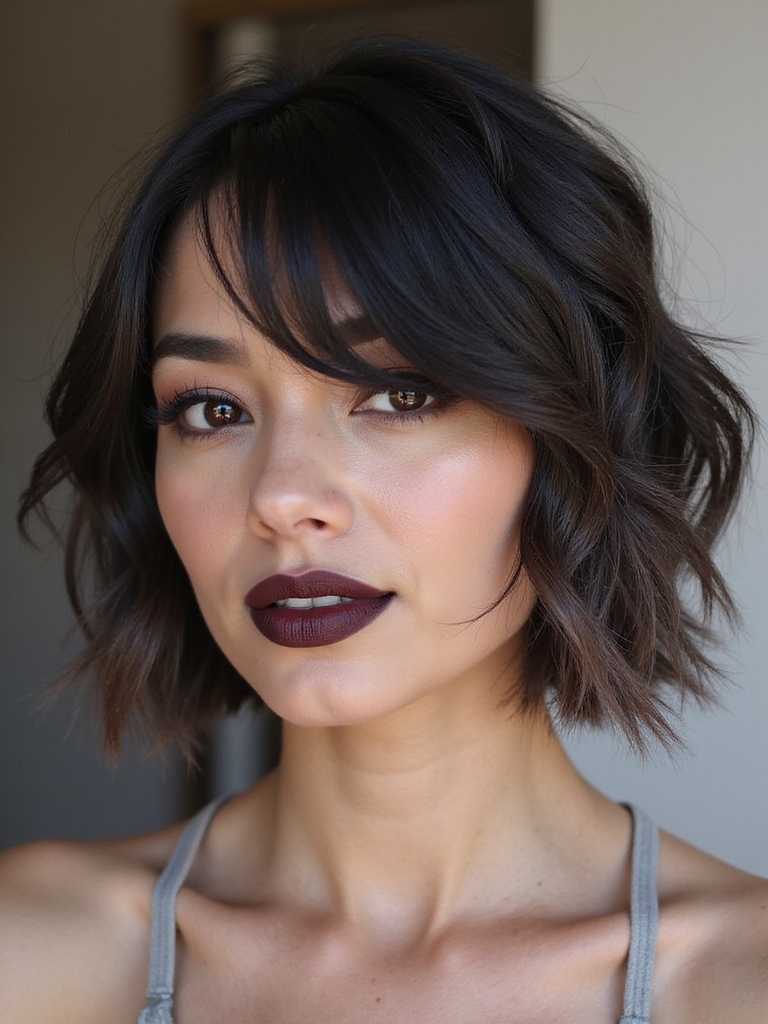
Running longer on one side, this version pairs an uneven length with heavy texture for a deliberately off-balance look. The uneven line itself creates a strong visual statement before any styling gets involved.
A tousled, choppy finish keeps the asymmetry from reading stiff, landing as a confident, deliberate choice.
- The longer side naturally frames the face; the shorter side shows off the neck.
- A deep side part feeds extra volume into the longer side.
- Works especially well on hair with some natural texture already.
Curtain Bangs With Soft Shatter
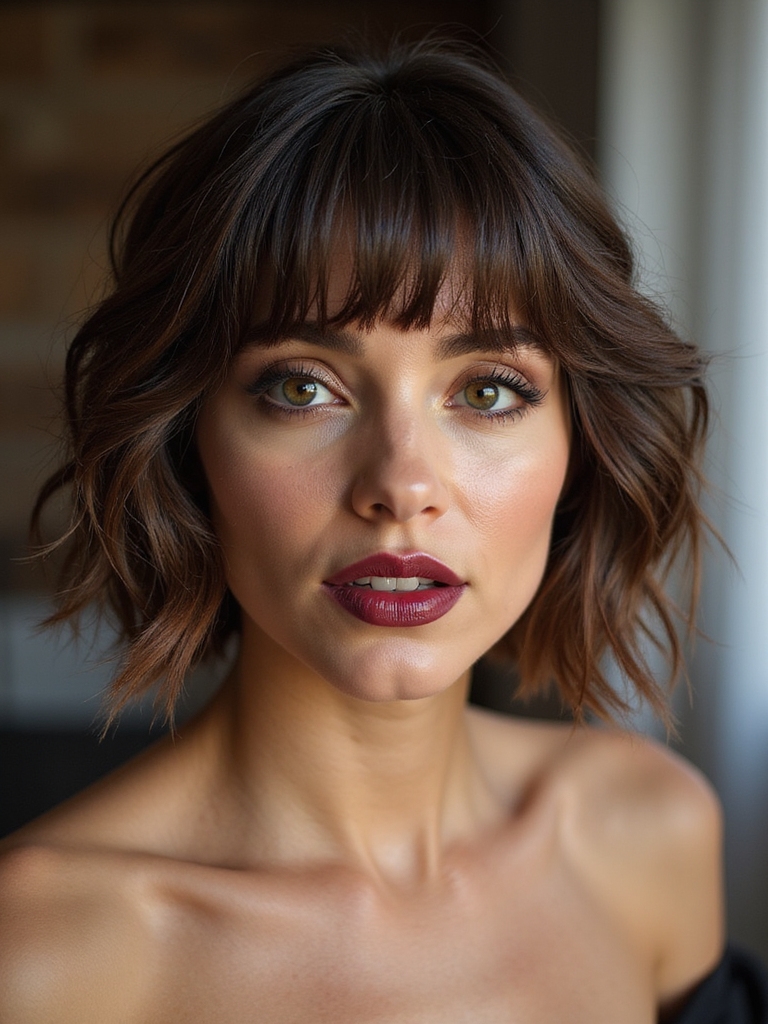
Pairing curtain bangs with softly shattered ends carries the same broken texture from the face all the way through the length.
Fringe and Ends, Moving as One
The center-parted fringe sweeps back into the bob while the ends stay point-cut into separated pieces, so the front and the lengths read as one single, continuous idea.
It’s a soft, romantic combination, and one that tends to grow out gently since nothing about the shape depends on a sharp line.
Collarbone-Grazing Chop
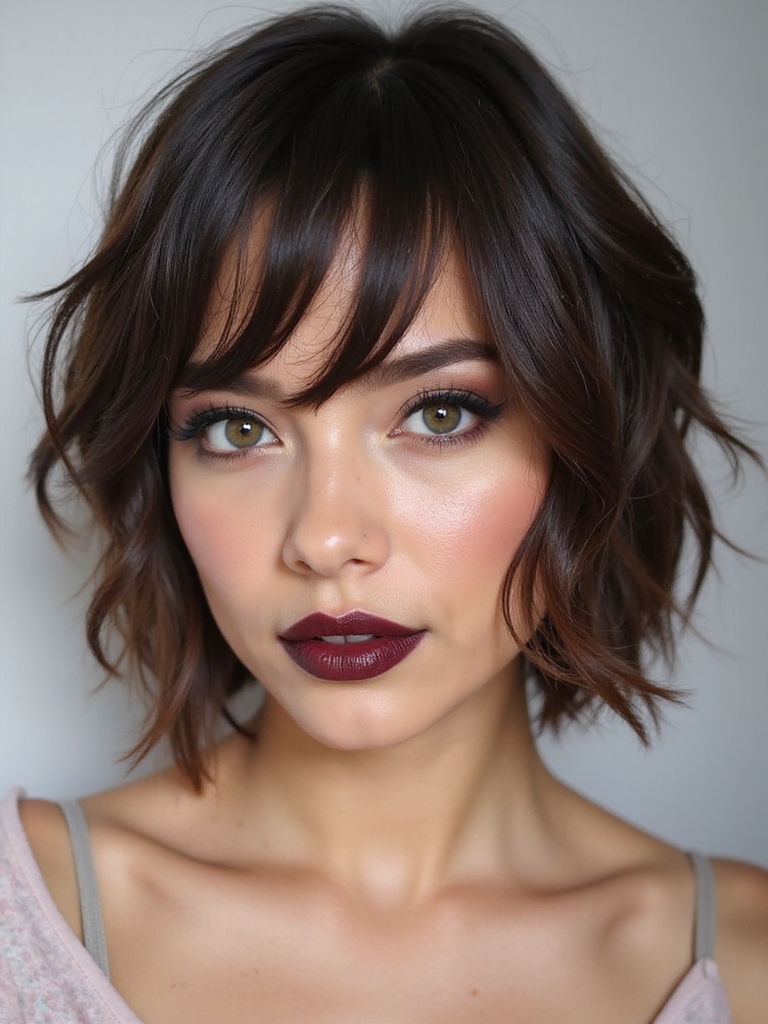
Landing right at the collarbone, this version keeps enough length to tuck or tie back while still carrying real choppy texture through the ends.
- Long enough to hold most updos, short enough to still show texture.
- The added layers help it grow out more gracefully than a shorter chop.
- A practical choice for anyone not ready to commit to going fully short.
Two quick questions to narrow down a length.
1Would a rushed morning ruin the shape?
If yes, lean shorter and more textured; a longer chop needs a touch more intention to style.
2Is tying it back a daily habit?
If yes, the collarbone length keeps that option open in a way a micro bob doesn’t.
Razor-Cut French Bob
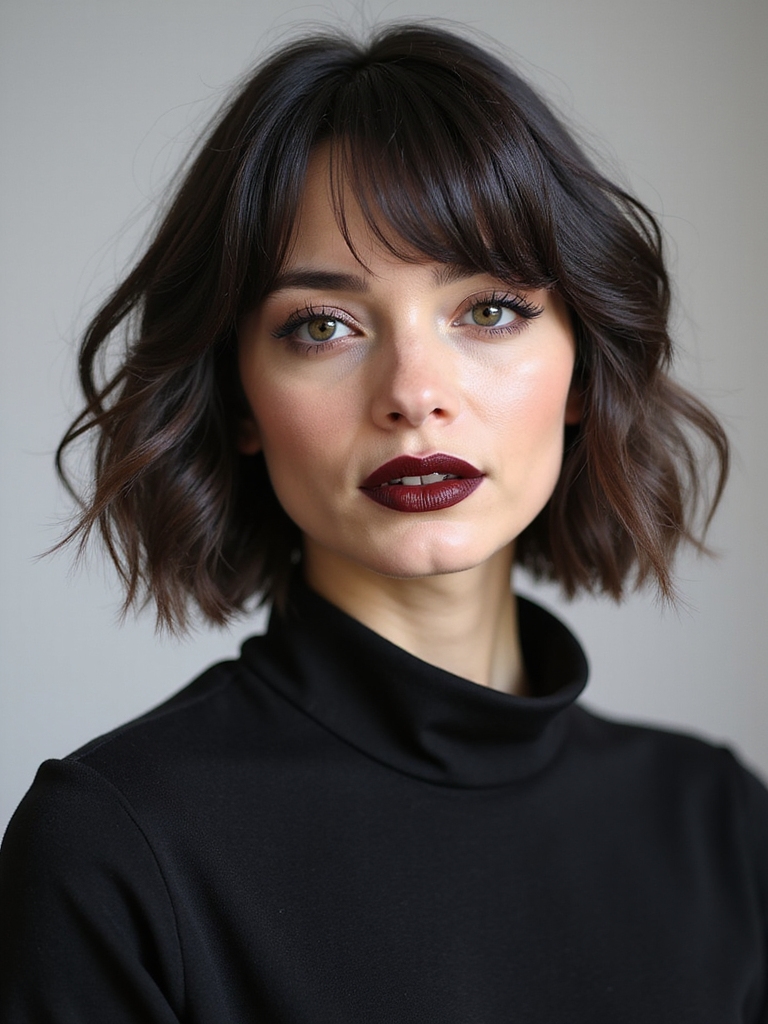
Cut to around the chin or jaw with a razor, this version brings a relaxed, feathered softness closer to a Parisian off-duty look than a precise American bob. The style at its purest lives in the French bob guide.
Where a Razor Helps and Where It Doesn’t
Razoring works best on hair with enough body to handle it. Experts generally check hair density before reaching for a razor, since very fine strands can fray at the ends under a blade. A razor cut at most salons runs about $10 to $15 more than a standard shear cut, a small premium for the extra time it takes.
On the right texture, though, it produces some of the airiest, most tapered tips a bob can have.
Beachy Bob With Hidden Layers

This version pairs soft, sandy waves with internal layering placed where it won’t show on the surface, so the bob keeps a full outline while the hidden layers give the waves somewhere to move.
- The perimeter stays full even with real movement built in underneath.
- Best suited to naturally wavy or texturized hair, which holds the built-in movement more easily.
- Avoids the thinned-out look that visible layering can sometimes create.
Rooty Bob With Root Volume
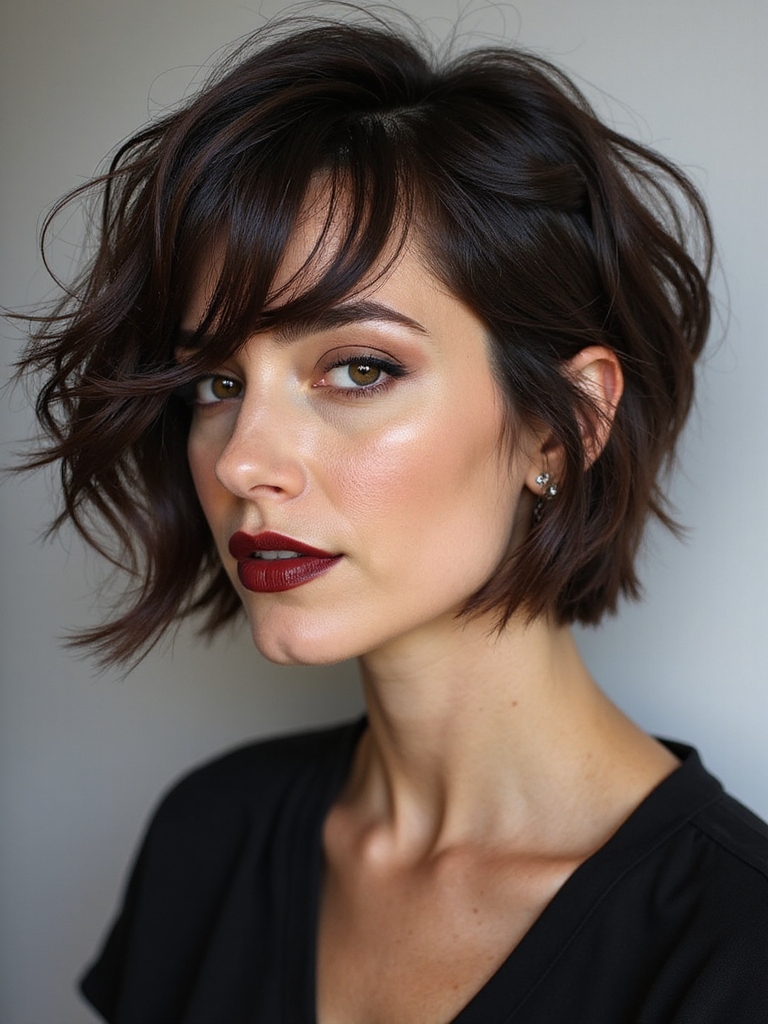
Building lift specifically at the roots gives this bob real body, focusing volume up top while the ends stay choppy and light so the whole shape doesn’t turn heavy.
- A strong option for anyone whose hair tends to sit flat without help.
- Root volume gives the silhouette height without adding visual weight.
- The choppy ends keep the added height from looking stiff.
“Experts generally treat root lift and end texture as two separate jobs in the chair; one product rarely handles both well.”
Side-Part Undone Bob
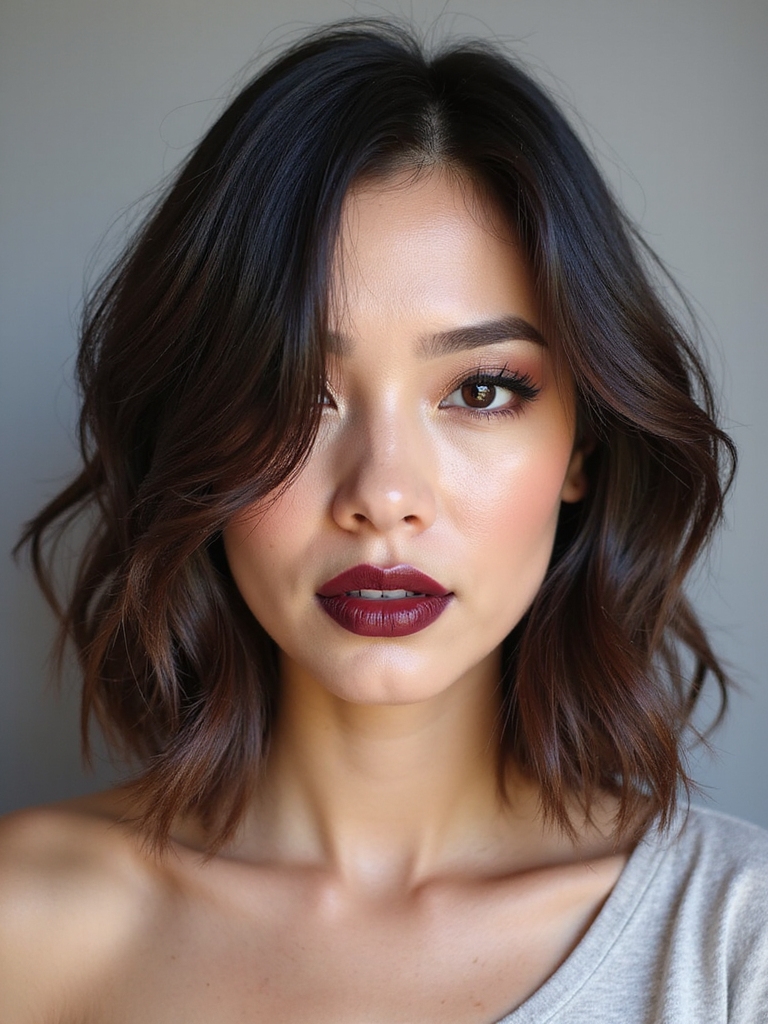
A deep side part shifts a choppy bob from neat to visibly undone, lifting the roots on one side and creating an asymmetric sweep across the forehead. The everyday version of just the part itself lives in the side-part bob guide.
The choppy texture underneath keeps the whole look from reading overly styled, even with a part this deliberate doing a lot of the visual work.
- The deep part alone does most of the volume-building here.
- A soft sweep across the forehead adds a touch of easy glamour.
- Works well as an everyday alternative to a fully centered part.
Curly Choppy Bob
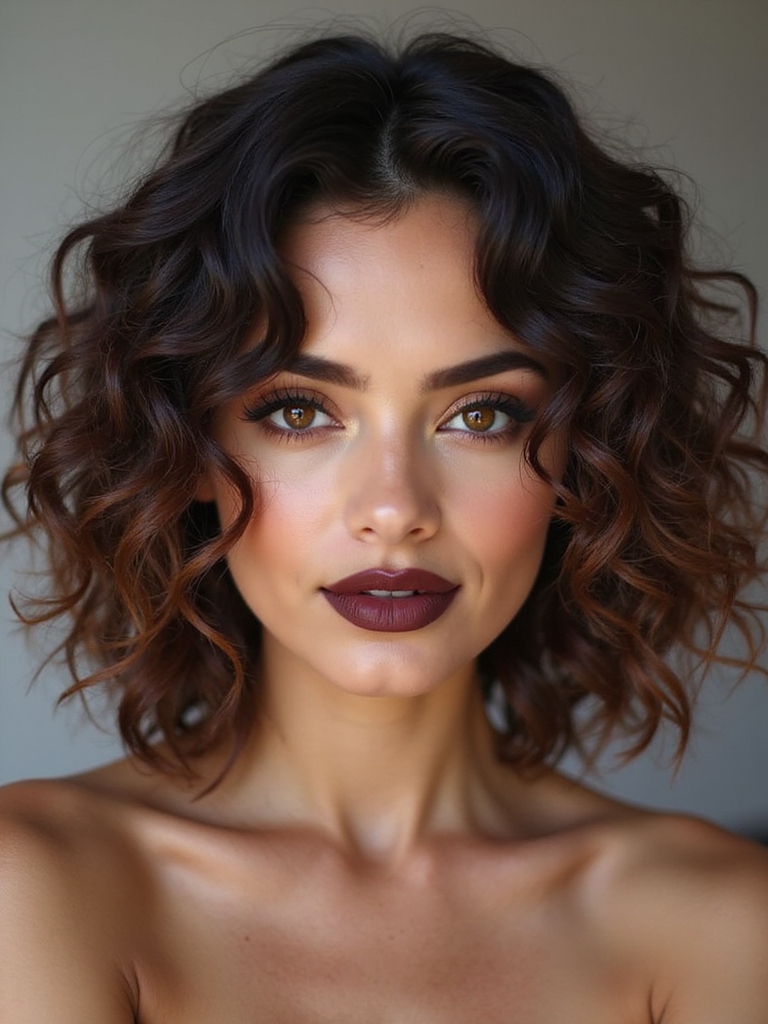
Curly hair takes to this cut naturally, since the coils spring into a full, separated shape almost on their own once the layering is in. The one requirement is respecting the curl pattern during the cut itself.
- Cutting curly hair dry, in its sprung state, is standard practice at this length.
- Cutting curls wet risks a result shorter and boxier than intended once dry.
- A stylist experienced with curls will shape to the pattern rather than fight it.
Curl shrinkage isn’t a flaw to correct for; it’s information the cut needs to account for from the very first snip.
Layered Bob for Fine Hair
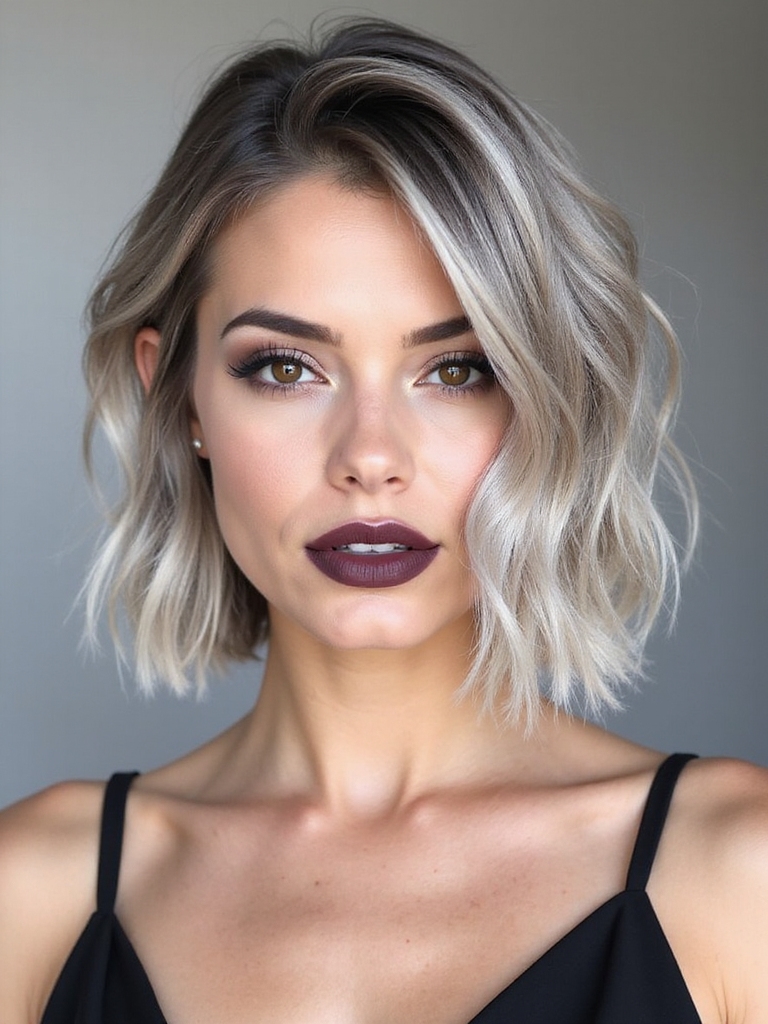
Choppy layering can flatter fine hair too, as long as the layers stay light. Gentle internal texture fakes the look of more density and fullness, while enough weight stays at the perimeter to keep the bob from reading sparse. It’s worth asking a stylist directly how many total layers they’re planning before the cutting starts, since that number matters more on fine hair than almost any other detail.
- Over-layering is the most common misstep on fine hair; light layers work better than heavy ones.
- A little root lift adds body that fine hair often lacks on its own.
- The bottom perimeter should stay fairly full even while the interior gets texturized.
Sleek-But-Shattered Finish
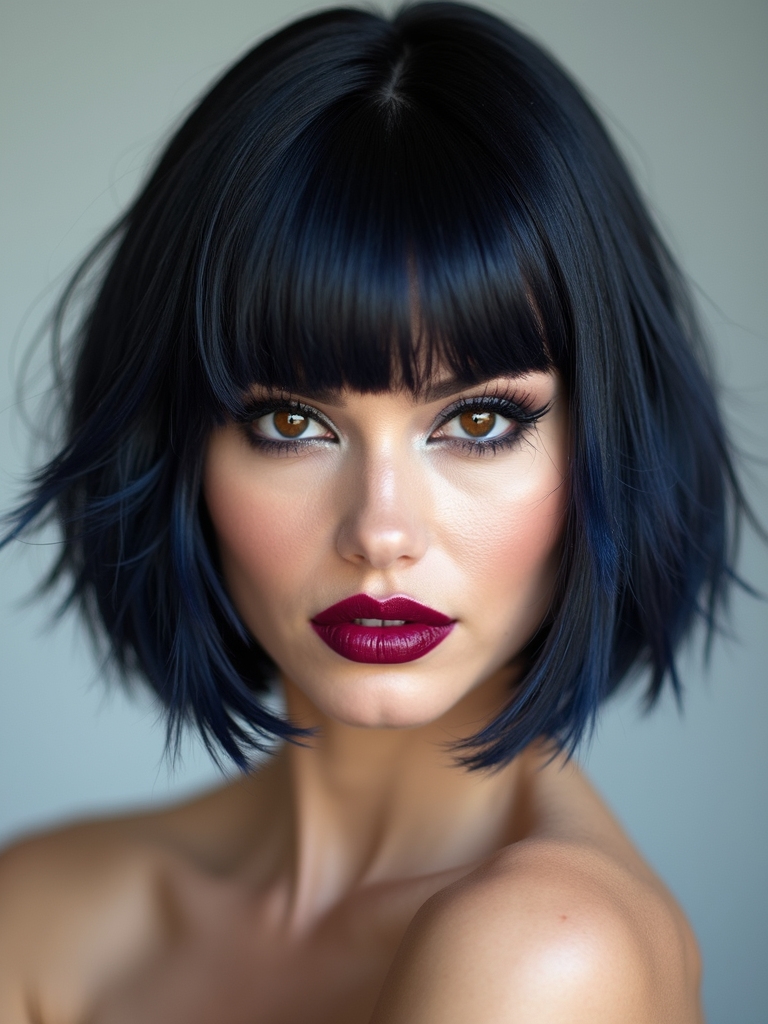
This version balances a smooth, glossy surface with broken, shattered ends, keeping the body of the bob sleek while the very tips carry all the texture. A similarly restrained finish shows up in the Italian bob guide.
Polish Up Top, Texture at the Ends
That contrast is the whole appeal: a polished surface reads finished, while the shattered ends add a bit of edge without disrupting the overall shine.
A flat iron smooths the body while the ends get roughed up separately, making this the most refined way on this list to wear choppy texture.
Texture Over Perfection
Across all fifteen versions, the choppy bob makes the same underlying promise: texture that doesn’t require daily effort to maintain, because it’s built into the cut rather than layered on top with product.
The real question worth asking before booking isn’t which look photographs best, but how much daily styling actually fits into a normal morning.
Where to Next