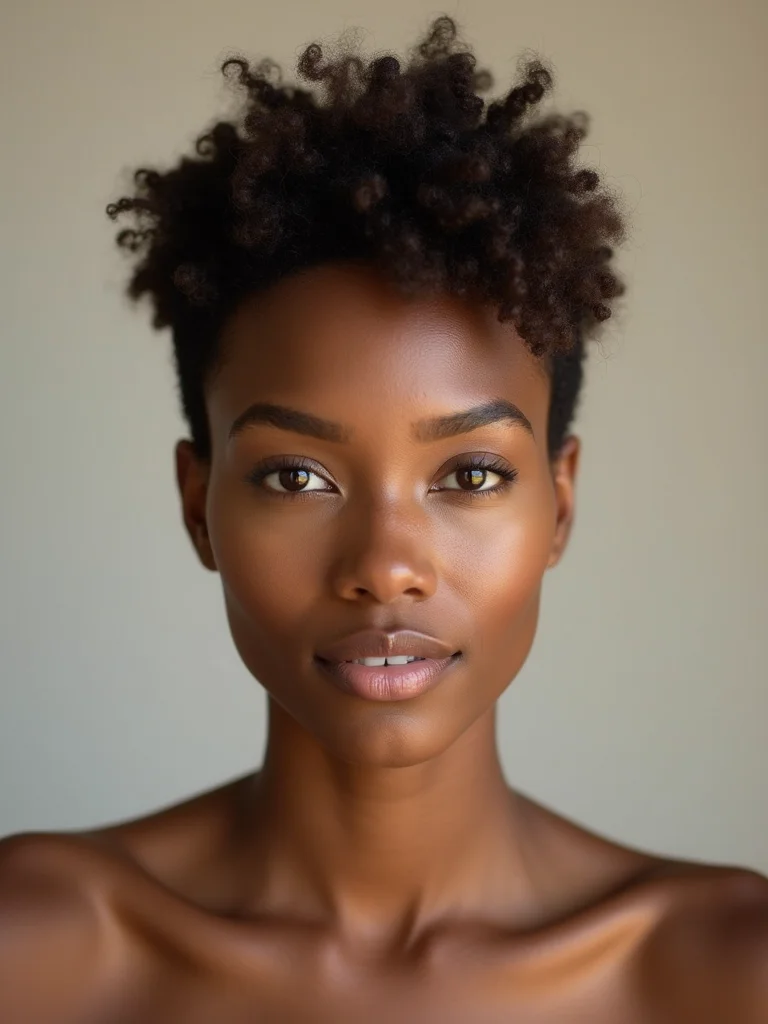
A side part bob does something a middle part can’t: it forces hair to fall against its own grain, which lifts the roots without a single product or tool involved. Move the line two inches over on a flat bob and the roots rise like something switched on.
Eleven versions follow, stacked to curly to French-cropped, along with the specific mistakes that cancel out the lift a deep part is supposed to give.
Where the Volume Actually Comes From
| Question | Answer | Why |
|---|---|---|
| Does a side part really add volume? | Yes, reliably | Hair lifts naturally when forced against its own fall pattern |
| Which side should the part go on? | Opposite your natural part | Working against habit-memory creates more lift than working with it |
| Does this work on curly hair? | Yes, if cut dry first | A wet cut on curls can shrink into a shape nobody planned for |
A Deep Part on a Stacked Bob
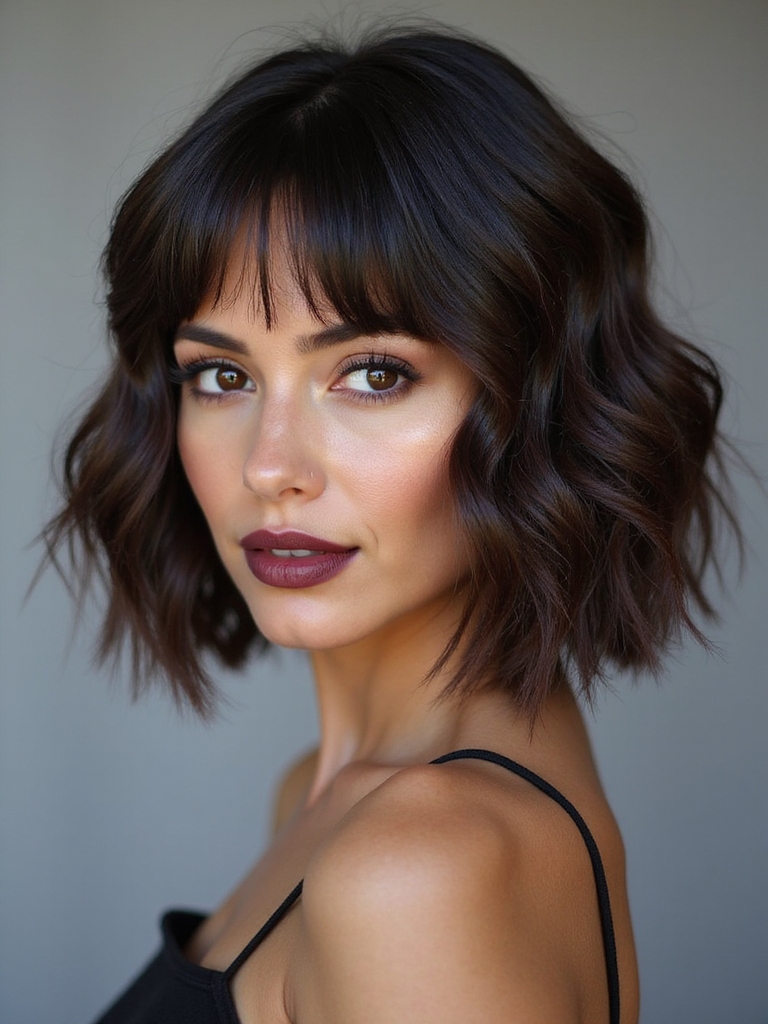
The fastest way to add fullness to a bob has almost nothing to do with the cut itself. It’s the part. Forcing hair to fall against its natural direction lifts the roots and banks volume toward one side instead of letting it sit flat against the scalp.
On a stacked shape, that lift compounds. Graduated layers already build height in back, so the part has something to rest on top of, and the whole silhouette reads round rather than pressed flat.
Ask for a stacked bob that sits between the jaw and nape, then set the part deep on the styling side. I’ve watched this exact combination save an otherwise flat cut more times than any product recommendation could.

An Asymmetrical Bob Built Around the Part
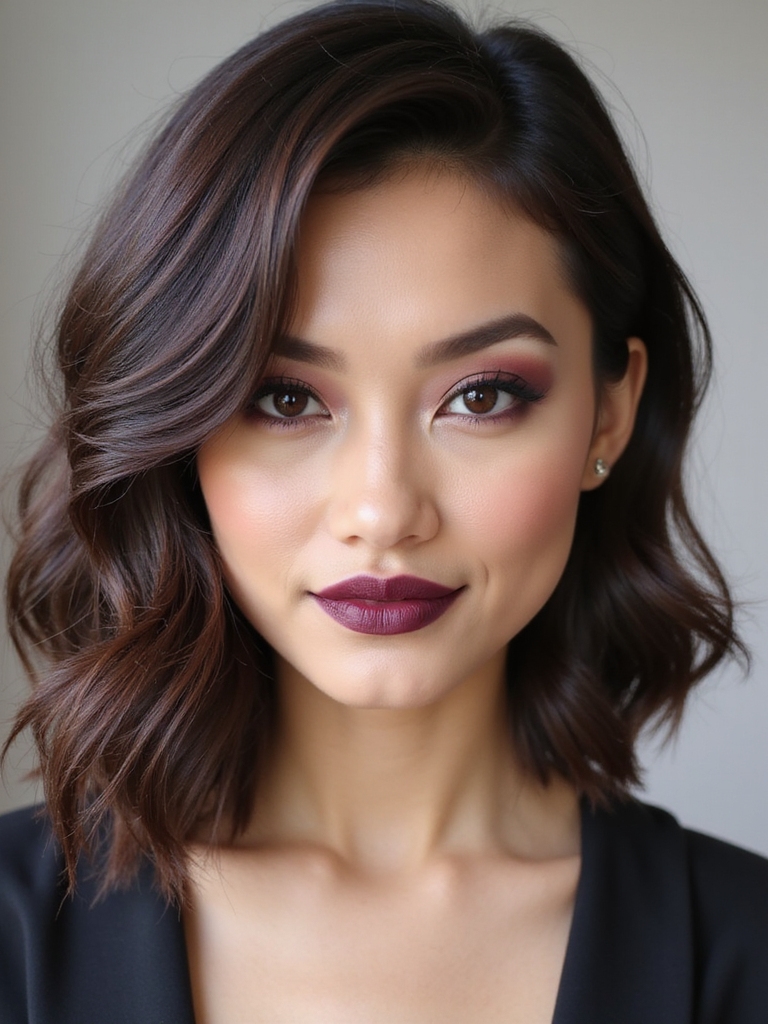
An asymmetrical bob takes the same idea and pushes it further, cutting one side noticeably longer than the other. The deep part is what makes that imbalance read as deliberate instead of accidental.
The Catch
The asymmetry blurs as hair grows, so a reshape matters more here than on an even bob; skip it and the dramatic angle softens into something closer to ordinary. The longer side skims the jaw or collarbone, the shorter side shows the neck, and the uneven weight makes the whole thing swing differently than a blunt cut would.
It suits anyone chasing edge without going short all over, though it does ask for more upkeep attention than a symmetrical version.
Deciding how far to take the asymmetry:
1Pick a length difference on purpose
An inch reads subtle; three inches or more reads dramatic, so decide the intent before the first cut
2Ask for a diagonal line, not a straight step
A diagonal blends the two lengths into each other instead of creating a hard shelf
3Match the reshape to your growth rate
Fast growers often need a touch-up closer to five weeks instead of the usual eight
A Textured Lob With a Deep Part

Lengthen a side-parted bob down to the collarbone and it becomes a lob, and texture is what keeps that extra length from hanging flat. Choppy, piecey ends paired with a deep part give a shape that looks full without much daily effort.
- Ask for collarbone-length with point-cut, textured ends
- Set the part deep to bank volume on the fuller side
- Finish with a texture spray, scrunched from mid-length to ends
A Sleek, Blunt Bob With the Same Deep Part

Not every version here is chasing volume. This one trades body for a sharp, glossy finish, and the deep part adds a little drama to all that polish instead of fullness. A blunt perimeter catches light and swings as one clean piece.
- Blow the hair smooth with a flat brush, then run a flat iron from mid-length down
- Comb the part clean and deep for a defined line
- A drop of shine serum on the ends plays up the gloss
A Wavy Bob With Curtain Pieces at the Part

A wavy bob and a deep part make a forgiving pairing. The waves add body on their own, the part lifts everything at the root, and the whole shape looks full from crown to ends without much intervention.
Curtain pieces at the front, blended into the part, frame the face and soften the effect further. Air-dried with a little cream, the whole look reads deliberate without a single hot tool touching it.
On a rushed morning that matters more than perfection. A few S-bends with a flat iron, when there’s time, sharpen the wave definition further.
A few terms that come up when describing this look:
📖S-bend
A soft, wave-shaped curl pattern made by clamping small sections with a flat iron in alternating directions
📖Curtain piece
A face-framing section, usually cut a bit shorter than the rest, that parts naturally away from the center
A Chin-Grazing Bob With a Hidden Undercut

A bob that ends right at the chin, paired with a deep part, ranks among the more flattering short lengths available. The cut draws the eye straight to the jaw and cheekbones, while the part adds an asymmetric softness that keeps the shape from reading severe.
Some versions hide a tapered or undercut nape underneath, which removes bulk at the back and lets the bob stay full on top while sitting close underneath. Where this struggles is on hair that already tends to spread out at the bottom; the undercut option solves exactly that.
- Best suited to anyone wanting a short, face-framing length
- Ask about a tapered or undercut nape if hair runs thick
- A reshape closer to every five weeks keeps the chin-length line precise
Invisible Layers Hidden Beneath the Surface

Some of the best work in a bob happens where nobody can see it. Micro layers cut underneath the surface remove a little weight and let the shape move, while the outline on top stays intact and blunt.
From the outside, it looks like a single, solid shape. Underneath, those hidden layers are doing the work that stops it from sitting like a helmet by the second day.
This suits anyone who loves a blunt silhouette but still wants some give when it moves. Ask specifically for internal or invisible layering, not layers cut into the visible perimeter.
🅰️Visible Layers
Better for anyone who wants the movement to show in photos and doesn’t mind a little extra product to control flyaways
🅱️Invisible Layers
Better for anyone who wants a strict blunt line in the mirror but still needs the hair to move without looking stiff
A Curly Bob With Diffused Volume
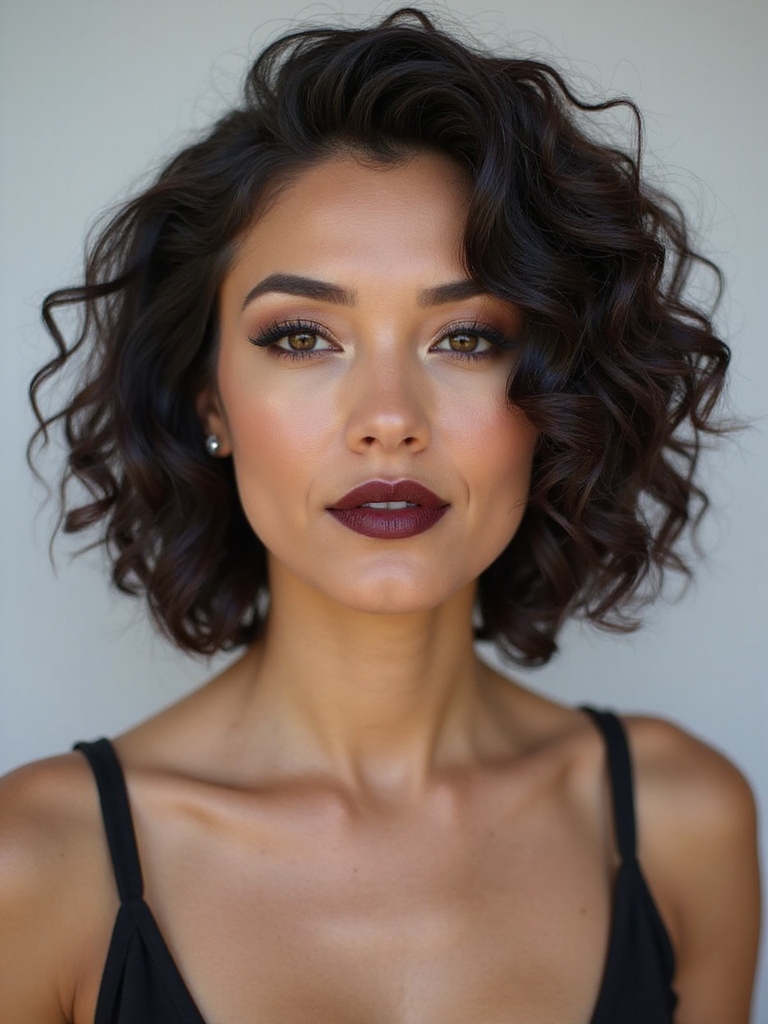
A curly bob and a deep part build a naturally full, rounded shape almost on their own. The curls supply their own volume, the part lifts everything higher at the root, and the combined effect looks big and healthy rather than styled-into-submission.
The real key, as with most curl-forward cuts, is shaping it around the pattern. Cutting it dry lets a stylist see exactly where each curl lands before making a single cut; a wet cut on curls risks drying into a shape nobody planned for.
Style by diffusing on low heat, scrunching upward for lift, and defining curls with a small amount of gel or cream at the ends.
A Deep Part on Coily, Type 4 Bob Texture
Tighter, coily patterns hold a deep part differently than looser curls do: the line itself often disappears within a day as new growth springs up around it, which is normal and not a sign anything went wrong at the cut.
A few clients ask me to re-part with a rat-tail comb between wash days just to keep the line visible. A small amount of edge control, worked in with a fingertip right along the part, holds that definition longer without flattening the rest of the curl pattern.
A French Bob Softened by the Side Part

The French bob is short, precise, and typically worn with a fringe. Shifting the part to the side softens that precision into something more wearable, breaking up the bluntness with a bit of asymmetry.
It sits high, around the jaw or shorter, and pairs well with a soft fringe swept into the part instead of cut straight across. The overall effect lands closer to Parisian ease than a styled-hard look.
It suits fine to medium hair that can hold a short, precise shape well. This is real commitment to short hair, so a reference photo and an honest conversation about upkeep go a long way at the first appointment.
Face-Framing Highlights Along the Part

Color can do almost as much as the cut to make a bob look fuller. Highlights placed along the part and around the front pull light to the surface, creating the illusion of depth on hair that’s otherwise one flat tone.
The deep part works as a kind of canvas here, exposing a clean line where lighter pieces catch the eye. Placed well, a few brighter strands make a fine bob look noticeably thicker with zero extra layers cut.
- Ask for face-framing or money-piece highlights concentrated along the part
- This service tends to land closer to a full balayage in price than a basic gloss, often near $180
- A gloss refresh between full color visits keeps the brightness from turning brassy
Making the Lift Last All Day
The part itself only does half the job; how it’s set determines whether the lift survives past mid-morning. I used to tell clients root-lifting powder alone would fix second-day flatness. It doesn’t, not on its own. Setting the line on damp hair, then directing warm air upward along it before the rest of a blow-dry, locks height in at the root instead of asking product to fake it hours later.
Where this struggles is on second-day hair that’s already fallen back toward its old habit. A small amount of root-lifting powder, tapped in and worked with fingertips right along the part, resets the effect without a full restyle. At a trim, mentioning the part matters too: a stylist cutting with that line in mind, rather than parting down the middle to cut and moving it after, keeps the layers falling the way they’re meant to.
Common Mistakes to Avoid
A few small missteps quietly cancel out the fullness a deep part is supposed to deliver. The most common is keeping an everyday part, the one hair already falls into out of habit, instead of moving the line to the opposite side where it actually has to work for the lift.
Over-layering is the second: thin a bob too much and there’s no weight left to swing, which leaves it limp instead of full. The third is skipping root work at the dryer entirely, the single fastest fix and the one most people forget under time pressure.
Side Part Bob Questions Worth Asking
?Does a side part look different on a bob that’s already been colored or highlighted?
It can. Color placed without the part in mind sometimes ends up on the ‘wrong’ side once the part moves, so mention a planned side part before a color appointment, not just at the cut.
?Can a deep side part be combined with bangs or a fringe?
Yes, though a full blunt fringe fights a deep part visually. A side-swept or curtain fringe blends into the line instead of competing with it.
?Does a deep side part suit a round face the same way it suits an oval one?
It tends to suit round faces especially well, since the diagonal line and off-center weight break up symmetry in a way a middle part doesn’t. Oval faces have more flexibility either way.
?Can a side part bob work on hair that’s naturally very straight and fine?
Yes, and it’s often where the effect shows up most, since fine, straight hair has the least natural resistance to falling flat. The deep part gives it something to push against that it wouldn’t create on its own.
?Does moving the part damage hair or cause breakage over time?
No, changing a part doesn’t stress hair the way tight styling or heavy tension would. The one thing worth watching is repeatedly parting in the exact same spot for years, which can occasionally lead to some thinning right along that line.
The Part Does More Than the Cut
Across every version here, the pattern holds: a deep side part is close to the simplest way to make a bob look fuller, whether the shape underneath is stacked, blunt, wavy, curly, or French-cropped. The cut sets the outline; the part supplies the lift.
If a bob has gone flat, moving the part costs nothing and takes about a second. Try it before booking anything else, then decide from there whether the cut needs a change too.
More to Try