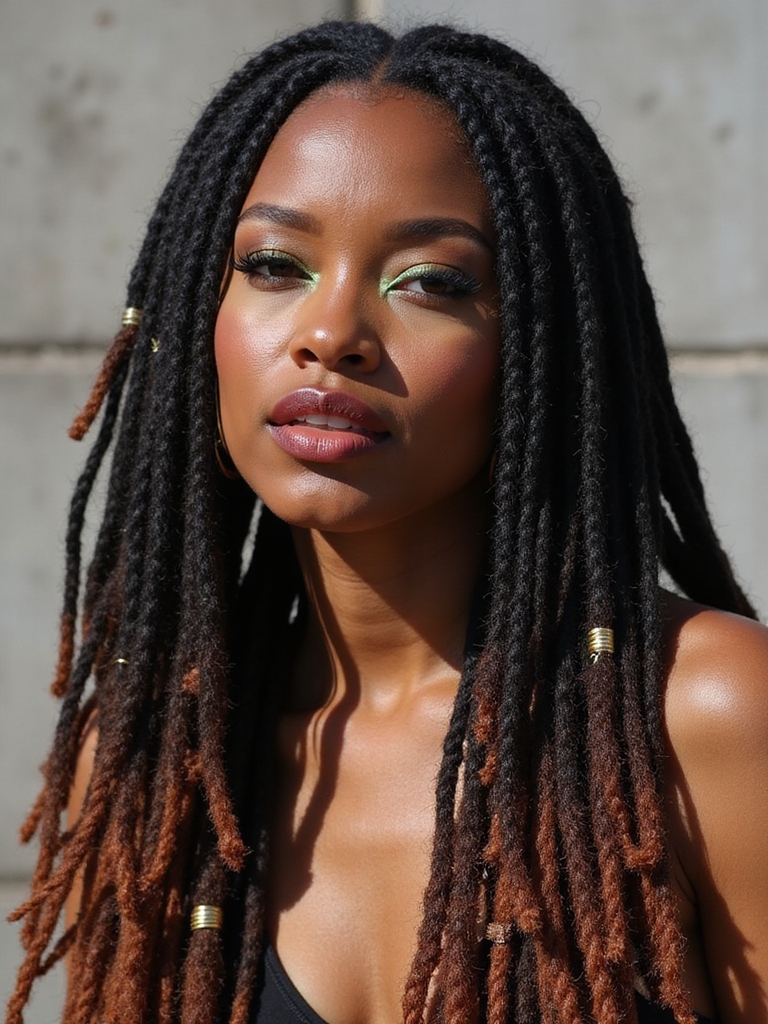
A choppy bob forgives more than almost any other short cut. The whole idea rests on texture and irregular ends, so it never has to sit perfectly, and that alone is why the cut suits a first-timer and someone who’s worn short hair for years equally well.
Twenty versions follow, sorted by length and finish, from the softest, barely-there texture to the sharpest razor-cut edges.
Choppy Bob Basics, Answered
What actually makes a bob choppy? Point-cutting or razoring through the ends so they fall irregular and piecey, rather than as one blunt line.
Does it work on fine hair? Often especially well. Internal texture builds the illusion of fullness that fine hair can’t create on its own.
How much upkeep does it need day to day? Very little, since the look is built to appear undone; the real cost is the trim cycle needed to keep the shape from growing out shapeless.
The Classic Choppy Bob
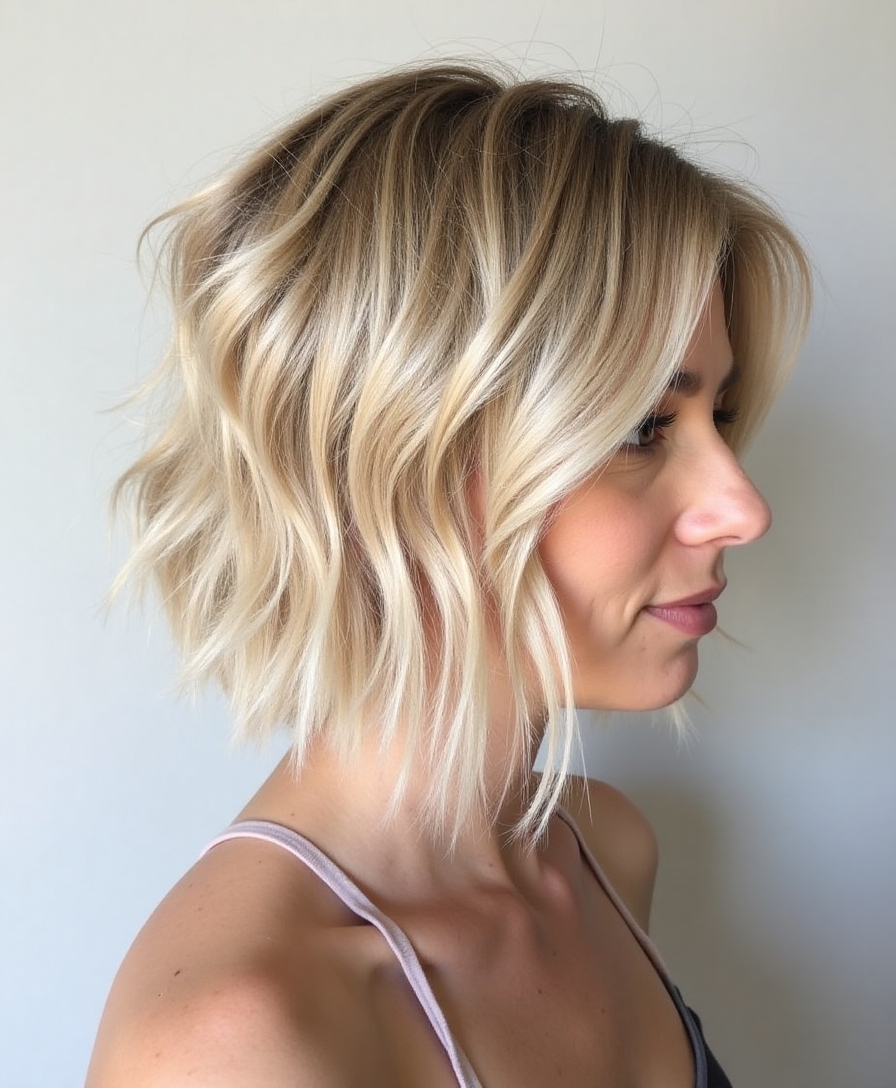
Sitting anywhere from the jaw to the collarbone with softly point-cut ends, the classic version looks modern without trying hard, and it’s typically the safest starting point for anyone new to choppy texture.
- Point-cut ends create soft, piecey movement across the whole perimeter.
- Flatters a wide range of face shapes and hair textures.
- Styles quickly with a light texture spray and a quick tousle-dry.

The Layered Choppy Bob
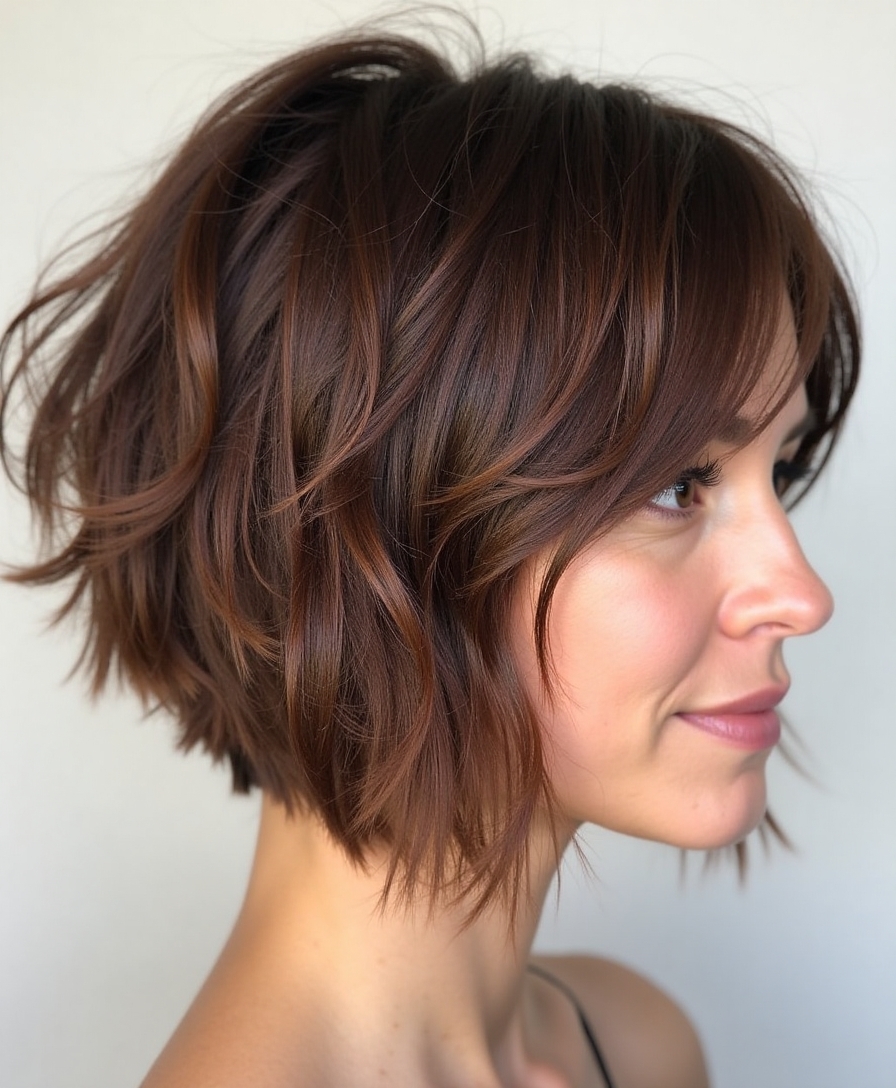
Adding layers to a choppy bob builds real volume on top of the existing texture, a useful combination for hair that tends to sit flat on its own.
Shorter layers through the crown lift the roots while the choppy ends keep the overall shape from looking too polished. The trade-off is a bit more daily styling time to coax the layers into place.
The Sleek Choppy Bob
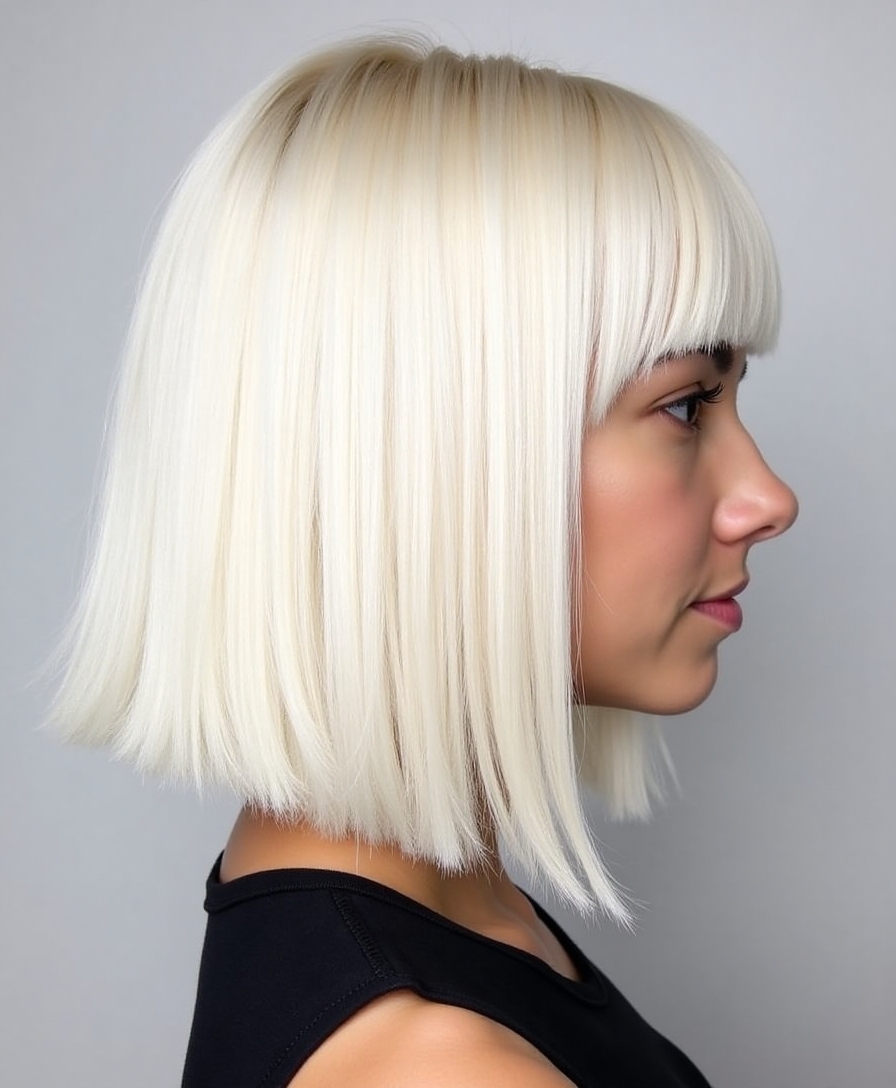
Worn smooth and pressed flat, a choppy bob turns sharp and polished, proof the cut carries more range than it first appears to.
- Blow-dry smooth with a round brush, then press the ends with a flat iron.
- A drop of oil through the lengths adds shine and controls frizz.
- Best suited to healthy hair, since a smooth finish shows any dryness or split ends clearly.
The Messy Choppy Bob
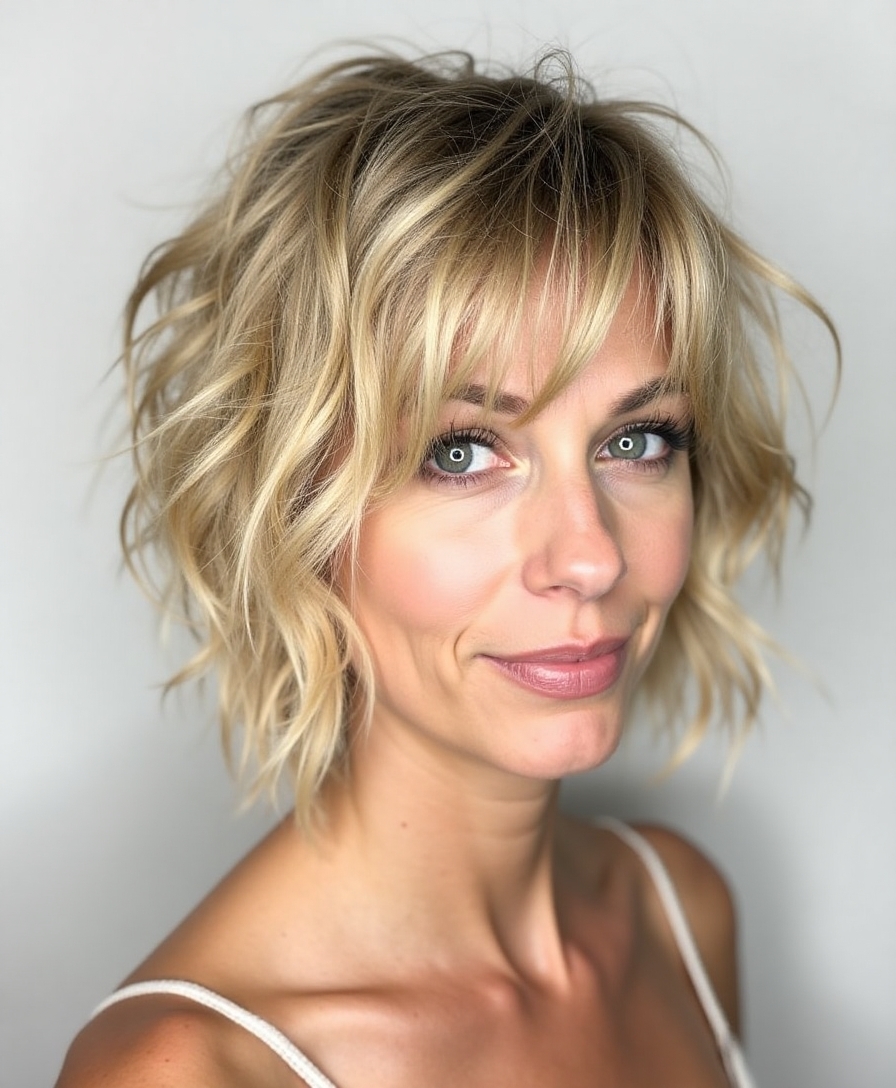
This version leans fully into the texture, with piecey, deliberately undone ends and the lowest styling effort of any choppy bob on this list.
The Five-Minute, No-Tools Version
A texture or salt spray scrunched through damp hair, then either air-dried or rough-dried with fingers, is honestly all it takes to finish.
It suits wavy and naturally textured hair especially well, since the cut simply exaggerates a pattern already present. On very straight hair it can fall flatter, so a quick bend with an iron helps it read intentional.
The Asymmetrical Choppy Bob
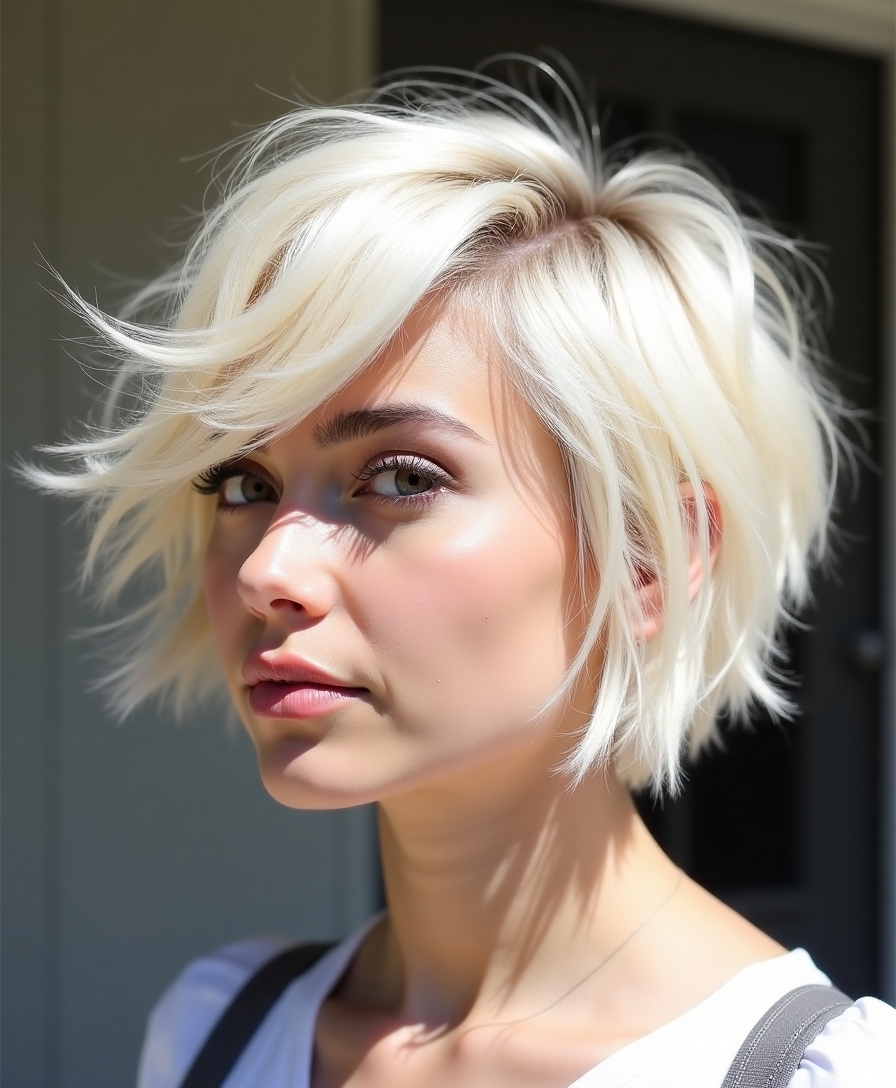
Running one side longer than the other, this version adds a bold, graphic line on top of all that texture, meant to make a real statement.
- One side runs noticeably longer, often angled toward the face.
- Flatters round faces particularly well, since the uneven line breaks up width.
- Requires real commitment to styling, since leaving it messy can undercut the deliberate line.
Getting the asymmetry to read intentional, not accidental.
1Confirm the exact length difference before cutting
A specific inch count gives the stylist a clear, exact target to cut toward.
2Style the longer side with slightly more definition
A touch more product on the dominant side keeps the imbalance looking purposeful.
The Short Choppy Bob
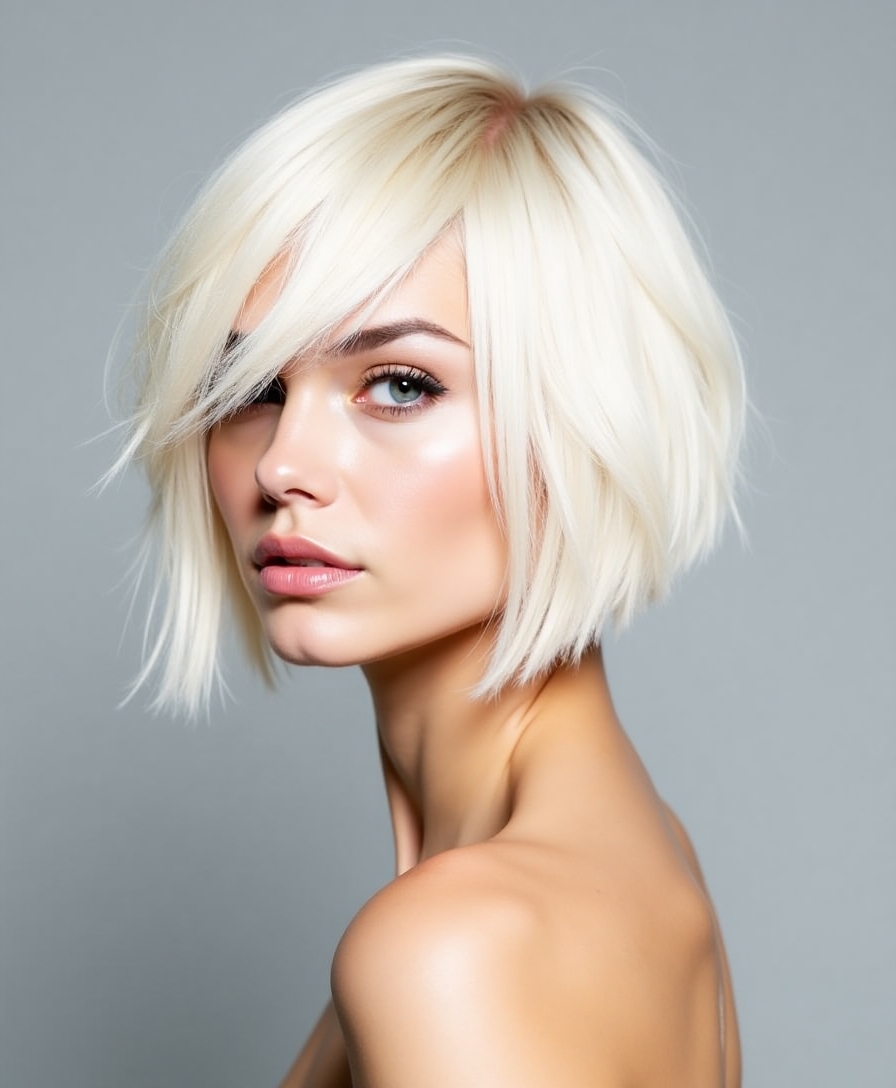
Taking a choppy bob up to ear length makes it bolder and lighter, with the texture carrying even more of the visual shape at this reduced length.
Where Texture Does All the Work
Because there’s so little weight left in the hair, the choppy cutting is what actually builds the shape and lift, which is why the two pair so naturally at this length.
It flatters longer faces and defined bone structure especially well, though rounder faces can wear it too by leaving a touch more length around the jaw.
The Textured Choppy Bob With Bangs
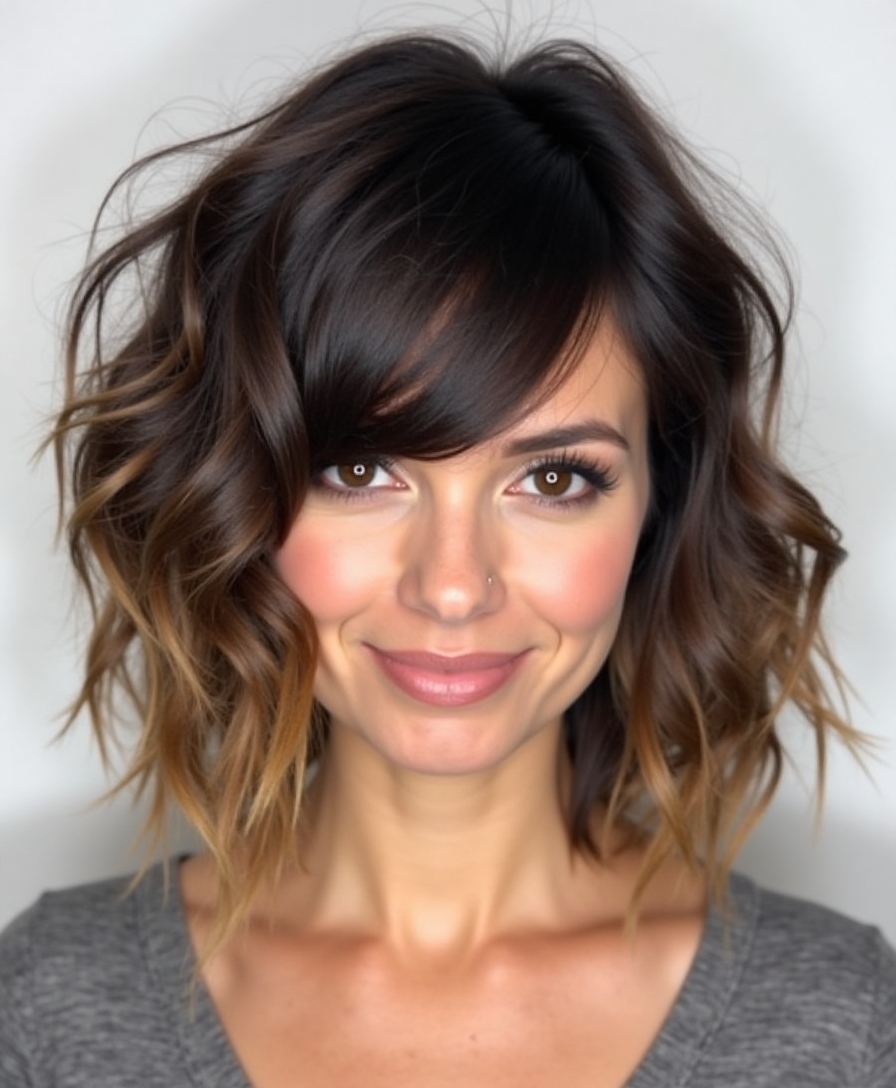
Adding choppy, piecey bangs carries the texture from the ends all the way up to the forehead, tying the whole cut together into one continuous idea.
- Wispy, point-cut bangs match the texture of the piecey ends throughout.
- Curtain bangs soften a round face; a straighter fringe tends to suit a longer one.
- Bangs typically need their own trim well ahead of the rest of the cut’s schedule.
The A-Line Choppy Bob
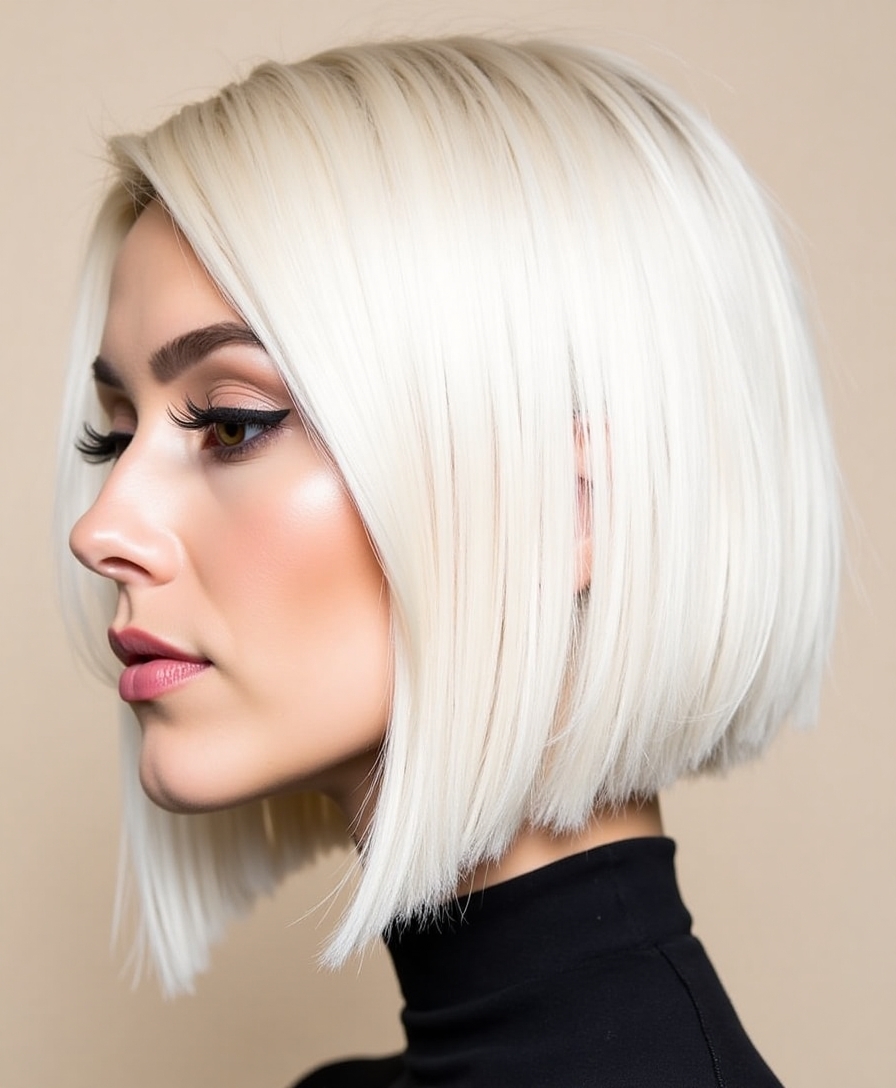
Angled with less length in back and progressively more toward the face, the A-line choppy bob slopes forward in a clean line that the texture then softens. The shape at its purest lives in the A-line bob guide.
An Angle That Slims and Lengthens
That forward angle creates the illusion of added length and a slimmer face, since the longest pieces land right at the cheeks and jaw.
It works across most textures and grows out gracefully into a longer A-line shape, making it a forgiving choice for anyone hesitant about upkeep.
The Wavy Choppy Bob
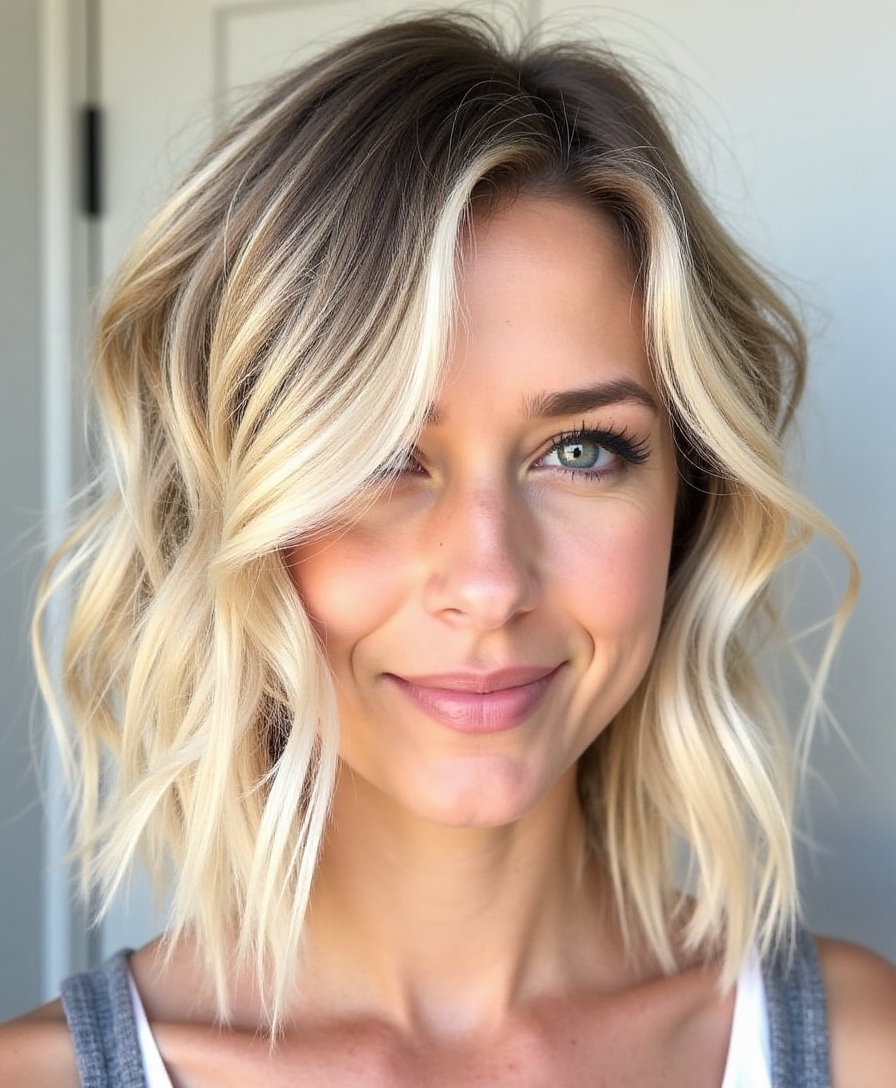
Natural waves and a choppy bob complement each other directly: the irregular ends and the wave pattern play off one another so the finished look sits polished with very little active styling.
The choppy cutting specifically stops wavy hair from puffing into a triangular shape at bob length, a common frustration with this texture and length combination.
A curl cream or light mousse scrunched through damp hair, left to air-dry, generally does most of the remaining work.
The Inverted Choppy Bob
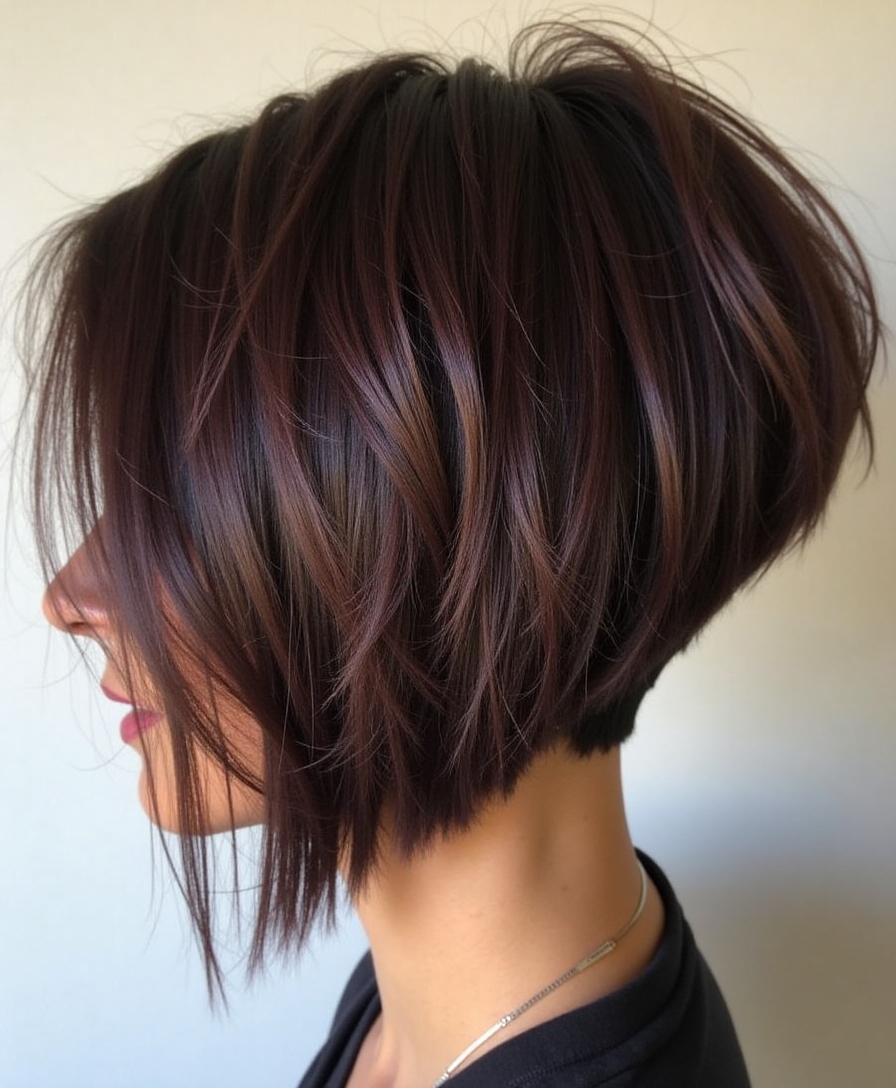
An inverted choppy bob stacks the back short and graduates longer toward the front, building real volume at the crown where the layers pile up. The stacking technique alone is covered in the stacked bob guide.
It’s a close relative of the A-line shape, though the back is stacked more steeply here, building a rounder, fuller silhouette.
- The stacked back creates lift that the choppy texture then softens.
- A strong option for fine or flat hair that needs built-in volume.
- The short stacked section typically needs its own trim cycle to hold shape.
A couple of cutting terms worth knowing at the consultation.
📖Stacking
Layering built specifically at the back of the head to create height and volume through the crown.
📖Graduation
A gradual lengthening from back to front, the structural basis of both A-line and inverted bobs.
The Choppy Bob With an Undercut
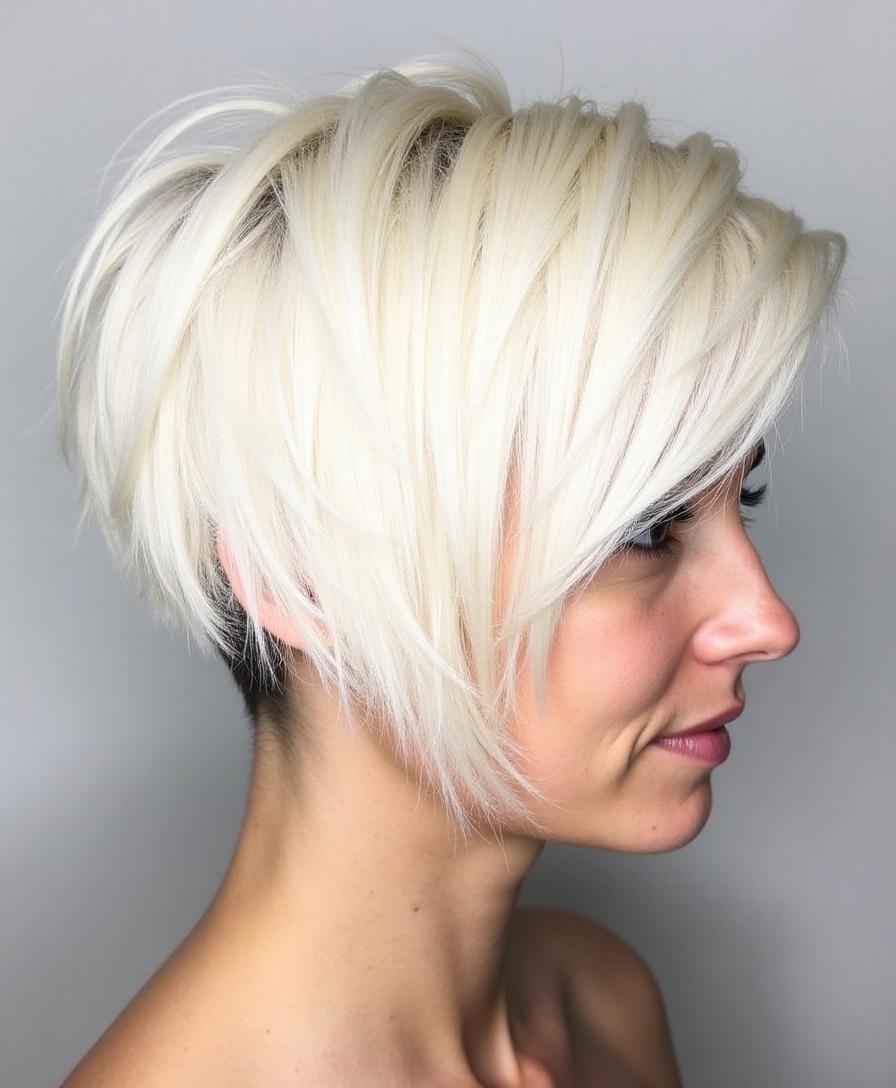
Tucking an undercut beneath a choppy bob removes bulk from the underlayer while the top stays completely intact, so the cut reads as an ordinary bob until the hair gets pulled up.
Removing Weight Where It Doesn’t Show
It’s a practical option for very thick or coarse hair that tends to go wide at bob length; removing weight underneath lets the top layer fall sleek and settle close to the head.
The one thing worth knowing upfront: the undercut section grows out faster than the visible length above it, so it needs its own maintenance schedule.
The Soft, Subtle Choppy Bob
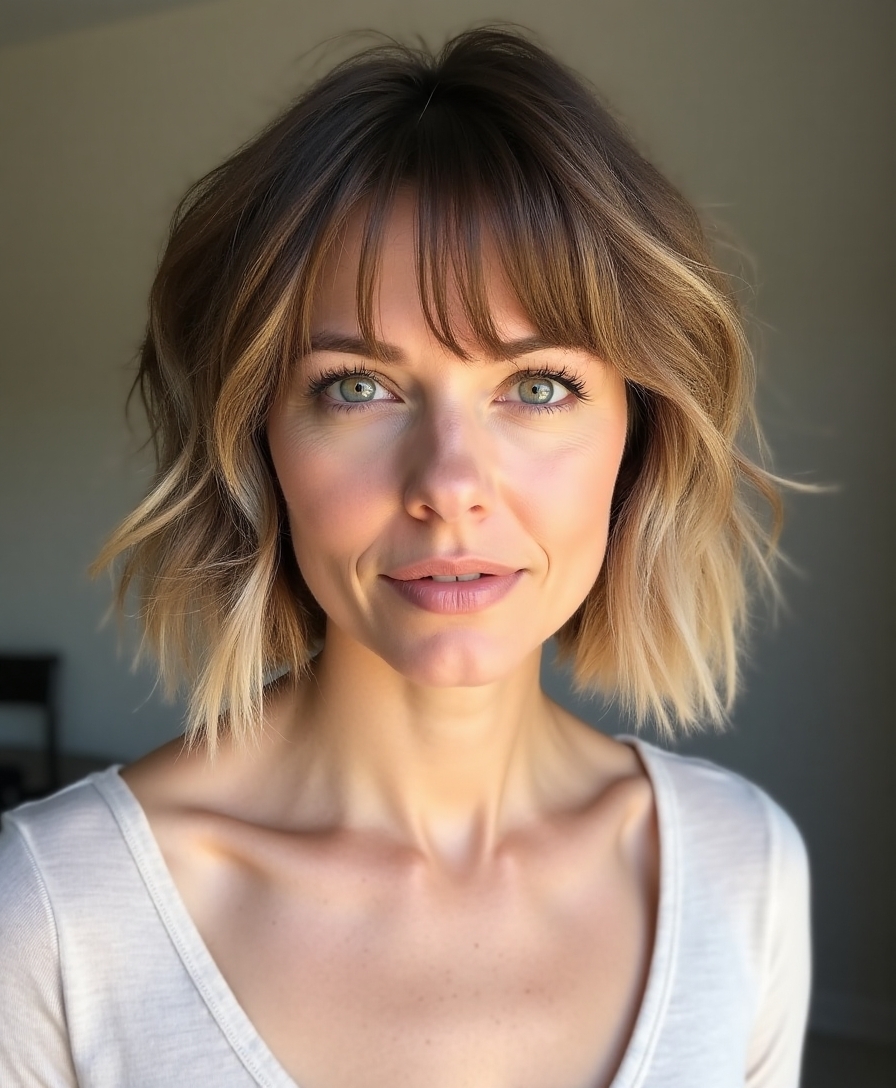
Not everyone wants a dramatic result, and this version keeps just a light amount of texture worked through the ends of an otherwise classic bob shape.
- Light point-cutting adds movement without a sharp, edgy finish.
- Dresses up or down easily, comfortable in most workplace settings.
- A low-commitment way to test choppy texture before going bolder.
The Choppy Bob With Highlights
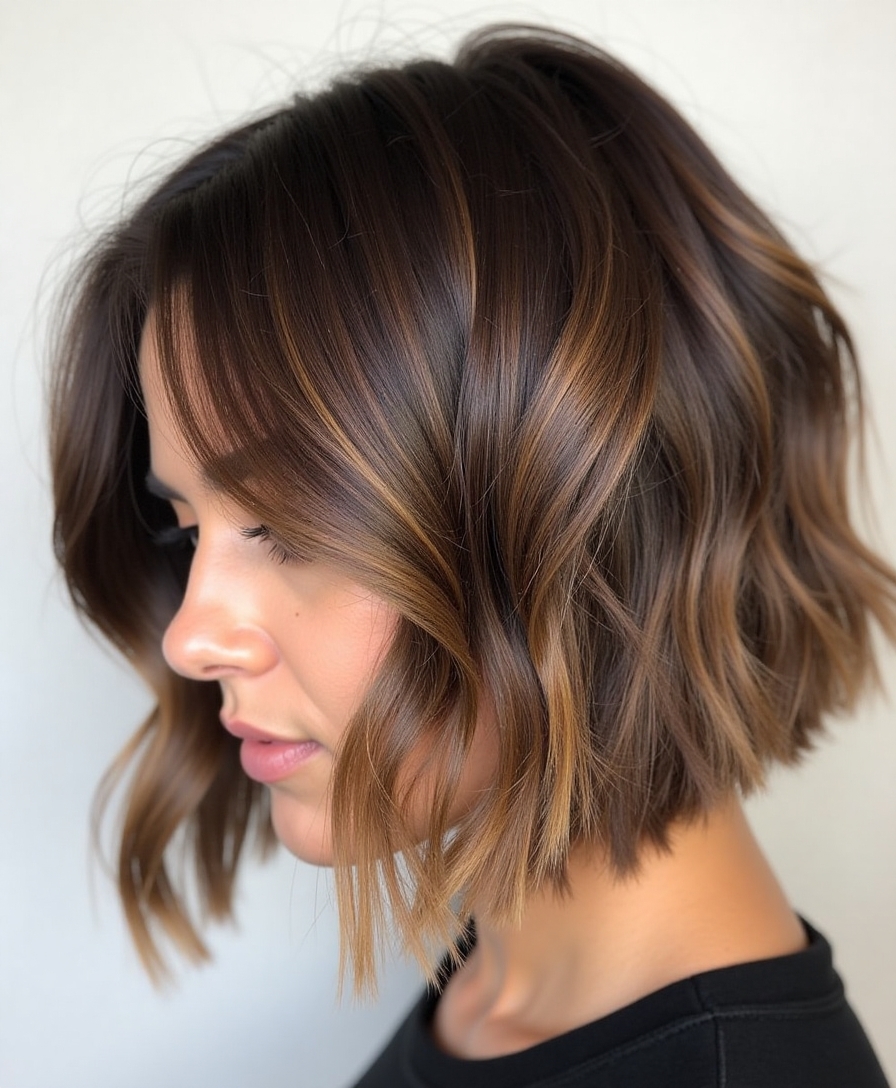
Color and a choppy bob pair naturally, since dimension makes the piecey texture look deeper and more deliberate than flat, single-tone color would.
- Face-framing highlights brighten the pieces closest to the face.
- Balayage blends into the regrowth gradually, leaving no hard line to manage.
- Lowlights add depth on fine hair, keeping the texture from reading thin.
| Technique | Effect | Upkeep |
|---|---|---|
| Face-framing highlights | Brightens around the face | Low to moderate |
| Balayage | Soft, dimensional grow-out | Low |
| Lowlights | Adds depth on fine hair | Moderate |
The Curly Choppy Bob
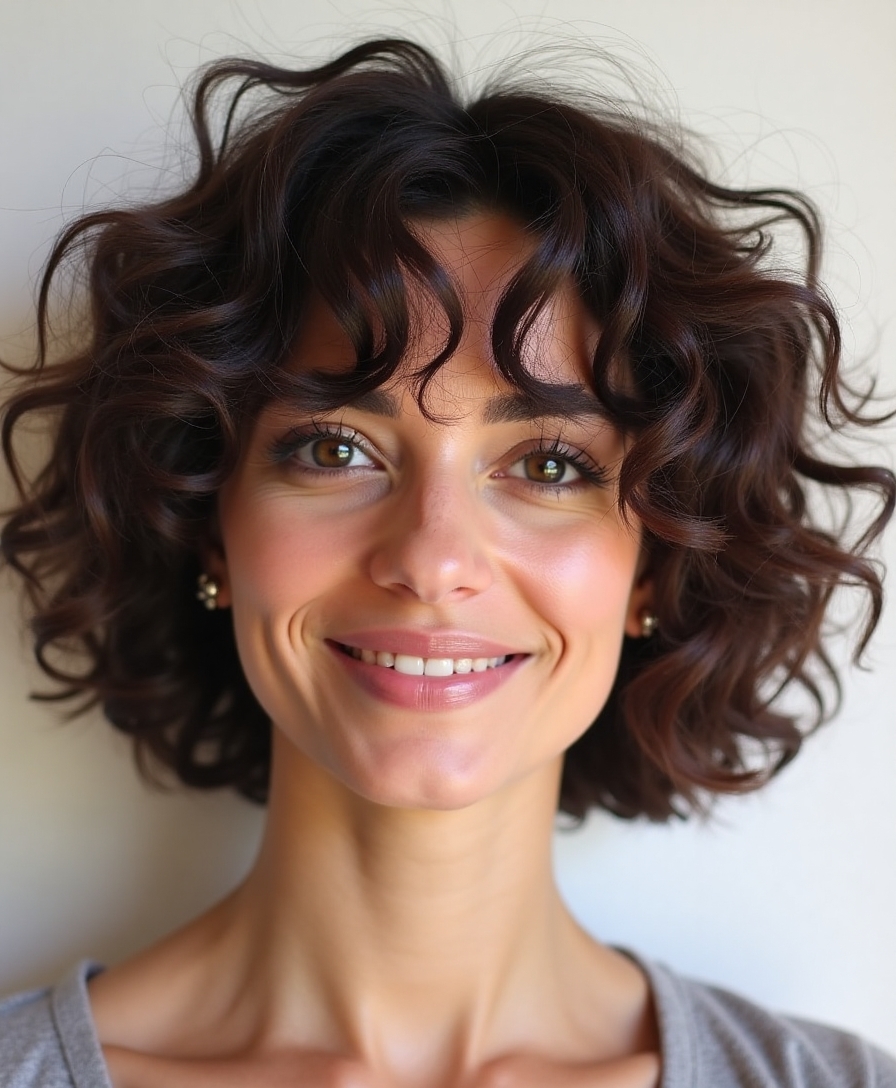
Curly and coily hair wears a choppy bob well, provided it’s cut dry to the curl pattern rather than while wet. The full range of that length and texture lives in the curly bob guide.
Curls shrink as they dry, so cutting dry lets a stylist place both length and texture where they’ll actually land. Cut this way, the choppy ends give curls real separation and a clean shape instead of a heavy, blocky triangle.
- Always cut dry, so the finished length lands accurately once curls spring up.
- Choppy ends keep curls from clumping into one solid mass.
- A leave-in plus a light gel styles it well; heat tools are rarely needed.
The Pixie-Choppy Bob Hybrid
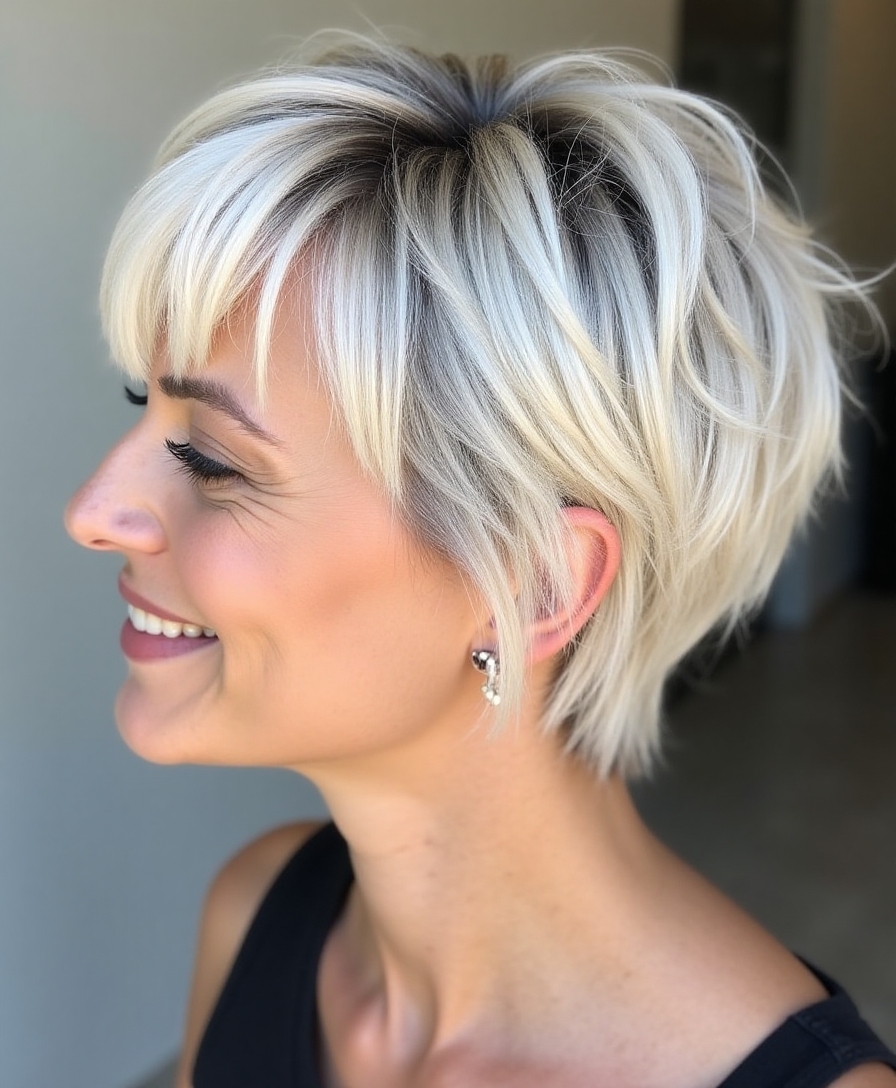
The boldest option here keeps a little bob length at the front while cropping close at the back, blending into pixie cut territory for a look that’s short, light, and full of attitude.
- Long enough at the front to style; short and cropped at the nape.
- The lightest, easiest wash-and-go option of any version covered here.
- A bigger commitment overall, since it grows out slower through an awkward in-between stage.
The Long Choppy Bob
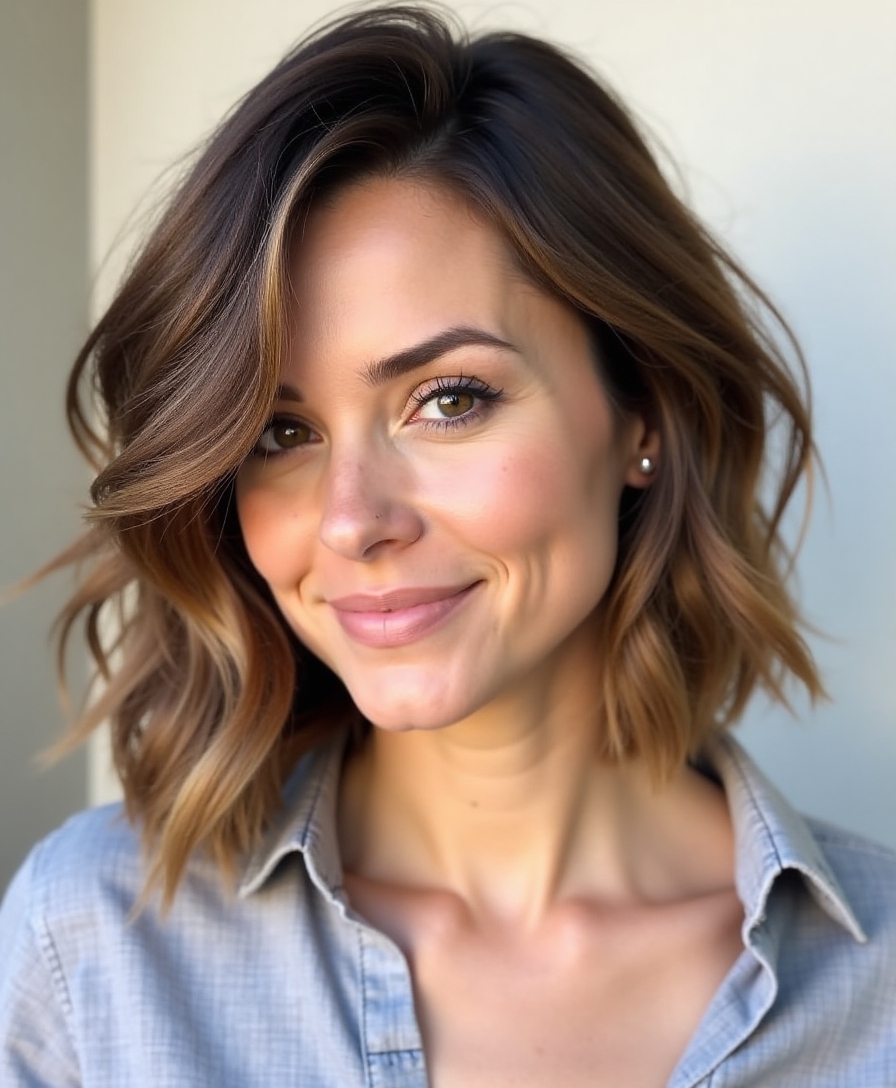
Landing at the collarbone, the long choppy bob, sometimes called a choppy lob, is the most versatile and least intimidating version on this list. The pure long-bob shape underneath it lives in the long bob guide.
It keeps meaningful length while still delivering real movement and texture, which makes it a common recommendation for anyone nervous about cutting short for the first time.
The added length means it can still be tucked, worn up, or pulled back, and it grows out into long layers without an awkward transitional stage.
The Razor-Cut Choppy Bob
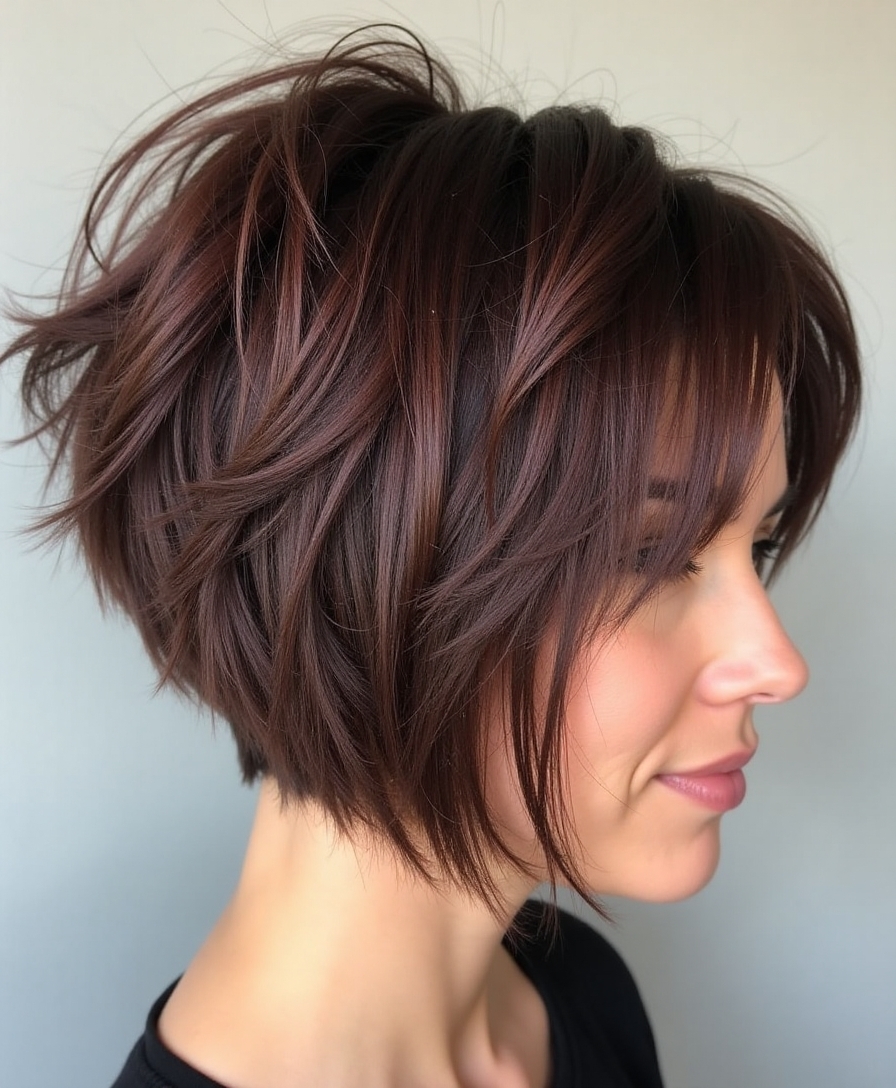
Cutting a choppy bob with a razor produces the wispiest, most feathered ends of any version here, since the blade tapers each piece to a fine point.
The trade-off is that a razor doesn’t suit every texture equally; it works best on healthy, medium-to-thick hair and can frizz fine or dry strands or split coarser ones.
📋Before Booking a Razor Cut
- ✓Hair is healthy, with no recent chemical treatments causing dryness.
- ✓Texture sits in the medium-to-thick range rather than very fine.
- ✓A stylist confirms your hair can take a razor without excess frizzing.
The Glamorous Choppy Bob
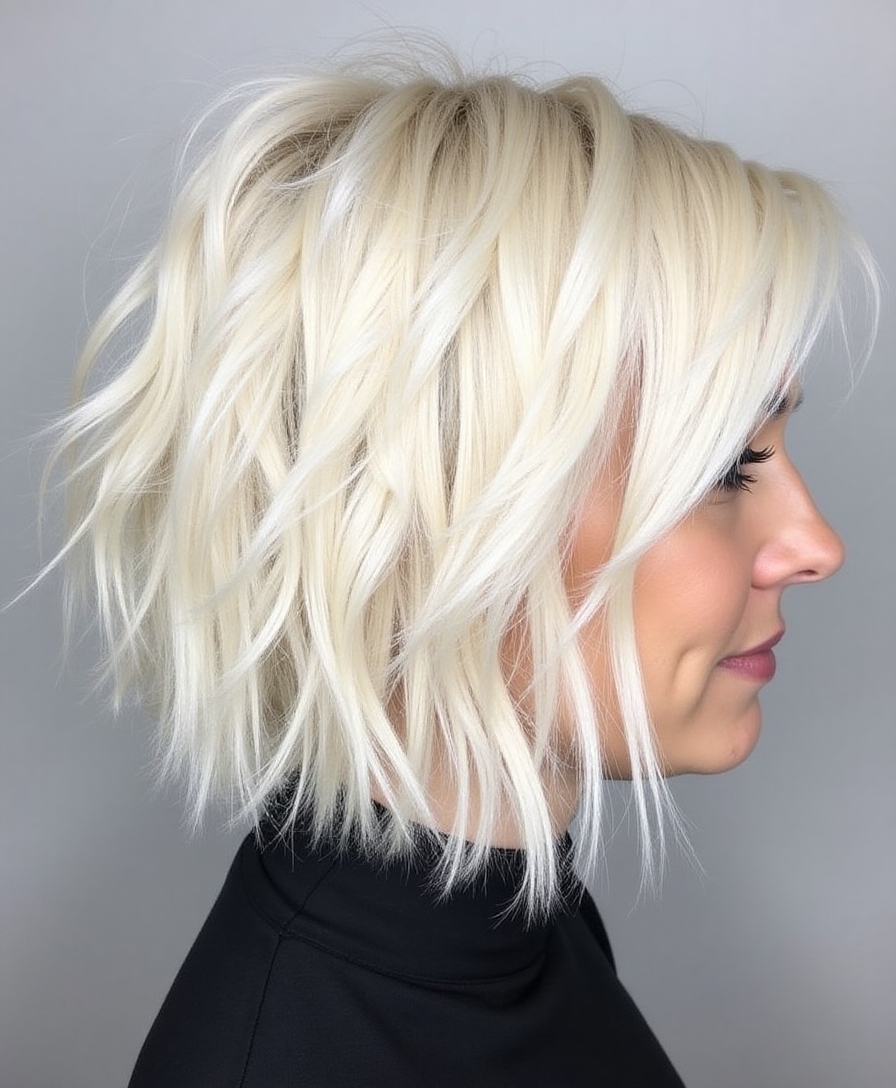
A choppy bob doesn’t have to stay casual. A deep side part, a soft bend through the lengths, and extra shine can push the same cut toward red-carpet territory rather than off-duty.
The Same Cut, Dressed for an Event
The texture actually helps here, giving waves something to grip so they hold shape reliably through a full event.
Large bends set with an iron, brushed out soft and glossy, plus a small amount of glossing serum worked through the ends, complete the finish.
The Choppy Bob With a Side-Swept Fringe
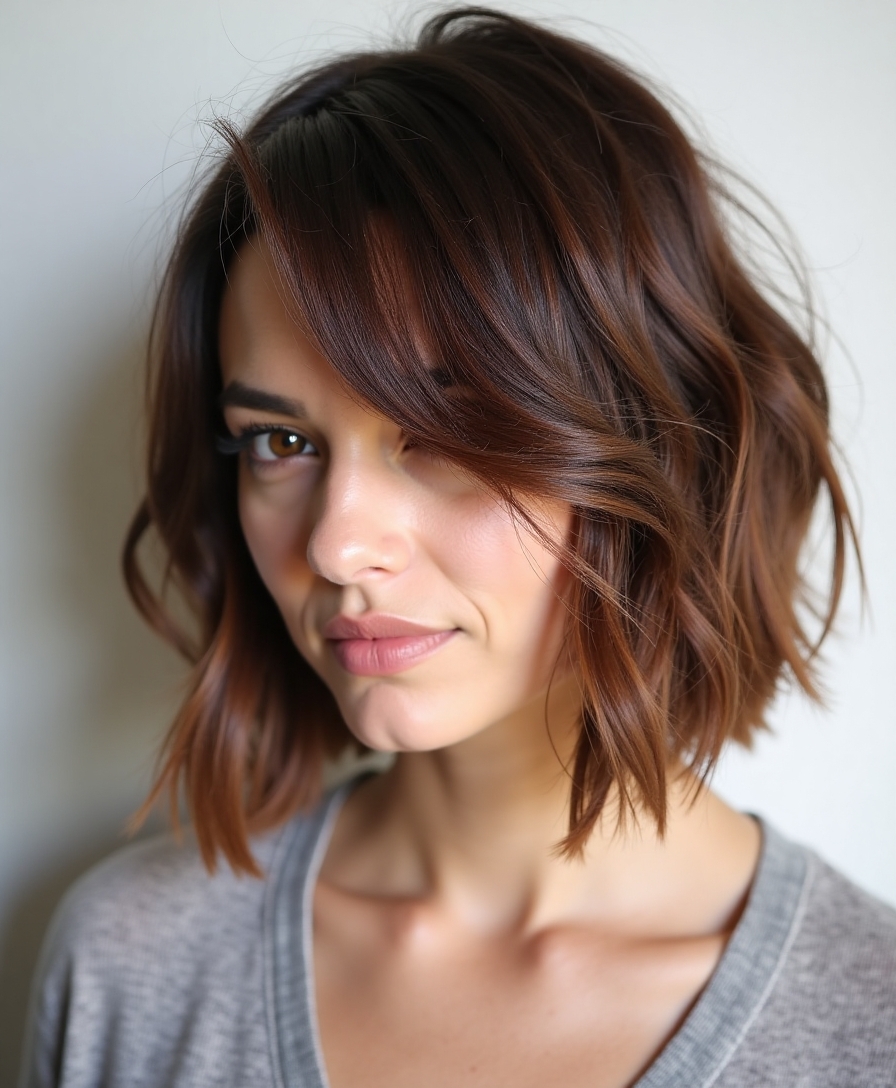
A soft, side-swept fringe brings bangs into a choppy bob about as gently as it gets, sweeping across the forehead to frame the face without committing to a full blunt bang.
- The swept angle softens both round and square face shapes.
- Blends into the length as it grows, avoiding an awkward bang stage.
- Easy to pin back entirely on days it’s not wanted near the face.
The Futuristic Choppy Bob
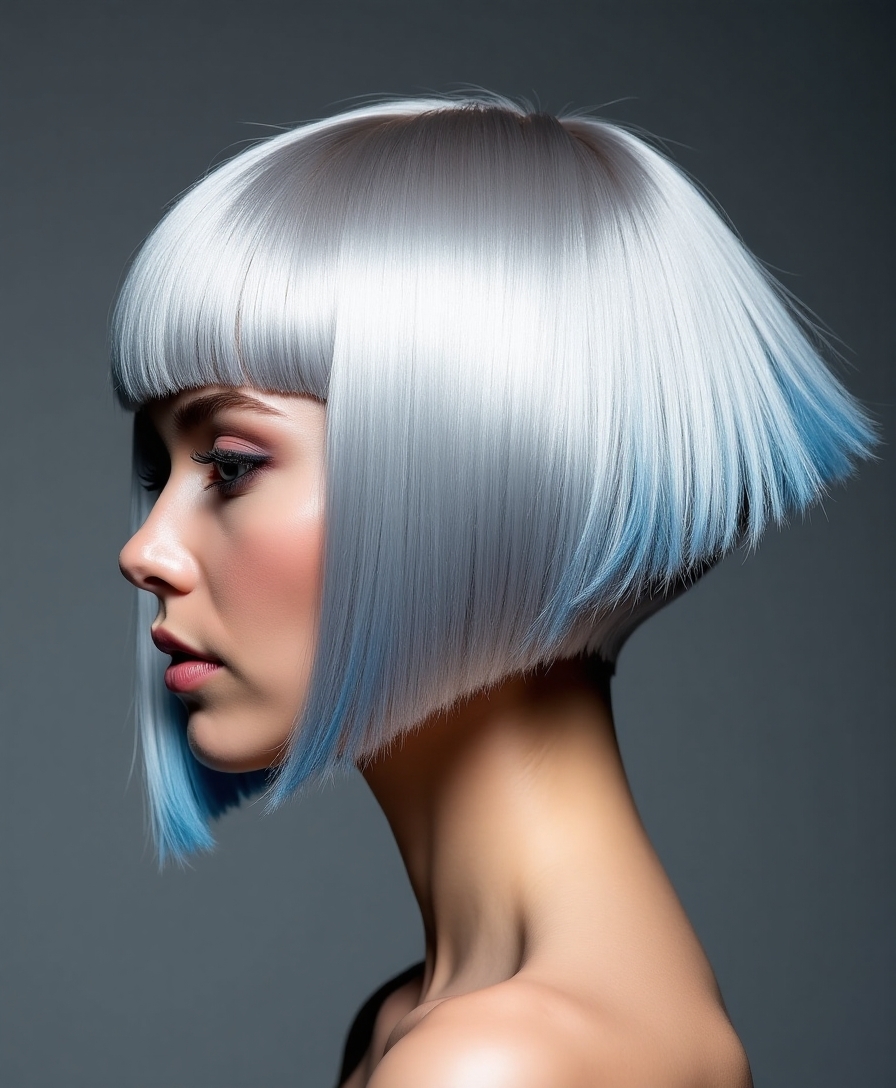
The boldest interpretation here pushes toward sharp, geometric lines, a blunt-meets-choppy contrast, and sometimes a graphic fringe, meant to turn the hair itself into the statement.
It’s also the most styling-dependent version on this list, since the sharp lines only read intentional when smoothed and precise; left to air-dry, they lose their edge fast.
- Sharp, graphic lines paired with choppy interior texture.
- High visual impact, though it needs daily styling and frequent trims to stay crisp.
- Best suited to straight, healthy hair, which shows the clean lines most clearly.
Common Mistakes to Avoid
The most common misstep is asking for choppy texture without specifying how much; a stylist left to guess often lands somewhere between what a client pictured and something far more subtle.
The second is skipping the trim cycle a chosen length actually needs. A blunt-leaning choppy bob loses its shape faster than a softer, more layered version, so the right cadence depends on which version got chosen, not one universal number.
Choppy Bob Questions, Answered
?How much does a choppy bob cost to maintain?
The cut itself typically runs $40 to $70 at most salons, more in larger cities. The bigger ongoing cost is the trim cycle: about every six to eight weeks to hold the shape, tighter if bangs are added.
?Will a choppy bob make thin hair look thinner?
Generally the opposite. Internal texture and any added layers build an illusion of fullness that fine hair struggles to create on its own; a heavy razor cut is the one exception worth avoiding on very fine strands.
?Can I get a choppy bob with curly hair?
Yes, as long as it’s cut dry to the curl pattern rather than while stretched wet, which is the detail that determines whether the finished length and shape land correctly.
?How is this different from a regular layered bob?
A layered bob builds shape mainly through internal layering; a choppy bob adds texture specifically at the ends through point-cutting or a razor, which is what creates that irregular, piecey edge.
Pick One and Go for It
A choppy bob is forgiving by design, flattering a wider range of faces and textures than most people expect, and because the whole look is built on texture rather than precision, it never has to look perfect to look good.
Worth bookmarking a favorite length and finish from this list before the next appointment, so the conversation with a stylist starts from a specific target instead of a vague description.
More to Explore