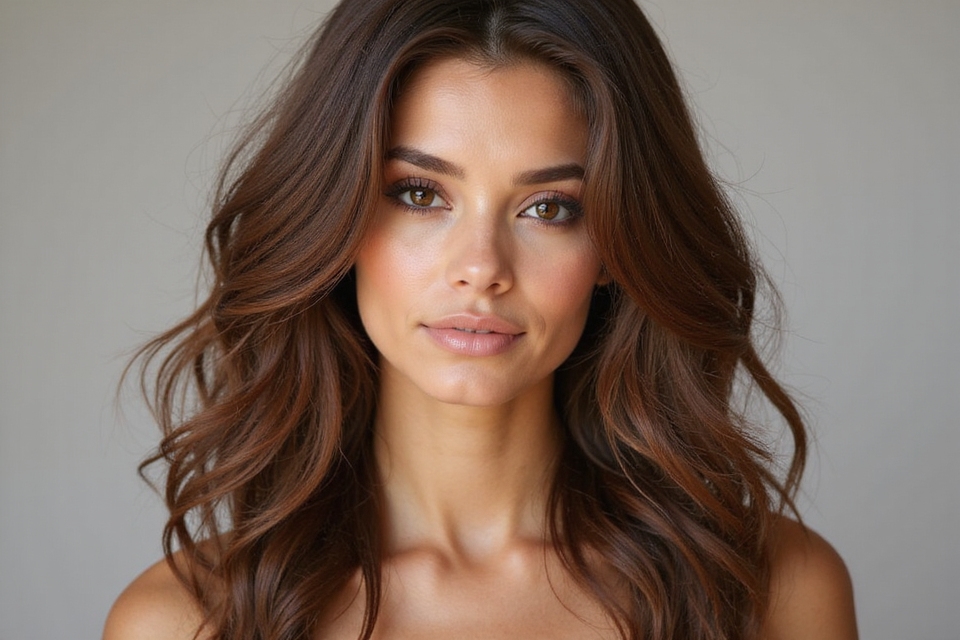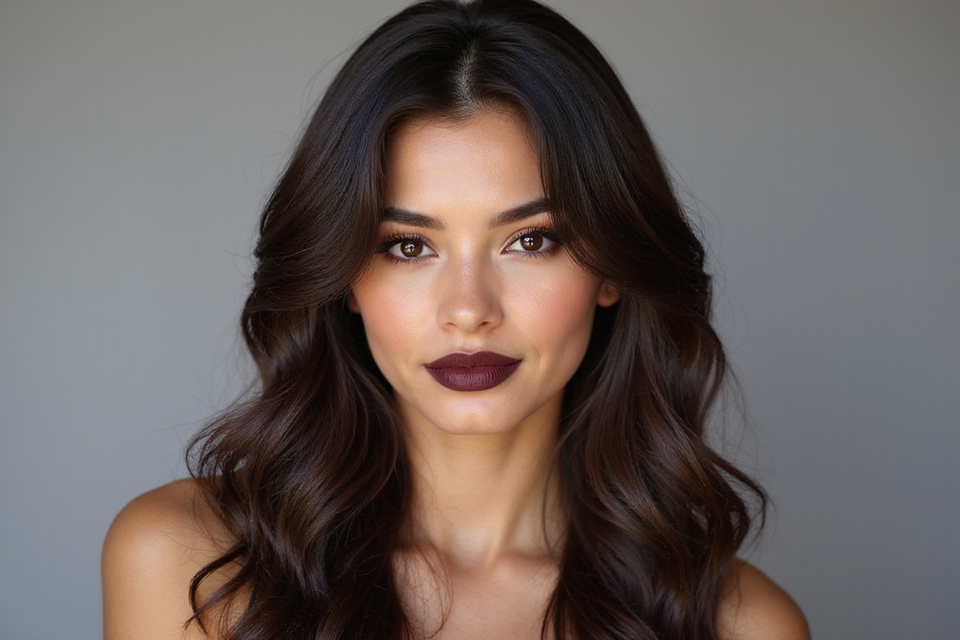
Black can read cold. Dark chocolate brown never does. It sits at the deepest end of the warm-brown family with a faint red warmth that keeps it from ever feeling stark.
That warmth is what makes dark chocolate brown hair so flattering. Below are nineteen ideas spanning shades, cuts, dimension, and care, plus what sets this deep brown apart from a cool black.
What Makes Dark Chocolate Brown Work
- It is the deepest warm brown, just shy of espresso and far warmer than a flat black.
- Shine carries it. Gloss and conditioning matter more than anything else for this color.
- A faint red undertone adds warmth and character, which is why it peaks in autumn.
- It sits close to most natural bases, so the regrowth is soft and the upkeep low.
Choosing the Right Depth for Your Skin
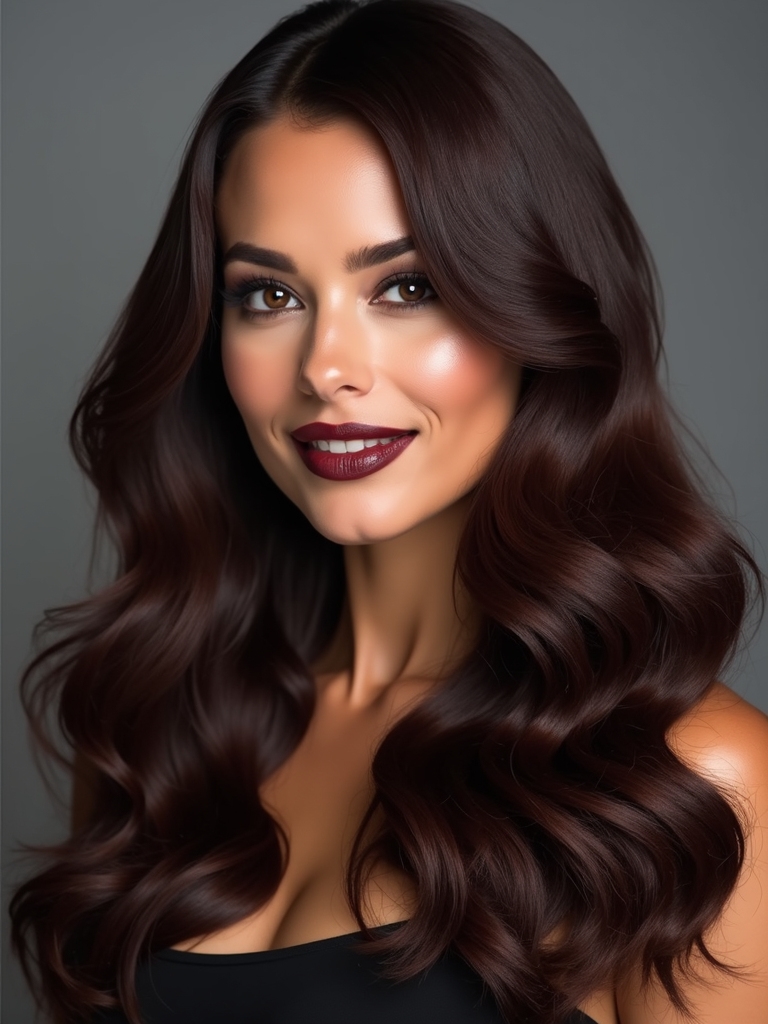
Dark chocolate brown sits at the deepest end of the warm-brown family, and getting the exact depth right for your skin is what keeps it from looking heavy. The shade flatters when there is enough warmth in it to echo your complexion.
Cool and neutral skin can carry the deepest, glossiest versions with ease. Very fair, warm skin sometimes looks washed out against a true dark chocolate, so a slightly lighter, warmer cocoa is kinder there.
This is the call I make at every consultation: reading your undertone, then adjusting the formula a shade warmer or cooler to match it. The right depth looks made for you; a hair too deep can swallow a face.

Dark Chocolate With Balayage Highlights

Painted highlights keep a deep chocolate from looking like a solid block. A few caramel or warm-brown pieces, hand-placed through the mid-lengths, catch the light and add movement. Because the root stays its rich, natural depth, the regrowth blends in softly, letting you stretch the months between visits. That low upkeep is a big part of why balayage suits dark brown so well, and it works alongside the painting in a caramel brown.
- Caramel or warm-brown pieces painted through the mid-lengths
- A natural root, so the grow-out stays soft
- Catches the light and breaks up the solid depth
How to land your exact dark chocolate at the salon:
1Pin down the depth
Decide where you want to sit, from near-espresso to a warmer cocoa, and say it plainly.
2Ask what lifting it needs
Confirm whether your natural base needs any lightening first, since most true chocolate browns don’t.
3Name your undertone
Tell your colorist your skin’s undertone, which decides how deep the color can go to flatter.
Soft Ombre Into Chocolate Brown

An ombre worked entirely within the brown family stays subtle and grown-up. The root sits deepest, then the color eases into a slightly warmer chocolate toward the ends. The gradient adds length and dimension with no blonde brightness, just a gentle shift of warmth from top to bottom, and the dark root keeps the grow-out forgiving.
- Stays within the brown family, no blonde at all
- A gentle shift of warmth from root to ends
- The dark root keeps the grow-out forgiving
Chocolate Brown With Caramel Lowlights
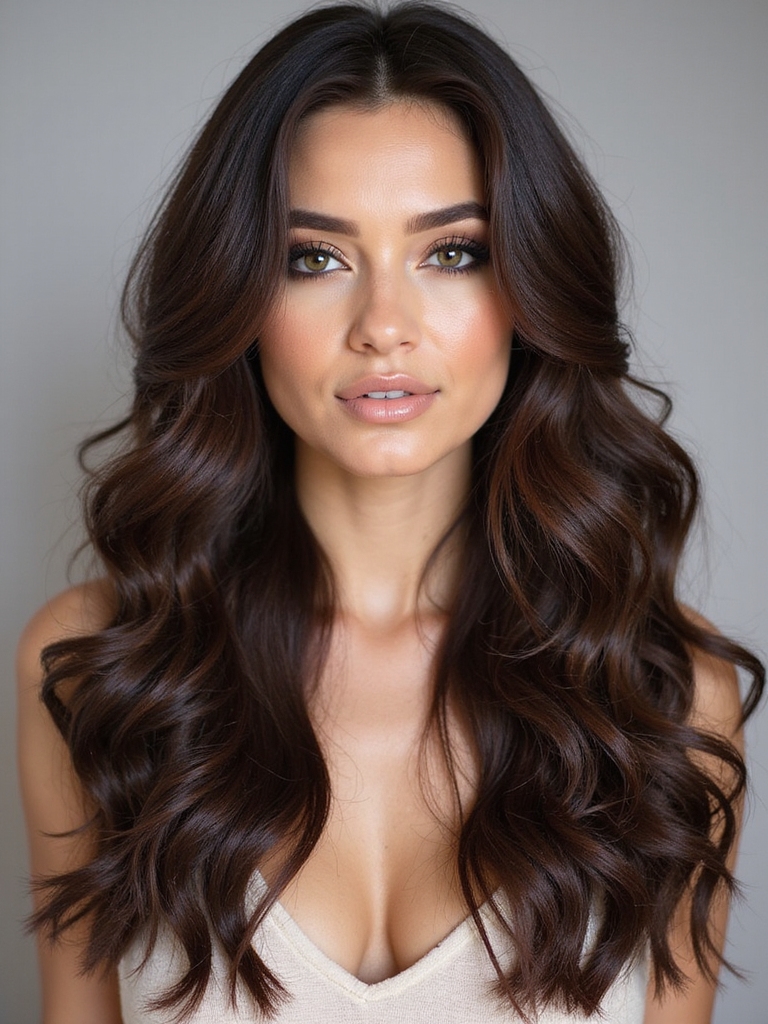
Lowlights work the opposite way to highlights, weaving deeper, warmer caramel-brown tones through the base. On dark chocolate, they add the kind of warm contrast that stops the color going one-note.
The effect is quiet richness rather than an obvious color change, better suited to someone chasing depth than brightness.
Because nothing is lightened past the base, the upkeep stays minimal and the look stays deep.
A few terms your colorist will use:
📖Balayage
Hand-painted pieces kept off the root, for soft dimension with a gentle grow-out.
📖Lowlights
Deeper pieces woven in to add richness, the opposite of highlights.
📖Gloss or glaze
A semi-transparent service that restores shine and refreshes warm tone between full-color appointments.
Deep Chocolate With Subtle Highlights
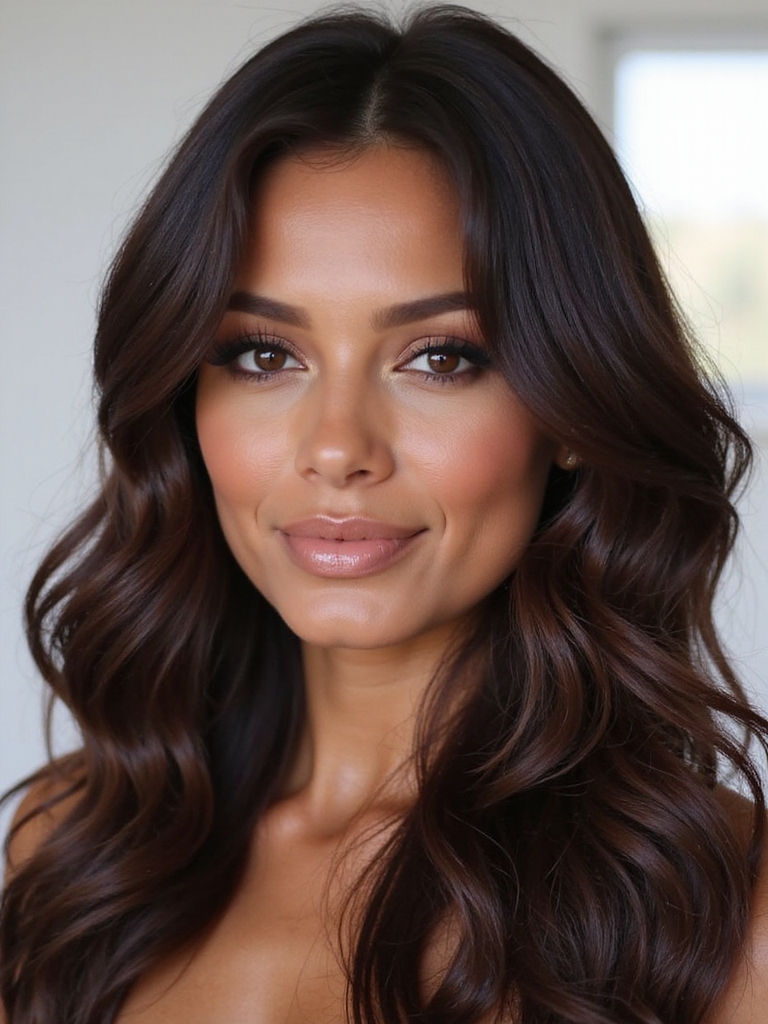
Sometimes the most flattering dimension is the kind you barely notice. Fine, subtle highlights only a shade or two lighter than the base give dark chocolate a soft, lit-from-within quality.
This understated approach keeps the color looking natural and intentional, minus the obvious stripe of bolder highlighting. It’s the choice for anyone who wants a little light without anyone asking if they colored their hair.
Dark Chocolate on Curly Hair

Curls and deep chocolate are a natural match. Every coil bends the light, so the rich color shows as glossy, multi-tonal depth instead of a flat wall.
Curly hair runs drier, though, and a dry coil swallows even a well-matched color no matter how rich it is.
Keep the curls conditioned and the color stays rich, with a little curl cream defining the shape so the depth shows at its best. This is one of my favorite colors to put on natural texture, since the depth seems to shift with every coil.
🅰️Highlights
Lighter caramel or warm-brown pieces add brightness and lift, breaking up the depth from the light side. Best if your brown looks flat.
🅱️Lowlights
Deeper pieces add richness and shadow without going lighter. Best if you want more depth, not more brightness.
Enhancing Layers With Chocolate Tones

Layers give dark chocolate somewhere to move. As the hair shifts, the layered ends catch the light and reveal the warm tones woven through the depth. Without that movement, very dark brown can sit heavy, so a layered cut and a deep chocolate color truly lift each other, the cut showing off the color and the color giving the layers richness.
- Layered ends catch light and reveal the warm tones
- Movement keeps very dark brown from sitting heavy
- The cut and the color improve each other
Sleek, Straight Dark Chocolate
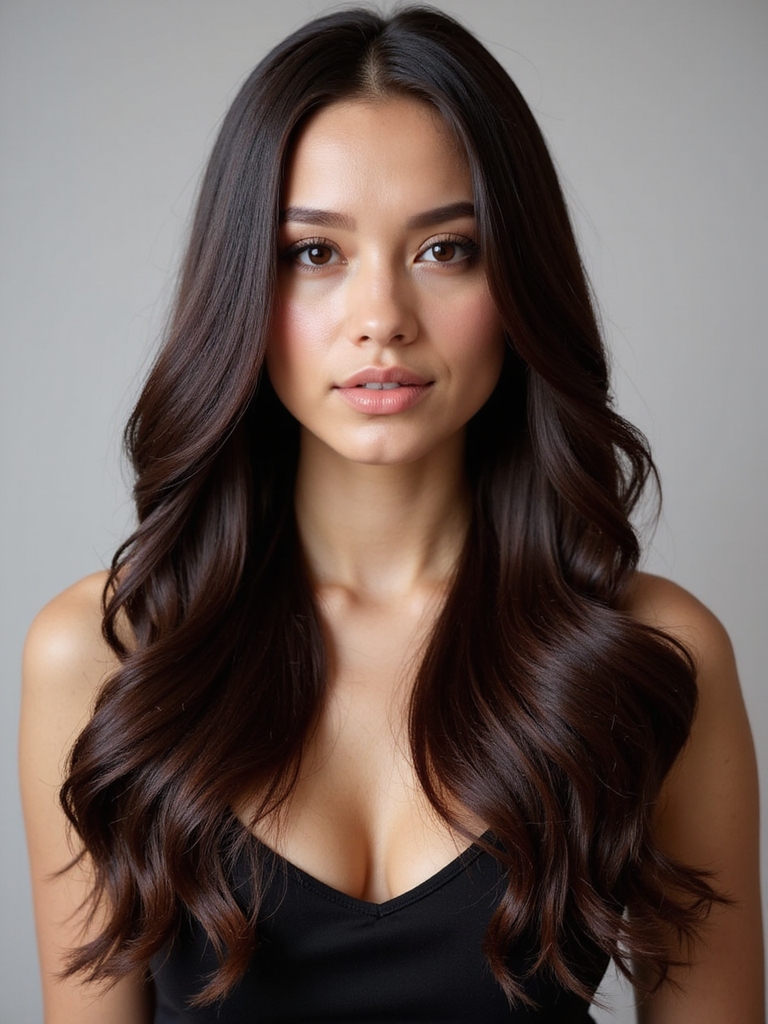
Worn poker-straight, dark chocolate turns almost reflective. The smooth surface bounces light back like glass. That is exactly where the color looks most polished.
A smoothing serum and a cool final rinse seal the cuticle, so the shine comes across sharp and editorial. I send sleek clients home with one rule: cool water, every wash. It is the sleekest, most expensive-looking way to wear deep brown.
One myth keeps people from going dark chocolate.
❌ Myth: Dark brown is flat and boring.
✅ Reality: Only when it is dull. With shine and a little dimension, dark chocolate is full of warm, multi-tonal depth. The flat ones are simply missing a gloss or a few caramel pieces.
❌ Myth: It is the same as black.
✅ Reality: It keeps a warm, faintly red core that black lacks. That warmth catches light and flatters skin in a way a cool black often cannot.
Dark Chocolate on a Pixie
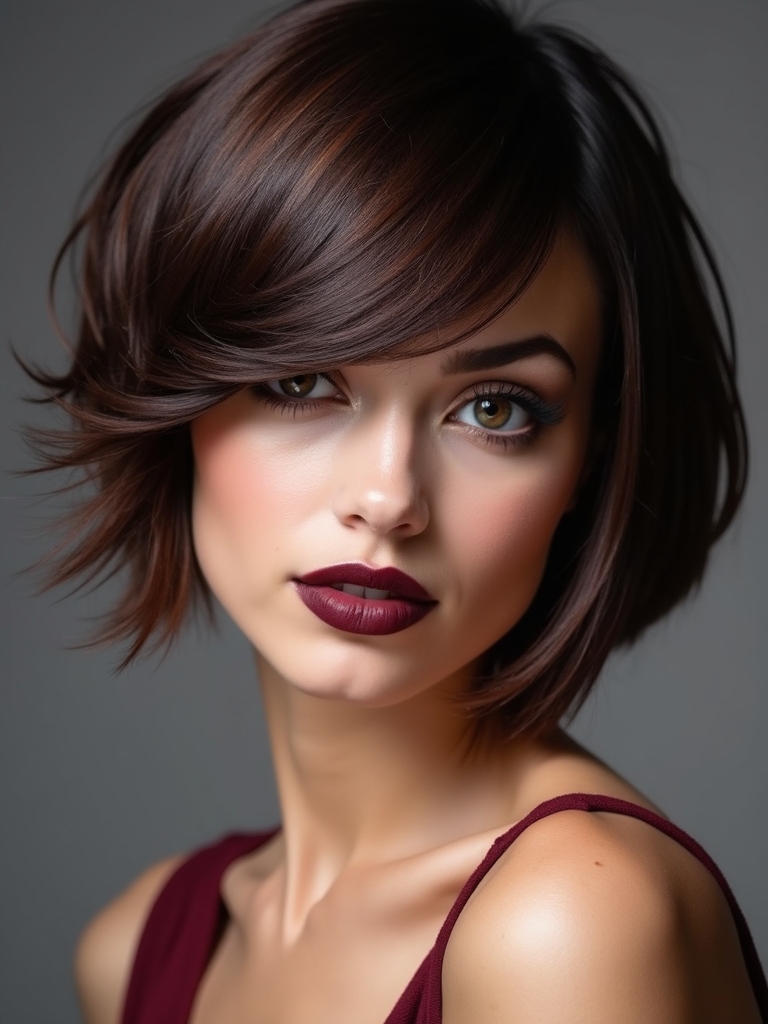
A pixie puts all the focus on color and shape, so a rich dark chocolate gives the crop real depth. The deep tone makes the sharp lines of the cut stand out.
Short hair needs little product, so the natural shine shows right through, and the regrowth stays soft since the color sits close to most natural bases. It is a low-effort way to wear deep brown bold.
- The deep tone sharpens the lines of the cut
- Little product, so natural shine shows through
- Soft regrowth, since it sits near most bases
Volume With Chocolate Waves
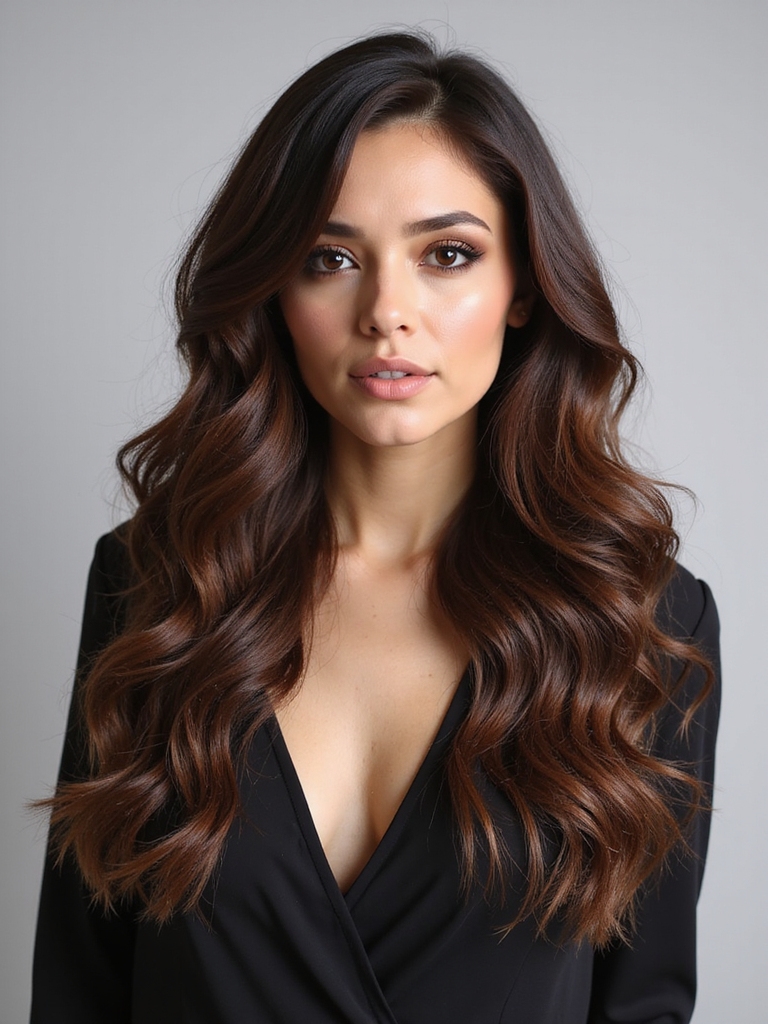
Waves are where dark chocolate gets its body and its glow at once. Each bend in the hair catches the light at a different angle, so the deep color looks full of movement.
Movement instead of highlights
Waves take a flat, one-length deep brown and make it look dimensional without any color work at all, doing the job a highlight would through movement alone.
A few minutes with a wand or a heatless overnight set is all it takes. Finish with a light-hold spray, since waves fall out of shape faster than a sleeker style would.
Dark Chocolate With Red Undertones
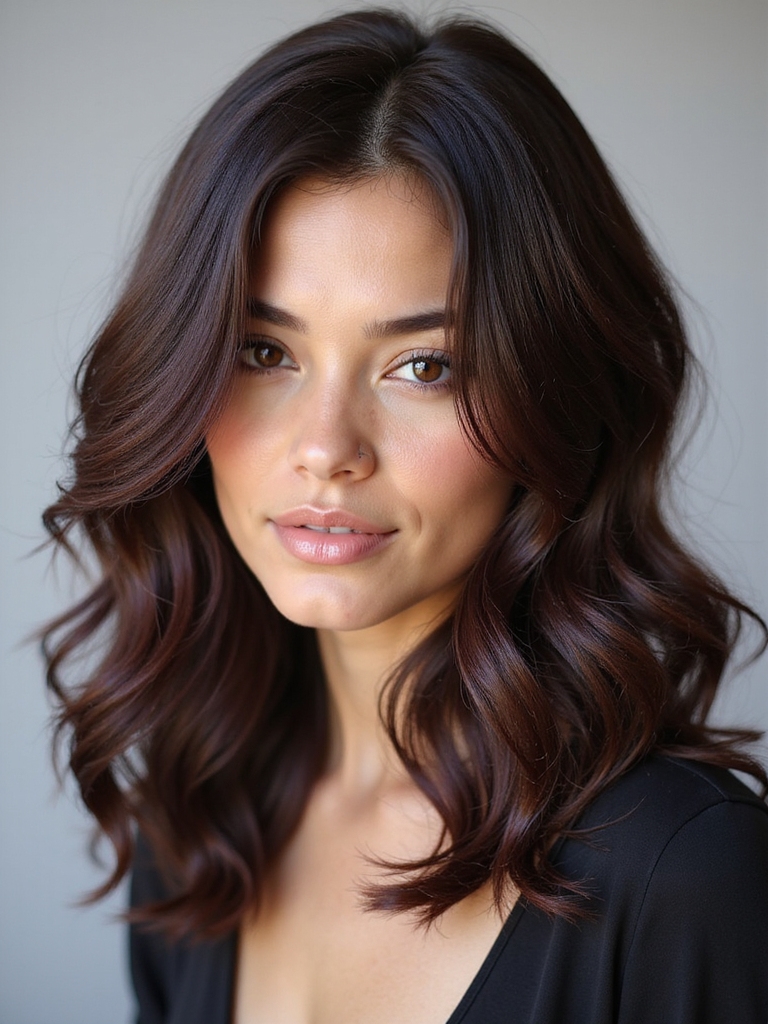
A faint red undertone is what gives dark chocolate its character, a warmth that glints when the light hits and tips the color toward the cozy end of brown. It is subtle. More of a glow than a true red.
Warm and neutral skin tones pick it up especially well, since the color echoes warmth already present in the complexion. Push the red a touch further and you land near a chestnut brown, a step warmer again.
Warm Chocolate Brown for Autumn

Dark chocolate brown is the shade people picture the moment the weather turns. The warm, cozy depth feels right against autumn light and a heavy knit. My color books fill with it every September, and I never tire of mixing it.
You do not need a new color for the season, either. A warm gloss can nudge an existing deep brown toward chocolate for a few weeks, the affordable way to feel current without a full service.
Staying Fresh With a Gloss
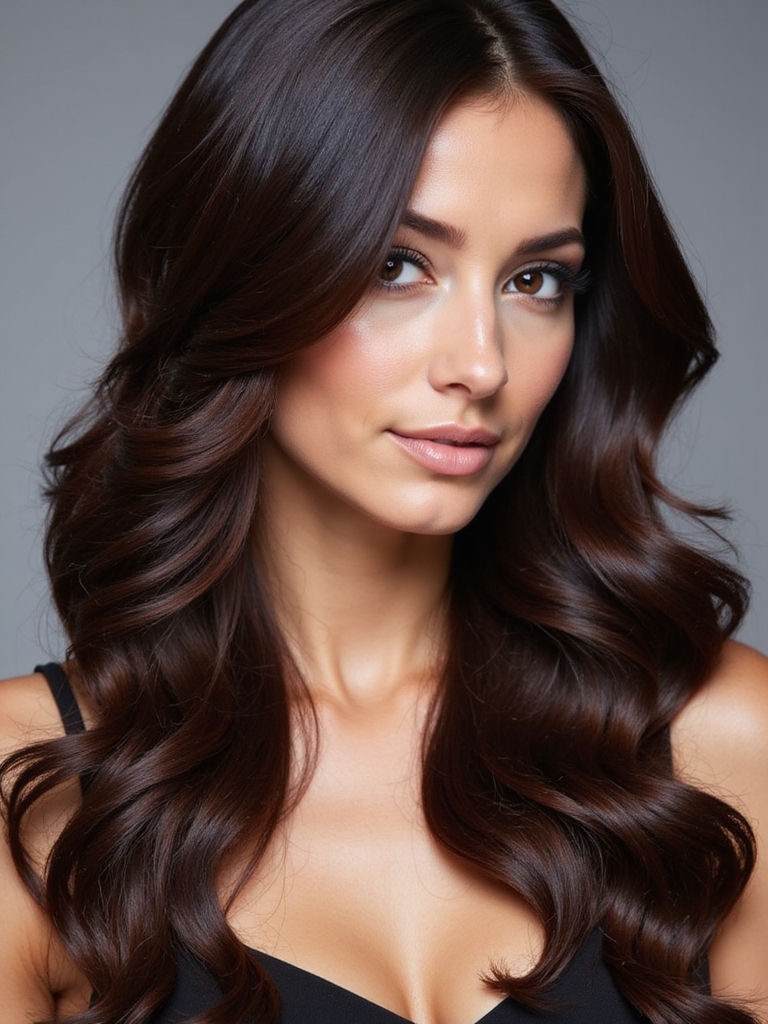
If one service keeps dark chocolate looking expensive, it is a gloss. The color depends on shine, and a gloss or clear glaze restores the mirror finish that washing slowly strips away. It also refreshes the warm tone, so the chocolate never drifts dull or ashy. A salon gloss runs about $40 to $80 and takes twenty minutes, and I tell every deep-brown client to book one between full colors rather than waiting for the whole color to fade.
- Restores the mirror shine washing wears away
- Refreshes the warm tone so it never drifts dull
- A 20-minute, $40 to $80 service between colors
Dark Chocolate Maintenance
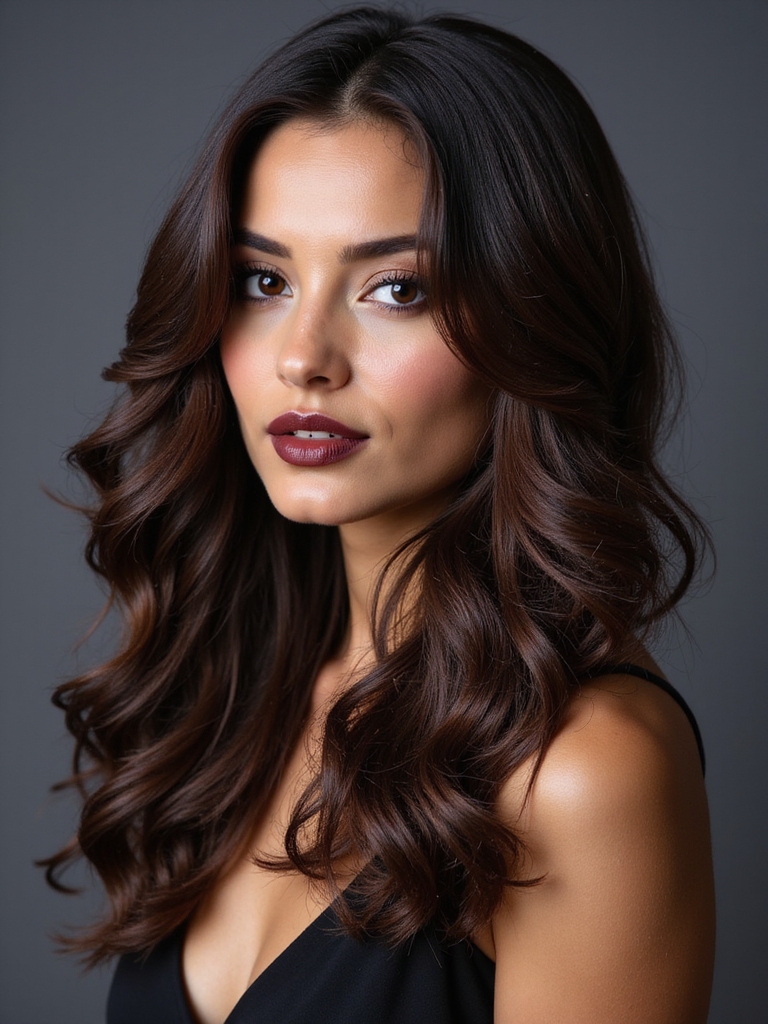
Dark chocolate is low-maintenance for the color itself but high-reward for the care put in around it. The habits that protect it are simple and worth doing. Most of the work is keeping the cuticle smooth and the hair hydrated, so the color reflects light instead of scattering it.
- Wash cool with a color-safe, shine-boosting shampoo
- Deep condition weekly to keep the surface smooth
- Trim dry ends, since they dull the whole color first
Accessories for Dark Chocolate
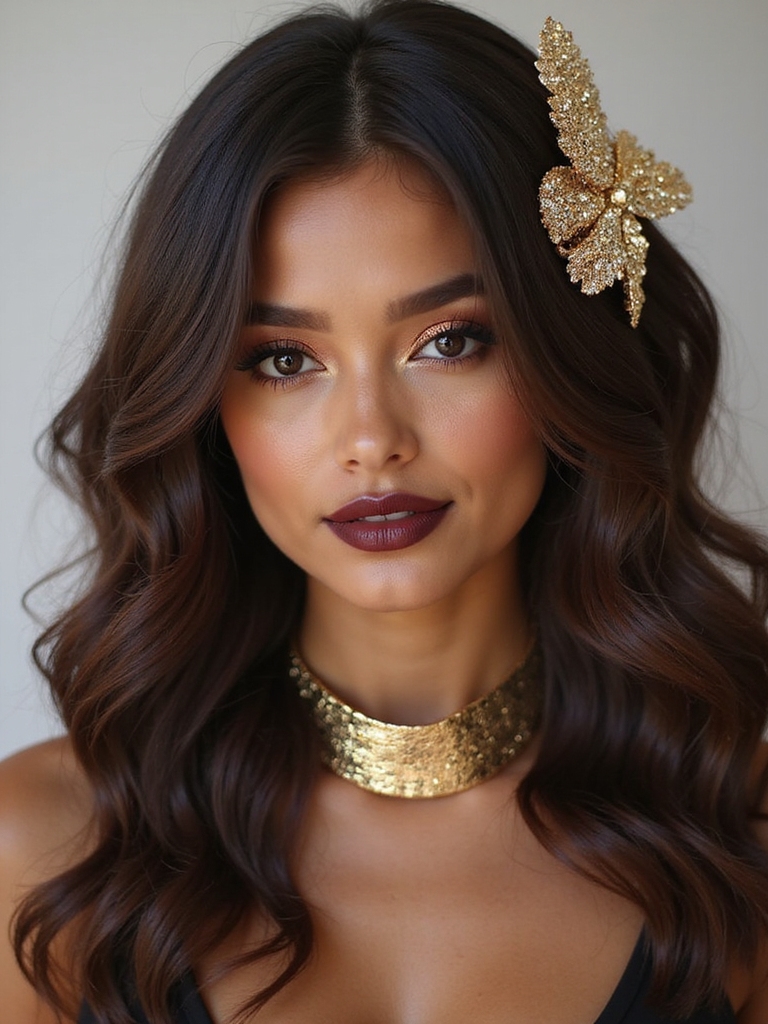
Dark chocolate’s warmth pairs best with warm-toned accessories that pick up the red in the color. Gold jewelry, tortoiseshell clips, and earthy, autumnal shades all complement the depth, while cool silver can fight the warmth a little. It is a shade that loves a warm palette, both in what you wear and in the metals you reach for.
- Gold and tortoiseshell echo the warm depth
- Earthy, autumnal colors complement it best
- Cool silver can fight the warmth slightly
Dark Chocolate on Braids
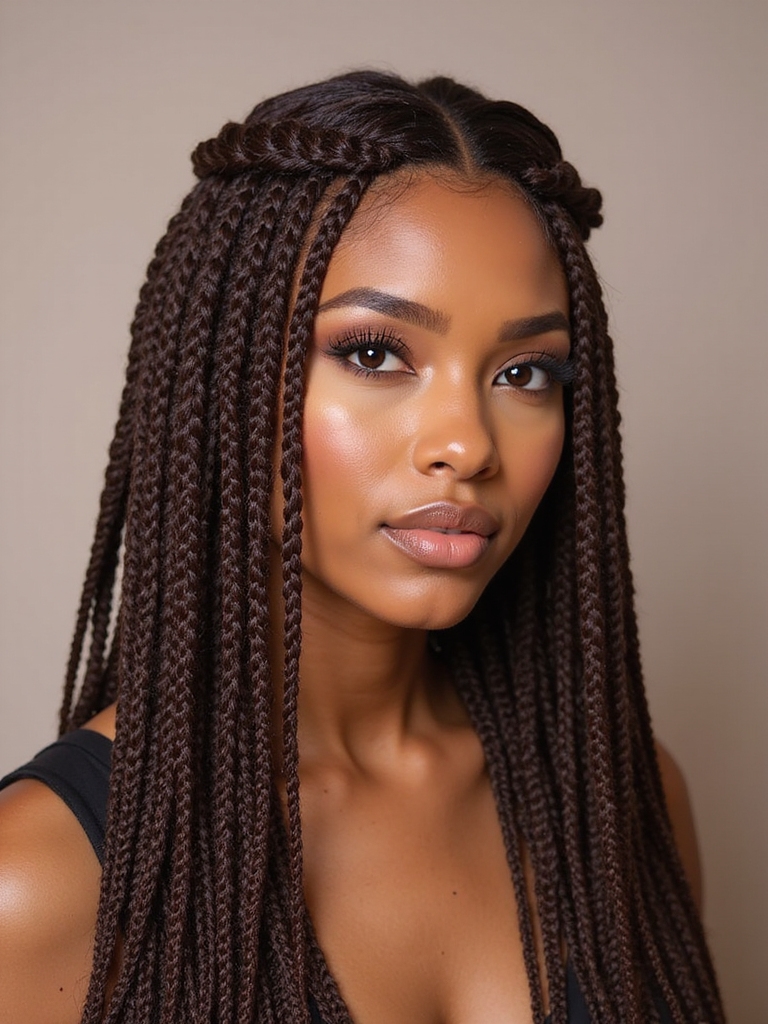
Braids show dark chocolate off where the strands cross and the depths catch the light, turning a single deep brown into a woven play of light and shadow. The texture of a braid does what dimension would, revealing the warm tones as the plait moves.
On natural and textured hair especially, braids and twists frame the rich color beautifully. Keep the hair moisturized so the deep brown stays glossy rather than dry through the style.
Dark Chocolate Looks to Inspire
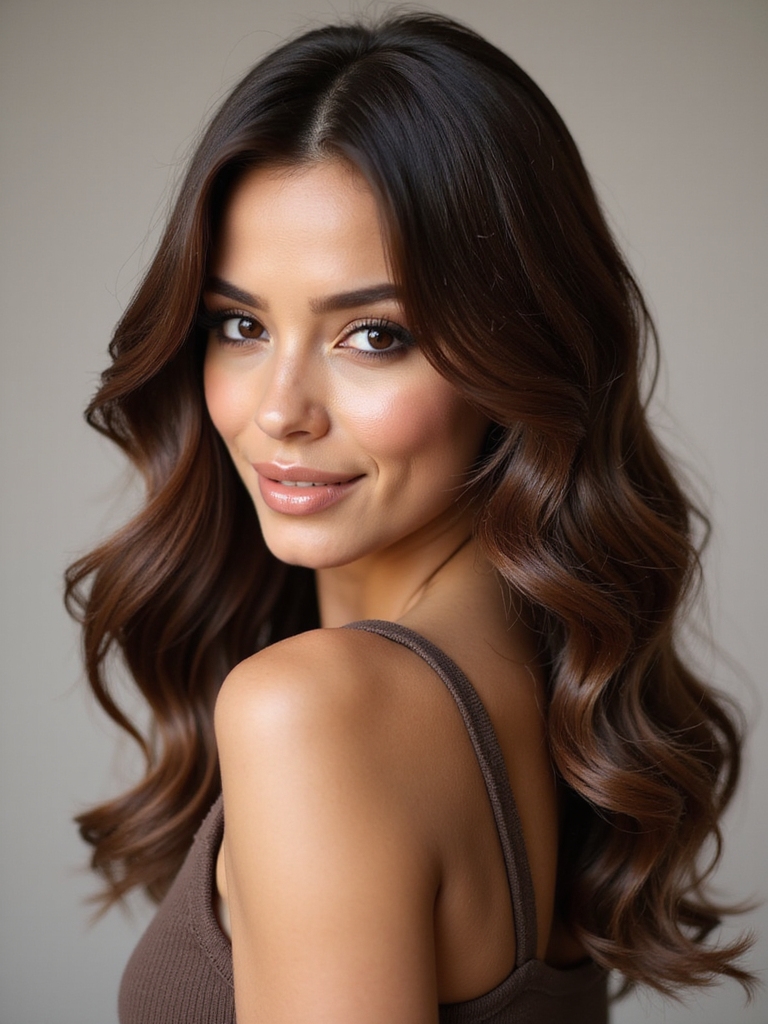
Dark chocolate covers a real range, from a near-espresso depth to a warmer, redder cocoa, and deciding which end actually appeals matters more than the number of references gathered. A tight, well-chosen set keeps a consultation focused in a way a scattered pile of mixed shades never does.
- Decide near-espresso versus a warmer, redder cocoa first
- Three or four references beat twenty mixed ones
- Note whether the warmth reads more brown or more auburn
Seasonal Dark Chocolate
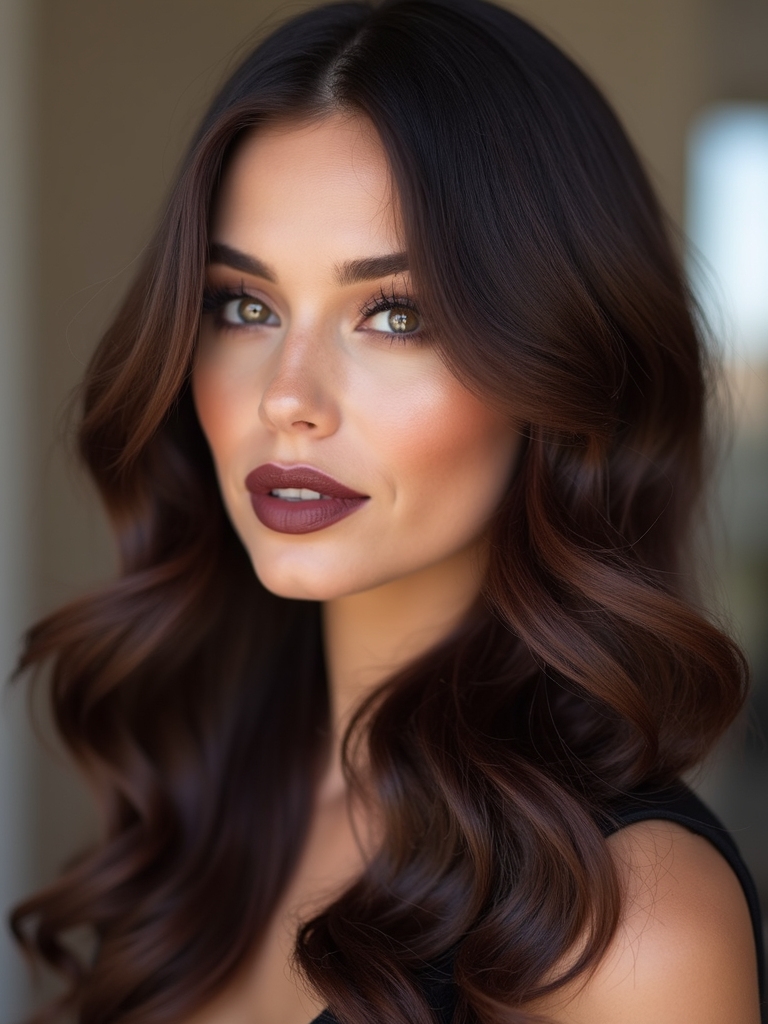
Dark chocolate flexes with the seasons without a full color change. In autumn and winter, a warmer, redder chocolate feels cozy and rich; in spring and summer, a slightly cooler, lighter cocoa feels fresher.
A gloss is the lever for all of it, nudging the warmth up or down for a few weeks at a time. It is the cheapest way to keep deep brown feeling current as the year turns.
- Warmer, redder chocolate for autumn and winter
- Cooler, lighter cocoa for spring and summer
- A gloss shifts the warmth without a full color
A DIY Shine Mask
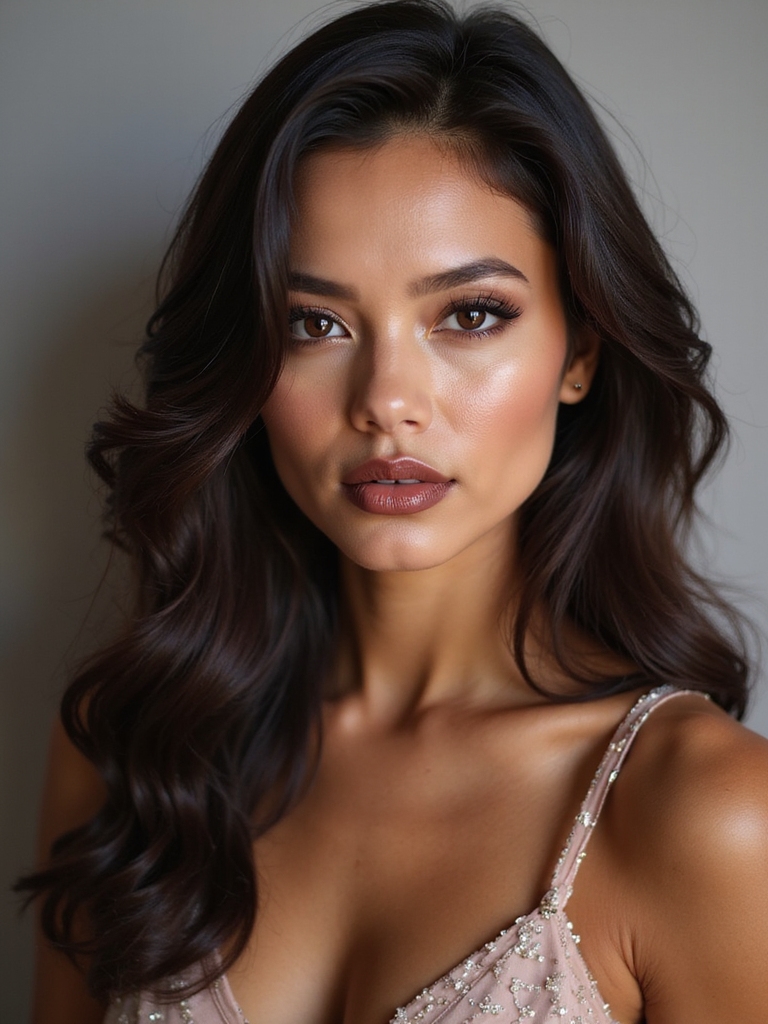
Between salon glosses, a weekly at-home mask keeps dark chocolate gleaming. A rich, color-safe conditioning mask smooths the cuticle so the hair reflects more light.
Cocoa-based and deeply hydrating masks suit the shade especially, adding slip and shine without lightening or altering the tone. Leave it on ten minutes under a warm towel for the best result.
Finish with a cool rinse to seal the cuticle. It is the simplest habit that keeps deep brown from ever looking dry or dull between professional services.
How to Ask Your Stylist
The single most useful thing you can do is be specific about depth and warmth. Dark chocolate ranges from near-espresso to a warm cocoa, so tell your colorist where on that scale you want to land, and bring two or three photos shot in good light, since the warm tone only shows when the light catches it. Say your skin’s undertone out loud too, because that decides how deep the color can go before it overwhelms your face.
Then ask the practical questions. Find out whether your idea needs any lifting (most deep chocolates do not, which keeps it cheap and healthy), how often you will need a gloss to hold the shine, and whether dimension like caramel lowlights would suit your hair.
A full color usually runs $70 to $150 with a couple of hours in the chair, plus a gloss every few weeks at $40 to $80. Clear answers up front are how you walk out with the rich, glossy brown you pictured.
Dark Chocolate Brown Questions, Answered
?How is dark chocolate brown different from black?
It keeps a warm, faintly red core, while black is a flat, cool absence of tone. That warmth catches light and flatters skin, which is why most people are better suited to a deep warm brown than a true black.
?Why does my dark brown look dull?
It is almost always shine, not the color. Deep brown depends on a smooth, reflective cuticle, so without a gloss and good conditioning it scatters light and looks flat. A gloss and a weekly mask usually fix it fast.
?Does dark chocolate need bleach?
Rarely. Because it sits close to most natural bases, it deposits with little or no lifting, which keeps the hair healthy and the cost low. Only adding lighter caramel dimension involves any lightening.
Deep, Warm, and Glossy
Dark chocolate brown gives you the drama of dark hair with a warmth that black never has. Keep it glossed and conditioned, add a little dimension if it ever looks flat, and match the depth to your skin, and it stays rich and luminous in any light.
Pick the warmth that suits your complexion, lean on a gloss to hold the shine, and wear it with a little wave or layer to show the depth. Save the chocolate you love, and bring it to your next consultation.
Worth a Look