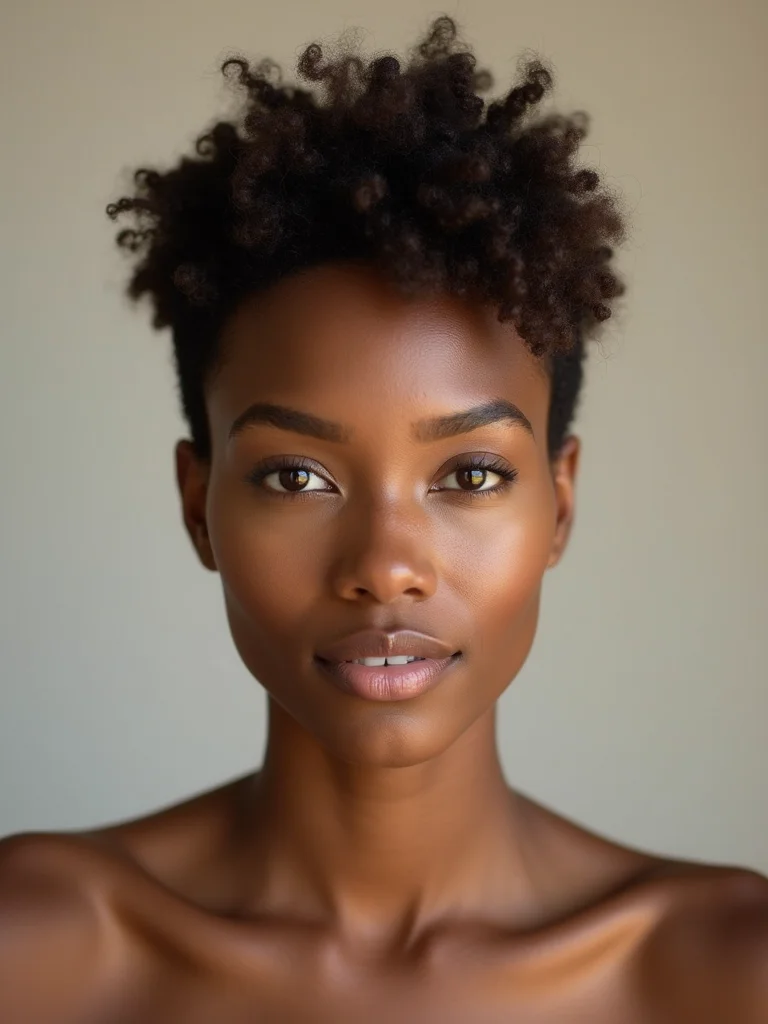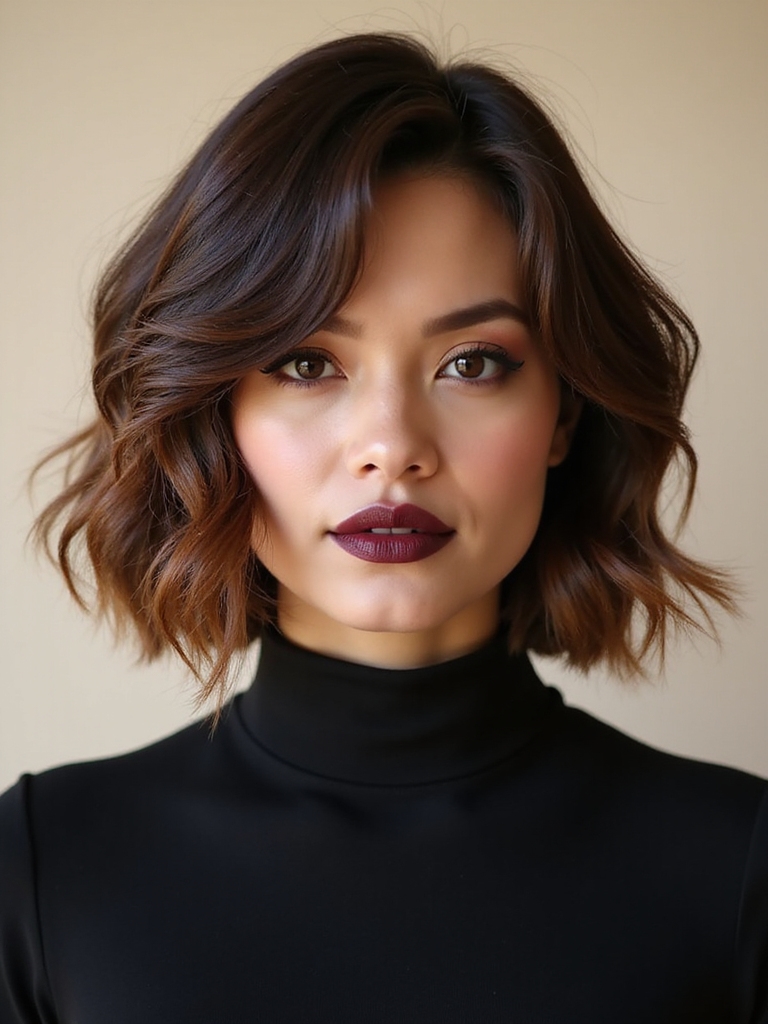
A client with fine hair once told me she had spent years teasing and spraying to fake fullness, when all she really needed was the right cut. We took her to a blunt chin bob, and she walked out with hair that looked twice as thick, with no extra product at all. That is the quiet magic of a bob on fine hair: the cut does the volumizing for you.
Fine hair is not the same as thin hair. Fine means each strand is slender, so the key is to keep weight where it counts and let the shape build density. Below are fifteen bobs that do exactly that, each with how it creates fullness, how to style it, and the one mistake to avoid.
Volume Rules for Fine Hair
- A blunt, one-length cut is the single most volumizing thing you can do, since it keeps all the weight at the ends and looks like solid density.
- Go easy on layers: a few soft ones add movement, but heavy layering thins fine ends out and works against you.
- Most of the volume is in the styling: lift at the roots, a side part, and a cool-air blast do more than any product.
- Keep it short to mid; chin to collarbone holds fullness, while long fine hair drags flat under its own weight.
Chin-Length Blunt Bob for Maximum Density
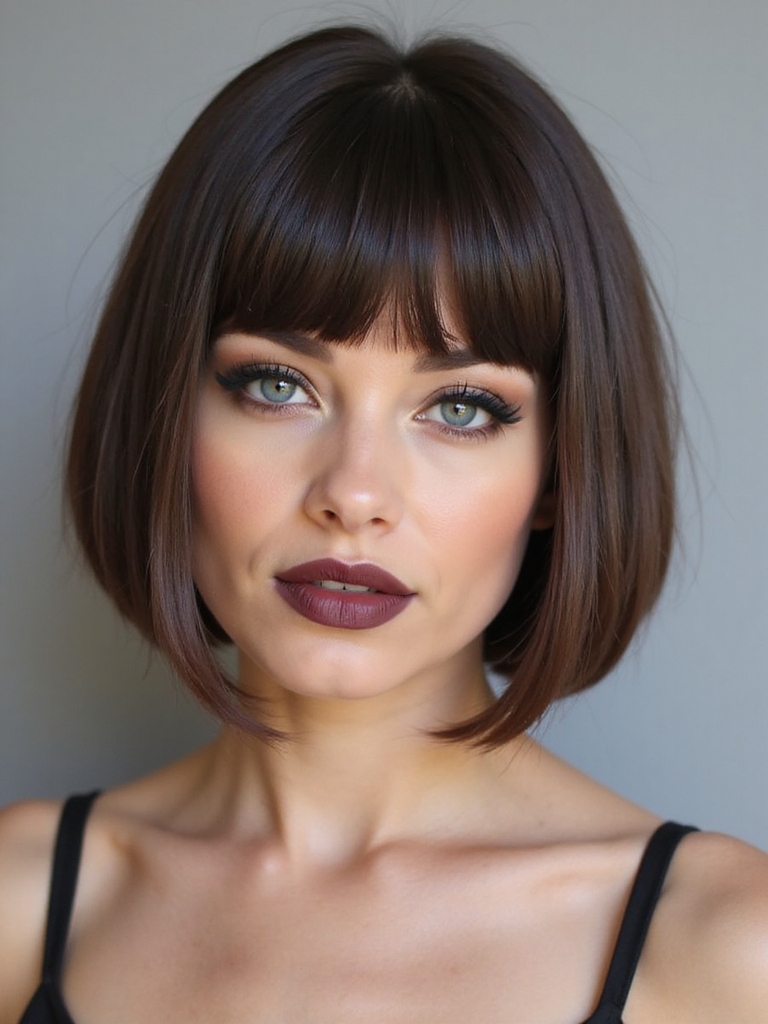
If you do one thing for fine hair, make it a blunt chin-length bob. Cutting to a single length with a clean, sealed edge keeps every strand the same length, so all the weight gathers at the bottom and the hair looks like a solid, dense block. Nothing fakes thickness better. It is the first cut I reach for when a fine-haired client wants real fullness.
Chin length is the sweet spot, short enough that the hair is not dragged flat by its own weight, long enough to frame the face. The catch is that a blunt line shows growth, so a trim every five to six weeks, around $50-90, keeps it crisp.
- Why it works: one length concentrates the weight into visible density.
- Avoid: layers, which would scatter the weight you are trying to keep.
- A flat iron and a light serum seal the blunt line glossy.

Textured Lob With Soft Waves
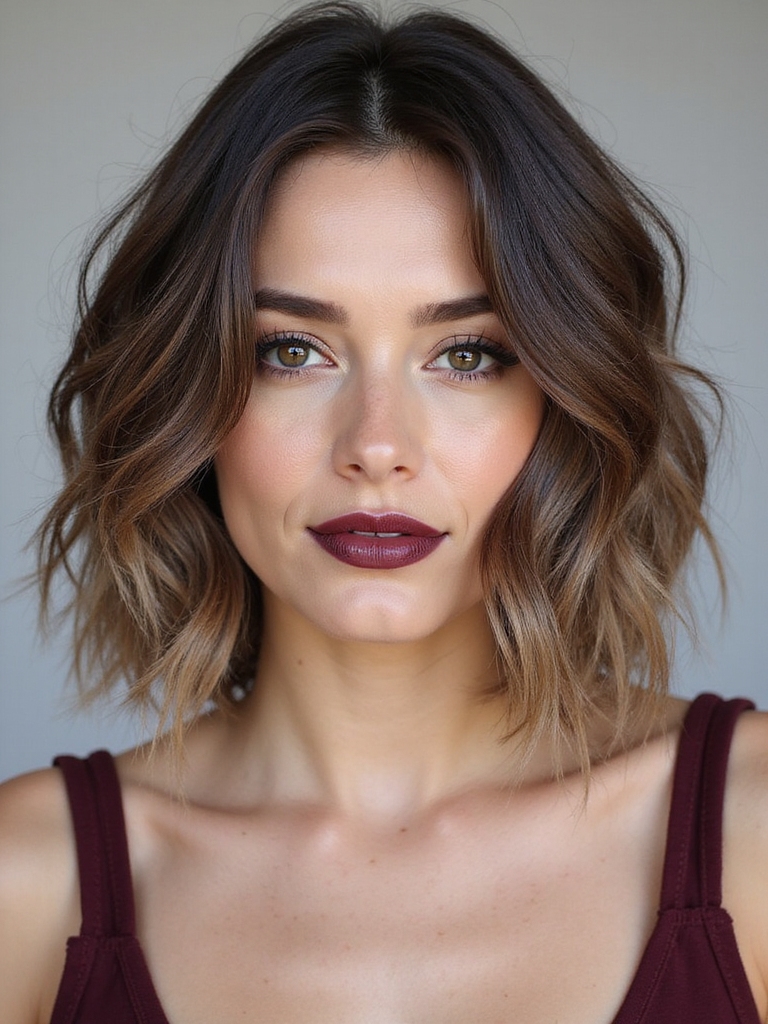
A textured lob sits at the collarbone with a soft, broken-up finish, and the texture is doing the heavy lifting for fine hair. A wave bends each strand so it takes up more space, which instantly looks like more hair.
Keep the lob no longer than the collarbone, since fine hair past that point gives in to gravity and falls flat. A few invisible layers add to the movement without thinning the ends.
A sea-salt spray and a quick scrunch build the wave; the rougher and more undone, the fuller it looks. Resist smoothing it out, which flattens the volume you just built.
Two fine-hair myths worth clearing up first:
❌ Myth: Fine hair means thin, balding hair.
✅ Reality: Not at all. Fine describes the width of each strand, not how many you have. Plenty of fine-haired people have a full head of hair; the strands are just slender, which is why the right cut matters so much.
❌ Myth: Layers always add volume.
✅ Reality: Only the right ones. Heavy, all-over layers remove weight and leave fine ends looking wispy. Internal or perimeter-only layers add movement while keeping the density you need.
Classic French Bob With Airy Bangs
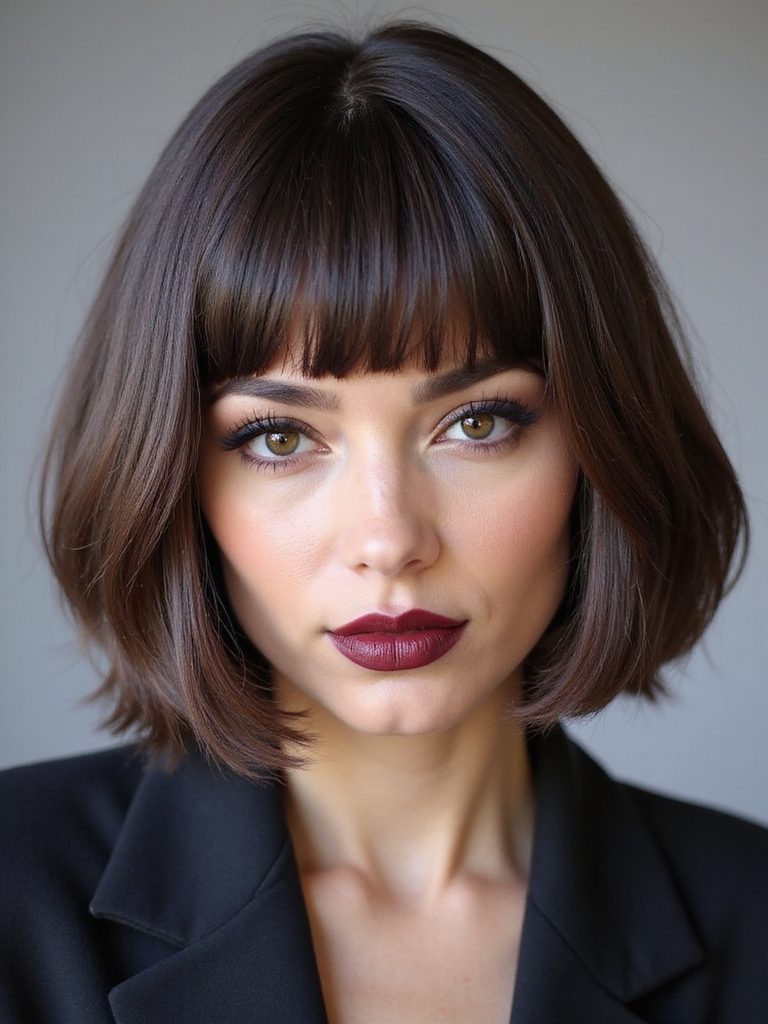
The French bob is fine hair’s friend, since its short, jaw-skimming shape keeps weight high and the airy bangs draw the eye up rather than down to thinner ends. It looks chic with almost no effort, which is its whole charm.
The light, see-through fringe is the detail that makes it, framing the face without adding heaviness. It flatters most faces and grows out softly.
- Why it works: a short shape keeps weight up high where fine hair holds fullness.
- Style with a rough-dry and your fingers; skip the flat iron.
- See our French bob for fine hair guide for the full breakdown.
Stacked Bob for Back-of-Head Volume
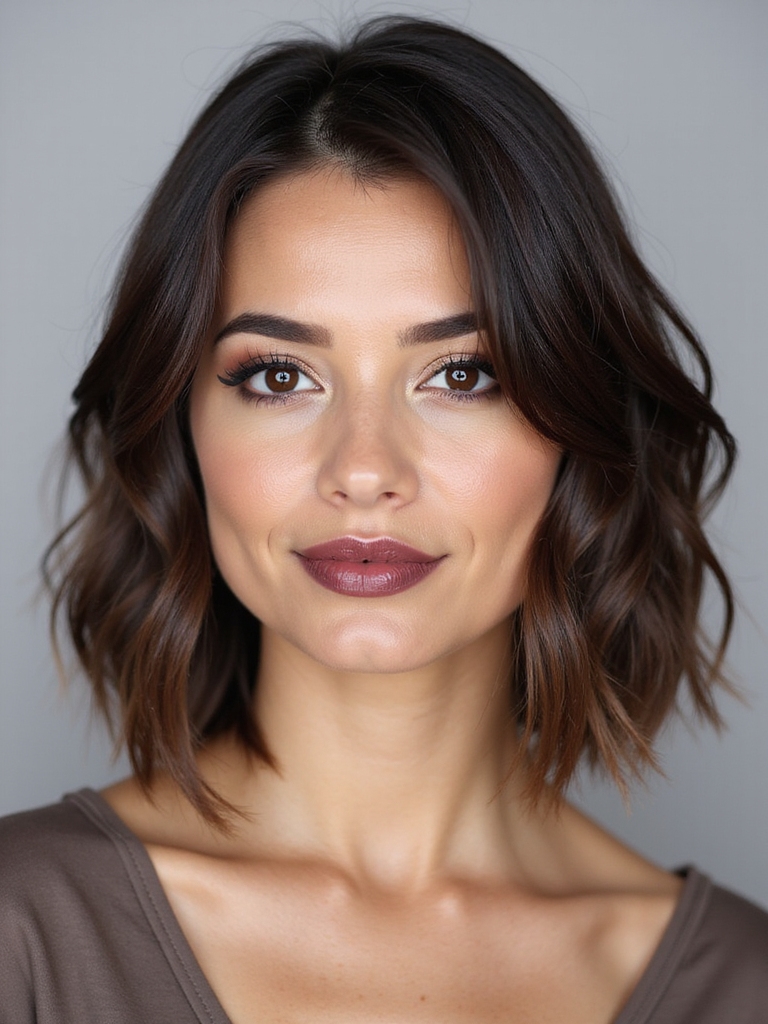
A stacked bob graduates the back into short, layered sections that lift and round out, building volume exactly where fine hair tends to go flattest, at the crown and back. The stacking props the hair up instead of letting it lie limp against the head.
It is among the most reliable ways to fake fullness on fine hair, since the shape creates the lift so you do not have to tease for it. A round brush curving the back under sets the volume, and it needs a trim every six weeks to hold the graduation.
👍A blunt bob on fine hair
- +Concentrates all the weight into visible, solid density.
- +Reads as thicker hair with zero added product.
- +Simple to style with a flat iron or a round brush.
👎Watch out for
- –Shows growth fast, so it needs a trim every five to six weeks.
- –Can look heavy or blocky without a whisper of perimeter movement.
- –Needs healthy ends, since the line shows every split or frayed tip.
A-Line Bob to Lift Fine Strands

An A-line bob runs shorter at the back and longer toward the face, and that built-in graduation gives fine hair lift at the crown while the longer front pieces frame the face. The angle keeps the back from sitting flat, which is fine hair’s biggest tell.
It is a flattering, modern shape that works on most faces, and the forward angle slims and lengthens at the same time. Keep the layers gentle so the front pieces stay full rather than wispy.
- The payoff: graduation lifts the back where fine hair goes limp.
- Keep the front length blunt-ish so it does not thin to a point.
- See more A-line bob shapes for inspiration.
Collarbone Bob With Face-Framing Layers

A collarbone bob is the longest length fine hair can carry before gravity wins, and a few face-framing layers around the front keep it from looking flat and one-note. The key is that the layers stay light and stay near the face, so the bulk of the length keeps its weight. Here is how to keep it full:
- Ask for face-framing layers only, not all-over layering that thins the ends.
- Keep the length right at the collarbone, no longer, so it holds body.
- A round brush bends the framing pieces back for soft, full movement.
How to blow-dry a fine bob for lasting volume:
1Prep at the roots
Work a volumizing mousse or root spray into damp roots only, where the lift needs to happen, and keep heavy product off the lengths.
2Dry upside down or against the part
Flip your head over, or aim the dryer up at the roots from underneath, to lift the hair away from the scalp before you shape it.
3Set it cool
Finish each section with a blast of cool air. The cool-down is what locks the volume in, so skipping it is why fine hair falls flat by noon.
Micro Bob With Tucked Ends
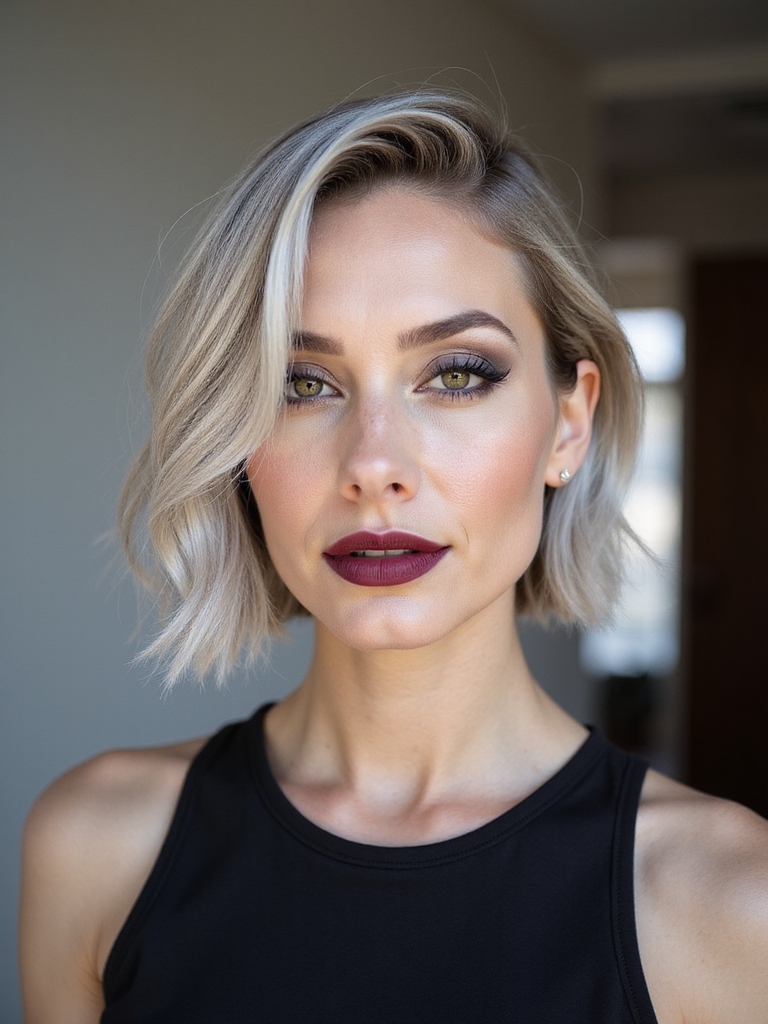
A micro bob crops the hair above the jaw and tucks the ends under, which packs all of fine hair’s weight into a short, dense shape. Short wins here. The less length there is, the less can fall flat, so a micro bob looks surprisingly full.
It is bold and modern, and it suits anyone happy to commit to a short, sharp line. The tucked-under ends do the work, giving the bottom a rounded, full finish, and a quick trim every four to six weeks keeps the precise shape.
Shattered Bob With Feathered Ends

A shattered bob is point-cut into soft, feathered, separated ends, which sounds counterintuitive for fine hair but works because the separation creates more visible pieces. More pieces look like more hair.
The trick is that the feathering is light and stays near the ends, so it adds texture without removing the weight that gives fine hair its body. Done heavy-handed, it would thin the hair out, so this is one to leave to a stylist who understands fine textures.
A texture spray brings out the piecey separation; a little goes a long way before it tips from full to stringy.
ℹ️Good to Know
Most of a fine bob’s volume comes from the cut and the dry, not from product. Piling on mousse and spray usually backfires, weighing fine hair down until it sits flatter than before. A pea-sized amount at the roots plus a cool-air finish almost always beats a heavy hand.
Curved Under Bob for Polished Fullness

Curving the ends under is an old-school move that still works beautifully on fine hair: rounding the bottom inward gives the bob a full, polished shape that holds its body all day. It is the classic blow-out bob. On camera it reads thick and healthy.
The curve adds the illusion of volume at the perimeter, where fine hair usually thins out to a wispy edge. It does take a few minutes with a round brush, so it suits anyone who does not mind a short morning routine.
- The payoff: a rounded edge looks fuller than a flat, wispy one.
- Use a medium round brush and finish with a cool-air blast to set the curve.
- A volumizing mousse at the roots before drying makes the body last.
Side-Parted Bob to Create Instant Lift

The fastest way to add volume to fine hair costs nothing: switch to a deep side part. Pushing the hair across to one side forces it up and over at the root, building instant lift exactly where fine hair lies flat, and it works on any bob you already have.
The deeper the part, the more lift you get, since you are training the hair against its natural fall. It is the free upgrade I suggest most to fine-haired clients, because they can try it tomorrow morning before they ever book a cut.
Wavy Bob With Invisible Layers

Invisible layers are cut into the interior of the hair where they cannot be seen from outside, so they remove a little bulk and add internal movement without touching the full, blunt perimeter that fine hair needs. Paired with a soft wave, the effect is body without any visible thinning.
It is the best of both worlds for fine hair: the outline stays dense and solid, while the hidden layers let a wave actually form and hold. A wand and a texture spray bring the wave to life.
- Why it works: internal layers add movement while the perimeter stays full.
- Ask specifically for invisible or internal layers, not surface layering.
- Wave it loosely; the bend is what creates the volume.
Tousled Bob With Curtain Bangs

A tousled bob with curtain bangs softens the whole look while the bangs add a clever bit of volume at the front. Curtain bangs are styled with a little lift at the root, so they bring height and movement right where the face needs framing.
The tousled finish on the rest of the bob keeps everything looking full and undone rather than flat and sleek, which is the goal for fine hair. The bangs also draw the eye up and forward, away from any thinner ends.
Blow the bangs back and out with a round brush for root lift, then rough-dry the lengths for texture.
Graduated Bob With Subtle Stacking

A graduated bob layers the back in fine, stacked increments that build a soft, rounded lift, a gentler version of the stacked bob with the same volumizing payoff. The graduation is subtle, so it looks like natural fullness, not an obvious style.
Choose it over the stacked bob when you want the lift but not the obvious shape: where the stacked version is rounded and noticeable, this one stays soft and undetectable, just quietly fuller. A round brush works the graduated back under, and a root spray holds the lift through the day.
Blunt Bob With Whisper Layers at the Perimeter

This is the compromise cut for fine hair that wants both density and a little movement. The body stays blunt to hold its weight, while whisper-light layers are added only at the very perimeter to soften the edge and keep it from looking blocky.
It gives you the density of a blunt bob with just enough motion that the ends do not sit like a solid wall. The whisper layers are so subtle they never thin the hair, which is the whole point.
Because the weight stays in the cut, it styles much like a blunt bob: a flat iron for sleek, or a round brush for soft, rounded body.
Asymmetrical Bob for the Illusion of Thickness
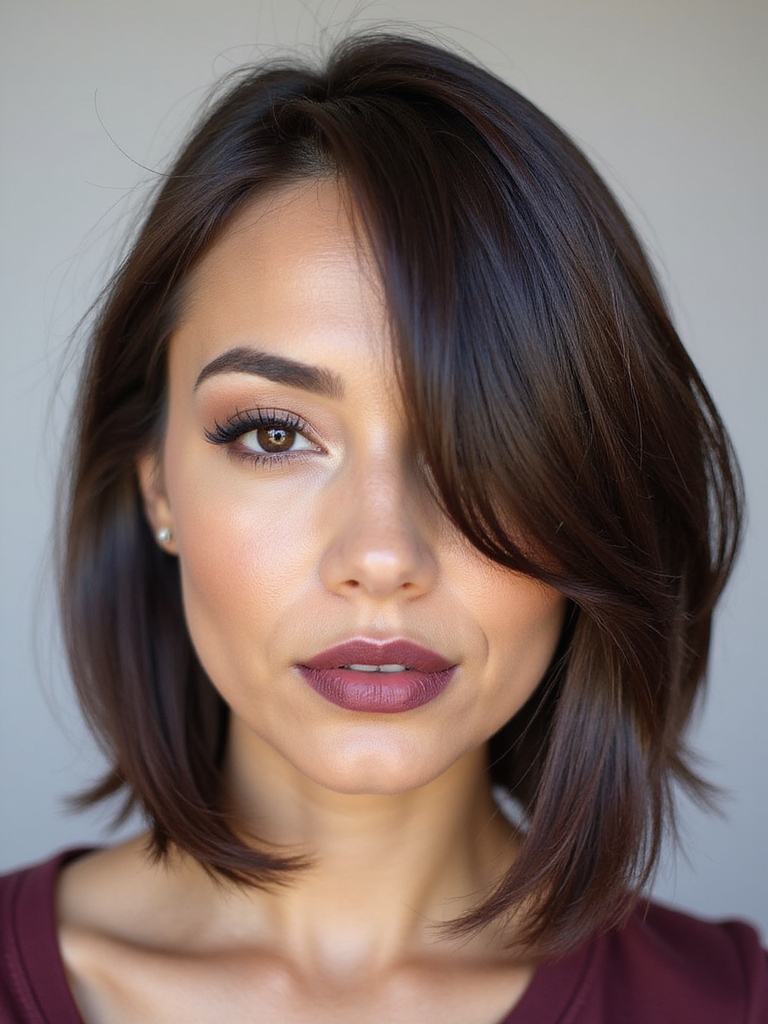
An asymmetrical bob runs longer on one side, and that uneven line is a clever optical play for fine hair: the contrast between the two lengths draws the eye and suggests more hair than there is. Call it fullness by illusion.
It is the most fashion-forward option here, and a deep part on the longer side adds root lift on top of the asymmetry. Keep both sides blunt at the ends so neither thins to a wispy point.
- The effect: contrasting lengths fool the eye into seeing more volume.
- Pair it with a deep side part for extra lift on the longer side.
- Keep the ends blunt so the asymmetry stays sharp, not stringy.
Fine Hair Bob Questions
?Is a blunt or layered bob better for fine hair?
Blunt, almost always. A one-length cut keeps the weight at the ends and reads as solid density, while heavy layering scatters that weight and thins fine ends. If you want movement, ask for invisible internal layers or whisper layers at the perimeter only.
?How short should fine hair go for the most volume?
Chin to collarbone is the range that holds fullness. Shorter, like a chin or micro bob, keeps weight high and looks densest; right at the collarbone is the longest fine hair can go before gravity flattens it. Past that, length works against you.
?What is the fastest way to add volume to a fine bob?
Switch to a deep side part. It forces the hair up at the root for instant lift and costs nothing. After that, a volumizing mousse at the roots, drying upside down, and a cool-air finish give the most lasting body.
?Does fine hair mean I am going bald?
No. Fine refers to the thinness of each individual strand, not how many strands you have. Many people with fine hair have plenty of it; the strands are simply slender, which is why cut and styling make such a difference.
?How often does a fine-hair bob need trimming?
Every five to six weeks for a sharp blunt or micro bob, since the precise line shows growth quickly. A softer, graduated, or collarbone version can stretch a little longer, but regular trims keep the ends from fraying and looking thinner.
Your Fullest Hair Starts at the Cut
The reason a bob does so much for fine hair is that fullness is built, not bought. The right length keeps weight from dragging the hair flat, a blunt or near-blunt line concentrates density, and smart layering, internal or perimeter-only, adds movement without thinning the ends. The styling does the rest.
Pick the version that fits your face and how much time you want to spend in the morning, then lean on root lift, a side part, and a cool-air finish to keep it full. Save the looks that caught your eye, bring them to a stylist who works with fine hair, and ask them to keep the weight where it counts.
Don’t Miss These