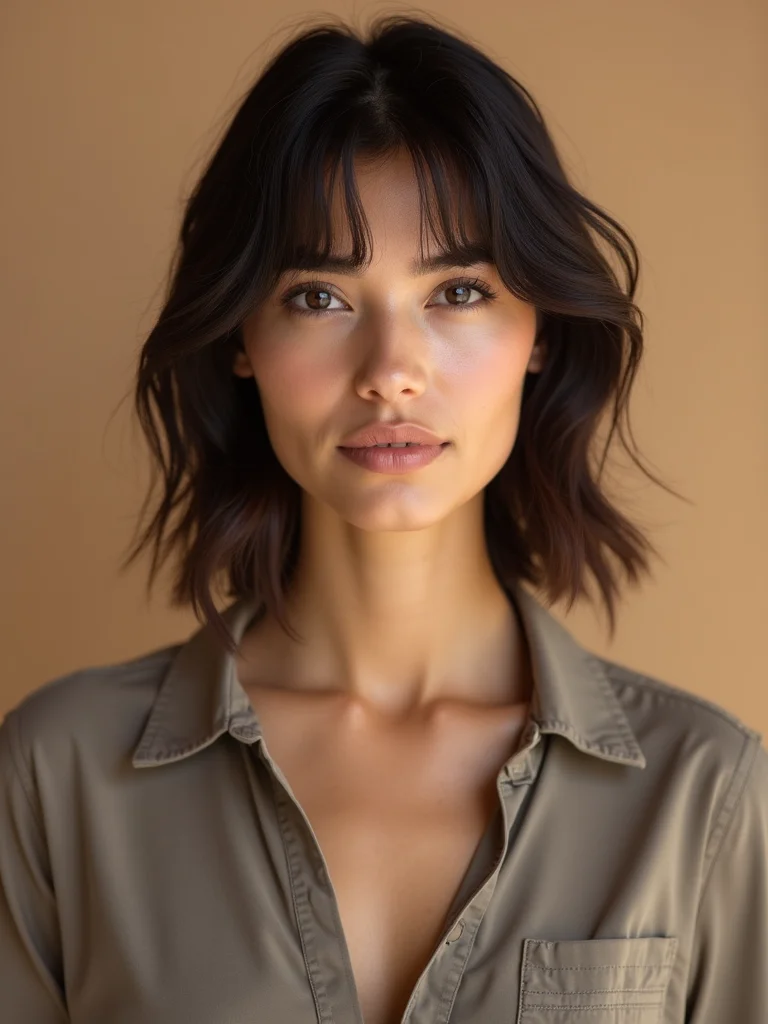
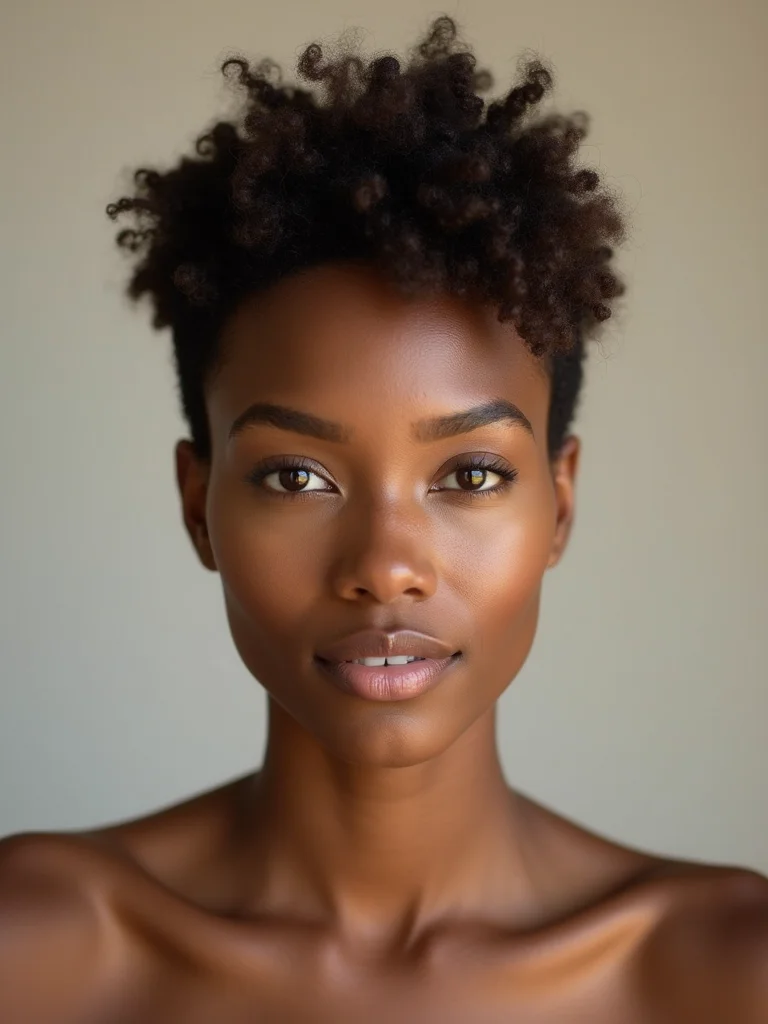
Turn your head and a well-cut long layered bob should move with you instead of sitting like a stiff curtain — that gap is the single biggest complaint people have about a plain bob.
A long layered bob keeps the length you already like while layers do the work of adding body, bend, and shape. The fifteen looks below cover the cuts, the color, and the styling that go with them, with honest notes on what suits which hair type and what each one expects from your morning routine.
Long Layered Bob at a Glance
| Layer Style | Best Suited To | Effort Level |
|---|---|---|
| Shoulder-grazing layers | Almost any texture | Low |
| Whisper layers under a blunt edge | Thick, heavy hair | Medium |
| Invisible internal layers | Fine hair wanting volume | Low |
| Shattered layers | Wavy or naturally textured hair | Low |
| Graduated weight removal | Curly hair | Medium |
Shoulder-Grazing Layers
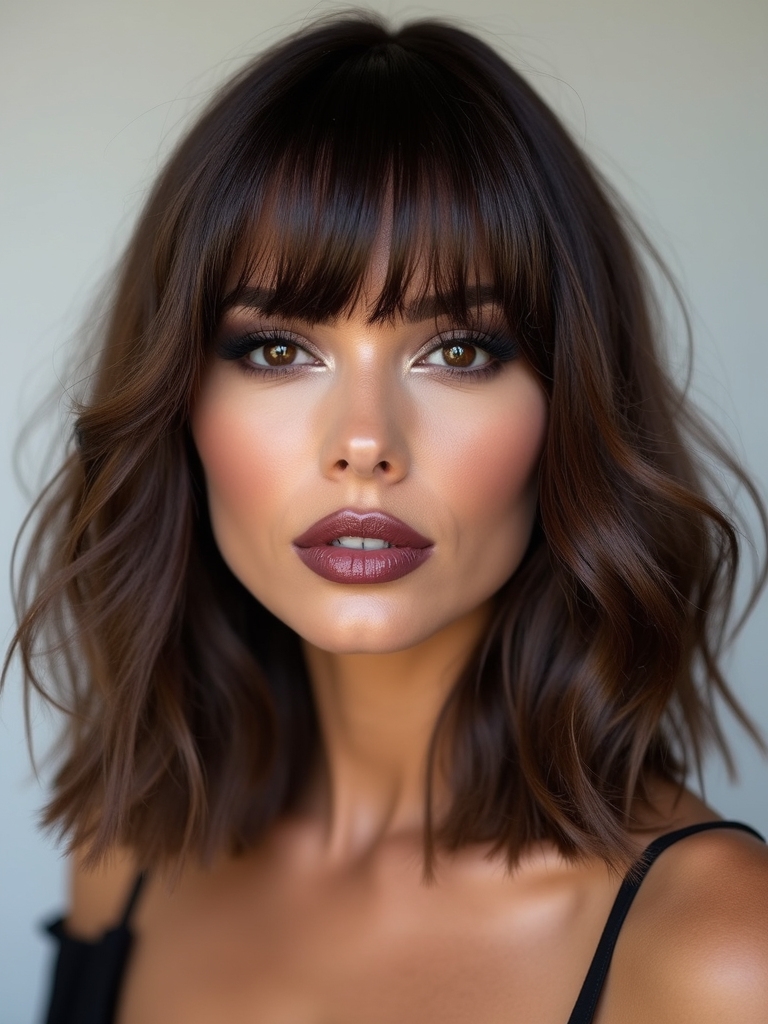
The most wearable version of this cut sits right at the shoulders, with soft layers that brush the collarbone and bounce with every step. This length flatters nearly every face and tucks behind the ears with no effort, while the layering keeps it from falling into one flat sheet.
Straight, wavy, and curly hair all take to this length equally well, since the layers stay long and graduated. You’ll notice the ends move as one connected group, which keeps the whole shape feeling soft and easy to manage.
- Sits at shoulder length, the most forgiving option here.
- Long, graduated layers build bounce without losing overall weight.
- Grows out with almost no visible line between cuts.
Blunt Ends With Whisper Layers
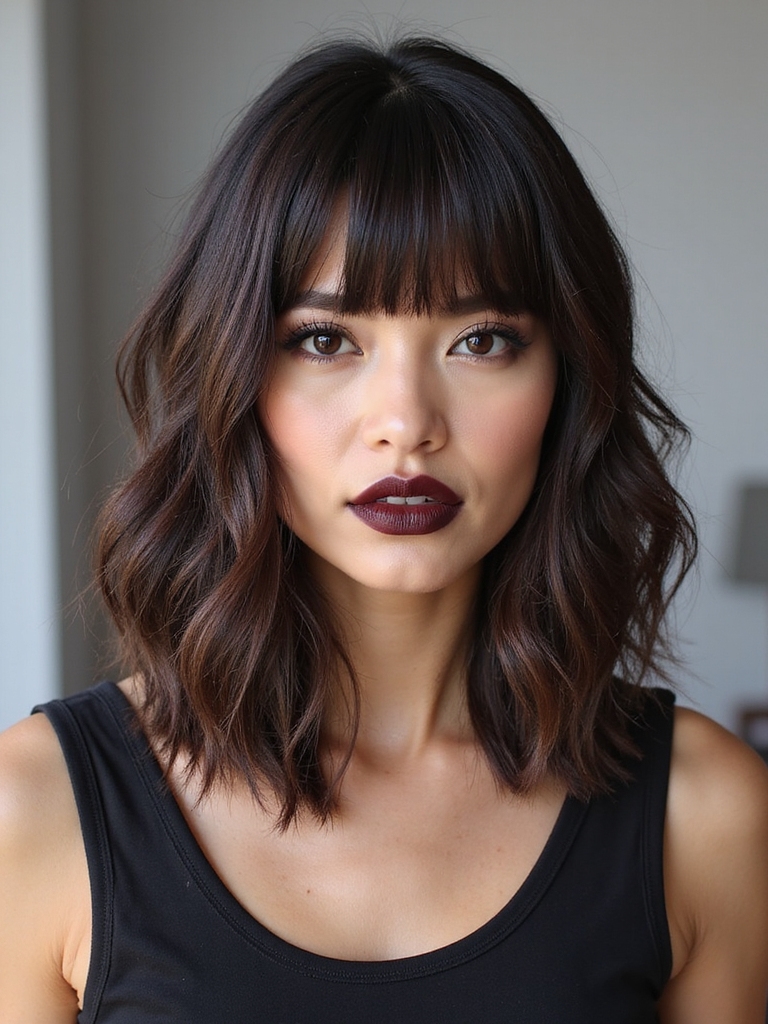
A strong, blunt perimeter can sit heavy, especially on thick hair, and whisper layers solve that without softening the line. Hidden layers are tucked inside the cut, invisible from the outside, so the edge still reads sharp and graphic while the interior gets enough air to move.
You get both approaches at once this way: a crisp silhouette on top, real movement underneath. Thick hair benefits most, since a true blunt cut at that density can turn into a single, heavy block.
- Keeps a sharp, graphic perimeter intact.
- Hidden interior layers remove bulk without showing.
- Best suited to thick or dense hair that resists movement.
Face-Framing Pieces on a Layered Bob
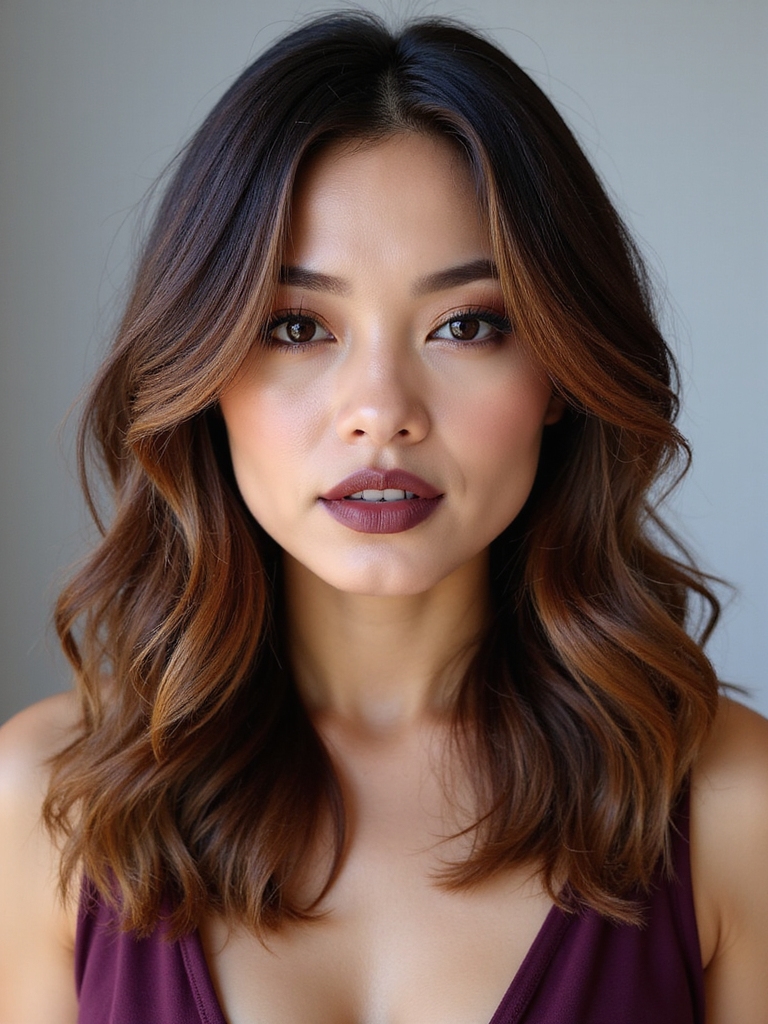
Face-framing pieces are the small detail that makes a layered bob feel personal and custom-cut. Shorter sections around the face trace the cheekbones and jaw, pulling attention toward your best features and softening whatever angle needs it most.
These pieces mark the shortest point in the whole cut, blending down into the rest of the length so the front comes together as one connected shape. A few highlights placed exactly where these pieces fall brighten the complexion without touching the rest of the color.
- The shortest layers in the whole cut sit right at the face.
- Blends downward, settling into the rest of the length.
- Pairs well with even a small amount of face-framing color.
“Ask specifically for the layers to stay internal. A stylist who blends them into the perimeter instead will soften the sharp line you’re trying to keep.”
Layered Bob With Airy Curtain Bangs
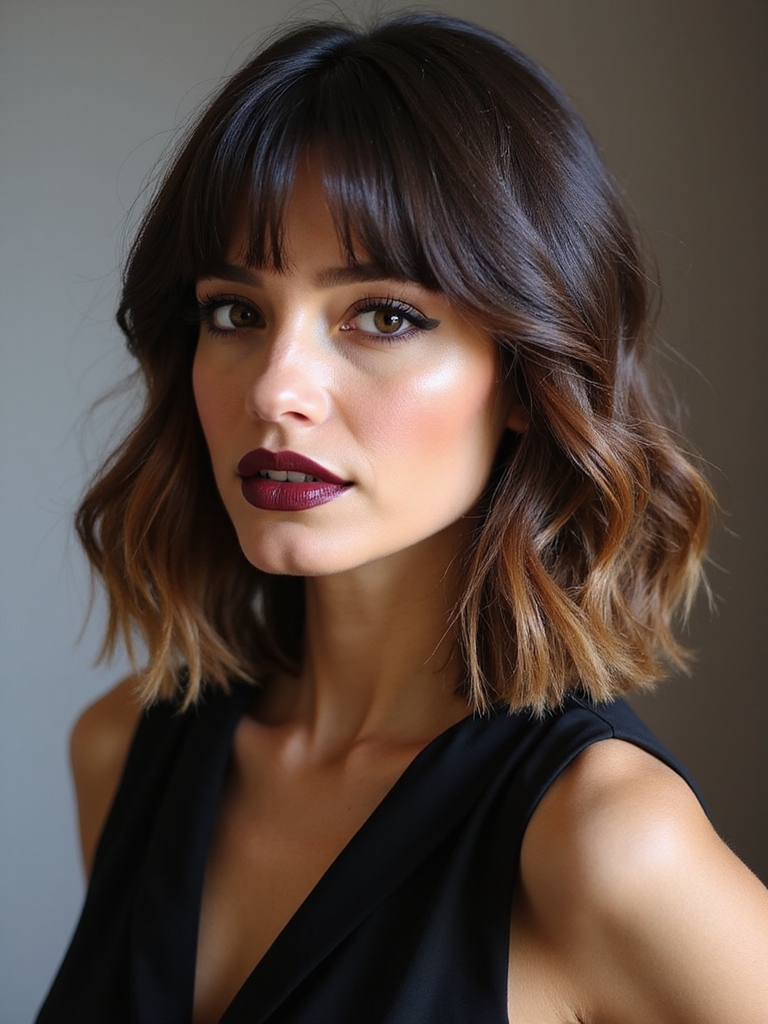
Curtain bangs complete a layered bob’s frame, with the center-parted fringe flowing directly into the layers around it so the whole front reads as one connected shape. Keeping the bangs on the longer side lets them settle quietly into the length.
- Center-parted and long enough to graze the cheekbones.
- Melts smoothly into the surrounding layers.
- Can be swept fully to one side on days you want it out of the way.
Layered Bob With a Side-Swept Fringe
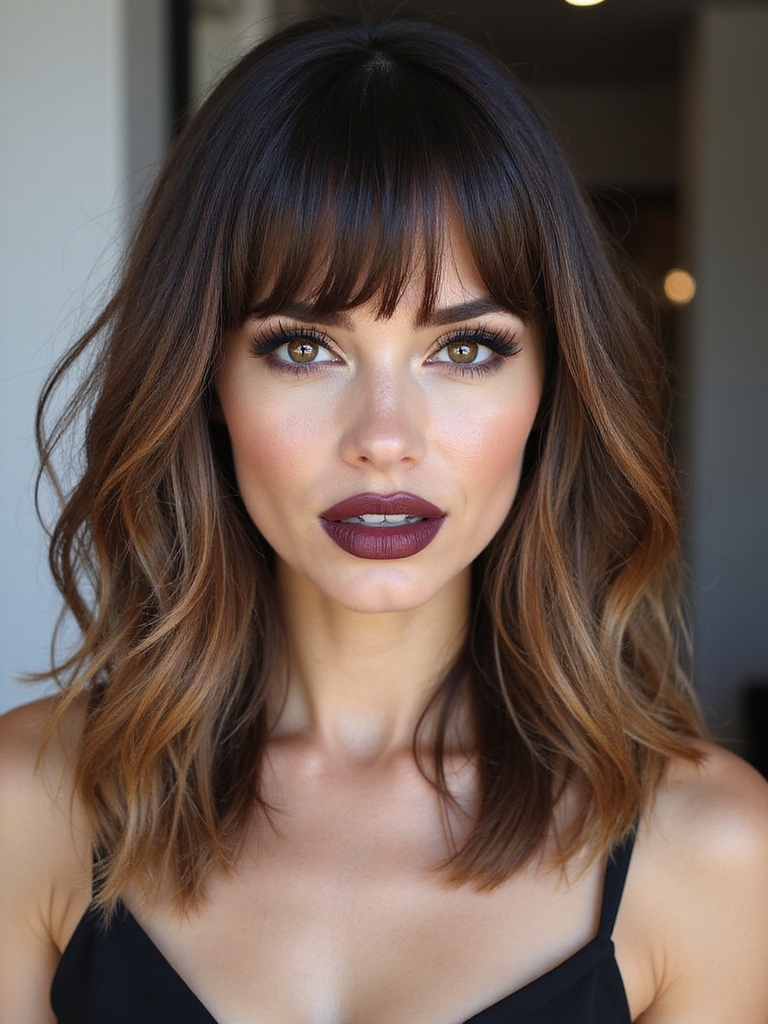
A side-swept fringe adds a soft asymmetry to a layered bob, angling across the forehead from a deep part to break up a round or square face. It merges with the layers on that side of the face, so nothing about it looks like a separate piece.
A Gentle Way to Test the Idea of Bangs
This is a low-risk way to try bangs, since the swept piece grows out into your existing length on its own timeline, with no separate maintenance schedule to think about.
A deep part builds the lift that gives the fringe its movement, and a quick pass with a brush while drying directs it across; left alone, it settles into a slightly looser sweep on its own.
Wavy Texture With Shattered Layers
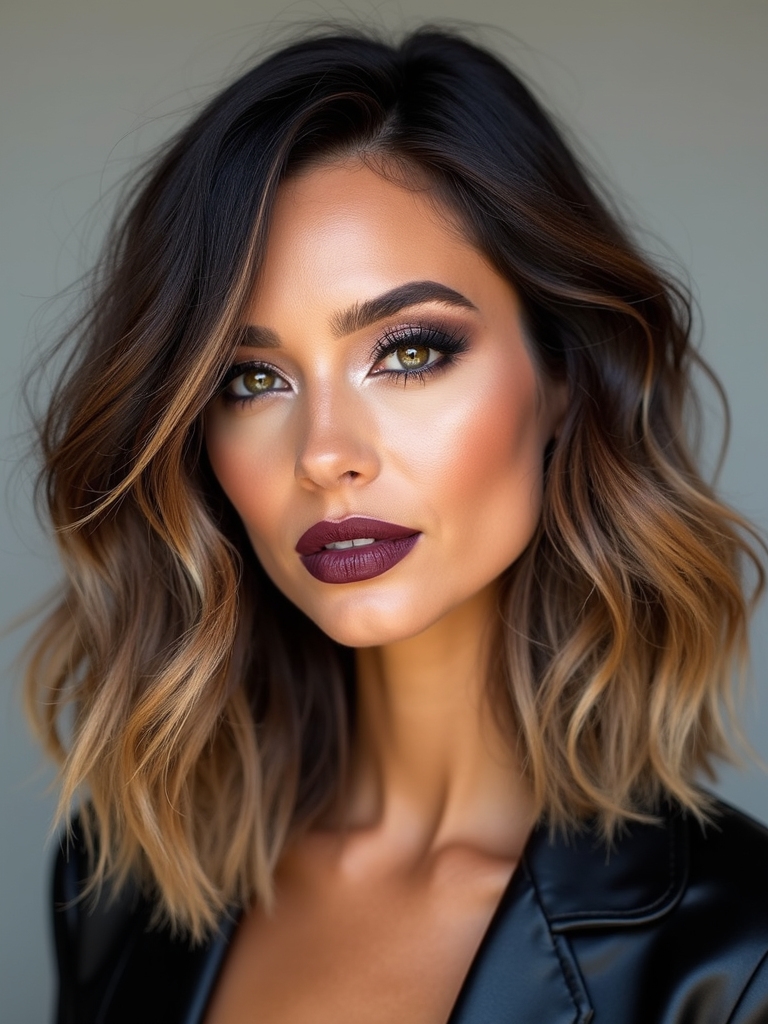
On wavy hair, shattered layers turn a long bob into a textured, piecey shape with real movement. The layers are cut into irregular, separated sections that catch the natural bend of the hair, so the bob falls into defined, individual pieces.
That separation is what gives this shape its undone feel, even on days when very little effort goes into it. Waves amplify the broken-up layering in a way straight hair simply can’t replicate.
Working a salt-based spray into damp lengths and letting the hair dry on its own brings out both the wave and the separation at once, with almost no additional styling required.
Sleek Straight Bob With Internal Debulking
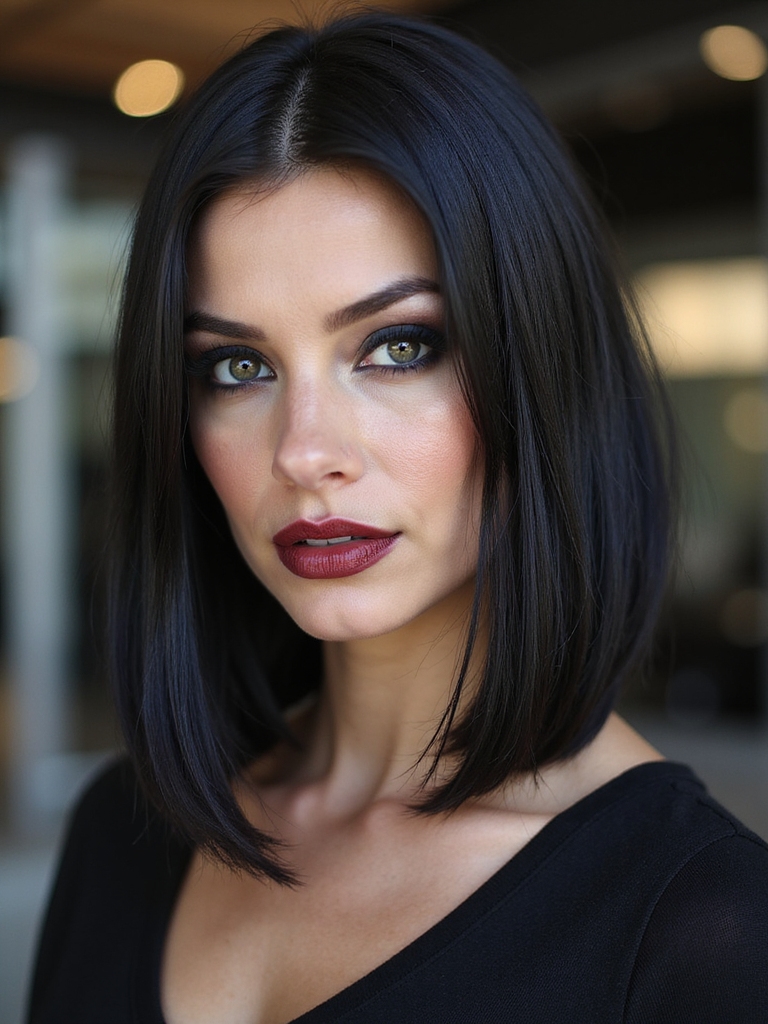
Straight hair can carry a layered bob and stay perfectly sleek, as long as the layering happens where it can’t be seen. Internal debulking removes weight from deep inside the cut, so the surface stays glassy and smooth while the shape still bends and moves.
Layering That Never Shows on the Surface
None of the thinning shows on top with this technique. A stylist works from the interior, leaving the perimeter clean and the shine uninterrupted, which is exactly what makes a straight bob look expensive.
A flat iron paired with a lightweight shine treatment finishes the polished look, though the internal layering does most of the actual work of keeping the shape light.
💡Working With What You Have
Shattered layers respond to whatever natural texture is already there. The less you interfere while it dries, the more defined the separated pieces become.
Curly Long Bob With Graduated Weight
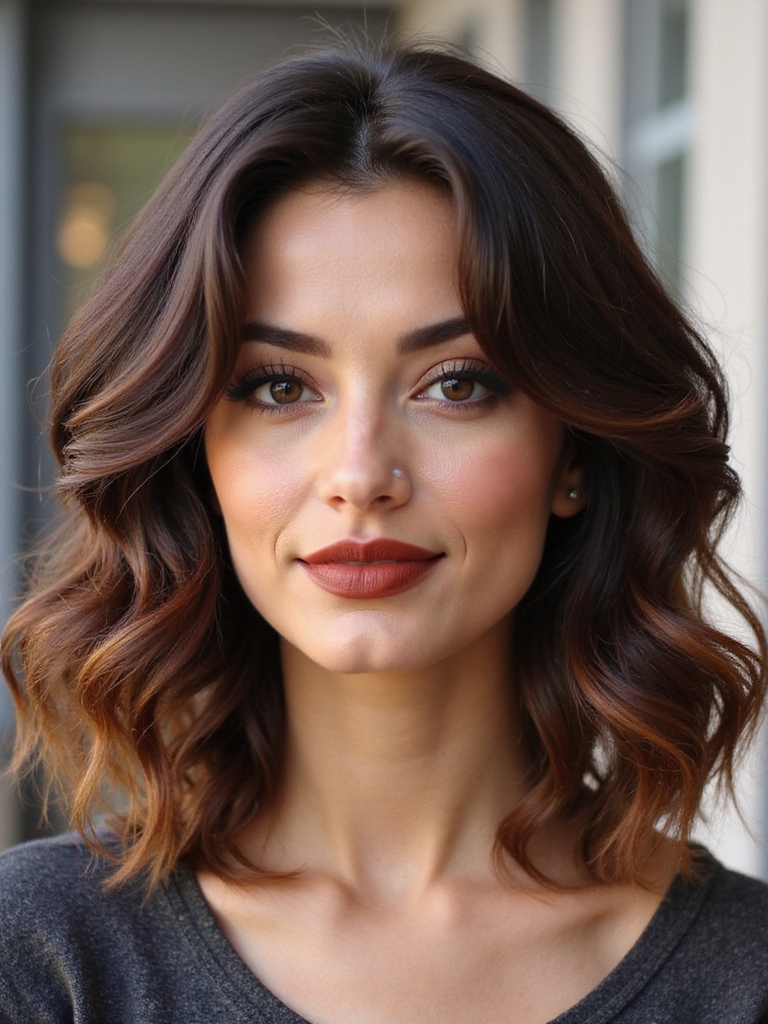
Curly hair and a long bob require careful weight management, and graduated layers are how a stylist gets the balance right. Removing weight in stages from the densest section lets the curls stack and spring into a round, balanced shape.
Where the weight comes out matters more than how much comes out. Too much thinning near the crown collapses the volume entirely, while too little leaves the classic pyramid shape at the bottom.
Because curl patterns shift as hair dries, shaping happens on completely dry, already-styled curls, so a stylist can see exactly how each section springs before deciding where to cut.
Invisible Layers for Smooth Volume
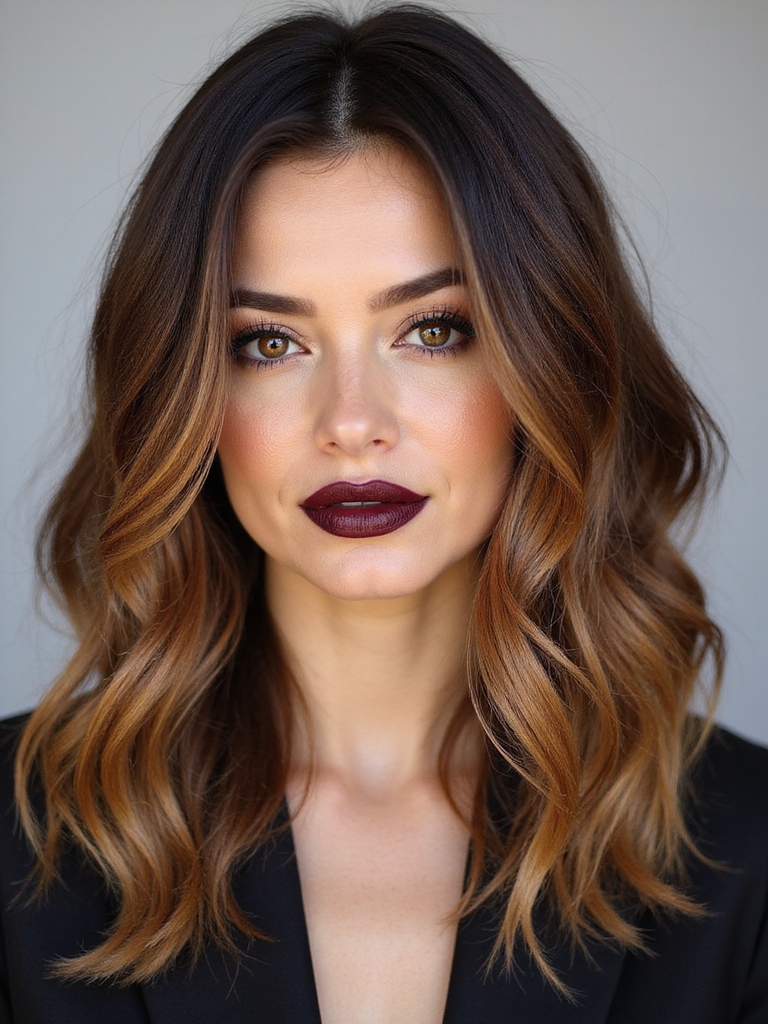
Invisible layers are the quiet trick behind a bob that looks full but never choppy. Cut entirely beneath the surface, they build volume and bounce from within while the outside stays smooth and unbroken, giving the bob body without a single visible layer line.
Where This Technique Works Best
This suits anyone who wants movement without giving up a clean, polished look. Fine hair benefits especially, since the hidden layers lift the roots and create the appearance of fullness without thinning the ends.
Because none of the layering shows, the bob air-dries into shape on its own and holds its volume comfortably between washes.
Worried layers will shrink your curls or thin them out at the ends? Neither fear holds up once the weight comes out at the right depth.
❌ Myth: Layers always make curly hair look shorter.
✅ Reality: Graduated layers change how the curls stack, not how long they read once dry, so length loss stays minimal when the weight is removed correctly.
Soft Shag Bob With an Easy Edge
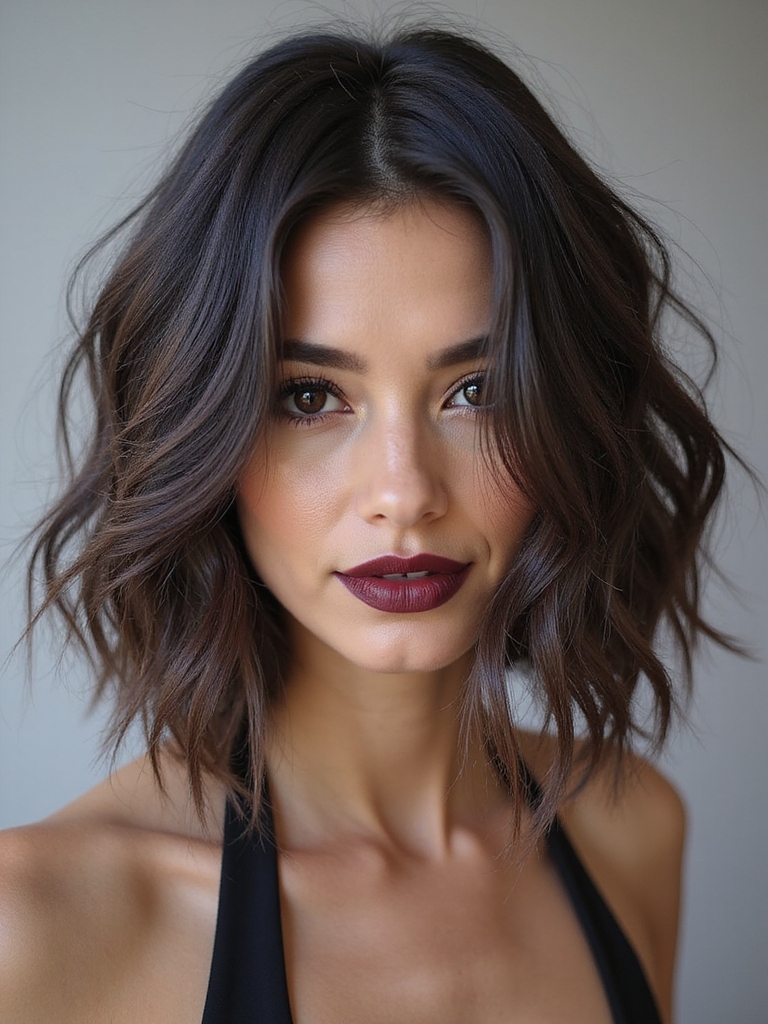
Crossing a long bob with a soft shag brings in rock-leaning texture without going full seventies. Choppy layering through the cut builds broken-up movement while the bob length keeps the overall shape wearable day to day.
The word to hold onto here is soft. Keeping the shag layers gentle lets the bob look cool and easy to wear, which is the difference between this shape working and overwhelming a face.
- Choppy layers add shag texture on a wearable bob length.
- A piecey fringe completes the rock-leaning feel.
- Best on hair with some natural texture to grab onto.
Stacked Back With Long Front Pieces
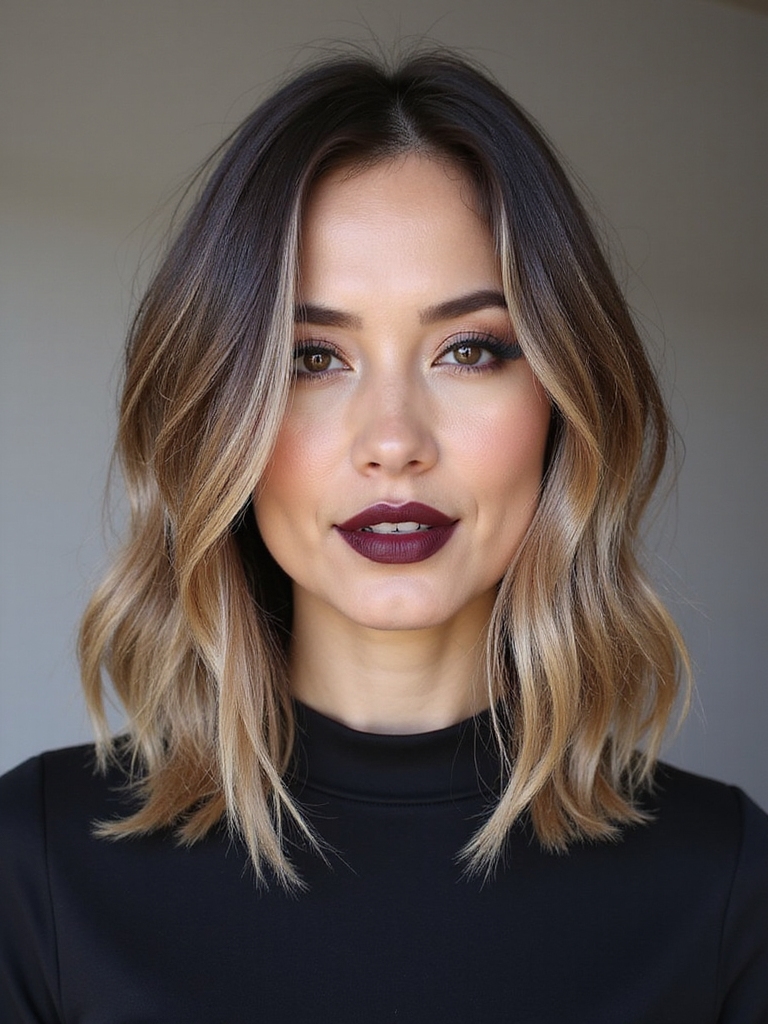
Stacking the back while keeping the front long builds a dynamic, architectural bob with real dimension. Shorter, stacked layers behind create a cushion of rounded volume right at the crown, where flat hair tends to fall shortest, while the front pieces stay long to frame the face.
The result is a shape that carries lift at the back and softness in front at the same time, a deliberate silhouette with real architecture to it. The angle from short back to long front draws a clean, intentional line.
This one rewards precision, so a clear photo reference helps a stylist hit the exact angle you’re picturing at the transition point.
Deciding between a soft shag and a smoother finish? Weigh these two against each other.
🎯Soft Shag Layers
Undone and textured; needs the least daily effort.
🎯Smooth Debulked Finish
Sleek and controlled; needs more consistent styling to stay flat.
Layered Bob With Dimensional Balayage
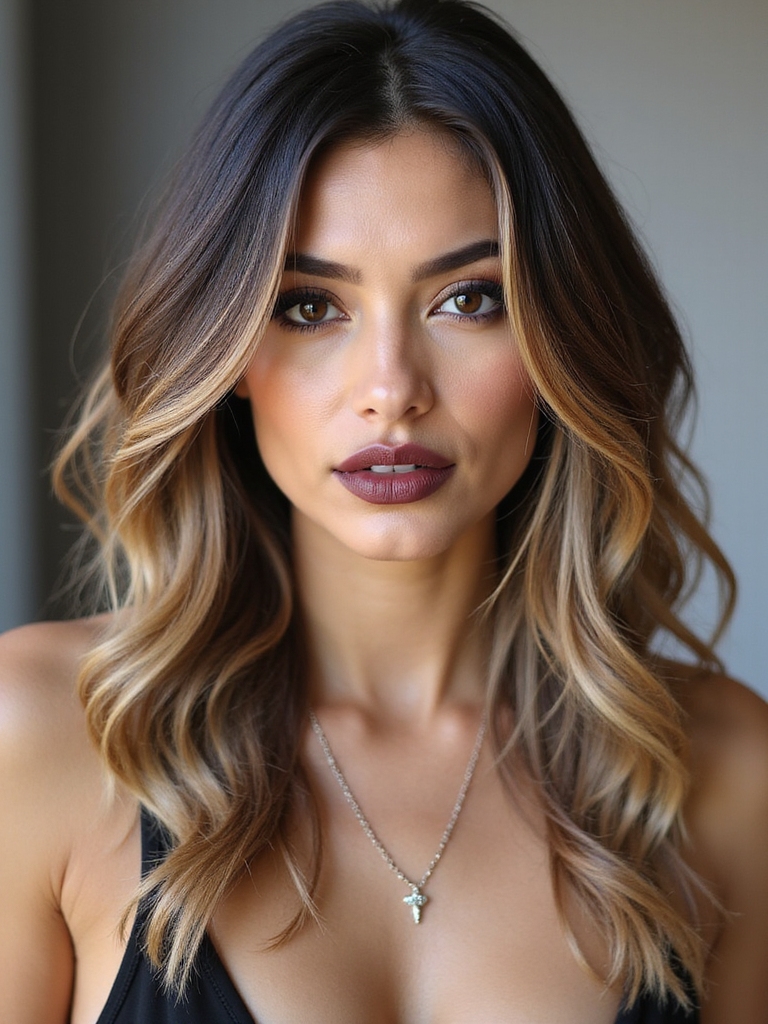
Balayage and a layered bob suit each other naturally. The hand-painted color follows the movement built into the layers, catching the light as the bob swings and turning what would be a flat, single tone into rich, sun-touched dimension.
Why the Layers Make Balayage Read Deeper
On a layered cut, balayage looks especially dimensional, since the layers already create movement for the color to ride through. Because the color is hand-painted, freehand, the regrowth stays soft and doesn’t demand constant upkeep.
Keeping the root close to your natural depth lets the regrowth blend, while concentrating the lighter pieces lower down builds the most noticeable brightness. Plan on around $200 for a full balayage application, with a periodic gloss to keep it glowing.
Layered Bob With Sun-Kissed Babylights
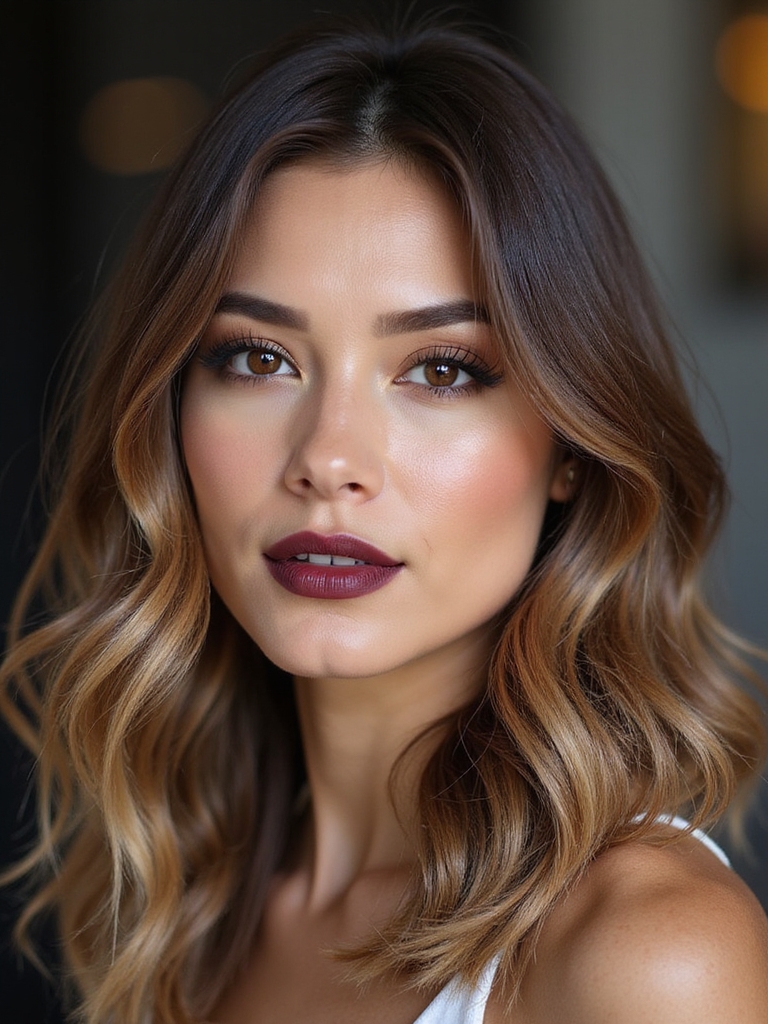
Babylights are the most delicate way to brighten a layered bob: ultra-fine highlights woven so densely and softly that they mimic the natural lightness of hair that’s spent a summer in the sun. On a layered cut, they scatter through the movement for a glow rather than a stripe.
- Ultra-fine, densely woven highlights for a soft, natural glow.
- Reads as soft, all-over dimension throughout the hair.
- A lower commitment than a full-color change, with gentle regrowth.
Low-Maintenance Styling for a Layered Bob
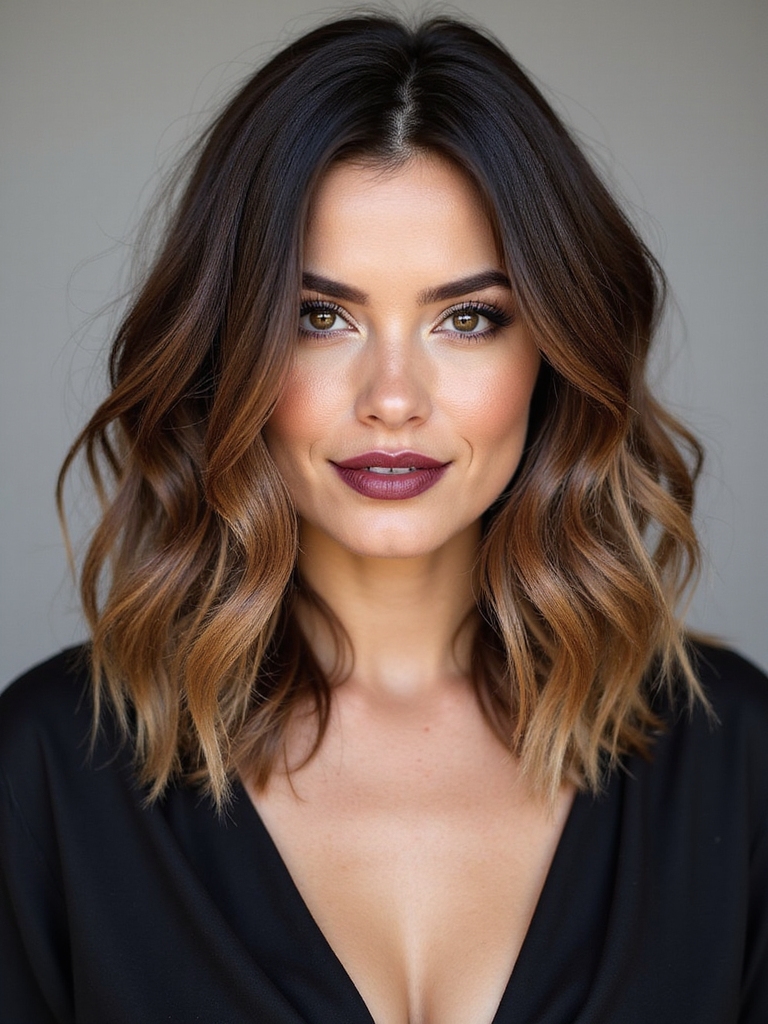
A layered bob can be wonderfully low-effort once you let the cut do the work. The layers already build in movement, so a rough air-dry paired with a light texturizing spray often beats a full blowout, and the shape settles back into place largely on its own.
For the in-between days, a few overnight habits save real time. Loosely twisting the hair before bed, or setting it in soft fabric rollers, builds a gentle bend by morning without any heat involved.
When heat does come into it, a single pass with a flat iron, bending the ends under or out, is usually all that’s needed. The layers carry the rest of the movement on their own, which turns styling into a matter of minutes.
Products and Tools for a Layered Bob
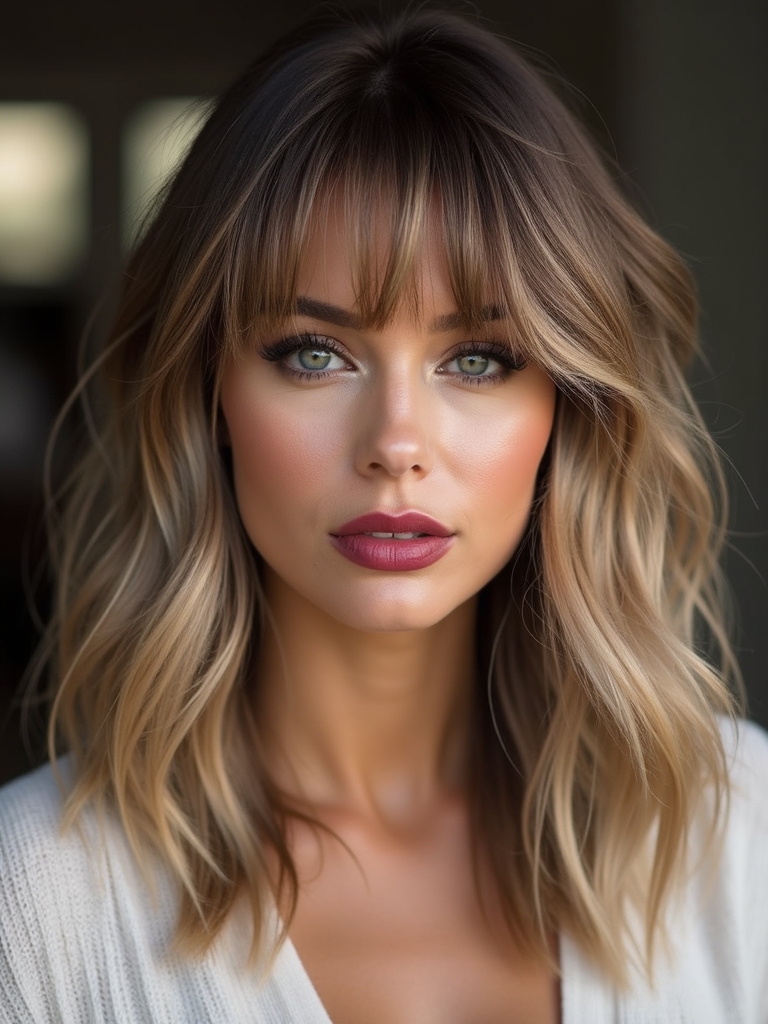
The biggest mistake with a layered bob is heavy product, which drags the movement flat and undoes the entire point of the layers. A short, light kit does more for this cut than a crowded shelf ever will, and most of it stays well under $20 a bottle.
- A lightweight texturizing spray to bring out separation and movement.
- A round brush for sweeping face-framing pieces into place.
- A light shine treatment for the ends, plus a heat protectant before any hot tool.
Long Layered Bob, Answered
?What length actually counts as a long layered bob?
Most versions sit somewhere between the chin and the collarbone, with the majority grazing the shoulders. That range keeps enough weight for the cut to look full while still giving the layers room to swing.
?Will layers make fine hair look thinner?
Not if they’re cut with restraint. Soft, graduated layers build the appearance of body on fine hair, while aggressive thinning is what leaves ends looking stringy. Ask specifically for weight to stay in the perimeter.
?Can curly hair wear a heavily layered version of this cut?
Yes, as long as the shaping happens on dry, already-styled curls. Cutting curly hair wet almost always removes more length and weight than intended once the curl pattern springs back up, so ask your stylist to shape it dry from the start.
?Does a layered bob work if I color-treat my hair often?
It does, and balayage or babylights tend to hold up especially well on this shape since the hand-painted color follows the layering instead of fighting it. A single-process color also works fine here, since the layers don’t demand any particular color technique to look good.
?How do I keep the shape from falling flat between salon visits?
Skip heavy creams and oils, which weigh the layers down and cancel out their movement. A light texturizing spray and an occasional overnight twist do more to keep the shape alive than a heavier product routine.
A Bob That Moves With You
A long layered bob earns its reputation because it actually moves: layers give it body, color gives it depth, and light styling lets the whole shape fall into place with very little effort.
So which version fits how you actually live: soft and bouncy, sleek and hidden, or textured and undone? Picture what you want the cut to do for you, then bring that picture to your next appointment.
Related Reads