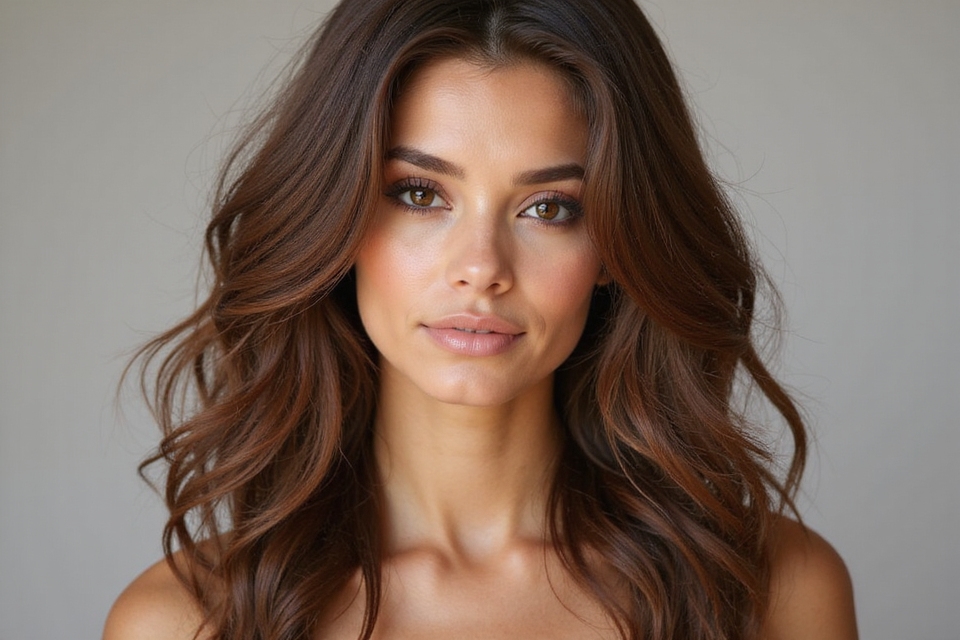
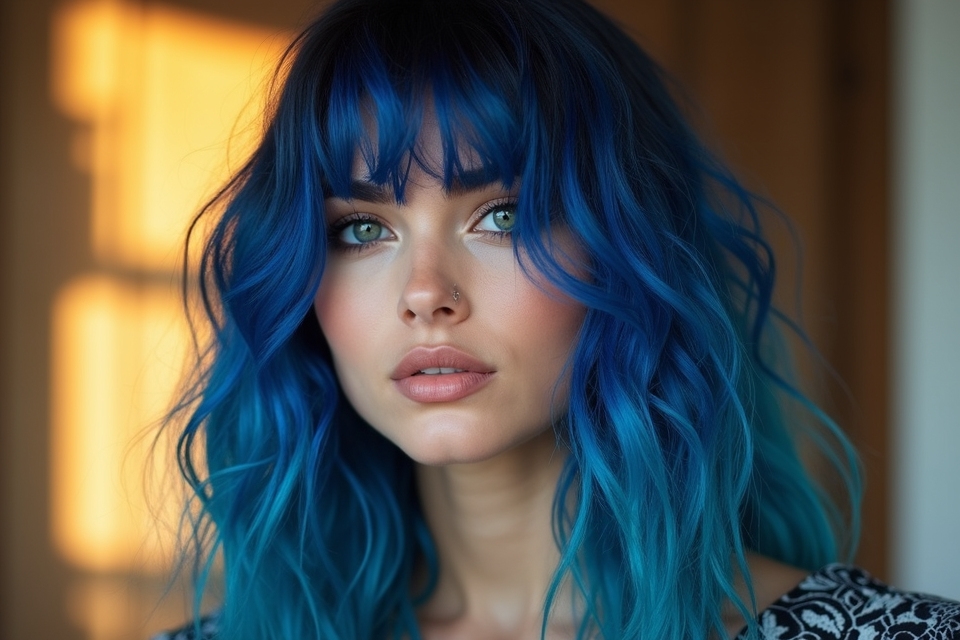
Here’s the thing about hair color: the shade in the photo almost never turns out the same on you, and the reason is rarely the dye. It’s the match, between the color and your skin’s undertone, your natural base, and how much upkeep you’ll actually do. Get that right and even a subtle change transforms your whole face; get it wrong and the prettiest color falls flat.
This isn’t a list of shades to copy; it’s the thinking behind hair color: how to read your undertone, choose warm or cool, pick a technique that fits your texture and budget, and keep it looking good once you leave the salon. Whichever change you’re after, the principles here point you to the hair color ideas that will actually suit you.
Choosing Your Color at a Glance
| Start with | Then decide | Then plan |
|---|---|---|
| Your undertone | Warm, cool, or neutral | Which shades flatter it |
| Your commitment | Bold or natural, solid or dimensional | A technique to match |
| Your upkeep | How often you’ll maintain it | Salon or at-home, high or low upkeep |
Understanding Your Skin’s Undertones

The single most useful thing to know before coloring your hair is your skin’s undertone, the subtle warmth or coolness beneath the surface, which is separate from how light or deep your skin is. Warm undertones lean golden, peachy, or olive; cool undertones lean pink, red, or blue; neutral sits in between. It’s the same principle across every complexion, from the fairest to the deepest skin.
One easy test: check the veins on your inner wrist in daylight. Greenish veins usually mean warm undertones, bluish or purple mean cool, and a mix means neutral. How gold versus silver jewelry flatters you is another clue. Once you know your undertone, choosing a flattering color gets far simpler.
The Psychology Behind Color Choices

Hair color is rarely just about hair. People reach for a change at turning points, a new job, a breakup, a fresh start, because color is one of the fastest ways to feel like a new version of yourself. There’s real feeling behind the shade you’re drawn to.
Warm, golden tones tend to feel approachable and sunny; cool, ashy tones land sleek and modern; bold, bright colors signal confidence and creativity. None is better than another, but noticing what a shade says can help you choose one that matches how you want to feel, as much as how you want to look.
It’s also worth being honest about why you want the change. A dramatic color chosen in a hard week is worth sleeping on, while a shade you’ve wanted for months is usually a safe bet. Color is fun and reversible enough to experiment with, but a little self-awareness saves a lot of regret.
🅰️A subtle change
A gloss or a few shades’ shift, low-risk and easy to live with.
🅱️A bold change
A dramatic color or big lightening, higher impact and higher upkeep.
Warm Versus Cool Tones

Once you know your undertone, matching a hair color to it is mostly about warmth. As a rule, warm undertones glow next to warm shades and cool undertones next to cool ones, though there’s plenty of flexibility. A simple guide:
- Warm undertones: golden blonde, honey, caramel, copper, warm browns, and auburn.
- Cool undertones: ash blonde, cool brown, espresso, blue-black, and cool reds.
- Neutral undertones: the lucky ones, since most shades flatter, warm or cool.
Natural-Looking Colors for Every Complexion

If you want color that passes as your own, only better, stay within two shades of your natural base and keep the undertone consistent. A rich brown a shade lighter, a blonde with your natural depth at the root, or a soft gloss over your own color all look natural because they respect your starting point.
This works on every complexion, since natural is relative to you personally, no chart required. Deeper skin looks striking in rich espresso, warm chocolate, or a deep auburn; fair skin suits soft beige, honey, or cool brown; medium skin has the widest range of all. Our guide to brunette color ideas goes deeper on the browns. Depth and undertone are what actually flatter your face, far more than any specific shade.
📋Before you go natural-looking
- ✓Identify your undertone (warm, cool, or neutral)
- ✓Stay within two shades of your natural base
- ✓Match the color’s warmth to your own skin, whatever the photo shows
Bold and Bright Shades That Make a Statement

At the other end sit the bold colors, vivid reds, coppers, pastels, and fashion shades that turn hair into the whole outfit. They’re the most fun and the most freeing. Thanks to better dyes, they also last longer and fade prettier than they used to.
Making Bold Colors Last
The trade-off is commitment. Most vivid colors need pre-lightening, which means a bigger process and more upkeep, and they fade faster than natural shades, so plan on frequent refreshes. A peekaboo color, hidden underneath the top layer, is a lower-commitment way to try a bold shade.
Vivid color fades with every wash, so wash less often and in cool water, use color-safe, sulfate-free products, and refresh with a color-depositing conditioner between salon visits. Bold color is high-maintenance by nature, but the payoff is a look nothing else can match.
Seasonal Color Changes to Match Your Mood

Plenty of people shift their color with the seasons, and there’s real logic to it. Warmer, richer tones, caramel, copper, golden brown, feel right in fall and winter, while brighter, cooler, sunnier shades suit spring and summer. Following the seasons is a low-stakes way to keep your color feeling fresh.
It doesn’t have to be a big change. Going a shade deeper for winter or adding a few brighter pieces for summer keeps things interesting without a full transformation. A seasonal gloss is the easiest version of all, refreshing the tone without touching your base.
Pick a seasonal shift by effort:
🎯Low effort
A gloss to warm up or cool down your tone, with no lightening needed.
🎯More effort
Adding highlights or going a couple of shades lighter or deeper.
Low-Maintenance Color for Busy Lives

If salon visits every few weeks aren’t realistic, the answer is choosing color designed to grow out gracefully. The goal is no harsh line at the root, which means techniques and shades that blend as they grow. The low-upkeep playbook:
- Stay close to your natural depth at the root, so regrowth barely shows.
- Choose balayage or root-blended techniques over solid, all-over color.
- A low-maintenance blonde with a soft root is the classic example.
Color Techniques for Different Hair Textures

Hair color behaves differently on different textures, and a good colorist adjusts for it. Fine hair grabs color fast and can go darker than intended; coarse and gray-resistant hair may need longer processing; and curly and coily hair, which is often more porous, takes and fades color faster, so it needs a gentler approach.
For curly and coily textures especially, protecting the hair’s integrity matters as much as the shade. A bond-building treatment during lightening, a conditioning process, and a colorist experienced with textured hair keep the curl pattern healthy through the color. Whatever your texture, the right technique protects the hair while it changes the shade.
Balayage and Highlights for Dimension

A single flat shade is rarely the goal anymore; most modern color adds dimension, lighter and darker pieces woven through so the hair catches the light. Highlights and balayage are the two main ways to do it, and they’re why salon color looks so much richer than a box.
Highlights are painted or foiled in fine sections for a brighter, more uniform lift, while balayage is hand-painted freehand for a softer, more natural, sun-kissed blend. Balayage skips the hard regrowth line entirely, which is exactly why it’s become the go-to for low-upkeep dimension. Expect balayage to run around $150 to $250 depending on length and your salon.
- Highlights: brighter, more uniform, a bit more upkeep at the root.
- Balayage: softer, hand-painted, grows out without a hard line.
- Both add the depth a single solid shade can’t.
Multi-Tonal Effects for Added Depth

The most dimensional color layers several tones at once, a deeper base, mid-tone ribbons, and a few bright pieces, so the hair looks rich and expensive with zero one-note flatness. It’s how a good ombre or root-blended color makes hair look like it’s doing something even when it’s still. To get it:
- Ask for a base, a mid-tone, and a lighter accent placed through the lengths.
- Keep the tones within one family (all warm or all cool) so they blend.
- Concentrate the brightest pieces around the face, where they read most.
Flattering Colors at Every Age

Color that flatters shifts a little with age, mostly because skin tone and hair texture change over time. The old rule that older women should go lighter isn’t really true; what matters is softening the contrast between hair and skin as skin tone mellows.
Embracing Gray
Rich, warm tones and soft dimension tend to flatter mature skin, since they add warmth back to the complexion, while a very harsh, flat dark or an icy platinum can look severe against softer skin. A scatter of lighter pieces around the face brightens the whole complexion at any age.
Going gray is a color choice in its own right, and a beautiful one done well. A colorist can blend the transition with lowlights and a gloss so it grows in softly with no visible stripe, and a purple toning shampoo keeps natural silver bright and clear of yellow. Gray is no longer something to hide unless you want to.
Color-Protecting Tips and Products

Color is an investment, and a few habits make it last far longer. The biggest one is washing less: every wash rinses a little color away, so cutting back to two or three washes a week, with dry shampoo to bridge the gap, holds the tone weeks longer.
The One Product Worth It
The products matter too. Swap to a gentle, color-safe cleanser and conditioner without sulfates, and treat the tone at home with a weekly gloss or a color-depositing mask. Heat and sun both fade color, so a heat protectant and the odd hat go a long way.
If you buy one thing, make it a bond-building treatment. Used weekly, it repairs the internal damage coloring causes, keeping color-treated hair strong and shiny where it would otherwise turn dry and brittle. It’s the difference between color that looks healthy and color that looks fried.
Professional Versus DIY Color

Box color is cheaper and convenient, and for some jobs it’s perfectly fine, a root touch-up in your existing shade, or going a shade or two darker. Where at-home color goes wrong is anything ambitious: lightening, big changes, correction, or dimension, which really do need a professional.
The math is simple. A box costs under $15, while salon color runs from around $80 for a gloss to $200-plus for full balayage, but fixing a botched home color costs far more than paying to have it done properly the first time. For subtle upkeep, DIY; for transformation, book the pro.
If you do color at home, keep within a couple of shades of your base, never lighten already-colored hair, and always run a strand test first. And know when to stop, since the quickest route to an expensive salon rescue is trying to fix a home dye job yourself.
A few color terms worth knowing:
📖Gloss (or glaze)
A semi-permanent, translucent color that refreshes tone and adds shine, with no lightening.
📖Toner
A product that neutralizes unwanted warmth, like brassy yellow or orange, after lightening.
Growing Out Your Color Gracefully

Whether you’re returning to your natural shade or just tired of the upkeep, growing color out doesn’t have to mean months of an awkward line. Actively blend the transition. Blending beats waiting every time.
A colorist can add lowlights in your natural shade and a gloss to melt the line between colored and new growth, so it grows in softly. For lightened hair, going a little deeper and more dimensional makes regrowth far less obvious than a solid block of color would.
Patience helps, but a smart grow-out plan does more. A couple of transition appointments cost far less than maintaining full color forever, and they get you to your natural shade without ever looking like you’re growing it out.
Temporary Color for the Commitment-Shy

If you love the idea of a change but not the commitment, temporary color is the risk-free way in. No lasting decision required. Wash-out sprays, chalks, and semi-permanent glosses let you try a shade for a day or a few weeks, then rinse away, so you can experiment without consequences.
It’s perfect for testing a bold color before you commit, or for a one-off event. Semi-permanent dyes last a handful of washes and fade gently with no root line, which makes them the lowest-stakes way to play with color, especially a bright or unusual one you’re unsure about.
Combining Multiple Shades

Some of the most striking color isn’t one shade at all but a thoughtful combination, a smoky root melting into bright ends, a hidden peekaboo panel, or a contrasting money-piece framing the face. Combining shades is how color goes from pretty to truly personal.
The rule that keeps it from looking chaotic is intention: pick shades that share an undertone, and place the boldest where you want the eye to land. Whether it’s a subtle two-tone or a full rainbow, a combination works when it looks deliberate, so bring a clear photo and trust a colorist to balance it.
Your Hair Color Questions, Answered
?How do I choose a hair color for my skin tone?
Start with your undertone; skin depth is a separate question entirely. Warm undertones (golden, olive, peachy) glow next to warm shades like honey and copper; cool undertones (pink, blue) suit ashy and cool colors; neutral suits most. Check the veins on your wrist and how gold versus silver jewelry flatters you to figure out which you are.
?What’s the most low-maintenance hair color?
Anything that stays close to your natural depth at the root and adds dimension, skipping solid, all-over color entirely. Balayage and root-blended techniques grow out with no harsh line, so you can stretch months between salon visits. The higher the contrast with your natural shade, the more upkeep it takes.
?Can I color curly or coily hair safely?
Yes, with the right care. Textured hair is often more porous, so it takes and fades color faster and needs a gentler process. Use a bond-building treatment during any lightening, keep it deeply conditioned, and work with a colorist experienced in textured hair to protect the curl pattern while you change the shade.
Color That Still Looks Like You
For all the shades and techniques out there, the best hair color isn’t the trendiest or the boldest, it’s the one that suits your undertone, fits your life, and makes you feel like yourself, only a little more so. Every principle here, undertone, warmth, technique, upkeep, points back to that single idea.
So if you’ve been thinking about a change, start small and reversible: a gloss to test a tone, a couple of brighter pieces up front, a temporary color for a weekend. See how it feels before you commit to the big transformation. The right color is out there, and finding it is half the fun.
Keep the Inspiration Going