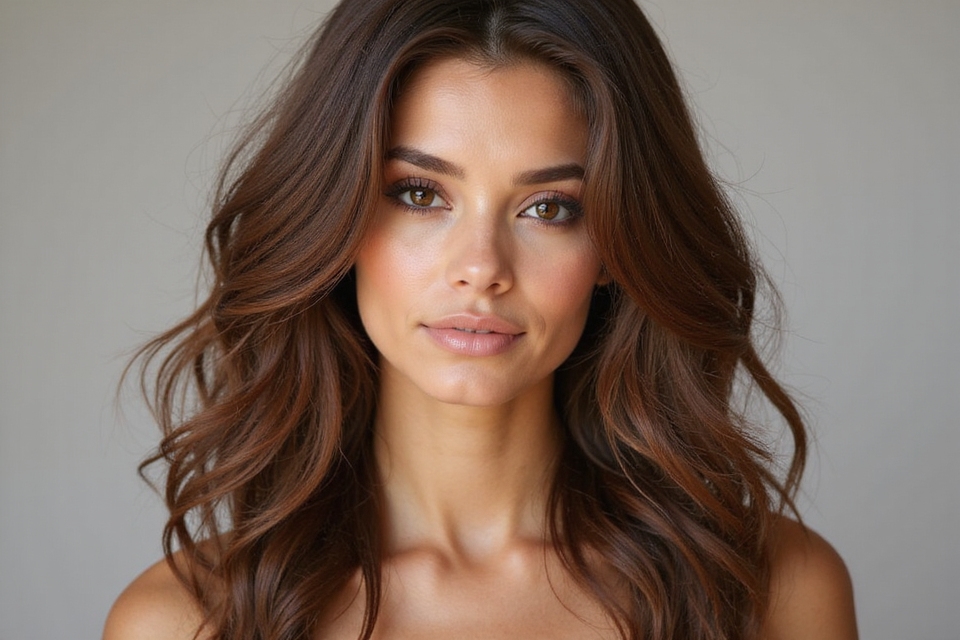
Picture a brunette walking out of the salon into afternoon light, her hair shifting through a dozen warm tones as she moves. That glow is balayage, and brown hair is the canvas it loves best. The depth of brown gives hand-painted color something rich to play against, so the result reads natural, sun-touched, and expensive all at once.
What changes the whole mood is the shade you paint in. Below are sixteen brown balayage shades, from soft caramel and honey to deep espresso, spicy copper, and warm maple, with who each one flatters and the upkeep it actually takes to keep it that way. Match the tone to your skin and your routine, and the rest of the decision makes itself.
Before You Pick a Shade
- Match the balayage to your undertone: warm shades (caramel, honey, copper) for warm skin, cool ones (ash, sandy) for cool skin.
- Balayage grows out softly on every shade here, so you can stretch three to four months between appointments.
- A gloss every couple of months keeps any of these tones from fading brassy or dull.
- The bigger the lift from your base, the more upkeep and bond care the color needs.
Caramel Brown Balayage

Caramel is the shade most people mean when they picture brown balayage. Warm, golden, and buttery, it is painted through a medium brown base to add the kind of glow that makes skin look sun-touched. It is the crowd-pleaser for a reason, flattering on a huge range of warm and neutral complexions.
It is also what I suggest to most first-timers, since caramel looks natural even when it is fairly bright, so the grow-out is gentle and forgiving. If you want one safe, beautiful place to start, this is it. Our caramel highlights guide has more on placement.
Honey Brown Balayage

A touch lighter and brighter than caramel, honey balayage glows golden in the sun and keeps a soft warmth indoors. It’s the pick for brown that wants to look lifted and lit without going full blonde, and it sits beautifully on warm and golden skin tones.
- Lighter and brighter than caramel, with a golden glow.
- Best on warm and golden complexions.
- Keep the brightest pieces near the face for the most lift.
Where the Fade Hits Fastest
Warm and red-based shades, copper, cinnamon, mahogany, and maple, fade faster than cool or neutral ones, since red molecules are the first to wash out. If you fall for one of these, budget for a gloss every few weeks to keep the color from going flat, and know that it asks a little more of you than a soft caramel or sandy brown.
Ash Brown Balayage

Not everyone glows in gold, and ash brown balayage is the answer for those who do not. Cool and smoky, with the warmth dialed all the way down, it brings dimension to brown without a hint of brassiness. It is the modern, editorial choice for cool and neutral complexions.
Ash does ask for a little more upkeep, since cool tones drift warm over time and need a blue or violet toning conditioner to stay true. I suggest it in my chair when a client tells me golden balayage has always turned orange on her, because ash is usually the fix.
- Cool, smoky dimension with no warmth.
- Best on cool and neutral skin tones.
- Use a toning conditioner to hold the ash.
Chestnut Brown Balayage

Chestnut brings a warm, reddish brown into the blend, and balayage lets that red undertone catch the light in the most flattering way. Woven softly through a brown base, it adds depth with a glow that neutral browns cannot match. On warm and red-toned complexions, it is deeply flattering. Here is how chestnut earns its place.
- A warm, reddish brown that glows in the sun.
- Warm, red-leaning skin gets the most out of this one.
- A warm gloss keeps the red from fading dull.
📋Before You Book Your Balayage
- ✓Know your undertone, so you choose warm or cool to match your skin.
- ✓Bring two or three reference photos in your natural lighting.
- ✓Be honest about upkeep; warm reds need more glossing than neutrals.
- ✓Ask about a bond treatment if you are lifting more than a shade or two.
Golden Brown Balayage

Golden brown sits right between caramel and honey, a warm, sunny tone that throws real shine when it catches the light. Painted through brown hair, it gives an all-over radiance that looks like a long summer caught in the hair. The warmth is the whole point.
It flatters warm and neutral undertones and looks bright without going pale, so it works for anyone after a noticeable glow while staying brunette. The shine is what people notice first.
Because golden tones can warm up further as they fade, keeping a standing gloss appointment is what keeps the color clean and golden instead of drifting orange.
Mocha Brown Balayage

Mocha is a cooler, milky brown, and painting balayage through it creates a soft, sophisticated contrast with a cool edge. The cool base keeps the look modern while the lighter pieces add just enough dimension to lift it. It is balayage for someone who wants depth without obvious warmth.
Cool depth, not warmth
This shade balances beautifully because the tones sit close together, so the dimension is subtle and refined rather than high-contrast. It comes across quietly expensive.
Mocha suits cool and neutral complexions especially well, and a gentle toning routine keeps the cool, coffee-with-milk tone from creeping warm.
💡Keep It True
Whatever shade you choose, a toning conditioner matched to it is your best friend between salon visits. Use a warm-friendly gloss for golden and caramel tones, and a blue or violet one for ash and cool browns. Washing in cooler water and limiting heat keeps any of these balayage shades looking salon-fresh for far longer.
Cinnamon Brown Balayage
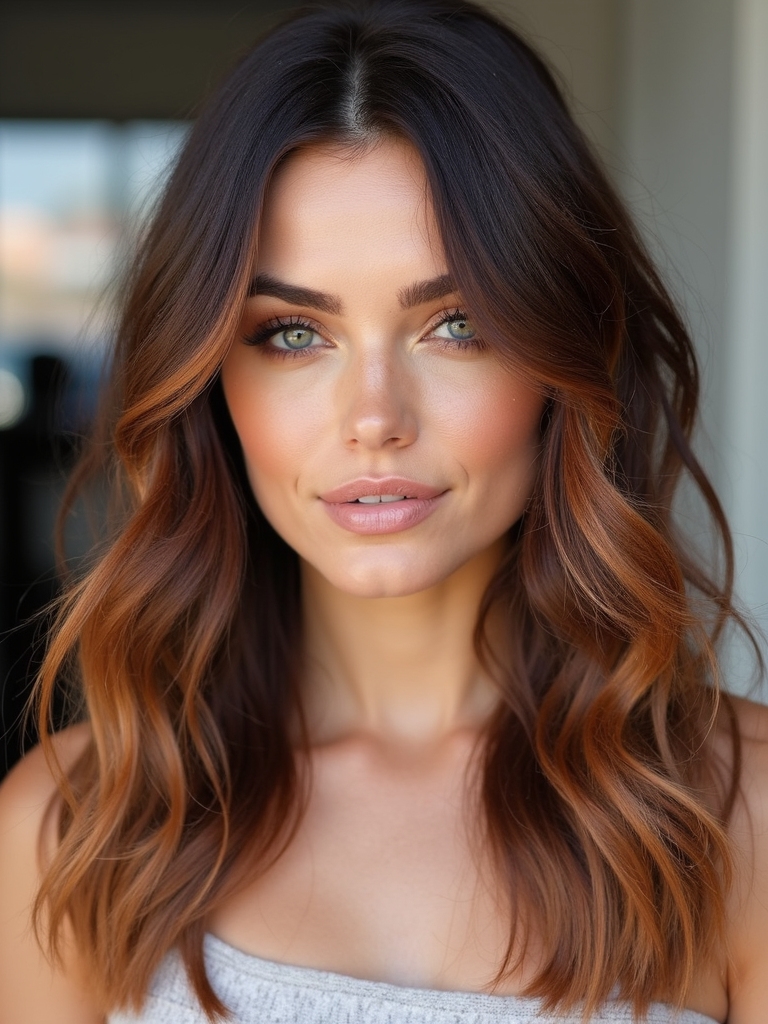
If chestnut is a whisper of red, cinnamon says it out loud. This warm, spiced brown brings real reddish-orange warmth to the balayage, painted through to add a flirty, energetic twist that turns heads in the sun. It is for the brunette who wants a little fire in her color without committing to full red.
- A warm, spiced brown with reddish-orange warmth.
- Olive and warm undertones carry this shade especially well.
- Red tones fade fastest, so plan on a gloss to refresh.
Sandy Brown Balayage

Sandy brown is the soft, neutral-to-cool tone behind the most natural-looking balayage on this list. Muted and beige-leaning, it blends so gently into a brown base that the transition is almost invisible, which is exactly its understated appeal.
It suits cool and neutral complexions that find caramel too golden, giving brightness without warmth. The effect is understated and quietly polished.
Because the contrast is so low, sandy brown is among the most forgiving shades to grow out, asking very little between appointments.
ℹ️Why Balayage Grows Out So Well
Balayage comes from the French word for sweeping, which describes exactly how the color is applied: painted by hand onto the surface of the hair. Because it is not packed into foils from the root, it grows out without a harsh line, which is why every shade in this guide is far lower upkeep than traditional all-over color.
Espresso Brown Balayage

People assume balayage means going lighter, but espresso proves otherwise. On the deepest, darkest brown, balayage works by adding only slightly lighter pieces, so the dimension is subtle but the depth and shine are dramatic. It is the richest, glossiest look on this list.
This is the choice for someone who loves dark hair and wants movement without brightness. The painted pieces simply keep that near-black brown from reading as a flat block.
Espresso is also wonderfully low-maintenance, since the contrast is gentle and there is little brassiness to chase, so the shine carries the whole look on its own.
Toffee Brown Balayage

Toffee lands between caramel and chocolate, a deep, warm golden-brown with a buttery richness. Painted through brown hair, it brings warmth and dimension that feels luxurious without going too light, which makes it a favorite for autumn and for a cozier take on balayage generally. It is sweet and grown-up at once.
I love toffee for clients who think caramel is a touch too bright for them, since it keeps the warmth but anchors it with more depth. It’s a favorite of mine for clients who want warmth without the brightness.
- A deep, warm golden-brown, richer than caramel.
- Warm and neutral undertones both wear it with ease.
- A gloss keeps the toffee warm and clean as it fades.
Copper Brown Balayage

Copper is the boldest warm tone here, a bright, metallic red-orange that brings a real spicy edge to brown balayage. Painted through, it catches the light with a glint that is impossible to ignore, so it suits the brunette who wants her color to be a statement. This is warmth turned up loud.
The boldest warm tone
It glows on warm and red-toned complexions, lighting up the skin in a way few shades can. If you have always been drawn to red but not ready to go all in, copper balayage is the bridge.
Copper and red tones fade the fastest of any shade, so commit to a gloss every few weeks to keep that metallic brightness alive.
Mahogany Brown Balayage

Mahogany is a deep, rich brown with a wine-like red undertone, and balayage gives it a luxurious, almost velvet depth. Subtler than copper and deeper than chestnut, it adds warmth and dimension while staying sophisticated and dark. It is the most luxurious shade on this list.
It flatters warm and deep complexions especially well, and the red undertone brings a glow to the skin while staying soft and deep, for an effect that is rich without being flashy.
A warm-toned gloss keeps the wine-red dimension from fading, since these deep reds soften over time, so it is worth keeping that appointment on the calendar.
Bronde Brown Balayage

Bronde is the place where brown and blonde meet so evenly you can barely tell them apart, and as a balayage it gives the softest, most blended look of all. The contrast is so low that the color reads as one rich, dimensional shade, which makes it the most natural-looking option here. It suits almost every undertone.
This is the shade for someone who wants dimension with no drama, just a soft, lit-from-within brown that grows out beautifully. Our bronde bob guide shows it on a shorter cut.
- The softest, most blended brown-and-blonde balayage.
- Suits nearly every undertone.
- Grows out so softly that upkeep is minimal.
Hazelnut Brown Balayage

Hazelnut is a soft, warm-neutral brown with a gentle nutty depth, and few balayage shades wear as easily as this one does. It carries just enough warmth to flatter without leaning gold, and just enough depth to look rich, which is why it suits so many people. Call it the easygoing middle of the brown spectrum.
Because it sits so close to many natural browns, hazelnut balayage grows out softly and asks little of you. It’s a smart pick when the goal is dimension that still looks like your own hair, just richer.
Warm and neutral skin tones both look good against it, and a light gloss now and then keeps the nutty tone fresh.
Bronze Brown Balayage

Bronze brings a warm, metallic glow to brown balayage, a little deeper and more burnished than gold. Painted through brown hair, it looks sun-kissed and radiant, with a slightly bronzed shimmer that flatters warm and deeper skin tones beautifully. It is the shade that looks like a holiday tan for your hair.
- A warm, burnished metallic glow, deeper than gold.
- Especially flattering on warm and deeper complexions.
- A gloss keeps the bronzed warmth from dulling.
Maple Brown Balayage

Maple is the most complex shade to close on, a warm brown that swirls amber, caramel, and a touch of red into one layered, autumnal tone. Balayage is the perfect way to wear it, painting several warm tones through the hair so it shifts and glows as you move. It is warmth with real depth and complexity. Here is what makes maple special.
- A layered, autumnal blend of amber, caramel, and red.
- Golden, warm-toned skin is where maple looks richest.
- The multi-tonal warmth needs a gloss to stay rich.
Brown Balayage Shade Questions
?Which brown balayage shade is the most low-maintenance?
Espresso, sandy, and bronde are the easiest to live with. Their contrast is low and they carry little brassiness, so they grow out softly and need only an occasional gloss. Warm reds like copper and cinnamon are the highest upkeep, since red fades fastest.
?How do I know if I should go warm or cool?
Match the shade to your skin’s undertone. Warm or golden complexions glow in caramel, honey, toffee, and copper, while cooler, pinker skin suits ash, sandy, and mocha. If gold jewelry flatters you more than silver, you likely lean warm.
?How often will I need to refresh the color?
The balayage placement lasts three to four months because there is no harsh regrowth line, and a full balayage typically runs $150 to $300 or more. The tone, though, needs a gloss every couple of months, around $30 to $60 a visit, or every few weeks for warm reds, to keep it from fading dull or brassy.
?Can I get brown balayage on very dark hair?
Yes. Espresso and mocha balayage are designed for dark hair, adding subtle dimension without dramatic lightening. For brighter shades like honey or copper on very dark hair, expect more than one session and a bond treatment to lift safely.
Your Shade Is Waiting
Brown balayage is really sixteen different looks wearing the same technique, from the sunny glow of caramel and honey to the smoky cool of ash, the drama of espresso, and the autumnal warmth of maple. The technique gives you soft, grown-in dimension; the shade you choose gives the whole thing its mood. Together they make brown hair come alive.
Start from your undertone and your upkeep, pick the shade that caught your eye, and bring it to a colorist who can place it where it flatters your face. If you are curious how the technique itself works, our brown balayage and brown hair guides go deeper. Then book the appointment and walk out glowing.
Don’t Miss These