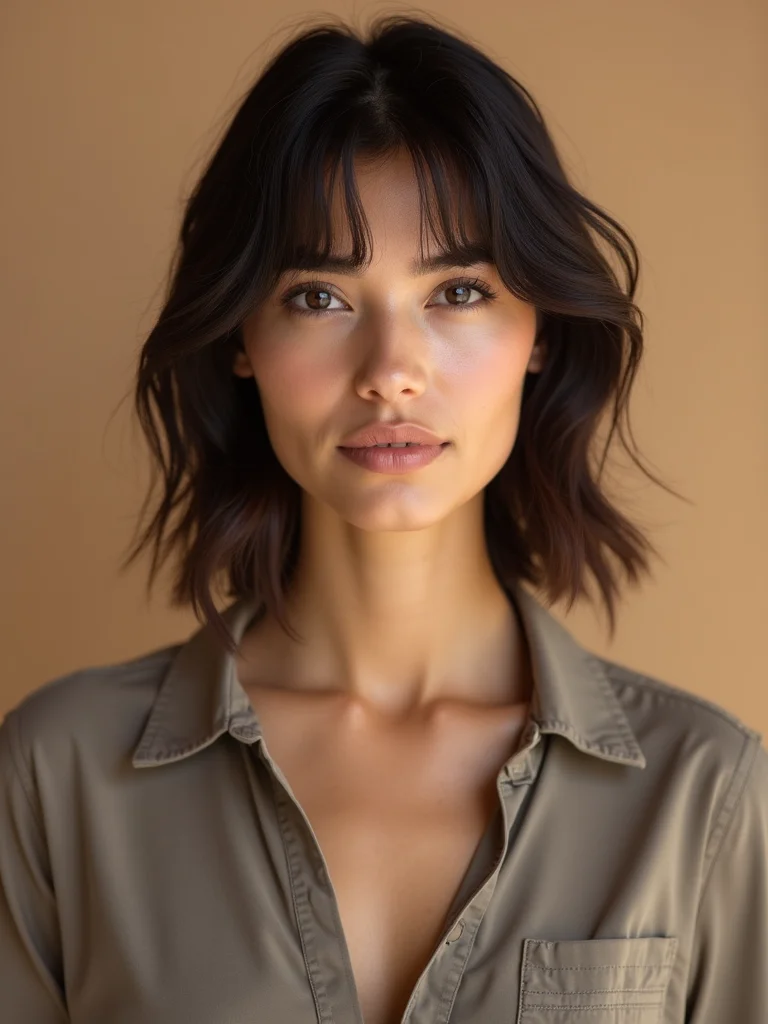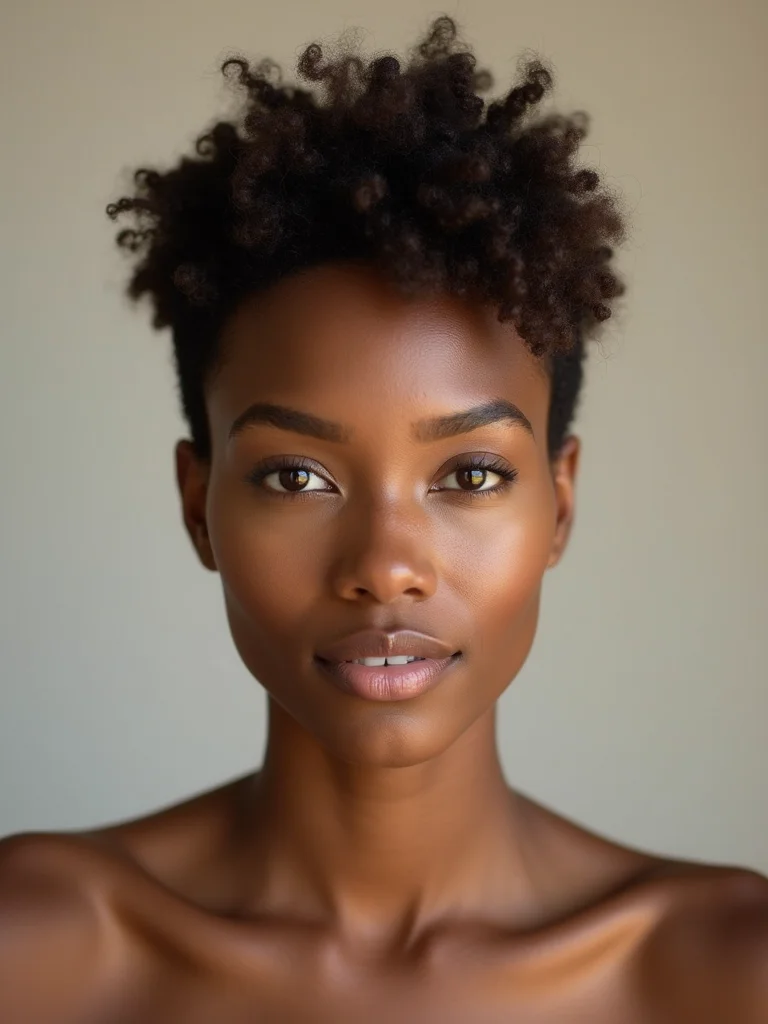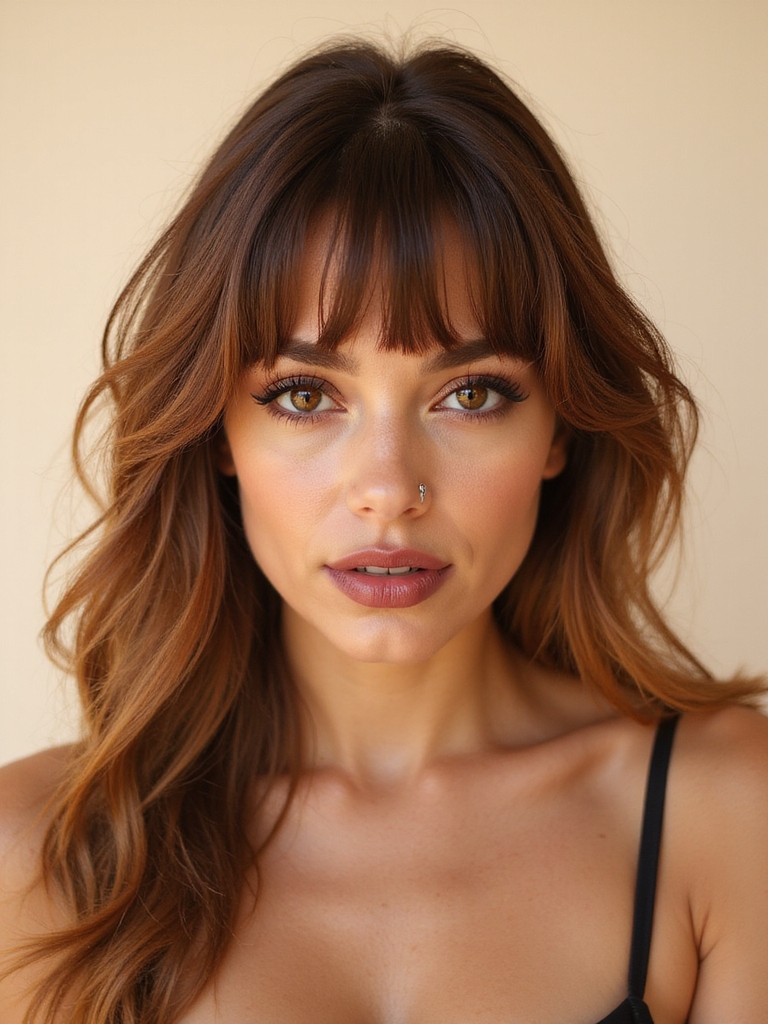
Curtain bangs only earn the name when they behave like curtains, parting open on their own and framing the face without daily coaxing. Cut wrong, that same fringe turns into a chore, fought with a round brush every morning. Cut to match the hair’s own texture, from pin-straight to tightly coiled, it settles into place and stays there.
The fifteen versions below are organized by texture and by how much effort each one asks for, from the sleekest split fringe to the most air-dried, hands-off shape. Every one is built around the texture already present, so the goal at each appointment is choosing a shape the hair will hold on its own.
What Decides Whether a Fringe Behaves
- Little about a curtain fringe comes down to product; it’s the cut, not the routine, that decides whether it falls into place.
- Wavy and curly fringes are almost always cut dry, since both pull up shorter once they’re finished.
- Longer, blended shapes grow out with almost no awkward stage, while shorter, blunt versions ask for closer upkeep.
A Soft Split Fringe for Sleek, Straight Hair
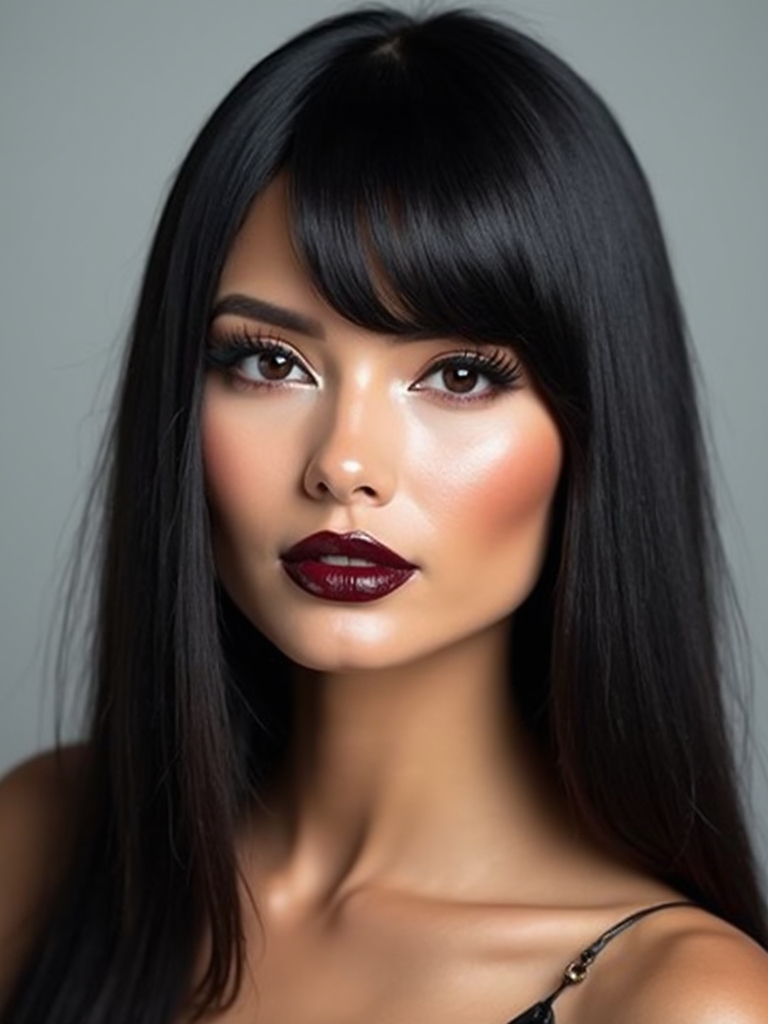
On straight, sleek hair, a soft split fringe parts down the middle and settles to either side with barely any encouragement, since smooth strands hold whatever line they’re cut to. Once the length sits right, the whole thing is wash, dry, and done. For the full breakdown on curtain bangs cut for straight hair, a few points worth knowing here first:
- A soft, split shape reads cleaner on straight hair than a heavy, blunt-cut line.
- Length should land long enough to tuck behind an ear on days it needs to disappear.
- A light serum keeps the part crisp and stops the ends from separating unevenly.
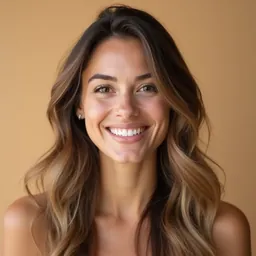
Wavy Curtain Bangs Left to Air-Dry
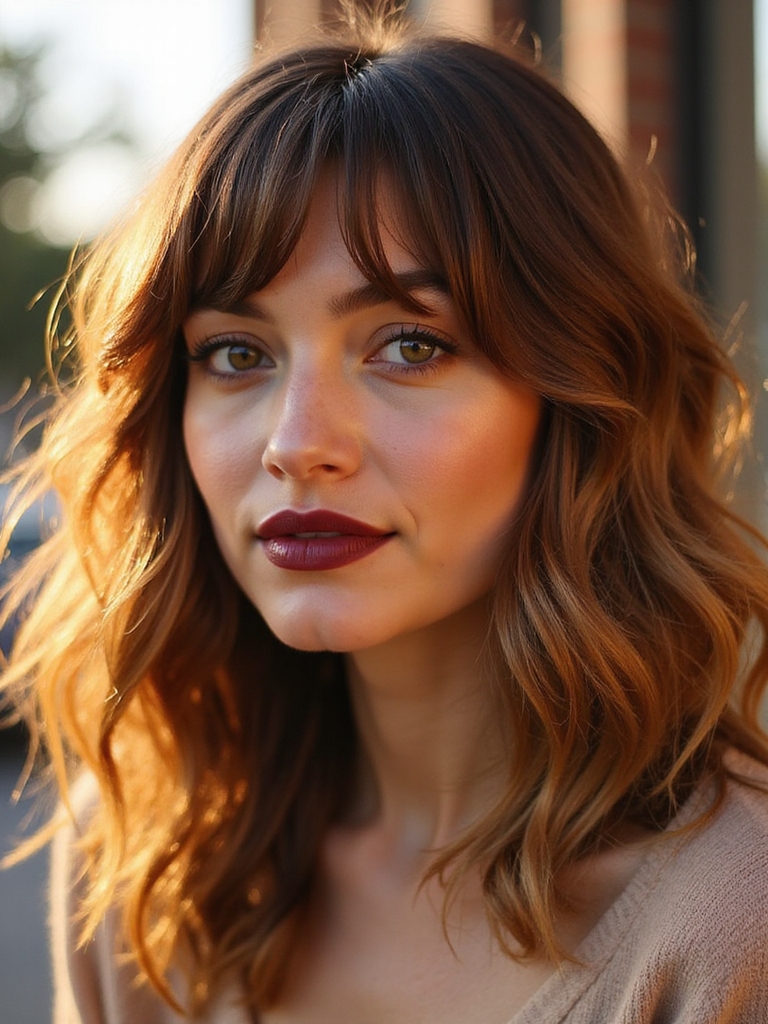
Wavy hair is one of the strongest matches for a no-heat curtain fringe, since the natural bend does the shaping work a straight fringe would need a blow-dryer for. Left alone, wavy bangs settle into a soft, undone sweep that looks deliberate without much real effort behind it. Full styling and grow-out notes live in the curtain bangs guide for wavy hair.
The one detail that matters is cutting the fringe while it’s dry, since waves pull up shorter once they set. A wet cut on this texture routinely lands too short once it dries. Get that right at the appointment and the rest mostly takes care of itself.
Day to day, a light cream or wave spray on damp bangs, shaped loosely with fingers, is usually enough. Left undisturbed, most wavy fringes set in under half an hour.
A Curly Shag Fringe Built for Lift
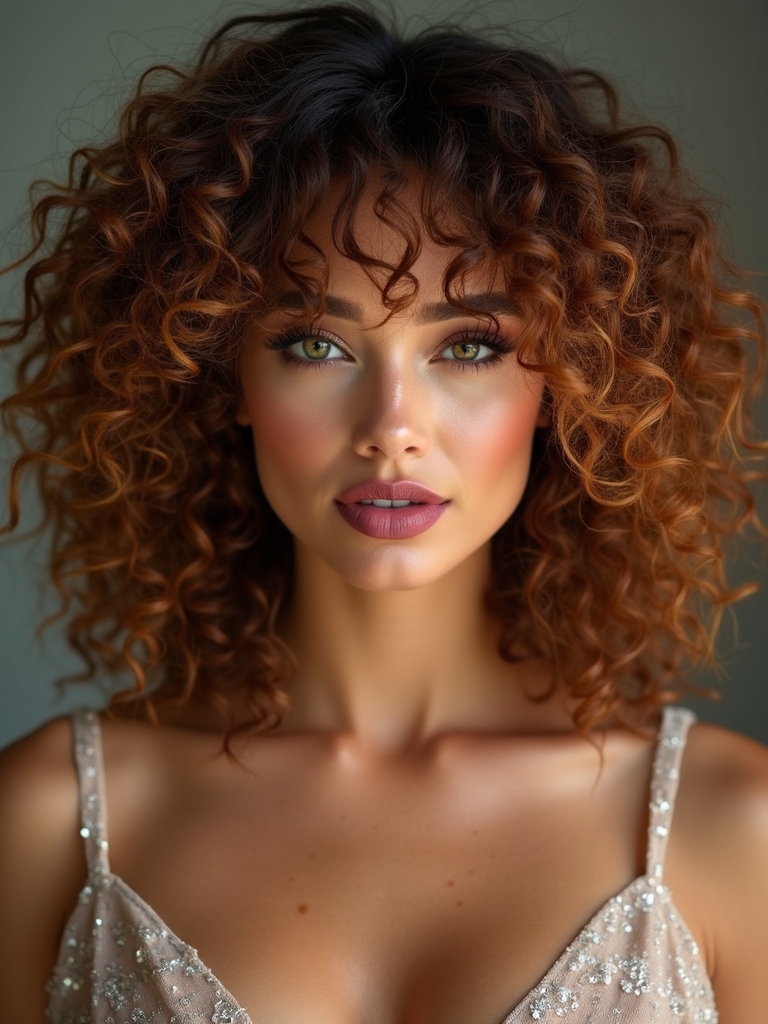
Pairing a curtain fringe with a shag cut on curly hair gives the front section room to lift and spring instead of sitting flat under its own weight. The shag’s layered structure and the fringe’s airy shape share the same piled-up quality, so the whole thing sits as one continuous, voluminous shape. A few specifics make the pairing work:
- The shag’s internal layers are what actually give curly bangs their lift.
- Cutting dry accounts for how far each curl springs once it’s finished.
- A curl-defining gel, scrunched in and left to set, keeps the cast from looking crunchy.
Coily Curtain Fringe With Defined Ends
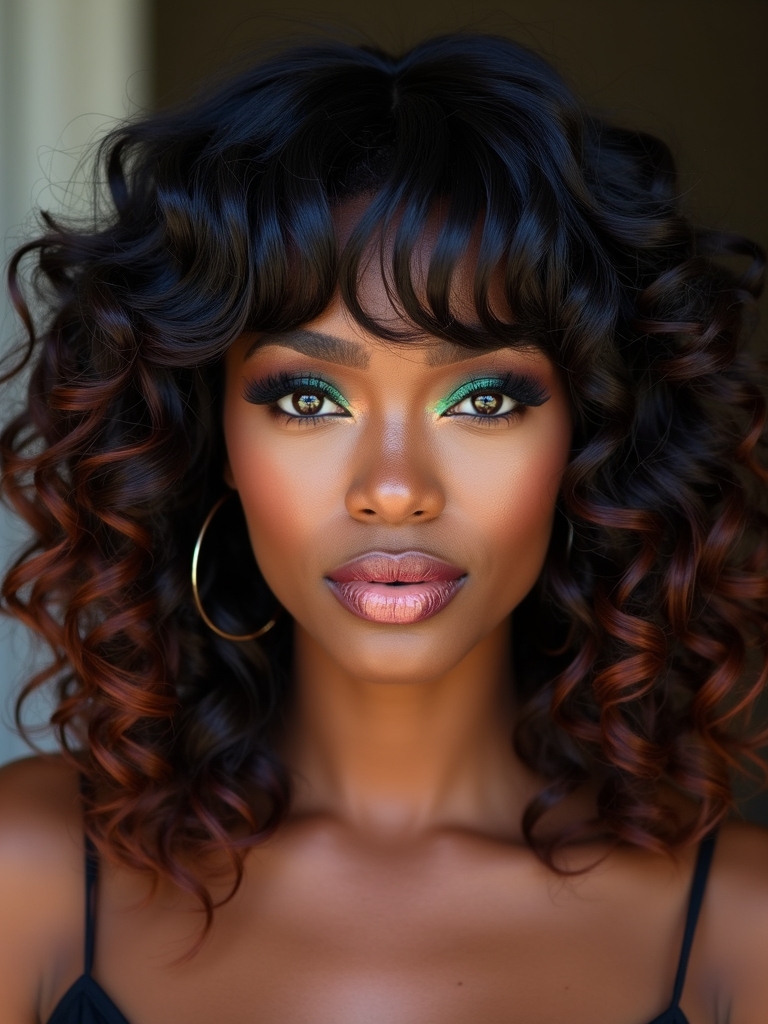
Coily hair wears a curtain fringe well, and defining the ends is what gives the shape its clean, draped line. Tight coils naturally form their own soft curtain on either side of the part. A well-shaped edge keeps that curtain looking intentional instead of just short.
The trade-off is shrinkage: coily texture pulls up more than any other type here, so extra length has to be built in at the cut. A stylist experienced with coils typically cuts dry and stretched, checking how far each section springs before committing to a final length.
- Ask specifically for a dry, stretched cut; a wet cut on coils regularly comes up short.
- A softly defined edge is what keeps the curtain shape from reading choppy.
- Expect the fringe to sit shorter day to day than it measured in the chair, by design.
Wispy, Eye-Grazing Bangs
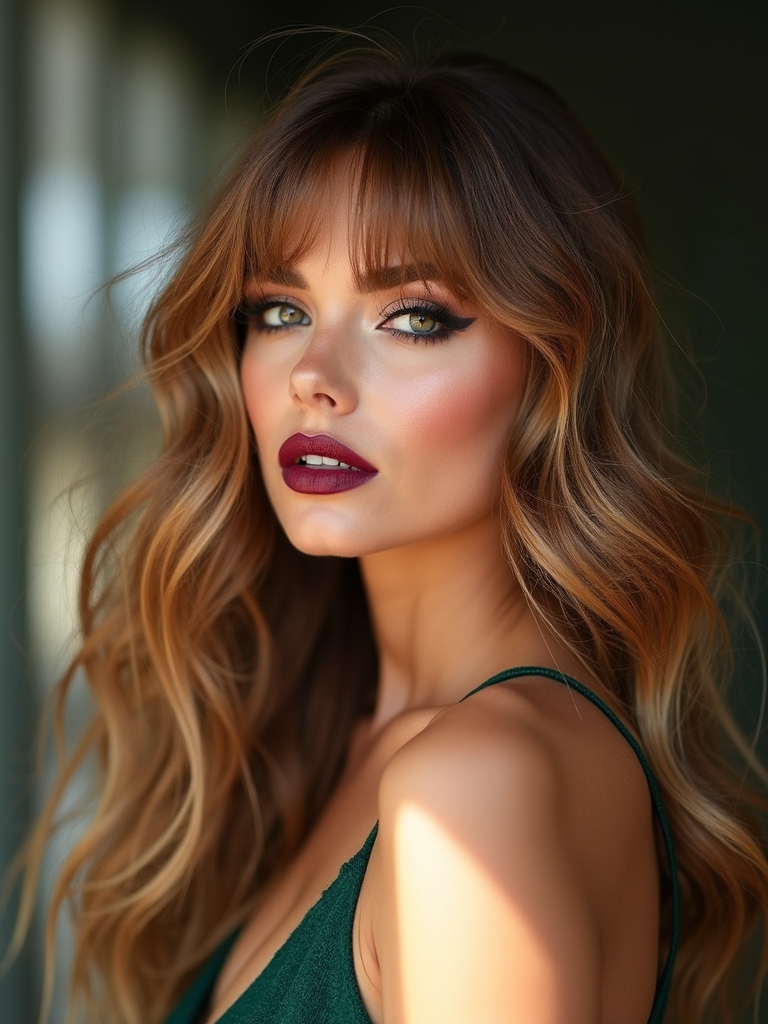
Wispy, eye-grazing bangs are the softest, most see-through take on the curtain shape, cut light and feathery so they barely register as weight on the forehead. They graze the eyes and frame them without the density of a full fringe, which is exactly what makes the whole look easy to wear.
Because they’re cut so sparse, wispy bangs forgive a lot day to day. A finger-comb settles them back into place without ever looking overworked, and that same feathery, see-through quality keeps them from reading heavy, even on a day they haven’t been styled at all.
The shape suits most textures, though on wavy or curly hair the wispiness usually comes straight from the cut itself, with the ends barely thinned. Nearly any texture can wear it. The cutting approach is what shifts.
ℹ️Shrinkage Math
Coily strands can pull up to less than half their true length once dry, so the extra length for a fringe has to be planned for at the appointment, not added after the fact.
Cheekbone-Skimming, Face-Framing Layers
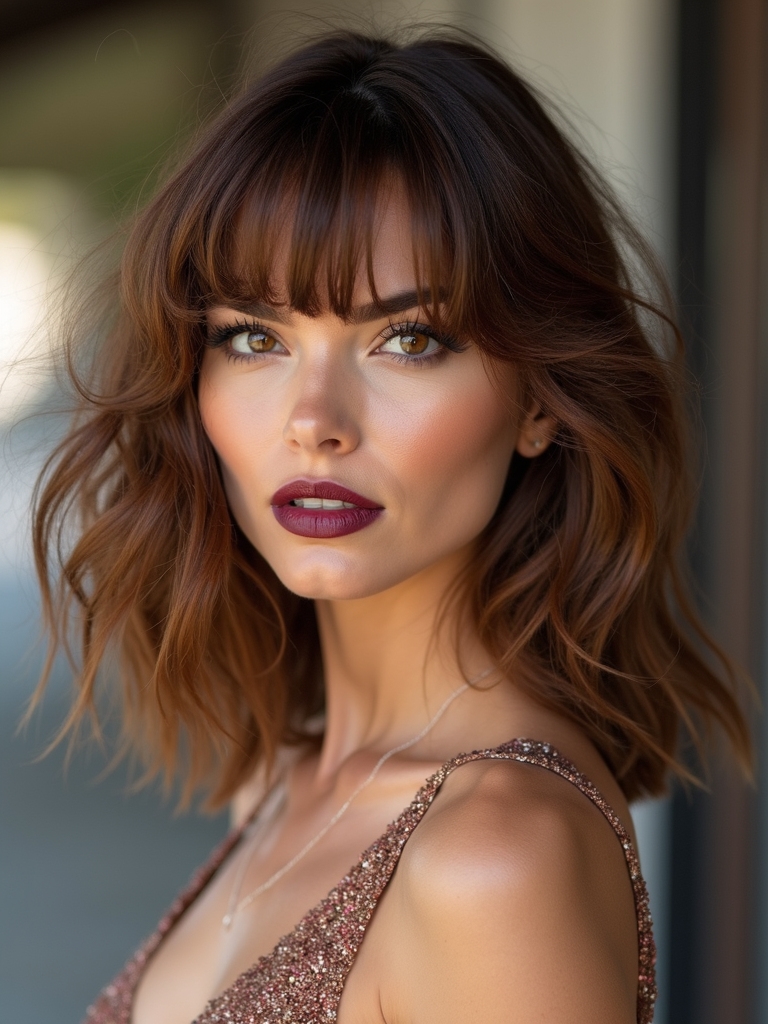
When a curtain fringe flows straight into cheekbone-skimming, face-framing layers, the result is often the most flattering, lowest-effort version of the whole look. The pieces sweep down to graze the cheekbones and blend into the front layers, so there’s no separate section to manage, just one soft frame that moves as a unit.
This length also tends to flatter the widest range of face shapes, since the sweep draws the eye across the cheekbones and softens the jawline. It grows out more gracefully than almost any other version too, simply lengthening into more face-framing with no awkward in-between stage.
Styling amounts to directing the pieces forward and to the side while the hair is still damp, then letting them dry into place. A round brush can sharpen the sweep for a night out, but it’s optional on an ordinary day.
A Wispy Micro Fringe for Minimalists
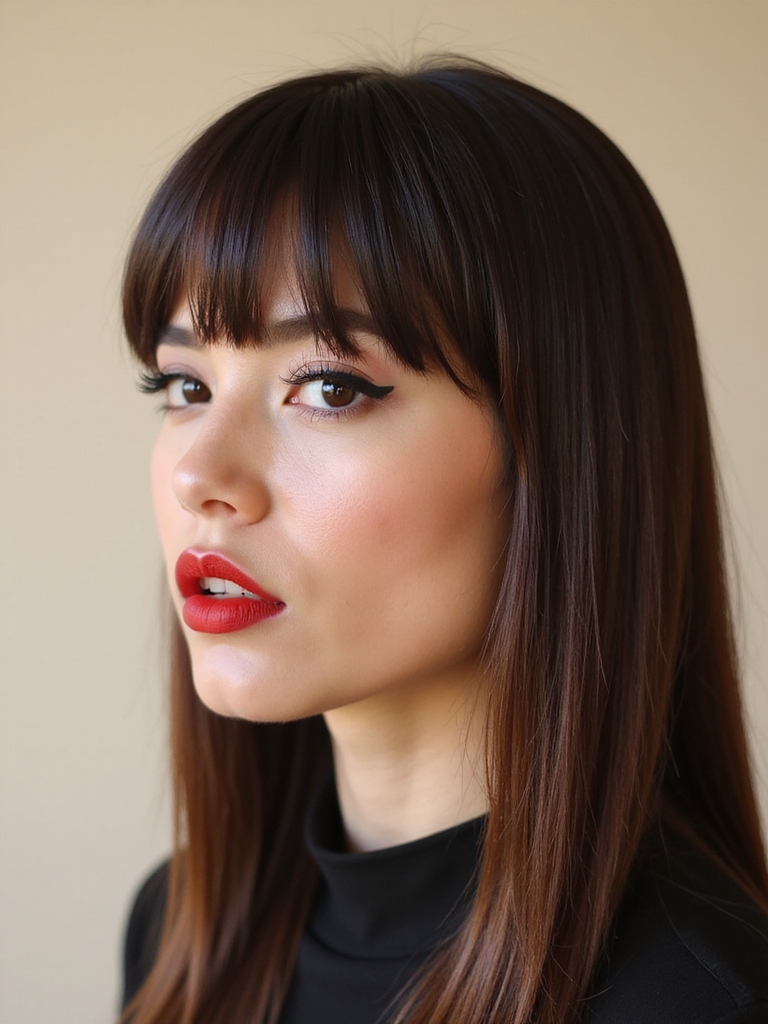
Sitting high, around the brow line, a wispy micro fringe is the boldest minimalist option here, built from clean lines with a little fashion edge. Kept wispy instead of blunt, it stays soft even at that short length, which is exactly what keeps it reading modern.
The real challenge with any micro length is precision. There’s no spare length to hide behind, so getting it right on the first pass matters more than with any longer style. It also needs trims more often than longer styles simply to hold its proportion as it grows.
- Keep the ends wispy so the short length stays soft.
- Book with a stylist confident cutting close to the brow; there’s little room to correct.
- Plan for more frequent trims than any of the longer styles here.
Long, Draped Bangs for an Invisible Grow-Out
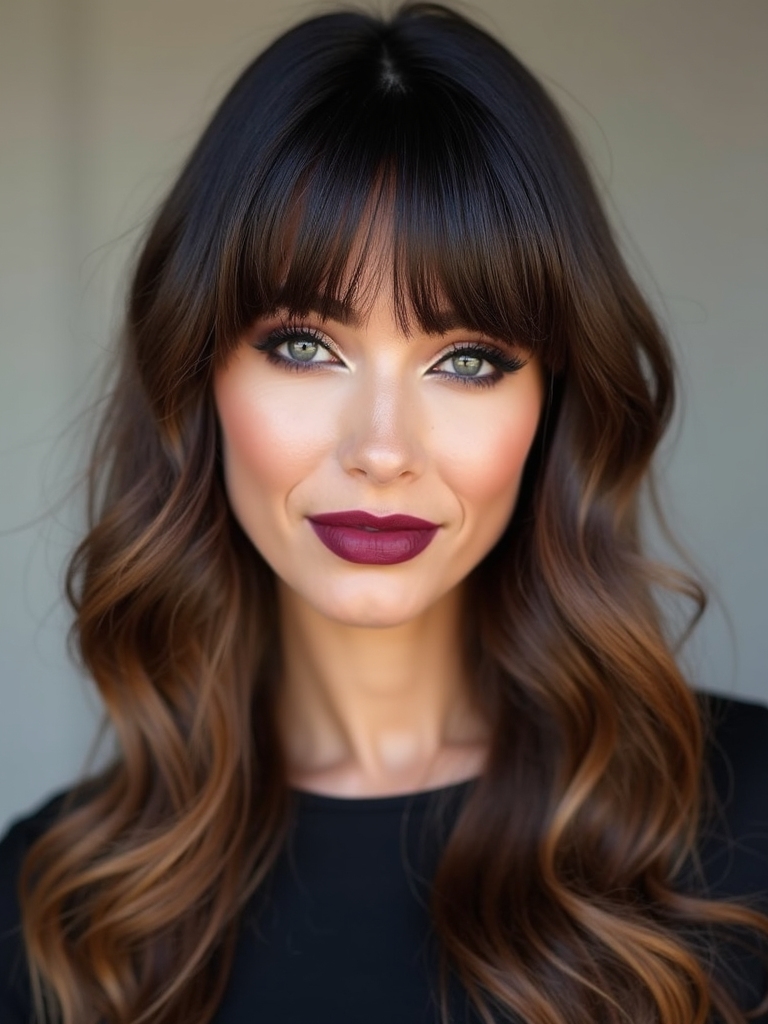
Long, draped bangs are about as commitment-free as a fringe gets, sitting barely shorter than face-framing layers and growing out with no visible stage at all. They drape softly past the cheekbones, framing the face while staying long enough to pin back or tuck away whenever needed. A few reasons this version works as a low-risk starting point:
- Barely shorter than the surrounding layers, so grow-out stays invisible.
- Works loose, tucked, or pinned back without ever looking half-grown-out.
- Suits nearly every texture, with the exact length adjusted for spring.
Precision Required
A micro fringe leaves almost no length to fall back on if the first cut runs short, so this is one version worth booking with someone who cuts them regularly rather than as a rare request.
A Feathered, Blended Fringe
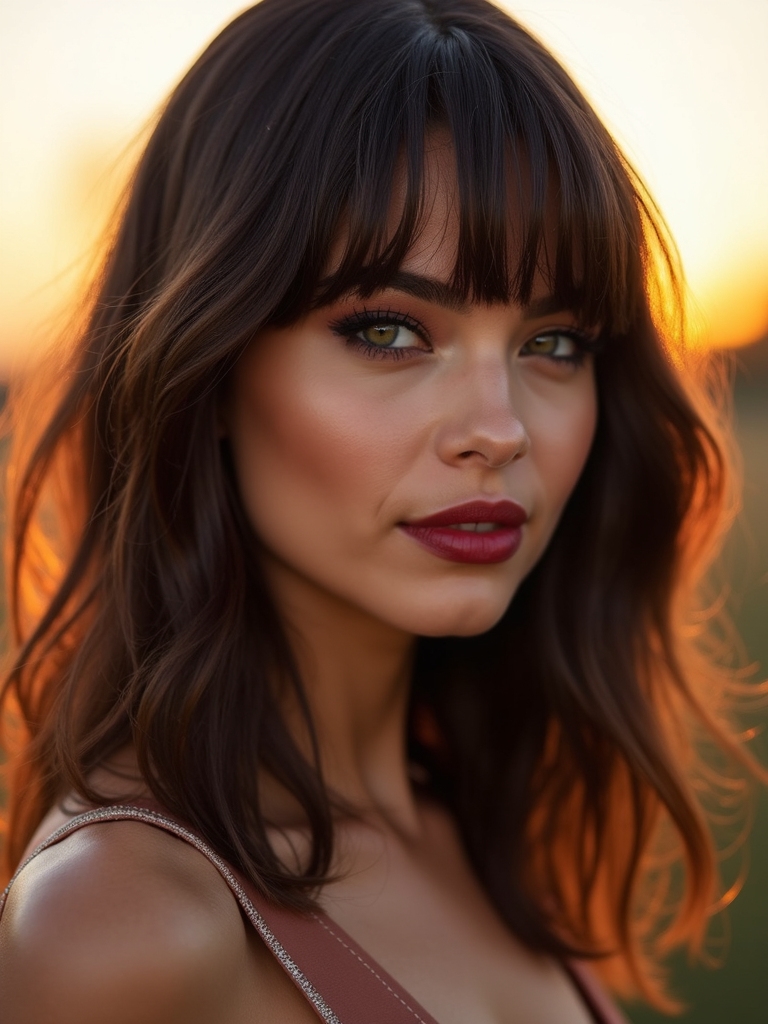
A feathered fringe blended into the surrounding lengths produces the grown-in, undone look many people ask for by name, and the effect comes almost entirely from the blending itself, not from product. Where the bangs meet the face-framing pieces with no hard break, the whole front reads soft and settled, like it has always been that length.
The feathering keeps the fringe light and moving. The blending is what makes it low-maintenance in practice, since there’s no distinct shape to preserve or grow out of. It suits someone who wants that settled-in look without the daily upkeep a sharper fringe demands.
- No hard line between fringe and layers means no obvious grow-out stage.
- A texturizing spray on dry hair is usually all the styling it needs.
- Works especially well layered onto a longer cut that already has movement.
Textured Bangs With Invisible Layering
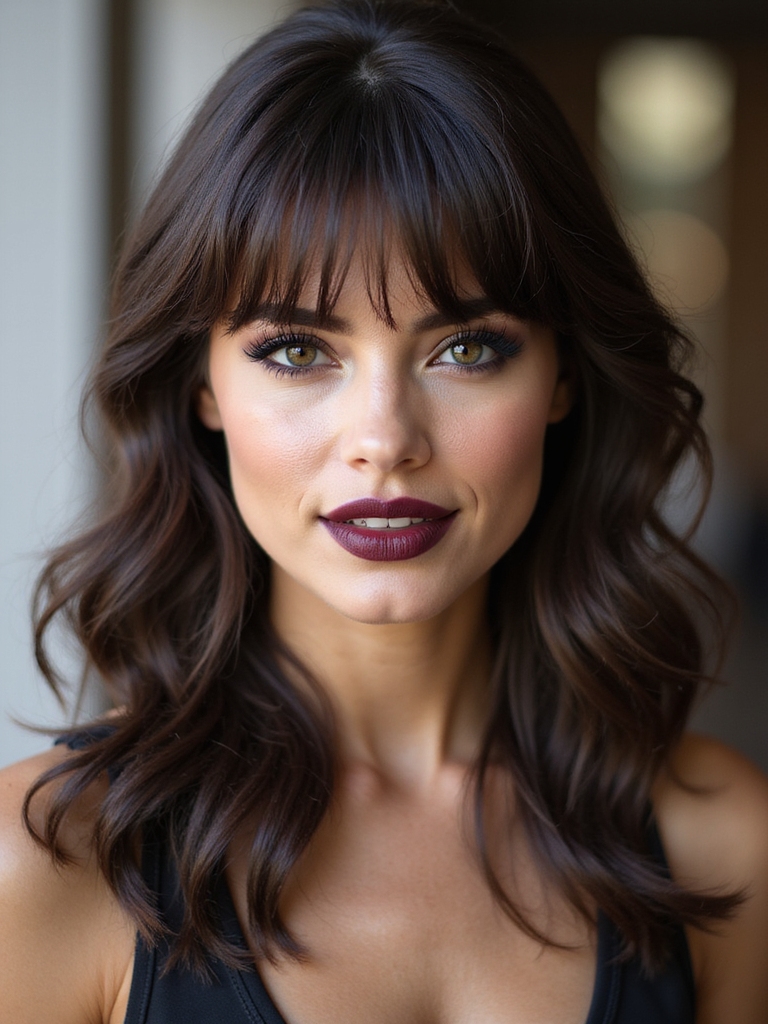
Invisible layering is a cutting technique that builds texture and movement into a fringe without any obvious layers showing on the surface. The layering happens inside the fringe, so it moves and falls naturally while still reading as one soft, cohesive piece from the outside.
Texture Built In, Not Styled In
The technique is especially useful on thicker hair, where it removes bulk so the bangs don’t sit heavy on the forehead, and on finer hair, where it adds the illusion of movement a single blunt layer can’t fake.
Because the texture is built into the cut itself, daily styling stays minimal. A quick finger-comb through dry bangs is usually enough to activate the shape.
A Piecey Fringe Built for Separation
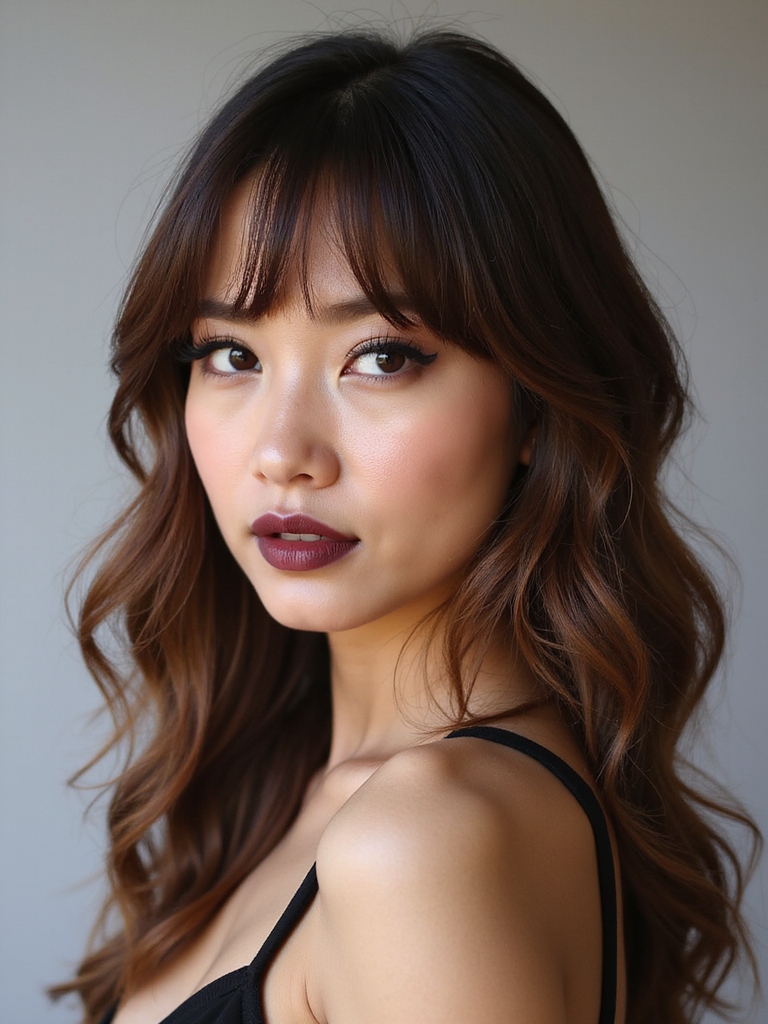
A piecey fringe is cut and styled to fall into separated, defined sections rather than one solid sheet, giving it a cooler, more undone edge than a smooth curtain. That separation is what makes the shape feel current, and the slightly imperfect finish tolerates a casual styling hand well.
Texture paste worked through the ends defines individual pieces, though natural texture alone often does the job on wavy or curly hair. Either way, a little imperfection in the finish is the entire point.
- Separation reads as intentional, even when the styling took thirty seconds.
- A pea-sized amount of paste goes further than expected on shorter pieces.
- Suits textures that already have some natural movement to work with.
Side-Swept Curtains From a Deep Part
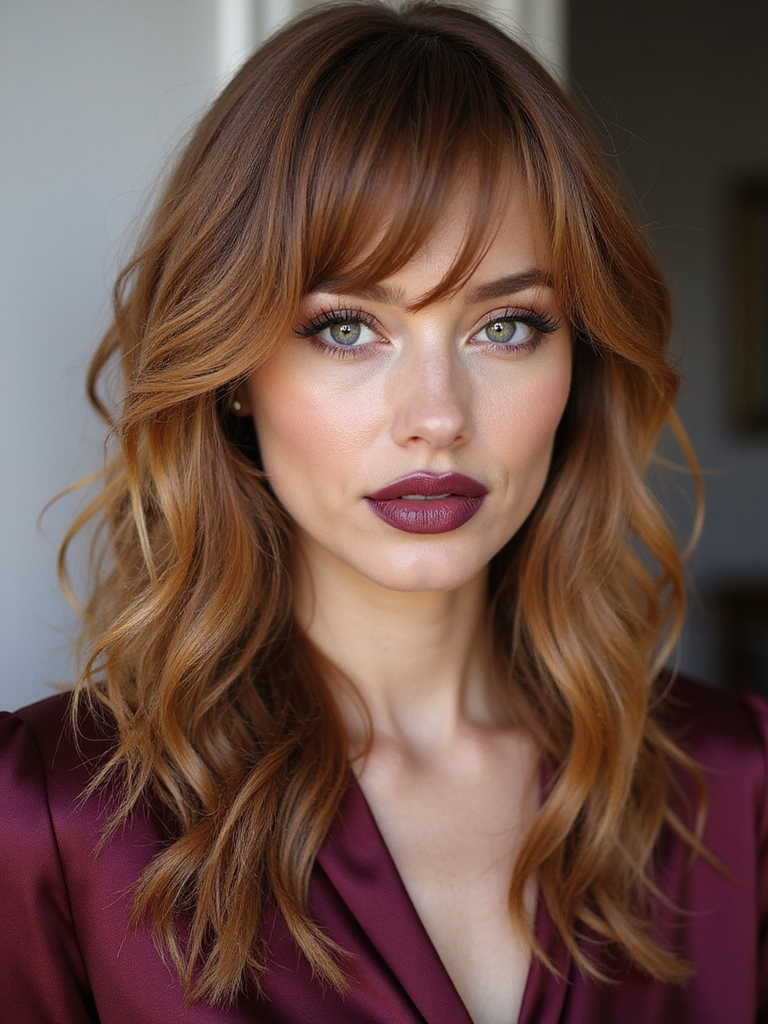
Shifting the part deep to one side turns a classic curtain fringe into a side-swept version, and it’s one of the more forgiving shapes here since there’s no precise center line to maintain. The fringe sweeps across the forehead from a deep side part, flattering wider face shapes and tucking away easily on days it isn’t wanted. The full breakdown of curtain bangs with a side part covers a few more variations, but the quick version:
- A deep side part adds lift and a flattering asymmetry to the whole front section.
- With no center line to keep exact, the shape forgives off days more than most.
- Blow-drying toward the chosen side trains the part to hold without pins.
💡Product Note
Piecey texture depends on product worked through dry ends; paste applied to wet bangs weighs the pieces down instead of separating them.
Curtain Bangs With Built-In Texture
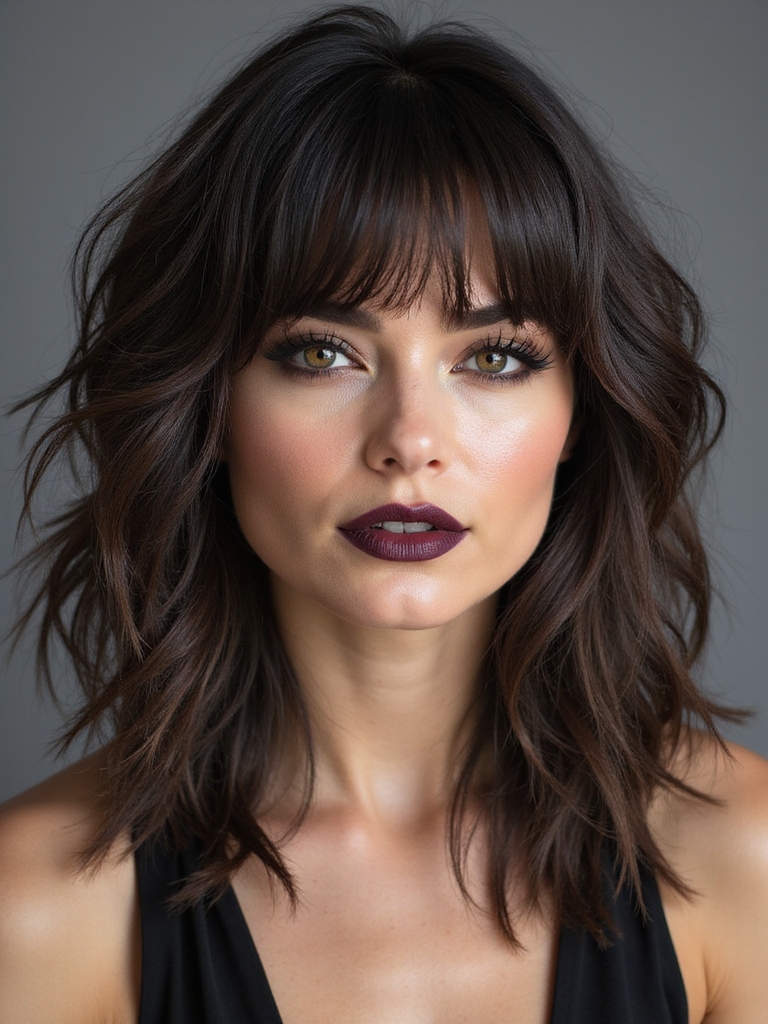
Some curtain bangs are cut specifically with texture built into them, using point-cut, broken-up ends that move and separate on their own. That built-in texture is what lets the fringe look full of movement straight out of an air-dry, with no additional styling needed to create that settled, lived-with quality. A short checklist for asking for this version:
- Request point-cut ends rather than a single blunt line across the bottom.
- Confirm the goal is movement straight from an air-dry.
- Expect minimal daily effort once the cut has grown into its shape.
A Center-Parted, Brow-Skimming Fringe
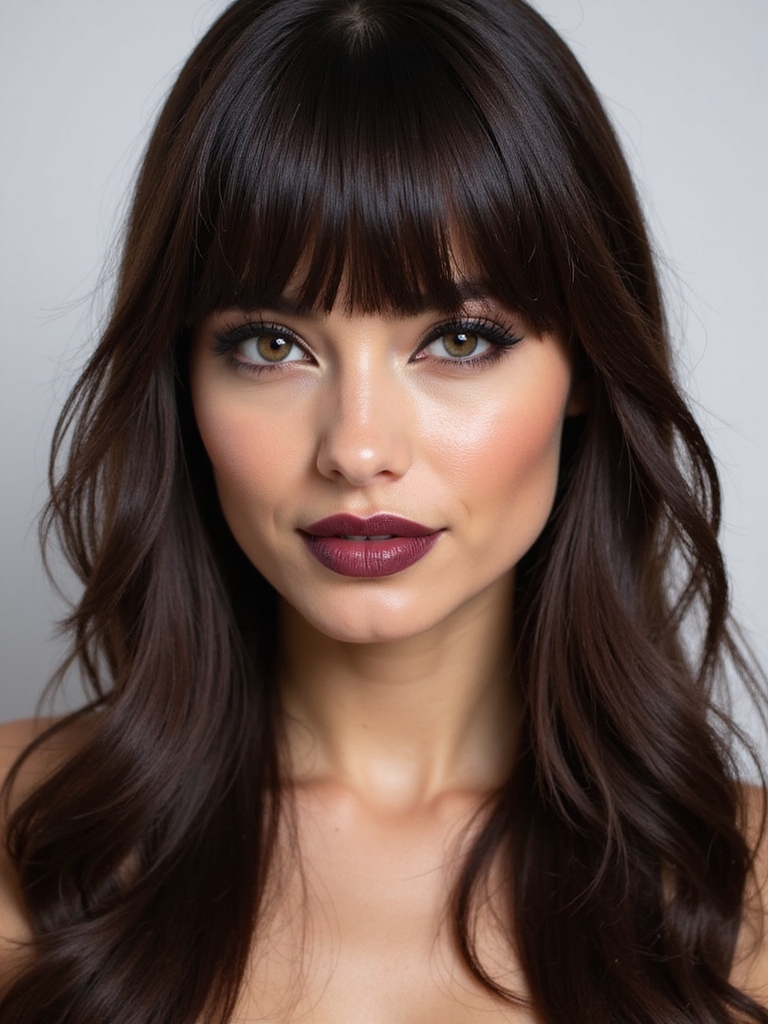
The center-parted, brow-skimming fringe is the most recognizable curtain shape, splitting cleanly at the center and falling to graze the brows on either side. On smooth hair with a bit of shine, it reads polished and put-together with very little effort. A soft, feathered cut keeps even this more classic shape from needing daily heat. A few notes on wearing it well:
- Suits balanced, oval-leaning face shapes especially well.
- A touch of shine serum keeps the polished version looking finished.
- Feathering the ends softens the line so it doesn’t need a blow-dry every day.
📋Booking a Textured Fringe
- ✓Bring a photo showing the point-cutting, not just the overall shape.
- ✓Ask how the ends will be finished: point-cut versus razor-textured.
- ✓Confirm the trim schedule that will keep the texture from growing out blunt.
Air-Dried, Low-Maintenance Curtain Bangs
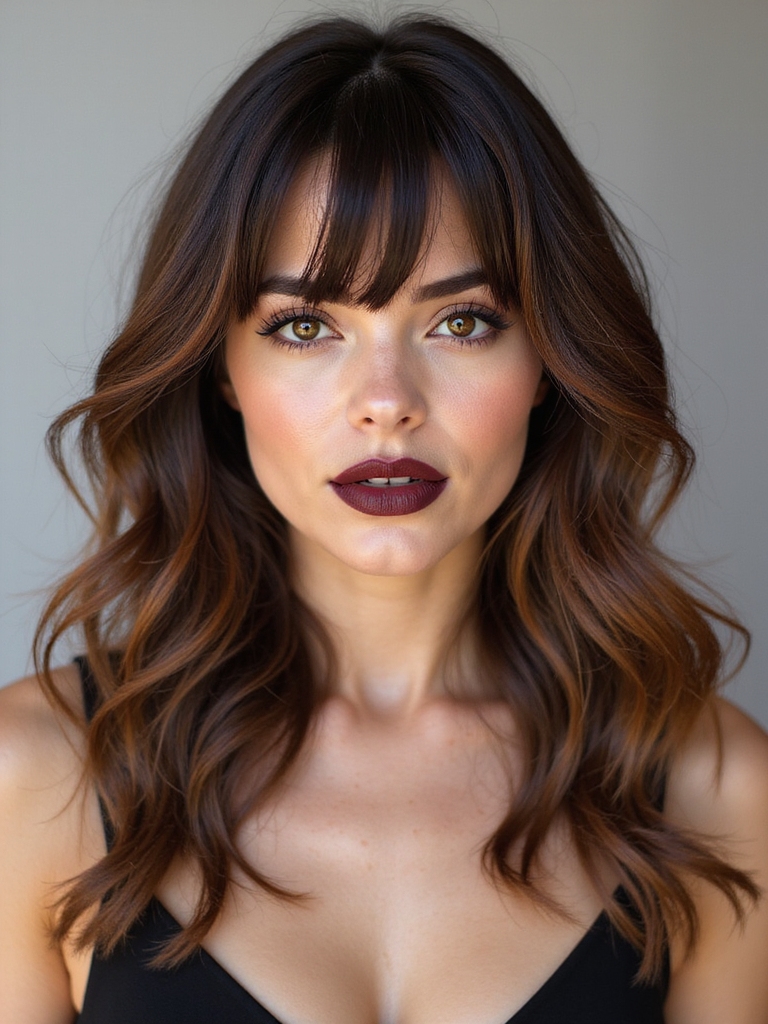
For anyone whose only real requirement is minimal effort, this is the fringe to request: cut long and soft, meant to be washed, parted, and left to air-dry into shape on its own. No round brush, no heat, no precise styling routine. The hair simply falls into a soft curtain by itself.
The cut is doing nearly all of the work here, since the entire point is that the bangs behave without daily intervention. Cut long and blended to match natural texture, this version asks for little beyond a finger-comb and a wash-day product suited to that texture.
- No brushing, no heat, just wash and go.
- Works best when the length and texture are matched precisely at the cut.
- The lowest-effort version here, by design.
Who It Suits Best
The cut decides far more than the styling ever will, across every version above. Experts consistently point to the same first step: describe the natural texture honestly at the consultation, and ask that any wave or curl be cut dry so the length lands correctly once it sets.
A fringe-only trim is typically a short visit, usually $20 to $45, and most fringes need a touch-up every month to six weeks, give or take, with longer blended shapes stretching that window furthest and micro fringes needing it soonest.
Low-maintenance does not mean zero-maintenance, and that distinction matters going in. Even the easiest fringe here still needs the occasional tidy-up and a wash-day product matched to its texture. Matched correctly to the texture in the chair, a curtain fringe asks for remarkably little in exchange for how much it changes a face.
The Fringe That Meets Hair Where It Is
A curtain fringe has outlasted most other bang trends for one simple reason: cut correctly, it asks very little of the person wearing it. Matched to natural texture and left to do its own thing, it frames the face, grows out gently, and air-dries into shape without a daily fight, which is more than most haircuts can promise.
The real question worth sitting with isn’t which version looks best in a photo, but which one the hair already wants to do. Which of these fifteen comes closest to how the hair behaves on an ordinary, unstyled day?
Related Reads