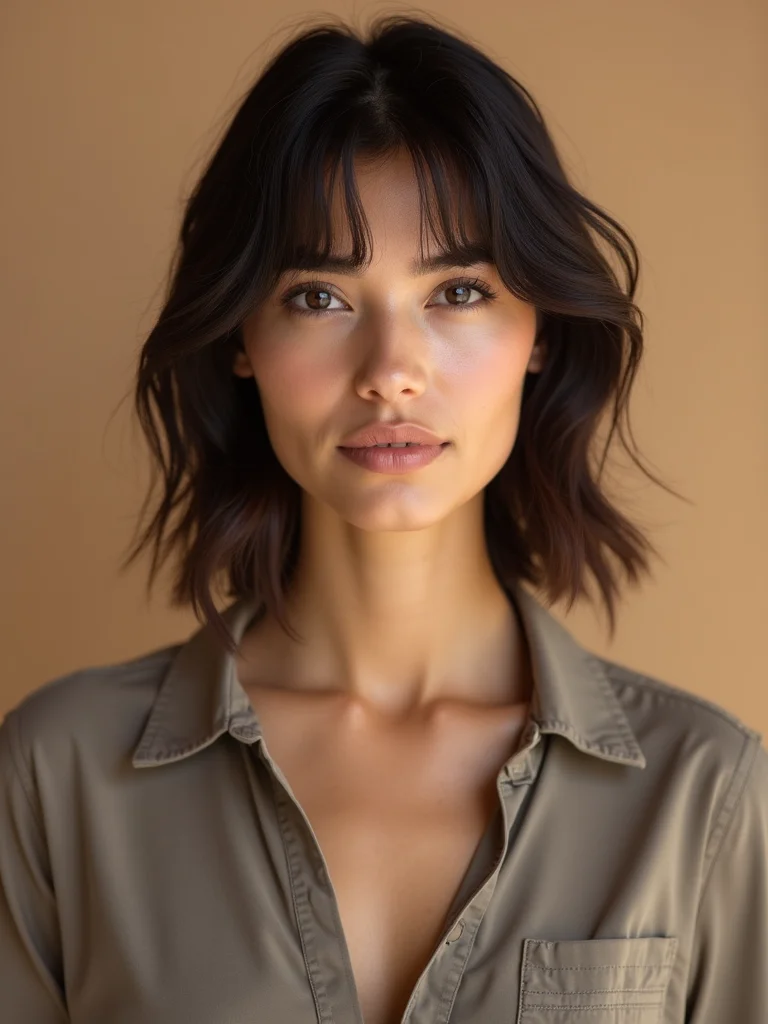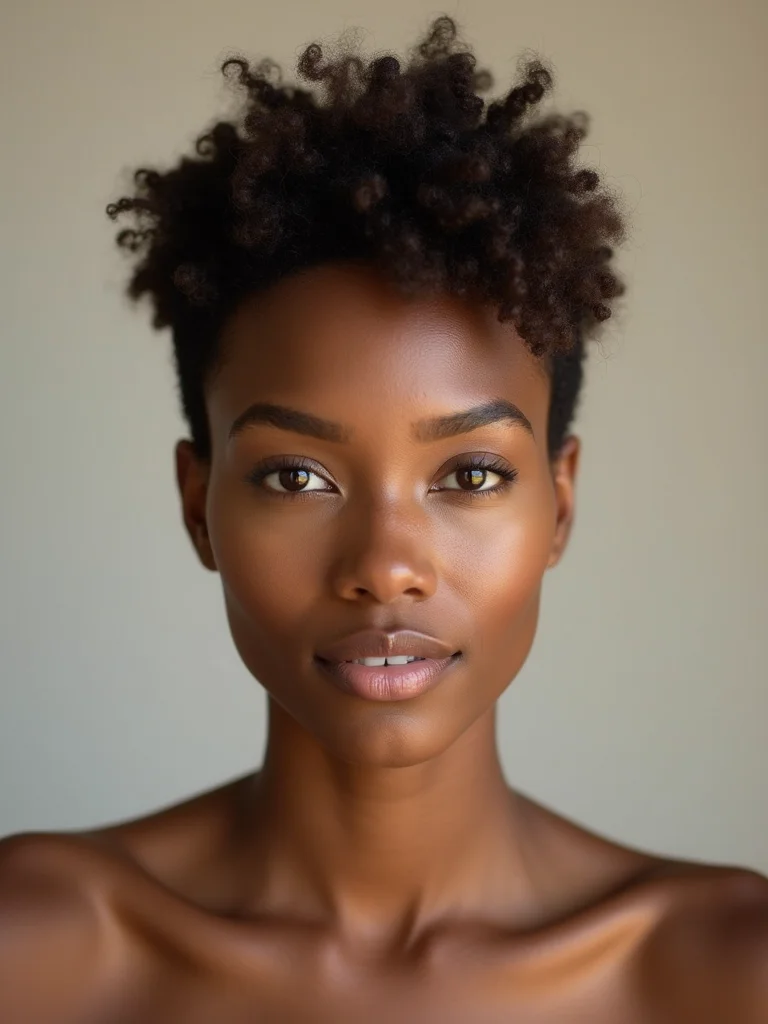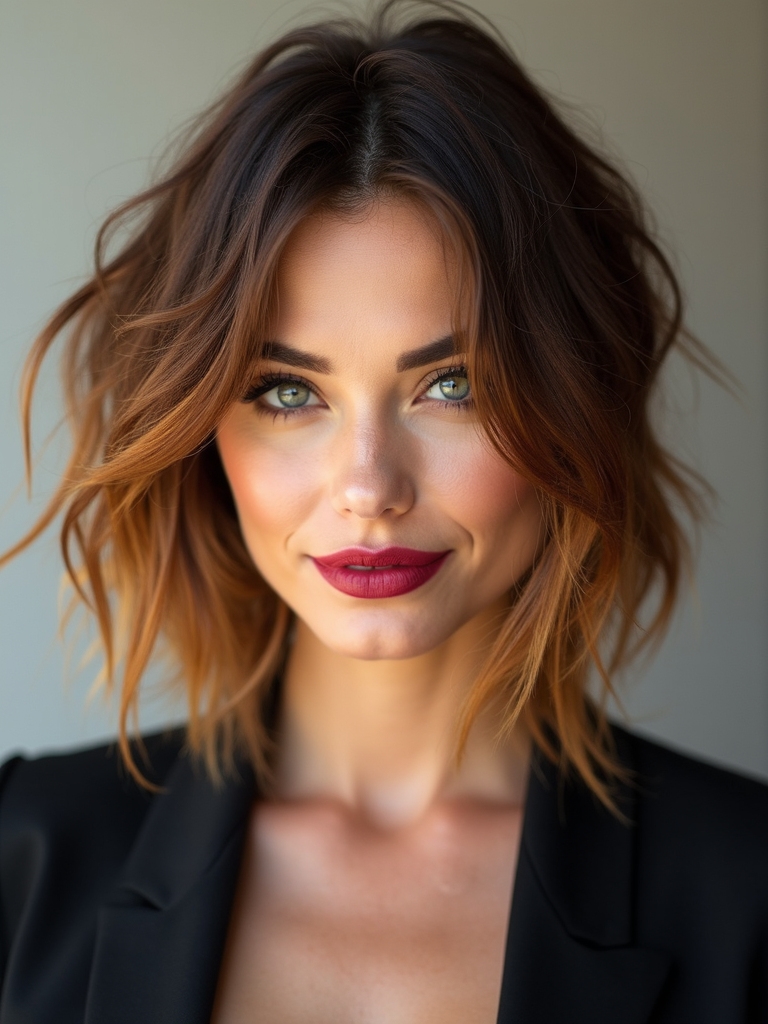
Why has the medium shag outlasted nearly every other cut trend of the last fifty years? Because it does the two things everyone actually wants: it adds movement without asking you to grow your hair out, and it looks best a little undone, so a busy morning works in its favor rather than against it.
The shag has been reinvented for the seventies, for the nineties, and again right now, and the medium length is its most wearable form, with plenty to pull into a claw clip yet little enough to stay light and easy. What follows are the versions worth knowing, sorted by texture, mood, and how much upkeep each one asks, so you can zero in on the one that suits your texture and your schedule.
Shag Quick Answers
What makes a shag a shag? Stacked layers through the crown and feathered, textured ends, usually with some kind of fringe. The layers create the volume up top and the airy, piecey finish everyone recognizes.
Does it work on my hair type? Yes, from stick-straight to tight coils. The layers just get cut differently, longer and softer on curls and coils, shorter and choppier on fine straight hair.
How much upkeep is it? A shaping trim keeps the layers crisp, but the cut grows out gracefully, so you can stretch the time between visits. Styling is minimal by design.
The Classic Collarbone Shag

The version that started it all sits right at the collarbone with layers stacked high up top and feathered ends that fall in soft, piecey layers. It’s the timeless one, the shag people picture when they hear the word, and it has never really left. This length is the sweet spot, with enough hair to move but not so much that the layers lose their lift.
It flatters most face shapes because the layers frame the cheekbones and the fringe softens the forehead. The proportions just work. Ask for it if you want a cut that never once looks dated in photos, decade after decade:
- Layers start around the cheekbone and build volume through the crown.
- The ends stay feathered and airy, tapered to a soft point.
- It suits fine to medium hair especially well, adding fullness.
The Curtain-Bang Shag

Pair a shag with curtain bangs and you land on the combination that’s dominated salon Pinterest boards for years now. The bangs part in the middle and sweep back toward the cheekbones, melting into the layers that frame your face so the whole cut flows as one piece. Nothing sits in a hard line.
The Most Requested Version
It’s flattering on nearly everyone because the bangs draw the eye to the cheekbones and can be worn pushed back on the days you don’t want fringe in your face. That built-in flexibility is a big part of why it stuck around past the trend cycle.
The catch is the grow-out phase, when the bangs hit the awkward chin length, so plan a quick monthly bang trim to keep them sweeping right. It’s five minutes in the chair and worth it.
The Point-Cut, Wispy-End Shag

If your last layered cut felt too heavy or blunt at the bottom, the fix is in how the ends are cut, and the point-cut, wispy-end shag is the answer. Instead of cutting straight across, the stylist points the scissors up into the ends to remove weight and create that soft, feathered finish. Here’s what makes it work:
- Point-cutting thins the ends so they taper to a soft, feathered finish.
- The result is airier and more piecey, ideal for thick or coarse hair.
- Ask for wispy, textured ends by name so nothing lands too heavy.
📋Getting the Ends Right
- ✓Ask for point-cut, wispy ends so nothing lands blunt or heavy.
- ✓Bring a photo, since ‘textured’ means different things to different stylists.
- ✓On thick hair, request extra weight removed through the ends.
The Soft, Wavy Shag

The shag and natural wave were made for each other, since the layers give waves somewhere to spring and the texture hides any unevenness in the pattern. On wavy hair, a medium shag looks styled even air-dried, which is the whole appeal.
Best for Natural Wave
Work a little mousse or a sea-salt spray through damp hair, scrunch, and leave it alone; the layers do the rest. The waves do the styling for you. This is the low-effort, high-payoff version, the one that looks like you spent real time on it when you actually just walked out the door.
If your waves are on the loose side, a diffuser on low coaxes out more shape without frizz. Skip the heavy creams here, since they weigh the layers down and flatten the lift that gives this cut its shape.
The Curly Shag With Defined Coils

Curly and coily hair wears the shag beautifully, but it hinges entirely on the stylist, ideally one who cuts curls dry so they can shape each coil where it actually falls. The layers open up space for each coil to spring outward and lift, building that rounded, full shape without the dreaded triangle.
For coils and tighter textures, the layers are cut longer and more gradually to protect the shrinkage and keep the shape balanced. A wash-and-go finished with curl cream then gel is often all it needs, letting the natural pattern lead.
The key is a curl-literate cut and enough moisture, since well-defined coils depend on hydration. Deep-condition regularly, and lean on the layered cuts a shag is built on to keep length and shape in balance.
The Rocker-Chic Shag

This is the shag with its volume turned up, extra-choppy layers, a heavier fringe, and a piecey, undone finish that nods to its seventies rock-and-roll roots. It’s the version to book when you want your cut to carry some attitude. This one has bite.
For a Little Edge
The look leans on shorter, more aggressive layering up top for height, and ends left deliberately shattered. Rake a little texture paste through dry lengths to pull the pieces apart and push the edge further.
It reads bold but stays wearable at the medium length, since the shape keeps it from tipping into costume territory. If you love the energy, the fuller wolf cut takes the same idea a step shaggier.
Not sure how much edge you want? Match the finish to your energy.
🎯Rocker-chic
Choppy layers, heavier fringe, piecey texture paste. Bold and undone.
🎯Polished modern
Same cut, smoothed under with a serum. Sleek enough for the office.
The Polished, Modern Shag

Not every shag has to look slept-in. The polished version keeps the layers and movement but smooths the finish, for a shag that works in a boardroom as easily as a bar. The shape stays put while the styling turns sleek and smooth.
You get there with a boar-bristle round brush and a touch of smoothing serum, drying the layers under so they curve softly inward. It proves the shag is a whole range of moods rather than one fixed vibe:
- Blow-dry the layers under for a smoother, rounded finish.
- A lightweight serum tames flyaways without flattening the shape.
- Nothing about the cut changes; the finish alone shifts the mood.
The French-Girl Shag

The French-girl shag is all about looking like you weren’t trying, with soft, feathered layers, a grazing fringe, and an air-dried finish that always looks casually undone. It’s cut a touch longer and softer than the rocker version, trading edge for ease. Here’s the recipe:
- Keep the layers soft and grown-in, on the longer side.
- A light fringe grazes the brows for that undone Parisian feel.
- Air-dry with a texture spray and resist the urge to overstyle.
The Tendril Shag With Face-Framing Pieces

One detail separates a good shag from a great one: the face-framing tendrils, those longer pieces left at the front to curve around the cheekbones and jaw. On a medium shag, they’re the finishing touch that makes the cut feel custom to your face.
The tendrils can be curled slightly outward, tucked behind the ears, or left to fall, and they draw the eye exactly where you want it. Get those right and the whole cut suddenly looks tailored instead of generic. They’re especially flattering for softening a rounder face or drawing attention to good bone structure, and they give you something to do with your hands when you’re pushing hair back from your face all day.
Ask your stylist to leave a little extra length at the very front when you book the cut. It costs nothing and it’s the difference between a shape that frames you and one that just sits there.
The Voluminous-Crown Shag

If your hair falls flat on top, the shag is your friend. The stacked layers through the crown are built to create lift. This version leans all the way into that, with shorter internal layers set up top to give height and body exactly where fine hair usually goes limp by mid-afternoon.
It’s the cut I point fine-haired clients toward most often, since it fakes fullness no product can match on its own. A few tricks make the volume last:
- Shorter crown layers build built-in lift at the root.
- A round brush finished with cool air locks the volume in place.
- A little dry shampoo worked into the roots keeps the height going for days.
The Flipped-Out Shag

For a retro-leaning, playful finish, style the ends of your medium shag flipped outward at the very bottom. It’s a small change that shifts the whole mood toward fun and a little seventies, and it plays perfectly into the shag’s layered ends. Here’s how to get it:
- Use a flat iron or round brush to flick the ends outward.
- Focus on the face-framing pieces and the very bottom layer.
- A light hairspray holds the flip without making it stiff.
💡Flip Without the Frizz
To flip your ends out cleanly, work on fully dry hair and use a flat iron with a slight outward turn of the wrist right at the tips, one pass per section. A blast of cold air sets the shape, and a flexible-hold spray keeps the flick lively rather than crunchy. Curling too high up buries the effect, so keep it to the last inch or two.
The Micro-Bang Shag

For the fashion-forward, pairing a medium shag with micro bangs, a short, blunt fringe that sits well above the brows, makes a statement that’s equal parts vintage and modern. It’s the boldest fringe choice here, and it turns a familiar cut into something striking.
That contrast is exactly what makes it work: the soft, layered length below and the sharp, high fringe above create a look with real edge. It suits strong features and anyone who wants their haircut to be the outfit.
Micro bangs demand commitment, since they need a fringe touch-up every week or two and there’s no hiding them on an off day. But worn with confidence, they’re the most memorable version on this list.
The Invisible-Layer Shag

If you want the movement of a shag without an obvious layered look, the invisible-layer version blends everything so softly that the layers read as your hair’s own natural body. It’s the subtle, grown-up take, quietly flattering on almost any face since it adds movement while looking like you did nothing at all. What sets it apart:
- The layers are blended gradually to keep every transition soft.
- You get airy movement that looks like your hair just does that.
- It grows out with almost no awkward phase, ideal for low-fuss types.
Which shag layer style fits you? Pick what matters most.
1I want movement but nothing obvious
The invisible-layer shag blends the steps so it reads as natural body.
2I want maximum texture and separation
The shattered-end shag takes the piecey, multi-length look to its extreme.
The Shattered-End Shag
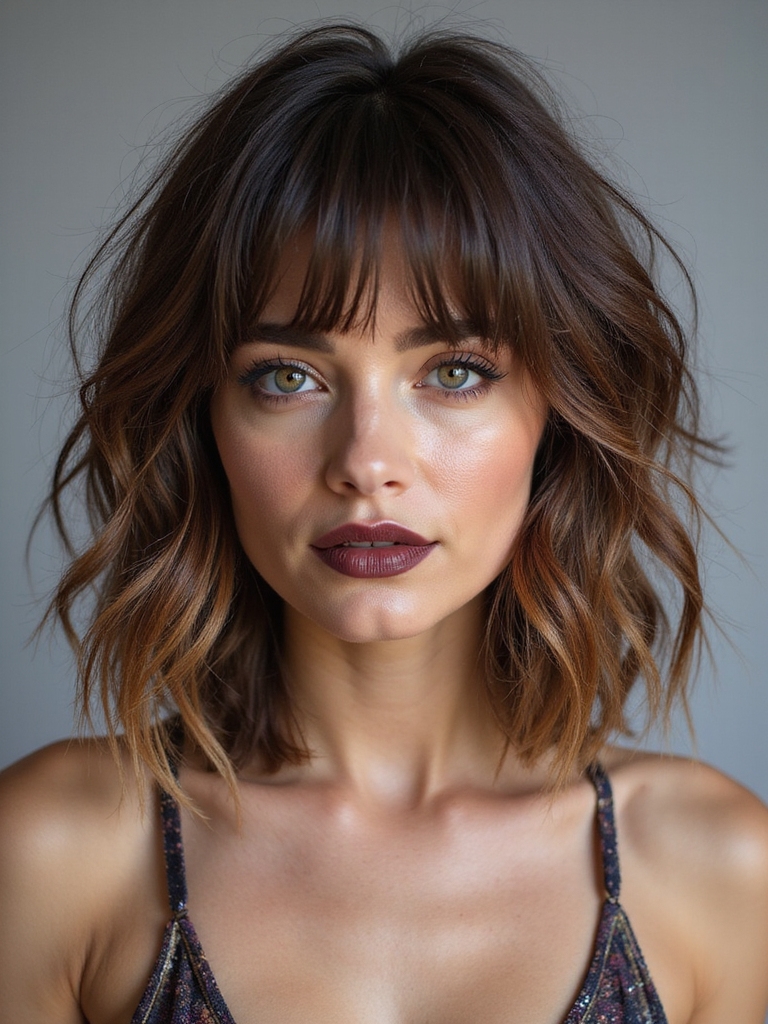
The shattered-end shag pushes the texture as far as it goes, with ends cut in an intentionally broken, uneven, piecey way so the hair looks like it has a dozen different lengths at once. Movement is the whole point. It’s the maximum-texture version, all separation and next to no weight.
It works best on thicker hair that can carry the removed weight without going thin, and it needs product to show off the separation. A few notes before you commit:
- Best on medium-to-thick hair; fine hair can look sparse.
- A matte texture paste defines the shattered pieces.
- The upkeep is higher, since the shape relies on precise cutting.
The Low-Maintenance Shag

The reason so many people land on a shag and stay there is this one: cut for low maintenance, it asks about as little daily effort as a layered cut ever will. The layers are shaped to fall into place on their own, so styling is a choice you make on the days you feel like it. How it stays easy:
- The layers are cut to air-dry into shape with little effort.
- It grows out gracefully, stretching your time between trims.
- A $60 to $100 shaping trim now and then is the only real upkeep.
Keeping Your Shag Looking Its Best
Whichever version you land on, a medium shag lives or dies on two things: the cut and a little texture. Because the shape depends on those layers, book a shaping trim on a roughly two-month rhythm to keep the crown lift and the feathered ends from growing heavy. It’s the single most worthwhile habit for this cut, and skipping it is how a great shag slowly turns into a shapeless mid-length.
Styling stays light by design. A texture spray or a little paste is usually all a shag wants, since heavy creams and serums flatten the movement that defines it. Air-drying is your friend here, and so is embracing a bit of undone texture, because the shag has always looked its best a little imperfect. That, more than any trend, is why it never really goes out of style.
Your Shag, Your Way
The through-line across all of these is range: one cut that bends to straight, wavy, curly, and coily hair, to bold or polished, to high-effort or wash-and-go, and still reads current in any decade. That adaptability is exactly why the medium shag has outlasted the trends around it, and why it keeps coming back cut slightly new each time.
So take the version that matches your texture and how much time you actually want to spend, bring a clear photo to your stylist, and ask for the layers and fringe by name. Then let it be a little undone, because that’s when a shag looks most like itself, and most like you.
More Inspiration