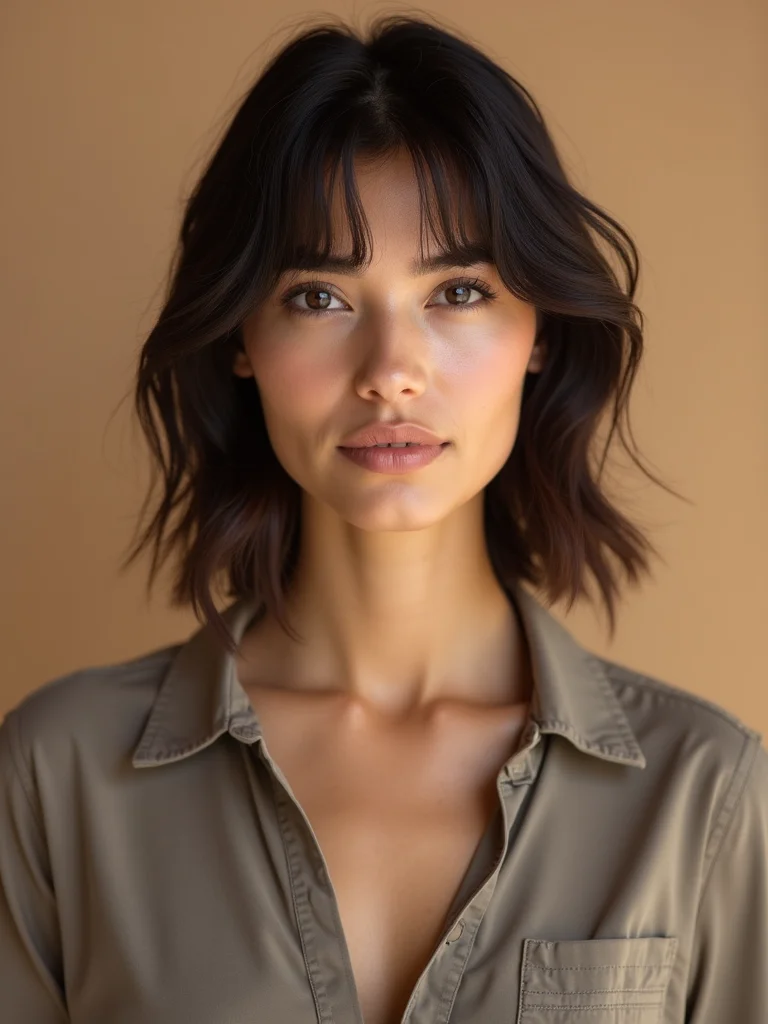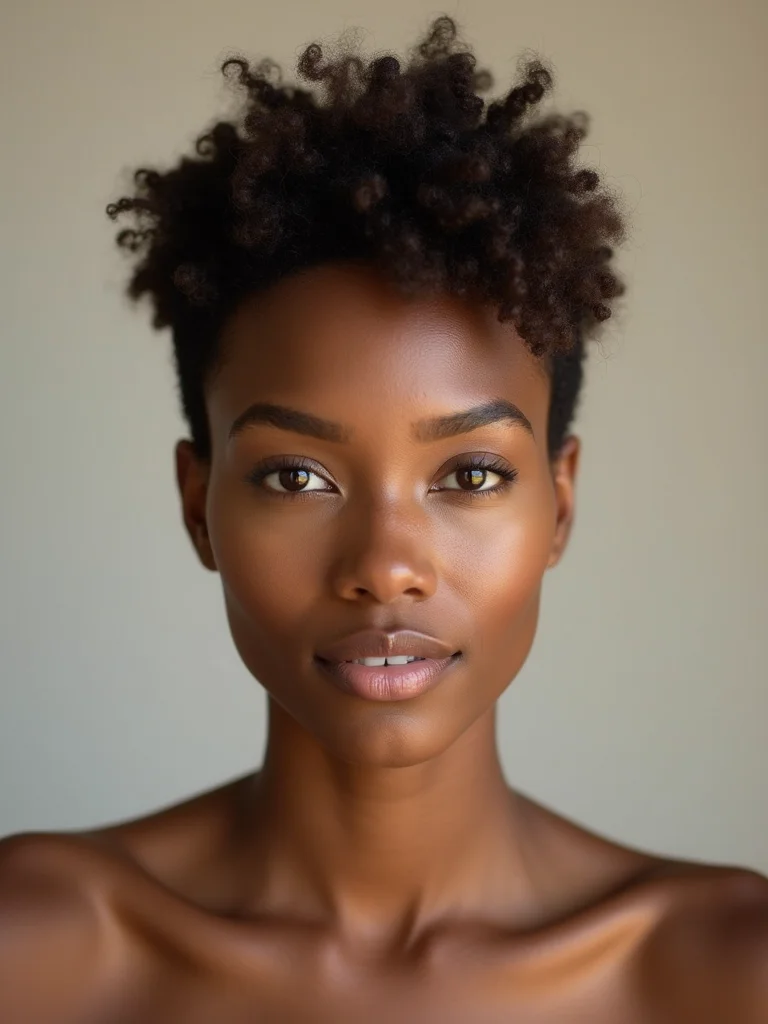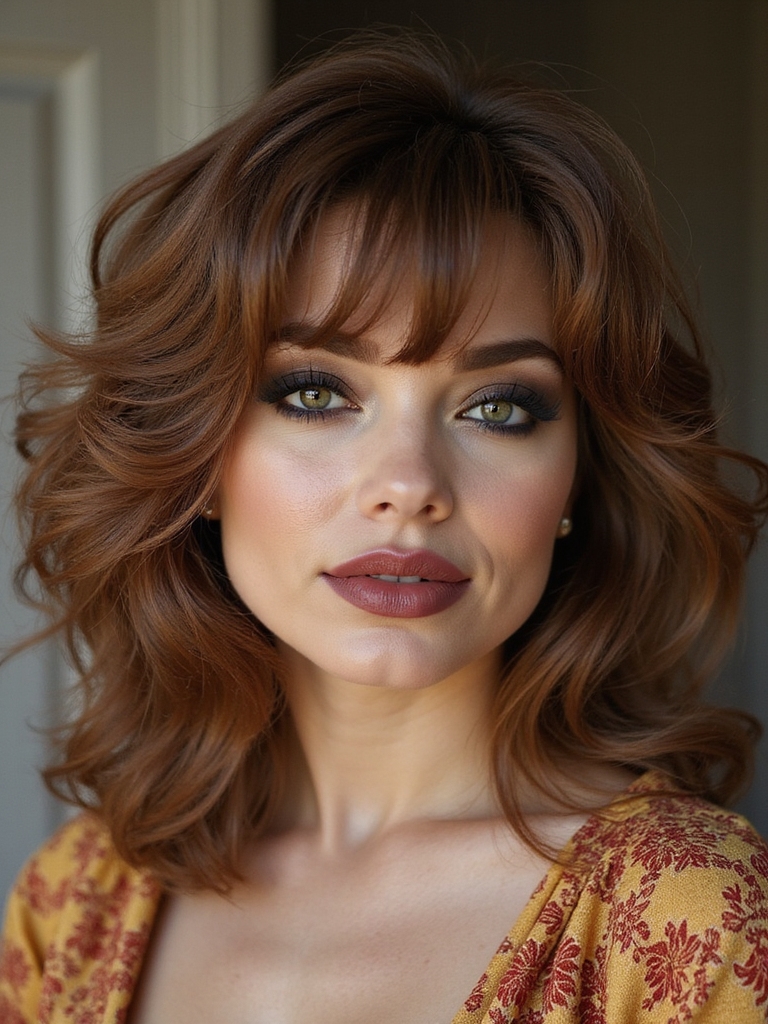
Plenty of fifty-year-old haircuts come back as fancy dress. The shag isn’t one of them. What made it work in the seventies, layers that move on their own and a fringe that frames the face, still fixes the same complaints people carry into the chair today: flat hair, no shape, no time. The 70s shag haircut just comes in far more versions than most people realize.
Here they are, sorted loosely from soft to bold. Each gets a straight read: the face it suits, the upkeep it demands. Pick the one that fits your nerve and your morning routine — the photo that stopped your scroll is a starting point, not the whole decision.
The Shags, Sorted
| Look | How bold | Best for |
|---|---|---|
| Curtain-bang shag | Soft | First-timers, most faces |
| Shoulder-grazing shag | Easy | Busy mornings |
| Wolf cut or mullet shag | Bold | Strong personal style |
| Fine-hair shag | Gentle | Hair that needs body |
The Classic Curtain-Bang Shag
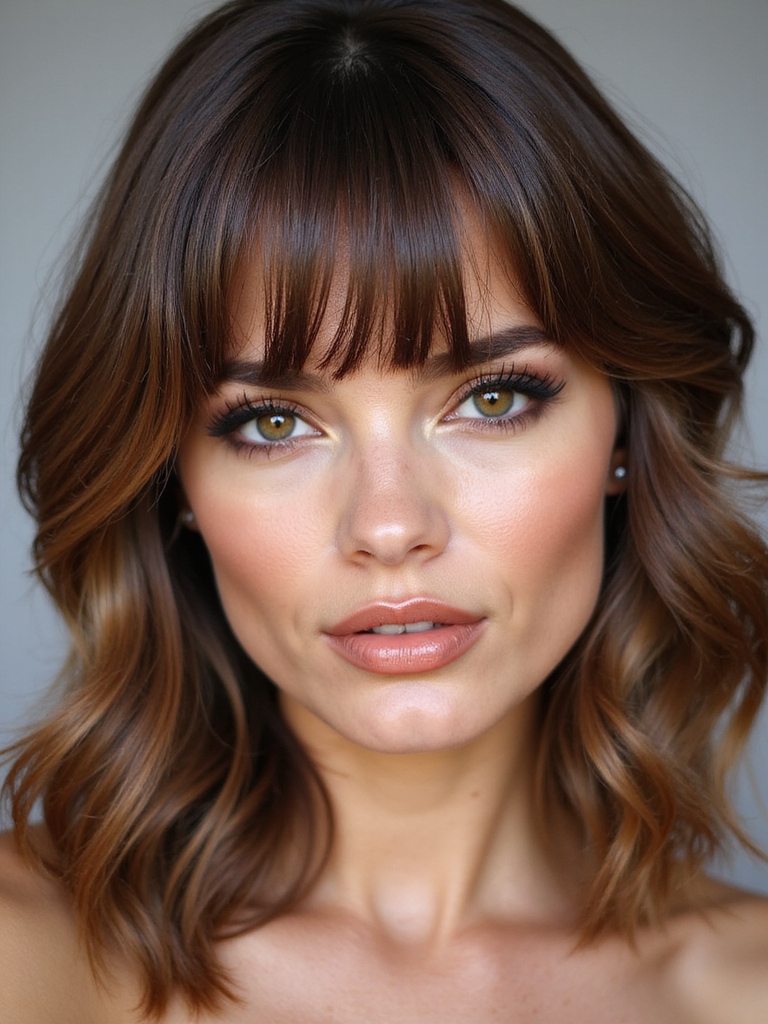
If you only try one version, make it this one. The curtain-bang shag pairs the cut’s signature layers with a center-parted fringe that sweeps back toward the cheekbones, and it’s the most universally flattering of the group. It’s also the gentlest place to start: the fringe grows out into soft face-framing pieces, so there’s no stubborn blunt-bang stage to sit through. Here’s why it earns the top spot:
- The most forgiving shag to begin with, on nearly any face shape.
- The fringe softens as it grows, with no awkward stage to wait out.
- Works on straight, wavy, and loosely curly hair with only minor tweaks.
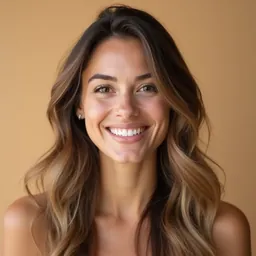
The Soft Wolf-Cut Shag

The wolf cut turns up the contrast: heavier, shorter pieces up top falling into longer, wilder lengths below. The soft version pulls back from full-mullet territory to land on modern, current styling, and it’s the boldest most people are willing to go on a first attempt. A few things make it work:
- Keep the disconnection gentle so the top blends smoothly with no visible shelf.
- Pair it with a curtain or wispy fringe to soften the edge.
- Best for people happy to scrunch in a little texture most mornings.
The Curly Shag With Bounce
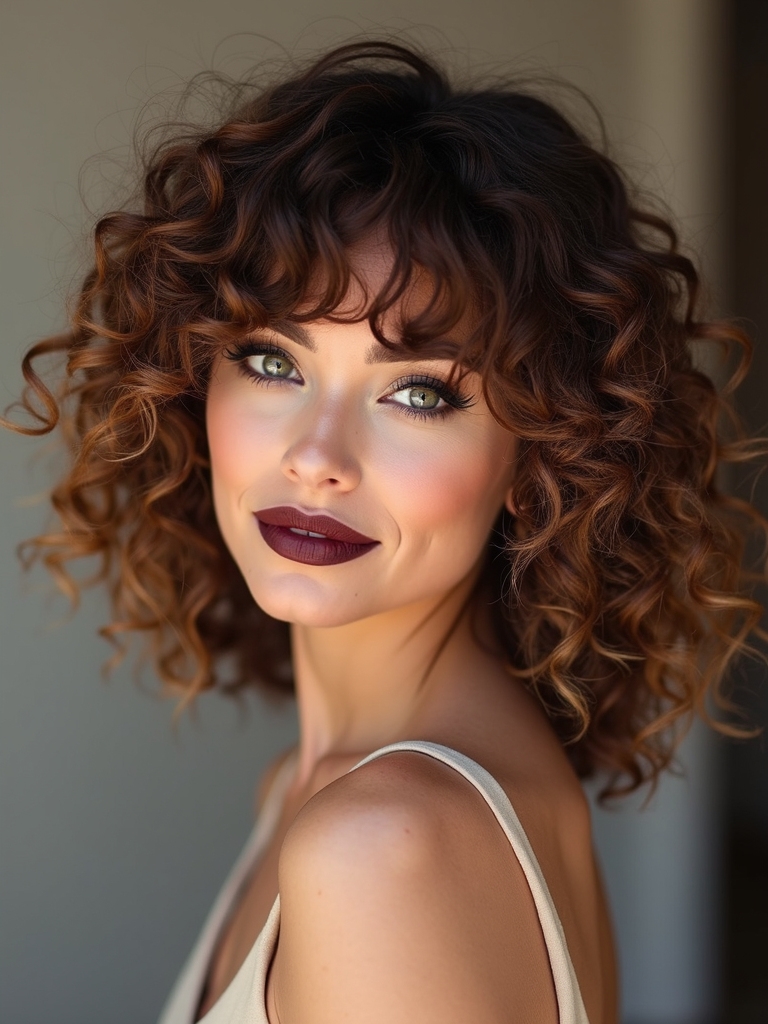
Curly and coily hair takes to the shag naturally, since the pattern already supplies the movement the cut is built to celebrate. The one non-negotiable is a dry cut: the layers have to be placed while the curls sit in their natural state.
Why the Dry Cut Matters
Cut wet, a curly shag can spring up several inches shorter than planned and lose its shape entirely. Find someone who cuts curls dry as a matter of routine, and bring a photo that actually matches your own curl pattern.
When the curls are dry, the stylist can see exactly where each one falls and place weight accordingly. That’s the difference between a shag that springs into shape and one that puffs in the wrong spots.
The Bold Micro-Fringe Shag

For the texture-forward, a micro fringe sits high on the forehead, short and a little blunt, and it flips a familiar shag into something with real attitude. It’s a small change that completely shifts the mood of the cut, and it’s usually the first thing people notice. Before you commit:
- Best for those who want the cut to be the loudest thing about them.
- Flatters strong brows and balanced foreheads; tricky on very high ones.
- Wants a fringe trim often, roughly twice a month, to hold its blunt line.
The Shoulder-Grazing Shag
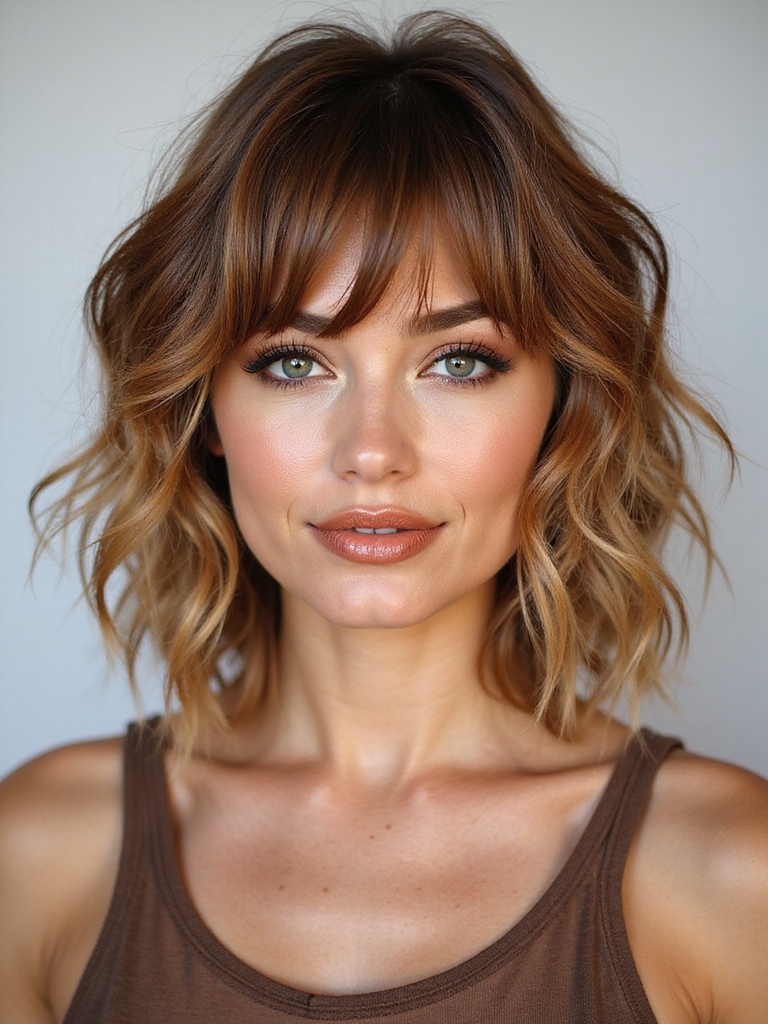
Hitting right at the shoulders, this is the comfortable middle ground: enough to pull back, current on its own, and long enough that the layers actually swing when you move. It’s the shag I point busy people toward most, because it asks the least of a hectic morning.
Call it the sensible one. The thing to watch is the flip: hair cut to graze the shoulder can kick out where it hits, so ask for the ends left a touch longer or softly point-cut to control where they break.
The Pixie-Shag Hybrid

Take the shag short and it becomes a shaggy pixie with personality: choppy texture through the top, a piecey finish, and far more movement than a classic crop. It’s striking, low on daily styling, and high on the confidence a short cut asks for.
Fine hair loves it: the short layers build real fullness. Thick or very curly hair needs careful debulking to keep it close to the head and stop it puffing out. Expect a trim about every five weeks, since a short shape shows its grow-out fast.
- Choppy crown texture with a piecey, broken-up finish.
- Builds visible fullness on fine hair; needs debulking on thick or coily.
- Higher upkeep than a longer shag, but almost no daily styling.
A pixie-shag is the most personality you can buy per inch of hair. It rewards the people brave enough to go short.
The Long Feathered Shag
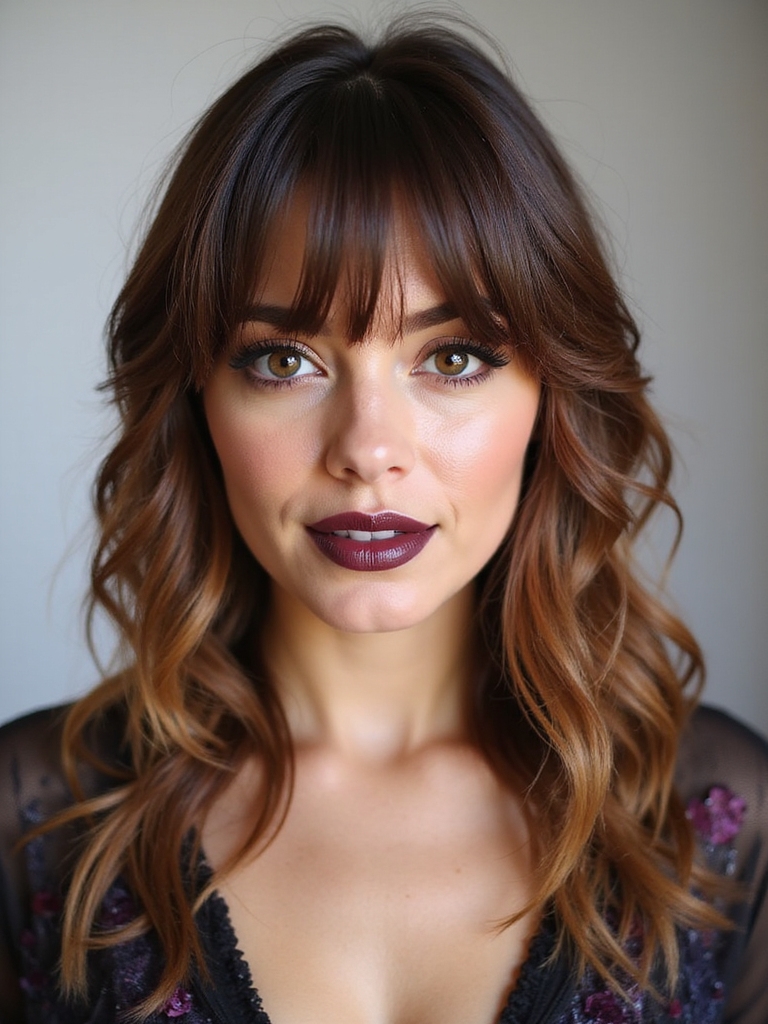
Growing your hair out but tired of it hanging like a flat curtain? The long shag is the answer. Layers cut through the lengths and feathered ends give long hair shape and swing without sacrificing the inches you’ve worked for.
Keeping Long Ends Full
It’s the easiest of all to grow out, since there’s no short layer to wait on. The catch is that the ends need care, because heavy-handed layering can leave long, fine ends looking sparse. Our long shag guide covers the length in more detail.
The fix is simple. Ask for the layering kept light through the bottom third and the perimeter left fuller, which protects the density at the ends while the internal layers add all the movement higher up.
The Mullet-Inspired Shag

This is the boldest look here, the shag pushed all the way toward its mullet roots: short and stacked through the crown and sides, dramatically longer at the back. It’s a statement cut, and it knows it.
It’s a lot of fun on the right person, usually someone with a strong sense of personal style who isn’t chasing low-key. It’s also the hardest to grow out cleanly, so go in clear-eyed, or ask for a mullet-leaning shag that keeps the back softer.
- Short, stacked crown and sides over a dramatically longer back.
- Best for confident dressers who want a true statement.
- The trickiest grow-out of any shag, so plan for it.
The Face-Framing Shag
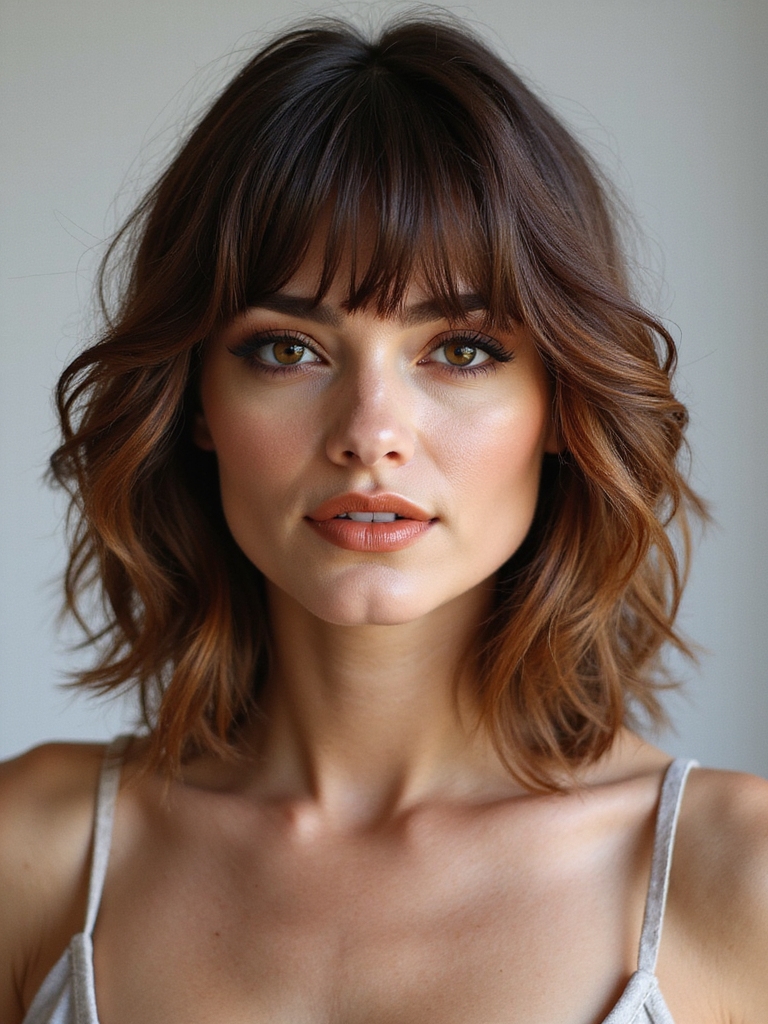
When someone wants a change but can’t face a dramatic cut, face-framing layers on a shag are the easiest yes. The shortest pieces sit at the front and lengthen as they travel back, highlighting the cheekbones and jaw without touching your overall length.
It’s the subtlest shag on the list and among the most flattering, since you can place the framing to draw attention exactly where you want it. Ask for the shortest piece to land at the cheekbone or the lips, depending on how much frame you’re after.
- Keeps your length while adding a soft frame up front.
- Where the shortest piece lands decides how bold the frame reads.
- A low-commitment way to test whether shag texture suits you.
🅰️Just the framing
Face-framing layers only, length untouched, the gentlest way to try the look.
🅱️The full shag
Layers through the whole cut for maximum movement and a bigger change.
The Fine-Hair Shag
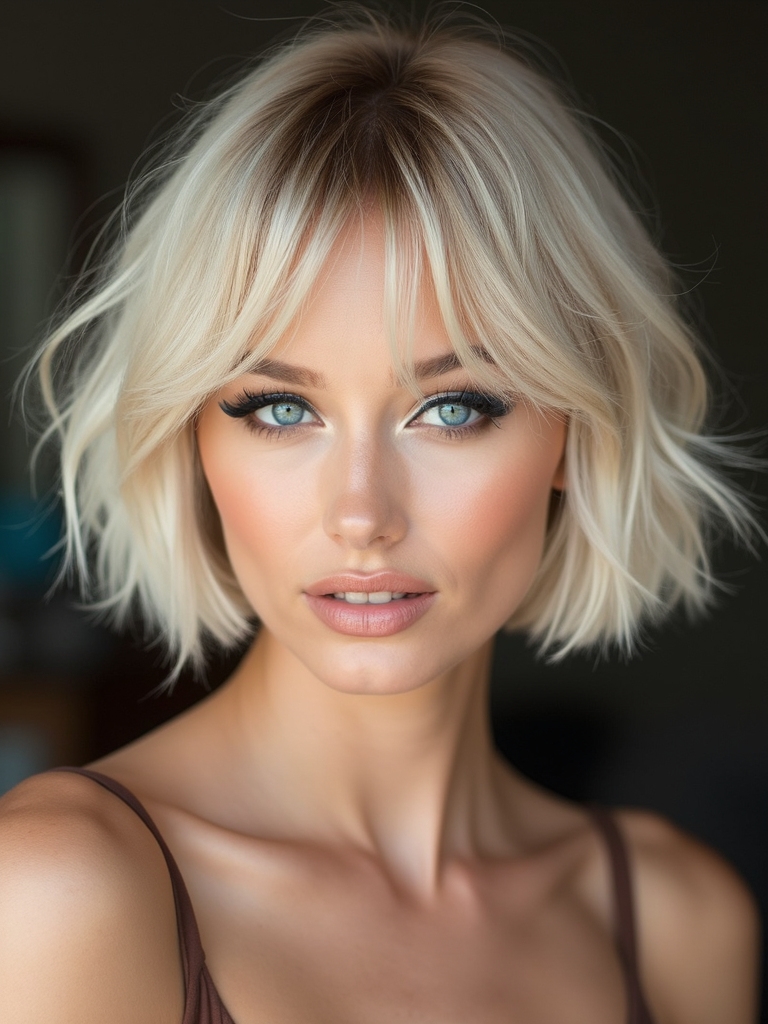
Fine, straight hair is where the shag quietly does its best work, faking body the hair can’t grow on its own. The internal layering does the quiet work of faking fullness, and the broken-up ends keep thin hair from looking flat or stringy. To get it right:
- Keep the layering restrained, since over-thinning turns fine hair wispy.
- Round-brush the roots and mist a light texture spray for all-day lift.
- Skip heavy oils and creams, which flatten fine strands fast.
The Natural-Wave Shag
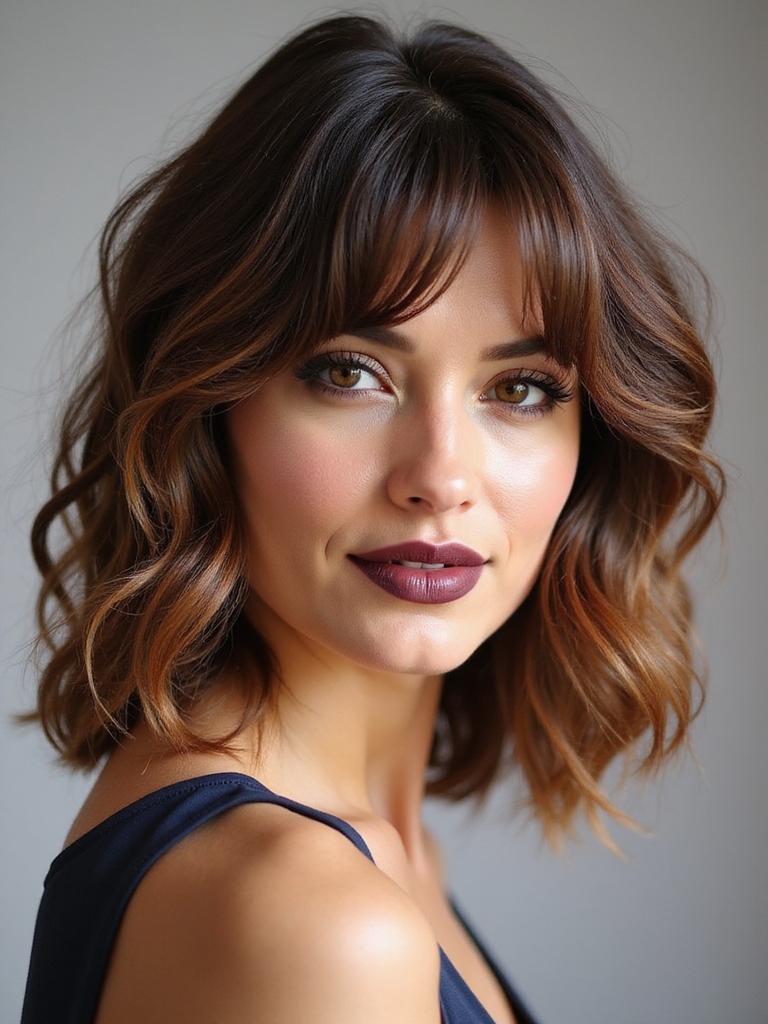
Natural wave and this cut were made for each other. The bend already does half the work, and the layers just give it somewhere to move, turning what might sit shapeless into soft, beachy texture with almost no heat. Let the wave take the lead:
- Let it air-dry most of the way before you touch it.
- Scrunch a salt or texture spray through the mid-lengths.
- Break up any clumps with your fingers for a softer, separated finish.
A two-minute air-dry routine for the waves:
1Blot, don’t rub
Squeeze the excess water out with a microfiber towel so the wave keeps its S-shape.
2Scrunch and leave it
Work product in with a cupped hand, then let it dry undisturbed for the most definition.
The Razor-Cut Shag
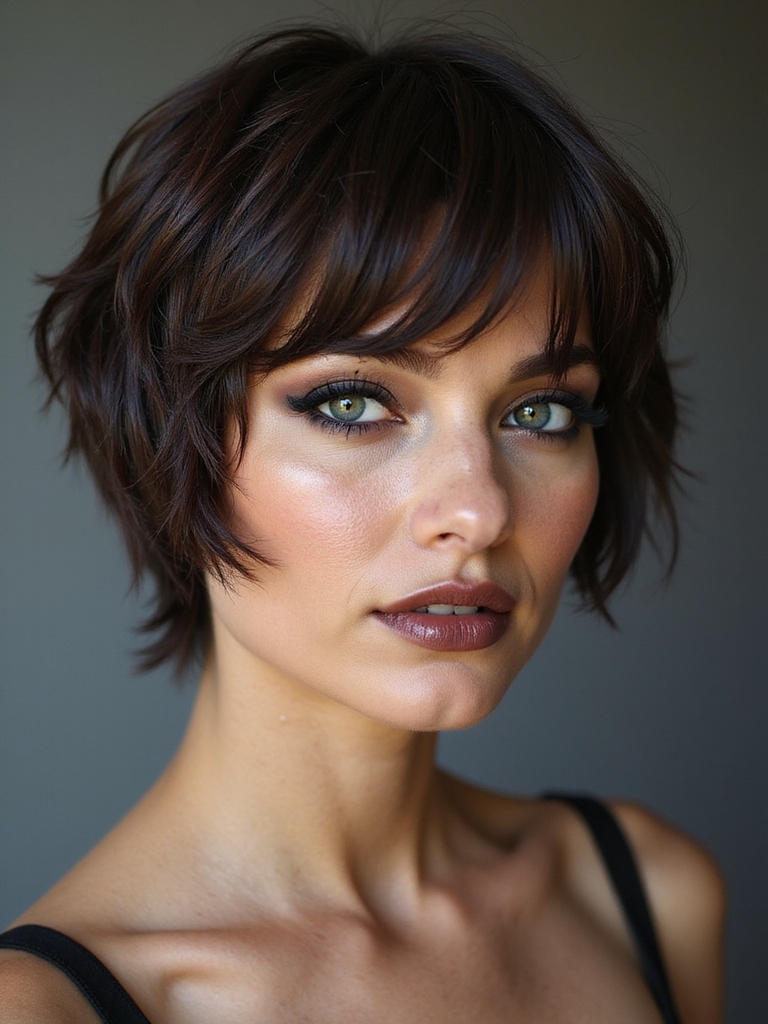
A razor, in skilled hands, gives a shag the airiest, most broken-up ends of any technique. Razored layers taper to a fine point, well past the blunt finish a scissor leaves, so they separate and move with barely any product. It builds more texture into the ends than any other technique here, with a couple of caveats:
- Best on healthy, medium-to-thick hair; a razor can stress fragile or very fine strands.
- Ask for a sharp, fresh blade, since a dull razor frays the ends.
- Coarse or curly hair can go frizzy razored, so this leans toward straighter textures.
The Shattered-Layer Shag
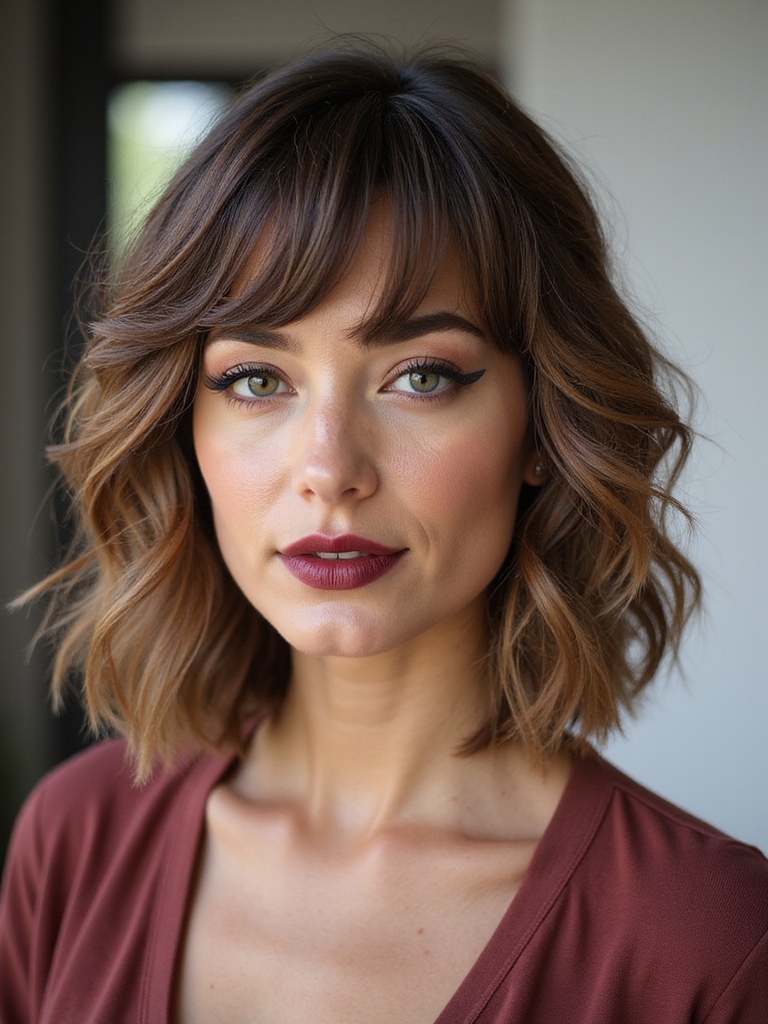
Shattered layers push the disconnection further, with pieces cut at varying lengths so the texture looks deliberately broken up. It reads bold and a little undone, and it’s the version photographers love, since it catches light and movement from every angle.
It suits people who want obvious texture and don’t mind a cut that looks styled even when it isn’t. The heavier the disconnection, though, the more the shape leans on a skilled hand, so this isn’t one to trust to a rushed appointment.
Two things clients get wrong about heavily textured shags:
❌ Myth: Myth: shattered layers mean damaged hair.
✅ Reality: Cut with a sharp tool, the ends are sliced cleanly; the broken-up look is the design, not damage.
❌ Myth: Myth: they need constant restyling.
✅ Reality: The texture is built into the cut, so most days it’s a rough-dry and a scrunch, nothing more.
The Color-Blocked Shag
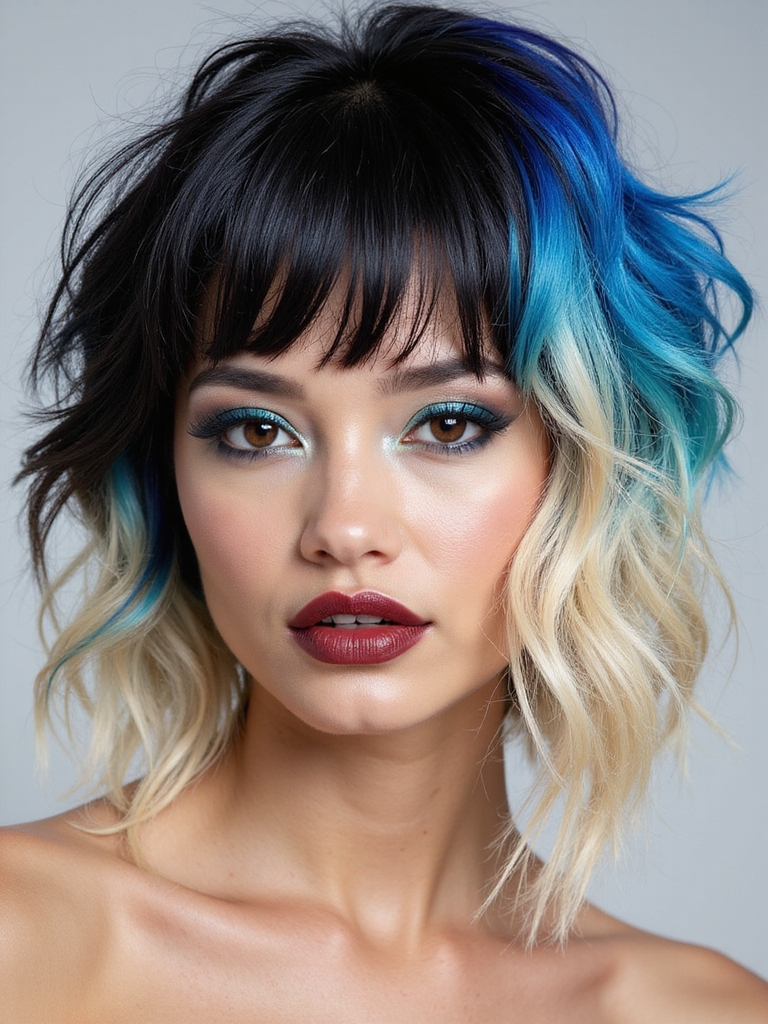
For a modern spin, color-blocking sets panels of contrasting shade against the shag’s layers, so the movement of the cut shows off the movement of the color. Think a bold money-piece at the front or a darker underlayer that flashes as the hair swings. It’s a commitment, but a striking one:
- The shag’s layers turn blocked color into visible motion, catching the light with every step.
- A front money-piece is the easiest place to start.
- Budget for gloss upkeep, roughly $40 to $80 a session, since bold color on textured ends can fade fast.
The Airy, Tousled Shag
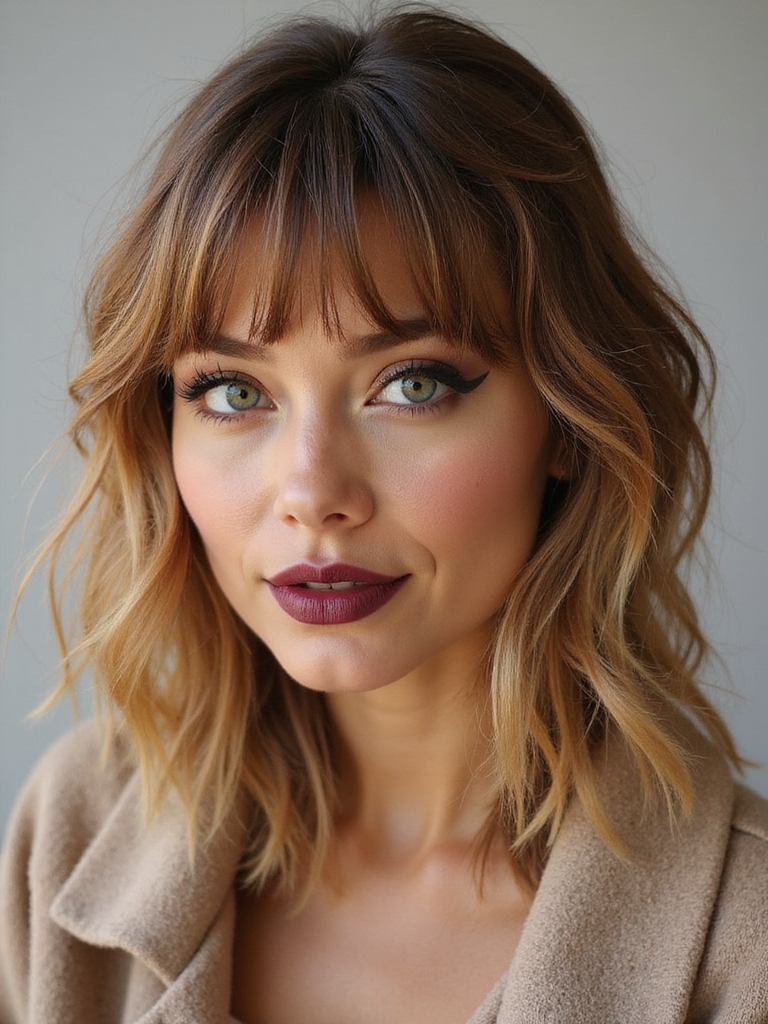
At the softest end of the spectrum, the airy shag keeps all the layering but wears it loose and quiet, more windblown than rock-and-roll. It barely tries. It’s the version that reads gentle, and a favorite when you want the texture without the edge.
Getting the Soft Finish
The finish is everything here. The goal is separation and air, so a light hand with product and a rough-dry are all it takes, since heavy styling fights the whole mood.
Rough-dry with your fingers, mist a fine texture spray from the mid-lengths down, and gently shake it out. The less you fuss with it, the softer it lands.
How to Choose Between Them
With this many versions on the table, the choice comes down to two honest questions: how bold do you want to look, and how much time will you actually give it? A curtain-bang or shoulder-grazing shag sits at the low-effort, high-flattery end, while a mullet or shattered-layer version asks for both nerve and upkeep.
Match the cut to your real routine, not your aspirational one. If mornings are rushed, a longer, softer shag holds its shape with less fuss; if you love styling, a shorter or razored version rewards the attention. The best shag is the one you’ll still like on a Tuesday.
Shag Haircut Questions, Answered
?Which shag is easiest for a first-timer?
The curtain-bang or shoulder-grazing shag. Both keep enough length to feel safe, flatter most faces, and grow out softly, so there’s no awkward stage if you decide it isn’t for you. Start there, then go bolder on the next cut once you know you like the texture.
?Do I need thick hair to pull off a shag?
Not at all. Fine hair is one of the shag’s best matches, since the internal layers fake density the hair can’t grow on its own. Thick hair works too, but it needs debulking so the shape falls instead of puffing.
?Are razored or shattered shags bad for my hair?
Not when they’re done well. A sharp, fresh blade cuts the ends cleanly, and the broken-up look is intentional. The damage risk comes from a dull tool, or a razor used on fragile, very fine, or coily hair that frays easily.
?How do I keep a shag from looking dated?
Keep it soft and shiny. The seventies version was dry and heavily feathered; the modern one leans on softer face-framing, a gloss to keep the ends healthy, and a rough-dried, undone finish instead of a set, sprayed shape.
One Cut, Many Moods
The reason the shag survived fifty years is that it was never really one haircut. It’s a set of ideas, layers for movement, a fringe for framing, texture for body, that you can dial soft or bold to fit your face, your hair, and your life.
Whichever version pulls at you, bring a clear photo and name the length, the fringe, and how much texture you want. That’s the whole secret to walking out with the shag you pictured instead of a vague approximation of it.
Keep Reading