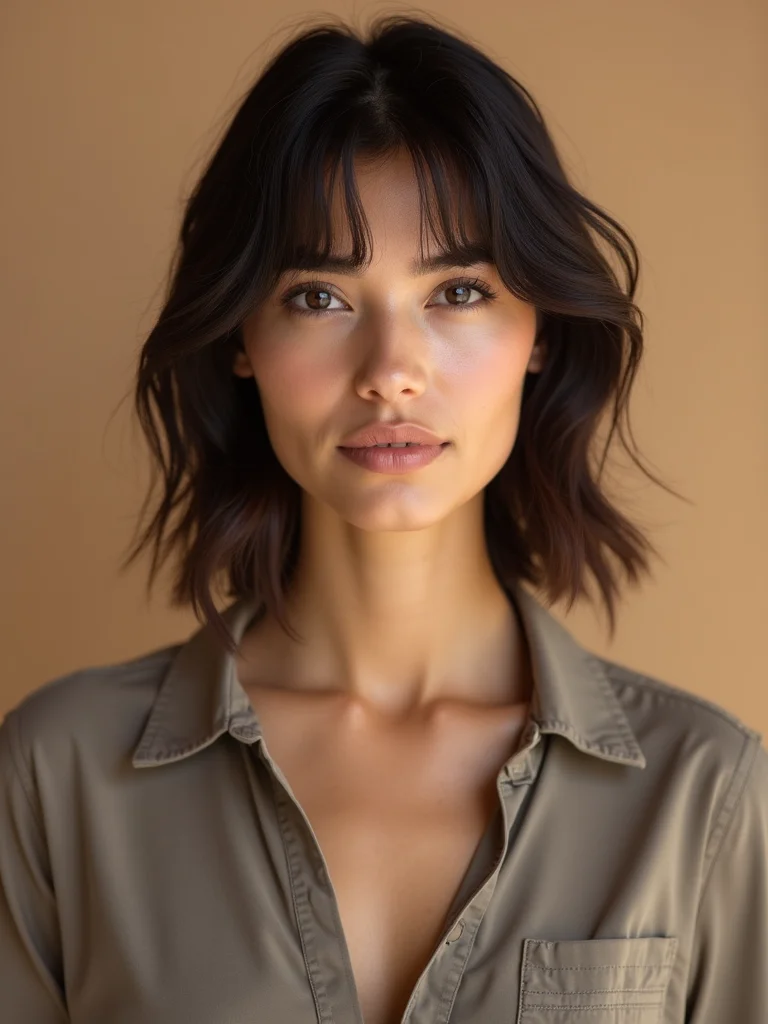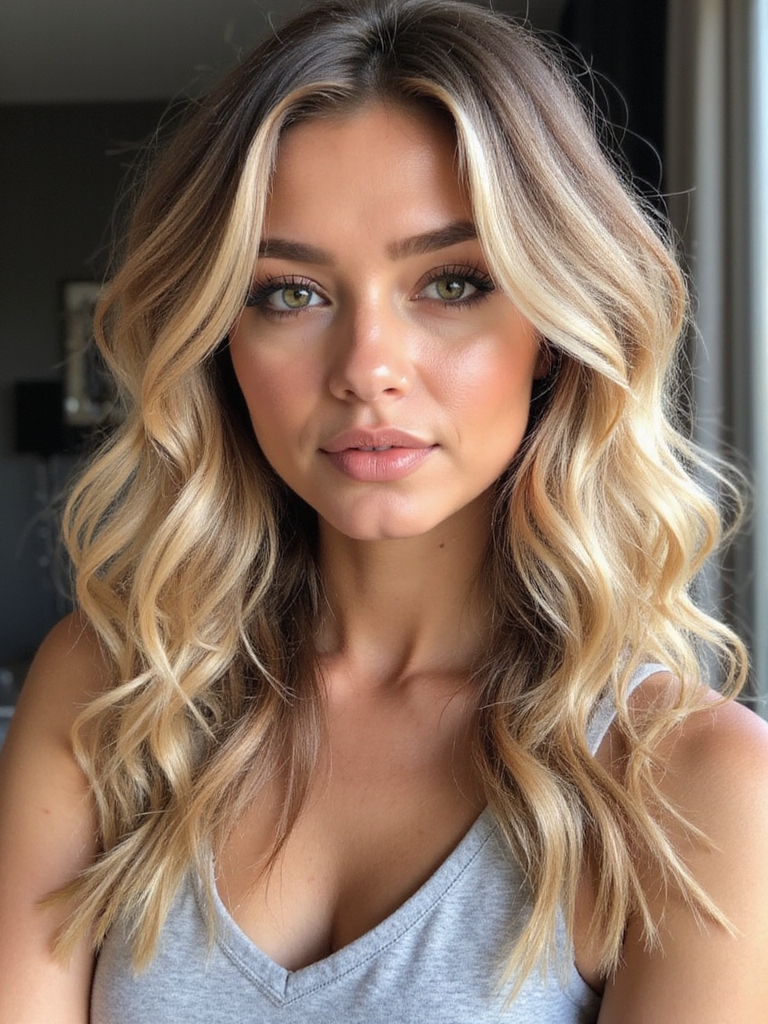
Pull a strand of long, straight hair taut between two fingers and let go. On most heads it barely moves, dropping right back into the same flat line it started in. That stillness is the exact problem a long shag exists to break. Threading choppy, razored layers through the length turns an inert sheet into pieces that catch light and move independently, at the crown, through the middle, and along every face-framing edge.
What follows sorts fifteen long shaggy haircuts by what actually changes: the layering intensity, the hair type it flatters, the finish you land it in, and the upkeep each one asks of you.
The Fast Read on Long Shags
- The fix is weight removal, not length removal — razored, choppy layers redistribute weight so hair moves instead of hanging flat.
- Crown-height layers control lift, face-framing layers control how the front reads, and the hem shape (U or V) sets the overall silhouette.
- Most versions ask little daily effort: texture spray, a rough dry with your fingers, and the occasional twist at the root for lift.
Razored Layers Are the Real Engine of the Cut
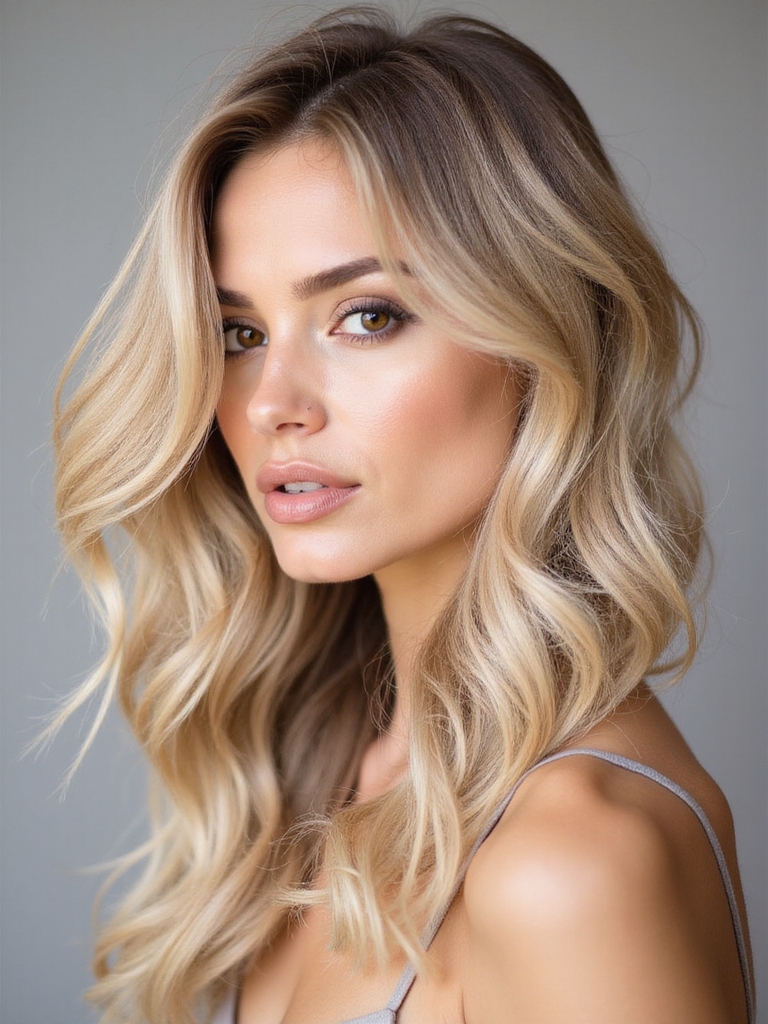
Long hair goes flat for one plain reason: physics. Every strand pulls the same direction, and the longer it grows, the more weight stacks up until the whole head comes across as one heavy sheet with no shape from root to tip. A long shag interrupts that sheet on purpose.
Razored, feathered layers thin and separate the ends so hair breaks into light, independently-moving pieces. The catch: razoring rewards hair that already has some texture or thickness to work with. On very fine or fragile strands, a stylist who knows the difference will point-cut instead, building the same airy separation without stripping the ends thin.
Curtain Bangs Turn the Layers Into One Shape

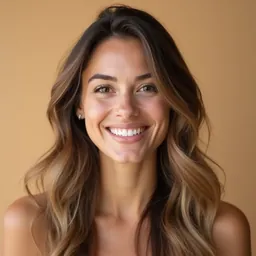
Curtain bangs are the pairing that shows up most often on a long shag, and for good reason. Parted in the middle and swept toward each temple, they carry the face-framing layers straight up into the fringe, so the whole cut reads as one continuous shape instead of length with a separate piece tacked onto the front.
The Front Deserves Equal Attention
They’re also the lowest-commitment way to add a fringe at all. Because the pieces are swept in soft diagonal pieces, they blend into the layers behind them without ever reading as a hard stop.
Where this pairing struggles is on stick-straight, one-length hair with no layers underneath — the bangs can end up looking like an obvious add-on. Ask your stylist to soften the transition with a few extra face-framing pieces if that’s your starting point.
Face-Framing Layers, Placed by Face Shape
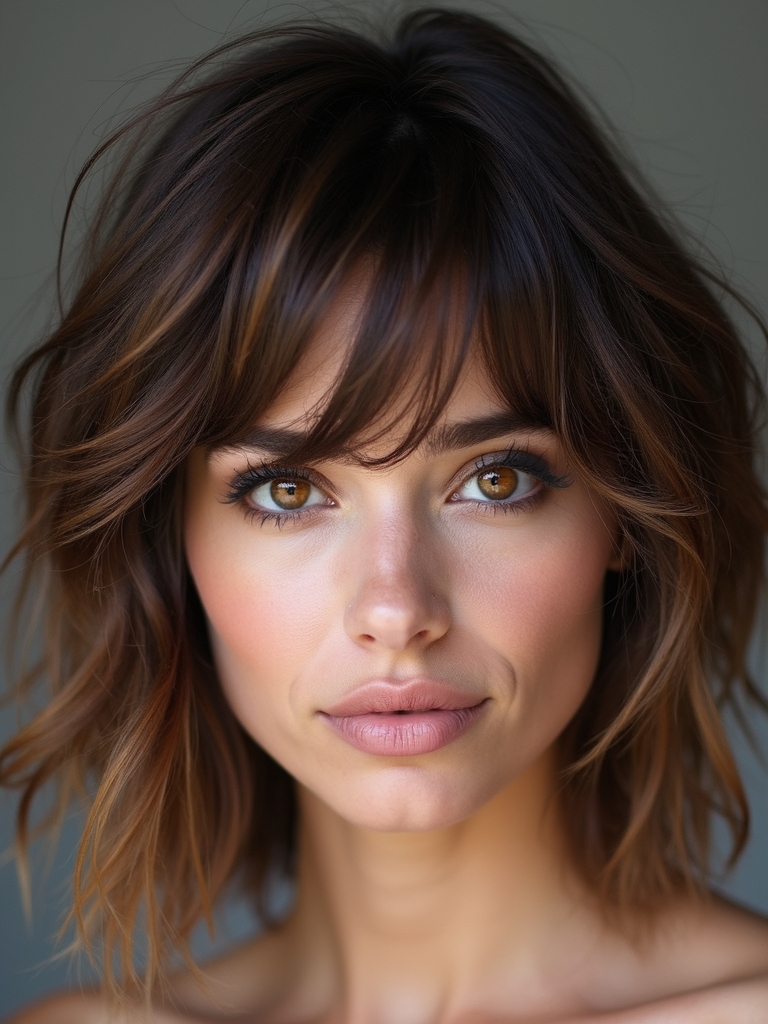
The single face-framing layer that starts closest to your face does more shaping work than any other piece in the whole cut, so its starting point should follow your face shape rather than a photo you liked. Higher placement, up near the cheekbone, adds width around a longer face; lower placement, down near the jaw or chin, adds length and narrows a rounder one.
- Round or square face: start the layer near the chin for a lengthening effect.
- Long or oval face: start higher, around the cheekbone, to add width.
- Bring your stylist a front-on photo of your bare face, not just the haircut you want.
The Fine-Hair Long Shag
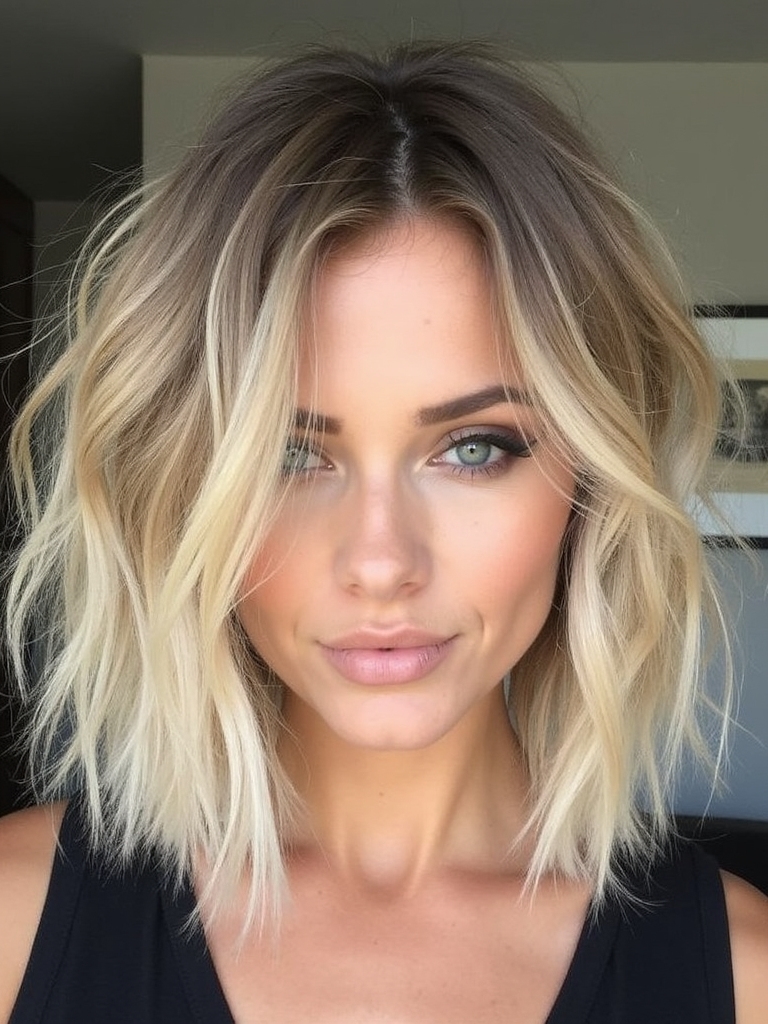
Fine, long hair carries a specific problem: not enough body to keep its own weight from dragging it into a stringy flat line. A long shag becomes something closer to a rescue here, using layers to build the illusion of far more density than actually exists, provided whoever’s cutting it has a careful, restrained hand.
- Point-cut the ends with a light hand, since heavy razoring can thin them past the point of holding shape.
- Keep the crown layers short enough to stand up and support real lift.
- Leave a little extra weight right at the ends so they don’t read wispy.
A couple of terms worth knowing before your consult.
📖Point-cutting
A shears-tip technique that chips into the ends at a steep angle, easier on strand integrity than a full razor and often the safer pick for fine or fragile hair.
📖Face-framing layer
The shortest layer nearest your face, cut to a length chosen for your face shape rather than a fixed measurement.
The Thick-Hair Long Shag
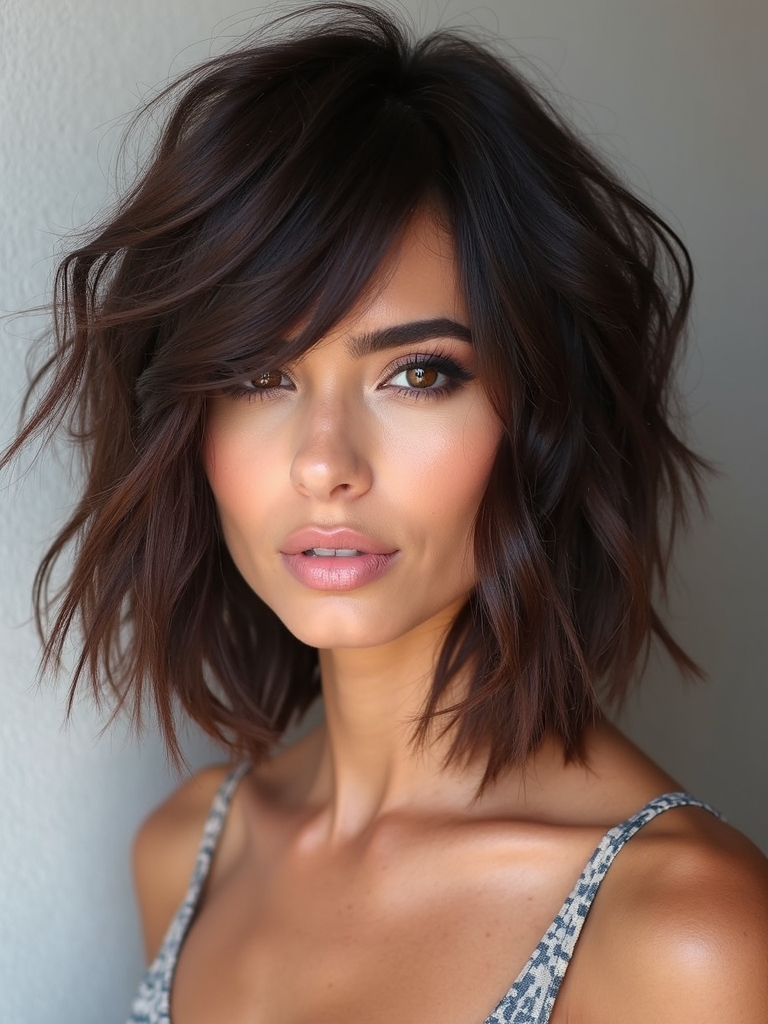
Thick hair runs into the opposite trouble: too much weight, which on long lengths turns into a wide, pyramid-shaped bulk that sits heaviest at the bottom and resists movement.
A long shag corrects this from the inside, carving debulking layers out of the interior while leaving the outer silhouette long and intact. The result sits closer to the head and moves as one piece, without the outward puff. Curly and coily density needs its own separate approach to this same weight problem; our long curly shag guide covers that version specifically.
The Beachy Long Shag
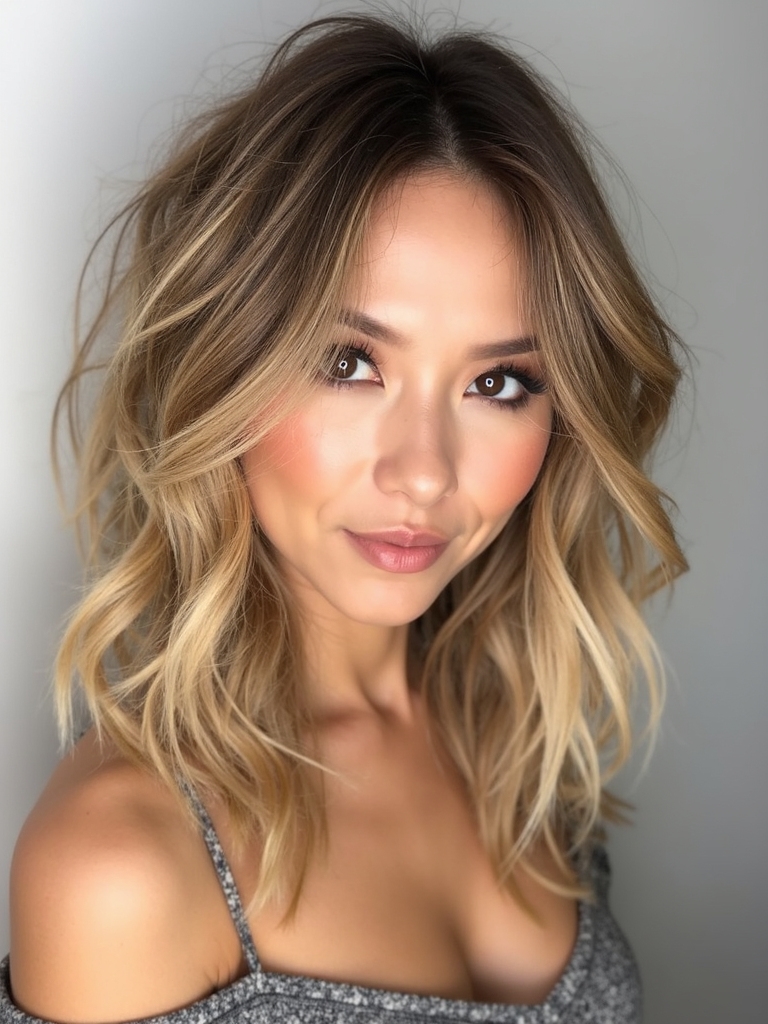
This might be the version the cut suits best, since its whole structure is designed to show off texture and movement. Air-dried or roughly scrunched with a little salt spray, the choppy layers catch light and settle into that undone, just-off-the-coast look.
It’s also the lowest-effort version to wear day to day, since a texture spray and your fingers handle nearly all of the work. If you’re weighing whether to go shorter, our classic shag haircut guide covers the same texture at a more manageable length.
- Scrunch salt spray into damp hair, then let it dry on its own or run a diffuser on the lowest setting.
- Twist a few random pieces before drying for extra, uneven texture.
- Skip the flat iron entirely; heat kills the undone effect.
The Glossy Blowout Long Shag
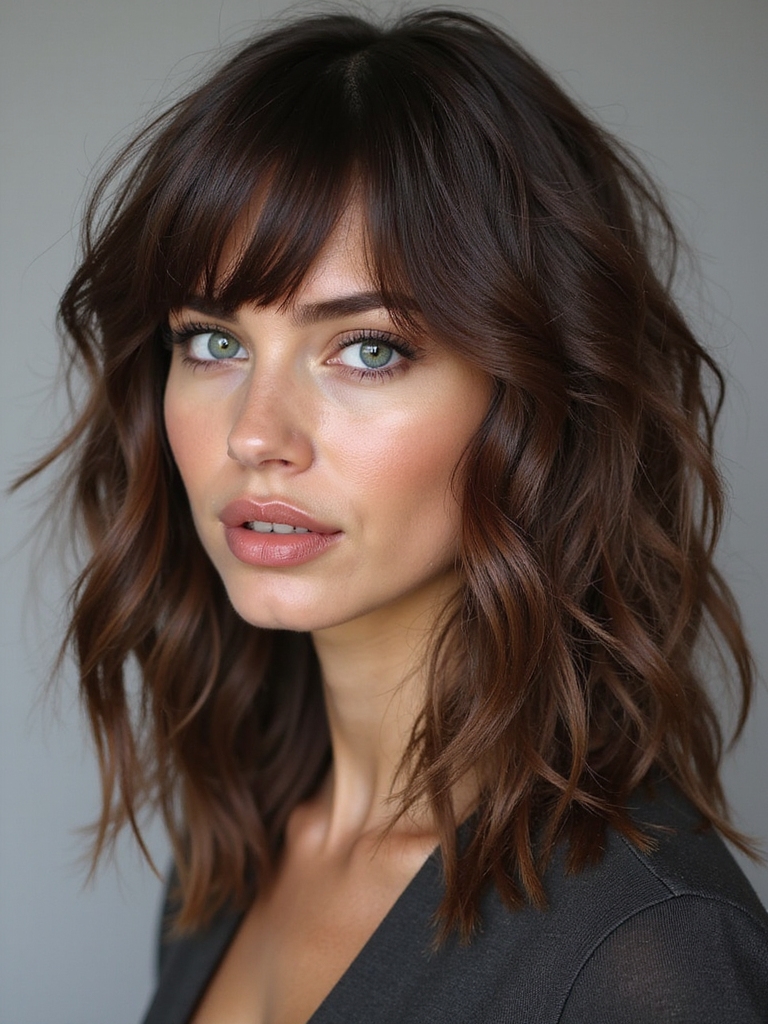
At the opposite end from beachy sits the smoothed, glossy blowout, where the same cut gets shaped into bouncy, polished movement. It’s proof the shape holds up across a wide range of styling moods.
The trick to keeping volume through a blowout is the root. Lift each root section up and away from the scalp as you dry it, twist it slightly, and hold cool air on it to set the shape before releasing — that’s what keeps the polish from flattening the lift the cut already built in.
U-Shaped vs. V-Shaped Hems
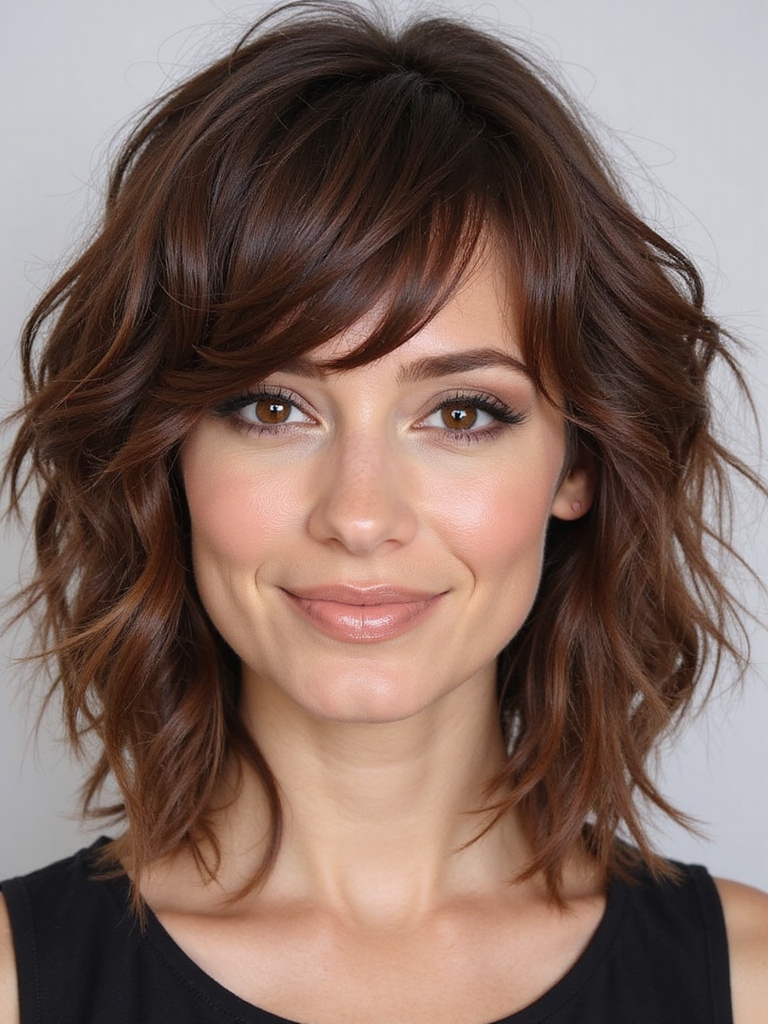
The hem, the literal bottom edge of your hair, quietly decides the whole silhouette, and it’s worth understanding both options before you sit down for a cut. The same length reads completely differently depending on which one you choose.
- A U-shaped hem keeps the back fuller and rounded, for a softer, more romantic finish.
- A V-shaped hem tapers to a point at the back, adding length and a sharper edge.
- Neither is more or less shaggy; the choice comes down to which silhouette you want.
The Long Wolf Shag
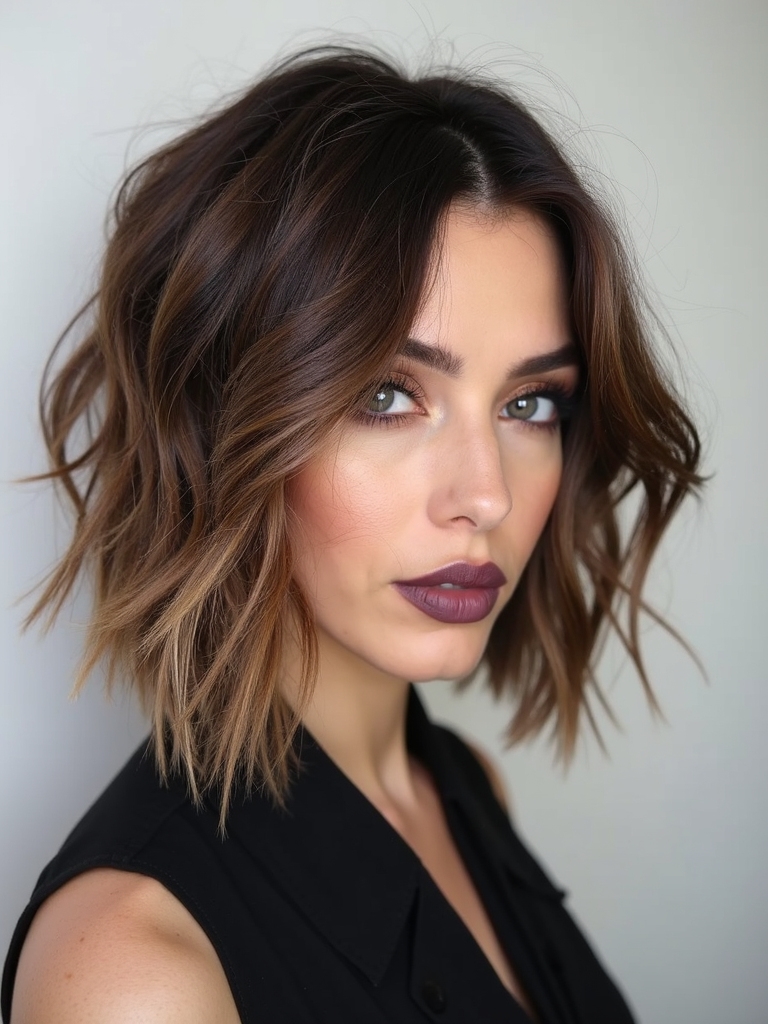
Cross a long shag with a wolf cut and you land at its boldest edge: heavier, more dramatic layering up top with a shaggy, almost mullet-leaning attitude, kept at full length.
Where the Two Cuts Overlap
The difference from a standard long shag comes down to intensity. Crown layers sit shorter and choppier, the contrast between the top and the lengths is sharper, and the whole silhouette reads edgier.
Where this version struggles is on hair that’s never been layered before. Going straight from one-length hair to this much contrast in a single visit can look abrupt for a first cut, so a stylist may recommend building toward it over two appointments.
Layer Placement for Crown Lift
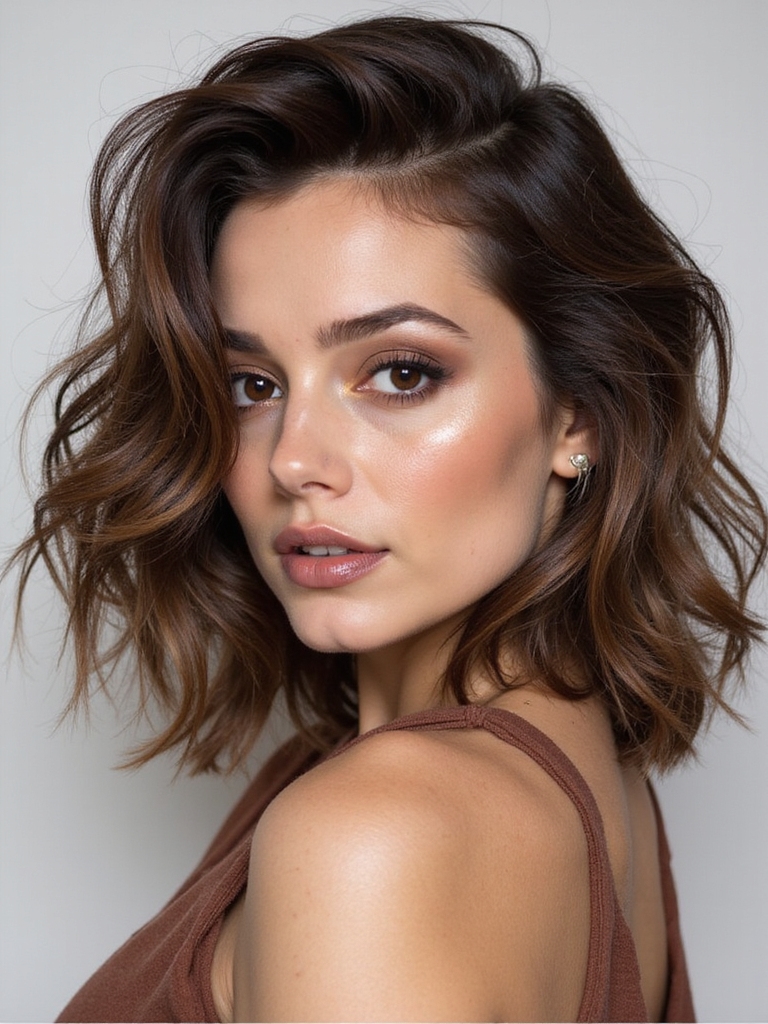
One technical detail separates a long shag that holds its shape from one that collapses flat on top: exactly where the shortest layers sit at the crown.
Cut too low, and you lose the lift entirely. Cut too aggressively short, and you risk a poof that fights the rest of the length. The sweet spot supports the lengths beneath it without ever showing as a separate, disconnected layer of its own.
- Ask specifically where your stylist plans to start the crown layers, not just how short.
- Fine hair usually needs the shortest crown layers of any hair type to register any lift at all.
- A crown cut too low is the most common reason a long shag falls flat within weeks.
A wolf-cut shag is the long shag with its volume turned up — same idea, louder execution.
Grow-Out and Low-Maintenance Care
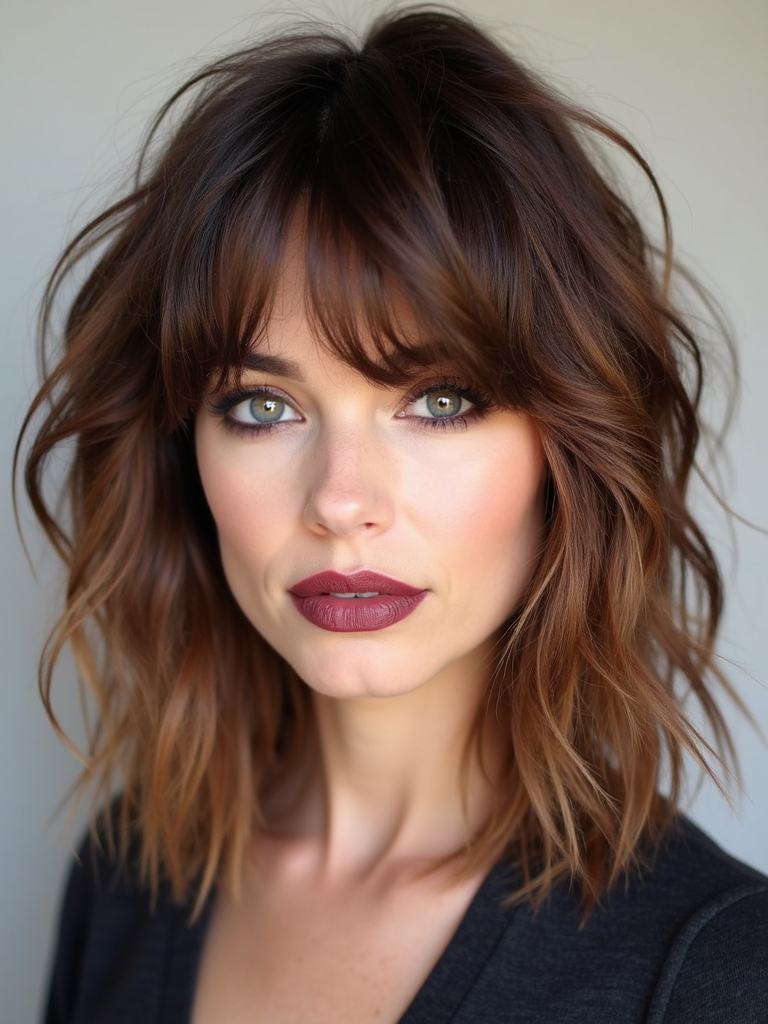
One of the quieter advantages of a long shag is how kindly it grows out. Because the layers are choppy and textured, they blend and soften naturally as they lengthen, aging out without an obvious, awkward line.
That means the cut still looks deliberate well past the point when a blunt style would need a trim. Most long shags still ask for a reshape roughly every ten to twelve weeks, and it typically runs $55 to $90 depending on your salon. Pair that forgiving grow-out with air-dried styling, and this is about as little daily upkeep as a long cut with real shape ever asks of you.
Overnight Root Lift, No Heat Required
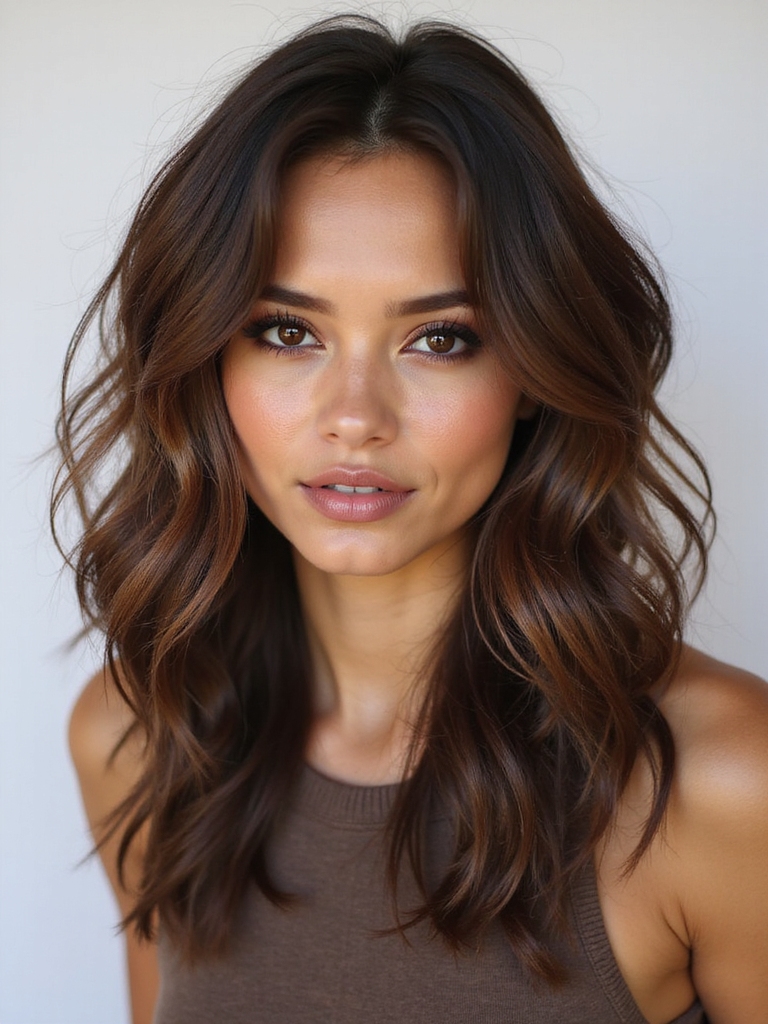
Here’s a completely free volume trick that works while you’re unconscious: since a long shag depends on crown lift, anything that trains the roots to sit upward overnight pays off the moment you wake up.
Let Gravity Do the Work While You Sleep
Before bed, pile your hair into a loose, high bun or pineapple right at the very top of your head, secured with a soft scrunchie that won’t crease. As you sleep, the roots hold up and away from the scalp instead of flattening against a pillow.
In the morning, take it down, shake it out with your fingers, and the crown already carries lift before you’ve touched a single tool.
💡Between Visits
If the ends start looking blunt again as the layers grow out, a quick point-cutting touch-up on just the perimeter can refresh the shape without taking off any real length.
Textured, Separated, Piecey Ends
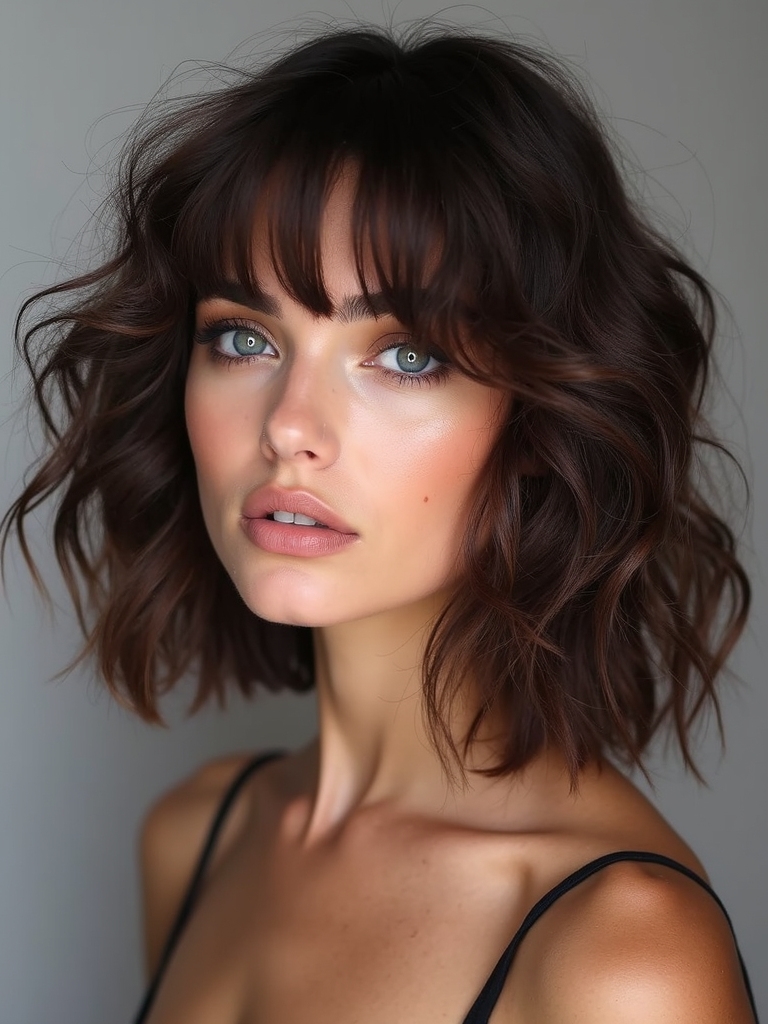
The finish at the very ends decides whether a shag looks current or dated. The goal is separation: layers that fall as distinct pieces instead of fusing into one solid block.
A small amount of texture product handles this: work a dime-sized dab of paste or two light spritzes of spray between your fingers, focusing on the ends. The word to hold onto is flexible, since the goal is soft, moving separation you can restyle with your hands.
- Apply product to damp or dry hair, whichever your texture responds to better.
- Work from the ends upward, not root-down, to avoid weighing down the crown lift.
- Reapply a small amount midday if pieces start clumping back together.
Balayage With Shadow Roots and Babylights
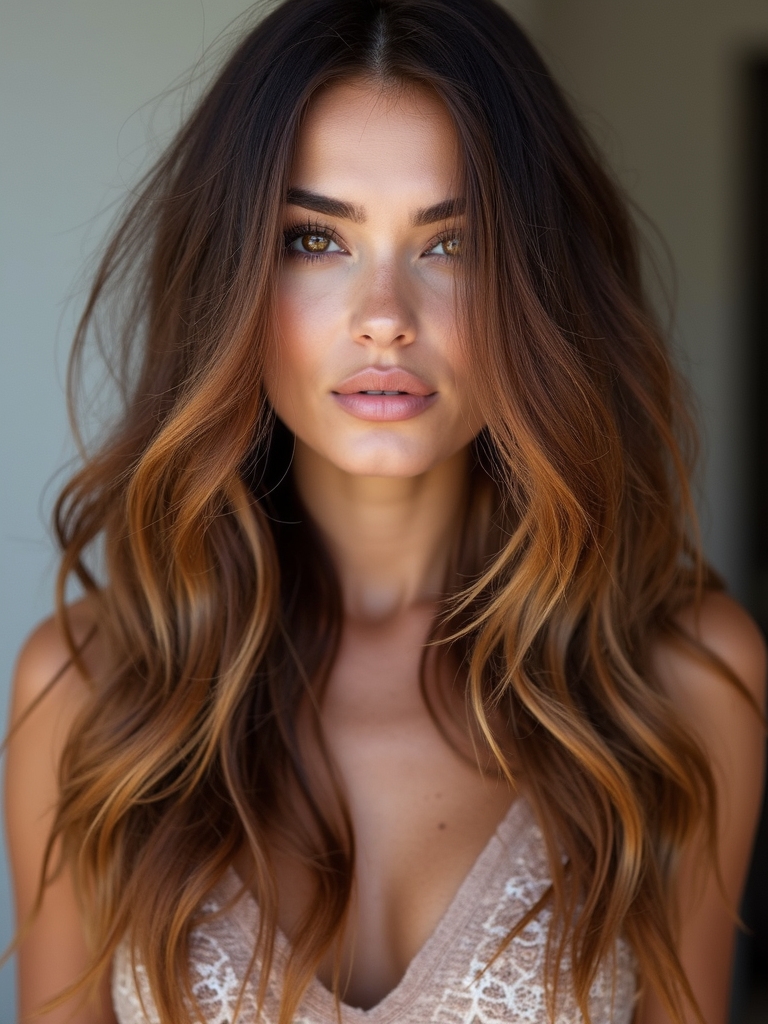
Color is the long shag’s quiet partner, since the right placement makes every layer and movement look more dimensional than it already is. Hand-painted balayage with a soft shadow root and fine babylights brightens the pieces closest to the face and catches the light along each layer.
- A soft shadow root grows out without a hard, obvious line at the scalp.
- Babylights concentrate the brightest pieces where they’ll catch the most light and movement.
- Refresh timing runs long for a color service. Many go three months, sometimes four, before it needs a touch-up.
Easy to Overdo
More texture product does not mean more texture. Past a certain point, extra paste and spray start gluing pieces together, which flattens exactly the movement you’re trying to build.
Getting Specific at the Consultation
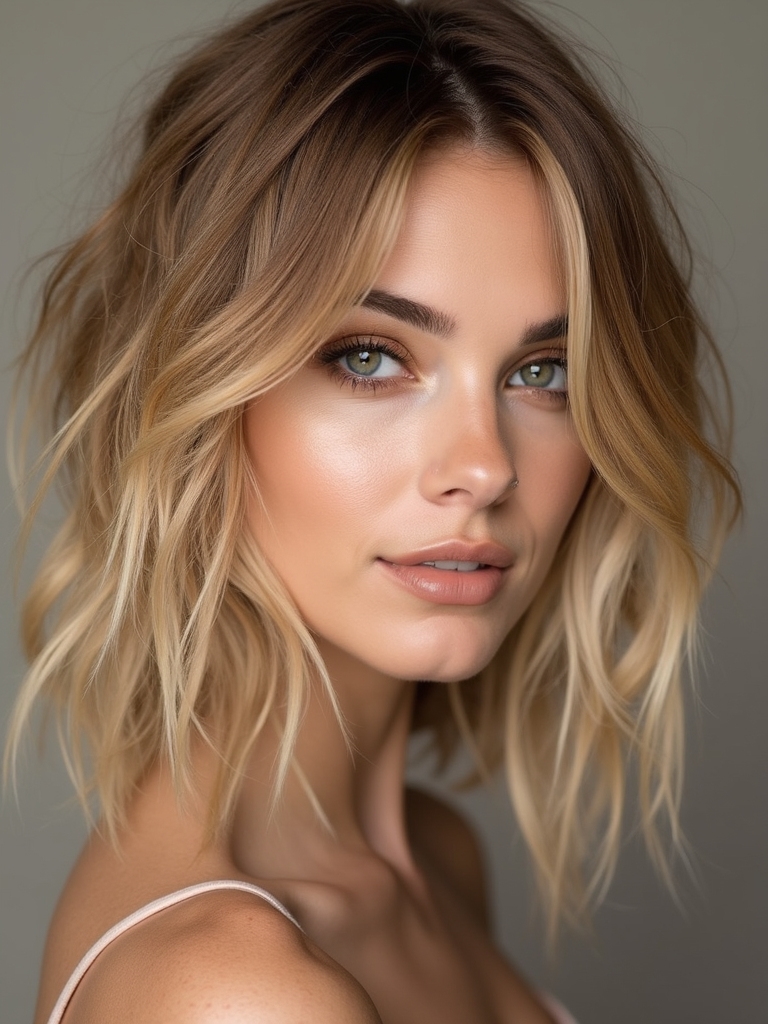
Loving your long shag comes down mostly to one thing: how specific you get before the scissors ever touch your hair. Walk in ready to discuss particulars rather than just holding up a photo.
- Point to exactly where you want the shortest crown layers and the face-framing to begin.
- Name your hair type and say plainly how much time you’re willing to spend on it each morning.
- Say whether you’re styling for air-drying or a blowout, since the two are cut differently.
Long Shag Questions, Answered
?Will a long shag make fine hair look thinner?
Done correctly, no — it should do the opposite. The layers remove weight from the interior of the hair while keeping the outline intact, so the visible silhouette looks fuller and more lifted. On fine hair specifically, ask for point-cutting to avoid the wispy, over-thinned ends heavy razoring can cause.
?How is a long shag different from regular long layers?
Regular layers are softer, more blended, and spread evenly through the length. A long shag’s layers are choppier, more textured, and concentrated higher up near the crown specifically to build lift. Plain layers mostly just remove weight; a shag is cut to actively create movement.
?Does a long shag work on hair that’s already color-treated?
Yes, with one caution: heavily processed or damaged hair can fray more than healthy hair when razored, so a stylist may lean on point-cutting instead to get the same airy movement with less stress on compromised ends. Say how processed your hair is before deciding on technique.
The Length Was Never the Problem
Flat, lifeless long hair was never a sign you needed to cut it all off. It was weight sitting in the wrong place. A long shag simply moves that weight, threading choppy, razored layers through the length so the hair finally lifts at the crown, moves through the middle, and frames the face the way it was always capable of.
Before you book anything shorter, try this instead: bring one of these fifteen versions to your next appointment and ask specifically for the crown lift and face-framing placement described above. The length you’ve been growing might be exactly right; it just needed the weight taken out of it.
More Ideas Here